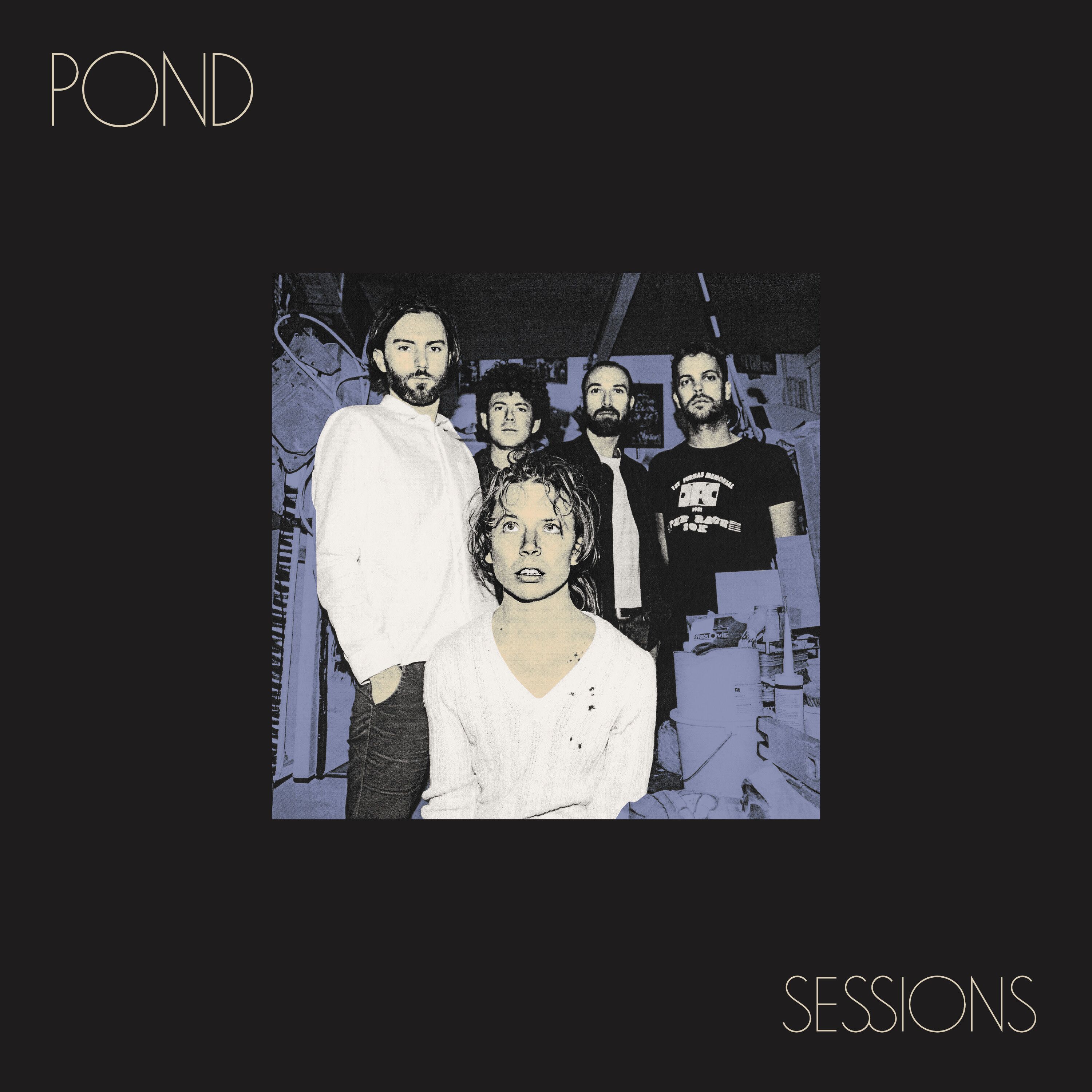
POND are announcing Sessions, an album of live studio performances composed of songs from across their discography. The long player was recorded while on tour in the EU this Spring. The digital and vinyl release is officially out Novermber 8th, 2019 on Spinning Top/Interscope, however, those who have purchased tickets to attend the band’s upcoming North American tour will be able to pick up the vinyl at the shows. With this announcement comes the exhilarating album cut “Don’t Look At The Sun (Or You’ll Go Blind),” a live, fan-favorite, taken from their debut LP Psychedelic Mango released in 2009.
The band’s Jay Watson had the following to say on the genesis of “Sessions”: “We wanted to capture how the band has been playing live lately and commit that to tape while we were in the middle of a long tour. As you play the same song for years, or even as a single tour rolls on, the way you play the songs mutates. Little inflections and fills become part of the song, and the structures and even the overall feeling and intent of the songs change. I always loved listening to my favorite bands’ ‘Peel Sessions’ and wanted something of our own in that vein. We hope you dig it!“
Taken from the live studio album ‘Sessions’ out November 8th on Spinning Top, Marathon Artists & Interscope.
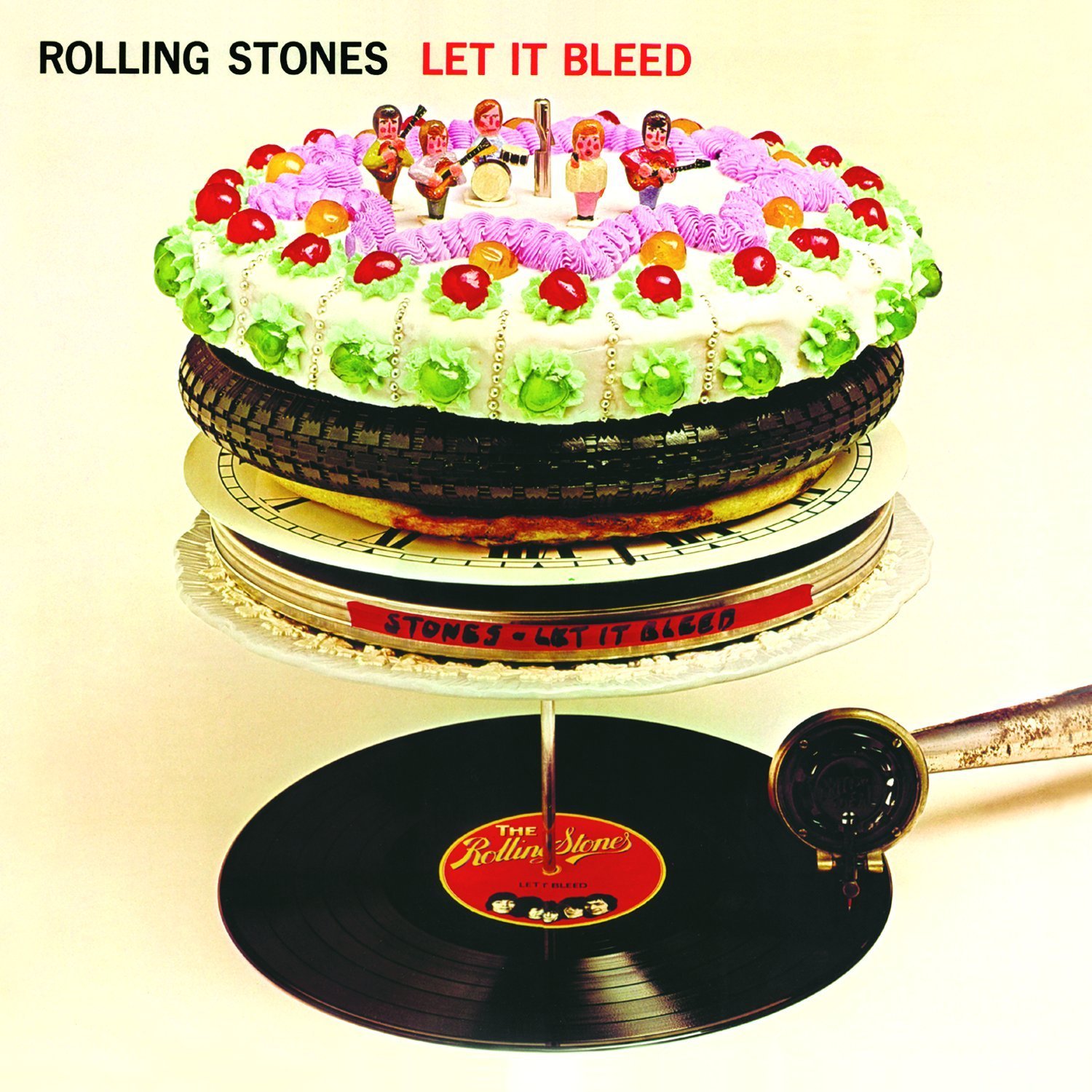
The Rolling Stones’ groundbreaking multi-platinum selling album “Let It Bleed” was released in late 1969, charting at No#1 in the UK and No#3 in the US. The Rolling Stones, at this point already a critically and commercially dominant force, composed and recorded their eighth long player (tenth for the U.S.) amidst both geopolitical and personal turmoil. The second of four Rolling Stones albums made with producer Jimmy Miller (Traffic, Blind Faith), “Let It Bleed” perfectly captures the ominous spirit of the times with “Gimme Shelter,” the opening track. The 2019 remaster has been engineered by eleven-time Grammy®-winning mastering engineer Bob Ludwig.
A landmark moment of the 1960s, that still resonates profoundly today. Originally released in 1969, Let It Bleed is regarded by critics and music fans as one of the best and most important rock albums of all time.
“Let It Bleed” features three of the band’s greatest songs – “Gimmie Shelter,” “Midnight Rambler” & the anthemic “You Can’t Always Get What You Want” Brian Jones performs on only two tracks: playing the autoharp on You Got the Silver, and percussion on Midnight Rambler – he was replaced by Mick Taylor during the recording, who plays guitar on two tracks – “Country Honk” and “Live with Me”, as well as on “Honky Tonk Women” (recorded during the Let It Bleed sessions).
Let It Bleed (50th Anniversary Limited Deluxe Edition) includes the remastered album in Stereo and Mono on both vinyl and Hybrid SACD, and a reproduction of the 1969 7” mono single of “Honky Tonk Women”/ ”You Can’t Always Get What You Want,” in a picture sleeve. The box set also comes with three 12” x 12” hand-numbered replica-signed lithographs printed on embossed archival paper, a full-color 23” x 23” poster with restored art from the original 1969 Decca Records package, and an 80 page hardcover book with never-before-seen photos by the band’s tour photographer Ethan Russell and an essay by journalist David Fricke.
The album includes the classic dark song about a serial murderer, ‘Midnight Rambler’ was written while The Rolling Stones were on holiday in a beautiful town in Italy. The beautiful Italian town of Positano was a place of inspiration for author John Steinbeck, who wrote: “Positano bites deep. It is a dream place that isn’t quite real when you are there and becomes beckoningly real after you have gone.” That Amalfi Coast town also played a part in the history of the Rolling Stones, when Keith and Mick Jagger went on holiday there in 1968. Somehow, being in picturesque, sunny Positano gave them the creative spark to write a dark song about a serial murderer, the “midnight rambler… pouncing like a proud black panther.”
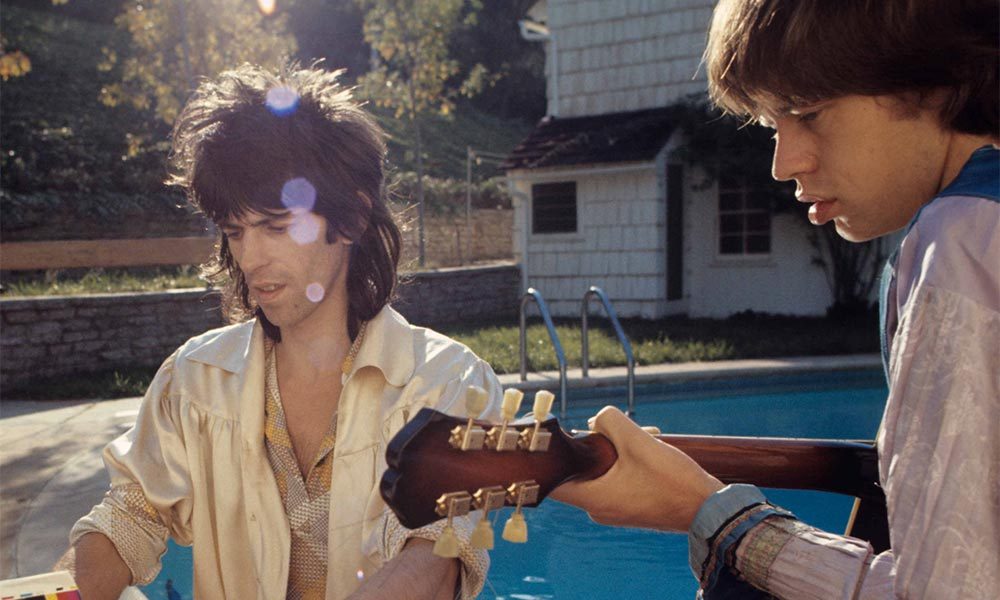
“‘Midnight Rambler’ is a song Keith and I really wrote together,” Jagger recalled in 1995. “We were on a holiday in Italy. In this very beautiful hill town, Positano, for a few nights. Why we should write such a dark song in this beautiful, sunny place, I really don’t know. We wrote everything there – the tempo changes, everything. And I’m playing the harmonica in these little cafes, and there’s Keith with his guitar.”
The song, which finally appeared on the 1969 album “Let It Bleed” was loosely based on the life of the real Boston Strangler, Albert DeSalvo, who murdered 13 women in that American city from 1962 to 1964. “Midnight Rambler” was a headline that the papers used to describe the killer at the time, and in the song Jagger takes on the persona of a manipulative murderer. Richards called the seven-minute song “a blues opera” and insisted that his unique collaboration with Jagger was such that “nobody else could have written that song.”
James Miller’s production helps “Midnight Rambler” blend the sinister overtones of “Sympathy For The Devil” with the Chicago blues style of some of the band’s songs from earlier in the 60s. Jagger plays some powerful harmonica licks and Richards’ guitar work is supported by some excellent drumming from Charlie Watts. Bill Wyman played bass on a song that neatly shifts tempos.
“Midnight Rambler” is also the last song that Brian Jones recorded with the Stones, contributing congas to the track. Jones, who had helped start the band in the early 60s, had been suffering from drug addiction problems at the time of the song’s recording. He announced he was leaving the band in June 1969 and was found dead a month later, at the age of 27.
“Midnight Rambler” was originally recorded as part of the prolific sessions for “Beggars Banquet” in the spring of 1968, but was held over for “Let It Bleed“, which was released by Decca Records on December 5th, 1969. The cover for Let It Bleed was created by the graphic designer Robert Brownjohn. It features a cake that was made for the photo shoot by a young cookery writer called Delia Smith, who had been told the Stones wanted a “really gaudy” cake. Jagger sent her a framed, signed copy of the album as a thank you.
“Midnight Rambler” became a favourite at Rolling Stones gigs, where Richards would let loose with thrashing guitar solos. “I dig to play it,” he said. “It’s when the audience decides to join, that’s when it really knocks you out.”
The 50th-anniversary deluxe edition of “Let It Bleed” is out now.
Like Beggars Banquet the year before, the dominant influence was American roots music – drawing heavily from gospel (apparent in Gimmie Shelter and You Can’t Always Get What You Want), country music of Hank Williams and Jimmie Rodgers (Country Honk), Chicago blues (Midnight Rambler) and country rock on the title track. Recording for “Let It Bleed” began in earnest in February 1969, recorded mainly at Olympic Studios in London and was originally scheduled for release in July 1969. Although “Honky Tonk Women” was released as a single that month, the album itself suffered numerous delays and was eventually released in December 1969, after the band’s US tour. The lyricism found on Let It Bleed is often noted for its violent and cynical undercurrents. Jann S. Wenner, in a 1995 Rolling Stone interview with Jagger, described the album’s songs as “disturbing” the scenery as “ugly” and asked Jagger if the Vietnam War played a role in the album’s worldview. Jagger said: “I think so. Even though I was living in America only part time, I was influenced. All those images were on television. Plus, the spill out onto campuses”.
Margaux is a singer-songwriter living between Seattle and Brooklyn, NY. Brooklynite, Margaux Bouchegnies, Aka simply Margaux to the record buying public, is set to release her lengthily titled debut EP, “More Brilliant Is The Hand that Throws the Coin”, next week. Ahead of that release, this week Margaux has shared her latest offering, “Cave In”.
Cave In a fascinating game of two halves, starting life all airy and intricate, like those lo-fi early Angel Olsen recordings, before suddenly exploding into life at the fifty second mark when a rumble of claustrophobic bass slams into view. From there the track, starts to gently distort and warp, reinventing itself as a slice of emotive 90’s rock nodding to Julia Jacklin or Snail Mail. Lyrically, the track seems to deal with a futile attempt to reinvent yourself in the eyes of another, one second, “climbing out of somebody’s memory”, the next, “haunted by the same old, same thing, everything”. A track that’s got more intriguing ideas going on than many people’s whole albums, Margaux is arriving in style and doesn’t look like going anywhere.
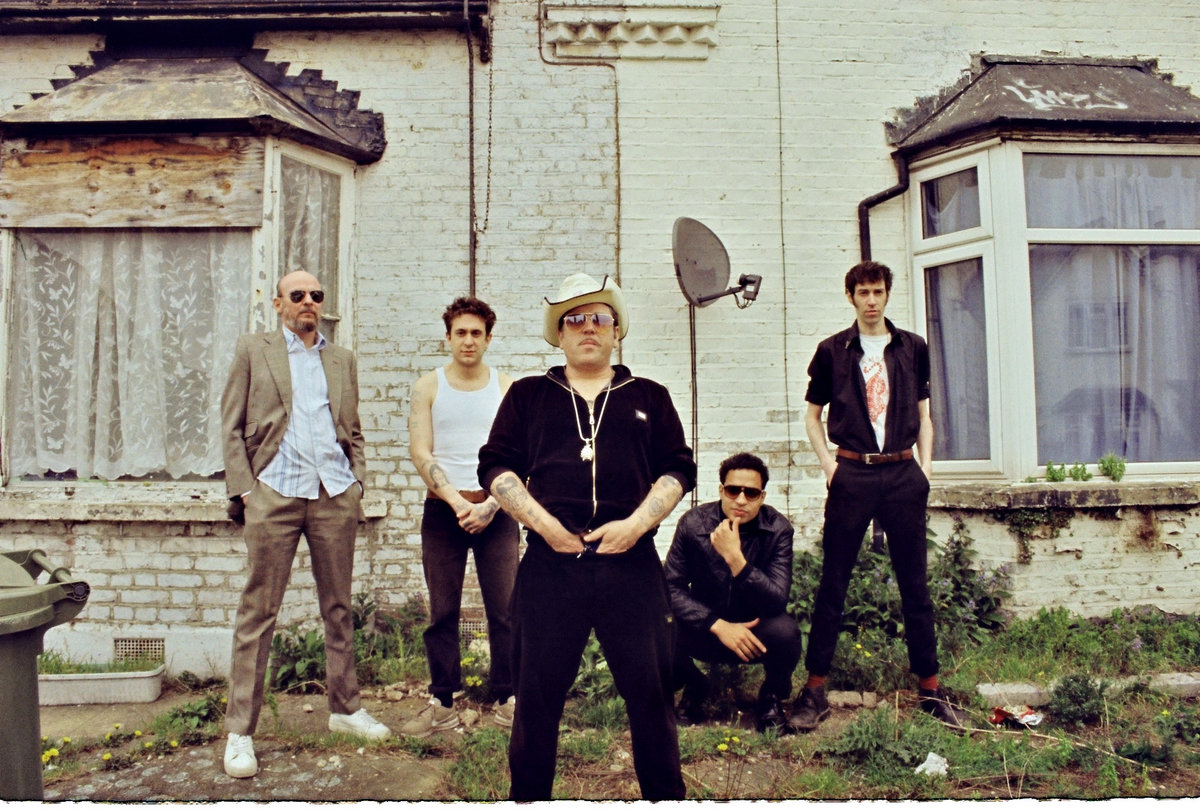
Warmduscher return. Heavy metals. Disco Peanuts. CCTV in the break room.
A little something to get you through the week. There’s enough to go around. Revenge is a dish best served bold. Melt in the mouth disco basslines on a fragrant bed of feedback. Try it with the boom bap tapenade. Here for a good time, not a long time.
If you made your way out of Whale City with your faculties intact, this one’s for you. Clams Baker, Lightnin’ JackEverett, Mr Salt Fingers Lovecraft and The Witherer have been joined by Quicksand on cutting board and cheese wire and commis chef Cheeks on vibes. They’ve been cooking. Michelin stars. The finest ingredients money can buy: Kool Keith and Iggy Pop. Funk, punk, hip-hop and lounge rock. Love is real.
Band biographer and revered botanist Dr Alan Goldfarb describes the album as “a sample hole through which to taste another universe. A dramatic warning. A gilded aroma. It is a tale of wanton desire and limitless treachery. A tale of disillusionment – the refusal of exploitation.”
Dutch five-piece Iguana Death Cult have returned with even more hopped-up absurdity than before. Their new album Nude Casino, which follows their 2017 self-released debut album The First Stirrings of Hideous Insect Life, is a quest to wriggle out of life’s bitter clutches with the maximum possible levels of fun and debauchery. While their debut mixed speedy garage punk with steady psych and adroit post-punk, Nude Casino sees them embrace their funkier side—they even dip their toes into New Wave and disco. “Carnal Beat Machine” is a disco punk number for the ages, and “Half Frysian” is a krautrock meets Talking Heads ripper—musically saucy and lyrically anxious. While the album masquerades as a dancefloor filler and moshpit starter, their lyrics are bursting at the seams.
Frontman Jeroen Reek presents himself as a neurotic mess, and Nude Casino is his wide array of responses to such neuroses—total breakdown, wild nights out, wacky dreams, seclusion and even imagining himself in liquid form. Nude Casino may be full of surreal imagery, but the album’s mercurial happenings couldn’t be more realistic.
Dutch rockers Iguana Death Cult have unveiled their new album Nude Casino via Innovative Leisure. Nude Casino follows their 2017 self-released debut album The First Stirrings of Hideous Insect Life. “Liquify” is an ode to morphing states of matter in pursuit of transcendence, appreciation of life and rejection of demoralizing monotony. With a carousel of outlandish and frisky guitar tones, Iguana Death Cult curate something absurd and sportive, yet illuminating.”To liquify is what you need to do whenever you feel stuck and tired of your own shape,” the band says. “Take some time to observe and just enjoy being. Get rid of your solid state and let the spirit take over.
“Close It Quietly” is a continual reframing of the known. It’s like giving yourself a haircut or rearranging your room. You know your hair. You know your room. Here’s the same hair, the same room, seen again as something new. Close It Quietly takes the trademark Frankie Cosmos micro-universe and upends it, spilling outwards into a swirl of referentiality that’s a marked departure from earlier releases, imagining and reimagining motifs and sounds throughout the album. Frankie Cosmos fourth studio release is a manifestation of the band’s collaborative spirit: Greta Kline and longtime bandmates Lauren Martin (synth), Luke Pyenson (drums), and Alex Bailey (bass) luxuriated in studio time with Gabe Wax, who engineered and co-produced the record with the band.
Recording close to home— at Brooklyn’s Figure 8 Studios— grounded the band, and their process was enriched by working closely with Wax, whose intuition and attention to detail made the familiar unfamiliar and allowed the band to reshape their own contexts. On opener “Moonsea,” an unaccompanied Greta begins, “The world is crumbling and I don’t have much to say.” Take that as a wink and a metonym for the whole album, as her signature vocals are joined by Alex’s ascending bassline and Lauren’s eddying synths, invoking a loungey take on Broadcast or Stereolab’s space-disco experimental pop. There’s much more than “not much” to say here, and it’s augmented and expanded by experimentation with synth patches, textures, and other recording nuances courtesy of Wax.
As the lineup has solidified into the most permanent expression of full-band Frankie Cosmos, the bandmates have felt more comfortable deviating from their default instruments and contributing bigger-picture ideas to continue pushing the sound forward. The synergy of its creation is clear upon listening: the multiple hands dipping and re-dipping into each song form a multifaceted whole. The band’s closeness and aesthetic consistency freed its members to take more musically-formal risks, notes Luke: “Everything will sound like Frankie Cosmos because Greta has such a distinct voice (literally and figuratively). We have so much latitude to experiment with the instrumental music, and this time around we really took advantage of that.”
The album forms its own vortex of reinvention that’s embodied through both the tracks themselves and the recording and arranging processes. “A Joke” curls in on itself, in word and in deed, a series of undercuts defining negative space: “It’s just a joke I wasn’t trying to tell;” “It wasn’t really a game;” “I do not know what I am for/I wasn’t really keeping score.” Inverting technology’s human mimicry, Luke impersonates a drum machine until the song’s end. “A Joke’s” tricks scratch at something bigger, a small song embodying the laughability of attempting to neatly organize or adhere to any particular role.
“Rings of a Tree” frees itself from its original context: released earlier this year on Greta’s solo piano album Haunted Items, she didn’t initially anticipate a major deviation; then, Luke says, “Lauren and I had the same arrangement idea without talking about it. Like, ‘let’s make this song funky. Let’s channel Orange Juice.’ We texted Greta and Alex before practice and Alex came in with a new guitar part that perfectly captured what Lauren and I heard in our heads.”
“I’m just fucking glad for my bubble/despite how often it is penetrated by evil” Greta sings on “Last Season’s Textures,” taking to task the accusation that young people cloister themselves in complacency: she’s quick to point to, thank, and feel suspicious of that sphere all at once. The song explores the feeling of safety in her realm; reasonable despair re: reality (“the news is excruciating”); and a quick admission that darkness isn’t something a liberal-minded social network can block out. Kline notes how the song is “partly about misogyny and internalized misogyny–moments where I’ve felt betrayed by what is meant to be a safe space.”
Without losing any intimacy of prior albums, Close it Quietly is different, is outer. The album functions as a benign doppelganger, a shadow self of past releases; where other Frankie Cosmos records shine brightest looking inward, Close it Quietly refracts the self into the world, and vice versa, miraculously echoing Thoreau’s assertion that “when I reflect, I find that there is other than me.”
Reflection–and refraction–isn’t tidy. “Flowers don’t grow/in an organized way/why should I?” Greta sings on “A Joke.” Growth isn’t linear. Change happens in circles. While recording the album, Alex says, “I closed my eyes a lot.” Stand in the sun, listen to Close it Quietly, and do the same.
Close it Quietly (Release day: September 6th, 2019)
Enter Networker, the new album by Omni and first with indie giant Sub Pop Records. Their sound is still defined by sparse drums, locked-in bass, blistering guitar, and nonchalant, yet assured vocals, but from the first notes of “Sincerely Yours” you’ll immediately notice that Networker sounds much cleaner and more “HI-FI” than their prior two albums, Deluxe (2016) and Multi-task (2017). The departure in fidelity suits the new record and allows the listener to enjoy the nuances of their meticulous arrangements. Don’t worry, the riffs of Gang of Four and Wire are still present, but the production is more lush and the harmony is even more expansive. Despite nods to the sounds of the ’70s and ’80s what comes through is a record fully rooted in the here and now. Thematically, this is apparent on the title track “Networker” taking a candid snapshot of the “digital you” aspect of life in the age of the internet. The otherwise fun romp “Skeleton Key” also acknowledges the “direct message and obsessive” side of social media with lines like “if you don’t like what you see, the pretty face on the screen, scroll on by…”
Networker was written half between tours and half during recording sessions. The band, Philip Frobos on bass/vocals and Frankie Broyles on guitars/drums/keys, returned with longtime collaborator Nathaniel Higgins to the studio in South Georgia where they also recorded Multi-task and most recent single “Delicacy.” In this case, the “studio” is a cabin near Vienna, GA (pronounced Vye-anna) that was built by Frankie Broyles’ great-grandparents in the 1940s. The band completed four sessions between November 2018 and April 2019.
Omni hit their stride in the cabin with songs such as “Moat,” which cruises along at a nice mid-tempo clip with sounds that are maybe piano or maybe the “behind the bridge” strings of a Jaguar a la Sonic Youth or This Heat. “Blunt Force” provides a nice contrast to some of the more upbeat cuts, getting jazzy with it’s less traditional arrangement and psychedelic outro.
Tame Impala almost single-handedly brought about a psych revolution as soon as their track ‘Elephant’ dominated the airwaves in 2012. It wasn’t long before just about every other guitar band started experimenting with effect pedals and tried to mimic the production genius that is the bandleader Kevin Parker.
Many people have put Tame Impala’s unique sound down to the fact that their hometown of Perth is the most isolated major city in the world. But the band grew out of the vibrant Perth scene that also produced other notable Australian bands like Pond and GUM.
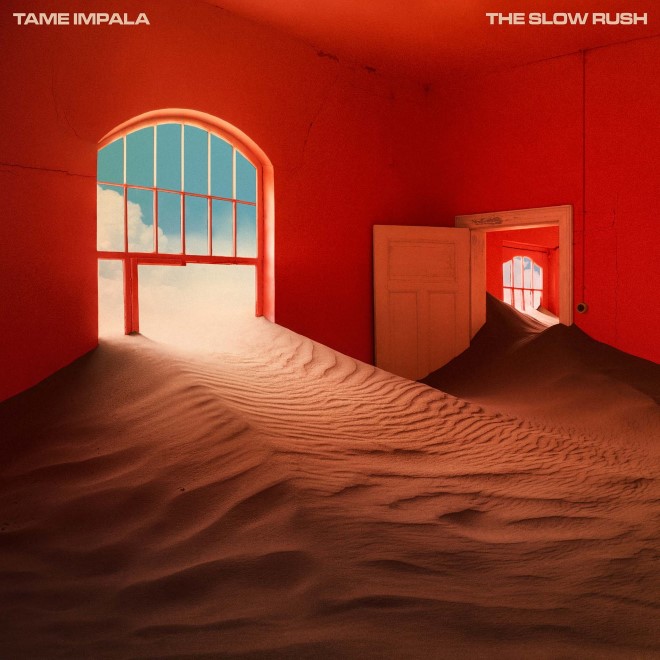
“The Slow Rush” was recorded between Los Angeles and Parker’s studio in his hometown of Fremantle, Australia. The long-awaited 4th full-length album from Tame Impala
The twelve tracks were recorded, produced and mixed by Parker. “The Slow Rush” is Parker’s deep dive into the oceans of time, conjuring the feeling of a lifetime in a lightning bolt, of major milestones whizzing by while you’re looking at your phone, it’s a paean to creation and destruction and the unending cycle of life. Parker told the New York Times earlier this year, “a lot of the songs carry this idea of time passing, of seeing your life flash before your eyes, being able to see clearly your life from this point onwards. i’m being swept by this notion of time passing. there’s something really intoxicating about it.” the album cover was created in collaboration with photographer Neil Krug and features a symbol of humanity all but swallowed whole by the surrounding environment, as though in the blink of an eye. in the last six months Tame Impala have headlined multiple major festivals including Glastonbury, Coachella, Primavera, Lollapalooza, Acl and more. he debuted two new songs on Saturday Night Live and sold out arenas around the world including two nights at New York City’s Madison Square Garden.
“A lot of the songs carry this idea of time passing, of seeing your life flash before your eyes, being able to see clearly your life from this point onwards. I’m being swept by this notion of time passing. There’s something really intoxicating about it.” – Kevin Parker
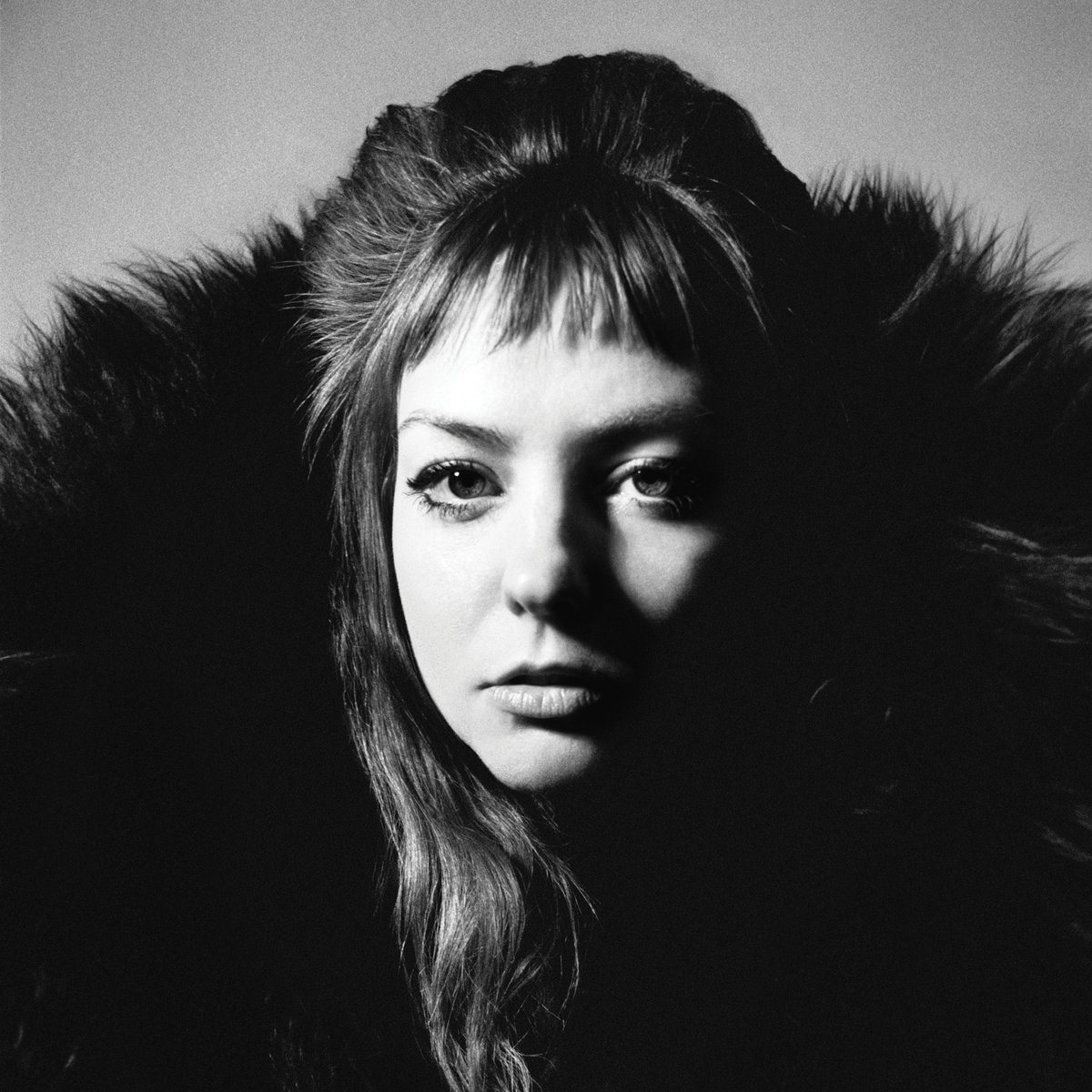
Angel Olsen “All Mirrors”, her fourth and quite possibly most anticipated release to date. Described by Angel as a record about, “owning up to your darkest side, finding the capacity for new love and trusting change”,
“Lark” Clocking in at over six minutes, and featuring an 11-piece string section, could easily be mistaken for Angel at her most bombastic and impersonal, yet there’s another side to Lark hiding beneath the dense arrangements. “Hiding out inside my head, it’s me again, it’s no surprise, I’m on my own now”, for all the grandeur, this is Angel at her most personal and insular. It’s a track that almost feels like being trapped in your own head, there’s a claustrophobia to the strings and the repetitive pounding drums, yet at the centre of it all is a singular voice, whether accompanied by John Barry-like strings or a meditative Velvet Underground-like pulse, it’s always that voice, above all else, that demands your attention. It may lack the instant sugary thrills of Shut Up Kiss Me or the raw angsty charms of Hi-Five, yet as Lark slowly worms into your brain, it already feels like Angel’s finest work to date.
From her very earliest recordings, Angel Olsen has mined drama from her relationships with physically present but psychologically absent partners. Across her often-brilliant catalog, the Asheville singer/songwriter has sung candidly about staying with these partners despite recognizing their awful qualities.
“All Mirrors” is out October 4th via Jagjaguwar Records.
“Lark” by Angel Olsen from ‘All Mirrors’ out October 4th on Jagjaguwar Records.
Caroline Polachek, formerly of the band Chairlift, has released her first record under her own name, “Pang”, following albums in 2016 and 2017 as Ramona Lisa and CEP. Singles, “Door,” “Parachute” and “Ocean of Tears,” take her elastic voice to new heights, leaning into an experimental-pop aesthetic with the help of PC Music producers A. G. Cook and Danny L Harle.
After a handful of pop songs in the past decade—think “Teenage Dream” or “Run Away With Me”—bottle the lightning feeling of whirlwind love perfectly, the sound of a saxophone horn or a vocal swell sublimating the yearning of a new romance. “Pang”, Caroline Polachek’s first solo album under her own name, stretches out that feeling, eking out the intricacies of feeling simultaneously liberated and trapped by the feeling of being overwhelmed by someone else. It’s a big task, but Polachek might be the ideal candidate, an indie darling who shaped her last band Chairlift’s pop origins into big-budget, emotional cinema to brilliant effect.
Polachek’s vision of pop is a sprawling bricolage that unifies and distorts Kate Bush’s singular baroque pop, PC’s poreless, glistening electronic experiments and an immense, nearly overwhelming spaciousness takes over Pang, which is intricately produced and layered with resplendent, noise and sound unspooling around Polachek, whose vocals, immaculate and exacting, are amplified and crushed by reverb and vocoder.
On Pang, the heart is an unexplored cavern begging to be mapped out and illuminated: Its gems, crevices and fault lines are on full display. At times, Pang is bogged down by the sheer volume of remorse in venturing toward Joni Mitchell’s Hejira. A spare marimba amplifies the melodrama of abandoning a just-fine, otherwise-stable commitment in the plaintive, acoustic waltz of “Look at Me Now.” She sings of feeling like “a butterfly trapped inside a plane” on trap-pop offering “Hit Me Where It Hurts.” Moments later on “I Give Up,” Polachek is leaden and weighed down with a partner who gives her a “list of things about myself to change.”
It’s a far cry from “New Normal,” itself a paean to a new spark, which skitters from country steel pedal to dembow to Mustard-esque vocal echoes, as if itself modulating in real time to adjust to the realm of possibilities that could take place that evening, that week, that year.
The most sublime moments on Pang match the all-cylinders feeling of falling into new love, each neuron so stimulated by the feeling that they threaten to overload and collapse entirely. The divine title track is, at once, twee and lustful, as if The Postal Service were tasked with making a quiet-storm track—the base feeling of unexplored love compounded with each touch of the skin.
Often, the bliss is tempered by Polachek’s neuroticism. The thirst of the immaculate “So Hot You’re Hurting My Feelings” is counteracted by the fear of being too obsessive: While she’s counting the days after her last encounter with a new fling and crying on the dancefloor while their song plays, she brushes it off with a “banana” non-sequitur. Elsewhere, such as on the robot doo-wop in “Caroline Shut Up” and on the harpsichord-meets-two-step of “Hey Big Eyes,” she’s too worried about tripping over herself as she navigates feeling too much with feeling nothing at all
By the end of Pang, Polachek has fully opened up to the headrush of new love—both in the chance that it could devastate, and the very real possibility that it could result in something transcendent. “The parachute, I’ve got to trust it now,” she sighs on album closer “Parachute,” her voice weightless, at ease.