Sun June shares some commonalities with another Austin, Texas outfit , all the more reason to keep a steadfast ear to the ground for music coming out of that particular city. on Years, the band’s debut full-length for Keeled Scales, Laura Colwell and company offer up ten spare tracks that synthesize 1960s pop, early-2000s r&b, and country ornamentations, Colwell’s electric piano and the telecaster’s more mellow spectrum teaming up with a tasteful rhythm section for slow-burning standouts like “Johnson City” and the muted gleam of opening number “Discotheque.”
‘Discotheque’ by Sun June From Years, debut LP, Released June 15th, 2018 via Keeled Scales
As its title suggests, Kiss Yr Frenemies is an album about forgiveness. Sarah Tudzin’s debut full-length as Illuminati Hotties sees each stage of the grieving and coping that leads to radical acceptance — digging into the grey areas of flings and relationships, growing up and feeling the same. Her disposition shifts from lighthearted smirking to choking on her words. Mood swings are well-met with Tudzin’s diverse palette of influences and genres. She grits her teeth to synth and static booms, bobs her head to jangly guitars, whispers to echoey acoustics, and makes fart noises to a relentless riff. Moving forward is rarely a straight shot. It’s messy. There are distractions, setbacks, and diversions. Tudzin takes the winding road and brings us along for the ride.
Rarely is there an album that I can listen to and enjoy every song, but this album has certainly been able to get me to listen to it on repeat. Love this album already and looking forward to what else Illuminati Hotties has to offer.
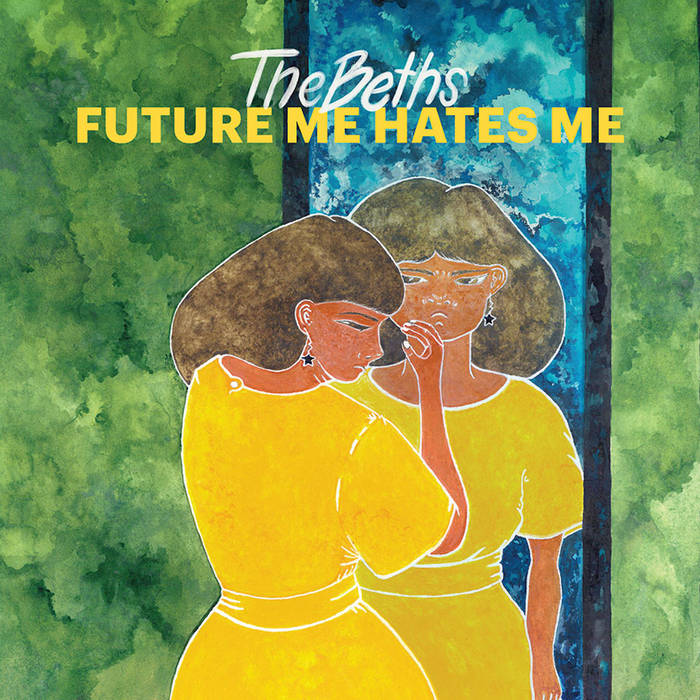
Elizabeth Stokes named her band after herself, or, rather, her nickname. So it should come as no surprise, then, that the debut album from New Zealand-based rockers The Beths, Future Me Hates Me, is sharply self-aware. Stokes, a music teacher who quit her day job to tour the world with The Beths, pairs clever, refreshingly straightforward lyrics with uber-catchy guitar pop, and she never stutters in delivering even the most blunt assessments of her doubts, fears and anxieties. “Sometimes I think I’m doing fine / I think I’m pretty smart,” she sings on the album’s title track before, later, completing the thought: “Oh then the walls become thin / And somebody gets in / I’m defenseless.” On dizzying love song “Little Death,” she captures and tames all the butterflies swarming around in her stomach: “And the red spreads to my cheeks / You make me feel three glasses in.”
The Beths sound as if they’re already three albums in, playing with the musical and lyrical finesse of a much older and more experienced band. Every single song on this record arrives with as many contagious hooks and honest confessions as on the sparkly, frank “Little Death” and the toe-tap-inducing examination of overthinking “Future Me Hates Me.” Indie rock is alive and well in Oceania—The Beths, like their Australian neighbors Rolling Blackouts Coastal Fever, hit it out of the park in crafting one of the sturdiest rock debuts of the year.
“Little Death” is taken from The Beths‘ album, “Future Me Hates Me,” out now on Carpark Records.
A delightful pop collection full of power chords and sing-alongs about the confusion, angst, and pain as we fall in and out of love. Hard not to smile, even while you’re crying. The Beths have a way of giving luminescence and pep to even the most harrowing aspects of love and human relation; bright, bespoke chord progressions and glittering harmonies as the backdrop to self-destruction, the grief of loss, and the pain that can come with finding yourself with a crush. “Broke every window pane/so I can feel the cold rain/when I lie in bed catching death, trying to wash it all away…”
Victoria Legrand and Alex Scully of Beach House described a new kind of freedom in the making of their seventh album. It seems they felt an unwelcome pressure writing and recording in the past, whether that was the constraints of a set studio schedule, or concerns with how their experimentation would translate live. With some adjustments to the creative process, the duo were more liberated this time and the results are stellar. That’s not to suggest they re-invented their sound along the way; in fact, they have stayed true to their particular brand of dream-pop, but you can hear confident strides toward mastering their craft.
As a music fan reared on ’90s-era British indie-rock (Cocteau Twins, Ride, My Bloody Valentine), Beach House have always had an immediate gravitational pull. Peter Kember from Spacemen 3, central to that era in the U.K., took a turn producing this album, and you can hear his fingerprints all over it. “Dive” is a good example, as the song builds from a drone-like church organ to a hard-charging anthem. The dynamics and range of feeling throughout this album are really special: intimate one moment and rolling thunder the next. It’s also a great album listen, which has become something of a lost art in these days of algorithms and streaming playlists.
Over the past decade, Beach House has become synonymous with dream-pop. The duo has consistently written gorgeous music with a hypnotic, almost otherworldly quality that often defies conventional expectation and revels in risk-taking. But by definition, its sound has typically been a little more dream than pop. Album number seven for the Baltimore-based group flips that relationship, but only ever so slightly. And the result is perhaps the band’s finest recording to date. 7 is indeed a cover-to-cover listen. When consumed in one sitting, the record’s 11 songs will reward the complex palates of longtime fans. But Beach House have also created some truly great standalone tracks here. Songs like “Lemon Glow,” “Dark Spring” and “Dive” standout with their less-than-subtle hooks and a surprising drive. And this being Beach House, they get better with each listen.
You can either fear the unknown, or you can embrace it. Beach House has spent the last 13 years worshipping it, each new song and album a dance of devotion to an unnamable, immutable creative force. After following it down to its most elliptical and interior on 2015’s Depression Cherry and Thank Your Lucky Stars, where else was there for Victoria Legrand and Alex Scally to go but outward? 7, the dream-pop duo’s most collaborative and extroverted album yet, springs forth with an urgent and unpredictable energy. It plunges you into dense, interstellar shoegaze (“Dark Spring”), then grounds you in stargazing grunge balladry (“Pay No Mind”), before sending you on a mechanical 808 track through the woozy “candy-colored misery” of “Lemon Glow.” And those are just the first three songs. Breaking from a long partnership with producer Chris Coady, Legrand and Scally began assembling7’s immersive arrangements in a new home studio before finishing them off with space-rock experimentalist Sonic Boom, a.k.a. Peter Kember of Spacemen 3. The shake-up paid off spectacularly. Together they’ve crafted a towering psych record that plays like a radio response to otherworld transmissions like My Bloody Valentine’s Loveless or This Mortal Coil’s It’ll End In Tears. You can try to drift off in its dark, dreamlike textures, but like those seminal albums,7will keep prodding you to witness its mysteries up close. It will keep asking you to search its layers, to savor each image flying by—to give yourself over to the moment. And by now Beach House has well-proven that, whatever the next moment holds, they’ll see you through it. This is a band you can trust with your life.
This Pay No Mind video is directed by our friend Michael Hirsch. We’ve been lucky to have friends join us on the road over the years. They’ve helped us stay sane through all the hard touring. Mike recorded this footage between 2015-2018, and it documents many live performances over that time. We like how it focuses on the audience, as they are the whole reason we go on tour. We also like that it shows some of the scuzzy reality of tour
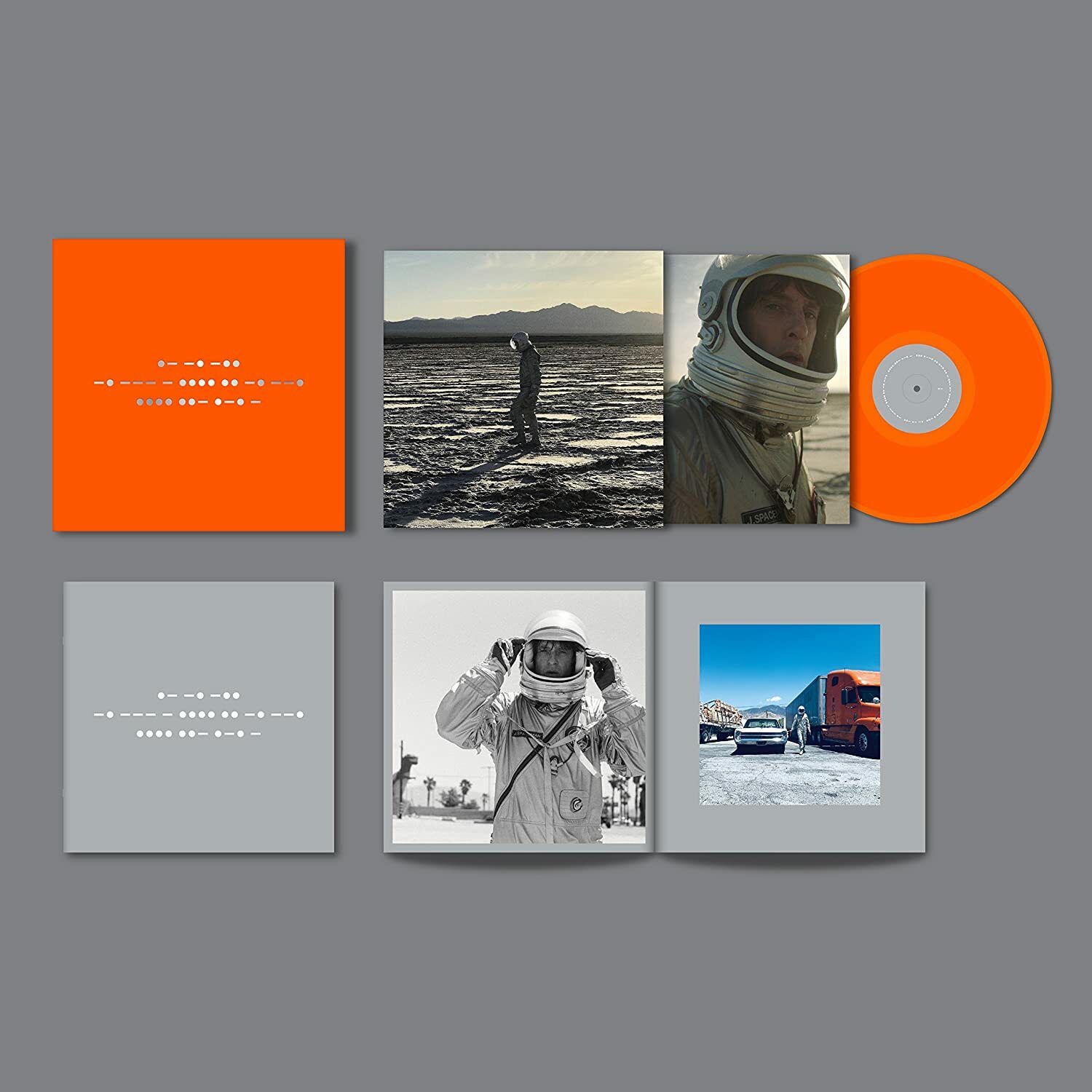
It feels like a statement of purpose, but then again, so do almost all of Jason Pierce’s transcendent musical compositions that employ overpowering bombast in service of the purest emotions—love, hope, sadness, and, um, drugs. But what sets And Nothing Hurt apart is how it distills his previous stylings down to their essence, a polished diamond of the musician’s sometimes excessive past reaching. There are no hundred-person choirs or symphony orchestras accompanying him; it’s just Pierce and his muse—which isn’t to say these songs are any less packed with booming layers of synth swells and soaring vocals. It’s merely that he’s harnessed his ambition in service of tightly structured beauty, from the sweetly plucked ukulele start of “A Perfect Miracle” to the organ-laced and Pink Floyd-ified anthem “Sail On Through.” These are songs of love and devotion, yes, but they’re also elegant expressions of an artist who knows exactly what he wants to say, and has mastered the art of saying it in the grandest way possible.
‘And Nothing Hurt’ the new album from Spiritualized is out 7th September via Bella Union Records.
‘And Nothing Hurt’ rivalled some of Jason Pierce’s most emotive and touching writing of his career to date. Full of wearied upset and despair at the world around him, Pierce’s voice captured human emotion at its most vulnerable and downtrodden: “You gotta take the pain / You gotta give it all away,” he sings on ‘The Morning After’, one of the album’s standout tracks. Despite the pain Pierce sings of, ‘And Nothing Hurt’ is also an album that finds hope in the very darkest of places, capturing the resilience of humans and how they can embrace the fear to work through it, despite the uncertainly of the times we face.
“Magnificent… Bursting with symphonic goodness, musical adventure and dizzying levels of intensity.” Uncut – 8/10
Spiritualized ‘And Nothing Hurt’ will be released on 7th September 2018 on Bella Union + Fat Possum Records.
Not since their 2010 debut Made The Harbor have Mountain Man released a record and toured, but, after each member found herself living in North Carolina following years of pursuing separate hustles, the three women—Alexandra Sauser-Monnig, Molly Sarlé and Sylvan Esso’s Amelia Meath—reignited their friendships, followed by their music. They officially rebooted the band at Justin Vernon’s Eaux Claires music festival in Wisconsin last summer, on a tiny stage in the middle of the forest, a perfect location for exhibiting Mountain Man’s campfire harmonies and gentle folk ballads. Their Wisconsin woods performance was serendipitous, validation that Mountain Man would be once more. “The magic felt as strong as it did the first time we sang together, and I think we were all really moved by that,” Sarlé says. Magic Ship feels as good to the listener as it does its makers. The eleven originals and three covers comprising the album feel like private poetry, but you’ve managed to sneak into Mountain Man’s secret clubhouse, just long enough to indulge in their soothing stash of acapella anthems and mellow mountain hymns. You can feel the bond between the three women. It’s there in the soft storytelling and playful commands of “Stella” and in their ultimate ode to comfort on “Underwear.” It’s there on “Slow Wake Up Sunday Morning,” which is as pleasant as it sounds, and in the soulful carol “Bright Morning Stars.” Cozy and uncomplicated, Magic Ship is the album you’ll want to listen to both in quiet solitude and in the company of friends.
The delightful dinner-party-set video for “Ring Tang Ring Toon” pretty much sums up all of Magic Ship’s warm and fuzzy feelings: Friends dance in a field, dine by candlelight and offer to help each other with the dishes. As on the record, harmony abounds
The first single on singer/songwriter Anna St. Louis’s debut LP If Only There Was a River was the song “Understand,” and it’s about what you’d expect: wanting to understand, wanting to be understood and the aha moment when you finally do/are, as well as the frustration in not understanding. “Untangled, finally,” St. Louis sings. “Put it all out on the table/ Understand me, do you understand?” If Only There Was a River, released in October on Woodsist/Mare Records, carries on in that same tone throughout its 11 tracks, one of comfort, low-lighted by the kind of delicate, spare acoustics that inspire deep and thoughtful respites. St. Louis, who’s making her full-length debut with the record, often retreats to a similarly soothing zone for her songwriting, which she’s only been doing for about five years now. Although, after spending time with If Only There Was a River’s carefully contrived ebbs and flows and smartly observed lyrics, you’d never know she was a spring chicken.
If Only There Was a River would certainly please any folk fan, and it bubbles over with natural, woodsy energy. St. Louis couldn’t have picked a better time for its release: It seems to usher in all the crispness and change we’re so desperate for in October after a long, steamy September. Nature creeps beyond the album’s treeline in pockets of sunlight and smoke. From the looseness of the album opener “Water” to St. Louis’ ample finger-picking on the mostly instrumental “Daisy” to its winding title track and kicker, If Only There Was a River is laden with quiet, warm music for a loud, cold world
When Will Toledo, lead singer and artists behind Car Seat Headrest, was 19 he wrote and recorded an album. The album titled Twin Fantasy was a Bandcamp masterpiece, it was what Brian Eno describes as “the sound of failure”, an experiment pursued but never truly finished and finalised.
So what has Toledo done? He’s re-imagined and re-recorded it for all his fans who’ve loved it and for all those fans yet to meet it. It’s intelligent, self-indulgent, interesting but above all else it is a step nobody expected Will Toledo and his band to make. Re-creating an album, not only aligns himself with his ‘day-ones’ but also highlights his ability beyond what the mainstream knew. The boy was prodigal. A simple foot step can sometimes feel like a giant leap, ask Neil Armstrong.
And now you can stream the entirety of the album including brilliant cuts ‘Cute Thing’ and ‘Beach Life In Death’. The album hinges on the juxtaposition of these two tracks. One; a meandering wander through adolescent anxiety and the other a hormonal hump-athon. These two themes continue to battle through a young Toledo’s work, as one imagine it did during the original recording. That’s how it appears to the audience. Fully prepared with all it’s raging hormones the album skips genres, tempos, and textures to reach some kind of climax to befit an awkward and engaging adolescent.
But during the ride we are reminded, not only that Will Toledo was wise beyond his years, not only that re-recordings aren’t always terrible, but that “the sound of failure” can sometimes just be the starting gun.
In 2011 Car Seat Headrest, who were at the time essentially just Will Toledo, released an album called Twin Fantasy—one of dozens he’d uploaded to Bandcamp over the course of a year. It was a sprawling meditation on failed romance that hinted at artistic ambition beyond its maker’s years and budget. In 2018 Car Seat Headrest, now a bona fide band, are also releasing an album called Twin Fantasy, a re-recording of that 2011 LP that fleshes out the crude sketchings of the original into something ornate, enveloping, exhilarating, and dizzyingly complex. It is not only the best album in Toledo’s catalog, it is one of the young year’s best rock albums.
Toledo recently went to great pains on Twitter to stress the fact that Car Seat Headrest consists of four people, not one, and he was right to do so; Twin Fantasy wouldn’t work nearly as well as it does without the contributions of all its players. The 13-minute rollercoaster of “Beach Life-In-Death” is a master class in the slow build: Toledo’s voice and guitar enter first, operating at 100 miles an hour, then the whole song slams on the brakes; Seth Dalby’s bass bobs and weaves, Ethan Ives’ guitar claws away in the background, and Andrew Katz’s drums bash and clatter; then the whole band joins forces to push the song deeper into the red. Constructing rock songs with multiple melodic sections tends to feel like an intellectual exercise, but the way the band members play off one another in “Beach Life” makes each segment feel like a natural progression rather than a patched-together assemblage of mismatched parts. They also know when to pull back: In the song’s second section, the instruments recede so Toldeo can wonder aloud, “It’s been a year since we first met/ I don’t know if we’re boyfriends yet.”
That line serves as an early entrypoint into the record’s primary concerns. Twin Fantasyis an album about romantic relationships—and there are enough textual clues to suggest it’s mostly about one very specific romantic relationship. But it’s also about the ways that artists create fictional worlds and characters as a way to get in touch with real-life emotions, or to exert control over situations that, in their own lives, are uncontrollable. In the 2011 version of “Nervous Young Inhumans,” there was a spoken-word passage that’s excised on the re-recording, in which Toledo cites Mary Shelley’s Frankenstein as an inspiration, saying, “I used the term ‘galvanistic’ to allude to that book as a symbol of how I created you as a character. I’m pretending that I know a lot more about you than I actually do.” Even the language Toledo uses there is slippery, the two versions of ‘you’—the real and the fictional—used interchangeably, blurring the distance between them. (In the new version, he uses a more potent metaphor to accomplish the same ends: “Do you know about Jesus? Do you really know? All you know is what you’ve been told.”) And while Twin Fantasy is, on some level, about a doomed romantic relationship, it’s also about the ways we take those heartbreaks and build stories around them. That it’s about both, simultaneously, is one of the things that make Twin Fantasy such a head-spinning triumph. In the exuberant “Bodys,” just as the song is gaining momentum, Toledo pauses to explicitly acknowledge the song as a construct, asking, “Is it the chorus yet? No. It’s just the building of the verse, so when the chorus does come, it will be more rewarding.” That kind of metatextual, commenting-on-the-form-while-the-form-is-in-progress has been attempted in film—think of Imamura’s A Man Vanishes or the end of Taste of Cherry—and while there’s no shortage of satirical rock albums poking fun at the industry, what Toledo is attempting here is something more philosophical, a deep-dive textual examination that borders on semiotics.
All of this doesn’t make Twin Fantasy sound like very much fun, so let me stop here to say: it is a hell of a lot of fun, a big, rocketing collection of rock songs that balances Kinks-like vocal harmonies with knotty, virtuosic guitar work and choruses as vast and clear as a summer sky. And while much of Fantasy’s existential detective work is around Toledo the narrator, musically Twin Fantasy is very much about Car Seat Headrest, the band. “Nervous Young Inhumans” is a dazzling rush of adrenaline, Ives’s upward-spiraling guitar line giving the song a sense of jubilance and weightlessness. (If you want to truly appreciate the difference the band makes, compare this to the 2011 version, which felt blurry and unmoored.) “Famous Prophets”—which clocks in at 16 minutes—earns its triumphant crescendo, the band gently stoking the tension until the whole song explodes.
But even in the album’s rapturous moments, its underlying preoccupations seep through. On “Beach Life,” Toldeo writes and rewrites his own biography: “I pretended I was drunk when I came out to my friends,” he sings, then immediately contradicts that narrative: “I never came out to my friends.” At the end of the bruising, hooky-as-hell, bash-and-pop anthem “Cute Thing,” he sings, “I accidentally spoke his first name aloud/ trying to make it fit in with the lyrics of ‘Ana Ng,’/ worked like a charm,” and then launches into a modified version of that They Might Be Giants song (Hopefully, Johns Flansburgh and Linnell are less litigious than Ric Ocasek.) And so we’re back to where we started: a real person inserted into pop song about a fake person to further mask their identity.
If there’s a final takeaway for Twin Fantasy it comes in the closing moments of the title track, when Toledo breaks the fourth wall one last time to speak to the object of his affections in a moment that recalls the introduction to Marvin Gaye’s Here, My Dear. “This is the end of the song,” he says, then adds, “And it is just a song. This is a version of me and you that can exist outside everything else. And if it is just a fantasy, then anything can happen from here. The names have been changed. So pour one out, whoever you are. These are only lyrics now.” That final phrase is a provocative one: when we embellish lived experience for the purposes of art—or, hell, even our own memories—which version becomes the real one? And does the “real” one even matter anymore? Or are reality and art just parallel versions—twin fantasies—of the same narrative we keep telling ourselves?
In “Beach Life-In-Death,” Toledo despairs, “I spent a week in Ocean City/ and came back to find you were gone/ I spent a week in Illinois/ and came back to find you were still gone.” In “Twin Fantasy,” he revisits those verses, but this time, the outcome is different: “When I come back, you’ll still be here/ When I come back, you’ll still be here.” It scans like Toledo going back into his own story, fixing the parts he didn’t like. He’s doing the same thing with Twin Fantasyon a macro level, revisiting a collection of songs that deserved more than he was able to give it at the time. The result is a blistering rock record of tremendous scope and heft, richly detailed and overflowing with memorable melodies. It is Car Seat Headrest’s first masterpiece.
Though this magnificent fragment of Will Toledo’s brain technically debuted on the nether-regions of Bandcamp back in 2011, the Twin Fantasy rework is nothing short of exquisite. If every rock song was this immaculate, we’d call it “gold” instead of “rock.” One reason it’s so fantastic is the song’s percussive underbelly: A swarm of pedal effects, drum loops and good ol’ fashioned kit noise carry the song through its near-seven minutes, as Toledo talks us through the song like a math problem, asking, “Is it the chorus yet?.” For all its magnificent sonic arrangements, though, the lyrics are even heftier, a testament to love, life and the fragility of the vessels that hold it all together: “Don’t you realize our bodies could fall apart any second?”
La Luz is a band in Seattle, WA, started in the summer of 2012 by Shana Cleveland (guitar), Marian Li Pino (drums), Alice Sandahl (keyboard) and Lena Simon (bass). Everyone sings. Songs by Shana and La Luz.
La Luz just might be the greatest rock band in the world. It’s OK if you didn’t know. Since achieving instant hype on the strength of their pretty garage pop songs and haunted girl group vocals floating around guitarist Shana Cleveland’s glow-in-the-dark surf guitar lines, La Luz’s music has possessed an effortless ear candy quality that makes it easy to overlook—if not outright dismiss. But La Luz have always been stealth rock-‘n’-rollers with a taste for the raw; their discography reveals a band gradually ramping up the intensity of their sound while cloaking its creeping menace in soft clouds of four-part harmonies that soothe.
With the epic Floating Features, La Luz’s slow burn reaches a boiling point, leaving no doubt that the quartet—Cleveland, bassist Lena Simon, organist AliceSandahl, and drummer Marian Li-Pino—are among the most imaginative, dynamic rock bands currently active. Always technically impeccable, Floating Features is a showcase for the band’s deeply empathetic musical chemistry, embodied in moments of impassioned musicianship delivered with all of the confidence and none of the cockiness commonly associated with rock star moments. And there are a few of them here. Floating Features is a record rife with moments that thrill, from Cleveland’s fearless, heartbreaking guitar solos, her most powerful passages often preceded by howls emanating from somewhere just deep within the sound, to the angelic, enveloping atmospherics of “Mean Dream,” to stunning centerpiece “California Finally,” a song so rhythmically complex it seems to follow its own dream logic; the chorus of “I do what I want” tumbles into echolalia as Cleveland plays catch-up with Li-Pino’s off-kilter beats. A record of luminous beauty and subtle majesty, Floating Featuresis a portrait of a rock band playing at the peak of their powers, La Luz’s very own Houses of the Holy remade in their own heavenly image.
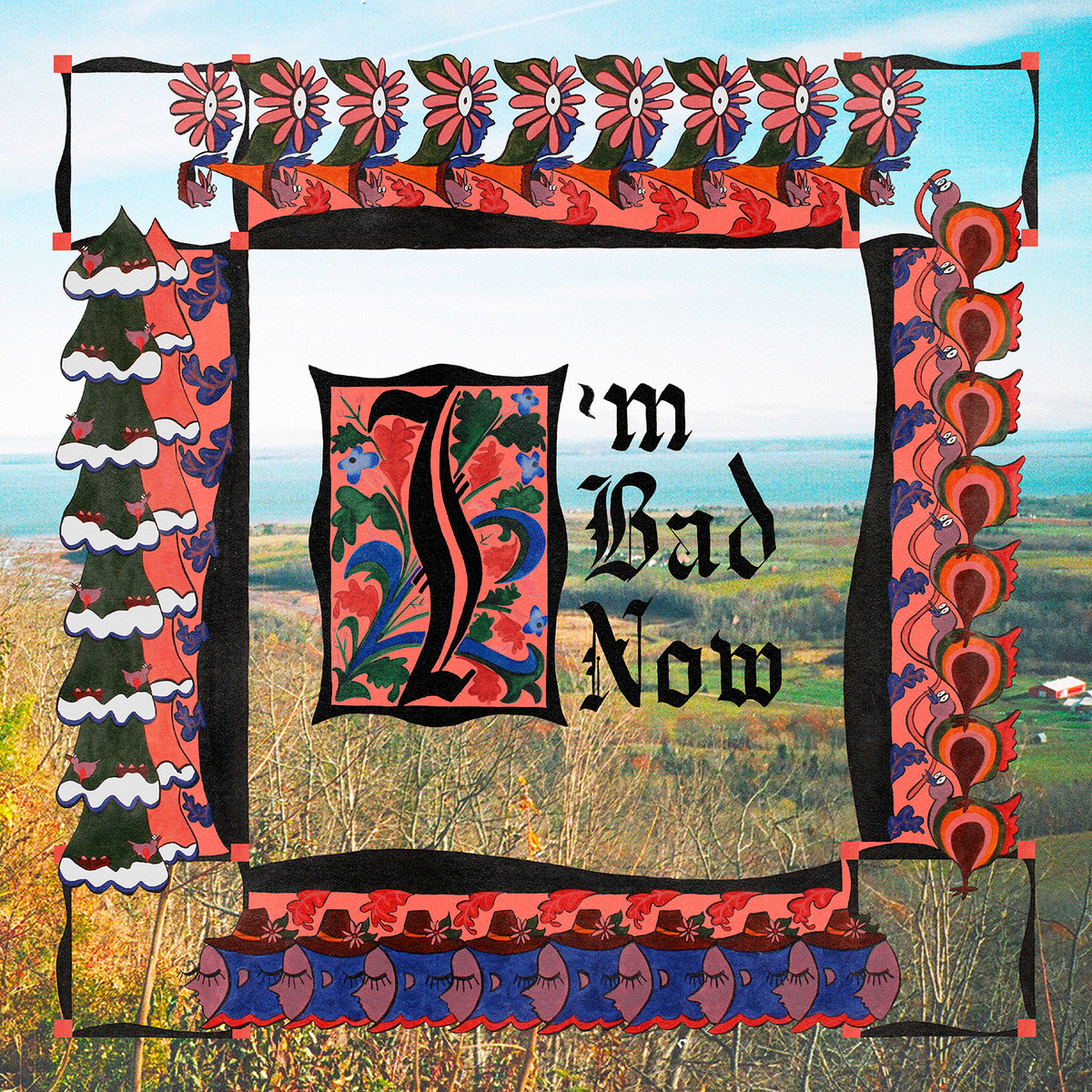
These acclaimed Canadians return with an ambitious, allusive third album that achieves a new sonic clarity, depth, and range to match the effortless melodies and extraordinary writing. It’s the band’s most transparent and personal set of songs to date, in which singer Nigel Chapman interrogates social, psychological, and spiritual milieus for clues about the elusive nature of knowledge.
In one inconceivably complex cosmos, whenever a creature was faced with several possible courses of action, it took them all, thereby creating many distinct temporal dimensions and distinct histories of the cosmos. Since in every evolutionary sequence of the cosmos there were very many creatures, and each was constantly faced with many possible courses, and the combination of all their courses were innumerable, an infinity of distinct universes exfoliated from every moment of every temporal sequence in this cosmos.
“Brimming with passion & protest. Immediately familiar, yet bracingly distinct… one the most intriguingly idiosyncratic lyricists this side of Dan Bejar.” – Pitchfork
“One of the best rock bands in business today.” – The FADER
“One of the most fascinating songwriters we have today.” – Newsweek
“Purveyors of beatific, sun-drenched roadtrip tunes. Nigel Chapman is owner of one of the most beautiful voices I’ve heard in years.” – NME
“Unvarnished diarizing in lean, art-pop songs.” – Uncut
“Concise, understated alt-rock with cryptic, literate lyrics for Go-Betweens/Bill Callahan fans.” – MOJO





 The Fat Angel Sings