Archive for the ‘CLASSIC ALBUMS’ Category

To commemorate the 40th anniversary of their debut album, Tom Petty and The Heartbreakers are collecting all their studio albums into two new vinyl only box sets.

The Complete Studio Albums Volume 1 (1976-1991)and The Complete Studio Albums Volume 2 (1994-2014) bring together, across 21 pieces of 180-gram vinyl, all 16 studio releases from singer/guitarist Petty, guitarists Mike Campbell and Scott Thurston, keyboardist Benmont Tench, bassists Ron Blair and Howie Epstein and drummers Stan Lynch and Steve Ferrone. (Three of the albums, of–Full Moon Fever(1989), Wildflowers (1994) and Highway Companion (2006)–are solely credited to Petty despite ample contributions from The Heartbreakers and other guest musicians.)

Tom Petty & the Heartbreakers, 'The Complete Studio Albums Volume 1'

Thirteen of these records have been certified gold or platinum by the Recording Industry Association of America, and feature a clutch of rock radio hits, from “American Girl” and “Don’t Do Me Like That” to “The Waiting” and “Don’t Come Around Here No More”; “Free Fallin'” and “I Won’t Back Down” to “Learning to Fly” and “You Don’t Know How It Feels.” And everything from Hard Promises to Highway Companion has been newly remastered for the sets.

In 2015, Petty released “Somewhere Under Heaven,” the first song from an as-yet unscheduled collection of Wildflowers outtakes. This year, he released the second album with his pre-Heartbreakers band, Mudcrutch, and next year he will be honored as the MusiCares Person of the Year.

Humorously (blame pesky production schedules, we imagine), Volume 2 will be available on November 25th, with Volume 1 following two weeks later on December 9th. Petty has spent 2016 on tour with his pre-Heartbreakers band Mudcrutch, alongside guitarist Mike Campbell and keyboardist Benmont Tench. The Heartbreakers last toured in 2014 in support of Hypnotic Eye.

Tom Petty

Tom Petty And The Heartbreakers Studio Albums Vol 1 - 530

bnb-dykedrama

For those who were upset by G.L.O.S.S passing, there’s still a lot of music to look forward to. Who knows what its members will go on to produce, but rest assured Sadie Switchblade will be around for awhile, making country-leaning rock music that sounds-off to seminal American bands passed; Switchblade channels indie greats and even covers Lucinda Williams with grace and reverence. With her other project Dyke Drama’s Up Against The Bricks is a semi-sweet meditation on identity, love, and longing. It’s rarely incendiary, but never afraid to prove a point

Dyke Drama is the solo project of Sadie Switchblade (G.L.O.S.S., Peeple Watchin‘, etc.)

http://

This album was recorded one week in the spring of 2016, produced and engineered by Joey Seward in Shelton, WA. Recorded in Joey’s garage, on broken and borrowed gear…again…(but some of it less broken than last time).

Sadie Switchblade played guitars, drums, bass, tambourine, and sang. Erica Leshon sang vocal harmony. Joey Seward played organ and sang backing vocals. Chris Grande played additional guitar on “I Just Wanted To See You So Bad”.
All songs by Sadie Switchblade, except “I Just Wanted To See You So Bad” by Lucinda Williams.


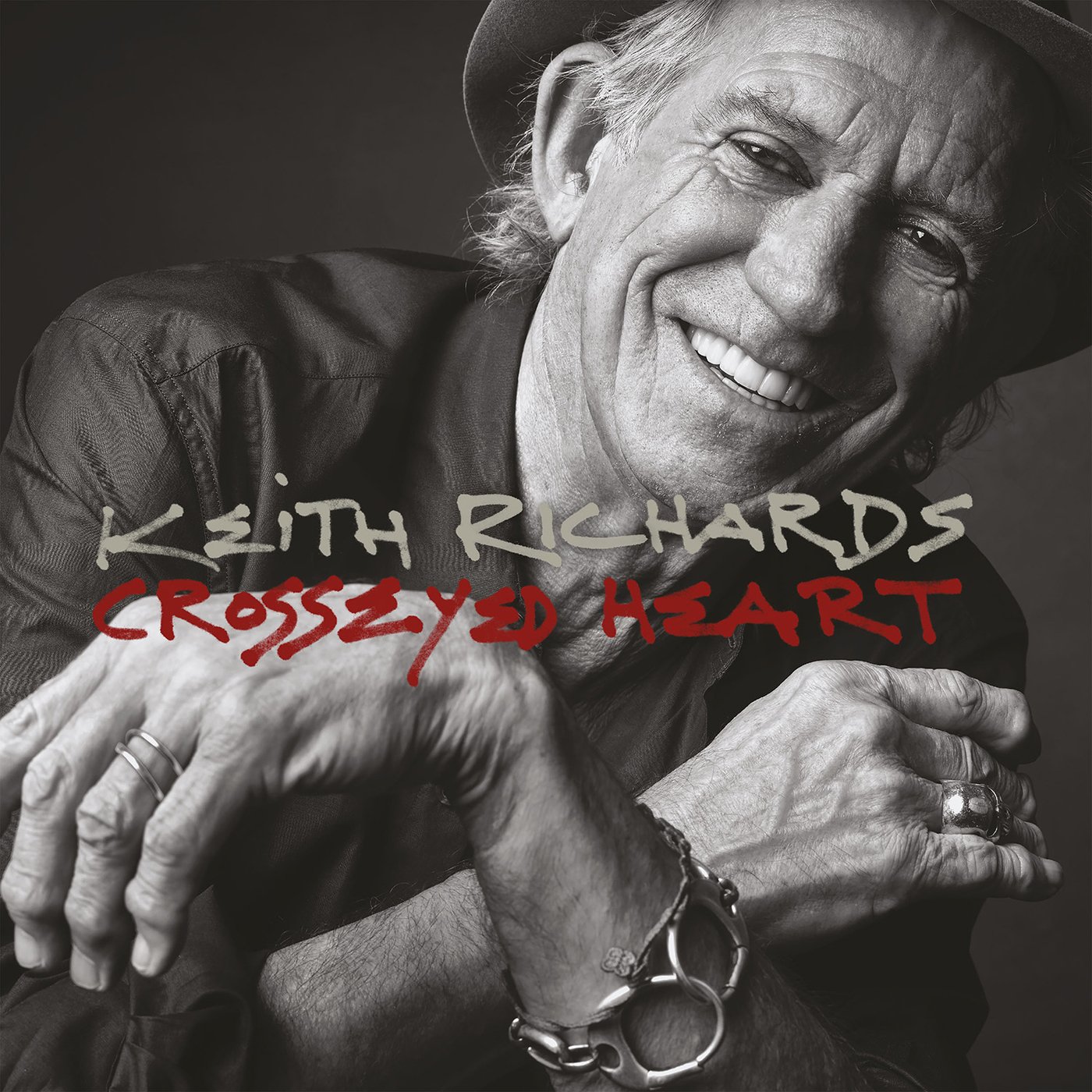
The Rolling Stones guitarist’s first studio album outside his day job in 23 years opens with the short title fragment: Richards picking and singing a rare acoustic blues. It is rock’s most enduring outlaw evoking the Delta ghosts and early-country spirits that still haunt and inspire his life and band – and a perfect entry into a record that is at once loud, ragged delight, driven by Richards‘ trademark barbed-treble riffs, and shot through with a surprising, reflective urgency. “They laid it on thick/They couldn’t make it stick,” Richards sings with gravelly defiance in “Nothing on Me.” The guitarist also concedes the mounting price of age in “Amnesia,” a song about fading strength and memories. Keith Richards made Crosseyed Heart with reliable old friends including his late-Eighties side crew the X-Pensive Winos, singer Aaron Neville and the Stones’ late saxophonist Bobby Keys, whose robust playing, among his last on record, underscores Richards‘ admission here that there is an end to every ride – and his determination to make every mile count. –

Husband and wife combinations can sometimes sound clichéd and schmaltzy, all winsome sing-song and cooing back and forth. Cross Record are rather different. In 2013, Emily Cross decamped from Chicago to the remote, idyllic town of Dripping Springs, Texas, with her husband, Dan Duszynski. Living on Moon Phase ranch with a bird sanctuary in tow was something of a different experience to city life –  the scorpions on the cover of this album are a snap Cross took of the creatures in her bath. Over two years Cross has produced a potent, atmospheric and bewitching record which perfectly captures the fiery dawns and smoky evenings of their new abode.

Wabi Sabi is set in vast spaces but communicated in an intimate way, and thus feels simultaneously unsettling yet strangely comforting. Just 9 tracks long, it is intense and passionate, disparate elements in the individual tracks making up for a lack of quantity elsewhere.

Lead single “Steady Waves” builds from acoustic flickers to a foreboding howl of a climax, powerful and gripping in its cinematic sweeps, whereas “Basket” swims in an eerie smoulder. The video to “High Rise” is as disconcerting as its sonics, minimalist electro shifting into thick guitar, and moments of hopelessness shuddering into violent explosions. On “The Depths”, muffled whispers merge into thunderous potency in a reflection of the instability of human experience and its messy dissonance. “Something Unseen Touches A Flower To My Forehead” is the sweetest track on the record, almost pop like in its immediacy.

http://

Throughout Wabi Sabi there are birds cawing in the distance, marimba and kalimba flickering, and a ladies choir offering vocals, adding to the feeling of being absorbed in the expansive vista. Destabilised static and soft pulsations blur with the sound of nature and those dusty, warm spaces.

http://

The recording process of Wabi Sabi was slow but meticulous, and Cross working 60 hour weeks in restaurants, cleaning and other roles which allowed her the head space to create and compose. Collaborating with a variety of other artists, it’s been carefully sculpted, samples and recordings being produced, ripped apart, and changed again. What this means is that the album is exploratory and intoxicating in its slow perusal of deep emotions, stirring and resonant in its weirdness – and completely beguiling.

Wabi Sabi was released: 29th January 2016, Ba Da Bing Records

http://

Wampire’s cover of “Face To Face” by Jacco Gardner appears on the Polyvinyl Plays Polyvinyl compilation a 20-track covers album featuring Polyvinyl artists covering songs from other Polyvinyl artists, out November 25th, 2016.

http://

Looking back on our 20-year existence, we’re proud to say that Polyvinyl has never been defined by a particular genre.

From early records that documented the Midwestern emo of American Football, Braid, and Rainer Maria to of Montreal’s mercurial mining of musical styles, Ida’s intimate harmonies, Joan of Arc’s sonic experimentation, STRFKR’s electro-pop, the raucous rock-and-roll of Japandroids and Beach Slang, etc. etc. there’s no predicting what a new Polyvinyl release will sound like — just that it’s something we love and think you will, too.

And so, to celebrate this diverse discography, we asked 20 members of the Polyvinyl family past and present to cover a song by one of their labelmates. Fittingly, this led to a slew of beloved tracks being re-imagined in a variety of new and surprising ways.

Owen (Mike Kinsella) lends his acoustic guitar picking to Rainer Maria’s electric siren call “Ears Ring,” Braid puts a math-y spin on the surf-inflected pop of Alvvays’ “Adult Diversion,” and Deerhoof covers Xiu Xiu in the style of White Reaper, because why the hell not?

The biggest question, though, was how to name such an eclectic collection of music.

Monomyth swap out their rhythm section, keep the psychedelic pop hooks and come up sporting their best paisley. The songwriting duo of Seamus Dalton and Josh Saltzer continue to split the vocal duties and their admiration of local heroes like Sloan, Superfriendz and Thrush Hermit while adding from Teenage Fanclub  harmonies and the erudite pop sensibilities of the Weather Prophets and The Go Betweens. This new track from Halifax’s Monomyth is told from a minimalist’s point of view, with each verse building on the common factor of “looking for a place to go.” its a beautiful mess of opposites, constantly swaying, waving and tumbling between intentionally harmonious guitar riffs. Monomyth gives you something to think about with every song the band writes, and with “Re:Lease Life (Place 2 Go),” it gives you a reason to sit down, and truly enjoy four minutes and 48 seconds. Look out for Monomyth’s new album, “Happy Pop Family”, out via Mint Records on November. 4th.

http://

“Happy Pop Family” is a wonderful tour de force and among one of the best pure pop records of the year. The cool and beautiful Palpitations features a pristine melody interrupted by grungy heart attack chords. “Aloha” with its airy Teenage Fanclub harmony that kicks off the record isn’t even the best song here. That honor goes to the infinitely catchy “Re:lease life (Place 2 Go)” which plays like a travel log and has an off the cuff feel to it that reminds me of the Go-Betweens’ . Listen to the Full Album here.

http://

102690

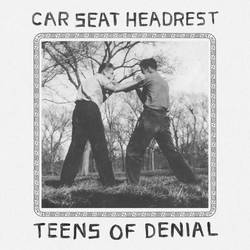
Teens of Denial is the thirteenth album in Car Seat Headrest’s (aka 23-year-old Will Toledo) and the second on Matador Records, and the first to be recorded in a proper studio with a full band and producer (Steve Fisk). On Denial, Toledo moves from bedroom pop to something approaching classic-rock grandeur and huge (if detailed and personal) narrative ambitions, with nods to the Cars, Pavement, Jonathan Richman, Wire, and William Onyeabor. By turns tender and caustic, empathetic and solipsistic, literary and vernacular, profound and profane, self-loathing and self-aggrandizing, he conjures a specifically 21st century mindset, a product of information overload, the loneliness it can foster, and the escape music can provide. At the heart of the album sits the 11:32 Ballad of the Costa Concordia, which has more musical ideas than most whole albums (and at that length, it uses them all). Horns, keyboards, and elegant instrumental interludes set off art-garage moments; vivid vocal harmonies follow punk frenzy. The selfish captain of the capsized cruise liner in the Mediterranean in 2013 becomes a metaphor for struggles of the individual in society, as experienced by one hungover young man on the verge of adulthood.

Will plays guitar while a guy has a bad time. From the new album “Teens Of Denial”,

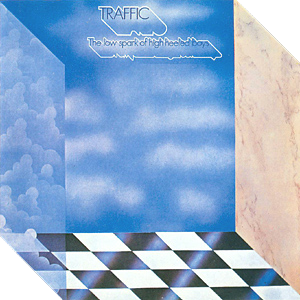
After exploring English folk on the 1970’s album John Barleycorn , Traffic continued broadening their sound to incorporate other musical ideas on the follow-up. Released in November 1971, “The Low Spark of High Heeled Boys” saw them move more towards progressive rock, featuring extended tracks and off-kilter rhythms inspired by other genres. Recorded in the September of 1971 at Island Studios. All of those different sounds would go into “Rock & Roll Stew,” aided by some recent hired hands to bolster the triumvirate of Stevie Winwood (vocals, keyboards, guitar), Jim Capaldi (drums, vocals) and Chris Wood (woodwinds, keyboards). These additions included ex Blind Faith bassist Ric Grech, Ghanaian percussionist Rebop Kwaku Baah and the Derek and the Dominoes drummer Jim Gordon (who was brought in to allow Capaldi to focus on his songwriting and taking lead vocal, which he did on two of album’s six tracks).

Of all styles, jazz rock seemed to come to the forefront on The Low Spark of High Heeled Boys, especially on the nearly 12-minute title track. The song was conjured out of studio experimentation, with Capaldi even writing the lyrics to the third verse just before Winwood sang them.

“What would happen is that Jim would jot some words down on a piece of paper – some lines, maybe, and not too many, and certainly not arranged in a verse – chorus kind of way,” Winwood said. “He would just jot a few phrases or ideas down, and then we would go and jam. I would stand the piece of paper on top of the piano or organ, then during the jam when I felt it was right and appropriate, I’d sing what he’d written down and it always came out of a jam. It was born out of the fact that we were players rather than writers.”

As for the bizarre, but memorable title, Capaldi got the phrase from actor Michael J. Pollard (Bonnie and Clyde) with whom he was working on a film project. Pollard wrote “The Low Spark of High Heeled Boys” in Capaldi’s book and it fired his imagination.

The meandering song, although never released as a single, became a staple of ’70s FM radio, famous for its length, hazy mood and electronic saxophone solo played by Wood. Winwood recalled how Wood came to create the nasal, Eastern-tinged sound on “The Low Spark of High Heeled Boys.”

“He used a lot of gadgetry on his saxophone,” Winwood said. “He bought a thing called a Maestro, which is a machine for electrifying a saxophone, a reed instrument.”

The Low Spark of High Heeled Boys , The LP remains the band’s lone platinum release in the U.S., known for its mind-altering sounds, in addition to its famous die-cut album cover, which created an optical illusion.

The group would continue on for a few more years, releasing two more albums before breaking up in 1974. Wood died in 1983, but Capaldi and Winwood reunited for a new Traffic record and tour in the ’90s, but Low Spark is considered by many fans and critics to be Traffic’s high point.

Image result for billie marten

The folk prodigy comes of age. Released when she was just 17, Billie Marten’s debut album isn’t an astonishing achievement for a teen—it’s simply an astonishing achievement full stop. Her songs are gossamer light acoustic fairytales and they’re gorgeous.  The opener “La Lune” is mesmeric, “Lionhearted” shows there’s steel behind the beautiful melodies while the quietly epic “Hello Sunshine” charts a stormy and intoxicating orchestral course.

This seventeen-year-old Ripon native entered music less with a bang and more a mellifluous, spine-tingling call. Writing of Blues and Yellows is a vastly mature work from a singer not only tender in years but making her debut statement. Poetic, literary-referencing and brutally honest – Billie Marten is a singer songwriter that gets into your head and is impossible to shift. The album standout Heavy Weather is a vivid and picturesque song replete with pattered beats and tender finger-picking, a seductive (chorus) vocal and one of the most pin-sharp performances across the record – you envisage yourself battling the “English winter” with the heroine. Bird and Emily are utterly beguiling while Teeth addresses mental illness and is one of the most personal songs across the album “Writing of Blues and Yellows”. It is easy to find comparisons between Marten and her musical icons Nick Drake, John Martyn and Kate Bush. You command the talent and Folk wonder of Marten a four-star beauty that showcases a rare and wonderful young talent. Make sure you keep your eyes trained on a musician that has a bright and varied career ahead for sure.

The talented singer/songwriter based out of North Yorkshire, Isabella Sophie Tweddle, better known by her stage name Billie Marten, first caught the public’s attention in 2011 (at the age of 12) via a YouTube performance that garnered the budding musician over 100,000 views. By 2014 she had released her first EP, and began earning favorable comparisons to fellow English folkies like Laura Marling and Lucy Rose. The following year saw Marten ink a deal with Chess Club Records and release a second EP,.

Somewhere among the sonic synchronicity that binds together the forty-two minutes of Midday Veil’s “This Wilderness,” the band’s animated and eloquent new album,

It’s a realization about self, size and scope, and like the album itself, it’s massive. Midday Veil has long found themselves comfortable creating colossal concerns, as recorded on the band’s earliest, self-released explorations such as “Queen of the Void” and “End of Time.” The band’s preceding full-length album from 2013’s “The Current,” named one of the year’s best avant-rock releases by The Wire magazine could be viewed with some perspective as the band emerging from their kosmische chrysalis, unfurling previously unheard banners of both color and control. “This Wilderness” is the sound of the band under the self-imposed hypnosis of that emergence, extending the voyage with even more color and control than ever before.

Despite – or because of – the extended journey, the beating musical heart of both “This Wilderness” and Midday Veil remains the out-sized synth wizardry of founding member David Golightly, who seems to have ingested every possible mind-altering sound from Stockhausen to Cybotron to the “Love to Love You” of Donna Summer. They’re all on display on “This Wilderness,” made especially ornate by the driving percussion of Garrett Moore, the deep, submerging bass of Jayson Kochan, and the often-explosive, reptilian guitar lines of multi-instrumentalist Timm Mason.

http://

Yet it’s the mystery of “This Wilderness” that makes the album among the most creatively compelling of this or any year, and vocalist and songwriter Emily Pothast gives voice to that mystery both literally and figuratively. On the opening invocation of “Babel,” Pothast addresses her place within “This Wilderness” and by extension, the place of the listener as well: “This wilderness amazes me / it covers me in shame.” On “Babel” and throughout “This Wilderness,” the band sounds in the midst of the wide-eyed discovery of their sound, and slightly ashamed that they hadn’t noticed the full potential of their surroundings earlier. It’s unclear what will happen next, nor does it seem to particularly matter. Midday Veil  will be staying in “This Wilderness” in an increasingly interconnected, dynamic, even dangerous cosmos – for quite awhile, and it’s our good fortune to join them now.