Carlisle’s psychedelic overlords The Lucid Dream have shared a taster of their fourth album, Actualisation, in the shape of ‘No Sunlight Dub’.
To say that The Lucid Dream have a had a torrid time of it these past few 18 months or so would be something of an understatement. Riding high on the success of their third album, Compulsion Songs, the band was stopped in its tracks after all of its gear was stolen in Paris after the opening gig of their European tour at the beginning of 2017.
Thankfully help was at hand as crowdfunding campaign found The Lucid Dream raising enough money to buy new gear and subsequently return to the studio to a make Actualisation, which sees the light of day on 19th October.
As displayed by recent single, ‘SX1000’, The Lucid Dream isn’t a band that likes to repeat itself. Making the connection between dance music and psychedelia, The Lucid Dream is exploring new territories and ‘No Sunlight Dub’ and carries on their new journey with stunning results.
Kicking off with the kind of bowel-rumbling bass and melodica that’s been always been present in their music, the band ups anchor and sets sail into the waters of full-on drum’n’bass and jungle for a complete and utter total freak out. The result is a breathtaking and welcome pummeling of the mind.
Mark Emmerson says: “’No Sunlight Dub’ was the last track that I wrote for the album, and it all came together very quickly and is inspired equally by The Carpenters as it was by the dub of King Tubby and Lee Perry.”
He continues: “The middle section was inspired by jungle and drum ‘n’ bass, and needless to say when we went in the room to work on it as a band it came together no problem at all.
“I love how there are no ‘guitar guitars’ on there as they simply aren’t needed. There’s a lot of room on this track to let the rhythm section speak, which Luke Anderson (drums) and Mike Denton (bass) have nailed perfectly. Equally, I love how Wayne Jefferson has laid down layers of guitars without playing them like a guitar, it almost sounds orchestral.
Check out the earlier released track
‘Alone In Fear’, the 2nd taster from the album
Taken from the forthcoming album, ‘Actualisation’, to be released 19th October via Holy Are You Recordings
English multi-instrumentalist, singer-songwriter and producer Bill Ryder-Jones is releasing his fourth solo album, Yawn, due on November. 2nd via Domino Records. Ryder-Jones rose to prominence in the ‘90s as a founding member of Wirral pop band The Coral and he also recently played guitar on tour with Arctic Monkeys. In addition to his work in previous bands and his prolific solo career, the 35-year-old Ryder-Jones has also produced records for bands like The Wytches, Hooton Tennis Club, By The Sea and Our Girl. Tuesday, he released a new single from his forthcoming album, “And Then There’s You,” which was recorded and produced almost entirely by Ryder-Jones himself at his Yawn Studios in West Kirby, U.K. Following the lead single “Mither,” this new track proves Ryder-Jones’ classical music upbringing didn’t wear off as its richness, attention to detail and emotional chord progressions indicate his uncanny songwriting skills. His status as crafty wordsmith is also apparent in his use of poetic devices in the song’s chorus: “My mistrust / My mistress / Takes me home again / My mistress / My mistrust / We’re alone again.”
Love and hate plus chorus and distortion (aka the “Nirvana guitar tone”) are the defining features of Nashville duo Sad Baxter’s grunge-inflected So Happy EP. Though only 6 songs long, the EP packs a mighty emotional punch thanks to the simmering anger coursing through Deezy Violet’s smart, literate songs. From twisty opener “Love Yew” through fist-pumping highlight “Believe Me,” (with backing vocals from drummer Alex Mojaverian) wherein Violet laments the inability to love a damaged individual in the interests of self-protection, these songs are as catchy as they are scabby, balanced perfectly between both the darkest and lightest of human impulses. It helps that Violet is never anything but real, both with herself and her subject matter. On “Sick Outt,” she excoriates an abuser from her past (“You know what you’ve done to me/I don’t deserve a single memory”), but she’s not immune to finding comfort in life’s sweetest moments. So Happy is true to its title, and final track “Baby” closes out with a sentiment as congenial as the guitars are raw: “I don’t wanna think about anything at all too hard/I just wanna go and lay in my baby’s arms.”
The first time I wrote about The Beths “Future Me Hates Me”—which is already near the top of my own personal Best of the Year list 2018 , I zeroed in on one specific aspect of it: the album’s sense of melancholy. And while that’s undeniably present on the record—on the rip-roaring “Uptown Girl,” Elizabeth Stokes vows to “drink the whole town dry”—but what’s also present is a sense of elation. The starry-eyed deep-in-love ballad “Little Death” offers a deeply earnest and touching depiction of true romance, Stokes gently singing, “Your smile, it makes me weak/ and the red spreads to my cheeks/ you make me feel three glasses in,” as the band steadily accelerates behind her, as if matching the rhythms of her heart. The whole record is shot through with deceptively complicated musicianship and attention to craft; what at first feel like full-blast indie rock songs soon open up to reveal deft, complicated guitar work, clever, counterintuitive structures—like the way the coulda-been-on-Jade-Tree rave-up “Not Running” slams the brakes midway through to turn the melody over to group-sung a cappella vocals. It’s pitch perfect power-pop with smart, sad lyrics and insanely catchy hooks.
The more you listen, the more you notice the little filigrees and pivots that usually start showing up on a band’s fifth record, not their first—which is both an accomplishment and a challenge. If The Beths are this good already, just imagine where they’ll be four albums from now.
Dawes have expanded their upcoming touring schedule, adding 20 new dates to their early 2019 slate as the band continues to support their latest album, Passwords, along with releasing a new video for album track “Feed the Fire.”
Following up their fall tour dates scheduled for October and November, Dawes will pick their “An Evening With Dawes” tour back up January 18, kicking off a West Coast of America run that will then move across the country through the Midwest and to the East Coast, wrapping up in the Southeast.
The new video for “Feed the Fire,” taken off their latest release “Passwords”, was directed by Matthew Daniel Siskin and accompanies the new Feed the Fire EP, which includes studio, live and acoustic versions of the tune.
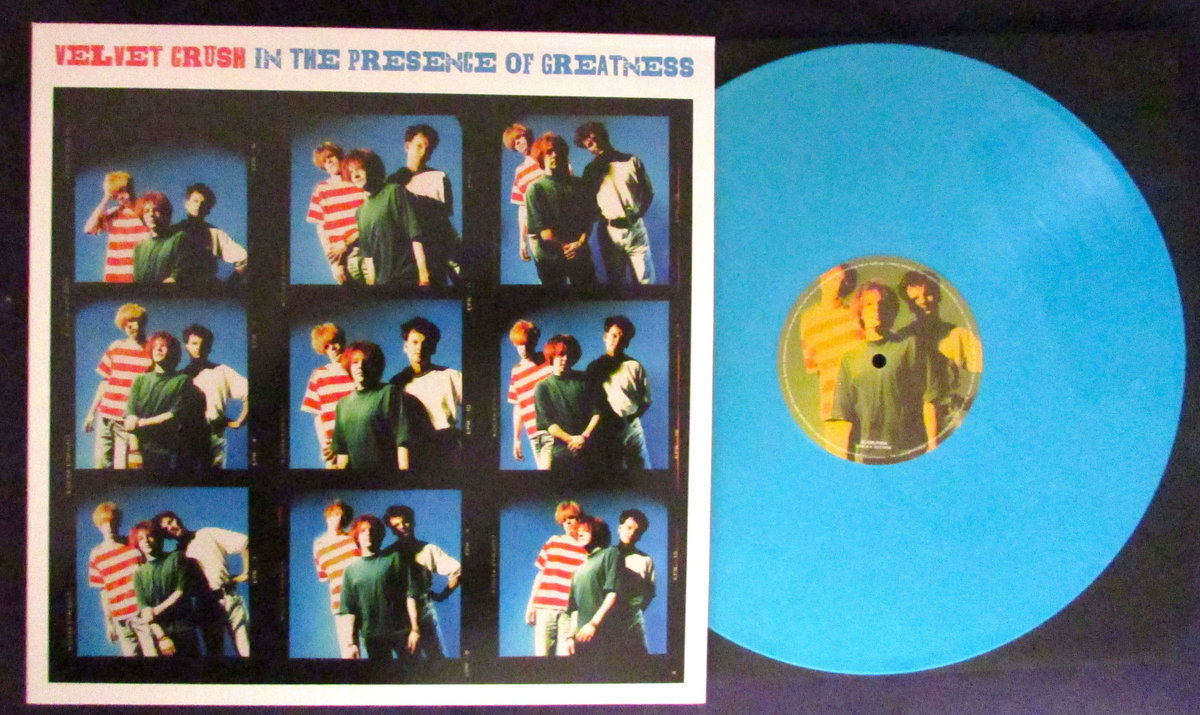
Velvet Crush’s first and best album was mistakenly lumped in with the then-predominant shoegazer aesthetic upon its release in 1991, thanks to its British release on the shoegazer-central Creation label and the occasional washes of sparkly electric feedback and creamy-smooth harmonies that settle over some of the songs.
Reissue of the album debut by Velvet Crush LP from 1991, originally released on Creation Records. Recorded & Mixed on 8 Tracks by power pop legend Matthew Sweet, Princeton, New Jersey 1990-91. Produced by Matthew Sweet And Velvet Crush.
From the liner notes by Ric Menck:
“Paul, Jeffrey and I worked out the songs together at our rehearsal space in Providence, Rhode Island. Someone would come in with the germ of an idea and we’d figure out the arrangement together. When we came up with at least three or four decent tunes we’d hop in the van and drive to Matthew’s. Once there, we set up in his living room facing one another, and it usually took two or three takes to capture a performance. Matthew overdubbed his lead guitar bits later. In all, we recorded the entire record in three quick weekend sessions”.
In the Presence of Greatness sounds like Big Star’s #1 Record updated for a new decade. The general air of mildly anguished wistfulness is the same, as are the jangly guitars and high harmonies, but Velvet Crush plays with a post-punk sprightliness and a less overtly British Invasion-inspired melodic sense.
Releases October 5th, 2018
Paul Chastain: Bass & Vocals Ric Menck: drums Jeffrey Underhill: Guitar Matthew Sweet Guitar & Harmony Vocals
Charm of Finches are sister “dream folk”duo Mabel and Ivy, from Melbourne, Australia, They create angelic harmony-laden chamber-tinged folk for the famished soul. Influences include First Aid Kit, Agnes Obel and Sufjan Stevens.
“We were walking across a bridge when we came upon a group of young people, probably not much older than us, who were obviously grieving. There were flowers and beer cans hanging from the bridge, and we found out their friend had jumped off the bridge during a party and didn’t make it.
This stayed with us all day. As a young person, how do you deal with losing someone who was so young and had their whole life ahead of them? That evening we wrote this song.”
The third single from Molly Burch’s sophomore album, First Flower, out October 5th, 2018
“Candy,” is introspective and defiant, depicting Burch’s battle with her own self-confidence. It’s all give-and-take between the jangly lead guitar and Burch’s warm, jazzy vocals, painting the singer-songwriter as both feminine and in-charge. “I wrote “Candy” after a long conversation with my dad on the phone, where I had been just walking around getting out a lot of my self doubt and creative anxieties. It may sound like I’m talking to a past love, but it’s really meant for that voice in my head that tells me a negative narrative,” said Burch in a statement. “Anxiety can be so addictive—the cycle of it, the relief after you’ve spent time worrying about something that turns out fine. I felt like writing about all of this because it’s a significant part of my waking life, but all wrapped up in a sweet pop song.”
Lala Lala, the Chicago-based indie rock project of Lillie West, has released a video for the song “Scary Movie” off her album The Lamb, released September. 28th, through Hardly Art Records.
“Scary Movie” is full of the sort of waterlogged beauty that West provides in spades on The Lamb. The song is a gentle, wistful conversation with herself about herself, but the video re-contextualizes it into a love letter from the past. The video features 16mm footage of West’s parents, taken before she was born, flying kites on a beach. That’s it. The entire video is the two of them, the beach and the kite. It’s insanely beautiful.
Watching them frolic while their daughter’s voice serenades them from the future is really something—at times, the setting is eerily reminiscent of the cover art for The Lamb, and the kite’s errant flight pattern feels tailor-made for the song. But it’s not. It’s something that actually happened, which is a theme that West grapples with all over the record. She’s stated before how The Lamb came from a period of trauma in her life, and how it’s a method of reckoning with lost loved ones. In that way, this video feels like an encapsulation of what West was working through on The Lamb. It’s about the past and the way it moves in tandem with the present, even if you can no longer see it.
West herself said something similar in a statement about the video: “I wanted to use this 16mm footage my parents took of each other before I was born because although I didn’t exist yet, their experience is in some way a part of me … This is where I came from, but if I view it as memory, I am technically wrong. It feels real and fake at the same time, which is how every day feels sometimes, and is what the song is about.”
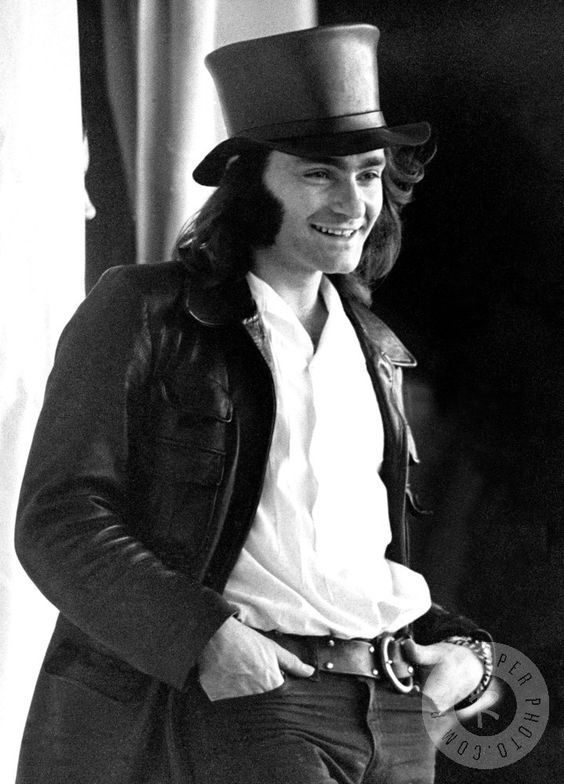
Marty Balin, whose tenor voice provided hits for the ’60s psychedelic rock band Jefferson Airplane, has died,
The family said Friday: “Marty’s fans describe him as having had a substantial impact for the better of the world: ‘One of the greatest voices of all time, a writer of songs that will never fade, and founder of the quintessential San Francisco band of the sixties.’ His music is known for being the soundtrack to all of life’s monumental moments.”
Balin’s songwriting credits for the Airplane included “It’s No Secret,” “Today,” “Comin’ Back To Me,” “PlasticFantastic Lover,” “Share a Little Joke,” and “Volunteers” the latter sung at Woodstock.
Another co-founder, Paul Kantner, died in January 2016, the same month the Recording Academy named Jefferson Airplane one of its annual Lifetime Achievement Award recipients at the Grammys.
Balin and the Jefferson Airplane were pioneers of psychedelic rock — their sound fused fuzzy, distorted, reverb-filled tones with influences from folk, rock and the blues.
The Airplane helped define the San Francisco music scene in the 1960s, debuting at the Matrix nightclub in 1965, about a year before its first album, “Jefferson Airplane Takes Off,” was released.Jefferson Airplane formed in 1965 when folk artist Balin decided to create a rock group in response to the Beatles-led British Invasion. The band quickly attracted a local following – and when fledgling promoter Bill Graham opened his legendary Fillmore Auditorium, Jefferson Airplane served as the first headliner.
Signed to RCA Records for the then-princely sum of $25,000, the band scored five gold albums in the US, including 1967’s Surrealistic Pillow and 1968’s Crown of Creation in their first run of success.
Marty Balin wrote and sang some of the best-loved songs of both Jefferson Airplane and Jefferson Starship. In memory of the singer, who passed away on September. 27th, 2018. Here are some of the great songs.
Marty Balin started his musical journey as a pop singer in the style of Gene Pitney or Paul Anka. In 1962 he signed to Challenge Records, releasing two singles that went nowhere. He then immersed himself in the folk music scene, fronting a group called the Town Criers, which also failed to ignite. While Balin re-thought his musical path, a business opportunity opened up that would tie this all together. He and friend Elliot Sazer took over a failing pizza shop called the Syndicate, and relaunched it as the Matrix, which would become a new music venue for San Francisco’s up-and-coming rock and rollers.
It was during this that he connected with like-minded guitarist Paul Kantner. The two would soon form what would become one of the most important bands of the ’60s. Jefferson Airplane would break every rule in the book, and be all the better for it. “One night we were playing this gig and Jorma [Kaukonen] just suddenly took off, you know,” Ballin recalled in the documentary Fly Jefferson Airplane. “He just flew away and played the hell out of this song. We never heard that before. So the next night, Jack [Casady] and Jorma took off, you know, and it was just great. So the next night, we all just took off and we played the song however we wanted, whatever we thought. So that became our approach.”
Balin, along with Signe Toly Anderson, would share lead vocals in the original lineup. Balin wrote and or co-wrote most of the songs on their stunning 1966 debut, “Takes Off”. Within the year, Anderson left the band to raise a family, leaving the door open for Grace Slick who would take the band up the charts with “White Rabbit” and “Somebody to Love.” It would be, however, Balin who remained the heart and soul of the band over their often tumultuous life span.
Grace Slick, whose powerful vocals added another unique element to the band’s sound, joined the group in 1966, bringing those two songs with her from her previous band, the Great Society.
Those songs, “Somebody to Love” and “White Rabbit,” became Top 10 hits the following year on “Surrealistic Pillow,” one of the defining rock albums of the late ’60s.
Multivocal harmonies were a staple of the Airplane, with Balin and Slick soaring over one another and Kantner weaving in. In a 2011 interview, Kantner said this interplay is “maybe the best thing I do in the bands that I’ve been in.”
The band performed at three of the legendary music festivals of the ’60s, including the Monterey Pop Festival, Woodstock and the ill-fated Altamont. Balin was brutally beaten by the Hells Angels after he dove into the audience to help an audience member in distress. “I woke up with all these boot marks all over my body,” he told Relix in 1993. “I just walked out there. I remember Jorma saying, ‘Hey, you’re a crazy son of a bitch.’”
As Kantner and Slick would get farther out in their concepts, Balin would remain the more grounded voice in the band, but would often be out-voted by the others. His input into the band became less and less, but still potent with songs like “Volunteers” and “Share a Little Joke.” Though he left in 1971, he later would once again hook up with Slick and Kantner in Jefferson Starship in 1974, writing the band’s biggest hit “Miracles” in 1975.
“Marty and I are like totally different creatures, we make different kinds of music,” said Kantner in Fly Jefferson Airplane. “Marty is extraordinarily good, particularly at writing simple songs that connect and touch you. I can’t write a simple song to save my life.”
Balin had a warm, pure and honest voice, which worked as a perfect counterpart to Grace’s more brash style. He took part in various reconfigurations of the group over the years, but never really receiving the respect he was due for starting and steering the band at the start. In addition to his strengths as a singer, Balin was an accomplished songwriter as well, and he contributed several key numbers to the Airplane’s canon early on and later supplied several successful songs to its designated successor, Jefferson Starship. Although Starship was Slick and singer/guitarist Paul Kantner’s vehicle after the mothership’s demise, Balin’s loyalty to his former flightmates helped give that band its first hint of commercial success. Here a mere handful of Balin’s finest moments here to enjoy. There will never be another band like Jefferson Airplane.
“It’s No Secret” From: ‘Jefferson Airplane Takes Off’ (1966)
Issued as the band’s debut single, “It’s No Secret” was the sound of Jefferson Airplane circa 1966. Balin at the front with backing from Signe Toly Anderson and Paul Kantner and a straight-ahead folk-rock track. Still, despite being on similar ground to bands like the”Byrds, they couldn’t help but sound like anyone but the Jefferson Airplane. It was an understated start to an amazing catalog of music. “It’s No Secret”
One of Balin’s most indelible contributions to the initial Airplane album Jefferson Airplane Takes Off, “It’s No Secret” helped define the Airplane’s oeurve, a striking sense of defiance coupled with an emphatic emotional investment. Balin seems to teeter on the brink of desperation in trying to convince a skeptical lover that he’s all in as far as their relationship is concerned (“It’s no secret, How strong my love is for you/ It’s no secret, when I tell you what I’m gonna do/ ‘Cause I love you, yes I love you”), and indeed, by the time the song reaches its soaring conclusion, it becomes a notion that shouldn’t be taken for granted.
“Young Girl Sunday Blues” From: ‘After Bathing at Baxters’ (1967)
Most of the band’s third album, After Bathing At Baxters, was under the hands of Kantner and Slick, but Balin got this one gem into the mix. A stomping rocker co-written with Kantner, its style slots in between the more psychedelic start and end of side one of the album. Balin was a brilliant balladeer but could deliver on a rocker as well.
“Comin’ Back to Me” From: ‘Surrealistic Pillow’ (1967)
Balin wrote and sings solo on this incredible, haunting ballad. Perhaps more than any other song on our list of the Marty Balin Songs, this captures him at his truest. The timber and tone of his voice fully in force is a thing of beauty. This song sounds even more striking today than it did in 1967.
“With Your Love” – From “Spitfire”
Written with drummer Joey Covington and an occasional collaborator Vic Smith,“With Your Love” was one of the final significant songs in the Airplane’s last years. It made its appearance on the album Spitfire shortly before their initial break-up. While the subject matter may have been of a more mundane variety, a style the group turned to in their final desperate grasp for commercial success, Balin’s vocal remains as impassioned as ever. Here was proof that even as the Airplane’s other engines were failing, he could still help them takeoff.
The album closer on the classic Surrealistic Pillow, “Plastic Fantastic Lover” is a “pounding rant inspired by the most pervasive American addiction of all, television” according to the Jeff Tamakin bio Got a Revolution. While the studio version is a concise rocker clocking in under three minutes, the version the band let loose at Woodstock Festival is an amphetamine-fueled juggernaut of rock and roll fire. Showing what a great band, They could be so fierce live.
One in a series of searing duets with Grace Slick, and another highlight of the landmark “Surrealistic Pillow” album, this song was widely believed to be a euphemism for a sex toy, although Balin later insisted that it was written in praise to his new stereo set-up. The staunch drive and determination inherent in the song’s emphatic performance set a standard for the banshee wail that would come to full fruition on later albums Crown of Creation and Volunteers in particular. The song itself was ensured immortality when it was tapped as the B side of the band’s most immortal anthem “Somebody To Love.”
“Crown of Creation” From “Crown of Creation”
Sung in the manner of a tribal chant, “Crown of Creation” finds Balin soaring above Slick and Kantner’s insistent wail, adding to the song’s irrepressible urgency and forward thrust. Taken from the album of the same name, its militancy and unapologetic verve made it a standout of their early sets and another example of their populist platitudes. Here again, there’s a menacing sense of irony and insistence at play (“You are the crown of creation/ And you’ve got no place to go”), seemingly assuring its subject that “the stability you strive for” will be found, but only in barren environs they refer to as “a place among the fossils of our time.” It’s a dismal assessment indeed.
“Miracles” From: ‘Red Octopus’ (1975)
By 1975 the Airplane were long gone and the Jefferson Starship had taken on a life of its own. Though Balin first connected with them in a somewhat tentative fashion, he soon slid right into place, providing them with their biggest hit as Jefferson Starship. “Miracles,” a three-minute edit of the seven-minute album track, hit No. 3 on the Hot 100 in early 1975 thanks to Balin’s beautiful lyric and vocal.
“Caroline” – From ” Dragonfly”
In many ways “Caroline” was Balin’s audition contribution to Jefferson Starship. Balin hadn’t yet committed to joining the band on a full-time basis, but this dynamic ballad, recorded for the album Dragonfly, helped transform the group from a loose conglomeration of fellow travelers with little commercial intent into a viable radio-ready entity that was well worthy of taking on the Airplane’s legacy. Shedding the psychedelic sheen for a sound well in keeping with the early ‘70s AOR, Balin helped the band make the leap.
“Come Up the Years” From: ‘Jefferson Airplane Takes Off’ (1966)
Though never released as a single, “Come Up The Years” still sounds like a hit, on which Balin and Kantner harmonize on this tale of new love. Like so much of the band’s early material, its simplicity is the key to its success. Throw in a glockenspiel for the solo and we have a song that, like so many of theirs, defines the era from whence it came.
“3/5 of a Mile In 10 Seconds” From: ‘Surrealistic Pillow’ (1967)
This rocker opens side two of the 1967 classic Surrealistic Pillow. As strong lyrically as musically, “3/5 of a Mile In 10 Seconds” was all Balin. With lines like “Do away with people laughin’ at my hair / Do away with people frownin’ on my precious cares / Take me to a circus tent where I can easily pay my rent / And all the other freaks will share my cares.” Though that may seem rooted in ’67, it sounds just as applicable well after the end of the Flower Power movement.
“She Has Funny Cars” From: ‘Surrealistic Pillow’ (1967)
Arguably one of the greatest opening tracks to an album, “She Has Funny Cars” was co-written with lead guitarist Jorma Kaukonen and still packs a punch like no other. The galloping drums give way to a monster guitar riff before Balin sails in on lead vocal. Soon joined by Grace Slick, this song pretty much defines Jefferson Aiplane stylistically.
“Volunteers” From: ‘Volunteers’ (1969)
The 1969 album Volunteers certainly ranks right up there with the band’s finest material. From the opening call to arms of “We Can Be Together” through the title cut that closes the LP, it’s one hell of a ride. The song “Volunteers” was supposedly first inspired by Balin hearing a Volunteers of America donation truck out in the street. He jotted down some lyrics and, with the powerhouse guitar riff from Kantner, created a genuine anthem for the end of the ’60s.
The title track from the Airplane’s most insurgent effort of their collective career, “Volunteers” was exactly the anthem needed when dissent and desperation raged across the country throughout the Nixon era of the late ’60s and early ’70s. The emphatic rallying cry, “Up against the wall mother fucker,” emphasized the outrage and intent inherent in Balin and Slick’s banshee wail. This was indeed protest with both passion and purpose.
“Today” From: ‘Surreaslistic Pillow’ (1967)
“Today” stands as one of the most beautiful love songs ever written. A simple guitar riff dripping with haze and minimal percussion are all that is needed to accompany Balin here. Marty’s voice is so pure and bare. Eventually Slick comes in to harmonize, making it all the more beautiful. Like most of the album, it is drenched in reverb, which only adds to the ethereal nature of the songs. Legend has it that this arch ballad, which made its initial appearance on the Airplane’s defining album Surrealistic Pillow, was written on spec in hopes of securing a cover by Tony Bennett. That never happened, of course, although Balin’s emotive delivery made it an unlikely addition to an album known mostly for psychedelic suggestion. Jerry Garcia’s simple repetitive guitar figure adds to the track’s poignancy and design, but it’s Balin’s heart-wrenching vocal that ensured its searing embrace.
“The Other Side of This Life” From “Bless Its Pointed Little Head”
A staple of the Airplane’s set during their prime, this Fred Neil composition was radically transformed as a fiery rocker by the time it made its appearance on the band’s early live album Bless Its Pointed Little Head. Another dynamic vocal duel between Balin and Slick, it acquired an undisputed urgency that turned it into one of the band’s most memorable rallying cries. “Would you like to know a secret just between you and me?” they ask in unison. It’s an entreaty the listener dared not resist.
—————————————————————————————————————————–
“RIP Marty Balin, fellow bandmate and music traveler passed last night,” Jefferson Airplane bassist Jack Casady said in a statement. “A great songwriter and singer who loved life and music. We shared some wonderful times together. We will all miss you!!!!”
“Marty and I were young together in a time that defined our lives,” Jefferson Airplane guitarist JormaKaukonen wrote on his blog. “Had it not been for him, my life would have taken an alternate path I cannot imagine. He and Paul Kantner came together and like plutonium halves in a reactor started a chain reaction that still affects many of us today. It was a moment of powerful synchronicity. I was part of it to be sure, but I was not a prime mover. Marty always reached for the stars and he took us along with him.”