Exploded View, the international music project of Annika Henderson, Hugo Quezada, and Martin Thulin has returned and taken flight with their second full length album, “Obey”. The album was recorded at Hugo’s and Martin’s studios in Mexico City with Annika visiting from Berlin. Leaving behind their raw, live recording process, and embracing overdubs and multi-instrumentalism, the band has crafted their most ambitious work to date. The four-piece that recorded the band’s self-titled debut album and Summer Came Early EP became three to create a more concise collection of songs.
Their motivation for creating together remains purely passionate and the improvisational spark the band is known for has morphed into the emotional flames of being close friends with a deep desire to make music with each other.
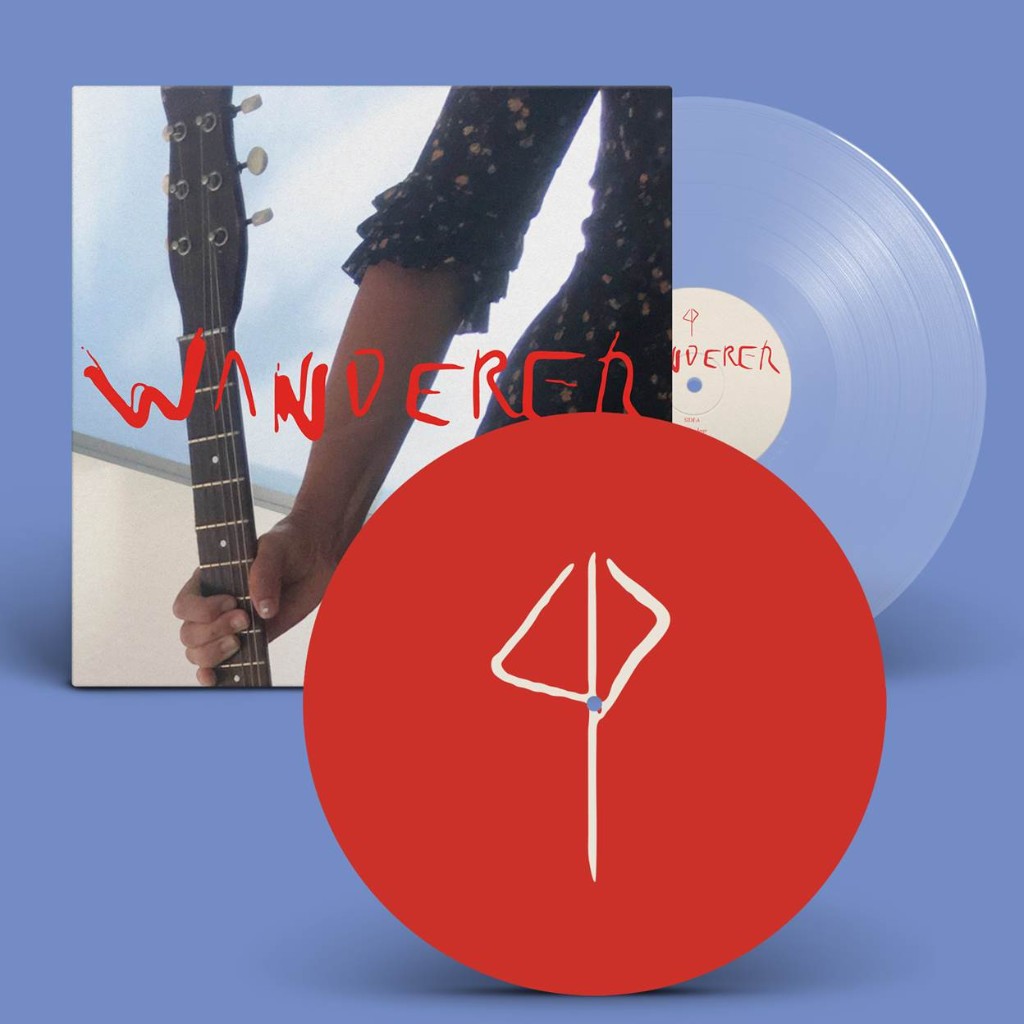
Revered indie singer-songwriter Chan Marshall a.k.a. Cat Power takes inspiration from well-traveled folk and blues musicians on Wanderer, her first album in six years (and tenth overall). The 11-track project will include the rumbling, soulful single “Woman” (featuring recent tourmate Lana Del Rey) as well as what Marshall promises are appearances from “longtime friends and compatriots.” In a statement announcing the LP, Marshall said, “Wanderer, the album, represents the course my life has taken in this journey going from town to town, with my guitar, telling my tale; with reverence to the people who did this generations before me … They were all wanderers, and I am lucky to be among them.”
Chan Marshall is preparing to release her 10th album under the alias Cat Power. While she’s known for her inventive covers (her latest triumph a take on Rihanna’s “Stay”), Marshall has remained an independent and innovative songwriter since debuting in the ’90s, recently influenced by big changes: motherhood, a six-year musical hiatus and a new label, Domino Recordings (her former label, Matador Records, passed on Wanderer). Despite a somewhat winding road since her last record, 2012’s Sun, Cat Power is poised to make a victorious return. If “Stay” and the record’s other two singles, “Woman” and the title track, are any indication, Wanderer is headed for husky pop glory.
Sonic and emotional economy tend to be Chan Marshall’s greatest strengths. Her albums as Cat Power sound like eavesdropping on intimate confessions bolstered by stark musical accompaniment. Even though Marshall has moved beyond guitar-and-voice compositions as her career has progressed—1996’s What Would The Community Think incorporated smoldering pedal steel; 1998’s Moon Pix featured contributions from members of the Dirty Three; and 2006’s The Greatest was brightened by horns—her overall aesthetic remains unvarnished sparseness.
If the universe had tilted the tiniest bit, there would be no Tokyo Police Club new album “TPC” – the not-quite self-titled fourth (and best) Tokyo Police Club album. By 2016, singer-bassist and chief songwriter Dave Monks had settled into life in New York City; he made a solo record and did some co-writing. Drummer Greg Alsop was living and working in L.A. Keyboard player Graham Wright and guitarist Josh Hook remained in the band’s native Canada. Tokyo Police Club created songs via e-mail, thinking they had enough natural chemistry and experience to make that setup work. But eventually, the lack of friction meant there was less musical spark, and it dawned on everybody that the end was near. There was resignation, not anger, when Wright, Alsop, and Hook told Monks they were done with the band.
After putting aside the idea of splitting up and back-burnering their commercial expectations, there was just one thing left to do: go to church. Specifically a church in rural Ontario, where the foursome could recapture the energy of their early years by playing in a room together. Songs that Monks had written were abandoned when they didn’t feel right for this new energy, and TPC started to take shape, built on camaraderie and esprit de corps.
Monks’ friends could once again help shape his songs into TPC songs, and the batch that ended up on the record aren’t quite like anything they’d done before. Album opener “New Blues” signals that Tokyo Police Club doesn’t need a racing tempo to introduce themselves; Pigs takes a sneering look at record-business politics; Simple Dude is unabashedly horny. Not giving a fuck—or, more accurately, only giving a fuck about those things closest to your heart—paid off. It’s the channeling of energy, which flows into every song on TPC, that makes the record their best. They’re through being cool, through doubting themselves, and through wasting time on ancillary things. TPC is self-titled, almost, because it’s Tokyo Police Club circa 2018—scarred but smarter, fully re-energized.
When, The Cure’s Robert Smith announced the first dozen hand-picked artists for this year’s Meltdown Festival, with KRISTIN HERSH numbering among them. Having just finished her U.S. tour with Grant Lee Phillips and with a sold-out Meltdown show on her hands, she’s just announced a 6-date whirlwind U.K. tour following the festival, which will take her to Glasgow, Newcastle, Halifax, Cambridge, Ramsgate and Brighton.
Whether or not you reside in the vicinity, you may still be thrilled at the fact that she is previewing a new track, called ‘Lax’. This is a rough version of the track, as the final version will be on her album ‘Possible Dust Clouds’, r released later this week.
Indie rock legend Kristin Hersh, is most recognised as the front person for the influential art-punk band Throwing Muses and power trio 50FOOTWAVE, she has a short visit to the UK this summer with her sold-out performance at Robert Smith’s Meltdown Festival.
‘LAX’, a track from of her forthcoming album ‘Possible Dust Clouds’,Throwing Muses first gained traction in the early ‘80s, playing with similarly singular artists, such as The Pixies and Dinosaur Jr. They continue to release groundbreaking music, most recently with 2013’s double CD masterpiece ‘Purgatory/Paradise’ . Kristin’s solo career spun off in 1994 with the release of ‘Hips and Makers’, a widely acclaimed album that included ‘Your Ghost’, a duet with R.E.M.’s Michael Stipe. Since then, Kristin has released a steady stream of distinctly individual solo albums, including 2010’s ‘Crooked’, released as her first in the inventive book/CD format for which she is now known.
2016’s ‘Wyatt at the Coyote Palace’, on which Kristin played all of the instruments, received rave reviews; an explosive defined by blistering guitars, powerful drumming and her signature visceral vocal technique. Her poignant true stories bring the listener into what the BBC calls Hersh’s “dark and dizzy world”.
In 2004, Kristin formed the noise rock power trio 50FOOTWAVE, releasing a series of frighteningly intense mini-albums, all available for download free of charge. Their most recent ‘Bath White’ EP was described as “a series of loud explosions, of velvet like dreams all intermingled at the same time. Bath White takes no prisoners.” Kristin’s writing career has flourished with the highly acclaimed ‘Paradoxical Undressing’ (released as ‘Rat Girl’ in the USA) and the award winning ‘Don’t Suck, Don’t Die’, a personal account of her long friendship with the late Vic Chesnutt, as well as the enchanting books which now accompany each of her record releases.
Garage country band Mail the Horse recently raised funds through a Pledge campaign to record their new album. The sessions were mixed by Drew Vanderberg (Futurebirds, Mothers, Drive By Truckers) and mastered by John Baldwin (Benjamin Booker, Jessica Lea Mayfield, Diamond Rugs). This is follow-up to the group’s Magnolia EP and will be released in early 2019.
The band have released “Throw Shade” from the forthcoming record. The band say that the song “is a love letter to rock and roll. Its important to our band to be stewards of the genre while pushing it forward at the same time. We came back to the city after a long tour of ours all hyped on what we were doing out on the road and got back into the swing of seeing local shows in New York, and were shocked to find that sometime in the summer of 2016, rock music in this town had just died somehow. No one was playing loud anymore, no one was playing from the heart, everyone was just staying out of each other’s way. That’s where “Throw Shade” came from. It’s a call for someone to play me a frigging rock song that makes me sweat – something that I can talk about with my friends after the show.”
Donny Amidon
Michael Hesslein
Chris May
Brendan Smith
Andrew Weaver
Mail the Horse have described themselves as “a country clunker of a five-piece careening down a highway laid to waste with Stones psychedelia and heartbroken hymnals, What’s not to love?
It was in the summertime half a century ago that the world first met CCR, a group that would reach sky-high success while retaining a resolutely rootsy, earthbound sound. An incredible legacy that was formed in just four years of unbridled creative output (1968 – 1972).
Beyond its anti-war sentiment, “Fortunate Son”is an anthem for the 99%ers, condensing a critique of elitism and class privilege into three simple, but powerfully defiant words: It Ain’t Me. Craft partnered with director Ben Fee (Band of Horses, The War on Drugs, The Lumineers, Aesop Rock) to give a whole new generation a visual entry point into the world of Creedence Clearwater Revival.
The song already has an undeniable place in history as one of the most visceral, attention-grabbing protest tunes of the Vietnam era. And though the Vietnam War is in the rearview mirror, the underdogs CCR spoke for in “Fortunate Son” are still the heart and soul of America, only facing a whole new set of challenges.Fee turned the video into a celebration of their indomitable spirit, giving viewers a glimpse of the broad array of characters comprising the patchwork that is our country at its core.
Fee’s video road trip took him across the country, from Los Angeles to Miami and all points in-between. The footage captures people across America of diverse ages, cultures, ethnic backgrounds and locations (including Florida, Louisiana, Texas, New Mexico, California, Washington and Hawaii) to document the true spirit that makes up the fabric of the United States, for which CCR have been the soundtrack for 50 years. Says Fee, “I wanted to highlight the community and positivity that everybody shares . . . I wanted to show what America feels like when you actually hit the road and drive throughout the States.”
The arrival of Creedence Clearwater Revival’s 50th anniversary brings an unprecedented celebration of everything the band contributed in their short but startlingly epochal time together (1968 – 1972). To commemorate this milestone, Craft Recordings is releasing a deluxe box set comprising the band’s complete seven-album studio output: Creedence Clearwater Revival, Bayou Country, Green River, Willy and the Poor Boys,Cosmo’s Factory, Pendulum and Mardi Gras. Each album in this collection has been mastered at half-speed at Abbey Road Studios, benefiting from an exacting process that allows for an exceptional level of sonic clarity and punch, bringing these classic recordings a new vibrancy. The 180-gram LPs come housed in handsome tip-on jackets replicating the packaging of the original pressings. Along with the complete studio album collection comes an 80-page book featuring new liner notes from music journalist Roy Trakin, archival photos and reproductions of band ephemera — offering something for both new and the most die hard of Creedence fans. Available November 30th, 2018.
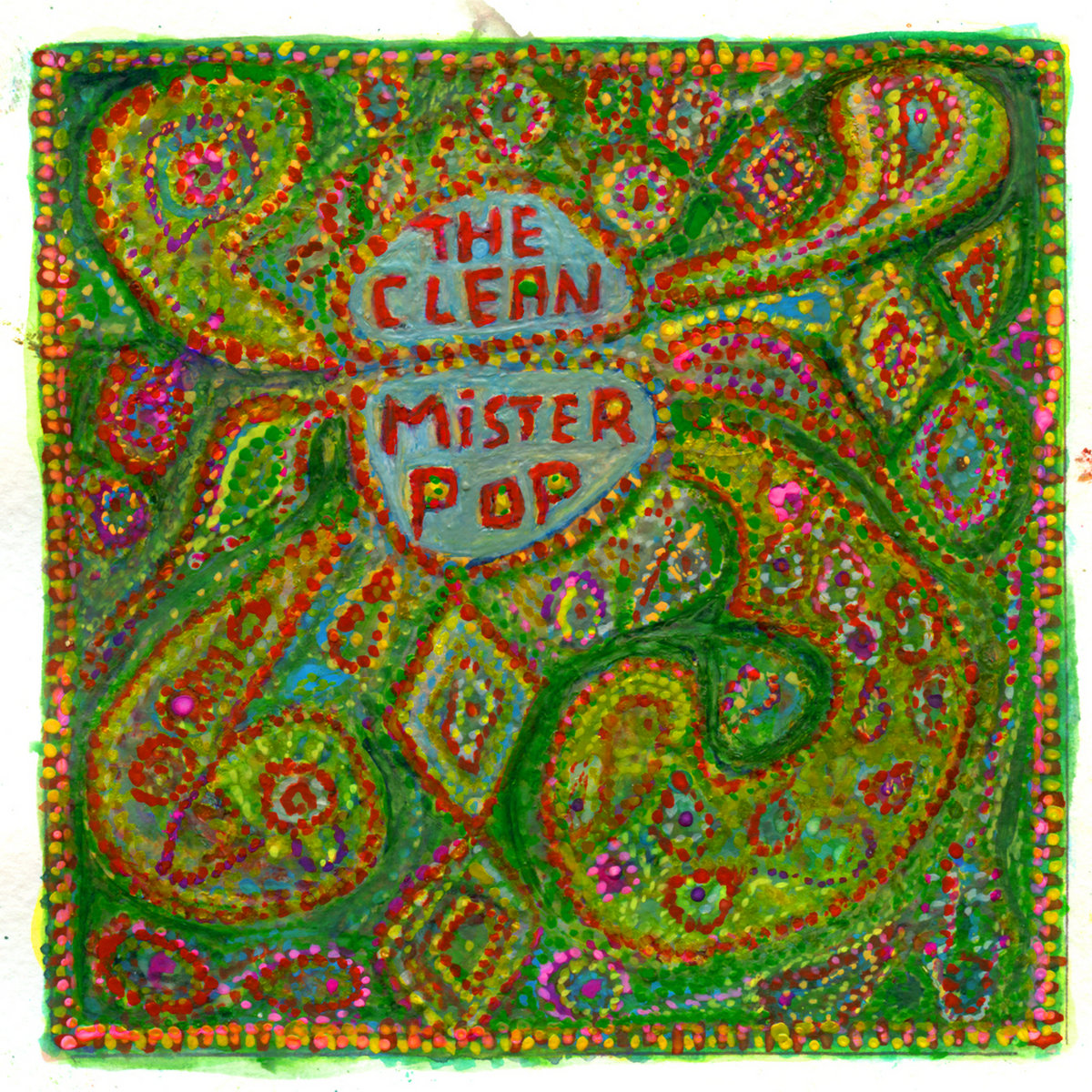
The Kiwi Pop giants and lo-fi all-stars with only the fifth LP in their storied career.
The Clean the Halley’s Comet of indie-rock, appearing after prolonged absences in a flash of brilliance, only to disappear just as quickly and practically be forgotten about again . This New Zealand trio’s output has been notoriously sporadic over their 32-year lifespan, their releases have been fortuitously timed to capitalize on their unyielding influence: After a brief string of legend-making singles in the early 1980s, the band’s relatively prolific 1990-96 run coincided with the ascendance of Clean acolytes Pavement and Yo La Tengo; their last release, 2001’s Getaway, dovetailed with the Strokes and the Shins’ back-to-basics ethos; while the new “Mister Pop” was only their fifth full-length release at a time when a new generation of lo-fidelity all-stars (Jay Reatard, Bradford Cox, Crystal Stilts, Love Is All) is displaying a voracious appetite for Kiwi pop.
But the Clean have always exuded a casual grace that suggests they’d still be making the same records even if no one was listening, employing the same set of devices– ramshackle locomotive rhythms, buoyant basslines, swirling organ lines, and wide-smile melodies irrespective of prevailing fashions, technological developments, or geopolitical unrest. And yet, the Clean’s periodic resurgences serve as a reminder that, in a world of uncertainty, there are still some things you can rely on.
Despite the eight-year layoff since Getaway, “Mister Pop” effectively picks up right where we left off, with a pair of warm-up exercises– the metronomic organ-grinding jam “Loog” and the possibly self-referential dream-pop ditty “Are You Really on Drugs?” that feel like vapor-trail echoes of its predecessor’s distended, psychedelic haze. Even in light of the Clean’s lo-fi legacy, the tracks feel demo-grade, built on single ideas that, while lasting only three minutes each, still feel run into the ground, begging the question of whether eight years was actually long enough for the song reservoir to replenish itself again. But such quibbles are cast aside 30 seconds into “In the Dreamlife You Need a Rubber Soul”, a headlight-bright jangle-pop pleaser (possibly about the new Beatles reissues?) that boasts all the hallmarks of classic Clean. On another track, David Kilgour makes an even more explicit reinforcement of Mister Pop’s return-to-form intent: over a paisley-toned, mod-rock swing, he repeats, “It puts me right back in the day.”
In 1983, the 12” single was not a new thing for The Rolling Stones as they thought enough of the format as far back as 1976 by issuing the promo-only “Hot Stuff”/“Crazy Mama.” Another followed in 1978 in the wake of “Some Girls” with a ‘Special Disco Version’ of “Miss You” suitably lengthened and groove-widened for high steppin’ use. Then in 1980, an extended remix of “Dance (Pt. 1)” took the track and elongated it over two sides as “If I Was A Dancer (Dance Pt.2)”/“Dance (Instrumental Version).” However, all this was trumped by what came next: the dub remix of “Undercover Of The Night”/“Feel On Baby” and the 3-track “Too Much Blood” EP. These were shattering proto-electro clash anomalies replete with stuttering sampling and additional deconstructions that sought to chop up and carve the tracks into a place where few if any of the handful of contemporaries of The Stones’ dared to venture forth — let alone any other Rock bands, period. Even relative newcomers didn’t take things this far: content to leave many of their ‘dub’ or ‘all night version’ B-sides as just slightly longer instrumental versions of their A-sides with little or no modifications. What The Stones did was more iconoclastic than Blondie’s extended mix of “Rapture,” The Clash’s “Radio Clash” EP or even any PIL 12” simply because it WAS The Rolling Stones AND they had far more to lose by embracing pioneering elements that dislocated their sound into the extremities of dance floor sound techniques.
Ever since the eighties, these two Rolling Stones EPs never registered a single positive response from any Stones fan I’d play them for until the needle lifted up. My claim that these two singles were psychedelic because they were so different from what one had come to expect from The Stones were met only with groans and rolled eyes of bored fans that, even during that first full year of the MTV eighties, rejected ‘em outright as merely ‘disco.’ Disco? I ain’t got time for that now! They even poo-poo’ed the accompanying album’s sticker-splattered sleeve, figgering the triangular patch under the crotch of the cover’s otherwise nude model wasn’t gonna be the promised show time and decried it as a last ditch effort for credibility with such a workaday, sub-Warhol device. I’d finally ask ‘Yeah, but you still wanna know what’s underneath, right?’ and then refuse to reveal what was. (Actually, I couldn’t remember except that it was none of the woman’s anatomy, but that wasn’t the issue. I looked while others kept theirs hermetically sealed; Either in the secret hope it would wind up accruing a value greater than or equal to an unpeeled copy of the first VU album, out of boredom or both.)
With MTV already a full blown cultural epidemic, The Stones finally hiked their once-lagging video acumen into high gear with two uncompromising videos for “Undercover Of The Night” and “Too Much Blood.” No longer miming in a rented studio, hiding behind thermograms or hangin’ ‘round the Lower East Side, a quantum leap was made by hiring director Julien Temple which resulted in casting the band in parallel plot developments that yielded something far more inventive that what usually aired on MTV at the time (comprised for the most part by post-apocalyptic dance routines, South Sea island reveries, haunted house scenarios, cheap ‘it-was-only-a-dream’ plot resolutions, amateurish film noir or some other shopworn motif with practically every lyric conspicuously mimed.) Set in nighttime Central American locations, the videos were immediately engaging with violent and humourous twists at every turn while sound effects constantly erupted over the music as an interior channel surfing world continued throughout. In “Undercover Of The Night,” Mick took on the main character roles (natch) and Keith was typecast as an assassin (double natch) while Bill, Charlie and Ronnie fleshed out the background behind their instruments or as masked abductors. The follow up video for “Too Much Blood” was no less disturbing in its depiction of a woman splitting an otherwise quiet evening between being terrorised by blood seeping out from every appliance she touched and intently watching The Stones throw threatening shapes on her (soon bleeding and consequently defenestrated) TV set.
Like the videos, the songs reeked with an unsettling air of oppressive darkness. Even in their un-remixed state, “Undercover Of The Night,” “Feel On Baby” and “Too Much Blood” stuck out from the rest of the “Undercover” album like a sore tongue and were The Stones’ most errantly experimental moves on one album since “Their Satanic Majesties Request.” (Weirdly, the labels on both albums read ‘Front Side’ and ‘Back Side’ stedda plain old ‘Side 1’ and ‘Side 2’.) But despite the fact “Undercover” weren’t experimental all the way through with much of it echoing familiar shades of “Some Girls”/“Emotional Rescue”/“Tattoo You”-styled buffers, the gruesome threesome listed above was an entirely new sound for The Rolling Stones. Burnished with a futuristic gleam by the wonderknobs of long-term Stones co-producer Chris Kimsey, abrupt sampling and FX-upon-everything stabbed throughout while as if in electronic ode to the percussion-inclined nature of their previous work with Jimmy Miller, acoustic and synthesized drums were punched in and out all over the place.
This handiwork carried over with severe application onto two EPs and made those twelve inchers resound with vibrations twelve foot wide, twelve foot deep and twelve foot high. “Undercover Of The Night” featured even more distracting sampled blasts and rattling firecracker snare rolls than on album as they constantly permeated a jagged and slinky funk. The B-side was an authentic dub of “Feel On Baby” that dispensed with the lead vocals altogether in a room full of percussive mirrors with its rebounding bass line the only constant. Then a subsequent 12” saw two separate versions of “Too Much Blood” handled (and mishandled) by a team of outside engineers that made it forget who it was for most of the time as they buffeted it with beats, samples and a whole arsenal of remix materiel while myriad edits revived chunks of sound as punctuation over staccato rhythms with sudden, tightly echoed electronic drums and clap tracking galore. Yet for all the time these proto-techno effects conspired to twist up, rip apart and send flying into oblivion anything that permitted its ejected splinters to be recognisable as ‘The Stones,’ they couldn’t. Because those Volkswagens of Rock’n’Roll were too tough (as they themselves taunted on another song off “Undercover” spared the vicissitudes of remixing) and their base elements were altogether too distinctive and too dirty to destroy or render anonymous.
“Undercover Of the Night”/“Feel On Baby”
Slapping a fake ‘Extended Cheeky Mix’ sticker and Stones tongue over the bare ass on the cover? Nice.
The wide-grooved Euro 12” vinyl of “Undercover Of The Night (Dub Version)” held far clearer audio presentation than its unmixed album counterpart with the original elements reassembled, reshuffled, interrupted and strung out for far longer. The opening machine-gunning electronic snare roll rattles over a red carpet of groove that rolls out fringed with echoed drumming and that ubiquitous dive-bombing guitar blast paired with e-drums that only roughly sounds like ((((“DA-DA-DA-DA-DA-A-A-A-A-OOOUUUWWWGGHH…”)))) but feels like a detonation going off between your ears instead. In the breakdown, four of these samples roar out of nowhere to propel you backwards like the guy on the sofa in the Maxell commercial. Timpani can be heard rumbling innocently in the background during the pressure dropped fade/slight return still intact from the album’s structure only it runs longer, and…Hey, where are the vocals? Oh, there they are: on Jagger’s streecawner “doo-doo, doo, doo, doo-doo”-ing a wordless cockcrowing to bolster the groove. An additional outro instrumental of audible organ, jagged guitar riffs and pounding timpani ensuing right before its conclusion is signalled with a final accent of ((((“DA-DA-DA-DA-DA-A-A-A-A-OOOUUUWWWGGHH…”)))) that impacts into a wall of sickeningly slow echo slapback.
“Feel On Baby” was the isolated reggae move on “Undercover” album. With a groove and inflection displaying a far greater degree of intuition of said Jamaican idiom than “Cherry Oh Baby,” it comes as little surprise that the rhythm section here is none other than drummer Sly Dunbar and bassist Robbie Shakespeare. In its filleted form as “Feel On Baby (Instrumental Dub),” the track was stripped back to expose a sinewy lead bass line backlit with African percussion and shorn of all vocalising save the amplified background vocal/gruff repetition of the title by Keith. In a huge and becalmed surrounding, click-clacking contributions from Senegalese percussionaires Moustapha Cisse and Brahms Coundoul alongside Sade sideman Martin Ditcham organically play off Shakespeare’s slow and deliberate bass. Over time, this acoustic and electronic percussion’s electro-dub netting gradually shifts from a weightless hang to a heavy shroud over its jungled rhythm enclosure. Keith’s rhythm guitar drops out, drops in yet always retains its underlined, drop shadowing echo. An organ passage swells overhead far more prominently and longer than on the LP edition, while additional blasts of the same rapid-fire machine gunning e-drums from “Undercover of The Night” reappear to ping-pong from speaker to speaker. Jagger blares out see-sawing harmonica while Richards’ cross-hatching rhythm is gradually displaced by another thicket of e-drum explosions until a single thunderous down stroke from Keef dissipates all except the nighttime cricket percussion that soon settle up and retreat one by one back into the darkened bush.
“Too Much Blood”
A bloodied and traumatised Jagger pushes his horrified mug forward while Keith stalks in the background with his hollow-bodied axe raised like an avenging angel of death moments before administering a final sacrificial strike.
The “Too Much Blood” EP was a huge production number. Involving an auxiliary of players and arrangers appearing alongside Mick (lead vocals, electric guitars), Keith (guitars) and Stones guitar technician Jim Barber (guitar) it would appear to be Robbie Shakespeare once more on bass with either Sly Dunbar, Charlie Watts or both on drums. The reoccurring brass blasts were blown by Chops, a session horn section whose core members Dave Watson and Darryl Dixon appeared on Parliament’s “Funkentelechy vs. The Placebo Syndrome” and “Trombipulation” LPs as well as albums by P-Funk offshoots Quazar and Mutiny. More recently, their distinctive brass placements had appeared on releases by The Sugarhill Gang and Grandmaster Flash & The Furious 5. These guys had brass in the pocket, and no less so on “Too Much Blood” with a memorably sharp accenting in the chorus. Also from the ranks of nascent NYC rap culture was former DJ / producer / arranger / programmer / remixer Arthur Baker: a cut-and-paste studio in human form best known at the time for hijacking Kraftwerk’s “Trans Europe Express” into a Bronx-bound subway for Afrika Bambaataa’s sensational single, “Planet Rock.” Assisting Baker were engineers Chris and Tom Lord-Alge, the two-man edit crew of The Latin Rascals alongside trays of electronic scalpels and chainsaws.
The surgery was a success only the patient looked, sounded and danced nothing like he did pre-op. The hotwired remix of “Too Much Blood (Long Dance Version)” was the result of stripping an already spartan track down to its rhythm section, constant hi-hat pulse, three-way guitar crosstalk and horn theme then rethreading it all through a pounding beat with multiple percussive overlays and processing it all through a blender set at Burroughsian cut up. The prime victim of this procedure were Jagger’s vocals, used and re-used alongside a whole additional set of his piquant bon mots, coarse ad-libs and derisive critiques of Michael Jackson’s “Thriller” video. At 12:33 minutes, this version of “Too Much Blood” is too much of everything: a carnival of beats, edits and samples dart in at angles like a nighttime fire fight accompanied by flares constantly popping off overhead. Holographic percussion lays down a near-“Sympathy For The Devil” introduction over Jagger’s opening vocal gambit of “Oh… Oh no…” and oh no is right for stentorian thumping and push-button staggering bursts in all around the 2-ply beats already edging into the original and pushing it off to one side. Its ceaseless production line rhythm stops for nothing even as timbales galore gallop in and out and it’s only when the once familiar horn theme gets super-stuttered, cut away and echoed in the first of many instances of push-button abuse does the beat lurch to any degree — but winds up snapping back to attention every time, anyway. Additional synth lines dart in and out to sew the rhythm up even tighter as edits are jammed in out of nowhere: A synth bass appears to fun/c/k up the proceedings, push button sampling gets stuck on a split-second passage and a squalling public saxophone solos like it never did on the album version. Finally, a clearing is made for Jim Barber to unload chiming guitar riffs that gradually nudge into a solo while Jagger riffs on the sort of thing to be found late night on the Bois de Boulogne:
“Dance with a one-legged woman:
Fifty francs!
Good night…
Sister!”
Suddenly, the plug is pulled and it all grinds down to an echoed halt: But for only several seconds, as the trauma is revived with Jagger intoning into a nighttime jungle clearing before an assembled tribe at the foot of a towering voodoo idol: “Mean-mean-mean-mean-while…back in the jungle…Whoa huh HAHAAHAHAHAHAA…!” Hahahahaha: he got it off David Johansen (who got some off him in the first place, anyway) who in turn picked up a case of it offa The Cadets back in ’55 in a cultural Möbius strip winding back on itself forever — neatly underlined by the percussion track currently zipping by backwards into hyperspace. It parts for the hardfloor stampeding to recommence in air-locked propulsion while the push-button freak-outs make Jagger’s vocals stutter wildly as if he’s traipsing over that red coal carpet of yore. Pounding drums, drums and more drums beat, encircling the rapid rhythmic sampling of Jagger’s cries and yelps. Another edit and flitting synth clusters dance and dart off-beat until a Caribbean percussion squad parachutes into this Junkanoo delirium. The horn theme is punched back in as additional stuff is cut away, inserted and added at a dizzying pace over a swarm of multi-sampled, pitch-controlled vocal samples. Someone pulls the plug a second time, causing fragments of music combined with bits of Jaggered vox e-detritus sampled at several beats per nanosecond to blur, hit the wall and bottom out into dead silence.
The eight minute “Too Much Blood (Dub Version)” see the original vocals scrapped and replaced by newly-recorded adlibs, jibs and jabs from Jagger. In a distant room, the bass line booms over e-drums and beats that crack with digital precision. More Jagger vocal samples whizz by the doubled-up in strength drum beats like flaming shards as his ghostly “Wooo, wooo, wooo…” scans the horizon like searchlights. More primal screams get sampled until a repeated “V-v-v-very v-v-v-very-very fuckin’ funny, Michael!” gets stuck and doesn’t let go. It cuts in over and over until the increasing echo turns it into a veritable conversation with itself and sprays over a wide trajectory. Hugh synth bass solo funks up against sax shrieks as further overlays of repeated vocals and phrases echo at variable speed. Now a long forgotten dream, the horn theme passes by. In pieces. Timbales return and all the while, the hollowed out bass line continues from its position in the furthest studio corridor. Apropos of nothing, Jagger pipes in:
“Werewolf keeps turning into this bleedin’, fuckin’ falcon. What’s it all about, y’know? I mean, give me a fucking break…They can’t fuck because she’s a falcon and he’s a bleedin’ fuckin’ hawk! Well, I mean: they can’t get it on obviously, anyway…er…Y’know: it’s a bit involved…”
So is this remix. It’s a rush hour of edits, beats, echo and percussion until flitting keyboards renter to dance hither, thither and yon to signal the track’s slow corrosion. Jagger’s done roasting “Thriller” and has reverted to wordlessly gitchy-gitchy-ga-ga all over the place in a reverb-treated dub tank. He lets loose two final screams before a tsunami of echo swipes everything mercilessly into silence.
Thus ends the final remixed doppelgänger that hitched a ride to the heart of darkness and almost didn’t return. Then again, maybe they didn’t. The smell of sex…the smell of suicide…All those (dream) things The Stones just couldn’t keep inside…Along with fleshing out a half an hour’s worth of extreme alternative editions of an already reinvented sound hung out on the furthest extremities.
While for some it’s all too easy to dismiss The Stones outright and consign their successes within their huge body of work to that neat and multi-generational/critically-approved ‘65-‘72 era of achievements, anybody who knows and feels what Rock’n’Roll is knows it ain’t that easy — Especially with a group with such a varied catalog of high-calibre low-riders as The Stones. And outside of their keepin’ on keepin’ on for as long as they have, these two remix 12”s mark what may be the Stones’ last truly great experiment. Or at very least: solid evidence of an undying resilience that time has yet to prove to be surpassed by any group.
Five years after the release of his best-selling and highly praised album “Muchacho”, Phosphorescent’s MatthewHouck is returning with “C’est La Vie“, which he produced at his own Spirit Sounds Studio in Nashville, Tenn. Like Muchacho’s starchild single “Song For Zula,” the happy-go-lucky “New Birth in New England,” the first single from “C’est La Vie”, is an overwhelming display of color and genre. Backed by a gospel choir and cheerful acoustics, Houck expertly layers stellar slide guitar and distinctly soulful twang and keys work with hula-like sways of what can only be described as island rock—curious, considering New England is about as far away from the tropics as you can get. Houck’s crackly vocals are reminiscent of Jim James’ or M.C. Taylor’s (Hiss Golden Messenger), but his voice cannot be easily categorized as southern or Americana. On C’est La Vie, Houck doesn’t lean wholly into one sound or style; rather, he capitalizes on a wealth of them.
Houck has crafted an electrifying collection of songs that blend a dreamy, psychedelic americana aesthetic with solid pop foundations that never fail to engage.
Last fall, Kurt Vile teamed up with Courtney Barnett for the collaborative album Lotta Sea Lice. Now, he’s about to launch his upcoming seventh solo album — his first solo effort since 2015’s b’lieve i’m goin down, which became highest charting Billboard 200 release . Judging by the instrumentally intricate and lyrically humorous lead single “Loading Zones,” Bottle It In picks up where Vile left off with few detours: His brand of twangy slack-rock is unmistakably him, and this new project will fit seamlessly into Vile’s quickly growing catalog.
Kurt Vile has now shared a third single off his new album Bottle It In, which comes out next week (10/12) via Matador Records. Like the previous singles, “One Trick Ponies” has that laid-back, trademark Kurt Vile feel but manages to sound like something new for KV too. He’s joined by Warpaint’s Stella Mozgawa and Beachwood Sparks’ Farmer Dave Scher on the harmony-fueled chorus, and KV also shows off his harmonica playing on this one.
Kurt Vile also has several tour dates coming up, including a run with the great Jessica Pratt