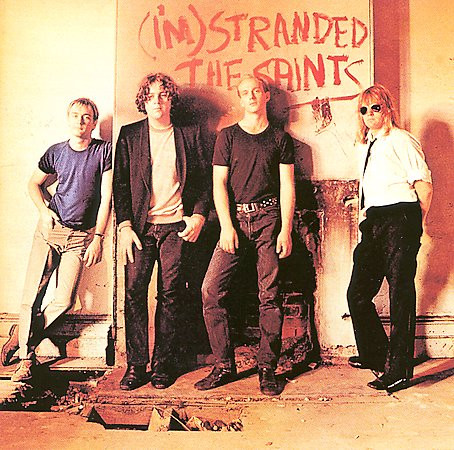
September. 28th in 1976: pioneering Australian punk group The Saints reissued their soon-to-be hugely influential debut single “I’m Stranded” (backed with “No Time”) on the Power Exchange label, where it would receive broad distribution (they had previously released a private pressing of the single on their own Fatal Records, that is now a collector’s item); the single pre-dated vinyl debuts by such UK punk rock peers as Sex Pistols, Buzzcocks, The Damned & The Clash…
In order to understand how pop-punk broke in Australia,The Saints arrived at a time where tensions in their native Brisbane were considerably high — police would often break up shows, and punk music served as a major ‘fuck you’ to authorities at large.
It’s often said that Australia’s Saints were the Antipodean Ramones, having developed similarly minus awareness of Da Brudders. But Ed Kuepper was more chaotic and violent-sounding than Johnny Ramone—and was capable of lead work as blistering as, say, Brian James’. Kuepper made the Saints their own entity. The Saints were one of Australia’s earliest punk bands and they’ve gone down in history as the first group outside of the United States to release a record. They followed 1976’s “(I’m) Stranded” single with a 1977 album of the same name, and the punk world was forever altered. Every song on the album is full of swagger, urgency, and sincerity as the band blazes through scorching rock numbers and a few blues-drenched ballads. Once you hear Chris Bailey exclaim “Come on!” or hear the buzzsaw whirlwind that is Ed Kuepper’s guitar playing, you’ll know why The Saints are one of Australia’s greatest musical exports.
Released in February 1977: Australian punk band The Saints followed up the roaring domestic success of their single “(I’m) Stranded” with their debut album of the same name, on EMI Records (Australia)/Harvest Records (UK)/Sire Records (US); full of rough, exhilarating rock’n’roll noise, it remains one of the greatest debut LPs of the era; “Erotic Neurotic” was the second single, released that May shortly before the band relocated to the UK; in 2010, the album was ranked #20 in the book ‘100 Best Australian Albums’…
Although not given their due at the time, this band and this song have gone on to serve as the blueprint for how Australians typically approach the genre. There’s a strong underlying sense of melody here, too. While John Lydon and Iggy Pop would often just howl and squawk, Chris Bailey knew how to get his hooks in. By doing so, he created one of the most famous choruses in Australian rock history, in turn paving the way for pop-punk.
The Saints are an Australian rock band, which was formed in Brisbane in 1974 as punk rockers. The founders were Chris Bailey (singer and guitar), Ivor Hay (drums) and Ed Kuepper (guitar and composer). Next to Pilar Bailey. In 1975, contemporaries with the Ramones Americans, The Saints used the fast rhythms, the strident voice and guitar “buzz saw” that characterizes the first years of punk. With their first single, “(I’m) Stranded,” in September 1976, they became the first punk band outside the United States to release a record, ahead of other well-known groups, including the Sex Pistols and The Clash .
They are one of the first and most influential groups of the genre, according to Bob Geldof, “Rock music in the seventies was changed by three bands: The Sex Pistols, The Ramones and The Saints.” In early 1979, The Saints split, leaving Bailey to continue with the band, with a variable lineup, like a pop punk band. The band was included in the Australian Recording Industry Association (ARIA) Hall of Fame in 2001
Braids have been taking the time and space necessary for little miracles to occur. Burrowed in their Montreal studio, the band has spent the better part of three years crafting “Shadow Offering”, their 4th album, due out in June 2020 via their new label home, Secret City. On Braids’ fourth album, Shadow Offering, the Montreal art-pop trio is at its cleanest and most refined. They teamed up with producer Chris Walla, who teases out the rockier side of their tunes, turning the group’s taut synth reveries into glistening and forceful songs that tackle topics like abuse and desire and self-hatred. Raphaelle Standell-Preston’s voice is dizzying; she presents her fears not as a persistent dull ache but as something that is going to rip her apart from the inside out.
Unlike previous albums, Braids decided to stay close to home for the recording of Shadow Offering. Taking over a spacious sound recording studio tucked in an old warehouse, the band were able to slow down and creatively rediscover themselves. “With this album, we wanted to give ourselves time to achieve a higher caliber of artistry and collaboration,” Tufts says. No longer riding the novelty of youth, the band deliberately took time to recommit to themselves and their craft, and channel new energy into their music. They wrote 40 songs. They went through their Saturn Returns. They learnt how to support one another better. They drank a lot of La Croix.
The band sketched and re-sketched new material for eighteen months before lucky circumstance found Chris Walla (Death Cab For Cutie) renting out space in their studio. The four began wandering into each others’ rooms, curious about each others’ projects. Typically opting for a private and insular creation process, the friendship between the four saw the band sharing their songs with Walla, and naturally resulted in Walla co-producing and engineering Shadow Offering. Pushing the band out of their comfort zone, he at once broke and unified the band’s dynamic, unearthing individual creative energy long buried over the years. With a new sense of confidence, listeners will find Braids at their most personal, unabashedly flexing through their new music.
Braids are a Montreal-based, three-piece band. Formed in 2007, they have solidified a decade-long reputation for theirmusical ingenuity and established themselves as one of Canada’s most acclaimed art rock bands. With Standell-Preston’s vocals as the pillar of their sound, Braids weave organic and electronic elements together amidst a lyrical landscape that is intimate and emotionally-immersive
In 2009, Wild Nothing’s Jack Tatum uploaded a dreamy cover of Kate Bush’s “Cloudbusting” and it spread like wildfire from blog to blog. Then a 21-year-old college student at Virginia Tech in a quiet Blacksburg, town in Virginia, Tatum was hard at work on his debut album as Wild Nothing, 2010’s Gemini. The internet attention led to Captured Tracks releasing the LP, which was an excellent first full-length that highlighted Tatum’s near-obsessive fascination with ’80s music like Cocteau Twins and the Smiths. But more than that, it showcased a budding songwriter who could create his own gauzy and nostalgic world with a studious ear for timeless melodies.
Because of his talent and knack for developing lasting hooks, it’s no surprise that initial hype wasn’t a flash in the pan. Over four albums and almost a decade of recorded music as Wild Nothing, Tatum has constantly honed even the most compelling parts of his debut.
2012’s Nocturne, which was the product of his move from Virginia to Savannah, Georgia, and later to New York City, was a more intentional improvement on Gemini, in part due to the fact it was recorded in a bonafide studio. His 2016 return Life of Pause, which was recorded in L.A., found Tatum expanding his musical palate through subtle inspiration from soul music
Whereas Gemini was the sound of Tatum making the album he imagined in his bedroom and 2012’s Nocturne was the result of his first turn in a proper studio, followed by 2016’s Life of Pause, a multi-studio tinkering odyssey spanning time and spaces, this 2018 maturation finds Tatum arriving at total creative openness. “My entire 20s have been spent on this project, and in that sense you inherently find the limitations in what you make,” Tatum says. “With the last record I was trying to stretch out as far as I could, but with Indigo I’ve created something that has homed in on its own identity. My life has become less about chasing these creative bursts and more about learning to channel my creativity.”
Indigo, his most recent effort via Captured Tracks, is his most confident yet. Recorded in LosAngeles, it’s full of songs that cue from other acts like Roxy Music or Prefab Sprout but funneled through a lens that’s distinctly Tatum’s. Now a resident of Richmond, Virginia, Tatum has literally been unable to stay in one place, not just sonically.
Gemini
On his 2010 debut album, Gemini, Jack Tatum’s frail vocals come warped in an oozing neon haze. Carefully orchestrated synth-pop arrangements, trebly guitar riffs and tattered drum machines blend together to create an intriguing, texturally rich glo-pop album that could come only from the young at heart.
Jack Tatum: I chose this song for a few reasons. I mean, it’s the first song on the record, but it’s also, if I remember correctly, the first song I ever wrote for this project and it just seemed like a cool place to start. The fact that it fades into the record always seemed like such a good introduction to this world, you know? I love fade ins and fade outs, even though some people hate them. When I started writing the first record, I was actually living in Virginia but I was spending the summer in Savannah, Georgia, because I had some friends down there at the time. I was hanging around in Savannah and just staying in my friend’s living room and I’d set up a recording zone there. That was the first song that I made.
At the time I didn’t really have a clear picture for what I wanted the project to sound like, I was just making stuff as I went and seeing what happened. I was obsessed with the Smiths at the time and the impetus was just that I wanted to write a song that sounds like “There Is a Light That Never Goes Out.” It was basically in my own way of trying to copy that song but it ended up turning into the sound of that first record, unintentionally. And so I think through making that song, I kind of created a framework for the rest of Gemini in a way. It’s actually one of the few songs on that record that I never get tired of playing.
We started to tour quite a lot on Gemini, which was all very new to me. I played in bands in college and had been working on my own music since I was a kid, but really not on that level. We had started touring Gemini basically right when the record came out. We were touring quite a bit and I decided that I wanted to move somewhere else and I had friends in Savannah. I moved to Georgia and I was touring so much when I lived there, I never really settled in a lot ways. I only lived there for a year and, basically, I was just either touring or when I was back I was working on Nocturne.
Nocturne
Nocturne, the sophomore album by Wild Nothing, is a window into singer/songwriter Jack Tatum’s “ideal world” of pop music. Written largely while living in Savannah, GA during 2011, the songs that became Nocturne speak to a new Wild Nothing where the lines between Jack’s influences and personality have been further blurred. The album features some open references to past music just as his critically acclaimed debut Gemini did, but it’s also an album that feels much less rooted in anything in particular and, well, more adult.
Gemini was written before there were Wild Nothing fans or even a live band; Nocturne is different. With an unexpected fan base to turn to, Jack spent more time perfecting his craft. The obsessiveness of Nocturne is inherent in it’s gentle harmonies, orchestrated synths, wandering voice, and songs that speak of his post-Gemini experiences as he explores new paradoxes of pop. And yet, Nocturne isn’t obvious, it is a strange and distinctive musical beast, the product of an obsessive pop vision that creates its own reality.
The writing process for Nocturne was very isolated, and driven by being in this new environment where I never really felt like I had the time to fully settle or immerse myself in the city. In that sense, I just threw myself completely into the writing of this record. Around that time that I set this precedent, which I didn’t really mean to do and it’s kind of like a habit, but I realized that I’ve moved every time that I’m about to release a record. I don’t know if I’m subconsciously or doing it on purpose now or what. It’s funny. I moved to New York right around the time that I was finishing Nocturne up, after that, I moved to Los Angeles before Life of Pause and now before Indigo I’m in Richmond. With “Nocturne,” I was just like, “OK, this is the sound of the record.” That usually happens where there’s this one song and it’s just something about it that just clicks and every following song revolves around it in a sense. The original demo is also very true to the way it ended up. In some ways, it was me trying to introduce more of a pop lean into my songs. Which isn’t to say that the first record didn’t have pop moments but I think with “Nocturne” I was looking to Fleetwood Mac and figuring out why I love that band so much and how I can write songs like that.
Life Of Pause
When Jack Tatum began work on Life of Pause, his third full-length, he had lofty ambitions: Don’t just write another album; create another world. One with enough detail and texture and dimension that a listener could step inside, explore, and inhabit it as they see fit. “I desperately wanted for this to be the kind of record that would displace me,” he says. “I’m terrified by the idea of being any one thing, or being of any one genre. And whether or not I accomplish that, I know that my only hope of getting there is to constantly reinvent. That reinvention doesn’t need to be drastic, but every new record has to have its own identity, and it has to have a separate set of goals from what came before.”
Nocturne, marked the first time he’d been able to bring his bedroom recordings into a studio, to be performed and fully realized with the help of other musicians. There has been a set of wonderfully expansive EPs in between each – hinting at new directions and punctuating previous ideas – but with Life of Pause, Tatum delivers what he describes as his most “honest and mature” work yet, an exquisitely arranged and beautifully recorded collection of songs that marry the immediate with the indefinable. “I allowed myself to go down every route I could imagine even if it ended up not working for me,” he says. “I owe it to myself to take as many risks as possible. Songs are songs and you have to allow yourself to be open to everything.”
After a prolonged period of writing and experimentation, recording took place over several weeks in both LosAngeles and Stockholm, with producer Thom Monahan (Devendra Banhart, Beachwood Sparks) helping Tatum in his search for a more natural and organically textured sound. In Sweden, in a studio once owned by ABBA, they enlisted Peter, Bjorn and John drummer John Ericsson and fellow Swedish Radio Symphony Orchestra veteran PelleJacobsson, to contribute drums and marimba. In California, at Monahan’s home, Tatum collaborated with Medicine guitarist Brad Laner and a crew of saxophonists. From the hypnotic polyrhythms of “Reichpop” to the sugary howl of “Japanese Alice” to the hallucinogenic R&B of “A Woman’s Wisdom,” the result is a complete, fully immersive listening environment. “I just kept things really simple, writing as ideas came to me,” he says. “There’s definitely a different kind of self in the picture this time around. There’s no real love lost, it’s much more a record of coming to terms and defining what it is that you have; your place, your relationships. I view every record as an opportunity to write better songs. At the end of the day it still sounds like me, just new.”
I had a feeling about this song when I wrote it. When it was in the demo phase, it sounded a little bit different and I didn’t know if I could include the song on the record. To me, when I first wrote it, I thought it sounded like a mainstream pop song, at least the way that it was in the demo. I might’ve gotten too deep into my own head there. In retrospect, there’s always songs where I think it should’ve been a single. It’s equally discouraging but encouraging to see that the song in particular had been streaming so well based off of nothing other than just fans liking the song. It’s amazing to see but I keep thinking it should’ve been a single.
It’s my favorite song on the record, too, for a number of reasons. I like that it has a pretty intentional hook on the chorus. I like that it’s a pop song that also has roots in a lot of soul and R&B records that I was listening to.
For whatever people’s opinions of that record are, I really love Life of Pause. I think a lot of fans kind of didn’t know what to do with that record but I feel like I’ll always have this song. This song was the perfect encapsulation of what my intentions were making it. “Whenever I” is not only a favorite song off that record, but it’s probably one of my favorite songs that I’ve written, ever.
Indigo
A lot of the songs on Gemini were like that, where I’d have an idea and record it in one day and move on. There might even be a few weeks where I wouldn’t record or work on anything. Whereas with this record, I finally set up a studio space in Los Angeles, that was kind of separate from my house so things had to be more intentional. It was weird. This record was much more about getting into a schedule of creativity, which sounds really dull but it was actually really interesting and just a different way to work. It was just like, “OK, I’m going to go into the studio to work for a little while and just see what comes out of it.”
It was one of the only songs on the record that I wrote in one sitting. I was just at home and I think my studiomate, who I was sharing my L.A. space with, was using the studio, so I was just at home. I wrote that song on acoustic guitar, which I rarely do except for maybe one or two per record. I started strumming around on some chords and wrote the lyrics, which I also rarely do. I’m such a procrastinator when it comes to lyrics. It was just a song that came together very quickly and I feel really proud of it.
To me, it sounds like a classic pop song. It’s got all the things in my mind that, that I love about listening to bands like Fleetwood Mac or Prefab Sprout or any reference point that I’m constantly looking to for inspiration. I actually personally think of it as an encouraging song about love but also has the vibe of that everyone is going to get their kicked teeth in. It could also be cynical about things as well.
the EP’s
Empty Estate
In 2013, Tatum bookended the Nocturne-era with an EP, Empty Estate, that marked a real musical departure of its own; summery synth work and boisterous guitars an approach that swapped dream-pop for drone-pop.
In retrospect, it looks like a real precursor to Life of Pause, in spirit of intent if not in terms of its execution. “I thought that EP was great. A lot of people didn’t,” he laughs. “You know, one of the things that happened as I was finally getting off the road around that time is that I was beginning to relate to the music I’d been playing night after night. When I put out Gemini and Nocturne, I felt far too close to them to be able to analyse them, and there was a lot of paranoia in me about that. Especially in terms of going from being a new band to putting out a second record, because that’s when people really begin to form impressions about who you are, and what you’re interested in, and what you’re capable of.”
“Knowing that really bogged me down, and I had a lot of self-doubt about the music that I was making, so Empty Estate was this total reactionary thing, just me throwing a lot of stuff against the wall. I think that was probably the start of the shift towards trying to do things differently, and play around with a lot of fresh ideas.
The 7-song EP was recorded in Brooklyn at Gary’s Electric by Al Carlson in January and finds Jack Tatum exploring new sounds, new instruments and a new voice for Wild Nothing.
a great video from the “Empty States EP by Wild Nothing
The Body In Rainfall, Ocean Repeating (Big-eyed Girl), On Guyot, Ride, Data World, A Dancing Shell, Hachiko
Golden Haze EP
Collecting the previously unavailable Evertide EP, a Gemini B-Side along with two new tracks, the charming and gorgeous Golden Haze EP is the culmination of Wild Nothing in 2010 and a stop-gap between the band’s debut, Gemini, and sophomore album, Nocturne.
Golden Haze, Quiet Hours, Take Me In, Your Rabbit Feet, Asleep, Vultures Like Lovers.
7″Single
To Know You
On February 19th, 2016, Jack Tatum will return with his Wild Nothing album, Life of Pause, the follow-up to Nocturne. It features the first two singles “TV Queen” and “To Know You,” which you can purchase now digitally or as a limited edition 7″!
The Texas band’s rock music is a vintage kind, an effortless, guitar infectious music that recalls the best of the best while maintaining its own steam. Their new album Performance just dropped and its their eighth album of solid tunes.
Great rock music is, above all things, a ton of fun. Texas band White Denim understand and live by this code. Just listen to their new album Performance. It’s nine songs of pure, unadulterated rock&roll. Packed with funk rhythms and guitar riffs so sharp you could cut glass with them.
‘Double Death’ is one highlight among many, the breakdown section in which could only ever be the product of four-lifetime professional musicians and ardent lovers of the genre. It’s a relentless project, album closer and heartstring puller ‘Good News’ is the closest we ever get to a ballad or downtempo number. Even that is not without its share of distorted guitars and accented drum patterns. It’s worth noting that the guitar solo in this song is perhaps the group’s finest to date. Howling fuzz against a wall of sound.
The album doesn’t suffer from a lack of variety, despite its unyielding high-octane sound. Some tracks, like ‘Performance’ are straight up rock songs. Others like ‘Double Death’ include aspects of classic funk acts like The Meters .
There’s plenty of southern rock influence to be heard too, check out the jubilant ‘It Might Get Dark’. Performance is a perfectly consistent rock record, one which is totally comfortable with what it is. Experimentation is all well and good, but White Denim have again proven once again that raw talent and unmatched songwriting skill is a rewarding well.
He was the New York Doll-turned-junkie poster boy who had it all – and threw it away. Even many years after his death, the friends, lovers and people who knew him best reveal the man behind the myth.
April 29th, 1991. A leaden grey sky hangs oppressively over St. Anastasia’s Roman Catholic Church on 245th St, Queens, as friends and lovers, united in grief, gather to pay their final respects to John Genzale; husband, brother, son and father. Mariann Bracken has lost the prodigal kid brother she’d introduced to the New York City melodramas of the Shangri-Las when he was just a fresh-faced altar boy. Leee Black Childers is inconsolable – the former manager of the deceased fainted when informed of his death – unable to imagine life without the man he was “totally” in love with. Susanne Blomqvist, only now realising the true depth of sacrifice her life partner made when he walked out of the home they shared with their infant daughter for the last time, absently registers the names on the cards of the numerous floral tributes piled on the back of a black El Camino: Deborah Harry, Mötley Crüe, Aerosmith – a stark reminder of Genzale’s other life, the one that always seemed to get in the way of their ephemeral moments of domestic bliss.
Johnny Thunders’s story is so steeped in doomed glamour and junkie mythology that somewhere along the line the man that was John Anthony Genzale has been lost in the telling, but to know one you have to know the other. Born in the middle-class Jackson Heights area of Queens on July 15, 1952, the boy who would be Thunders was irrevocably shaped in infancy by the departure of his father Emil Genzale. A serial womaniser of no little prowess, Genzale Sr ultimately chose swordsmanship over fatherhood, leaving little Johnny to be brought up by his mother Josephine and doting elder sister Mariann.
Haunted by rejection in his formative years, yet indulged by his matriarchal Italian upbringing, the young Genzale grew up spoiled but unsatisfied. Initially infatuated by baseball, he finally found a focus for his adolescent anger and angst in the perpetual soundtrack of Brill Building rock’n’roll drifting across the hall from his sister’s Dansette; shrill, urban dramas of switchblade romance and leather-clad Lotharios, delivered by keening teenage girls teetering on the brink of hysteria.
As Genzale matured he developed musical tastes that reflected his self-image. A born dandy with a taste for the urban blues, haphazard ebony locks, and a rebellious streak the width of Broadway, it was inevitable that he should come to idolise Keith Richards. Entranced by rock’n’roll, Genzale made the leap from observer to protagonist in his mid-teens.
“Me and my cousin Janis used to go to the Fillmore East every Saturday,” his childhood friend Gail Higgins remembers. “Johnny and his friends would be on one side of the room, and we’d be on the other, staring at each other.”
The 16-year old Johnny and Janis eventually started dating. They rented an apartment on New York’s First Avenue, where Johnny took up the bass. They caught shows by The Who, The Hollies and Small Faces, they drank beer with Rod Stewart backstage at the Newport Folk Festival, and Johnny was even captured on film gazing in awe at Keith from the front row of Madison Square Garden in the Rolling Stones’ Gimme Shelter. In 1969 they travelled to London to sample the scene. But it was the sound of Detroit that particularly struck a chord with Johnny.
“We would drive eight hours to see the MC5 or The Stooges,” Gail attests. It wasn’t long before Johnny abandoned the bass and set about learning the guitar. “Whenever he was practising, I used to yell into the bedroom: ‘Give up, Johnny’,” says Higgins.
Never one to blend into his surroundings, Johnny always stood out from the crowd: long, spiky hair, and a penchant for borrowing his girlfriend’s clothes. His style was extreme. “He had high-heeled boots, velvet jackets and pants, bowling gear,” says Heartbreaker Walter Lure. “I’d see him at all the shows – mostly the British bands, as opposed to the Grateful Deads and Jefferson Airplanes – so I’d seen him around for years. Then when the Dolls started happening I said: ‘Holy shit! There’s that guy.’”
Looking For Johnny, The Legend of Johnny Thunders.
Directed by Danny Garcia (The Rise and Fall of The Clash), Looking For Johnny is the definitive documentary on New York legendary guitar
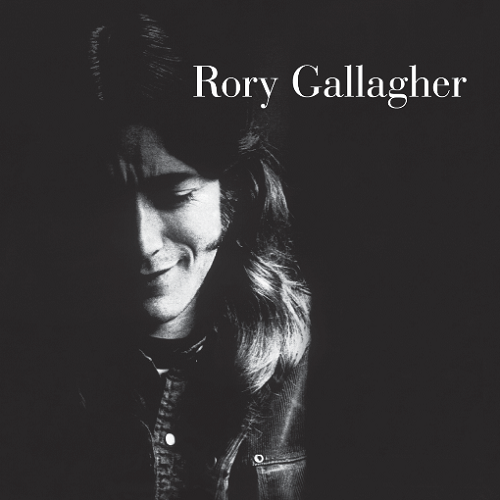
Rory Gallagher is the first solo album by Irish blues rock musician Rory Gallagher, released in 1971. It marked his departure from his previous band Taste. After disbanding Taste, Gallagher auditioned some of the best musicians available at the time including Noel Redding and Mitch Mitchell the bassist and drummer for the Jimi Hendrix Experience. He decided on two Belfast musicians; drummer Wilgar Campbell, and bass guitarist Gerry McAvoy to be the core of his new power trio band.
After practicing with Jimi Hendrix’s band Noel Redding, Mitch Mitchell and Belfast musicians Gerry McAvoy and Wilgar Campbell at a practice room in Fulham Road, the newly formed band with McAvoy and Campbell got underway with recording in Advision Studios.
With his first solo album Gallagher continued in the eclectic style that had exemplified his first band Taste. This album entered the UK album charts at number 32, an excellent beginning for a solo career. It contains 10 tracks, all of which are Rory compositions and clearly show the continued blues rock direction that he began with Taste. A trademark of Rory’s music is his inclusion into the fusion, jazz and folk instruments like alto sax and mandolin. “I’m Not Surprised” stands out on this album with it’s mellow “unplugged” feel and loosely based Blues structure.
The album begins with “Laundromat” which was to become a regular number in his live set. A blues rock song with a classic Gallagher riff, the song was inspired by the public laundromat located in the basement of his flat where he lived at the time in Earls Court. The next song, “Just the Smile”, is an acoustic number that was inspired by the British folk revival. It shows the influence of some of Gallagher’s favorite English folk musicians such as Richard Thompson, Davy Graham, and Bert Jansch. (Gallagher would later go on to record with Jansch.) “I Fall Apart” has a jazz feel to it and features a guitar solo that starts slow and introspective and builds to a powerful climax. The next two songs, “Hands Up” and “Sinner Boy”, were again blues rock and would also become standard numbers for his live show. “Wave Myself Goodbye” is another acoustic number, a talking blues song featuring New Orleans style piano provided by Vincent Crane from the band Atomic Rooster (Rory’s brother Donal had been acting as tour manager for them). Gallagher plays the saxophone in the next song, a jazz number called “Can’t Believe It’s True”. Also recorded at the time were two blues classics, Muddy Waters’ “GypsyWoman” and “It Takes Time” by Chicago blues legend Otis Rush.
Rory Gallagher – ‘Rory Gallagher’ 180g vinyl LP remastered reissue. Originally released on the 23rd May 1971 This reissue LP is released on Friday 2nd March 2018.
Tracklisting –
A1. Laundromat
A2. Just The Smile
A3. I Fall Apart
A4. Wave Myself Goodbye
A5. Hands Up
B1. Sinner Boy
B2. For the Last Time
B3. It’s You
B4. I’m Not Surprised
B5. Can’t Believe It’s True
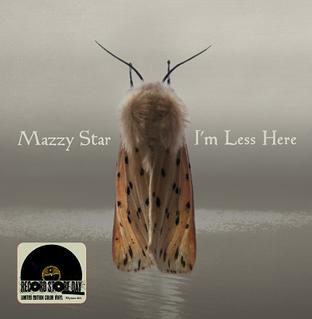
“I’m Less Here” is a stand-alone single released by alternative rock band Mazzy Star for Record Store Day 2014, and was the band’s first release of new material since their previous album, “Seasons of Your Day”. The track had previously been performed live under the name “It Speaks of Distance,” with its first known performance dating back to March 1994. The A-side was backed by another previously unreleased song, titled “Things”. The day before the single’s release, the band posted a music video for the track on their official Vevo account. The single was pressed on coke bottle-clear 7″ vinyl and was limited to 3,000 copies worldwide. In the United States, “I’m Less Here” was listed as a ‘Record Store Day First‘; it was exclusive to independent retailers on the day of release, and was made available to other retailers at a later date
released as a 7″ vinyl single for record store day
Déjà Vu might be the preferred choice of critics, no doubt due to the presence of Neil Young, but CSN, the trio’s glorious debut is arguably a much superior representation of their sound, and certainly a much purer one. And while some have described CSN as the ‘60s first true ‘supergroup,’ the same title could also be applied to Cream, who’d already formed and broken up long before Crosby, Stills and Nash had even made their first recording.
David Crosby, having been kicked out of The Byrds during recording sessions for 1968’s The Notorious Byrd Brothers, loitered around Laurel Canyon, pondering over his next move. It wasn’t until he hooked up with GrahamNash (ex-Hollies) and Stephen Stills that the idea of forming a new band became a real possibility.
Nash remembers: “We were in Joni’s living room – or was it Cass’s kitchen? – and David and Stephen began singing “You Don’t Have To Cry.” I asked them to sing it again then I added my harmony to it. The heavens opened: it was an unbelievable sound and we knew we had to make music together.”
In England they approached Apple, the independent label founded by The Beatles, but were rejected after hearing what they were given. CSN returned to America where, thanks to the enthusiasm of David Geffen and AhmetErtegun, CSN were subsequently offered a contract with Atlantic Records, the same label that would soon sign Led Zeppelin. Stills dominated the recording of the album. Apart from drums, handled by Dallas Taylor, he played nearly all of the instruments on the album. Nash played acoustic guitar on two tracks and Crosby rhythm guitar on a few. Stills played all the bass, organ, and lead guitar parts, as well as acoustic guitar on his own songs.
Recorded at Wally Heider’s Studio III in Los Angeles in early 1969, and released in May that same year, Crosby, Stills & Nash would go on to eclipse anything by The Byrds, The Hollies, or even BuffaloSpringfield. Also, by employing their surnames in the band’s title, instead of adopting an actual name, such as The Zombies, Jefferson Airplane etc, meant that CSN were already destined to stand out.
Right from opening Acoustic Guitars of “Suite: Judy Blue Eyes” (written about Judy Collins) and when those magical three voices blend – you realise you’re in the presence of something very special. Although the song is 7:24 minutes long , Its a marathon-like ode to his failed relationship with singer Judy Collins. Progressive-folk, raga, country-blues, even Spanish lyrics, “Suite” is an opus that takes the listener on a personal and deeply moving journey, and remains the one song that CSN should be best remembered for. Nash’s catchy “Marrakesh Express” might seem a bit twee now, at least to modern ears, yet back in the day, even a title such as that meant it was fully loaded with all manner of connotations. It’s followed by the stunning ethereal beauty of “Guinnevere” sashaying into your living room with a softly plucked Acoustics. Then you get hit with the full harmonious power and beauty of those three voices as a wall of one. When the trio first got together in Joni Mitchell’s house – they noticed the ‘timber’ of the combo.
Stills’ “You Don’t Have To Cry” is the song which started it all, and is a delightful country-blues number complemented by some exquisite three-part harmonies, followed by the trippy “Pre-Road Downs,” written by Nash, and which closed side one of the original record.
Flip the disc, and we begin with the iconic “Wooden Ships,” which would turn up on the Jefferson Airplane album “Volunteers” in November of 1969 (it was a co-write with Paul Kantner) and I’ve always loved both versions – a strange hybrid of Soulful Rock that seemed to belong to California in 1969. CSN’s original take is shorter and amps up the Guitar and Organ . The bass and rhythm section is so warm and sweet but it’s the Stills vocal followed by Crosby and back again that impresses . The lyrics describe a handful of survivors living in a post-apocalyptic world. The song was included in the Woodstock movie, thus helping to propel the group’s popularity ever further. The gentle “Lady Of The Island,” written by Nash, is a delicate love-song devoted to JoniMitchell, while “Helplessly Hoping” picks up where “You Don’t Have To Cry” left off, full of delicious harmonies and subtle acoustic guitar.
Crosby’s “Long Time Gone” had been floating around David’s head for a while, before nailing the master (a very early demo was included on the Voyage box set). Stills explained the process: “So with a song like “Long TimeGone,” I’d say, ‘Cros, go home.’ David would come back in the morning, and I’d say, ‘So, how do you like your song?’”
Clearly, Stills’ experience working in various studios over the years, meant that he knew exactly what to do when it came to overdubbing his instruments, as evidenced on “49 Bye-Byes,” a tune practically built from the ground up thanks to Stills’ knowledge of recording technology.
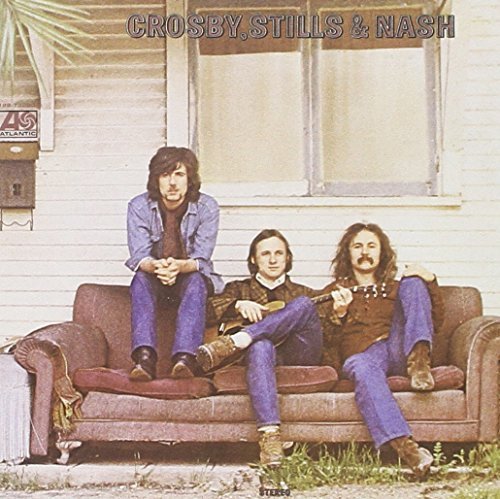
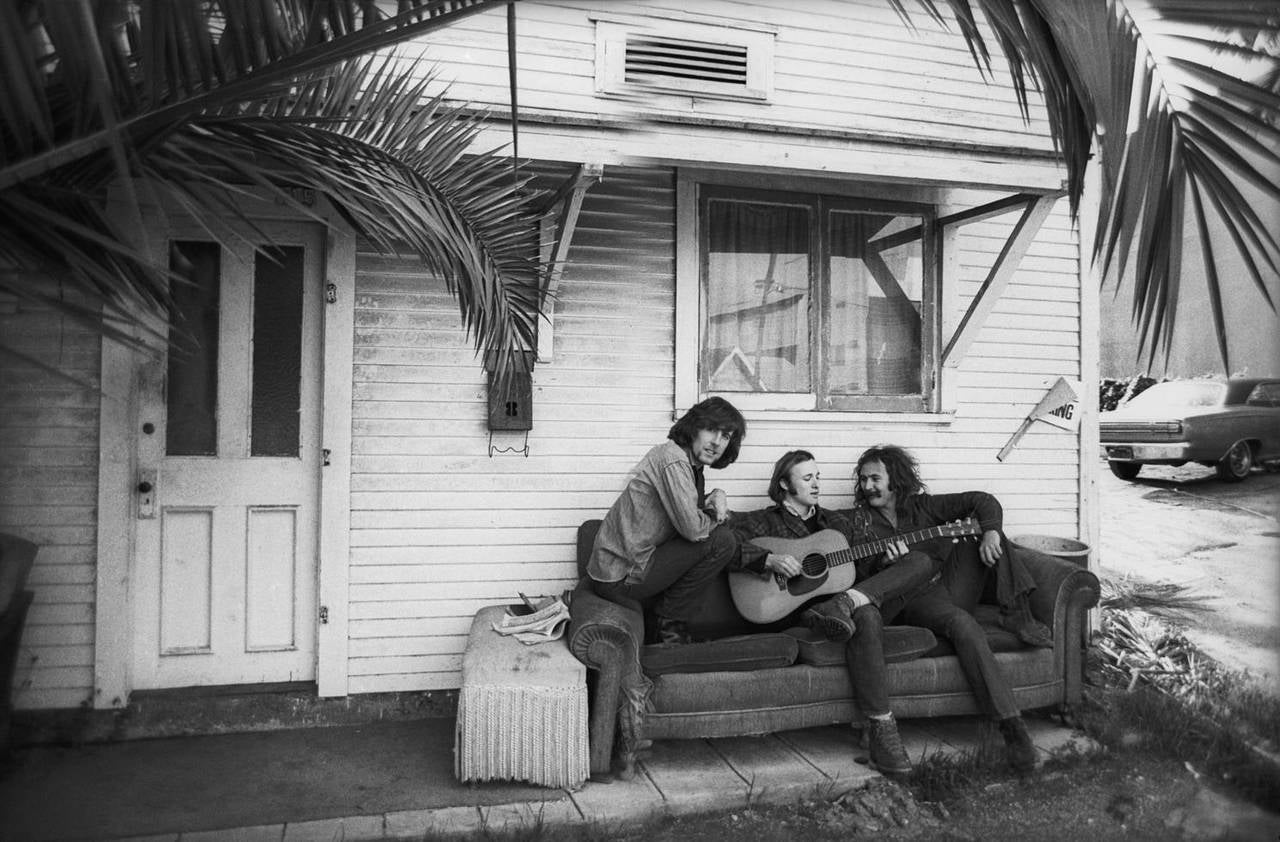
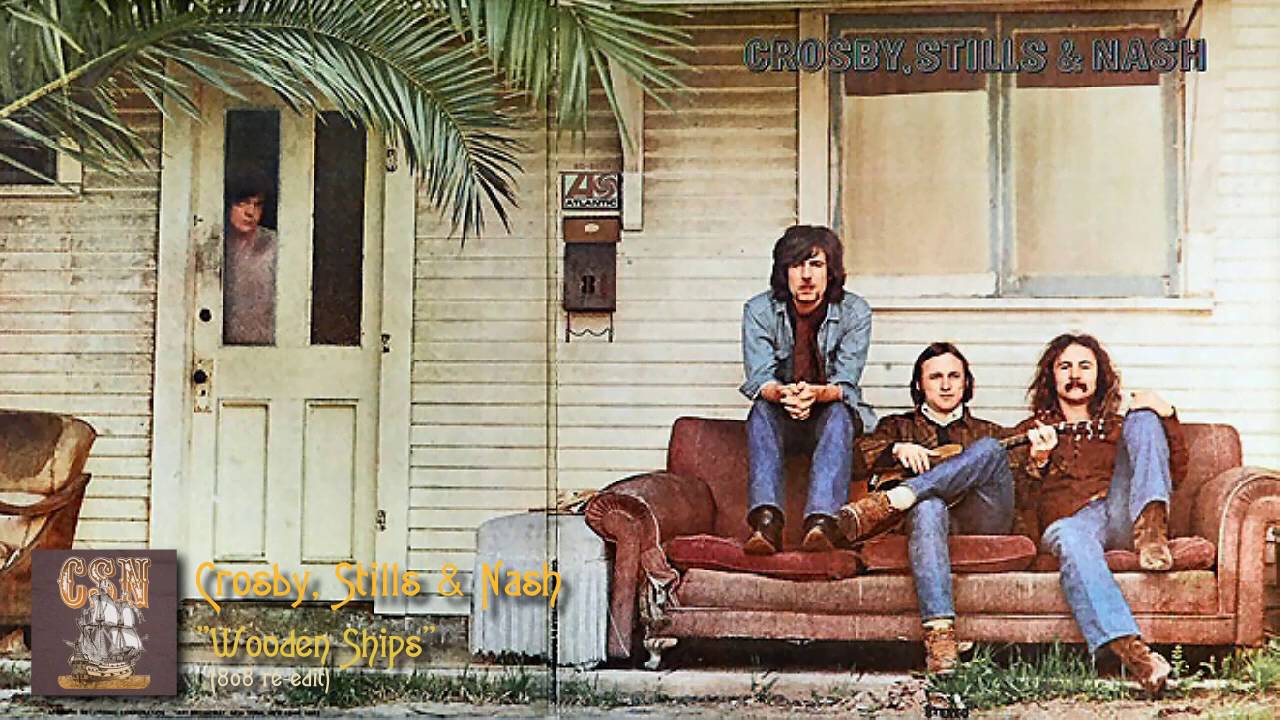
On the cover the members are, left to right, Nash, Stills, and Crosby, for no particular reason, the reverse of the order of the album title. The photo was taken by their friend and photographer Henry Diltz before they came up with a name for the group. They found an abandoned house with an old, battered sofa outside, located at 815 Palm Avenue, West Hollywood, across from the Santa Palm car wash that they thought would be a perfect fit for their image. A few days later they decided on the name “Crosby, Stills, and Nash”. To prevent confusion, they went back to the house a day or so later to re-shoot the cover in the correct order, but when they got there they found the house had been reduced to a pile of timber
Dallas Taylor can be seen looking through the window of the door on the rear of the sleeve. In the expanded edition, however, he is absent. The original vinyl LP was released in a gatefold sleeve that depicted the band members in large fur parkas with a sunset in the background on the gatefold (shot in Big Bear, California), as well as the iconic cover art. A long folded page inside displayed the album credits, lyrics, track listing,
The truly dedicated listener will likely want the 2006 HDCD expanded edition, which includes early takes of “TeachYour Children,” “Song With No Words,” “Do For The Others,” a tender folk ballad by Stills, and a cover of Fred Neil’s “Everybody’s Talkin’.” the group continued recording that year and the HDCD disc has four bonus tracks come from those sessions. “Do For The Others” would eventually show on “Stephen Stills” – his debut solo album from late 1970. The second it opens – you can hear why its been included on this Expanded CD Edition – not only is this song gorgeous to listen too – it’s beautifully recorded – essentially a Demo with Stills on Lead Guitar while the other two harmonise. It’s a genuine wow. Second up is another harmony winner in “Song With No Words” where they “dah dah” the melody that would eventually appear on David Crosby’s magnificent “If I Could Only Remember My Name” debut solo album in 1971. Truly beautiful is the only way to describe the Trio doing Fred Neil’s classic “Everybody’s Talkin'” made famous by Nilsson’s cover as used in the movie “Midnight Cowboy”. Crosby describes it in the liner notes as “Stills at his best…” There’s a demo of the “DéjàVu” classic “Teach Your Children” which is nice but nothing as good as the magical trio that preceded it. Fans will know that there are five other ‘outtakes’ from the period on the “Carry On” 4CD Box Set (1991) – one day we might get a Deluxe Edition 2CD set covering the event in its entirety.
While Crosby, Stills & Nash can never betray its hippie, idealistic origins, the record itself provides a timeless window into the lives of three young men whose unique, creative chemistry would inadvertently give rise to a whole new musical genre, one that included Poco, America, and most famously, The Eagles.
Years afterwards, Crosby would go on to sum up that special chemistry: “For whatever reasons, I think you get very few records like that in your life, which you can put on twenty years later and they still hold up. To this day, that first record comes on, and you don’t want to take it off or skip a tune. You just want to let it run.”
David Crosby – vocals; guitars on “Guinevere”; rhythm guitar on “Wooden Ships” and “Long Time Gone”
Stephen Stills – vocals, guitars, bass, keyboards, percussion all tracks except “Guinevere” and “Lady of the Island”
Graham Nash – vocals; rhythm guitar on “Marrakesh Express” and “Pre-Road Downs”; acoustic guitar on “Lady of the Island”
Dallas Taylor – drums on “Pre-Road Downs,” “Wooden Ships,” “Long Time Gone,” and “49 Bye-Byes”
‘Age Of Indignation’ is a more vociferous album than their sublime debut ‘Cursing The Sea’. It would perhaps be a misreading of September Girls to suggest that ‘Age Of Indignation’ is a massively more political statement than their debut, (which tackled heavyweight subjects such as societal to attitudes towards woman, victim blaming and rape.) However there does appear to be a more sustained sense of fury and indeed a genuine sense of indignation throughout, as it hones in on it’s targets with eloquence, clarity and deadly clear-eyed precision.