Posts Tagged ‘Best Albums of 2016’

jls_4613_by_john_sturdy

Drop City created wildly psychedelic paintings on acrylic, one of which, ‘Ultimate Painting’, inspired the London duo of James Hoare and Jack Cooper. It’s telling that “Lead The Way”, from Ultimate Painting’s third album, Dusk, features the lyric, ‘turn your back on society’ – they seem driven by a similar impulse to reduce and simplify. Both Cooper and Hoare have prior form in indie groups: the former with Mazes, and the latter with Proper Ornaments and Veronica Falls. If some of those groups access the creative energy of the ’60s through the refracting prism of ’60s independent music, Ultimate Painting return to the source direct, but they avoid the slavish copyism of any number of romanticising nostalgia acts, from Mod revivalists to limp psych-rockers, by tightening the focus, sketching the mise-en-scène with just the bare necessities.

Initial listens to Dusk, the duo’s third album, are similar to encounters with their other two (the self-titled 2014 debut, and last year’s Green Lanes); first impressions, of a muted slightness, give way to increasing wonder at the evocative qualities of the songs’ mindful minimalism. It’s uncluttered, spare, and open, and the production and arrangement has the feel of a group breathing together in the same room, capturing the recording space’s acoustic qualities, and playing only the essential notes, the better to let the room sing in tandem with the interactions between buzzing strings and humming valve amplifiers.

It kicks off with deceptive diffidence  “Bills” comes across, at first, like a paper-cut version of the crystalline excellence of Television’s third, oft-underrated comeback album from 1992; it’s a nudge away from the latter’s “1880 Or So”. But it soon blossoms, finding its own community of sound, and quietly ascending into a mantric chorus, as a huffing organ buzzes out the back of the studio. The guitar playing is particularly seductive – one guitar trebly and warbled by tremolo, the other lightly distorted but still pin-sharp, their relationship is one of mutual fascination, tiptoeing around each other and respectfully finding ways to weave around each other’s tonal spectrum. The jangling charm of the following “Song For Brian Jones” hymns the titular character via guitars that toll in consort with the gentle psych-folk of The Byrds circa Fifth Dimension; “Lead The Day”’s chiming piano positions the gracefully understated melody on an early solo McCartney album.

Cooper and Hoare have no qualms about drawing from some of pop and rock’s most distinguished as Cooper once said, “We accepted the fact that we’re influenced by the biggest bands that have ever been, because a lot of them are really good.” That kind of comfort with the canon is writ across Dusk, but it also risks games of spot-the-reference: it’d be pretty easy to draw a Venn diagram of, say, the gentler climes of psychedelic pop from the ’60s, the click and fizz of the quieter end of ’70s power-pop, and the pastoral lilt of the Flying Nun label in the ’80s, and locate Ultimate Painting at their intersection.

The renaming of the band formerly known as Viet Cong was, depending on your opinion, either a fuss about nothing or something they dragged their heels over and should’ve sorted out ages ago.  I love the gravity of this record. The vocals are stern and low-register, the bass is urgent and pressing, and the song titles (Anxiety, Degraded, Forbidden) aren’t exactly a laugh-a-minute, but this is fine doom-laden post-punk.

It’s a somber tone with which to begin proceedings but Preoccupations (Formerly known as Viet Cong) are an uncompromising band – from the outset, they’re only interested in realising their own vision, following their own individual path. They do say you only get one chance to make a first impression but here, on their second self-titled album, they’ve somehow rubbished the rules of one of the oldest proverbs around.

Songs generally take a more structured ‘verse and chorus’ approach than on the eponymous Viet Cong album from last year. Saying that, the 11-minute ‘Memory’ is quite an epic, rolling what could be two or three songs into one. It’s synth-driven section somewhere in the middle is a real magic moment on the record, as Matt Flegel’s vocals suddenly turn unexpectedly high-pitched.

The fresh start may have been forced on them, It has been a big year for Preoccupations. Between a name change, and relentless touring, and a new album, the Calgary natives have found ways to remain in the indie rock spotlight. Their last two albums received glowing reviews, while stoking controversy for their previous moniker, Viet Cong. With a new name, the Preoccupations self-titled album is a third attempt at a first impression, and it is receiving outstanding reviews.

Despite the heavier explorations on Preoccupations’ new album, I am surprised by the friendly and easygoing voice on the other side of the phone. Scott “Monty” Munro has been the guitarist-keyboardist for Preoccupations since the band’s formation in 2012. I spoke with him about the new album, the band’s endless gigging, their creative processes, and future endeavors

Preoccupations“Memory” from ‘Preoccupations’ out September 16th, 2016 on Jagjaguwar Records

A dour start it may be but “you can’t feel happy every day”, so the line in “Zodiac” goes, as the pace steps up another notch. Motoric pulses agitate, a wide bass line booms bombastically and guitars robotically chime with millisecond precision.

As a genre, post punk might be decades old but it’s not necessarily a tired one. Every now and again a band comes to attention to reawaken the genre with as much vibrant urgency, as it’s late-70s inception. Post punk still has the potential to make a rare exception and deliver originality because at its essence is a delicate balance of ingredients for forward thinking, alternative music – the positive yin: a no-wave artistry, in constant search of innovative, fresh sounds and the negative yang: a punk rock, rebellious attitude that operates outside of convention.

The balance continues: Preoccupations is not just a record of harsh bangs and explosive moments. It is equally a subtly nuanced album, with considered composition just as important a part of the process. The record ebbs and flows from one movement to the next with thoughtful progression.

The most powerful of progressions comes four tracks in, with a reminiscent twist. If “Memory” serves us correctly, a Joy Division-esque, half-spoken chant gives way to a choked-with-emotion New Orderish wail. It’s Preoccupations’ own rose-tinted, post punk documentary of the developments from 1977-82 in under seven minutes and suddenly we’re uplifted – ears are pricking up, parties are starting up and revelers are coming up. The album thankfully then affords us a well-needed few minutes of soundscape relaxation, to allow us all time to collect our thoughts before picking up the beat once more.

With a conciliatory tone and a shrug of the shoulders, Flagal reminds us that “we’re all gonna die”, as desperate guitar sirens ring out their warnings. With “Stimulation” we are able to reach our peak and finalise this record as a shining example, that great post punk is still a possibility nearly four decades on from its beginings.

Preoccupations’ greatest asset is in its breadth of ability; spontaneous, yet considered; off-kilter, but instinctive; eccentric, although well composed. The artists formerly known as Viet Cong are releasing their first new album under their new name. The also self-titled album features their singlesAnxietyandDegraded.”

“Degraded” from ‘Preoccupations’ out September 16th, 2016 on Jagjaguwar Records

106033

http://

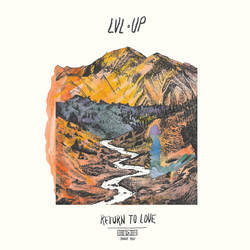
Skater slackboard hunk-punks from Brooklyn, Philadelphia pull through again with their crooked take on post-2007’s Smashing Pumpkins meets the coked out vibes of the “what-if-Pavement-were-from-the-70s” reunion revival of yesteryear, servin’ up a dash of what’s better known as This side of singer Greg Ruthking’s jizzed out stoner fantasy mind.” Pain from the LVL UP album Return to Love (release date: September 23rd 2016)

LVL UP’s excellent previous album Hoodwink’d was released through Double Double Whammy and Exploding in sounds and now the band have hopped, skipped and jumped over to Sub Pop in what seems to be an attempt to release as many records on as many great labels as possible. This is indeed a great record right from the off. Opening track ‘Hidden Driver’ not so much makes a nod to Neutral Milk Hotel but actually sounds like it could be a cover version and I’m not complaining. The whole album just sounds gorgeous, like you’d want your most reliable, cheerful best mate to sound if they were a record. At the midway point “Pain” encapsulates all that is great about this band with its mix of gentle strumming, melting melodies, bounce and crunching guitars. Return to Love is arguably good old American indie rock by numbers but hey, those are some pretty perfect numbers.

104803

The oxymoronic/pun title of Deap Vally’s second album sums it up. It’s a record stuck in an angry quagmire of annoyance at, and acceptance of, female stereotypes. With ‘Smile More’ very much the centrepiece of the album, lyrics like ‘I am not ashamed I am no-one’s wife, though the idea does sound kind of nice’ encapsulate the committed yet compromised feminism the duo espouses.

The girls do moody and bluesy better than bratty and shouty, and some of my favourite bits on the album are the likes of the grinding, scuzzed-up, stop-start guitars on ‘Bubble Baby’, which sound almost like trying to eke a riff out of a failing motorcycle engine. Deap Vally, the Los Angeles duo comprising of Lindsey Troy and Julie Edwards, return with their new album ‘Femejism’ Produced by Nick Zinner of the Yeah Yeah Yeahs, it features tracks ranging from experimental prog and kraut-rock to good old- fashioned heart-melters and ball-busters

There are songs I don’t much care for on this record too, most of them near the start of it, but as track 6 says “everyone is a fucking critic” and “it’s easy to hide behind your computer”, so maybe I’ll quit while I’m ahead.

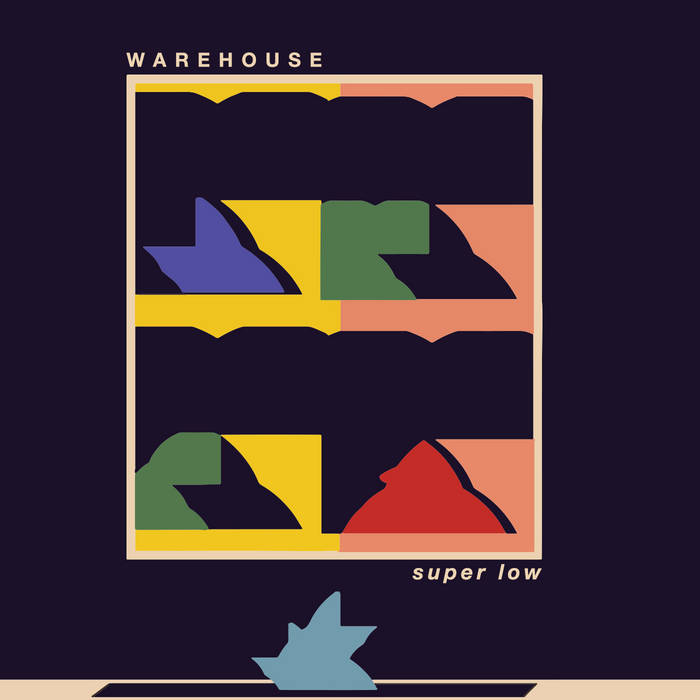
super low cover art

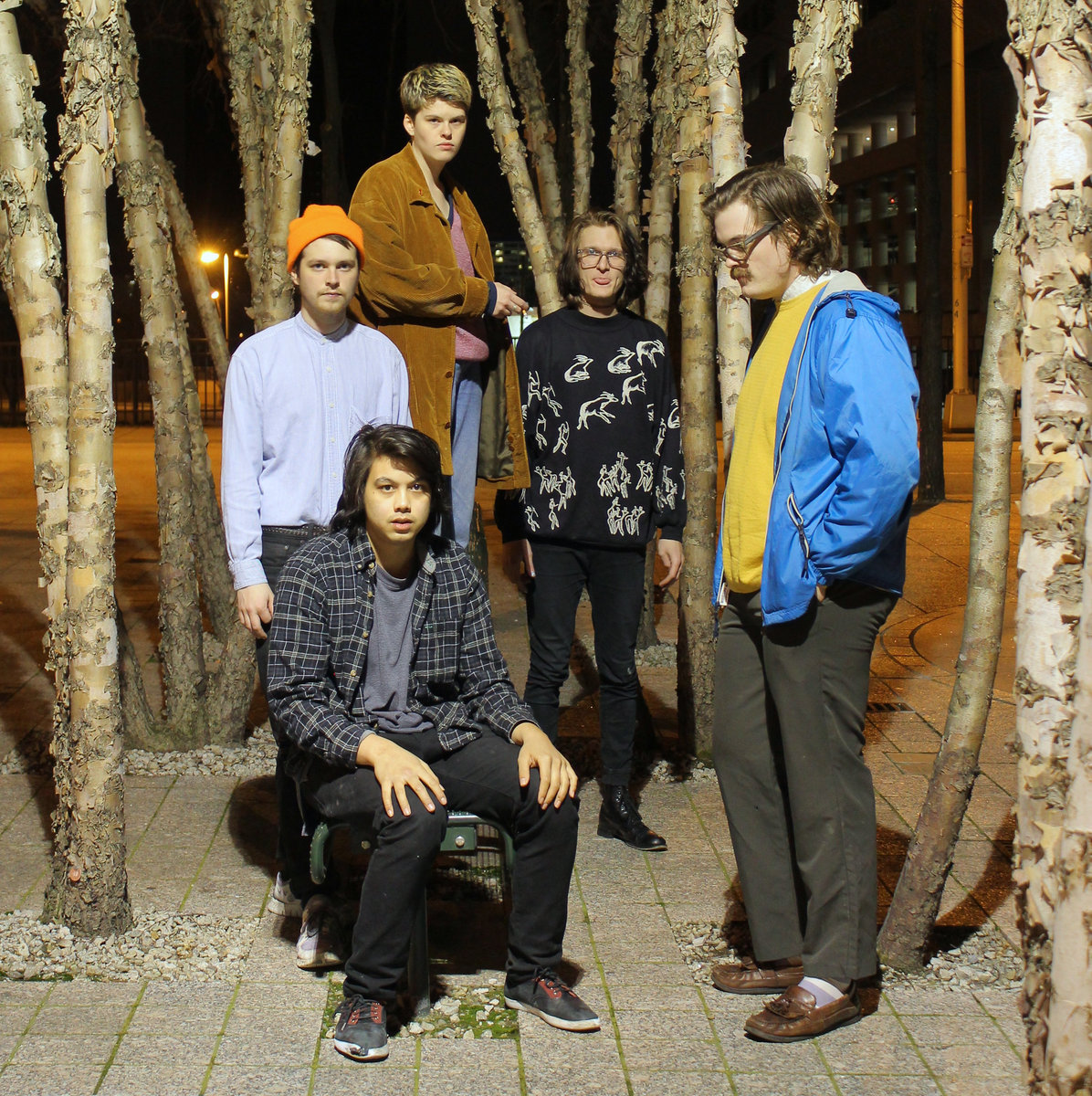
Atlanta band Warehouse have been kicking around since 2012, but they didn’t officially release music until 2014, when they released their debut record Tessaract. Two years later, they’re back with Super Low, a guttural surf-punk record with influences from all corners of punk music. Warehouse is made up of Ben Jackson and Alex Bailey on guitar, Elaine Edenfield on vocals, Josh Hughes on bass, and Doug Bleichner on drums. Their sound is a mix of Sonic Youth and Nirvana and Bikini Kill with a dash of Dilly Dally. but I hear REM influences too.

Jackson and Edenfield had quite a lot to say about this release so without further adieu, here you go!

“As a band we have always drawn heavily from environment as the backdrop to songwriting and our surrounding lives,” says Jackson. “When I try to categorize the songs that ultimately made up this record I think back to the places they were written and Super Low was never far behind.”

“Super Low” was an exercise in brevity in a way that Tesseract was an exercise in athleticism” says Elaine Edenfield on the process. “The songwriting process didn’t change–guitars first, everything else on top–but definitely we all had the attitude of wanting to make something more refined. Tesseract seemed like it came out the most naturally as a collision of everyone just giving every riff or scream in these myriad of ways, trying everything out to see what worked and what didn’t, and mostly just seeing what it was possible to do. While I’m proud of Tesseract, there are definitely songs I’d be just as fine with not ever performing again. All in all I feel like it’s a really good stepping stone. It transitions from Tesseract to a much different place and sets us up stacked for the third album.”

http://

While Warehouse was recording Super Low, Elaine Edenfield was coping with a personal loss, which affected her creative process tremendously. She describes feeling “Super Low” as follows:

Listen to their new release “Super Low” is about near loss, loss, and fear of loss. The slowest song, leaning towards the album’s most heavy subconscious undertones, Super Low is the coming to a point of resolution, understanding, and maturation.”

Warehouse is Alex, Ben, Doug, Elaine, Josh

White Lung — Paradise

White Lung used to be a hardcore band. They made brash, unapologetic punk music that confronted its listeners by drowning them in assertive, nofucksgiven attitude. But on Paradise, White Lung prove themselves to be capable of so much more than that. This is an album that transcends anything the band released before; the hooks are heavier, the production is cleaner, and Mish Barber-Way’s vocal range is bigger. “Every new record should be the best work you’ve ever done,” she told us in our cover story. On Paradise, that offhanded comment doesn’t sound boastful or empty. It’s a statement of fact Mish Barber-Way … and her crew of Vancouver punk ruffians whip up a gloriously hostile racket, sharpening the raw attack of their 2014 breakthrough, Deep Fantasy. The songs gain a mammoth melodic crunch thanks to guitar whiz Kenny William, who sounds like Johnny Marr with his cardigan on fire.

Every now and then, there comes a band that reminds you why you fell in love with rock & roll in the first place. In 2016, White Lung was that band, and “Paradise” was the record. It’s a synthesis of everything that I love about the genre and its many subsets– soaring pop hooks, thrash-tastic riffs and drumming, gleaming post-punk atmosphere, and lyrical narratives. Like Japandroids and Titus Andronicus, White Lung have set the gold standard for rock music in the 21st century.

http://

https://www.youtube.com/watch?v=46_eZvF3hW8

For their third studio album, “Goodness” the Massachusetts group Hotelier took the approach, turning their attention to the unknowns of the here-and-now and crafting a sprawling work of art that aims to capture life at its most mundane as well as its most thrilling. The result sounds like something that finally lives up to emo’s name because genuine emotion doesn’t always express itself at volumes dialed up to 11. Tracks like the gut-punching “Opening Mail for My Grandmother” take on the theme of death, and vocalist-bassist Christian Holden finds himself reflecting on what comes next with the same lyrical skill he once employed to look backwards in time. It may not be the band’s most rousing work to date, but it’s certainly their best and most engaging. 

“Listen more, speak less,” Christian Holden recently commented on social media in anticipation of his band’s forthcoming new album. These seemed like strange words coming from Hoteliers notorious frontman.

Goodness, the Worcester, Massachusetts indie-punk outfit’s bracingly human, paradigm-shifting third album opens with a recitation of a spoken-word poem. “I see the moon, the moon sees me,” Holden reads calmly. “I would smile but it would be meaningless. I wouldn’t want it to be.” You can almost hear the eyeballs begin to roll as the band cited  off the first track that kicks off their new album with a poem.

The Hotelier

Granted, it’s hard to fault anyone for shrugging off the so-called rebirth of a scene that quickly became both fairly and unfairly synonymous with entitled navel-gazing, arrested development and, uh, crying. Sure, it was a surprise that the Hotelier’s 2014 sophomore effort,  Home Like No Place Is There was embraced by rock fans of all stripes, that passionate, melodically inclined guitar music seemed worthy of people’s attention again.

http://

Grandfeathered

The St. Petersburg five-piece created something of a stir with their debut album Everything Else Matters in early 2015 and the interest in the release stemmed from more than the fact that nobody had heard a Russian shoegaze band before. Despite its obvious influences, there was a depth to the music that implied Pinkshinyultrablast were a band who weren’t afraid to take a step into the unknown and push at a few boundaries. Their new album “Grandfeathered” shows this indeed to be the case as it is more experimental and powerful than its predecessor, managing to be both exhilarating and captivating. Opener ‘Initial’ begins with a long drawn out single note that gives no hint at the multi-layered gem to come, the song throbbing like a dub remix whilst overlayered in Cocteau Twins’ shimmering vocals. ‘Glow Vastly’ follows in the same pattern, the vocals here just managing to keep to the surface while a heavily distorted barrage of guitars and drums attempts to submerge them, the whole occasionally infiltrated by light bursts of melody that tantalise briefly before disappearing into the depths. ‘I Catch You Napping’ flies backwards and forwards between pop serenity and frenzied distortion and is quite excellent, while ‘Kiddy Pool Dream’ opens to a squeal of feedback and embraces MBV noisescaping, something also witnessed in the crushing ‘Comet Marbles’ and ‘Mölkky’. The single ‘The Cherry Pit’ is also a headrush of contrasting forces, while the closing title track moves between tempos with uncommon grace. From a band who had found themselves embraced by supporters of a very precise genre, this is a brave album, a potent blend of force and fancy. All credit to Pinkshinyultrablast for stepping out of the comfort zone to deliver such a fiercely charged offering and all the more credit for producing one of such quality.

http://

Mutual Benefit — Skip A Sinking Stone

Mutual Benefit’s Skip A Sinking Stone is an album in two parts. Side A is a travel diary of sorts, a series of meditations about life on the road, while Side B finds Mutual Benefit’s Jordan Lee living a more-or-less settled life in Brooklyn. In many ways, this is a coming-of-age story, a series of spindly folk songs that enmesh the pastoral freedom of a vagabondish lifestyle with the harsh realities of urban living. Skip A Sinking Stone picks up where 2013’s excellent debut album Love’s Crushing Diamond left off — seeking stability in the uncertain, finding faith in the little things in life that keep you grounded.

Given the horrific events of the last few months–or, hell, all of human history, but particularly now because we have video footage of many of the recent atrocities–plenty of people are feeling a bit alienated from their environments right now. I wouldn’t call Skip A Sinking Stone a cure for that, but it’s the soundtrack I turn to when I must remind myself that gentleness exists somewhere in the world. It exists, at least, in Lee’s landscape poetry and wide-eyed devotion. It also exists, at least, in Mutual Benefit’s shimmering and revolving folk orchestra. That won’t fix the world, but listening might bolster your heart enough that you can face the brokenness again, and continue working to end it. Music as medicine, just a tender philosophy to ascribe to.

Every song has elements of wild abandon, as if Basia Bulat’s shaking something free, and pushing herself at every turn. Lyrically, Bulat is still exploring darkness, and still wrestling with some kind of heartbreak and grief — the very things that made her last album, Tall Tall Shadow, so compelling and resonant — but she’s reframing these themes through pop. Good Advice is the sound of Basia Bulat at her most daring while still being true to herself

http://

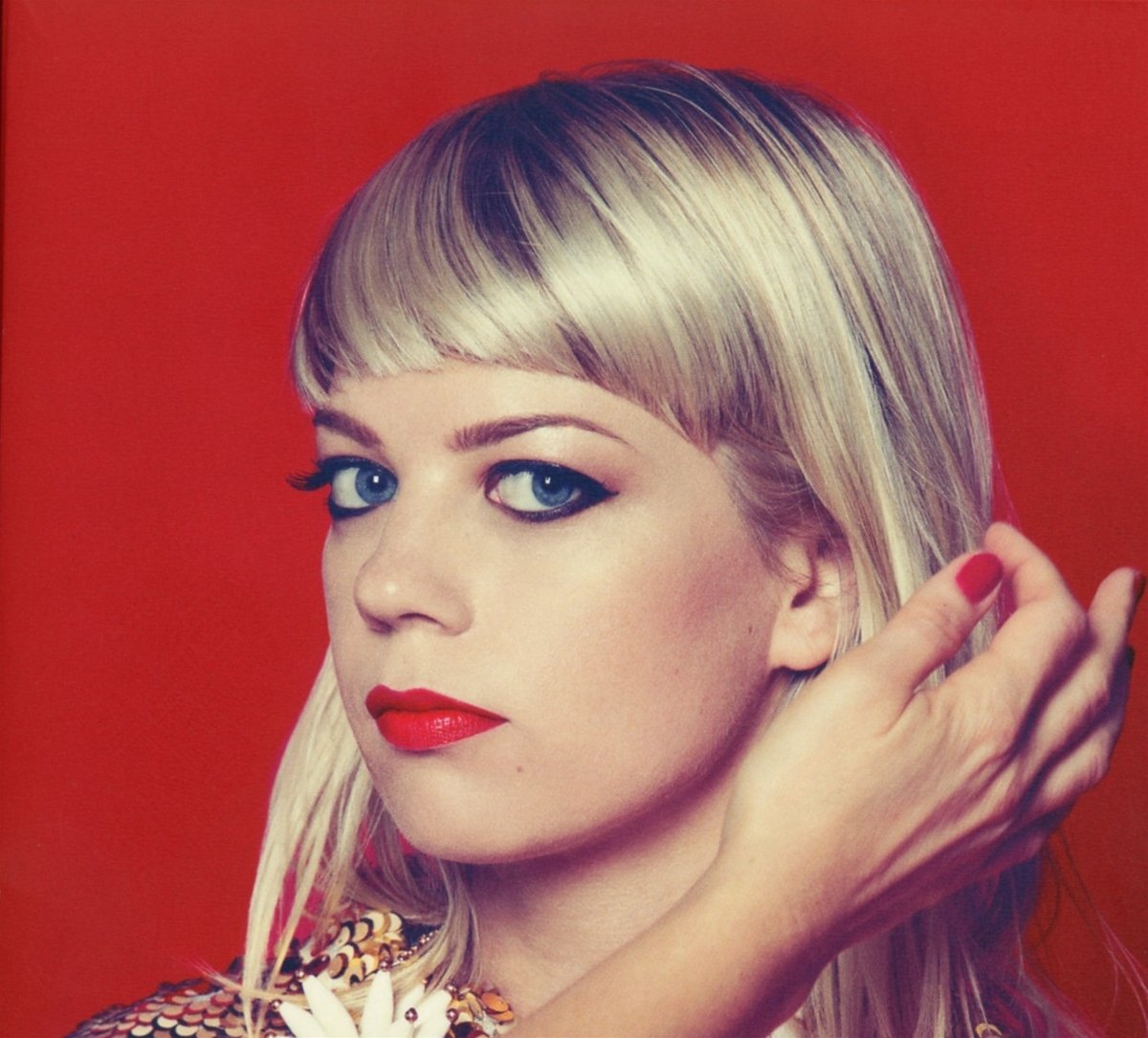
Canadian singer songwriter Basia Bulat has unveiled a brand new track, “Fool”.

The song sticks to Bulat’s previously well established folk template, but she takes that as a starting point and allows “Fool” to soar out in its own direction. Bulat’s talents as an instrumentalist are utilised to full effect, leading to a track that’s upbeat and infectious in its approach.

“Fool” is taken from the excellent album “Good Advice”. For the album’s production, Bulat teamed up with friend and collaborator Jim James of My Morning Jacket, driving 600 miles from her home in Montreal to La La Land recording studio in James’ hometown of Louisville, Kentucky.

http://

Good Advice is due to mark a departure from Bulat’s previous work, with her voice backed up by drums, bass, electric guitar and keys. James plays electric guitar, synth, saxophone and bass on the album.

“Pop songs can take all those big statements and those big feelings that you have,” Bulat says. “You don’t need to necessarily have everything so detailed because everybody understands. Everybody understands those feelings.”

Of the sessions for the album James recalls, “The entire process was so amazing. Hearing her voice just exploding out of her soul brought us all to tears in the control room. Watching Basia come out of her shell with great power was an extraordinary thing to witness. ”