Life has ways of letting you temporarily forget that it’s one big shit show, ultimately balancing things out to a bearable normality. The sophomore album from New Zealand outfit Salad Boys cushions the blow of front man Joe Sampson’s less-than-cheery observations within fuzzed-out, lo-fi garage guitars, the sounds of jangling indie-pop circa 1987 and Sampson’s own calm-cool-collected vocals. The lo-fi production suits the mood, recalling the melancholy charm of indie acts like The Chills and The Bats.
“Blown Up” kicks things off with Krautrock rhythm and an aggressive flurry of guitars, as Sampson laments the pressure to constantly “concentrate and utilize our time.” “I’m useless to to myself and doomed to follow/Someone else,” he sings on “Psych Slasher,” the punk energy and triumphant vocals turning all that angst into a good time. “Scenic Route To Nowhere” takes things in a Parquet Courts direction, the angular guitar lines emphasizing Sampson’s mention of “anxiety,” “choking” and “stumbling.”
Jack Cooper is a musician & songwriter living in London, England. He is currently a member of the band Ultimate Painting. “Sandgrown” is his first album as a solo artist. He says of the cover, “I was selling merch at the last show of my US tour and a guy who had bought a record told me that the live band sounded like Meddle-era Pink Floyd. In hindsight I should’ve hugged him because as far as compliments go, that’s the best I’ve ever had. I think that post-Syd and pre-Dark Side Pink Floyd were such an interesting band… weird, English, pastoral, loose, economic and occasionally perfect. I love Syd Barrett and most things up to The Wall but I think that mid-era is the most fascinating. I love recording covers and in learning this I gained some fresh perspective on simplicity.”
Essex band Sun Arcana have revealed their new music video for ‘Everybody’. Directed by Rolling Vision, the clip showcases a softer side to the band, reflecting on personal struggles and emotional vulnerability.
“We came up with the foundations of ‘Everybody’ after I’d been through probably the hardest time in my life,” says guitarist Harry Acreman. “I’d just spent five days in hospital following surgery and was really keen to go home. The first thing I did was pick up my guitar and play the chords. This song reminds me of that struggle, but also how friends and family really helped you get through it. The lyrics reflect this – letting someone you care about know that it’s okay to open up and ask for help.”
Eagle Rock Entertainment will release American Valhalla – the vivid documentary tracing the musical journey of Iggy Pop and Joshua Homme – on DVD and digital formats on March 9th.
Something miraculous happens when two kindred spirits collaborate…which is exactly what happened when Iggy Pop and Queens Of The Stone Age frontman Joshua Homme joined forces to create Pop’s 2016 album Post Pop Depression. American Valhalla, co-directed by Homme and Andreas Neumann, traces this union – from the initial songwriting sessions and recording process to the subsequent critically-acclaimed Post Pop Depression tour.
Originally released in theaters via More2Screen and Eagle Rock Films in the summer of 2017, American Valhalla goes beyond a behind-the-scenes music documentary. Presented via Neumann’s stunning photography and cinematography, with intimate conversations led by Anthony Bourdain, the film explores themes of taking chances, instincts, and legacy. As Homme stated, “You risk nothing, you gain nothing” – a mantra echoed throughout the film’s 81 minutes.
Once inspired by Pop’s revolutionary raw brand of rock to make music of his own, everything comes full circle when Homme is contacted by his idol, out of the blue, to work on some songs. We see them meet, write and record (in total secrecy) at Rancho De La Luna studio in the Mojave Desert with Queens of the Stone Age’sDean Fertita (guitarist) and Arctic Monkeys’ Matt Helders (drummer). The lens is set on these interactions, as we watch these relationships evolve. Between lyric sheets, letters, journal entries, and riffs, viewers can experience the organic chemistry that blossomed into Post Pop Depression.
“As we got to know each other, you blew my mind” Homme tells Pop in the film. “You really came with such an open mind and saying ‘Yeah, I know what I’ve done but I’m here to…look forward.’”
As they prepared the tour to support the album, Iggy received news of the passing of David Bowie – his longtime friend and confidant. In these moments, Pop contemplates his own impermanence and, at his most vulnerable, pushes harder with carpe diem-resolve to rehearse and add the next great landmark to his legacy. Pop, Homme, Fertita, and Helders, are joined by Troy Van Leeuwen (guitarist – Queens of the Stone Age) and Matt Sweeney (bassist/guitarist) as they hit the road.
American Valhalla sets its scope onstage and backstage as they warm up, pump each other up, and deliver explosive sets, leading up to the final show at the Royal Albert Hall in London (captured on Post Pop Depression: Live From The Royal Albert Hall DVD and Blu-ray released via Eagle Rock Entertainment in 2016.
If 1967 was a year of introduction and innovation in rock ‘n’ roll—from Monterey Pop to to the release of Sgt. Pepper’s Lonely Heart’s Club Band and the launch of Rolling Stone Magazine 1968 was a proving ground, when a handful of the stars who had sprouted in the “Summer of Love” came to full flower in the psychedelia age. Artists from both sides of the pond, including The Jimi Hendrix Experience, Aretha Franklin, Cream, Traffic and Jefferson Airplane felt free to chip further away at old molds and pursue a daring new musical muse. It was an epochal year for established artists as well. The Beatles splintered in the studio, but their individual contributions to a self-titled double LP, the so-called “White Album”, amounted to some of the band’s greatest work and, in retrospect, unlocked a few imminent solo careers. It was a double album released by the Beatles containing strong flavours of blues and rock’n’roll, Does this now mean the Beatles are taking a step backwards? As Ringo Starr philosophically remarks: ‘It’s not forwards or backwards. It’s just a step.’
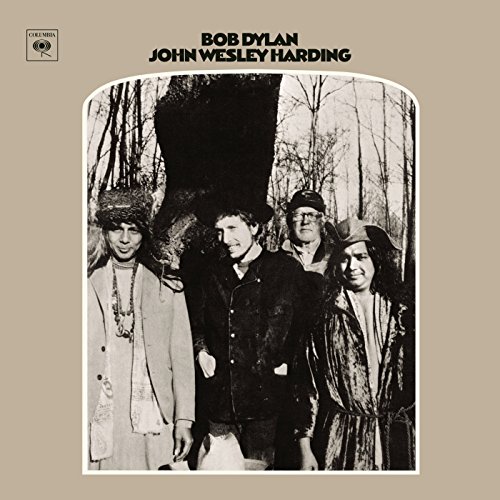
The year started out with what may well have been the finest album of the year, Bob Dylan’s John Wesley Harding. Midway through the year some tapes of Dylan’s were uncovered which were equally brilliant. Several of the songs on them came out on an album by The Band, Music From Big Pink. The best things on their album were not the Dylan songs, most of which sounded forced and strained, and by no means as good as Dylan’s own version of them on the tape. Rather, the highlights were the songs written by lead guitarist Robbie Robertson. “The Weight” was typical of the group’s low-down, country-soul, rock and roll performing and was one of the finest recordings of the year.
Bob Dylan also sets an anomalous tempo, established early in the year with the bucolic minimalism of ‘John Wesley Harding’. Dylan’s continued absence from the promotional scene allows him to move with a freedom not permitted his British contemporaries, and his absence creates a vacuum that myth, and under-the-counter recordings, step in to fill. British groups like The Who, meanwhile, grasp the opportunities of America. So effectively in fact, that their live shows were stupendous as they were chaotic.
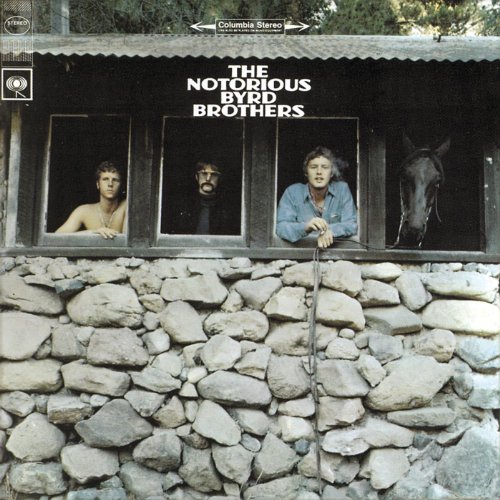
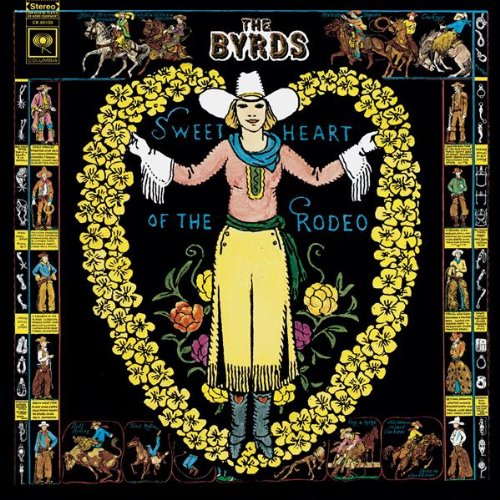
The Byrds continued to go through personnel changes at least four times a year but in between times came up with two of the year’s great albums: The Notorious Byrd Brothers and Sweetheart of the Rodeo. The latter was a fine, straight country album with gorgeous, free harmonizing and excellent material. The former was perhaps their best album to date, and surely one of the five or so best of the year. David Crosby made some brilliant song-writing contributions, but the album was mainly Roger McGuinn’s and neither he nor anyone else in rock has often equalled such cuts as “Get To You” and “Artificial Energy.”
The Grateful Dead bored a lot of people with their much awaited second release, Anthem of the Sun and Moby Grape disappointed those who know that they are (or at least were) one of the finest live bands in the country with a very mediocre second album, Wow. On the other hand, the Rascals, long thought of as a teeny bopper group, continue to mature and develop and had at least one fine single this year: “People Got To Be Free.”
Among individual artists, Laura Nyro began to receive the recognition she deserves, and many idolize her Eli and the Thirteenth Confession. Johnny Winter, a recently discovered white Texas blues singer has already created a large following on the basis of a few guest appearances in New York. San Francisco concert promoter Bill Graham rents a vacant New York theater and opens the Fillmore East concert venue.
Canadian rock band Steppenwolf release their debut album including the single “Born to Be Wild” and San Diego Rock band Iron Butterfly releases the album In A Gadda Da Vida considered to one of the first incarnations of the genre heavy metal albums.
The Rolling Stones grew out their roots with “Beggar’s Banquet”, while The Kinks and The Zombies took giant leaps forward with new and imaginative masterpieces that forever altered their trajectories. Plus we were introduced to a bunch of new faces to the pantheon: The Doors, Sly Stone, Fleetwood Mac, Tim Buckley and, oh yes, Led Zeppelin. British rock and roll this year was dominated by blues bands. Ten Years After managed to kick up a lot of dust,Procol Harum continued to grow into its style and came up with a fine album, Shine on Brightly.
Pink Floyd lead singer and song writer Syd Barrett is checked into a psychiatric hospital and the band replaces him with David Gilmour.
Rock ‘n’ roll was at its most free in the pre-Woodstock glow of 1968. The Beatles went to India, JohnnyCash went to Prison at Folsom with one of the great live albums ever released, the Rolling Stones put a mobile studio in a truck, The Monkees went off the air. But it couldn’t ignore what was happening in the world riots, assassinations, war, a doomed election, space travel, poverty, drugs, Civil Rights, women’s liberation. All of it seeped into the art of the free-love counterculture with that strange combination of militant idealism and comical self-regard, as though it were clear that humanity would one day look at 1968 for a generation’s heroes and villains. Fifty years later in 2018 we are in the midst of a modern drug epidemic, a tarnished presidency, a growing underclass and a renewed vigor for social progress.
Here are some of the best albums of that momentous year in no particular order.
The Byrds, – Sweetheart of the Rodeo’
Even though David Crosby was booted from the Byrds in late 1967, the band had a pretty great 1968. In addition to the excellent ‘Notorious Byrd Brothers’ album, the restructured group released ‘Sweetheart of the Rodeo,’ the granddaddy of all country-rock records. Credit goes to newcomer Gram Parsons, who helped steer the Byrds in this new direction. By the time the album came out in August, Parsons was gone and most of his vocals had been replaced (you can hear his recordings on the various reissues). But it didn’t matter in the long run — his, and the album’s, influence still resonates today.
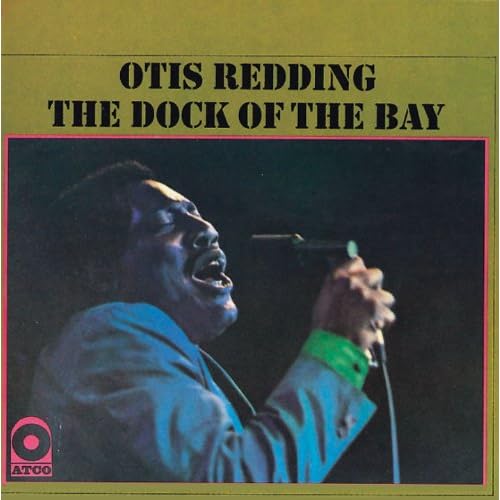
Otis Redding, The Dock of the Bay Released: February. 23rd
In some ways, 1968 began with a great sadness. On December. 10th, 1967, the blossoming soul star Otis Redding was killed in a plane crash in Wisconsin that also claimed the lives of four of his band members. The tragedy had taken not just one of the era’s most distinctive singers, but an artist standing at a new horizon for R&B music. Days before his death, Redding had recorded a new composition ”(Sitting On) The Dock of the Bay,” a lilting ray of sunshine that found a winsome Otis Redding unwinding his tight groove sound and opening up new worlds for his soul.
Released posthumously in February 1968, The Dock of the Bay showcased Redding for the mainstream audience he had courted at Monterey Pop the previous summer. “Let Me Come on Home” was the hard-driving, horn-happy rocker; “The Glory of Love” the arpeggiated slow burn; “Tramp” the naughty call-and-response with Carla Thomas. It wasn’t the album Redding was supposed to make in 1968, but it nevertheless served as the crossover breakthrough he always had in him.
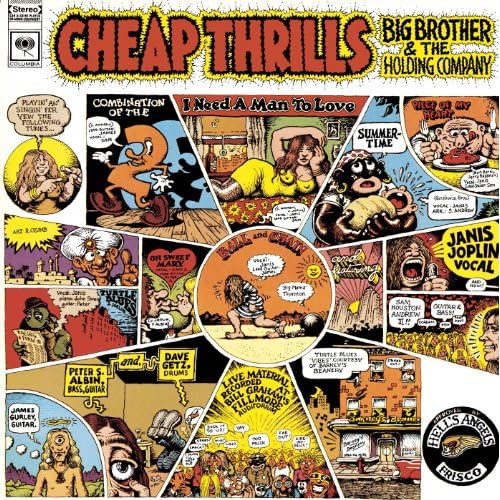
Cheap Thrills, the second album featuring Janis Joplin, marked the emphatic emergence of the Texas-born singer in the San Francisco band that had already found some local success without her. Propelled by a star-making appearance at the Monterey Pop Festival in 1967 that netted the band a deal with Columbia Records, Janis Joplin’s wavering, powderkeg voice quickly dominated the band’s psych-blues repertoire and raised the bar for practically every fiery vocalist to follow. Album entries “Summertime” and “Piece of My Heart” became signature songs, the vehicles with which she stunned the pop world with her grit and femininity, fusing her inner torment and strife with her public persona. Cheap Thrills topped the charts, one of the few products of San Francisco’s emerging underground to earn a mainstream embrace. The album’s cover, by illustrator R. Crumb, remains one of the most iconic of the era.
Jeff Beck, – Truth
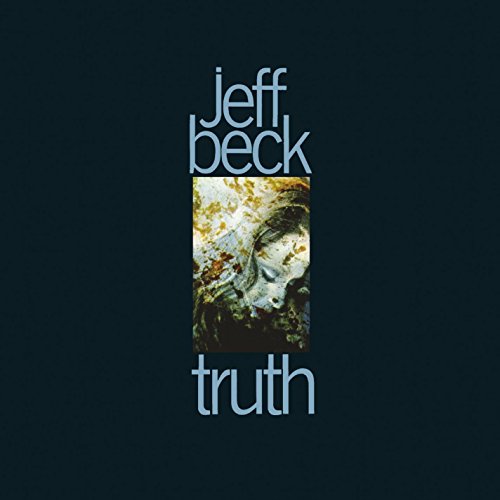
Jeff Beck’s first solo album following his departure from the Yardbirds in 1966 picks up where he left off with the influential British blues rockers: covering blues classics, standards from the Great American Songbook and even one of his old band’s songs. The guitar hero’s group on ‘Truth’ — including singer Rod Stewart and guitarist Ronnie Wood would get co-billing on the follow-up album, 1969’s ‘Beck-Ola.’ They deserve it here too.
Small Faces, Ogden’s Nut Gone Flake – Released: May 24th
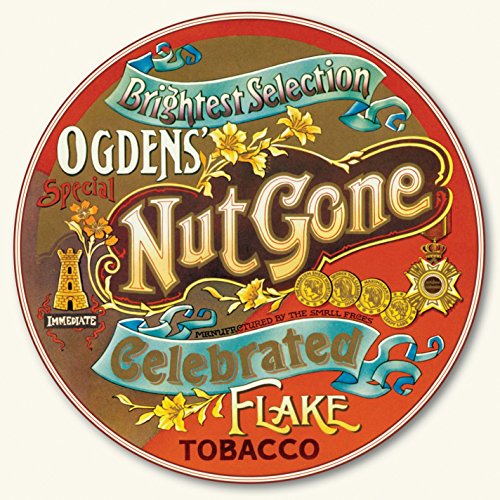
Marking a definitive break from Small Faces’ early mod and R&B underpinnings, the two-act Ogden’s Nut GoneFlake was a bold move into the realms of stylish psychedelia and the eccentric affectation of late ‘60s English invention. Although more than a hint of Steve Marriott and Ronnie Lane’s Cockney humor was inescapable—the whimsical “Rene” and “Lazy Sunday” being obvious examples—two bold anthems, “Song of a Baker” and “Long Agos and Worlds Away,” predated Led Zeppelin’s arch bombast by several months.
At the time, the round album cover, made to resemble a tobacco tin, and the sidelong gibberish of “Happiness Stan,” a pseudo fairytale narrated by English actor Stanley Unwin, also garnered plenty of attention. One of the first concept albums ever envisioned (and basically unplayable live), Ogden’s Nut Gone Flake remains a little appreciated musical masterpiece. Small Faces would disband the following year.
Cream, Wheels of Fire – Released: August
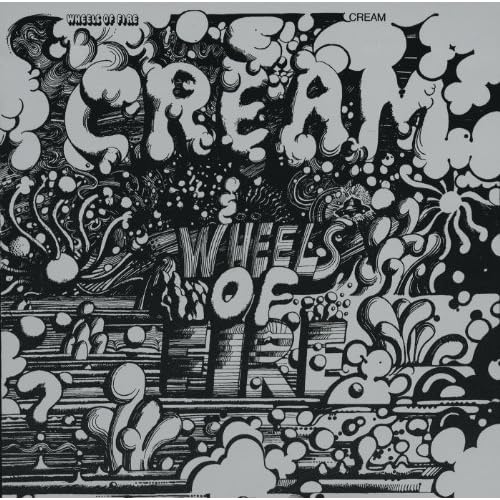
Wheels of Fire had a hard precedent to follow, coming as it did on the heels of Cream’s 1967 sophomore breakthrough, Disraeli Gears and the blues-embossed psychedelia that preceded it. Nevertheless, laden with such classics as “White Room,” “Politician” and a sterling remake of the Robert Johnson classic “Crossroads” that became a microcosm of Eric Clapton’s entire career as a blues-nicking guitar deity, it managed to express the full potency of this startling supergroup (with Jack Bruce on bass and Ginger Baker on drums) and ensure their immortality. By taking the idea of a double disc to a new level of productivity—half live, half studio—Wheels of Fire also made full use of the trio’s songwriting chops and their ability to improvise onstage. Rarely has there been such a sprawling effort capable of bringing out that ability with such flourish and finesse. This was Cream’s last real album-length musical document, with only 1969’s abridged Goodbye to follow.
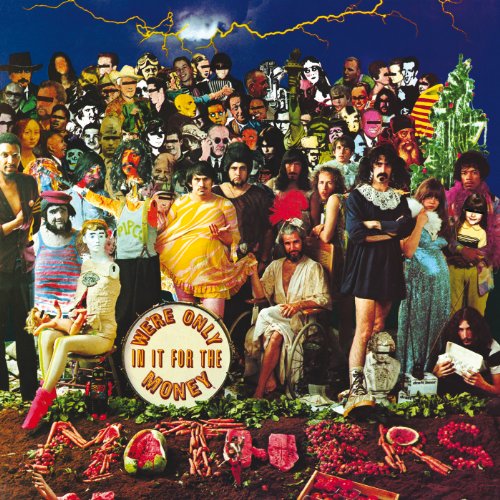
Frank Zappa and the Mothers Of Invention – We’re Only It for the Money
More so than any other record on our list of the Top Albums of 1968, the Mothers‘ third record is the one with the most direct link to ‘Sgt. Pepper’s.’ And not just because its original parody cover photo — which ended up inside the LP after the Beatles’ management objected — is a fierce slap to the earlier record. Frank Zappa and crew’s concept album satirizes tons of Summer of Love standbys, including hippie idealism, left-wing thought processes and over-the-top concept albums.
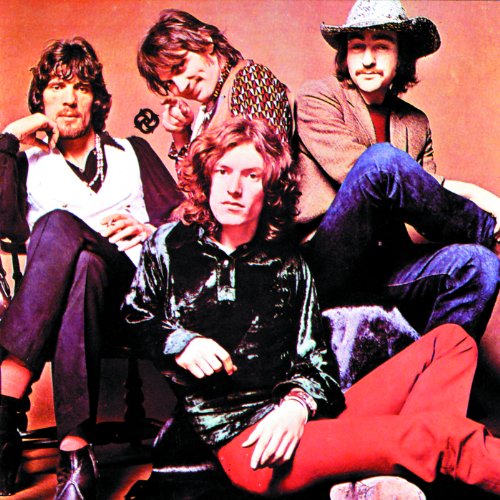
Traffic, Traffic Released: October
A follow-up to their excellent and eclectic debut, Traffic’s eponymous sophomore set found a fully congealed ensemble. The on-again, off-again participation of Dave Mason was now fully present, if only temporarily for this effort. Indeed, this was the album that represented Traffic’s transition from woodshed romanticism to forerunners of new iconic invention, a sound simultaneously purveyed by The Band in their early Americana guise. Several of the standout songs—”40,000 Headmen,” “Who Knows What Tomorrow May Bring,” “Pearly Queen”—offered druggy swirls of hippie-rock and tight soul embodied by Steve Winwood’s preternatural tenor and organ playing. Mason’s highlight, “Feelin‘ Alright,” would become a rock-radio smash for Gospel-tinged covermeister Joe Cocker the following year, and remains a mainstay in Mason’s live repertoire to this day. The definitive Traffic album, Traffic is another underrated monument of 1968.
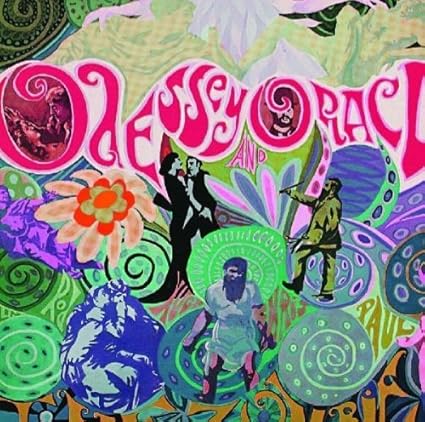
The Zombies, Odyssey and Oracle – Released: April 19th
One of the ‘60s great unsung masterpieces of that hallowed decade, the Zombies’ Odyssey and Oracle followed on the heels of the group’s early hits “Tell Her No” and “She’s Not There,” while marking a giant leap forward. It was a set of songs flush with bold experimentation and baroque innovation, a concept not unlike that of Sgt. Pepper and other ornate musical ventures of the day. Ironically, The Zombies had broken up by the time Odyssey came out, and with its eventual smash hit, “Time of the Season,” it became a sad swan song that failed to reap the appreciation it deserved. Al Kooper championed its release in the U.S., but tepid label support doomed it to the cut-out bins practically from the get go. The original band recently reconvened (sans the late guitarist Jim Atkinson) to play the album live in its entirety, helping regain the critical kudos that evaded it originally.
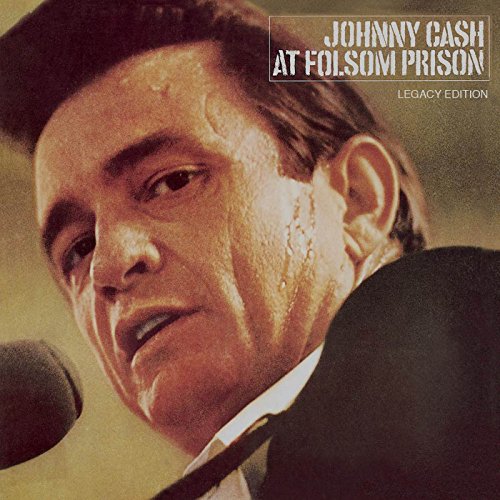
Johnny Cash, At Folsom Prison – Release: May
When Johnny Cash arrived at Folsom Prison in California on January. 13th, 1968, he was fortunate that he was there to perform for inmates and not join them behind bars. Cash had spent much of the previous few years in a drug spiral, watching his career and his life circle the drain. He was looking to revitalize his waning career, and a prison concert seemed the ideal vehicle—if Cash had always empathized with jail-bound convicts and the lonely despair that comes with the life, now he felt he could speak directly to them on terms everyone could understand. He had recorded the “Folsom Prison Blues” single back in 1955, and here was an opportunity to put faces to names. Proving that the concert was directed at a very specific audience, Cash performed a set of songs (two sets actually, which were combined into one 15-song album) that resisted self-help bromides and spiritual guff. “Dark as a Dungeon,” “The Long Black Veil” and “25 Minutes to Go” evoked the cynicism and gloom of living in captivity. Little did Cash expect, it also resonated loud and clear with a global audience who for one reason or another felt the sting of living in bondage even as they walked free.
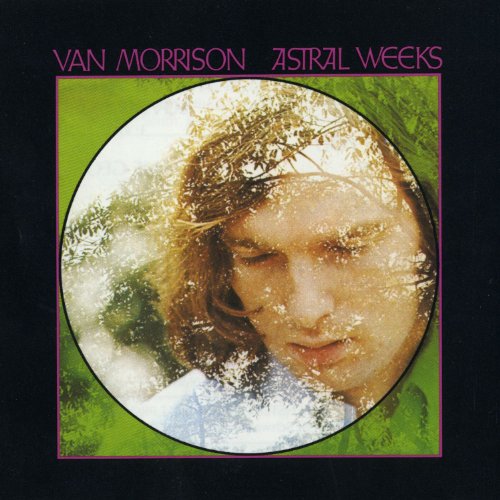
Van Morrison, Astral Weeks – Released: November
After attaining his initial success back in Belfast with the band Them and a couple of hits (“Gloria,” “Here Comes the Night”), Van Morrison launched his solo career with a bang in the form of the ubiquitous soul-blaring 1967 hit “Brown Eyed Girl,” off his debut LP Blowin’ Your Mind! But it was the followup that proved to be his magnum opus. Charting new experimental terrain, he initiated a sound that was open-ended and had more to do with jazz, folk, elegiac imagery and pure stream of consciousness. “Cyprus Avenue,” “Sweet Thing,” “Ballerina” and “Astral Weeks” are unbound folk songs lit up with bells, strings, flutes and Morrison’s assured vocal wail. All but ignored in Northern Ireland, the album struck a chord with critics who admired Morrison’s meditative musings and the songs’ cerebral settings. Today, it’s widely recognized as one of the most influential albums of the era and an adventurous chapter in what would be a long and varied career.
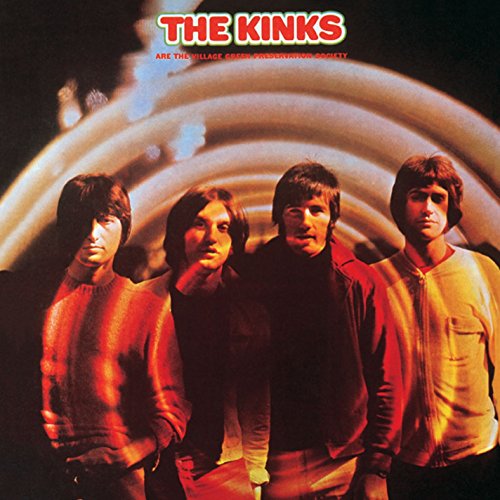
The Kinks, Are the Village Green Preservation Society – Released: November. 22nd
The Kinks were never rabble-rousers in the truest sense of the word. For every proto-punk attempt at slash and burn with songs like “You Really Got Me” and “All Day and All of the Night,” Ray Davies and Co. were able to offer softer laments like “Waterloo Sunset” and “Set Me Free.” With an astute eye for detail, Davies could probe the absurdities of life and turn them into woeful tales of middle-class misery. He found full flourish with the lovely and graceful Village Green Preservation Society, a wonderfully wistful song cycle about idyllic England in more innocent times, flush with nostalgia, nuance and a gentle chiding of civility and sentiment in a storybook world. If Ray Davies chose to look at life through rose-colored lenses, no one could blame him for attempting to engineer this imaginative escape. It was The Kinks‘ sixth album, and final record by the original quartet, bombed when it came out in November 1968 . But it’s now considered the band’s best LP, a straight-faced concept album about Victorian-era mores. It’s lush, pastoral and brimming with gently strummed songs about small-town England that rank among the best songs that Ray Davies has ever written.
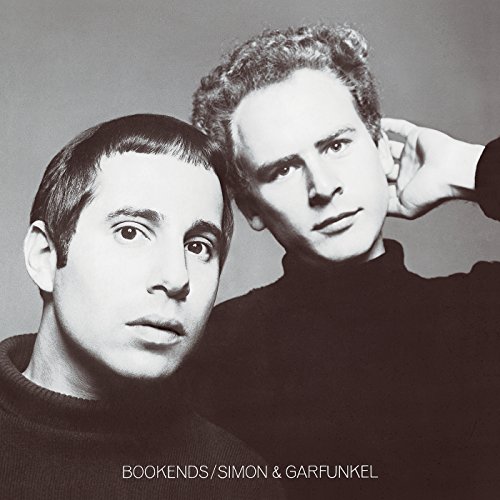
Simon & Garfunkel, – Bookends – Release: April 3rd
The most fully realized album of Simon and Garfunkel’s middle-period career, Bookends showed that the duo were capable of more than merely poignant, introspective balladry. Only their fourth studio effort, Bookends was fashioned as a concept album that imagined life’s progression from youth to old age. “Old Friends,” a song that more or less became synonymous with the duo’s often stormy relationship, encapsulated that trajectory, but several others stood apart as future standards, including “America,” “A Hazy Shade of Winter,” “At the Zoo,” and an encore performance of “Mrs. Robinson,” culled from the soundtrack to The Graduate, released the year before. At the same time, Bookends would prove an ideal lead-in to Bridge Over Troubled Water, which would follow two years later and elevate the duo to their grand crescendo.
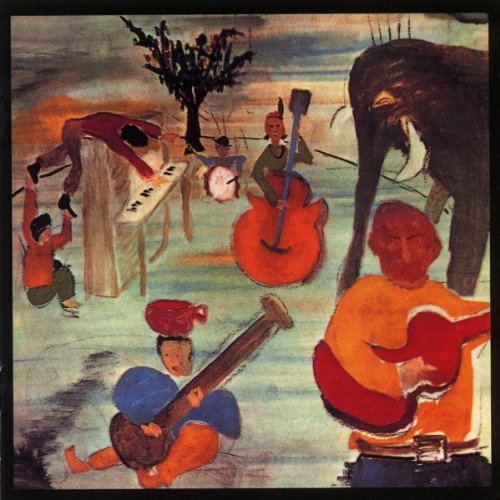
The Band, Music From Big Pink – Release: July 1st
The Band’s debut record took an entirely different path from 1967’s candy-colored psych-rock explosion. Bob Dylan’s former backing group stripped down and excavated a form of American roots music that was somewhere between country and folk. Dylan had a hand in some of the songs, but the quintet proved to be one of the most significant groups of their time.
By the time The Band released their debut full-length, they were already a well-known, road-tested outfit who’d played behind Dylan during his infamous electric breakout. But their emergence as architects of archival Americana arrived with Music From Big Pink, an album borne from jams, rehearsals and songwriting sessions at the album’s namesake house in upstate New York. Though elevated in stature at the time thanks to the presence of a few Dylan compositions, the finished album found Robertson, Helm, Hudson, Danko and Manuel tossing off their musical shackles, mixing up instrumental and vocal duties, and creating a vintage variety of folk and country that seemed as effortless as it did brilliant. It was that emphasis on rural roots—the band boasted four Canadians and and Arkansan—that inspired the souped-up backwoods persona they purveyed in both sight and sound. The songs stand the test of time, and indeed, “The Weight,” “This Wheel’s On Fire,” “Tears of Rage” and “I Shall BeReleased” stand among the most indelible expressions of heartland music ever recorded.
Aretha Franklin, Lady Soul – Released: January. 22nd
It says something about how rare and electrifying Aretha Franklin was in 1968, as a 26-year-old singer making her third album for Atlantic Records, that she could claim the title Lady Soul and not only pull it off, but then wear the crown undisputed for the next 50 years. Aretha Franklin had scored a defining hit—for both herself and women everywhere—the previous year with her cover of Otis Redding’s“Respect,” then mourned Redding’s death in December. Her mix of exuberance and despair, crying and shouting with every twist of a wounded relationship that haunts the album, courses through Lady Soul.
There’s gospel bliss on ”(You Make Me Feel Like) A Natural Woman” and down-hearted blues on “Good to Me As I Am to You.” She also fearlessly reimagines songs by her most famed male contemporaries, including a simmering cover of Curtis Mayfield’s “PeopleGet Ready,” which had been a hit for The Impressions. Franklin’s once-in-a-century siren of a voice always powerful, always under complete control—is backed all the way by a crack New York headlined led by organist Spooner Oldham, saxophonist King Curtis and guitarist Joe South.
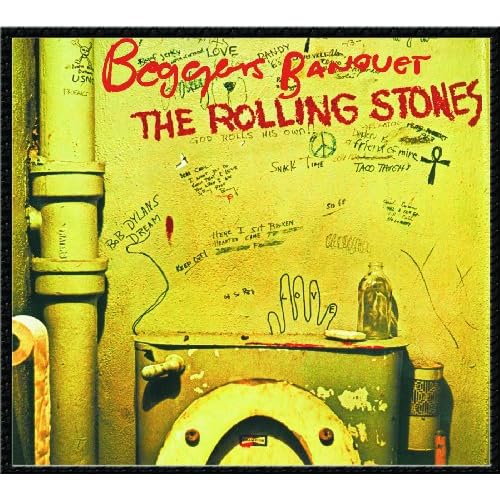
The Rolling Stones, Beggar’s Banquet – Released: December. 6th
Following 1967’s critically panned Their Satanic Majesties Request, attempt to cash in on psychedelia, the Rolling Stones revealed their essence on Beggar’s Banquet—a dirty, raw, set of originals that injected some country twang into the band’s R&B obsessions and set the mold for the iconic Stones sound that would stretch on for another 50 years.
Like a few other artists on our list of Albums of 1968, unplugged and settled into a more gutsy rock ‘n’ roll groove for their seventh LP. Acknowledging, but without directly borrowing from, the usual R&B and blues influences, the Rolling Stones crafted an album that’s simultaneously raw, scary and sinister. More than that, it launched a staggeringly fruitful creative period (which continued through 1972’s career milestone ‘Exile on Main St.’) when the Stones more than earned their title as the World’s Greatest Rock ‘n’ Band.
Containing at least three certified Stones classics—“Street Fighting Man,” “Salt of the Earth (featuring a rare lead vocal from Keith Richards) and the signature song “Sympathy for the Devil”—Beggar’s Banquet marked the first entry in a four-album run—followed by Let It Bleed, Sticky Fingers and Exile on Main Street—that would go down as maybe the greatest winning album streak in rock history.
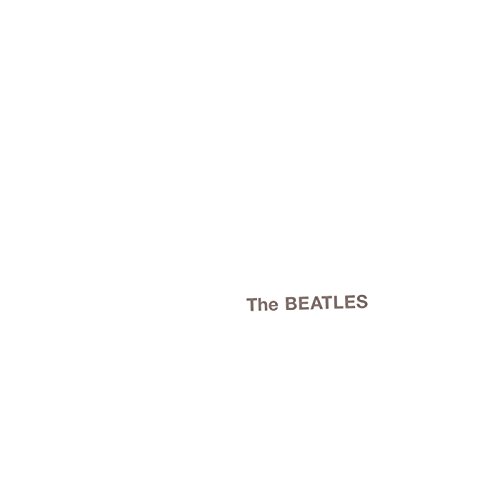
Sadly, it also marks the final album with Brian Jones’s full participation, and his reliability at the time was clearly in question. The original cover image, featuring a graffiti-strewn lavatory, was rejected by the record label and replaced with an unadorned invitation image that drew instant comparisons to the Beatles’ White Album, which had come out three weeks before. Nevertheless, the inner gatefold, depicting an enthusiastic food fight, ensured the Stones’ depravity wasn’t diminished.
The Jimi Hendrix Experience, Electric Ladyland – Released: October. 16th
Jimi Hendrix radiated genius from the get-go with Are You Experienced? and Axis Bold As Love, his first two albums with the his band Experience in 1967. On Electric Ladyland, he took that extraordinary innovation into entirely new realms that were difficult to define then and remain so now. The trio, with its British rhythm section and American front man, was perfectly suited to their era, and with a supporting cast that included Traffic’sSteve Winwood, Dave Mason and Chris Wood, as well as drummer Buddy Miles and JeffersonAirplane bassist Jack Casady, Electric Ladyland redefined the concept of modern rock within a progressive posture. The album boasts everything that Hendrix (who produced it) did well: slinky psych-soul (“Burning of the Midnight Lamp,” the title track), explosive electric blues (“Voodoo Chile”), melodic pop (“CrosstownTraffic,” “Long Hot Summer Night”) and tripped-out sonic explorations that take the listener under the sea (“1983… A Merman I Should Turn to Be”) and into the heavens (“And the Gods Made Love”). His version of Dylan’s “All Along the Watchtower” showcased his ability to put an indelible mark on any popular music of the day, making it little wonder that even now, half a century later, the final studio effort recorded in Hendrix’s lifetime continues to set an almost unattainably high bar. Hendrix’s Electric Ladyland was the only two record set of the year that made it in my book. He is the authoritative lead guitarist, the coolest showman, an excellent songwriter, and a constantly improving vocalist. He has one of the finest drummers in pop music working with him and an imagination of touring performers on the scene that day, Hendrix is tops and 1968 was his year.
The Beatles, The Beatles – Release: November. 22nd
After the critical success of Sgt. Pepper’s Lonely Hearts Club Band and the rapid follow-up of the equally colorful and hallucinogenic Magical Mystery Tour, this expansive double-disc allowed the four Beatles both to stretch out artistically and reconnect with their roots in a way that would be further explored with the bare bones concept for their 1970 swan song, Let It Be.
A series of solo excursions made by an increasingly fractured band, the so-called White Album collected songs composed while the Fabs were meditating in India with the Maharishi Mahesh Yogi. It mostly resisted the pressure to address the social upheaval swirling outside the doors of EMI Studios (later called Abbey Road) and focused instead on wide-ranging song craft, with each member managing to create some of his most lasting work despite—or maybe because of—the infighting and tension that plagued the recording sessions. Lennon emerged with “Dear Prudence,” Happiness Is a Warm Gun,” “Sexy Sadie” and “Revolution 1”; McCartney composed “Martha My Dear,” “Blackbird,” “I Will” and “Helter Skelter”; and Harrison contributed “While My Guitar Gently Weeps,” “Long Long Long” and “Savoy Truffle.” Taken together, they form what many consider to be among The Beatles’ greatest collection of songs.
Finland’s Flow Festival have revealed the first additions to this summer’s line-up and it doesn’t dissapoint, with Kendrick Lamar and Patti Smith topping the bill.
The talented pair will be joined by St Vincent, Sigrid, Mura Masa, Bonobo and a ton more will be in Helsinki on the weekend of 10th-12th August for some Finnish fun.
Flow Festival delivered an incredible line-up last year with Lana Del Rey, The xx, Frank Ocean, Flume, Young Thug, Ryan Adams, London Grammar, Goldfrapp, Danny Brown and Aphex Twin all appearing, with this year shaping up to be just as good.
View the full list of Flow names below.
Kendrick Lamar, Patti Smith, St. Vincent, Grizzly Bear, Bonobo, Mura Masa, Alma, Sigrid, Brockhampton, Helena Hauff, Moodymann, Kube x Eevil Stöö, Vesta, 3TM in 3D, Onni Boi
The National have marked a year on form one the most controversial inaugurations of the most divisive American Presidents ever with a politically charged new video, for their track ‘Walk It Back’.
Using a host of close-up images of the current President and other figures, the band are raising questions marks over the robotic response we are offering. The video does this with the key focus being people but each image only showing us something untouchable, unattainable and, at heart, alien.
“The video documents the performance and spectacle of governance,” said director Casey Reas. It just his latest visual for the band, having previously directed clips for ‘Day I Die,’ ‘Carin at the Liquor Store,’ and ‘The System Only Dreams in Total Darkness.’
Directed by Casey Reas, the video features clips from various political broadcasts through the years such as Ronald Regan’s State of the Union address, and speeches from Newt Gingrich, Bill Clinton, Karl Rove.
The video documents the performance and spectacle of governance. It captures the pomp and rituals of Congress and its vainglorious, televised culture. The spoken text at the center of the song has been attributed to Karl Rove, George W. Bush’s advisor, but he has denied the association: “We’re an empire now, and when we act, we create our own reality. And while you’re studying that reality-judiciously, as you will—we’ll act again, creating other new realities, which you can study too, and that’s how things will sort out. We’re history’s actors … and you, all of you, will be left to just study what we do.”
The Sleep Well Beast track is a glitchy, dystopian affair and feels cold, inhuman and somewhat isolated in every note. Fitting then that the band have used this single release to mark their line in the sand politically.
Taken from from last year’s ‘Sleep Well Beast’ album,
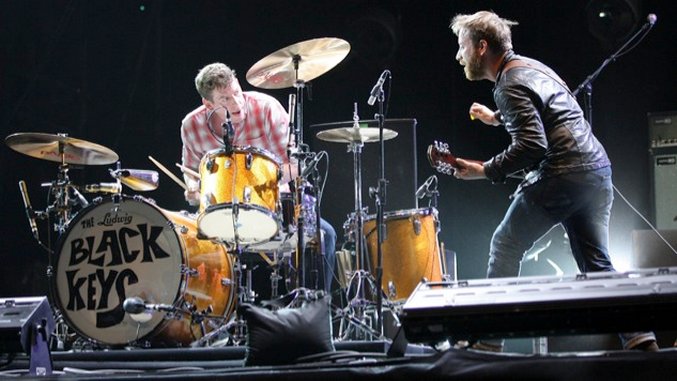
Plenty of bands through the years have altered their core sound, Sometimes more than once to better fit what was popular at the time. It’s the rare band that manages to pull off the reverse and force the mainstream to come to them. But that’s more or less what The Black Keys accomplished in the mid-aughts, when they went from a niche two-piece playing Junior Kimbrough covers to a rock juggernaut that every beer conglomerate and car dealership wanted soundtracking its TV commercials. The duo began as an independent act, recording music in basements and self-producing their records, before they eventually emerged as one of the most popular garage rock artists during a second wave of the genre’s revival in the 2010s. The band’s raw blues rock sound draws heavily from Auerbach’s blues influences, including Junior Kimbrough, Howlin’ Wolf, and Robert Johnson.
Those lucky enough to have caught guitarist/singer Dan Auerbach and drummer Patrick Carney in about 2003 with maybe 60 people in the room couldn’t have guessed that in five years’ time these two would be headlining Madison Square Garden. Friends since childhood, Auerbach and Carney founded the group after dropping out of college. After signing with indie label Alive, they released their debut album, The Big Come Up (2002), which earned them a new deal with Fat Possum Records. Over the next decade, the Black Keys built an underground fanbase through extensive touring of small clubs, frequent album releases and music festival appearances.
Fourteen years on, Auerbach’s has released a second solo album, the “Waiting on a Song”, The list of great bands that have spawned equally great solo acts is a short one. But Auerbach has had good reviews. His voice and guitar-playing have become almost ubiquitous over the course of the Black Keys albums and a 2009 solo debut of his own. Some of those fans who go back with The Black Keys pine for the days when Auerbach stomped around on tiny beer-soaked stages, his shouts matched by bolts of shrieking feedback and Carney’s outright abuse of his drum kit. Not everyone bought what these white guys from Ohio were selling, but if there was any doubt that TheBlack Keys are the genuine article, it was more or less scuttled when Kimbrough’s widow, Mildred, called them to say they were “the only ones that really, really play like Junior played his records.” The Keys were so proud they included Mildred’s voicemail as a track on their 2006 Kimbrough tribute EP, Chulahoma.
Chulahoma EP,
As it happened, Chulahoma, was the Keys’ last recording for Fat Possum Records, but also it was the fulcrum that put them on the path they’ve since ridden to arena shows, Until I bought this mini LP I’d never come across the name Junior Kimbrough who, according to good old Wikipedia, was an accomplished blues guitarist from Mississippi, and someone whose music only really began to appear in the 1990’s, thanks largely to independent labels such as Fat Possum and Capricorn Records (the former being mainly responsible for popularising the likes of a one Mr R. L. Burnside, amongst others). Messrs Dan Auerbach and Pat Carney’s approach to paying tribute to this obscure bluesman is appropriately low-key (no pun intended I promise) and suits their style to a tee. All lo-fi acoustics and electric guitar played through amps that probably date back to the 1950’s – while mixed by some veteran engineer with a hearing problem. But that’s ultimately part of its charm, and something which no doubt would appeal to many a young hirsute hipster, who just can’t get their head around all that digital rubbish masquerading as art nowadays.
The EP opens with the primitive and hypnotic “Keep Your Hands Off Her”, where Auerbach’s vocals and guitar sound delightfully ancient. It’s difficult to make out what he’s actually singing, but that’s OK, because The Black Keys seem more intent on capturing a certain feel and resonance rather than any detail in particular. Likewise “Have Mercy on Me”, which is another short though mesmerising number that just draws the listener in with Auerbach’s distorted notes and Carney’s caveman drumming. Auerbach wails his lines as if he were born in the wrong century, thus adding an additional authenticity to the proceedings.
The passionate yearning continues on “Work Me” and “Meet Me In the City”, especially the latter with its shimmery guitar and pleading vocals. The prehistoric ruminations continue on “Nobody but You” where Auerbach plays in a style not too dissimilar to guitar extraordinaire Gary Clarke Jr., another musician who knows a thing or two about the blues. “My Mind is Ramblin’”, the last track, plods along in faulty microphone fashion, and while the main riff can get a bit repetitive, the performance itself is no less affecting.
The Black Keys made the right decision in making Chulahoma an EP, because choosing to release a full length album of this material would likely have tested the patience of even the group’s most fanatical of followers. Nonetheless what they managed to produce was a refined and tasteful mark of respect toward an artist whom Auerbach, based on his liner notes, quite clearly holds in the highest esteem.
Tagged at the end, interestingly, and strangely, is a brief phone message made by Mildred, Kimbrough’s widow who, after having been played this record (obviously before it had officially been released), declared that Auerbach and Carney were “about the only ones who really, really played like Junior played his records, and I’m very proud, it makes me feel very proud.” Well, I guess endorsements don’t come any better than that.
Turn Blue
The band’s most recent album takes the top spot for their most ironic title, since they’ve never been less blue—at least as far as the music is concerned. If gut-bucket blues was their original foundation, Turn Blue marks the climax of their tear-down renovation, with expensive, gleaming surfaces in place of the trusty old wood panelling, courtesy of frequent collaborator Brian “Danger Mouse” Burton. The album opens with “Weight of Love,” a sprawling psych gem that promises a layered, moody batch of songs to follow. But the next 10 songs don’t quite get there. The pace feels labored on mid-tempo slinkers like “In Time,” “10 Lovers” and “Waiting on Words,” perfectly good songs that lack that familiar spark or intensity. The Keys at this point have cemented a faux-sleaze formula that cribs relentlessly from basically every single kind of American music, and this batch of tunes struggles to hide it.
Magic Potion
Their fifth album and first for Nonesuch took considerable heat for not shaking up the guitar-and-drums-in-a-basement-with-no-heat format, especially after 2006’s high-point “Rubber Factory” had showcased an expanding sound. And it’s true: Auerbach and Carney seemed almost defiant in jumping to a bigger label and promptly burrowing into their scuzziest impulses. But if you loved The Black Keys when they came up, it’s pretty hard not to at least like this album. That electricity between Auerbach and Carney and their seriously overtaxed amplifiers is right there on “Give Your Heart Away,” “Modern Times” and “Black Door.” The two-man swing of “Just Got to Be” and “Your Touch” is primitive but potent. It’s top-shelf caveman blues, songs written on sandpaper, and if you dig it, you dig it. Plus, Auerbach breaks out his blossoming soul-man voice on “The Flame” and “You’re the One” in a tip-off to where the band would go next, so no big loss for the aesthetes out there.
Attack and Release
After making the austere, shrug-inducing Magic Potion in 2006, it looked like the Black Keys’ well was running dry. All it took to refill it was the producer from Gnarls Barkley and Ike Turner dying. Danger Mouse had wrangled Auerbach and Carney for a collaboration with Turner, and when Turner passed away in late 2007 they were left with a bunch of songs and no singer. Turned out for the best. Attack and Release showed that Auerbach could write and play outside his established zone, as on slower, more emotive songs like the teary “Lies,” and the rueful, organ-powered “Things Ain’t Like They Used to Be.” Touches of banjo (“Psychotic Girl”), flute (“Same Old Thing”) and some arpeggios (“So He Won’t Break”) subtly expanded the sound, drawing the Keys closer to folk and psychedelic music. Burton’s touches, like the backing vocals on “Strange Times” and the funhouse-mirror guitars on the heavier “I Got Mine,” lent the music a funereal sheen. Attack and Release was a tentative first step into a huge period for the band, like they were walking around in a brand new suit.
The Big Come Up
In early 2003, there was already a weird two-piece garage-rock combo from the Midwest who spewed chainsaw feedback and worshipped vintage blues idols. In fact, The White Stripes’ “Elephant,” with its soon-to-be-played-in-football-stadiums-worldwide anthem “Seven Nation Army,” came out two months before The Black Keys’ debut, so it was hard not to approach “The Big Come Up” in that context. Suddenly here was a shock contender in the race for the band most likely to sound like The Flat Duo Jets. And sure, these two guys from Akron were not inventing a single thing. But from the first growling, low-fi bars of “Busted,” it was clear they’d found lightning in a basement, playing like two guys who were more amazed than anyone that they were this good. Craggy blues originals “Run Me Down,” “Countdown” and “Heavy Soul” mixed seamlessly with standards (“Leavin’ Trunk”) and covers of favorites (R.L. Burnside’s “Busted,” “Junior Kimbrough’s “Do the Rump”). Auerbach was an instant star, with his rich, raspy voice (the only real explanation being a Crossroads-style body switch) and his dual-action guitar—both completely untamed and yet in lockstep with Carney, holding down the low end while riffing on top. The Black Keys would make better albums than this one, but you can never quite recapture the “holy shit” of hearing The Big Come Up for the first time.
Brothers The Keys’ most critically acclaimed album, Brothers found them fully embracing the Danger Mouse School of Sonic Advancement they’d begun with Attack and Release, even though Mouse returned for just one song here, the bouncy hit single “Tighten Up” On Brothers, they didn’t tear up the playbook so much as update it with more instruments (organs, drum machines, whistling), more minor chords, and a much more controlled vibe on creeping soul songs like “The Only One” and “Too Afraid to Love You,” with its Addams Family harpsichord. “She’s Long Gone” and “Next Girl” sport vintage Auerbach riffs, but where he and Carney used to bash them out fast, here they pulled way back with lurking drums and humid reverb, slathering it on rather than trampling it to death. Auerbach climbs into his highest falsetto for a faithful cover of Jerry Butler’s “Never Gonna Give You Up.” It all sounds solid enough, if a little stuck in mid-tempo and done-me-wrong lyrics. And of course it’s formulaic—something The Black Keys can’t help but be.
El Camino
With a bonafide hit under their belt (2010’s Brothers), The Black Keys struck while the money was hot and made an album that was basically the soundtrack to the unlikely story of an Ohio blues-rock duo that figures out how to write bonafide hits. In the end, they get to play with all the toys—specifically, bubblegum bells and synths and elastic bass guitars. Opener “Lonely Boy” has a clap-along beat with crystalline keys glazed over top and cheesy backup singers on the chorus just for the shit of it. And it works, same as it does on poppier songs like “Dead and Gone” and the T-Rex stampede of “Gold on the Ceiling.” The Keys just seem less stiff than they did on Brothers, totally at ease with making exactly the album they wanted to make. It’s brash and playful (“Money Maker”), tongue-in-cheek glitzy (“Stop Stop”), with big hooks that are almost guilty pleasures. They go for broke on “Little Black Submarines” and just hijack Tom Petty. The anchor is still Carney, who gets his stomp back after the hard turn to moody on Brothers, keeping the show moving along with force and precision.
Thickfreakness The Keys’ second album throws its first punch right away, with Auerbach’s guitar revving up like a coal furnace and erupting into the title song. “Thickfreakness” remains one of their best songs, a prowling blues with a face-melting rock bridge (especially in concert). It also encompassed the general direction at this point: sticking with faithful (and volcanic) blues covers (Richard Berry’s “Have Love Will Travel,” Junior Kimbrough’s “Everywhere I Go”) and leaning to classic rock (“Thickfreakness,” “Hard Row”). At this point, though, the Keys were happy to be riff monsters, with Auerbach tearing off one after the other on lonely-boy tales like “No Trust,” “Hurt Like Mine” and “If You See Me,” all with the prodigious boogie that set these guys apart from the start. Patrick Carney’s drumming leaps a mile from The Big Come Up, adding a harder-rock dimension to songs like “Set You Free.” The album was recorded in a single 14-hour session in Carney’s basement, and there’s no room for extravagance or decor.
Rubber Factory Rubber Factory is where the Black Keys’ songs started catching up with their phenomenal talent. They had to. By 2004, there were too many other skyrocketing bands—Strokes, Stripes, Libertines, Yeah Yeah Yeahs, Walkmen, et al—carving out corners of a revitalized guitar-rock landscape. Without pulling up the roots (cough Kings of Leon), Auerbach and Carney stretched out, building sturdier structures for their riffs and wringing richer flavors from the same basic ingredients—not an easy feat, as several of those aforementioned bands would attest. Opener “When the Lights Go Out” is a droney blues with a scratchy acoustic guitar out front. “Just Couldn’t Tie Me Down” marches with a second-line shuffle that foreshadowed more Southern-fried horizons for the band. On quieter songs like the aching “The Lengths” and a knockout cover of the Kinks’ “Act Nice and Gentle” (better than the original?), Auerbach mixed in folk and country and found a new gear, a certain sway to suit his more restrained vocals and Carney’s expanding drums. “10 A.M. Automatic” is an indie-rock confection with a closing solo that swallows the song whole. All this, and without giving an inch on the garage-blues crackle that fueled their first two albums—”Keep Me,” “Stack Shot Billy” and the psyched-out “Grown So Ugly” are maybe the duo’s three best blues recordings, all of them infused with the spirits of Fred McDowell, R.L. Burnside and T-Model Ford, ducking and weaving on Auerbach’s nimble guitar before delivering knockout blows.
The Black Keys are; Dan Auerbach, guitars, vocals Patrick Carney, drums
In March, Rhino will reissue Marillion‘s 1994 album “Brave” as a 4CD+Blu-ray deluxe edition and a 5LP vinyl set. Following the release of last year’s remixed expansion of Misplaced Childhood, neo-prog rockers Marillion are jumping ahead to one of their top albums of the 1990s to reissue: 1994’s Brave, this was their seventh album.
Brave was the third Marillion album with vocalist Steve Hogarth, who replaced Fish as frontman in early 1989. A stark departure from 1991’s Holidays In Eden, their most pop-centric album, Brave told the story (based on actual events) of a girl discovered by police on England and Wales’ Severn Bridge with no memory of how she got there. Recorded over nearly a year in a French castle, the location – including recordings of nearby caves for ambience – contributed to the album’s drawn-out sense of unease. (The original vinyl edition offered two possible endings to the story, thanks to a set of double grooves on the fourth and final side.)
The deluxe set with the optical discs features a brand new stereo remix by Steven Wilson, the original 1994 mix by Dave Meegan, and two CDs of “Live At La Cigale”performance from ’94.The audio has been newly remixed by Michael Hunter, and features a performance of Brave in its entirety. This is now the complete performance as it has been expanded with nine unreleased tracks. The full performance of Brave from this set originally appeared on the double live set Made Again in 1996, and is now expanded to feature all the material apart from the album the band played that day. Additional Blu-ray extras include It All Began with the Bright Light,a new documentary on the album; three promo videos and “The Great Escape (Spiral Remake),” the dour album closer featured on the second groove of the vinyl version. (The accompanying 50-minute film for the album will unfortunately not be included.)
The blu-ray contains 96/24 audio of Steven Wilson’s remix of the album in stereo and 5.1 surround sound, as well as promo videos for the album’s singles and a new documentary about the album that includes concert footage and interviews with the band. The 5LP vinyl box contains the Steven Wilson stereo mix on the first two records and the live performance on the remaining three LPs.
Both the CD/Blu-ray and vinyl versions of Brave are accompanied by illustrated booklets that recount the story behind the album. Brave will be reissued on 9th March 2018
Ever since his wonderful debut album ‘Dolls of Highland’ was released on Sub Pop Record in 2016, Kyle Craft has been a critic’s dream. Based in Portland, he serves up all the observational, storytelling talent with none of the attitude that so often comes with male singer-songwriter territory. “I’ve found my place,” he says. “I’m not one of those people that approaches music for anyone other than myself. My favorite part about music is when it’s just me and a notebook.” Speaking of, his second forthcoming album ‘Full Circle Nightmare’ is entirely autobiographical. Sonically, thematically, lyrically, it’s a huge leap forward from his 2016 release.
The title ‘Full Circle Nightmare’ refers to a moment where Craft saw his life for what it is and told himself to be satisfied. “But that’s nightmarish to me,” he laughs. He described his debut record as: “like walking down this long hall of bizarre characters and surreal experiences, moving through the spider web of love and loss.” This album is when you get to the end of that hallway, turn around and see all the stuff you’ve been through, then walk through the door, close it and start a new chapter in an even crazier hallway. A straight-up rollicking rock’n’roll album, it traverses all the different nuances of the genre; from the bluegrass twang of ‘Exile Rag,’ to the gothic style..of ‘GoldCalf Moan,’ it’s a timeless piece that could exist in any of the past five decades.
In terms of contemporary peers, Craft likes to stay in his own lane. He’s an old soul who sticks to his tried and tested influences. Social media is not his game – it’s just not interesting to him. He’s not fussed about preaching his politics or discussing the status quo either. “I don’t really like writing a time piece. I don’t wanna get trapped in the ‘Donald Trump era of Kyle Craft,’ you know? I’m a very off-the-grid sort of person. As much as I am traveling across this giant place sometimes I just feel so outside of it. Also, I’m not necessarily a stand-up citizen so it’s hard for me to say: here’s Kyle Craft’s America, ladies and gentlemen.”
The ironic thing is that ‘Full Circle Nightmare’ sounds exactly like Kyle Craft’s America. That is what he’s built for us: the story of one man’s trials and tribulations to find his passion and voice for art and creativity in this vast opportunistic country. Where did he find it? Among the historic riches of America’s most honest sounds.