Archive for the ‘CLASSIC ALBUMS’ Category

Twin Peaks surprised me with their mature new album Down In Heaven which came earlier in the year via Grand Jury Music. It’s a very grown up next step for the band who took their sound into a new direction that makes me even more hopeful about their potential future than I already was. They’ve honed in on their songwriting craft, proving them to be one of the most exciting bands making their way up the ranks of the current rock and roll scene.

Not to be confused with the short-lived David Lynch show—or maybe that’s kind of the point?—Chicago’s Twin Peaks are a young band. In fact, its members were barely born when the program went off the air in 1991. But on their third full-length release Down in Heaven, the band’s sound reaches a level of maturity that wasn’t present on 2013’s Sunken or 2014’s Wild Onion. Yes, they’re still brash and reckless and, more than anything, fun, but with a few extra years on them, they’ve molded that reckless spirit into a multifaceted collection of songs that brings to mind the Rolling Stones at their twangiest.

Best albums of 2016 Various Artists - Day of the Dead

This five-plus hour, 59 track Grateful Dead tribute album is a monument of living history – an image of their golden road branching out endlessly…. Pretty much every sound the band touched on or suggested gets represented – from ambient music (several sound-sculptures by Bryce Dessner of the National and experimental composer Tim Hecker’s “Transitive Refraction Axis for John Oswald”) to Afropop (Orchestra Baobob turning “Franklin’s Tower” into a shining desert mirage) to psychedelia (Flaming Lips making throbbing lysergic mush out of “Dark Star”) to roots rock (Lucinda Williams locating the lust in a slow humid “Going Down the Road Feeling Bad”). But indie songwriters and guitar nerds get most of the action; Courtney Barnett hazily savors the conversational drift of the post-Altamont rap session “New Speedway Boogie,” and Stephen Malkmus does his hey-whatever guitar wizard thing on a ten minute “China Cat Sunflower → I Know You Rider,” just to pick two of the more wonderful examples among many.

Tribute albums can be a profit center for record companies during dark times. They have a built-in fan base and they make great real-life, gift-wrapped, non-Spotify gifts. Day of the Dead is woefully original because its classics deviate so much from the original.  Curated by The National, the erudite indie giants, the five-album set’s interpretations eschew the long jams that are Dead staples and inspired a million stoned dance moves at concerts. “Truckin’” in the hands of Marijuana Deathsquads is less a road anthem and more despairing cry. Lucius’s “Uncle John’s Band” isn’t Jerry Garcia’s amiable life lesson but something more solemn. Other versions hew closer to the original, like a Kurt Vile and the Violators “Box of Rain” and a live version of “I Know You Rider” by the Dead’s Bob Weir so rollicking that The National, who back him on the track, forget their trademark lugubriousness, and revel in this classic.

Image result

There’s a humor at the heart of  Weaves sound that makes each song sound as if it’s smirking. But no matter how hard you search for it, that joke won’t reveal itself. On the Toronto outfit’s debut album,  they zip through the 11 art-rock tracks, each more sporadic and jolting than the last. On “Candy” and “One More”, guitarist Morgan Waters and drummer Spencer Cole create a delightful cacophony akin to Deerhoof. They throw in slide guitar, skip downbeats, and zig zag around traditional rhythm structures, accenting the genius side of insanity, even when relatively in row on “Human”. At the front of it all is Jasmyn Burke, elongating words on “Birds & Bees” or “Coo Coo” to complement the plunging bass. The four-piece constantly sound like they’re on the verge of exploding, a dozen colors of confetti prepped to shoot from their cores in a way that even the most familiar listener won’t expect.Image result

Come the end of the record, you start to figure out what it is they, and their songs, are smiling about. It’s a shared sense of energy amid a lack of structure, a grin at the unknown, a smile before leaping off a cliff. Weaves are creating pop that distorts its own intentions — and they’re as surprised by the songs’ twists as you are.

Weaves‘ self-titled album is out now

All Your Favorite Bands sounds effortless in a way. Producer Dave Rawlings nearly captures the Dawes’ reputable live sound, and the band for their part are relaxed yet adventurous, with plenty of confidence in their words. Sure, Dawes’ sound has always been easily comparable to a handful of classic ‘70s soft-rock bands (read: Jackson Brown, The Band), but the songs have always existed in their own continuum, which is why they work so well. Singer-songwriter Taylor Goldsmith doesn’t shy away from cliche, but he’s able to do so unabashedly and eloquently, a crucial skill in pop music. And while the band doesn’t tread any new ground for themselves this outing, it still showcases a band at the peak of a sound they’ve been crafting for years. All Your Favorite Bands also marks the end of keyboardist and founding member Tay Strathairn’s creative relationship with the band. Strathairn has always been a central part of the band’s sound, leaving little doubt that this album marks the end of an era for Dawes. All your favorite bands might not stay together, as Goldsmith warmly wishes, but they will press on.


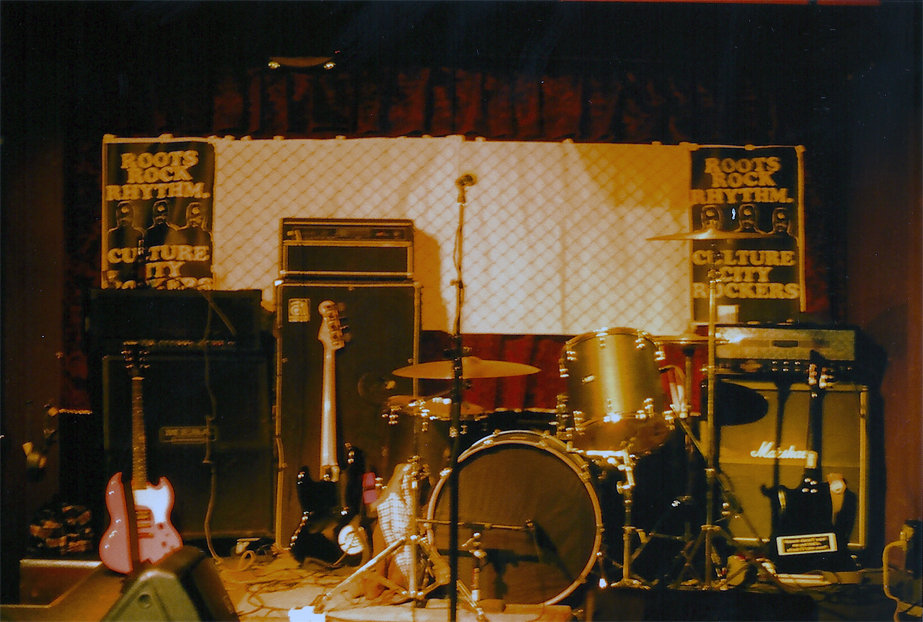
Culture Abuse’s debut album, “Peach”, kicks off with a proclamation: “Let there be peace on earth. Let love reign supreme.” Those two sentences, which are also written in giant letters across the record’s insert booklet, serve as the album’s mantra, a theme that runs through every one of its ten songs. That sort of flowery cheerleading might come off like naïve hippie bullcrap from most bands, but not the way Culture Abuse sings it. The band’s outlook on life is instead one of optimistic nihilism seeing the shit the world routinely dishes out and smiling through it all.

“Chinatown” opens the album with fuzzy chords riding behind the idea of living the way you want to, sounding a bit like what would happen if Tom Petty decided to distort his sound and utilize more aggressive beats. “Jealous” is a fun in the sun tune with glorious guitar leads breaking the chord progression laden record. It’s a bit like 90s alternative rock, except lensed through a fun loving and carefree atmosphere, “cause at the end of the day I’ve been dying to be here.” It’s an honest approach to every aspect of Peach. Culture Abuse pulled off a record that is both dreamy and heavy, full of tangible hooks and popping rhythms.

Culture Abuse "Peach" LP

Frontman David Kelling is no stranger to life’s bad deals. In his time of writing and recording “Peach”, he saw a couple of friends pass away, tended to his mother ill in the hospital, and got pushed out of San Francisco by the area’s gentrification, living out of the band’s 15-by-15 practice space with four other people. Not to mention he has cerebral palsy. But rather than complain and wallow in misery, Kelling flips it on its head and embraces it. Their sound is kinda grunge, kinda punk, kinda hardcore, definitely a good time.

http://

Felix Walworth, singer and drummer of Told Slant, is a three time veteran of the Tiny Desk after performing with the bands Bellows, Eskimeaux and Florist, Told Slant is part of The Epoch, a collective of unlike-minded best friends. Told Slant makes dark, delicate indie rock in the same vein. Felix wrote the music for “Low Hymnal” as just a tune that remained unfinished with for about a year before the lyrics arrived quickly following a series of personal crises. “Did I invite disillusionment and self-hatred into my life when I started writing about them?” Felix says. “Probably.” Told Slant is the project of drummer/singer Felix Walworth. What I love about his drumming is that it’s a thunderous propellant, an essential element to the song without being up front and in the way of the voice and guitars. Felix stands behind a very large bass drum on a makeshift stand and plays organic rhythms on mostly bottom heavy drums with arms flailing in ways I didn’t know was really possible. All the while his voice conjures up the hiccup of Sparks and deep power of Bryan Ferry or Lou Reed, but more fun.

http://

Told Slant’s “Going By” was released June 17th on Double Double Whammy Records.

Arriving two years after a serious bike accident that left Florist’s Emily Sprague in a neck brace and unable to use her left arm, The Birds Outside Sang is comprised of 11 mini-masterpieces that find beauty in patience and a comforting fragility in weighty concepts. Her style of songwriting may belong from a long lineage of artists combining introspection and storytelling Bright Eyes among them—but Florist stand out like blood on snow. Beginning with Sprague singing over minimal keyboard loops (many of the songs were written with one hand before she could play guitar again), the album gradually incorporates more and more instrumentation, subtly emphasizing the same sense of growth implicit within each song. Chilly drones, warm guitars and hushed cymbals lend it a sensory intimacy, while the lyrics express abstract emotion in vivid imagery, whether it’s of tree bark or getting your head stuck in a banister. It’s as unique and accomplished as you could hope for from a debut full-length.

http://

King Dude returns with his latest meditation in eleven parts titled “Sex”. Following in the tradition of unexpected divination through the good lord Lucifer, the King challenges the listener to explore the theme of sexuality through nothing other than rock n’ roll of course. An album about dudes, girls that no one knows, backseats, becoming a movie star in L.A., Lucifer, and wanting to die in sex positions,  His Majesty, monarch of the morose plots a fifth set of infernal coordinates, spins an archaic compass and navigates the way to a post-punk prairie, resplendent in dark blossoms of neofolk and blues. Lust, passion and desire are summoned for company and make the acquaintance of habitual consorts macabre and melancholy

http://

King Dude is “our favorite whiskey-soaked Luciferian sex god” his latest album hammers that point home even further—especially the “sex” part. The King (né TJ Cowgill) has issued his most dynamic, varied effort yet with Sex, a long, slow ride through his customary dark folk, post-punk, swaggering rock ‘n’ roll. He’s all over the place here, redefining the King Dude sound whenever he feels like it, and circling back to more familiar, lovelorn territory on the wine-stained closing dirge “Shine Your Light,” his shuddering baritone holding court throughout. The snarling devil country of “I Wanna Die at 69” slithers up against the clean majesty of “Holy Christos” and surrealist garagey racket of “Swedish Boys,” changing gears with every song and oozing sensual energy even when Cowgill gets truly weird (see “The Girls,” a full-blown psychedelic nightmare). Whether you’re trying to fuck or feel like making love, Sex is the perfect soundtrack.


White Lung fans were caught off guard by Paradise. It wasn’t the same pissed-off punk band they remembered from 2014’s crushing Deep Fantasy. Instead, the band experimented with a few new tricks this time around, namely, third-person storytelling, a poppier sound, and some full-on singing from frontwoman Mish Barber-Way, as opposed to the angry snarls she’d become known for. While White Lung’s core DNA is still intact on Paradise, the record is a fun exploration of what they can do with it. And for a band testing ambitious new territories, they pulled off a surprisingly cohesive record that sees them pushing their limits with ease and confidence. It’s impossible to say where White Lung will go from here, and that’s the way they like it. The high-octane punk band from Vancouver brought its buzz-saw guitar sound and unwavering vocals to the CBC Music studios for a five-song session of Polaris-worthy material. You’d expect a band named White Lung to have some vocal chops — and indeed, singer Mish Way-Barber is a commanding performer.

Let’s hear it for part-time punks: the musicians who go to work by day so they can get to work at night, and who give the man 40 hours a week rather than let him dictate the terms of their art. It’s a sacrifice most of us won’t make to pursue our passions, especially when it’s so much easier to consume than create.

Martha is one such band trying to balance the desire to keep it DIY with the demands of increased popularity. The British pop-punk group — Nathan Stephens Griffin on drums, Naomi Griffin on bass, J. Cairns and Daniel Ellis on guitars — released one of the best guitar albums of 2014 in Courting Strong, and has spent the two years since touring the U.K. while holding down day jobs and school obligations. It’s been exhausting but necessary for a band determined to operate outside the traditional music industry.

http://

Martha are from a small, former mining village in this case, sentimental anarchists Martha, from a town in Durham that is literally called “Pity Me,” write from a working class experience that often gets sidelined by London-centric politics. Whether it’s falling in love with someone at the supermarket after seeing them “getting bollocked” by their supervisor, forging passion “under a four pound box of wine,” or something as simple as name-dropping Countdown or saying “mam” instead of “mum,” Martha’s punk-laced pop singalongs are both playful and devastating depending on how long ago your last breakup was.  At the heart of it, Martha are as lovesick as the rest of us. They just know how to express it in ways that make you want to drink some unfavorably cheap booze and have a dance.

 Martha’s new album, Blisters In The Pit Of My Heart, doesn’t disappoint in that respect. Protagonists range from twentysomethings stuck in “neoliberal precarious employment” (“Precarious [Supermarket Song]”), 20th-century anarchist Emma Goldman (“Goldman’s Detective Agency”), envious outcasts (“The Awkward Ones”) and Catholic-school queers (“St. Pauls [Westerberg Comprehensive]”). And, thankfully, Cairns and Ellis haven’t outgrown the cathartic three-chord punk burners that made Courting Strong so much fun (“Christine,” “Chekhov’s Hangnail”), either.