It’s been three years since Dilly Dally released their acclaimed debut record, ‘Sore,’ and in that time, the Toronto rockers managed to tour the world and take the press by storm, only to nearly call it quits and walk away forever. Rising from the ashes with more power and conviction than ever before, the band’s new album is, appropriately enough, titled “Heaven”, and it’s a fierce, fiery ode to optimism, a distortion-soaked battle cry for hope and beauty in a world of darkness and doubt. Monks describes the songs as coping mechanisms, and the collection does indeed form something of a survival kit for hard times, but even more than that, it’s a declaration of faith in the power of music and a burning reminder that we need not wait until the afterlife for things to get better.
Monks and guitarist Liz Ball formed the band after bonding over a shared passion for explosive, grungy rock and roll in high school, and the two have been inseparable and unwavering in their vision ever since. By the time they recorded their debut, Monks and Ball had fleshed out the line-up with bassist Jimmy Tony and drummer Benjamin Reinhartz and hit a blistering stride that floored critics on both sides of the Atlantic.
For an entire year, Monks wrote alone in her bedroom every single day on a white Flying V guitar, starting first with moody drones and noise beds run through her pedal array before warming up her voice and allowing words to flow freely from her subconscious. Band members began showing up once a week to help Monks refine the material she was channeling, honing in on taut, lean structures that cut straight to the heart of things. Producer Rob Schnapf (Elliott Smith, Beck) encouraged the band to lean into the unique space their music occupies and be unapologetically themselves. Rather than smooth out the rough edges, he highlighted them, drawing every potent ounce of energy from the foursome’s swampy tones, raspy vocals, and volatile rhythm section.
Heaven opens with the dreamy “I Feel Free,” which begins as a floating, untethered soundscape before transforming into a soaring anthem. It’s an ideal entry point for an album that aims to clean the slate, with Monks promising “We’ll start it again / In a moment of silence” as she finds peace through letting go. While the music is undeniably ferocious, there’s uplift woven into the fabric of every track. The inexorable “Believe” insists on self-confidence, while the driving “Sober Motel” celebrates the lucidity a clear mind, and the lilting “Sorry Ur Mad” makes a case for releasing yourself from the prisons of anger and resentment. Escape is a frequent goal—from the bruising “Marijuana” to the epic queer tragedy of “Bad Biology”—but it ultimately solves very little, at least in any permanent way, and so the album carves out its own atheistic religion to get through the day, a faith that validates our pain as real and valid but responds with a beaming light of hope (and maybe a little bit of weed).
“Sober Motel” from Dilly Dally’s new album ‘Heaven’ out September 14th, 2018.
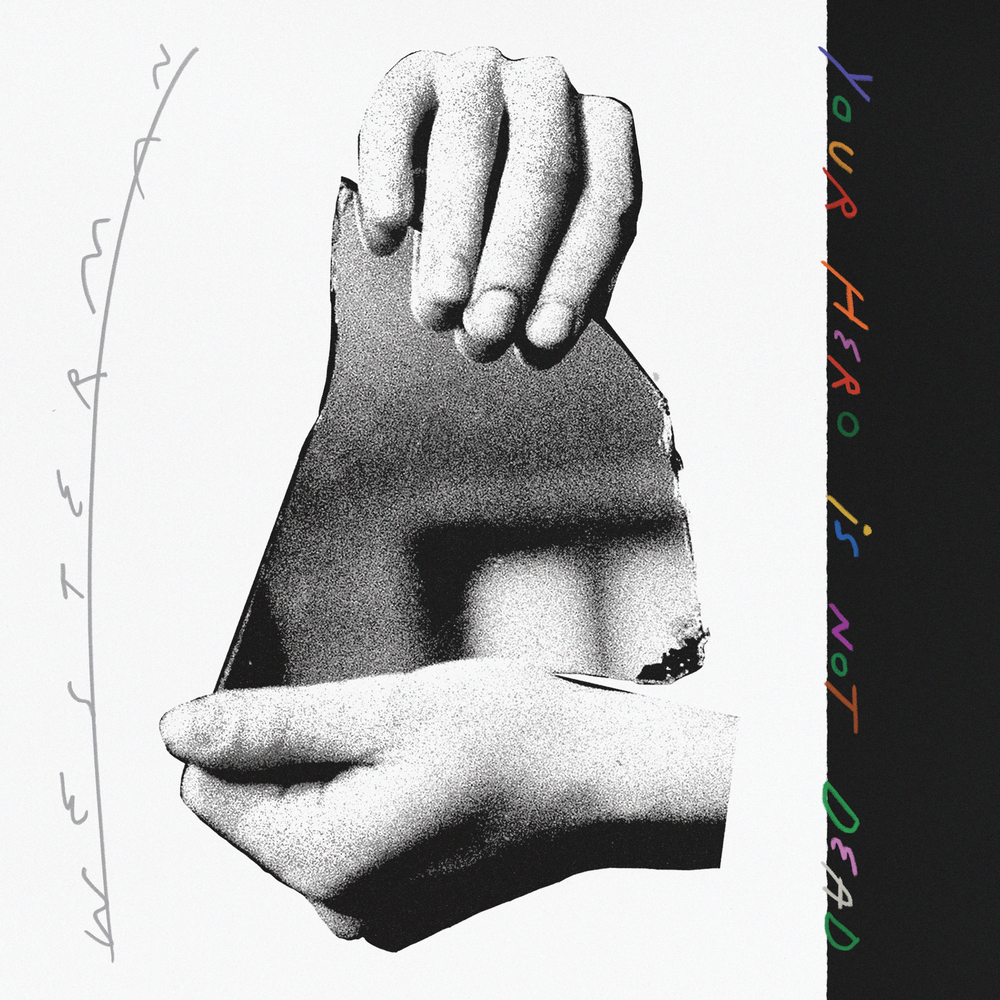
West London’s Will Westerman, who releases music simply under his last name, announced his debut full-length album, “Your Hero Is Not Dead”, and shared a new song from it, “Think I’ll Stay.” Your Hero Is Not Dead is due out June 5th via Partisan Records. The Vinyl includes a printed inner sleeve and a double-sided insert. CD includes a 12-page booklet. Artwork and packaging by Bráulio Amado.
“Your Hero Is Not Dead” is full of supremely crafted songs about moral, political, and ethical grey areas. It is an album about empathy and compassion, struggle and release, and all the ways we contradict and battle within ourselves. Recorded alongside his close friend and producer Nathan Jenkins (aka Bullion), they find Westerman attempting to resolve external issues by looking inward. Like a young Peter Gabriel in a late capitalist world, Westerman’s music falls somewhere between artful soft rock and confessional electronic pop.
Westerman writes through his internal conflicts—songwriting is a way for him to grapple with concepts and paradoxes that cannot always be expressed with words, and in doing so he’s able to reach resolution and catharsis. “What animates me is when I feel a compulsion to express something in a way that can’t be conveyed through conversation.” Often, it’s a process of “expulsion.” He writes about his own writing process—about creativity blocks and “infinite choice”—on “Confirmation,” a rich and cerulean song and one of Westerman’s most celebrated yet.
Westerman recorded Your Hero Is Not Dead in Southern Portugal and London with his friend and producer Nathan Jenkins (aka Bullion). The album includes “Blue Comanche,” a new song Westerman shared in January.
In 2018 Westerman released a 4-song EP, Ark, via Blue Flowers. Before that he garnered attention for a series of singles and his 2017-released Call and Response EP.
Westerman had this to say about “Think I’ll Stay” in a press release: “I wrote this while I was moving a lot. I was thinking about a chronic pain condition when it started. That pain is a very specific type, but I think there’s an inevitable amount of pain that everyone goes through just being alive. A friend was talking to me about how they’re going to be working until they’re 80 years old, so what’s the difference. In the song, I’m trying to say that it’s worth sticking around. It’s a sort of giddy affirmation of being.
You can hear that struggle and release in the sound, too; he has arranged what he calls his “sonic palette” in order to accompany or juxtapose both the lyrics and melody of each song. “Think I’ll Stay,” began as a rumination on chronic pain, but has a jaunty, energizing, and soothing tone and beat. Westerman describes the track as “a sort of giddy affirmation of being” despite the seriousness of the topic. “The whole feel of the song is supposed to be a sort of warped celebration of existence. The initial impetus is a very specific case, but I think there’s an inevitable amount of pain that everyone goes through, being alive.”
‘Think I’ll Stay’ is taken from Westerman’s upcoming debut album ‘Your Hero Is Not Dead’, out 5th June on Play It Again Sam / Partisan Records. is due out June 5th.
Who is “Bobby,” you ask? Enter Pottery. Enter Paul Jacobs, Jacob Shepansky, Austin Boylan, Tom Gould, and Peter Baylis. Enter the smells, the cigarettes, the noise, their van Mary, their friend Luke, toilet drawings, Northern California, Beatles accents, Taco Bell, the Great Plains, and hot dogs. Enter love and hate, angst and happiness, and everything in between. Beginning as an inside joke between the band members, Bobby and his “motel” have grown into so much more. They’ve become the all-encompassing alt-reality that the band built themselves, for everyone else. So, in essence, Bobby is Pottery and his motel is wherever they are.
But really, Bobby is a pilot, a lumberjack, a stay at home dad, and a disco dancer that never rips his pants. He’s a punching bag filled with comic relief. He laughs in the face of day-to-day ambiguity, as worrying isn’t worth it to Bobby. There’s a piece of him in everyone, there to remind us that things are probably going to work out, maybe. He’s you. He’s him. He’s her. He’s them. Bobby is always there, painted in the corner, urging you to relax and forget about your useless worries. And his motel? Well, the motel is life. It might not be clean, and the curtains might not shut all the way. The air conditioner might be broken, and the floors might be stained. But that’s okay, because you don’t go to Bobby’s Motel for the glamour and a good night’s sleep, the minibar, or the full-service sauna. You go to Bobby’s Motel to feel, to escape, to remember, to distract. You go for the late nights and early mornings, good times and the bad. You might spend your entire life looking for Bobby’s Motel and just when you think you will never find it, you realize you’ve been there all along. It’s filthy and amazing and you dance, and you love it.
The 11 songs on ‘Welcome to Bobby’s Motel’ don’t just invite you to move your body; they command you to. Fusing reckless, manic energy with painstaking precision, the record is part post-punk, part art-pop, and part dance floor acid trip, hinting at everything from Devo to Gang of Four as it boldly careens through genres and decades. The music is driven by explosive drums and off-kilter guitar riffs that drill themselves into your brain, accented with deep, funky grooves and rousing gang vocals. The production is similarly raw and wild, suggesting an air of anarchy that belies the music’s careful architecture and meticulous construction. The result is an album full of ambitious, complex performances that exude joy and mayhem in equal measure, a collection that’s alternately virtuosic, chaotic, and pure fun.
The debut album from Pottery, Welcome to Bobby’s Motel, arrives June 26th. limited edition hot dog yellow vinyl. Produced by Jonathan Schenke.
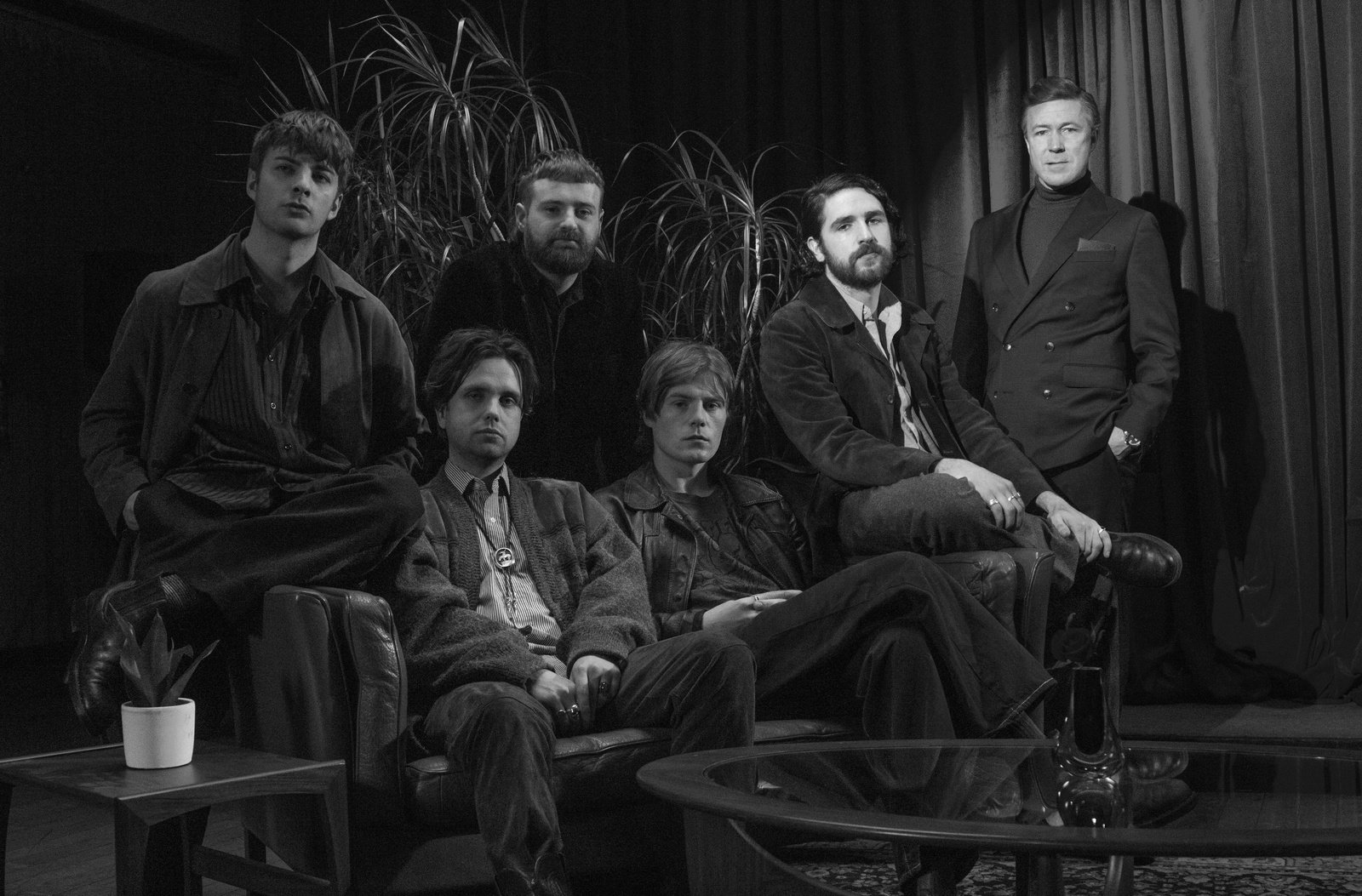
The new album from Fontaines D.C. ‘A Hero’s Death’—arrives July 31st. Available on deluxe gatefold 2x 180g vinyl, limited edition stormy blue vinyl, standard black vinyl, two pocket wallet CD, limited edition cassette, and MP3, lossless or 24-bit WAV digital album. Each album purchase comes with an instant great download of “A Hero’s Death” (the single), and the full digital album to be delivered on release day.
Barely a year after the release of their hugely acclaimed debut album ‘Dogrel’, which earned a Mercury Prize nomination and Album of the Year 2019 at both BBC6 Music and Rough Trade record store, Dublin’s Fontaines D.C. have returned with an intensely confident, patient, and complex follow up album. ‘A Hero’s Death’ arrives battered and bruised, albeit beautiful – a heady and philosophical take on the modern world, and its great uncertainty.
Releases July 31st, 2020, “A Hero’s Death” taken from the forthcoming album out 31st July on Partisan Records.
To paraphrase one of her most evocative lyrics, there’s something about what happens when you listen to a Lucinda Williams song. The plain but cultivated beauty of her phrase-turning draws you in, but it’s another quality that makes a novice listener into an ardent fan. It’s the feeling of watching something grow like a flower on a vine: a recollection, a fully fleshed-out image, a person’s inner life unfolding. Williams crafts words and melodies that seem to originate in the listener’s own head, capturing the way stray observations and building reveries intertwine to become the stories we tell ourselves and each other. Her songs bring to mind the way William Carlos Williams (no relation) described the task of writing poetry: “We’re not putting the rose, the single rose, in the little glass vase in the window — we’re digging a hole for the tree — and as we dig have disappeared in it.”
Williams, who releases her 14th studio album “Good Souls Better Angels” today, was born to this process. Her father Miller was, in fact, a poet and a literature professor, and after a youth moving around the Deep South, she modified the family trade to become a singer-songwriter. A folk singer at first, Williams broke through in the late 1980s in the wake of a group of artists — Rosanne Cash, Steve Earle, Rodney Crowell, Lyle Lovett — who took rock and roll chances with roots-music legacies. A critics’ pick and songwriter’s songwriter who gained some fame when Mary Chapin Carpenter had a crossover country hit with her song “Passionate Kisses” in 1993, Williams became a true legend with the 1998 release of “Car Wheels on a Gravel Road” a perfect work of observational storytelling that both defined the nascent Americana genre and instantly transcended it, because no one could write both so personally, it seemed, and with such talent for reaching inside fans’ own souls. I remember when I first got “Car Wheels” ,Every evening I’d listen, making dinner, my solitary thoughts filtered through Willliams’s voice like the twilight through my row house’s back window.
Williams’s testimonies to survival despite hard living and lost opportunities, and her elegies for absent friends and lovers, connect her to the blues, the form for which she first fell. From country music she learned the practice of turning glimpses of the private — a pot of coffee bubbling, the lines at the edges of a beloved’s eyes — into metaphors through which life reveals itself. From rock she took freedom, an obsession with self-determination that defined her persona and her career-long practice of doing exactly what she wants, the demands of the marketplace be damned. She stirred up these influence within her own sound, also incorporating New Orleans rhythms and classic rock attitude, working with bands who could move within her greasy grooves. She favors hot guitar players as dialogue partners. Always, she keeps things real: her songs sound like what people wish they could say to each other, and only sometimes do.
“Car Wheels” was Williams’s fifth album. It’s just one apex in a career that’s unfolded more like an Appalachian ridgeline, with dazzling high points and dips into deep woods and hollows, than the flat roads of her native delta. To really understand Williams’s catalouge, start with “Car Wheels” and continue both backward and forward. It’s crucial to spend time with the peace-seeking laments of 1992’s “Sweet Old World”, the edgy sexiness of 2003’s “World Without Tears”, and the ever-rawer rock mantras that typify the sound she’s cultivating now, at 67. With the hindsight that recognizes the limits of musical categories, a dive into the Lucinda Williams catalouge reveals that she is as spiritually aligned with defiant originals like Patti Smith, or indie inheritors like Katie Crutchfield and Alynda Lee Segarra, as with her Americana peers. Most of all, Williams is a singular artist with a resolutely personal voice that feels, to many people, like home.
Here’s a playlist for people who already love Lucinda Williams and for those who want to know more about her.
“Car Wheels On a Gravel Road” from:Car Wheels on a Gravel Road (1998)
The title track of her album masterpiece, an impressionistic account of the fugitive childhood Williams’s academic father gave her, contains everything great about this songwriter: resonant details, a unique but relatable perspective, and deep feeling rising through everyday talk like humid summer steam.
“Passionate Kisses” from: Lucinda Williams (1988) Mary Chapin Carpenter’s version won Williams a 1994 Grammy for best country song; her own showcases a drawl as redolent of Mick Jagger as To Kill a Mockingbird‘s Scout Finch.
“Sweet Old World” from:Sweet Old World (1992) Every great songwriter has one ballad anyone would want played at their funeral; this is Williams’s, a melancholy ode to the human tenderness that makes life worth living, and accepting a loved one’s death so hard.
“Joy” from: Car Wheels on a Gravel Road (1998) From Slidell, La. to West Memphis, Ark., Williams chases down the happiness a betrayer stole in one of her fiercest and most defiantly triumphant rockers.
“Essence” from:Essence (2001) The 2001 album with this title track was sonically subdued and deeply sexy in tone, never moreso than on this pheromone daydream, the epitome of Williams’s erotic expressionism.
“Fruits of My Labor” from: World Without Tears (2003) Williams turns the classic slow blues that’s so often inspired her into a nearly psychedelic reverie – like the Beatles’ Strawberry Fields meets an Anne Rice vampire novel – in this missive from a woman of means to the lover who knew her when.
“Are You Alright” from: West (2007)
Empathy for the lost and the marginalized runs through Williams’s songwriting, and this gentle secular hymn for someone who’s gone missing offers it in heartbreaking measure.
“Man Without a Soul” from: Good Souls Better Angels (2020) Williams has evolved to become a powerful protest singer, and she’s never been so bold as in this Springsteenesque broadside directed at Donald Trump.
“Changed the Locks” from: Lucinda Williams (1988) This barn burner, one of many Williams songs about claiming power in the face of abuse, is catnip for other rockers — Tom Petty, indie mainstays the Silos and Australian country maverick Kasey Chambers have all covered it.
“Side of the Road” from:Lucinda Williams (1988)
Another from her essentially flawless Rough Trade debut, this meditation on the need to spend time alone with one’s own imagination is an artist’s manifesto that informed Williams’ own career and which nourishes any creative soul who hears it.
“Something About What Happens When We Talk” from:Sweet Old World (1992) The originality of Williams’s mind shines on this vulnerable ballad about the aphrodisiacal charge of meaningful conversation.
“2 Kool 2 Be 4-Gotten” from: Car Wheels on a Gravel Road (1998) “Junebug vs. Hurricane”: Williams saw that phrase scrawled on a wall in a photograph from Birney Imes’s book Juke Joint and expanded it into a song about the glories of those rural makeshift bars. Since then, others have named memoirs, blogs and cocktails after it, and even had it tattooed onto their arms. Her language resonates.
“Get Right With God” from: Essence (2001)
Gospel music is a central, if underdiscussed, inspiration for Williams. Here she makes the connection clear in a driving account of faith’s relationship to audacity and risk. The song inspired one of her most astounding vocal performances.
“Unsuffer Me” from:West (2007) Williams is a master of parataxis — the poetic technique of stringing short phrases together in what literary scholars call “iconic ordering” (think the biblical Beatitudes, or Bob Dylan’s “Like a Rolling Stone”). Here she uses an almost heavy-metal musical approach to serve it, her lyrics enacting a seduction that’s really a cry for spiritual release.
“If My Love Could Kill” from:Ghosts of Highway 20 (2016) Though her songs encompass the full range of human emotions, Williams is often painted as a lady of sorrow — and indeed, she has always confronted grief unflinchingly. Never has that process been as personal as in this song mourning the loss to Alzheimer’s of her father and lifelong mentor, poet Miller Williams, set within a gorgeous, Spanish-tinged arrangement.
“Little Angel, Little Brother” from: This Sweet Old World (2017) Williams reimagined 1992’s Sweet Old World through new recordings in 2017, the songs reinvigorated within new arrangements and by her more worn, still powerful vocals. A highlight is this achingly compassionate expression of love and loss, a song for anyone who’s cared about someone they can’t save.
“I Lost It” from:Happy Woman Blues (1980) The original version of a song that became a fierce rocker on Car Wheels shows Williams’s foundational connection to Louisiana music, here embodied by a Cajun fiddle and a two-step beat.
“I Envy the Wind” from:Essence (2001) So much of Williams’s work comes alive within very particular, deeply shaded worlds, but this is her secret pop classic: The lyric that imagines nature itself as a lover’s companion complements the song’s unchained melody to render it timeless. Elvis or Billie would have sung this song if they could have.
“Those Three Days” from: World Without Tears (2003) Few writers of any kind can match Williams when it comes to brutal honesty about the violence of desire. This noirish, countryish confession assesses the scars a fling can leave in a vulnerable heart, and the rawness of Williams’s vocal is remarkably courageous.
“The Temporary Nature of Every Precious Thing” from: Down Where Spirit Meets the Bone (2014) The first two lines of this slow gospel vamp sum up Williams’s philosophy and artistic motivation: “The temporary nature of any precious thing, that just makes it more precious.”
“Soldier’s Song” from:Blessed (2011) Maybe her most chilling song, this spare story song traces a fighter’s last moments on the battlefield in counterpoint with the beautiful mundanity of his family’s daily activities back home.
“We’ve Come Too Far To Turn Around” from: Vanished Gardens (2018) Facing pain, believing in joy, investing in survival: This transcendent collaboration with octogenarian saxophonist Charles Lloyd and his band the Marvels captures everything that makes Lucinda Williams an essential companion on life’s road.
Rolling Blackouts Coastal Fever are back with another preview of their upcoming album “Sideways To New Italy”, in the form of new track “Falling Thunder”.
Speaking about the new track, the band writes, “This song is about pushing on through the relentless march of time, against the constant cycle of seasons, and the way people change and relationships change. It’s set in that time when autumn is turning into winter and the trees are getting bare.” “Falling Thunder” is a third taster of the group’s forthcoming second album, arriving after previous singles “She’s There” and “Cars In Space”.
Sideways To New Italy will follow on from their 2018 debut Hope Downs, and is named after a village near New South Wales’ Northern Rivers – the area drummer Marcel Tussie is from.
Vocalist and guitarist Fran Keaney says of their forthcoming record, “I wanted to write songs that I could use as some sort of bedrock of hopefulness to stand on, something to be proud of. A lot of the songs on the new record are reaching forward and trying to imagine an idyll of home and love.”
“Falling Thunder” is out now. Rolling Blackouts Coastal Fever’s Sideways To New Italy album is due to arrive via Sub Pop Records on 5th June
In the ’70s, the hits of War were everywhere. From car radios, stereo systems and street parties poured songs like “Cisco Kid “Low Rider” and “Why Can’t We Be Friends?” hits that, together, helped define the disco decade. But in hindsight, War’s singles only gave a hint of the character and texture of their full albums. In fact, few bands experienced such a disconnect between the songs radio favored and their larger body of work.
War’s best-known songs were terse, catchy and fun, as all great singles should be. But their albums went another way, achieving something elaborate, challenging and deep. Where War’s hits had an accessibility that allowed them to reflect the life of anyone who listened, their albums spoke of specific lives that came from a particular sensibility and place.
The broad catalogue War created during their ’70s prime captured the essence of Los Angeles areas like Compton and Long Beach, places where many of the band’s members either grew up or moved to. The members also reflected the ethnicities in those areas, bringing together Latin, African-American and Caucasian players. In a parallel way, War’s sound combined Latin-jazz, funk, pop and rock. The amalgam arrived just as Afro-Cuban influences were enjoying a fresh surge in music, in acts from Santana and Malo to Mandrill and the Fania All-Stars. While all those groups had distinct sounds, War’s was, perhaps, the most finely-attuned to the groove.
Their deep tracks favored riffs that moved laterally, as an array of soloists took flight above. No fewer than four of their members improvised with distinction, including the Danish-born harmonica player Lee Oskar, sax and flute man Charles Miller, guitarist Howard Scott and keyboardist Lonnie Jordan. Providing their defining foundation was the three-way rhythm section, comprised of bassist B.B. Dickerson, drummer Harold Ray Brown and percussionist “Papa Dee” Allen. Though instrumental sections ate up huge chunks of War’s music, their approach to vocals also played a key role. All seven members sang, often in unison, giving their voices a purpose while simultaneously covering for a flaw. Though all the members had solid voices, none had the pre-eminence of the greatest front men. Singing together gave them extra power. More, their blend of voices gave the music the feel of a neighbourhood in conversation.
That vibe had great symbolic resonance in a place, and at a time, when gang-activity drove many locals apart. The music of War demonstrated the power of unity over division. Heard in that context, hits like “Why Can’t We Be Friends,” “Summer and “Low Rider” became peace pipes, connecting the inner city, rather than mere party anthems for the suburbs
During their prime, between 1970 and ’77, this West Coast colossus amassed no fewer than eight gold albums, as well as two platinum sets (both hits collections). They also enjoyed seven Top Ten Billboard singles; Twelve of their songs made the Top 40.
War scored its first chart smash—the Top Five “Spill the Wine” before they even solidified as the group they would become. On their first two album, they backed a singer who was already a star, Eric Burdon of The Animals. The British-born vocalist, along with veteran producer Jerry Goldstein, discovered the musicians during a club show in L.A. and, afterwards, proposed a collaboration. The resulting collection, ‘Eric Burdon Declares War” released in April of 1970, had the feel of a band finding its footing. But the looseness created its own distinction. The album consisted mainly of long, evolving jams. The seven-minute “Vision of Rassan” tipped a hat to avant-garde jazz player Rassan Roland Kirk, while the title of another piece, “Blues for Memphis Slim” made its inspiration just as plain. Not that either song sounded like the music of the artists they name-dropped. Both stressed hard funk, created by the rhythm section, while the soloists riffed and Burdon offered his own mix of rapping and singing. It was a summery, loopy, and sexy sound, indulgent to be sure but with a real feel for the beat.
Their follow-up,Eric Burdon & WAR released under the tongue-in-cheek title ‘The Black-Man’s Burdon” offered unrecognizable improvisations on the Stones’ “Paint It Black and the Moody Blues “Nights in White Satin” A double set, ‘Burdon’ was even more undisciplined than its predecessor, but it had more speed and variety on its side. Though both albums made the Top Thirty, Burdon wound up ditching the group during a European tour, inadvertently freeing them to find their own voice.
Let’s takes a look at the best songs of Stephen Stills including a few chestnuts from all aspects of his career. Look at Stephen Stills’ solos albums his work with Manassas, Crosby Stills Nash & Young, and his earlier band Buffalo Springfield. This is by no means a definite list of Stephen Stills songs but rather just a sort of soundbite at some of the most essential songs Stephen Stills has released throughout his 50 plus year career. Neil Young gets far more attention for his contributions to Buffalo Springfield and Crosby, Stills, Nash and Young but two-time former bandmate Stephen Stills has created his own niche as a stirring singer, songwriter and instrumentalist. Unfortunately, a sporadic, up-and-down solo career hasn’t always helped his profile.
Our classic Stills songs list is a tough thing to do because Stephen Stills had so much success in the late 1960s and early 1970s with Buffalo Springfield, Crosby Stills Nash and Young and his solo career. I suppose you could have filled a top 50 listing of Stephen Stills songs list from just that early five years period. However Stephen Stills has continued to write and record songs up to 2017 as of this writing. So we have spread this list out over the years the best we could while still limiting it to ten. Every song in this list was written by Stephen Stills.
For What It’s Worth
We open our Essential Stephen Stills songs list with a legendary song written by Stephen Stills when he was a member of Buffalo Springfield. The great Stephen Stills song “For What It’s Worth,” was released on Buffalo Springfield’s second pressing of their debut album entitled Buffalo Springfield. The album was released in 1966. The song “For What It’s Worth,” was originally released as a single and then added to the album on the second pressing.
“For What it’s Worth,” was a huge hit for Buffalo Springfield in 1966 as the song became a top 10 hit on the Billboard Hot 100. Interestingly, every song on Buffalo Springfield’s debut album was either written by Stephen Stills or Neil Young.
Four Days Gone
Buffalo Springfield released three studio albums before the band broke up. In 1968, Stephen Stills left the group to form Crosby Stills and Nash, Richie Furay formed POCO with Jim Messina who would later join with Kenny Loggins as part of Loggins and Messina. Neil Young became essentially solo Neil Young. We would have loved to have chosen more Stephen Stills songs from Buffalo Springfield for our Stephen Stills songs list, but we had so much more to cover which limited our choices. Our second choice was released on Buffalo Springfield’s final album entitled Last Time Around. The great song “Four Days Gone,” also featured great lead guitar work by Neil Young.
Suite: Judy Blue Eyes
If you had to pick one Crosby Stills & Nash sons that you could ever listen to again, tell me it would not be “Suite: Judy Blue Eyes.” This incredible piece of music was written by Stephen Stills and released on the band’s debut album simply titled Crosby Stills & Nash. The album was released in 1969. the song “Suite: Judy Blue Eyes,” was released as the second single from the album after the release of “Marrakesh Express,” as the band’s debut single. Another deft amalgamation – as the title implies, this is a suite of four short songs written by Stills and seamlessly interwoven. Lyrically it refers to his relationship with folk singer-songwriter Judy Collins. Opening with glistening acoustic guitars, it builds to a searing, Latin-flavoured climax, ending on a repeated ‘doo-doo-doo-da-doo’ refrain of life-affirming joy.
Stephen Stills “Suite: Judy Blue Eyes,” was exceptionally long for a single,clocking in at over seven minutes. Nonetheless, the song was a top 40 hit peaking at number 21 on the Billboard Hot 100. It also became a staple on fm radio becoming one of the most played classic rock songs of all time.
Helplessly Hoping
Stephen Stills’ song “Helplessly Hoping,” was also released on the Crosby Stills & Nash debut album. The song was placed as the b side to the album’s debut single “Marrakesh Express,” which was written by Graham Nash. From an arranging point Stephen Stills dominated that album as he was responsible for almost all the guitar, bass and keyboard parts on the record. Dallas Taylor played drums and Crosby & Nash added some guitar parts here and there, but in the end, most of the instrumentation on the album was performed by Stephen Stills.
Carry On
Neil Young joined Crosby Stills & Nash in 1970 to form the quartet Crosby, Stills, Nash & Young. The four brilliant musicians would record their first album together entitled Déjà Vu.It must have been really tough choosing whose songs got recorded and released between these four brilliant musicians and songwriters. Stephen Stills got three of his songs recorded for the album including one he co-wrote with Neil Young. Here Stephen Stills brings elements of three different songs into one concise package. He draws on Questions from his old band Buffalo Springfield, plus there’s a jam session with drummer Dallas Taylor tagged on as a delightful free-form coda. And, of course, the yearning harmonies are to die for. The album’s opening track was written by Stephen Stills entitled “Carry On.” The song was released as the fourth single from the record.
Love The One You’re With
While Crosby Stills Nash & Young were enjoying tremendous success with their work together on record, the four talented musicians were also celebrating the releases of their solo albums. In 1970, Stephen Stills released his first solo album entitled Stephen Stills. The album’s leadoff track and first single “Love The One You’re With,” became Stephen Stills most successful solo single. The song reached all the way to number 14 on the Billboard Hot 100. One could not turn on the radio in the early 1970’s without hearing Stephen Stills “Love The One You’re With.”
Stephen Stills’ biggest hit and focus instead on how this one song collects everything that can sum up his career. From its island-inflected percussive elements and utterly irresistible chorus to a vocal so full of unfettered longing and those chunky organ fills (played by Stills), “Love the One You’re With” is the sound of a performer at his tour-de-force peak.
Stephen Stills’ first solo album featured an incredible cast of musicians. Two of the greatest guitar God’s of all time performed on the album. Both Jimi Hendrix and Eric Clapton played on some of the albums songs. Ringo Starr, Booker T. Jones, Rita Coolidge, David Crosby and Graham Nash also performed on the record.
It Doesn’t Matter
The great Stephen Stills song “It Doesn’t Matter,” was released on the album Manassas which was also the name of the new band Stephen Stills band in 1972. The group recorded two albums from 1972 to 1973. While hardcore Stephen Stills and Crosby Stills Nash & Young fans are familiar with Manassas,the groups has not gotten the recognition it deserved on a more mass scale in classic rock history. The group consisted of Stephen Stills, Chris Hillman, Al Perkins, Paul Harris, Dallas Taylor, Calvin Samuels and Joe Lala. The lilting opening track to the Stills-led side project Manassas, “It Doesn’t Matter” was co-written by the Byrds‘ Chris Hillman. But it serves as a sturdy showcase for Stills‘ hoarsely emotive vocal and ringing guitar.
“It Doesn’t Matter,” was released as the album’s single. It registered on the Billboard top 100 but peaked at number 61. The song was written by Stephen Stills, Chris Hillman and Rick Roberts. “It Doesn’t Matter,” opened side three of the two record set.
Dark Star
In 1977, Crosby, Stills & Nash released their second album as a trio. It had been eight years since the band released their debut album in 1969. Of course there was Déjà Vu.with Neil Young in 1970, but the release of CSN in 1977 was surprisingly only the second album the trio had released together. Stephen Stills song “Dark Star,” opened side two of the record. It was never released as a single, but it was a firm fan favourite instantly.
Isn’t It So
Stephen Stills song “Isn’t It So,” is the first Stephen Stills song on this list that was not released in the 1960’s or 1970’s. That’s not to say that Stephen Stills did not continue to release great music from the 1980’s on. It just defines the incredible body of work that Stephen Stills was responsible for in the 1960’s and 1970s.
“Isn’t It So,” was released on the Stills “Alone” album. The record was released in 1991. While bands like Nirvana, Pearl Jam and Soundgarden were releasing dark music that captivated the rock and roll scene, Stephen Stills was going it alone. Just Stephen Stills on a guitar with a handful of great songs sung in that legendary voice. Keeping it real, keeping it simple and keeping it great.
Judy
We close out our classic songs of Stephen Stills songs list with a great song from his album Everybody Knows. The album was released and billed as Stills & Collins. It was the first time that Stephen Stills and Judy Collins ever released an album together. The album was released in 2017. The song “Judy,” represented the second time Stephen Stills composed a song about Judy Collins, the first being Suite: Judy Blue Eyes.
Treetop Flyer
The darkly intricate “Treetop Flyer” is a rumination by a free spirit, presented in a suitably raw setting featuring only Stills and his imaginative guitar. The album-closing song from 1991’s StillsAlone includes a narrative twist: He’s not flying so close to the ground because he’s some kind of daredevil; he learned that trying to avoid anti-aircraft fire in Vietnam. And it arrives like a punch in the chesthttps://www.youtube.com/watch?v=opBe5z0qwRE
Also check out Bluebird or Southern Cross, Black Coral , Rock N Roll Woman, Colorado, Black Queen, As I Come Of Age also from the first Manassas album. So begins the Task.
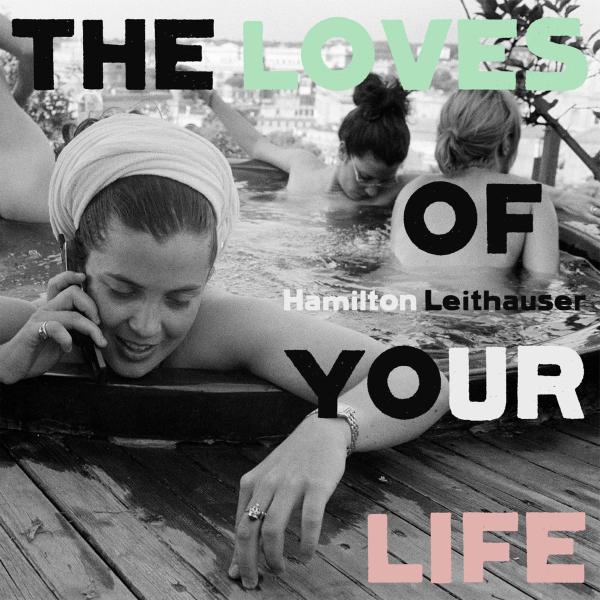
The Walkmen’s Hamilton Leithauser’s fourth solo album is unashamedly old fashioned. It’s certainly not what you’d call a change of pace, after all, the band’s debut artwork was a sepia photograph from 1910, and he was only 21 then. Leithauser has evolved in the 19 years since – The Walkmen no longer even exist – but the storytelling intent signalled by that photograph and the three working class factory boys it depicted remain at the heart of his solo work, and provide the concept for this record; a storybook of sorts, with each song telling a different person’s tale. It’s the kind of record which defined the 70s singer/song-wiriter mould, making it feel joyously traditional, and not just because of amounts of upright piano which would make Randy Newman blush.
Produced and mixed by Leithauser alone in his DIY studio The Struggle Hut, there is a decidedly homely quality to the music. The album is bookended by “The Garbage Men” and “The Old King”, two songs which feature his wife and daughters as backing vocalists, and even their pre-school teacher sings on half the songs too. Eschewing the sleek production of Electric Lady Studios, which must have been mere blocks away, gives the album the raucous feeling of a bar-room jam.
The impact of his previous album, a collaboration with Rostam Batmanglijof Vampire Weekend, has not been lost. Like Batmangij’s productions, the drums on these songs resonate loud in the mix, cutting through sweaty saxophone riffs, jubilant piano and Leithauser’s own signature bellow, and ‘bellow’ he does. He seems to only have this mode – one where you can almost hear the veins straining – but while some variation may wouldn’t have gone amiss, amongst the chaos of these songs he makes himself heard.
Despite this, Leithauser is eager to ensure that it’s the characters of his tales which sit at the heart of the album. The swinging “Cross-Sound Ferry” recounts a world-wise stranger he met on the ferry from Orient Point to New London, while vaudeville lead single “Hear They Come” depicts a friend of his hiding from life’s problems in a cinema, the lights coming up as the real world refuses to stay outside.
“Don’t Check the Score” is made distinct with chanting female vocals, erupting into a beauteous crescendo with piano from Stuart Bogie and clattering percussion. It reminds of the down ’n’ dirty musical theatre of Tom Waits’ Rain Dogs, but not as much as the off-kilter vamps all over it’s successor “Til the Ship Comes In” which delivers the delicious shanty “I love you now / I loved you then / gonna love you / til the ship comes in!” When the backing instrumentation drops out to leave Leithauser booming those words into an empty room, the album is at its most powerful.
This isolated moment is part of the power of the record. Unlike the songs of obvious parallel Springsteen, Leithauser tells these tales from the rear view mirror, looking back. The woozy drum beat which opens “The Stars of Tomorrow” announces itself as a moment where Leithauser is about to leave it all on the floor. The story is one of a Polish woman he met one night in the wake of a terrible fight with her husband, about to vanish in her red Chevy Silverado truck. Leithauser excuses himself from the song halfway through to pronounce: “I’m just a singer / and you’re just in my heart / I wish you the best of luck / I wish you a brand new start”.
Like all of these songs, this is just one page from a journal recited aloud by a man in a DIY studio with only these memories for company. The album as a whole is a tribute to muses like these; the man who wrote “The Rat” and “In The New Year’ revealing the loves of his life: a smorgasbord of people who animate his pen and breathe lives lived into his songs.
The stirring and singular harmonies of Hamilton Leithauser make the failed dreams, broken promises and anxiety in “The Garbage Men” feel like an uplifting fairy tale.
Official Audio for “The Garbage Men” from Hamilton Leithauser’s album “The Loves of Your Life“
Beach Music was the first occasion on which (Sandy) Alex G (Alex Giannascoli) did not write all of the album’s songs in one sharp burst. Instead, he wrote the songs around his touring schedule, the result of which is an eclectic album that oscillates wildly in style, depending on what he was listening to at the time of writing, from Americana-tinged country to deafening noise-rock.
(Sandy) Alex G “Kicker” from ‘Beach Music’, Originally released 2015 on Domino Record Co.