Earlier this year, the self-titled 1967 debut album by The Doors arrived in a 50th anniversary box set presenting the original album on CD in both mono and stereo plus the mono version on vinyl. Much as The Doors followed that debut months later with Strange Days, Rhino is following up the reissue of The Doors with a 50th anniversary presentation of that sophomore album, due on November 17th. Strange Days: 50th Anniversary Edition will be released in two configurations: a 2-CD set with the mono and stereo versions of the album, each on its own CD; and a 1-LP vinyl reissue of the original mono album only. Digital streaming and download versions will also be released.
Strange Days, originally issued on Elektra in September 1967, reached No. 3 on the American chart, and yielded two hit singles with “People Are Strange” and “Love Me Two Times” . Strange Days arrived in stores a little more than eight months after the Doors’ self-titled debut in January 1967, and was a more experimental record – due in part to a bigger budget allotted to the band for its second record.
Recorded like The Doors debut album at Hollywood’s Sunset Sound, the LP was the band’s first to be recorded on eight tracks, allowing for a more expansive and experimental sound than its predecessor. Its songs were a mix of both current tunes and older ones tested onstage; the band performed “Strange Days” during its 1966 residency at the London Fog in L.A., and “My Eyes Have Seen You” dates back to 1965. “Moonlight Drive” was a similarly early composition, and one of the first songs Jim Morrison, Ray Manzarek, Robby Krieger, and John Densmore ever rehearsed together.
The Strange Days: 50th Anniversary Edition has been produced by the album’s original engineer BruceBotnick and restores the original stereo mix to CD for the first time in over a decade, fully remastering it for the first time in 30 years. The second disc features the album’s original mono mix, which has been remastered for this set and is making its CD debut. No additional audio material has been included. Liner notes have been provided by David Fricke, and his notes are accompanied in the booklet by rare and previously unseen photographs.
Strange Days: 50th Anniversary Edition will be available from Rhino Records on November 17th
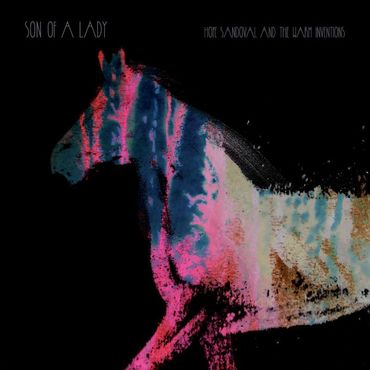
Hope Sandoval and The Warm Inventions – Son Of A Lady
Hope Sandoval And The Warm Inventions are Mazzy Star’s Hope Sandoval and My Bloody Valentine’sColm Ó Cíosóig. This limited 10″ vinyl features new tracks alongside recordings from their 2016 critically acclaimed LP ‘Until The Hunter’ sessions.
The release includes an acoustic version of their album favourite ‘Let Me Get There’ featuring Kurt Vile as well as three new tracks Sleep, Son Of A Lady and Antiquity – the latter track being exclusive to the vinyl format.
‘Until The Hunter‘ also featured guest performances from longtime friends and collaborators Dirt Blue Gene, Mariee Sioux, Kurt Vile and the ‘Artist General’ Michael Masley.
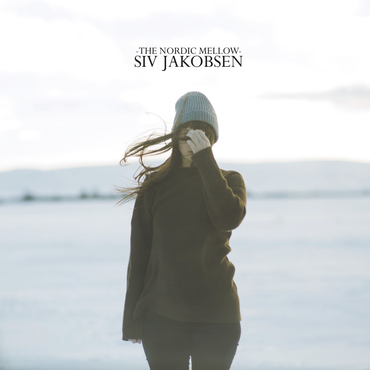
Siv Jakobsen – The Nordic Mellow
Having impressed with single Like I Used To earlier in the year, Norwegian songwriter Siv Jakobsen is now making waves with her debut album. Produced by Matt Ingram (Laura Marling, The Staves) at Urchin Studios in London,The Nordic Mellow is a brooding and intense work, loaded with the intimacy of her delicate voice, acoustic guitar, strings and unfiltered lyrics, that calls to mind the earlier works of Ane Brun and Laura Marling. It follows her seven-track EP from 2015, The Lingering.
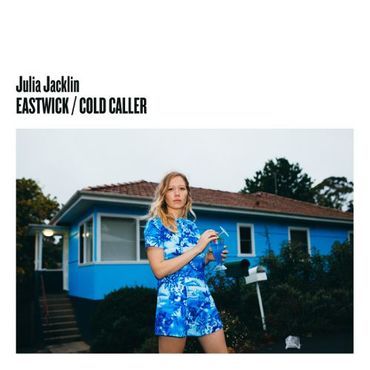
Julia Jacklin – Eastwick / Cold Caller
Limited 7″ on Light Blue Vinyl. Julia Jacklin releases a new 7″ released via Transgressive Records. The first single Eastwickis a captivating, slow building track, inspired by a night in front of the TV watching Dancing With The Stars. It’s a bittersweet and mourning pop nugget.
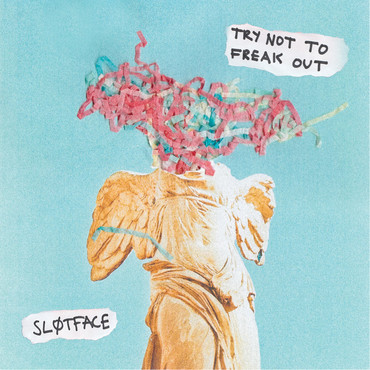
Slotface – Try Not To Freak Out
Following 2 critically acclaimed digital-only EP’s, Slotface return with their debut album Try Not To FreakOut recorded with producer Dan Austin (Pixies, Doves, Queens Of The Stone Age). Try Not To Freak Out is nothing short of a massive rock record – one that weds the pop nous of Robyn and Blondie to the exuberant, freewheeling attack of bands like Joyce Manor and Little Big League.
Flowers – Say 123
Limited Edition Red Vinyl 7” (300 copies). London trio Flowers return with a new single via Fortuna Pop!, the last to be released on the label, singer Rachel Kenedy’s ethereal vocals and Sam Ayres textured guitar are, as always, backed by the powerful, metronomic beat of drummer Jordan Hockley. Rachel told us a little bit about the genesis of the recordings: “Sean from Fortuna Pop! is sadly moving on to greener pastures in Japan and ending the label, but he asked us to do one last single for him, as we owed one for his Jukebox 45s Singles Club. We don’t know where we’ll end up next after Fortuna Pop!, so rather than looking forwards for this single we decided to be nostalgic and do something that, for us at least, is classic. For the three of us in the band, “Flowers” has always meant our live performances and our home demos, of which Sam and I have produced hundreds and hundreds (we write them every day), and most of which will probably never be heard by anyone except us, our dog and our long-suffering neighbours. Say 123 is one of these home recordings. The best bit is at the end. The b-side, Rhodes, was recorded at Big Jelly Studios, where we’d gone to record an EP. We realised after recording the songs we’d brought with us that we’d made a mistake, as the songs weren’t quite right or ready yet. But while we were there, we fell in love with the sound of the Fender Rhodes in the corner of the studio. With about half an hour left before the van arrived to take us back to London, Sam quickly played me some chords on guitar and hummed a melody for a verse. I got out a pencil and paper and somehow by the time all our gear was loaded into the van we’d written and recorded this song (we did it live and used one take).”
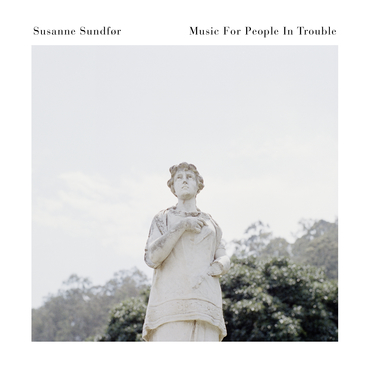
Susanne Sundfor – Music For People In Trouble
Acclaimed Norwegian singer-songwriter and producer Susanne Sundfor releases her highly anticipated new album Music For People In Trouble, through Bella Union. Sundfor’s most poignant and personal album to date, Music For People In Trouble marks her out as one of the most compelling artists in the world. The album was inspired by a journey Susanne made in a bid to re-connect, travelling across continents to contrary environments and politically contrasting worlds from North Korea to the Amazon jungle.
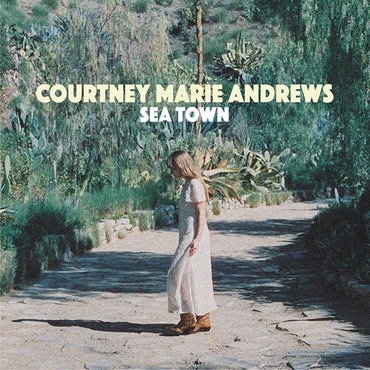
Courtney Marie Andrews – Sea Town / Near You
Courtney Marie Andrews brings you the first new recordings since her highly successful album Honest Life. With an album already tipped for a place in everyone’s end of year lists under her belt, Courtney Marie Andrews wastes no time in following it up with two brand new songs. Songs written on the road about being on the road – “I’ve probably driven north up I-5 towards Seattle five hundred times by now. I wanted to write a song that documented that feeling I get when I’m driving back up north after many months spent on the road. So much of my life has been spent driving that portion of highway, and I wanted to sonically capture the feeling I get when I’m headed north for that sweet Sea Town.” These two songs are exclusive to this release.
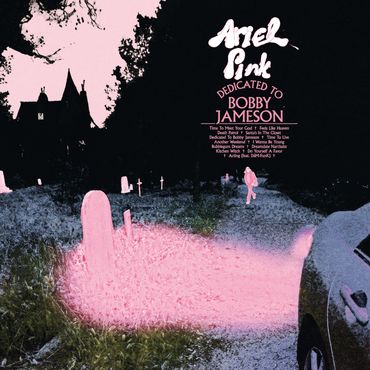
Ariel Pink – Dedicated To Bobby Jameson
Los Angeles’s prodigal songwriting son Ariel Pink shares his eleventh studio album, “Dedicated to Bobby Jameson”. The album’s title makes a direct and heartfelt reference to a real-life L.A. musician, long presumed dead, who resurfaced online in 2007 after 35 reclusive years to pen his autobiography and tragic life story in a series of blogs and YouTube tirades. Standout tracks from Dedicated to Bobby Jameson include Feels Like Heaven, a lovelorn insta-classic paying tribute to the promise of romance, Another Weekend, which encapsulates the lingering euphoria of a regrettable weekend over the edge, “Dedicated to Bobby Jameson,” a rah-rah psych romp paying homage to L.A.’s punk history, and Time to Live, an ironic anti-suicide anthem that promotes survival as a form of resistance before devolving into a grungy, Video Killed the Radio Star-style breakdown that supposes life and death as being more or less the same fate and embraces the immortal anarchy of a rock song as an alternative to the prison of reality. Alternately contained and sprawling, Dedicated to Bobby Jameson is a shimmering pop odyssey that represents more astonishing peaks and menacing valleys in the career of a man who, through sheer originality and nerve, has become an American rock and roll institution. The album marks his first full-length release with the Brooklyn-based label Mexican Summer.
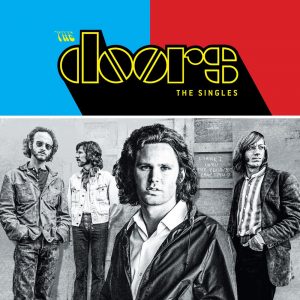
The Doors – The Singles
Singles compiles all 20 of the singles from The Doors’ official discography. This not only includes every A and B-side from their core studio albums, but several albums recorded and released after the passing of frontman Jim Morrison, including Other Voices(1971) and Full Circle(1972) plus An American Prayer (the divisive 1978 album which put Morrison’s poetry recordings to music) and the 1983 live set Alive, She Cried. All tracks are sourced from the original analog single masters and remastered by the band’s engineer Bruce Botnick. That means all the original, unique and rare single mixes and edits will appear in this set, many for the first time on CD. The pot is sweetened even further with the presence of mono radio versions of “Hello, I Love You,” “Touch Me,”“Wishful Sinful” and “Tell All the People,” entirely unreleased since their appearance on promotional singles. Two deluxe editions will also be available. One adds to the 2CD set a Blu-ray Audio disc of 1973’s quadraphonic The Best of The Doors. A vinyl version, limited to 10,000 copies and available through the band’s official web store, features all 20 45RPM singles in replicas of their original sleeves (with an enclosed poster featuring all those sleeves as well).
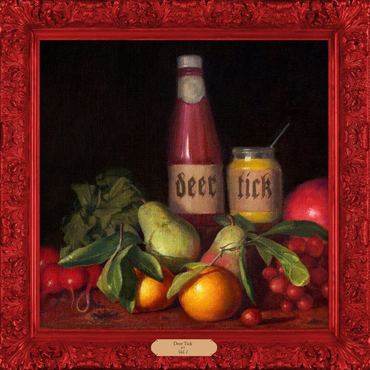
Deer Tick – Vol 1
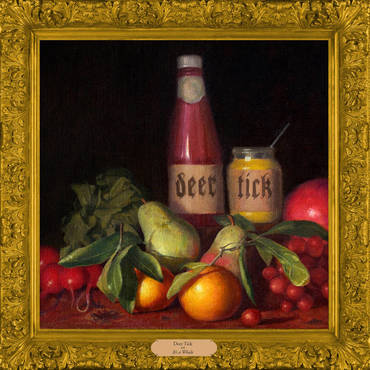
Deer Tick – Vol 2
Deer Tick proves with their two new simultaneously released albums titled, Deer Tick Vol. 1 and Deer Tick Vol. 2 that their punk-roots rock have only gotten better with age since their last LP. The twin albums complement one another but also stand independently. Vol. 1 is classic Deer Tick: folk-rooted acoustic guitars and soft piano cushion out-front vocals. Vol. 2 commits wholly to the band’s longtime garage-rock flirtations for a triumphant foray into punk. McCauley sees the two records as a natural progression as he’s always had one foot in each door. It’s been four years since Deer Tick’s last release, Negativity. In the meantime, Deer Tick – an all-consuming band known for constant touring and steady artist output – took a backseat. The band – made up of McCauley, guitarist Ian O’Neil, drummer Dennis Ryan, and bassist Christopher Ryan pursued solo and worked on others’ projects. Personal lives also underwent massive changes, especially for McCauley, who married Vanessa Carlton and became a dad. When the band came back together for their beloved after-party shows at the Newport Folk Festival, the reunion reminded them what they missed about creating with one another so they started making plans to go in the studio.
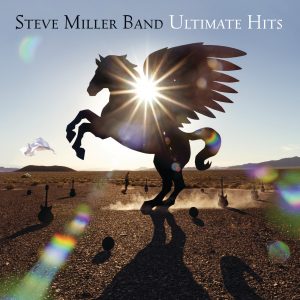
Steve Miller Band – Ultimate Hits
Steve Miller Band’s Ultimate Hits, available as standard (1CD/2LP) or deluxe (2CD/4LP) packages, features the many AOR-oriented hits that made Miller’s first compilation, Greatest Hits ’74-’78, one of the highest-selling albums in America, including “The Joker,” “Rock’n Me,” “Fly Like An Eagle” and “Jungle Love,” plus later hits like “Abracadabra” and “I Want to Make the World Turn Around.” Rarities abound on both sets: the standard version includes unreleased live versions of “Living In The USA” and “Space Cowboy” plus a solo rendition of “Seasons” from Steve Miller Band’s 1969 album Brave New World. The deluxe edition features 40 tracks total, including all those rarities plus unreleased live versions of “Gangster of Love” and “Kow KowCalculator,” a demo of “Take the Money and Run” and unheard studio versions of “Baby’s Callin’ Me Home” and “In the Midnight Hour,” for a total of eight bonus tracks in all
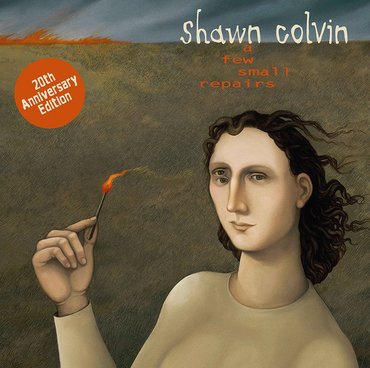
Shawn Colvin – A Few Small Repairs – 20th Anniversary
Columbia / Legacy Recordings celebrate the 20th anniversary of Shawn Colvin’s masterpiece, A Few Small Repairs, with the release of a newly expanded edition of the album. A Few Small Repairs includes the Grammy Award-winning Sunny Came Home plus chart-toppers You and The Mona Lisa and Nothin’ On Me (the theme song for the NBC sitcom Suddenly Susan). A Few Small Repairs reunited her with producer / cowriter John Leventhal (who’d helmed Steady On) and proved a watershed in the artist’s career and musical evolution. While her previous albums were founded mainly upon first-person confessionals, A Few Small Repairs saw Colvin foray into third-person storytelling with a powerful impact. Drawing from the downs and ups of her own life experiences, Shawn Colvin crafted an album of emotional complexity, nuance and revelation, combining images of traditional femininity and domesticity–wedding gowns, kitchens, white picket fences–with images of tools as metaphors for reparation. The album paints a searingly honest portrait of the scope of human relationships, from the acrimonious Get Out of This House to the wistful The Facts About Jimmy, a duet with Lyle Lovett, to the quiet resignation of Wichita Skylineto Sunny’s ultimate act of revenge in Sunny Came Home. With brutal honesty, Colvin examines the harrowing potential for emotional damage to the redemptive power of subsequent emotional redemption. This 20th anniversary edition is a newly remastered and expanded edition, featuring the 12 track original album (remastered) plus 7 rare and unreleased bonus songs. Enhanced artwork, includes newly written liner notes by Shawn Colvin and producer John Leventhal, plus recently discovered archival photographs.
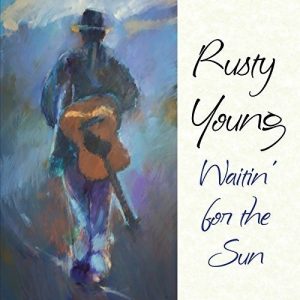
Rusty Young – Waitin’ for the Sun
Poco’s Rusty Young has a new solo album featuring ten original compositions inspired by artists and friends such as Neil Young, Stephen Stills, and America’s Gerry Beckley. Waitin’ for the Sun was recorded at Cash Cabin in Hendersonville, Tennessee.
Linda Ronstadt – Simple Dreams 40th Anniversary Edition
40 years ago, Linda Ronstadt released one of the most successful albums of her ground breaking career in 1977 with Simple Dreams. The new expanded version features remastered audio plus a trio of live songs taken from a 1980 concert performance. Simple Dreams spawned two massive hits thanks to Ronstadt’s cover of Buddy Holly’s It’s So Easy and Roy Orbison’s Blue Bayou earning Ronstadt Grammy nominations for both Record of the Year and also Best Pop Vocal Performance Female. The album also won the Grammy for Best Recording Package. Along with major hits, Simple Dreams also featured several tracks that would emerge as fan favourites, like the singer’s take on Warren Zevon’s Poor Poor Pitiful Me and the Rolling Stones’ Tumbling Dice. Country superstar Dolly Parton joined Ronstadt on the traditional ballad I Never Will Marry. Almost a decade later, Ronstadt, Parton, and Emmylou Harris would release their first Trio album. In addition to newly remastered sound, the Expanded Edition of Simple Dreams also includes bonus live recordings of It’s So Easy, Poor PoorPitiful Me, and Blue Bayou. All three are taken from a concert recording that originally aired on HBO in 1980 and are available here for the first time as standalone audio tracks.
A & B-sides gathered on CD with Quad mixes on bonus blu-ray audio
Rhino Records will release The Singles, in a new compilation that collects all 20 U.S. singles released by TheDoors , and their corresponding B-sides. It will be available as a 2CD+blu-ray package, a 2CD set without the blu-ray and a seven-inch box set will also be made available.
The 44-track collection includes the rare, original single versions of such classics as, Love Me Two Times, Love HerMadly, Riders On The Storm and many more. With collectors in mind, the CDs will also feature four original mono radio versions of some of the hits. These have never been made available anywhere after being sent to radio stations at the time of their original release.
All tracks have been mastered from the original analog single masters by the band’s longtime engineer Bruce Botnick.
The Blu-ray disc that accompanies the ‘deluxe’ three-disc version features the original hi-res Quadraphonic mix of 1973 compilation The Best Of The Doors. This 11-song compilation was released on SACD by Audio Fidelity in 2015, but this is the first time it has been available on Blu-ray audio.
In addition to the above, a 20-disc seven-inch box set of The Singles (‘limited’ to 10,000 copies) is being issued .
On the 21st August in 1967: The Doors began recording their second album, ‘Strange Days’, at Sunset Sound Studios in Hollywood, California; its commercial success was middling, along with a series of under performing singles the album contains some of the group’s most psychedelic songs – “Strange Days,” “People Are Strange,” “Love Me Two Times” and “When the Music’s Over” are now all considered classics within The Doors‘ canon; the chorus from single “People Are Strange” inspired the name of the 2010 Doors documentary, ‘When You’re Strange’…
The Doors started their career with an overabundance of riches. Strange Days followed their self-titled debut later in 1967, and was made up of a bunch of stuff that hadn’t made it onto its predecessor. While “Love Me TwoTimes” and “People Are Strange” are two of the lesser tracks you’d find on any Doors compilation.
Strange Days is packed with album cuts that are stunning. This is where they committed to a more psychedelic sound in a more thorough and sustained way than at any other point. Tracks like “Strange Days,” “Unhappy Girl,” and “Moonlight Drive” are lush, but that lushness — like the synthesizers in the title track or Krieger’s slide work on “Moonlight Drive” is ever so off-kilter, a little sea-sick. It sounds like some kind of underwater nightclub. But even as Strange Days is loaded with great textures, it’s also a punchy and efficient album; aside from the titan closer “When The Music’s Over,” no song on the album reached the three and a half minute mark. Overall, it’s also their least bluesy album (though it may be equal with Waiting For The Sun in that regard).
TheDoors perfect their brand of psychedelic pop, a brand that has their trademark muscularity but trades in relentless hooks rather than the blues sprawl of some of their later work. That’s the case for “Moonlight Drive,” but also for a hidden gem like “My Eyes Have Seen You,” where Morrison delivers the infectious chorus in that awesomely ragged yell he could just leap right into. The Doors came out swinging with the self-titled and Strange Days back to back, and while this wound up being a semi-outlier in their catalogue, it deserves its reputation as one of the finest documents of ’60s rock.
This year marks the 50th anniversary of The Doors releasing their iconic single, “Light My Fire,” which put them on the map in a big, big way. Like, we’re talking seriously big. We’re talking about a level of awareness that ultimately involved the song being covered by people like Johnny Mathis and Boots Randolph. That’s right: the guy who played “Yakety Sax,” a.k.a. the theme to The Benny Hill Show, covered “Light My Fire.” While that would be plenty enough proof for most people as to how big a deal the song and, in turn, the band had become,It was recorded in August 1966 and then released in January 1967 on their self titled debut album . Released as an edited single on April 24th, 1967. A live version was released in 1983 on their album Alive She Cried, the first of several live albums released in subsequent decades to include the song. “Light My Fire” . Ray Manzarek played the song’s bass line with his left hand on a Fender Rhodes Piano Bass, while performing the other keyboard parts on a Vox Continental using his right hand. For the recording session, producer Paul A. Rothchild brought in session musician Larry Knechtel to play a Fender Bass guitar to double the keyboard bass line.
“The jam in the middle was too much for the radio edit, but each solo’s a note-for-note classic Ray Manzarek’s fierce and melodic organ improvisation, followed by Robby Krieger’s smoking, macho-in-his-own-mind fretwork, build the song to a back-clawing climax before Morrison waltzes in for the close.”on “Light My Fire”,
This became The Doors‘ signature song. Released on their first album, it was a huge hit and launched them to stardom. Before this was released, The Doors were an underground band popular in the Los Angeles area, but this got the attention of a mass audience. Most of the lyrics were written by Doors guitarist Robby Krieger. He wanted to write about one of the elements: fire, air, earth, and water. Jim Morrison wrote some of the second verse, and Ray Manzarek came up with the organ intro.
“Light My Fire” was performed live by the Doors on The Ed Sullivan Show broadcast on September 17th, 1967. The Doors were asked by producer Bob Precht, Sullivan’s son-in-law, to change the line “girl, we couldn’t get much higher”, as the sponsors were uncomfortable with the possible reference to drugs. The band agreed to do so, and did a rehearsal using the amended lyrics, “girl, we couldn’t get much better”; however, during the live performance, the band’s lead singer Jim Morrison sang the original, unaltered lyrics.Ed Sullivan did not shake Jim Morrison’s hand as he left the stage. The band had been negotiating a multi-episode deal with the producers; however, after violating the agreement not to perform the offending line, they were informed they would never do the Sullivan show again. Morrison’s response was “We just ‘did’ Sullivan.”
Four months into the band’s 1970 Roadhouse Blues Tour, The Doors lit up Vancouver like the Northern Lights with an incandescent performance ignited by a rollicking set list, and blues legend Albert King, who sat in for four songs. Rhino and Bright Midnight Archives capture every shining moment with ‘The Doors – Live In Vancouver 1970.’
By 1970, the Doors in concert were a blues band. Jim Morrison had turned from psychedelics to beer and the edge in his voice proved that his demons were catching up with him. Many tapes have surfaced of this latter-day period and each performance reveals its own surprises. Blues legend Albert King adds slide guitar to Bo Diddley’s“Who Do You Love,” Barrett Strong’s “Money,” Muddy Waters’ “Rock Me” and Willie Dixon’s “Little RedRooster” for a blues set that may be the Doors’ finest. Their own “Roadhouse Blues” comes out swinging and “Five to One” never loses its power, with Robby Krieger always finding a few dramatic lead guitar licks. Morrison finds his inner mystic for “When the Music’s Over,” a tune that never loses its anthemic drive. “Light My Fire” expands into nearly eighteen minutes of song and free associations while “The End” fulfills its promise with its slow eighteen-minute build. The recordings were made by the Doors’ tour manager, who placed two microphones on the stage. It’s quite authentic and powerful.
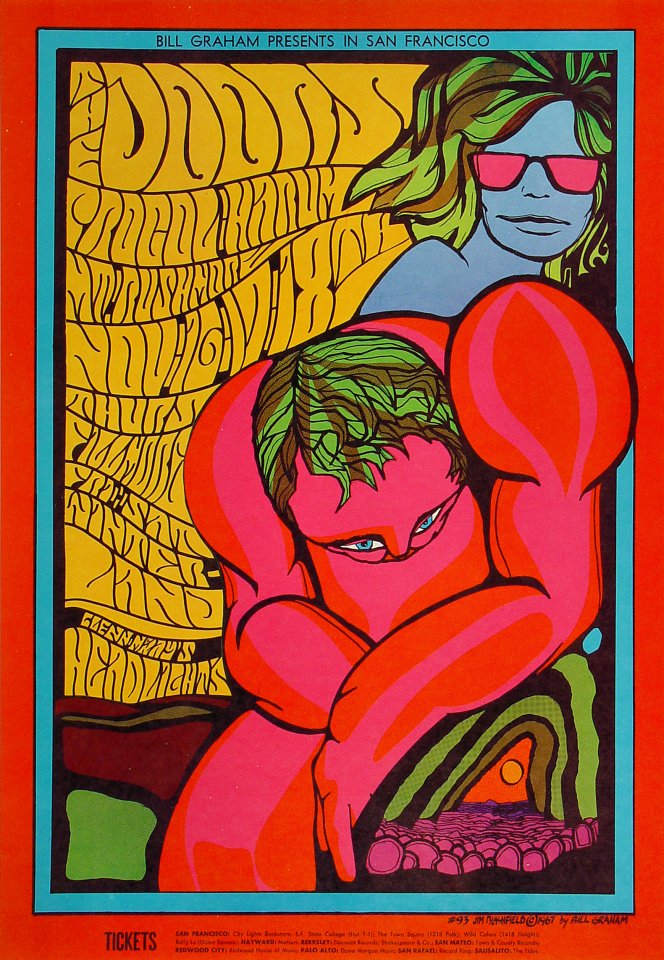
Another split-venue offering, the Doors and Procol Harum play at this hot-hits, cool music offering personified in the cool blue and hot-to-the-touch figures. At the height of the Fillmore’s popularity in the Summer of Love 1967, Bill Graham chose artist Jim Blashfield to design a number of posters. Bold and colorful, his few designs have become highly collectible.
An American Prayer isn’t exactly a Doors record. It’s an album of Morrison reading his poetry, recorded in 1969 and 1970. The remaining Doors reunited in 1978 to record a bunch of music behind the left-behind recordings. For the most part, it’s a totally different listening experience than the other Doors releases, though there are Doors songs, and musical references to Doors songs, throughout. Even though Morrison occasionally delivered lyrics like this amongst Doors music, a sustained album of poetry is kind of its own thing. As an entity in the Doors‘ overall narrative, An American Prayer was controversial. Some argued that Morrison’s work should have been left untouched, and that the remaining trio didn’t represent the material in the way Morrison had intended. This might be a cynical interpretation, but: Over the decades, it was easy to be suspicious of Manzarek, who had a tendency to rely on every last strain of Morrison’s work and legacy to, I don’t know, give himself something to do? You could look at this as the Doors milking Morrison’s work after his death. But whatever the intentions or circumstances were behind An American Prayer, it gave diehard fans another document of Morrison’s work. It’s more related to the essence of the Doors than either Other Voices or Full Circle, making it a more worthwhile thing to explore beyond the original six albums.
Jim Morrison’s girlfriend, Pamela Courson, was found dead of a heroin overdose in her West Hollywood home on April 25th, 1974. Her years without Jim Morrison had not been easy. She tried to establish that she was actually Jim’s widow, but the two had never been legally married. Jim Morrison had named her his soul heir in his will, which resulted in an endless series of legal difficulties for her due to the complexities of his estate. She was forced to close her boutique, Themis; on its closing, she angrily drove her car through the shop’s front window. She lived in the Bay Area for a while, then returned to L.A. To survive, and feed her continuing drug habit, she sold many of her possessions, including also items of Jim’s.
All outstanding suits with the estate were settled by 1974. Pamela received an initial disbursement of $20,000, and at the time of her death was going to receive an additional half million, as well as inheriting a quarter of the Doors’ future earnings. Instead, she was interred at Fairhaven Memorial Park in Santa Ana, California, the marker identifying her as “Pamela Susan Morrison.” A memorial service was held at Forest Lawn’s Hollywood Hill cemetery; Ray Manzarek played “When the Music’s Over,” “Love Street,” and “Crystal Ship” on the church organ. Pamela’s family inherited her estate, and the Morrison family later filed suit for a share of the Doors’ earnings. Jim’s share was ultimately split between the two families.
Three month’s after Pamela’s death, a “Jim Morrison Memorial Disappearance Party” was held on July 3rd at the Whisky a Go Go in Los Angeles. Ray, who was fast becoming the dominant keeper of the Doors’ flame, hosted, and Iggy Pop, who’d been working with Ray, performed a few Doors songs. Whether deliberate or not, the use of the word “disappearance” in the event’s title alluded to a growing perception about Jim Morrison’s ultimate fate; that he hadn’t died, but had simply taken on a new identity to avoid the pressures of being a rock star. The same year of the “Disappearance Party,”Capitol released the album “Phantom’s Divine Comedy Part 1,” with a lead singer who sounded uncannily like Morrison . The record had been recorded by a Detroit group called Walpurgis, who adopted pseudonyms for the album; the singer, Tom Carson, was called “Arthur Pendragon” (Carson was also said to have attended the “Disappearance Party”). In 1975, the book, “The Bank of America of Louisiana,” credited to a “Jim Morrison,” was published, purporting to tell the true story of a rock star who fled the public to start a new life as a banker in Louisiana. It was the beginning of what would become a cottage industry around the possibility that Jim Morrison still walked among us.
The real Jim did return — on record — with the release of “An American Prayer” in 1978. In 1976, Robby Krieger started wondering what happened to the tapes of Jim’s poetry sessions and contacted producer John Haeny. Haeny still had the master tapes, and on listening to them, “I knew that we could do something great with it,” Robby said. The other Doors were quick to agree, and they began working on the album the following year. It was like old times, working with Jim again; Ray recalled that hearing his old bandmate’s voice through his headphones in the recording studio made him look over at the vocal booth, expecting Jim to be there. The album’s five sections — “Awake,” “To Come of Age,” “The Poets Dreams,” “World On Fire,” and “An American Prayer” — traced Jim’s life journey, making the album something of an autobiography. The album also featured a rousing live version of “Roadhouse Blues.”
The album, credited to “Jim Morrison” with “Music by The Doors,” reached No. 54, and sold a quarter of a million on its initial release, respectable figures for a spoken word album; it also received a Grammy nomination. “An American Prayer” even led to a Doors reunion; while promoting the album overseas, the remaining band members gave a brief performance in Paris on what would have been Jim’s 35th birthday, December 8th, 1978.
Not everyone was pleased with the album’s appearance. Doors producer Paul Rothchild indignantly referred to “An American Prayer” as “a rape of Jim Morrison — the same as taking a Picasso and cutting it into postage stamp-sized pieces to spread across a supermarket wall.” His main objection was that Jim wouldn’t have had the other Doors provide the backing music, but with his death there was no way to resolve that issue.
But the album’s greater importance is that it was the first in a series of events that led to full-fledge Doors revival. A big factor in the revival was Ray’s feeling that the Doors’, and particularly Jim’s, contributions to rock were being overlooked. He recalled listening to a DJ on an L.A. radio station talking about rock legends who had died and being surprised that Jim wasn’t mentioned at all: “Where’s Jim? Do the Doors even exist? What about ‘Light My Fire’ and all the rest?” He became determined “to make sure that the world knows Jim Morrison. You can like him or dislike him, but you’re going to know who he is.”
He wouldn’t have long to wait. Frances Ford Coppola’s Vietnam-era war film “Apocalypse Now” featured the Doors’ “The End” in key sequences, reminding people of the nightmarish power of the band (the closing credits even feature a new mix of the track, with Jim’s percussive use of the word “f—k” finally loud enough to hear). The following year, the first major biography of Jim, “No One Here Gets Out Alive” (a line taken from the song “Five to One”), was published and became a worldwide blockbuster. The original manuscript, written by JerryHopkins, had been rejected by over thirty publishers. It was then taken up by Danny Sugerman, who had been hanging out at the Doors’ offices since he was a teenager. Jim hired him to answer his fan mail, and Danny then made it his life’s work to promote the band at every opportunity; he would eventually become the band’s manager.
Danny sent the manuscript to Warner Books, who had already twice rejected it. But this time, a sympathetic editor convinced the company to publish it. Danny, with input from Ray, oversaw an edit of the manuscript. The book was published in June 1980, its release celebrated with a party at the Whisky on June 16, with the remaining Doors playing a short set — the last time they would play together for over a decade. The book, featuring one of Joel Brodsky’s “young lion” pictures of Jim on the cover, topped the “New York Times” bestsellers list and became a huge international bestseller. New releases were quickly put out to take advantage of the Doors’ resurging popularity. The band released their first-ever long form video, “No One Here Gets Out Alive: A Tribute to Jim Morrison,” featuring interviews with the remaining band members and rare footage. A new “best of” collection, simply entitled, “Greatest Hits,” was released in 1980 and hit the Top 20; it would go on to sell over five million copies. In a canny marketing decision, Elektra dropped the list price of “The Doors,” “Waiting for the Sun,” and “The SoftParade” by three dollars; soon, every Doors album doubled its sales over the previous years. “We’ve sold more Doors records this year [1981] than in any year since they were first released,” Elektra publicist Bryn Bridenthal told “Rolling Stone,” which capitalized on interest in the band with a provocative headline on the cover of its September 17th, 1981 issue: “Jim Morrison: He’s hot, he’s sexy and he’s dead,” featuring a picture taken in 1967 by “16” magazine editor Gloria Stavers.
At least “Rolling Stone” forthrightly stated that Jim was deceased. For others, that remained an open question. The Hopkins/Sugerman book fanned that particular flame with its ambiguous ending. Hopkins had originally intended for the book to be published with two different endings; one edition would have Jim dying in Paris, the other suggesting that he faked his death. The publisher vetoed that conceit, so the final chapter discussed both theories, planting the idea that Jim could’ve faked his death at the very end, where it would have more of a dramatic impact. And the book’s final line, “Going on a decade now, there’s still no word from Mr. Mojo Risin’,” implied it was possible the world might one day hear from Jim again.
The genie was out of the bottle; subsequent writings about Jim would nearly all mention the rumor that he might have faked his death. And the Doors now became an on going concern; whatever projects Ray, Robby, and John became involved in, their one-time identity as members of the Doors was never far in the background.
In the 21st century, the remaining Doors managed to come together one more time. The location was the picturesquely named Hen House Studios in, appropriately enough, Venice, California, where the Doors’ story had begun all those years ago. Ray, Robby, and John Densmore provided the musical backing on the album “Look Each Other in the Ears,” by their old friend, Michael C. Ford. Michael had attended UCLA with Jim and Ray, and had also known Robby and John before they’d joined the Doors; Michael had even been considered as a possible bass player for the group. In 1969, Jim invited Michael to read at the Norman Mailer benefit, his first public reading. Now, as they had on “American Prayer,” the three former Doors provided a bed for Michael’s readings — light and upbeat, in contrast to the more mysterious sound of “American Prayer.”
The album, released in 2014, was dedicated to Ray, who died on May 20th, 2013, of bile duct cancer; he died at the RoMed Clinic in Rosenheim, Germany, where he’d gone to seek treatment. Both Robby and John issued statements about his death. “I was deeply saddened to hear about the passing of my friend and bandmate RayManzarek today,” said Robby. “I’m just glad to have been able to have played Doors songs with him for the last decade. Ray was a huge part of my life and I will always miss him.” “There was no keyboard player on the planet more appropriate to support Jim Morrison’s words,” said John, who was on a tour promoting his book, “The Doors Unhinged,” at the time of Ray’s death. “Ray, I felt totally in sync with you musically. It was like we were of one mind, holding down the foundation for Robby and Jim to float on top of. I will miss my musical brother.”
In his memoir, “Light My Fire,” Ray had written about the four Doors being like four points of a diamond, a diamond within “the magic circle of the Doors.” The first time the four had played together, Ray wrote, “The diamond was formed and it was clear and hard and luminous.” Now two of the points were gone, and the circle became smaller. But the loss also helped sweep aside any lingering resentments between the two Doors who remained. On December 5th, 2013, Robby and John appeared together on stage for the first time since the 2000 “VH1 Storytellers” show at “An Evening with The Doors.” held at the Los Angeles County Museum of Art. The night included a screening of the documentary, “Mr. Mojo Risin’: The Making of L.A. Woman,” a Q&A, and a surprise set, with the two performing “People Are Strange,” “Love Me Two Times,” “Spanish Caravan” and “Riders on the Storm.” Robby provided lead vocals, inviting the audience to sing along, because “We’re not great vocalists or anything,” a gentle acknowledgement of who was missing.
And there would be other projects to come. As long as people are drawn to the power of the band’s music, interest in the Doors will live on.
So long after their explosive heyday The Doors and Jim Morrison retain their gold-standard of cool.
Strip away the fables surrounding Morrison and The Doors . Live at The Matrix in San Francisco March 7th & 10th, 1967, part 1 on vinyl for the first time.
Although these tapes will be well known by hardcore Doors fans, this is the first time they’ve seen the official light of day. Massaged into life by Bruce Botnik (engineer on those original Paul Rothschild produced albums), they offer a glimpse, as Ray Manzarek observes, of the band having fun. Playing a sizable chunk of their first album and half of their follow up record (yet to be laid down in a studio), Just a few weeks on from the release of their debut, word about the band’s impending canonisation does not appear to have reached the handful of punters who turned up to Marty Balin’s nightclub in San Francisco, The Matrix , who can be heard offering only the politest of applause between numbers.
Without the catalyst of audience reaction and in the face of such indifference, the sparks rarely fly and despite Manzarek’s assertion about the extent to which this meant the band could stretch out and experiment, we have a performance that only occasionally smoulders, never quite ever catching fire.
Die-hard Morrison-ologists will however be cheered by the inclusion of alternate words grasped from his poetic writings and scattered about in songs such as a pulsing cover of the old Them stomper, Gloria and their sinuous classic, The End.
With Kreiger’s blazing guitar solo on When The Music’s Over, and Manzarek’s faux-classical noodling, there’s a lot of potential waiting to be called upon. However, at The Matrix we’re in the company of a somewhat quaint and reserved bar band, and with it, quite literally in the case of The Doors, the stuff of legend.
Side A: 1. Back Door Man 2. Soul Kitchen 3. Alabama Song (Whisky Bar) 4. Light My Fire
Side B: 1. The Crystal Ship 2. Twentieth Century Fox 3. The End
There is a VERY limited quantity of this Record Store Day 2017
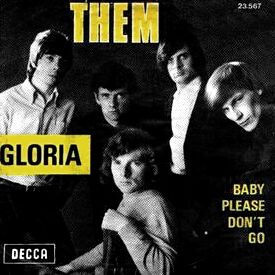
The song “Gloria” is built on just three chords that any garage band can play and that almost every garage band has. Yet the list of artists who have covered this tune include many bands Jimi Hendrix, the Doors, Patti Smith, Tom Petty, David Bowie, R.E.M., Iggy Pop, U2, Bruce Springsteen, Elvis Costello..even. Bill Murray strapped on a guitar and played it at Eric Clapton’s Crossroads Festival, the Grateful Dead used to jam on it, and it might be the only song that Jon Bon Jovi and Johnny Thunders have in common.
How has such a minimal song have had such a huge impact? Why does it still reverberate today, in arenas, at festivals, in bars and studios? And how did Gloria become such a resilient classic rock tune. Written more than fifty years ago by Van Morrison for his band Them , the story the song tells couldn’t be more archetypal: the singer (usually but not always male) knows this girl and he’s eager to tell us about her, but he doesn’t share much in the way of detail. She comes down the street, up to a room, knocks on a door, enters, makes the singer extremely happy.
She is, nearly all the time, about five feet, four inches tall (on the original demo, she was five feet). As physical descriptions go, that’s at once very specific and very incomplete. Dark-haired or light, curvy or slender, who knows? At just about midnight, she appears. There is, we can assume, something sensual about the way she moves, because the song itself slithers with an air of hypnotic mystery, those three chords (E-D-A) setting the scene.
The Shadows of Knight, version clocked in at a tidy two and a half minutes, but that was too constricting for other groups like the Hangmen, the Blues Magoos, and the Amboy Dukes, all of whom easily exceeded the five-minute mark and turned it into early psychedelic-rock classic.
On the debut studio recording by Them, Van Morrison takes the listener into his confidence, and it’s a little like bragging, He wants to tell us about his baby (on the demo, she’s his “gal”), but aside from her head-to-the-ground measurement, he doesn’t tell us much more. She makes him feel good. Also for some reason, he feels compelled to spell out her name before he says it, “G-L-O-R-I-A,” as though it were something exotic or complicated. so she does whatever she does with Van, and instead of describing what that might be, he spells her name out again. He wants to make sure we get that name right, This woman who’s about five feet, four inches, and her name is G-L-O-R-I-A.
“Gloria” was cut at Decca’s studio in West Hempstead in the summer of 1964, the first Them session. Them had been doing the song live for a while in Ireland clubs, but from all reports, they were not the most adept musicians in the studio, so the producer brought in some ringers, and here’s where the saga of “Gloria” gets a little fuzzy. It’s pretty clear from the audio evidence—compare the demo’s sluggish drumming to the finished studio version—that London’s top session drummer Bobby Graham was recruited. Graham told an interviewer for the Independent that Morrison “was really hostile as he didn’t want session men at his recordings. He calmed down but he didn’t like it.” In addition to Graham, The guitar playing was none other than Jimmy Page , Page: “It was very embarrassing on the Them sessions. With each song, another member of the band would be replaced by a session player…Talk about daggers! You’d be sitting there, wishing you hadn’t been booked.”
There’s something so compelling about the record, the rawness, the sudden startling instrumental leap midway through, Morrison’s intensity, the erotic momentum, the flurry of drums at the end. It was the sexiest thing. And it was stuck on a B-side, It was the flip side of Them’s second U.K. single “Baby Please Don’t Go” In England, “Baby Please Don’t Go” charted at numer 10. In America, it was released on Parrot Records, But it was “Gloria” that got a bit of attention, it was like that with “Gloria” it wasn’t a hit, but all around the world, local bands who discovered it found a Holy Grail. How many group rehearsals everywhere began with “Let’s try ‘Gloria’?” If you hadn’t been playing guitar for very long, this was an instant entry-level classic, and if you were playing gigs and didn’t have many songs in your live arsenal, you could stretch out on “Gloria” for a while, just keep that going. If you had a kid on Vox organ in your combo, it sounded even better.
Part of the brilliance of “Gloria” is in its vagueness and ambiguity. It feels explicit, but that’s a trick. The whole song is an ellipsis. Gloria the object of desire, someone who makes it all so easy: she comes up to your room, raps at your door (at a Bottom Line gig years ago, T Bone Burnett compared her knock to the drum beat of Al Jackson Jr. from the M.G.’s), no pining, no scheming. we don’t know if Gloria’s night ends satisfactorily.) The narrative is a sketch, but over the years, some of its interpreters have felt compelled to flesh it out. Leave it to Jim Morrison or JimiHendrix to make the goings-on considerably more graphic. It was a part of the Doors’s set since their early days on the L.A. club circuit (you can hear how the dynamics of “Gloria” got appropriated for the “Light My Fire” climax, the American Morrison went much further in his on-stage embellishments, some of which came out officially on posthumous Doors releases. He addresses Gloria directly, and sometimes there’s a predatory creepiness: “Meet me at the graveyard, meet me after school.” On one released version, he yells, “Here she is in my room, oh boy!” and for nine minutes it’s like a cautionary after-school special: her dad is at work, her mom is out shopping, and he’s giving her instruction: “Wrap your legs around my neck/Wrap your arms around my feet/Wrap your hair around my skin.” He continues “Hey, what’s your name, how old are you, where’d you go to school?” What’s her name? Is he missing the whole point of this song? here.
Not to be outdone, Jimi Hendrix, on a slamming off the cuff version with the Experience from October 1968, also asks her name she replies (he says), “It don’t make no difference anyway…You can call me Gloria.” Is she a call girl? (That would explain the midnight knocking.) A groupie? More likely. Hendrix mentions that Mitch Mitchell and Noel Redding also have “Gloria”s, and there is some kind of “scene” going on that involves the arrival of a pot dealer and, subsequently, the police. “Gloria, get off my chest,” Jimi says. “We gotta get out of here.” Meanwhile, he’s playing some amazing guitar, and Mitchell is just on fire, and the song is a long way from its beginnings with Them.
The song still belonged to Van Morrison, who has had a notoriously ambivalent relationship with some of his earlier hits, but he has almost always stuck with “Gloria” it’s on his landmark live album “Its Too Late To Stop Now”, and he’s revisited it over and over through the years, on record with John Lee Hooker, live with U2 (who not only have done Morrison’s version, but wrote their own song called “Gloria”) and Elvis Costello, on TV with Jools Holland’s big band. But in 1975, Patti Smith found a way to radically reinterpret it by incorporating it into the lead track from her debut album “Horses”. The cut is in two parts, the first part “In Excelsis Deo” starts off with a stark statement of intent “Jesus died for somebody’s sins, but not mine” and keeps building and building until Smith through a window, sees a “sweet young thing,” and she’s transfixed. It’s almost unbearably tense, the way Patti’s group coils around the melody, the rising excitement in her voice. It’s midnight (naturally: that’s when this always happens), and the woman comes up the stairs in “a pretty red dress” and knocks on the door, and you don’t even realize it, but the song is sneakily turning into Van Morrison’s: Patti asks the girl’s name. “And her name is…and her name is…and her name is…G…” you know the rest. With this performance, Patti’s done two things. She’s made a breathtaking breakthrough that’s completely new, and connected it with rock tradition (her guitarist Lenny Kaye is steeped in the era of “Gloria,” and compiled the essential garage-rock collection Nuggets). It was a tremendous cultural moment.
Nothing has been able to stop “Gloria” because the song is whatever it needs to be. It’s remained a rock staple. IggyPop has done it live (and singing “I-G-G-Y-P-O-P”), Joe Strummer’s pre-Clash band the 101’ers had it in their repertoire and so did Bon Scott’s group the Spektors, On his 1978 tour, Bruce Springsteen often would include it as part of a medley with “She’s The One” and sometimes “Not Fade Away.” R.E.M. was performing it in the eighties, and so was David Bowie, in conjunction with his own “The Jean Genie” .
Some more recent live interpretations stand out. Rickie Lee Jones starts to play it, and after about a minute and a half, it turns into a reminiscence. The band keeps on riffing on those three chords, those chords that give the singer all the freedom in the world to amplify, to comment, to reflect. “I was twelve when this song came out,” she says, “and I have never forgotten, I would never forget, that’s why I will never get old, what it felt like to me as he described this [and here she pauses] girl.” “I’m gonna shout it all night, gonna shout it every day,” the song goes, and if you were around twelve years old when it came out, as Rickie Lee was, or you were more like fifteen or sixteen, as Bruce Springsteen and Tom Petty were, that shout of ecstasy was something that made possibilities open up for you. And that’s why Springsteen (who introduced it at a 2008 show by saying “Bring it back to where it all started! Follow me boys!”) and Petty can’t stop going back to it. It probably was where it all started, in their nascent rocking days.
Tom Petty makes it almost like a prequel. It became a set-piece for him and his band the Heartbreakers in the late nineties, played the song several times on his Highway Companion Tour in 2006, and he closed most of the shows with it during his twenty-night run at The Fillmore Auditorium in San Francisco in 1997. Up to this century, and there are versions floating around, from German TV, from Bonnaroo, where he unspools a story about walking on an uptown street and approaching this woman: “Don’t walk so fast,” he tells her. “I’m a true believer and I loved you at first sight.” She spurns him, she bolts (in one version, she tells him he smells like marijuana), and he’s getting nowhere.
Like Springsteen in the song “Rosalita” he plays the only card he has. “I got this little rock and roll band,” he says. “Things are going good.” We don’t know what happens, ultimately, except this: all he wants to know is her name, this tiny shred of information. And suddenly, he hears it. Not from her, but from the wind. The wind began to sing her name. At this point, Petty’s audience knows what its part is, and the band has been patiently waiting for this eruptive moment, and like a huge gust of wind, the name rises up from the crowd, louder and louder: “Gloria!” Because even five decades after she first appeared, there’s no one anywhere who doesn’t know who she is, and the power she has.




![Live in Vancouver [2 CD]](https://cdn.shopify.com/s/files/1/1103/7726/products/1_1024x1024.jpg?v=1455909665)



 The Fat Angel Sings