“Hot Off The Press” is a unique and unknown LP featuring super tight performances, lovely four-part harmonies, and songs that won’t take long to get comfortably lodged in your head. …These guys had a distinct knack for good hooks and lots of unexpected compositional flourishes. …The bulk of it is terrific 1960s west coast-flavored folk rock with a dreamy psych vibe and good vocal harmonies. …If songs like “Loser” and “Misty Day” had gotten attention from record execs, you’d be listening to News on classic-rock radio. “Loser,” with it’s stunning steel guitar solo, and the long album-closer “New York City,” but this is consistent enough that any given listener could feel equally strong about any two others. …There is something timeless about this record, something difficult to put your finger on, yet it grows with repeat listens. …Here’s a unique and outstanding 70s pop album.
The lead instrument is a pedal steel guitar, played with more imagination than almost anywhere. …it can turn a run-of-the-mill country-rock song into a shit-kicking anthem…with soaring, jazzy licks. …This reissue, that boasts two additional tracks, shows off News’ honey-tinged harmonies and West Coast easiness, making it one of those great gems that roll out of the seemingly endless vaults. …Here’s a unique and outstanding 70s pop album. A delight. …Don’t miss this excellent reissue.
The News
Gary Friend: Fender Bass and Vocals
Mark London: Pedal Steel Guitar and Vocals
Vic Machcinski: Guitars, Vibes and Vocals
Bob Prechter: Drums, Percussion and Vocals
The Ty Segall-collaborator go-to man for 60’s psych/folk/garage reimagining rekindles the magic in culled from imaginary beatles demos, his penchant for garage nuggets irrepressible.
This album has him at his best again, charming and beguiling, with arrangements that are his most inventive and finely-honed yet. if they found another lost Velvets LP in a skip from between the 2nd and 3rd albums it might sound like this. riyl a.savage, woods, ocs, night beats.“[with] a clear absence of preciousness (which could very well be the album’s coup de grâce) each of these songs feel like they stemmed from some intuitive musical notion in the cold dead of night. fleshed out and placed back-to-back, they become something resonant, whole and inspired”
“I Have To Feed Larry’s Hawk” by Tim Presley’s White Fence is an album that’s going to take some beating this year – it’s a real beaut. Ex member of The Fall, and renowned for White Fence and some great joint albums with Ty Segall, DRINKS with Cate LeBon and Birth Records the label he formed for Jessica Pratt,
More melancholic than last year’s Beefheart nuggets on the second Ty Segall & White Fence album “Joy”,“I Have To Feed Larry’s Hawk” is sparse and unravelling, introspective, delicate, psych and even electronic.
We know that Tim’s a bit of an Anglophile, and there’s a definite Syd Barrett echo here, and a hangover from his work with Cate Le Bon as DRINKS in terms of brittle but beautiful song structure. There’s also 60s garage as you’d expect, piano that tinkles my spine like Elton John, and the teutonic monotone of Harmonia or Cluster on a two song suite that concludes the album. Given the pharmaceutically charged cover artwork, it’s fair to say that having to feed Larry’s Hawk could be allusion to addiction, and therefore this album feels like a self reflective confessional, perhaps that’s why it’s “Tim Presley’s White Fence” this time,
Speaking about the clip, vocalist Tali Källström explains: “Strangers is about self-acceptance and finding the strength to grow and be on your own. The song takes us on a journey of self-sabotage, redemption, failure and success and how all of these experiences meld together to make us who we are. This video represents the different facets, the flaws, the strengths and the disparities we feel about ourselves and others during our day to day lives. It was important for us that we kept the video as a genuine reflection of who we are and the real-life things that we do, breaking the fourth wall, allowing the audience to empathise with the genuine emotion and meaning of the song. We hope you like it.”
The band hit the road next week, before a stint on the road supporting Frank Carter and the Rattlesnakes and their own spring UK tour.
Breaking the fourth wall – by splitting it in two. Brand new video for ‘Strangers’ Purchase our debut album You Say I’m Too Much, I Say You’re Not Enough
David Coverdale’s successful run with Whitesnake produced a legitimate string of twelve studio albums. Of those, Slide It In (1984), its 8-million units followup, the self-titled Whitesnake(1987), and Slip Of The Tongue (1989) were the most fan-explored classics.
Following up the splendid Saints & Sinners album was no easy task, but 1984’s Slide It In turned out to be an even greater triumph for David Coverdale’s Whitesnake. From the boisterous machismo of “Spit It Out” and “All or Nothing” to the resigned despair of “Gambler” and “Standing in the Shadow,” and the embarrassingly silly title track, everything seems to click. For hit singles, look no further than the twin guitar attack of “Guilty of Love” and the sheer poetry and emotion of “Love Ain’t No Stranger,” one of the decade’s greatest power ballads, bar none. Not to be outdone, “Slow an’ Easy” is a masterpiece of sexual tension and the kind of power-blues which no one does as well as Whitesnake. On a quirky historical note, Coverdale fired most of the band soon after the album’s release, replacing them with younger, prettier faces with which to better conquer America. For that purpose, Geffen Records even released a re-recorded version of Slide It In with flashy soloing from new guitarist John Sykes, sparking an ongoing debate as to which version is better.
On March 22nd, Rhino Records will reissue “Slide It In” as a 35th Anniversary Edition complete with a brand new 2019 remaster represented in an expansive 6CD/DVD Ultimate Edition, as well as a 2CD Deluxe Edition with both US and UK mixes, with a selection of bonus tracks, and a single CD (US Mix) for the album only, along with a 2LP vinyl edition.
The 6CD/DVD Ultimate Edition will provide both the US and UK mixes of the album along with unreleased live and studio recordings. The DVD will include promo videos, concert footage, and an interview with David Coverdale. The bonus CDs will include unreleased versions of every song on the original album, monitor mixes, and brand new 35th anniversary remixes. One of the six CDs will include 30 bonus tracks of demos and early mixes of Slide It In. One of the CDs will include an entire 1984 Glasgow concert performance and will include a few live Sweden performance tracks with Jon Lord’s final show with the band. This 6CD/DVD Box will include a 60-page hardbound book filled with photos, essays, notes, and credits.
We thought we might never say this, but today we announce our debut album, ‘Silver Tongues’ due March 22nd out on Balley Records. Thank you so much for your patience and everyone that’s stuck with us – you can listen to the first single, ‘Chain Of Being’ right now.
Having ploughed their way across the UK and beyond for a few years now with their incendiary live show, Crows have become a hardened force to be reckoned with.
Their determination and sheer riotousness live has now paid off, with Joe Talbot of Idles signing them up to his new label Balley Records. With their debut album ‘Silver Tongues’ on the way, lead single ‘Chain of Being’ has been released into the world, and it’s a bracing, impactful new chapter for the band. The track is an all encompassing take, showing Crows at their most impassioned, streamlined and climactic yet. It melodically snaps in its caustic nature, channeling their intense live set into something that, as it’s momentous finale attests, is monumental in its resonance.
‘Chain of Being’ from our debut album ‘Silver Tongues’ out 22nd March 2019 on Balley Records.
Magazine an English post-punk band active from 1977 to 1981, then again from 2009 to 2011. The band was formed by Howard Devoto . Devoto had decided to create a more progressive and less “traditional” rock band. Devoto formed Magazine in Manchester, he met guitarist McGeoch, then an art student, and they began writing songs, some of which would appear on the first Magazine album. They then recruited Barry Adamson on Bass, Bob Dickinson on keyboards and Martin Jackson (previously of the Freshies) on drums, forming the first lineup of the band.
After signing to Virgin Records, Magazine’s front man, Howard Devoto had co-formed Buzzcocks with Pete Shelley after the pair had seen The Sex Pistols in early 1976 and promoted the now legendary Manchester Lesser Free Trade Hall gigs. Devoto left the band in 1977, after the seminal ‘Spiral Scratch’ EP had been released, and created Magazine.
Magazine reunited in 2009 for a UK tour, with almost all the remaining members of the “classic” line-up, with the exception of guitarist John McGeoch, who died in 2004.
Enduringly credible, Magazine have always been the connoisseur’s choice and frequently name checked by some of the most gifted musicians of recent years including Radiohead, Morrissey, Jarvis Cocker and U2. The NME rated Magazine in a poll as one of the most influential bands of all time. Magazine’s front man, Their first record was the post-punk anthem ‘Shot By Both Sides’.
Initially, the departure from punk was not complete. “Shot by Both Sides,” the band’s first single, was based off an old riff given by Devoto’s Buzzcocks partner Pete Shelley, and the guts of follow-up single “Touch and Go” were rather basic rev-and-vroom. And, like many punk bands, Magazine would likely cite David Bowie, Iggy Pop, and Roxy Music. However — this point is crucial — instead of playing mindlessly sloppy variants of “Hang on to Yourself,” “Search and Destroy,” and “Virginia Plain,” the band was inspired by the much more adventurous Low, The Idiot, and “For Your Pleasure.” That is the driving force behind “Real Life’s” status as one of the post-punk era’s major jump-off points. Punk’s untethered energy is rigidly controlled, run through arrangements that are tightly wound, herky-jerky, unpredictable, proficiently dynamic.
The rapidly careening “Shot by Both Sides” (up there with PiL’s “Public Image” as an indelible post-punk single) and the slowly unfolding “Parade” (the closest thing to a ballad, its hook is “Sometimes I forget that we’re supposed to be in love”) are equally ill-at-ease. The dynamism is all the more perceptible when Dave Formula’s alternately flighty and assaultive keyboards are present: the opening “Definitive Gaze,” for instance, switches between a sci-fi love theme and the score for a chase scene.
As close as the band comes to upstaging Devoto, the singer is central, with his live wire tendencies typically enhanced, rather than truly outshined, by his mates. The interplay is at its best in “The Light Pours out of Me,” a song that defines Magazine more than “Shot by Both Sides,” while also functioning as the closest the band got to making an anthem. Various aspects of Devoto’s personality and legacy, truly brought forth throughout this album.
The album was ranked at No. 20 among the top “Albums of the Year” for 1978 by NME, with “Shot by Both Sides” ranked at No. 9 among the year’s top tracks
Magazine’s second album, “Secondhand Daylight”, was released in 1979, reaching the UK Top 40. The album featured a greater use of synthesisers. That same year, McGeoch, Adamson and Formula joined electronic project Visage, recording and releasing the single “Tar”.
“Secondhand Daylight“, the second Magazine album, sounds like it must have been made in the dead of winter. You can imagine the steam coming out of Howard Devoto’s mouth as he projects lines like “I was cold at an equally cold place,” “The voyeur will realize this is not a sight for his sore eyes,” “It just came to pieces in our hands,” and “Today I bumped into you again, I have no idea what you want.”
You can picture Dave Formula swiping frost off his keys and Barry Adamson blowing on his hands during the intro to “Feed the Enemy,” as guitarist JohnMcGeoch and drummer John Doyle zip their parkas. From start to finish, this is a showcase for Formula’s chilling but expressive keyboard work.
Given more freedom to stretch out and even dominate on occasion, Formula seems to release as many demons as Devoto, whether it is through low-end synthesizer drones or violent piano vamps. Detached tales of relationships damaged beyond repair fill the album, and the band isn’t nearly as bouncy as it is on “Real Life” or “The Correct Use of Soap” — it’s almost as if they were instructed to play with as little physical motion as possible.
The drums in particular sound brittle and on the brink of piercing the ears. Despite the sub-zero climate, the lack of dance numbers, and the shortage of snappy melodies, the album isn’t entirely impenetrable. It lacks the immediate impact of “Real Life” and “The Correct Use of Soap“, but it deserves just as much recognition for its compellingly sustained petulance. Even if you can’t get into it, you have to at least marvel at “Permafrost.” The album’s finale, it’s an elegant five-minute sneer, and as far as late-’70s yearbook scribbles are concerned, “As the day stops dead, at the place where we’re lost, I will drug you and f*ck you on the permafrost” is less innocuous than “All we are is dust in the wind.”
After the release of “Secondhand Daylight”, Devoto decided to change producers. He chose Martin Hannett, who produced their next album, “The Correct Use of Soap”, released the following year and again making the Top 30. Following its release, McGeoch decided to leave the band, tired of Magazine’s low sales and their less guitar-oriented songs. He soon joined Siouxsie and the Banshees. To replace him, the band hired Robin Simon, who had been in Ultravox and Neo. That line-up toured across Europe and Australia, recording their next release, the live album “Play”. Simon made some initial recordings and rehearsals for what would be the next Magazine album, including co-writing the song “So Lucky”, but he left the band before the album was released so that he could record the John Foxx solo album The Garden.
This is something of a return to standard operational form for Magazine, who thawed after recording “Secondhand Daylight” to throw together an energetic batch of colourful and rhythmically intricate songs. It’s an unexpected move considering that they enlisted Martin Hannett the master of the grey hues, as the producer. A looser, poppier album than its predecessors — somewhat ironically, a cover of Sly & the Family Stone’s “Thank You (Falettinme Be Mice Elf Agin)” is the most subdued song — it features the rhythm section of John Doyle and Barry Adamson at their taut, flexible best and guitarist John McGeoch at his most cunningly percussive.
Save for the called-for razzle-dazzle on “Sweetheart Contract,” keyboardist Dave Formula takes more of a back seat, using piano more frequently and no longer driving the songs to the point of detracting from the greatness of his mates, as the most frequent complaint of “Secondhand Daylight” goes. Howard Devoto’s lyrics are also a little less depressive, though they’re no less biting.
The closing “A Song from Under the Floorboards” — another near-anthem, an unofficial sequel to “The Light Pours Out of Me” — includes sticking Devoto-isms like “My irritability keeps me alive and kicking” and “I know the meaning of life, it doesn’t help me a bit.” His themes of distrust and romantic turbulence remain focal, evident in “You Never Knew Me” (“Do you want the truth or do you want your sanity?”) and “I Want to Burn Again” (“I met your lover yesterday, wearing some things I left at your place, singing a song that means a lot to me”). “Because You’re Frightened” is the closest they came to making a new wave hit, zipping along with as much unstoppable buoyancy as Lene Lovich’s “New Toy” or the Teardrop Explodes’ “Reward,” yet it’s all fraught nerves and paranoia: “Look what fear’s done to my body!” Song for song, the album isn’t quite on the level of Real Life, but it is more effective as a point of entry.
Again without a guitarist, Devoto called in his former college friend at Bolton, Ben Mandelson (a former Amazorblades member). This line-up completed the 1981 recording of the band’s fourth studio album, “Magic, Murder and the Weather”, but Devoto himself quit in May of the same year, months before its release, and the remaining members decided to disband. Magazine’s final studio album, Magic, Murder and the Weather, finds Dave Formula’s washes of cold, brittle keyboards dominating the bitter and cynical music. Occasionally, Howard Devoto’s weary lyrics surface through the icy mix, but it’s clear that Devoto and Magazine have both had better days. It’s not a graceful way to bow out, but the album has enough strong moments to prevent it from being an embarrassment as well.
A year later, “After the Fact”, the first Magazine compilation, was released.
Four ground breaking albums later and the band had parted company, leaving behind an influential body of work which was re-released by Virgin EMI in 2008
In February 2009, original members Howard Devoto, Dave Formula, Barry Adamson and John Doyle were joined by former Luxuria collaborator Noko on guitar to play a handful of concerts across the UK. It was the first time Magazine had played live together since 1980.
In October 2011 Magazine released their 5th studio album, ‘No Thyself’ – their first new material since 1982, and embarked on a UK tour in November which ended at Shepherds Bush Empire on November 11th.
“No Thyself” is the fifth and final studio album by the band, and the first since their 2009 reformation. It was released on the Wire-Sound label on 24th October 2011, about 30 years after the release of their first studio album,
Bass guitarist Barry Adamson, while still remaining a member of Magazine, did not participate in the making of “NoThyself “ due to prior obligations in film music.Guitarist John McGeoch had died in 2004. Both musicians had been so important in previous line-ups Pete Shelley, who had founded the band Buzzcocks with Magazine singer Howard Devoto, co-writing early Buzzcocks material and one Magazine song together, contributed to the writing of the first track.
The BBC rated the album 9 out of 10, saying: “The surprise excellence of the songs and the music makes this the long-overdue fourth great Magazine album. Thirty years ago, Howard Devoto sang of wanting to burn again. And here he is, doing exactly that.
The Guardian gave it 8 of 10 and said: “No Thyself” could be the fourth album they should have made instead of 1981’s “Magic, Murder and the Weather”, which badly missed departed John McGeoch. Here, guitarist Noko and bassist John “Stan” White (replacing Adamson, who had film commitments) help recapture the sonic blueprint laid down on the first three classic albums”.
Mojo Magazine gave it 8 of 10 and said: “In 10 crisp, playful songs restores the exalted standards of the band’s legend” (referring to the standard 10-track edition)
Magazine were the most criminally underrated band in the past 25 years of British pop . Howard Devoto was a total pop genius, but he was a slightly misshaped pop star and I think nobody really got him. Simple Minds should not have been big, but Magazine should have.
Magazine – Peel Session 1978,
“Magazine: The Complete John Peel Sessions” is a collection of 15 tracks the band recorded for John Peel’s legendary BBC Radio One show, stretching from 1980 back to 1978 (just a few months after the band played their first concert). And it captures the band at the absolute top of their game.
A little over half of the album is from the first two sessions, in 1978, and they are by far the most interesting. For the fan, there’s the thrill of hearing alternate versions of the band’s most famous tracks, like “The Light Pours Out of Me”, “Touch and Go”, and “Definitive Gaze”, appearing here as “Real Life (AKA Definitive Gaze)”. Most of the difference is in the keyboards of DaveFormula, who is allowed to go on furious knob-twiddling flights here that were severely toned down for their proper albums. There are also blazing covers of Captain Beefheart’s “I Love You, You Big Dummy” and “Boredom”, which Devoto originally sang on the Buzzcock’s debut, “Spiral Scratch” EP. For the uninitiated, there’s really no better way to be introduced to Magazine than the tracks collected here. From the opening strains of “Touch and Go”, the album’s opener, this record grabs the listener and doesn’t let go. The synths cascade, the the cymbals crash, and Devoto’s voice reaches out across the decades with a youthful urgency that is impossible to turn away from. Pioneering artistic merits aside, it’s simply impossible to stop listening to.
The complete session recorded by Magazine on 14th February 1978 for the John Peel show on BBC Radio 1 and broadcast on the 20th of that month.
Sadly, the same can’t be said of the rest of the album. Granted, there is not a lot of curatorial leeway in something called “The Complete Peel Sessions” — it’s complete, full stop. You’re as obliged to include the stirring “The Light Pours Out of Me” as you are the strained white-funk homage-cover of Sly Stone’s “Thank You (Falettinme Be Mice Elf Again)”. Admittedly, the last sessions have a few gems: a great rendition of one of the band’s most famous tracks, like “A Song from Under the Floorboards”, the overstuffed !!!-esque dance-funk precursor “Twenty Years Ago”, and “Look What You’ve Done to My Body (Because You’re Frightened)”.
Tracklist: 1. Touch And Go (0:07) 2. The Light Pours Out Of Me (2:57) 3. Real Life (Definitive Gaze) (7:16) 4. My Mind Ain’t So Open (11:19)
Magazine – Peel Session 1979
The complete session recorded by Magazine on 8th May 1979 for the John Peel show on BBC Radio 1 and broadcast on the 14th of that month. This recording is taken from the repeat on 5 June 1979.
Tracklist: 1. Thank You (Falettinme Be Mice Elf Agin) (0:18) 2. TV Baby (4:28) 3. Permafrost (8:19)
Magazine – Peel Session 1980,
The complete session recorded by Magazine for the John Peel show on BBC Radio 1 on 7 January 1980 and first broadcast a week later on the 14th. Produced by Tony Wilson.
Tracklist: 1. A Song From Under The Floorboards (0:07) 2. Twenty Years Ago (4:24) 3. Look What Fear Has Done To My Body (7:22) 4. Model Worker (11:18)
Despite a few minor shortcomings inherent to its comprehensive collection, “Magazine: The Complete John Peel Sessions” is a compelling document of one of post-punk’s most fascinating acts in its prime.
Very, very happy to share my new single ‘Blue Wings’ with you today. It’s one of a handful of other songs that were recorded around the same time as ‘Indigo’. It didn’t end up on the record but it’s always felt like a really special song to me. There will be a super limited pressing of 500 ‘Blue Wings’ 7″vinyls available (along with another new song on the B-side….) at our shows in Europe. Only 15 available per show. Check out all our upcoming tour dates below and pick up tickets if you haven’t already! So many places we haven’t been to in ages and even some new cities in the mix, can’t wait to see you all there.
02/12 – Birmingham, UK – Mama Roux’s
02/13 – Leeds, UK – Belgrave Music Hall
“There were a number of songs that were kicking when I was finishing [recent album] Indigo and ‘Blue Wings’ was very nearly included,” he says. “I had sent the album off to mastering, but the song didn’t sit right with me and I decided, at the last possible moment, to leave it off the album.
“It’s intentionally a very bittersweet sounding song. I asked Ben Talmi who did the string arrangements on ‘Shadow’ to help out with this very simple dissonant string part I was hearing in my head which is now my favorite element in the track. It’s a song about walking through to the other side of crippling self-doubt with the help of someone you love.
Wild Nothing performing live in the KEXP studio. Recorded November 1st 2018,
Songs: Wheel Of Misfortune Letting Go Flawed Translation Partners In Motion
As thrilling and unpredictable as anything in Deerhunter’s near 15-year career, Why Hasn’t Everything Already Disappeared? was recorded in several strategic geographic points across North America, and produced by the band, Cate LeBon, Ben H. Allen III, and Ben Etter. Forgetting the questions and making up unrelated answers, Deerhunter’s eighth LP is a science fiction album about the present. Exhausted with the toxic concept of nostalgia, they reinvent their approach to microphones, the drum kit, the harpsichord, the electromechanical and synthetic sounds of keyboards. Whatever guitars are left are pure chrome, plugged straight into the mixing desk with no amplifier or vintage warmth.
How do you describe an album out of time, concerned with the disappearance of culture, of humanity, of nature, of logic and emotion? Why make this album in an era when attention spans have been reduced to next to nothing, and the tactile grains of making music have been further reduced to algorithms and projected playlist placement. Why wake up in the morning? Why hasn’t everything already disappeared? Deerhunter’s eighth LP forgets the questions and makes up unrelated answers. It gets up, walks around, it records itself in several strategic geographic points across north america. It comes home, restructures itself and goes back to bed to avoid the bad news. From the opening harpsichord and piano figures of Death in Midsummer, it is impossible to tell where the record came from. Is No One’s Sleeping an outtake of an aborted Kinks recording session in 1977 Berlin with Eno producing? No. That is nostalgia. If there is one thing Deerhunter are making clear it is that they have exhausted themselves with that toxic concept. What they spend their time doing instead is reinventing their approach to microphones, the drum kit, the harpsichord, the electro-mechanical and synthetic sounds of keyboards. Whatever guitars are left are pure chrome, plugged straight into the mixing desk with no amplifier or vintage warmth. The result is as thrilling, haunting, and unpredictable as anything in their roughly 15 year career. Deerhunter have made a science fiction album about the present. Is it needed right now? Is it relevant? Perhaps only to a small audience. DADA was a reaction to the horrors of war. Punk was a reaction to the slow and vacant 70’s. Hip Hop was a liberated musical culture that challenged the notions presented wholesale about the African-American experience. What is popular music today a reaction to?
Cloud Nothings is a ferocious, melodious alternative rock band signed to Carpark Records. The aggressive quartet have been releasing stellar post-punk influenced offerings for a decade yet continue to push the boundaries of their immense guitar-focused sound. Watch this fresh performance by Cloud Nothings live at Brooklyn Boulders Climbing Gym in Chicago, IL. Far Out is an Audiotree series
In 1976, Frank Zappa played four historic sold-out concerts at The Palladium in New York City the week between Christmas and New Year’s. These were thrilling shows – described by band member Ruth Underwood as “theatrical, outrageous and raucously funny, but also filled with startling and gorgeous music, dating from Frank’s 1960s output to literally the moment the curtain went up”— served as the source material for the live double album “Zappa In New York”which was constructed from the best-played performances with overdubs later recorded in the studio. Originally slated for release in 1977, the album was delayed for a year due to record label censorship issues, mostly over the controversial song “Punky’s Whips,” and finally released in 1978. One of Zappa’s most beloved collections of songs, the now classic album included a sensational live version of “Sofa” alongside nine new compositions, including the complex percussion-based piece “The Black Page,” which has become infamous in the drum community as the ultimate challenge, the Devilish comedic sendup “Titties & Beer,” and the notorious aforementioned “Punky’s Whips” about Punky Meadows, the flamboyant guitarist for the band Angel.
In celebration of its eventual release in 1978, Zappa In New York will be released on March 29th via Zappa Records/UMeas a suite of expanded anniversary editions to commemorate the album’s recent 40th anniversary. Overseen by the Zappa Family Trust and produced by Ahmet Zappa and Vaultmeister Joe Travers, the expanded versions will be available as a 5CD box set, 3LP on 180-gram audiophile grade vinyl and digitally. The 5-disc collection, which will be housed in a limited-edition metal tin shaped like a NYC street manhole cover and includes a replica ticket from one of the shows, consists of the main album in its original mix, newly remastered by Bob Ludwig in 2018 and available for the first time since its debut. The four additional discs are loaded with relevant Vault nuggets and more than three hours of unreleased live performances from the NYC Palladium concerts, representing every composition played during the concerts and the best alternate performances of every tune Zappa picked for the original album, all newly mixed in 2018. To achieve the highest-level sound quality, the audio team went back to the original two-inch 24-track multi-track master tapes and transferred every reel at 96kHz 24-bit wavs.
The Zappa In New York 40th Anniversary Editions are available for pre-order now and all digital pre-orders will receive an instant download of the unreleased rarity “The Purple Lagoon/Any Kind of Pain.” Recorded on the first night of the four-night stand, the track features Zappa performing the chorus of the song “Any Kind of Pain” in the middle of “The Purple Lagoon.” What makes this so significant is that nobody knew this existed or that Zappa had the idea for this song more than a decade before it was released in 1988 on the live album Broadway The Hard Way until the Zappa Family Trust archived the tapes and made the fascinating discovery. More proof that Zappa was creating at an unmatched pace and always thinking years ahead.
“We are excited to bring you this new Deluxe version of Zappa in New York: an opportunity to re-examine and celebrate the source material of a great album while exploring the events of Frank’s life in late December 1976, Collections like these really show of the work ethic of a musical genius,” exclaims the Zappa Family Trust in the album notes.
Zappa In New York includes expanded packaging which features previously unseen live photos by Gail Zappa alongside extensive liner notes by band members Ruth Underwood and Ray White (who were part of Zappa’s band for these shows) as well as an insightful essay by Joe Travers with Australian writer Jen Jewel Brown. Underwood also contributes a solo piano version of “The Black Page” that has been newly recorded for this special edition. “‘The Black Page’ has proven to be one of Frank Zappa’s most intriguing and enduring compositions. It is performed in many kinds of venues all over the world. It is taught and studied in schools. Perhaps most exciting is that it is adaptable and lends itself to a variety of orchestrations and re-workings, as FZ himself demonstrated. I am proud that after forty years, mine is finally among them. It is my love letter to Frank and Gail,” Underwood writes in the liners.
The 3LP set, pressed at Pallas in Germany, features all-analog mastering of the original album mix, unavailable since first issued. Plus, an additional LP of select bonus content from The Vault. The digital release marks the debut of the original mix.
Photo by Gail Zappa
Zappa In New York capped off a terrific year for the ever-prolific and always-moving musician which included shows around the globe including his second Australian tour and one and only Japanese jaunt, the release of his album Zoot Allures and Grand Funk Railroad’s record Good Singin’ Good Playin, which he produced, a string of Halloween shows and a performance on “Saturday Night Live” which ended up having a profound impact on the Palladium shows. Following an on-air collaboration with SNL’s announcer Don Pardo and the show’s house band, Zappa invited them to be a part of the shows after three of the horn players so loved playing with Zappa that they asked if they could be involved. As Travers and Brown write in the illuminating liner notes: “Out of nowhere, the concept of adapting horns to the scheduled concerts became a reality. Frank was immediately swept up in the pleasure and challenge of writing and arranging parts for the existing material.”
The collection showcases some of Zappa’s most masterful guitar playing and electrifying arrangements as he leads an exceptional band featuring Ray White on vocals and guitar, Terry Bozzio on drums and vocals, Eddie Jobson on keyboard, Ruth Underwood on percussion and synthesizer, Patrick O’Hearn on bass and vocals and David Samuels on timpani and vibes. Don Pardo provided “sophisticated narration” and the brass section, featuring jazz duo the Brecker Brothers with Randy Brecker on trumpet and Michael Brecker on tenor saxophone, was rounded out by the SNL players: Lou Marini on alto sax, Ronnie Cuber on baritone sax and Tom Malone on trombone.




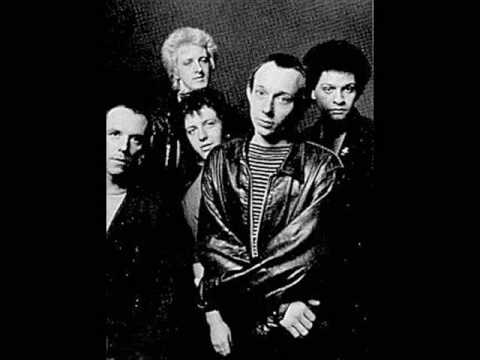

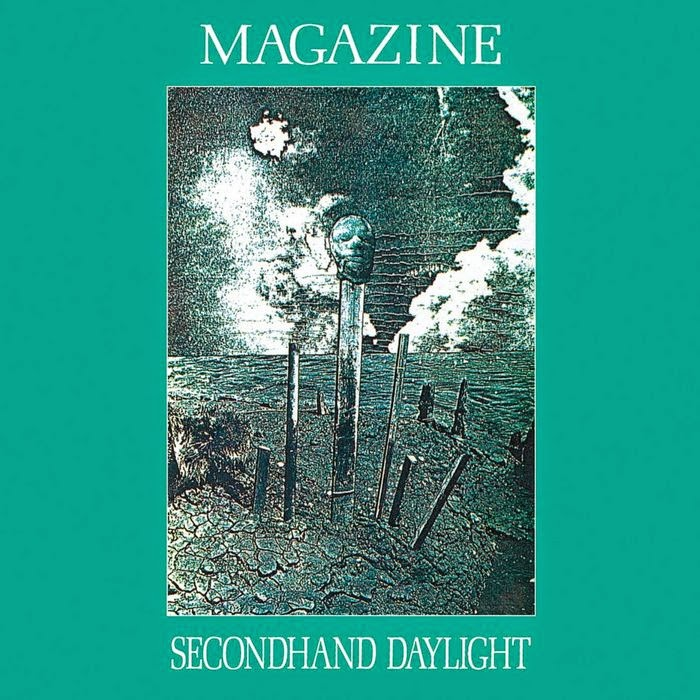
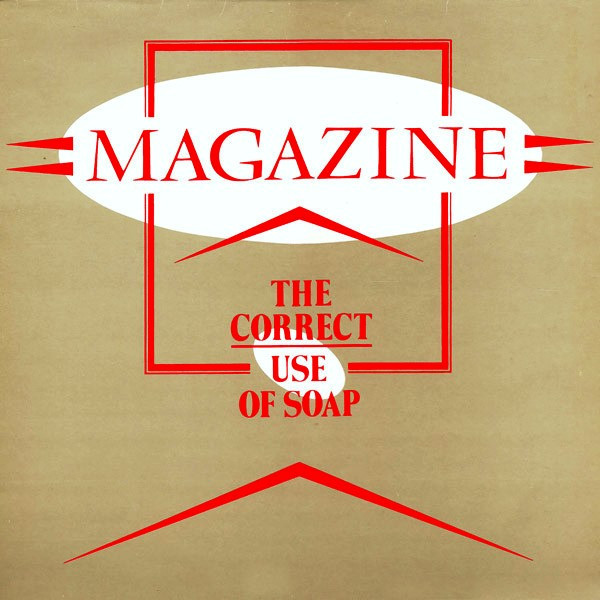
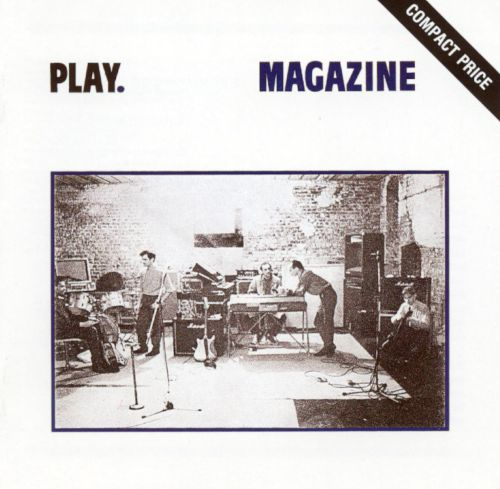
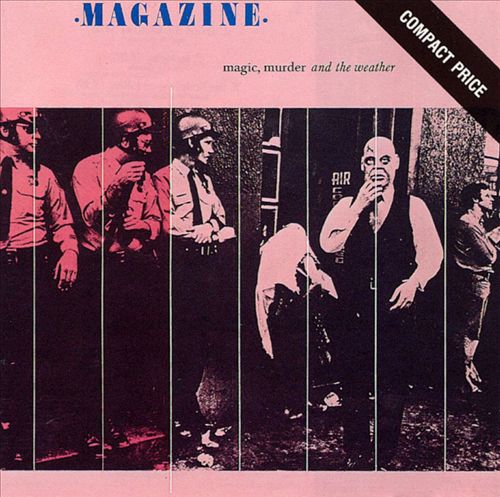


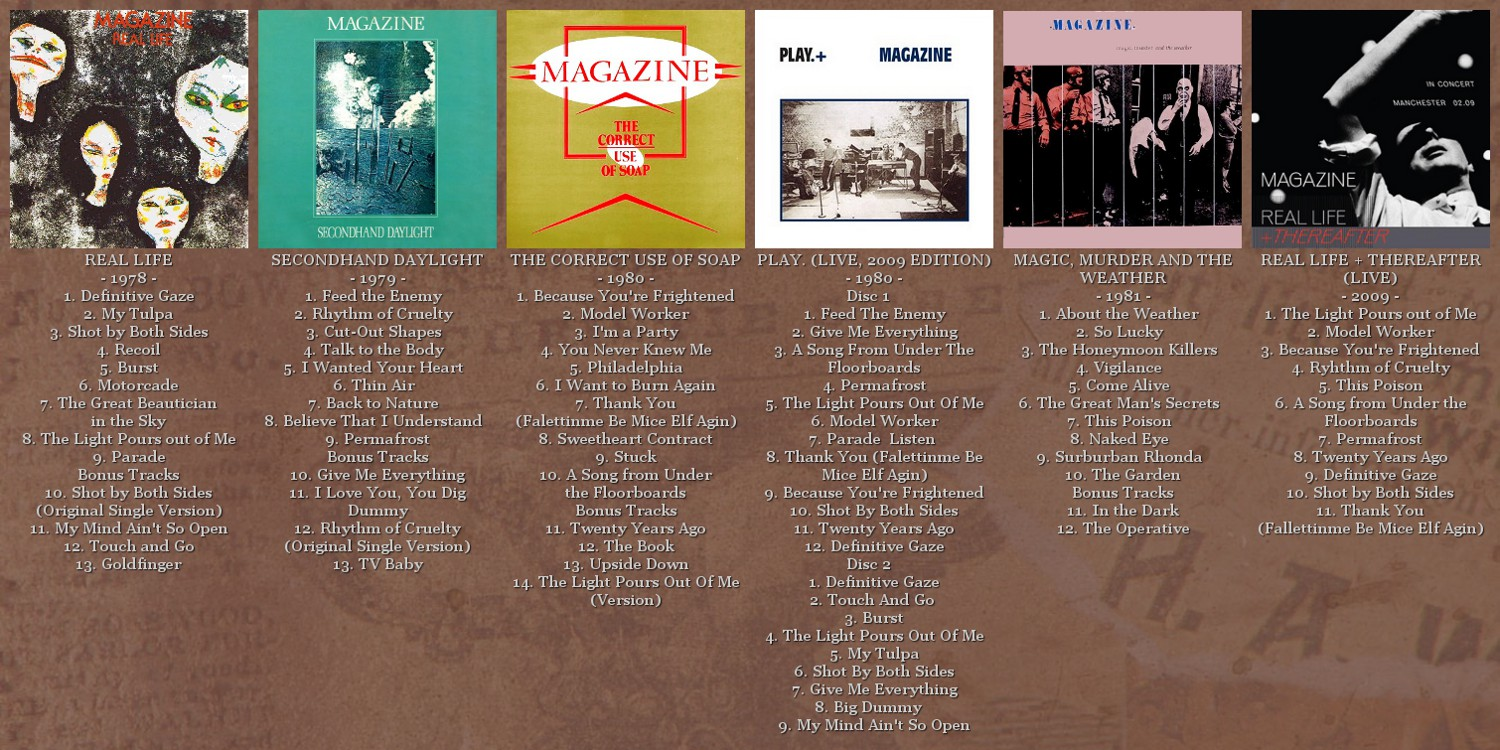


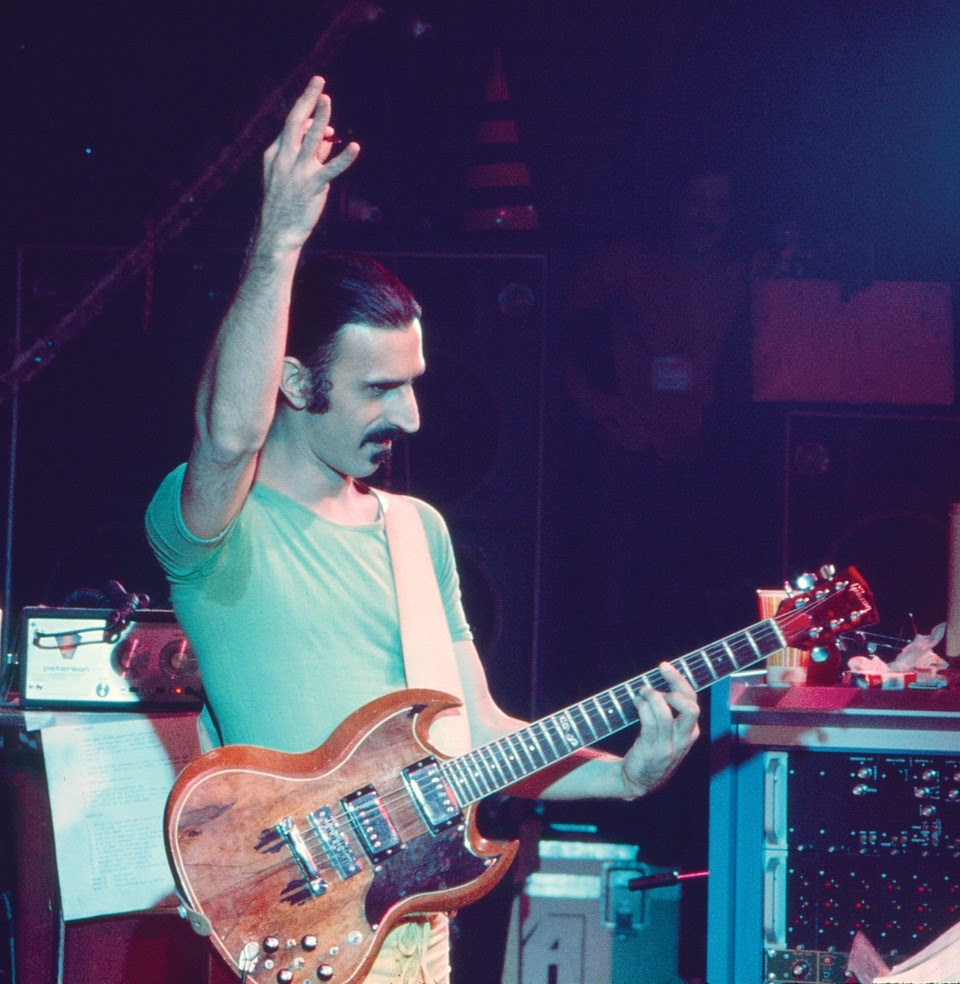 Photo by Gail Zappa


