Burger Records is proud to announce the digital release of our massive compilation ‘QUARANTUNES: Songs From Self-Isolation’ on Thursday, April 16th at 6:00 p.m. PST. ‘QUARANTUNES’ is a 7-volume series featuring over 140 different artists with all songs written and recorded by the artists over the past three weeks.
All funds from sales of individual tracks and compilation volumes will go directly to the artists. Furthermore, Burger Records will be covering all fees associated with posting and selling the music to maximize the amount artists make. We came up with the idea for the compilation as a way to help artists earn money with their music while they are unable to play live and make the best of a bad situation in difficult times. Executed in true over-the-top Burger style, ‘QUARANTUNES: Songs From Self-Isolation’ is a DIY music event and an audio time capsule of one of the strangest and scariest periods of modern history.
Each track in the QUARANTUNES: Songs From Self-Isolation compilation will be available for purchase on Bandcamp for $2.00. ‘QUARANTUNES’ volumes 1-7 will be available to purchase for $20.00 each.
released April 16th, 2020
All songs unreleased, recorded during lockdown and about this whole crazy situation we’re all in. #stayhome #staysafe.
Burger Records is a 100% family owned n operated rock n roll philanthropic quasi-religious borderline-cultish propaganda spreading group of suburban perma-teen mutants releasing rare to well-done records n tapes since 2007!!!,
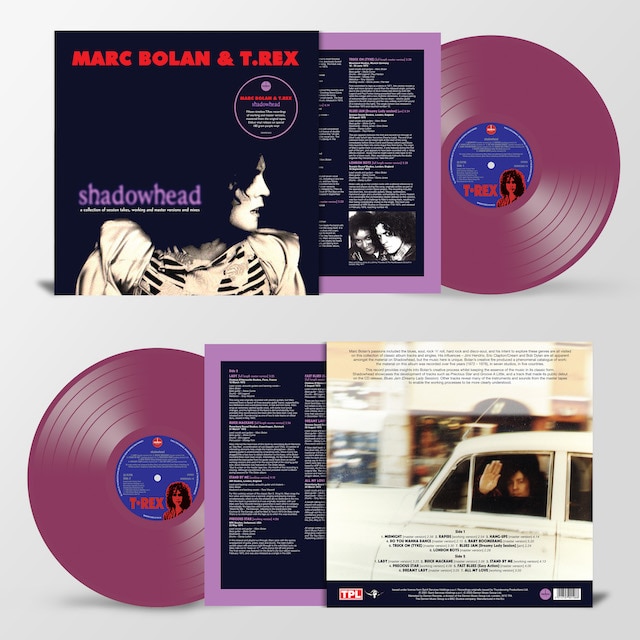
Marc Bolan’s passions included the blues, soul, rock ‘n’ roll, hard rock and disco-soul, and his intent to explore these genres are all visited on this collection of classic album tracks and singles. His influences – Jimi Hendrix, Eric Clapton/Cream and Bob Dylan are all apparent amongst the material on “Shadowhead”, but the music here is unique. Bolan’s creative fire produced a phenomenal catalogue of work: the material on this album was recorded over five years (1972 – 1976), in seven studios, in five countries.
This record provides insights into Bolan’s creative process whilst keeping the essence of the music in its classic form. Shadowhead showcases the development of tracks such as Precious Star and Groove A Little, and a track that made its public debut on the CD release, Blues Jam (Dreamy Lady Session). Other tracks reveal many of the instruments and sounds from the master tapes to enable the working processes to be more clearly understood.
This release marks the first time that this collection has been issued on vinyl. ‘Shadowhead’ is a collection of previously unissued session takes, working and master versions and mixes.
The Yardbirds are an English rock band that had a string of hits in the mid-1960s, including “For Your Love”, “Over Under Sideways Down” and “Heart Full of Soul”. The group is notable for having started the careers of three of rock’s most famous guitarists: Eric Clapton, Jeff Beck, and Jimmy Page, all of whom were in the top five of Rolling Stone’s 100 Top Guitarists list (Clapton at No. 2, Page at No. 3, and Beck at No. 5).
A blues-based band that broadened its range into pop and rock, the Yardbirds had a hand in many electric guitar innovations of the mid-1960s, such as feedback, “fuzztone” distortion and improved amplification. Pat Pemberton, writing for Spinner, holds that The Yardbirds were “the most impressive guitar band in rock music”. After the Yardbirds broke up in 1968, their lead guitarist Jimmy Page founded what became Led Zeppelin.
The bulk of the band’s most successful self-written songs came from bassist/producer Paul Samwell-Smith who, with singer/harmonica player Keith Relf, drummer Jim McCarty and rhythm guitarist/bassist Chris Dreja, constituted the core of the group. The band reformed in the 1990s, featuring McCarty, Dreja and new members. The Yardbirds were inducted into the Rock and Roll Hall of Fame in 1992. They were included in Rolling Stone’s list of the “100 Greatest Artists of All Time”, and VH1’s “100 Greatest Artists of Hard Rock”.
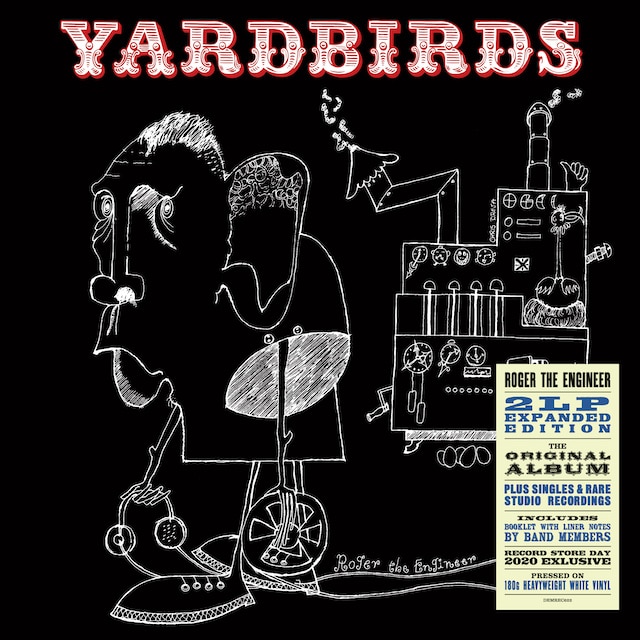
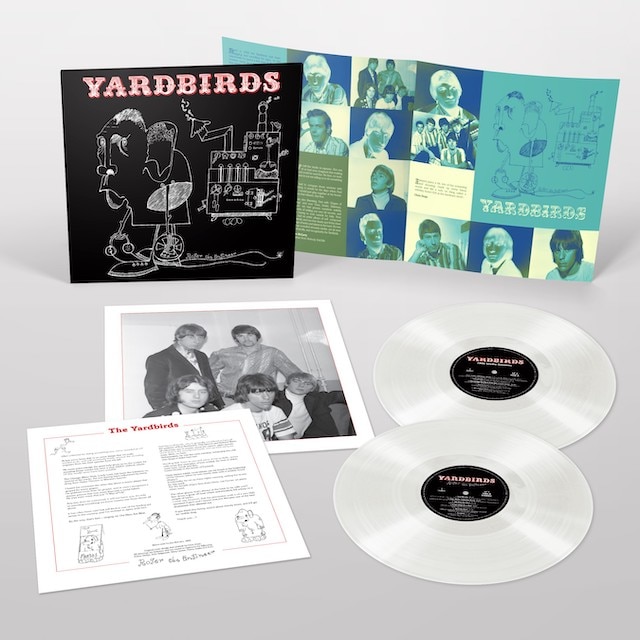
Available exclusively to RSD2020, ‘Roger The Engineer’ is the 1966 studio album by The Yardbirds. Featured in both Rolling Stone‘s list of the ‘500 greatest albums of all time’ and Robert Dimery’s book 1001 Albums You Must Hear Before You Die. Recorded by the classic era line up of Jeff Beck, Keith Relf, Jim McCarty, Chris Dreja and Paul Samwell-Smith, the band began exploring new sonic territories, pushing their blues-rock sound into the realms of avant-garde, psychedelia and Indian music.
This newly expanded edition includes the classic studio album on LP1 and a collection of 1966 rare studio recordings on LP2, housed together in an alternate sleeve inspired by an ultra-rare 1966 EP cover. Among the highlights are the vocal track from “Ever Since The World Began” and an earlier version of “Farewell,” both of which are previously unreleased.
Nearly four years after Prince’s passing, The Artist’s work still lives on. Next Tuesday, on the anniversary of his passing, CBS will air a tribute concert recorded earlier this year, and Legacy Recordings’ next wave of CD and vinyl reissues, covering The Rainbow Children and One Nite Alone… eras, will release next month after being delayed due to the COVID-19 situation.
Now, ahead of the planned release date of the new Up All Nite With Prince box set, The Prince Estate has surprised fans with the first commercial release of four tracks taken from the DVD included with the set, Live At The Aladdin Las Vegas.
Recorded at the end of 2002 and featuring the same loose, funky vibe as the sets heard on One Nite Alone…Live!, Live At The Aladdin Las Vegas featured tracks from The Rainbow Children (“The Work Pt. 1,” “1+1+1 Is 3,” “The Everlasting Now”), a handful of choice covers (James Brown’s “Pass The Peas,” Led Zeppelin’s “Whole Lotta Love”) and some deep cuts from Prince’s already voluminous discography.
It’s that latter category that gets center stage on the Live At The Aladdin Las Vegas Sampler EP (which was originally issued as a radio promo to coincide with the DVD’s original release in 2003). Here, you’ll hear horn-infused versions of “Pop Life” (from Around The World In a Day)and “Strange Relationship” (from Sign “O” The Times), plus “Gotta Broken Heart Again” (from 1980’s Dirty Mind) and the heartrending “Sometimes It Snows In April,” the closer to 1986’s Parade.
In other Prince news, the estate has posted this lovely tribute video featuring fans and footage of the Minneapolis area, set to The Artist’s “Gold.”
Prince, Live At The Aladdin Las Vegas Sampler (NPG/Legacy, 2020 – originally released as NPG/Hip-O 12/15/2002
Earlier this spring, Fiona Apple let loose some much pined-for information regarding her eagerly awaited new album, via an extensive interview with The New Yorker. The new record (with a still unannounced release date) is called “Fetch the Bolt Cutters”, taken from a Gillian Anderson quote. “Really, what it’s about is not being afraid to speak,” Apple said in the profile. As it turns out, Apple has never been afraid to speak throughout her 25-year career. She has repeatedly divulged and desecrated the rumors and gossip surrounding her public persona, but instead of doing so in the press, she usually prefers to address those matters in her music (except for the occasional, incredible public outburst, like her famed acceptance speech at the 1997 MTV Video Music Awards, or, more recently, her spur-of-the-moment interview with Vulture). But take away all the noise, all the speculations about what she’s up to and when she’ll release something next, and Fiona Apple is still one of the most innovative artists to have walked the earth in the last three decades.
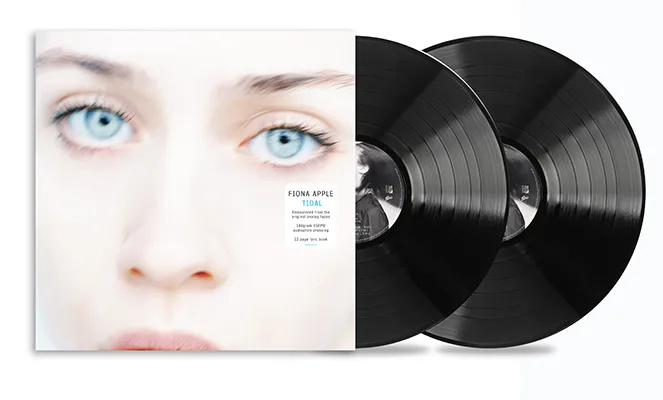
After writing her debut album, “Tidal”, when she was 17, Fiona Apple was painted as an ingenue – but she dispelled any impressions that she was an innocent just as fast as she emerged. As a classically trained pianist, her acerbic, songwriting nonetheless resists convention, pulling in off-kilter percussion and woodwind to explore the outer reaches of what might otherwise be reduced to “adult contemporary”. Her singular approach to rhythm and instrumentation sometimes verges on vaudeville. But she is best-loved for her lyrics (and her voice), betraying a self-knowledge – and sometimes a bitterness – beyond her years, and honesty sometimes to a fault. “When I have something to say, I’ll say it,” she has said. Apple was 19 when she released her debut album, after a demo tape wound up in the hands of producer Andrew Slater via his babysitter; it went on to go triple platinum.
She has released four near-perfect albums, and she continually pushes the boundaries of what it means to be a pop artist. These days, the 42-year-old rarely leaves her house in Venice Beach, Calif., but for those of us in the outside world, her music remains a sort of salve to the chaos that has unfolded since the most noteworthy moments of her career. In anticipation of the new music and celebration of what she has already accomplished, we took a look back at some of Fiona’s best songs.
You have to be careful with “Sleep to Dream,” because it unlocks unparalleled female energy. Rhythmic vocals act like an incantation over an aggressive drumbeat, which Apple punctuates with: “You say love is a hell you cannot bear, well then give me mine back and then go there, for all I care.” If you haven’t yelled those lyrics, you should give it a go. The chorus doesn’t let up the sentiment, though a string accompaniment does help put Apple (and us) in a triumphant posture above the righteous anger: “Don’t forget what I told you, don’t come around, I’ve got my own hell to raise.” The verse then goes right back into that tumbling, insistent, almost spoken-word declaration of brilliantly-crafted hard truths about someone you have been long ready to excise from your life. Do so! And then exalt, middle fingers in the air: “Just go back to the rock from under which you came, take the sorrow you gave and all the stakes you claimed … and don’t forget the blame!”
From the first few majestically unhinged notes to the devilish alto chorus of Fiona Apple’s biggest hit, “Criminal” is as masterful as anything in her discography—and she recorded it when she was just 19. The song recently made a buzzy and beautiful resurgence when Jennifer Lopez impeccably pole danced to it in the 2019 film Hustlers, but we didn’t need an immaculate strip-tease routine to remind us this song is just dripping in sexuality (but it is, truly, one of the most memorable moments in the movie, or any movie that came out last year, for that matter!).
The first two lines in the song are “I’ve been a bad, bad girl / I’ve been careless with a delicate man,” and while we don’t condone sex as a means of power manipulation, we do condone Fiona Apple clowning on any lousy guy she pleases. Ultimately, this song is about sex and love and good and bad and guilt and responsibility, but it could be about anything and we’d still listen to that honeyed-barrel-of-a-voice that Apple possesses and first wields remarkably well here.
There’s something so sensual about the consummation of a first kiss. For Fiona, it’s primal, an evolutionary truth marked by dominance and consumption. In a wonderland of keys, a dizzyingly repetitive piano chord competes with vibraphone, somehow growling with unexpected violence, and, for a moment, it feels so damn comforting to be caught in the rituals of first contact, as bestial and scary as they can be. It’s what Fiona excels at—a vulnerable reconstruction of patterns we all notice in ourselves. “The First Taste” is shocking even 20 years later in its brutal, fragile, undisguised perspective on sexuality. Fiona, as usual, is nervous but willing to burst our placid fantasies and expose them for what they are: a continual role play of a dangerous game.
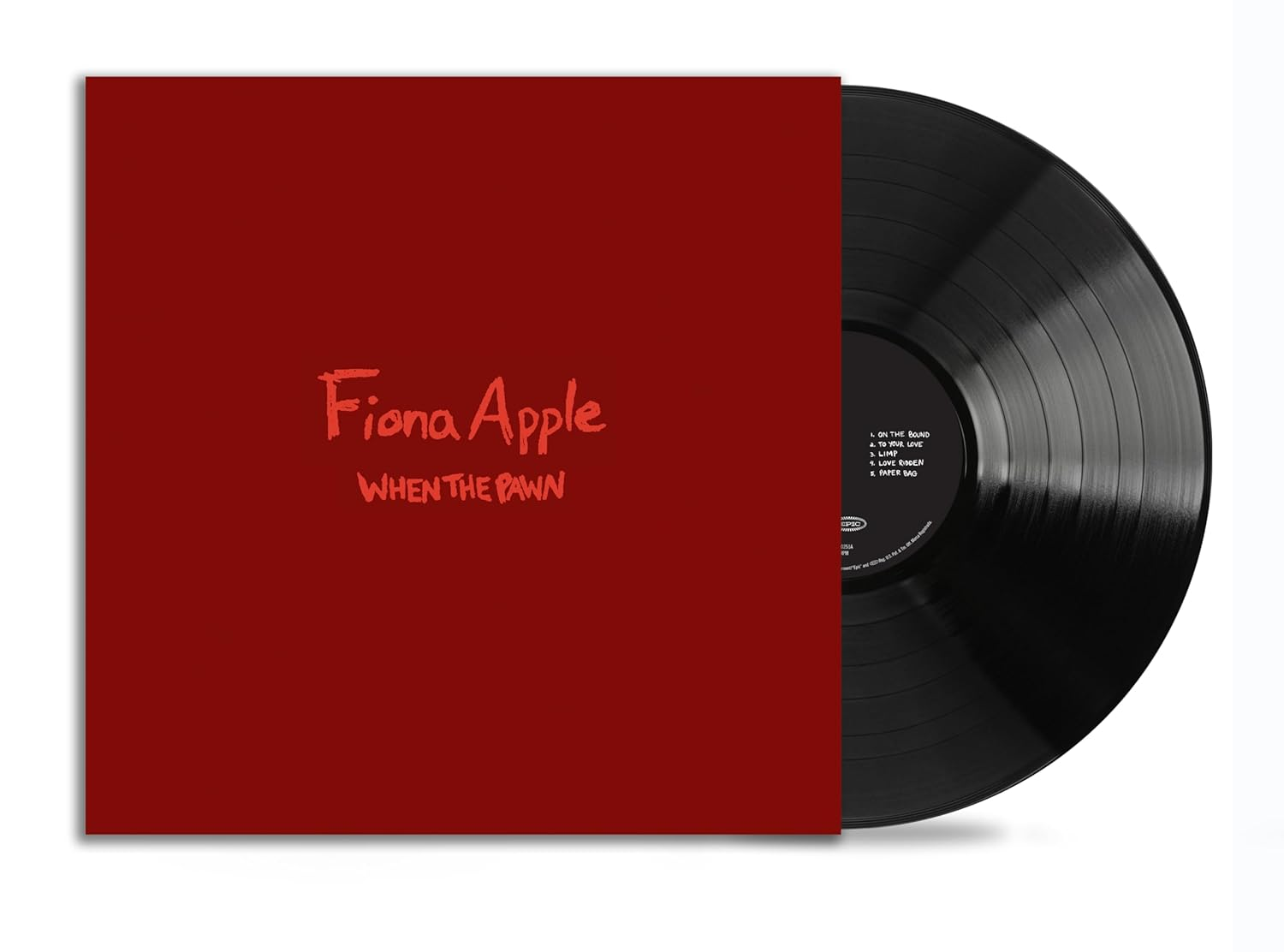
Those Drums. Those Keys. The intensity of this song’s intro paired with a series of fast-talkin’ warnings gives “Fast As You Can” its overall feeling of urgency, something Fiona Apple has excelled at from “Tidal’s” rumbling lead-off track “Sleep to Dream” all the way to the see-sawing “Periphery” on “The Idler Wheel”…. Released somewhere in the middle of Apple’s high-profile relationship with Paul Thomas Anderson, this song immediately fell victim to hearsay. It’s hard to listen to the song today without thinking about the Apple/PTA junction, a fiery partnership between two creators who never figured out how to tame the wild love that’s so acutely described in “When The Pawn”…The unwieldy, 90-word title of “When the Pawn” … is infamous, but Apple’s second album is a perfectly-formed whole, running the gamut from rage to regret in just under 45 minutes. Produced by Jon Brion, with artwork and videos by Anderson (Apple’s partner at the time), it featured Apple as sole songwriter on all 10 tracks, written following her fall from favour with the music industry. Apple met anticipation for her first new music in nearly a decade with her most stripped-back album yet: sparse and purposeful, with the electronic tilt to her past work notably absent. The Idler Wheel is almost a folk-country record, and finds the 34-year-old older, wiser and more ready to take responsibility for turbulence in her relationships than she had been in the past.
With “When the Pawn” …, she returned deliberately and defiantly, on her own terms. The lurching piano of opener “On the Bound” sets the tone, Apple breathing nimble smoke rings in the verse (“Hell don’t know my fury”) before erupting into flames with the chorus (“You’re all I need”). Through defiance (A Mistake, Limp) and desperation (To Your Love), she comes to something approaching acceptance with I Know, her voice bruised and beautiful over brushed drum and double bass.
The song is a perfect snapshot of those feelings, as well as a rousing anthem for anyone who’s ever felt tired and trapped in a relationship. Remove the gossip and noise from the equation, and it’s just a timeless banger—the best one Fiona Apple has ever released
The conflict of Fiona’s music often oscillates between what she wants and what she thinks is possible. “Never Is A Promise” finds safety in fatalism. At just 19, Fiona understands what she thinks to be her place, the order she can’t upset lest she never finds peace again (“I realize now what I am now too smart to mention to you”). Fiona’s writing can take a sinister turn at the drop of a hat, though—the girlishness of her pianos and violin can sour, adopting vicious grit in their too-loud, too-forceful delivery. Even when lost in a whorl of depression, Fiona is sober enough to point out the empty promises of empathy assured by lovers, family, strangers. It’s what makes her music eternally relatable; she’s unafraid to appear resentful for us, and live on in righteous spite.
This song’s title gives its mood away even before the somber keys do. It’s a downer, to be sure, but it doesn’t feel like useless spiraling. This is a productive sadness. Apple takes a few moments on her debut album to sulk and stare aimlessly ahead, having herself a metaphorical cleansing cry and a bout of self-pity before picking things back up again on the very next song, “Shadowboxer.” She says it best: “It’s calm under the waves / in the blue of my oblivion.” Sometimes a moody hiatus is just enough to get you feeling back to normal.
The most successful of Apple’s covers, of a stylish repertoire (mostly from live sets) taking in Sinatra and Hendrix, is her take on the Beatles’ Across the Universe, recorded for the Pleasantville soundtrack in 1998. Still her second-most-streamed track on Spotify behind “Criminal“, it is far from a deep cut, but her take on such a familiar (and – relatively for Apple – friendly) song foregrounds the molasses quality of her voice and her distinctive approach to instrumentation. The descending woodwinds after “nothing’s gonna change my world” are especially lovely.
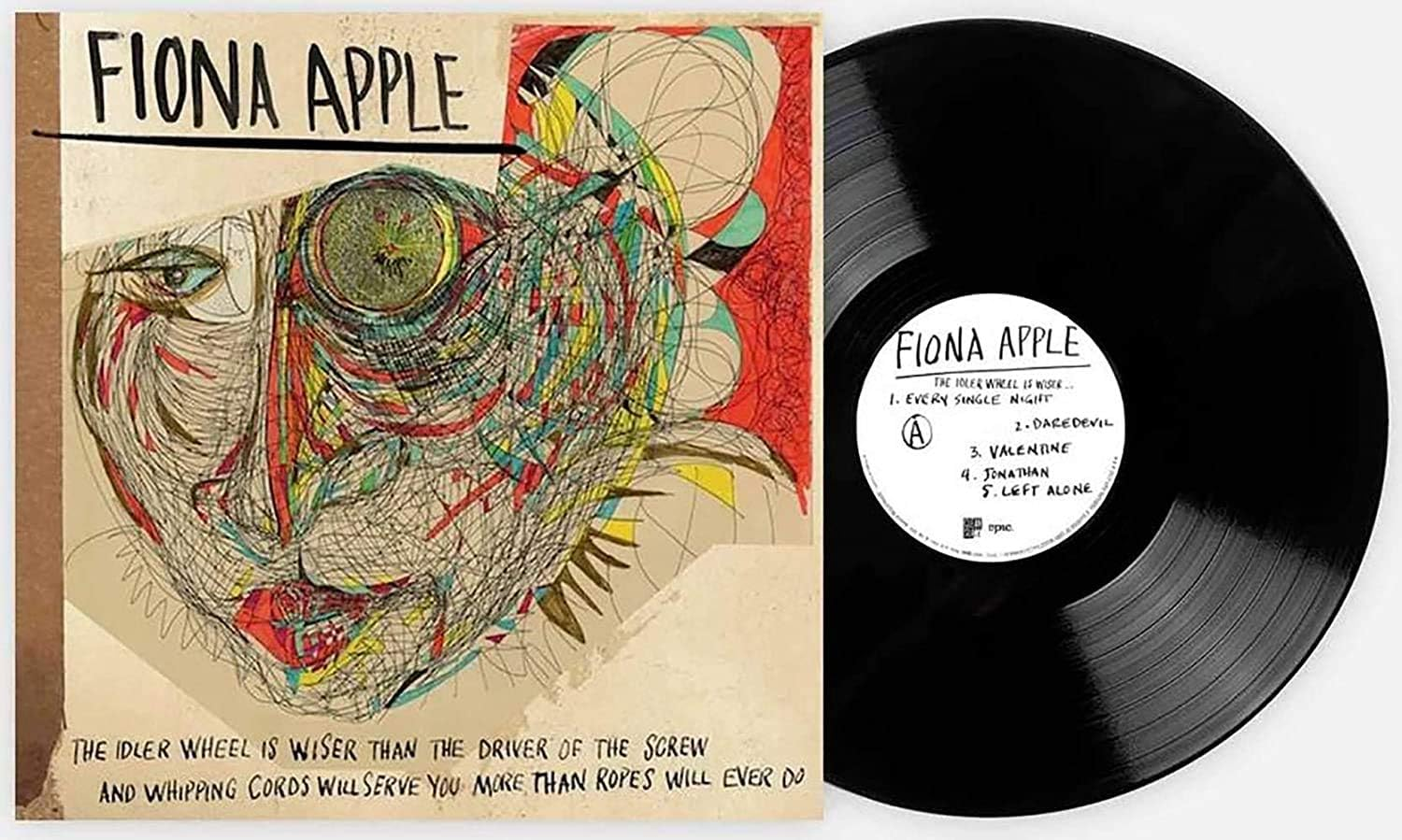
Hardly prolific at the best of times (four albums in what will be 23 years in 2019) Fiona Apple’s last one, The IdlerWheel, (the short form of a full title that is 23 words long) is itself seven years old this year, which was also the gap between albums three and four.
With a rumbling piano-based start featuring Apple’s distinctive timbre, “Shadowboxer” moves along a soulful jazz rift as it describes the disorientation of a complicated relationship. There is naturally a lot of angst here, building alongside strings that enter hesitantly as the vocals turn accusatory. But like many of Apple’s best songs, all of this breaks through to a cathartic chorus, relaxing somewhat with the defiant and weary admission, “I’m a shadowboxer baby / I wanna be ready for what you do / And I’ve been swinging around me / ‘cause I don’t know when you’re gonna make your move.” You can feel the exasperation, especially when she leans into an emphasis on the vowels in “swinging” and “around,” which leaves a dizzying impression. “Shadowboxer” is a showcase of Apple’s vocal and emotional range, and a prime example of why her songs continue to resonate.
Katy Perry could never. Before there was ever a whimper of “Do you ever feel like a plastic bag?” Fiona Apple was singing this sweet and sultry song about a fleeting glimmer of papery hope. She sings the melody with a sly, Regina Spektor-ish curve—almost like a dark bar piano tune. But this is no cabaret solo. “Paper Bag” is, plainly, about one woman’s isolation in the wake of desolated relationship, one that crumbled because he was a weak “little boy” and she was “a mess he don’t wanna clean up.” But she hungers for him anyways, and the endless cycle of craving, satisfying, starving repeats itself once more.
The reclusive and sometimes emotionally-challenged Apple is known to write only when she wants to and when she feels she has something to say. Since “The Idler Wheel” she has limited herself to occasional film and advertising score writing, backing vocals, a one-off collaboration with Andrew Bird and occasional appearances at her local venue Largo, in Los Angeles while she recovered from a digestive problem that had reduced her to a living skeleton.
“The Idler Wheel”…, Fiona Apple’s most recent album but released back in 2012, is full of strange and spooky soundscapes. The kooky vamping on “Periphery” may just be my favorite. Apple’s dedicated anthem to the fringes is a rare moment of lightheartedness on the record (or in any of her records, for that matter) and features shredding percussion and bouncing piano, but it’s still a biting shutdown in the end. “You let me down / I don’t even like you anymore at all,” Apple sings at one point. Even when she’s being silly, Fiona’s always working an ulterior motive.
Undoubtedly one of the most intensely sexual and purely thirsty songs in Fiona Apple’s catalogue (and that’s saying something), “Hot Knife” is a miraculously strange and uniquely specific rendering of sexual tension. The constant pit-patting of the booming timpani drum acts like a metronome as Apple repeats, with increasingly frantic energy, that same oily verse over and over: “If I’m butter, then he’s a hot knife.” Apple’s sister Maude eventually joins in with backing vocals, and they begin to sing in the round. Apple says what’s on her mind loud and clear over tip-toeing keys: “He excites me / Must be like the Genesis of Rhythm / I get feisty / Whenever I’m with him,” she sings. This Idler Wheel… highlight remains one of the most memorable songs Apple has ever created.
The Idler Wheel… was Fiona’s third big comeback, and until the recent announcement of Fetch the Bolt Cutters, the longest period between her studio releases. Even after seven years, she still had it, releasing what is arguably her best album since Tidal.“Every Single Night,” the album’s sole single, twinkles with a childish fear, heralded by the equally delicate timbres of her frequently used marimba and a less used celesta, which is perhaps most recognizable on “Dance of the Sugarplum Fairies.” Fiona’s description of her anxiety manifesting is detailed with razor-sharp precision (“These ideas of mine / Percolate the mind / Trickle down the spine / Swarm the belly, swelling to a blaze”), in direct juxtaposition against her heroic struggle against depression’s stagnancy. If Fiona’s music could be described by its characterization, she’d be a brave soul responding to her own cowardice. Her strength, in response to her knee-buckling fear, is laid bare by a central tenet, a refrain that could very well summarize her work up until this point: “I just wanna feel everything.”
Looking much healthier and happier now she made a series of fan videos in 2018 and in one of them revealed that she was working on new material. That’s the only clue we have but then The Idler Wheel was only disclosed in an off-the-cuff remark by the CEO of Epic Records shortly before its release. That’s how it is with Fiona. And as her fans know, she has history where album releases are concerned, having held back her third album, Extraordinary Machine, in a row over production standards.
After long delays, Apple’s third album made its inauspicious debut unfinished on file-sharing sites; it was officially released months later and named album of the year by many outlets. Co-producer Brian Kehew has said Apple’s lack of clear vision was one factor in the hold-up (along with a micromanaging record label), and that comes across in the finished product. “Extraordinary Machine” is Apple’s most experimental record, as well as the most sonically rich.
Maybe it’s just me, but “I could liken you to a werewolf” is Fiona’s cleverest use of wordplay to date. “Werewolf” is defiant all the way down, from Fiona’s subtle gestures to her own hand in her relationship’s failure (if he’s a werewolf, she’s a full moon: instigating, yet passive) to this plea, which seems like a convenient deflection: “Nothing wrong when a song ends in a minor key.” To prove her point, she does just that. Catharsis doesn’t have to end happily. Discordance can be just as satisfying, depending on the type of comfort you’re looking for.
Many songs throughout Fiona Apple’s discography could be described as hungry for something: sex, love, isolation, escape, revenge. The sonically busy, thematically cocksure “Limp” is perhaps most hungry for the truth. This unmistakable tale of a parter who can’t quit the gas-lighting game is consistently angry—and rightfully so. This “man” who Apple warns of throughout the song may have spent a considerable amount of time emotionally torturing her, but, before long, she’ll up and leave him with nothing but his own hand for pleasure: “It won’t be long till you’ll be lying limp in your own hands,” she spits with a vengeance. No one does rage and underhanded revenge with quite as much finesse as Fiona.
Just when you think you know what to expect from a Fiona Apple song, she goes and sounds off a church bell. The opening title track from Apple’s third album “Extraordinary Machine” sounds like both a deleted Norah Jones demo and a slapstick solo that might occur at the first half of Act II in a Broadway show (featuring most of the orchestra’s woodwinds, too). This album arrived after a long six-year intermission since 1999’s When The Pawn…, and as if to tease us for our impatience, Apple fills us in on what she was doing in the meantime right away: “I certainly haven’t been shopping for any new shows / And I certainly haven’t been spreading myself around,” she sings. As it turns out, these informational verses were only a harbinger of long waiting periods between albums to come. Fiona Apple mostly remains an unhurried recluse, but at least the wait’s always worth it.
“Extraordinary Machine” consists of some of the more subtle Fiona Apple songs—if there even is such a thing as a “subtle” Fiona Apple song. But “Please Please Please,” falling at number nine in the tracklisting on the 2005 release, is just what it sounds like: a plea, and a pretty non-straightforward one at that. It’s a kind of whirling, all-encompassing prayer, one that feels eerily timely right now in this age of separation and isolation. “Please please please / No more maladies / I’m so tired of crying / You’d think I was a siren,” Apple sings. Sound familiar? While this delightful song probably had something to do with Apple’s public image and her struggles surrounding it, now it just sounds like a coronavirus anthem: “Give us something familiar, something similar,” she goes on to sing. “To what we know already / That will keep us steady.” She had to be referring to binging sitcoms on Netflix during a pandemic, right? Obviously not, but it feels pretty dang clairvoyant.
Apple is recognised as one of the (possibly the) greatest musical and lyrical talents of her generation, certainly one who lays her soul bare more often, and more convincingly, than anyone else in popular music today, and one who knows exactly what performance art means. And yet she is still unknown to many. Having written songs since was she eight Apple is still only 41 though. There is time yet to put that right.
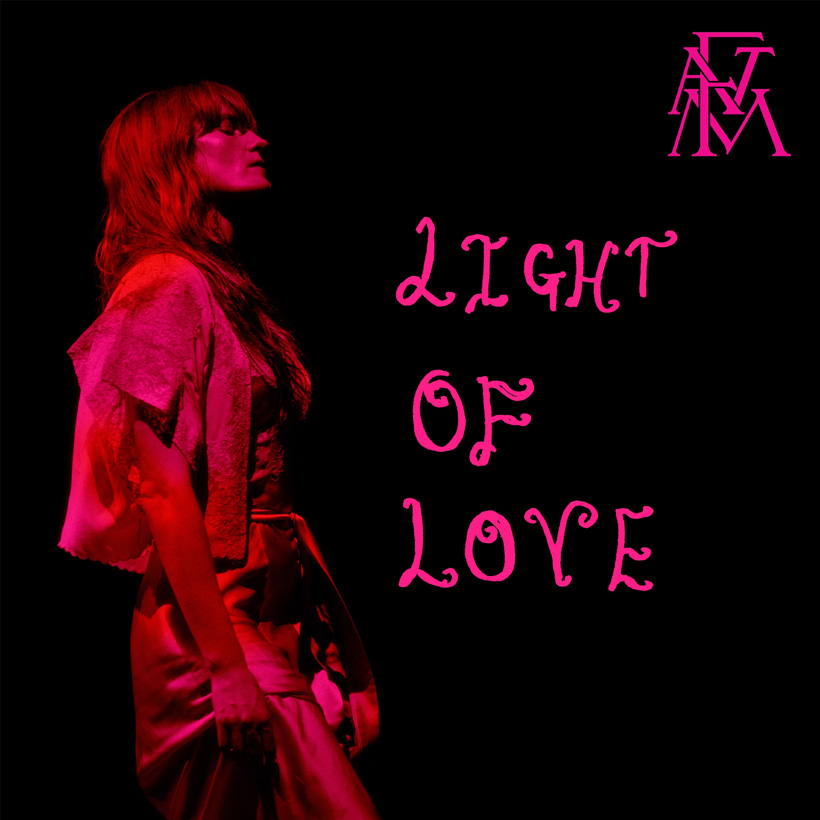
From the midst of lockdown in South London, Florence Welch has issued the previously unreleased song ‘Light Of Love’. Originally recorded for Florence + the Machine’s most recent album “High As Hope”, it’s a soothing sonic balm to help heal anxious spirits and you can check it out below.
Welch said of the track: “’Light Of Love’ never made the record but I thought it would be nice to share it with the fans at this time of uncertainty, and could be a good way to raise awareness for the Intensive Care Society COVID-19 Fund. And to show my love, respect and admiration to all those working on the front line of this crisis.
The song is about the world coming at you so fast and you feel like you won’t survive it, but in actually bearing witness to the world as it is, it’s really the only place you can be of service. I found so many ways to numb myself out, to hide from the world, and although waking up from that was painful, it’s never been more important not to look away, to keep an open heart even if it hurts, and to find ways to keep showing up for the people that need you. Even from a distance.”
Florence Welch will be donating all her income from ‘Light Of Love’ to The Intensive Care Society Covid-19 fund and welcomes fans to make a donation if they are in a position to do so.
Intensive Care Society is a charity which supports the incredible intensive care doctors, nurses and allied health professionals who are treating and looking after the sickest of patients, who are putting themselves at risk whilst working under immense pressure. This organisation are using any donations to fund mental health support for the professionals, patients and relatives affected by Covid 19, including the distribution of morale boosting wellbeing packages, food and essentials to Intensive Care Units, and providing support to the patients who survive and for relatives of those who have lost their lives.
Quicksilver Messenger Service – 1968 – The original band formed in 1965 featured revered lead guitarist John Cipollina, Gary Duncan (guitar), David Freiberg (bass), Greg Elmore (drums) – (with Jim Murray and Skip Spence added on guitars). Dino Valenti, who may have had a hand in the band’s formation, was arrested on marijuana possession and spent two years in prison. Spence left to drum on Jefferson Airplane’s debut album in 1966 and was co-founder of Moby Grape, and Murray left after the Monterey Pop Festival. Quicksilver Messenger Service was the best Acid Rock dance band of the 60s honing their skills at the Avalon Ballroom and Fillmore West.
Quicksilver Messenger Service eventually signed on with Capitol Records in 1967. The core group made only two albums together, its finest: “Quicksilver Messenger Service (1968), and “Happy Trails,” (1969) with stellar songs such as “Pride of Man,” “Dino’s Song,” “The Fool,” “Who Do You Love,” and “Mona.” Cipollina’s ravishing improvisations on “The Fool,” and “Who Do You Love,” for example, set him apart from most other guitarists of the late 1960s. If you ever saw the band live at the Avalon or Winterland, you know that Cipollina could slay you with his spires of tremolo. He had a unique tone that could not be duplicated… Duncan left in 1969 owing to substance abuse issues and general exhaustion and was replaced by ace British session man Nicky Hopkins who contributed masterful piano work on the band’s third and most successful album” Shady Grove,” (1970). Valenti and Duncan returned in 1970 playing on “Just for Love,” (1970) with Valenti taking lead vocal on Fresh Air,” the group’s biggest hit single, and “What About Me,” (1971).
After Cipollina and Nicky Hopkins departed later in the year, Quicksilver carried on with Duncan, Elmore, Valenti, and Freiberg, adding Mark Naftalin (Freiberg was replaced by Mark Ryan when the former was arrested for illegal possession of marijuana).
There were two less successful albums with this configuration: “Quicksilver,” (1971)) and “Comin’ Thru,” (1972). A reunion album “Solid Silver,” (1975) included Cipollina and Hopkins and a host of other Bay Area musicians. The band made one final appearance at Winterland in late December – Cipollina’s last hurrah with the band he founded. Quicksilver Messenger Service carried on for another four years before disbanding… But the band will be remembered for its first two albums – and the wonderful chemistry sparking Cipollina and Duncan’s sublimely beautiful guitar improvisations.
In 1967 – “Dino’s Song,” Live unreleased version recorded at the Fillmore. One of the finest, achingly beautiful, love songs ever written (by Dino Valenti), Originally on the band’s self-titled 1968 debut, one of the finest of the era. This band had few peers and it’s, always a delight to hear Gary Duncan and john Cipollina play in tandem. But a little sad now with their passing.
Sports Team have been one of our most played bands this year, but we’ve only mentioned them to you once. Now coming out in June, their debut album “Deep Down Happy” feels like the buzziest indie/alt album of the year, like some manic hybrid of Parquet Courts, Fontaines DC and Rolling Blackouts CF – only it’s filled with catchy riffs and academic but notstalgic nonchalance. There’s a reason these guys have sold out venues from Electric Ballroom to Kentish Town Forum with barely a couple of singles to their name.
They’ve been defined though by an increasingly cultish fanbase spawned from online community pages, making 1000s of memes, pieces of artwork and crucially turning up wherever Sports Team play – from the bands annual Margate trip (where many of the songs were written) to the living room of the group’s shared house, first in Harlesden, now Camberwell.Sessions for Deep Down Happy have been snuck in between huge tours at various London studios, including Konk and Livingston, with long-time collaborator Burke Reid (Courtney Barnett, Rolling Blackouts Coastal Fever) once again at the production desk. Having first worked together on the anthemic ‘Kutcher’ in 2018, the debut features Reid-produced singles ‘Here It Comes Again’, ‘The Races’ and ‘Fishing’ while also featuring a re-recording of early single and live favourite ‘Camel Crew’ – until now, only available on 2018’s Winter Nets.
Hey, Here’s my new album, it’s called “New Truth” New Truth is coming to terms with my deaf ear. It’s any new accepted reality. It’s the hilarious way I wore my hair for a week before cutting it away from my face.
The songs are as personal as ever–continued misadventures of an introvert in Hollywood. I think it’s relatable- heartache and epiphany- I hope people like it?
I’m singing lower sometimes, I always assumed I’d move back into my lower register, I finally have. Hard to get power that way, but I don’t sound like a little kid. I’ll have to practice singing them a lot, and it will be trickier to pull off live. I recorded this album with Kevin Ratterman, who is so fast, so patient, willing to try anything, and so much fun. It was important to me to have a good time while making it, and we did.
I played all the guitars on this record. I wanted to channel the freedom of the Home and Work EPs but recorded way better. I took solos! I played bass except Rachel Goodrich did the funkier two songs because her time is better than mine. The past couple albums were tracked live to tape with a rhythm section, so someone would quickly learn something great & close to my demo but not exactly. I wanted to play bass this time. Kevin set up his nice microphone at my place so I could do all my vocals alone while he was making another record. It’s the best way–much faster and more free to experiment by myself. Building harmonies on a whole album with an engineer can get frustrating, communicating between each take.
Ok I got to go take this little black dog on a walk. See you soon, Jenny O
As hugely inventive and successful as they were, 10cc can get overlooked in critics’ lists of acts that broke free from the moon-June rigidity of the pop format to bring a free wheeling sensibility to the charts. Indeed, asked to cite a pioneering British art rock act of the 1970s many would plumb for the more seriously minded Roxy Music, with perhaps Steve Harley’s Cockney Rebel coming a close second. But 10cc beat both bands hands down, if we can define success via chart statistics — 10cc scored three No.1 singles: ‘Rubber Bullets’ (1973), ‘I’m Not In Love’ (1975) and ‘Dreadlock Holiday’ (1978); and eight Top 10 hits between 1973 and 1977: ‘Donna’, ‘The Dean And I’, ‘The Wall Street Shuffle’, ‘Life Is A Minestrone’, ‘Art For Art’s Sake’, ‘I’m Mandy, Fly Me’, ‘The Things We Do For Love’ and ‘Good Morning Judge’.
There was substance behind their style and, following a modest start with their debut, 10cc, they had an impressive run on the UK album charts too with their next five LPs going Top 10 — Sheet Music(No.9), The Original Soundtrack(No.3), How Dare You! (No.5),Deceptive Bends (No.3) and Bloody Tourists(No.3). Unusually, all four members were songwriters, singers, multi-instrumentals and producers, which accounts for the abundance of ideas and styles on 10cc’s records. There was a rich textured brilliance to their sound, and many of their greatest moments were mini pop symphonies, dedicated if not to God, as Brian Wilson might have preferred, then at least to Art. Purely for its own sake, of course.
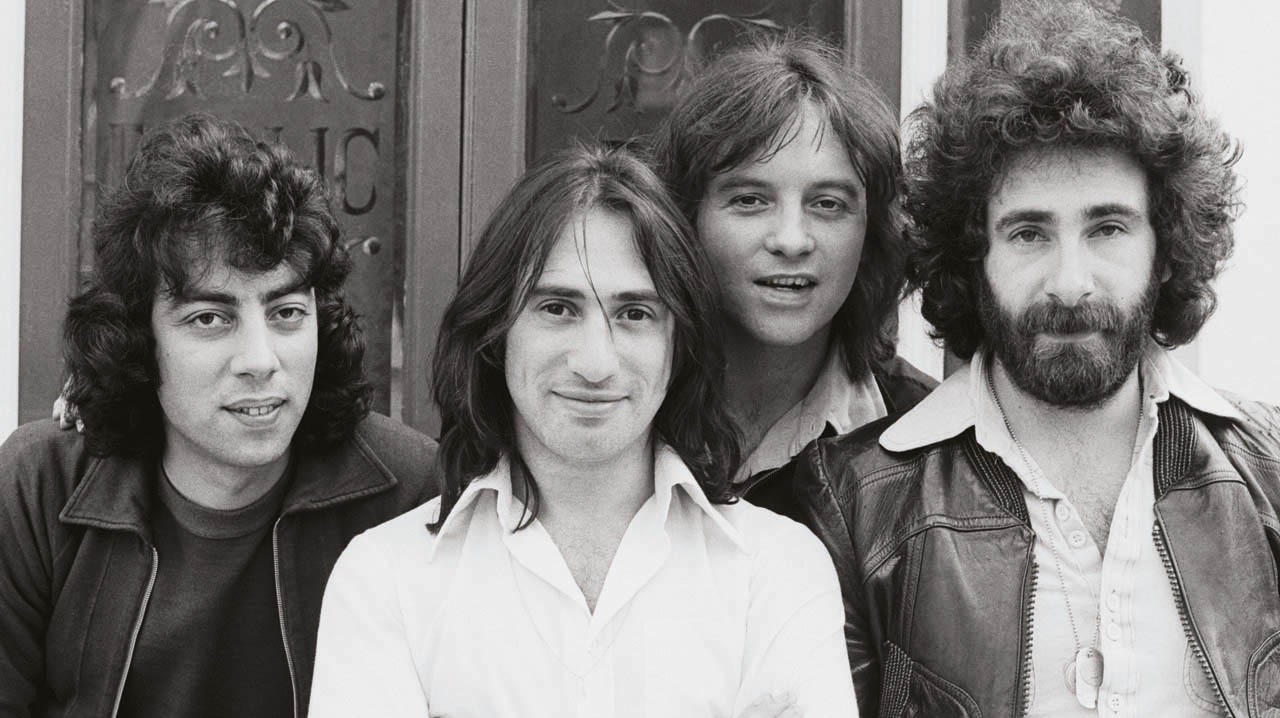
10cc comprised Eric Stewart, Graham Gouldman, Kevin Godley and Lol Creme — all hailing from the hotbed of musical talent that was the Greater Manchester area. The quartet just didn’t land with their pop wizardry out of nowhere of course, and each member had paid his dues in the 1960s, often achieving considerable success.
Eric Stewart had played guitar in Wayne Fontana and The Mindbenders. He co-wrote a couple of B-sides and assumed lead vocals for the post-Fontana ‘A Groovy Kind Of Love’, which hit No.2 on both sides of the Atlantic and sold a million copies.
Graham Gouldman was the frontman for The Whirlwinds and The Mockingbirds. Establishing himself as a songwriter, he supplied a string of hits for other bands, including ‘For Your Love’, ‘Heart Full Of Soul’ and ‘Evil Hearted You’ for The Yardbirds; ‘Look Through Any Window’ and ‘Bus Stop’ for The Hollies; and successful songs for Herman’s Hermits. In 1968 he joined Eric Stewart in The Mindbenders. A year later, Gouldman accepted an invitation from Jerry Kasenetz and Jeff Katz in New York to work as a staff writer at their bubblegum pop factory Super K Productions. It was here that the seed of 10cc’s musical vision was sown.
Gouldman brought Stewart plus friends Kevin Godley and Lol Creme into the fold by suggesting that the Englishmen could create commercial nuggets cheaper than local New Yorkers. By this time Gouldman and Stewart had invested their royalties into their own Strawberry Studios, based in Stockport, Greater Manchester, and so could keep recording costs to a minimum. Kasenetz and Katz agreed to the venture, block-booking Strawberry for three months in late 1969.
Art school graduates Godley and Creme had known each other, and Gouldman, since the rock’n’roll Fifties, when they’d all rehearsed their various teenage bands at the local branch of the Jewish Lads Brigade — think The Smiths’ Salford Lads Club with an ethnic twist.
In 1968 Godley and Creme recorded a single of psychedelic whimsy, ‘Seeing Things Green’, showcasing the Creme falsetto that became so familiar in 10cc, under the preposterous name Yellow Bellow Room Boom. A year later they cut ‘I’m Beside Myself’ for Giorgio Gomelski’s Marmalade label at Strawberry Studios, under the equally absurd moniker Frabjoy and The Runcible Spoon.
Once on the Super K payroll the Brits factory-farmed a healthy supply of pop froth, working in various different styles, forging the all-rounded pop template for 10cc. Godley: “It was really like a machine. Twenty tracks… We used to do the voices, everything… even the female backing vocals.” Their efforts resulted in a run of 45s that Kasenetz and Katz issued under several different names including Crazy Elephant, whose ‘Gimme Gimme Good Lovin’ ’ made No.12 both in the UK and US.
When Gouldman returned to New York to work out his Super K contract the remaining trio continued at Strawberry, and released a single, ‘Neanderthal Man’, under the name Hotlegs. This song, too, became a huge hit, eventually selling two million copies worldwide and reaching No.2 in the UK. A Hotlegs album “Thinks: School Stinks” followed later in 1971. There were some false starts, though. The single, ‘Umbopo’, released as Doctor Father, did nothing, and neither did their cover of Paul Simon’s ‘Cecilia’ issued as The New Wave Band.
Graham Gouldman returned from New York for more session work at Strawberry, and the quartet backed Neil Sedaka on his comeback album Solitaire (1972) and its follow up The Tra-La Days Are Over (1973). The flat fee they received for their efforts convinced the band that they should be concentrating on their own material.
They took their song ‘Donna’, inspired by Frank Zappa’s doo-wop pastiches and boasting a marvellous Creme falsetto, to pop entrepreneur Jonathan King, who singed the band to his label UK Records. King named them 10cc and ‘Donna’ shot to No.2 in Britain — followed by their first No.1, ‘Rubber Bullets’
Four fantastic albums followed, each brimming with pop invention and stylistic ingenuity, and 10cc became one of biggest acts of the Seventies, before the group divided in two, with Godley and Creme branching out as a duo, leaving Stewart and Gouldman to recruit new members. The band’s breakthrough years came in an era of outrageous stage costumes but there was no glitter or glam for 10cc and their was all in their music — in the very showiness of their writing, arrangements, production, and performances.
10cc (1973) set out the band’s stall as clever purveyors of wit, pastiche and melody, with the sounds of the 1950s updated to the Seventies via futuristic guitar effects and studio flair. Three hit singles, ‘Donna’ and ‘Rubber Bullets’ and ‘The Dean And I’, sit alongside the one the didn’t sell, the death-disc skit ‘Johnny Don’t Do It’, plus highlights such as ‘The Hospital Song’ and the more straightforward rocker ‘Speed Kills’. In the beginning, 10cc was created to experiment on the current state of pop music and on the debut album in 1973 it certainly pushed boundaries. The hooks are everywhere and although the band was often accused of being “too clever” lyrically, the gems are all over. The hilarious “Sand In My Face” remains a hoot. They upped the ante with the adventurous and idiosyncratic Sheet Music (1974) that many, including themselves, consider their best album. parodies of 1950’s Doo Wop with “Donna” and “Johnny Don’t Do it.” You want proof this album is still relevant over 30 years later? “Headline Hustler,” a commentary on the scandal-hungry media is more true today than it ever was. The combination of the four songwriters is best shown on “The Dean and I,” with both parody musical and melodic harmonies that would dominate later releases.
There is no pop album at that time that comes close to Sheet Music in terms of catchiness, musical and arranging brilliance, lyric cleverness, incredible vocals, and fun. Although you can start to see the Kevin Godley and Lol Crème’s distinctive sound emerge here on “Hotel”. Again, still relevant today! “Silly Love” is full of crushing riffs and horrible puns. They also didn’t take themselves serious as “The Worst Band in The World.”
There’s the No.10 hit ‘The Wall Street Shuffle’, the non-hit ‘The Worst Band In The World’. Paul McCartney and Brian Wilson influences abound and the variety of styles widens to take in reggae. ‘Clockwork Creep’ is a bizarre conversation between a bomb and a jumbo jet, and the poignant ballad ‘Old Wild Men’ introduces Godley and Creme’s effects device for the guitar, the ‘Gizmo’. about old rock stars and how would they still be playing around, on “dead strings and old drums.”
10cc moved to Mercury Records for The Original Soundtrack in 1975 on the strength of one song, ‘I’m Not In Love’, a dreamy multi-layered masterpiece that took the pop symphony idea to new heights. It was their second No.1 and their biggest hit in the States, peaking at No.2. This is the album where the entire world discovered 10cc due to the brilliant single which set the standard for lush production. Another slice of pop genius “Life Is A Minestrone” is a memorable gem.
Opening track ‘Une Nuit À Paris’ is even more ambitious: a suite in three parts, nearly nine minutes long and filled with multiple characters, some singing in a French accent becomes part of an elaborate radio operetta, as Godley and Crème’s vision dominates. The ‘Second Sitting For The Last Supper’ returns to the rock band format to deliver a lyrical tirade against organized religion, while lead single ‘Life Is A Minestrone’ fades in to recall the musical pulse of ‘Rubber Bullets’. But not every track shines as brightly (“Flying Junk”). The band begins to suffer from internal tension, and cracks are starting to show.
The rare and estimable ability to create both catchy, bitesize singles that sounded great on the radio, and sophisticated, ambitious album content, was never better illustrated than in the hands of 10cc. By the time they reached their third long player, The Original Soundtrack, that skill had become second nature to these four innovative British musicians. The album made its UK chart debut on 22nd March, 1975.
Produced as usual by 10cc themselves, the record would soon have the calling card of a typically amusing and irreverent hit single, ‘Life Is A Minestrone.’ Within a few weeks of that reaching No. 7 in the UK, clamour for ‘I’m Not In Love’ to be released as a swift follow-up led to that extraordinary ballad racing to No. 1.
The album itself showed 10cc in their most confident and expansive form to date, opening with the episodic Kevin Godley and Lol Crème composition ‘Une Nuit A Paris,’ all eight minutes and 40 seconds of it. For all of the band’s pop sensibilities, The Original Soundtrack contained some dark lyrical themes, addressing the pornography trade on Graham Gouldman and Eric Stewart’s ‘Blackmail’ and the drug trafficking industry on their ‘Flying Junk.’
Soundtrack debuted on the British album survey at No. 6 and spent its first ten weeks inside the top ten, peaking at No. 3 in the ninth of those, in May. It stayed in the top 40 all the way into October, reappearing intermittently until well over a year after its release. The LP’s aggregate of 40 weeks on the bestsellers remained the best tally of 10cc’s career.
The New Musical Express critic Charles Shaar Murray, notoriously ascerbic in much of his writing, was fulsome in his praise, marvelling at 10cc’s creative autonomy on The Original Soundtrack. “Once they scuttle into Strawberry Studios,” he wrote, “and get stuck into their composing, arranging, producing, engineering, overdubbing, compressing, mixing and so on and so forth, they mess your mind around a treat.”
How Dare You! (1976) was the watershed 10cc album, the last one to feature the artier half of the partnership, Godley and Creme. In musical terms, they left on a high, and the record is packed solid with melodic hooks, heady harmonies, crazy lyrical conceits and shifting arrangements — all the usual 10cc trademarks. Would be dictators get a platform on ‘I Wanna Rule The World’, while hit single ‘Art For Art’s Sake’ has a poke at the very same commercially minded artists they used to be themselves back in the Super K days. Its follow-up ‘I’m Mandy, Fly Me’ revisits that old chestnut, the airline disaster scenario, while the finale ‘Don’t Hang Up’ is a wry look at divorce. Unusually, the title track is an instrumental. At this point, despite commercial success the band starts to fracture, as Creme/Godley/Stewart/Gouldman make one last classic here. Hit singles “I’m Mandy Fly Me” still prove the band can make brilliant music. And the humour is still there on “I Wanna Rule The World,” “Head Room” and “Iceberg.” After this album, the Stewart/Gouldman duo would need to carry the 10cc name.
Just when you though the band was done, the Stewart/Gouldman duo pull out all the stops and deliver the monster hits “Things We Do For Love” and “People In Love.” And Graham Gouldman throws every hook he knows at this album as almost every song is catchy and accessible. “Honeymoon With Troop B” and “You’ve got A Cold” aren’t as witty as earlier 10cc, but still lots of fun. But “Feel The Benefit” tries a little too hard to replicate past glories. Unfortunately from here, the only direction to go is down.
Deceptive Bends(1977) was a strong album despite Godley and Creme’s absence, and yielded the hit single ‘Good Morning Judge’, plus the ballad ‘People In Love’, which didn’t chart. The approach was simpler and more direct than before, with fewer mid-song mood swings, but the overall result was still witty and well crafted. Highlights include the looking-for-love ‘Marriage Bureau Rendezvous’ .
10cc had been in their element as one of the most darkly humorous and wickedly inventive British pop-rock bands for some five years, when they unveiled their fifth studio album. Deceptive Bends was well up to their usual standard, and continued the group’s admirable track record despite the fact that, as the press were delighted to point out, they were now “5cc,” with Kevin Godley and Lol Crème having left after the group’s previous album How Dare You.
Undaunted, Eric Stewart and Graham Gouldman continued under the group name, assisted by multi-instrumentalist Paul Burgess. The new record was previewed around Christmas 1976 by their engagingly catchy composition ‘The Things We Do For Love.’ After that hit No. 6, the much-awaited album made its first UK chart appearance on 14th May 1977
Recorded as usual at their own Strawberry Studios, the album had another in 10cc’s series of striking album covers, designed by Hipgnosis. Eschewing some of the conceptual feel and episodic structures of previous albums, Bends was a more direct affair, as was underlined again when another of their intelligent but catchy singles, ‘Good Morning Judge,’ which went one place higher than its predecessor at No. 5.
1978’s Bloody Touristswas a final fanfare of sorts before events overtook 10cc — punk and new wave was now sweeping away the old guard on the one hand, and on the other Eric Stewart sustained injuries in a car accident that kept him away from music for a while. It was their last high-charting album, and yielded the reggae-flavoured No.1 single ‘Dreadlock Holiday’, also their last big single. While there were plenty of ingenious lyrical narratives, the stripped-down approach of Deceptive Bends had set a new trend, and ‘Take These Chains’, ‘Last Night’ and ‘For You And I’ featured straightforward arrangements, while ‘Tokyo’ is, if anything, under-produced. Listen to: “Shock On The Tube (Don’t Want Love),” “You and I” and “Reds In My Bed”
Graham Gouldman was once in conversation with a gentleman from Jamaica, and, remembering one of that country’s great sporting specialities, said to him “You must like cricket.” “I don’t like cricket,” he replied. ”I love it.” So one of the most memorable lyrics in any 1970s chart-topper was born.
The song in question, of course, was ‘Dreadlock Holiday,’ written by Gouldman with Eric Stewart, who by now was his sole partner in 10cc after the departure of Lol Creme and Kevin Godley. On 23rd September, 1978, the Mercury single replaced the Commodores’ ‘Three Times A Lady’ to spend a week at the UK chart summit and become 10cc’s third No. 1 there after ‘Rubber Bullets’ in 1973 and ‘I’m Not In Love’ two years later.
The Caribbean-flavoured ‘Dreadlock Holiday’ was also inspired in part by a holiday in Barbados taken by Stewart, his friend Justin Hayward of the Moody Blues and their families. There, while they were on a parasailing raft, another Jamaican native showed great interest in a silver chain worn by Hayward. The star told him it was a present from his mother, and when Eric got home, he described the incident to Graham. It became another key image in the song.
Sadly, 10cc would never make even the top 40 of the UK chart again, apart from a modest No. 29 peak for a re-recording of ‘I’m Not In Love’ in 1995. But ‘Dreadlock Holiday’ remains a highlight in one of the most distinguished British pop catalogues.
There are plenty of delights to be found on the band’s final five albums, Look Hear(1980) There was a long gap between Bloody Tourists and this album. The reason was that Eric had a very serious road accident that put him out of commission for over a year. Consequently when we reconvened many things had changed. Although it has its moments, it lacks the inventiveness and spark of the previous albums, It does have a great ‘Hipgnosis’ designed cover though. At this point Graham Gouldman was solo (Eric Stewart was out of commission) and while its not terrible, its not at all memorable either. “How’m I ever Going To Say Goodbye” sums up Graham’s feeling at the time I guess.
Ten Out Of 10 (1981),
Our record company, in an effort to give 10cc more appeal in the USA, suggested we work with an American writer/producer. Enter Andrew Gold. The three tracks that he co-wrote and produced with us were all released as singles. As a result of this Eric and I asked Andrew to join the band but, due to his own commitments and a fear of flying, he didn’t. A great shame as his contribution really helped lift this album.
Windows In The Jungle(1983), This album certainly had Its moments, ‘Feel the Love’ is one for me, and is also notable for having the superb Steve Gadd and Simon Philips on drums. We went back to Strawberry North studios in Stockport to record this album for reasons I can’t remember. This was to be the last recording by 10cc at Strawberry North in Stockport.
Meanwhile (1992), which enjoyed a brief reunion between the four original members, and Mirror Mirror (1995), but 10cc’s golden years were the 1970s, when they produced some of the finest, wonderfully progressive pop music to ever come out of the UK. After many years apart, pursuing different projects, Eric and I got back together to write a new batch of songs. All was going well until we started recording in New York. Our record company wanted us to have an American producer, Gary Katz. He was very good at choosing the other musicians that would work with us including the late, great Jeff Porcaro on drums and Freddie Washington on bass. Both amazing musicians. Unfortunately this album suffered from a lack of communication between ourselves and Gary. He seemed to spend more time on the phone than in the control room. Eric left the recording early. Bad vibes all round. Consequently I cannot listen to ‘Meanwhile’.
The relation between Eric and I had got so bad at this time that this album was really two solo albums put together under the name 10cc. For all that it had some very good moments. It was helped by the fact that it was co-produced by the talented Adrian Lee who oversaw the project. This album produced 10cc’s last single. Ironically it was called ‘Ready to go Home’.