This 6LP vinyl box set due in May, Universal Music are set to release a new Traffic vinyl box set, the snazzily titled, The Studio Albums 1967–1974.
The six-LP set collects together the Island-released Mr Fantasy, Traffic, John Barleycorn Must Die, Shoot Out At The Fantasy Factory, The Low Spark Of High Heeled Boys and When The Eagle Flies. 1969 odds ‘n’ sods compilation Last Exit isn’t included.
Traffic were originally formed in 1967 when Steve Winwood fled the Spencer Davis Group at the ripe old age of 18, and joined drummer/singer Jim Capaldi, singer/guitarist Dave Mason and reed player Chris Wood. The quartet soon rented a cottage out in rural Berkshire to ‘get their heads together in the country’.
While the group were quickly successful with the singles ‘Paper Sun’ and ‘Hole In My Shoe’, they were more at home on the album format, and also enjoyed considerable success within the U.S., scoring four consecutive top ten albums from 1970 to 1974.
The Studio Albums 1967-1974 is released 17th May 2019.
The LPs have been remastered from the original tapes and presented in their original and highly collectable ‘first’ Island pressing form (gatefold sleeves, pink eye labels etc). The set also includes a related and rare facsimile promo poster for each album.
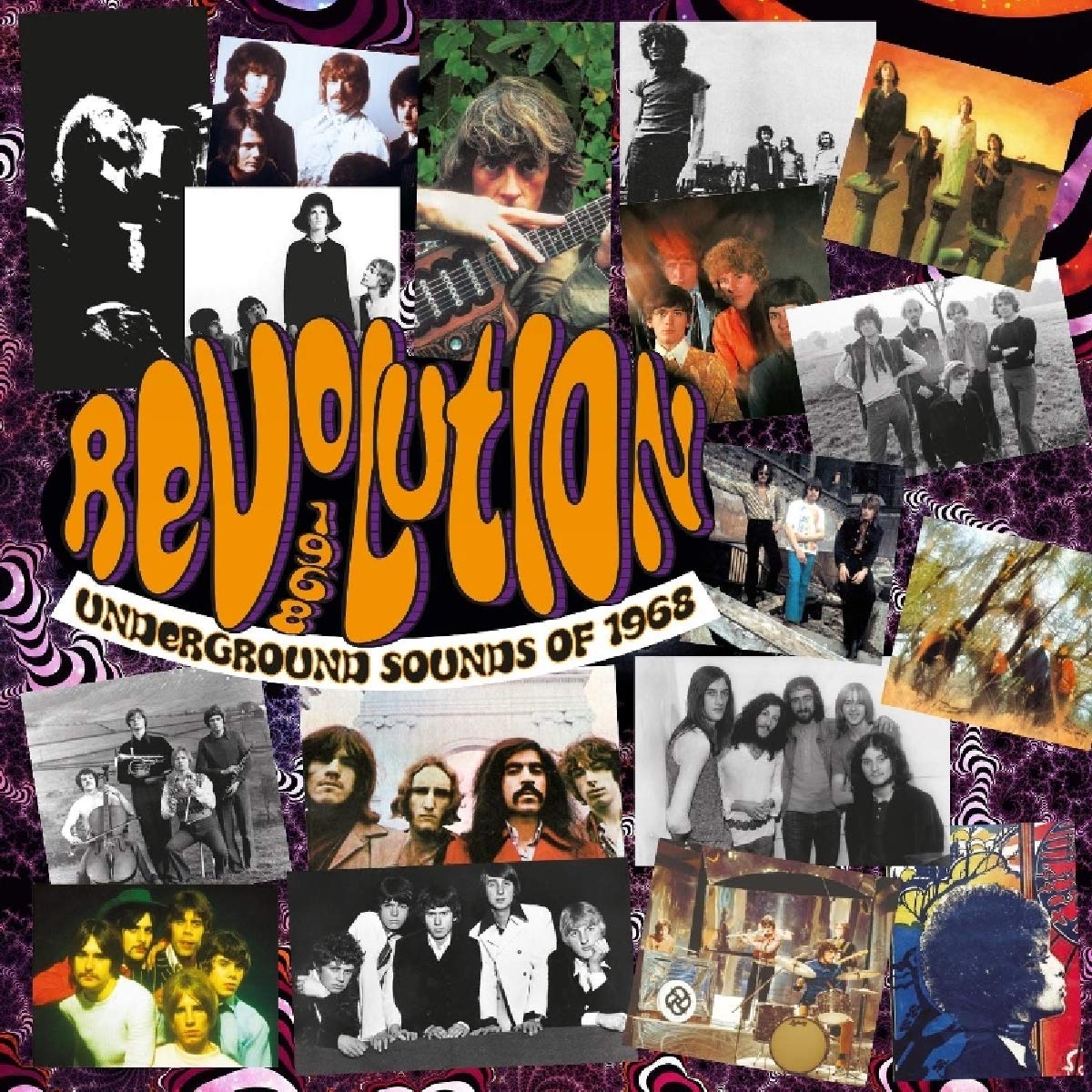
This new 3 CD Re-Mastered Box Set Celebrating The Musical sounds of the so called British “UNDERGROUND” Rock Music Of 1968. featuring tracks by Deep Purple, Jethro Tull, Barclay James Harvest, Julie Driscoll, Brain Auger & The Trinity, Spooky Tooth, Traffic, The Move, Crazy World Of Arthur Brown, Van Der Graaf Generator, Procul Harum, Genesis, Caravan, Jeff Beck, Pretty Things, The Incredible String Band, Tomorrow.
Esoteric Recordings are pleased to announce the release of “Revolution – Underground Sounds of 1968”, a 3CD clamshell boxed set celebrating the so-called “underground” rock music 1968, a year that saw huge changes, both musical and social. 1968 was a pivotal year for creativity in British rock, beginning with some influences of psychedelia still present in work by ground-breaking artists such as Pretty Things, Tomorrow, Incredible String Band, Idle Race, Traffic and The Move, but gradually giving way to styles influenced by jazz, blues, folk and more that would eventually become termed as “progressive”, “folk-rock” and “hard” rock, all of which championed by “underground” figures of the day such as DJ John Peel on his BBC Radio One show Top Gear and by publications such as International Times and Oz.The common thread among all of these artists was an emphasis on experimentation and a desire to push the perceived boundaries of popular music. It was also a year that would see the very first record releases by bands that would go on to achieve success and influence in the 1970s such as Deep Purple, Jethro Tull, Barclay James Harvest, Genesis, Status Quo, Van Der Graaf Generator and Caravan. Aside from featuring better known acts such as Crazy World of Arthur Brown, Procol Harum and Pentangle, this compilation also features lesser known acts.
The common thread among all of these artists was an emphasis on experimentation and a desire to push the perceived boundaries of popular music. It was also a year that would see the very first record releases by bands that would go on to achieve success and influence in the 1970s such as Deep Purple, Jethro Tull, Barclay James Harvest,Genesis, Status Quo, Van Der Graaf Generator and Caravan. Aside from featuring better known acts such as Crazy World of Arthur Brown, Procol Harum and Pentangle, this compilation also features lesser known acts that produced work of a wide breadth such as Eyes of Blue, Love Sculpture, The Action, Dantalian’s Chariot,Elmer Gantry’s Velvet Opera, Gun, Second Hand, The Moles and Blonde on Blonde.
This collection celebrates a creative period when rock music was evolving into something altogether more serious, moving away from the single as medium to give way to the dominance of the album. Feed your head with Revolution – Underground Sounds of 1968.
1969 was a tremulous year for the band Traffic. After a successful tour in the US following their second album, Steve Winwood left the band for the short-lived super group Blind Faith. In the meantime Island Records released the album “Last Exit”, a mishmash of leftover studio cuts and live performances Traffic recorded in 1968. Blind Faith recorded one excellent album but broke up shortlyafter, leaving Winwood then free to start working on a solo record suggested by Island Record’s manager Chris Blackwell.
The plan was for Winwood to play all the instruments using tape overdubbing techniques in the studio. Winwood is a fine multi instrumentalist who could certainly perform such a feat, but he found the process difficult: “I began trying to make music all on my own with tape machines and overdubbing and stuff. It was a very good way of writing, but it was a weird way of making music. The whole thing that makes music special is people. I was getting to the point that I needed the input of other people. It seemed inhuman to make records just by overdubbing.”
Steve Winwood started calling on his friends from Traffic to help him in the studio. First to join was Jim Capaldi who helped writing some of the songs and contributed drums and percussion tracks. Next was reed man Chris Wood who brought his jazz and folk influences, and the three worked for a few months on the album. It became clear that the solo album, with the planned title name of “Mad Shadows”, was really a Traffic record.
Chris Wood was influenced by the folk revival that swept the British Isles in the late 60s. One song he suggested to the group was John Barleycorn, which he heard on the 1965 Watersons record Frost and Fire. The Watersons’ version, like most of their material from that period, was an unaccompanied vocal group performance.
Winwood applied himself to the song and played a wonderful guitar part on it. Capaldi added tasteful and sparse percussion parts and more importantly a brilliant vocal harmony starting on the fifth verse. Wood’s flute accompaniment is the icing on the cake on this great take on the song, which has been performed by many British folk artists over the years including Martin Carthy and John Renbourn. The Mainly Norfolk site has a good page chronicling many of the song’s covers. It is interesting that amidst the great activity that took place at the time in the British folk rock scene by bands like Fairport Convention, Steeleye Span, Fotheringay and many others, one of the most memorable songs remains this performance of John Barleycorn by Traffic, wnot considered a folk rock band.
The album was engineered by Andy Johns, younger brother of Glynn Johns. Between them the two brothers recorded classic rock’s royalty. Before working with Traffic, Andy Johns recorded Jethro Tull (Stand Up, Living in the Past), Spooky Tooth and Blind Faith. After Traffic his career soared with Led Zeppelin (II, III, the legendary IV, Houses of the Holy, Physical Graffiti) and the Rolling Stones (Sticky Fingers, Exile on Main Street). Quite a resume, and this is just within a span of 4 years.
Johns had a deep respect for Steve Winwood. In an interview he mentioned an experience he had when working on the Blind Faith album: “I came back from a lunch break one day and the soundproof door was cracked a little bit, and I could hear him playing the Hammond. He’s playing both manuals and the bass pedals and he’s singing. I look at him and he’s looking at the ceiling. Not only is he playing the top manual, the lower manual, the bass pedals, and singing, but he’s also thinking about what his old lady’s going to make him for dinner. So he’s doing four or five things at once and the music was just stunning. I hate to use the word genius, because it’s bandied about so much, but that guy, in the end of his little finger, has more than a whole tribe of musicality— he really does. It’s just unfair.”
When you first listen to the song you may think that you landed in the midst of a Middle Ages inquisition session. The lyrics describe all kinds of brutal methods inflicted by three men upon a poor fellow named John Barleycorn. However a closer look reveals that the distressing lyrics are actually a metaphor to the process applied to barley in order to produce beer and whiskey. While it has its roots in old folklore tales about the Corn God and religious symbolism, it is really a satire on legally prohibiting the production of alcoholic beverages while still needing the drink to get on with everyday life, as revealed in the last verse:
The huntsman, he can’t hunt the fox,
Nor so loudly to blow his horn,
And the tinker he can’t mend kettle nor pot,
Without a little Barleycorn
In short, John Barleycorn is a drinking song. Maybe the best of them all.
Steve Winwood performs a solo acoustic version of Traffic’s John Barleycorn (Must Die).
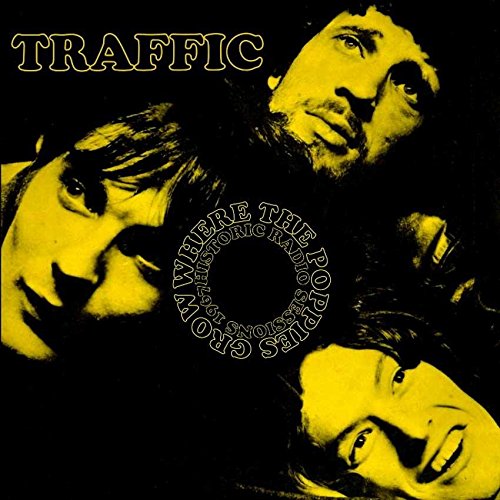
Steve Winwood formed Traffic with Jim Capaldi, Dave Mason, and Chris Wood in 1967. In the spirit of the times, the group was intended to be a cooperative, with the members living together in a country cottage in Berkshire and collaborating on their songs. Signed to Island Records their single “Paper Sun,” peaked in the U.K. Top Five in July 1967 and also spent several weeks in the lower reaches of the charts in America. Traffic toured Europe in the summer of ’67 and the live recording that comprises this album was made for radio broadcast in Sweden at Radiohuset, Stockholm on September. 12th, 1967. It has been newly mastered for vinyl and pressed on blue vinyl.
• Restored and newly mastered audio
• Historic live radio broadcast available for the first time on LP
• Includes the hits ‘Paper Sun’ and ‘Hole In My Show’
• Complete live show from 1967
• Limited edition blue vinyl
TRACK LISTING
1. Giving To You [live] / 2. Smiling Phases [live] / 3. Coloured Rain [live] / 4. Hole In My Shoe [live] / 5. Feelin’ Good [live] / 6. Paper Sun [live] / 7. Dear Mr Fantasy [live]
In 1971, Island Records released a double sampler album called El Pea. This compilation cost the princely sum of £1.99 and featured many fledging artists who would go on to become household names,this album was a revelation, and changed my attitude to music forever.
Island Records started out with a catalogue of Jamaican music but the charismatic founder, Chris Blackwell, soon diversified into an eclectic stable of contemporary acts. Some didn’t make it, some did, but all of them appeared on one or other of the samplers Island Records released in the early 1970s.
The appeal of the samplers was clear. Punters got a chance to hear some of the best new music at a heavily discounted price, whilst the record company got to promote music that did not readily lend itself to radio or TV airplay. Some of the compilations were classic recordings in their own right, and Island Records probably came out with the classiest.
El Pea was released in the UK in 1971, but it has an enduring appeal. This was probably the folkiest of the Island samplers, with the inevitable influence of Joe Boyd. However it had its heavier moments, a touch of prog and a little reggae to make for a heady brew. The album cover was hardly arresting and probably played too much on the pun in its name – a long-playing double LP called… El Pea, However the slapdash artwork disguises a classic album. They couldn’t even get the track listing right – you might be pleased to see Nick Drake on the album but the track listed as “One Of These Things First”, is actually the even better, astonishing, “Northern Sky”. Another track worth the purchase price is by McDonald and Giles, previously of King Crimson fame, and the album from which the track comes is one of those forgotten gems you won’t regret checking out.
You can’t get El Pea on CD, but all of the tracks are available on subsequently released CDs. Additionally a number of compilation CDs have come out over the years to reprise the glorious days of the Island sampler.
With selections ranging from much-anticipated new albums by superstars Traffic, Free, and Cat Stevens; cult demigods Mott the Hoople and Quintessence; and a handful of names that might well have been new to the average browser: Mike Heron, slipping out of the Incredible String Band with his Smiling Men With BadReputations debut; Nick Drake, still laboring away in absolute obscurity; and so on.
There was also a spotlight shone on Emerson, Lake & Palmer, the so-called supergroup whose own eponymous debut was still awaited with baited breath, and the choice of the virtuoso “Knife Edge” over any of the album’s more accessible tracks further confirms El Pea’s validity. Any other label would have gone for “Lucky Man,” knowing that no one could resist its plaintive charms. “Knife Edge” let the ingenue know precisely what to expect from Emerson, Lake & Palmer.
And so it goes on — from Jethro Tull to Blodwyn Pig, from Fairport Convention to Sandy Denny, 21 tracks spread across four sides of vinyl serve up one of the most generous and alluring label samplers you will ever lay your hands on
Side A
A1 – Traffic – Empty Pages
A2 – Sandy Denny – Late November
A3 – Alan Bown – Thru The Night
A4 – John And Beverley Martyn – Auntie Aviator
A5 – Fairport Convention – Lord Marlborough
Side B
B1 – Jethro Tull – Mother Goose
B2 – Quintessence – Dive Deep
B3 – Amazing Blondel – Spring Season
B4 – McDonald & Giles – Extract From Tomorrow’s People – The Children Of Today
B5 – Tir Na Nog – Our Love Will Not Decay
B6 – Mountain – Don’t Look Around
Side C
C1 – Free – Highway Song
C2 – Incredible String Band – Waiting For You
C3 – Cat Stevens – Wild World
C4 – Bronco – Sudden Street
C5 – Mike Heron – Feast Of Stephen
Side D
D1 – Emerson Lake & Palmer – Knife Edge
D2 – Nick Drake – Northern Sky
D3 – Mott The Hoople – Original Mixed-Up Kid
D4 – Jimmy Cliff – Can’t Stop Worrying, Can’t Stop Loving
D5 – Mick Abrahams – Greyhound Bus
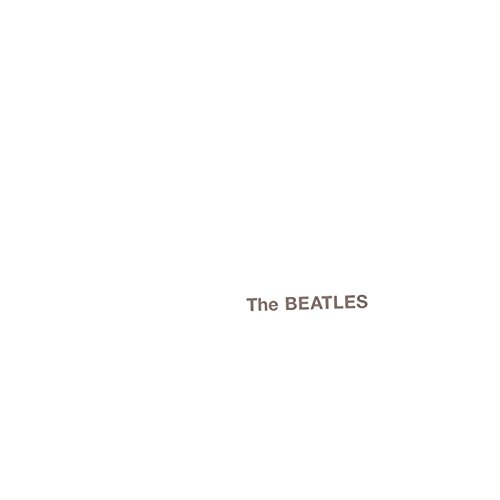
If 1967 was a year of introduction and innovation in rock ‘n’ roll—from Monterey Pop to to the release of Sgt. Pepper’s Lonely Heart’s Club Band and the launch of Rolling Stone Magazine 1968 was a proving ground, when a handful of the stars who had sprouted in the “Summer of Love” came to full flower in the psychedelia age. Artists from both sides of the pond, including The Jimi Hendrix Experience, Aretha Franklin, Cream, Traffic and Jefferson Airplane felt free to chip further away at old molds and pursue a daring new musical muse. It was an epochal year for established artists as well. The Beatles splintered in the studio, but their individual contributions to a self-titled double LP, the so-called “White Album”, amounted to some of the band’s greatest work and, in retrospect, unlocked a few imminent solo careers. It was a double album released by the Beatles containing strong flavours of blues and rock’n’roll, Does this now mean the Beatles are taking a step backwards? As Ringo Starr philosophically remarks: ‘It’s not forwards or backwards. It’s just a step.’
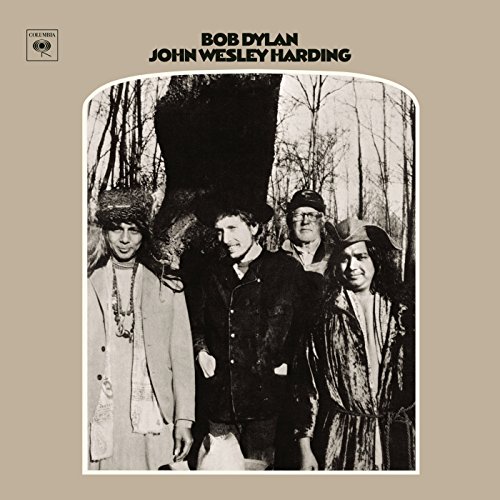
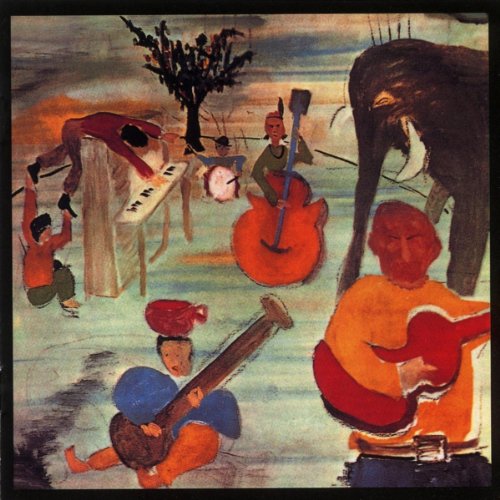
The year started out with what may well have been the finest album of the year, Bob Dylan’s John Wesley Harding. Midway through the year some tapes of Dylan’s were uncovered which were equally brilliant. Several of the songs on them came out on an album by The Band, Music From Big Pink. The best things on their album were not the Dylan songs, most of which sounded forced and strained, and by no means as good as Dylan’s own version of them on the tape. Rather, the highlights were the songs written by lead guitarist Robbie Robertson. “The Weight” was typical of the group’s low-down, country-soul, rock and roll performing and was one of the finest recordings of the year.
Bob Dylan also sets an anomalous tempo, established early in the year with the bucolic minimalism of ‘John Wesley Harding’. Dylan’s continued absence from the promotional scene allows him to move with a freedom not permitted his British contemporaries, and his absence creates a vacuum that myth, and under-the-counter recordings, step in to fill. British groups like The Who, meanwhile, grasp the opportunities of America. So effectively in fact, that their live shows were stupendous as they were chaotic.
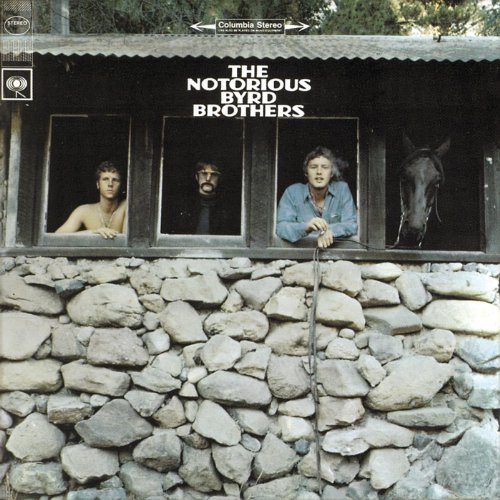
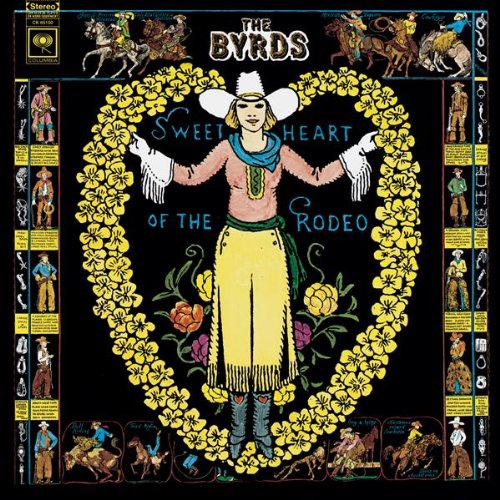
The Byrds continued to go through personnel changes at least four times a year but in between times came up with two of the year’s great albums: The Notorious Byrd Brothers and Sweetheart of the Rodeo. The latter was a fine, straight country album with gorgeous, free harmonizing and excellent material. The former was perhaps their best album to date, and surely one of the five or so best of the year. David Crosby made some brilliant song-writing contributions, but the album was mainly Roger McGuinn’s and neither he nor anyone else in rock has often equalled such cuts as “Get To You” and “Artificial Energy.”
The Grateful Dead bored a lot of people with their much awaited second release, Anthem of the Sun and Moby Grape disappointed those who know that they are (or at least were) one of the finest live bands in the country with a very mediocre second album, Wow. On the other hand, the Rascals, long thought of as a teeny bopper group, continue to mature and develop and had at least one fine single this year: “People Got To Be Free.”
Among individual artists, Laura Nyro began to receive the recognition she deserves, and many idolize her Eli and the Thirteenth Confession. Johnny Winter, a recently discovered white Texas blues singer has already created a large following on the basis of a few guest appearances in New York. San Francisco concert promoter Bill Graham rents a vacant New York theater and opens the Fillmore East concert venue.
Canadian rock band Steppenwolf release their debut album including the single “Born to Be Wild” and San Diego Rock band Iron Butterfly releases the album In A Gadda Da Vida considered to one of the first incarnations of the genre heavy metal albums.
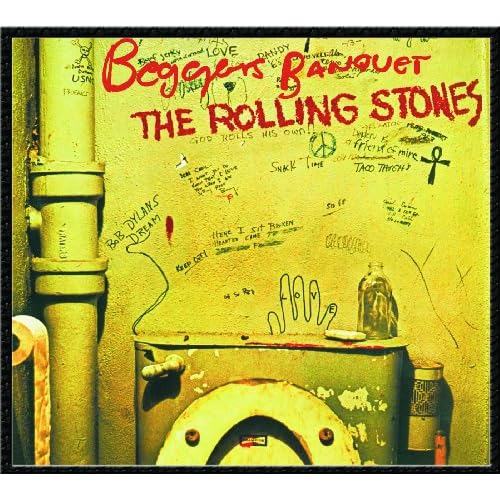
The Rolling Stones grew out their roots with “Beggar’s Banquet”, while The Kinks and The Zombies took giant leaps forward with new and imaginative masterpieces that forever altered their trajectories. Plus we were introduced to a bunch of new faces to the pantheon: The Doors, Sly Stone, Fleetwood Mac, Tim Buckley and, oh yes, Led Zeppelin. British rock and roll this year was dominated by blues bands. Ten Years After managed to kick up a lot of dust,Procol Harum continued to grow into its style and came up with a fine album, Shine on Brightly.
Pink Floyd lead singer and song writer Syd Barrett is checked into a psychiatric hospital and the band replaces him with David Gilmour.
Rock ‘n’ roll was at its most free in the pre-Woodstock glow of 1968. The Beatles went to India, JohnnyCash went to Prison at Folsom with one of the great live albums ever released, the Rolling Stones put a mobile studio in a truck, The Monkees went off the air. But it couldn’t ignore what was happening in the world riots, assassinations, war, a doomed election, space travel, poverty, drugs, Civil Rights, women’s liberation. All of it seeped into the art of the free-love counterculture with that strange combination of militant idealism and comical self-regard, as though it were clear that humanity would one day look at 1968 for a generation’s heroes and villains. Fifty years later in 2018 we are in the midst of a modern drug epidemic, a tarnished presidency, a growing underclass and a renewed vigor for social progress.
Here are some of the best albums of that momentous year in no particular order.
The Byrds, – Sweetheart of the Rodeo’
Even though David Crosby was booted from the Byrds in late 1967, the band had a pretty great 1968. In addition to the excellent ‘Notorious Byrd Brothers’ album, the restructured group released ‘Sweetheart of the Rodeo,’ the granddaddy of all country-rock records. Credit goes to newcomer Gram Parsons, who helped steer the Byrds in this new direction. By the time the album came out in August, Parsons was gone and most of his vocals had been replaced (you can hear his recordings on the various reissues). But it didn’t matter in the long run — his, and the album’s, influence still resonates today.
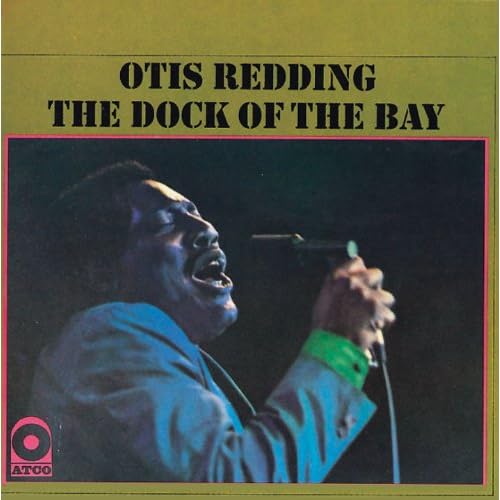
Otis Redding, The Dock of the Bay Released: February. 23rd
In some ways, 1968 began with a great sadness. On December. 10th, 1967, the blossoming soul star Otis Redding was killed in a plane crash in Wisconsin that also claimed the lives of four of his band members. The tragedy had taken not just one of the era’s most distinctive singers, but an artist standing at a new horizon for R&B music. Days before his death, Redding had recorded a new composition ”(Sitting On) The Dock of the Bay,” a lilting ray of sunshine that found a winsome Otis Redding unwinding his tight groove sound and opening up new worlds for his soul.
Released posthumously in February 1968, The Dock of the Bay showcased Redding for the mainstream audience he had courted at Monterey Pop the previous summer. “Let Me Come on Home” was the hard-driving, horn-happy rocker; “The Glory of Love” the arpeggiated slow burn; “Tramp” the naughty call-and-response with Carla Thomas. It wasn’t the album Redding was supposed to make in 1968, but it nevertheless served as the crossover breakthrough he always had in him.
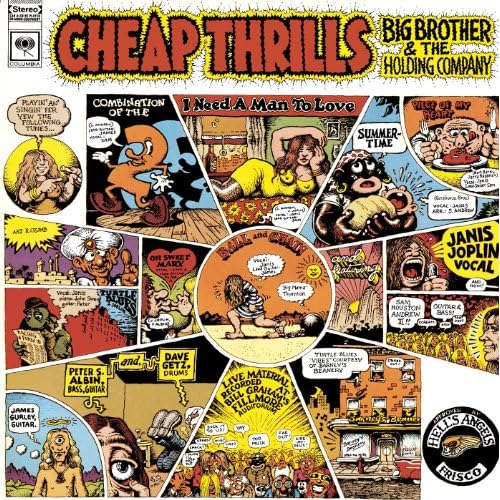
Cheap Thrills, the second album featuring Janis Joplin, marked the emphatic emergence of the Texas-born singer in the San Francisco band that had already found some local success without her. Propelled by a star-making appearance at the Monterey Pop Festival in 1967 that netted the band a deal with Columbia Records, Janis Joplin’s wavering, powderkeg voice quickly dominated the band’s psych-blues repertoire and raised the bar for practically every fiery vocalist to follow. Album entries “Summertime” and “Piece of My Heart” became signature songs, the vehicles with which she stunned the pop world with her grit and femininity, fusing her inner torment and strife with her public persona. Cheap Thrills topped the charts, one of the few products of San Francisco’s emerging underground to earn a mainstream embrace. The album’s cover, by illustrator R. Crumb, remains one of the most iconic of the era.
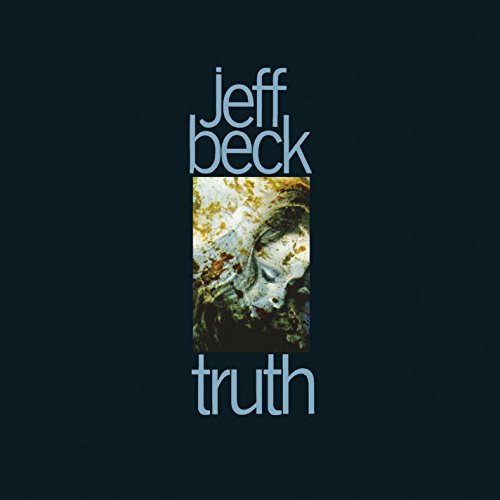
Jeff Beck, – Truth
Jeff Beck’s first solo album following his departure from the Yardbirds in 1966 picks up where he left off with the influential British blues rockers: covering blues classics, standards from the Great American Songbook and even one of his old band’s songs. The guitar hero’s group on ‘Truth’ — including singer Rod Stewart and guitarist Ronnie Wood would get co-billing on the follow-up album, 1969’s ‘Beck-Ola.’ They deserve it here too.
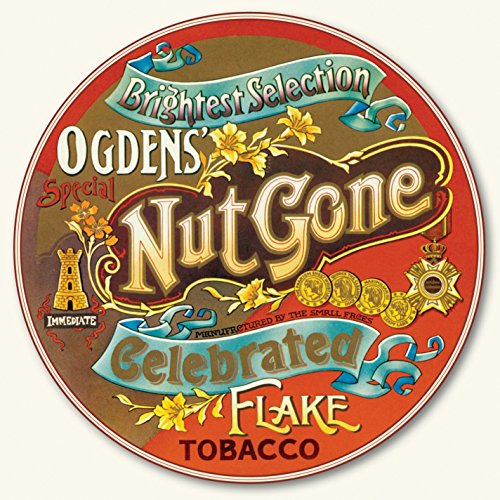
Small Faces, Ogden’s Nut Gone Flake – Released: May 24th
Marking a definitive break from Small Faces’ early mod and R&B underpinnings, the two-act Ogden’s Nut GoneFlake was a bold move into the realms of stylish psychedelia and the eccentric affectation of late ‘60s English invention. Although more than a hint of Steve Marriott and Ronnie Lane’s Cockney humor was inescapable—the whimsical “Rene” and “Lazy Sunday” being obvious examples—two bold anthems, “Song of a Baker” and “Long Agos and Worlds Away,” predated Led Zeppelin’s arch bombast by several months.
At the time, the round album cover, made to resemble a tobacco tin, and the sidelong gibberish of “Happiness Stan,” a pseudo fairytale narrated by English actor Stanley Unwin, also garnered plenty of attention. One of the first concept albums ever envisioned (and basically unplayable live), Ogden’s Nut Gone Flake remains a little appreciated musical masterpiece. Small Faces would disband the following year.
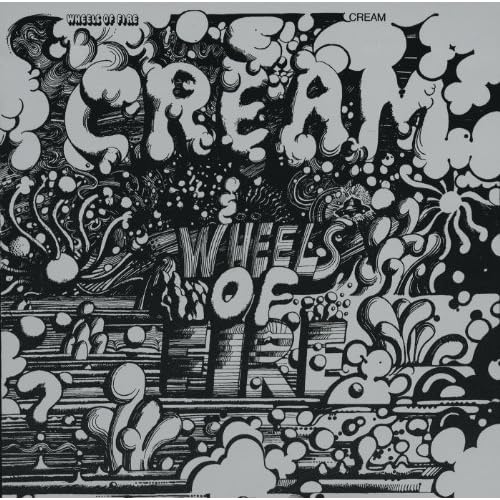
Cream, Wheels of Fire – Released: August
Wheels of Fire had a hard precedent to follow, coming as it did on the heels of Cream’s 1967 sophomore breakthrough, Disraeli Gears and the blues-embossed psychedelia that preceded it. Nevertheless, laden with such classics as “White Room,” “Politician” and a sterling remake of the Robert Johnson classic “Crossroads” that became a microcosm of Eric Clapton’s entire career as a blues-nicking guitar deity, it managed to express the full potency of this startling supergroup (with Jack Bruce on bass and Ginger Baker on drums) and ensure their immortality. By taking the idea of a double disc to a new level of productivity—half live, half studio—Wheels of Fire also made full use of the trio’s songwriting chops and their ability to improvise onstage. Rarely has there been such a sprawling effort capable of bringing out that ability with such flourish and finesse. This was Cream’s last real album-length musical document, with only 1969’s abridged Goodbye to follow.
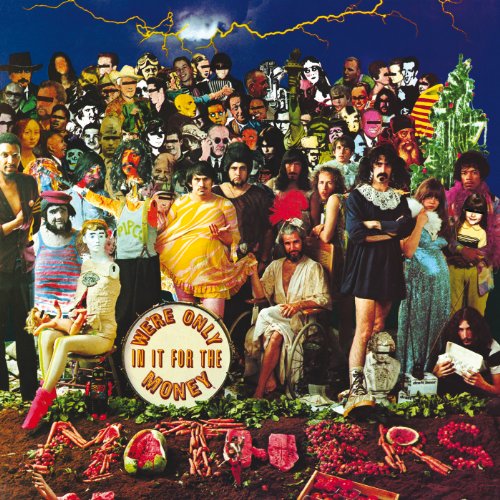
Frank Zappa and the Mothers Of Invention – We’re Only It for the Money
More so than any other record on our list of the Top Albums of 1968, the Mothers‘ third record is the one with the most direct link to ‘Sgt. Pepper’s.’ And not just because its original parody cover photo — which ended up inside the LP after the Beatles’ management objected — is a fierce slap to the earlier record. Frank Zappa and crew’s concept album satirizes tons of Summer of Love standbys, including hippie idealism, left-wing thought processes and over-the-top concept albums.
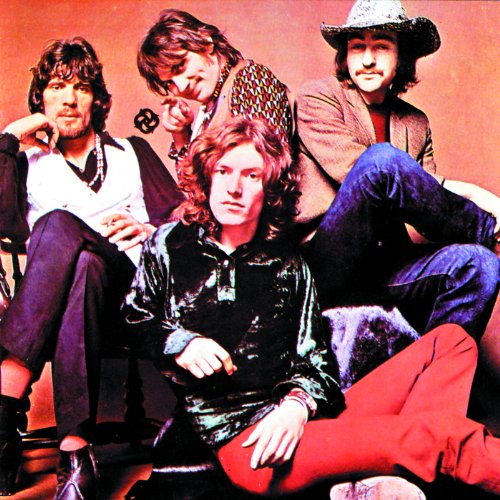
Traffic, Traffic Released: October
A follow-up to their excellent and eclectic debut, Traffic’s eponymous sophomore set found a fully congealed ensemble. The on-again, off-again participation of Dave Mason was now fully present, if only temporarily for this effort. Indeed, this was the album that represented Traffic’s transition from woodshed romanticism to forerunners of new iconic invention, a sound simultaneously purveyed by The Band in their early Americana guise. Several of the standout songs—”40,000 Headmen,” “Who Knows What Tomorrow May Bring,” “Pearly Queen”—offered druggy swirls of hippie-rock and tight soul embodied by Steve Winwood’s preternatural tenor and organ playing. Mason’s highlight, “Feelin‘ Alright,” would become a rock-radio smash for Gospel-tinged covermeister Joe Cocker the following year, and remains a mainstay in Mason’s live repertoire to this day. The definitive Traffic album, Traffic is another underrated monument of 1968.
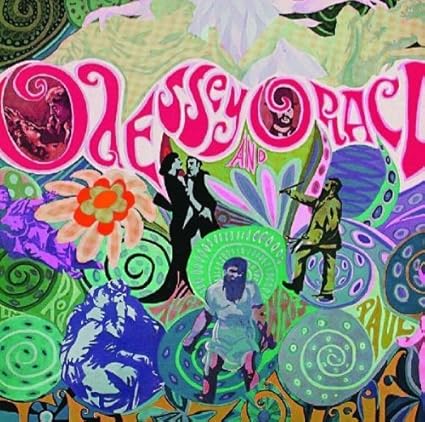
The Zombies, Odyssey and Oracle – Released: April 19th
One of the ‘60s great unsung masterpieces of that hallowed decade, the Zombies’ Odyssey and Oracle followed on the heels of the group’s early hits “Tell Her No” and “She’s Not There,” while marking a giant leap forward. It was a set of songs flush with bold experimentation and baroque innovation, a concept not unlike that of Sgt. Pepper and other ornate musical ventures of the day. Ironically, The Zombies had broken up by the time Odyssey came out, and with its eventual smash hit, “Time of the Season,” it became a sad swan song that failed to reap the appreciation it deserved. Al Kooper championed its release in the U.S., but tepid label support doomed it to the cut-out bins practically from the get go. The original band recently reconvened (sans the late guitarist Jim Atkinson) to play the album live in its entirety, helping regain the critical kudos that evaded it originally.
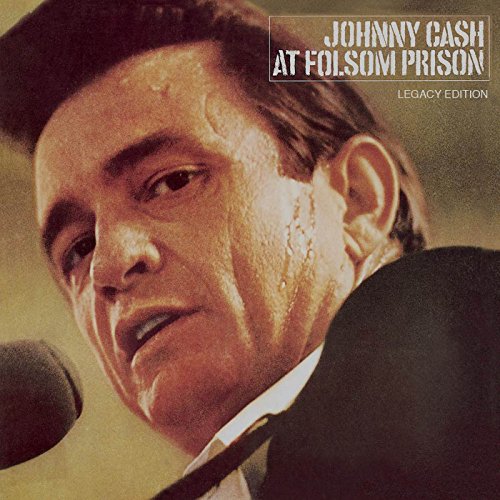
Johnny Cash, At Folsom Prison – Release: May
When Johnny Cash arrived at Folsom Prison in California on January. 13th, 1968, he was fortunate that he was there to perform for inmates and not join them behind bars. Cash had spent much of the previous few years in a drug spiral, watching his career and his life circle the drain. He was looking to revitalize his waning career, and a prison concert seemed the ideal vehicle—if Cash had always empathized with jail-bound convicts and the lonely despair that comes with the life, now he felt he could speak directly to them on terms everyone could understand. He had recorded the “Folsom Prison Blues” single back in 1955, and here was an opportunity to put faces to names. Proving that the concert was directed at a very specific audience, Cash performed a set of songs (two sets actually, which were combined into one 15-song album) that resisted self-help bromides and spiritual guff. “Dark as a Dungeon,” “The Long Black Veil” and “25 Minutes to Go” evoked the cynicism and gloom of living in captivity. Little did Cash expect, it also resonated loud and clear with a global audience who for one reason or another felt the sting of living in bondage even as they walked free.
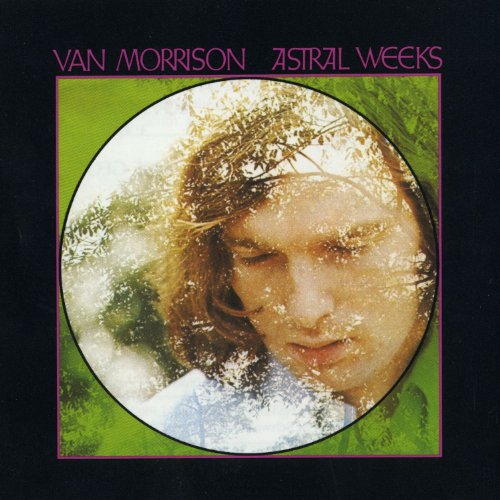
Van Morrison, Astral Weeks – Released: November
After attaining his initial success back in Belfast with the band Them and a couple of hits (“Gloria,” “Here Comes the Night”), Van Morrison launched his solo career with a bang in the form of the ubiquitous soul-blaring 1967 hit “Brown Eyed Girl,” off his debut LP Blowin’ Your Mind! But it was the followup that proved to be his magnum opus. Charting new experimental terrain, he initiated a sound that was open-ended and had more to do with jazz, folk, elegiac imagery and pure stream of consciousness. “Cyprus Avenue,” “Sweet Thing,” “Ballerina” and “Astral Weeks” are unbound folk songs lit up with bells, strings, flutes and Morrison’s assured vocal wail. All but ignored in Northern Ireland, the album struck a chord with critics who admired Morrison’s meditative musings and the songs’ cerebral settings. Today, it’s widely recognized as one of the most influential albums of the era and an adventurous chapter in what would be a long and varied career.
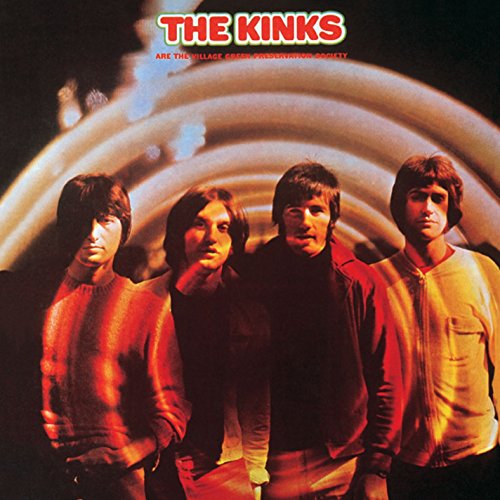
The Kinks, Are the Village Green Preservation Society – Released: November. 22nd
The Kinks were never rabble-rousers in the truest sense of the word. For every proto-punk attempt at slash and burn with songs like “You Really Got Me” and “All Day and All of the Night,” Ray Davies and Co. were able to offer softer laments like “Waterloo Sunset” and “Set Me Free.” With an astute eye for detail, Davies could probe the absurdities of life and turn them into woeful tales of middle-class misery. He found full flourish with the lovely and graceful Village Green Preservation Society, a wonderfully wistful song cycle about idyllic England in more innocent times, flush with nostalgia, nuance and a gentle chiding of civility and sentiment in a storybook world. If Ray Davies chose to look at life through rose-colored lenses, no one could blame him for attempting to engineer this imaginative escape. It was The Kinks‘ sixth album, and final record by the original quartet, bombed when it came out in November 1968 . But it’s now considered the band’s best LP, a straight-faced concept album about Victorian-era mores. It’s lush, pastoral and brimming with gently strummed songs about small-town England that rank among the best songs that Ray Davies has ever written.
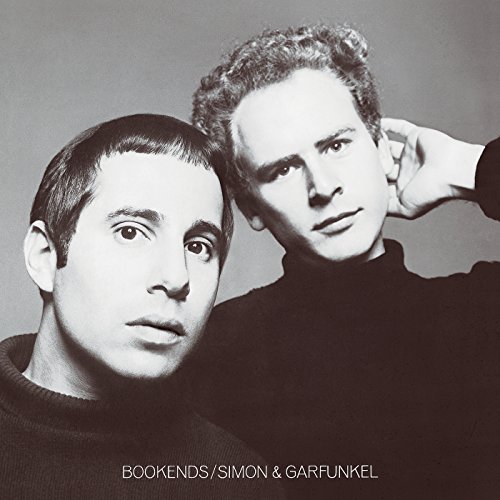
Simon & Garfunkel, – Bookends – Release: April 3rd
The most fully realized album of Simon and Garfunkel’s middle-period career, Bookends showed that the duo were capable of more than merely poignant, introspective balladry. Only their fourth studio effort, Bookends was fashioned as a concept album that imagined life’s progression from youth to old age. “Old Friends,” a song that more or less became synonymous with the duo’s often stormy relationship, encapsulated that trajectory, but several others stood apart as future standards, including “America,” “A Hazy Shade of Winter,” “At the Zoo,” and an encore performance of “Mrs. Robinson,” culled from the soundtrack to The Graduate, released the year before. At the same time, Bookends would prove an ideal lead-in to Bridge Over Troubled Water, which would follow two years later and elevate the duo to their grand crescendo.
The Band, Music From Big Pink – Release: July 1st
The Band’s debut record took an entirely different path from 1967’s candy-colored psych-rock explosion. Bob Dylan’s former backing group stripped down and excavated a form of American roots music that was somewhere between country and folk. Dylan had a hand in some of the songs, but the quintet proved to be one of the most significant groups of their time.
By the time The Band released their debut full-length, they were already a well-known, road-tested outfit who’d played behind Dylan during his infamous electric breakout. But their emergence as architects of archival Americana arrived with Music From Big Pink, an album borne from jams, rehearsals and songwriting sessions at the album’s namesake house in upstate New York. Though elevated in stature at the time thanks to the presence of a few Dylan compositions, the finished album found Robertson, Helm, Hudson, Danko and Manuel tossing off their musical shackles, mixing up instrumental and vocal duties, and creating a vintage variety of folk and country that seemed as effortless as it did brilliant. It was that emphasis on rural roots—the band boasted four Canadians and and Arkansan—that inspired the souped-up backwoods persona they purveyed in both sight and sound. The songs stand the test of time, and indeed, “The Weight,” “This Wheel’s On Fire,” “Tears of Rage” and “I Shall BeReleased” stand among the most indelible expressions of heartland music ever recorded.
Aretha Franklin, Lady Soul – Released: January. 22nd
It says something about how rare and electrifying Aretha Franklin was in 1968, as a 26-year-old singer making her third album for Atlantic Records, that she could claim the title Lady Soul and not only pull it off, but then wear the crown undisputed for the next 50 years. Aretha Franklin had scored a defining hit—for both herself and women everywhere—the previous year with her cover of Otis Redding’s“Respect,” then mourned Redding’s death in December. Her mix of exuberance and despair, crying and shouting with every twist of a wounded relationship that haunts the album, courses through Lady Soul.
There’s gospel bliss on ”(You Make Me Feel Like) A Natural Woman” and down-hearted blues on “Good to Me As I Am to You.” She also fearlessly reimagines songs by her most famed male contemporaries, including a simmering cover of Curtis Mayfield’s “PeopleGet Ready,” which had been a hit for The Impressions. Franklin’s once-in-a-century siren of a voice always powerful, always under complete control—is backed all the way by a crack New York headlined led by organist Spooner Oldham, saxophonist King Curtis and guitarist Joe South.
The Rolling Stones, Beggar’s Banquet – Released: December. 6th
Following 1967’s critically panned Their Satanic Majesties Request, attempt to cash in on psychedelia, the Rolling Stones revealed their essence on Beggar’s Banquet—a dirty, raw, set of originals that injected some country twang into the band’s R&B obsessions and set the mold for the iconic Stones sound that would stretch on for another 50 years.
Like a few other artists on our list of Albums of 1968, unplugged and settled into a more gutsy rock ‘n’ roll groove for their seventh LP. Acknowledging, but without directly borrowing from, the usual R&B and blues influences, the Rolling Stones crafted an album that’s simultaneously raw, scary and sinister. More than that, it launched a staggeringly fruitful creative period (which continued through 1972’s career milestone ‘Exile on Main St.’) when the Stones more than earned their title as the World’s Greatest Rock ‘n’ Band.
Containing at least three certified Stones classics—“Street Fighting Man,” “Salt of the Earth (featuring a rare lead vocal from Keith Richards) and the signature song “Sympathy for the Devil”—Beggar’s Banquet marked the first entry in a four-album run—followed by Let It Bleed, Sticky Fingers and Exile on Main Street—that would go down as maybe the greatest winning album streak in rock history.
Sadly, it also marks the final album with Brian Jones’s full participation, and his reliability at the time was clearly in question. The original cover image, featuring a graffiti-strewn lavatory, was rejected by the record label and replaced with an unadorned invitation image that drew instant comparisons to the Beatles’ White Album, which had come out three weeks before. Nevertheless, the inner gatefold, depicting an enthusiastic food fight, ensured the Stones’ depravity wasn’t diminished.
The Jimi Hendrix Experience, Electric Ladyland – Released: October. 16th
Jimi Hendrix radiated genius from the get-go with Are You Experienced? and Axis Bold As Love, his first two albums with the his band Experience in 1967. On Electric Ladyland, he took that extraordinary innovation into entirely new realms that were difficult to define then and remain so now. The trio, with its British rhythm section and American front man, was perfectly suited to their era, and with a supporting cast that included Traffic’sSteve Winwood, Dave Mason and Chris Wood, as well as drummer Buddy Miles and JeffersonAirplane bassist Jack Casady, Electric Ladyland redefined the concept of modern rock within a progressive posture. The album boasts everything that Hendrix (who produced it) did well: slinky psych-soul (“Burning of the Midnight Lamp,” the title track), explosive electric blues (“Voodoo Chile”), melodic pop (“CrosstownTraffic,” “Long Hot Summer Night”) and tripped-out sonic explorations that take the listener under the sea (“1983… A Merman I Should Turn to Be”) and into the heavens (“And the Gods Made Love”). His version of Dylan’s “All Along the Watchtower” showcased his ability to put an indelible mark on any popular music of the day, making it little wonder that even now, half a century later, the final studio effort recorded in Hendrix’s lifetime continues to set an almost unattainably high bar. Hendrix’s Electric Ladyland was the only two record set of the year that made it in my book. He is the authoritative lead guitarist, the coolest showman, an excellent songwriter, and a constantly improving vocalist. He has one of the finest drummers in pop music working with him and an imagination of touring performers on the scene that day, Hendrix is tops and 1968 was his year.
The Beatles, The Beatles – Release: November. 22nd
After the critical success of Sgt. Pepper’s Lonely Hearts Club Band and the rapid follow-up of the equally colorful and hallucinogenic Magical Mystery Tour, this expansive double-disc allowed the four Beatles both to stretch out artistically and reconnect with their roots in a way that would be further explored with the bare bones concept for their 1970 swan song, Let It Be.
A series of solo excursions made by an increasingly fractured band, the so-called White Album collected songs composed while the Fabs were meditating in India with the Maharishi Mahesh Yogi. It mostly resisted the pressure to address the social upheaval swirling outside the doors of EMI Studios (later called Abbey Road) and focused instead on wide-ranging song craft, with each member managing to create some of his most lasting work despite—or maybe because of—the infighting and tension that plagued the recording sessions. Lennon emerged with “Dear Prudence,” Happiness Is a Warm Gun,” “Sexy Sadie” and “Revolution 1”; McCartney composed “Martha My Dear,” “Blackbird,” “I Will” and “Helter Skelter”; and Harrison contributed “While My Guitar Gently Weeps,” “Long Long Long” and “Savoy Truffle.” Taken together, they form what many consider to be among The Beatles’ greatest collection of songs.
“Bumpers” was a double sampler album from Island Records, released in Europe and Australasia in 1970; there were minor variations in track listings within Europe but the Australian release was fundamentally different. The title refers to the training shoes which can be seen on the front of the album cover but there may also be a less obvious reference to the meaning “unusually large, abundant or excellent”.
The album is left to present itself; there are no sleeve notes, the gatefold interior consists of a photograph showing publicity shots of the featured acts attached to the bole of a tree, without any identification. This image is flanked by the track listings, but even there, the information given is unreliable. Unlike its predecessors You Can All Join In and Nice Enough To Eat, there are no credits for cover art (the cover art was by Tony Wright, his first sleeve for Island), photography or design. The impression is left that the album’s production was rushed, presumably to leave enough lead-time to promote the albums featured. The English version of the album came out in two pressings, one with the pink label and “i” logo, the other with the label displaying a palm motif on a white background and a pink rim, each version with some minor variations in the production of individual tracks.
In the late sixties British record labels started to release a selection of their artists’ material on records known as samplers. These were not intended as anthologies or compilations – the purpose was to allow listeners the opportunity to sample a range of acts at a reduced price, showcasing in particular those for whom there was not a conventional singles market and hence little opportunity for radio airplay in the UK. Columbia’s ‘The Rock Machine Turns You On’ and Liberty Records ‘Gutbucket’ . Island Records produced a series of gems from ‘Nice Enough to Eat’ and ‘You Can All Join In’ in 1969, to ‘Bumpers’ in 1970 and ‘El Pea’ in 1971. ‘Bumpers’ was, as it’s name would suggest, the pick of the crop, with an eclectic yet cohesive collection of music across two 33rpm vinyl discs. Priced at actually 29/11 cover price . The album came out in two pressings, one with the pink label and “i” logo, the other with the label displaying a palm motif on a white background and a pink rim.
Side One
“Every Mother’s Son” – Traffic (from John Barleycorn Must Die (ILPS 9116)) (7:06)
“Love” – Bronco (from Bronco (ILPS 9134)) (4:42)
“I Am the Walrus” – Spooky Tooth (from The Last Puff (ILPS 9117)) (6:20)
“Jesus, Buddha, Moses, Gauranga” – Quintessence (Live version of track, not released elsewhere at the time, but available as ‘bonus’ track on CD version of album Quintessence (REPUK 1016) (5:15)
Steve Winwood formed Traffic with Jim Capaldi, Dave Mason, and Chris Wood in 1967. In the spirit of the times, the group was intended to be a cooperative, with the members living together in a country cottage in Berkshire and collaborating on their songs. Signed to Island Records their single “Paper Sun,” peaked in the U.K. Top Five in July 1967 and also spent several weeks in the lower reaches of the charts in America. Traffic recorded two sessions for Saturday Club and Top Gear shows in 1967. Session 1 first aired October 1967 while Session 2 first aired December 1967 recorded for the BBC Top Gear programme. Both are released here for the first time. Traffic also toured Europe and the live recording that comprises part two of this album was also made for radio broadcast, this time in Sweden at Radiohuset, Stockholm on September. 12th, 1967
John Peel’s legendary status is defined by the vast amount of bands and artists he championed. His urge to “hear something he hadn’t heard before” led to a relentless search through demo tapes sent in to his radio show from songwriters and musicians looking for a break. His conviction in not following conventional programming formats, and offering his listeners an alternative to daytime pop pap would ensure that his relevance to broadcasting would remain vital right up to his untimely death in 2004. Chris Wood’s Flute playing is amazing on this. Their BBCSessions deserve to be officially released! As does the Copenhagen ’67 Concert.
His sessions would become an important outlet for new listeners to sample live selections from fledgling and established artists. Many of these recordings have been released to the public, some remain in the vaults. Here is a continuing history of all the sessions, starting in 1967 for his “Top Gear” show right up to the final recording in October 2004.
December 11th 1967: Traffic John Peel Session Studio – 201 Piccadilly, Studio 1
Tracklist:
Here We Go Round The Mulberry Bush
Heaven Is On Your Mind
No Face No Name No Number
Dealer
Hope I Never Find Me There
The Band:
Jim Capaldi – drums, acoustic guitar, lead vocals, Dave Mason – electric guitar, bass, vocals Steve Winwood – electric guitar, keyboards, vocals Chris Wood – flute. percussion ,
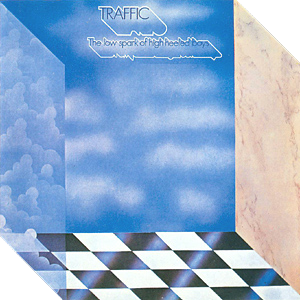
After exploring English folk on the 1970’s album John Barleycorn , Traffic continued broadening their sound to incorporate other musical ideas on the follow-up. Released in November 1971, “The Low Spark of High Heeled Boys” saw them move more towards progressive rock, featuring extended tracks and off-kilter rhythms inspired by other genres. Recorded in the September of 1971 at Island Studios. All of those different sounds would go into “Rock & Roll Stew,” aided by some recent hired hands to bolster the triumvirate of Stevie Winwood (vocals, keyboards, guitar), Jim Capaldi (drums, vocals) and Chris Wood (woodwinds, keyboards). These additions included ex Blind Faith bassist Ric Grech, Ghanaian percussionist Rebop Kwaku Baah and the Derek and the Dominoes drummer Jim Gordon (who was brought in to allow Capaldi to focus on his songwriting and taking lead vocal, which he did on two of album’s six tracks).
Of all styles, jazz rock seemed to come to the forefront on The Low Spark of High Heeled Boys, especially on the nearly 12-minute title track. The song was conjured out of studio experimentation, with Capaldi even writing the lyrics to the third verse just before Winwood sang them.
“What would happen is that Jim would jot some words down on a piece of paper – some lines, maybe, and not too many, and certainly not arranged in a verse – chorus kind of way,” Winwood said. “He would just jot a few phrases or ideas down, and then we would go and jam. I would stand the piece of paper on top of the piano or organ, then during the jam when I felt it was right and appropriate, I’d sing what he’d written down and it always came out of a jam. It was born out of the fact that we were players rather than writers.”
As for the bizarre, but memorable title, Capaldi got the phrase from actor Michael J. Pollard (Bonnie and Clyde) with whom he was working on a film project. Pollard wrote “The Low Spark of High Heeled Boys” in Capaldi’s book and it fired his imagination.
The meandering song, although never released as a single, became a staple of ’70s FM radio, famous for its length, hazy mood and electronic saxophone solo played by Wood. Winwood recalled how Wood came to create the nasal, Eastern-tinged sound on “The Low Spark of High Heeled Boys.”
“He used a lot of gadgetry on his saxophone,” Winwood said. “He bought a thing called a Maestro, which is a machine for electrifying a saxophone, a reed instrument.”
The Low Spark of High Heeled Boys , The LP remains the band’s lone platinum release in the U.S., known for its mind-altering sounds, in addition to its famous die-cut album cover, which created an optical illusion.
The group would continue on for a few more years, releasing two more albums before breaking up in 1974. Wood died in 1983, but Capaldi and Winwood reunited for a new Traffic record and tour in the ’90s, but Low Spark is considered by many fans and critics to be Traffic’s high point.




:format(jpeg):mode_rgb():quality(90)/discogs-images/R-703652-1392218313-7984.jpeg.jpg)
:format(jpeg):mode_rgb():quality(90)/discogs-images/R-703652-1392218382-8404.jpeg.jpg)

![Lady Soul [w/bonus selections]](https://images-eu.ssl-images-amazon.com/images/I/51Xdp%2BVQhOL._SS500.jpg)
:format(jpeg):mode_rgb():quality(90)/discogs-images/R-538440-1283807568.jpeg.jpg)


 The Fat Angel Sings