Isaac deBroux-Slone and Raina Bock aren’t related but you’d probably be left with that impression after spending any considerable amount of time around them. In a fateful joining of family friends—Isaac from Madison, Wisconsin and Raina from the tiny town of Viroqua (pop. 4,500)—they were introduced as infants and their relationship has not only persevered but transformed into its entirely own entity as Disq.
When I tell you this set re-energized me in the first symptoms of the week’s malaise to come, believe it. Listen, I didn’t grow up on no hard rock shit. I have minimal context for it, save for how They inject it into the mainstays of American culture to the point of ubiquity. I say that because my barrier to accessing all the sources Disq draws from proved to be no hindrance from processing how fucking hard these Wisconsin white kids go! I’ve seen hella Disq sets — marveling at how cool they are, highkey — but this set hit different for the incoming demise of my circadian rhythm. Disq blew them speakers out for damn-near 40 minutes, guns ablaze with tireless precision and a lingering self-awareness that’s never painful. The wink-wink quality of the banter does nothing to diminish how this five-piece pulverizes this rock ’n’ roll shit. Like, I’m sure I asked Isaac why he wanted to die when he wrote “I Wanna Die,” and I damn sure forgot what he told me. We ain’t know each other like that yet. Either way, I felt that shit and I don’t think I’ve ever felt that shit! Look, the way I feel about Disq after a set like this must be how washed-up Aerosmith heads feel on some “REAL ROCK ’N’ ROLL” shit!
Now, after hitting the road, the band will release a 7” titled “Communication b/w Parallel” as part of Saddle Creek’sDocument Series, dedicated to highlighting artistic communities around the world that haven’t quite gotten the spotlight they deserve. And as much as Madison has been a breeding ground for the band’s creativity—a place to find inspiration—what also provides crucial context for both “Communication” and “Parallel” is this moment in time when the band is coming of age. Young people have unprecedented tools and technology for maintaining nonstop contact with far-flung family and friends, yet ironically both songs reflect a growing frustration with how ever-more difficult it is to truly find connection, understanding and intimacy in our lives despite devices and social media.
“Communication” is a big, crunchy power pop anthem, the type of song most bands work for years to produce. Both the song and its video—entirely conceived and produced by a group of friends, all iGen—speak to the ways we so desperately want to feel seen and understood yet so frequently misconstrue each others’ words and intent. Side B “Parallel” is immediately driven by Isaac’s stoically laconic vocal delivery that drones on until it blends seamlessly into a kaleidoscope of psychedelic sounds that evoke more contemporary galvanizers Tame Impala with production flourishes that recall Rundgren. It addresses the dissolution of a deep and meaningful relationship, and this universal experience of grief and loss is recounted by a voice attempting to ruminate on what it means to forge connections in a time when young people are completely redefining community in new and evolving ways.
Together, these songs encapsulate a dynamic band, grounded but ready for change.
“This album is about friendship, love and what it means to support one another,” Katherine Paul says of her new album. Arriving just a year after her debut record, “At the Party With My Brown Friends” redefines KP’s Black Belt Eagle Scout project. Where that first record was a snapshot of loss and landscape and of KP’s standing as a radical indigenous queer feminist, this new chapter finds its power in love, desire and friendship. At the Party With My Brown Friends is a profound and understated forward step. The squalling guitar anthems that shaped its predecessor are replaced by delicate vocals and soft keys, sentiments spoken and unspoken, presenting something shadowy and unsettling; a stirring of the waters. The end result presents a captivating about-face that redefines KP’s beautifully singular artistic vision.
Paul’s soft voice, washed by reverb, recalls the dreamscapes of Beach House, and there are reminders of Sharon Van Etten in the enveloping swells. The uniqueness of her voice, though, stems not just from her origins, but her uncanny ability to capture the heart.”
Black Belt Eagle Scout – “At the Party With My Brown Friends”
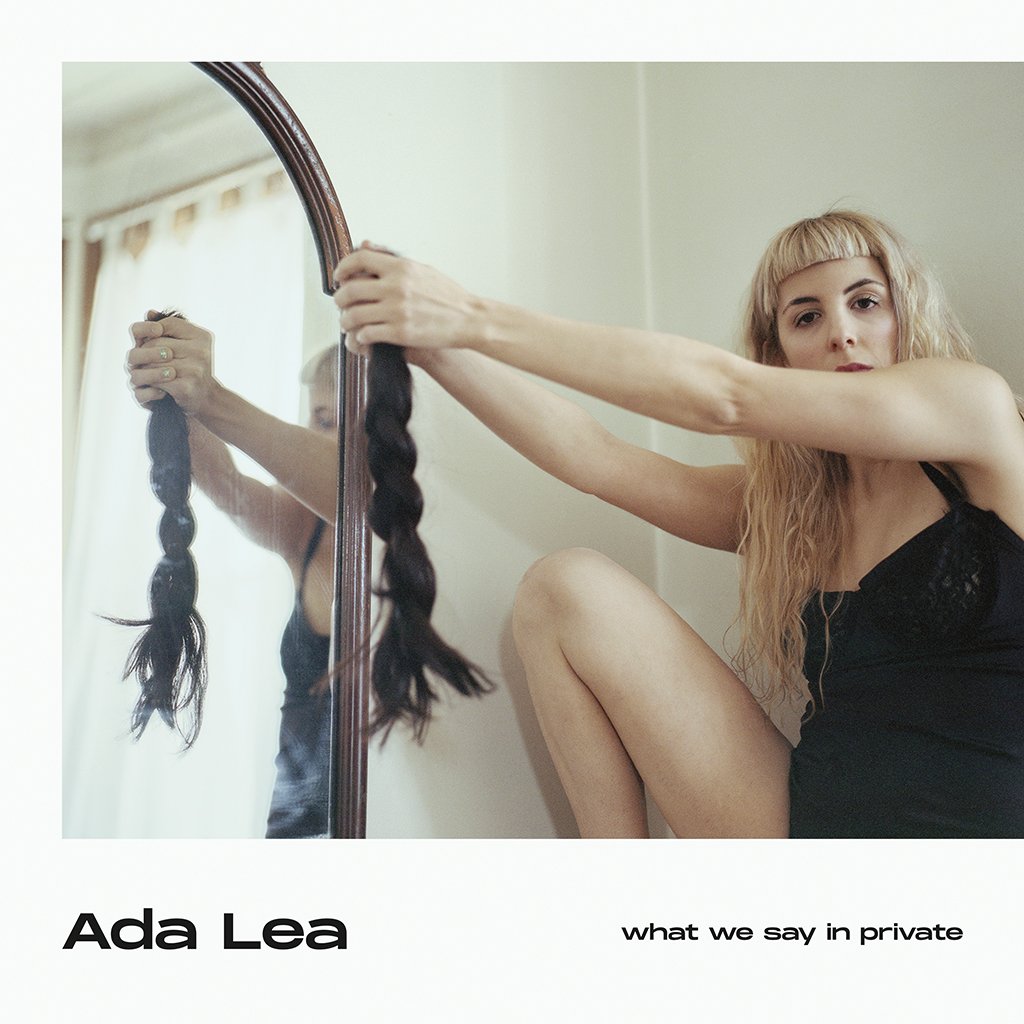
It’s hard to classify the sounds of Ada Lea’s“What We Say in Private”, as it mimics the playful intensity of Angel Olsen’s “Shut Up Kiss Me” on opener “mercury” before unraveling into Big Thief–like existential folk on the ensuing “Wild Heart.” The reason for this, perhaps, is Alexandra Levy’s scrapped plan to split the record down the middle between tracks she identified as “sun songs” and those she classified as “moon songs.” The result is a blending of the two on songs like “The Party,” which begins with an inherently lunar acoustic tranquility before the chorus’s glowing ambiance sets in around the two minute mark. More experimental elements shine through across the album via spoken-word postscripts, distorted vocal samples, ambient blips, and—her evident strong suit—lo-fi crescendos, for a truly unique feel.
Montreal, Quebec-based musician Alexandra Levy is also a painter and visual artist, and traces of her many creative abilities run throughout her debut album what we say in private, a beautifully colorful collection of profound pop songs. Throughout, she expresses feelings and thoughts that all humans experience behind closed doors and alone, but are conditioned to keep to themselves. This is reflected in the lyrics, the artwork, and the songs — together forming a public exhibition of deeply private matter. The album is a collection of raw, confessional, and at times messy emotions, presented to a society that can fear such realness, often favoring the uncomplicated, curated, and manicured.
“The Montreal singer-songwriter’s debut album uses heartbreak as the springboard for an innovative brand of indie rock that’s both fiery and introspective.
You may have seen Meg Duffy in the past, shining on stage as Kevin Morby’s touring lead guitarist. But with Hand Habits, Duffy has shown their own polished arsenal as a songwriter and their sophomore record, placeholder, dropped today on Saddle Creek Records. Hand Habits’ music gives rise to calming evenings and humble wanderings of the mind. Duffy’s sweet melodies provide a solace for a troubled heart and a salve for a heavy conscious. The gently operatic “What Lovers Do” and the wonderfully reprised version of “Yr Heart” are notable doses of what Hand Habits doe’s best: provide sheer comfort through song.
Meg Duffy describes the songs on their second full-length release, and first for Saddle Creek, as their most direct to date, crafted with clear intention. Instrumentally, Placeholder can be situated alongside some of Meg’s folk-adjacent contemporaries like Angel Olsen or Big Thief, and the guitar work on this album proves that Meg continues to be one of the finest young musicians working today. Placeholder is another entry in the Hand Habits songbook, but it’s also a valuable testament of our time.
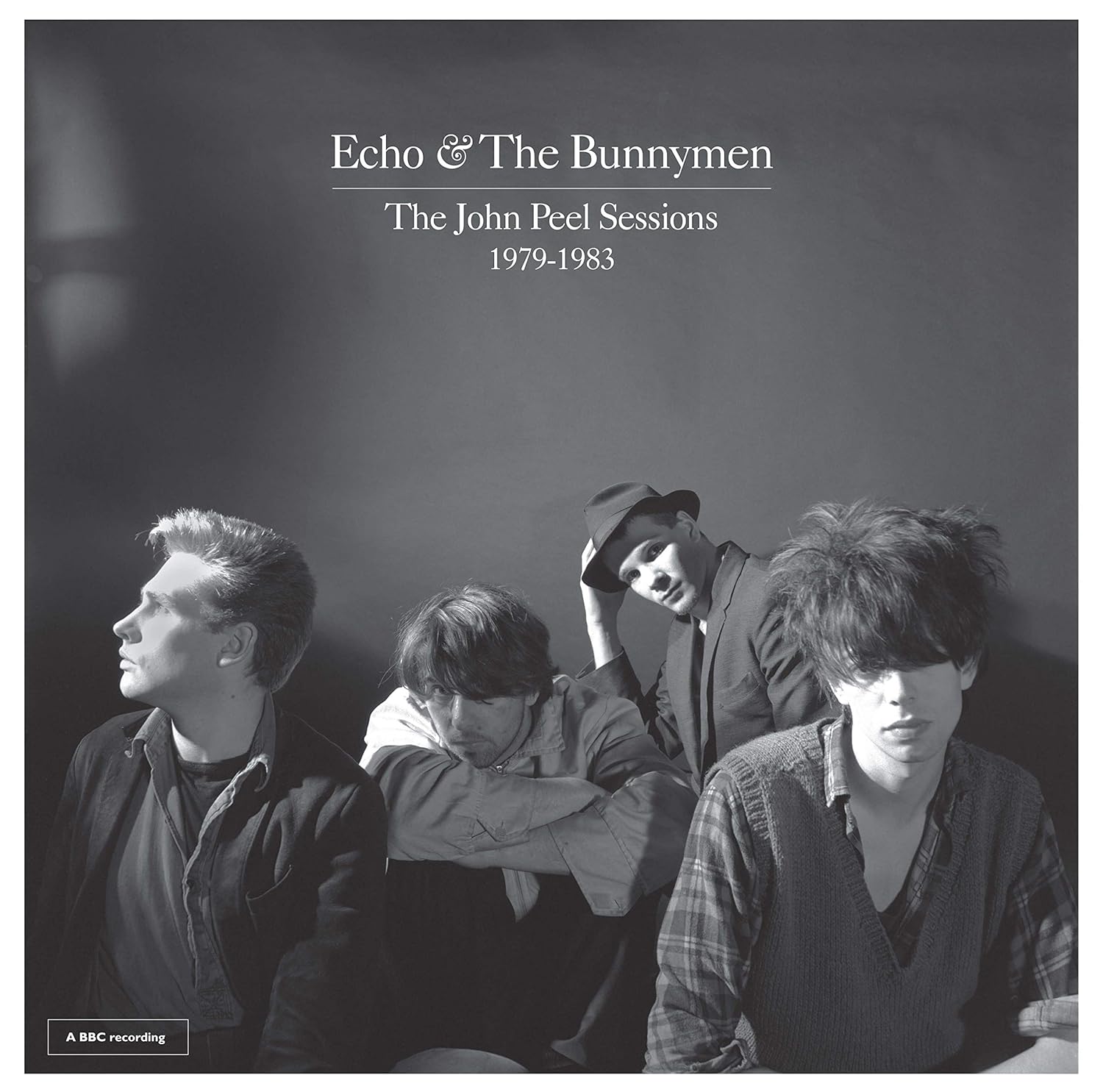
Echo & The Bunnymen present an archival dig for all of the sessions they recorded for the legendary John Peel during their formative years from 1979 to 1983. Many of the 21 songs do not appear on their early albums, as the band actually used the sessions to experiment with new material.
From post-punk roots, Echo & The Bunnymen grew to become Liverpool’s second most famous foursome with music that was darkly mysterious, sweepingly romantic and increasingly ambitious. BBC DJ John Peel was one of British alternative rock’s leading tastemakers during the band’s initial incarnation; as can be heard on THE JOHN PEEL SESSIONS 1979-1983, their paths crossed several times.
The six radio dates with Peel take the group from its beginnings (when drum machine Echo was still supplying the beats) to its masterpiece “Ocean Rain”. Showcasing fiery performances and Ian McCullough’s talent for improvising lyrics, these 20 recordings include revelatory versions of such Bunnymen favorites as “The Killing Moon,” “Seven Seas” and “Heaven Up Here.”
Now available as a limited edition 2-LP set on 180-gram black vinyl, THE JOHN PEEL SESSIONS 1979-1983 is a collection no fan of the band should be without
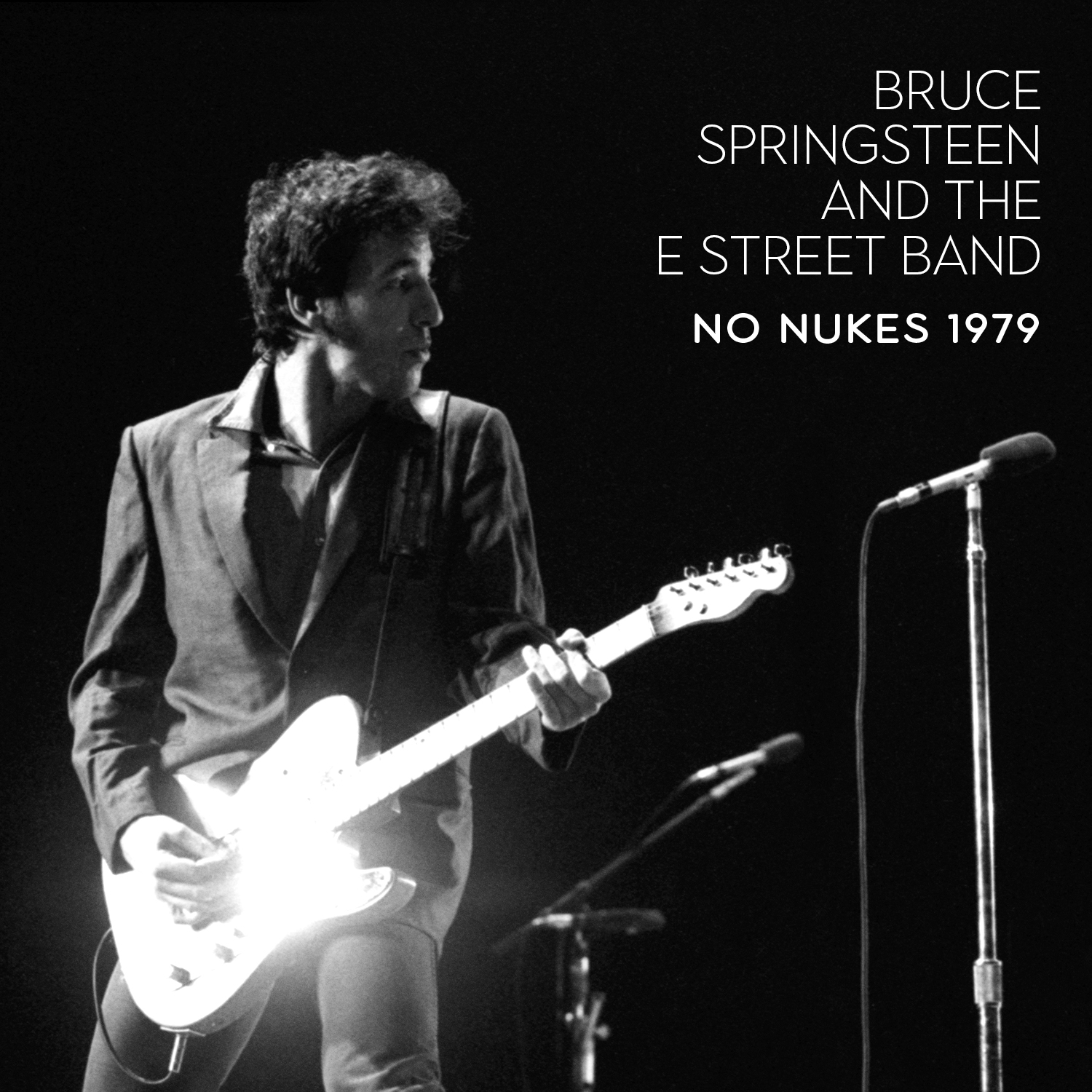
A worthy cause moves BruceSpringsteen and the E Street Band to pause recording of their new album to perform at the “No Nukes” benefit concerts in New York. Though a few tracks were later featured in the resulting live album and film, No Nukes ’79 presents Bruce’s complete sets from September 21st and 22nd, including the world premiere of “The River”, “Sherry Darling”, “Prove It All Night”, “Thunder Road”, “Detroit Medley”, “Quarter to Three”, “Jungleland”, “Rave On” and “Stay” featuring Jackson Browne, Tom Petty and Rosemary Butler . This release is mixed by Jon Altschiller.
There’s a case to be made that Bruce Springsteen’s appearance at two MUSE benefit concerts in 1979 mark the moment he truly arrived, when his status as not merely a rock star but THE rock superstar of his era became undeniable. And not unlike similar moments that affected Bruce himself, specifically Elvis Presley and The Beatles appearing on the Ed Sullivan Show, the power of a filmed performance was a major contributing factor. After all, the No Nukes film (released in 1980) and, to a lesser but still important extent, the No Nukes triple album, were the first commercial releases to ever offer live Springsteen performances.
After spending the better part of 1978 playing to ever-growing crowds on the Darkness tour (including arena dates in top markets), Springsteen had become a major touring act. Better still, the legend of his three-hour concerts was spreading, and word-of-mouth reviews sounded like tales of religious conversion. The collective sentiment expressed by those who had been to a Bruce concert to those who hadn’t was simple: You HAVE to see this guy play.
But with the Darkness tour wrapped and the focus shifted to studio recording, it seemed there would be no chance to see Springsteen live in 1979. The pent-up demand to see Bruce in concert, particularly in his NY/NJ homebase where he hadn’t played since September 1978 (save for an on-campus gymnasium show at Princeton in November), was off the charts.
Meanwhile, in March 1979, an accident at the Three Mile Island Nuclear Generating Station near Harrisburg, PA, highlighted the risks of nuclear power to the entire nation and further galvanized the already active anti-nuclear movement. MUSE (Musicians United for Safe Energy) was formed soon after Three Mile Island by a group of like-minded artists and music-industry leaders, including Jackson Browne, Graham Nash, and Bonnie Raitt.
To raise awareness and money, the newly founded organization wasted little time in announcing The MUSE Concerts for a Non-Nuclear Future, five shows at Madison Square Garden in New York City. Two of those would be headlined by Bruce Springsteen and the E Street Band in their only concerts of the year (not counting the final Darkness show, Cleveland 1/1/79). Needless to say, ticket demand for September 21st-22nd, the two nights Springsteen was scheduled to perform, was enormous.
Bruce and the E Streeters had spent much of the spring and summer in the studio at the Power Station on West 53rd, recording songs for what one year later would become “The River”. In fact, soon after the MUSE concerts, for which they paused to rehearse and perform, they considered stopping recording entirely and turning in a ten-song single album (eventually released in 2015 on The Ties That Bind box set).
While recording for The River would not only resume but carry on well into 1980, Springsteen was at least considering that his new album might be pretty much done when he took the stage on September 21st. He was also two days away from his 30th birthday. Combine that with an eight-month layoff from the road, and it is no wonder he and the band played with such passion and ferocity at the two MUSE concerts, both presented/captured here in full.
Jon Altschiller’s new multi-track mix crisply captures the electric anticipation in the air as the band tunes up and blasts into “Prove It All Night” on 9/21, with Max Weinberg in particular adrenalized by being back on stage.
With a limited, 90-minute slot on the multi-artist bill it’s a bang-bang set both nights: “Prove It All Night” into “Badlands,” into “The Promised Land.” What Bruce performs is in effect a mini Darkness concert that adds an important look to the future with the first-ever performances of his newly written masterpiece, “The River.” Introducing the deeply personal song the first night, Bruce says simply, “It’s for my brother-in-law”; the second night he says it’s for “my mother and my sister.”
While some finer details of the final arrangement of “The River” were yet to come, the emotional core of the song is fully realized. It is thrilling to hear these initial performances and to imagine what it would have been like to experience the song for the first time amongst the No Nukes crowd. My jaw would have been on the floor.
The look-forward to The River continues with “Sherry Darling,” shifting the mood materially with an “end-of-the summer song” and restoring the party atmosphere from the top of the show. From there, it is a race to the finish through “Thunder Road” (the performance from the second night is featured in the No Nukes film), “Jungleland” (a couple of particularly passionate versions), “Rosalita,” and “Born to Run.” All killer, no filler.
The two MUSE performances are relatively consistent, with the second night perhaps slightly less frenetic, as one might expect. The “encore” songs are where the changes come.
Night one we are treated to the delightful rendition of Maurice Williams’ “Stay” featured on the No Nukes album, a song which had been a regular part of Jackson Browne’s sets. Browne and his backup singer Rosemary Butler guest on the E Street version, as smooth a groove as any they’ve laid down. “Detroit Medley” also appeared on the No Nukes album in edited form, expunging some of Bruce’s hilarious “hazardous to your health” warnings and insurance pitching, which are restored here. The show closes with a 100 MPH cover of Buddy Holly’s “Rave On.”
The encore from night two repeats “Stay,” this time with the late Tom Petty sharing lead vocals with Springsteen and Browne, and wraps with a “Quarter to Three” for the ages, material parts of which made it into the No Nukes film.
The footage of “Quarter to Three,” which shows Springsteen giving it his all to point of collapsing on the floor and needing to be revived (in jest) by the band, preserved for all to see the unique magic of Springsteen in concert. The film also shows other artists reacting to the pre-show cheers of “Brooooce” (and acknowledging that Springsteen is the artist the crowd is really there to see), not to mention the incredible performances of “The River” and “Thunder Road” noted above.
Remember, at the time the No Nukes film was released in 1980, there was no MTV. Springsteen had never appeared on American television. You literally couldn’t see him perform without going to a concert until the No Nukes film opened that July. And when it did in the US, and later in the UK and Europe, tens of thousands of future fans saw with their own eyes what they had only read and heard about. Though he only appears on screen for perhaps 15 minutes of the film’s 103-minute run time, No Nukes managed to bottle up for the first time the essence of Bruce Springsteen in concert.
Finally, the No Nukes shows also marked Springsteen’s first overt foray into political activism. During the show, Bruce says it was Jackson Browne’s “sense of purpose and conviction that got me down here tonight,” and Browne’s commitment to the cause continues to this day. To honor that, $2 from each sale of No Nukes 1979 will be donated to Musicians United for Safe Energy, to support nearly 40 years of fighting the good fight.
California garage rocker Mikal Cronin recently shared “I’ve Got Reason” the final single ahead of the release of his fourth album, Seeker, out today. The song lets it rip with a fuzzed-out chaos that’s wonderfully sloppy—with a psychedelic music video adding to the madness.“I’ve Got Reason” is undoubtedly the heaviest of Cronin’s new releases. While “Shelter” works soaring strings into its beautiful arrangement, “I’ve Got Reason” strips away the frills. The single feels straight out of the garage, with a minimal guitar, bass and drum formula.
On his fourth full-length, Mikal Cronin continues to experiment outside of the Bay Area garage rock scene he was reared in. The songs on Seeker are imbued with darkness: lovelorn, tense, unsure. They’re rocking ballads filled with ornate production and doubts
From the album “Seeker” out October 25th, 2019 on Merge Records.
Montrealites Half Moon Run have released their third studio album, ‘A Blemish In The Great Light’, last Friday and it’s chock full of swirling indie rock riffs, at times a throwback to seventies nouveau synth, sometimes the harmonies feeling like an echo of sixties rock and roll. It’s a fresh new take and we like it. Last night they had a sold out headline show at Electric Brixton, and what a beauty it was.
Half Moon Run have returned with their third album, A Blemish In The Great Light, via Glassnote Records. Produced by Joe Chiccarelli (The Strokes, Beck, Killers) and featuring the singles Then Again and Flesh and Blood.
The word everyone comes back to when describing Montreal indie rockers Half Moon Run is “complex” (The Guardian, Exclaim, et al.) Whether they’re billed as dreamy alt-pop, bucolic alt-folk, or psychedelic indie rock, the four multi-instrumentalists – Devon Portielje (vocals, guitar, piano, percussion), Conner Molander (vocals, guitar, keyboard, piano, pedal steel, bass, harmonica), Dylan Phillips (vocals, drums, piano, keyboard), and Isaac Symonds (vocals, drums, mandolin, synth, bass) – have built their name on cerebral, acrobatic arrangements and harmonies that lilt prettily till they turn feral.
This project is funded in part by FACTOR, the Government of Canada and Canada’s private radio broadcasters.
The implied toughness of Bishop Briggs’ name suits her well for the performative strength expressed throughout her new album, CHAMPION. The record matches strutting, declarative percussion with the swelling choral elements of arena rock, layering both on a throughline of vulnerability. There’s a sobering badassery in Briggs’ marriage of aesthetic and naked self-exploration, the kind that invites a listening audience to bop their heads while doing soul-searching of their own, even if only on a subconscious level. Realizing personal introspection with the album blaring at the same time is a challenge: If CHAMPION can be distilled into a single word, that word is “loud,” whether in decibels or overdetermined wordplay.
The album’s title track, which was released over the summer, was written shortly before her breakup occurred, and therefore deviates a bit from her breakup anthem vibe, but is very Briggs: feminist, confident, honest.
“The meaning behind it being, as a woman, feeling like I have to be so many different things at once. You have to be powerful, but not too powerful. You have to be sexy but sweet. You have to be confident, but you have to be humble. And it’s just so exhausting,” Briggs says. “With this song, I just thought how different my world would be if I had some confidence.”
They only ever released four albums (so far, and five if we include Mid Air).
But all four albums are different. I listened to all the albums chronologically in one go. The “Blue Nile vibe” remains the same throughout all four, of course, but they seemed to have had a plan of attack for every one of the albums.
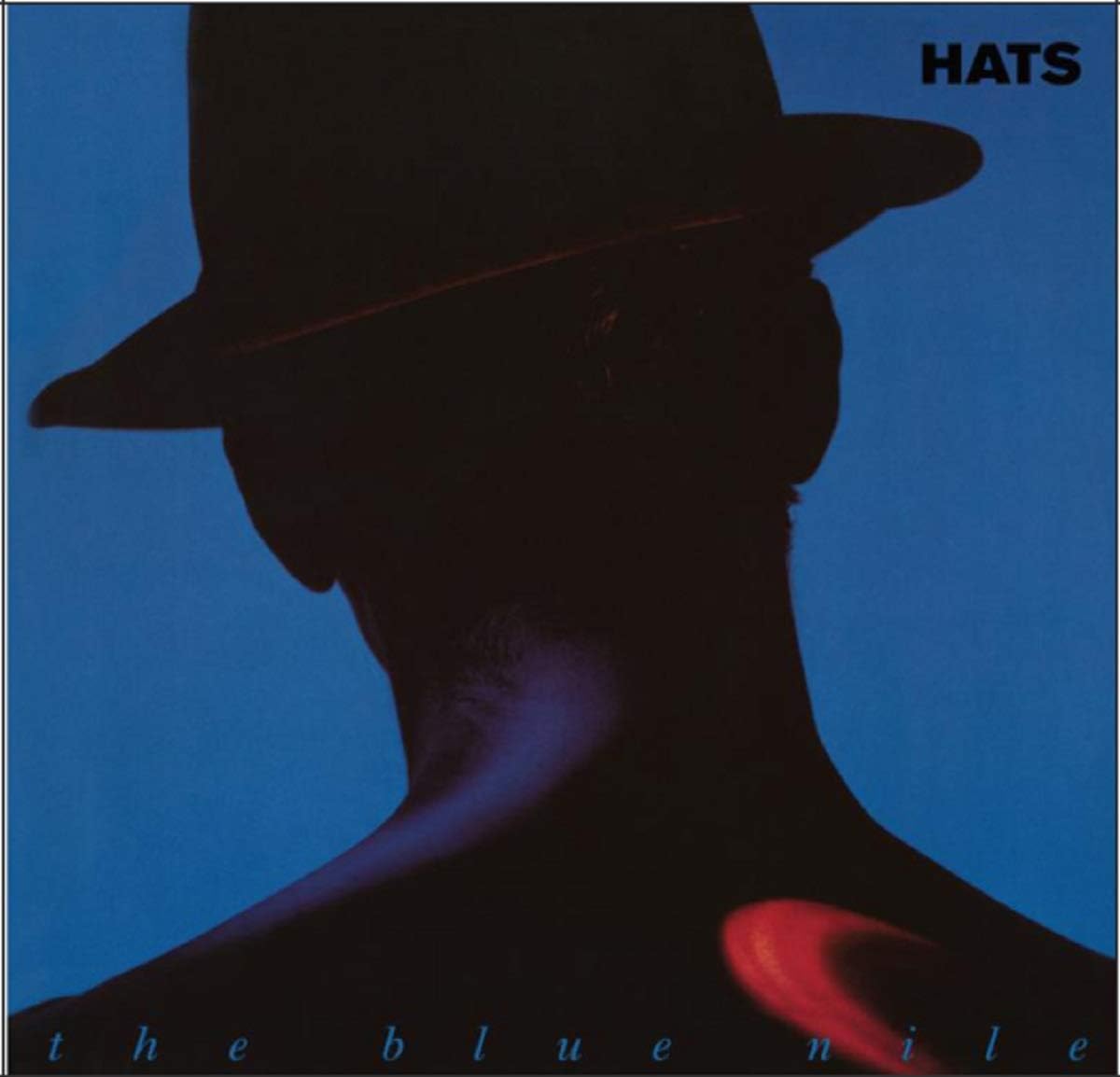
“Walk Across The Rooftops” is very percussive and ambient. And between “Rooftops” and “Hats”, it would seem that they had all the tools at their disposal for the first album but didn’t quite know how to fully utilise them. But with “Hats”, they did. “Hats” is more polished and accomplished, and a logical progression from the debut.
The sound of “Hats” is “heavier”, while “Rooftops” was more “airy.”
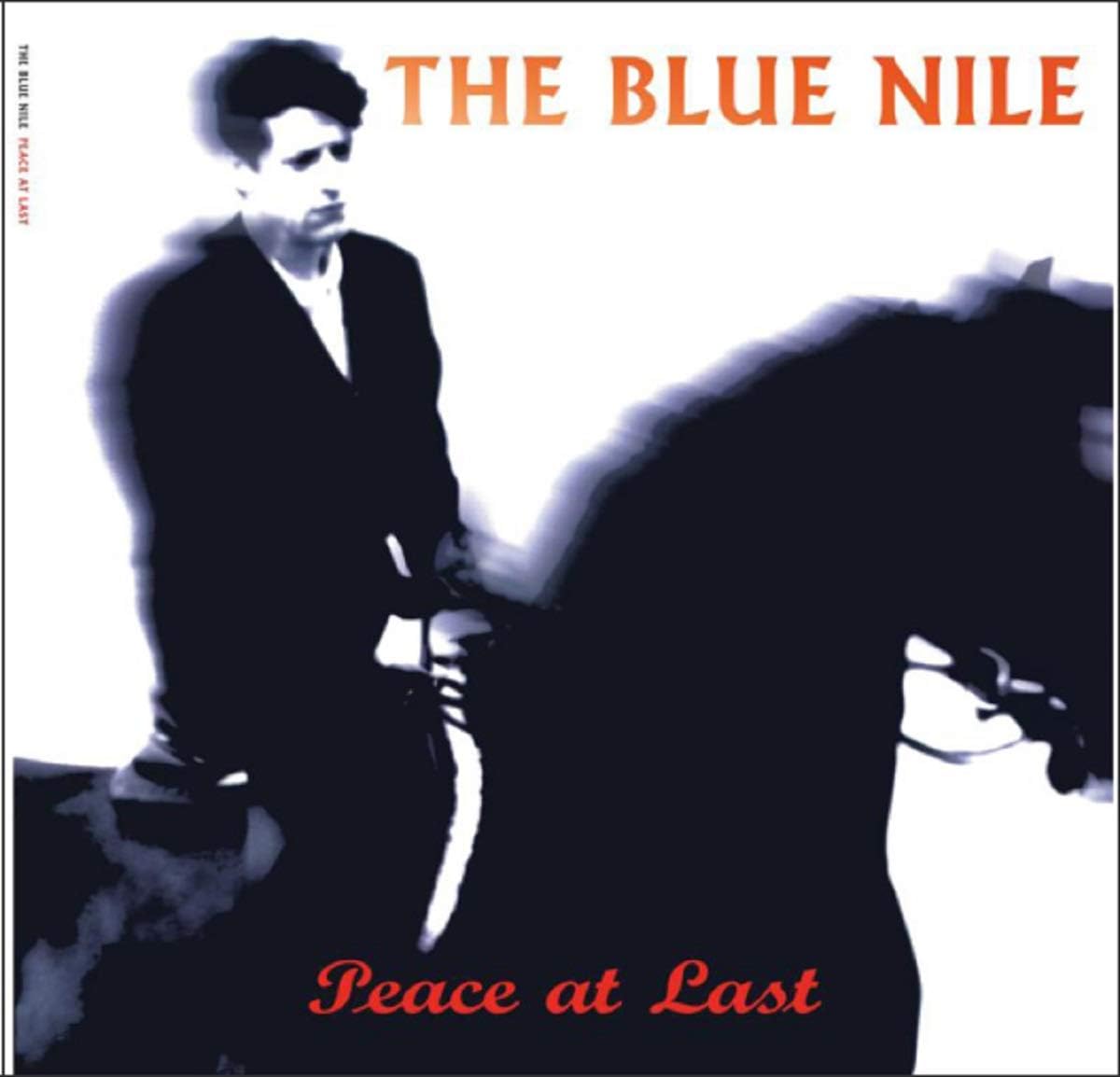
“Peace at Last” is what I would call their “guitar album.” The guitar, both acoustic and electric, is upfront and centre in the songs.
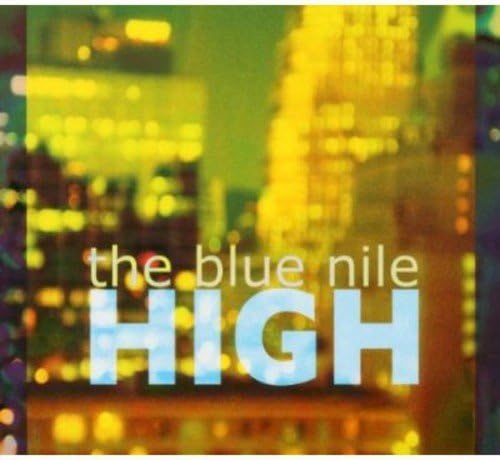
“High” is, I think, the most interesting one. The music is driven by motifs and repetitive lines and arpeggios, with a very prominent low end providing the harmonic anchor.
I can see that they really did put a lot of thought into all the albums, making each one distinctively different musically. I’d never noticed these differences until I listened to all the albums in one go.
Back in the day – this would be late 1983 or early 1984 – I had worked for Virgin Records the label. Those were the days when Virgin were churning out band after band, some of them better than others – The Records, The Motors, Japan, XTC and Magazine were among the better options on offer. Having come back from the latest Meeting at which there was no doubt but to get out there and mercilessly plug the latest Culture Club album, But at that time there was a new Glaswegian band called The Blue Nile who had made one indie single that sank without trace and whose records Virgin Records were now distributing.
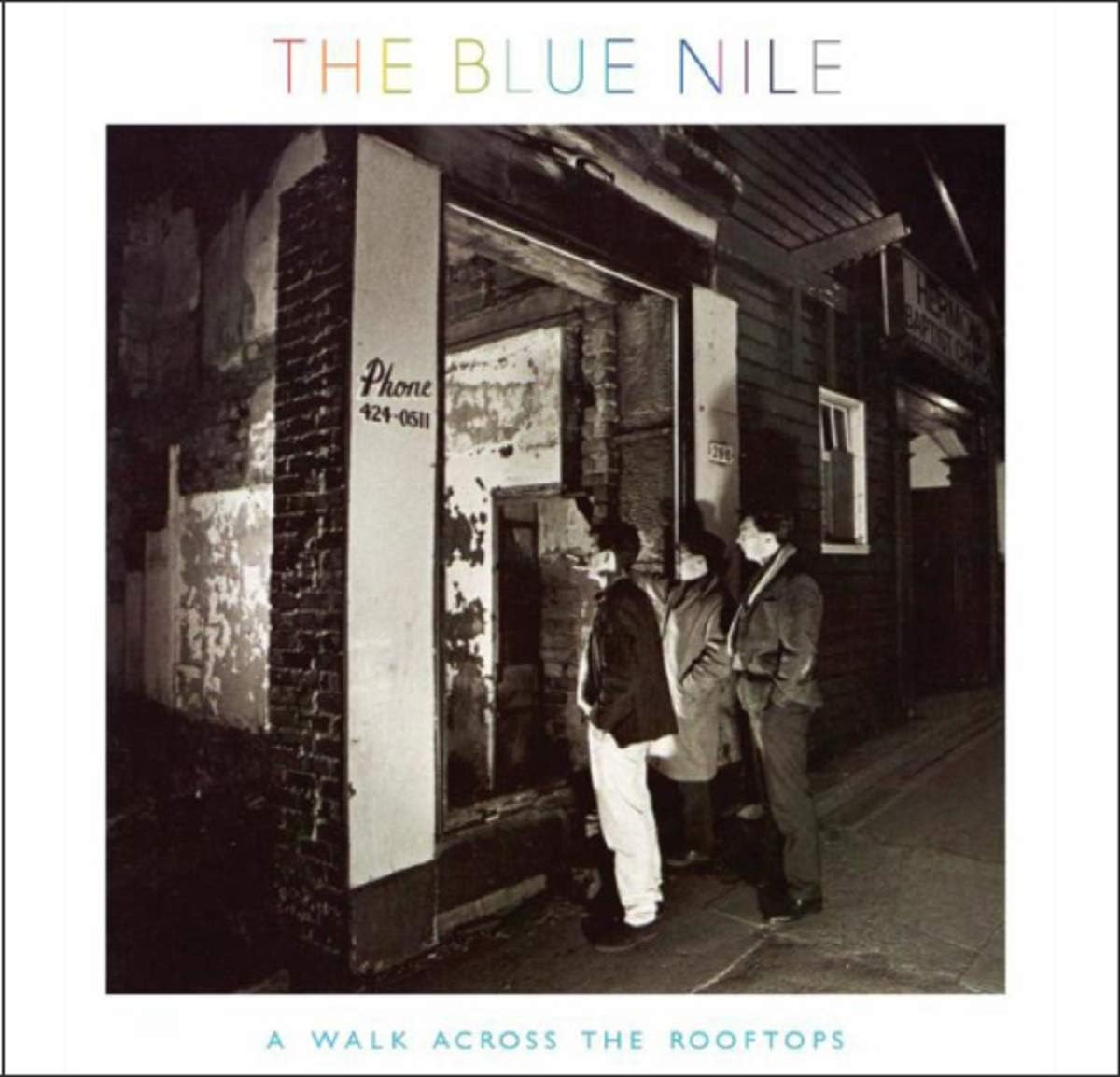
The Blue Nile’s debut album was – ‘A Walk across the Rooftops’. With lots of synths, clattering electronic percussion, chugging guitars, angst-ridden male singer – but somehow The Blue Nile had taken all these ingredients and turned them into something that was utterly unique. Where other synth-laden bands would just come off sounding cold and mechanical, The Blue Nile had somehow contrived to suffuse their electronic tableaux with warmth and humanity.
In early ’84, ‘Rooftops’ felt like a great record, though not without its moments of indecision, but the remarkable thing is that it still sounds nearly as good today, nearly 30 years later. It wasn’t really the singles from the album – ‘Stay’ and ‘Tinseltown in the Rain’ that made it sound so different to everything else; they were great singles that barely shaved the Top 40.
It was more the tracks that you had to revisit – the ones with lengthy silences in the middle of them and seemingly endless echoing fades, songs that sounded like they were recorded in the dimly-lit halls of an empty railway station at 3:30 am – songs like the title track and ‘Easter Parade’ or like ‘Heatwave’, that slowly built powerful castles in the night-time air out of the thinnest of preambles. And then there’s ‘Tinseltown‘……
One of my all-time favourites songs, if anything, whilst ‘Stay‘ has faded in my affections over the years, ‘Tinseltown in the Rain’ is still a song I probably love even more now than when I first heard it.
Like many bands that emerged after punk, The Blue Nile are defined by their limitations. Vocalist and guitarist Paul Buchanan later said told The Independent: “I’ve always found it strange that people missed the ‘punk’ aspect of “A Walk Across the Rooftops”. We were living in a flat in Glasgow with no hot water. We barely knew what we were doing and that was very liberating.” Buchanan’s guitar skills were limited, and the trio didn’t have a drummer, so the trio built around the assets they did have; Buchanan’s soulful voice, and Robert Bell and Paul Joseph Moore’s keyboards and synthesizers.
While 1980s synth-pop hasn’t always dated well, The Blue Nile’s classy, shimmering music has aged gracefully. Bell and Moore’s arrangements are almost symphonic in their carefully constructed grandeur. Buchanan’s yearning voice adds a human element, similar to contemporaries like Peter Gabriel or Talk Talk’s Mark Hollis.
The Blue Nile in the early days….no-one was doing anything like this, Of course, I duly proceeded to bore everyone about the Blue Nile and was almost willing their singles into the top Forty, but somehow it never really happened. ‘Rooftops’ remained frozen in time as one of the great ‘one-off’ albums of the era.
“Hats” had a troubled gestation, after touring 1984’s debut “A Walk Across the Rooftops”, The Blue Nile were sent straight back into the studio to record a follow up. Without material, the group spent almost three years recording without result. They were forced to vacate the studio for another band, and returned to Glasgow where Buchanan was able to overcome his writer’s block. Despite the five year gap between albums, and all of the studio time, Buchanan later claimed that half of “Hats” was recorded in a week.
Now, amazingly, finally, after most of us had given up on them, The Blue Nile had a new album out! ‘Hats’ was the album I thought I’d never see and it was seriously good as well – probably lacking a stand-out track like ‘Tinseltown‘, but a bit more consistent overall. Paul Buchanan’s achingly poignant voice and elliptical lyrics found nuggets of meaning in the elusive minutiae of everyday life. These were songs of loss and yearning and if you could almost make a case for ‘Rooftops‘ being an album of teenage wonderment, then it was equally possible that ‘Hats’ had us nicely settled down with a significant other and travelling the night-time highways.
The next album just reinforced it worked for me, it seemed that The Blue Nile in the autumn of 1990, with ‘Hats’ well-established on the playlist – came news that The Blue Nile were touring the UK. When Paul Buchanan finally spoke to the crowd, you could hear knuckle-cracking tension in every syllable but every hesitant sentence was greeted with shouts of encouragement, applause, laughter and sheer outbursts of joy. It could be argued that TheBlue Nile’s music is perhaps more ‘electronically assisted’ than other bands, with its samples and banks of electronic gizmos, but the sound was crisp, the performance right on the money and Buchanan’s voice the central rock on which waves of sound crashed throughout the performance.
Buchanan’s good at deflating his own romanticism. ‘Saturday Night’ could easily turn into a mushy love song, but his image of “an ordinary girl” grounds the song in reality. The strings don’t arrive until halfway through, and cascade all over an already beautiful song.
Another 6 years to 1996 and another Blue Nile album; different this time, with Buchanan’s acoustic guitar at the forefront and again the eerie feeling that the band and the lives they were living somehow paralleled my own. “Peace at last” was the album, less feted by the critics than its predecessors, but still a worthy successor to ‘Hats’. Here were songs about the sweet tedium of family life, the feeling of having settled. Still, there was ‘Body and Soul’ another Blue Nile anthem.
And so to ‘High’, the Blue Nile’s 2004 release, an album which seemed to aim for the purely electronic tones of the first two records. The lyrical undercurrent is more mixed on this album, with songs about commitment and staying power, but also tales of loss and of travel and with at least one landmark song, ‘Because of Toledo’. It’s another excellent album , filled with light and shade and the slow turning of the seasons. Four albums in 21 years.
In 2006, Paul Buchanan toured as a solo act, with Robert Bell on bass (and other musicians), but without P.J. Moore, then the Buchanan/Bell duo + band toured again in 2007 & 2008, this time as The Blue Nile, but again without Moore.
So perhaps we can hope for some new Blue Nile material soon. The Blue Nile are famous for their lack of productivity. The Glasgow-based group were formed in 1981 and effectively broke up by 2006, and released a mere four albums during their quarter century tenure.