In light of Tuesday’s election results, North Carolina-based indie label Tiny Engines has become the latest in a line of musical entities to put their wares up for charity. Starting this week, their entire catalog, which includes standout Philly acts like Mannequin Pussy, Cayetana, and Little Big League, will be available under the “Pay-What-You-Will” format with all proceeds going to Planned Parenthood and Southern Poverty Law Center
The Nude Party – “Water On Mars”
Typing ‘The’ before ‘Nude Party’ in Youtube’s search bar is critical, FYI. Without it yields some pretty weird results, but then again so does watching this video. Hailing from North Carolina, this six-piece make some seriously vibey music, which you’ll be able to hear more of when their debut album drops early next year. In the mean time, we’ve found water on mars. The Nude Party congealed as one unit in the southern mountain town of Boone, NC in 2013 and gained their namesake very literally. Bonded by isolation, house party debauchery, a religion based on pushing the limits of bad taste, and a precocious predisposition towards the Kinks, the Animals and the Velvets, they have burgeoned into a rock and roll act to be reckoned with
This is the first single from our upcoming debut LP. Recorded live at RCA Studio A in Nashville, TN.
The voices of Emily Frantz and Andrew Marlin, the two members of North Carolina acoustic duo Mandolin Orange, are a study in contrasts. Frantz’s vocals are lilting, floating above the instrumentation, whereas Marlin’s are understated. Contemplative and pretty can only get you so far on best end lists, but Mandolin Orange have molded poignant lyrics and awe-strucking melodies rekindling the finest of Gillian Welch and Neko Case. Themes of loss, love and mortality are usually the driving points of thought provoking folk, but this North Carolina duo creates a uniquely elegant sparse acoustic meal.
From Durham, North Carolina’s are Loamlands who have announced their debut release, “Some Kind Of Light”, an EP of stirring Americana and Southern rock tunes penned by Kym Register and Will Hackney. The duo have collaborated for years, and the newly formed Loamlands provides a platform for each musician to express contemporary ideas through an array of Southern musical styles. Lead vocalist Kym Register delivers powerful tales of perseverance, justice and uncertainty, frequently blurring the lines between the personal and the political. Recorded in 3 days in rural North Carolina with members of Megafaun and Lost in the Trees serving as rhythm section, Some Kind Of Light is an essential introduction to one of North Carolina’s most exciting new bands. This record is going to be huge , remember I told you about them first .
The EP will be out September 24th on Trekky Records,
The Butchies were a punk rock band from Durham, North Carolina, that existed from 1998 to 2005. They reuinted from their hiatus to tour with Amy Ray of the Indigo Girls promoting Ray’s solo album Stag. In their later tours, The Butchies collaborated with lesbian folk icon Amy Ray,
Kaia Wilson had previously performed in Adickdid and the queercore band Team Dresch,
Made up of Team Dresch guitarist and frontwoman Kaia Wilson, bassist Alison Martlew, and drummer Melissa York, The Butchies The band has been performing together since the recording of their first album, AreWe Not Femme? in 1998. Since then, the trio has recorded three subsequent albums, In 2005 the band announced a hiatus.
The first three albums were released by the now-defunct Mr. Lady Records, run by Kaia Wilson and Tammy Rae Carland. It was named after Wilson’s first solo LP, Ladyman, created after leaving Team Dresch. ,
This artfully crafted solo acoustic guitar with storytelling capabilities than belie the lack of lyrics, Won’t You Cross over to That Other Shore · Daniel Bachman For Fans of Jack Rose, William Tyler, John Fahey
Guitar savant Daniel Bachman’s seventh album, River, is a rippling suite of the tradition-spanning solo picking he’s honed since his teens. Inspired by the Rappahannock River in his native state of Virginia, it was recorded and mixed last year by Brian Haran (Vetiver, Hiss Golden Messenger, Megafaun) at Pinebox Recording in Bachman’s current home of Durham, North Carolina. “We did everything first take, pretty much,” he says in a warm, southern accent. “I was fresh off the road, so all that stuff was tight anyway.” Alongside his intricate, meditative combination of folk, psychedelia and blues are re-toolings of “Levee” by his hero Jack Rose and William Moore’s nearly 90-year-old “Old Country Rock.” The first proper studio experience for the frequent collaborator of Ryley Walker sounds like the satisfying results of 10 years of exhaustive practicing and year-round touring for half a decade. To replenish his powers for tension and release, Bachman has disappeared into the wild landscape that informs his work.
He Says: “I own three [guitars] currently. I got a mid-Eighties Guild, an early Seventies Martin and a no-name lap guitar I bought in Nashville a couple years ago. I play electric every once in a while for fun. I’m not a total gearhead. I have what I have, and they serve their purpose. I’ve totally honed it in at this point — even down to the fingerpicks I use. It’s like finding that perfect pair of shoes and then you keep buying them forever. . . . I’ve got a setup in my house where I can sit down with a mic and run it into the computer, but when I do that by myself I get really frustrated. I’ll hate it. I’m not an aggressive person, but I’ll get super aggressive, throw my guitar and scream and stuff. [Working in a studio], you can’t act like a baby around other people. So you kinda gotta just go in and knock it out. Having someone else push the button, that’s the biggest difference.”
The 14-minute “Won’t You Cross Over to That Other Shore” provides plenty of drama through dynamic shifts, willful speed and the right alternate tuning.
Beginning with their 2010 EP, “The Letting Go”, North Carolina’s Mount Moriah has been a steady, subversive force in the state. The band’s members have backgrounds in punk and heavy metal, but deliver sharp, twang-tinged rock music together as a unit. Heather McEntire, who fronts the outfit and writes the band’s lyrics, pens moving songs that ache and soothe as she sings about heartache and redemption. A crucial part of MountMoriah’s songs has been the idea of a conflicting Southern identity: loving the place you call home, but sometimes clashing with dominant cultural politics or mindsets. The band transforms those sometimes ugly skirmishes into utterly stunning songs.
The band delivered two excellent records with 2011’s Mount Moriah and 2013’s Miracle Temple and, in February, their third LP will arrive via Merge Records. “Cardinal Cross,” the first single from the forthcoming new release titled “How to Dance”, is a strong, scorching tune that ponders supernatural and astrological elements. Jenks Miller, who crafts most of Mount Moriah’s intricate and intriguing guitar licks, explains that the song’s theme is based on an astrological phenomenon called the Grand (or Cardinal) Cross, which represents the intersection of personality traits that seem to conflict with one another.
It is only recently that Phil Cook’s story has turned from one of a departure, to that of an arrival.” Southland Mission” is a soundtrack of shared experiences and Phil’s purity in leadership is self-evident from the moment the needle hits the record. The songs have no prerequisite, no pretension. Instead, as a collection, they call on listeners to witness and immerse themselves in their own journey. Placing focus on the way the tracks make them feel in lieu of searching for superfluous descriptors and categories. With this album, Phil is offering up his claim that the industry labels and genre constraints are rendering themselves irrelevant. Each track is a palpable glance back at the heritage of a our shared musical culture, subtly encouraging what will be a vital shift in keeping true artistry alive. Things tend to come into focus after a long journey, and this record is no exception.
So, throw open your folded arms and embrace the anthemic reveal of “Great Tide”, a sound big enough to fill a stadium. Absorb the percussive heartbeat under Phil and Frazey’s poignantly resonant verses on ”Anybody Else”. Hop in the truck and blare “1922” out of some blown-out speakers, then find a quiet place to plug in your headphones to hear every peak and valley of the guitar solo on “Ain’t It Sweet”. The lyrics tell stories of loss, layered with sentiments of self-doubt and intermittent promises of change. The compositions are Phil’s testament to truth in music, integrity in creativity and reverence for those who paved the way for these sounds to fall on our ears. Southland Mission is certain to compel you to stomp your feet, pump your fist, and sway and spin with reckless abandon.
Phil’s mission is far from complete, but for the first time in his life, it seems to be clear where he’s headed. Undoubtedly, with this record as our induction, we are all in for an epic ride.
Out 9/11 via Thirty Tigers & Middle West
Merge Records hits the three-decade mark. Founded by Superchunk’s Mac McCaughan and Laura Ballance in 1989, the imprint initially issued a series of 7-inches and cassettes before releasing the first full-length LP, Superchunk’s Tossing Seeds singles compilation.
Of course, it’s grown quite a bit since then. Though at first it was a DIY affair that saw their now-iconic logo slapped on recordings by a handful of local Chapel Hill groups along with bands from Kansas (Butterglory) and New York (Bricks), eventually the roster expanded to include some up-and-coming acts from Canada (Arcade Fire, Destroyer) and London (The Clientele, Ibibio Sound Machine), as well as some artists that even influenced the bands on the Merge roster (Bob Mould). It was once an outpost for promising young underground bands, and it still is. But it’s also become a respected brand, and home to too many great bands to mention.
As the label launches a year’s worth of anniversary festivities, we’ve assembled a list of 30 of our favorite tracks from Merge Records’ history. There are, of course, plenty more where these came from. So think of it as a starter’s sampler of essentials, and then go from there.
There is no Merge Records without Superchunk, but there is arguably no Superchunk without this song. Merge’s seventh release overall would define both the label and the band, their first single not credited under their old name Chunk. Superchunk’s version of power pop with fuzzed-out punk guitars and screamed melodies wouldn’t propel a full album until at least 1991’s No Pocky for Kitty on the Matador label. Instead, it was early vinyl sides like “Slack Motherfucker” that showed them in their best light for the first few years of their career. They could not have kicked things off better and tighter than with Mac McCaughan’s desperate, matter-of-fact portrait of a lazy coworker. If members of the freaking Minutemen themselves were keen enough to cover it, surely Superchunk were on to something.
Founded by Superchunk’s Mac McCaughan and Laura Ballance in 1989, the North Carolina based indepenent label MERGE RECORDS grew to become one of America’s respected and essential indie labels for 25 years. Merge has always stayed true to its Indie roots with some highly acclaimed and influential releases over the years. from bands like Arcade Fire, Neutral Milk Hotel, Magnetic Fields. and The Mountain Goats.
Drive Like Jehu only released 20 songs during their career, which is an astonishing bit of trivia to be sure, considering the influence and legend of the band. Two years before they issued their landmark album Yank Crime, the San Diego post-hardcore quartet released a double-sided selection of bruisers on Merge—along with a couple of singles from John Reis’ other band Rocket from the Crypt and the Reis-produced Superchunk album On the Mouth. The b-side to “Hand Over Fist” is the explosive standout, a song that sounds like it’s speeding toward oblivion without brakes. That’s what a lot of the band’s taut, intense anthems sounded like, but even so this one feels just a little bit more like an impending collision, one of the most dangerous-sounding things the label ever released.
There has been enough written about In the Aeroplane Over the Sea at this point that adding much more to the analysis, discussion and legacy of the piece is practially impossible. However, “Two Headed Boy” Jeff Mangum’s lyrically cryptic lo-fi solo endeavor is a haunting, mysterious masterpiece. Mangum’s vocal range here feels like a full band, overshadowing his own guitar work with nuanced pace, breathy, at times smooth like velvet, at times pensive and afraid of its power. The guitar tone and work is perfectly serviceable, but it’s the lyrics with perhaps allusions to Anne Frank, or the exposure of fame and success, that regardless become a powerful, spellbinding communion between listener and artist.
The 3-CD psalmbook 69 Love Songs—arguably the most adored self-imposed homework assignment in music history—is just as overwhelming a presence now as it was 20 years ago, even as a few of its lesser-acclaimed tracks have sifted themselves off the cubicle playlists of sub-romantics. About a third of its songs could plausibly be in this article, but “Papa Was a Rodeo” is as close to a centerpiece as it can claim, and probably the most popular track by points. As one generally does when they’re writing 69 love songs in one go, Stephin Merritt rendered down a bunch of pop styles and personas for closer examination. “Papa Was a Rodeo” benefits the most from his off-hand gender agnosticism and very careful romantic distance. That this collision between two down-on-their-luck saloon dwellers has an atypically happy ending enhances its charm. If you’d rather, substitute it with any 69 Love Songs track that clocks in at 90 seconds or more (except “Love Is Like Jazz”).
Nashville’s Lambchop have never quite fit in comfortably anywhere someone would have them. Though they sometimes feature pedal steel and hail from country music’s capital, they’re not exactly country themselves. Sometimes they’ll Auto-Tune the better part of a double album, sometimes they’ll sound more like ’70s soul. But “Up With People,” the highlight of their career-high Nixon—a kinda-sorta concept album about our former president (kinda)—-more than anything showcases them as a powerful ensemble guided by the songwriting talents of KurtWagner. A backing choir implores “Come on progeny!” against an alternately noisy and jazzy Americana strut that feels a bit like Glen Campbell playing through Lee Ranaldo’s amps, and though on a marketing level it’s probably a head-scratcher, through headphones it’s sublime listen.
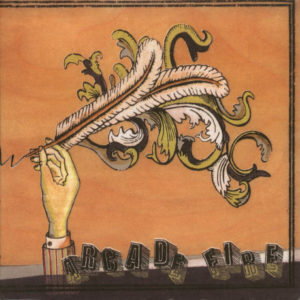
It just had to be. Arcade Fire have had more popular songs as their success has skyrocketed, but nothing captures the rise of the Canadian indie powerhouse quite like “Wake Up.” Though they eventually made the move to major label Columbia, Arcade Fire actually remained loyal to the independent label for a long time after they’d achieved superstar level fame. That’s in no small part thanks to the shot Merge gave them due to the songs on Funeral. There’s something undeniably exhilarating about it, the crunching guitar quartets and that indomitable chorus of “aah aah aaaaaah”s get the blood going in a way that inspires action and made it the obvious choice for soundtracking a plethora of adventures, from Where the Wild Things Are to Walter Mitty. Bigger things have come from Arcade Fire, but “Wake Up” is a snapshot of a time when their raw energy was enough to sustain them.
“Wasting your days chasing some girls alright, chasing cocaine through the backrooms of the world all night.” The opening lines of ‘Kaputt’ easily play into the vibe of the song; washed out, decadent and indulgent. But as with everything Dan Bejar and Destroyer do, there’s far more layers to unwrap here. Kaputt means broken, and that’s exactly where Bejar stands on such a life. Drawing on the lush sounds of the early ’80s, the smoothest of saxophones gamboling through the reverb-drenched chords; the title track of Destroyer’s ninth album and fifth with Merge explores the emptiness of hedonism with a numb and dreamlike quality. “I wrote a song for America, who knew?” Bejar wryly muses; ever subversive and critical, this is some of his finest songwriting from his finest album to date.
M. Ward has always made new music that’s sounded like it might have been found on an old cassette, or even an antiquated 78, though he gradually embraced a less lo-fi, less stylistically vintage approach. Transistor Radio is essentially the middle point between his higher fidelity later recordings and the warm, fuzzy plucks of his earlier records. Many of the songs are really short, though on something like “Sweethearts on Parade,” it does all it needs to in just over two minutes. A dense, almost shoegaze-like fuzz fills the background, letting effects-pedal distortion win out over tape hiss as Ward crafts a climactic melody that gets out just as it gets going
M.C. Taylor’s prolific songwriting has been a large part of Hiss Golden Messenger’s story—ten albums in ten years for those playing at home—with his country infused folk-rock stylings praised more for their consistency than any kind of broken ground. But this perception is elevated by the true gems that lie within the catalogue. “When the Wall Comes Down,” the lovely folk closer to 2017’s exemplary Hallelujah Anyhow, is one such. Playing out almost as bonafide gospel classic, it feels plucked out of the pages of history to be buried in the back-end of one of Taylor’s collections, discovered only by the lucky few. “What’cha gonna do when the wall comes down, what you oughta do is let it lie,” his whisky-soaked gravel voice sings over his strummed acoustic. Drawing further on the gospel traditions, the talk of walls and message of togetherness and reconciliation takes on weight now more than ever – even in two short years.
Based in North Carolina Merge Records is celebrating its 25th anniversary this year. From taking over baseballgames to planning their own four-day festival, they’ve been doing so in style. The next part of their celebration is a 24-minute documentary chronicling the rise of their indie label. It features interviews with employees and artists and narration from Daniel Handler, the author of A Series Of Unfortunate Events who has his own history with Stephin Merritt and the Magnetic Fields. In addition to the documentary, the label has also shared videos of Merge Recording artists covering each other as part of a free sampler with contributions from Superchunk,Telekinesis, the Mountain Goats, Saint Rich, and Hiss Golden Messenger. Watch the documentary.
Tiny Engines Records are an Independent label based in Charlotte, Carolinas formed in 2008their releases to date during 2014 include:
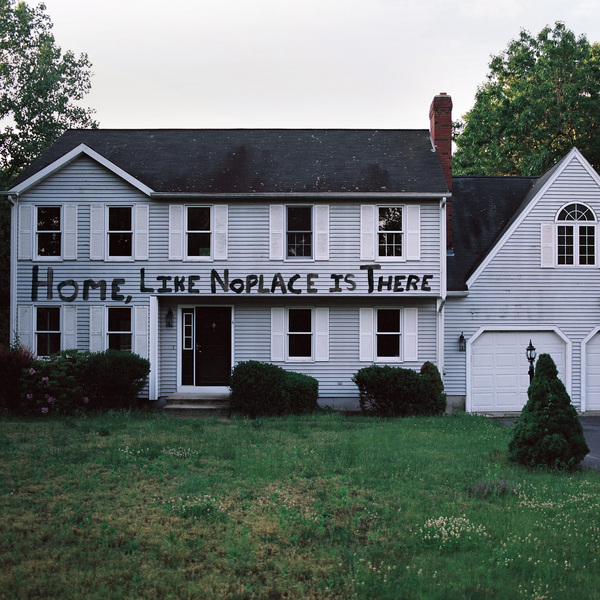
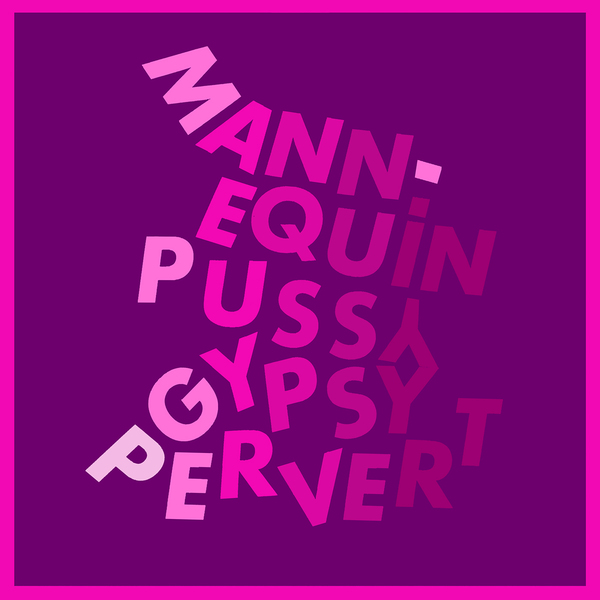
The Hotelier – “Home, Like Noplace There Is”, Cayetana – “Nervous Like Me”, Mannequin Pussy – “Gypsy Pervert” expected for 2015 Releases: Runaway Brother, Sweet John Bloom, Places To Hide
If 2014 was the year that the emo revival reached its peak, then Tiny Engines was at the very top: the Hotelier’s “Home, Like Noplace There Is” will surely go down as the defining emo record of the decade, and Dikembe released the Brand New album that we’ve all been waiting for. But their success didn’t end there. They championed vital strains of punk, from Cayetana’s blearingly honest debut “Nervous Like Me” to Mannequin Pussy’s scuzzy, discordant “Gypsy Pervert”. Their shorter releases gave them even more breadth: Beach Slang’s life-affirming pair of EPs, It Looks Sad’s mumbling post-punk debut, and Places To Hide’s vulnerable and irresistible “Wild N Soft” were all refreshingly different while still feeling as though they belonged in the same family. Co-founders Will Miller and Chuck Daley are two of the best in the business, and they both have a hell of an ear for discovering untapped talent. Tiny Engines Records did more good for punk and emo this year than anyone else — expect them to keep doing so for a long while




 The Fat Angel Sings