Posts Tagged ‘Live’

Jefferson Airplane’s contribution, the immense “Bless Its Pointed Little Head”, seems to have gone oddly un-heralded, despite being one of the very best of the period. Jefferson Airplane were -and remain- legends of the hippie counter-culture that sprang up in the mid-sixties in San Francisco. Their politically-charged and drug-tinged anthems touched a deep chord in the hearts and minds of California’s youth, whilst the charisma and beauty of singer Grace Slick made them perhaps the most media-friendly of all the West Coast bands bar The Byrds. Their 1967 hits ‘Somebody to Love’ and ‘White Rabbit’ became staples and signatures for an entire generation of American refuseniks.”

No ’60s concert scene was better documented than the San Francisco explosion . But of the official releases that came out at the time, the one to have is this Jefferson Airplane set, recorded during October ’68 dates at SF’s Fillmore West and a month later at Fillmore East in NYC. Here in that time between Monterey and Woodstock, between the albums “Crown Of Creation” and “Volunteers” , the band was growing daily in confidence, muscle and a knack for making the most of the moment. The constantly shifting dynamic of vocal triad Grace Slick, Marty Balin and Paul Kantner was a nimble beast, but more evident than ever was how much the tandem of guitarist Jorma Kaukonen and bassist Jack Casady formed the beating heart of this band.

Must-hear song: Balin’s “Plastic Fantastic Lover” has fury only hinted at on the Surrealistic Pillow studio version . But the real treasure is the version of folk figure Fred Neil’s written staunch and steely “The Other Side Of This Life” , a live Airplane staple from the early days, but never before seeing official release.

The cheat: Not only was it pieced together from several dates, some of the songs themselves are multi-date spliced jobs.

The live rock album really took flight at the end of the decade with Bay Area bands like The Grateful Dead “Live/ Dead”  Quicksilver Messenger Service  “Happy trails” , Big Brother & the Holding  Company(parts of ’68’s ) Cheap Thrills . It made perfect sense: part of the San Francisco mystique was the live experience, the sense of community and unpredictability, bands being given the space—and the state-of-the-art sound systems to take winding (and long) musical trips. With , a combination of 1968 recordings from the Fillmores East and West on both coasts,

The Airplane

Jefferson Airplane made one of the defining albums of the band’s career, with dynamic vocal interplay among its three singers (Marty Balin, Grace Slick, Paul Kantner), a blues spotlight for guitarist Jorma Kaukonen and Rock Me  , a swirling rendition of Donovan’s “Fat Angel” (“Fly Jefferson Airplane, gets you there on time,” it goes, making this a self-referential self-tribute), and a soaring 3/5 of a Mile In Ten Seconds . The Airplane were a strange amalgam, part post-folk (there’s a terrific take on Fred Neil’s “The Other Side Of Life” on ‘Pointed Little Head’), part psychedelic rock, part electric blues, and it could all get scattered, but when it locked in, they were one of the more mesmeric of the groups who came out of San Francisco scene. If you want to get a sense of what made them, on a good night, so special, you can start here.

Advertisement for Talking Heads’ ‘Psycho Killer’ single, 1977. Saw TH in Swindon, 1977, supporting Dire Straits

Classic performance at the Boarding House, San Francisco from 16th September 1978. Includes the entire KSAN-FM broadcast. Digitally remastered for enhanced sound quality. Byrne’s unholy pact with loathing is primed, funked and punked for the stoically impassioned, but in contrast to the detached state of suburbia up front, the band party hard with a deep sense of funk and engaged complexity. The set draws from their debut album Talking Heads ’77‘ and the follow-up ‘More Songs About Buildings And Food’ taking it all to the flaming crescendo of ‘No Compassion’.

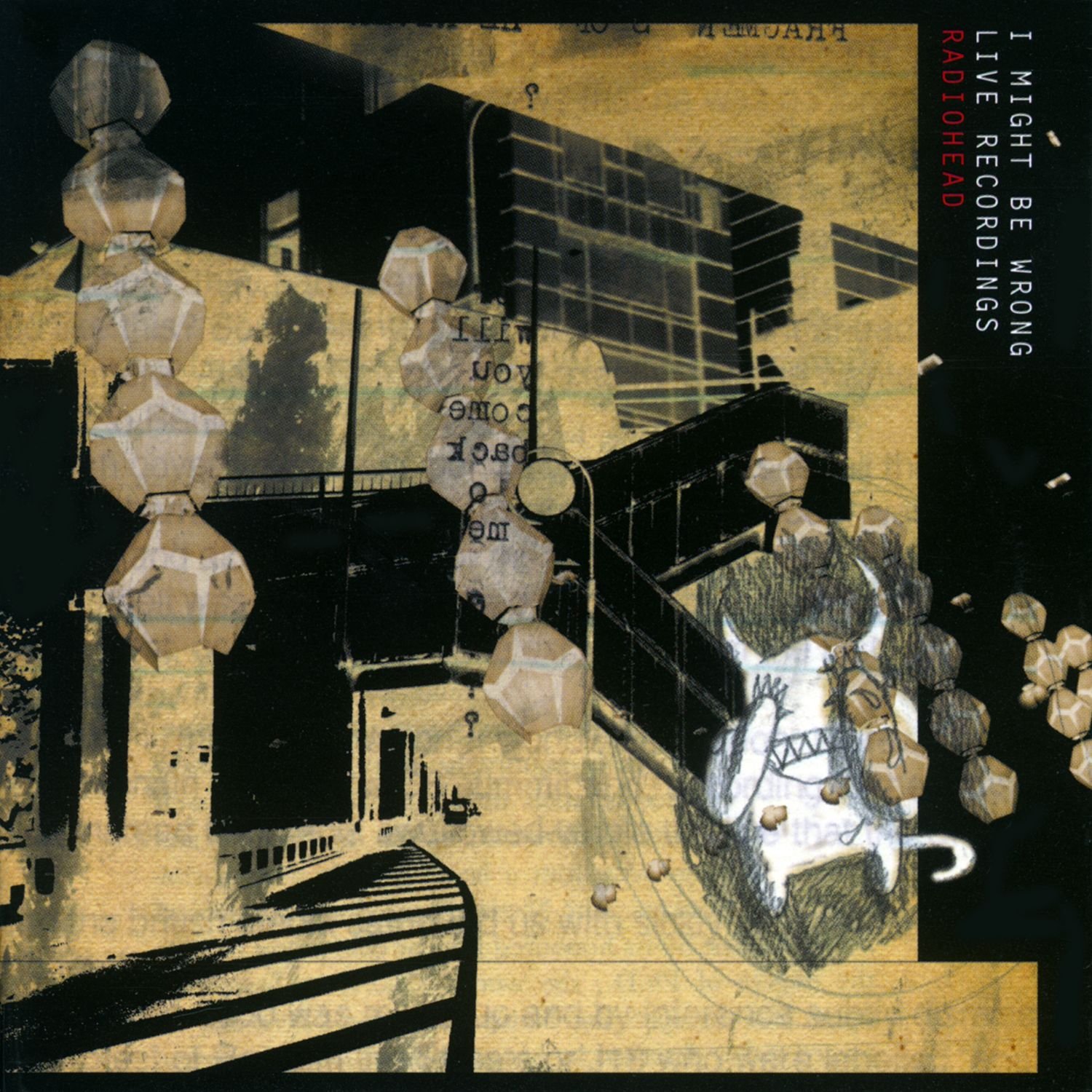
The closest thing we have to a proper Radiohead live album, “I Might Be Wrong” documents how the band transforms its intricate songs for the stage—an especially tricky feat when talking about the moody, unconventional tracks of the Kid A and Amnesiac era. Some are redone here completely: The unearthly, backward-playing “Like Spinning Plates” becomes a glowing piano ballad, while the free-jazz horns of “The National Anthem” are replaced with Thom Yorke’s frantic beatboxing. Others, like “Morning Bell” and “Idioteque” are tweaked just enough to turn them from chilly and ominous to furious and alarming. The whole thing concludes with what was, for ages, the only official release of “True Love Waits” a mythical fan-favorite live staple that’s forever preserved here in its original, acoustic-guitar-driven form

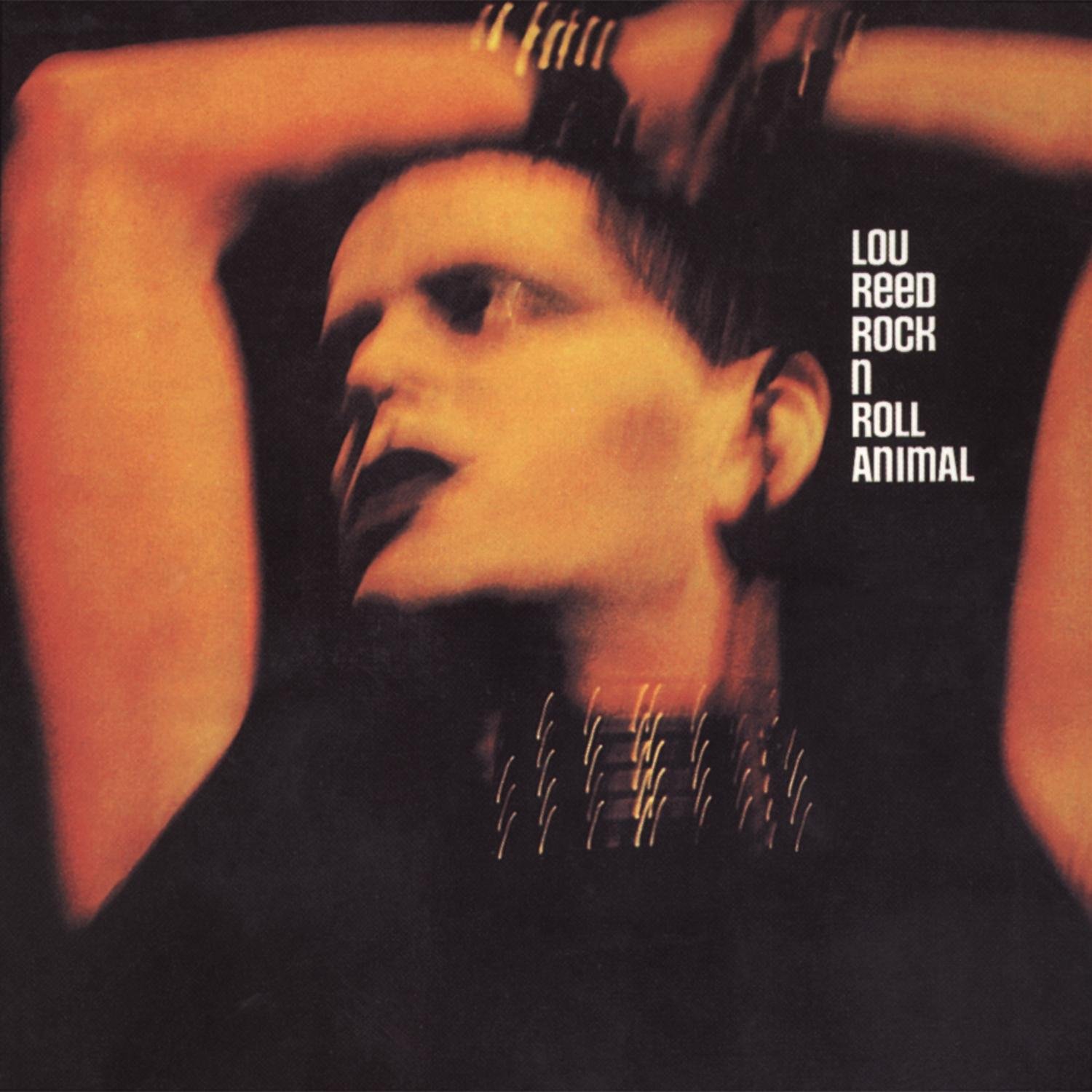
In 1973, Lou Reed hired the grandest band of his career, led by guitarists Steve Hunter and Dick Wagner. Their joint power gave the Velvet Underground classics emphasized in the set a heavy-metal girth, as well as a glam-rock grandeur. It’s captured in a 1974 live recording from a show the band gave at New York’s Academy of Music the year before. The performance is distinguished as much by the Hunter/Wagner dynamic as any vocal or composition from the star. The zenith actually arrives at the start: a three minute and twenty second intro to “Sweet Jane”  written by Hunter. It’s one of the boldest rock instrumentals of all time, anointed with an unfolding variety of righteous riffs, broken by solo spots for Hunter and Wagner. Throughout their set, Lou Reed gave the pair a wide berth, capped by a ten-minute take on “Rock ‘N Roll” that idealizes the song’s anthemic aspirations.

Hunter and Wagner dominate the set right from the start, with their mazy, melodic licks in the Intro seaming into the monster chords of Sweet Jane. Heroin is a slow burning epic, building up momentum into some blazing dual guitar interplay. Whilst White Light/White Heat is somewhat underpowered after such a start, the pace picks up again with Lady Day and the soaring closer Rock ‘n’ Roll, featuring more dazzling interplay between the leads.

The guitarists went on to enjoy a central spot in Alice Cooper’s solo group, idealizing the double guitar approach forged by Alice’s original band in the ’60s.

A remastered version was released on CD in 2000. It featured two tracks not included on the original LP release.

Further excerpts from the same concert were released in 1975 as Lou Reed Live (between the remastered Rock ‘n’ Roll Animal and Lou Reed Live the entire show has been released, albeit in a different order than the original concert). This live album’s stereo mix puts guitarist Dick Wagner on the right channel, and Steve Hunter on the left; this arrangement is reversed on Lou Reed Live.

Rock n Roll Animal is a live album by musician Lou Reed, released in February 1974 by RCA Records. In its original form, it only features five songs, four of which are songs by the Velvet Underground. The band were Pentti Glan (drums) and Prakash John(bass), Ray Colcord (keyboards), along with the twin guitars of  Dick Wagner and Steve Hunter  (The two guitarists would later form the basis of the second Alice Cooper band, beginning on Welcome to My Nightmare, which also features Glan and John.

I can’t imagine one single person without a happy face when leaving the hall after being at this show. Even so, this recording has one big problem: it is too short!
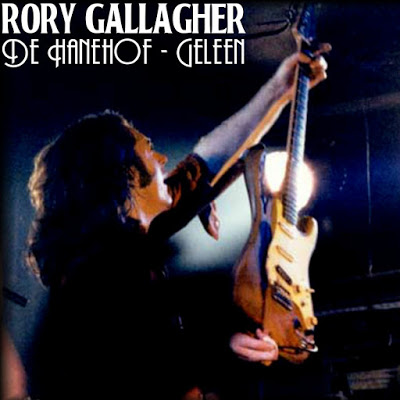
So, here’s about 51 minutes of Rory Gallagher at De Hanenhof, Geleen, Holland on the 12th of November 1987 and beware, this is the kind of show that turns you addicted to Rory’s music!

Rory Gallagher -Live set from De Hanehof, Geleen, Holland 12th November 1987

Setlist:

1 Walkin Blues 2 Pistol Slapper Blues 3 Messin With The Kid 4 Out On The Western Plain 5 Don’t Start Me Talkin 6 When My Baby She Left Me 7 Bullfrog Blues 8 All Around Man 9 Nadine

The Band:

Rory Gallagher – Guitars, Vocals
Gerry McAvoy – Bass
Brendan O’Neil – Drums
Mark Feltham – harmonica

Randy Bewley and Michael Lachowski’s simple lines display untoward rhythm and melody, respectively. Curtis Crowe bangs away so obdurately it’s hard to understand why he didn’t become rich. Vanessa Briscoe Hay barks and brays whatever incantatory phrases seem called for. Timeless. Cool.” Robert Christgau, Dean of American Rock Critics 

“[Pylon] stands as shockingly modern and unparalleled these many years later.”  Michael Stipe, R.E.M. 

1983 was a banner year for Pylon. The Athens quartet released their second album, Chomp, on Atlanta-based DB Records, toured the country extensively, and played several opening slots for then-up-and-comers U2. And then, without a hint of explanation, they quit. 

Their final show at the Mad Hatter in Athens, Georgia, was, as was always the case, a frenzy of minimal disco thud, post-punk guitar scree, and deliriously inspired howl. Oh, and dancing — always dancing — both in the crowd and on stage. The gig was recorded (both audio and video) for a failed PBS pilot called Athens Shows, and the tapes were put away and forgotten. That is, until now. 

Around three years ago, after Pylon’s DFA reissues hit the street, Chunklet CEO (and card-carrying member of the Pylon Fan Club) Henry Owings emailed the band bemoaning the lack of bonus material on the CDs, which sparked a larger conversation. “My favorite Pylon is live Pylon,” said bassist Michael Lachowski, with which Henry wholeheartedly agreed. Following a cordial sit-down at Michael’s apartment over the New Year’s holiday of 2015, an exhaustive search began for live recordings by Pylon. More specifically, live recordings from Athens in the early ’80s. Oh, and that sounded as good, if not better, than their proper full-length albums. 

Numerous dead ends followed, but finally, and somewhat fittingly, the multitrack recordings of Pylon’s final performance at the Mad Hatter in 1983 were unearthed. Once the tapes were transferred and subsequently mixed, the explosive and compelling sounds raised one very significant question: Why in the world did Pylon quit? 

For a band whose legacy, in their original incarnation at least, was two full-length albums and a handful of singles, Pylon were first and foremost a live band who weren’t as interested in working in a studio. Pylon’s raison d’être was performing for a crowd, and now there’s conclusive validation. 

Pylon Live is a double vinyl album recorded on the band’s home turf at the culmination of their powers, and the results could not be more stellar. An all killer, no filler set with nothing left on the cutting room floor, Pylon Live includes powerful versions of the Pylon canon from their first and second LPs and even the hard-to-find song “Party Zone” (previously available only on a DB Rec comp) and their never-before-released rendition of the “Batman Theme.” 

When compared to the band’s prior body of work, Pylon Live bookends all of it; some might even say it’s a better representation of this Athens quartet, who thrived on bouncing around on stage infinitely more than sitting in a studio. 

There’s little arguing that the Athens powerhouse trifecta of R.E.M., the B-52’s, and Pylon is peerless. And while all three bands have achieved great critical acclaim, only the first two had the commercial acclaim they deserved. Pylon Live intends to correct that. 

http://

Pylon Live was released on July 25th, 2016, the birthday of deceased Pylon guitarist Randy Bewley,  for sale at chunklet.comchunklet.bandcamp.com, iTunes, Amazon, and wherever digital music is sold. 

Released in 1983 on Elektra/Asylum Records Produced by Paul Rothchild
Recorded 1968-1969-1970, Los Angeles, New York, Detroit, Boston and Copenhagen.

Now one of the first things that impressed me about this record was how clean and modern it sounded, because music recorded in 1960’s/early ‘70s had never sounded so good. Initially I put this down to mastering. It wasn’t until many years later I learnt that the band had re-recorded their instruments on several songs, in order to give them a clearer and crisper edge. Mind you, the LP was released in 1983, a time when sanitised production was the norm, and where every instrument was practically dripping with disinfectant. Not so this album, despite the overdubs.

https://www.youtube.com/watch?v=oErfxU2Tqhc

Opening with a cover of Van Morrison’s “Gloria”, a song the band had been performing since their days at the Whiskey A Go Go, before they were famous. This recording was captured at a rehearsal made in July 1969 at the Aquarius Theatre in Los Angeles, Its an absolute revelation. Here we have Jim Morrison at some of his sensual best, hamming it up mid-stream with a sleazy intensity. “Light My Fire” is a composite of different performances preserved over several nights, not that anyone would notice, thanks to the masterful editing of Paul A. Rothchild, who was obviously wanting to create an ‘ultimate’ experience for the listener, even inserting Morrison’s “Graveyard Poem”, a performance which had nothing to do with the tune at all.

Side one ends with an exciting as well as vigorous “You Make Me Real”, again from the Aquarius Theatre, only with new guitar overdubs by Robby Krieger.

Turn the record over and we have a rare rendition of “Texas Radio and the Big Beat”, along with “Love Me Two Times”, both of which originate from a T.V. show the band performed for in Copenhagen Denmark in late 1968. Apparently it was the discovery of these tapes in a Los Angeles warehouse that prompted the group to initiate a search to see if there might be other live tapes in existence which had gone missing during the Seventies, hence the release of this LP, on which can also be heard a particularly convincing rendition of Willie Dixon’s “Little Red Rooster”, replete with John Sebastian (who had to re-record his harmonica due to a faulty microphone) and some great slide guitar by Krieger. “Moonlight Drive” is another notable highlight (even if the band did record a new instrumental track), where Morrison’s recitation of “Horse Latitudes” is especially haunting.

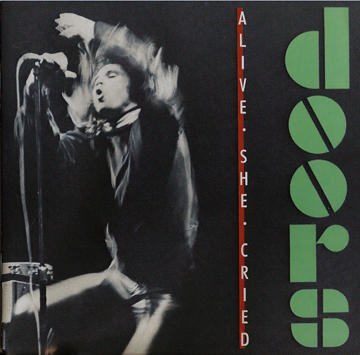
Alive She Cried was no doubt a quality release, even if the title was in itself a tad misleading and not quite genuine. Krieger himself admitted at the time that they had made a few “improvements”, as he put them, to the original, tapes and corrected the odd minor mistake as required. Yet if the listener is prepared to overlook such musical misdemeanours, Alive was in its day an important and vital reminder of The Doors potency as a living entity in a world that was becoming increasingly synthetic. The Doors who were kicking into the establishment, challenging the status quo, and who would prove to make a far more profound and everlasting impact. Not to mention the romantic allure of the band’s mysterious front man, Jim Morrison, who seems just as much alive in death as he was when he walked the earth.

“Alive She Cried” was the first official live release since 1970’s “Absolutely Live”. With the 1980 release of the Morrison bio “No One Here Get’s Out Alive” along with a new “Greatest Hits”, the fans were hungry for new material. This was it. Although this is all live material, each song was heavily edited by Paul Rothchild, with new overdubs added to some of the songs. The source material comes from the Aquarius Theater, Felt Forum, Detroit and Boston shows. Fans would later get to hear the original source material when Bright Midnight Records (and later Bright Midnight Archives) released all of the original concerts unedited. They would also discover that although the version of “Little Red Rooster” on ‘Alive She Cried’ was credited to being from the Detroit show, it was actually from one of the New York Felt Forum shows.

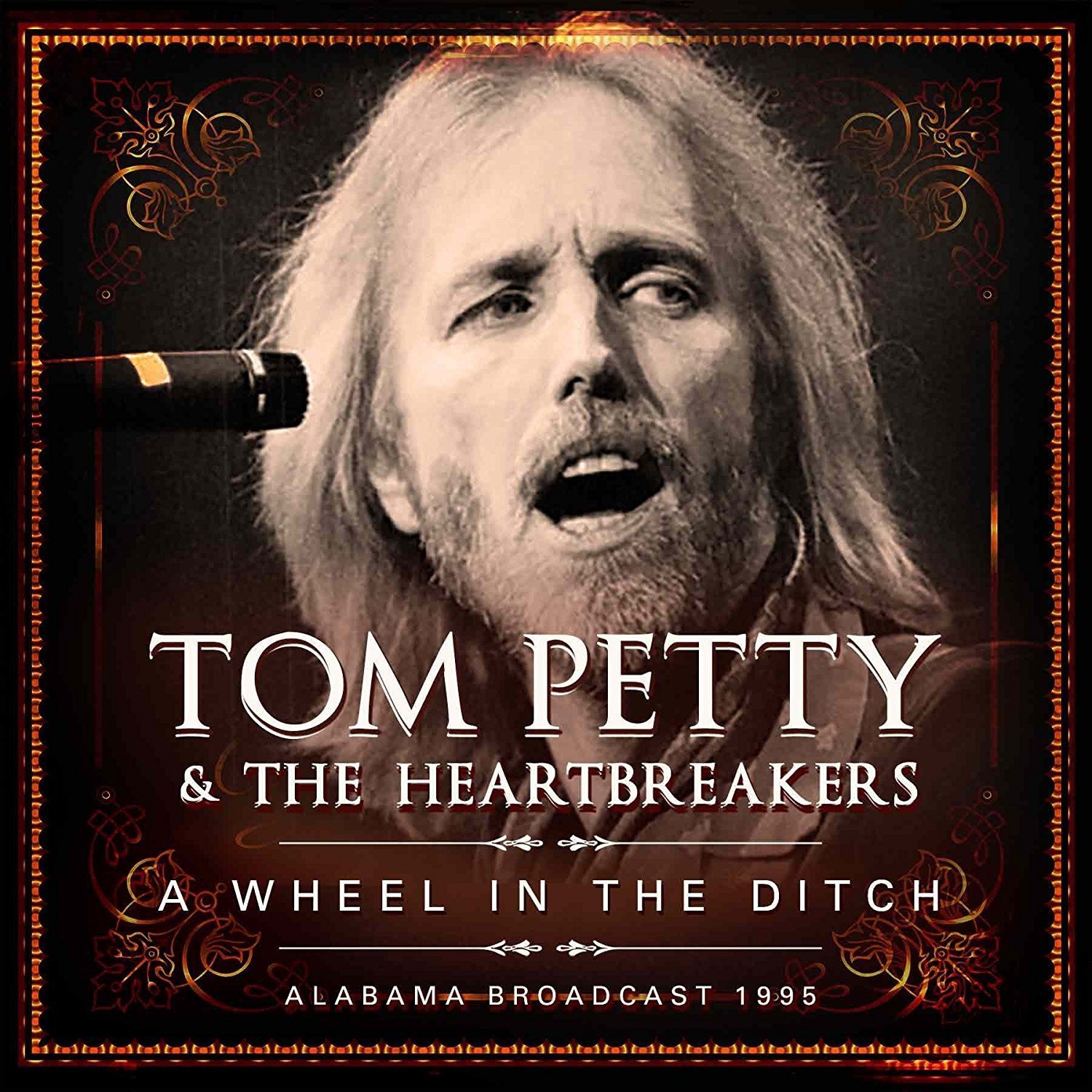
Classic ALABAMA BROADCAST Recording from 1995 – Presented across 2 CDS By the beginning of the 1990s, with their MCA contract coming to an end, Tom Petty & The Heartbreakers were proving as popular as ever they were. 1991 s Into The Great Wide Open was received warmly by critics and fans alike, and their 1993 Greatest Hits album sold in excess of 10 million copies. Now signed to Warner Bros., the group – sans original drummer Stan Lynch – teamed up with producer Rick Rubin to record Wildflowers, released on 1st November 1994. The album sold over three million copies and produced the Top 20 single You Don t Know How It Feels . To support this latest release, the band embarked on an extensive tour of North America, playing over 90 dates that year. The recording featured on this two disc set is taken from their performance at The Coleman Coliseum in Tuscaloosa, AL on 6th October 1995, a show recorded for FM radio broadcast nationwide in exceptional audio quality. Containing hits from across their entire catalogue – including You Don t Know How It Feels , Free Fallin , Don t Come Around Here No More and American Girl – this CD is sure to become a must-have live album for Tom Petty fans everywhere.

Available now through Amazon

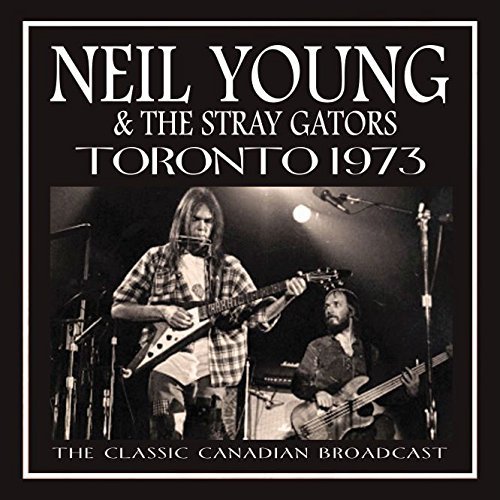
Fascinating Broadcast Recording From The Legendary Time Fades Away Tour Comprising Jack Nitzsche, Ben Keith, Tim Drummond and Kenny Buttrey, The Stray Gators had backed Neil Young on 1972 s Harvest, and would go on to do likewise on the tour during which its follow-up, Times Fade Away, was recorded live. Featuring previously unreleased cuts, until 2017 Time Fades Away remained the only Young album not released on CD, despite critical acclaim from most quarters. What would later become known as the Time Fades Away Tour began on 4th January 73 in Madison, Wisconsin; it was fraught from start to finish. Young would later describe it as one of the unhappiest times of his life and the worst tour of his career.

However, the show performed at Toronto s Maple Leaf Gardens on 15th January, recorded for live FM broadcast and now featured on this CD in its entirety, sounds far from chaotic and forms a fascinating document of a legendary tour from which a full performance has rarely been heard. This CD features a set list that includes five numbers from the Time Fades Away album (albeit in different versions to those included on the record that would appear in the shops in November 73) alongside a handful from Harvest and others from earlier LPs.

Now available through Amazon

Levin Gabriel McGuiness

Peter Gabriel has long been a favorite artist of mine.  Peter Gabriel and his band performed for a live appearance at the third Rockpalast-Festival in the Grugahalle in Essen. Gabriel a well-known name in rock music; as co-founder, he was a singer with Genesis until 1975. Then in the three years since his separation from this band, he had received good reviews on two LPs of his own, had some hits and made a successful tour through Europe and the USA. that year,

Reflecting construction worker vests, builder’s gloves and shaven heads count among some of the outer appearances of Peter Gabriel’s band. With ladders as decoration and an appearance from the middle of the audience, he is trying to make his work as a rock musician transparent. After being with the mega undertaking Genesis, Gabriel for the first time questioned everything and did some thinking for himself.

Peter Gabriel was born on February 13th, 1950, in Cobham. In 1965, he played with his friend Tony Banks in the band ‘The Garden Wall’; In order to follow his solo experiments, Peter Gabriel left Genesis in 1975, at the end of their ‘The Lamb Lies Down On Broadway’ tour. In 1976, his first solo LP ‘Peter Gabriel’ was finished.

His music videos helped inspire many to get into stop motion and his live music has always reminded me how emotional a performance can get. Here is an early performance from the german “Rockpalast” series.

Peter Gabriel – voc/piano Tony Levin – voc/bass Jerry Marotta – drums/voc Sid McGuiness – guit/voc Larry Fast – keyb Timmy Capello – keyb/sax

Setlist

2:44 On The Air 7:05 Moribund the Burgermeister 12:29 Perspective 16:39 Here Comes the Flood 20:30 White Shadow 25:23 Waiting for the Big One 33:10 Humdrum 37:10 I Don’t Remember 42:35 Solsbury Hill 47:46 Modern Love 53:30 The Lamb Lies Down on Broadway