WEDNESDAY – ” Audiotree Live “

Posted: December 12, 2021 in MUSIC

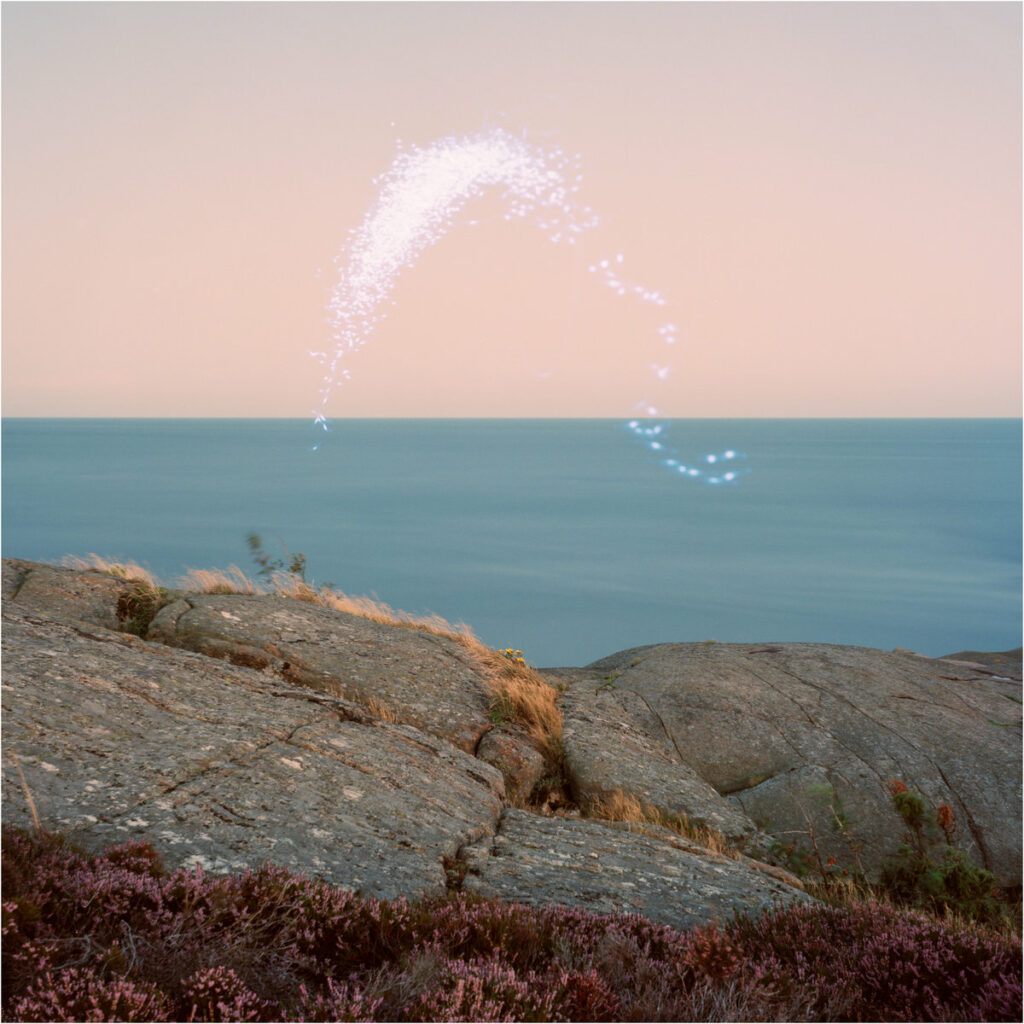
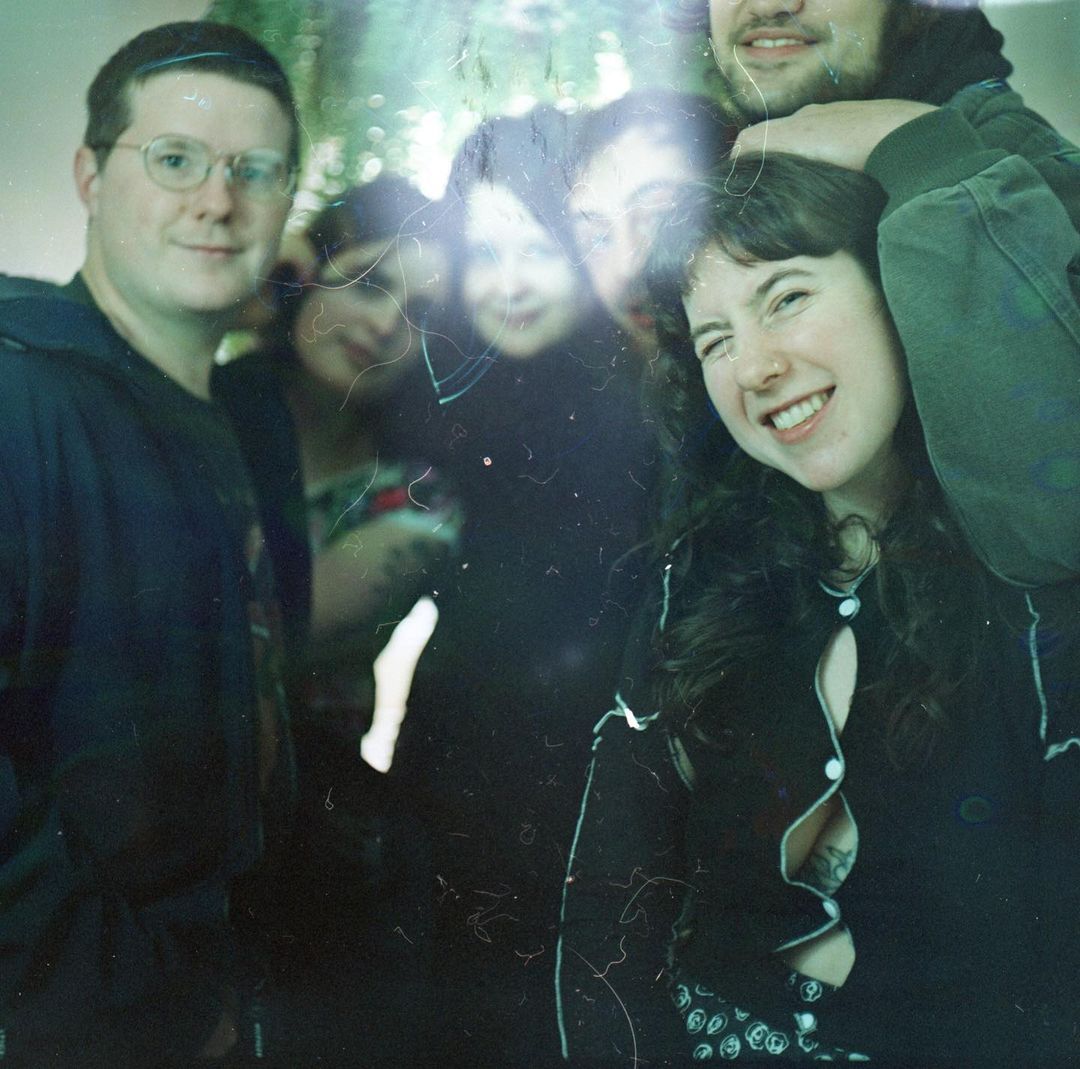
Wednesday is a noisy indie rock band whose chameleonic sound bounces between pounding shoegaze and melodic rock. The quintet incorporates lap steel and twinkly guitar work to round out their forward thinking song writing. Check out the super rad performance by Wednesday live at Audiotree.

The first time Karly Hartzman heard “Oblivious” by Jessica Lea Mayfield was the moment she realized she could and should want to play loud, raucous guitar. Before Mayfield’s influence, she was listening to a lot of The Sundays and making synth-pop. However, something clicked when Hartzman heard Mayfield’s quiet, sincere voice traveling linearly through an echoing tunnel while simultaneously shredding guitar and absorbing inspiration from country roots. “Make My Head Sing” is heavily underrated. That album is something anyone with a soft voice that wants to play loud music should hear,” she told me. In addition to Mayfield’s influence, Palberta also deserves credit. A day after Hartzman saw them in 2018, she bought a guitar.

In its post-punk glory, Wednesday cements something; their music, Anchored with riffing guitars, lap steel, and condensed slightly inaudible vocals, Wednesday is anthologizing a wave of malleable punk that’s accessible, sandwiched between effortless lethargy and the intent of letting a sound stand up for itself.

Wednesday’s debut album “Twin Plagues”, out now on Chicago-based label Orindal Records. We talked about her process of collecting words from favourite reads and threading lyrics together through strangers’ conversations, among other knick-knacks. But more importantly, she plates a tint of refreshing humility; she says she doesn’t know what she’s doing sometimes but is, simply, trying to have fun along the way. And she hopes fans can find inspiration to make music as well, assuaging a myth that you need formal tools and education to be a musician.

When the pandemic hit, Wednesday released “I Was Trying to Describe You to Someone“. With the prospect of touring suspended, the band buckled down and learned a slew of Hartzman’s new songs. The line-up consists of Hartzman on vocals and rhythm guitar, Xandy Clelmis on lap steel guitar, Margo Schultz on bass, Alan Miller on drums, and Jake Lenderman on lead guitar. Standing in a circle in the main room of The Mothlight, a venue in Asheville where Hartzman and Clemis both worked, everyone learned the songs over a week. Shortly after, they recorded “Twin Plagues” at local studio Drop of Sun with a pandemic discount.

When crafting songs, Hartzman’s sculptures are intentional. They’re potted as separate entities as opposed to forming a collated album assigned with a theme. “I love collecting other people’s words as inspiration. I think that’s really fun as long as you give credit where credit is due,” she said. She’ll suspend a line from a book or a clip from a stranger’s conversation and write a song around it. That was the case with “How Can You Live If You Can’t Love How Can You If You Do,” which was a line adapted from James Baldwin’s Another Country. There are also a couple of Richard Brautigan lines ripped for these songs. “Toothache sky is ‘bout to rain” from ”Toothache” is adapted from a line in his collection, Revenge of the Lawn.

In Brautigan’s short story “⅓, ⅓, ⅓,” three blissfully doomed, overconfident characters gather to produce a novel, though they can’t do so without one another. One woman edits, one man writes, and the narrator owns a typewriter. When they finally start, their work is invariably illiterate. The line that Hartzman references are peeled from that story when the narrator initially gets an idea for this project. He observes, “One day I was standing in front of my shack, eating an apple and staring at a black ragged toothache sky that was about to rain.” It’s a peculiar way to describe a sky, I suppose, but I have a pretty good image of what that looks like in my head.

“[Brautigan’s] writing is so disjointed and weird, but he never uses vocabulary that makes it hard to understand. I love that about his writing,” Hartzman said. “Reading for pleasure shouldn’t feel like work, but it should also make you feel something. I think that goes for lyrics too. Otherwise, what’s the point?”

An overarching theme is that every piece of art starts with a piece of a piece that takes time and space to develop, and that collective process is quite impossible to do alone. But you have to start somewhere. “People say the most amazing things all the time. It’s a shame to let those words go to waste,” she ended. In “How Can You Live If You Can’t Love How Can You If You Do” Hartzman sings, “The pain was kinda wonderful cause it was so complete” and “Rooms would look much better if they had you standing in them.” Songs fill with alleyway observations, like remembering the person you love prefers honey over sugar. That briefness nests itself in imposing importance.

Lately, the band’s been listening to artists on Leaving Records; Ana Roxanne, Green-House, and Nailah Hunter, in particular. They’re also huge fans of Sasami, and especially her new single “Sorry Entertainer.” As for friends’ bands Hartzman loves, she plugs MJ Lenderman, which she also plays bass in, Pom Pom Squad, Squirrel Flower, Macie Stewart, Advance Base, and a slew of others.

Tracklist 1. 00:00 Twin Plagues 2. 04:30 Billboard 3. 07:45 How Can You Live If You Can’t Love How Can You If You Do 4. 11:56 Cody’s Only 5. 15:18 One More Last One 6. 19:08 Toothache 7. 22:00 Handsome Man 8. 26:19 The Burned Down Dairy Queen 9. 29:49 Fate Is…

Recorded on September 2nd, 2021 in Chicago, IL.

HARMONY WOODS – ” Graceful Rage “

Posted: December 12, 2021 in MUSIC
May be an image of one or more people

Harmony Woods has always been about dynamics. When this Philly project began a regional rail stop away, Sofia Verbilla wrote songs about the ways people see each other on either end of disaster. Across two records that spoke to the quietest of bleeding hearts, Verbilla expanded on processing grief, trauma, and other aftermaths while her band climbed and collapsed around her, turning ordinary circumstances into visceral reflections. From the deep opening drum beat, I knew “Graceful Rage” was going to be huge. It seemed like each new song had one little moment that blew my mind. And then the next morning I found out that Bartees Strange produced it! Talk about a dream team. Even without those specific events, “Graceful Rage” would be memorable. It is huge. The drums, the lyricism, the standout vocal moments, and more all add up to an album with a certain energy and mindset that you can’t help but get sucked into and, despite the rollercoaster of emotions, feel empowered, hopeful, and celebratory at the end. 

“Graceful Rage” is the band’s third LP basks in the sheer magnitude of letting revelations and recoveries blossom on their own terms. Produced by Bartees Strange, it’s an extension of trademarks and an exploration of new ground. Verbilla often lets moments stack and shiver like a wobbly house of cards, and the sparse vocal-led freeze of opener “Good Luck Rd.” continues that trusted thread. But it’s in the explosive nuance of tracks like “God’s Gift to Women,” a smoky and jagged pop-punk sneer, where Harmony Woods jets far from their most comfortable alcoves. What’s found in this growth is resolve and power, snug behind a radio-ready punch.

Across stopovers in pop-country’s swaying embrace (“Rittenhouse”), tear-stained calls for absolution (“Easy”), and the lockstep of booming percussion (“Holding You to You”), “Graceful Rage” regains footholds on forgotten pathways, shouldering the pain but destroying the doubt that smoulders in its wake. It’s Harmony Woods at their most aware and assured, where towering relief and welcome confidence have finally converged.  

Released March 12th, 2021

May be an image of flower, outdoors and text that says 'HARMONY WOODS GRACEFUL RAGE Streaming Everywhere Now: bandcamp Spotify Apple Music SKELETAL LIGHTNING'

Every few years, Dylan Baldi snaps. After the pleasant jangle of Cloud Nothings’ debut LP, he roped in Steve Albini and literally smokebombed the band we once knew a year later with Attack on Memory – which literally opens with a song called ‘No Future/No Past.’ So last year, in the thick of a pandemic with no end in sight, Cloud Nothings released “The Black Hole Understands”, a return to the breezy, off-kilter melodies of their early work like 2011’s self-titled album. It felt both refreshing and slight, demonstrating how reliable frontman/primary songwriter Dylan Baldi has become, but rarely feeling imbued with the frenetic urgency that animates the band’s most anthemic songs. “The Shadow I Remember” continues to refine the cleaner song writing of the band’s last album, wooly and tuneful in equal measures.

For a band that resists repeating itself, picking up lessons from a decade prior is the strange route Cloud Nothings took to create their most fully-realized album. Their new record, “The Shadow I Remember”, marks eleven years of touring, a return to early song writing practices, and revisiting the studio where they first recorded together. In a way not previously captured, this album expertly combines the group’s pummelling, aggressive approach with singer-songwriter Dylan Baldi’s extraordinary talent for perfect pop. To document this newly realized maturity, the group returned to producer Steve Albini and his Electrical Audio studios in Chicago, where the band famously destroyed its initial reputation as a bedroom solo project with the release of 2012 album “Attack on Memory“.

As such, “Last Building Burning” arrives as an equal and opposite reaction to 2017’s Life Without Sound; a record that, while incredibly catchy, also felt somewhat safe. No such feeling here – every track is volatile, propulsive and relentless in its execution. It’s the hardest Cloud Nothings have gone since … well, since the last time Dylan Baldi snapped. “Leave Him Now” is a song about a troubled straight relationship in which the female party is advised to remove herself from it. The twist is: That’s it. Dylan Baldi is not putting himself forward as the substitute. This isn’t a “drop the zero and get with the hero” scenario. This is about a genuine concern for a woman’s wellbeing and stability. It takes a trope of song writing across multiple genres and decades and subsequently turns it on its head. If that wasn’t enough, it’s also one of the catchiest songs Baldi and co. have ever written. How about that.

Opener “Oslo” is a steady build into carefully controlled chaos—a common song structure in the Cloud Nothings universe—but it gets in and out in four minutes, instead of the usual six to seven minute sprawl. “The Spirit Of” deals in the effortless hooks of The Black Hole Understands, while “Nara” shows how Baldi can stretch his own format, cradling the central melody as the song ramps up toward a crescendo that never comes. It can come off like Baldi doubling down on what he knows already works, but he’s simply perfecting his craft, burrowing down into the vital centrer of his songs to create the most direct version of his vision.

Released February 26th, 2021

Dylan Baldi – Guitar, Vocals
Jayson Gerycz – Drums
TJ Duke – Bass
Chris Brown – Guitar

Cassandra Jenkins is a grand storyteller; the high point of her breakthrough album “An Overview On Phenomenal Nature” is a series of impressionistic character sketches that ache with reality. She applies those same talents to “American Spirits,” an outtake from that same album. Against a gentle whirr of atmospheric hum and keyboards, Jenkins adopts a calming demeanor to sing about a situation that’s anything but calm. Inspired by a voicemail left by a friend who was stopped and arrested at the Texas border, she recounts that incident but focuses more on the way the message was delivered. Jenkins puts it better than I can: “What resulted is the poetic ambiguity that can arise from the struggle of searching for the words to tell someone we love exactly what has happened.” “American Spirits” captures that tentativeness, the beauty at delivering a hard message in a tender way, something that Jenkins accomplishes well enough with her own music.

Cassandra Jenkins  new song called “American Spirits.” It’s taken from her upcoming album (An Overview on) An Overview on Phenomenal Nature, a collection of alternative tracks and outtakes from her excellent full-length An Overview on Phenomenal Nature.

“American Spirits” was originally written in 2019. When revisiting the track for this upcoming collection, Jenkins worked with Josh Kaufman and the Walkmen’s Matt Barrick. She also added an old voicemail by her friend to the mix. “I cherished this voicemail for years because, even in that difficult moment, I could hear a tenderness in his voice as he confessed, as well as avoided, reporting that he had spent the night in jail,” she explained in a statement. “What resulted is the poetic ambiguity that can arise from the struggle of searching for the words to tell someone we love exactly what has happened.”

Released February 19th, 2021

The debut 12-track-album from Massachusetts based band Bicycle Inn, explores themes of existentialism, abuse, life purpose, and the death of loved ones in a curation of sound from all members collaborating effortlessly together.

“This Time & Place Is All I’ll Ever Know”, the debut 12-track-album from Massachusetts based emo outfit Bicycle Inn, explores themes of existentialism, abuse, life purpose, and the death of loved ones in a curation of sound from all members collaborating effortlessly together. Recorded in the span of a month with Gary Cioni (Crime in Stereo/Daytrader) at Sound Acres Studios in Southern New Jersey, the members spent 4 weeks refining the sound portrayed on the album with the guidance of Cioni in order to deliver an album that truly reflects the feelings felt within the lyrics and tonalities.

Released March 24th, 2021

The ANTLERS –  ” Green to Gold “

Posted: December 12, 2021 in MUSIC

What a return for The Antlers made with “Green to Gold”. Their first album in seven years, it’s something of a back-to-basics record for the band. It’s a pivot away from the hefty post-rock grandeur of then-swansong “Familiars” and towards an airier, Americana-influenced sound. It feels like a rebirth for the band from the very first twinkling notes of “Strawflower,” and it’s a perfect soundtrack to the warming of the weather. The Antlers’ original three-album run is one of the most impressive (and most heart-wrenching) entries in the American indie rock canon, and with “Green to Gold“, it looks like the band plans on keeping up that streak.

Vocals, guitar, bass, pedal steel, piano, and organ by Peter Silberman
Drums and percussion by Michael Lerner

released March 26, 2021

Produced and engineered by Peter Silberman

It’s shocking that this is Another Micheal’s first LP. Considering the many beautiful EPs that the band has released over the years, the band has only built on that on “New Music and Big Pop“. Reflecting on the small moments of day-to-day life, Another Micheal has created an album that feels familiar and accessible. Letting the instruments speak for themselves, the stellar arrangements allow for room to breathe between the notes. The band has created something both cohesive and dynamic, a great debut LP for a strong song writing team. It’s beautifully crafted, earnest, and has moved me to tears simply from the angelic harmonies that braid themselves into a few songs.

This is an album that you listen to with the lyrics in front of you, reliving tiny moments that songwriter Michael Doherty has somehow pulled from your own memories and made them clearer and brighter with his words.

It is moving, majestic, and timeless. “New Music” by Another Michael from the 7″ / 2 song digital single ‘New Music’ out now via Run For Cover Records.

It follows that when an album that falls into that genre perks my ears, it must really be something special. The pained, conflicted early work from Pedro the Lion or the high watermark of Carissa’s Wierd’s “Songs About Leaving” achieve something truly memorable in the numbed dourness of their guitars and the flattened affect of the vocals. In the best slow-core songs, a steady, one-noted approach isn’t boring or blah, it’s a betrayal of a deeper relationship with a remarkable emotion. It’s the sound of patiently sitting with a feeling until you’ve memorized the shape of it. It’s the sound that comes after a scream or a howl or a yelp of joy. It’s the sound of learning to live with something. 

It makes a weird kind of sense that the members of The Goalie’s Anxiety at the Penalty Kick are living through it on the other side of Philadelphia, so perfectly does their music match up with the trudge toward the winter. Their debut album “Ways of Hearing” is full of the best kind of slow core songs, the kind that spend as much time as necessary with the thought they’re trying to convey, the kind that build not really toward a climax as much as a sort of indulgent plateau, a steady kind of enlightenment. It’s a very good, engrossing collection of songs—chilly and thoughtful and quietly surprising. 

The time and attention allotted to the details in these songs is what makes them so moving. For a new band, Goalie is particularly good at choosing the right moments to deploy the right sound, a mark of restraint that’s all the more unusual when you take into account the fact that this band has at least six members. “An Olive Coat,” the album’s opening song, wades elegantly from a low shimmer to a subtle crescendo, weaving its continuous refrain with a more emotive vocal held further back in the mix. The song deals with a bittersweet but ambiguous loss, its repeated lines searching for ways to carry forward without being overly precious about the past—“Found the socks you lost/ wool and flecked with gold…I traded them for an olive coat/ would have sold them sooner if I would have known.” Occasionally, an electric guitar will appear to offer a quick punctuation mark—that’s the sound that closes out the song, a distinct sonic shrug. 

As the album goes on, Goalie sinks into warmer territory. “We Love You So Much” starts off mournful but persistently adds layers of strings and percussion, eventually ending up in a place of swelling highs and hypnotic but catchy harmonies. “The Best of All Possible Worlds” pairs its acoustic strumming with a deep, gratifying bass and a few twinkling bells. “Joseph Stalin” sounds sweet and sentimental—had the song been sung with a little more overt intensity, it would fit as a standard acoustic number on any pop punk album. Every element here is thoughtfully placed without sacrificing an intimate aesthetic. This is wonderfully composed music, but it still feels like this record could have been lovingly assembled in a bedroom by a group of close friends. 

The album’s closing track, “Everyone Around Us,” is frosty and simple—there’s not a ton going on beyond a cyclical keyboard riff and a declarative, mostly lonely kind of melody. As the song goes on, the downbeat but oddly toy-sounding keys are joined by a wispy, whirring sound that flows beneath everything else. It’s as busy as the song will get, that addition of a low little key like a current of wind blowing outside a window. “I hope that you’re alright/ I hope that there’s a god that’s on your side,” the song goes, a straightforward depiction of tenderness with an element of cold distance. Albums that sound like “Ways of Hearing” can be easily flattened into nothing but sad music, but there’s a dynamic range of emotions and techniques here that will continue to reveal themselves if you let them. 

“Closer” is the standout track on “Ways of Hearing” for that reason. For the first two minutes, it’s as delicate and gloomy as much of the rest of the record, the only brightness derived from a smattering of bells. After the line “the weatherman said at half past ten, we’ll all blow our brains out/ so read a book, and have a smoke, and live forever,” the vocals trail off for a while before the gentle acoustic plucking shifts into an upbeat strum, a surprising bout of bright energy that will define the song’s final third. The lyrics grapple with a dark, existential finality, but the abrupt shift in tone plays like a sudden revelation.

Goalie’s music is often a little tricky in this way. There’s an ambiguity throughout that makes any analysis of these songs slippery, subject to change. The title Ways of Hearing is apt—because this album uses repetition in so many of its most important moments. A lot of these songs have the effect of speaking the same word over and over until it turns into something completely unrecognizable. Being familiar with a word or a sound or a line doesn’t always mean you understand everything about it. On their debut album, The Goalie’s Anxiety of the Penalty Kick show that they’re patient enough to let new ideas appear from well-trodden paths. 

MO TROPER – ” Dilettante “

Posted: December 12, 2021 in MUSIC

“Dilettante” (n.): a person with an amateur interest in the arts;
an album of postcard-length power pop songs. See also: Mo Troper IV.

Shortly after their “bigger than Jesus” remarks rocked the United States, The Beatles released Revolver. They never toured again after that, maintaining a credibility and untouchability that gets reissued and remastered every three years. Mo Troper, after releasing his full-length cover of Revolver, announced and abruptly cancelled a tour because something much bigger than Jesus was rocking the planet. You’d hope it was Mo himself. It wasn’t, but Mo’s rocking, anyway.

Dilettante—also known as Mo Troper IV—combines decades of power-pop worship, scholarship, and penmanship into a 28-track collection of sprints. The playlist-as-album pundits might call it a data dump, but Mo brands it as a relaxed way to finish song sketches in unprecedented times. IV is a work that some of his friends call a musical, but this claim remains unverified. If there’s anybody aching to spin up a limiter-drenched production centered around scrolling a cluttered inbox for serotonin, prototype theme songs for public access shows plugged into the scene, and gasp-long dips into math rock, 1990s video game cheese, and medieval revelry, get in touch. (You might have to cut Mo’s rejected jingle for Reese’s Peanut Butter Cups, even though the stage needs to hear it.)

For those less dramatically inclined, there’s plenty here to pick up the slack. Mo gushes about “The Perfect Song” with syrupy, undeniably guitar pop that’s a remarkable stand-in for the gold he describes. False showtune “Sugar and Cream” goes medium about the wizardry found in a cup of coffee. Clipped moments like the sub-minute love song “Skyscraper Sized Bong” are as ephemeral as they are effective, shoving callouts to Big Star and Teenage Fanclub into pocket- sized arrangements.

“I think that’s the thing about this album – I don’t even really care about touring or making vinyl anymore, I’m generally pretty sick of the PR rigmarole, I just want to release as much stuff as I can before I’m dead,” Troper explains. Call it information overload or a heaping of odds and ends, but Dilettante finds Mo Troper at his most sincere, present, and challenged. It doesn’t take fifty million screaming fans to prove him right. -James Cassar 

Releases April 8th, 2022

Originally released in digital version on October 15th, 2021, vinyl version ready by April 8, 2022.

Everything you hear on ‘Dilettante’ was performed by Mo Troper*

*Maya Stoner sang backup vocals on “All My Friends Are Venmo”

May be an image of text

We are generic local punk band The Battery Farm and we present to you our 2nd extended player Dirty Den’s March of Suffering, released on Blindside Records and out everywhere now. The North Manchester’s Battery Farm yet again hit our Top Twenty tracks list. It’s a piledriver of slow start grunge with hints of big hitters like Muse meets hardcore noise with shit loads of dark melody flowing throughout. A big stab at stadium punk if I’ve ever heard it. A support with the mighty Evil Blizzard beckons next February.

“When the Whip Goes Crack” is the 5th single by Manchester Gutter Punks The Battery Farm, released via Blindside Records. It’s a song about the disappointment, disenfranchisement and self-loathing that comes about through having grown up to perceive yourself as a failure. A song about the fear of all your demons, both internal and external coming crashing in on you. That, ferocious fear.

The Battery Farm are: Ben Corry, Dominic Corry, Paul Worrall, Sam Parkinson The new EP “Dirty Den’s March of Suffering” is out on all platforms via Blindside Records 15th October 2021.