Art School Girlfriend has delivered a cover of Prince’s “I Would Die 4 U”, which features backing vocals by fellow singer songwriter Marika Hackman.
On Boxing Day (26th December), Art School Girlfriend shared a cover of “one of my favourite Prince tracks” “I Would Die 4 U”.
The cover is Art School Girlfriend’s first outing since releasing her debut album “Is It Light Where You Are” arrived in September, and features Marika Hackman on backing vocals.
Art School Girlfriend, real name Polly Mackey wrote of the cover, “I’ve been tinkering with it for a while and finally finished it a few weeks ago – it’s an amazing song and I wanted to do it some kind of justice!”
A Wolf Tone Records release Released on: 2021-12-26 Producer, Performer, Vocals, Synthesizer Programming, Drum Programmer: Polly Louise Mackey Performer, Background Vocalist: Marika Hackman,
Over the years, Neil Young has gained a reputation for flitting from genre to genre. However during the height of his success and popularity, this reputation was a bit of an exaggeration. Most artists are known for having a singular distinctive sound; Neil Young, by contrast, was known for having two. There is the country-tinged, acoustic-based, singer-songwriter sound frequently recorded with his backing band The Stray Gators on albums like “Harvest”. And there is the proto-grunge, electric-based, sloppy rock & roll sound frequently recorded with his backing band Crazy Horse on albums like “Everybody Knows This Is Nowhere”. Like some of the grunge musicians he went on to inspire, Neil Young has a conflicted relationship with his own success. “”Heart of Gold’ put me in the middle of the road. Traveling there soon became a bore, so I headed for the ditch,” he wrote in the liner notes to 1977’s greatest-hits album, “Decade“. “A rougher ride but I saw more interesting people there.”
For the first ten years of his solo career Neil Young seemed happy and was doing well commercially simply by alternating between these two poles of his musical personality. However, by the early eighties things had started to run out of gas for Neil. His last two albums, 1980’s “Hawks & Doves” (an acoustic album) and 1981’s “Re·ac·tor” (an electric album) had not done so well and Neil left his long time label, Reprise for the untested waters of Geffen Records. That’s where Neil’s reputation for experimentation begins and mostly stays – at Geffen Records.
The three albums Young released after “Heart Of Gold” contain some of the darkest and most visceral songs he ever laid to tape, but the 80s were a rough ride for entirely different reasons, when Young released his string of experimental albums for his new label Geffen Records.
In 1982, Young left his long time label, Reprise, to join his friend David Geffen’s new, eponymous imprint. The five albums he released for Geffen are easily the most experimental in his discography, with Young swerving from one musical lane to the next. Yet there’s a lot to appreciate across on these records, and their best moments serve as a reminder that while Young could always be unpredictable in the studio, he was never uninspired.
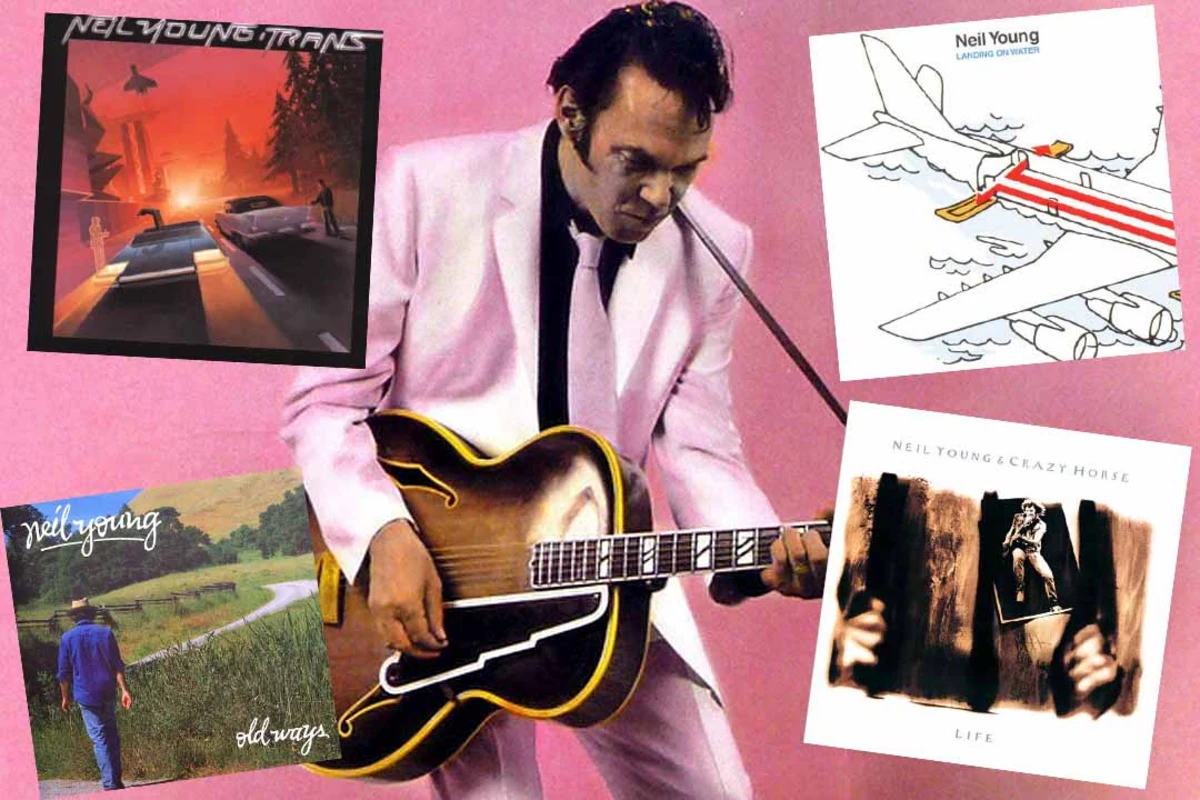
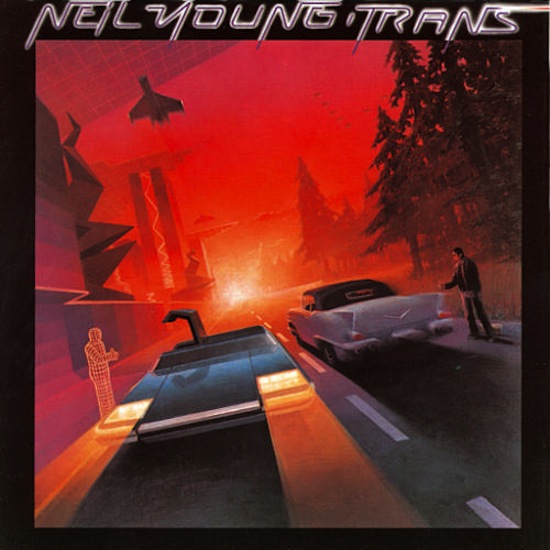
“Trans” (1982)
While he might have seen the new record label as chance to stretch out and experiment with something new, the first album that Young brought to the record company was in fact fairly “characteristic” of Neil Young. It was recorded in Hawaii and entitled “Island In The Sun”. Neil has described this album as “a tropical thing all about sailing, ancient civilizations, islands and water.” No one has been really specific about why Geffen rejected “Island In The Sun”, but I like to think that Geffen encouraged Neil to try something new and different, words that David Geffen would later regret.
So Neil recorded 6 songs in this neo-futuristic mould and mixed with three leftovers from “Island In TheSun” and submitted this record to Geffen.
You could write a short book unpacking “Trans” backstory, but, in brief: Young’s son Ben was born with cerebral palsy, which left him unable to speak (among other things) and required him to spend nearly two years in therapy. Intrigued by the idea that his son could learn to communicate through technology – and inspired by bands like Devo and Kraftwerk – Young threw himself into a synthetic new sound, laying Synclavier overdubs on top of rock instrumentation and singing through a vocoder to symbolise his attempts to communicate with his son. The result is an album that sounds at once glossy and corroded, like a clear topcoat applied to a machine that has already rusted through.
Perhaps part of the problem is that as much as Neil loved this sound, he hadn’t written enough material to record in this style. This would explain why Neil decided to re-record the Buffalo Springfield song “Mr. Soul” in this style. It also seems like Neil was hesitant to record anything in this style that wasn’t specifically written for this new futuristic genre. All of the new songs revolve around computers and robots and other sci-fi nonsense.
Initially seen as a misstep at the time of its release, on 29th December 1982, “Trans” has aged beautifully so much so that it no longer makes sense to call it an “underrated gem”. Its more raucous cuts, like “We R In Control” and “Computer Cowboy (AKA Syscrusher),” offer the same satisfying crunch as any Crazy Horse jam, while another song, “Sample And Hold,” splits the difference between Crazy Horse and Daft Punk. Even through a vocoder, Young’s plaintive tenor loses none of its emotive power, expressing the yearning at the heart of “Transformer Man” and “Mr. Soul.”
On the whole, “Trans” is an album about how technology was going to change – and has changed – the world we live in. But it’s “Little Thing Called Love” and “Hold Onto Your Love,” two of three holdovers from a scrapped project named “Island In The Sun“, that go back to Young’s therapy sessions with his son, as well as a theme he’s been writing about for his entire career: the power of love above all else.
“Everybody’s Rockin” (1983)
While listeners and critics scratched their heads in response to “Trans“, the higher-ups at Geffen wrung their hands. In an attempt to get their musical maverick back on track, they stipulated that Young’s next release be a “rock’n’roll album”. Neil for his part, gave them a record that returned to his old ways for their second album together. He even named the album “Old Ways“. However, much like “Island In TheSun”, Geffen was not happy and rejected this initial version of “Old Ways”. While Geffen had promised Neil artistic control, this was the second record of his that they had rejected, something that had never happened once at his old record label. The original “Old Ways”album had a lot of country on it, and Geffen wanted Neil Young to record a rock & roll album. In a streak of willful stubbornness and perversity, Neil took the three tracks from this album that hewed closer to the old-school rock & roll sound (“Wonderin’”, “Cry, Cry, Cry”, and “Mystery Train”) and recorded an entire record of early rockabilly and doo-wop styled oldies. The original “Old Ways” also included a version of “That’s AlrightMama” so clearly this was a direction that Neil was starting to head in anyway, but once again Geffen was regret what they asked.
The album they got, “Everybody’s Rockin”, was in fact a pure rockabilly album, complete with the rich reverb and backing vocals that characterized the genre in the 50s, and was cut in a little over a month with a group of players Young christened his band The Shocking Pinks.
Taken on its own terms, “Everybody’s Rockin’ is a fun blast from the past. Young faithfully recreates the rockabilly sound, and songs like the title track and “Kinda Fonda Wanda” would sound right at home on a jukebox. Young even went to the trouble of slicking his hair back into a pompadour for the cover photo and convening a genuine rockabilly band in The Shocking Pinks to back him up. While there are ten total tracks on the album, keeping with period’s aesthetic of sub-three minute pop songs, the album ended up being one of the shortest of Neil’s career, coming in at 25 minutes. There were an additional two songs planned for this release, “Get Gone” and “Don’t Take Your Love Away From Me” that were planned for this album, however Geffen got tired of Young’s shenanigans and cancelled the recording sessions. He and The Shocking Pinks also try their hand at a few covers – most notably Junior Parker’s “Mystery Train,” a song made famous by the original king of rock’n’roll, Elvis Presley.
Furthermore relations between Neil and his record company were going to be thorny at best until he was able to fulfill his contract and leave the label.
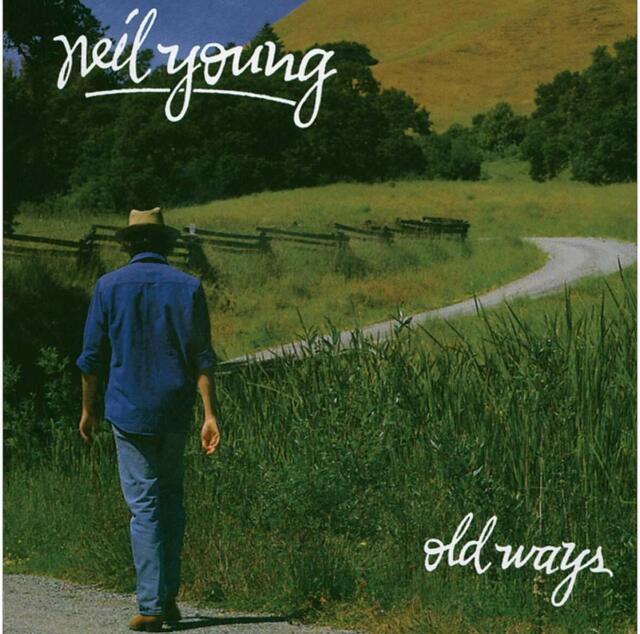
“Old Ways” (1985)
The first thing Neil released on Geffen post-lawsuit was a revamped version of “Old Ways“. Having used the less country sounding tracks for “Everybody’s Rockin” Neil decided to go full-bore into the country thing. While this I’m sure upset the suits at Geffen, unlike the electro-synth of “Trans” or the rockabilly of “Everybody’s Rockin’ this was not nearly as much of a stretch for Neil. Most of Neil’s acoustic albums had a touch of country to them, getting more pronounced over time. 1972’s “Harvest” was more of a straight ahead folk-styled singer-songwriter record, but his 1978 acoustic album “Comes A Time” flirted very heavily with the Nashville sound. In addition the new songs that were recorded in 1977 as “ChromeDreams” mutated into “American Stars ‘n Bars” were also very country-ish. These tracks all ended up on side one of “American Stars ‘n Bars“, while side two of 1980’s “Hawks & Doves” is another half-album of country-tinged acoustic rock. So this was not totally new territory that Neil was venturing into here, even if he was delving farther than before. Young had a version of “Old Ways” ready to go in 1983 but was forced to put it on hold in favour of his “rock’n’roll album”. He returned to the studio to make some adjustments to the record, adding some new songs and bringing in country music legends Waylon Jennings and Willie Nelson to sing along, before finally releasing the album on 12th August 1985.
While Young had recorded several albums in a country-rock style before (“Harvest, Comes A Time, Hawks & Doves”), “Old Ways” was (and remains) his furthest foray into pure country music – and he didn’t do it halfway, embellishing these songs with fiddles and even a Jew’s harp (the bouncy instrument you hear on “Get Back To The Country.”
As with “Everybody’s Rockin’, the most compelling reason to listen to “Old Ways” is to hear Young throw himself headlong into a genre he isn’t known for. There are a few moments where he wanders a bit too far into melodramatic, string-laden territory, but then there are also some truly lovely moments, like “Are There Any More Real Cowboys?,” an ode to “country families” and the working men who support them (“Not the one/That’s snorting cocaine/When the honky-tonks all closed/But the one/That prays for more rain”), and “Bound For Glory,” in which two lonely travellers find love on the road. Let’s put it this way: if you’ve got a friend who loves country music and has never heard Neil Young, this wouldn’t be a bad introduction.
“Landing On Water” (1986)
Released on July 28th 1986, “Landing On Water” sounds a little like Neil returning to the electronic sound of “Trans” only without the vocoder this time. While his previous three records all had very distinct and defined tropes that Neil was striving for, it’s hard to say even what he was trying to do with “Landing OnWater“. On one hand, maybe he was trying to craft a very contemporary and pop sounding album.
But maybe It’s hard to say what exactly Young was trying to accomplish with “Landing On Water“, which came out less than a year after “Old Ways”, on 21st July 1986. On one hand, it’s the most rock-oriented album that he released on Geffen, rocking even harder than his 1987 reunion with Crazy Horse, “Life”. But on the other hand, it sometimes feels more robotic and compressed than “Trans”.
That said, “Landing On Water” has its highlights. “Hippie Dream” is a bitter swipe at – you guessed it – hippie idealism, reserving some of Young’s sharpest barbs for former CSNY bandmate David Crosby (“Another flower child/Goes to seed”). “Touch The Night” is an anthemic, crushing number that ends with a guitar solo so thrilling that even the production does little to dampen it. And on “Pressure,” Young hits the same cold, brittle grooves that Joy Division and Gang Of Four used to build post-punk. It would be fascinating to hear a modern rock band try to bring “Landing On Water’s” retro-futuristic sound into the present.
Life (1987)
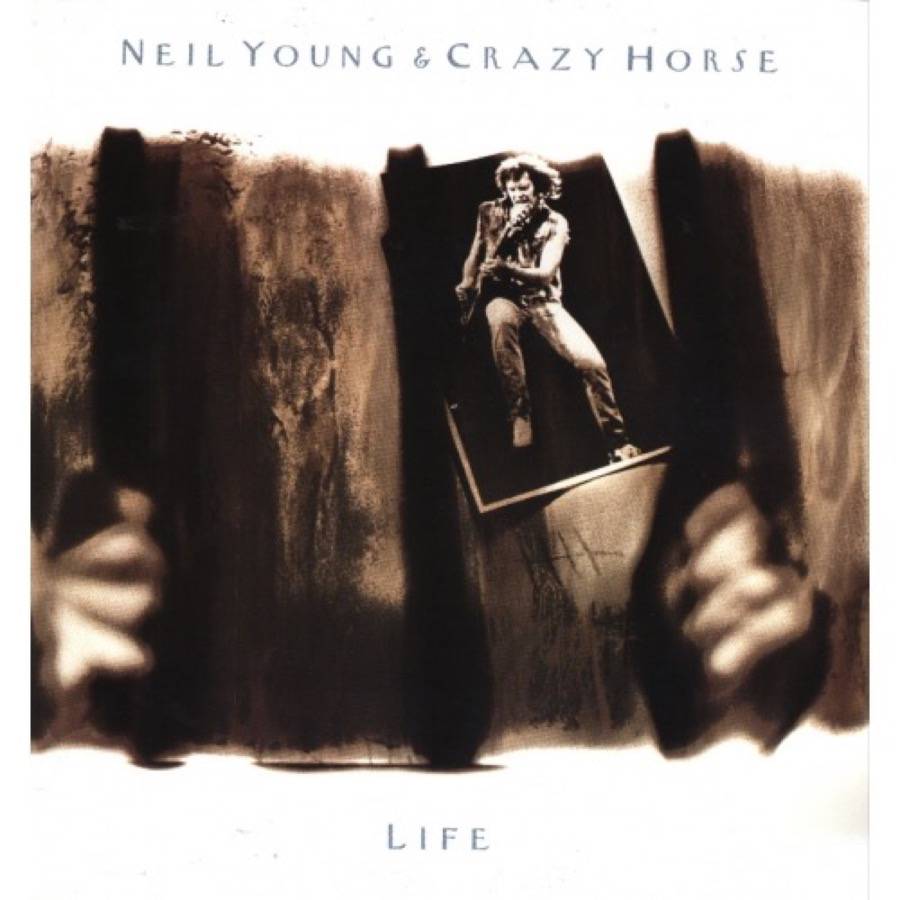
Neil Young’s final album for Geffen, “Life”, is routinely ignored as one would assume it’s just another failed experiment like the other four Geffen releases. Truth is “Life” is pretty much just “characteristic” Neil Young. While the cover depicts a man in prison with the scrawled five chalk marks on the wall can be seen to represent the five albums that Neil owed Geffen in his contract, this album feels a little like Neil finally giving Geffen what they want: a typical Neil Young record. Neil even reunited with CrazyHorse on this album, recording it the same way they did “Rust Never Sleeps” in 1979. Instead of simply recording the songs in the studio, Neil and Crazy Horse played the new song live in front of an audience and then went back and took the audience noises off of the record to create the illusion of a new studio album. Young had little to do with his trusty backing band, Crazy Horse, in the 80s. They appeared on some parts of “Trans“, while many of the songs that would appear on “Landing On Water” were first attempted, unsuccessfully, with the group in 1984. In late 1986, Young brought the Horse on tour again, during which they performed several new songs live. Those songs would form the bulk of “Life”, released on 6th July 1987 as Young’s final album for Geffen, and his first with Crazy Horse since 1979’s “Rust Never Sleeps“.
After four albums of genre experiments, “Life” marked Young’s return to no-nonsense rock. All but two songs were recorded in an amphitheater, and it sounds like it. The material is stronger, too, starting with “Mideast Vacation” and “Long Walk Home,” two sobering tracks that address America’s hawkish approach to foreign policy as well as its human cost.
“Life” has some majestic slow-burners, such as “Inca Queen” and “When Your Lonely Heart Breaks,” and some fierce barnburners like “Around The World” and the pointed “Prisoners Of Rock’n’Roll,” all of which transcend their 80s production and stand as some of the best songs Young wrote that decade. It’s hard to say if anyone in the audience might recognize these songs if Young were to perform them live today, but it would be thrilling to see him dust them off. “Life” is easily the least memorable or interesting of the Geffen years. However it did accomplish Neil’s goal of fulfilling his contract allowing him to run back to the accepting arms of his old record company, Reprise Records.
Neil Young returned to Reprise Records in late 1987, but he wasn’t quite finished with the genre-hopping experimentation. In 1988, he released “This Note’s For You”, in which he put together a new band, The Bluenotes (complete with a horn section), and tried his hand at blues-rock. He wasn’t finished with being an anti-commercial crank, either. That album’s title track is a vicious takedown of corporate-friendly artists who are all too happy to sign their songs over to advertisers. The song’s music video featured a Michael Jackson lookalike with burning hair, which drove Jackson to threaten legal action.
While it would be difficult to argue that Neil Young’s Geffen years saw him at his artistic peak, one can be certain that he was making exactly the kind of music he wanted to. When the label sued him for making music that was “uncharacteristic of [his] previous recordings”, they had lost sight of what made him a rock legend: his refusal to rest on his artistic laurels, and his willingness to chase his muse down every road it leads him. No doubt NeilYoung would have made it easier on himself if he’d been willing to pursue a more commercially viable path in the interest of selling more records, but he wouldn’t be Neil Young if he did.
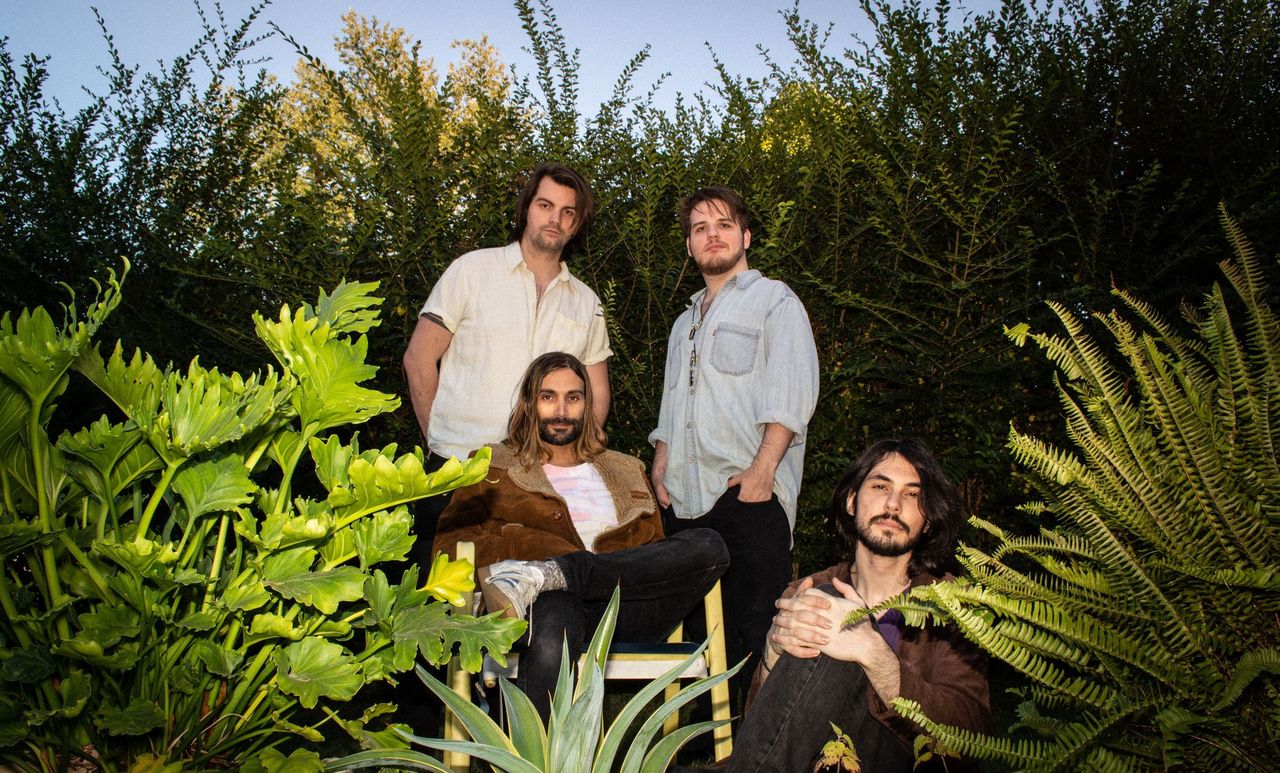
Led by frontman, songwriter, producer and multi-instrumentalist Chris Higdon, The Mango Furs are a psychedelic band for the modern world, swirling the vintage influences of 1960s garage rock, surf music and other trippy sounds into contemporary recordings.
The Nashville outfit The Mango Furs are on the Ones To Watch 2021 artist as the prog-rockers drop festival-sized anthems one after another. Revolving around 60s and 70s influences, the four-piece were described as ‘Nashville’s Hidden Gems’ for their previous release ‘Shoes Untied’, topping the Greatest Discoveries on various blogging sites.
They have been delivering effortlessly cool psychedelic goodness with soaring vocal hooks and an all-round uplifting feel, which is just what the music world needs right now.
“Shoes Untied” is a recent release from four-piece psych rock band The Mango Furs. The song has twinges of 60s nostalgia, but remains refreshingly hip. Its echoing chorus and hypnotic guitar solo are sure to satisfy the desires of surf rock fans and psychedelic junkies alike.
Somewhere in between realms of psychedelia and progressive-rock, The Mango Furs are a transcending quartet who would easily fit a line-up with Tame Impala, Pond and King Gizzard and the Lizard Wizard.
On creating the release, Chris Higdon (The Mango Furs’ lead vocalist) told us, “To me, “Shoes Untied” is a lysergic love song and there is something quite beautiful in how the blissful melody and chords are juxtaposed against the longing in the lyrics.
I’ve always loved the romanticism in songs like George Harrison’s version of “If Not For You” and I wanted to touch more on the “fall” of falling in love and the viewpoint from that lens.
Comprised of Chris Higdon (vocals, rhythm guitar, synth), Spencer Moore (Bass, backing vocals), Will Newman (Keys, synth, sax, backing vocals) and Dylan Miller (Drums, percussion), they are destroying genre boundaries as they float between indie, psychedelic rock, jazz and pop.
“Be In The Flow” off The Mango Fur’s album “Inner Migrations“
This South London post-punk outfit are one of our favourites to come out of the UK as of late and we think the music speaks for itself so don’t be surprised if you find yourself an instant fan.
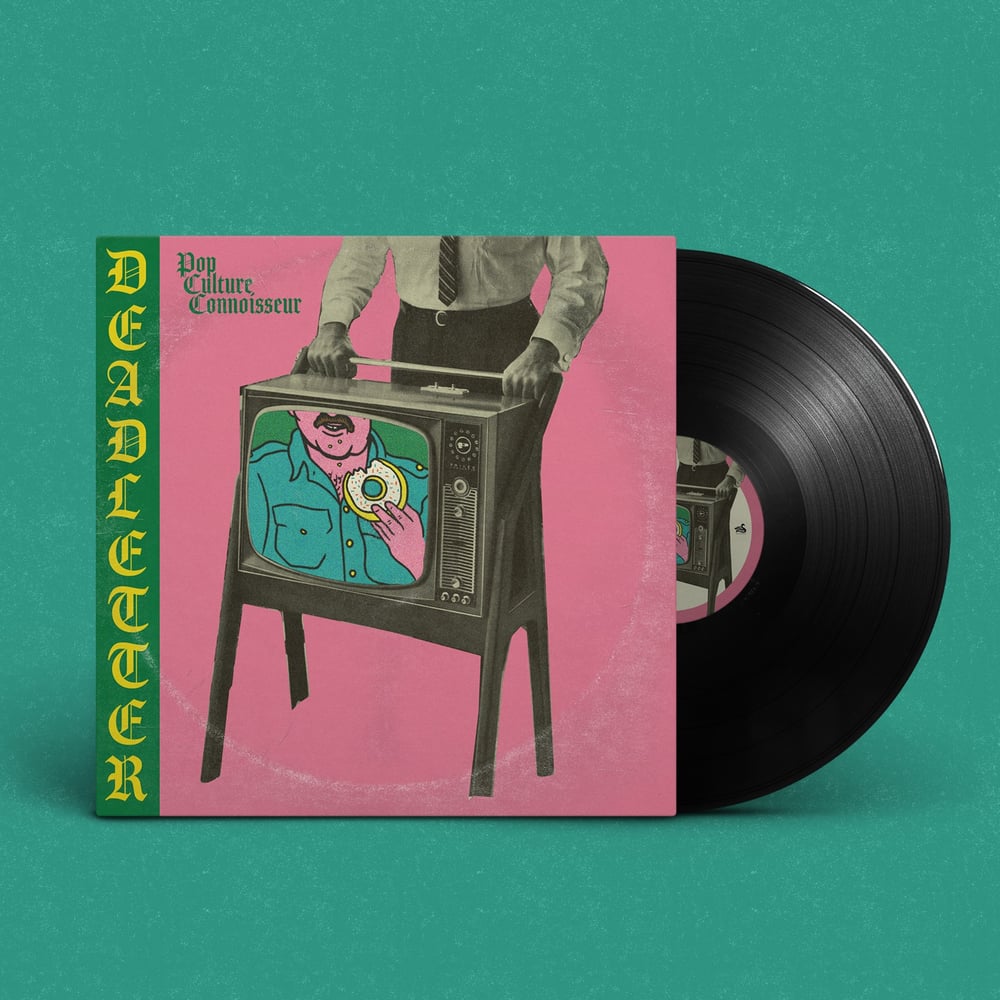
Deadletter release their new single 7″ inch single “Pop Culture Connoisseur”. Hailing from Yorkshire, the now South London rooted band channel the droll fury of The Fall and the lopsided rhythms of Talking Heads into a strain of danceable post-punk, exploring the darker side of existence through a lens of narrative-driven levity.
Previously supporting the likes of Squid, Viagra Boys and Pip Blom, Deadletter have emerged as a genuinely thrilling live prospect. Experts in the field of intensity, the band seamlessly switch from conversational verses into a mix of unadulterated post-punk fury and irresistible rhythm, addressing themes such as bureaucracy, loss of personal identity, and modern-day consumerism.
New single “Pop Culture Connoisseur”, was produced by Theo Verney (TRAAMS, Lazarus Kane, FEET), finds singer and frontman Zac Lawrence switching from the overt politicism of previous releases into a more tongue-in-cheek narrative centred around the case of PC Read, a police officer fired for stealing doughnuts through a self-service checkout. In addition to providing a case study into the fashion those in positions of authority often consider themselves above the law, the track also aims to comment at the manner modern morality so often relates to PR optics, as the cultural trope of law enforcement eating doughnuts is played out in real time.
Deadletter’s 2020 debut single “Good Old Days” was a clear stylistic marker of the band’s vision and received both regional BBC and 6Music play, as well as being added to 6Music’s ‘Introducing’ playlist alongside the normal A, B and C list. Follow-up single ‘Fit For Work’ received both regional BBC and 6Music play from Steve Lamacq and Tom Robinson. The track was also made Huw Stephens’ “Tip of the Week” on BBC Radio 1, and a live session of the track was also played on his Introducing show on Radio 1.
Third single “Fall of the Big Screen” received national airplay from Steve Lamacq (who chose the band as his ‘Spotlight Artist’) and Tom Robinson on BBC 6Music, and Gemma Bradley on Radio 1.
To date, Deadletter are widely praised at press by the likes of The Guardian, DIY Magazine, Loud And Quiet, So Young Magazine, Upset Magazine, Gigwise and more.
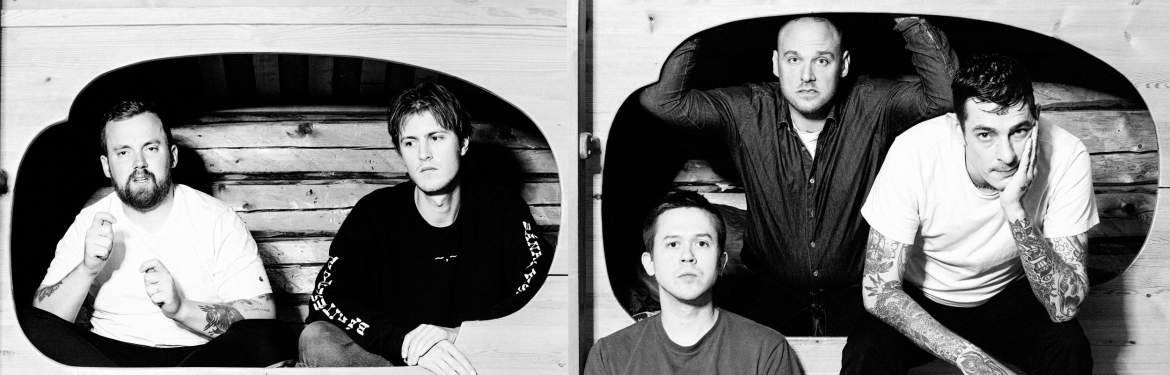
Deadletter are Zac (Vocals), Alfie (Drums), Will (Guitar), James (Guitar), George (Bass), and Tom (Saxophone)
This ferocious Brighton six-piece blends psych with soul and crafted this beauty of a song echoing elements of Nick Cave’s Henry’s Dream record. We’re also looking forward to their first record whenever that might be. Horn-fuelled filth-funk, where punk and jazz combine in grimy circumstances.
With another gem to be let loose into the world via Nice Swan, this time it’s the turn of Brighton set Opus Kink, releasing their second offering of the year.
Having been recorded at the seminal Rockfield Studios in Wales and produced by Tim Burgess, it’s every bit as zealous and free as we’d expect and in discussing the release, the group revealed: A hell-for-leather ride through humanity’s self-destructive tendencies and futile battle against nature, flipping on its head the old adage that ‘this train is bound for glory’”.
A spooky intro converts to a fast-paced and frenetic sound as trumpets and sax blare with feral delight. The single comes to a screeching crescendo and we’re sonically transported to what could easily be a pub parlour, perched on the crimson material of a baby bar stool as beautifully bedraggled chants echo out. They can’t remember how they got there but are united in their message: “Don’t lose yourself to everyone else; Don’t lose yourself to this train”. So far Opus Kink have succeeded in turning listeners on their head, leaving a simultaneous excitement and perplexity as the struggle to brandish them with a ‘we-must-define-you’ handle ensues. With an underlying tone likened to that of a Dickensian tale, they possess the edge of a brooding petty criminal, the charm of a street urchin and the philanthropic spirit of any good protagonist.
The band have a flurry of nationwide gigs scheduled over the coming months, including two Nice Swan showcases alongside label-mates Malady, Mandrake Handshake and Hallan. Taking the studio energy and general raucousness into consideration, catching them live will be well worth a look-in.
Bodega were back with a new EP, titled “Shiny New Model”, that will be out October 11th via What’sYour Rupture. For it, the band recorded at Power Station in Connecticut with guitarist Madison Velding Vandam producing. This is a much bigger, sleeker Bodega than we heard on their terrific 2018 album, “Endless Scroll”, though the themes of alienation and encroaching technology remain, as do their way with hooks. You can watch the video for the EP’s title track, co-directed by the group’s Nikki Belfiglio, below.
This was one of our favourite records is still Bodega’s “Endless Scroll” released back in 2018, and we’re very excited for new music from the NYC band.
Brooklyn’s finest released their fantastic debut album. With wild minimalism and sharp wit, they revitalize the rock and roll vocabulary under the influence of post punk, contemporary pop, hip-hop, kraut rock, and folk-derived narrative song-writing. it’s itchy, scratchy perfect pop that makes you want to sing along..even without knowing the words. Bodega’s debut LP “Endless Scroll” is a collective dialogue with the machine and the public. Ping-ponging vocals are set to Ben’s deconstructed guitar, Nikki’s samples of old and new technology, the driving minimalism of standing drummer Montana Simone (IDIO Gallery), the angular spasms of lead guitar Madison Velding-Vandam (The Wants) and the tight, hypnotic bass lines of Heather Elle (Please No Radio). “Endless Scroll” was recorded and produced by Austin Brown (Parquet Courts) on the same Tascam 388 tape machine used for their LP “Light Up Gold”. It was mixed and mastered by Jonathan Schenke (Eaters) at Dr. Wu’s. The LP’s fourteen songs offer a high-energy, humorous but earnest thirty-four minutes. For fans of Parquet Courts, The Fall and Wire.
Viagra Boys came straight in with an early contender for album of the year in the very first month of 2021, having released their stunning second LP “Welfare Jazz!” Satisfyingly seedy, it’s an unabridged, deep dive into the underworld stumbling into sexism, anxiety, addiction and leaving no subject unaddressed by their abrasive humour.
Saxophones wail as drawling singer Sebastian Murphy leads us down a dark path of his stream of consciousness, accompanied by some seriously impressive bass groves and grinding guitars. The Swedish post punks continue to be a vital force.
“You can’t go around and take everything you’ve done completely seriously. And, I don’t know, I’m not really a serious person either but I don’t know, I definitely think humour and satire is really important to stay positive, and in your outlook in life, and also to stay positive in your own self-image and not to be too hard on yourself and stuff like that. Just realize, you know, life sucks, so you know, make the best of it.”
Viagra Boys set the bar high for 2021 by dropping this raucous second studio release “Welfare Jazz” on the first Friday after New Year’s Day. It’s an invigorating, top of the year self-reflection. The brash mea culpa of “Ain’t Nice” starts the set, with lead singer Sebastian Murphy spewing his worst qualities in a confessional meltdown. From there, the album follows him to rock bottom and back again, ultimately leading to his coming to terms with a loveless life. Thankfully, there’s a semblance of a happy ending, with Murphy trading verses with Amy Taylor of Australian punks Amyl and the Sniffer, on a transformative take on the late John Prine’s corn-pone classic, “In Spite of Ourselves”.
Viagra Boys’ latest album released the first week of 2021, but it’s still being played on heavy rotation over here. The Swedish group (frontman Sebastian Murphy is Swedish/American) are a force of nature, especially live, and with “Welfare Jazz” they are absolutely incredible.
Everything about Brooklyn-based punk band Surfbort is surprising. Two of their members are in their 50s. Their vocalist, Dani Miller, was featured in a Gucci Beauty campaign and appeared in a recent Good Dye Young commercial. Before the band, Miller worked with filmmaker Darren Aronofsky.
Surfbort even owe their name to Beyoncé’s “Drunk In Love” and played their first show on Miller’s 21st birthday. “Ever since the first show, which was just supposed to be a joke show, I was like, ‘I’m gonna do this for the rest of my life. This is the best thing ever,’” Miller says.
Another classic punk rock record from New York City (now based in Los Angeles) band Surfbort, this album produced by legend Linda Perry (4 Non Blondes) really brings forward the band’s sound in a well-crafted production which lets Dani Miller’s songwriting shine through while still keeping the edge that hooked in fans in the first place.
Two of the members—drummer Sean Powell and guitarist Alex Kilgore—are veterans from the punk scene in Texas. “I tapped into the Texas punk scene from the ’80s,” Miller says. “That’s how I got the members.” The band’s line-up also includes guitarist Matt Picola and bassist Nick Arnold, the latter being their roadie before becoming their newest recruit.
On top of that, Surfbort have received co-signs from Debbie Harry, the Strokes’ Julian Casablancas and Frank Iero no small feat—but they don’t let it go to their heads. “I think being creative and being into art and music, no human’s really above each other,” Miller says. “Everyone’s just making their cool shit.” Known for their fast, raucous, high-energy punk songs, Surfbort have tackled subjects such as politics, capitalism and mental health in their music. But ultimately, Surfbort want to emphasize friendship and acceptance. “I’m trying to not do sex, drugs, rock ’n’ roll,” Miller says. “I’m trying to do friendship, sober-raging and rock ’n’ roll.”
On this day (December 27th) in 1975: In the wake of fall tour dates in North America, The Faces’ split became official…(This photo: my never-before posted shot of Rod performing with Faces on that last ’75 tour at the Ottawa Civic Centre…) Rod Stewart finally severed all connections with the group to work as a solo artist; Ron Wood had already been recording & performing with the Rolling Stones & would soon become a permanent member; Ronnie Lane (who left the band in 1973) had formed the band SlimChance; drummer Kenny Jones would join The Who in 1978 following the death of Keith Moon…
A lovely version of Elton John’s song From an old tape recording of John’s “Top Gear” special with a collection of some of his favourite sessions.
Much slower tempo than the Gasoline Alley version but I still think they beat Elton’s versions hands down. I like the piano, I assume McLagan?