Archive for the ‘MUSIC’ Category

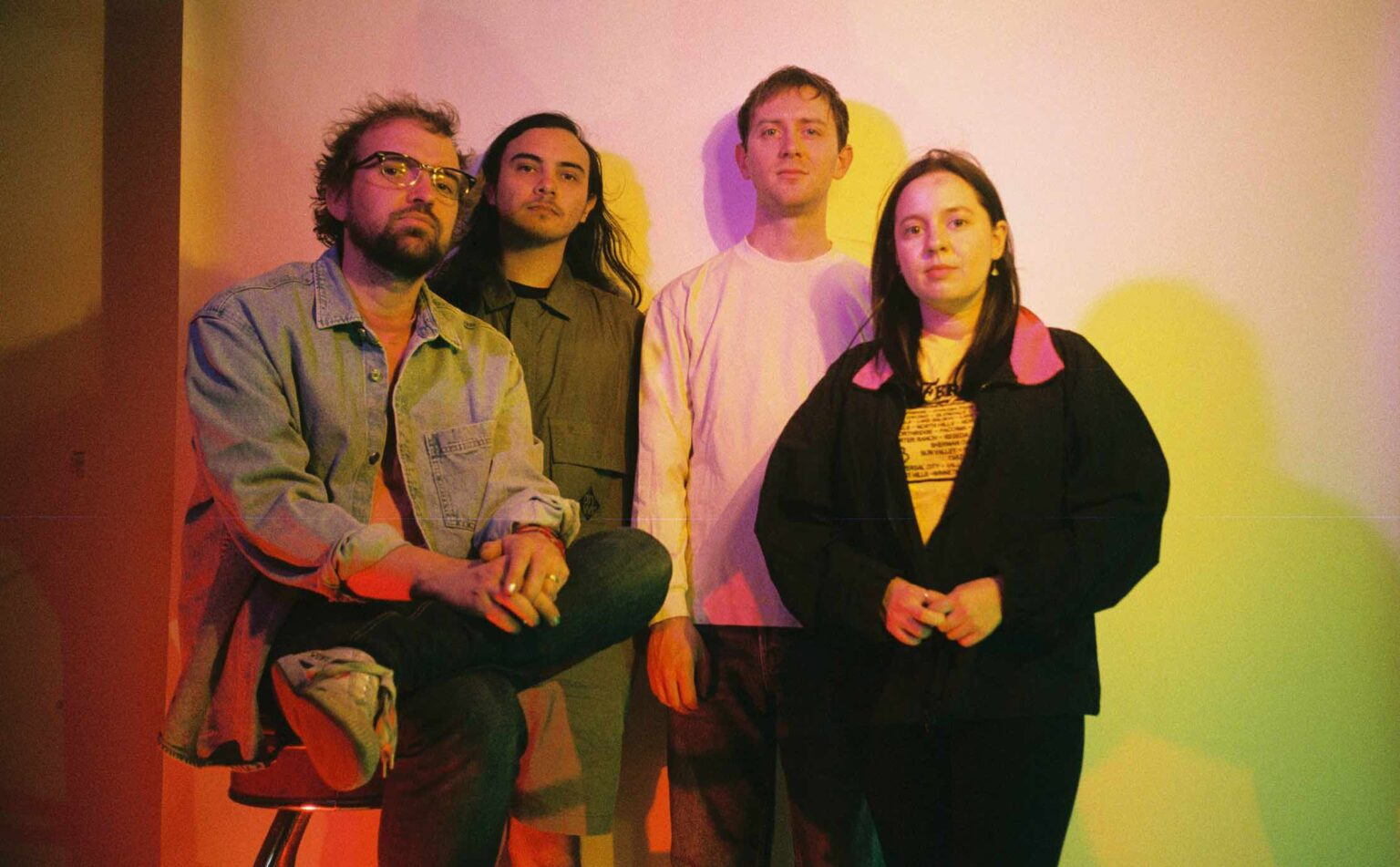
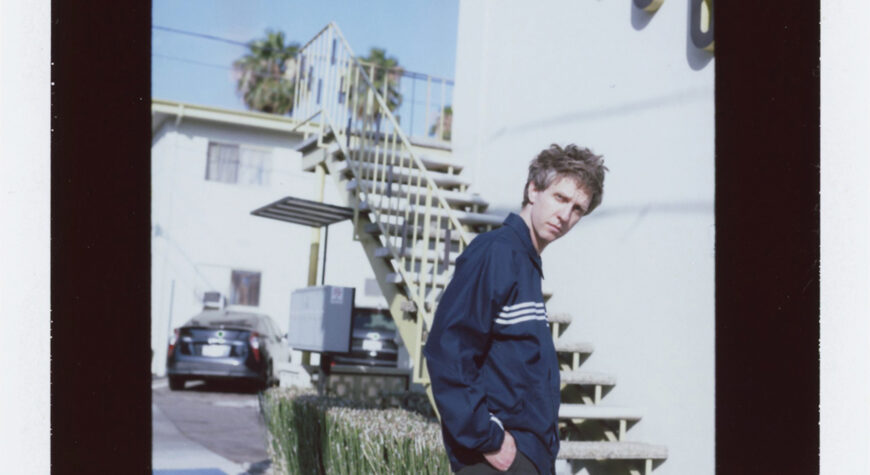
“Forever Night” is the latest album from Night Shop, the songwriting project of Justin Sullivan and his first full length album on Dangerbird Records. 

Before launching the band in 2017, Sullivan’s primary musical contributions came from behind the drum kit. A frequent collaborator with Kevin Morby —playing with Morby and Cassie Ramone in The Babies and then performing on Morby’s first four studio albums and playing steadily in his touring band until 2016—Sullivan has also performed live with Waxahatchee, Hand Habits and Anna St. Louis, and continues to play in LA post-punk outfit Flat Worms. 

But while those musical experiences created a musical education of sorts for Sullivan, the genesis of Night Shop was found in stepping away from music for a time. “I lost a good friend and former bandmate under tragic, heart breaking circumstances,” recalls Sullivan, “and I had been missing a lot of life events back home, which culminated in me having a panic attack in a tour van in Portugal. I needed to take myself off the road and tend to my mental health and relationships. I also had to accept that I might not tour again — that I might not be able to sustain that kind of life anymore.” 

That period of retreating from music as a full time affair, working a steady job and addressing his health resulted in a renewal of sorts. “It was really transformative; music became simple again,” explains Sullivan. “It was the thing I couldn’t wait to do when I got home from work. It allowed me to reconnect with the joy of just creating.” 

It was also the first time he had picked up a guitar with the intention of writing songs. 

“From my first high school punk band,” says Sullivan, “I was always writing lyrics and would sing while playing drums, but I never picked up other instruments. For me, drums felt sort of safe — like the most ‘practical trade’ or something. A lot of the journey of this project, and me playing music in general, is overcoming shame. Namely the shame that music was something for other, more special people to do.” 

The latest signpost on this journey is “Forever Night”, a record that begins with the titular song, moving with the jacked-up pace of a long forgotten power pop anthem being hummed on a city avenue outside the late night cafe. As Sullivan puts it: 

“It’s a song about feeling grateful and inspired by the pace and lessons of the city and the pace and lessons of getting to experience a life spent playing music.” 

From there, the album flows through various sonic moods and tones while the lyrics invoke literary themes and imagery, like a back-pocket paperback brought to an all-night diner, where an old jazz standard plays. 

There’s the slow burn ballad and Ulysses-referencing “For a While”, which Sullivan says is about making peace with the past: “What if ‘coming home’ really just meant acceptance?” 

The Divine Comedy inspired-“Let Me Let It Go” is an exuberant rave-up that sets its early-rock-and-roll rhythms and shining horn arrangements to a “meditation on courtly love”, referencing the moment when Dante saw his muse Beatrice in the town square. “A journey to hell, the pursuit of art, the Shangri-Las, and finding peace in what is, not how we think things should be,” Sullivan says. 

A life spent on the road is reflected in the frequent geographical name checks on the record—from Pensacola to Paris to the New Jersey Turnpike—as well as Sullivan’s jubilance in revealing influences that range from classic film noir to Andrew Lloyd Weber to to the seedy underbelly of Old Hollywood to Ani DiFranco. 

The disparate influences are held together by common earnestness and even optimism, especially striking when Sullivan is foretelling of certain doom. To wit, “The End of Time” which he says is: “an attempt to capture what it feels like when the world feels like it is cascading towards oblivion and yet, somehow you can still feel such unbridled excitement when you see a certain person walk into the room.” 

While the lyrics are clearly the driving force of the experience, the sonic vision of the record was also one that was thoughtfully considered. 

“Forever Night” features a reunion with Meg Duffy (Hand Habits), a long time touring compatriot in the Kevin Morby band and their first time on vinyl together since Morby’s “City Music”. Duffy provides bass to most of the songs and sings on “Just to Get Home”. Another frequent collaborator Jarvis Taveniere (Purple Mountains, Woods) co-produced the album, which also features Evan Weiss (Sparks) on guitar, drummer Tiffanie Lanmon and Alex Fischel (Spoon) as well as backing vocal performances from Jess Williamson on “For a While” and Anna St. Louis on “Let Me Let It Go”. 

The warm feeling of a tight-knit band playing music together late into the night is an authentic one. The primary sessions for the album took place over a three day period at Valentine’s, a classic ‘60s Los Angeles recording studio that had fallen into disrepair and had only recently been revitalized, with the original recording console, cavernous room sound and aesthetic touches preserved. The band tracked live with Sullivan singing much of the vocals in a first take along with the band. 

“Previously — due to the constraints of costs and time — I would build records from the ground up,” explains Sullivan,” and work with whatever schedule best accommodated the friends who were playing on the song. I like working that way, but my favourite recording experiences were always when the band is truly locked in, playing the songs together live in the studio. That feeling of total, unspoken connection.” 

And while “Forever Night” is clearly his most realized work and the sound of a songwriter fully coming into his own, it’s this sense of continuum of working with others that Sullivan says is the through line that defines all of his endeavors: 

“This is a special album to me but it is also merely part of the continued joy of making music with my friends. If we’re still here, after all these years, then we’re very, very lucky. So let’s enjoy it and let’s do it to honour those who couldn’t make it to this day, for whatever reason. Let’s not take it for granted.”

From the album, “Forever Night”, available now on Dangerbird Records.
MILLY – ” Nulify “

Posted: July 17, 2022 in MUSIC

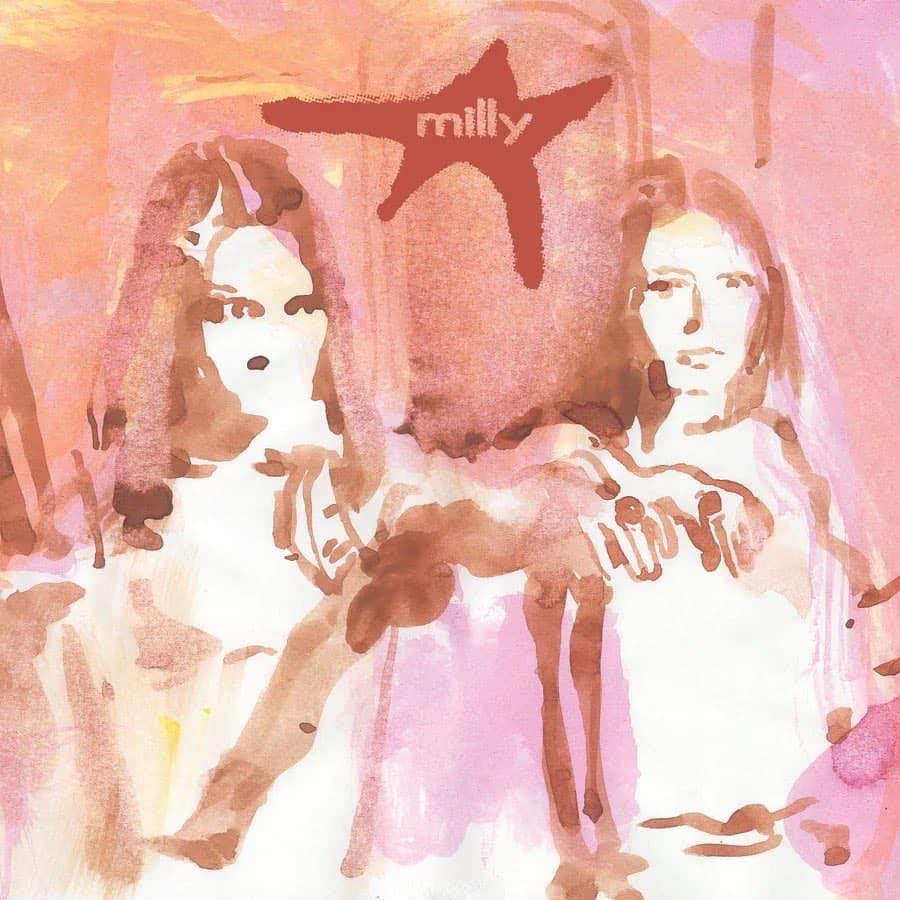
Milly is a rock band from Los Angeles fronted by songwriter and multi-instrumentalist Brendan Dyer. Their sound melds together elements of classic shoegaze, slowcore, and lo-fi indie rock, coalescing into an intense, singular musical impression. Milly began as Dyer’s home recording project in his hometown of Bristol, Connecticut before finally taking its current formation as a live band in Los Angeles.

On the album’s crushing lead single, Dyer explains “​​The song is about people who think they can solve other people’s problems for them when they can’t even balance their own shit. We want to aid others which is admirable but first we need to check in on ourselves to decide whether or not that’s actually possible. Anyone can be a hero if they try…”

Past Praise for MILLY:

“a band that fuses the wall-of-guitar sounds of Hum and Catherine with early emo like Sunny Day Real Estate and minimalist beauty à la Belly, resulting in a warm bath of fuzzed-out indie rock that nonetheless balances the riffing with gentler moments of airy shoegaze” – AV Club

“Meeting at the midpoint between shoegaze and ’90s-style alt-rock, “Talking Secret” lets torrents of guitars overwhelm bandleader Brendan Dyer’s hazily moody vocals” – NPR

““Crawling tempos and dazed, cinematic lo-fi… a band to watch” – Paste Magazine

“A fuzz-laden jammer that re-envisages J Mascis at the head of a dream pop outfit” – Clash

Milly announce their highly anticipated debut album “Eternal Ring“, set for release September 30th via cult indie label Dangerbird Records 

All songs written by Milly

The BLACK ANGELS – ” Firefly “

Posted: July 17, 2022 in MUSIC

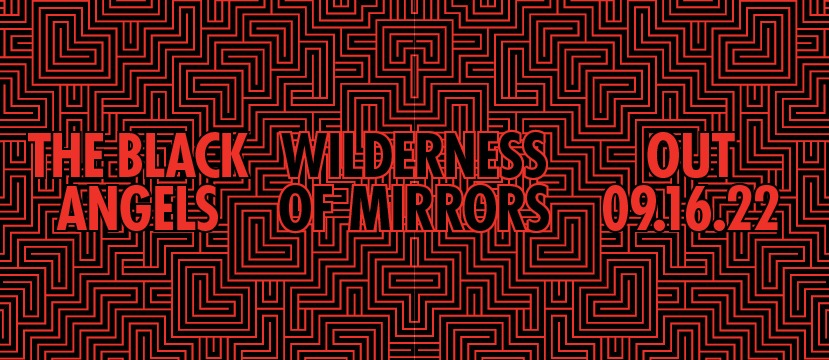
The best music reflects a wide-screen view of the world back at us, helping distill the universal into something far more personal. Since forming in Austin in 2004, The Black Angels have become standard-bearers for modern psych-rock that does exactly that, which is one of many reasons why the group’s new album, “Wilderness of Mirrors”, feels so aptly named. In the five years since the band’s prior album, “Death Song“, and the two-plus years spent working on “Wilderness of Mirrors”, pandemics, political tumult and the ongoing devastation of the environment have provided ample fodder for the Black Angels’ signature sonic approach.

“Wilderness of Mirrors” expertly refines the Black Angels’ psychedelic rock attack alongside a host of intriguing sounds and textures. There are classic blasts of fuzzed-out guitars meant to simultaneously perk up the ears and jumpstart the mind, alongside melancholy, acoustic guitar-driven newfound experiments. Mellotron, strings, and other keyboards also play a more prominent role on “Wilderness of Mirrors” than ever before.

Even amidst these new experimentations, The Black Angels remain masterfully true to psych-rock forebears such as Syd Barrett, Roky Erickson, Arthur Lee and the members of the Velvet Underground, all of whom are namechecked on album highlight “The River.” “The Velvet Underground song ‘I’ll Be Your Mirror’ – that’s what every Black Angels album has been about,” says vocalist/bassist Alex Maas. “You can’t work out your struggles unless you bring them to the forefront and think about them. If we can all think about them, maybe we can help save ourselves.”

“Firefly” now from our forthcoming album “Wilderness of Mirrors”

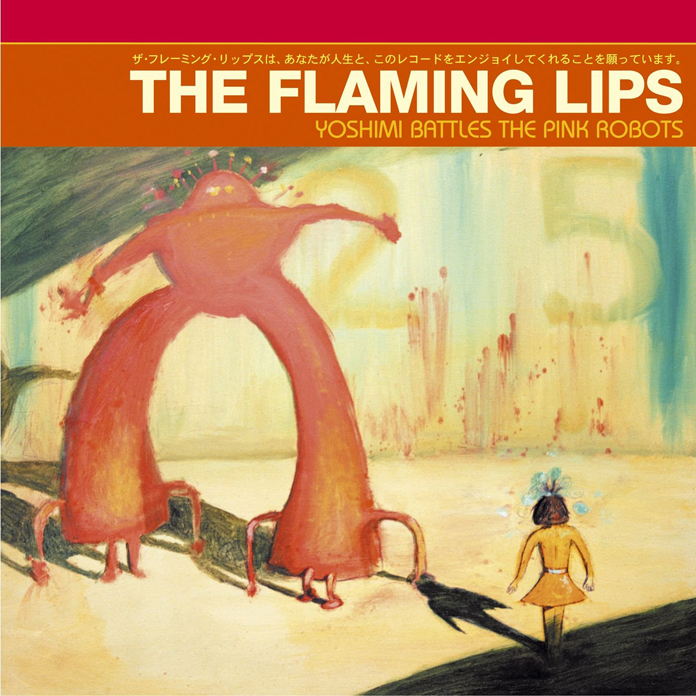
The Flaming Lips had already pulled off some of alt-rock’s bravest (or, at the very least, weirdest) experiments: the 23-minute noise assault of “Hell’s Angels Cracker Factory,” the communal chaos of their “boom box experiment,” the four-CDs-at-once design of “Zaireeka“. “When we were going to make “Yoshimi Battles the Pink Robots”, to us we were experimenting with pop music,” the band’s frontman, co-writer and overall ringleader, Wayne Coyne, said “We would listen to things like Nelly Furtado and Madonna, and we would say, ‘Why don’t we try to do that to our music?’.

The Oklahoma City-based neo-psychedelic rockers The Flaming Lips had been recording music together for nearly 20 years prior to the release of their critically acclaimed 10th studio album “Yoshimi Battles the Pink Robots”. A solid follow-up to the group’s 1999-released breakthrough and ultimate masterpiece The Soft Bulletin, Yoshimi Battles the Pink Robots continues The Flaming Lips’ creative vision into the overwhelmingly dystopian 21st century, as appropriately represented throughout its storyline, in which Japanese alt rock heroine Yoshimi P-We seeks to overcome a race of sentient machines hell bent upon humanity’s destruction. This plot line, however, is exceedingly loose and takes a backseat to the album’s soundscapes, which are lush with melancholic intimacy such blue waves of cosmic introspection to be expected of any great psychedelic release. In its time, Yoshimi marked a turning point in modern music, The Flaming Lips having proved themselves by successfully expanding upon the sonic mastery demonstrated on The Soft Bulletin. Their ninth LP, 1999’s The Soft Bulletin, was roundly labelled a masterpiece, recalling a darker and more blown-out version of the Beach Boys’ wide-eyed symphonic pop circa Pet Sounds. But the group by now the core unit of Coyne, multi-instrumentalist Steven Drozd, bassist Michael Ivins and long time producer and engineer Dave Fridmann got way more single-oriented with “Yoshimi”.

Opening track “Fight Test,” which bore a striking resemblance to Cat Stevens’ own 1970-released hit “Father and Son” and resulted in a lawsuit against the group, finds frontman Wayne Coyne contemplating: “I thought I was smart/I thought I was right/I thought it better not to fight/I thought there was a virtue/In always bein’ cool,” introducing the album’s themes of conflict and combat.

This remains among The Flaming Lips’ top tracks, embodying the group’s vast, spacey, far-out sound—an intermingling of ’60s and ’70s psychedelic rock and ’90s and ’00s experimental pop, rich in synthesizers and computer effects. Having won his lawsuit against the group, Stevens still receives royalties for “Fight Test.” The Flaming Lips’ retro-futuristic sense of idealism is never better realized than on Yoshimi, especially on part one of its title track, which remains a superior indie rock composition, now a classic of its genre. Coyne’s comic book account of Yoshimi P-We’s preparation for combat, which includes exercising and “taking lots of vitamins,” adds an air of good humour to the entire ordeal, complementing the track’s sunnily upbeat melodic disposition. “Yoshimi Battles the Pink Robots, Pt. 1” is an album standout, as well as a great introductory track for those unfamiliar with The Flaming Lips’ music.

Continuing in the album (and group’s) vein of signature cosmic mysticism, expansive neo-psych jam “In the Morning of the Magicians” appropriately draws its title from 1960-published New Age conspiracy theory survey The Morning of the Magicians. Similarly, the subsequent “Ego Tripping at the Gates of Hell,” which briefly returns the group to something resembling the sound of 1995’s Clouds Taste Metallic, further details Coyne and company’s celestial mission, alternating between bad trip pessimism and euphoric bliss as only scattered children of the psychedelic age can. Tracks such as “One More Robot/Sympathy 3000-21,” “Are You a Hypnotist??,” and “Approaching Pavonis Mons by Balloon (Utopia Planitia)” all round the album’s trippy sound out well, each track stylish and sonically rich, displaying the group’s studio wizardry, as it merges sincere neo-psychedelia with alt rock, as well as dream and electro-pop.

Yoshimi Battles the Pink Robots’ crown jewel, however, arrives in the form of initially unassuming dream pop ballad “It’s Summertime,” which repeated listens will surely reveal as being among The Flaming Lips’ greatest songs and the Yoshimi track that sums the album’s sentiments up most concisely.

Lyrically, “It’s Summertime” finds Coyne at his most introspective, as he assures the listener, “When you look inside, all you’ll see/Is a self-reflected inner sadness.” This track is a work of peculiar beauty, one which may not immediately stand out amidst the ambitious bombast of the album’s remainder, but is most definitely worth the consideration.

Gloriously sublime space pop revelation “Do You Realize??,” currently a fan favourite and formerly the Official Rock Song of Oklahoma, continues this ontological reflection, as Coyne inquires: “Do you realize that everyone you know someday will die?” The downtempo “All We Have Is Now” appears to reiterate its predecessor’s message, its soundscape a swirling science fiction carnival of intergalactic proportions, as Coyne seems to accept his own mortality and ultimate existential insignificance, confessing, “You and me were never meant to be part of the future.” This line in particular is integral to the album’s overarching message, which ultimately encourages the listener to dream freely, while not failing to remind us that life on earth is brief.

Yoshimi Battles the Pink Robots received critical acclaim upon its release, going on to receive a Grammy Award for Best Instrumental Performance. At that point in their career, The Flaming Lips had officially broken through, after decades of hard work and perseverance as a promising alt rock act. The group would continue its creative streak with 2006’s At War with the Mystics, completing what may be considered an unofficial trilogy of top-notch releases, alongside The Soft Bulletin and Yoshimi, distinguishing itself as one of the most unique and able musical acts of its generation.

The Flaming Lips also remain one of rocks must see major artists. While the group has never quite returned to the artistic heights of its 1999-2006 output, The Flaming Lips remain ahead of many of their peers, their elaborate live performances and seemingly endless supply of charisma keeping them several steps ahead of the pack. Yoshimi Battles the Pink Robots is a monumental release, finding Wayne Coyne and company, after years of toiling away in relative obscurity, triumphing at long last, the results still as blissfully visceral as they were 20 years ago.

The Album First Came Out July 16th, 2002

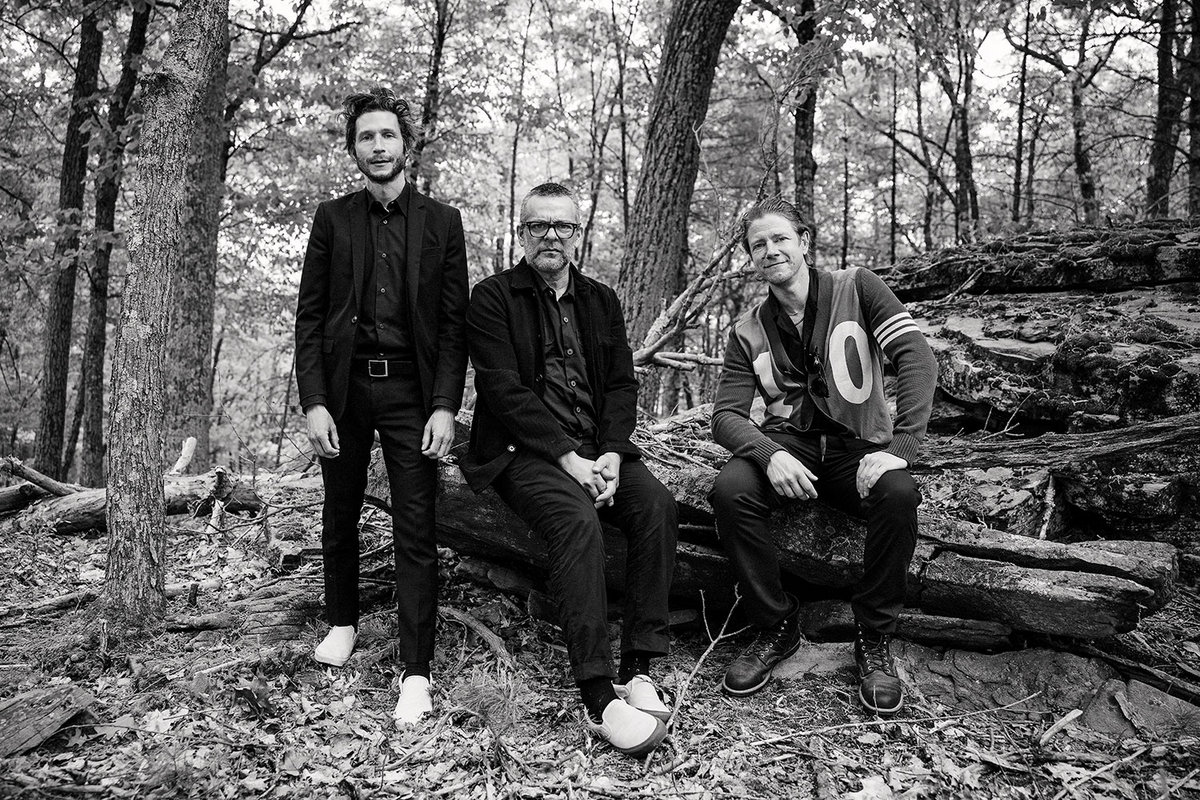
If fate didn’t quite ordain the circumstances for Interpol’s seventh album, it was at least fortunate that the band had happily concluded their Marauder cycle on stage in front of 30 thousand-odd Peruvian fans. Rather than be sent scrambling like so many other musicians on tour or promoting new music, when lockdown clamped in March 2020, Interpol quickly got into a productive mood.

Coming from a group whose early work was characterised by Polish knife-wielders and incarcerated serial killers, you might expect Interpol’s pandemic record to be an emotional tar pit — doubly so, given the presence of towering producer-engineer duo Flood and Moulder on the boards.

But Banks felt the call to push in a “counterbalancing” direction, with paeans to mental resilience and the quiet power of going easy. “The nobility of the human spirit is to recover and rebound,” he says. “Yeah, I could focus on how fucked everything is, but I feel now is the time when being hopeful is necessary, and a still-believable emotion within what makes Interpol Interpol.”

Released July 15th, 2022

MADI DIAZ – ” Hangover “

Posted: July 17, 2022 in MUSIC

Nashville-based singer Madi Diaz has a new single, “Hangover.” Diaz also announced a North American tour this week.

Diaz states in a press release: “I wrote ‘Hangover’ with Jesse Thomas and Drew Pearson when I was still feeling the lagging throws of heartbreak—the waking up in withdrawal, aching, reeling over a person and all the things that come after it’s over. Sometimes it feels like you’re just stumbling around a city and in every corner there’s a memory. At every table in every restaurant some argument, on every street corner some kiss, at the 7 Eleven some melt down. ‘Hangover’ is about bumping into that old feeling and reliving the less appealing side effects of not being in love with that person anymore.”

She adds, regarding the video: “Joey conjured these huge flashing screens towering around me, making a space for me to get lost in performance and really feel every heartbeat of the song. We were in a world inside of a world. With two generators and 42 feet of LED walls, I’m sure it looked like we were throwing a mini warped tour in my backyard.”

Diaz’s most recent album, “History of a Feeling“, came out last year via ANTI-Records, and it was among our 100 Albums of 2021. Earlier this month, Diaz released “Same History, New Feelings”, an EP consisting of reworkings of tracks from “History of a Feeling“.

Back in January, Goon gifted us with a single called “Garden of Our Neighbour” that preceded a project titled “Paint by Numbers Vol. 1″ which collected the group’s home recordings made during COVID lockdown. While a “Pt. 2” to that record has yet to be announced, the dream-pop ensemble instead revealed plans for a proper album called “Hour of Green Evening”  officially drops tomorrow. 

Adding producer/engineer Phil Hartunian (Gracie Abrams, Mega Bog, Florist) to the mix, and with Spoon’s Alex Fischel providing backing keys, the resulting record is a dreamy combination of psych rock and muted grunge. “This definitely is a record we’ve always wanted to create,” shares vocalist Kenny Becker, who rejiggered the band’s line-up after 2019’s debut full-length “Heaven Is Humming“. “It was both a joy and a challenge, and we’re deeply proud of it. And we’re unspeakably excited to finally share it with everyone!”

Dillon Peralta – guitar Tamara Simons – bass Andy Polito – drums Alex Fischel – piano, synth Emily Elkin – cello, additional vocals Heather Lockie – viola Eric Clark – violin Kenny Becker – guitar, vocals, synth, piano, tape loops, composer

Recorded at Tropico Beauty in Glendale, CA

A singer, songwriter, and author whose incendiary music has sound tracked all three seasons of the Netflix show “Sex Education”, Ezra Furman has for years woven together stories of queer discontent and unlikely, fragile intimacies. Ezra Furman is releasing a new album, “All of Us Flames”, due for release August 26th via ANTI-/Bella Union. Ezra shared its fourth single, “Lilac and Black,” via a lyric video.

A press release says “Lilac and Black” concerns “a revenge plot where she and her ‘queer girl gang’ drive out their oppressors and claim a hostile city for themselves.”

Furman elaborates further: “I’ve started to think of us trans women as a kind of secret gang, scattered across the world. Or that we could be that. So I wrote this theme song for us, and gave us some gang colours: “Lilac and Black”. Unfortunately, being trans usually comes with some kind of threat to one’s well-being or even one’s life. The hostility toward us right now is intense and the stakes are high.

This song is an expression of deep solidarity and willingness to defend our lives. Being an inherently peaceful person, I hate to imagine it, but there are times that violent self-defense, or defense of others, is the moral and necessary path. This song is about being ready for that…. It’s also about how being trans so often feels like a war we never asked for. On top of the seemingly endless social stigma and barriers to our general thriving, various governments have now set in motion a concerted movement to virtually outlaw healthy trans existence. Let it be known: we demand safety, resources and dignity, and we are ready to fight for our lives and the lives of others.”

Furman previously shared “All of Us Flames’s” “Point Me Toward the Real” in early March, which was her first single for ANTI-. “Point Me Toward the Real” was about someone getting out of a psychiatric hospital.

Then “Book of Our Names” followed in April. When “All of Us Flames” was announced in May, Furman shared its third single, “Forever in Sunset,” via a video.

Much of the new album was written in the early months of the pandemic. “I had no time alone anymore; my house was super crowded,” Furman said. So she went for drives around Massachusetts to find quiet places to write songs.

“This is a first person plural album,” Furman said. “It’s a queer album for the stage of life when you start to understand that you are not a lone wolf, but depend on finding your family, your people, how you work as part of a larger whole. I wanted to make songs for use by threatened communities, and particularly the ones I belong to: trans people and Jews.”

John Congleton (Angel Olsen, Future Islands, Sharon Van Etten) produced “All of Us Flames”. Furman’s last full-on album was 2019’s Twelve Nudes. In 2021, Furman also surprise released a new EP that featured songs she had written for season 3 of the Netflix show Sex Education. It was fittingly titled Sex Education – Songs from Season 3” and featured three new songs, alongside two songs previously released with her former band Ezra Furman & The Harpoons in 2011. Furman has done the music for all three seasons.

In 2020, Furman shared the official soundtrack for seasons 1 and 2 of “Sex Education“, along with a video for the song “Every Feeling.”

“All of Us Flames” is described as the third part of a trilogy, including 2019’s continuing punk rock fury of 2019’s  “Twelve Nudes” and 2018’s The Springsteen-inflected road saga “Transangelic Exodus“.

The band is Sam Durkes, Ezra Furman, Ben Joseph and Jorgen Jorgensen Other contributors: John Congleton: additional keyboards, drum machines Shannon Lay & Debbie Neigher: backing vocals Nathaniel Walcott: Horn Arrangements. Vikram Devasthali: trombone. Josh Johnson: saxophone. Nathaniel Walcott: trumpet.

Seriously impressive… combining a bold sonic vista reminiscent of Springsteen and the lyrical dexterity of Dylan… An album of quality and intensity.” The Sun – 5 stars *****

“This is a celebration of difference and very appealing. Classic heartland rock songwriting in the tradition of Bruce Springsteen and Lou Reed, infused with a passionate underdog spirit.”

The Times – 4 stars ****

“All Of Us Flames crackles with the energy and strength of a woman finding power in a world that has constantly deprived her of it. It feels like a protest album – not one fighting to change an imperfect society, but building one of its own. The i Paper – 4 stars ****

“Ezra Furman is on a roll… All Of Us Flames sparkles… Her observations are succinct, original and fearless.” Mail On Sunday – 5 stars *****

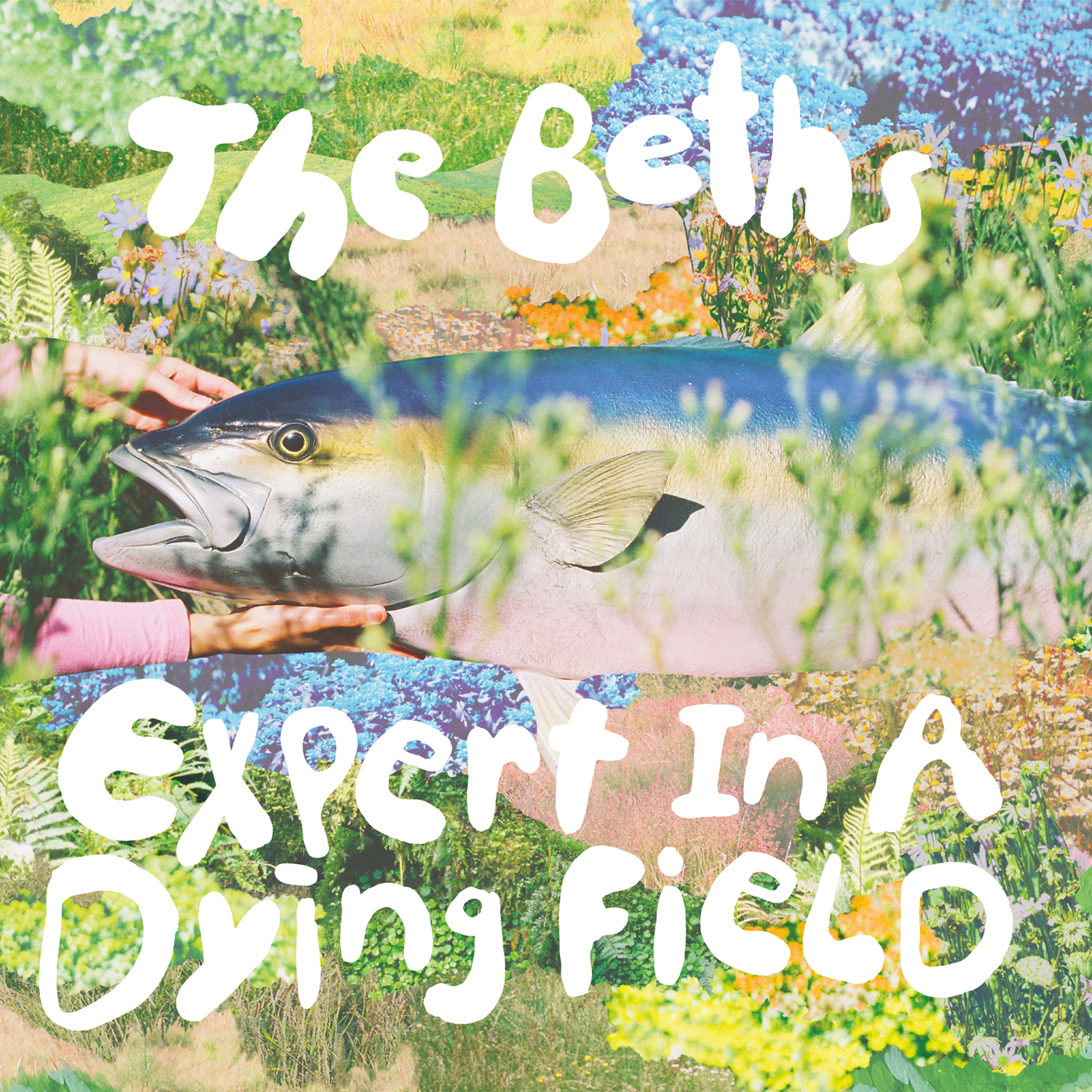
New Zealand four-piece The Beths have shared a video for their new single, “Expert in a Dying Field.” It is the latest release from their forthcoming album of the same name, which will be out on September 16th via Carpark.

“I really do believe that love is learned over time,” states lead singer Elizabeth Stokes in a press release. “In the course of knowing a person you accumulate so much information: their favourite movies, how they take their tea, how to make them laugh, how that makes you feel. And when relationships between people change, or end, all that knowledge doesn’t just disappear.

The phrase ‘Expert in a Dying Field’ had been floating around my head for a few years, I was glad to finally capture it when writing this tune.”

The Beths: Elizabeth Stokes Jonathan Pearce Benjamin Sinclair Tristan Deck

The Beths’ previous album, “Jump Rope Gazers“, came out in 2020 via Carpark Records.

Death Cab for Cutie are releasing a new album, “Asphalt Meadows”, due September 16th via Atlantic Records. This week they shared the album’s second single, “Here to Forever,” via an amusing video in which frontman Benjamin Gibbard has to press the band’s own vinyl after encountering some incompetent workers at the pressing plant. Lance Bangs directed the video, which also features comedians Natalie Palamides and Courtney Pauroso.

“In every movie I watch from the ’50s/There’s only one thought that swirls around my head now/And that’s that everyone there on the screen/Yeah, everyone there on the screen, well, they’re all dead now,” Gibbard sings at the start of “Here to Forever”.

Gibbard had this to say about the song in a press release: “It’s a song both about our impermanence and the anxiety of these times. It’s also about wanting to believe in something bigger even when it feels like nothing is out there.”

Previously Death Cab for Cutie had shared the album’s first single, “Roman Candles,” Then they shared a music video for the song that was shot in one take and featured the band performing the song while roman candle fireworks explode around them.

John Congleton (St. Vincent, Sharon Van Etten) produced “Asphalt Meadows“, which is the follow-up to 2018’s “Thank You For Today”.

Formed in Bellingham, WA in 1997, Death Cab for Cutie almost immediately entered the ranks of the era’s definitive bands, fuelled in large part by the remarkable power of co-founder, vocalist, guitarist, and lead songwriter Benjamin Gibbard’s complex, often bittersweet songcraft. “Asphalt Meadows” is their tenth studio album and finds them exploring further into their own unique sound,

Gibbard was instrumental in helping us all get through the first year of the pandemic, especially when we were all under lockdown, with his regular “Live From Home” livestreams performed in 2020 at first daily and then weekly from his home studio.