This year marks the 20th anniversary of Interpol’s debut album, “Turn on the Bright Lights“, but the band are looking forward too with the release of their seventh album. They made it with Flood and Alan Moulder, whose combined credits include My Bloody Valentine, Nine Inch Nails and U2, to name three. Says guitarist Daniel Kessler, “The process of writing this record and searching for tender, resonant emotions took me back to teenage years; it was transformative, almost euphoric. I felt a rare sensation of purpose biting on the end of my fishing rod and I was compelled to reel it in.”
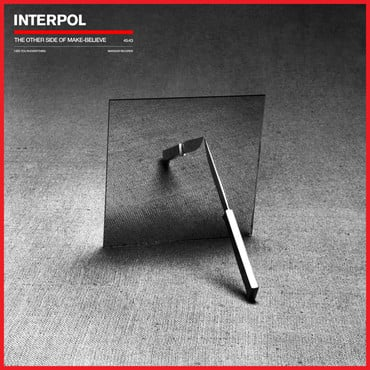
Interpol have released their seventh studio album, “The Other Side of Make-Believe“, via Matador Records.
After beginning work on “The Other Side of Make-Believe” remotely, the band reunited at a rented home in the Catskills to begin fleshing out new material in early 2021. They completed it later that year in North London while reuniting with previous collaborator Alan Moulder, who co-produced the album with Flood.
“The Other Side of Make-Believe” also explores the more sinister undercurrents of the present day. Daniel Kessler’s serpentine guitar arrangements crest skywards in “Into The Night,” Samuel Fogarino shatters his percussive precision into strange meters, while Paul Bank’s vocals exudes a deep, yearning vulnerability.
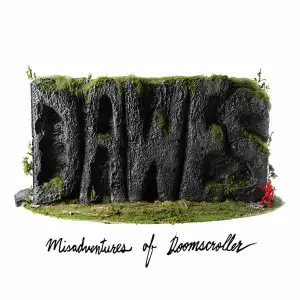
Dawes’ new album “Misadventures of a Doomscroller” is due out July 22nd, and the latest single is “Comes in Waves,” which they’ve shared a new performance video for. “I had this riff and one of the verses for a while,” frontman Taylor Goldsmith says. “Griffin, Wylie and Mike Viola came over to my backyard – this was peak Covid – to just play music together for one of the first times since lockdown. I started sharing the song and Griffin and Mike started singing their background parts you hear on the choruses on the record immediately. It inspired me to finish writing it. The lyric is about the arbitrary demands I make on myself. I want to perceive me or my life a certain way but I make no exceptions for an off day or a misstep.
“We’ve always prided ourselves on being minimalists. With this record we set out on being MAXIMALISTS,” says Dawes’Taylor Goldsmith. “Still a quartet. Still not letting these songs hide behind any tricks or effects. But really letting the songs breathe and stretch and live however they want to. We decided to stop having any regard for short attention spans. Our ambitions go beyond the musical with this one. We also wanted to honour the traditional length of a vinyl record 40-45 minutes but disregard any concern for numbers of tracks. The way Miles or Herbie often did. Documenting the songs is only half of the picture. For this record, they’re also the platform for us to jump off from and get lost in. I think the best way I can say it is we wanted this record to be less a collection of songs and more a collection of music.”
Whether it’s a win or a loss, it’s all transient, and only when I can live in some version of that awareness – which is itself transient – am I able to bat away any fears or anxieties or the consequences of an over indulged ego.”
The official performance for Dawes’ new single “Comes In Waves”, off their upcoming new album ‘Misadventures Of Doomscroller’ releasing July 22nd, 2022.
Jack White will mark next week’s release of his second new album of the year, “Entering Heaven Alive“, with a pair of exclusive in-store appearances in London. On Friday, July 22nd, White will appear at EastLondon’s Rough Trade East for an acoustic performance and signing, followed by a sold-out show at Union Chapel. The next day (July 23rd), White will perform three separate solo acoustic sets at Third ManLondon’s Blue Basement.
White has been writing and recording music throughout the entirety of the past several years, creating two entirely distinctive albums in “Fear Of The Dawn” and its follow up, “Entering Heaven Alive” each defined by different inspirations, different themes, different moods.”
“Entering Heaven Alive” is the fifth studio album from Jack White, founding member of The White Stripes, The Raconteurs, and The Dead Weather. True to his DIY roots, this record was recorded at White’s Third Man Studio throughout 2021, mastered by Third Man Mastering, and released by Third Man Records.Jack White after he released “Entering Heaven Alive”, his second album of 2022, The eccentric rock star and part-time upholsterer stopped by The Late Show With Stephen Colbert to perform “If I Die Tomorrow”. He also sat down with host Stephen Colbert for a segment called “Maybe Dropping Soon”, in which the two recounted imaginary collaborative albums concocted by the show’s graphics team.
“Entering Heaven Alive” follows White’s first LP of 2022, “Fear of the Dawn”, which he released in April. Each album has its own character, exemplified in the two different versions of the song “Taking Me Back” that appear on the albums.
Both albums were written in a burst of inspiration following an eight-month period of creative silence during the pandemic. White had wanted to release the two albums simultaneously, but was unable to manufacture enough vinyl records due to an ongoing shortage of vinyl.
“I started writing a lot of songs, and they were in all different directions: some incredibly heavy; almost some like speed metal; some sounded so gentle. I ended up with 20, 25 songs,” White told Rolling Stone. “People don’t respond well to double albums these days. I wanted to put them out on the same day, but there’s no way we could press all that vinyl and have them all out on the same day.”
Sadies frontman Dallas Good died in February but the band already had their new now final album in the can. They made it with Arcade Fire’s Richard Reed Parry and Good was clearly jazzed about it. “Do any bands make their best work this far along in their career,” Good wrote last fall. “I can think of artists who still make great music after all these years, but their best? Yet, here we are and that’s what I’m accusing us of.”
In preparation for the release, in October of 2021, Dallas penned what he coined the band’s “anti-bio” and seemingly said all there is to say about the new album, first noting, “Colder Streams is, by far, the best record that has ever been made by anyone. Ever.”
Produced by Arcade Fire’s Richard Reed Parry and recorded between 2019 and 2021 at Skybarn in Montreal, The Sadies’ 11th album features 11 original compositions, with guest appearances by Jon Spencer, Michael Dubue, Parry,Margaret Good and Bruce Good. With a deep fondness and reverence for the best of CBGB — country, bluegrass and blues — The Sadies are equally informed and influenced by everything from ‘60s garage and psychedelic rock to surf instrumentals and punk rock. Since they first arrived on the North American scene 28 years ago, the Toronto-based roots-rockers have developed, even perfected, a style of music uniquely their own.”
“Colder Streams” by The Sadies: due 22nd July via Yep Roc Records
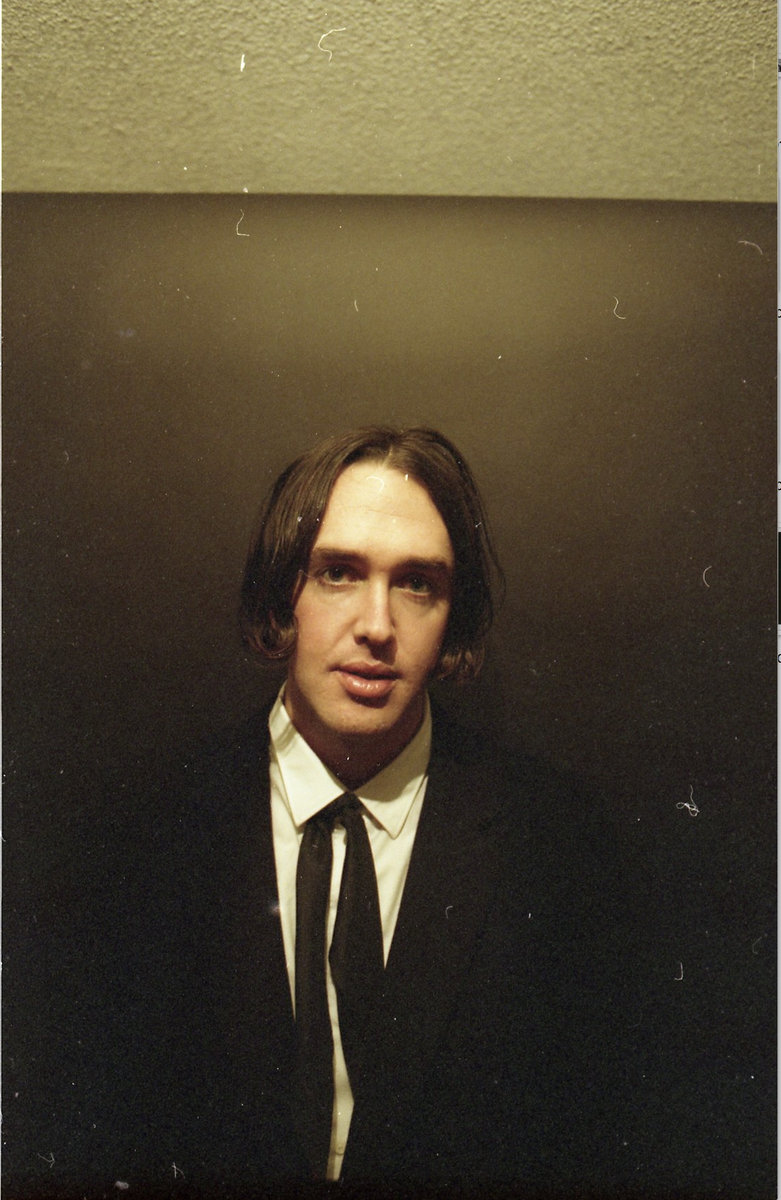
Los Angeles-based musician John Cudlip came of age cueing dream-pop records to the beachside backdrop of his hometown in Orange County. He’s a student of the sound — melodic, textured guitar music and a believer that, when honest and real, it can enthrall and facilitate catharsis.
Launder (John Cudlip) crafts the sort of album you could dive into and swim circles around. A wash of sound, “Happening” has a certain depth to it that is rare for a debut, and an effortless fluidity as each song flows into the next. Cudlip decided to fully immerse himself in writing the album, a nearly three-year process that produced about 60 demos, while embracing sobriety and directing all of his “once-destructive addictive tendencies into studio craft,” according to a press release. A wash of sound, the double LP balances a swirl of guitars with Cudlip’s gauzy vocals.
What feels like a relic from the early shoegaze days, the album belongs amongst the likes of Souvlaki and Isn’t Anything (which isn’t surprising since Sonny DiPerri, who also worked with My Bloody Valentine, co-produced, engineered and mixed “Happening“). With lush layers of sound and a cascade of fuzz, Launder is on track to create this generation’s Loveless.
The Rubs, were one of the finest of Chicago’s last wave of rock’n roll resuscitation of the late 2010s, who uprooted the whole project for greener pastures in Kansas City, MO, yet still continues to churn forth incredible hooks by the bucket-load, no matter where they land. Here we have the anxiously awaited third long-player, “Dust” – still entirely written, composed, and performed by the one-man-army that is JoeyRubbish, and still creating those invigorating waves of euphoria you’ve come to know and love from this essential hit-machine. After settling into a new living situation in a new city, the hits just kept pouring out, and as the dust settled after several reconfigurations over the next years, the “Dust” LP finally took its final, gleaming form, as the LP you have here. It’s another knockout collection of pristine power-pop bangers laced with mesmerizing guitar and/or sizzling mellotron solos, woven into impossibly contagious harmonies .
And as The Rubs have always had a clear window open on the meat-grinder of influences, with this outing you’ll feel whisps of the ethereal late 60s Kinks, soft explosions twisting effortlessly around core-revitalizing melodic exercises that might even make the Everlys blush with envy. “Dust” is one of those eternal records that seems like its always been here, and will always remain, its just always been behind a corner you hadn’t looked around yet. The sheer quality of these tracks and seamless execution are a marvel of the modern world’s DIY ethos in practice. There don’t seem to be many folks making records this brutally simple and honest in these sad, sad times, and its our hope that “Dust’s” hypnotic allure sticks to you as well, as it always has that tendency to do in a world of endless static electricity.
Recommended If You Like: The Beat, Donny Denim, The Jeanies, Kinks, The Toms, Plimsouls, Nick Lowe, Real Kids, The Fevers, Dutchess & Duke, Rockpile, Wreckless Eric
The Canadian band Metric returns with the successor to the almost four-year-old “Art Of Doubt”, which was of the high level that we have come to expect from the band over the past twenty years. The band based around Emily Haines delivers their eighth album with “Formentera” and it is an album that shows that Metric had not yet reached its creative peak. After all, “Formentera” is a great album, which in my opinion stands out above its predecessors. The vinyl artwork for Metric’s new album, “Formentera”, includes a motto that sums up the past few years: This Is What Happened. It’s an understatement that manages to say everything. Even real places become imaginary when they are so far out of reach. Named for an idyllic island near Ibiza off the coast of Spain, “Formentera” is a place that, for Metric, only existed on a page in a “dream destinations” travel book that lay open on a desk in the new recording studio that guitarist Jimmy Shaw built in 2020, in a rural hamlet north of Toronto. This is the setting where the band’s eighth album took shape. Metric’s sound is both genre-defying and genre-defining. Emily Haines, JimmyShaw, bassist Joshua Winstead and drummer Joules Scott Key started playing together in NYC in 2001.
The album opens with a real sledgehammer. The more than ten-minute opening track “Doomscroller” shows a cross-section of the band’s entire oeuvre and impresses from the first to the last note. “Doomscroller” opens with synth-pop, then drags you towards the dance floor with impressive beats, has beautiful piano interludes with atmospheric synths and at the end of the track also turns into a real and gently gritty guitar song. It delivers an instant classic of the kind that isn’t made today.
Musically, the opening track grabs you by the throat, but Emily Haines’ great vocals also ensure that the Canadian band’s new album immediately makes an indelible impression. The downside of the brilliant opening track is of course that the remaining 35 minutes of the album maintains a pretty high level.
On “Formentera“, as usual, the band is influenced by the new wave as it developed from the late 70s, but Metric certainly does not get stuck in the influences from a now distant past. “Formentera” also sounds as fresh and contemporary as we now expect from Metric.
In the fascinating opening track, the guitars certainly do not play the leading role, but on the rest of the album the band excels again with excellent guitar work, which delivers both irresistibly tasty guitar runs and modest but accurate guitar walls. It is guitar work that is combined with here and there firmly set synths and of course with the so recognizable vocals of Emily Haines, who still provides Metric with a special sound of her own.
Metric does not shy away from the grand and compelling songs on “Formentera” and applies for an open spot on the festival grounds this summer, but the band also opts for more subdued songs here and there and always puts enough adventure into its songs, so that “Formentera” continues to stimulate the imagination easily.
Metric’s new album plays a winning match after the masterful opening track, but the other songs on the album have also come to life since the first listen, so I dare to call “Formentera” the provisional crown on the work of the Canadian band.
Metric unfortunately still has a fairly modest status, but listen to the band’s new album and it seems to me that Emily Haines and her fellow musicians will pack you mercilessly, provided of course you love especially new wave influenced songs with a leading role for both guitars and keyboards.
Old World Underground, Where Are You Now?, the band’s debut, celebrates its twentieth anniversary next year, but it’s never too late to embrace a world band like Metric.
Natasha Janfaza releases her debut EP with Washington, DC Rock/Electronic record label House of Joy. Combining nostalgic alternative concepts with experimental production, Natasha’s voice delivers earnest yet urgent anxiety, pulling you into her world with catchy hooks and subversive instrumentation with drummer Brendan Canty (Fugazi, Rites of Spring, The Messthetics). “Vanilla“, the eight-track debut from Tunnel, set for release on July 15th via DC label House of Joy. Janfaza handled all song writing duties, sings and plays a good chunk of the instruments. Her collaborators for the release are producers and multi-instrumentalists D. Saperstein and Owen Wuerker, both of whom Janfaza knew from the D.C. scene, and drummer Brendan Canty, known for his work with Fugazi, Rites of Spring and The Messthetics.
Together, they made an album that’s equally noisy and sublime, harking back to 1990s indie rock despite a very 2020s recording process (save for one song, “Figure 5,” which was written back in 2019, when Janfaza was still living in D.C., the album came together through remote collaboration). Tunnel’s short East Coast tour this month will mark the first time the full band has played together on the same stage.
released July 15, 2022
All songs written by Natasha Janfaza Lead vocals, backup vocals, guitar, bass, synthesizer: Natasha Janfaza Guitar, bass, synthesizer, drum machine, backup vocals: D Saperstein Guitar, bass, synthesizer, drum machine: Owen Wuerker Drums, drum machine: Brendan Canty
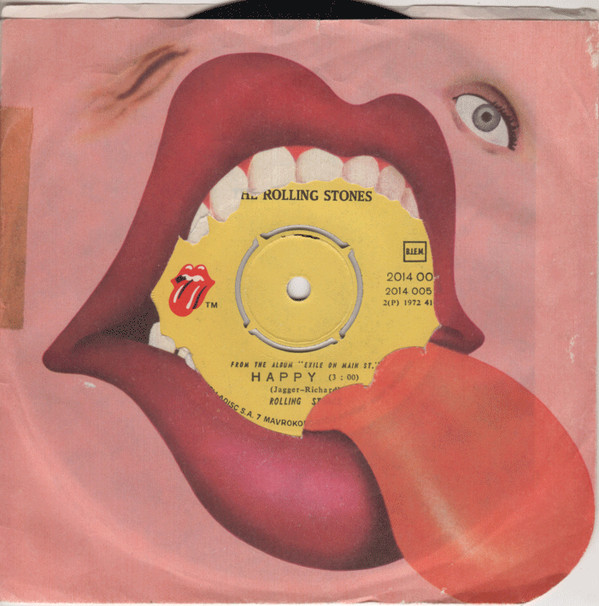
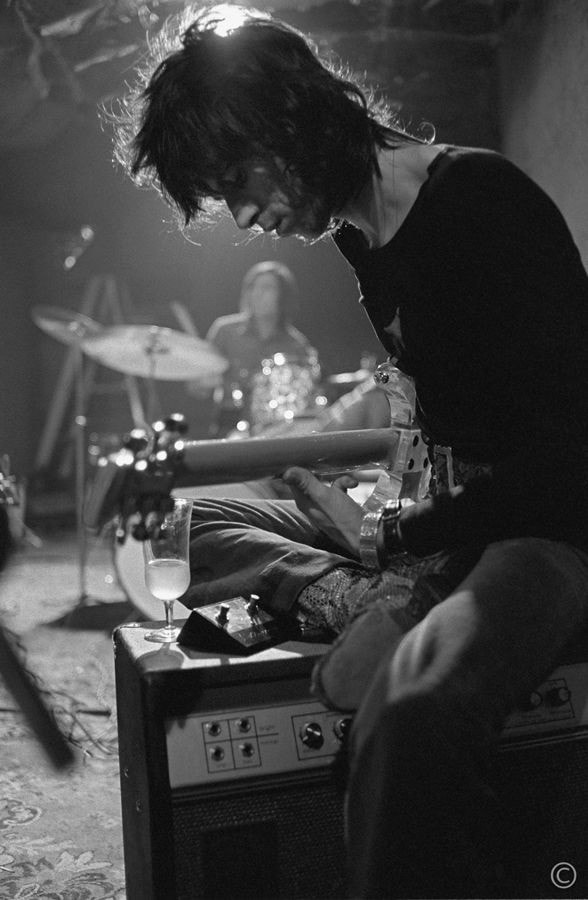
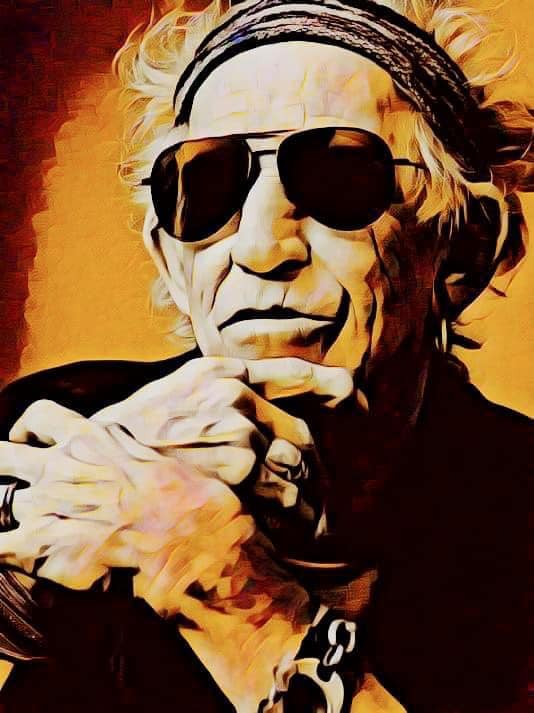
The creation of one of Keith Richards’ best-known songs didn’t happen overnight. It happened in just one afternoon. As Richards recalled, “Happy” the only single to ever chart on the Hot 100 with him singing lead, appeared in a matter of hours. “At noon it never existed,” he wrote in his 2010 autobiography, “Life”. “At four o’clock it was on tape.”
In 1972, the Rolling Stones had fled to the south of France, evading a complicated tax situation in the U.K. Richards was renting the Villa Nellcote, a sprawling mansion near the sea where the band had set up its makeshift mobile studio in the basement to record “Exile on Main St”. But looks could be deceiving.
“That Nellcote thing was very, very difficult,” Mick Jagger said in 2017. “The house looks great, but I can assure you the basement did not look very good. Things were getting done, but they were very disorganized. … We should’ve recorded in the drawing room, which is what we did in my house in England before, but we didn’t. We were very impatient and we ended up in Keith’s basement, and the basement was crummy in every possible way. But it wasn’t the ideal recording environment. It was very hard to record there. Probably the sound in there was adequate, but there were power problems, which made it very difficult. And we took ages and ages and ages to get it to work.”
It wasn’t just the equipment that was unreliable. If you walked into the Villa Nellcote on any given day in 1972, the chances of finding all members of the band sober and ready to work, let alone present on the premises, were slim to none. “It was very druggy, so it was totally unstructured,” Charlie Watts later remembered. “We went on to Keith time. When he woke up, we’d go and record something, and if he was awake for 15 hours, we’d play for 15 hours.”
Richards may have been calling several shots, but he wasn’t alone in the structure-fluid schedule. “At that time, I was no more out of it than anybody else,” in 2016. “Charlie was hitting the Cognac like a motherfucker, Mick loves his wine – but that didn’t even occur to us. People did what they wanted to do. It was like, ‘Are you going to go into that room and come up with something? If you do that, I don’t give a damn if you’re snorting God.’ What fuel you’re running on is immaterial, as long as you come up with the goods.”
This was more or less the situation when “Happy” began to take shape. Richards, who had written parts of the song earlier in the day, was in the studio with producer Jimmy Miller and saxophonist Bobby Keys, waiting for the rest of the band to show up. They casually jammed in the meantime. “We got something going,” he wrote in “Life”. “We were rocking, everything was set up and so we said, well, let’s start to work it down, and then we’ll probably hit it with the guys later.”
Richards made use of a subtle guitar trick he’d employ frequently throughout the Stones‘ catalogue: He used a five-string guitar in open G tuning. “At the time, I suppose, I thought I was not going to get any better on the six-string,” Richards said in 2015. “I thought, well, take one string off and then reinvent things. That will help me, and it did, for what I wanted to do. It’s a rather unique tuning, and I don’t recommend it for everybody.”
The lyrics for “Happy” poured out of him as he made up on the spot with no real connection to anything tangible: “Never got a lift out of Lear jets / When I can fly way back home.”
“It was just alliteration, trying to set up a story,” Richards recalled. “There has to be some thin plotline, although in a lot of my songs you’d be hard-pressed to find it. But here, you’re broke and it’s evening. And you want to go out, but you ain’t got shit. I’m busted before I start. [‘Well I never kept a dollar past sunset / It always burned a hole in my pants.’] I need a love to keep me happy, because if it’s real love, it will be free! Don’t have to pay for it. I need a love to keep me happy because I’ve spent the fucking money and I have none left, and it’s night time and I’m looking to have a good time, but I ain’t got shit.”
The chaotic nature of the “Exile” recording sessions often meant that Miller, struggling with addiction issues himself, would pull double duty producing the album and performing on it. He plays drums on “Happy”; Richards later overdubbed himself playing bass and more guitar, Jim Price added trumpet and trombone, and Jagger sang backing vocals.
This was how things went for a great deal of “Exile“. “You’ve got two piano players, you’ve got two horn players, Jimmy Miller playing drums sometimes,” Jagger recalled. “Mick Taylor playing bass if Bill [Wyman] wasn’t there – you’ve got all kinds of combinations going on.”
Watts told a different story in 2016, recalling that he and Miller “played together on ‘Happy” Regardless, Miller was a cohesive force at Nellcote when there was little organization to be found. “I thought he was the best producer we ever had,” Watts said. “Jimmy was a hands-on type of guy. When we played, he could never keep still, so he’d always be banging something – a drum or a cowbell.”
Released as the second single from “Exile” on July 15, 1972, “Happy” debuted on the Billboard Hot 100 at No. 69. By August, it reached No. 22, and it now ranks among the top 15 most-played Stones songs, with more than 500 live performances.
“Great songs write themselves,” Richard wrote in “Life“. “You’re just being led by the nose or the ears. The skill is not to interfere with it too much. Ignore intelligence, ignore everything; just follow where it takes you.”