Noel Gallagher performed a cover of Joy Division’s “Love Will Tear Us Apart” with the BBC Concert Orchestra during a visit to The Vernon Kay Show on Thursday morning.
The former Oasis guitarist was there with his band High Flying Birds in support of their upcoming new album, “Council Skies”, and joked how one “can’t get out of BBC without doing a cover.” He also shared how he’s done renditions of the iconic song in his home studio for years, but thought it would “be tricky” to do live under the pressure of also being from Manchester.
“You know what? I think I might be able to pull this off,” he said, before introducing the song as “‘Love Will Tear Us Apart’ by the Divs.”
During Gallagher’s visit, he also performed his own tracks “AKA… What a Life!” and “Council Skies.” In addition, he sat down with Kay to talk about the 30th anniversary of Oasis’ seminal album “Definitely Maybe”.
“It’s a real privilege when these anniversaries come ’round and kids are still into it,” he said. “You know, it wasn’t thought out, we were the real deal, we were just a bunch of guys who created this noise and the songs are great and it’s still going.”
“Council Skies” is Gallagher’s fourth album with the High Flying Birds, due out June 2nd. It includes the previous single “Easy Now,” Though it’s pretty clear Oasis won’t be reuniting, you can at least catch Noel Gallagher’s High Flying Birds who will be doing a hefty number of shows
BBC Radio 2 Piano Room AKA… What A Life! – 0:00 Council Skies – 4:15 Love Will Tear Us Apart (Joy Division cover) – 8:57
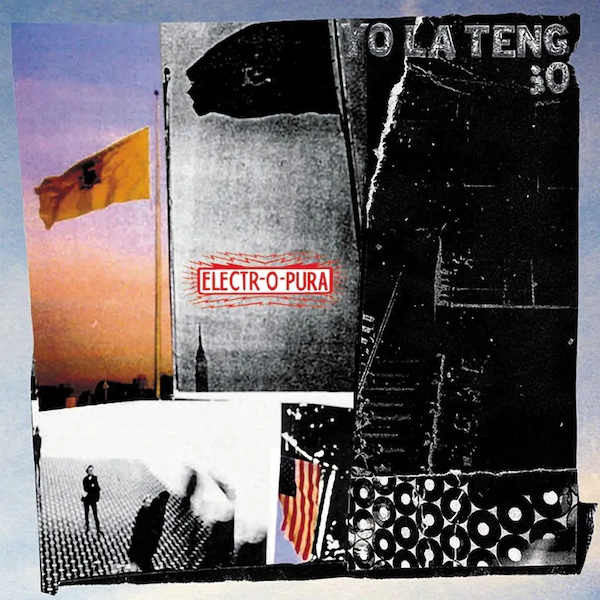
For Electr-O-Pura’s 25th anniversary, the 58 minute master has been expanded into a 2xLP edition for the highest quality audio. Now in a gatefold sleeve. Reuniting with Painful producer and engineer Roger Moutenot, Yo La Tengo’s Ira Kaplan, Georgia Hubley and James McNew set up shop at Alex the Great studios in Nashville, TN to record their seventh studio album “Electr-O-Pura“. Chock full with moments of pop gold like “Tom Courtenay”, melancholic ballads such as the gorgeous, Hubley-fronted “Don’t Say A Word (Hot Chicken #2)”, and sweeping, feedback-laden jams like the show-stopping “Blue Line Swinger”, “Electr-O-Pura” expands on the venturous song writing established on Painful with stunning craft and a deepened exploration of contrasting textures, moods and atmospherics.
On their seventh studio album, Yo La Tengo would further expand on the venturous song writing established on their previous album “Painful” with stunning craft and a deepened exploration of contrasting textures, moods and atmospherics.
The heartbreaking “Pablo And Andrea”, and sweeping, feedback-laden jams like the show-stopping “Blue Line Swinger”,“Electr-o-pura” is a thrilling document of one of America’s most beloved bands hitting their creative stride and remains one of the most sublime records the band has released in their uninterrupted 36-year career.
Continuing with their ever-expanding Revisionist History series, Matador Records release a 25th anniversary reissue of Yo La Tengo’s 1995 album “Electr-o-pura”. Now in a gatefold sleeve and cut from the original 58-minute master, the new reissue is pressed for the first time on two LPs to ensure the highest quality of audio the album has had on vinyl to date.
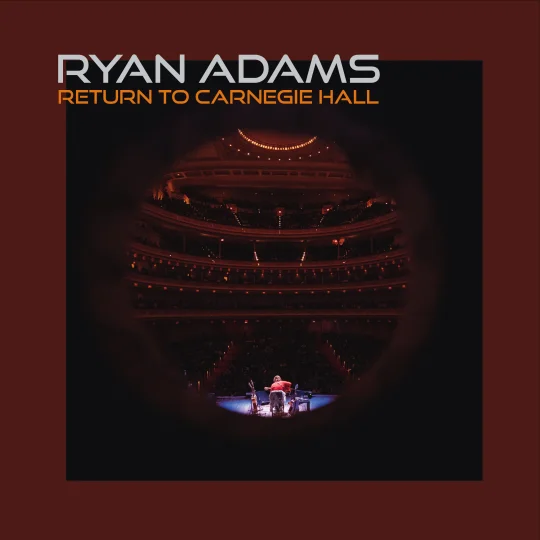
I somehow missed that Ryan Adams released a 4 song EP live from Carnegie Hall. Appropriately titled “Return to Carnegie Hall“, the 4 songs were recorded from his May 14th, 2022 appearance at the venue.
In New York City on May 14th, 2022 Ryan Adams returned. He returned to Carnegie Hall. Alone on-stage with just his trusty acoustic guitars and a piano Ryan plays a stunning solo set to a capacity crowd in one of New York’s most iconic venues.
Recorded and mixed by the legendary producer Don Was “Return to Carnegie” hall showcases Ryan’s arsenal of songs at their intimate best. The EP features a lovely piano version of “Two” from his “Easy Tiger” album. I always found the original guitar driven version emotional but there’s something gut wrenching with the way Ryan sings and plays “Two” on piano.
“When the Stars Go Blue” will always have a spot in my heart. From his album “Gold“, this song is one of my favourite songs by Ryan and every version he’s ever done of the song is beautiful and this live version is no exception. Ryan’s vocals have matured since the song was first recorded and this version showcases that. There’s more heart and grit to Ryan’s vocals especially now that he’s sobre. He’s always been a talented vocalist.
From his album, “Chris“, his song “Chris” for his brother was already a heart breaking song, but Ryan states in the intro of the song that the last time he saw his brother was at Carnegie Hall and that makes the song even more heartbreaking. The stripped down version of him, his guitar, and a memory is strikingly wonderful and a beautiful ode to someone who obviously meant the world to him.
“Romeo & Juliet” from the album of the same name, is very similar to the recorded version. It’s just Ryan, his guitar, and the story of lovers and the live version still showcases that harrowing story of doomed love and doomed lovers.
Like most live recordings that Ryan has released, “Return to Carnegie Hall” once again captures the vulnerability of Ryan and also allows the listener to hear his self-deprecation, humour, and talent in a raw honesty that is humbling and beautiful.
There’s a deeper and visceral honesty to the song and Ryan’s vocals. More ache and heartache. More hurt and more healing. Listening to it, I found myself thinking that if Ryan played all his music on piano the whole world would cry rivers up rivers of tears.
The setlist on the night blended in fan favourites such as “Oh My Sweet Carolina”, New York, New York” & “Come Pick Me Up” and deeper cuts “Chris” & “Romeo & Juliet” alongside a cover of Black Sabbath’s “The Wizard”. Ryan’s unique wit, fan interaction and intimate monologues makes this a must have release for all of Ryan’s die hard “DRArmy” fans.
There is a four Lp boxset’s the artwork includes an exclusive monologue about the show written by Ryan himself as well as messages from fans who attended that very night. “Return to Carnegie Hall”.
Since 2013, Boston, Massachusetts band Horse Jumper of Love have been a comforting outlet for the heart-on-sleeve compositions of singer-guitarist Dimitri Giannopoulos. On their self-titled debut and follow-up “So Divine”, drummer Jamie Vadala-Doran and bassist John Margaris worked like an ocean tide, pulling you in with a tranquilizing steadiness before abruptly turning aggressive. The band’s latest release strips back its sound to meet a slack current. Recorded in the Catskills over five days in 2021, “Heartbreak Rules” is a mini-album that, save for a brief piano part in “Chariots” played by Margaris, separates Giannopoulos from his bandmates for the first time in a decade. Backed solely by co-producer Bradford Krieger, he returns with a muted collection that taps into the strengths of the band’s earliest material.
Giannopoulos and Krieger team up for eight new songs, plus two reimagined tracks from 2022’s “Natural Part” and one cover from the vault. Though not as loud or bold as their previous album, the new material on “Heartbreak Rules” still charms. Country guitar and cheery melodies expand the band’s slowcore palette, straying from their established brand of gloom. On the title track, Giannopoulos breaks out a looping fingerpicked riff that shimmers next to slide guitar; the combination suits his raspy, confessional voice, especially when he reaches for higher notes. It’s a glum take on alt-country that’s earned the admiration of Wednesday’s MJ Lenderman.
At the band’s live shows, audience members sway side-to-side, caught in a state of hypnosis; Horse Jumper of Love cast a similar ambiance here. On “Sugar in Your Shoes (Last Night Version),” an acoustic rendition of “Natural Part’s” “I Poured Sugar in Your Shoes,” Giannopoulos sounds like he’s perched at an open window, voice floating into the evening air. The light and unassuming presence of Krieger’s percussion suits the softer material, though there are moments when Vadala-Doran and Margaris’ absence is obvious, like the underpowered build-up in “Queenie’s Necklace” and the meandering tempo of “Act of No Substance.” The familiar tension of Horse Jumper of Love’s more characteristic material is not the goal here.
As a songwriter, Giannopoulos has always been drawn to mundane details, and the quieter scenes on “Heartbreak Rules” are especially intimate: a person talking to herself while looking through the fridge, a conversation in a closet muffled by clothes. In this setting, the Microphones comparisons that Horse Jumper of Love earned in their hushed early years come back into view. A lyric like “Pendulums swinging in the watch store all in discord/She tracks dirt in and leaves a mess wherever she stomps around” is sing-spoken like an old folk artist, with a slight strain on high notes, all of it delivered with an unhurried confidence. Here and on the bright, simple “Singing by the Sink,” he finds a sense of levity that’s rare in his music. This laid-back approach allows Giannopoulos’ cover of the Smashing Pumpkins’ “Luna,” a home recording from almost 10 years ago, to work as the closer. His reverb-soaked take on the “Siamese Dream” classic goes for a lonely, uneasy interpretation. Giannopoulos’ voice is audibly younger in this cover, recasting Billy Corgan’s serenade to a lover as a letter to his own future self. Holed away in the Catskills to revisit his roots years later, he sounds just as content with the pleasure of making quiet music in a quiet place.
All songs written by Dimitri Giannopoulos except for “Luna” written by The Smashing Pumpkins Performed by Dimitri Giannopoulos & Bradford Krieger. John Margarislaved piano on “Chariots”
released May 19th, 2023
See them live Bodega Social Thursday 21st September 2023
The Feast of Wire 20th Anniversary Edition is out today! Streaming for the first time ever is the addition of “Live at China Theatre Stockholm” — 10 tracks recorded live in Sweden on the 2004 Feast of Wire European tour.
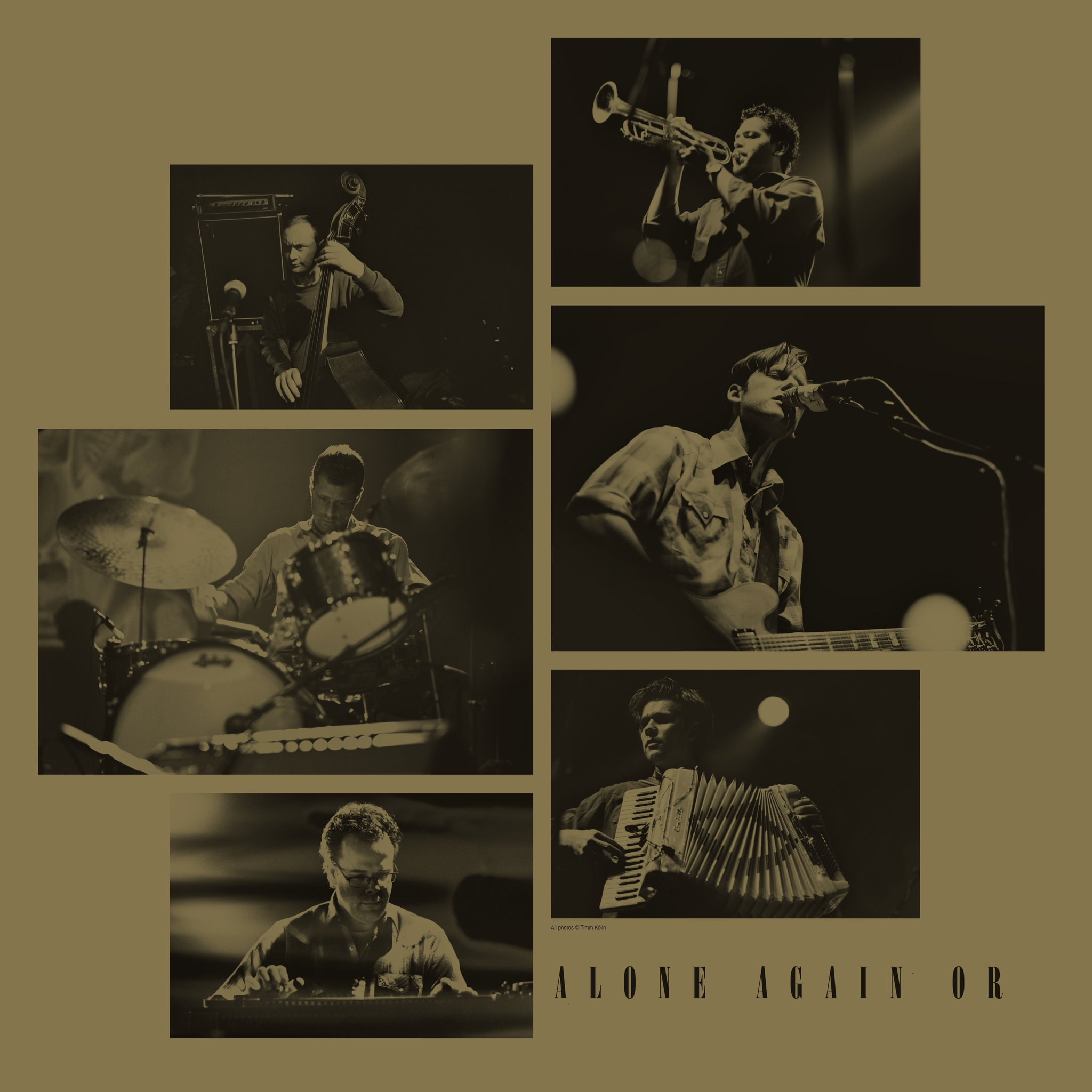
In early 2003, Calexico released their seminal album “Feast of Wire”, the album that truly marked the duo’s critical and commercial breakthrough. Calexico first released their beloved ‚“Feast of Wire” album 20 years ago and today, to celebrate the anniversary, the band have announced a special deluxe reissue of the record due May 26th via City Slang. ‚”Feast of Wire‘ will be available on CD/LP/DSPs, and for the first time will include the studio recording of Calexico’s iconic version of Love’s “Alone Again Or“, released during the initial Feast campaign but never on vinyl.
Beginning in June, the band will play a series of headline shows across the year performing the landmark “Feast of Wire” in full as well as a slew of beloved songs from the band’s full repertoire. In addition to the headline dates, the band will play a handful of festivals as well across Europe
We recently unearthed a VHS of the original electronic press kit from 2003. It’s been digitized and the full video is streaming now. As we’ve done in our past few newsletters, Joey wanted to share a memory from the time “Feast of Wire” was first released:
Reflecting back on the making of “Feast of Wire‘, Joey says, „I’m reminded of how much time and space we had in the studio to try out all sorts of ideas. Most of the recordings started like they often do with John on drums and myself on guitar. And as we brought in the other band members it was like a river was flooding through our subconsciousness and we couldn’t get the ideas to analog tape fast enough.“
We played Austin SXSW quite a few times over the years. I’ll never forget seeing Johnny Cash walk out of Emo’s onto the street in 1994. His presence was massive. The true definition of larger than life. I wanted to say hello but it wasn’t the time or place. Fast-forward to September 12th, 2003 and Calexico is setting up for an outdoor concert at the Tucson Museum of Art and we hear the news of Cash passing away. I asked members of Mariachi Luz de Luna who were on the bill with us to join us for a version of “Ring of Fire”. It was an incredible version and reminded me of why I love touring so much. I love those spontaneous songs and collaborations on tour. It’s a big part of why I love traveling and playing music. It opens you up and introduces to so many people and experiences.
The 20th Anniversary Edition of “Feast of Wire” drops this Friday! To celebrate, we’re sharing the 2003 EPK — capturing the genesis of the album, unearthed from an old VHS tape.
City Slang releases a re-mastered deluxe edition of the album including bonus track and a bonus live album.
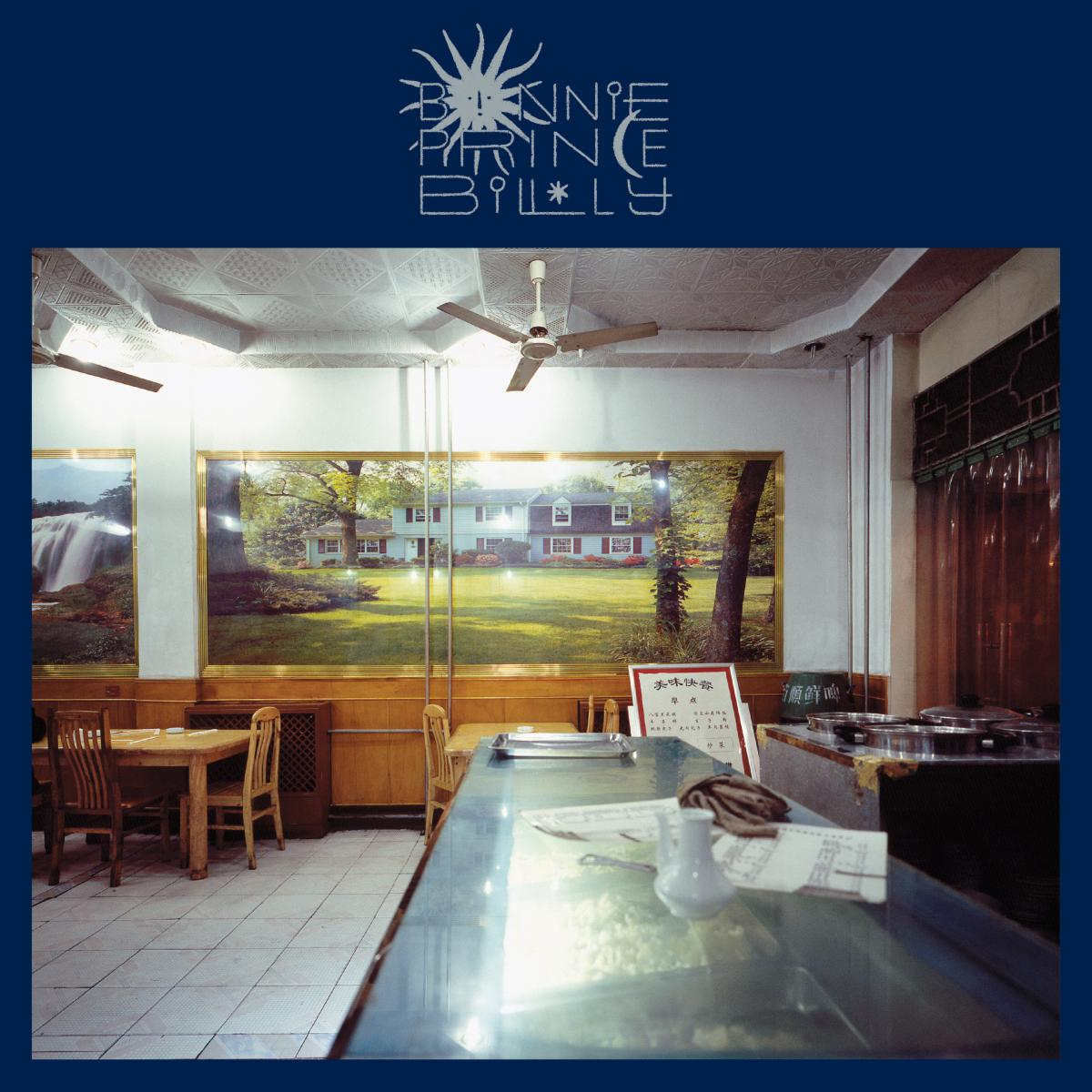
People, let’s us talk about an album. Bonnie Prince Billy has made a number of them, and heard a bunch more in his time of knowing. He’s found them hewn from moments, admired them as small and accountable – the communication of music in emotion, release and catharsis, to edify, to entertain, in two sides and less than an hour.
“Keeping Secrets Will Destroy You” presents simply – an album made as it was meant to be heard, in a room. The sound of people together – a sound we’d so recently feared that we’d lost – playing, communing, strings and wood and keys and voices singing. “Keeping Secrets Will Destroy You” presents simply, and is sung along easily and happily with in time But –is it family portrait or fairy tale? How does it think the world was made, and will end?
“Keeping Secrets Will Destroy You” was recorded in Louisville by Nick Roeder, featuring Sara Louise Callaway on violin, Kendall Carter on keys, Elisabeth Fuchsia on viola and violin, Dave Howard on Mandolin, Drew Miller on saxophone and Dane Waters’ voice. The presence of so many local players and music educators in the band lends not only to a flow of moments so fluidly encompassing of a wide range of music’s from classical to Japanese acid folk and elsewhere, but perhaps even more importantly, to the sense of community, heredity and the triumph of inheritance that is the marrow and life blood of this music.
“Bananas” is from “Keeping Secrets Will Destroy You,” available on LP/CS/CD/Digital from Drag City on August 11th, 2023.
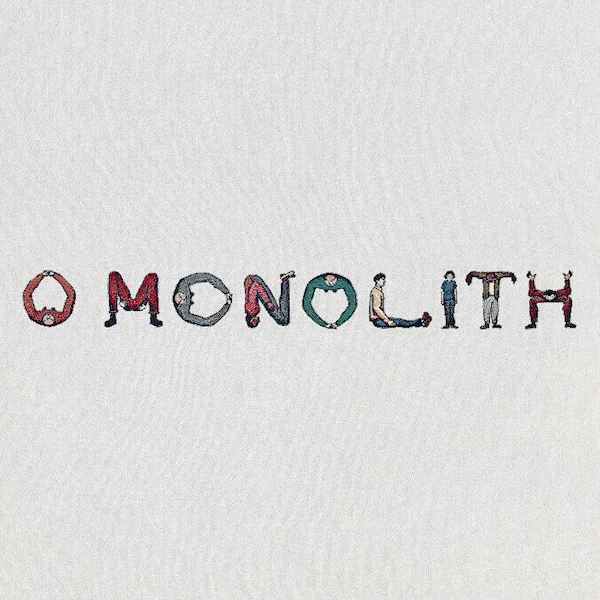
Squid’s latest taste of “O Monolith” is over six minutes long and it finds the UK art rock band exploring some new ground. “The end of the song is really soft and tender and I don’t think we’ve done something like that before,” singer Ollie Judge says.
Teeming with melodic epiphanies and layered sounds, Squid’s second album “O Monolith” is a musical evocation of environment, domesticity and self-made folklore. Like its predecessor, 2021’s critically acclaimed, UK number 4 album “Bright Green Field”, it is dense and tricksy – but also more warm and characterful, with a meandering, questioning nature.
Expansive, evocative and hugely varied, “O Monolith” retains Squid’s restless, enigmatic spirit, but it still holds surprises for those familiar with “Bright Green Field”. It’s a reflection of the outsized progression of a band always looking to the future. Like its namesake, “O Monolith” is vast and strange; alive with endless possible interpretations of its inner mysteries.
Formed in Brighton, Squid is the brainchild of Louis Borlase (Guitars & Vocals), Ollie Judge (Drums & Lead Vocals), Arthur Leadbetter (Keyboards, Strings), Laurie Nankivell (Bass & Brass) and Anton Pearson (Guitars & Vocals)
From the forthcoming album ‘O Monolith’ out 9th June via Warp Records.
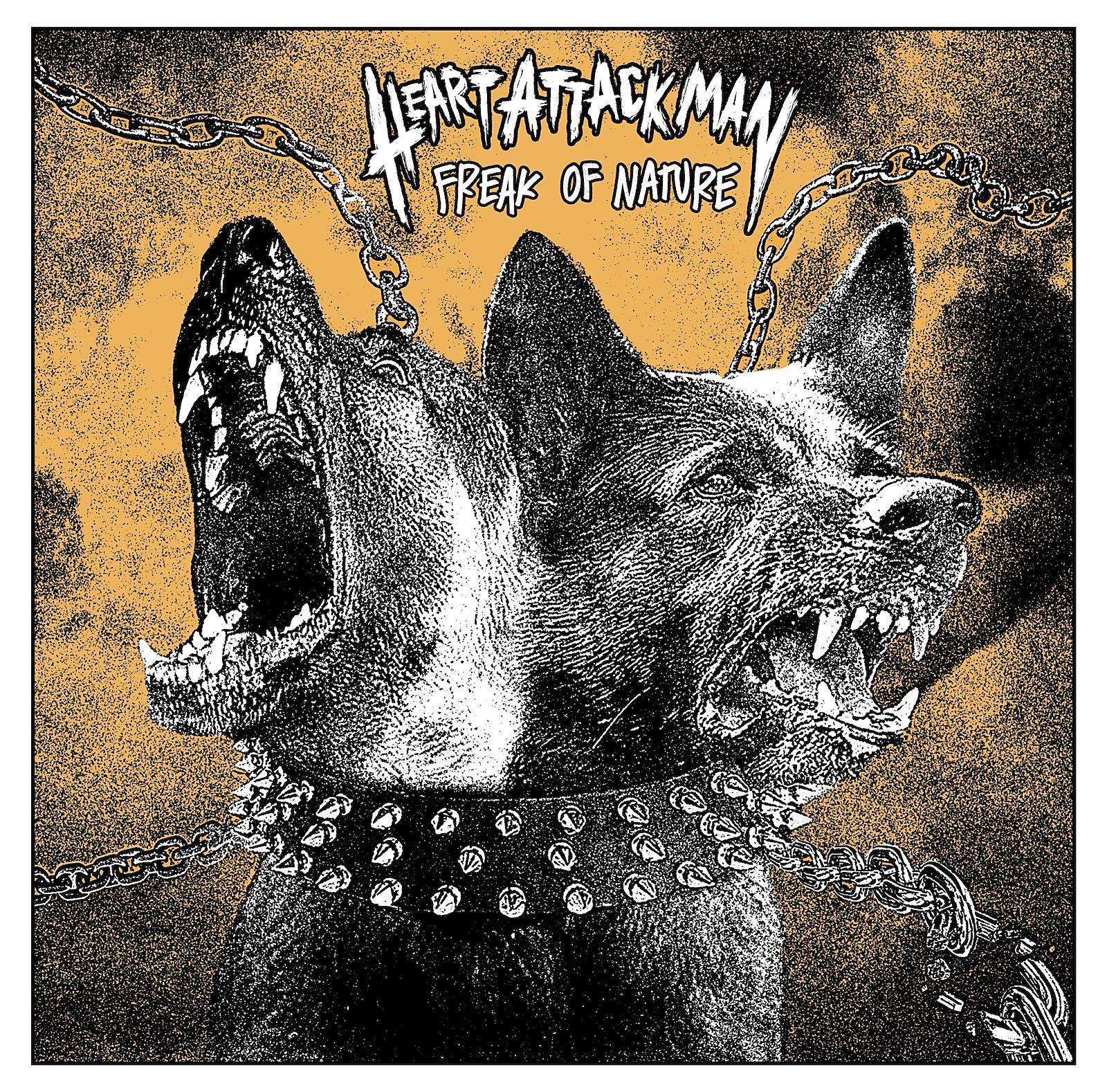
In classic punk and pop punk fashion, Heart Attack Man are irreverent but that doesn’t mean they don’t take themselves seriously. On their new album “Freak of Nature”, there’s one song where the narrator compares themselves to an assassinated Kennedy and another from the perspective of a stalker threatening to kill Heart Attack Man vocalist Eric Egan in his sleep. Many of the songs are informed by, in Eric’s words, “feelings of isolation, loneliness, and freakiness,” but for all the dark shit on “Freak of Nature”, it’s consistently a fun, lighthearted album. It mixes the influence of the most radio-friendly of pop punk bands (blink-182, Sum 41) with beloved underground gems (Sugar, Piebald), and there’s also some weirder stuff like the Butthole Surfers/Beck-influenced “Late to the Orgy.” H.A.M. embrace a handful of familiar, by-the-book pop punk tricks, yet they do it in a way that’s entirely artistic, and they retain a level of grit that was often lost during the genre’s Y2K-era boom that Heart Attack Man pull from. They’re a rare band who feel catchy enough for arenas and punk enough for basements all at once.
It’s a great record that splits the difference between radio-friendly hooks and underground grit, and it’s got some dark themes but never in a way that takes itself too seriously. You can read my review of it in Notable Releases, and for a deeper dive into the album, vocalist Eric Egan has also given us a track-by-track breakdown of the whole thing.
“Practiced In The Mirror” My mentality going into this song was to make a proper introduction song that isn’t just a short audio clip or 15 seconds of pointless ambience—I wanted to write a song where the lyrics literally welcome you to the record. The last lyrics of the last song (Leap Year) on our release before this one (Thoughtz & Prayer) are “I’m happy to be here” and the opening lyrics of this song and this record are “I’m so happy that you’re here.” It’s a warm welcome to our freaky little world.
“Freak Of Nature” After a nice, inviting welcome to the album; we kick it into high gear with the most Heart Attack Man sounding song we could conjure up. This song really just started with wanting to write a super hype pop punk anthem based around a truly epic and fun shreddy riff.
“Like A Kennedy” I’ve been wanting to write a song invoking the Kennedy assassination for a long time, but it had to be done right. A relative of mine was involved in the plot, and this song really is really near and dear to my heart in a very strange way.
“Late To The Orgy” Going into this song, I really wanted to incorporate some influences that haven’t been tapped into in the Heart Attack Man Hammyverse yet—namely, The Butthole Surfers and Beck. There’s something so cool to me about those bands and I think they get overlooked a lot. They have an extremely weird swagger that’s hard to nail down.
“Stick Up” My biggest musical inspirations for this song were Paper Planes by MIA and Clint Eastwood by Gorillaz. I wanted to make the most conventionally pop-sounding Heart Attack Man song yet, but with lyrics that deliberately disqualify it from being a conventional pop song.
“God Called Off Today” The idea with this song was to channel some influence from the more nerdy, emo, story-telling lyrics into a song that we haven’t tried yet. Musically I was really inspired by Piebald and Modern Baseball, but with lyrics that read and resolve like a country song.
“C4” Ripping right into this one, the starting point was to have a super upbeat and impossibly catchy pop punk banger with an immediately recognizable drum intro…and of course, lyrics that you can’t sing in a bank or a government building.
“9 On Your Bedside” This song is the most intensely personal song on the record to me. Very long and traumatic story short, for awhile, I was being harassed by someone who called me late at night threatening to kill me (among many other things) and because of this, I was sleeping with my handgun on my bedside for some time. Rather than hash out trauma from my perspective, I decided to write the lyrics from the other perspective in the situation. That situation sucked, but we all got a banger of a song out of it.
“Clown School” To lighten the mood after a real doozy, Clown School reflects on the process of deprogramming from taking oneself entirely way too seriously. I used to be a completely insufferable and miserable person, and now I’m just insufferable! Musically, the idea was to take influence from one of my all time favorite bands, Sugar.
“See You On The Other Side” This song is dedicated to my dog Smoke that passed away. I never got to say goodbye to him and I miss him so much. He was the goodest chocolate lab in the whole wide world that ever lived. He deserved all of the treats, as well as a song dedicated to him. RIP my buddy.
If you are a fan of UK trio The Orielles, like me, you may already know what “The Goyt Method”is. Named for Goyt Studio where they made last year’s excellent “Tableau”, it’s a term they came up with to describe a deconstructive method of making music. “To Goyt it,” drummer Sidonie B Hand-Halford said, “that’s getting all these pieces and rearranging them. We had vocal melodies and ideas that we’d then run through and sample, and play them on sample pads. We were being editors, really.” They take that to the nth degree on this new EP which explores their “interest in cybernetics, improvisation and experimental electronic music.” The EP takes those Tableau pieces and entirely rearranges them, using an online roulette wheel to choose the loops and stems randomly. “The Goyt Method” is almost entirely devoid of anything resembling pop structure, but these five songs are nonetheless compelling, and hang together with intent and purpose.
“The Goyt Method” EP. Released is released on 12″ on black vinyl with artwork by Ben Thompson. The 5 track EP features brand new songs constructed from randomly chosen parts of tracks from their recently released, critically acclaimed fourth album, ‘Tableau,’ which was released last Autumn. It’s the perfect companion piece to their stunning 2022 record.
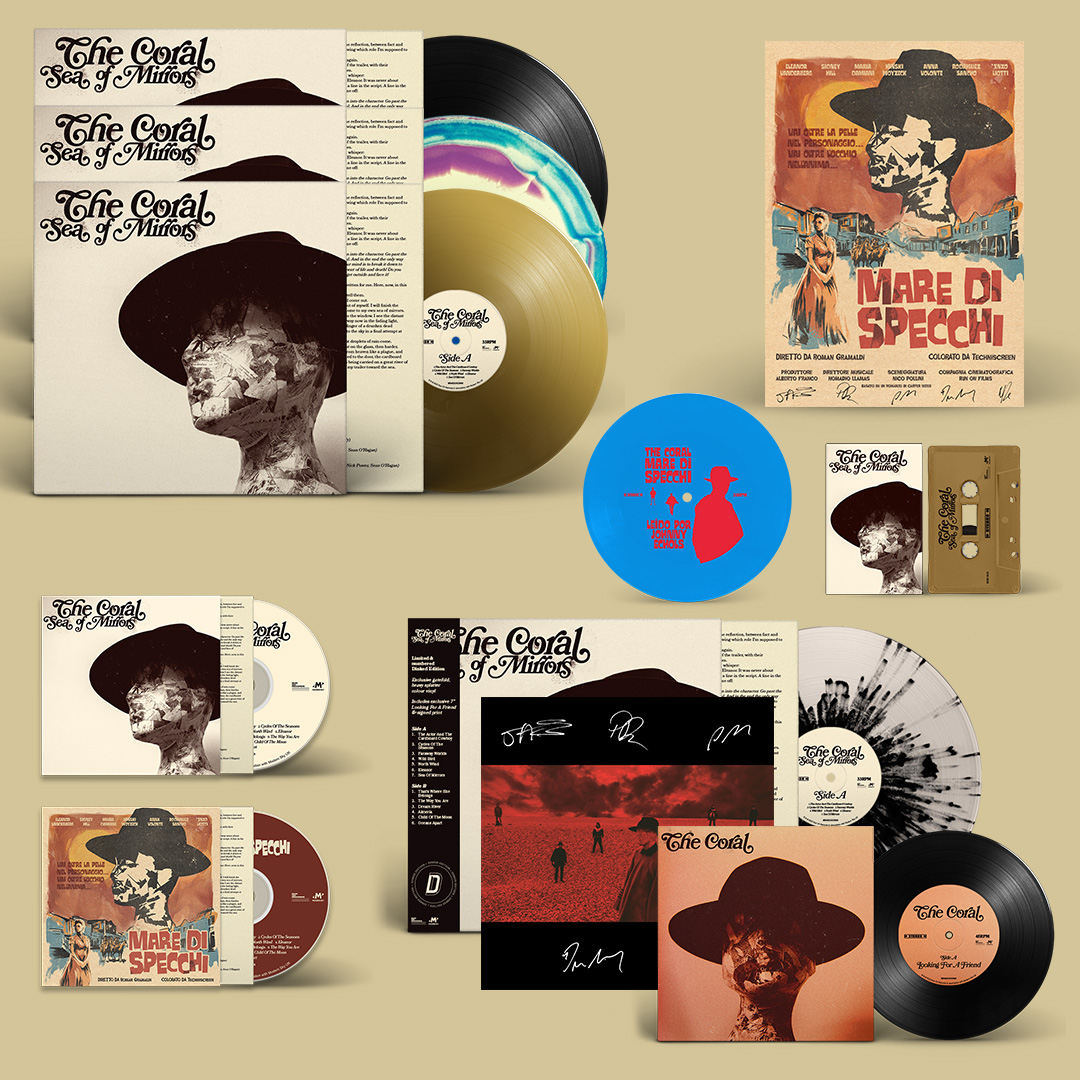
Windows open into The Coral’s vivid cinematic and broadcast dreamworlds as they announce two albums, both to be released on September 8th… Following the widely-acclaimed 2021 double album, “Coral Island”, the band announce ‘surreal Italian spaghetti western soundtrack’, “Sea Of Mirrors” which will be available on multiple vinyl formats alongside regular black… Numbered Dinked exclusive splattered vinyl with bonus 7”, plus signed print Band store exclusive metallic gold vinyl Independent retail Tricolour marbled vinyl Rough Trade includes bonus flexi disc …plus an HMV exclusive sleeve CD and exclusive bundles on the band’s store
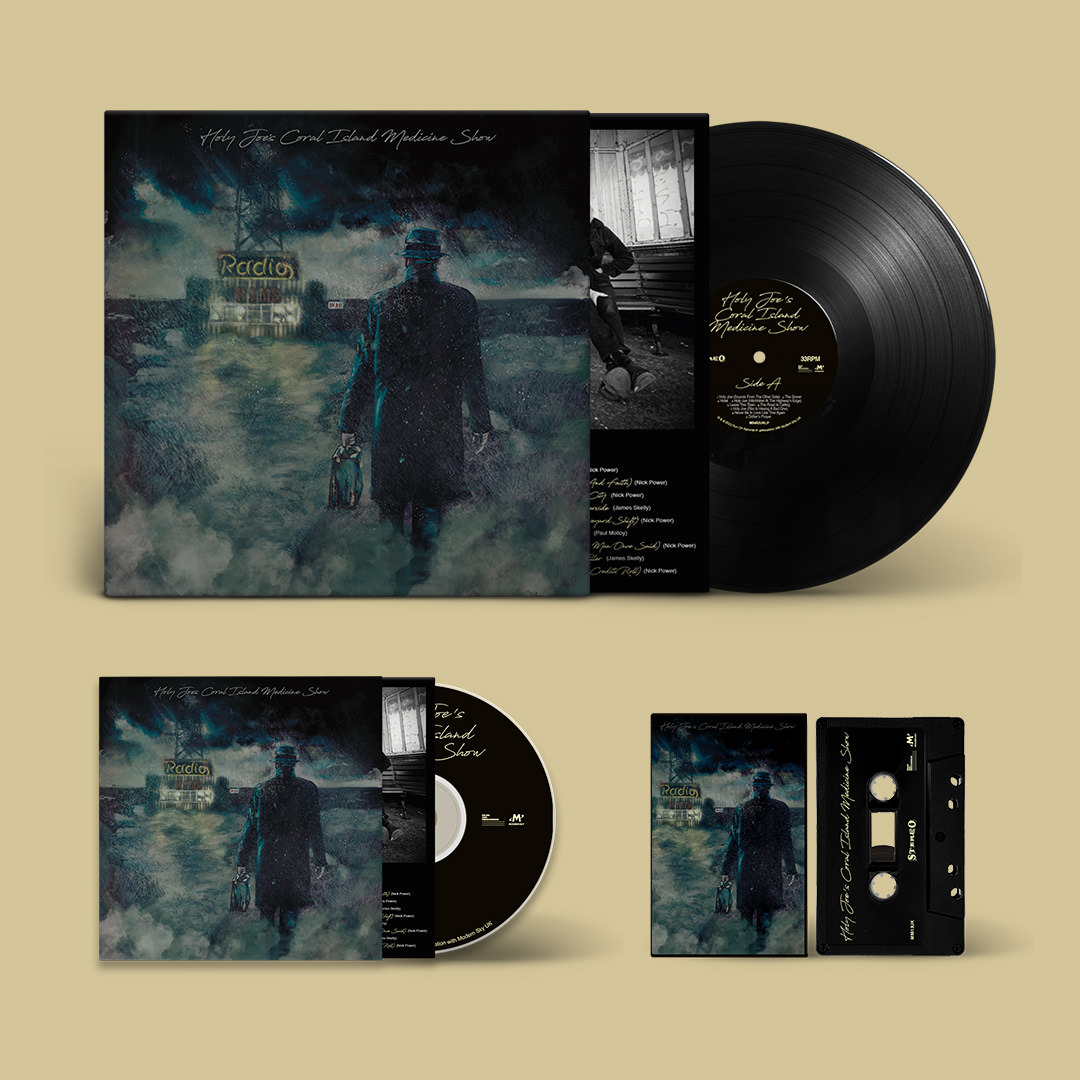
Bridging “Coral Island” and “Sea Of Mirrors”, a second album titled “Holy Joe’s Coral Island Medicine Show”, will also be released on the same day, bringing James and Ian Skelly’s grandad a.k.a The Great Muriarty back into the fold for the narrated post-script to one of The Coral’s most successful albums to date. “Holy Joe’s Coral Island Medicine Show” will have a never to be repeated, one off pressing on black vinyl, CD and cassette.
Production and Direction by James Slater Taken from the band’s forthcoming album ‘Sea Of Mirrors’ to be released on 8th September 2023.