


Archive for the ‘MUSIC’ Category
King Gizzard & The Lizard Wizard are back with “Dragon”, another razor-sharp cut from the band’s upcoming thrash metal album. “PetroDragonic Apocalypse; or, Dawn of Eternal Night: An Annihilation of Planet Earth and the Beginning of Merciless Damnation” is out June 16th on KGLW.
The nine-minute epic carries the same unmistakable thrash style that the band is trying to reconnect with, but around the five or six-minute mark there’s also the reminder that King Gizzard has entered its “jammy period.” Unrelenting guitar riffs continue to molt and mutate through multiple choreographed movements, with the titular “Dragon” evolving with every chugging power chord.
“Ahh my sweet baby Dragon is here fresh out of hell’s womb, summoned by the humans at the end of their pitiful road,” drummer Michael Cavanagh said. “It’s hard, fast and here to disrupt the natural order and annihilate everything in its path, so turn it up Sammy!”
Arriving alongside the track is an engrossing music video from long time collaborator Jason Galea. Using retro video equipment, the visual accompaniment gives off a nostalgic late-’90s vibe that was even inspired by PlayStation 1, throwing it back to a time when budding headbangers Stu Mackenzie, Joey Walker, and Michael Cavanagh were falling into metal.
“Over the last two months I dusted off my music video computer to slay the 10 minute ‘Dragon,’” Galea said. “I wanted to explore a harsh distorted visual palette using my live visual setup mixed with PS1 cutscene inspired animation and studio footage I filmed of the band.”
As King Gizzard prepares for this second foray into thrash metal, following 2019’s acclaimed “Infest the Rats’ Nest”, the band is also re-releasing its 2020 concert film “Chunky Shrapnel” to theaters. Captured during the band’s 2019 tour of Europe and the U.K., the shows heavily feature songs from the band’s ecologically-themed heavy metal concept album.
The film was originally scheduled to premiere in March 2020 but was thwarted by the pandemic.
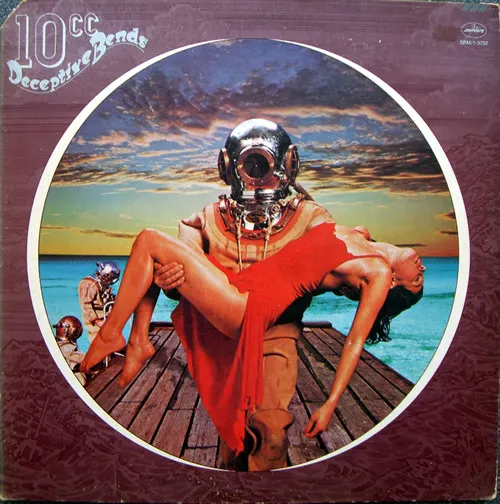
By the time of their fifth album, 1977’s “Deceptive Bends”, English art-rockers 10cc had split into two creative factions. Though initial recording sessions with all four core members had begun in October 1976, tensions between the band’s members had escalated so much that Kevin Godley and Lol Creme departed to pursue their own recording career as a duo. Godley and Creme were also in the midst of pursuing business opportunities that had opened up after the pair had invented the Gizmotron, a small mechanical device that could be attached to an electric guitar to create polyphonic synth-like sounds
The group now down to the nucleus of Eric Stewart and Graham Gouldman, and with the addition of drummer Paul Burgess, forged ahead with recording “Deceptive Bends”, an album that showed the band moving in a poppier direction.
“They’d developed the Gizmo and were making an album that featured it,” explains Gouldman today on the catalyst of Godley and Creme’s departure.
“And that album turned out to be a triple set album. We had commitments to record and go back on the road, but they were more interested in doing that album, and also at the same time, they kind of got tired and bored of the whole writing, recording, rehearsing, going on the road thing, whereas to Eric and me, it was fantastic as we loved doing that.”
Recording sessions resumed at the group’s own Strawberry Studios South in Surrey, England and continued until March 1977. The group decided to release a single, “The Things We Do for Love” just before Christmas 1976, so that the public and fans could hear a preview to the upcoming album. The song initially was poised to feature a darker subject matter than the more uplifting theme it ended up with.
“When we were writing it, Eric wanted to write something about suicide,” affirms Gouldman. “And I said I didn’t think it was a good idea to write a song on that subject or that it fitted musically with the melody that we had. But that feeling Eric had didn’t last long and he sort of saw the light quite quickly.”
For 10cc, it became a firm middle finger to the press who in the aftermath of the Godley/Creme split had been mocking the band as “5 CC.” The change from the melancholic minor key to the more uplifting major key played a key element in the song’s appeal to the masses.
“That’s a sort of device I’ve employed quite a lot in my songwriting,” reveals Gouldman. “Even when I when I was writing songs in the ’60s for The Hollies and Herman’s Hermits, I always liked that idea, which I admit, I was inspired to use from The Beatles.”
Once recording sessions wrapped up, the pair again tapped the creative art team of Hipgnosis who went to work on designing the cover art. “What we did was we first told them a title that we had for the album,” explains Gouldman. “Then we let them listen to the album and they spent like two or three weeks listening and getting into it. Then they came down to the studio and sort of turned the studio into an art exhibition with all these different concepts and we ended up picking one that we felt suited the mood of the album. I always felt that they reflected visually what we were doing on the record.”
Out of the album’s nine tracks, the album’s closer, the experimental opus “Feel the Benefit” is particularly noteworthy. The eleven-and-a-half-minute piece which is divided into three parts — 1- “Reminisce and Speculate”, 2- “A Latin Break” and 3- “Feel the Benefit” — snakes its way through tempo changes and diverse stylistic flourishes and evokes a Beatles-esque spirit throughout.
Released in April of 1977, “Deceptive Bends” released Two further singles from the album; “Good Morning Judge” and “People In Love”.
In 1997, the album was reissued and remastered on CD and included bonus material comprised of the three B-sides that appeared on the album’s three official released singles.
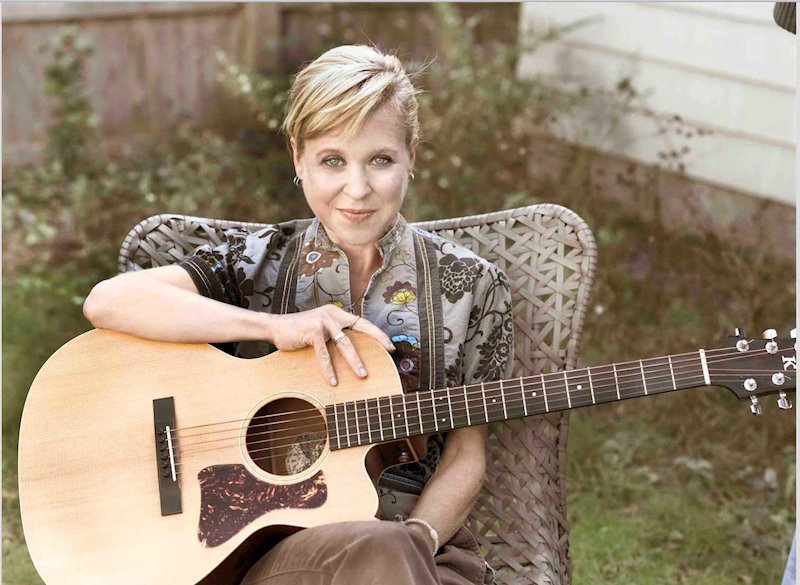
Over the last three decades, Kristin Hersh’s prolific career has seen her heralded queen of the alternative release.
“One of indie rock’s most fascinating figures” Hersh has released over 20 records solo, with Throwing Muses and 50FOOTWAVE to date. The author of an acclaimed memoir — based on her teenage diary about a particularly eventful year, titled “Rat Girl” (“Paradoxical Undressing” in the UK). It saw Rolling Ston magazine name it one of their “25 Greatest Rock Memoirs Of All Time”. A publishing first, she later released her ‘Crooked’ (2010) as a ground-breaking book that included the album, artwork, lyrics and an exclusive essay, something that was further explored with Throwing Muses album ‘Purgatory/Paradise’(2013). Her latest book “Don’t Suck, Don’t Die: Giving Up Vic Chesnutt” chronicles the pairs deep friendship and their time touring together.In 2018 Hersh announced a new partnership with Fire Records that made possible the release of her tenth studio album, ‘Possible Dust Clouds’. “I’m thrilled to find some like-minded teammates in the shifting paradigm of the recording industry.
Together, we can do a lot more damage than we could ever pull off alone, and damage is what’s called for when an old guard is falling. This is gonna be a swell party.” Kristin Hersh‘Possible Dust Clouds’ is a highly personalised gem delivered as a futuristic rewriting of how music works, a melodious breeze with a tail wind of venomous din. Enveloping the juxtaposition of the concept of ‘dark sunshine’, a brooding solo record created with friends to expand her off-kilter sonic vision; a squally, squeaky mix of discordant beauty. Feedback and phasing gyrate from simply strummed normality, imagine Dinosaur Jr and My Bloody Valentine cranking up a Dylan couplet.
Kristin Hersh’s new album is a cinematic road trip; a series of personal vignettes from a fiercely independent auteur, sitting plush with layers of all-consuming strings and mellotron. It’s a watershed moment in a career overflowing with creative firsts and inspirational thinking; an elegant piece of personal reportage, a home movie caught in time.
“She’s still as powerful a presence as she ever was.” Pitchfork “The prodigious output and commitment to quality is pretty staggering, but then Kristin Hersh is a very, very special musician.” The Quietus “Throwing Muses became a byword for college-rock feminism in the late 80s, largely because of Hersh’s uncompromising impressionist poetry of emotional anguish, subjugated womanhood and mental illness.”

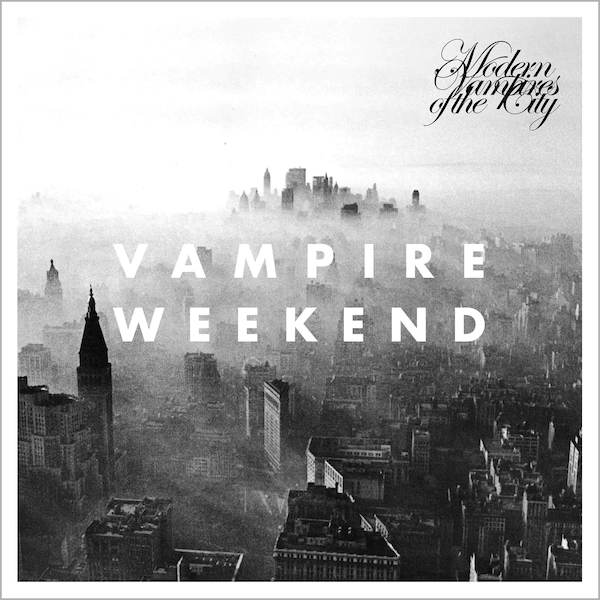
Released back in 2013, the album was the third full-length LP to be released by the band, and featured fan favourites including “Unbelievers”, “Step” and “Diane Young”. Now, a decade after its launch, Koenig has listed the reasons why he thinks the album “still means something to people”.
The frontman took to social media in May to discuss the impact of the album, and provide fans with an insight into the writing and recording process the band went through at the time.
Ezra Koenig reflected upon Vampire Weekend’s “Modern Vampires Of The City” album, a decade after it was first released. Is ten years old. Wild. Good occasion to slam a Dunkin Donuts iced coffee and reflect,” he began. “Rostam [Batmanglij] and I spent about a year writing and recording this album before we moved into the final phase…
“It was far and away our most ‘studio album,’” he continued. “Modern Vampires Of The City” didn’t have songs like ‘A-Punk’ or ‘Cousins’ which began as riffs and started to come to life in the practice room. This is an album of more deliberate composition and detailed, patient recording.”
He also recalled how he felt listening to the instrumental versions of both “Don’t Lie” and ‘Diane Young’ for the first time, writing: “I remember when [Batmanglij] played me the beat for ‘Don’t Lie’ for the first time. That drum pattern and descending chord progression on the organ moved me deeply. I started singing the vocal melody almost immediately.
“I similarly remember hearing his first instrumental of what became the heart of ‘Diane Young’. That music was exciting and it took me a long time to write lyrics that I thought were worthy of it.”
According to Koenig, it was the composition and production from Batmanglij that made the album monumental to their discography, and is the reason why the release “still means something to people ten years later.”
‘Modern Vampires Of The City’ the Third Vampire Weekend album saw the band back on form. They sound like they are having fun again. The songs are pure pop and instant. ‘Step’ is an absolutely beautiful piece of r&b-infused slow-pop demonstrating Koenig on top lyrical form, while the likes of ‘obvious Bicycle’ and ‘Hannah Hunt’ see the band continue down the slightly more downbeat (but still uber catchy) route. Perfect pop for 2013.

Over the long arc of Bob Dylan’s career, it becomes easier to discern underlying trends. The relatively recent experience of recording 50-odd standards between 2015 and 2017 — on “Shadows in the Night”, “Fallen Angels” and “Triplicate” – clearly provoked a wholesale reappraisal of his approach to singing, while the influence of the loose, fluid instrumental mesh developed on “Rough and Rowdy Ways” in 2020 could be heard in “Shadow Kingdom: The Early Songs of Bob Dylan”, the 50-minute show streamed by Veeps.com in July 2021.
Quite a few people felt cheated by the initial incarnation of “Shadow Kingdom“. Seeing that Veeps.com is a livestreaming platform, they made the reasonable assumption that they were buying tickets for a remote live screening of Dylan’s first public performance since the summer of 2019, taking place a couple of months after his 80th birthday.
When it turned out to be a pre-packaged film of a mimed performance to pre-recorded tracks, some were disinclined to admire the skill with which the director, Alma Har’el, created a fictitious Marseilles bar called the Bon Bon Club, populated by a variety of low-lifes filling the place with louche attitude and cigarette smoke, on a Santa Monica sound stage.
Fewer disputed the quality of the music. Dylan’s definition of his own “early songs” turned out to be more elastic than one might have expected, with nothing from his first four albums. But since even the most recent of the 13 selections was already more than 30 years old, their creator might well have been viewing them from a different perspective, while inventing new ways to present them.
The musicians who mimed along with the singer — Alex Burke, Buck Meek, Joshua Crumbly (guitars), Shahzad Ismaily (accordion) and Janie Cowan (upright bass) — were not those who had actually played on the tracks. Dylan had assembled a special group for these recordings, a small drummer-less ensemble of experienced individuals capable of settling into the desired synthesis of the many styles he’s explored over the years , each song carefully considered from a new angle, linked and postscripted by brief but elegantly devised instrumental passages.
Here “When I Paint My Masterpiece” has a lovely jug-band lurch, “I’ll Be Your Baby Tonight” loses its country lilt but sounds as if was always destined to be mated with the taut riff from Roy Head’s “Treat Her Right”, and “Queen Jane Approximately”, hung against a latticework of accordion and finger-picked guitars, is almost unbearably tender. “Tombstone Blues” and “It’s All Over Now, Baby Blue” bear the most obvious influence of “Rough and Rowdy Ways“, with slow swells of accordion, acoustic guitars and bowed string bass underlining the carefully articulated front-and-centre vocal.
“What Was It You Wanted”, the youngest of the songs (from 1989’s “Oh Mercy“), gets a similar reconsideration. As the loose weave of instruments adds a new depth to the words of a man reaching back into his life, groping for meaning in a series of questions addressed to his god, it becomes the set’s quiet show-stopper.
“Shadow Kingdom” find Bob Dylan revisiting Bob Dylan; revelatory 21st century versions of songs from his storied back catalogue. It’s absolutely stacked with moments, but It’s “All Over Now, Baby Blue” is one of 2023’s low key highlights already.
Personnel: Bob Dylan (vocals, harmonica) plus others including Jeff Taylor (accordion), Greg Leisz (pedal steel guitar, mandolin), Tim Pierce, T-Bone Burnett, Ira Ingber (guitars), Don Was (upright bass)
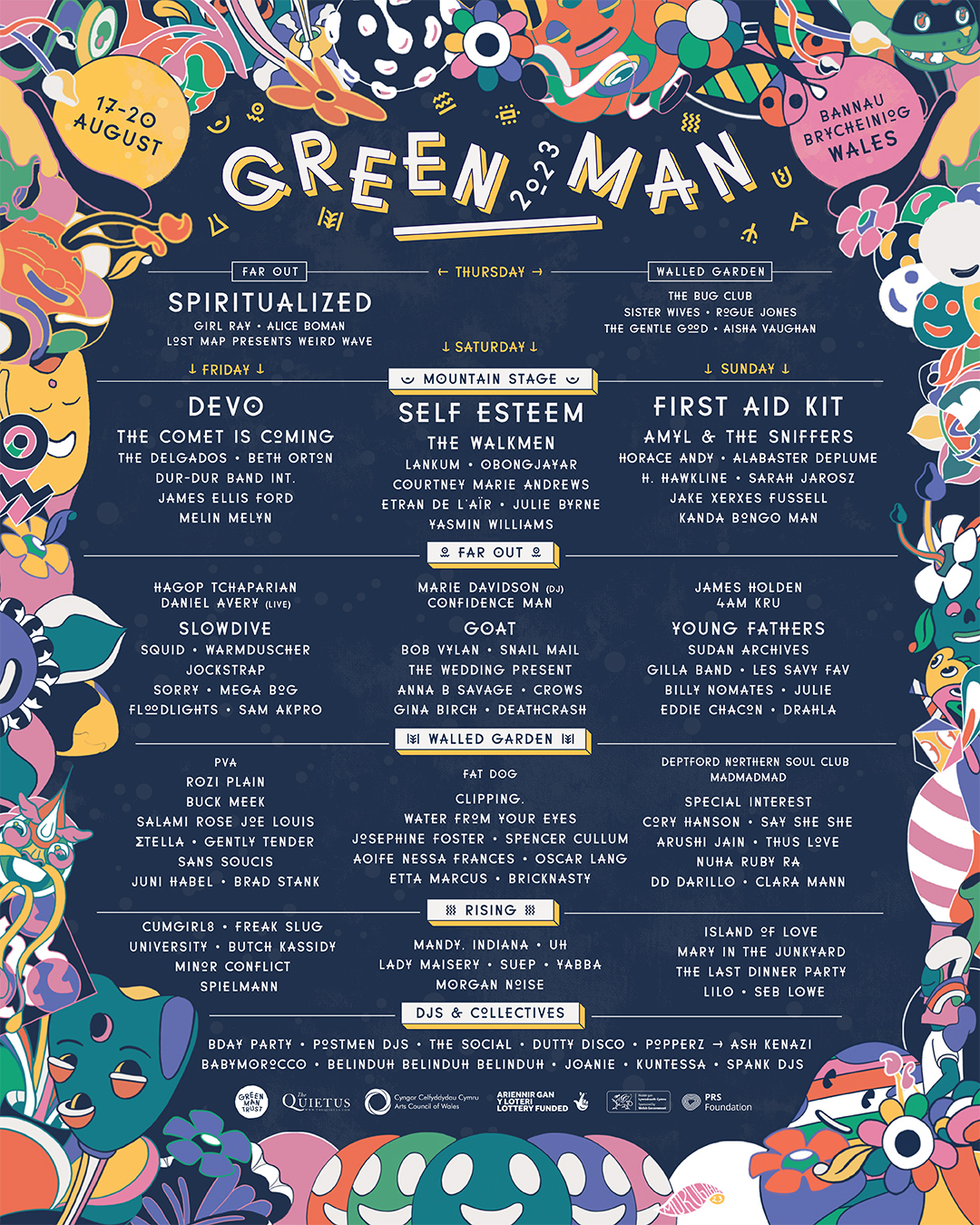
Green Man No23 announced the day-by-day line-up & the resplendent bunch of acts joining us 
We’re absolutely buzzing to reveal our final headliner, the sheer force of nature that is SELF ESTEEM! If you joined us at Green Man in 2021, you’ll surely recall her triumphant performance in the Far Out tent: a truly unforgettable show that soared straight into the festival history books. Self Esteem — aka Rebecca Lucy Taylor — is no stranger to our shores, also appearing on the Mountain Stage back in 2019, and before that with her previous band Slow Club. This year she returns as a triumphant headliner, ready to roar beneath the mountains, and her powerful pop spectacle is sure to pack a punch on Saturday night.
Joining her are a feast of genre and globe hopping acts, from Aussie rock and American folk to delightfully experimental concoctions from Cardiff, Peckham, Manchester, and beyond. So get digging, plotting and planning – the countdown is well and truly on!
The new additions to your GM23 line-up are: Self Esteem, Alice Boman, Aisha Vaughan, Aoife Nessa Frances, Ash Kenazi, Babymorocco, Bday Party, Belinduh Belinduh Belinduh, Brad Stank, Bricknasty, Dutty Disco, Eddie Chacon, Floodlights, Freak Slug, Jake Xerxes Fussell, Joanie, LOST MAP presents WEIRD WAVE, MADMADMAD, Mandy, Indiana, Mary in the Junkyard, Minor Conflict, Nuha Ruby Ra, Oscar Lang, Rogue Jones, Sam Akpro, Seb Lowe, Spank DJs, SUEP, The Social, 4am Kru
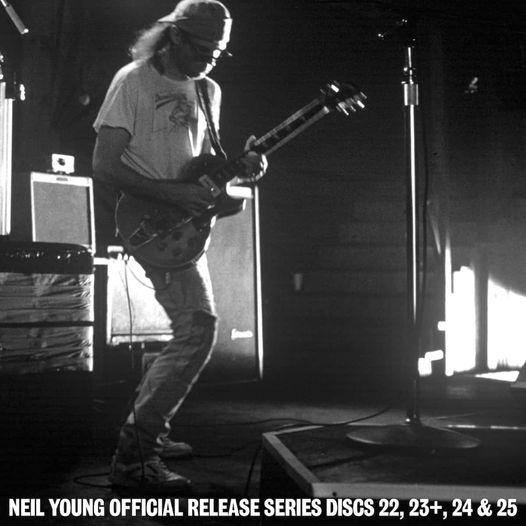
Neil Young continues his occasional ‘Official Release Series’ box sets with Volume 5. It features remastered editions of ‘Freedom’, ‘Ragged Glory’, ‘Weld’ and ‘Arc’. 9LP vinyl or 6CD, a stunning collection of four albums that begins with the exciting renaissance that came with the release of “Freedom” in 1989, and continues on the unequalled exploration of collections “Ragged Glory” (1990), “Weld” (1991) and “Arc” (1991). In many ways, it is a musical travelogue of how Young saw the future and opened up creative worlds for the use of sound and originality which had not been used before. Like all the reissues in this series, the albums are remastered from the best source available – original analog tape in most cases. For the four albums in the series, this is the first time they have been remastered. In addition on “Ragged Glory”, the 10-song original album is expanded for this re-issue with 4 rare tracks. “Interstate” and “Don’t Spook The Horse” were both B-sides to singles. “Box Car” and the 12 minute “Born To Run” are both previously unreleased versions.
Neil Young continues his occasional Official Release Series box sets with a new volume (No 5) which brings together four albums released as the 1980s turned into the 1990s.
The albums are 1989’s “Freedom”, “Ragged Glory” from 1990, the live album “Weld” and it’s experimental companion, “Arc” (both 1991). These are discs 22, 23+, 24 and 25 in the series.
The “Freedom” studio album relaunched Young’s career to a certain degree and features a mix of musicians and sessions. It includes the NY anthem ‘Rockin’ in the Free World’. “Ragged Glory” saw Neil reunited with his Crazy Horse band and was recorded a Young’s Broken Arrow Ranch in Northern California.
The Live album “Weld” comprises performances recorded on the tour to promote the “Ragged Glory” album. It was originally issued as a 3-disc set with “Arc”, an experimental 35-minute outburst of feedback, improvisation, guitar solos and vocal fragments.
There are two box sets. One is a 9LP offering (pressed on 180g black vinyl) with “Freedom” as a 2LP set, “Ragged Glory” and “Weld” as 3LP packages and “Arc” as a single vinyl record. All box sets are numbered. Like all the reissues in this series, the albums are remastered from the best source available, the original analogue tape in most cases. This is, in fact, the first time any of these four albums have been remastered.
| RAGGED GLORY (1990) is a non-stop celebration for the music Neil Young & Crazy Horse are still creating at full force and was recorded at Young’s Broken Arrow Ranch in Northern California. The 10-song original album is expanded for this re-issue with 4 rare tracks. “Interstate” and “Don’t Spook The Horse” were both B-sides to singles. “Box Car” and the 12 minute “Born To Run” are both previously unreleased versions. The 4 additional songs have resulted with the album expanded to 3 LPs and 2 CDs. |
| WELD (1991) is one of the most groundbreaking albums of Neil Young’s history. It’s a live album recorded with Crazy Horse after the release of RAGGED GLORY. It was from a wildly creative period of the band’s history, and as Neil Young has often done, gave notice that he was a rock & roll originator who could never be second-guessed. |
| ARC (1991) is the live companion collection to WELD, and at the time generated the kind of musical notoriety that has often marked Young’s creations. ARC is a 35-minute outburst of feedback, improvisation, guitar solos and vocal fragments. This marks the album’s first release on vinyl. |
The Original Release Series Volume 5 is available as a vinyl box set of the original four albums on 9 vinyl LPs and as a 4-CD set. Like all the reissues in this series, the albums are remastered from the best source available — original analog tape in the case of “Ragged Glory”. For the four albums in the series, this is the first time they have been remastered for vinyl. The CD of “Ragged Glory” has also been remastered.
The Original Release Series Volume 5 box will be released on 14th July 2023, via Warner Music. This Official Release Series box marks the album’s first release on vinyl.

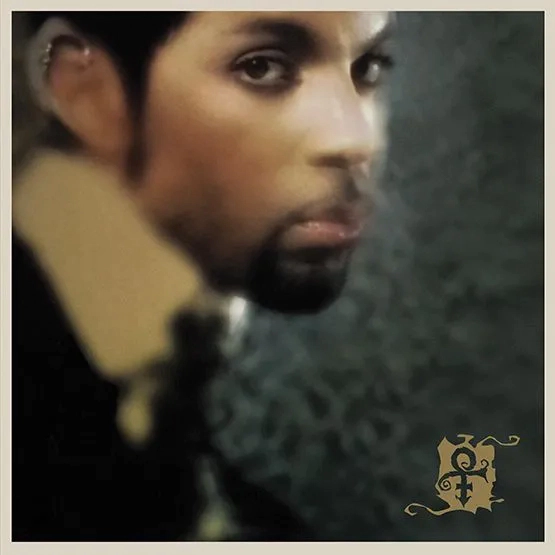
Stripped down Bluesy album that formed part of the Crystal Ball reissue. First time on LP Vinyl. “The Truth” is widely regarded as one of Prince’s most underappreciated hidden gems. The 12 track album was originally released as an accompaniment to the 1998 triple album “Crystal Ball“, which marked the first time that Prince released an album totally independently “The Truth” was physically released on February 14th, 1997, as a CD single via mail-order through Prince’s fan club exclusively.. “The Truth” was also the first Prince album to be labelled “acoustic,” though it does contain electronic instruments and elements, and it gave listeners an unprecedented chance to hear his song writing and voice in a stripped-down presentation.
Described as an acoustic rock album and folk songs, Prince provides vocals which are reminiscent of Tracy Chapman’s works. Lyrically, the single portrays Prince responding to questions regarding “responsibility and honesty”, in addition to him announcing that “there is no more ‘truth'” left. Furthermore, he expresses themes of salvation, spirituality, and sexuality, and also reveals that anyone can be in “control over one’s own creativity”.
This release marks the first time “The Truth” is available on vinyl with gorgeous, foil-embossed artwork designed by Prince’s long-time art director Steve Parke.
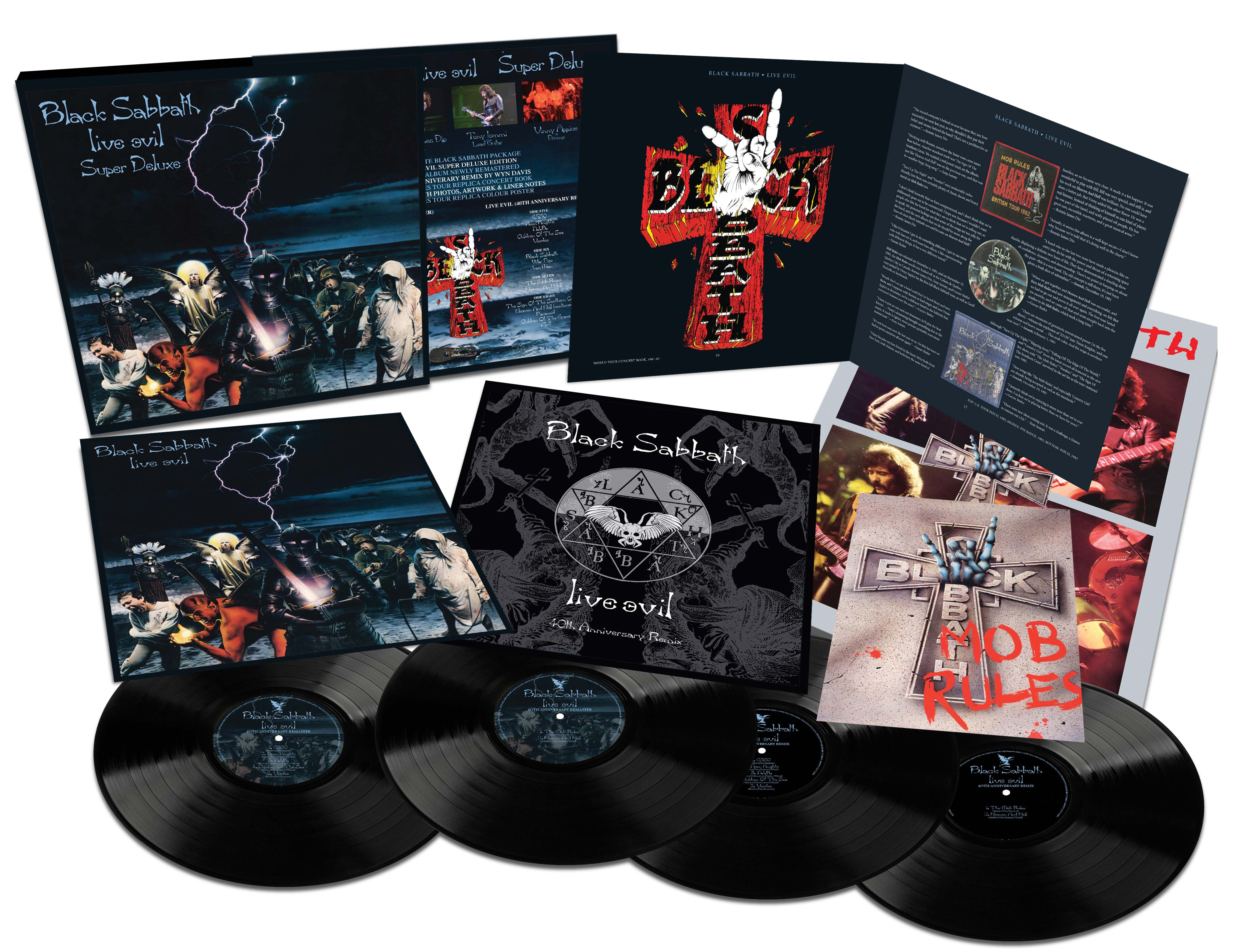
“Live Evil”, the 1983 double album that followed Dio, guitarist Tony Iommi, bassist Geezer Butler and drummer Vinny Appice as they toured in support of Sabbath albums “Mob Rules” and “Heaven and Hell” the year before, gets the super deluxe treatment on June 2nd. The 4CD or 4LP sets include the original album newly remastered by Andy Pearce, plus a remix of the same program by longtime band associate Wyn Davies. Both sets will come with a hardcover book including both new liner notes about the album and replicas of the “Mob Rules” tour program and poster.
While “Live At Last”, an official yet band-unsanctioned concert album, had hit stores in 1980, “Live Evil” was released with the full consent of Black Sabbath. And it came at a great time for everyone: a new publishing contract meant greater royalties from Dio singing songs from the group’s back catalogue. (Just months before “Live Evil” hit stores, former frontman Ozzy Osbourne took advantage of this new deal with 1982’s “Speak of the Devil”, a double live album that only featured Sabbath cuts.
Thus, newer tracks like “Neon Knights,” “Children of the Sea,” “Heaven and Hell” and “The Mob Rules” share disc space with classics like “Iron Man,” “Paranoid” and “War Pigs.” Culled from performances in Seattle, San Francisco and Dallas, the members of Sabbath all acknowledged the tour as one of their best. But Iommi and Butler reportedly squabbled with Dio during the mixing of the record, and the tension caused Dio to leave for his own celebrated solo career, taking Appice with him.
4LP boxset with new remixes by Wyn Davis and a 40th anniversary remaster of the original mix. Includes hardback book, replica tour brochure and poster.
This new edition was remixed by Wyn Davis and remastered for the 40th anniversary and includes a 1982 “The Mob Rules” tour replica hardback concert book, a 40-page book with photos, artwork, and liner notes plus a 1982 “The Mob Rules” tour replica colour poster. It will be available as a 4CD and 4LP set.

