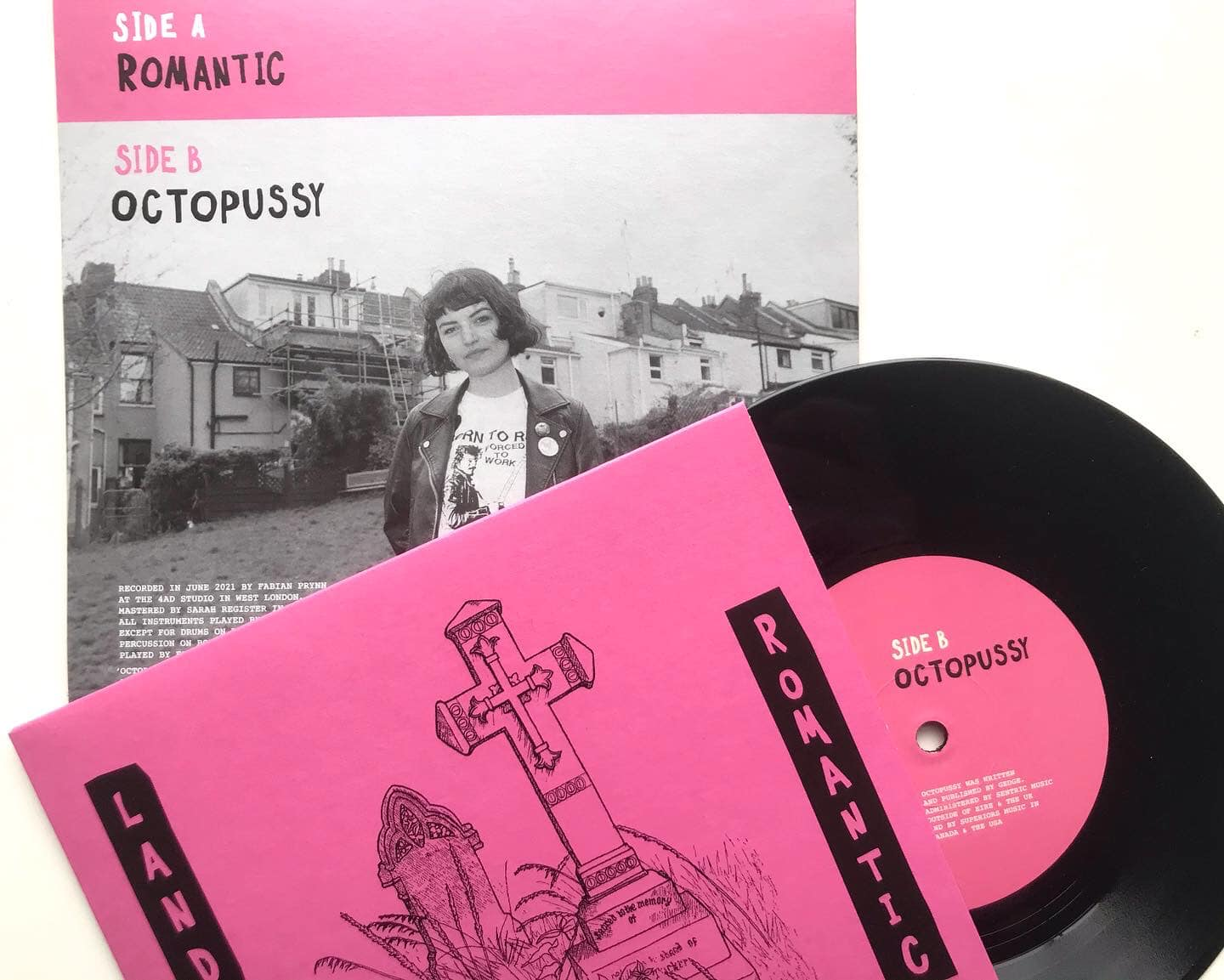
Recorded in June 2021 by Fabian Prynn at the 4AD studio in West London. All instruments were played by Lande Hekt except for drums on Romantic and percussion on both songs, which were played by Fabian Prynn. My new 7” “Romantic” comes out today! I’m playing solo shows in London and Nottingham very soon! They’re both free entry but book a ticket anyway from here – http://dice.fm/artist/lande-hekt-5wgqw ‘Octopussy’ by the Wedding Present is from their 1991 album ‘Seamonsters’.
When the “Solar Motel” record was released in 2013, I had no band. I’d relocated to Philly in 2009 and made the record in 2011 with what was essentially a pickup band of cronies from my Brooklyn oughts days – bassist Peter Kerlin, keyboardist Shawn Edward Hansen, and drummer Mike Pride.
As the first real “rock” record I had made after years of fringe improv and drone with the likes of trumpeter Nate Wooley and my Brooklyn-based trio Peeesseye, “Solar Motel” caught some new ears. There would be gigs on the horizon, and for gigs, I’d need a band.
Thus, I got together with guitarist Paul Sukeena (then of Spacin’, more recently anchor of Angel Olsen’s live band and collaborator of Mary Lattimore) and drummer Steven Urgo, who’d recently logged time touring with a pre-fame War on Drugs, plus future Sunwatcher Kerlin on bass, who commuted down I-95 from his base in Brooklyn.
Material came together fast and our first gigs as The Solar Motel Band came during a residency at fabled Philly jazz bar Ortlieb’s, two sets every Thursday in June 2013. Tapers were present.
“Solar Live Vol 8: Ortlieb’s” presents a selection of residency highlights, largely early stage deep cuts that would surface on my No Quarter releases “Intensity Ghost” and “The Rarity of Experience” over the next few years, and features some rarely heard slide playing, guest spots from Harmonica Dan and guitarist Don Bruno, plus snippets of the canned banter I often deployed in those days in lieu of actually speaking to the audience..
released May 6th, 2022
Chris Forsyth: guitar Paul Sukeena: guitar (1, 3, 4, 5, 6) Don Bruno: guiar (2) Peter Kerlin: bass guitar Steven Urgo: drums Harmonica Dan: harp (4)
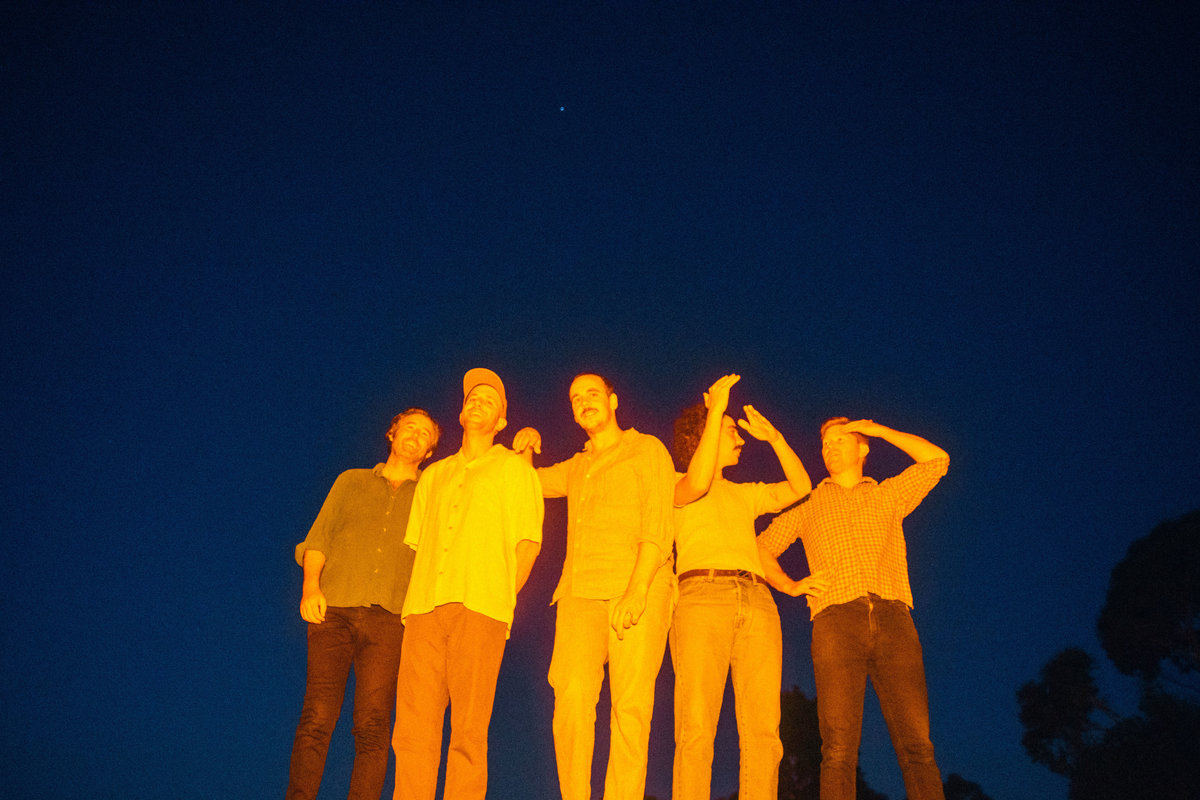
While initial ideas for “Endless Rooms” were traded online during long spells spent separated by Australia’s strict lockdowns, the album was truly born during small windows of freedom in which the band would decamp to a mud-brick house in the bush around two hours north of Melbourne built by the extended Russo family in the 1970s. There, its 12 tracks took shape, informed to such an extent by the acoustics and ambience of the rambling lakeside house that they decided to record the album there (and put the house on the album cover).
For the first time, the band self-produced the record (alongside engineer, collaborator and old friend, Matt Duffy). The result is a collection of songs permeated by the spirit of the place; punctuated by field recordings of rain, fire, birds, and wind. “It’s almost an anti-concept album,” says the band. “The Endless Rooms” of the title reflects our love of creating worlds in our songs. We treat each of them as a bare room to be built up with infinite possibilities.”
The anticipation is there in Elizabeth Stokes’ solo guitar riff under the opening lines of “I’m Not GettingExcited”: a frenetic, driving force daring a packed Auckland Town Hall to do exactly the opposite of what the track title suggests. As the opener of The Beths’ Auckland, New Zealand, 2020 expands to include the full band, the crowd screeches and bellows. It’s a collective exhalation, in one of the few countries where live music is still possible.
The album title, and film of the same name, deliberately include the date and location, lead guitarist Jonathan Pearce says. “That’s the sensational part of what we actually did.” In a mid-pandemic world, playing to a heaving, enraptured home crowd feels miraculous.
In March 2020, everything seemed on track for another huge year for The Beths. Home after an 18-month northern hemisphere tour, they had just finished recording sophomore album “Jump Rope Gazers” and were primed for more extensive touring. But within days, New Zealand’s lockdown split the band between three separate houses. All touring was cancelled.
“It was existentially bad,” Stokes says. As well as worrying about economic survival, they lost something crucial to the band’s identity: live performance. “It’s a huge part of how we see ourselves… What does it mean, if we can’t play live?” . The band found an outlet through live-streaming, returning to the do-it-yourself mentality of their early days to connect with a global audience. The album and film have their genesis in that urge to share the now-rare experience of a live show, as widely as possible.
The fuzzy-round-the-edges live-streams pointed the way aesthetically. Native birds, wonkily crafted by the band from tissue paper and wire, festoon the venue’s cavernous ceiling while house plants soften and disguise the imposing pipes of an organ. The presence of the film crew isn’t disguised: much of the camerawork is handheld; full of fast zooms and pans.
With much of the material still fresh, the band was less focused on re-invention than playing “a good, fast rock show”, Pearce says. The tempo is up on crowd favourites “Whatever” and “Future Me Hates Me” (released as a live single on its third anniversary) as both band and audience feed off the mutual energy in the room. Certain songs have taken on special resonance post-Covid. Pearce has found “Out Of Sight”, a tender rumination on long-distance relationships, hits particularly hard with live audiences. Album closer “River Run” visibly brings Stokes to tears as a mix of achievement and relief kicks in. “You can finally relax at that point … You play the last note, breathe out a sigh and look up – and you’re in a giant room full of people happy and smiling.”
“Looking back on the strangest year in living memory for the world I am so grateful to have been able to experience live music here in NZ, a rare privilege. Somehow, through that time the musicians and audiences of Aotearoa /NZ felt closer and more supportive of each other, turned out in greater numbers and celebrated a diversity of talent. The Beths have recorded and filmed one of the pivotal events of the year, their concert at the Auckland Town Hall. Its high energy pop music for the ages.” – Neil Finn (Fleetwood Mac, Crowded House, Split Enz)
released September 17th, 2021
THE BETHS: Elizabeth Stokes Jonathan Pearce Benjamin Sinclair Tristan Deck
The Districts are breaking their 18-month hibernation this fall to hit the road for a string of U.S. dates that will bring them through the midwest and south. They are bringing Girlpuppy (the stage name of Atlanta singer-songwriter Becca Harvey) along for the ride.
Hailing from Pennsylvania, The Districts have perfected their own brand of authentic, soulful rock music and have been packing out venues across the US. “Soulful rock’n’roll at its finest” – nme.com “Their indie-rock dips its toes in Americana influences to convey something that resembles a waltz through the Wild West”
The tour is in support of their latest record, “You Know I’m Not Going Anywhere“, which was released right before the pandemic. An album full of anthemic choruses, dramatic guitar flourishes, and glittering synths, it was made to be played live. Between the explosive vocals of “Velour and Velcro,” and the 80s dance-pop influence on “Cheap Regrets,” it feels like a modern-day meeting ground between disco and punk. The band’s fourth full-length release pushes them out of their scrappy indie comfort zone and sees them experiment, effortlessly crossing genres while still create something cohesive.
Girlpuppy plays the bright indie-pop that you catch yourself singing in the car. With sweet songs about crushing, you can’t help but smile as she recalls first dates and shyly admitting, “I only love you when you’re breathing/or moving/or waking up in the morning.” Growing up wanting to be Hannah Montana or Taylor Swift, her catchy hooks have the same infectious nature as her idols. For her second single, “Cheerleader,” Harvey enlisted the help of Marshall Vore (Phoebe Bridgers, Better Oblivion Committee Center, Christian Lee Hutson,) who will also produce her upcoming EP.
“Cheap Regrets” from The Districts 4th album ‘You Know I’m Not Going Anywhere’ on Fat Possum Records
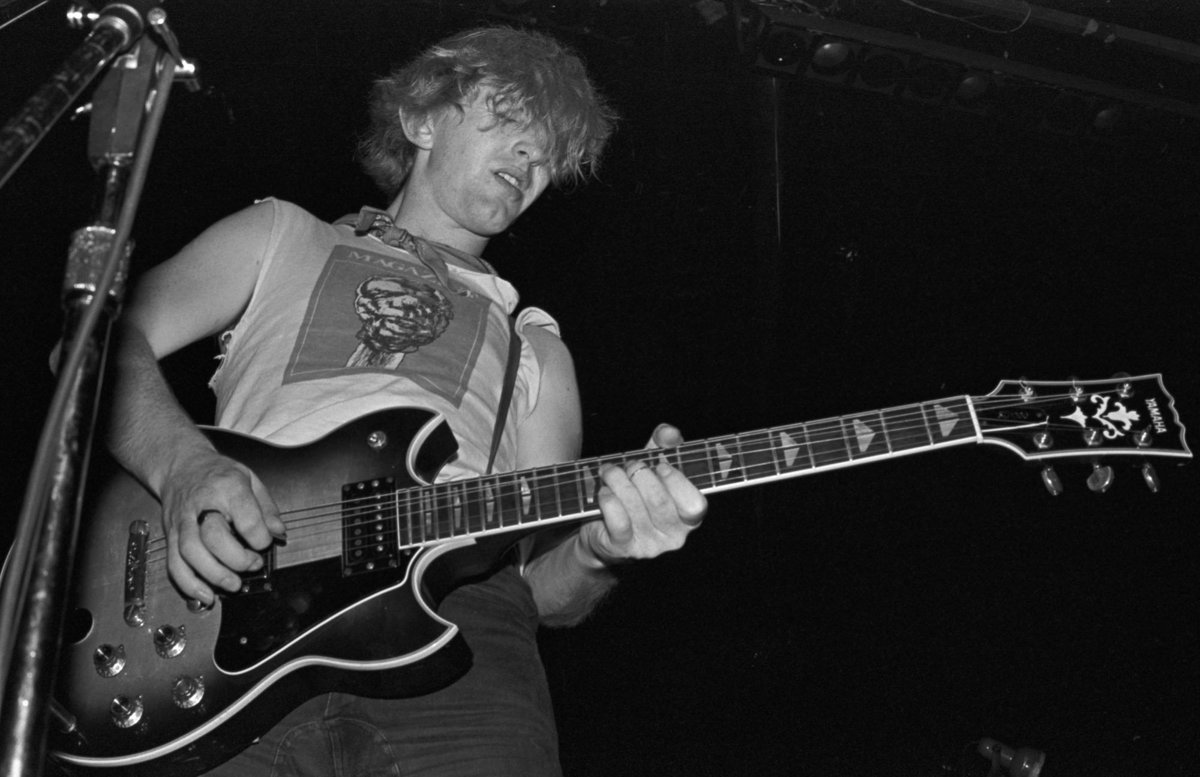
Guitar player John McGeoch sent a jolt through the scene with Magazine, Siouxsie Sioux and more. Johnny Marr, James Dean Bradfield and others salute an overlooked musician, In Manchester, 1976, a flat above a fish shop that reeked so badly even thieves wouldn’t approach it, John McGeoch obsessively hammered away at his guitar. When the electricity meter ran out he would play for hours unamplified in complete darkness.
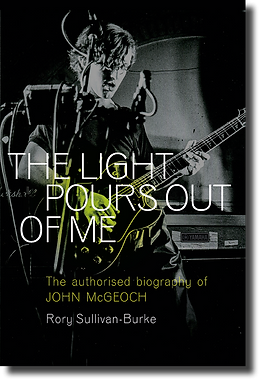
McGeoch was a Scottish fine art student and when his flatmate Malcolm Garrett (who would design artwork for Buzzcocks, Duran Duran and Simple Minds) told Howard Devoto, who’d recently quit punk pioneers Buzzcocks, that McGeoch could play all the parts of Television’s Marquee Moon, Devoto was impressed. “That made me think he would be somebody worth knowing,” he recalls in “The Light Pours Out of Me“, a new biography on McGeoch by Rory Sullivan-Burke.
The pair connected and this materialised into Magazine and their revelatory debut single “Shot By BothSides”. Despite the riff being a hand-me-down from Buzzcocks, McGeoch’s playing on it – as urgent and taut as it was fluid and melodic – quickly grabbed people. Siouxsie Sioux recalled: “everyone was saying: ‘who is playing guitar in Magazine?’”
It captivated a teenage Johnny Marr. “Shot By Both Sides” was so arresting,” he tells me. “The sound and attitude was very modern – it sounded like it had an agenda.” The track was a line in the sand for Marr. “Punk wasn’t the letter A in a new alphabet, it was Z in the old lexicon and then after was a clean slate.”“ He took that artistic big bang [punk] into something so much more than just barre chord thrash,” he says. “He wasn’t pretending to be in some crap spitting punk band. He wasn’t joining in the dumbing down brigade. His intention was to be modern and you hear that in the very deliberate choice of using the flanger on everything.”
The flanger normally a foot pedal, used to bend the notes of a guitar was customised by McGeoch. He adapted it to be attached to a mic stand and controlled by hand, allowing greater control and resulting in a ringing, icy sound that had both cinematic scope and a fierce crunch. “John’s playing was a deliberate modernism,” says Marr. “The flanger modulates the signal so that it wobbles, and the effect is psychedelic. Not ‘oh so trippy 60s man’ or Hendrix, but psychedelic like you’ve taken bad acid or been psychotic after three days of speed.”
Across Magazine’s three albums “Real Life”, “Secondhand Daylight” and “The Correct Use of Soap” McGeoch’s playing was an electric presence. “I had the fortune to watch him execute his talent in the most incredibly dexterous way,” recalls Magazine’s Barry Adamson. “He seemed to be able to take on anything that came to his mind. McGeoch was a versatile player, gliding between sparkling arpeggios, ripping riffs, or simply adding subtle colour, balancing deftness and potency. “John’s playing helped shape the new wave musical landscape by finding a new place for guitar,” says James Dean Bradfield of the Manic Street Preachers. “Its place became less vainglorious, less heroic perhaps, but still strident, articulate and aggressive when it needed to be.”
To be released April 28th. The first ever biography about John McGeoch. Published by Omnibus Press. Available in hardback (£20) and a limited, hand-numbered slipcase edition of 500 (£45) which includes: A hardback copy signed by contributors Johnny Marr, Paul Morley, Rory Sullivan-Burke, EmilyMcGeoch, Dave Formula and Malcolm Garrett.
“The Correct Use of Soap” was deemed a masterpiece by many, including Marr. It obsessed a 10-year-old Jonny Greenwood who played it on repeat and took notes, but McGeoch was frustrated by the band’s lack of commercial success. McGeoch, Adamson and Magazine keyboard player Dave Formula were poached to play in Visage, who quickly had huge success, providing McGeoch with financial stability as well as a taste for fine wine.
But there was another band who wanted him: Siouxsie and the Banshees. They had just lost their guitarist and drummer and while still with Magazine he was invited to play on “Happy House”, immediately making an impact with a shimmering guitar line that snakes through the song. He was eventually convinced to make the switch permanent in 1980. “The Banshees were his mistress and eventually we got him to leave his wife,” Steven Severin of the band says. “It was like getting George Best on guitar,” says Marr.
“There was a huge gaping hole [in Magazine] as soon as he left,” says Adamson. “It changed the course of the band forever and helped it to its place of ultimate derailment.” Magazine were over a year later.
The albums “Kaleidoscope”, “Juju” and “A Kiss in the Dreamhouse” marked a hugely fertile period for the Banshees with McGeoch-powered tracks such as “Spellbound” invoking “pure invention, grace and bloodlust ballet” according to Bradfield. Marr adds: “The music he made with the Banshees … the word imperial was made for that music.”
Despite the creative peaks, McGeoch’s thirst for booze which was already plentiful was increasing, and plus cocaine was thrown into the mix. Things imploded in 1982 in Madrid when McGeoch was in such bad shape he was playing the wrong songs on stage. “It became obvious that he didn’t know where he was,” Banshees drummer Budgie later said. “I thought he’d just gone too far that night, but much later he admitted that he’d been given a Valium to calm his nerves, cos he was shaking either from withdrawal or too much drinking. If we’d been noticing this we might have said the show can’t go on.
McGeoch ended up in addiction clinic the Priory but was fired by the band after they visited him and instead of being in hospital he’d gone to the pub with the day release patients. “It sounds very callous,” Sioux has said of the move. “I wish it hadn’t happened. But alcoholism is not something that gets fixed overnight.” Severin reflects on the decision: “40 years ago the term rehab was not used yet; there were no support systems available, especially in the music industry. For all we knew John was effectively committed to an asylum until further notice.”
McGeoch then joined the Armoury Show with ex-Magazine drummer John Doyle and ex-Skids members Richard Jobson and Russell Webb. However, yet another iconic post-punk band wanted him: Public Image Ltd. He lasted six years but it wasn’t an auspicious start. Early on his first tour in Austria a rowdy crowd, still acting out the cartoon version of punk, were spitting and throwing things. McGeoch confronted them and in return got a 1.5 litre wine bottle – stolen from PiL’s dressing room – launched into his face. This resulted in laser surgery and 44 stitches; bandmates think he lost about a pint of blood before he could even get off stage.
It wasn’t the first time McGeoch had intervened in the audience’s idiotic parroting of punk’s heyday, once climbing into the crowd at a Banshees show to rip off a Nazi armband. The wine bottle incident rocked him, though, and people noticed a distinct change in him.
PiL came to an end when Lydon accepted a solo deal. McGeoch was a martial arts expert and when he was told by the band’s manager there was no new album deal and PiL was effectively over, he later told a friend that he contemplated taking him out to the pub car park and killing him. Instead, he walked away.
He tried to get a band off the ground with Heaven 17’s Glenn Gregory but it never happened and he retreated from music, focused on family life and trained as a nurse. He returned to music later on, writing theme tunes for Channel 5, but at just 48 he died of Sudep (sudden unexpected death in epilepsy). Alcohol had remained a major problem but he was sober in the final months of his life.
A 7″ vinyl 45rpm record featuring a previously unreleased live recording of ‘The Light Pours Out Of Me’ by Magazine (from The Factory, Manchester) b/w ‘The Anti-Hero’ by Dave Formula featuring John on guitar and voices. Plus one copy includes a ‘golden ticket’, which will win the lucky recipient a John McGeoch’s signature SG1000 guitar – worth over £800 – courtesy of Eastwood Guitars.
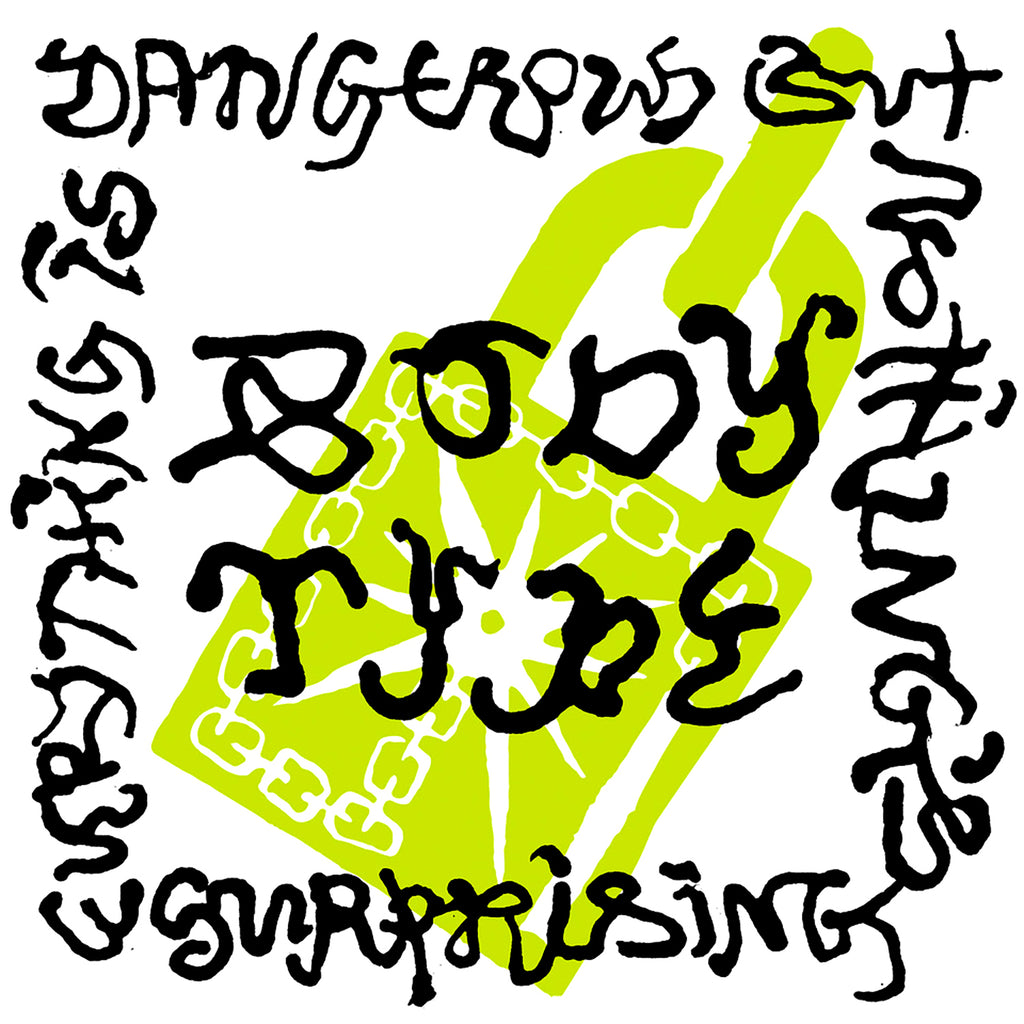
Australian band Body Type’s debut album “Everything Is Dangerous But Nothing’s Surprising”, out May 20th, is a collection of quietly furious songs that stick two fingers up at a society set up to see them fail. “The Charm” is their answer to a sexist music snob, the kind of missive that should leave the rest of the world in no doubt as to their abilities. After two hugely promising EPs, Body Type‘s debut studio album turns up the scuzz and urgency with glorious results and plenty of “yeah” moments.
Clearer in its convictions – namely, the imperative to stand firm in one’s power despite those that would see you relinquish it – ‘Everything Is Dangerous But Nothing’s Surprising’ is an unflinching and incendiary record, anchored by the band’s extremely sharp musical chemistry.
Of all 2022’s debut albums, Body Type’s had the most scenic route. A half-decade of gigging and EPs had already established the band as a compelling force of Sydney indie music, meaning that ‘Everything Is Dangerous But Nothing’s Surprising’ wasn’t the proving ground most debuts are.
Taken from upcoming album ‘Everything Is Dangerous But Nothing’s Surprising’ – out May 20th via Poison City Records.
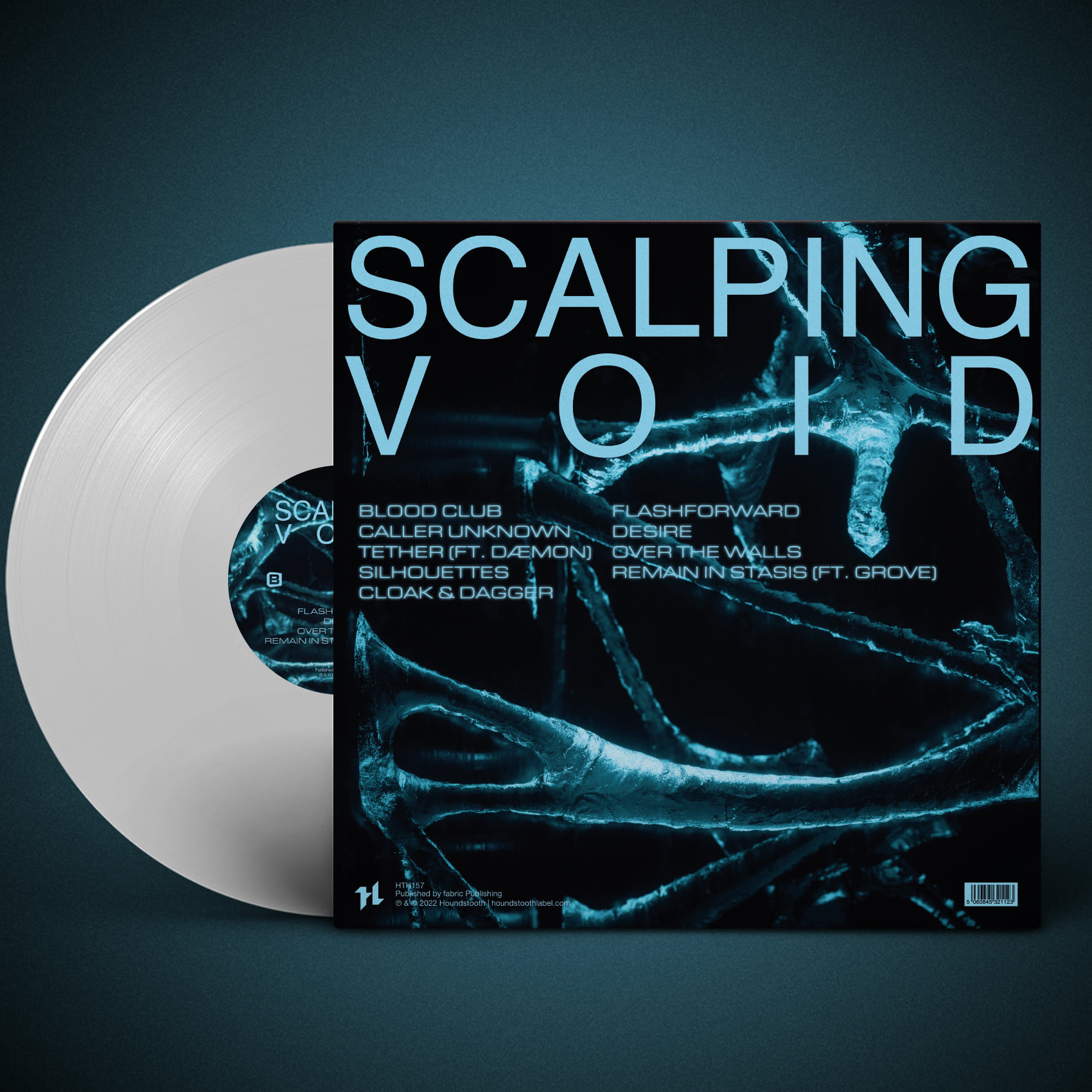
Bristol techno, noise and hardcore supremos SCALPING have announced details of their highly anticipated debut album “Void”. Much like their all-caps brothers in HEALTH, Bristol band SCALPING make music that splits the difference between rock in its classic form and a more experimental approach to electronic production. This results in songs like “Remain In Stasis” a highlight of the recently released debut “Void“. There’s a driving energy to the song that guest vocalist Grove uses to push even more momentum into the occasion. The result feels exultant, transcending the club or dingy rock venue and reaching for something higher.
Due out 29th April via Houndstooth, the record comes on the heels of an extremely exciting 2021 for the band, which saw them play to sold-out crowds at the Roundhouse twice in two weeks – both on tour with Squarepusher and at Pitchfork Festival London – as well as selling out their own headline date at Peckham Audio, and releasing two widely acclaimed EPs titled “FLOOD” and “FLOOD Remixed”, the latter of which featured treatments from producers Hodge, Azu Tiwaline, object blue, AQXDM and Laurel Halo, and Scottish instrumental rock legends Mogwai.
The news of the album is accompanied by a new single titled “Flashforward”, a slow-burning beauty made-up of atmospheric vocalisations, churning riffs, and propulsive, motorik basslines. The track also comes with a new video from visual designer and long-term collaborator Jason Baker.
As SCALPING’s sound becomes more adventurous, so has their aesthetic, the technically impressive animation uses richly coloured and textured sequences to compliment the bands darker narratives: of paranoia and surrender, with cinematic elements of science fiction, body horror and technology’s dominance over man. “Void” will be put to the test, as the band kicks off an eight-date UK headline tour, culminating in a live performance at Fabric on May 5th. As live shows return in 2022, SCALPING will continue to prove themselves as one of the UK’s most impressive, ambitious, and original new live bands.
Taken from the debut album “Void“, out now on Houndstooth
Cult DIY London band High Vis could be on the verge of a breakout moment with their new album, due later in 2022. New single “Talk For Hours” matches a punk spirit with the swaggering confidence and deep groove of prime Oasis. The new track from London’s High Vis. Newly signed to DaisRecords with an album in the works for later this year! A sobering reflection on endless conversations without resolution. Temporary chemical optimism and subsequent hopeless introspection. A song born out of late nights waiting your turn to shout your struggle that no one will listen to.’
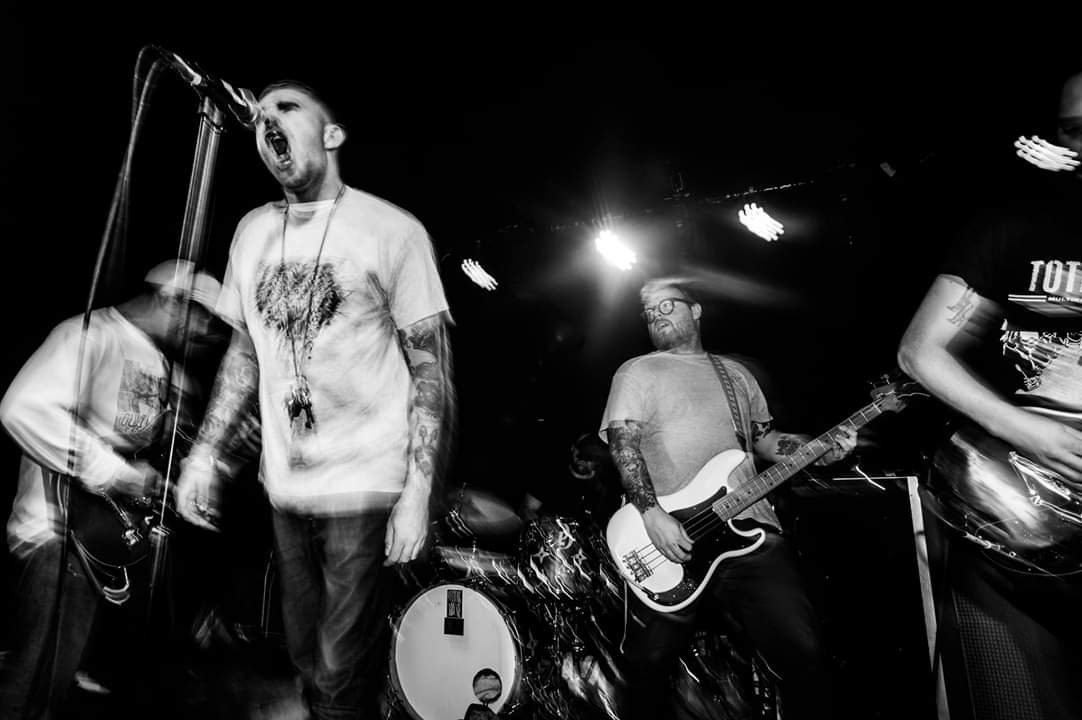
High Vis play aggressive, gripping, artful punk that’s as hard as any hardcore record yet sonically opens beyond the parameters of any genre or scene. Breaking from the same London underground that spawned Chubby And The Gang, Higher Power and The Chisel, the band have quickly grown a devoted following for their intense live shows, immediate lyrics that tackle themes from class politics to the challenges of everyday life, and an unparalleled 2019 debut album, “No Sense No Feeling“.
Formed in 2016 from the ashes of some of the UK’s best hardcore bands (Dirty Money, Tremors, DiE, The Smear), High Vis maintain a hardcore energy in their live shows – it’s not uncommon for cheerfully miserable, gold toothed vocalist/front person Graham Sayle to come away from a show with a bleeding forehead – but they’ve taken their aural cues from older UK bands like Gang Of Four, Crisis, Joy Division and Stone Roses. The intensity and passion of hardcore still stokes their fire, but in its post-punk inspired textures and moods lay a sonic adventurousness which suggests the members of High Vis are never going to be confined by any notion of what they should or shouldn’t be playing.
On “Talk For Hours”, High Vis fuse the bristling, frenetic energy of hardcore with the unabashed anthemia of the Madchester scene to stunning effect. Sayle reveals it to be, “a sobering reflection on endless conversations without resolution. Temporary chemical optimism and subsequent hopeless introspection. A song born out of late nights waiting your turn to shout your struggle that no one will listen to.” “Talk For Hours” comes alongside the news that the band have joined the DAIS family and will be releasing their second full-length later this year.
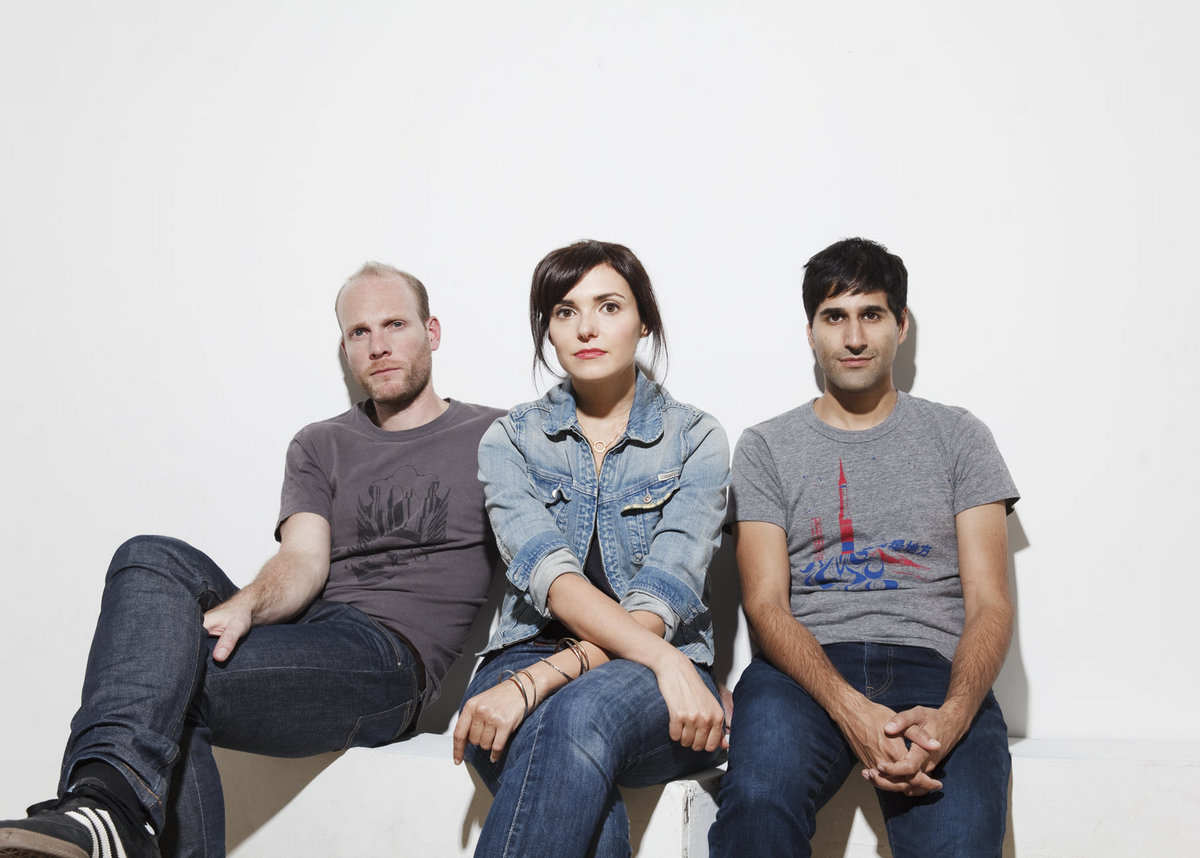
“The Rise” is the first word in a conversation, the first step on a new, unkept trail. It’s the beginning of a new era for the Toronto trio, and the first of three pieces in a year-long puzzle, which will be constructed over three separate releases.
On its own, “The Rise” tells its own six-track story through Paul Banwatt’s thundering drums, Amy Cole’s hammered keys and crystalline harmonies, and Nils Edenloff’s furious acoustics and soaring, wheaty tenor. At times, it’s literal and visceral, like the blowing dust of “Lifetime,” or the hardy, galloping road trip post-mortem of “3 Sisters,” or the slow, naked march of “Late September Snow.” At others it’s hallucinatory and surreal, like the vivid, crashing dreamscape of “10Ft Tall”.
Discussing this first installment of new music, and The RAA’s return, Edenloff notes, “We just go only based on heart and gut and try to let our minds get out of the way, because more often than not those just trip us up.” Cole adds, “We’re so intrigued by the idea of different perspectives and memories in these songs, and then this ultimate view of ‘Is any of it anything?”
That dichotomy—between what is assumed to be objective, real and tangible, and what is not is explored by Alberta photographer Leroy Schulz’s work that accompanies the EP and lead singles “CANDU” and “ABBride.” Schulz flew drones over Alberta landscapes and took photos from above, looking down on rows of fir trees, barns, crops, and grass. From this perspective, the settings look unrecognizable, even unreal, like some alien planet. The shapes, shadows, lines, and textures are foreign, yet these are scenes of home.
“3 Sisters” is an elemental track that reminisces about life on the road. Directed and animated by Jared Sales, the video features a likeness of The RAA’s actual touring van, features tickets stubs from some of the band’s most memorable performances, along with cityscapes from those locations, The past two years have upended all that we thought to be concrete. “The Rise“, like this period, is a complication of what we assume to be familiar and true and unchanging. It’s the start of something new.
Released March 31st, 2022
The Rural Alberta Advantage – “3 Sisters” from “The Rise“