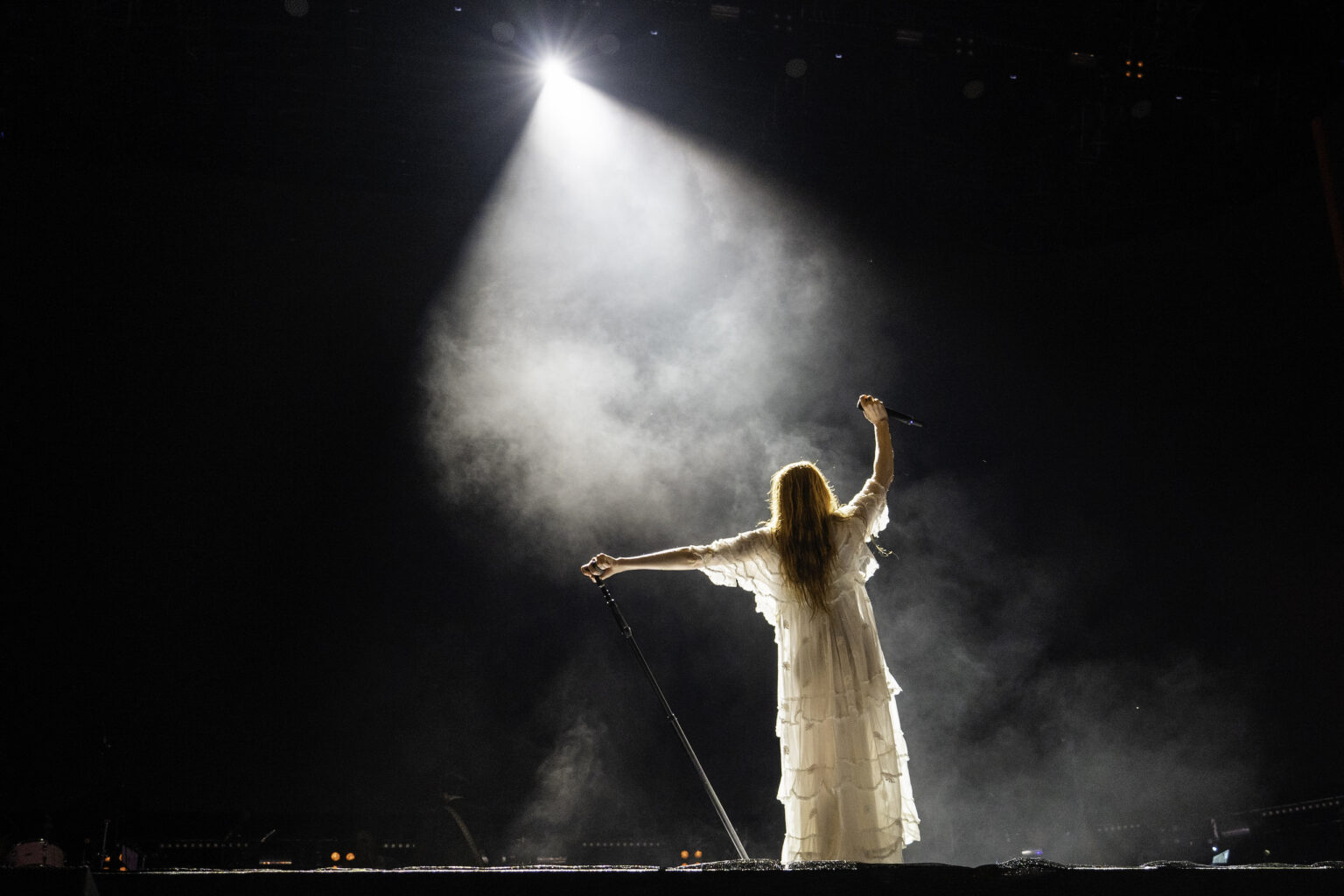
In May of this year, Florence + the Machine, led by frontwoman Florence Welch, released what could be described as their best album to date, “Dance Fever” rich, diverse work of baroque pop headlined by addictive singles “King,” “My Love,” and the unrelenting “Free.” However, one of the album’s deeper cuts, “Heaven Is Here,” is already getting a second life with a brand new remix concocted by British post-punk quintet IDLES.
IDLES bring a haunting element of production to an already operatic song. The result is a balance of sorrow and strangeness emphasized by Welch’s powerful vocal performance and IDLES’s distorted tonal arrangements. The songs of “Dance Fever” are cathartic in their own unique ways, but IDLES’s translation of that catharsis brings more profundity to the swell and release of thematic and expositional tensions.
“IDLES are one of my favourite bands and I’ve been wanting to work on something together for a while,” Welch said. “It might be strange for people to think but I see a lot of symbiosis in what we do in terms of live performance. Connection above all else. Joyful rage and togetherness. A lot of people wished that ‘Heaven Is Here’ was longer. And I think IDLES have done the perfect job at turning it into a much-demanded dance track that loses nothing of the hex at its heart.”
The song originally appeared on Florence Welch and company’s 2022 album “Dance Fever”.
Tegan and Sara (sisters Tegan and Sara Quin) have shared a new song, “Fucking Up What Matters,” via a video for the single that spoofs how music videos are made. It’s the band’s first single for Mom + Pop Records, which has announced they’ve signed the band, and is the first taste of their yet-to-be-announced upcoming 10th album.
John Congleton (Sharon Van Etten, Angel Olsen, and Future Islands) co-produced the song with Tegan and Sara. Tony Wolski directed the video.
Tegan Quin had this to say about the song in a press release: “‘Fucking Up What Matters’ felt like an ode to the moment in your life when you realize that you have most, if not all of the things you wanted and you start to think about what would happen if you just walked away from it all. It’s the moment in the middle of the night when you start to daydream about something else, something you never imagined. It’s the feeling you have when you think you might have hit a new low, and yet you’ve never felt so good. Sometimes it’s admitting that you can’t stop yourself from fucking up what matters, that you feel your strongest. And as my mom would say, it’s often when we’re fucking up what matters, that we’re learning the most about ourselves.”
Of moving from their previous label, Sire/Warner, to Mom + Pop, the band collectively say: “Michael Goldstone signed us to Sire/Warner in 2006. We had just made “The Con” and felt like the vision Goldie and the team at Sire had for us and the album were a good fit. But soon after he signed us, he left to start Mom + Pop. We never held it against him. But joked that one day we’d work together for real. So it was with great enthusiasm that we agreed to sign to Mom + Pop when our deal with Warner ended in 2021. We look forward to being back at an indie label, on a brilliant roster, with Goldie and the label’s incredible team helping us start this next chapter in our lives with the release of our tenth album.”
In February, Tegan and Sara reissued their 2004 breakout album, “So Jealous”. The reissue featured acoustic re-recordings of each song from the original album.
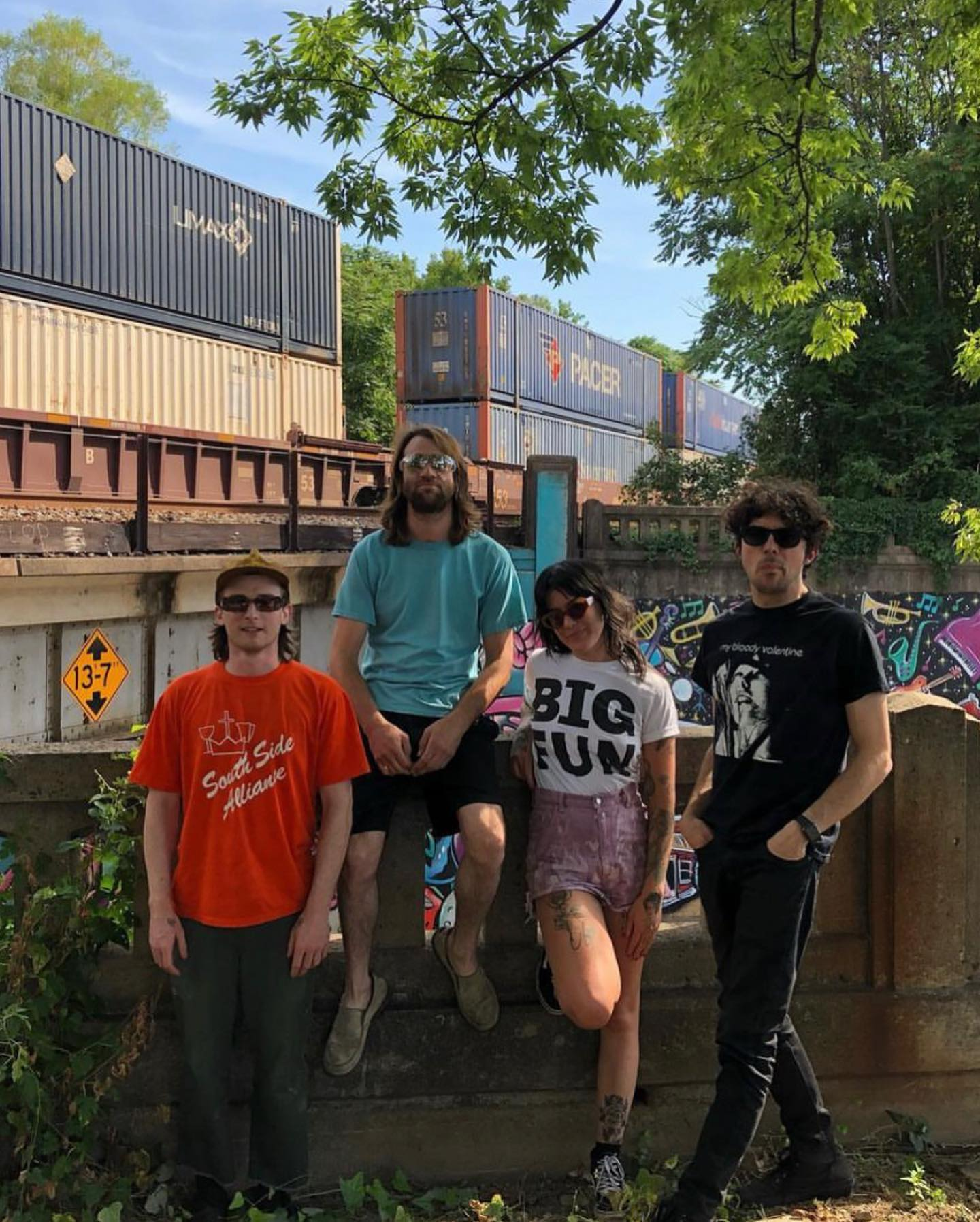
From their masterfully titled, anthemic “Shit Opus,” to their growling, distorted guitar, Shutups could be effectively described as a group of anti-establishment California indie punks with a vested interest in encouraging capitalism’s implosion. Leaving it there would also be a disservice to the deliberation, complexity, and artistry in their music.
Recording started in the summer of 2019, two months after releasing “Zen“. Our second session was in February 2020, a few weeks before lockdown began. We shelved the album and started working on “EP 5“. “EP 5″ boiled over into 2021’s “Six and Seven“. On occasion we’d hack away on “Vomit“, tracking and re-tracking, editing and re-editing, several songs getting reworked many times over and/or scrapped. It felt like the album we’d never finish. Mostly due to the positive feedback received from playing these songs live and sharing demos with friends & family, we finally pulled it together and finished it.
The first single “Endless Heaven”, a quiet/loud/quiet chugger offset by sticky finger-picked guitars, clave, timpani, falsetto vocals and strings. It’s a summer song, but for the more mundane moments of summer (sitting in hot cars, power outages, sunburns, days lost to the void). It’s about dissociating and returning mid sentence. Bud played the gong.
The groups’ new album holds true to the distinctive niches they carved out to begin with, from bedroom pandemic production to post-isolation DIY maximalism. “I can’t eat nearly as much as I want to vomit” presents a very human expression of reality in spite of what is, overwhelmingly, a bad time––serving us a sort of seething, technicolour alternative sound that’s both intimate, furious, and inarguably cool.
“I can’t eat nearly as much as I want to vomit”, out now via Kill Rock Stars.
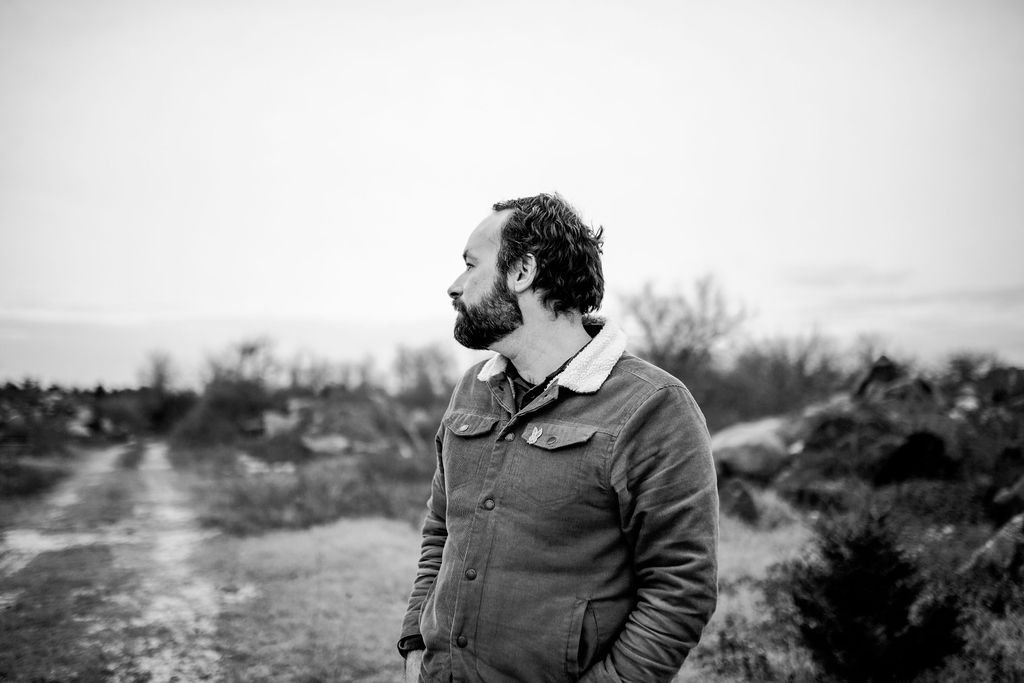
On Beat Radio’s last album, 2016’s “Take It Forever”, bandleader Brian Sendrowitz offered up a succinct chestnut of self-examination: “I’ll always be that singer / Who sings the words like they mean too much,” Sendrowitz declared on the rousing “Song for Camden Power. “That’s because the words always mean too much in my mind.” For Sendrowitz Beat Radio’s singer, songwriter, and only permanent member—that may well be a statement of purpose. Since starting Beat Radio back in 2005, Sendrowitz has excelled at writing open-hearted indie-rock songs that double as life rafts, carrying him through the tumultuous waters of adulthood, grief, and familial trauma.
You don’t juggle songwriting with raising five kids while recording demos in a laundry room if you don’t believe every word, and on “Real Love”, Beat Radio’s sixth album (and first since 2006 with founding member Philip Jimenez), it’s clear that Sendrowitz does. Songs ripple with catharsis and hard-fought empathy. Choruses reach out for understanding through the pain and disconnect.
Put simply, it is Beat Radio’s best and most honest album yet. “There was nothing to hold back anymore,” says Sendrowitz. “This whole record just feels like the record I was working towards my whole musical career. I went all in emotionally in a deeper way than I was capable of before.”
With a textured sound that splits the difference between lo-fi indie-pop, folk jangle, and emo vulnerability, Beat Radio grew out of Sendrowitz’s years as a mainstay in the early 2000s New York singer-songwriter scene. After growing up on Long Island playing in emo bands (one of which included a young Daryl Palumbo of future Glassjaw fame), Sendrowitz became obsessed with Bob Dylan and began performing in coffeehouses during college. In 2005, aiming to move beyond his folksinger origins and write anthemic pop songs with a more raggedy edge, he formed Beat Radio with producer/multi-instrumentalist Philip Jimenez (formerly of Wheatus).
“Real Love” (out this fall via Totally Real Records) represents a new beginning. For one thing, it marks a reunion between Sendrowitz and Jimenez more than a decade after the latter’s departure. Sendrowitz describes their collaboration as “a trust exercise”; he would send over skeletal demos and, in the hands of Jimenez and his wife Kathryn Froggatt, they would blossom into ornate indie-rock gems. “Real Love” is flush with lush sonic flourishes—the rustling banjos on “Lowlands,” the climactic sax on “Radioactive,” the elegiac violins and layered harmonies on the title track—that rank it as Beat Radio’s most fully realized record yet. At the same time, the record injects a new urgency into Sendrowitz’s songwriting, woven from several years of heartbreak and rigorous self-examination. “I think I had a very shallow narrative of my life. That just started to unravel,” the musician says. In 2020, when Sendrowitz began writing “Real Love”, he felt his world tilting off its axis. A dear friend died unexpectedly at 37. Struggles in his marriage had come to a head, forcing him to question his identity as a husband and father. And, as the new decade began, Sendrowitz went through a painful fracturing with family, which resulted in him becoming estranged from his parents—a profoundly difficult decision that proved necessary for his emotional well-being. “The songs on this record are way more vulnerable and more connected to my real life,” Sendrowitz says. “I think I’ve learned how to be more emotionally honest as a person.”
On the stirring centerpiece “Family Name,” Sendrowitz confronts intergenerational trauma and what it means to accept a fraught family background (“The mistakes I’ve made and this psychic pain / Is a legacy in the family name”), while the jangly pop of “Protection Spells” finds the singer reflecting on a decision to sever family ties: “Needed to walk away / To save myself / And sleep to dream of better days.” “Solid Ground” is a somber meditation on a marriage strained though unbroken by crisis, while the immensely moving title track is the most honest kind of love song, which is to say, one that reckons with the difficulty of making love last across decades and life changes: “We’ve got a real love / Sometimes it ain’t enough / No matter what it takes / I’m never giving up.” While that lyric was written for his wife, Liz, a similar sense of dogged determination describes Sendrowitz’s songwriting career. At 44, he knows he’s not a buzzy new band. But the songs have never felt more meaningful; the stakes have never seemed higher. “When I look at bands that feel like they started to coast, it’s because they don’t really have to prove themselves anymore. For me, I was just trying to go all in,” Sendrowitz says.
Songs written by Brian Sendrowitz
Featuring: Brian Sendrowitz – guitars, vocals / Philip A. Jimenez – drums, guitars, synths, vocals, percussion, banjo, bass / Kathryn Froggatt – backing-vocals, bass, tambourine Additional contributions by: Tim Lannen – vocals on “Weightless” / Drew Danburry – saxophone on “Radioactive” / BryanBruchman – guitars on “Harder to Pretend” / Tom Urwin – bass on “Harder to Pretend”
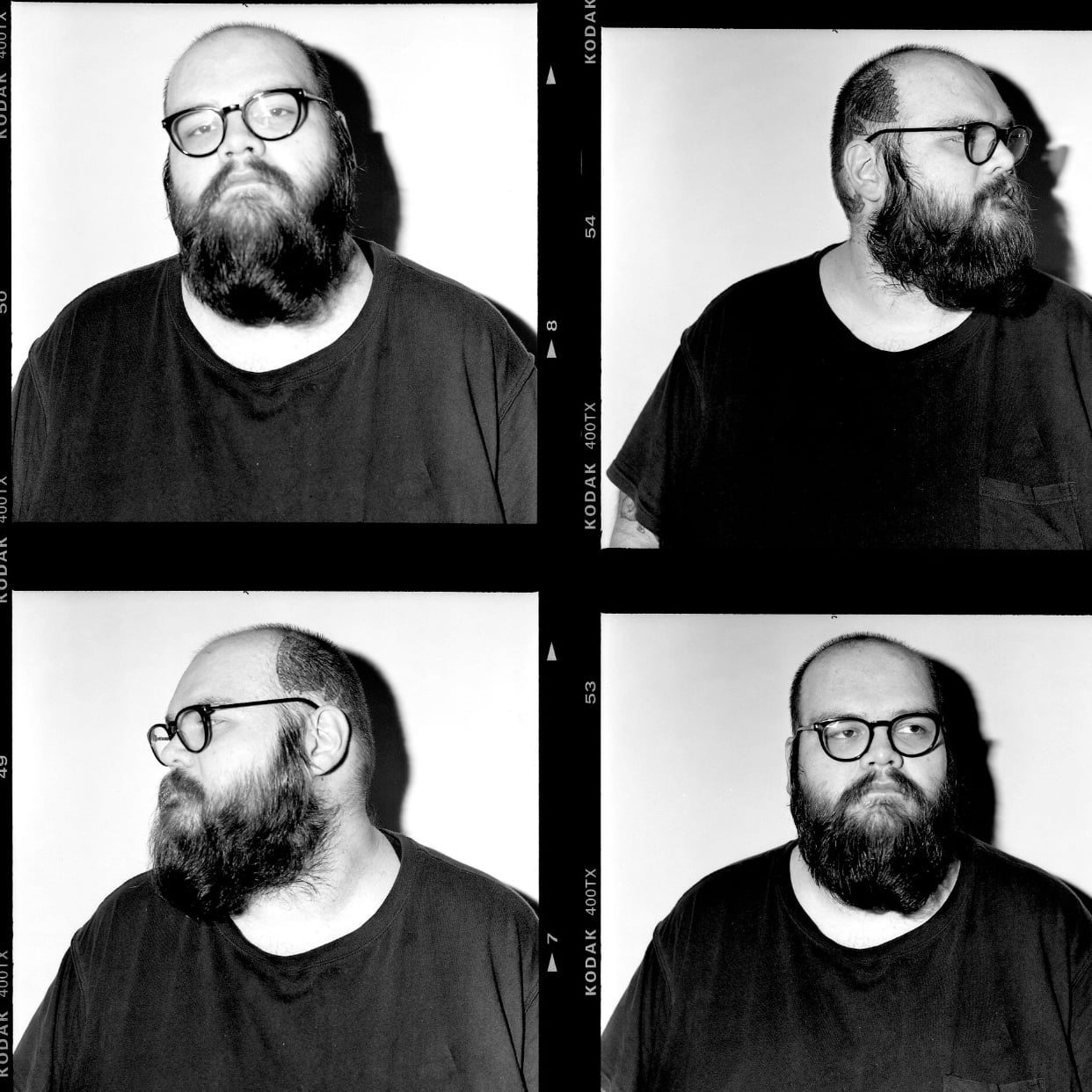
Moreland with his new album “Birds in the Ceiling”, a nine-song collection that offers the most comprehensive insight into the thoughts and sounds swimming around in his head to date. A compelling blend of acoustic folk and avant-garde pop playfulness, “Birds in the Ceiling”lives confidently in a space of its own, enriched by tradition but never encumbered by it. The song writing that has stunned fans and critics alike since 2015’s “High on Tulsa Heat”remains potent, while the sonic evolution that unfolds on the record feels like a natural expansion of 2020’s acclaimed “LP5″.
The New Yorker, Pitchfork, Fresh Air, Paste, GQ, and others have embraced Moreland’s meditative songs, while performances on The Late Show with Stephen Colbert, CBS This Morning, NPR Tiny Desk Concert, and more have introduced Moreland to millions. And yet, while the Tulsa-based Moreland is grateful for the respect and musical conversation he’s now having with people around the world, he is also more focused on the idea of just talking to one person––or even himself. “Through the years, I’ve felt like I’m increasingly talking to myself in my songs, more and more,” he says. “Maybe in the past, I wasn’t aware of it, but now, I am. I think doing that has helped me be less hard on myself, which makes you more generous and compassionate in general.”
Moreland’s songs do feel intimate––like overheard conversations or solitary meditations. “I want to talk one-on-one to someone in a song,” he says. “I don’t want to address a group, really, because I think that’s when it’s easy to start pontificating––and it gets less honest.”
released July 22, 2022
John Moreland: vocals, guitars, sampling/sequencing, mellotron. John Calvin Abney: pianos, mellotron, synths, ukulele, Bonnie Whitmore: bass guitars, double bass, cello, Matt Pence: drumset
Shannen Moser wants to have a conversation: with their past selves, their present self, their undesignated, unfurling future selves; with the trees that adorn their old street, and the door they used to call home; with the shadows of lovers-turned-to- friends and the overwhelming cacophony of abrupt change. They’re drawing a map but the port of call is cloudy and indistinct. It’s while traveling along these nebulous contours that their latest album “The Sun Still Seems To Move” forms a kind of physicality, of outstretched giving hands, that offers a guide through the fog. Here, Moser examines the disorien- tating, challenging task of trying to hold onto ourselves – and everything else – all at once. But this isn’t a fatalistic journey of melancholy or apprehension. Instead, Moser celebrates the small steps and the unwavering perseverance that makes it all worthwhile.
“The Sun Still Seems to Move” is an album of reckoning with death and trauma, with all the shapes that love can take and all the people we’ve been and will become. It’s a record of regret and relief, unlocking every facet of feeling with an unabashed yet tender vigor. It’s watching the clouds bend to a new shape and still staying outside. It’s cry-laughing on the phone to an old friend, and trying to trust yourself again. By leaning into–and being at the whim–of this kind of vul- nerability, Moser is able to navigate the spaces between the losses to produce a truly honest and lustral work. “Holding space for all of these feelings is confusing, but I think that’s what makes the world turn,” they explain. “It’s love and grief existing in tandem and it feels like this never ending, switch- ing one out for the other.”
Moser’s previous albums “Oh, My Heart” (2017) and “I’ll Sing” (2018) were praised for their careful, intimate arrangements that showcased their sharp, interpersonal narration and time- less lush vocals. On “The Sun Still Seems To Move”, their first release in four years, Moser takes the arresting simplicity of their past LPs to form a malleable foundation, and combines it with orchestral swells and poignantly-rich harmonies.
Been sitting on this for awhile and I’m SO excited to share this with you all. “I’ll Sing” comes out but you can stream it on band camp today! right now! So much time and energy and love was put into making this. The biggest, most loving thank you to everyone involved, to anyone who has ever supported me, challenged me, and made me feel capable. Two years ago I made a barely 19 minute record and today I get to share with you a 40 minute record. Time is cool and cruel but this is a very good day.
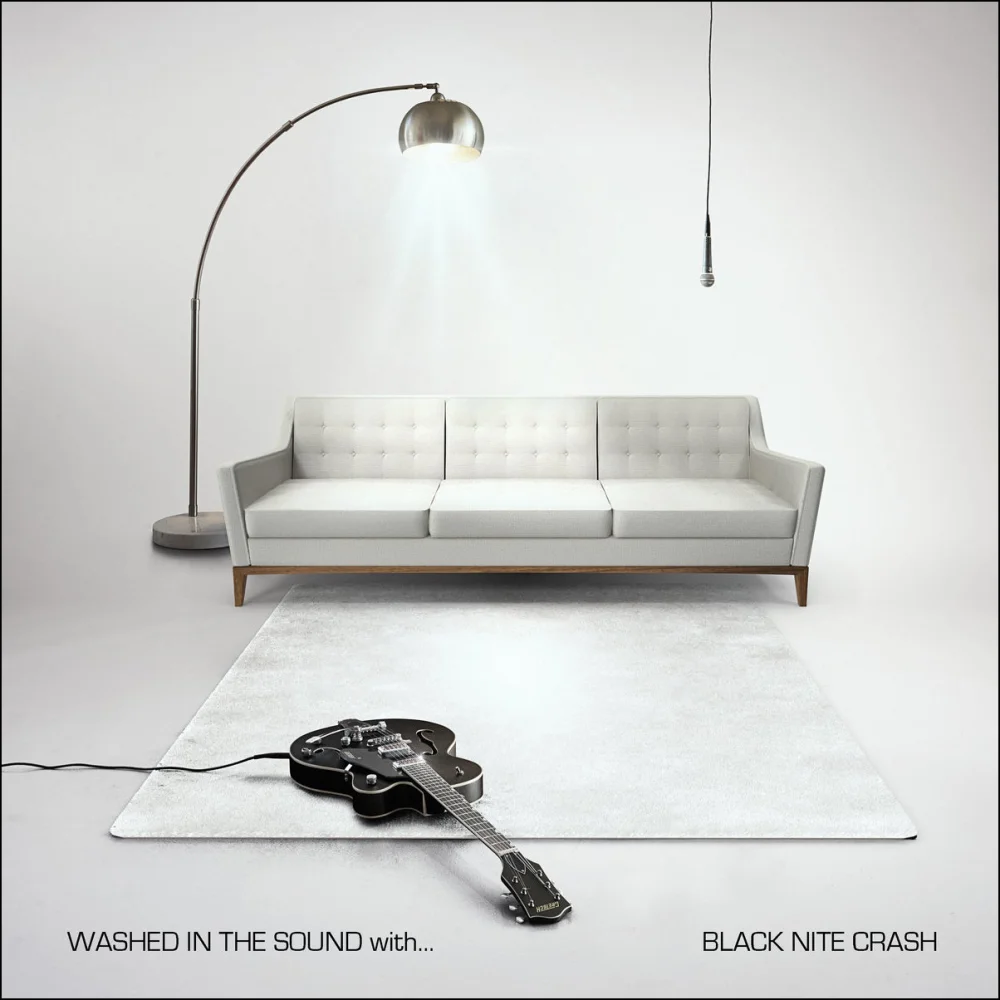
If you’re into psychedelic rock junk you’ll play this hell of a record ’til your ears bleed. You’ll get intoxicated with a transfixing mix of influences by masters of the genre such as jangly hero AntonNewcombe and his Brian Jones Town Massacre gang (Stupid Games / In Time / Failure), The Black Angels (S.P.M.U. / Stupid Games) and Heart (TieMe Down / Sugarwave) when second vocalist Claire Tucker gets behind the microphone instead of maestro Jim Biggs. It’s all served with layers of mind-expanding guitars and hallucinogenic imagination. Black Nite Crash are a psych collective started by Jim Biggs (vocals, guitar) twenty years ago in Seattle Washington. The band has had more than 30 members over the years.
Listen to the first single from our new album, “Washed in the Sound with Black Nite Crash”Jim Biggs: “This is the band’s fifth full length in nearly twenty years of existence, and it looks to be the start of a period of more frequent releases as we work through our backlog of unreleased recorded songs, not to mention the surplus of new material we’re working on even now. As to the music, I’ve long been a proponent of the idea that all rock music should only be about god, girls and drugs (or god, boys, and drinking, or any combination of those themes, really), but it’s hard to look at the state of the nation and the state of the world and not say a thing or two about it.”
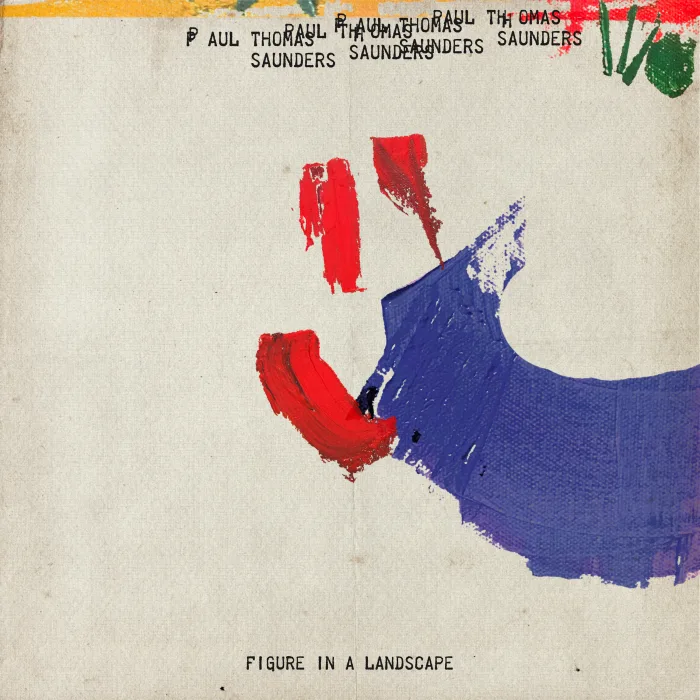
Eight years after his acclaimed debut album, singer-songwriter Paul Thomas Saunders returns with the terrific new album “Figure In A Landscape.”Saunders’ new album, “Figure In A Landscape“, has now been released. And his journey toward this album is quite interesting. The Brighton-based singer-songwriter released his debut album, “Beautiful Desolation”, on Atlantic Records in 2014 to rave reviews from The Guardian, The Times, The Line of Best Fit and more. Becoming disillusioned with the music industry after that initial burst of success, Saunders stopped performing for a time and became a member of a lifeboat crew as well as a paramedic for England’s National Health Service (NHS). He made a fleeting return in 2017 with two singles, featured on Mae Martin’s acclaimed Netflix series ‘Feel Good’ but it proved to be a false start. But then stepped away from music once again. An invitation from Bon Iver’s Justin Turner to perform at Dublin’s Forbidden Fruit Festival lit a fire under Saunders and led to him writing the songs that appear on the “Figure In A Landscape” album. The album is named for Francis Bacon’s 1952 painting Study of Figure in a Landscape.
The album opens with the excellent, atmospheric “TV, Junk Food and Bed.” It contains a good vocal by Saunders and the instrumentation is understated for the most part. “Bloodlust” is an easy going track with a nice flow to it. Saunders’ vocal on the song is top notch. “Heartlands” includes an effective echo on Saunders’ vocal and a distant trumpet toward the end of the song. Saunders’ production work on the track is fantastic. “Heaven Or Higher” features a perfectly understated vocal by Saunders, and the echo on the track gives the song an otherworldly feeling.
The sound of the album was inspired by an old jukebox owned by Saunders’ father. The album’s songs have the warmth, crackle and hiss of tunes playing on a jukebox. The album was written, recorded and produced by Saunders himself at his home amid collaborations with Alastair Thynne and Max Prior, with the record also featuring a number of other artists and friends including Ajimal, Hilang Child and SIVU.
The most interesting song title on the album is “Jesus Says, ‘Forgive Yourself’.” It’s a very chilled-out, mellow song with a nice ‘70s vibe to it. “Cruel” is quite beautiful and is one of the highlights of the album. It contains a subdued vocal by Saunders and is about trying to get through tough times.
“I’ll Come Running” is the album’s wild card. The drums on the track are heavier than on the album’s other songs. It’s probably the most pop-sounding song on the album. “Pas De Deux” is a relaxed song, featuring light instrumentation and a hushed vocal by Saunders. Album closer “Love Birds” has disjointed music at the start before Saunders echo-laden vocal kicks in. It’s a solid way to round out the album.
“Figure In A Landscape” is a very satisfying return by Saunders. And as good as the material sounds on the album, it is even better when Saunders performs live. If you have the chance to see Saunders in concert, definitely do so. You will leave the venue quite impressed. I certainly was when I saw Saunders play live. He is, without question, an artist of considerable substance.
The punchy, propulsive “I Can’t Grow Up” is the latest single off Tegan and Sara’s new album, “Crybaby”, which is out next month. The song “was musically inspired by Chicago band Dehd and their album “Flower of Devotion,”Sara Quin says. “The song started on bass, an instrument I’d never written with until “Crybaby”, and I was channelling a little bit of Emily Kempf from Dehd, and Peter Hook from New Order. My partner had travelled back to the U.S., after a year of being stuck in Canada during the pandemic, and I was enjoying late nights alone writing music and singing full tilt in the basement.”
Tegan and Sara trotted out one last advance single, “Smoking Weed Alone,” earlier this week before the arrival of their 10th studio album, “Crybaby”, this friday.
“With this album, I wanted there to be a dialogue that we could have about the songs. Some of Tegan’s songs became almost like duets, because she allowed me to go in there and challenge her to rewrite lyrics,” Sara Quinn said of the son. “I wanted a narrative that could tie into our relationship and some of the things that were happening in our life, even if the song wasn’t about that. And for ‘Smoking WeedAlone,’ there’s a chorus where we’re sort of singing to each other, and we haven’t done that before, in our career.”
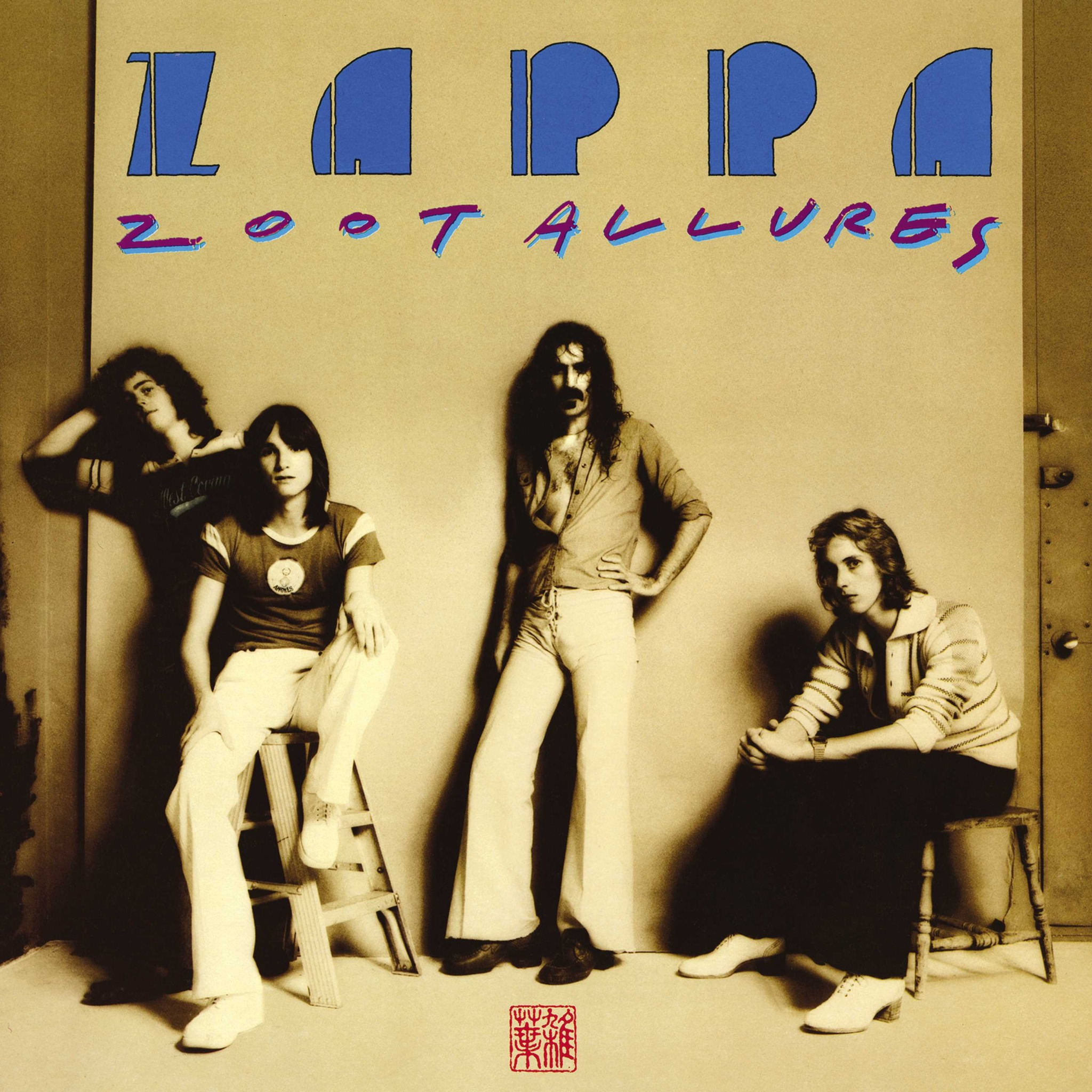
“Zoot Allures” – released On This Day in 1976. “Zoot Allures” features two of Zappa’s signature guitar pieces, “Black Napkins” and “Zoot Allures.” Originally conceived as a double-disc, Zappa re-edited it to a single record after pressure from his record company.
Frank Zappa was a hugely prolific artist, but it’s still worth marvelling at the fact that 1976’s “Zoot Allures” was his 22nd album. The record saw Zappa once again welcoming Captain Beefheart into the fold. Don Van Vliet added his harmonica to a pair of cuts – “Ms. Pinky” and “Find Her Finer.” As always with Zappa, there’s a bit of strangeness to grapple with. The album artwork pictures Zappa sidemen Patrick O’Hearn and Eddie Jobson, though they don’t play here. “Zoot Allure”s also has a typically punning Zappa title, parodying the hackneyed exclamation “Zut alors!” while also – intentionally or not – referencing the post-war zoot suit.
The opening “Wind Up Workin’ In A Gas Station” sets the mood, sending up the notion that smart people still end up doing menial jobs. Zappa and engineer Davey Moiré handle the lead vocals (sung live for a time by Bianca Odin, aka Lady Bianca), with Frank providng the bass, guitars, and synthesizers while trusty drummer Terry Bozzio nails the backbeat. Short and very sharp, the song really is a send-up with Zappa adopting a faux German accent.
The album features “The Torture Never Stops”. In it’s all meanings. Two “qualities” humans have; brutality and greed -very well presented and present in today’s world. ” flies all green and buzzing in this dungeon of despair” the torture never stops one of the many highlights on this brilliant album
Needless to say, it was a firm live favourite. “Black Napkins” ups the ante, thanks to a brilliant extended guitar part that also became a fixture on subsequent tours.
Side One of the original vinyl pressing judders to a halt with “Ms. Pinky,” which concerns an, ahem, sex doll and starts with the line, “I got a girl with a little rubber head/Rinse her out every night before I go to bed.” Beefheart blows in, Ruth Underwood adds more synths, and the motif follows a standard garage hard rock tempo with unsettling side trips.
“Find Her Finer,” a song that suggests men are well-advised to act dumb, since it will further their nefarious desires. Bassist Roy Estrada (an original member of both The Mothers and Little Feat) adds a comic falsetto so that the bizarre tone gets a doo-wop makeover. For that reason, “Find Her Finer” was released as a single, but the general public didn’t get the joke.
The instrumental “Friendly Little Finger” (whose original sessions date across 1973 and 1975) modulates between Zappa’s supple bass-driven Middle Eastern drone and a classic metal arrangement augmented by horns and marimba, before giving way to the revisited (from 1972 and ’73) “Wonderful Wino,” where the fusion groove percolates around a savage homage to drunkenness. This is also where you’ll find a reference to that aforementioned zoot suit.
To which: “Zoot Allures’ title track is more instrumental and was apparently a late addition to the album, though Zappa was in a rush to perfect it for immediate live dates. In terms of sales, however, the album’s calling card was the closing “Disco Boy,” a satirical swipe at the prevailing dance trend, with added laughs that made it into the charts. A neat slice of hand jive. The flipside to the single was “Ms. Pinky,” now tagged as “Ms. Pinky, Bird Walk.”
Though Zappa felt at home recording in his favoured Record Plant Studios in Los Angeles where mixing also took place, legend has it that a different mix of the album was forged in Jacksonville, Florida. Whatever the truth in that, the end results were Zappa personified: progressive, veering towards fusion and funk, and with lashings of hard metal on the fringes – not forgetting his trademark scabrous lyrics.
Originally conceived as a double-disc, Zappa re-edited it to a single record after pressure from his record company.