1973 – The Albums Year In Music

Posted: January 1, 2023 in MUSIC

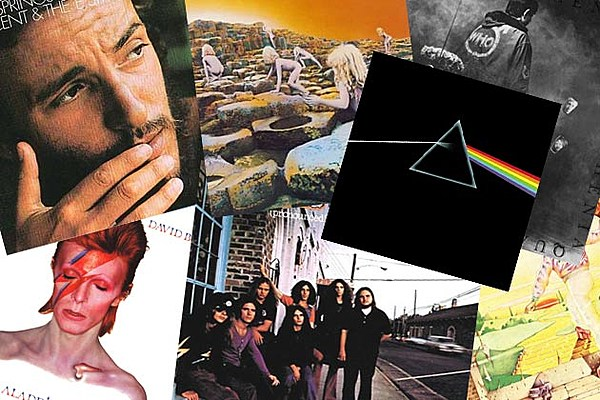
The year of 1973 kicked off with the United Kingdom entering the European Economic Community, later to become the European Union, and it went downhill rapidly from there. The FA Cup final was between Sunderland and Leeds, In a year that saw the release of Led Zeppelin’s “Houses Of The Holy”, Pink Floyd’s “The Dark Side Of The Moon” and Alice Cooper’s “Billion Dollar Babies“. That would be one extremely big year for rock’n’roll music, for sure. “We had acid rock, baroque rock, country rock, dance, glam rock, hard rock, heavy metal, head music, hot-rod music, reggae, jazz, bubble-gum, funk and southern rock.”

The year began somewhat alarmingly with the release of Rick Wakeman’s mega-indulgent epic “The Six Wives Of Henry VIII”, and then “climaxed” with Yes’s “Tales From Topographic Oceans” in December. 

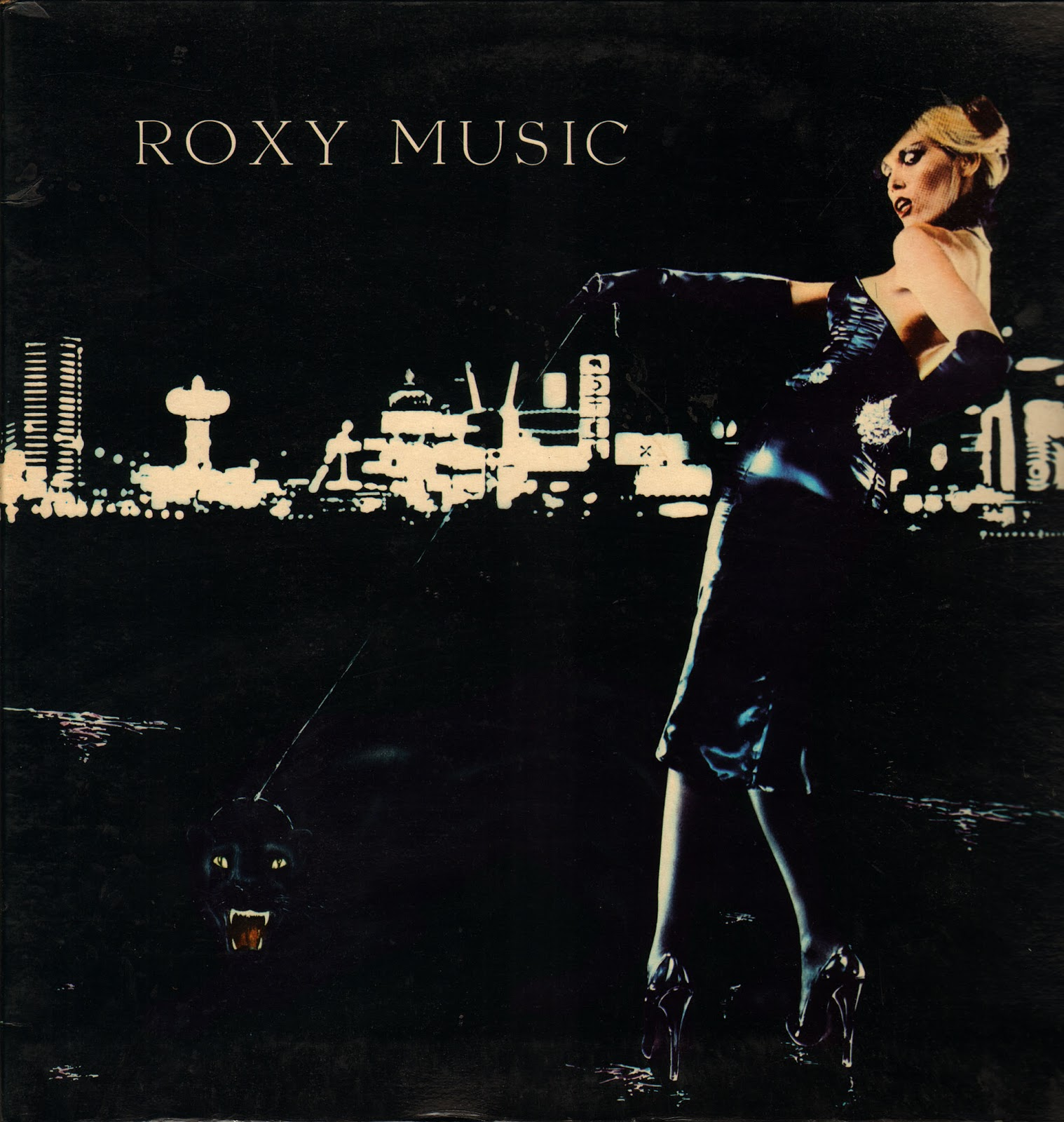
A little further down the scale, envisage a 12- month time-span that also saw Roxy’s Music’s “For Your Pleasure”, Bruce Springsteen’s “Greetings From Asbury Park, NJ , With his debut album, Bruce Springsteen gave a hint at his future direction, mixing solo cuts with full band performances. After the record was initially rejected by label president Clive Davis, who didn’t hear a viable single, Springsteen swiftly wrote two additional tracks, recording them on the same day: “Blinded by the Light” and “Spirit in the Night.”

Derek & The Dominoes’ “In Concert” hit the stores. 

Emerson, Lake & Palmer came up with an album with the unlikely title of “Brain Salad Surgery“, complete with a bizarre cover by HR Giger, who was later to find fame designing the evil ET in the Alien movies. No one batted an eyelid when Messrs Mercury, May, Deacon and Taylor decided to call themselves Queen and include a track called “My Fairy King” on their debut album. (These were also more innocent times, remember.) The Sweet – who admittedly had suffered from a fair degree of record company puppetry – broke free from their bubble-gum past and included all-out rockers such as “Hell Raiser” “Blockbuster” and “Done Me Wrong Alright” on their 1973 self-titled album. 

There were also some remarkable debut album’s in 1973. What we call classic rock these days originated in that year. We’ve mentioned Aerosmith, Queen, Skynyrd and the Dolls, but we shouldn’t ignore Camel “Camel”, The Scorpions “Lonesome Crow” or Cockney Rebel “The Human Menagerie” either. 

A look through a 365-day period during which the likes of The Doobie Brothers’ “The Captain & Me”, King Crimson “Larks’ Tongues In Aspic” and T.Rex’s “Tanx” additionally went on sale.  it was such a fabulous year Or, as Todd Rundgren put it in 1973, wizards and true stars.  . Prepare to step back in amazement, get set to open your peepers in surprise, because every single one of the above-mentioned albums – “Houses Of The Holy”, “Dark Side Of The Moon”, “Billion Dollar Babies” actually came out in a one single month in 1973. March, to be specific. It doesn’t stop there. The other 11 months of 1973 were pretty damn good as well.

An unknown called Mike Oldfield approached a bright-eyed young entrepreneur by the name of Richard Branson with an idea for an album called “Tubular Bells”, an ambitious 50-minute concept piece. Against the odds …“Tubular Bells” was a spectacular success, reaching No.1 in the UK, No.3 in the US, and providing the foundations for Branson’s now-sprawling Virgin empire. 

Solo stardom was in the bag for former Beatles George Harrison with his “Living In The Material World” album, John Lennon with “Mind Games” and Paul McCartney & Wings with “Red Rose Speedway”. Even Ringo had a hit single with “Photograph”.

Also in 1973 bands released singles that mattered. The following 1973 A-sides remain the stuff of legend: 10cc’s Rubber Bullets; Aerosmith’s Dream On; Alice Cooper’s No More Mr Nice Guy; Bruce Springsteen’s Blinded By The Light (later a hit by Manfred Mann’s Earth Band, of course); Edgar Winter’s Frankenstein, Elton John’s Daniel, Saturday Night’s Alright For Fighting, Goodbye Yellow Brick Road,  The Moody Blues’ “I’m Just A Singer In A Rock’N’Roll Band”, Mott The Hoople’s “Honaloochie Boogie” and All The Way From Memphis; Nazareth’s Broken Down Angel and Bad, Bad Boy; Queen’s Keep Yourself Alive and Liar; The Rolling Stones’ Angie; Status Quo’s Don’t Waste My Time, Paper Plane and Caroline; Slade’s Cum On Feel The Noize, Skweeze Me Pleeze Me and the all-time classic Yuletide song “Merry Xmas Everybody”.

Aerosmith wanted to look “like a rock band that would sell a million records” with their self-titled debut, as guitarist Joe Perry shared in the liner notes for the early demos collection 1971: The Road Starts Hear. It took a few years to accomplish that goal, but “Dream On” and the rest of Aerosmith would eventually help them get there.

“Who Do We Think We Are” was Deep Purple’s final album with vocalist Ian Gillan and bassist Roger Glover for over a decade (until 1984’s Perfect Strangers). Songs like “Woman From Tokyo” kept the band’s usual hard rock beat, but as a whole, the collection found them exploring more of a bluesy direction.

“Dixie Chicken” found Little Feat expanding their ranks, adding guitarist Paul Barrere and percussionist Sam Clayton. Guitarist Lowell George remained a heavy influence on the group’s sound and songwriting, also handling lead vocals on the bulk of the album’s tracks, including the signature “Fat Man in the Bathtub.”

Alice Cooper snared their best-selling album at the time with “Billion Dollar Babies”, which went to No. 1 in both the U.S. and U.K., eventually going platinum. The group’s sixth studio record spawned four hit singles, including the title track and “No More Mr. Nice Guy.”

Growing discord in the Faces ranks was evident in 1973, with Rod Stewart calling “Ooh La La “a bloody mess” during a promotional interview with Melody Maker. The tempestuous vocalist reportedly missed the first two weeks of recording and the album’s sessions were similarly chaotic. Guitarist Ronnie Wood sang the lead vocal on the title track, which remains one of the band’s best known songs.

The sessions for the album that became “The Captain and Me” found the Doobies leaning on a mix of jamming and revisiting older material that hadn’t been used. “Long Train Runnin,'” and “Without You” are two eventual fan favourites that made it to “The Captain and Me”, which went double platinum.

“Catch a Fire” helped to extend Bob Marley’s popularity to an international level. Boasting tracks like the ambling “Concrete Jungle,” the album’s success came at a cost, with Marley parting ways with core members of his band, the Wailers, after only one more album.

“Countdown to Ecstasy” was Steely Dan’s second studio album and the first to feature Donald Fagen exclusively as the lead vocalist.

Though it didn’t perform well commercially, it features well-known catalog tracks like “My Old School” and “Show Biz Kids.”

On the heels of their successful “Thick as a Brick” record, Jethro Tull continued to write conceptually for their sixth studio album, “A Passion Play”. Though “A Passion Play” faced harsh criticism upon release, the band still secured their second No. 1 album.
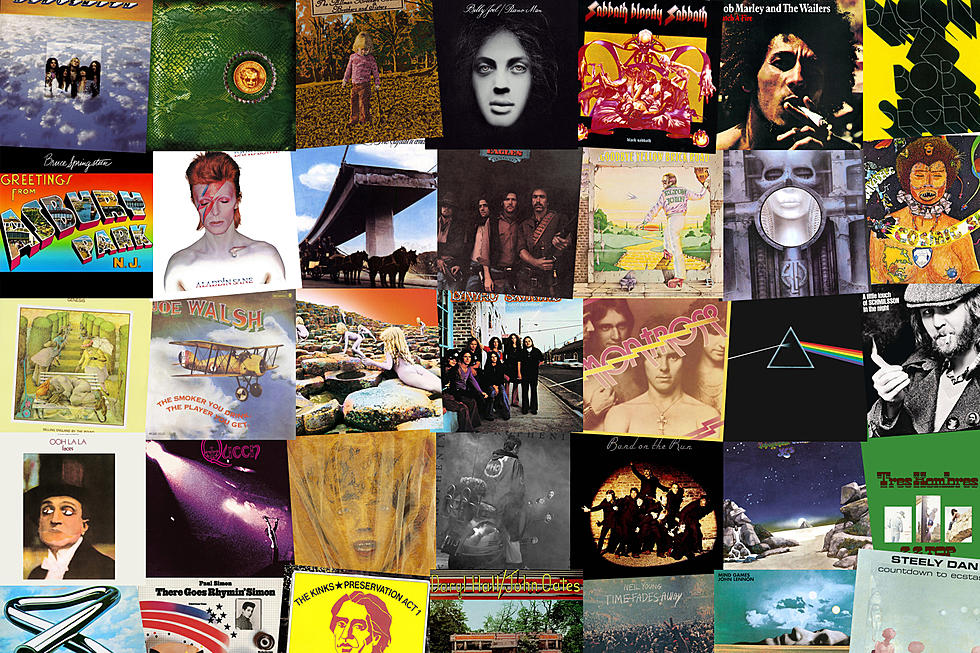
  • January gave us Free’s Heartbreaker, The Beach Boys released “Holland”, plus Little Feat bought us “Dixie Chicken”. Gram Parsons “GP”
  • February offered Deep Purple’s Who Do We Think We Are!, the final studio offering from the Mk II line-up (at least until the 1984 reunion) – The King Biscuit Flower Hour is first broadcast with performances by Blood, Sweat & Tears, The Mahavishnu Orchestra, and new artist Bruce Springsteen. Island Records released Traffic Shoot Out at the Fantasy Factory and John Martyn’s classic album “Solid Air”.
  • March Electric Light Orchestra released their second album “ELO 2/Electric Light Orchestra II“. Singer songwriter Tom Waits has “Closing Time” . The Faces had “Oh La La” .The director of talent acquisition at Columbia Records, John H. Hammond, suffers a non-fatal heart attack following a performance by one of his most recent finds, Bruce Springsteen.
  • April brought us David Bowie’s “Aladdin Sane“,  Capitol Records releases two collections of The Beatles’ greatest hits, The Beatles 1962-1966 and The Beatles 1967-1970 (commonly referred to as the “Red Album” and the “Blue Album”, respectively) Country rock band The Eagles released “Desperado”
  • May set Mike Oldfield’s “Tubular Bells” a-chimin’ and Hawkwind’s classic space rock album “Space Ritual” .Prog rock was huge with Yes live album “Yes Song’s” …Nazareth release an all time fav’s rock albums “Razamanaz”.
  • June – another killer month, this – saw both Aerosmith’s “Aerosmith” and Iggy & The Stooges’ “Raw Power” go on sale, Ronnie Lane plays his last show with Faces at the Edmonton Sundown in London. Lane had informed the band three weeks earlier that he was quitting. Ian Gillan quits Deep Purple
  • July’s undoubted highlight was the release of Queen’s debut album, Queen, David Bowie ‘retires’ his stage persona Ziggy Stardust in front of a shocked audience at the Hammersmith Odeon at the end of his British tour. “A Passion Play” a sort of rock opera from Jethro Tull. Dylan had his time in the movies and soundtracked his Pat Garrett & Billy the Kid. Lou Reed released “Berlin”.
  • In August The New York Dolls’ self-titled debut hit the stores and The Rolling Stones bought out “Goats Head Soup”
  • September was no slouch with Status Quo’s “Hello!”, Lynyrd’s Skynyrd’s “Pronounced Leh-Nerd SkinHerd“, The Rolling Stones’ “Goats’ Head Soup” and Thin Lizzy’s “Vagabonds Of The Western World” fighting for shelf space. “The Wild, the Innocent & the E Street Shuffle” came from Bruce Springsteen. “It’s Only a Movie” is the seventh studio album by the British progressive rock band Family, their last original studio album before they disbanded that year.
  • Genesis were intent on Selling “England By The Pound” in October, Family play their last concert at De Montfort Hall at Leicester Polytechnic (now De Montfort University) before splitting up for good. A farewell party at a local Holiday Inn after the show ends in a good-natured melée, with people jumping in or pushed into the motel pool. “Goodbye Yellow Brick Road” is the seventh studio album by English singer-songwriter Elton John, a double LP. The album has sold more than 30 million copies worldwide and is widely regarded as John’s magnum opus.
  • “For Everyman” is the second album by American singer-songwriter Jackson Browne.
  • The Steve Miller Band  formed in 1966 in San Francisco, California. The band is led by Steve Miller on guitar and lead vocals. The group had a string of mid- to late-1970s hit singles that are staples of classic rock, as well as several earlier psychedelic rock albums released “The Joker”. David Bowie‘s “Pin Ups” album Devised as a “stop-gap” album to appease his record label, it is a covers album, featuring songs by British bands from the 1960s that were influential to Bowie.
  •  The Who brought mods to the masses with “Quadrophenia” in November the sixth studio album by the rock band released as a double album on 26th October 1973 by Track Records. It is the group’s third rock opera, the two previous being “A Quick One, While He’s Away” and “Tommy”. Set in London and Brighton in 1965, the story follows a young mod named Jimmy and his search for self-worth and importance. “Quadrophenia” is the only Who album entirely composed by Pete Townshend. The Who opened their “Quadrophenia” US tour with a concert at San Francisco’s Cow Palace, but drummer Keith Moon passes out and has to be carried off the stage. 19-year old fan Scot Halpin is selected from the audience to finish the show.
  • December CBGB music club opens in Manhattan, and Black Sabbath’s “Sabbath Bloody Sabbath” finished the year on the loudest of notes, “Stranded” the third album by English rock band Roxy Music, released by Island Records. “Stranded” was the first Roxy Music album on which Bryan Ferry was not the sole songwriter, with multi-instrumentalist Andy Mackay and guitarist Phil Manzanera also submitting songs. Billy Joel’s “Piano Man” his second studio album by the American on Columbia Records. The album emerged from legal difficulties with Joel’s former label, Family Productions, and ultimately became his first breakthrough album. Brothers Malcolm and Angus Young perform under the name AC/DC at the former Sydney nightclub ‘Chequers’ for their New Year’s Eve party. “Band on the Run” from McCartneys Wings its commercial performance was aided by two hit singles – “Jet” and “Band on the Run”. “Tales from Topographic Oceans” the sixth studio album by English prog-rock band Yes, On Atlantic Records. Yes frontman Jon Anderson devised the concept album during the band’s 1973 Japanese tour.
The AUTEURS – ” The Albums “

Posted: January 1, 2023 in MUSIC

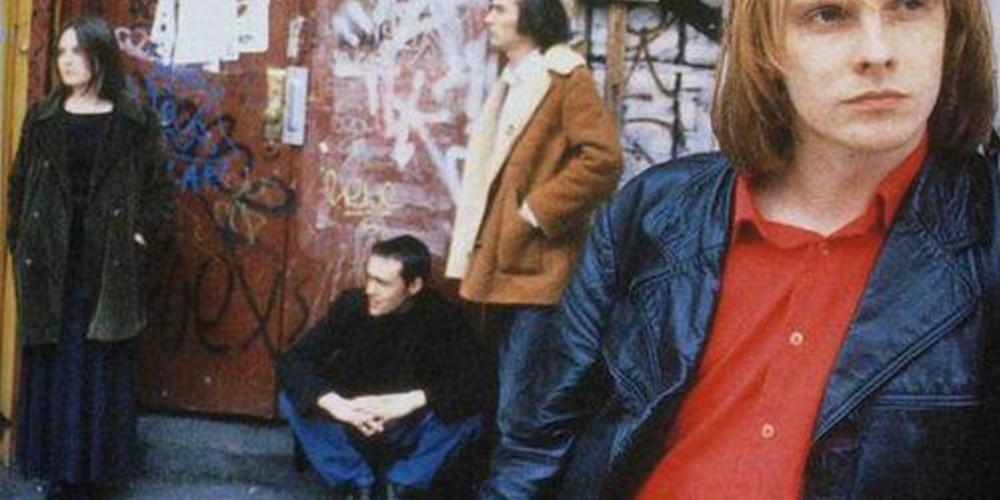
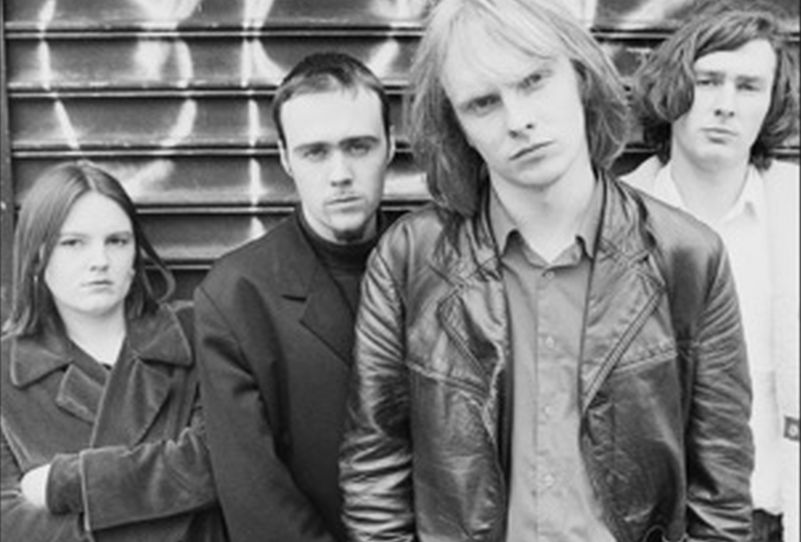
When the Auteurs released their debut album in 1993, the British press linked them with the massively popular Suede as part of a “glam revival.” While the band could blast out guitar-drenched rockers like Suede, the Auteurs came to life when they drew from the quiet side of such distinctively English guitar pop bands like the Kinks, and the Smiths, The Auteurs were a British alternative rock band of the 1990s, and a vehicle for songwriter Luke Haines who played guitar, piano and vocals. Formerly a member of the Servants, Haines created the Auteurs with his then-girlfriend Alice Readman on bass guitar, former classmate Glenn Collins on drums, and later added James Banbury on cello.

Luke Haines, the group’s guitarist, vocalist, and songwriter, wrote highly melodic pop songs that combined airy melodies along with the cutting social observations of Davies; they were sharp, intelligent songs, full of humour and gorgeous melancholy, even when loudly rocking. With their first two albums, “New Wave” and “Now I’m a Cowboy”, they earned a devoted cult in the U.K. without gathering much support in the United States. By the time the group released the Steve Albini-produced in early 1996 “After Murder Park”, by then they had even lost most of their cult audience in the U.K.

Accordingly, the album didnt do very well even on the indie charts. Before its release, Haines had dropped hints in interviews that the record might be the Auteurs’ last.

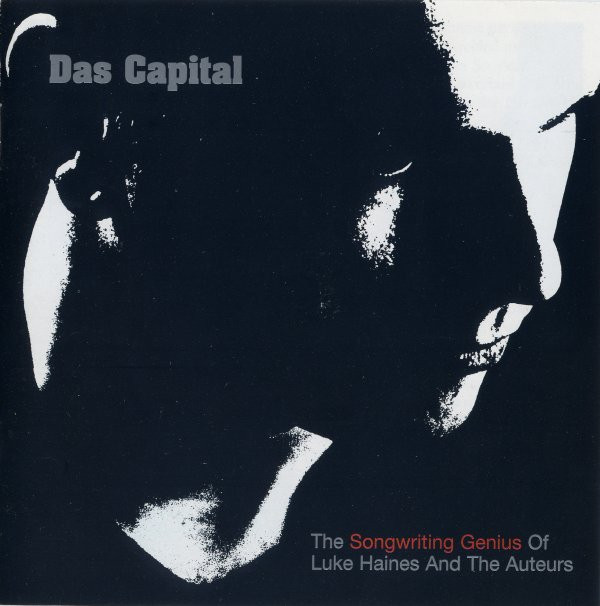
Six months later, he released an album with his side project, Baader Meinhof, although a new Auteurs record, “How I Learned to Love the Bootboys”, appeared in 1999. Haines  then focused his energy on Black Box Recorder for a few years, released a pair of solo albums in 2001, and re-recorded several Auteurs songs with an orchestra for 2003’s “Das Capital”.

While an official break-up was never announced, Luke Haines continued to work primarily as a solo artist well in to the 2010s.

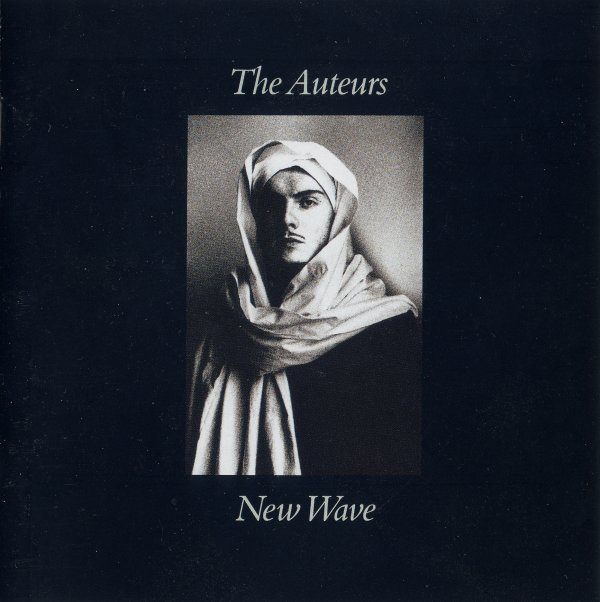
New Wave

The Auteurs demo tape and gig led to the band gaining a recording contract with Hut. Their first single “Show Girl” was praised by the British music magazine Melody Maker and the album “New Wave” (1993) was nominated for a Mercury Music Prize.

With their 1993 debut album, “New Wave”, the Auteurs established themselves as one of England’s best guitar bands of the early ’90s. Driven by the bittersweet, ironic song writing of Luke Haines, the band’s carefully crafted, three-minute pop songs are in the vein of the Kinks, the Smiths, and the Beatles, Yet the Auteurs never sound like imitators — they combine their influences into a signature sound, distinguished by Haines’ sharp lyrics and sighing melodies. [3 Loop’s 2014 reissue features remastered sound and 22 additional tracks, including B-sides, acoustic versions, demos, and a BBC session. Haines provides liner notes.]

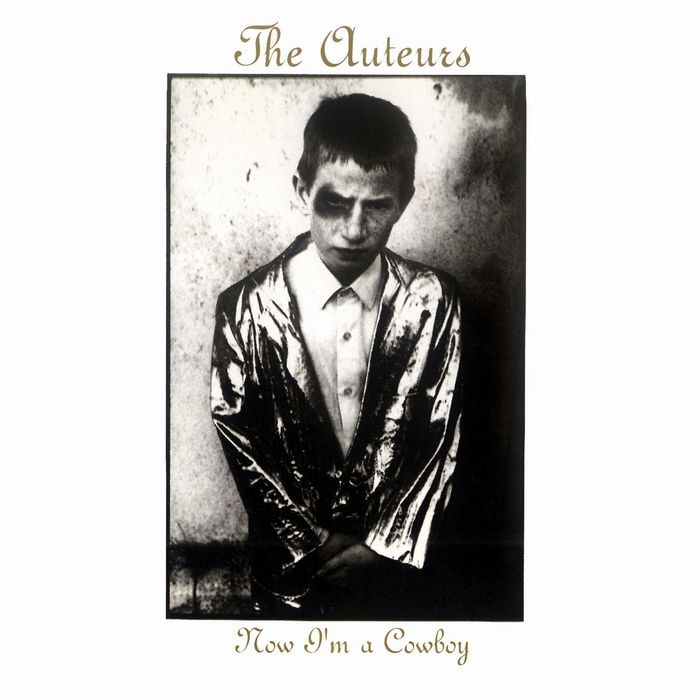
Now I’m a Cowboy

Their next album “Now I’m a Cowboy” (1994), built on the themes of “New Wave” and contained Haines’ best known song, “Lenny Valentino”, “Brainchild” may have informed the title of the Auteurs‘ sophomore album, “Now I’m a Cowboy“, but it was the sneering, in-with-the-hip-crowd antics of the opening “Lenny Valentino” which flew in the face of the light retro-pop the band wielded just a year earlier. Rougher, sexier, more slipshod than before, this song had a lot to say, and the band was right behind it. But that’s not to imply that the band didn’t carry itself with equal aplomb across the rest of the set. The Auteurs blazed through a mixed mutant bag of smoothies and deadlies, where every title read like a trip around the world.

Meanwhile, pre-empting all that Pulp would later perfect, Luke Haines‘ feral lyricism touched on the struggle of upper and lower classes and the horror that falls when they collide. “New French Girlfriend” hashed Haines‘ vocals to bits with a yummy guitar, while “Chinese Bakery” is an off-kilter rock rampage across streets that slice uptown and downtown, leaving “The Upper Classes” to fill the breach.

Elsewhere, both “Life Classes/Life Model” and the sordid claustrophobia of “Underground Movies” emerge as biting commentary. “Now I’m a Cowboy” served the Auteurs well, becoming an edgily delicious bridge between their immediate past and their enduring future. Dig a little deeper and add a pinch of hindsight, however, and it’s also easy to discern the treasure trove of embryonic nuggets that would later surface in Haines’ Baader Meinhof and Black Box Recorder solo projects.

this was their breakthrough album “Now I’m a Cowboy”. As Haines has pointed out, this happened only because Radio One acquired a new controller who culled the old DJs and put indie music-loving former NME journalists in their place, but for a brief moment lunatics such as Haines and, to a greater extent, Jarvis Cocker and Noel Gallagher really did take over the asylum.

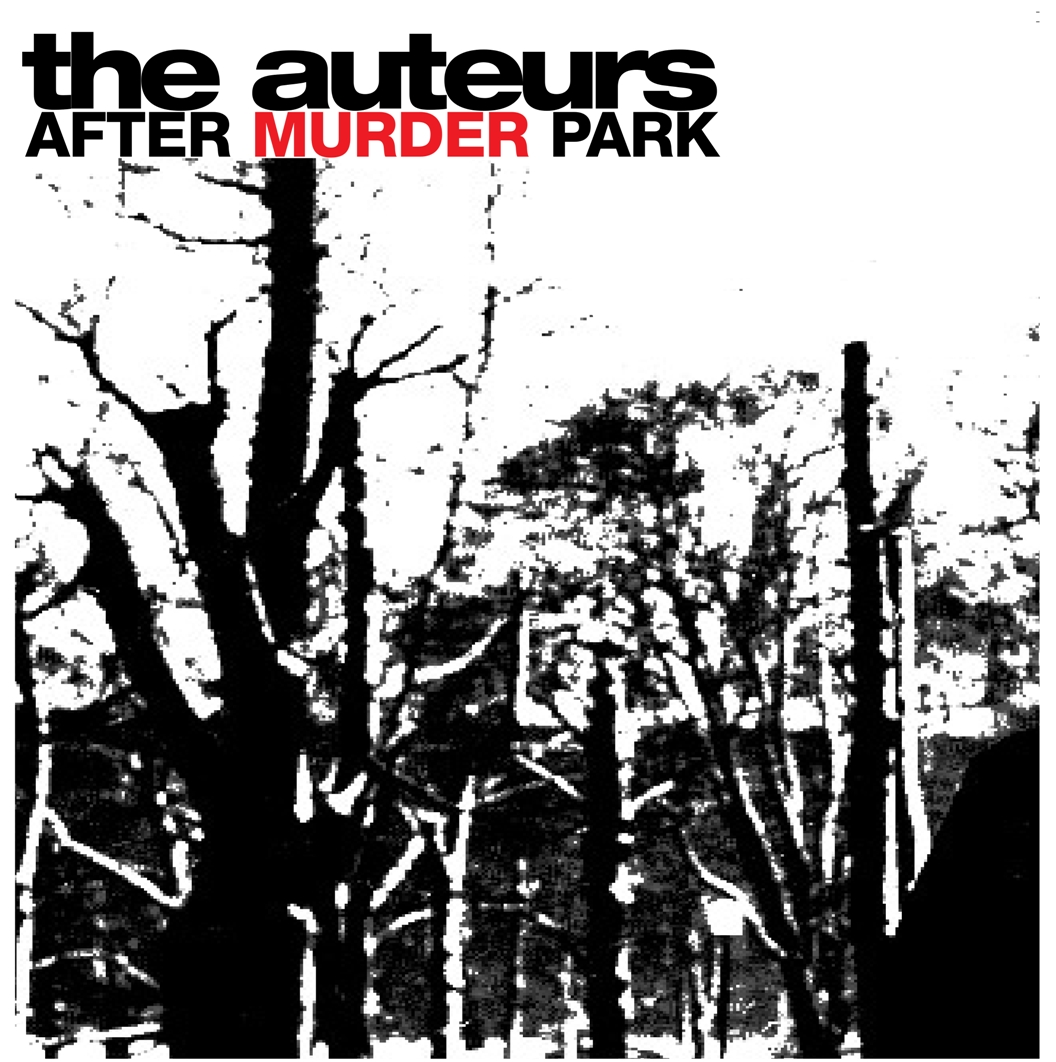
After Murder Park

The pairing of two curmudgeons like Luke Haines and Steve Albini in a studio seems like a marriage made in heaven to some, and the very thought triggers an instant headache to others. The Auteurs are unlike the typical downtrodden U.S. indie bands Albini usually works with, but they nonetheless walked out of Abbey Road Studios following a year during which Haines had spent most of his time in a wheelchair after jumping off a wall. With their nastiest-sounding record. That’s probably what Haines wanted, and that’s what he got. Grittier guitars and sharper drums don’t get in the way of the more intricate arrangements that involve strings and a dash of horn every now and then.

First single “Light Aircraft on Fire” is probably the most feisty Haines song yet, kicking down the doors with the opening line, “When you cut your lover’s slack, you’ll get a f*cking monster back.” Haines’ guitar lines sparkle during the chorus but dig like claws during the verses. Ace utility man James Banbury, in his usual Auteurs role as secret weapon, contributes threatening organ swells during the seething “New Brat in Town.” “After Murder Park” serves the usual combo platter of growlers and barbed lullabies, but Haines definitely sounds more embittered than usual, quite possibly the result of watching too many of Albini’s wildlife videos.

He paints plenty of “sucks to be you” scenarios with sneering flair, exposing the corrupted side of humanity just as well as his engineer when he’s on the other side of the glass. Not many fates could be worse than having Haines write a song with you as the subject, but listening to him air his insightful dirty laundry is an entirely unique experience. Pretentious and snotty as Haines might be, he’s one of the sharpest tools in the shed.

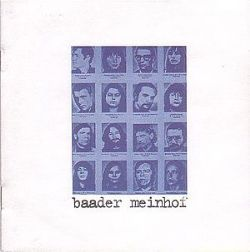
Haines made the Baader Meinhof album as a solo artist under the name Baader Meinhof, using some musicians from the Auteurs. The Auteurs supported Baader Meinhof at a London show in Camden’s Dingwalls for a one off show. 

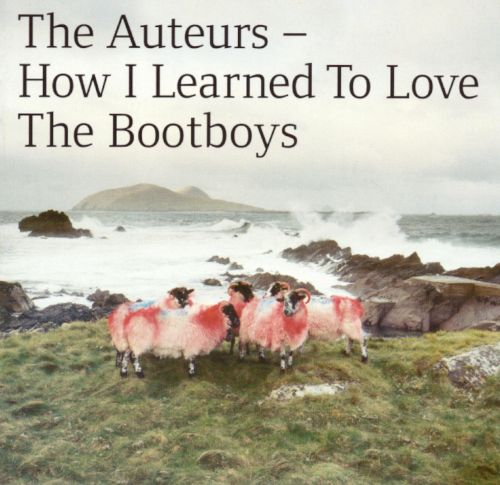
How I Learned to Love the Bootboys

The most refined of England’s bands manages to refine itself even further on their fourth disc. “How I Learned to Love the Bootboys” is Luke Haines‘ most immediate sounding release to date, and even though his claim that each of the record’s 12 tracks are singles sounds a bit highfalutin, he’s not far off. While each of the Auteurs’ three prior LPs are equally arresting, there are points at which the mind tends to wander, but not here. Haines’ familiar themes of Englishness, youth, and hooliganism remain, playing like another short movie. The cohesiveness of the record is no small feat, given the wide-ranging sounds and moods.

Opening bedroom tale “The Rubettes” features a delicate, Brill Building lullaby chorus while a repetitive staccato riff offplays the fragility. The title track’s quiet chaos has Haines‘ whispered vocals buttressed by sirens, percolating electro bleeps, and a graceful dub bassline. “Your Gang Our Gang” relocates the fight scenes of Grease and West Side Story to the streets of London with equal doses of menace and tongue-in-cheek. Tough and joyful at the same time. Alice Readman left the band around the time of the last album, and was replaced by various musicians for live/touring purposes.

Luke Haines and Pete Hofmann attain the band’s best production yet. Haines’ guitar has never sounded so fittingly sharp while avoiding abrasiveness. Even guitar guru Steve Albini couldn’t coax such an ideal sound from his guitar. Haines’ supporting cast punches in with some excellent work, providing all the necessary support for an excellent record. Surely the few who have stuck around since “New Wave” are being spoiled rotten by the Auteurs’ remarkable consistency.

Das Capital 

2003 saw him release “Das Capital”, a collection of re-recorded Auteurs era songs, with a couple of new tracks, apparently intended as closure for that band.”Hostalgia” is a term Luke Haines uses in the liner notes to “Das Capital”. He’s hostile towards nostalgia, and yet he didn’t let that get in the way of making new versions of old songs that were written throughout a bygone decade. Haines felt the songs were “slipping out of view,” so he went about re-recording them with full orchestra backing. The result is much more preferable to the cheap-fast “best of” routine that would’ve occurred, had the case been left up to someone else. As far as what songs were picked, it’s not quite the best representation imaginable; neither “Bailed Out” nor “Light Aircraft of Fire” receive new looks, for instance. Shortly into the disc, it becomes apparent that it’s intended to be taken as a record in its own right, not as a case of freshly polished trophies.

The ornate, expansive arrangements that unfold and sway throughout make it all ideal for a large concert hall. Given the characters and happenings present in Haines‘ songs — from showbiz kids to showgirl brides, from child murders to buildings set aflame — it’s only a matter of time before some troupe stitches together pieces of his back catalogue for their own Mamma Mia. Three new songs fit into the scheme, all of which show that the prospect of a fifth proper Auteurs record is a necessary thing. “Satan Wants Me” is prime Haines, with slaying lyrics, ensnaring hooks, stop-start dynamics, and dizzying swirls of strings. On the “New Wave” standard “Starstruck,” Haines is even more vulnerable than he was on the original, pushed further in that direction by the epic garden music that supports him. Whether considering his own work or the material he’s dealt with songwriting partner John Moore in Black Box Recorder, Haines has proved himself to be one of England’s greatest, sharpest, most sinister pop songwriters.

The unfortunate thing is that, instead of introducing his work to a new crop of people, “Das Capital” is more likely to function as a gift for the select few who have been following his work since “New Wave“. The select few will also enjoy reading Haines’ liner notes and reviews of his own records, provided here, complete with star ratings.

Baader Meinhof

Essentially a Luke Haines solo album, Baader Meinhof was originally released in September1996. Taking its name from two renowned members of The Red Army Faction, the album tells the story of the organisation and was recorded by Haines between Auteurs albums.

Long unavailable, the album has been remastered and expanded with five bonus tracks, including four previously unreleased tracks taken from a remix EP that was never commercially released.

The album will come with brand new sleeve-notes by Luke Haines.

Haines released a book entitled Bad Vibes, which serves dually as an autobiographical account of his years with the Auteurs, and as a record of the Britpop movement of the 1990s this association was not liked by Haines, who frequently made derogatory remarks about his peers. Throughout the book, he never refers to James Banbury by name, simply referring to him simply as “the Cellist”, although he is named in full in the acknowledgements.

In 2014, British independent label 3 Loop Music re-released all of the Auteurs’ albums (along with Haines’ “Baader Meinhoff” album) as expanded editions which featured b-sides, demos, radio session tracks, live recordings and remixes. “New Wave” and “Baader Meinhoff” were also re-released by the label on heavyweight 180gsm vinyl.

Studio albums:

  • New Wave (1993)
  • Now I’m a Cowboy (1994)
  • After Murder Park (1996)
  • How I Learned to Love the Bootboys (1999)

EPs

  • Live Acoustic EP (1993)
  • The Auteurs Vs. µ-Ziq (remixes), (1994)
  • Back with the Killer (1995)
  • Kids Issue (1996)

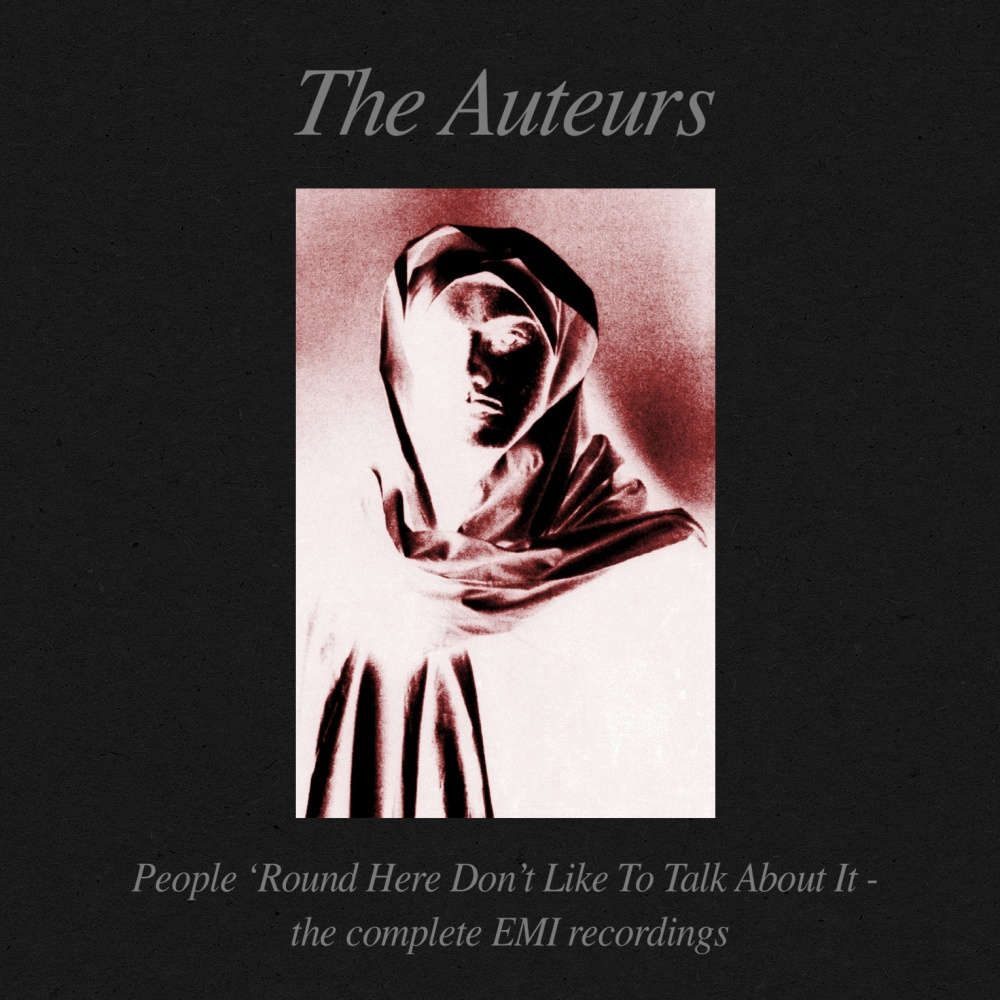
A new 6CD box set called “People ‘Round Here Don’t Like To Talk About It” (the opening line from the song ‘Unsolved Child Murder’) is a celebration of one of the finest bands to emerge and evaporate in the hedonistic 1990s. The set brings together ‘The Complete EMI Recordings’ of 1990s British band The Auteurs.

The band’s frontman was Luke Haines who is still a prolific songwriter with many albums (his latest with R.E.M.’s Peter Buck is out now). He’s also an author, artist and music journalist (regularly contributing to Record Collector magazine).

The Auteurs were the brilliant British indie band fronted by the sharp-tongued songwriter Luke Haines who was also involved i other projects The Servants, Blackbox Recorder, Baader Meinhof.

The Auteurs released four ‘proper’ studio albums: “New Wave” (1993) hailed as a “canny time capsule, bundled up with all the retro glam of the era” , “Now I’m A Cowboy” (1994), “After Murder Park” (1996) and “How I Learned to Love The Bootboys” (1999) and‘Das Capital’ (2003).– all excellent – with each charting slightly lower than its predecessor in the UK, as Haines reacted to the commercial opportunities presented by Britpop, by digging his heels in and writing songs about child murder and German terrorist groups. The latter is a reference not to an Auteurs album, but rather the ‘side project’ that was Baader Meinhof. This “sonic experiment” was released in 1996, just six months after “After Murder Park” and is arguably one of the strongest and most interesting albums Haines was ever involved in, with its conceptual clarity, Tablas, Clavinets, Moog, bass synths and surprising levels of funk.

Out of the five albums, the sixth included here is “Das Capital“, which like Baader Meinhof “wasn’t really an Auteurs album” but included orchestral re-recordings of much of the band’s older material (plus three new songs). Issued in 2003, this was the last Haines album on the major-pretending-to-be-indie label Hut (actually EMI).

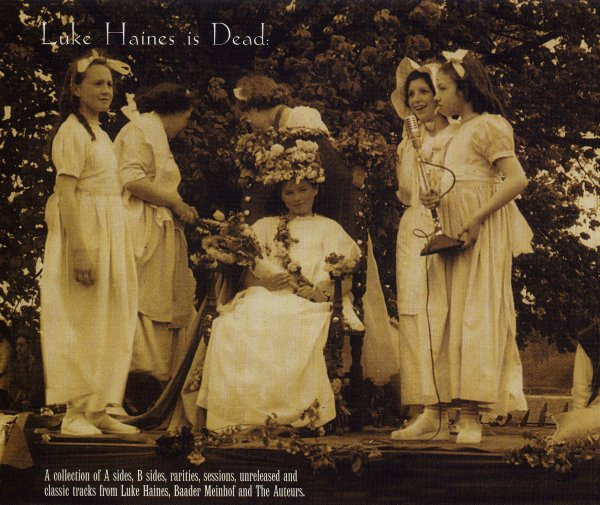
Hut actually released their own excellent 3CD summation of this era called “Luke Haines Is Dead” in 2005, so nearly 18 years later, how does this new 6CD box set compare?

Well, the new set is certainly generous with 56 bonus tracks including acoustic versions, bonus tracks from singles, remixes, demos, alternates and more. The obvious difference is that “People ‘Round Here Don’t Like To Talk About It” includes the full albums and rarities whereas “Luke Haines Is Dead” was a rarities-only affair.

Putting to one side that “Luke Haines Is Dead” spilled into the early part of Haines’ solo career, the most significant omission is the Auteurs BBC sessions from the era. Some of these were included on “Luke Haines Is Dead” and all of them were on the various 3 Loop Music 2CD deluxe editions from seven or eight years ago. But we get nothing here, which means no ‘Kids Issue’ EP, for example. Haines explains in the booklet that comes with this set that “The Auteurs were never gonna give the Grateful Dead a run” and he wanted to keep the new package to a “manageable” six discs. The Auteurs Versus Muziq remix album is also not included because Luke, probably wisely, decided it doesn’t “fit in” with the rest of the material.

Despite being subtitled “The Complete EMI Recordings” there’s still the odd thing missing. “Luke Haines Is Dead” includes an early unreleased single version of ‘Bailed Out’ that for some reason never ended up on the New Wave 2CD deluxe sets and isn’t repeated here and therefore appears to be unique to the 3CD set from 2005. There are a few bonus tracks on “People ‘Round Here Don’t Like To Talk About It” that are not on “Luke Haines Is Dead” but as far we can tell, these can all be found on the individual deluxe editions (including six very early 4-track recordings lifted from the New Wave 2CD deluxe and appended to Das Capital in the new 6CD box set).

With all the Auteurs/Baader Meinhof 2CD deluxe editions and “Luke Haines Is Dead” set, long out-of-print this is nit-picking and largely moot. The new box set should be welcomed by those who missed those previous releases or have ‘got into’ Haines past output in more recent years.

  • A righteous 6CD Clamshell Box Set collecting the complete EMI Recordings of The Auteurs across 125 tracks.
  • Featuring all four albums by The Auteurs, along with Luke’s side project (the self-titled) Baader Meinhof album, ‘Das Capital’ and a stack of fantastic B-Sides, bonus tracks, demos, and other delights.

“People ‘Round Here Don’t Like To Talk About It: The Complete EMI Recordings” will be released on 10 February 2023, via Cherry Red.

Luke Haines is alive and well, possibly living in Buenos Aires, but definitely still making excellent solo and collaborative records. He will be touring this box set throughout February 2023

MARGARET GLASPY – ” Love is Real “

Posted: December 31, 2022 in MUSIC

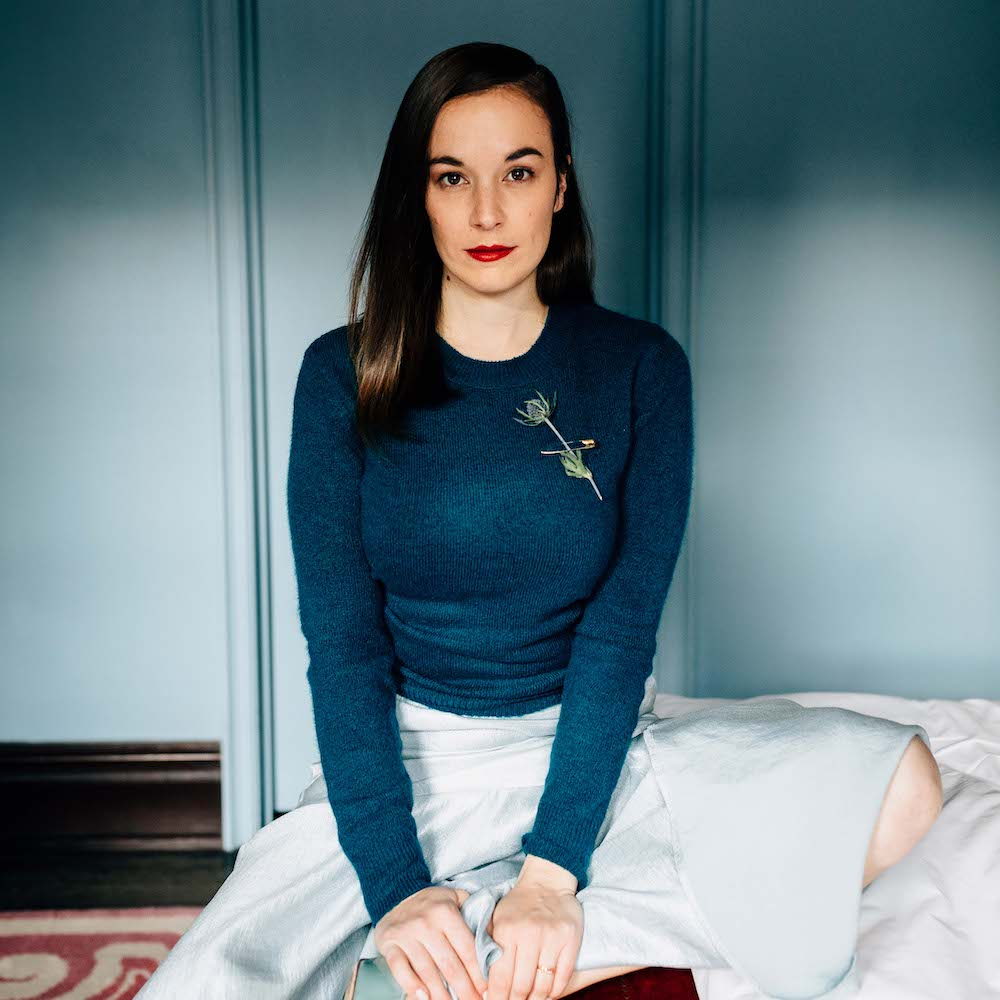
Margaret Glaspy‘s ‘Love Is Real’ is a song that captures you and won’t let go; an ode to love.  Haunting and quivering, Glaspy’s vocal is a thing of majesty flecked with soul and draped in finger-picked acoustic guitars and sighing strings, it’s that rarity a voice that’s lived it, rendered with poignant lines like “it’s hard to win when you feel you’ve got a losing hand“. Glaspy sings a wistful and yet somehow powerful testament to wanting to exist in the world despite the struggle, when she sings “love is real/hope is strong/life is hard/ but you belong” her sentiment becomes universal. It’s an absolutely sublime heart-swelling moment of life-affirming reflection.

“Love Is Real” is the A-side to a single Glaspy released in March, right before she hits the road opening for Spoon. Here’s what he had to say about it: For the last three years, I’ve been humming this song. What you hear now is a voice memo of myself and Julian Lage playing it in our Brooklyn laundry room put to a string arrangement recorded at Sonic Ranch Studios in Texas.

This song has taken on many different meanings and in my mind it has been directed toward different people. In the end, I think I needed to hear this song the most to remember that love is real and that I belong. For all of the heartache that life brings, there is infinite love. Now, maybe it can be a reminder for someone else.

“Love Is Real” is from Margaret Glaspy’s ‘Love Is Real b/w Heart Shape’ double-single.

Greta Isaac has shared her new single “How Are You Not Freaking Out?’ The songwriter’s gifts seem to find fresh ways to reconfigure familiar tropes in a deeply surprising way, locating new paths of communication.

“How Are You Not Freaking Out?’ is about reaching a fork in the road, and being forced to make certain decisions in your life.

Sharply poetic in its execution, the single is about unleashing frustration, and forcing yourself to stop pleasing other people, and re-frame your life around your own needs.

Written with her friend Orla Gartland,“How Are You Not Freaking Out?’ starts in a tender, almost uncertain way, before growing to become a wild soundscape.

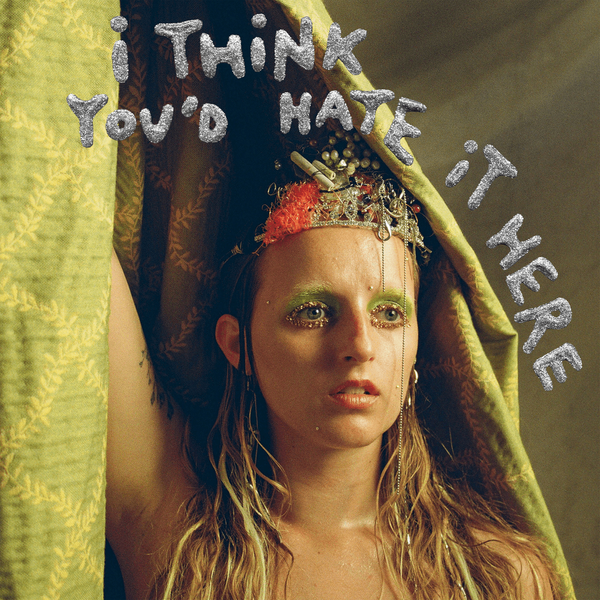
Greta Isaac had a mighty fine year, the Welsh pop star showed a multi-faceted artistry with her excellent EP ‘I Think You’d Hate It here’ this year. The sublime stripped-down ‘How are you not freaking out?’ echoes the feelings of many of us during lockdown, as she attempts to hold on to some semblance of grounding in the midst of the chaos of modern living, muted intimacy giving way to a tidal wave as the fucked-up complexity of the modern life, it was written with her friend Orla Garland.

This song has always felt like a dark, wet, cold suburban neighbourhood. I guess what that brings up for me is the suppression of emotion in a bid to keep up with appearances or to avoid becoming difficult. And even when you’re brave enough to speak up and be truthful about your emotions, and you’re met with resistance or rejection, you can feel lonely, and it can be difficult to trust yourself ever again. To me, this is a song about honesty, anger and resistance.

I wrote ‘NUH UH’ around the same time as ‘Polyfilla’ and ‘5’1′, although the tone and essence of this song could not be more different. ‘NUH UH’ is manic, delusional, desperate and supercharged to the point where I don’t really feel like it’s me who’s singing it when I listen to it. Sonically it feels like the moment you have a ‘spark’ with someone – a spike in energy, your eyes blacken, your skin gets hot and sweaty. I see it in myself and people around me; it looks like we’re all turning into vampires, desperate for human connection and the feeling of being wanted by another person. It’s fascinating.
The artwork, for me, sort of mirrors the transformation that happens when that spark is ignited. Me and Suzie Walsh, my creative director, wanted to create an image that felt like a primal alluring shiny object, to entice someone or something. I’m wearing a dress made entirely of emergency foil blankets by designer Gloria Jane Royer. It reminded me of how a magpie forages for shiny objects that could feel quite mundane to us, but are captivating through the eyes of someone seeking it.

I wrote ‘PAYRI$E’ with Martin Luke Brown and Nova Blue in London last year. I wanted to write something that felt unapologetically brash and loud and demanding. I think for a lot of my life, I’ve made myself smaller in order to accommodate other people. Even when I’ve intentionally made myself bigger, funnier, prettier, it’s been to entertain or perform or to try and facilitate the perfect conditions for how I’m experienced by other people.
I tend to take on a bit of a character when I write, but I wanted to use the process of writing ‘PAYRI$E’ as a way to take up some space for myself and demand more from my life and from my relationships. The outcome is a bit of a mess, to be honest, but the character of ‘PAYRI$E’ just doesn’t have the resources to explicitly ask for what she needs in her relationship.. so I guess she’ll just take cash credit or cheque for now while she figures it out!

This song was pretty cathartic for me to write. I was going through a time in my life when I found myself surrounded by friends, family members, and fleeting encounters that all seemed to be working through difficulties within themselves that stemmed from hereditary trauma and pain.
I think there’s a point in everyone’s lives where you realise that growing up doesn’t just mean leaving home, making advances in your career or gaining independence or even starting a family of your own. A huge part of growing up is healing the child inside of us and accepting that we’re not superhuman. We’re not indestructible. We need care and boundaries. This song is for those who might be struggling with those feelings right now and how even in an adult state, there might be a vulnerable child within us that needs looking after.

“5’1” is the stubborn, angry child in me that doesn’t want to compromise or empathise when she’s met with conflict. The song was a product of losing interest or drive to make a relationship work and how I tend to withdraw and go inward when a situation gets a little too big and overwhelming to manage.

Greta Isaac‘s second EP ‘I Think You’d Hate It Here’ is full of solid gold. Following up on last year’s debut collection ‘Pessimist’, it’s been gathering plaudits from all the right places already. Finally out today, she’s a talent on the verge of something special.

Brooklyn based artist Charlotte Rose Benjamin recently released the single “Slot Machine” ahead of her album “Dreamtina”.

Charlotte Rose Benjamin‘s uplifting new single ‘Slot Machine‘ from her forthcoming debut album, “Dreamtina“, which is set for release on April 22nd. It’s a refreshing and catchy tune ‘Slot Machine’ sews country flecked guitar licks and bouncy percussion with Benjamin’s stream of conscious, her lighthearted and life affirming lyrics laced with a wistful and bittersweet tone pirouettes through the “inbetween” feeling of being between generations. As Benjamin sings, “If I let you play me like a slot machine / maybe I’ll win sometimes.”

“Slot Machine” pairs jaunty guitar hooks with Benjamin’s stream of conscious, lighthearted lyrics about unrequited love and the “in-between” feeling of being a millennial/genZ cusp. Benjamin describes “Slot Machine” as a “Sunday-morning-strolling-through-a-New-England-Beach-town kind of song,” relating it to her hometown of Martha’s Vineyard in Massachusetts.

The video was shot by Benjamin and frequent collaborator, Hlif Olafsdottir, documenting a leisurely day on a Williamsburg Ferry, a Chinatown arcade,  a Dime’s Square dive bar and their favorite downtown karaoke spot.

“I think there’s a waspy country club vibe that comes to mind when people hear that I’m from Martha’s Vineyard. That definitely exists, but most people who are privileged enough don’t choose to live there in the off season. I always identified more with the towny girls from the movie Mystic Pizza. I had a wonderful childhood, but living on an island can be incredibly isolating. My music has changed so much since I left, but I think I’ll always have a little bit of a twang in my writing because of where I grew up.”

Self produced alongside her bandmates, Nardo Ochoa, Matti Dunietz and Zoe Zeeman, Charlotte Rose Benjamin’s debut album finds her analyzing her identity in correlation to romantic relationships and in comparison to “Dreamtina”, a fictitious namesake for the effortlessly-perfect girl you see and aspire to be. With the news of the album, premiering the pyromaniac-puppet-show video for her song “Satisfied”, calling the song “an irresistible power pop hook, paired with instantly quotable lyrics.”

Previously released songs, “Cumbie’s Parking Lot” and “Heat Stroke Summer”, were released as an a-side/b-side single last Summer, receiving praise calling out Benjamin’s “acerbic wit and penchant for crafting fun and memorable indie rock tunes.” 

‘Human Reciprocator’ is a politically-charged collaboration between Band Spectra (aka disabled musician Robert Manning) and critically-acclaimed Welsh multi-instrumentalist and producer The Anchoress.

Visceral, vicious and sardonic ‘Human Reciprocator’ is a new collaboration between Band Spectra (aka disabled musician Robert Manning) and The Anchoress (aka Catherine Anne Davies). Davies’s voice reflecting the overwhelming tumult of the “toxic news cycle” with a government who sickeningly lie and party while inequality yawns and the use of food banks grow. Skittering into life on a bed of filthy mechanical beats and scurrying analogue synths, it’s inspired by David Bowie‘s Low album and is possessed of the urgency of Cabaret Voltaire. Fantastic stuff !

Catherine says: “Human Reciprocator” was heavily inspired by an overdose on the toxic news cycle, ruminating on privilege and abuse of power in politics, deception, hypocrisy and the slow slide into a Britain steeped in poverty and a cost of living crisis while a political elite bluster and lie their way through a decade in power. Growing up with periods of my childhood relying on free school meals I am increasingly horrified at the proliferation of reliance on food banks while those in power become ever more detached from the realities of the working classes. “Human Reciprocator” is a reflection on the current state of affairs.“

Written by Robert Manning // Catherine Anne Davies
Performed by:
Robert Manning// Synethesizers, drum machine
Catherine Anne Davies// Vocals
Leo Abrahams// Guitar
Gary Alesbrook// Trumpet

released June 30, 2022

POSTER PAINTS – ” Falling Hard “

Posted: December 31, 2022 in MUSIC

Scottish duo Poster Paints includes Frightened Rabbit guitarist Simon Liddell and singer-songwriter (and current Vaselines keyboardist) Carla J Easton they have just announced their debut album and this is the shimmering first single.

This year Poster Paints released a string of wonderful singles including gorgeous lead single ‘Falling Hard’. Marrying spiralling guitars of Simon Liddell with the husky, swooning vocal melodies of Carla J Easton, relentless and irresistible ‘Falling Hard’ chased dreams all summer, in a soaring, lovelorn pop song.

It also contained the slowly unfolding majesty of ‘Never Saw It Coming‘ and the wistfully enveloping ‘Circus Moving On’ , each song taking us on a journey through bittersweet sorrow of parting and loss, juxtaposed with the joy of love. Culminating in the release of their wonderful self- debut album, wrapped with these themes and burnished by the sound of collaboration and Liddel’s distinctive guitars, it reflects a kind of sadness and darkness tinged with a hopeful flickering light that things will work out.

Poster Paints are Simon Liddell and Carla J Easton who have changed their way of working and embraced the “new normal” to make art. Their debut single ‘Number 1’ is an instant anthem. Teenage love, feeling invincible and long hot summers.

It’s the sound of two people exploring. Glasgow indie pop, dream pop and shoegaze – the bands they grew up listening to, and are passionate about.

Written by Simon Liddell / Carla J Easton, Released by Ernest Jenning Records / Olive Grove Records. Published by Domino Publishing Co.

ANDREW EATON LEWIS – ” Tourism “

Posted: December 31, 2022 in MUSIC

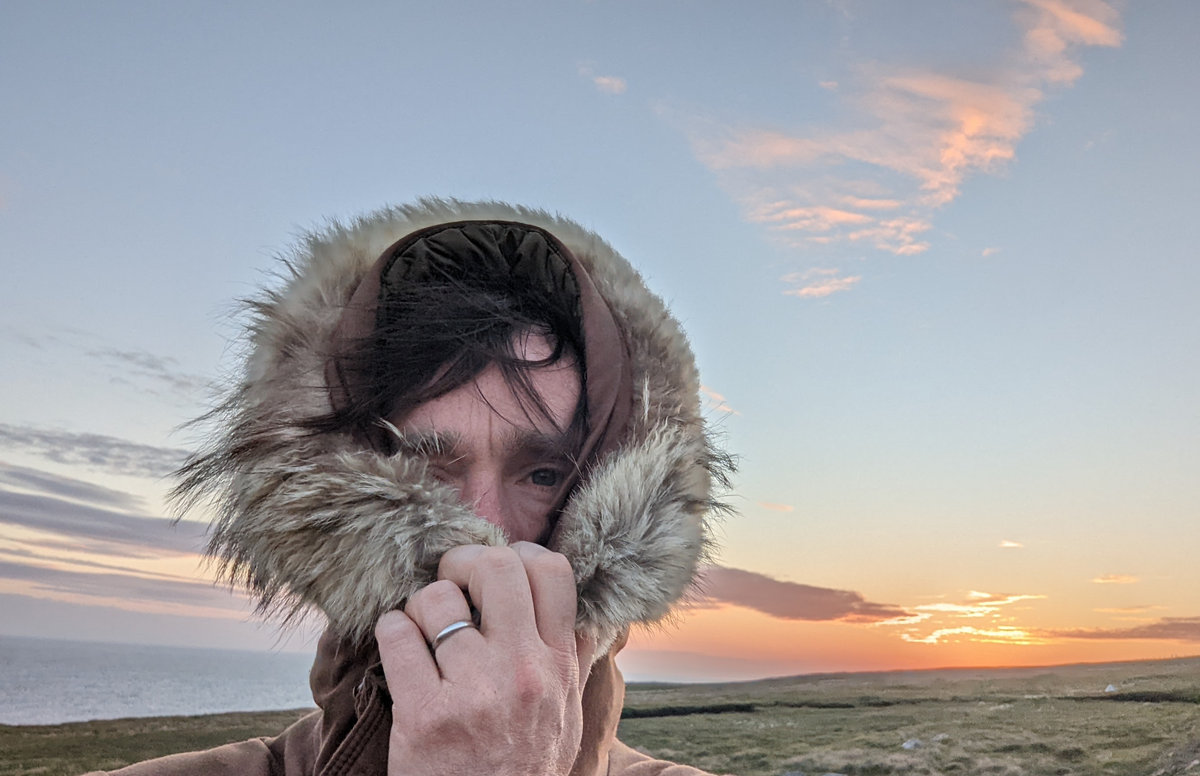
Andrew Eaton Lewis, is a song writer known for his work in Seafieldroad and as a member of the band Swimmer One, who released a run of impressively sophisticated synth pop records. Last year he covered ‘Find the River’ in a stately fashion for the R.E.M. compilation. His new album “Tourism”, his first for Wee Studio Records, is a set of impressively evocative piano-led interconnected songs inspired by his move from Edinburgh to the Outer Hebrides.

“Tourism” is a collection of songs inspired by that life change – songs about crofts and sheep and dark skies and wild weather, about feeling like a tourist in someone else’s culture, about the ‘mainland’ becoming somewhere on the edge of your experience, about my past and my children’s future, and ultimately about whether we are all just tourists on Earth, on a brief visit from somewhere more permanent that we return to afterwards.

That sense of being out of place bleeds through each rich song suite, Eaton-Lewis’s voice possessing a wistfulness that sails from weathered to falsetto peaks. “The winters can feel endless/but there’s beauty in the darkness” he sings on the bittersweet opener and title track. While the song cycle of ‘A Guide to the Western World‘ and the superlative building ‘Vahalla‘ is riven with a yearning and melancholia that’s reminiscent of some of Nick Cave‘s early solo work. The sense of clarity here, of experiences lived and learnt, and the acknowledgement of the fragility of life makes, this is a record you should invest time in.

Vocals, piano, organ, synths, stamping, clapping: Andrew Eaton Lewis
Guitars: Scott C Park
Live drums: Keith Morrison, Scott C Park
Produced by Keith Morrison at Wee Studio.
Cover image by Andy Yearley.
Cover design by Andrew Eaton Lewis and Scott C Park

New music from ex Swimmer One / Seafieldroad singer-songwriter, now living in Outer Hebrides and signed to Wee Studio Records.

‘Adult pop with heart and brains.’ The Guardian.

released March 18th, 2022

Johanna Warren – Lessons for Mutants

Posted: December 31, 2022 in MUSIC

Working with Iron and Wine and penning six solo albums in recent years, prolific artist Johanna Warren recently told Uncut Magazine as the pandemic hit she was faced with the choice, “up sticks from New York to Wales, to a place she had never been, to be with a person with whom she had spent all of two weeks. ‘Or move back in with my parents, and cry every day’.” Johanna Warren chose the former, packed up her bags and moved her life to a small mid-Wales town living in a homestead surrounded by sheep, foraging for herbs, and home-brewing, she divorced herself from the bustle, of the release and tour treadmill of the past three years.

Among the album’s of the year “Lessons for Mutants” is consumed with this change and metamorphosis, but also the imperfections of being human. It was recorded live to two inch tape capturing the performance of each song, taking you on a lyrical journey and shapeshifting through sounds from the scorched grunge of  ‘Piscean Lover’ that’s about holding onto the life raft as everything crumbles around you ” “It’s alright, we’re not ok/ We burn out not to fade away.” she sings, to the raw delicacy of the piano flecked ‘tooth for a tooth’, its touching atmosphere woven with brutal bars which could have been played in a smoke filled 1940’s club and bears more than a passing resemblance to Cat Power.

“Thirst for power, hunger for fame/ Always was a junkie for pain,” sings Johanna Warren on the psych folk strum of ‘I’d Be Orange’. This exploration of masochistic ambition and artistic martyrdom shifts effortlessly from shuffling into an epic chorus line, that captures all the contradictions of the male ego and turns it into a universal moment of self-discovery: hoisted shoulder high on a wave of 60’s harmonies, textures and Warren’s elastic vocal, sitting somewhere between Sharon Van Etten anthem and a love-inspired groove. It’s a superlative piece of songcraft.

“I think it’s a mistake to equate ‘perfection’ with flawlessness. To be human is to be perfectly flawed,” Johanna Warren observes while describing the joys of analogue recording. Her new LP “Lessons for Mutants” was tracked live with a band to two inch tape—a revelatory new way of working for Warren. “Tape forces you to commit to a performance, eccentricities and all. The little glitches and anomalies that we’re tempted to ‘correct’ are often what make a thing magical.”

Warren posses a voice of rich experience and clarity and song writing of depth on ‘Oaths’, she delivers an incredible, spine-tingling vocal performance as she cries to the heavens asking for the weight of sins to be lifted off our backs. As this outstanding torch ballad holds you transfixed in its revelry, pianos steeple and forge like the terrain of her home. It’s a stunning song.

Then there’s the spindling arpeggios and percussive shuffles of breakup ballad ‘Hi-Res‘ that scythes somewhere between the pointed lyricism of Big Thief and the bitter kiss-offs of Bob Dylan. “There’s this unspoken rule in modern music—modern life, really—that everything needs to be Auto-Tuned and ‘on the grid,’” Warren concludes. “This record is an act of resistance against that. There’s beauty and power in our aberrations, if we can embrace them.” 

Haunting closer ‘Involvus‘ is riven with the tenuousness of human frailty and failure, the piano bars housing Warren’s meditative clarity as she muses on  the ill-fated love story of Orpheus and Eurydice, fleeting, tragic and captivating, its a wonderful wave goodbye.

released October 7th, 2022

Music and lyrics by Johanna Warren

Johanna Warren – Guitars, vocals, piano, flute, organ, glockenspiel
Raven Bush – Violin
Mike Collins – Ooh la la las on Track 1
Chris St. Hilaire – Drums and bass on Tracks 6, 8, 9
Chris Jones – Drums, percussion, ooh la la las
Tom Sansbury – Bass, synth, ooh la la las