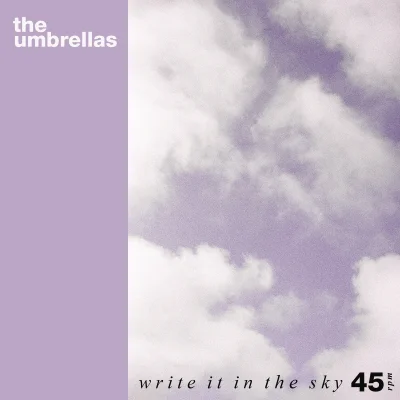
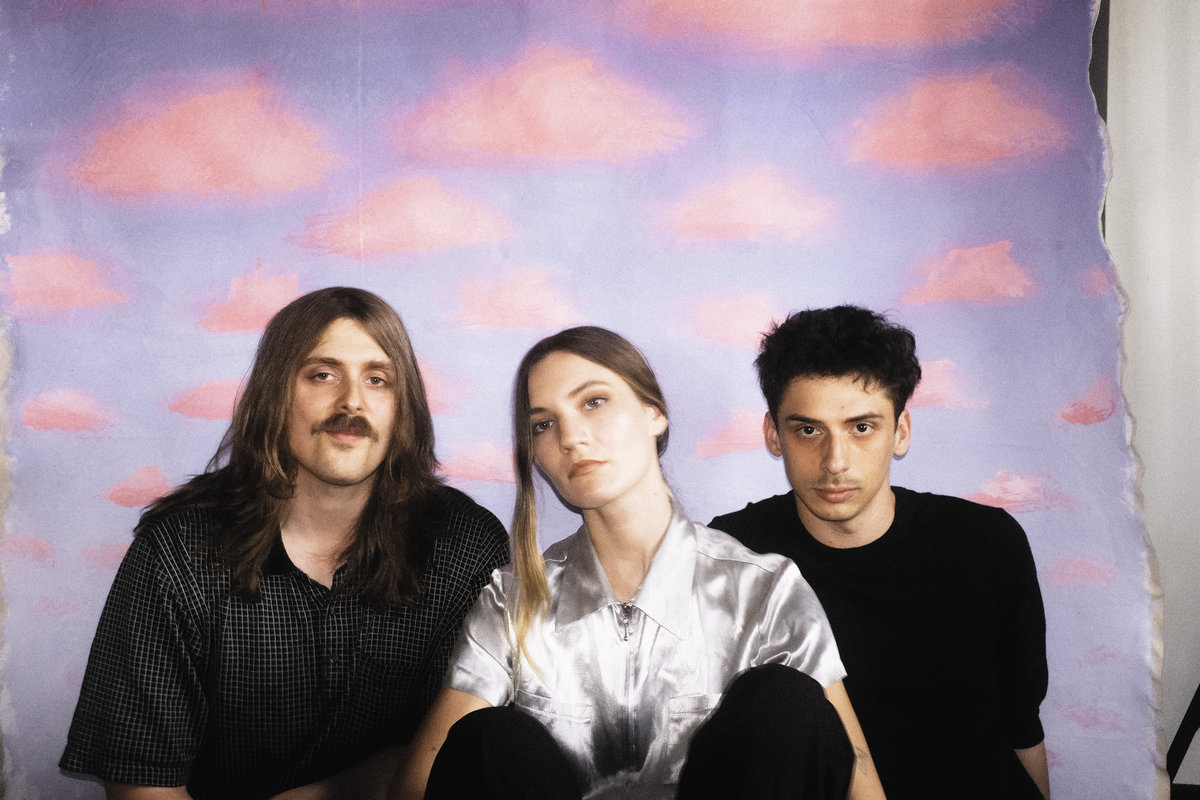
The Umbrellas – Write It In the Sky, This young band The Umbrellas have really outdone themselves this time. After one single and an album, their new single “Write It In the Sky” reaches heights beyond anything they’ve done previously. It sounds like Sunny Sundae Smile era MBV, a dash of the noisier side of Sarah Records and some long lost paisley underground group. The guitars are buzzing, the vocals are breathless and the backing vocals are from the heavens. Singles like this will restore your faith in humanity. It did mine.
Bursting out of the San Francsico Bay Area’s fertile indie scene, The Umbrellas come correct with a sound that fits snugly into a long line of classic pop, from Orange Juice and The Pastels to Comet Gain, Veronica Falls and Belle & Sebastian.
Following up their *super* well-received 2021 debut album The Umbrellas are back with “Write It In The Sky,” an instant-classic that simply demanded to be pressed onto a 7″ single. Clocking in at just under 3 minutes, “Write It In The Sky” is a thrilling pop rush full of fuzz, melody and excitement that will sit easily next to singles by the likes of Talulah Gosh, Shop Assistants, The Field Mice and The Pains of Being Pure At Heart. It’s really that good – a sure thing to enter the canon of perennial indiepop floor-fillers.
Taken from the forthcoming 7″ single, out June 24th, 2022 on Slumberland Records/Meritorio Records/Fastcut Records/Tear JerkRecords.
Light and dark are balanced perfectly on this Louisville trio’s excellent second album. Louisville, KY trio Wombo have created their own appealing, unique blend of post-punk on their perfectly titled second album, “Fairy Rust”, that is dark and light, dissonant and beautiful, complex and immediate all at the same time. These are songs that would bewitch even as an instrumental album; slithering basslines, spiderweb guitar work full of spooky harmonics and jazzy muscular drumming recall a wide swatch of 1981, from The Cure and Siouxsie to Young Marble Giants and The Slits. But guitarist Sydney Chadwick’s vocals — clear and breathy — pull everything into the sunshine.
‘Fairy Rust,’ the new album from Wombo (Sydney Chadwick, Cameron Lowe, Joel Taylor), contemplates the spaces in-between, a meeting of the physicality of the land with the fluidity of the imagination, to uncanny effect. Across twelve tracks, sharpened guitar work, distorted freak outs and downtempo musings see the trio make a sonic leap forward into new and transformative places. Conceived over the course of the last two years, ‘Fairy Rust’ plays on this preoccupation with fantasy (“especially in a time where people are seeming to gravitate towards these kinds of stories”), and the resulting record sounds like no one else.
“Below the House” was inspired by the folklore of Chadwick’s unconsciousness, and is about the intangible ties that ground us in our surroundings. Although the band was inspired by the rust belt and agricultural landscapes that permeate the background of their hometown of Louisville throughout the recording process, Wombo’s music is also imbued with the ephemeral quality of being shaken awake from a dream. There’s unassuming clues and hidden messages scattered across the album, where references to doors, windows and walls play with the idea that while scenery can change, home remains a grounding point. Tracing out melodies before incorporating vocals, bits and pieces of lyrics are gradually assembled creating a framework that transcends a simple bassline or guitar part, Wombo weave together a tapestry of sound that’s both intoxicating and effortless, where one minute it’s all deadpan post-punk energy, and the next Stereolab on a mountain top.
The music functions as their own localized language that feels uniquely out-of-body. “Another time around / another time around and around,” Chadwick intones in “Blackflip,” a dizzyingly propulsive number where the trio’s interlocking instrumentals propelled by Chadwick’s vocals build on top of one another in an exhilarating tailspin.
“Backflip” was inspired by a freeway drive with Chadwick’s grandmother, where she turned to her in the passenger seat and wondered aloud: “we’re all just gonna meet ourselves at the end of this, aren’t we?” The single itself accelerates while Chadwick’s eerie vocals twist and guide the piercing guitar into strange and inviting new sonic explorations. Time itself is a construct that’s constantly revisited during ‘Fairy Rust,’ and many of the songs are set in a fading twilight ambiance that’s ambiguously watercolour, a portal of potential where anything goes. “Evening looms beyond my view,” Chadwick sings in “7 of Cups”, the sprawling final track that gesticulates to a horizon that’s a signpost to an unimaginable future.
Wombo stress that the unknown is key to the ongoing journey of self-discovery. The future cannot be predicted, and ambiguity should be understood as a crucial part of life. According to Chadwick, “endings are always beyond my level of understanding or comprehending, or knowing at all. I wanted to end the album with that kind of message, that the mysteries in life are not to be solved but experienced and respected, to be kept at a distance.” With ‘Fairy Rust’ the band present one moment of fragile time that reverberates throughout human experience.
Montreal melodic hardcore/post-hardcore band Spite House are releasing their self-titled debut LP on August 26th via New Morality Zine (pre-order), and today brings second single “Dying Leaves.” It follows lead single “Hope,” which had kind of a Shed-era Title Fight vibe, and this one’s a bit slower and almost has some untitled-era blink-182 vibes in those guitar patterns.
It’s also a very personal, sentimental song for vocalist/guitarist Maxime Lajoie, who says, “It is a song about the morning I last saw my father. I walked to school on November 2nd. A few moment’s later he left our house for the last time. He was wearing the same old clothes for a week (red clothes), I was 16 at the time and knew something was very weird and wrong, but couldn’t or didn’t know what to do about it. I’m not sure I’d go into more details of what happened, but we are releasing the song on what would’ve been his 70th birthday.”
Spite House is one of those bands born out of intuition. Vocalist Maxime Lajoie (guitar and vocals) cites the unexpected death of his mother as the spark to dig into his desire to sing for a band and ignite an old idea between former friend and schoolmate Marc Tremblay (drums). Shortly after, the two had fallen into a cohesive writing rhythm of tracks bearing influences such as Samiam, Jawbreaker and Seaweed with a modern flair. The band’s sonic trajectory was cemented with the inclusion of Nabil Ortega (bass), who also shared a mutual love for the band’s list of influences.
The band has wasted no time. Since their inception they have hit the ground running and have been hungry to create. In February, the band released their “3 Song Promo” that caught mention and interest ranging from casual music fans to the ears of music journalists at places such as BrooklynVegan. What was heard on these promo tracks is reinforced on their upcoming LP, “Spite House”.
The LP boasts 10 full post-hardcore tracks shaped by modern introspection and the curiosities of life. While this is Max Lajoie’s first time fronting a band, lyrically and vocally he delivers. Max’s wide vocal stylings offer listeners a glimpse into the emotions put into each line and driven home by the musicianship of the band as a unit.
releases August 26th, 2022 Debut LP on New Morality Zine
We started out as a cover band, and we’ve played more songs by @officialgogos than anyone else. And even after we started to write our own songs, we never stopped playing “Tonite.”
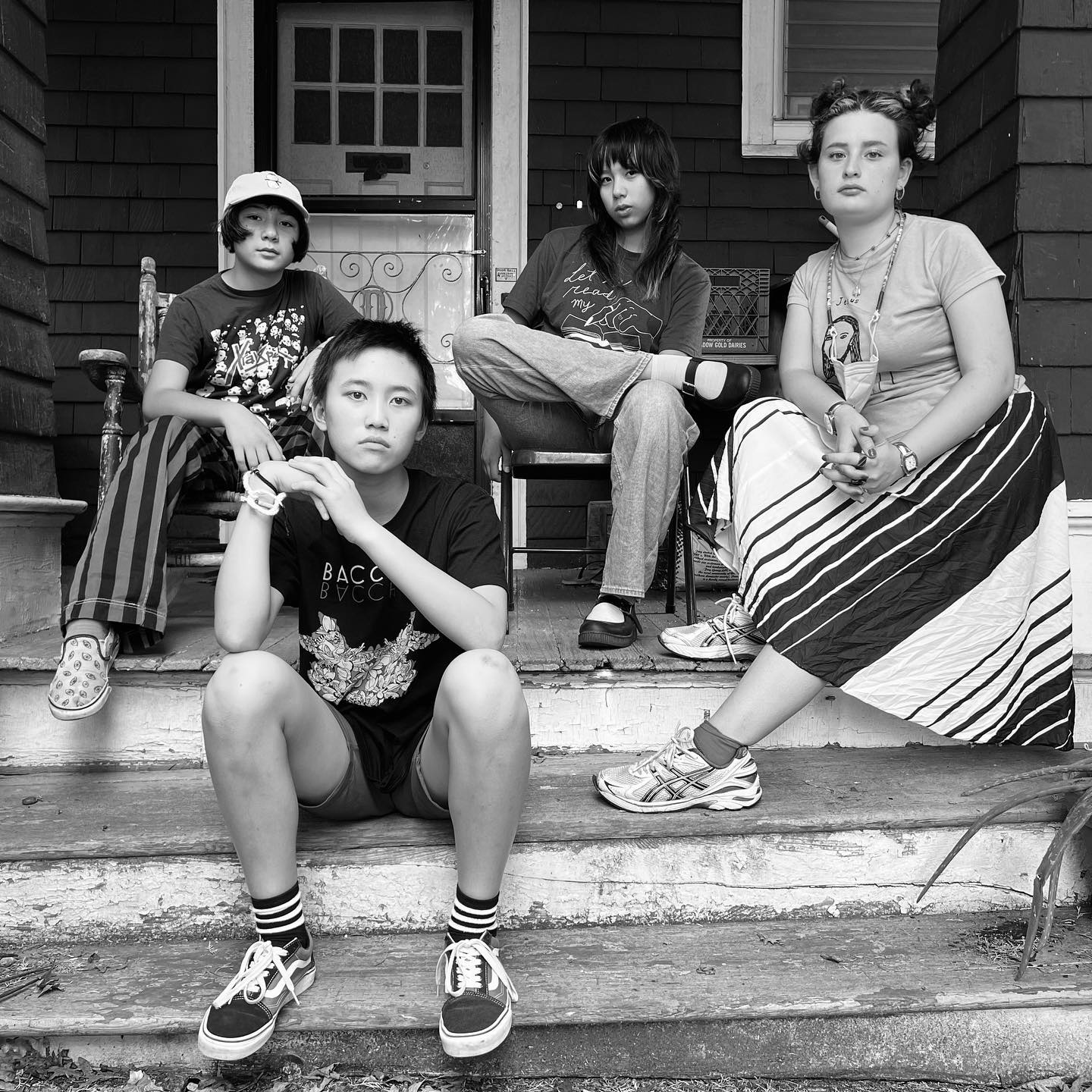
About a month ago teenage pop/punk sensation The Linda Lindas released their mettlesome debut album “Growing Up“, singing/screaming about their (young) generation. Aged 12 to 18, these strong-minded juveniles put all lazy megastar bands in the shadow when it comes to throwing a get-up-and-go party with spiky power-pop punches.
We’ve become friends with @realginaschock from The Go-Go’s, and she has drummed on the song with us at a few of our gigs. Not only were we onstage with a legend, but it allowed Mila to depart her throne, take centre stage, and show off her moves while singing lead vocals!
Because the cover is such a hit at shows, we decided to record a studio version to pay tribute to the greatest all-female rock band of all time, a crucial part of the L.A. punk scene, and our heroes.
“Tonite” is now streaming everywhere!
Written by The Go-Go’s Produced & mixed by Carlos de la Garza
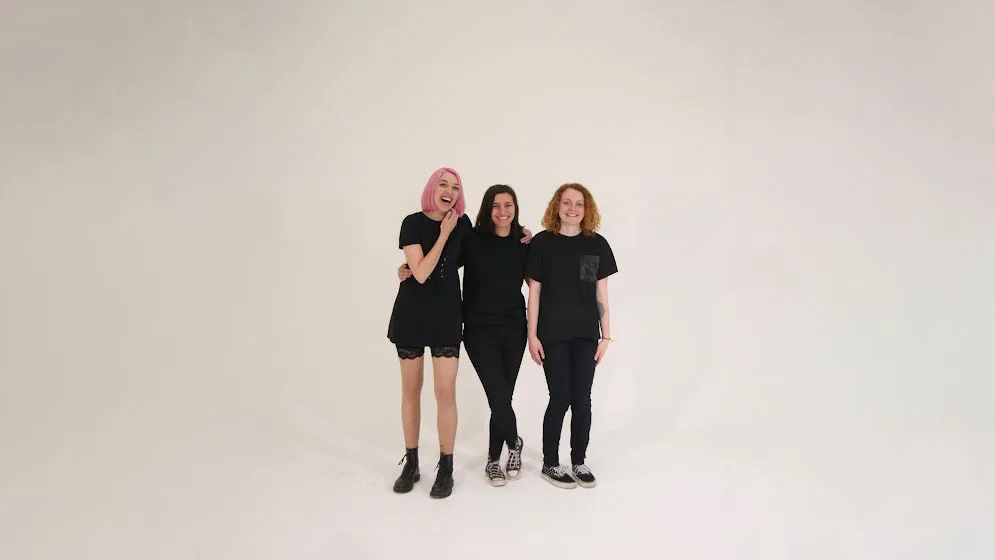
How you function informs much of what you aspire to do, to be, to strive for. Berries have sieved the last four years of their lives through tight, crunchy guitar lines and puncturing rhythmic patterns. Bold, brave and brandishing their triumph over darker times, this trio had to put together their first cohesive full-length record – ‘How We Function’ – and tell their history shortly after signing to Xtra Mile Recordings in 2020.
“We do grow as musicians as the years go by and so for this album we really wanted to show that side of it,” says Holly – guitarist, songwriter, vocalist. “A lot of people describe us as off-kilter, riffy, jagged rock, which we love but there’s always been an underlying poppy side to us too. So we brought back some of the older tracks we recorded in demo form to see how they fared against the new tracks. Tracks like ‘Siren’, ‘Discreetly’, they’re different to where we’re heading but they still represent us as a band.”
These anthemic songs from 2018, the true inception of the band, weave so deftly around indelible calligraphic single ‘The Expert’ and nestle well with album tracks like the pulsing, wiry ‘Strength in Numbers’ interpreting their incremental, intricate development as a band. There’s been no switch to pop polish on ‘How We Function’ despite others telling them that’s what they should do. Instead, the fierce grip of rapid tectonic layers locking together with crystal clarity imparts all you need to understand Berries and for them to know themselves.
After connecting as friends and musicians, and hastily putting together some full-band songs, Berries really found themselves in 2018 after releasing ‘Discreetly’. In 2019, they released four-track EP ‘Lies’ which felt like the ignition of something significant for them, and then we were all suddenly stuck inside for all of 2020 and some of 2021. In this state of despair for the future, Berries were contacted by Xtra Mile, who signed them shortly after.
As if making up for lost time, in 2021 they released two new singles – ‘Copy’ and ‘The Expert’, the latter on a Flexidisc featuring their cover of Sleater-Kinney’s classic ‘Dance Song ‘97’ recorded for the killrockstars 30th anniversary covers compilation – and the ‘Live Sessions from Big Smith Studios’ EP.
The singles garnered plays on 6Music, BBC London and Amazing Radio as well as a session with supporter John Kennedy on Radio X. After the dead touring year of 2020, they joined Frank Turner’s The Gathering summer shows and Lost Evenings at the Roundhouse and headlined London’s The Grace as we all tentatively returned to life. With their first UK headline tour, a German tour with The Subways and later in the year Carter USM’s Jim Bob, and a debut album release all in 2022, that lost time is being torched in their afterburners.
The articulate and meticulous songs on that album are whittled with precision, revealing a dedication and passion that is bolstered by the words with which they’ve chosen to lace their sounds. An album ostensibly about mental health struggles and the resounding empowerment of overcoming and learning to live thoroughly with them, ‘How We Function’ is highly relatable to most of us.
‘How We Function’ released through Xtra Mile Recordings on July 8th.
Guy Chadwick still sounds in fine, His dramatic voice on this lead single from The House of Love’s first album in nine years.
UK alt-rock / indie greats The House of Love will release “A State of Grace”, which will be their first album in nine years, on September 16th via Cherry Red Records. The first single from the album is “Clouds,” which is about as full-on “rock” as we’ve ever heard from House Of Love, with a big anthemic chorus and frontman Guy Chadwick’s voice in fine form.
House of Love also recently released the “Burn Down the World: Fontana 1989 – 1993” box set, which collects all of the band’s recordings for Fontana Records. Those include most of their best-known songs, like “I Don’t Know Why I Love You,” “Never,” “The Girl with the Loneliest Eyes,” and more.
The official video for the new single from The House Of Love. Clouds is taken from the album The State Of Grace, released 16th September 2022.
Sorry’s “Let the Lights On” is a literal banger. They’ve packed this danceable indie rock number full of klanging production, courtesy Portishead’s Adrian Utley, that sounds like they recorded in a kitchen supply store. No actual pots, pans or cheese graters were used, however, but they’ve cooked up a winning first taste from their second album, “Anywhere But Here”. “It’s a fun love song for the club,” say the band, but “Lights” is invitingly dark.
London once again features as a prominent character on Sorry’s second studio album, “Anywhere But Here”. ’If our first version of London in 925was innocent and fresh-faced, then this is rougher around the edges. It’s a much more haggard place,’ Louis says. Earwigged conversations, text messages, snatched speech recorded underground; the city’s discarded words fed into the lyrics which map the experience of urban life on a young and frustrated generation. Produced and recorded in Bristol, the result is an angular, acerbic, bittersweet triumph.
Sorry – “Let The Lights On” from the forthcoming album ‘Anywhere But Here’ out 7th October 2022 on DominoRecordings.
Kiwi Jr. have previewed their upcoming album “Chopper” with its latest single, ‘The Extra Sees The Film’,
“This song is quite literally a change of pace for us,” said the band’s Jeremy Gaudet said in a press release. “It’s more chill and a bit darker than previous Kiwi Jr. recordings. It’s a song about whether or not you’re the hero of your own story, or a smaller part of something bigger. It’s bragging that you’re in a movie and inviting all your friends and family, but when it screens, you’re barely an extra in it. A lot of our songs deal with reckoning, this one in particular. It’s what happens after you’ve told your story and the truth comes out later, and everything unravels. What qualifies something as jangle pop? The parameters, as with all great indie niches, are somewhat nebulous, and there are overlaps with dream pop, power pop, the slacker side of indie (e.g. Courtney Barnett), and even more recondite post-punk. We know this nostalgic, guitar-led music features literate, often forlorn lyricism with esoteric references (see Kiwi Jr.’s “Swimming Pool” about Brian Jones’ abnormal death). The song structures are typically short and snappy, the band names playful, and a handful of labels are behind the key releases, such as Slumberland, Sub Pop, and Tough Love.
Jangle is in the throes of a renaissance. The Bay Area is one locale boasting a bounty of anachronistic groups—The Reds, Pinks & Purples, The Umbrellas, and countless others that idle in Bandcamp’s jerkwater nooks. Toronto’s Kiwi Jr. and Ducks Ltd. are other notable forerunners. Both released extolled LPs in 2021 with a sound likewise indebted to New Zealand’s Flying Nun roster and the British indie acts featured on NME’s C86 compilation tapes. Speckling the rest of the continent and beyond are like-minded songwriters with similar sonic touchpoints, such as Chicago’s Dehd and Melbourne’s Rolling Blackouts Coastal Fever.
“Chopper” is set for release on August 12th via Sub Pop Records.
So far, Joyeria has charted his career in invisible ink. Always a shape shifter, never a genre chaser. He’s quit bands when their buzz was the buzziest, he’s released music under names even devotees could never remember how to spell and has insisted on building his backstory entirely with gaps in the narrative. He’s a maths-wiz, a crack chess player, a painter and Dad who smokes on the sly. Built like a hockey player, with a frame carved out by late nights and tour life – he is an imposing figure until you step into the presence of his gently voracious enthusiasm.
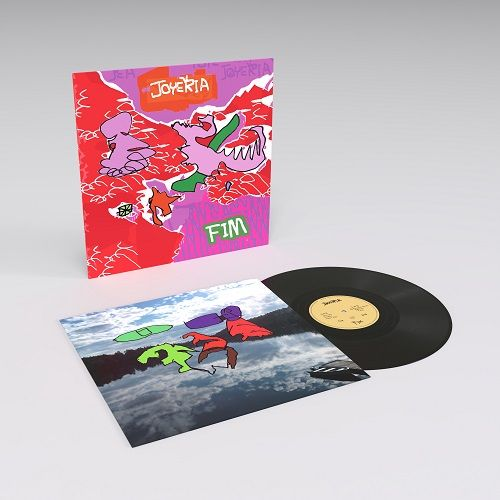
Joyeria announced his debut EP, “FIM“, which will be out October 14th via Speedy Wunderground. It was produced by label head Dan Carey. There’s a distinct Pavement. / Silver Jews vibe to Joyeria’s music which evident on new single “Colour Film.”
“Colour Film’ is about the mindless daily routine of being alive, what David Foster Wallace called ‘water,'” he says. “I apparently have the ability to choose how I feel or think as I participate in being alive just as I can choose how I feel and think when I explain songs which is to say at times, very uneasy. But this song is also about worry beads, American G.I.’s running fighter pilot drills over Mediterranean islands, stray cats, ice creams and falling rotten oranges. Like I said, I’m in a colour film, in fact we might all be.”
Over the course of six songs, a listener has room to luxuriate in electric confessions of fatigue, “Just let the dog eat from the table/ I lay in its spot catching some sleep.” And while the “FIM” (EP) never pretends to be positive and uplifting, it’s hard to shake the ecstatic thrill of Joyeria declaring: “There’s a wild joy I remember” — as if his voice is about to break its vessel. It’s too necessary a cry to be nostalgic. And if it sounds slightly insane, it is because it’s inspired.
Taken from the forthcoming ‘FIM EP’ – out digitally on 14th October 2022 & on 12” vinyl on 2nd December 2022 on Speedy Wunderground. Track produced by Dan Carey.