Archive for the ‘CLASSIC ALBUMS’ Category

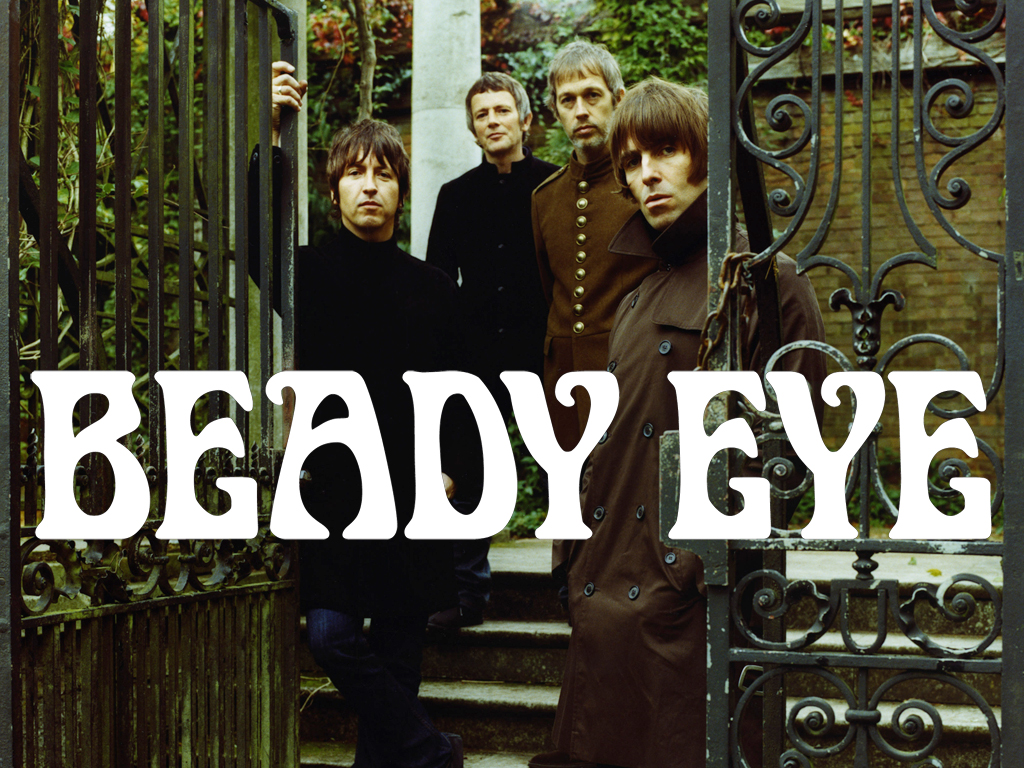
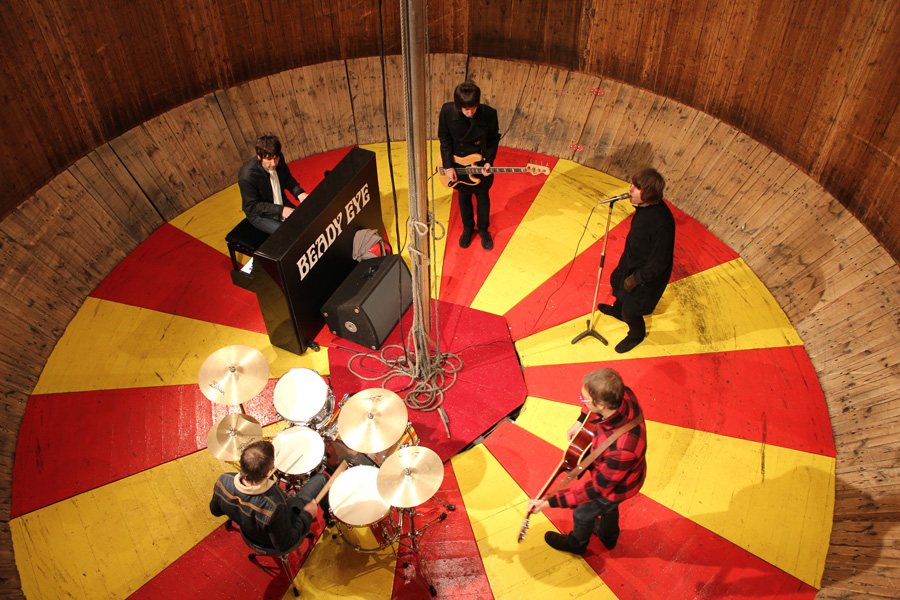
 Beady Eye an English rock band formed in 2009 by lead vocalist Liam Gallagher, guitarists Gem Archer and Andy Bell, and drummer Chris Sharrock, all former members of Oasis. In 2013, former Kasabian guitarist Jay Mehler joined the band playing bass guitar on tour. Liam Gallagher announced that November he and former Oasis band members had written new material as part of a new project, and could be gigging as early as a couple of months, and stated that “Oasis are done; this is something new”.

The discography of Beady Eye consists of two studio albums, one extended play, eleven singles and ten music videos. On the 19th November 2009, Liam Gallagher announced that he would be recording an album with Gem Archer, Andy Bell, Chris Sharrock around Christmas time, with a possible release date in July 2010. The band’s origins lie in the break-up of Oasis, after chief songwriter, lyricist and lead guitarist Noel Gallagher quit acrimoniously in August 2009. Oasis split up while on tour in France in August with Noel Gallagher citing Liam’s behaviour for the reason behind his departure. On the subject of his relationship with his brother, Liam said: “I love him to bits but we just don’t get on.

The remaining members gathered on and decided that they would “not quit making music together” and so renamed themselves “Beady Eye”. He told MTV: “We’ve been demo-ing some songs that we’ve had for a bit. Just doing that, on the quiet, not making a big fuss about it. After Christmas we might go in the studio and record them and hopefully have an album out in July.” He later said that the band would “do it in a different kind of way now. I’ll try and reconnect with a new band, new songs, and I’m feeling confident about the songs.” He was reported to be “feeling a million per cent confident that they could be better than Oasis.

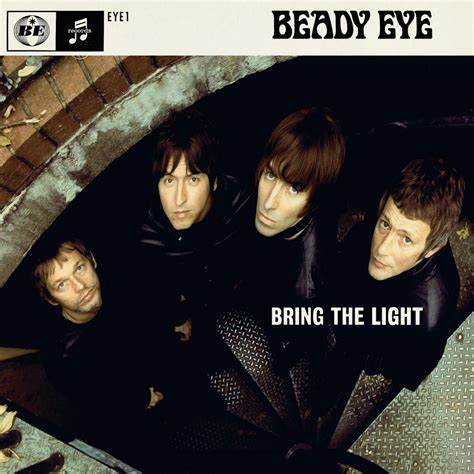
On 9th November 2010 Beady Eye released their first single “Bring the Light” as a free download, A limited physical release followed, and charted at number sixty-one on the UK Singles Chart, topping the Indie and Rock charts. A second promotional single, “Four Letter Word”, was released on 26th December 2010. “The Roller” was announced as the band’s first commercial single,#

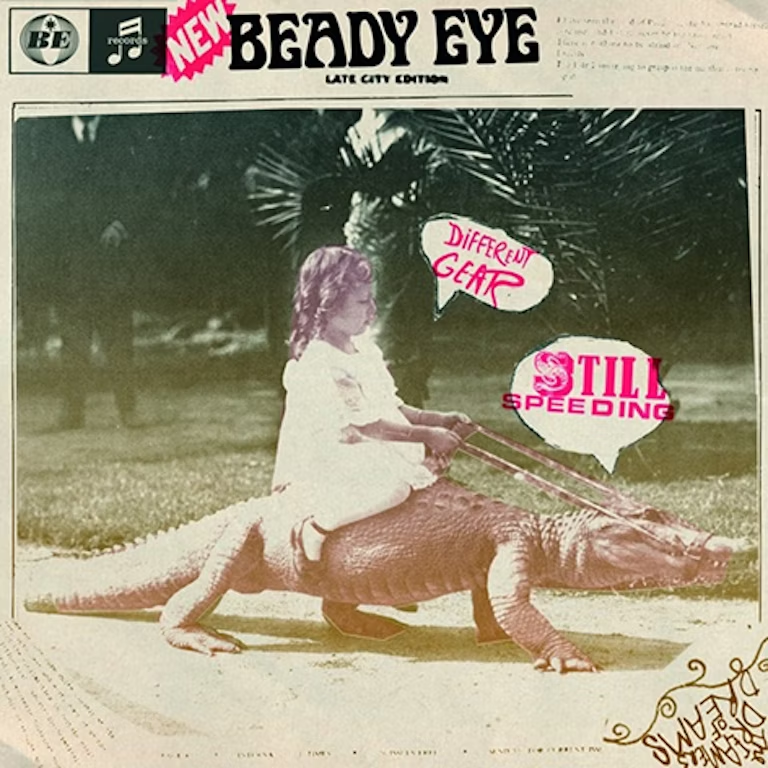
The band released two studio albums: “Different Gear, Still Speeding” (2011) The album was recorded in London at RAK studios in Autumn 2010 and produced by Steve Lillywhite. The band then undertook a short promotional tour of the UK and Europe in March 2011. A second single, “Millionaire”, Following a performance at Brixton Academy, they released a cover of “Across the Universe”, originally by The Beatles, as a download only single, The third single from their debut album, “The Beat Goes On”, was released on 18 July 2011 with a new B side, “In the Bubble with a Bullet”.

 By the time “Different Gear…” emerged, its sense of ‘continuity Oasis’ felt mistimed – quite simply, the world wasn’t ready to welcome Oasis back yet, in any guise.

Despite the large Noel-shaped hole in the songwriting, Beady Eye’s debut had plenty in its favour, delivering flagrant Lennonisms “The Roller“, Who-esque thrills (titled Beatles And Stones, oddly), and piano-trashing rock’n’roll “Bring The Light” with a vitality that bespoke years of repression under the old regime.

“We could all have sat at home after Oasis split but what would have been the point of that,” Andy Bell said. “We had a couple of weeks off and then we were back in the studio demo-ing. We’re musicians, it’s what we do, it’s how we define ourselves.” Adds Gallagher, “We’re fired up, not because we thought we’d show everyone it could happen without you know who [Noel Gallagher], we’re fired up because we’re doing music.”

The album produced three additional singles: “Four Letter Word”, “Millionaire” and “The Beat Goes On”.

Beady Eye recorded the song “Blue Moon”, which is sung by Manchester City fans during matches, in support of Manchester City F.C.’s new 2011/12 kit. Liam Gallagher said “I’ve been a City fan since I was a kid, so to be involved with the launch of a new kit is colossal. Manchester City fans are known for having a lot of style and the new shirt looks mega. I love the soundwave idea and the Mod-inspired collar looks proper smart. “Blue Moon” is a top tune and has been City’s song for as long as I can remember. It’s been covered by loads of people but the only good one until now was the one Elvis did. I hope the fans buzz off our version and sing along to it at the stadium”.

The band toured UK, Europe and America from March to December 2011,  initially shying from playing Oasis songs, because Liam Gallagher wanted the band to “become known for what it is”. Liam stated that Beady Eye would play Oasis songs. Beady Eye performed the Oasis classic “Wonderwall” at the London 2012 Olympics closing ceremony.

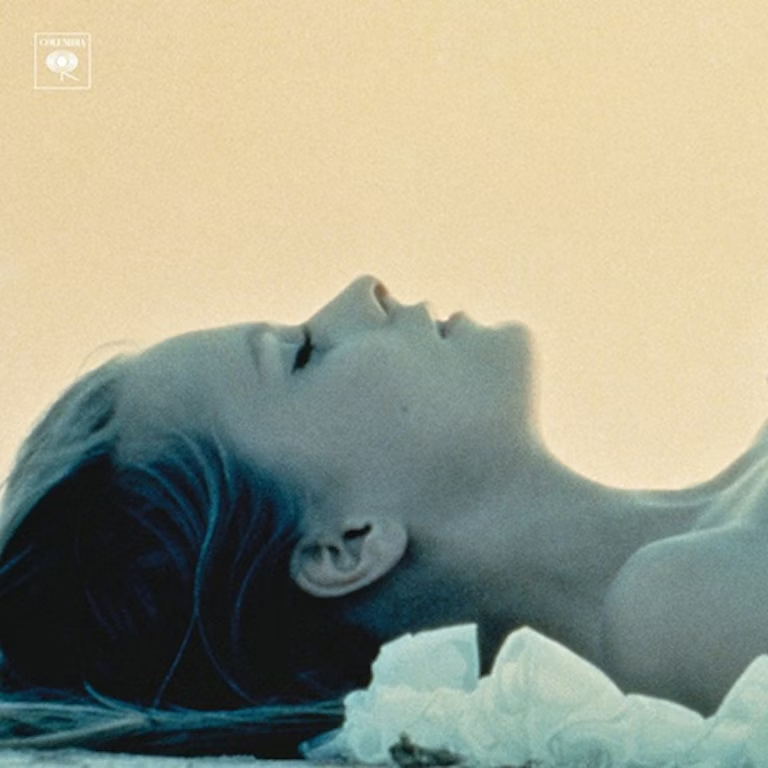
“BE” (2013) The album was produced by Dave Sitek who has previously produced records for Yeah Yeah Yeahs, TV on the Radio and Jane’s Addiction. The second Beady Eye album was recorded in London with super-producer Dave Sitek. ‘BE’ is retro as hell, but Sitek treats that (essential) aspect of the band’s identity with a wink, and in doing so, makes it feel oddly contemporary. Standout cuts are ‘Flick of the Finger’ which is like a fuzzy velvets with blaring trumpets, The four-minute song layers a horn section over a repetitive drumbeat and sees Liam adopt a stream-of-consciousness vocal style, as the track, which has no chorus, builds. ‘Iz Rite’ comes across like the Beatles on ecstasy and ‘I’m Just Saying’ is super catchy but with that Sitek zing. The 11 track Standard CD and a 15 track Deluxe CD with four bonus tracks, housed in a Hard book sleeve and thick booklet. 14 track plus the Double vinyl in a Gatefold sleeve.

Released for Record Store Day, The box set includes three 7″ singles from “Different Gear, Still Speeding”: “Bring the Light”, “Four Letter Word” and “The Roller”. It also included three previously unreleased and exclusive live recordings of “The Beat Goes On”, “Three Ring Circus” and “Millionaire” Live session from KEXP radio as a digital download.

The album release was preceded by the release of the single “Second Bite of the Apple” was released in May. . The double A-side “Shine a Light” / “The World’s Not Set in Stone” . Their new double A-side “Iz Rite” / “Soul Love” was released on 25th November 2013.

Beady Eye’s debut single “The Roller” has been announced as the best selling vinyl single of 2011 in the UK. Follow up release “Millionaire” was the second best selling, and “The Beat Goes On” the fifth.

The documentary ‘Start Anew? A Film About Liam Gallagher and Beady Eye’ has won the People’s Choice Lovie Award.

After 2011’s “Different Gear, Still Speeding” showed the remaining members of Oasis could hold their own after the departure of their chief creative force, Liam, Gem Archer, Andy Bell and drummer Chris Sharrock could have quite easily stuck out another album of Oasis-lite. Instead, they hooked up with TV On The Radio’s Dave Sitek for what might be the most out-there sounding record any member of Oasis has been involved in. When it works – the Mexican standoff of opener “Flick Of The Finger”, “Face In The Crowd’s” cinematic psych rock – the gamble pays off, but largely, for all its inventive sonic atmospherics, “BE” highlighted that Beady Eye simply didn’t have the songs.

Both the bands albums have reached the Top 5 in the UK Album Chart, but as of November 2013 they had only one UK Top 40 single, “The Roller”, However, Beady Eye received some acclaim for their music by Oasis fans, with Q claiming that their debut album is the best Liam has performed on since “What’s the Story) Morning Glory?”

On 25th October 2014, Liam Gallagher announced, via Twitter, that Beady Eye had disbanded. Gallagher would blame a lack of coverage for Beady Eye’s disbandment, as well as the diminishing size of crowds and venues, furthered by the second album’s failure to gain popularity in the United States resulting in the band not touring the US. Gallagher believes that if their third album had not been successful, “We’ll be playing pubs.


Gene Clark – (1944-1991) Gene Clark was a founding member of the seminal 1960s Rock group the Byrds and the principal songwriter for the band for its first three albums. He penned some of the most beautiful songs of the decade: “Here Without You,” “I Feel A Whole Lot Better,” “She Don’t Care About Time,” and “Set You Free This Time,” and the majestic “The World Turns All Around Her,” He also co-wrote the classic “Eight Miles High,” Clark departed the band in 1966 partly because of his deathly fear of flying and partly because McGuinn sang lead on the singles and Bob Dylan songs,

Also, there was the resentment of other band members that Clark was more highly paid because of his song writing credits. It was the group’s loss because they were never better than when he was in the band He was the heart and soul of the Byrds. Clark next signed as a solo artist with the Columbia label, releasing “Gene Clark and the Gosdin Brothers,” that also featured the Byrds Chris Hillman on bass. The album was a critical success, but because it was released at the same time as the Byrds “Younger Than Yesterday,” in 1967, it disappeared without a trace.

A short stint with the Byrds after David Crosby left ended after three weeks. In 1968, Clark hooked up with banjo player Doug Dillard, guitarist Bernie Leadon (later of The Flying Burrito Brothers and the Eagles), bassist David Jackson and mandolinist Don Beck – and for a short time Byrds drummer Michael Clarke joined the group, They delivered two albums, “The Fantastic Expedition of Dillard & Clark,” (1968) which was a landmark work of acoustic country rock, featuring a collaboration between Clark and Leadon on “Train Leaves This Morning,” (later covered by the Eagles), and “Through the Morning, Through the Night,” (1969) which leaned toward traditional bluegrass. Then Clark decided to move on. He continued to record quality solo albums such as “White Light,” (1971) which included perhaps Clark’s masterpiece “For a Spanish Guitar,” which Bob Dylan embraced. But Clark failed to promote the album, and it was a commercial failure except in the Netherlands. “Roadmaster,” was released in 1973 to the same fate. A reunion Byrds album in 1973 didn’t fare as well either.

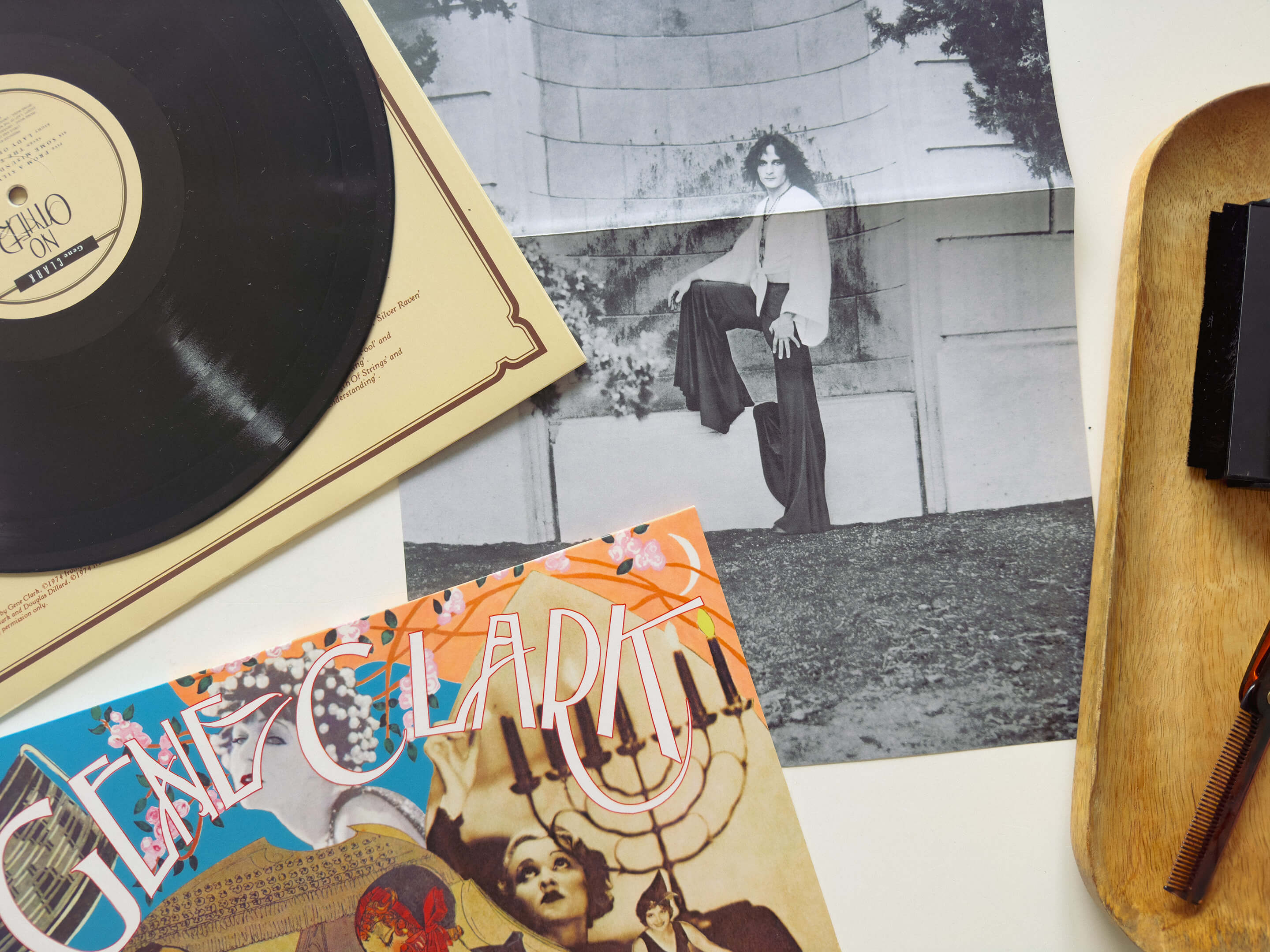
David Geffen signed Clark to his new label Asylum Records in 1974, and the ensuing album “No Other,” over $100K in production costs. It featured the Allman Brothers Band and a host of other session musicians. The music was overarching in its ambition with a blend of Country Rock, Folk, Gospel, Soul and Choral Music. Clark’s songwriting included some of his finest work including “Silver Raven,” “Some Misunderstanding, “Life’s Greatest Fool,” and “No Other.” Critics loved it but Geffen agitated by the cost failed to promote it properly, “Two Sides to Every Story,” followed in 1977 with tracks such as “Hear the Wind,” and “Sister Moon.” Clark considered it his best album, but it was yet another failure on the charts. He regrouped with McGuinn and Hillman on the album “McGuinn, Clark, and Hillman,” in 1979, and had better luck. He contributed four songs including “Backstage Pass.” The album, though slick, was a success, . Unfortunately, Clark’s substance abuse and dissatisfaction with the production resulted in his leaving the band. Later in the 1980s, Clark recorded a highly acclaimed duo album with Carla Olson called “So Rebellious a Lover,’ (1986) which for a time rejuvenated his career. But ulcers and alcohol had left him with serious health problems. The Byrds were inducted into the Rock and Roll Hall of Fame in 1991, and Clark performed together with the band for the last time. He died on May 24th, 1991 at age 46, another tragic casualty in the long line of Rock Stars succumbing to alcohol or heroin addiction.

Clark’s songwriting became revered after his death: his songs were covered by Tom Petty, Ian Matthews, Alison Krauss and Robert Plant – just a few of his fans. Clark was a hard-luck guy, who was unable to sustain a long career, but his songwriting craft has been rediscovered, and his Byrds’ compositions are timeless.

Originally released in September 1974, “No Other” is an absolutely extraordinary album of Country-steeped rock and roll balladeering from The Byrds founding member, Gene Clark. An LP of huge innovation and terrible luck.

By 1973, Gene Clark had ended his third stint with The Byrds, the hall of fame rock band he founded alongside Roger McGuinn, David Crosby, Michael Clarke and Chris Hillman. As amicable and volatile as they ever were, 1973 found the original members back together and recording, although the album was an all-out critical and commercial disaster. With a renewed inspiration and the opportunities afforded to him by Asylum, Clark began work on his magnum opus.

This is another album that demands to be listened to as a whole flowing between musical styles in an easy manner. The album feels like it was delivered from the heavens to us to soothe our souls. Reading about how it was made and the fact that it apparently only made number 144 on the Billboard album chart reminds me that sometimes it takes time to recognise genius. 

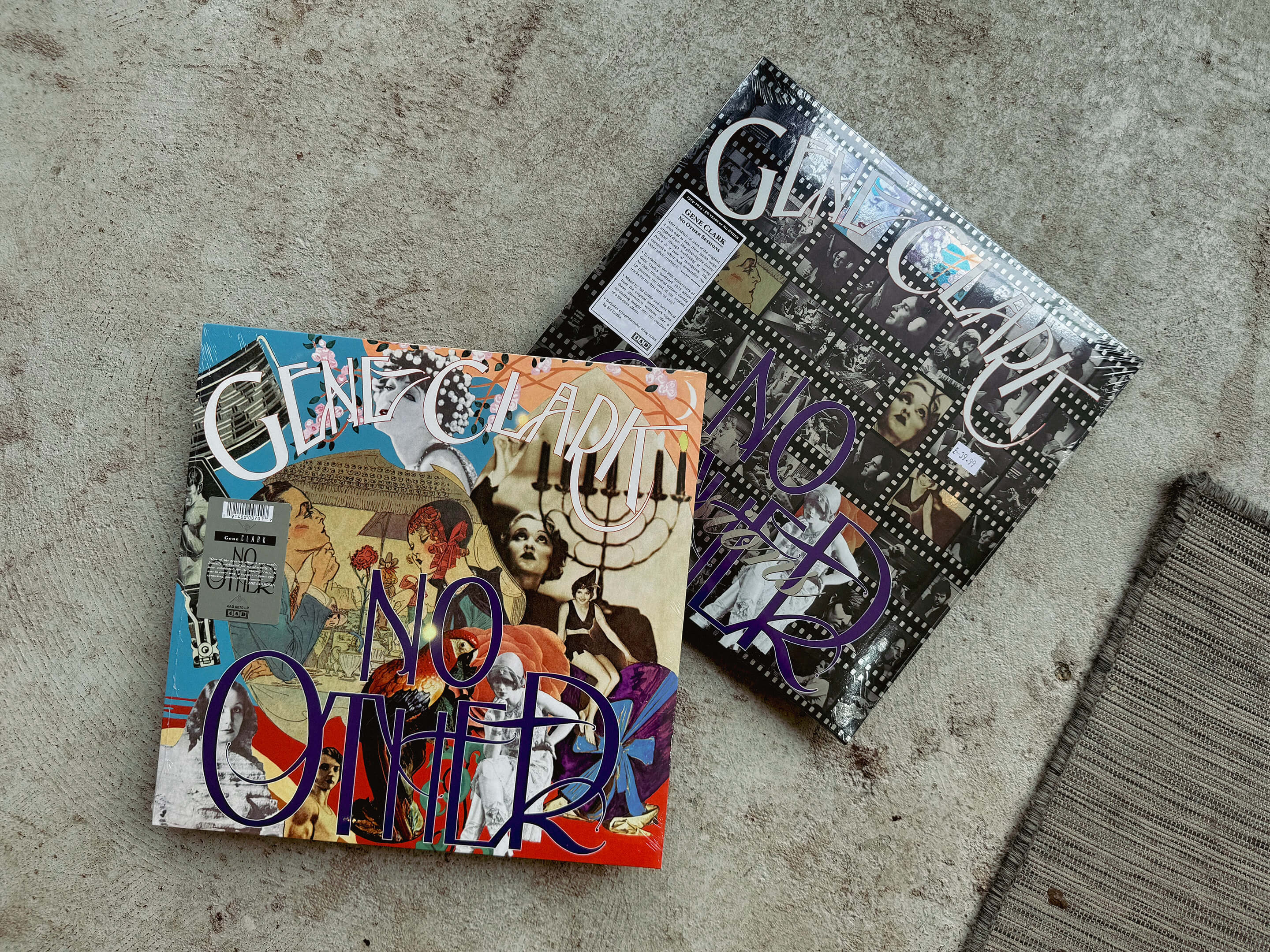
The album was reissued in 2019 with all of the bells and whistles including multiple versions of the tracks on the original.

Eight years and three solo albums after leaving the Byrds, Gene Clark released “No Other,” an album that truly lived up to its title. At the time, there was no other record like “No Other,” which cost more than $500,000 to produce and was seen as a masterpiece by Clark. However, the experimental use of overdubs and other effects were just a bit ahead of their time, leading to heavy criticism by the press, who called the effort bloated, pretentious and overproduced. (Fleetwood Mac used many of the same techniques just a year later to great success.) As a result, Asylum Records refused to promote the album and basically disowned it, damaging Clark’s career so badly that he would never recover. Sadly, it wasn’t until after the artist’s death in 1991 that “No Other” would see a reissue, re-evaluations by critics and the respect it (and Clark) rightfully deserved.

“No Other” is one of the most important albums of the 1970s. It has the Laurel Canyon vibe (although it was primarily written at his coastal home in Mendocino and recorded in downtown LA across various stints with producer Thomas Jefferson Kaye). It is also rich in Gospel stylings, with complex and full harmonies that would inspire many dozens of albums across the decade that followed. There are flashes of Country (the album includes a vast array of session musicians, including members of The Section and the Allman Brothers Band) and all bound to his wistful and spiritual songs. Although each of its nine tracks are different, they sit together beautifully and create the most vivid and coherent flow. Like all timeless albums, you can just keep flipping it over and bathing in the opulent world it creates.

But, like many classics, it was an album not of its time and failed to find an audience on release. It is tragic that this wonderful album’s renaissance would arrive after Clark had died, but it remains one of the most seminal albums of the period.

Misunderstood, mismanaged and one of the greatest ever fumbles (alongside Big Star’s #1 Record), “No Other” is a visionary work of such artistry. It is an album of dichotomy, both sonically and thematically focused on the balance between light and dark. Joyous and rousing, pensive and mournful, it really does cover the spectrum of emotions and there is not one wasted second.

A proper beauty then and a proper beauty now.

Joy Division - Closer

The 18th July, 1980 saw the release of Joy Division’s second LP ‘Closer’. This is arguably one of if not the most influential albums of the eighties. Recorded earlier in the year over the last two weeks of March and produced by Martin Hannet it displays the Affection, Despair, Depression and Fear being felt by Ian Curtis. It’s a true masterpiece of the time and where the debut album ‘Unknown Pleasures’ is the more guitar based Joy Division, “Closer” gave a more textural keyboard sound somewhat ushering in what the soon to be New Order would become.

The second album from influential Manchester post-punk band Joy Division is arguably superior to their landmark debut, featuring more ambitious arrangements and production (once again by Martin Hannett). “Closer” would also be the foursome’s final album, released just a couple of months after lead singer Ian Curtis‘ suicide. That context, the funereal look of its cover and the despairing outlook of tracks like “Atrocity Exhibition,” “Isolation” and “Heart and Soul” combined to make the set a goth touchstone. 

Joy Division’s second and last album, ‘Closer’, was released thirteen months after ‘Unknown Pleasures’. It’s tempting to see it as literally the “closer” to their career, but to me ‘Closer’ sounds more like an interim record. This LP has the hiemal sonic palette of ‘Unknown Pleasures’ while also introducing synthesisers, off-centre rhythms (‘Heart and Soul’), disco (‘Decades’) and a piano (‘The Eternal’). It’s fascinating to think what Joy Division would have done on the third album – perhaps they’d have expanded further into experimental and industrial music, focussing on texture rather than arrangement. 

There are some crackers on this record. ‘Isolation’ stands as one of the best things either band has ever done. These lads can really write a pop song when they put their mind to it – see also ‘Love Will Tear Us Apart’, ‘Blue Monday’ and ‘Plastic’. They just had the knack for an ear-worm chorus and masterful melody.

On ‘Closer’, Martin Hannet’s production is top class as usual. He was most definitely to Joy Division what George Martin was to The Beatles. Heard in their original form, without Hannet’s input, Joy Division songs might have seemed rough-hewn and incomplete. You get the sense that without Hannet’s hand on the tiller (or if he’d listened too intently to Sumner and Hook’s advice) these songs would be pretty nondescript. Hannet’s production coats the songs in ice, carving detailing into them while allowing each instrument space to breathe. 

It’s tempting to think of these classic albums as existing in total seclusion. Sometimes music can sound so fresh and original that the influences are left by the wayside, and ‘Closer’ is the same. However, let’s not forget about the effect that NEU! had on Joy Division’s repetitive rhythms, how the mostly chorus-led songs drew from The Velvet Underground, or Jim Morrison’s influence on Curtis’ vocal style.

‘Closer’ is famously a somewhat-posthumous album given that Curtis passed away before its release on the eve of a U.S. tour. It made for a tragic end to the short and storied career of what many see as one of the most influential Western bands of all time.

Available again on vinyl, “Closer” was named Album of the Year by Britain’s NME and, 40 years after its release, has lost none of its haunting power.

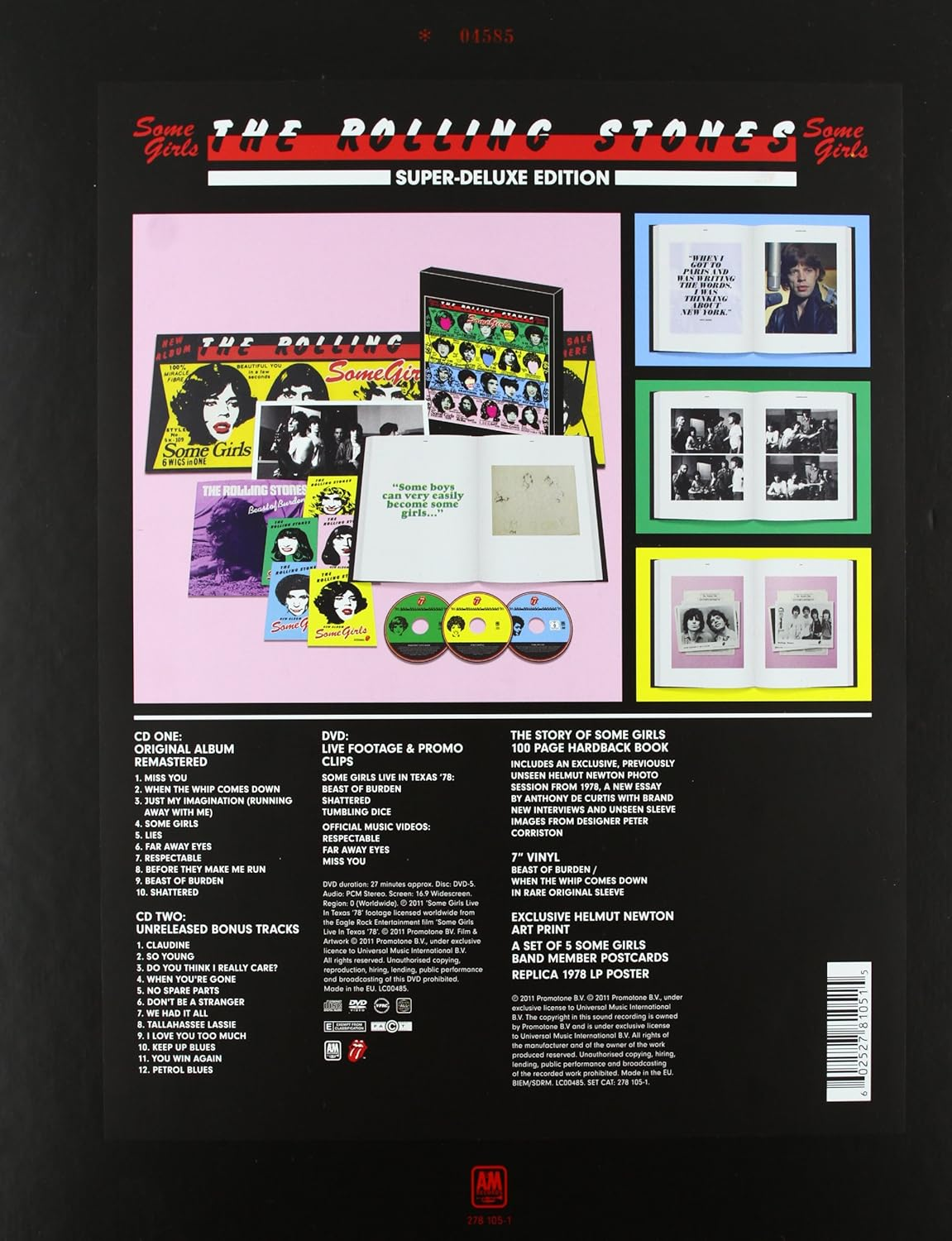
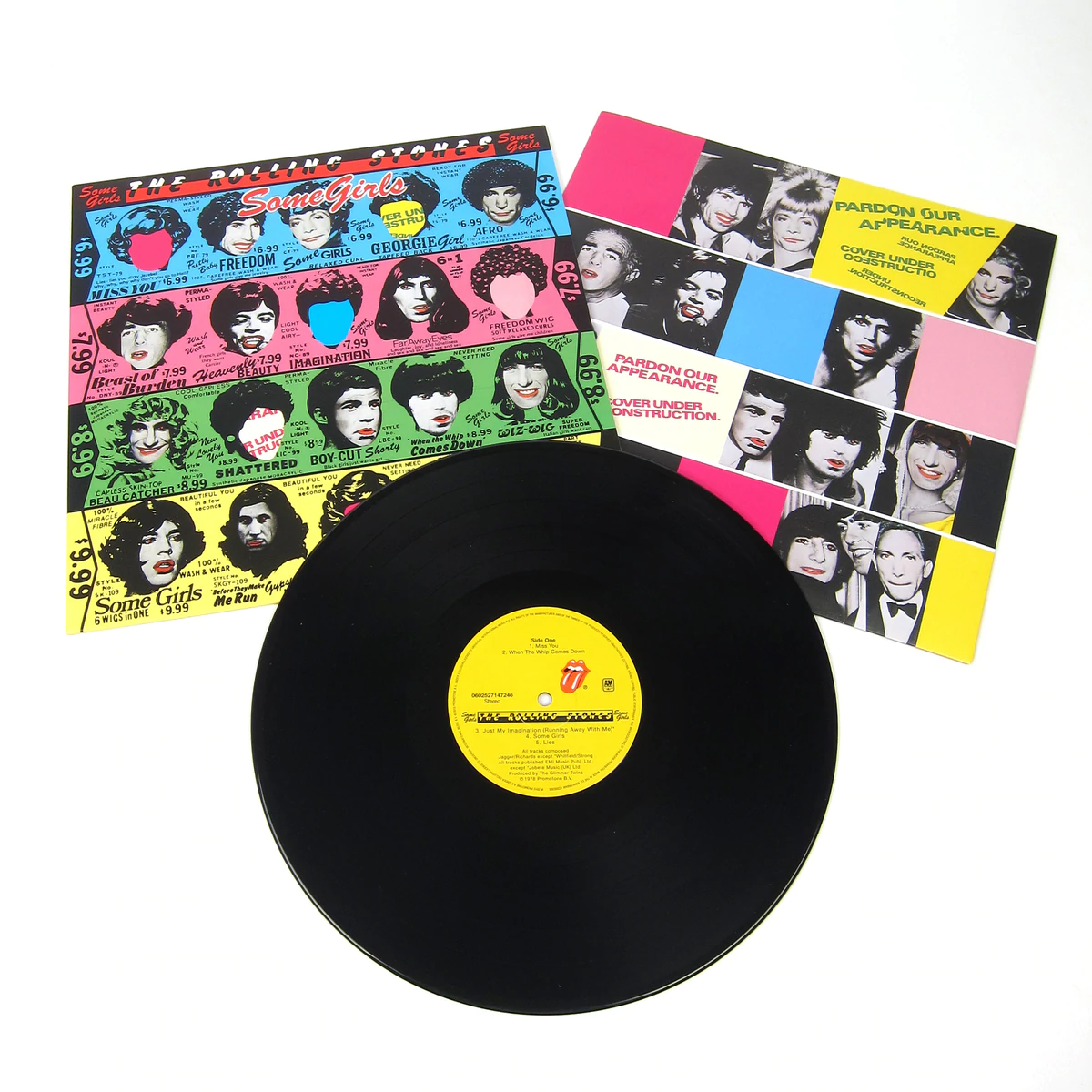
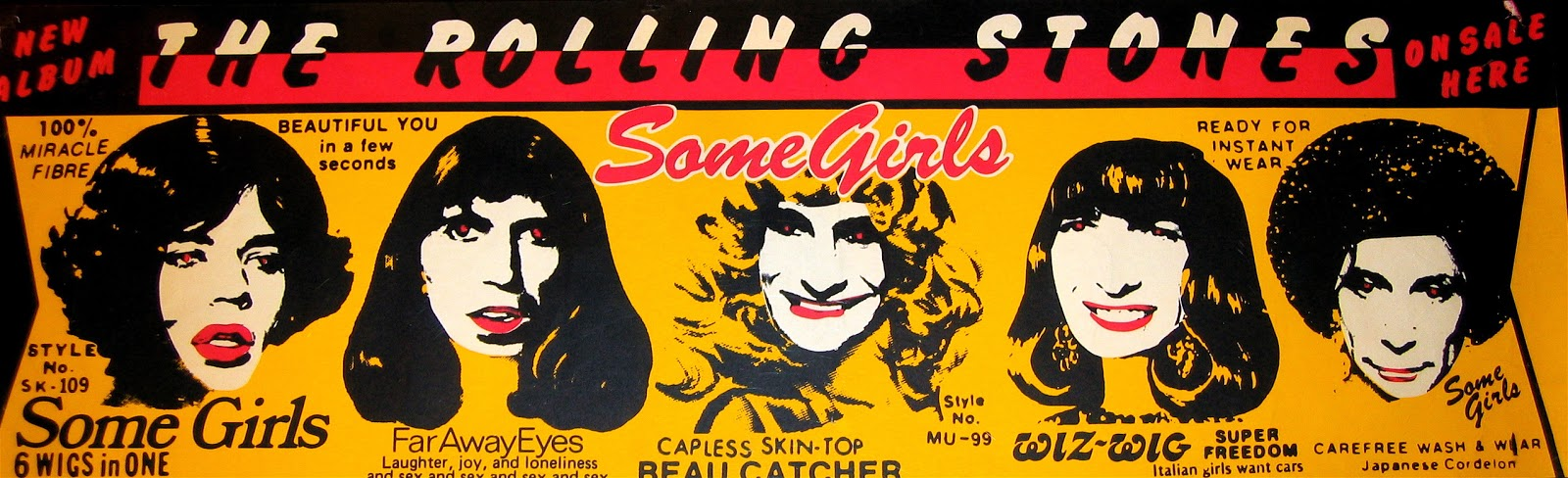
The Rolling Stones have long established their resiliency, but perhaps the most impressive artistic testament to their endurance is having top-rated albums a decade apart, in both 1968 and 1978. It’s not just the time between the acclaimed releases of “Beggars Banquet” and “Some Girls”, but the dramatic differences in those respective eras of popular music that the Stones were able to somehow dominate.

As they approach the end of their sixth decade of performing and recording, The Rolling Stones know they’ve been written off by some critics and music fans as irrelevant has-beens—just about as many times as they’ve been hailed for their ability to “reinvent” themselves and stage a “comeback.” To be anointed the World’s Greatest Rock and Roll Band one year and a weak parody of themselves the next is no doubt a source of some vexation, and perhaps rueful hilarity, to a group that transcended any need to defend itself many years ago.

The band was entering the recording studio to follow up 1976’s “Black and Blue“, an album that got mixed reviews and only yielded one rather anemic hit single, “Fool to Cry.” With highly regarded lead guitarist Mick Taylor gone and Keith Richards’ buddy Ron Wood now officially on board, the group took advantage of its new European recording contract to enter the EMI-owned Pathé Marconi Studios in Paris, with the trusted Chris Kimsey once again engineering.

In 1968, the American sound of Bob Dylan and The Band were the rage, with Dylan coming off a string of electric albums that revolutionized the genre and The Band graduating from backing Dylan to orchestrating their own towering musical achievement with their debut, Music From Big Pink. A decade later, the pop landscape was in the midst of the disco craze while rock was overthrown in Britain and New York by an ascendant punk movement, with classic-rockers like the Stones seeming hopelessly out of step.

But the Rolling Stones managed to adapt to 1978 as deftly as they had 10 years earlier by co-opting the prevailing disco sound and somehow making it cool for rock fans. As impressive, they captured both the sound and tone of the punk scene in downtown Manhattan, which may as well have been a thousand miles from the pulsating and chic Studio 54. Songs like “Shattered” and “When the Whip Comes Down” successfully established the Stones’ continued relevance. The former song, written by Jagger in the back of a cab, is the greatest rock song ever written about New York City, The Ramones’ own turf. “When the Whip Comes Down” sounds influenced by Dee Dee’s male prostitute confessional “53rd and 3rd.” It’s openly gay, as Jagger explained at the time, somewhat uncomfortably. But Jagger’s singing actually channels Sex Pistols leader Johnny Rotten, who ironically would call the Stones “one of the most notoriously inept bands in music.”

“When the Whip Comes Down” uses only a few chords and relentless forward movement to tell the lurid story of a gay Manhattan street hustler: “I’m going down 53rd street/And they spit in my face/I’m learning the ropes/I’m learning a trade/The East River truckers/Are churning with trash/I’ve got so much money/That I spend so fast.” It’s one of the punkiest performances the Stones ever laid down, a successor to “Midnight Rambler” in its ferocity.

On Beggar’s Banquet, the Stones had clearly been influenced by Dylan and The Band. In fact, the famous bathroom graffiti on the cover included the words, “Music From Big Brown,” a sly reference to the Canadian rockers. Note that the Stones on their 1968 opus were working for the first time with an American producer, Jimmy Miller. Dylan comes through most clearly (though not entirely convincingly) on the slide-guitaring “Jigsaw Puzzle.” And “Parachute Woman” echoes Dylan’s Basement Tapes, which had been recorded in 1967 and, though not released until 1975, was heard by 1968 by everyone who mattered in rock.

While released a decade apart, Beggar’s Banquet and “Some Girls”, and even individual songs, are easily connected beyond trying to channel rock’s cutting edge. Both albums are salacious to the point where teenagers at the time could never listen to them with their parents in the room. “Stray Cat Blues,” from Beggar’s, and the “Some Girls” Some Girls title track are unapologetically misogynistic.

The mid-tempo romp “Some Girls” is next, with its infamously offensive lyric, “Black girls just wanna get fucked all night/I just don’t have that much jam.” Jagger struts and sneers, multiple guitars wailing behind him as he (humorously?) castigates women for being gold-diggers, spreading venereal disease and being too generous when they treat him like a gigolo. As a contribution to the long history of the band’s misogynistic lyrics, it attracted numerous critics, and drew a typical Jagger response noting that Ahmet Ertegun at their American label “tried to get us to drop it, but I refused. I’ve always been opposed to censorship of any kind, especially by conglomerates. I’ve always said, ‘If you can’t take a joke, it’s too fucking bad.’”

The frantic “Lies” closes the first LP side with another three-guitar attack, Jagger pushing his voice to its breaking point. Again, one or two chords suffice and Watts pounds away in a way that few we’re-proud-we-can’t-really-play punk rockers would even attempt.

Side two begins with “Far Away Eyes,” with Jagger affecting an even thicker phony American accent than usual to recite a countrified tale straight out of Bakersfield, with Wood’s expert pedal steel and Richards’ note-bending electric in full flower (Richards also handles the piano part). There’s some beautiful harmony singing too, but beyond some light amusement from the parody, it doesn’t earn its prominent position in the album sequence. The spirit of Richards’ running buddy Gram Parsons, and his influence over “Let it Bleed”, “Sticky Fingers”, “Exile on Main St”. and beyond, is clearly still alive in some corner of the collective Rolling Stones brain.

Both make you wince today. Incredibly, Jagger wasn’t even content to make the girl at the centre of “Stray Cat Blues” 15, as on the album. On the 1969 live album Get Yer Ya Ya’s Out!, he changed her age to 13. But it’s too over-the-top to take too seriously. It’s just Jagger strutting. In “Some Girls,” he sings about women who are seemingly of appropriate age, but sexualizes possessing them while also making it clear that they are sexualizing and trying to possess him and Keith, too. “Some Girls” is the evil twin of The Beach Boys’ “California Girls,” lumping women together by race and region.

“Street Fighting Man,” like “Shattered,” tried to capture the essence of urban despair in its era. But neither offers answers, which would be too preachy and idealistic for the Stones. While that can leave listeners of “Street Fighting Man” cold given the stakes at the time, with
Civil Rights on the line and a war raging in Vietnam, it actually works on “Shattered,” where laughing at the madness of the Carter era seems the most appropriate response.

“Sympathy for the Devil” and “Miss You,” the tentpole songs on Beggar’s and “Some Girls”, respectively, are relentless dance grooves. Jagger said of “Sympathy” at the time, “It has a very hypnotic groove, a samba, which has a tremendous hypnotic power, rather like good dance music. It doesn’t speed up or slow down. It keeps this constant groove.”

The parallels continue with the albums’ respective cover songs. “Prodigal Son,” on Beggar’s, is a retiled version of Robert Wilkins’s “That’s No Way To Get Along.” “Some Girls” similarly nods to music crafted by black Americans with a cover of the Motown hit “Just My Imagination (Running Away With Me),” written by Whitfield-Strong and originally performed by The Temptations. While that cover version is fine, the Stones actually wrote a better soul ballad than that original. The version of the Temptations’ “Just My Imagination” is absolutely fine, but one can’t help but wonder if the slot would have been better served by something like the hard rocking “So Young,” one of the outtakes featuring barrelhouse pianos by Ian Stewart and Chuck Leavell that showed up on the 2011 CD expanded reissue of the album.

“Beast of Burden,” from the groove right down to the Eddie Kendricks-inspired falsetto, is a masterpiece on par with “Miss You“.

While those assessing the entire The Rolling Stones cannon inevitably place these two albums next to one another in the top 5—often behind Sticky FingersExile on Main Street and Let It Bleed, it’s almost always Beggar’s Banquet over “Some Girls”. Yes, their 1968 effort set the stage for arguably the greatest stretch of recording excellence in rock history. But the public voted with record sales and made “Some Girls” the best-selling Stones album of all-time. Could the public be right in ranking “Some Girls” over Beggar’s Banquet?

Their 1968 LP has three to five essential tracks: “Sympathy for the Devil,” “Street Fighting Man,” “Stray Cat Blues” and probably “Salt of the Earth” and “No Expectations.” The rest of the album grades passable to okay—not filler, necessarily, but nothing historic. “Some Girls” is stronger up top with “Miss You,” “Beast of Burden” and “Shattered,” and then adds “When the Whip Comes Down” and Keith Richards’s “Before They Make Me Run,” about his heroin bust in Canada.

“Shattered” is a virtual spoken-word piece, which Jagger acts out magnificently—listen to what he does with “Pride and joy and greed and sex/That’s what makes our town the best” and “Don’t you know the crime rate is going up, up, up, up, up/To live in this town you must be tough, tough, tough, tough, tough/You got rats on the West Side/Bedbugs uptown.” Jagger gives the impression of improvising the lyrics, an illusion he no doubt meticulously rehearsed. The grinding background holds on two chords during verses, and saves any development for the bridge, which adds Wood’s pedal steel and a variety of percussion (probably among those few elements overdubbed in brief additional sessions in Paris, New York and Los Angeles). The track ends dramatically with no fade, the equivalent of a mic-drop in today’s parlance.

In his autobiography, “Life,” Richards explained: “For sheer longevity—for long distance—there is no track that I know of like ‘Before They Make Me Run.’ That song, which I sang on that record, was a cry from the heart. But it burned up the personnel like no other. I was in the studio, without leaving, for five days…”

Richards’ feature “Before They Make Me Run” is one of his best songs, right up there with Exile On Main St.’s “Happy.” He and Wood handle half a dozen guitar parts, including slide and pedal steel, and Richards even subs for Wyman on bass. The strong lyrics are constructed from a series of contrasts and juxtapositions (“Only a crowd can make you feel so alone,” “Gonna find my way to heaven/’Cause I did my time in hell”), ending in the sardonic and defiant affirmation that, “After all is said and done/I did alright, I had my fun/But I will walk before they make me run.” With Jagger and Wood providing backup vocals, Richards’ keening, strangled vocal becomes beautiful in a characteristically offbeat way.

If you include “Jumpin’ Jack Flash” from the “Beggars Banquet” sessions, then there is no quarrel with ranking that album higher. But it’s not on the LP, having been released earlier as a stand-alone single, rising to No. 3 on the U.S. charts. The rest of “Some Girls” is stronger with the title track and the funnier (and far less offensive) “Far Away Eyes.” “Some Girls” has a stronger cover song and “Lies” is a more conventional, throwaway Stones rocker, while “Respectable” is another punk-inspired, snarling song that Jagger and the band pull off. Richards said of “Respectable,” “This is a punk meets Chuck Berry number…”

Mostly true to Jagger’s no-frills wishes, the album revolves around the still-potent blend of drummer Charlie Watts, bassist Bill Wyman, Jagger, Richards and Ronnie Wood, the latter on pedal streel, acoustic and electric guitars. Jagger himself contributes guitar parts to several songs, especially beefing up the power on “When the Whip Comes Down,” “Lies” and “Respectable.” The harmonica of Sugar Blue (a Paris busker Jagger found who’d played professionally with Roosevelt Sykes and Louisiana Red) greatly enlivens “Miss You” and the title track, and there are contributions from Faces keyboardist Ian “Mac” McLagan and saxophonist Mel Collins, but the overall sound is vintage five-piece Stones. Under Kimsey’s scrutiny, the recording clarity is extraordinary, every nook and cranny of the arrangements illuminated.

While it’s arguably hair-splitting, “Some Girls” is not only stronger at the top but the deeper album, too.

Released on June 9th, 1978

joanna-sternberg-1570747092

When they’re not penning comics, Joanna Sternberg records songs fit for New York’s anti-folk era in the early 2000s, the scene that birthed the Moldy Peaches and Diane Cluck. Armed with an extensive compositional background from the New School, Sternberg turns their worries and daily battles — depression, suicidal ideation, self-hatred — into lo-fi folk jaunts. From piano ballad “My Angel” to the self-explanatory “This Is Not Who I Want To Be,” a painful transparency takes hold, and it lingers long into the night.

Sternberg has turned pain into beauty in the making of their second album, written during pandemic exile. Balancing raw emotion with meticulous craftsmanship, their warm voice soothes with disarming self-deprecation.

Sometime around 1969, record producer Norman Dayron—fresh from producing the multi-generational “Fathers & Sons” album by Muddy Waters and his younger disciples—ran into Eric Clapton, who may have been backstage at an Al Kooper/Mike Bloomfield show, or perhaps it was a Blind Faith concert. No one seems to remember for sure. In either event, Dayron seized the opportunity to ask Clapton if he’d like to record an album with master bluesman Howlin’ Wolf.

Dayron was a staff producer at Chess Records, and that the offer was indeed legit, arrangements were made by Chess Records. Howlin’ Wolf—born Chester Burnett on June 10th, 1910, in White Station, Miss. would come to London. Clapton was over-the-moon excited, yet agreed under one condition: that Howlin’ Wolf’s longtime guitarist, Hubert Sumlin, be involved as well. There was some initial balking at Chess regarding the expense of flying two players from Chicago O’Hare to Heathrow. 

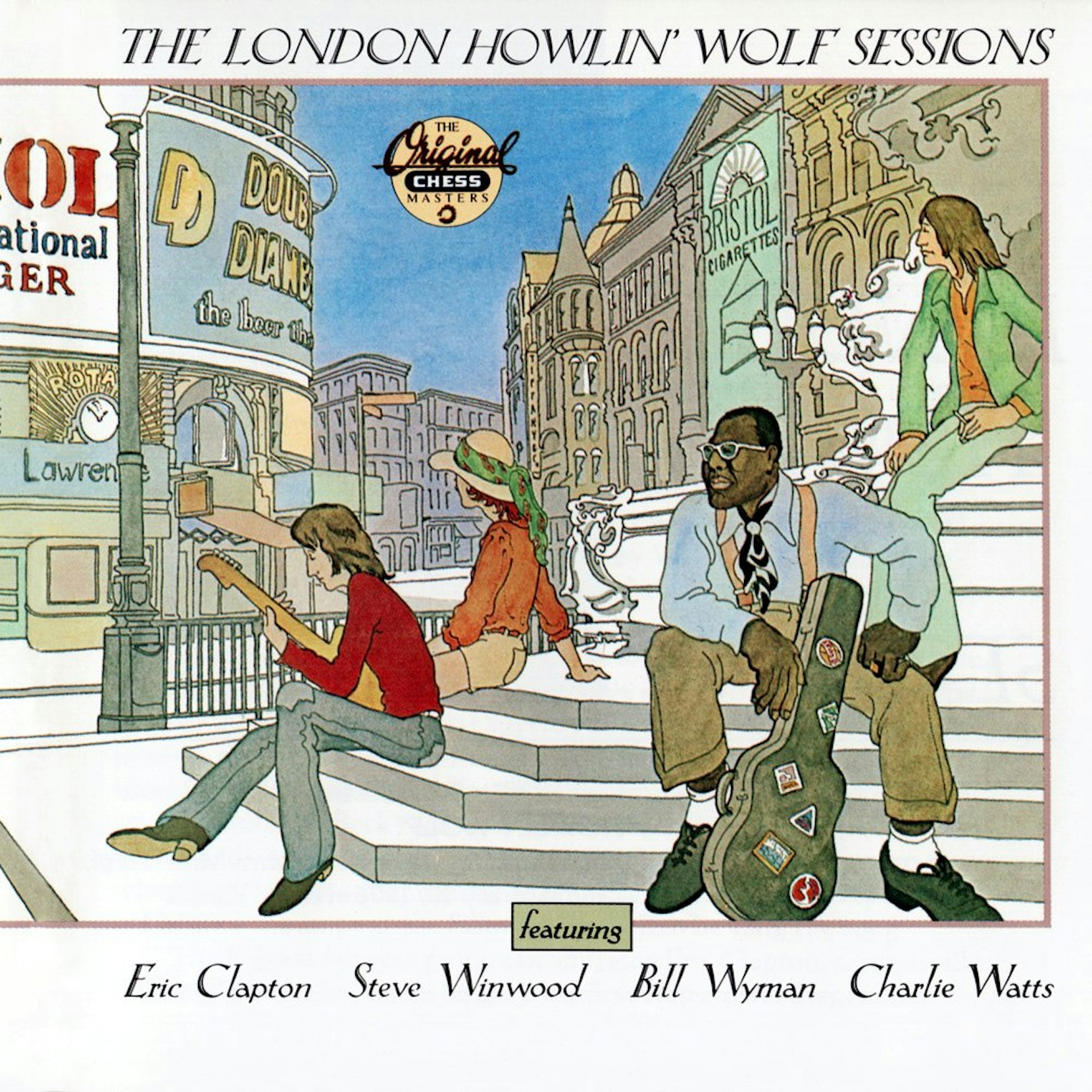
Howlin’ Wolf was another Chess Records mainstay, releasing numerous singles and “best of” LPs on the label. This 1971 album consists of recordings Howlin’ Wolf made with the popular British blues musicians of the time, all of whom had been inspired by the early days of Chess Records. Eric Clapton, Steve Winwood, Bill Wyman and Charlie Watts all feature prominently on the album, and are credited on the LP’s cover.

From May 2nd-10th, 1970, at London’s Olympic Studios home of sessions for the Beatles, Rolling Stones, Jimi Hendrix and David Bowie, among others—the house was rockin’ with Howlin’ Wolf and British rock royalty. Clapton was enlisted to play lead guitar on each of the 20-some songs, some being alternate takes) with Sumlin on rhythm guitar. Thankfully, Clapton yielded to Sumlin in establishing the songs’ grooves, although Sumlin’s rhythm work dominates “Do the Do.” And on “The Red Rooster,” Clapton nods not only to Sumlin, who played on Wolf’s 1961 original, but also to Keith Richards and Mick Taylor’s guitar moods.

The highlight of the LP is the “false start” rehearsal track for “Little Red Rooster,” which is essentially a peek into the artists’ studio session. The song starts, then stops, and then listeners get a peek into the ensuing conversation between Howlin’ Wolf and his British collaborators. It’s not 100 percent intelligible, but it breathes a new sense of life into an already vibrant work.

The Rolling Stones’ rhythm section was enlisted: Bill Wyman, bass; and Charlie Watts, drums, with Klaus Voormann on bass for one song (five if one counts the bonus tracks that saw the light of day on the 2003 expanded reissue), and Ringo Starr on drums on one track from the original album (plus three reissue bonus tracks). When Voormann laid down the song-defining bass riff on “I Ain’t Superstitious,” Wyman played the cowbell. And yet another Rolling Stone (albeit not an official band member), Ian Stewart, played piano on “Rockin’ Daddy.”

British keyboard legend Steve Winwood (Traffic, Blind Faith) overdubbed piano and organ on five tracks while on tour in the U.S. At certain points, it’s impossible to distinguish between Clapton and Sumlin (apart from Clapton playing most of the solos) and between Winwood and first-generation Chicago blues pianist Leake. John Simon, a popular producer in the late ’60s (Leonard Cohen, The Band, Blood, Sweat & Tears, Janis Joplin) takes a turn on piano on ‘Who’s Been Talkin’.”

As for the Wolf, he could do no wrong. The year 1970 found him in excellent voice, spirits and energy, able to moan, growl, snarl, roar and bellow as he’d done since his earliest Sun Studio sessions in 1951. Were there London Sessions songs on which he excelled more than others? Absolutely. “Worried About My Baby,” on which Wolf played his own harmonica, comes to mind. (There are two additional outtake versions of “Worried About My Baby” on the expanded reissue, the most intriguing of which features Wolf, Clapton and Wyman, with no drummer.)

And the groove of Willie Dixon’s “Wang Dang Doodle” and, on the expanded reissue, “Killing Floor,” come to mind. The Wolf saved some of his best howlin’ for the Willie Dixon-penned classic, which closes the original LP, released in August 1971

Rolling Stones Records

The Rolling Stones didn’t end up touring the U.S. in the immediate wake of the April 1976 release of “Black and Blue”. However, the band still managed to cause controversy in the States, thanks to the album’s ad campaign and a Sunset Boulevard billboard promoting the record.
The ad featured model Anita Russell sitting atop an unfolded copy of the “Black and Blue” LP. She’s bound with rope and wearing dark makeup, to make it look like she was bruised by a beating. The giant billboard was even more controversial, as it contained the same image of Russell and the LP, but added the text, “I’m ‘Black and Blue’ from the Rolling Stones – and I love it!” in giant script.
Reaction to both the ad and billboard was fierce. “This campaign exploits and sensationalizes violence against a woman for the purpose of increased record sales. The ad contributes to the myth that women like to be beaten and condones a permissive attitude towards the brutalization of women.”
Five stealth women “armed with buckets of fire-engine-red paint” visited the billboard one night and triumphantly defaced it, scrawling “This is a crime against women” near the text and also painting over Jagger’s face, the stealth artists also painted the “women’s movement symbol” next to the Stones’ iconic tongue logo.

Atlantic Records took down the billboard soon after, “It was not the intention of Atlantic, Mick [Jagger] or the Rolling Stones to offend anyone.”

The Rolling Stones recorded “Black and Blue” while auditioning Mick Taylor’s replacement, so it’s unfair to criticize it, really, for being longer on grooves and jams than songs, especially since that’s what’s good about it. Yes, there are two songs that are undeniable highlights “Memory Motel” and “Fool to Cry,” the album’s two ballads and, therefore, the two that had to be written and arranged, not knocked out in the studio; they’re also the ones that don’t quite make as much sense, though they still work in the context of the record. As the Stones work Ron Wood into their fabric. And the remarkable thing is, apart from “Hand of Fate” and “Crazy Mama,”. They play with reggae extensively, funk and disco less so, making both sound like integral parts of the Stones’ lifeblood.

Rolling Stone magazine wrote at the time: “In a way, “Black and Blue” is an admirable
album just for its refusal to bow to the past. A few songs here try to sound like “Brown Sugar” and “Tumbling Dice” and those few aren’t the best ones. Still, the Stones have problems. Keith Richard recently has seemed to run out of melodic ideas altogether and, like the majority of their post-Exile on Main Street repertoire, the new numbers are based on loose riffs rather than tight song structures. Like the Who or any rock band, the Stones are obsessed in their way with age and time, but unlike the rest, they’ve matured with confident gracefulness. For Soul Survivors, I guess, dying before you get old is simply not relevant.”

Image result for rolling stones black and blue

The band that made “Black and Blue” isn’t the same one that made “12 x 5” or even “Aftermath”. But that doesn’t mean today’s Stones are not a great band playing great music. They’re a different sort of band, playing a different kind of music. Too much of “Black and Blue” picks up the trail of “Fingerprint File.” “Hot Stuff,” which opens side one, and “Hey Negrita,” which opens side two, are intricate funk jams, fusing reggae, Latin rhythms and the Meters’ brand of funk without achieving the focused mood of “Fingerprint File.” Some of the playing is exceptional — on “Hot Stuff,” Charlie Watts might be playing .44 magnums instead of drums.

There is plenty of good stuff left, although all of it is marred by the need for fuller, firmer instrumentation. “Hand of Fate,” which isn’t as melodic as the Stones riff usually is, is brought to life by a blistering Wayne Perkins guitar solo and Jagger’s incredibly live vocal. “Crazy Mama,” the wild little rocker that closes the set, is hot stuff. It sounds as out of control as the Faces, although Wood doesn’t play on it. (He’s “in the band,” but he only plays on two songs.) The lyrics are marvelous: “‘Cause if you really think you can push it/I’m gonna bust your knees with a bullet.” Those two are the only hard rockers on the album, and the only time Jagger pulls the standard macho-demonic act, too.

Since the “Memory Motel” was the only place in the area with a pool table and a piano, The Stones would occasionally come by and hang out at the bar. The owners at the time were not impressed…they hated The Stones. The Memory Motel is in Montauk on Long Island. It’s near The Church Estate, which Andy Warhol bought in 1972. Arthur Schneider, who owns the Memory Motel, said that The Stones stayed at Warhol’s estate when they were on tour in 1975-’76.

“Memory Motel,” a sort of return to “Moonlight Mile,” the stops are all pulled out. Once more, Watts propels the tune with his drumming. The story begins when Mick meets a girl before last summer’s tour. (The real memory motel is near the house in Montauk, Long Island, where the band rehearsed.) But it soon becomes entangled with his recollections of the tour.

But “Memory Motel” is more than just a vignette or two. In the end, it becomes the perfect agony-of-the-road song, for it dwells not just on the difficulties of touring, but also on the ultimate joys: As Watts moves in like a locomotive, pushing the song upward, Jagger explains in one brief flash what it’s worth to him, what keeps him coming back for more: “What’s all this laughter on the 22nd floor?/It’s just some friends of mine/And they’re bustin’ down the door!” There’s no way to capture the exhilaration he expresses as his pals roust him from his reverie, lifting him away from his cares. For that one moment, at least, Jagger feels his music as deeply as he ever has. Jagger’s voice swooping and snaking around Preston’s piano and harmonies. If “Black and Blue” leaves us nothing else, it is the knowledge that Jagger has become a total pro in a way that, of rock’s great white vocalists, only Rod Stewart and Van Morrison can match. With Mick Taylor gone, The Stones were auditioning lead guitarists while recording “Black And Blue”. Harvey Mandel from Canned Heat played lead on this while session man Wayne Perkins played acoustic, but Ron Wood eventually got the job.

It has a haunting melody and lyrics that stick with you. Some say the Hannah in the song is referring to Carly Simon and some say it’s Annie Leibovitz. Whoever the muse was, they inspired a beautiful song.

It’s widely speculated that “Hannah Honey” with the curled nose is none other than Carly Simon. Jagger had been romantically linked to Carly around this time, and her physical traits are eerily similar to the song’s descriptions. One theory is that Simon wrote “You’re So Vain” after a one-night-stand with Jagger at The Memory Motel. Simon has never said who that song is about. 

Mick Jagger and Keith Richards duet on vocals. Richards did not play guitar on the track – a rarity. Jagger played the acoustic piano, Richards the electric piano, and Billy Preston the synthesizer.

On their live album version “No Security“, Dave Matthews duets with Jagger in place of Richards. Matthews joined The Stones onstage from time to time and also sang this with Jagger on a televised St. Louis concert in 1997

The Rolling Stones

  • Mick Jagger – lead vocals (all tracks), backing vocals (1, 3, 4), percussion (1), piano (4), electric piano (7), electric guitar (8)
  • Keith Richards – electric guitar (all but 4), backing vocals (1-5, 8), electric piano (4), bass guitar (8), piano (8), co-lead vocals (4)
  • Bill Wyman – bass guitar (all but 8), percussion (1)
  • Charlie Watts – drums (all tracks), percussion (1)

Additional personnel

  • Billy Preston – piano (1, 2, 5, 6, 8), organ (5, 6), synthesizer (4), percussion (6), backing vocals (1, 4, 5, 6)
  • Nicky Hopkins – piano (7), synthesizer (7), organ (3)
  • Harvey Mandel – electric guitar (1, 4)
  • Wayne Perkins – electric guitar (2, 7), acoustic guitar (4)
  • Ronnie Wood – electric guitar (3, 5, 8), backing vocals (1, 2, 4, 5, 8),
  • Ollie E. Brown – percussion (1-3, 5, 8)
  • Ian Stewart – percussion (1)
  • Arif Mardin – horn arrangement (6)

May be an image of 3 people and text that says 'PREFAB SPROUT STEVE EMQUEEN'

Steve McQueen released on 22nd June 1985, . Remastered vinyl versions of Prefab Sprout’s albums are available through Sony.

Paddy’s songwriting skills is so good on this album – ‘how’s your new girlfriend? How’s the wife taking it’. So many good lines. Some just make me laugh – it’s not easy to crack jokes in songs – Jarvis is good at it too but it’s uncommon. Paddy is just a world class songwriter. Put him together with Tomas Dolby and you have a very special partnership.

I have played this album to death over the years, For me, Prefabs best work was with Thomas Dolby. His production is pure class. He added a polished sheen to Paddy’s songs. He buffed them up. They were already brilliant songs as the acoustic albums testifies but Dolby turned then into jewels.

Paddy McAloon, singer, songwriter tells us, I grew up in Witton Gilbert in County Durham and started Prefab Sprout with his brother [Martin, who played bass] and Michael Salmon, who lived down the street. Michael borrowed a drum kit and Martin and I shared an amplifier. We rehearsed in my dad’s run-down wooden-framed petrol station. We were as rough as can be, but we sounded like a band, at least to ourselves.

We didn’t have music lessons but drawn to music that I read about and devoured everything from T Rex to Stravinsky. but we dreamed about influencing the course of pop. I’d been writing songs since I was 13 years old, Loving Bowie who didn’t like country and western, so I wrote “Faron Young” from the world-view of someone who disliked country music.

Bonny was written around the same time. People think it’s about my father’s death, but he wasn’t dead then – I imagined grief. Goodbye Lucille #1 started out as a 50s doo-wop parody – “Ooh, Johnny Johnny Johnny” – in waltz time, but turned into something serious. Most breakup songs were sad or accusatory, but I straddled the viewpoints of both the intense guy and the girl breaking up with him (“She’s a person too”).

I’d always written on an acoustic guitar, but just as we started making records I had a crisis and thought I’d exhausted the guitar and started writing instead on a Roland synthesiser. I was too eccentric or nervous a songwriter to incorporate a big chorus, but when “When Love Breaks Down” came along I didn’t fight it. I wrote that, and “Appetite” – over a hip-hop-type groove on a drum machine – and then Desire As in the same week in June 1984. “I’ve got six things on my mind. You’re no longer one of them” is so cold. I wouldn’t want to say that to anybody. “Desire as a sylph-figured creature who changes her mind.” I’ve no idea where these things come from.

I’d used my most off-kilter ideas on our first album, “Swoon”, and I’d deliberately held back my more commercial songs. The album title – “Steve McQueen”  came to me in a dream. It doesn’t mean anything, but I decided to use it and we shot the cover using a motorbike like the one McQueen had in The Great Escape.

The album went gold and has sold steadily ever since. I’m humbled that it’s become a classic and people still discover it, but I still remember driving away from the studio in the snow thinking we’d get a lot of praise for something I felt I didn’t have much to do with. It was us playing the songs in the studio – Thomas Dolby and the team did a marvellous job of making us sound grand and opulent. When we were doing “Johnny Johnny” there was this embarrassing clunk, which was the sound of me hitting the microphone stand while singing. Thomas loved the take and wanted to keep it, so he went to the Fairlight sampler, looked at the wave form of the sound and just took out the clunk. I remember thinking, “Wow, so that’s what pop is going to be like in future.”

Thomas Dolby, producer, I was on Radio 1’s Roundtable programme reviewing records, and the other guests were raving about all these awful Christmas songs. Then Prefab Sprout’s Don’t Sing came on. I’d never heard anything like it. Paddy’s ideas seemed detached from everything except maybe a mid-20th-century American novel. The next thing I knew their manager invited me up to their old rectory in Consett. Paddy’s bedroom was twice the size of a single mattress. He sat with a guitar and played me songs from sheets of paper. I recorded them all, took them home and whittled 40 down to 12.

There was fantastic flair and imagination but the arrangements were hard to listen to, so we restructured the songs in a rehearsal room right down to the exact placement of a crash cymbal – Neil Conti was a tasty drummer. We recorded in a big London studio over three months, which today would only be an option for a platinum-selling band. Paddy’s voice was warm and emotive, Wendy [Smith]’s was pure and pristine – they created a nice aura together.

I played Paddy’s chords on my synthesiser using my own sounds. The Fairlight sampler had just come out so I could make orchestral arrangements. The gunshot on Faron Young came from a BBC sound effects disc played backwards. I did things like sampling Wendy’s voice and “playing” it on a few songs.

I’ve never seen a band eat like Prefab. Wendy would say “Paddy, do you want a bacon sandwich?” and they’d all go off for a fry-up. We recorded “Horsin’ Around” after a pub break. Paddy launched into a swing version à la Frank Sinatra. I laughed my head off, and thought it might make an interesting style for the middle section, so we kept it.

‘I dreamed of changing the course of pop music’ … Prefab Sprout with McAloon, second right.

For Electr-O-Pura’s 25th anniversary, the 58 minute master has been expanded into a 2xLP edition for the highest quality audio. Now in a gatefold sleeve. Reuniting with Painful producer and engineer Roger Moutenot, Yo La Tengo’s Ira Kaplan, Georgia Hubley and James McNew set up shop at Alex the Great studios in Nashville, TN to record their seventh studio album “Electr-O-Pura“. Chock full with moments of pop gold like “Tom Courtenay”, melancholic ballads such as the gorgeous, Hubley-fronted “Don’t Say A Word (Hot Chicken #2)”, and sweeping, feedback-laden jams like the show-stopping “Blue Line Swinger”, “Electr-O-Pura” expands on the venturous song writing established on Painful with stunning craft and a deepened exploration of contrasting textures, moods and atmospherics.

On their seventh studio album, Yo La Tengo would further expand on the venturous song writing established on their previous album “Painful” with stunning craft and a deepened exploration of contrasting textures, moods and atmospherics.

The heartbreaking “Pablo And Andrea”, and sweeping, feedback-laden jams like the show-stopping “Blue Line Swinger”, “Electr-o-pura” is a thrilling document of one of America’s most beloved bands hitting their creative stride and remains one of the most sublime records the band has released in their uninterrupted 36-year career.

Continuing with their ever-expanding Revisionist History series, Matador Records release a 25th anniversary reissue of Yo La Tengo’s 1995 album “Electr-o-pura”. Now in a gatefold sleeve and cut from the original 58-minute master, the new reissue is pressed for the first time on two LPs to ensure the highest quality of audio the album has had on vinyl to date.

Deep Purple’s “Fireball” was the second album recorded with the Mark II line-up. It was another No.1 hit in the UK, but despite its success there was a nagging feeling within the band that the best was yet to come. As 1971 drew to a close, it was time for a change of scene.

After four years, five albums and some line-up changes, Deep Purple finally hit their stride on ‘Machine Head.’ “Smoke on the Water” instantly made the Guitar Riff Hall of Fame, and the remainder of the record – especially the opening “Highway Star” – made the band one of the biggest on the planet. More records and more line-up changes over the years haven’t dulled the impact of ‘Machine Head.’

Roger Glover (bassist): We needed to make another record, and we’d become pretty successful, and accountants and lawyers and management said: “You know, if you record outside of England you pay a different tax rate.” And that’s the reason we were in Switzerland. It could have been Germany or France, anywhere as long as it was out of England. 

Jon Lord (keyboard player): We’d heard the Rolling Stones had a wonderful mobile studio, so we contacted them and we were able to get hold of that. And the reason we went to Montreux was because we were going to be in America at the end of 1971, but Ian Gillan got ill. It was hepatitis, I think – which was the disease to have at the time. 

“…Machine Head is a stroke of genius…Even if the Purple hadn’t recorded a note and “Machine Head” had been released as a 12” empty cardboard sleeve with that title on it, then that would have been enough”

Glover: “Highway Star” is the opening track on the album. Ritchie is the driving force behind this. He plays with such precision – that driving, machine-gun effect. I came up with the title and a couple of lines. Most of he song is Gillan’s, and everyone joined in on the arrangement. The thing that really impressed me when I first heard it again after so many years was Paicey is swinging – and we’re all playing straight. And that’s the essence of rock’n’roll. 

Bach goes heavy rock on the opening track from the classic album “Machine Head” by Deep Purple, released this month in 1972. Both Jon Lord’s organ solo and Richie Blackmore’s guitar solo borrow heavily from the arpeggiated baroque styling of the classical composer.

Blackmore: “I wrote that out note for note about a week before we recorded it. And that is one of the only times I have ever done that. I wanted it to sound like someone driving in a fast car, for it to be one of those songs you would listen to while speeding. And I wanted a very definite Bach sound, which is why I wrote it out—and why I played those very rigid arpeggios across that very familiar Bach progression—Dm, Gm, Cmaj, Amaj.

Ian Gillan (vocalist): “Fireball” gave us a chance to actually bring out what I always call the funk in the band, instead of just pure English rock. However, when we got to doing “Machine Head”, there was a lot of pressure to do what most people saw as a follow-up to “In Rock”. We’d got to get back to doing that rock stuff, and that was pretty much how we approached it. 

Jon Lord worked his part out to mine. The keyboard solo is quite a bit more difficult than mine because of all those 16th notes.

Blackmore: We did “Smoke On The Water” there, and the riff I made up in the spur of the moment. I just threw it together with Ian Paice. Roger Glover joined in. We went outside to the mobile unit and were listening back to one of the takes, and there was some hammering on the door. It was the local police, and they were trying to stop the whole thing because it was so loud. We knew that they were coming to close everything down. We said to Martin Birch, our engineer: “Let’s see if we have a take.” So they were outside hammering and taking out their guns… It was getting pretty hostile.

Blackmore: With “Space Truckin”’, I remember in the early sixties there was a TV series called Batman. And I had this riff that was similar to the theme tune, and I saw how simple that was. I came up with this riff and took it to Ian Gillan and said: “I have this idea and it’s so simple and so silly.” I went over into the corner and played it to him very quietly – I was very shy – and he grasped it immediately, and said: “I think we can use it.” And that turned into “Space Truckin’

Paice: My favourite track rhythmically on “Machine Head” is “Space Truckin’, because of its solidity and simplicity – it’s about the only time Ritchie played block Chuck Berry chords, four to the bar.

Over the years, I’ve always played that solo note for note—again, one of the few where I’ve done that—but it just got faster and faster onstage because we would drink more and more whiskey. Jon would have to play his already difficult part faster and faster and he would get very annoyed about it.”

Ritchie Blackmore – guitar, Ian Gillan – vocals, Roger Glover – bass, Jon Lord – keyboards, Hammond organ, Ian Paice – drums, percussion