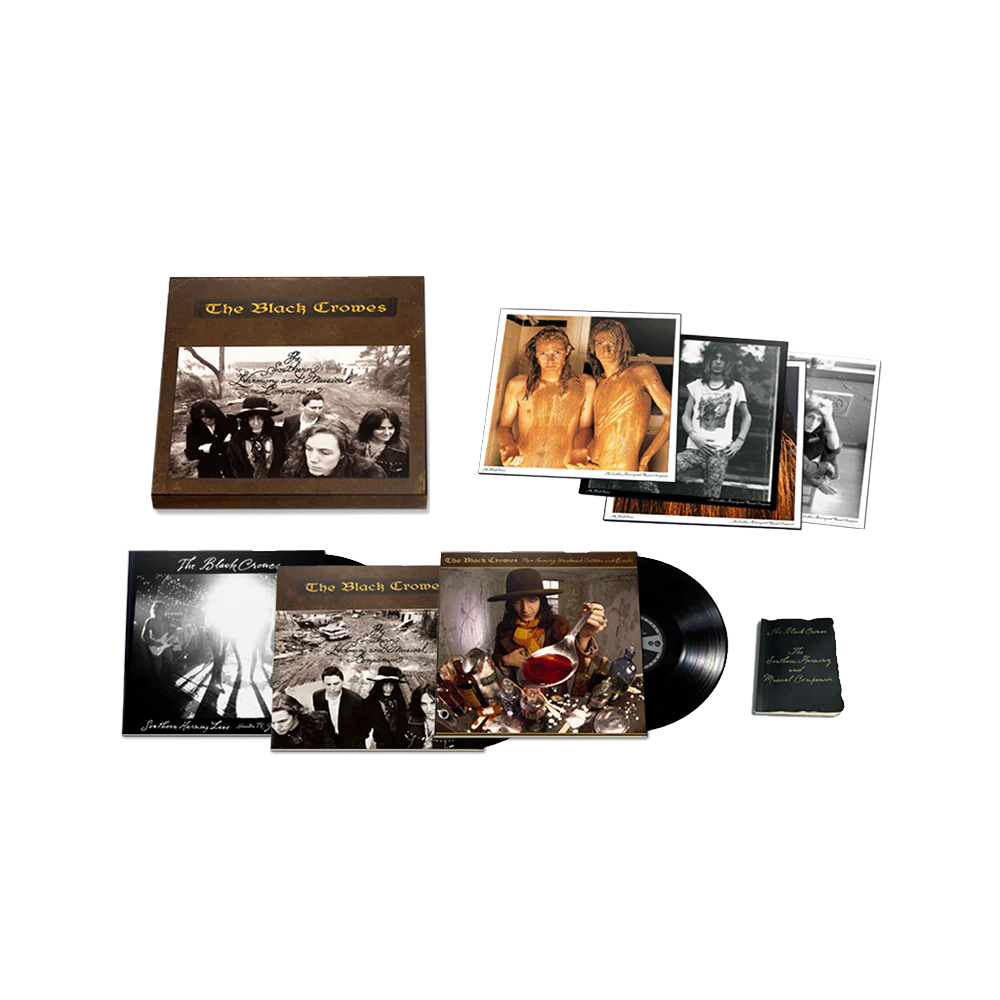
The latest from album reissue The Black Crowes is here! “The Southern Harmony and Musical Companion“, the band’s second studio album, is now available to pre-order in a variety of editions, including a deluxe edition 4LP box set complete with album notes, unreleased recordings, and more. Upon it’s initial release in 1992, the band topped the Billboard 200 and was one of the few albums to feature four number one hit songs.
The Deluxe 4LP box set includes a reproduction of the original 60 page promotional hymn book featuring insights on the record and band’s state of mind from both Chris and Rich Robinson. It also contains sheet music for the 9 Chris and Rich compositions.
The project has been overseen by Chris and Rich Robinson and album producer George Draklouias. There are 14 unreleased recordings including 2 studio recordings, A live concert from February 1993 and the never heard before live in-studio performance recorded at the end of the “Southern Harmony” session along with b-sides and the original album, now remastered.
we’re excited to send you exclusive content from the band. Take a behind-the-scenes look into the creative process that brought this record to life. Join Chris and Rich with producer George Drakoulias in the legendary Los Angeles Village Studios as they unearth multi-tracks for the very first time since the recording!
This exclusive experience will be the first episode of a three-part series, stay tuned for more.
Also Along with the box, there are 4 12″x12″ lithographs of images from “The Southern Harmony” photo shoots. The project has been overseen by Chris and Rich Robinson and album producer George Draklouias. There are 14 unreleased recordings, including 2 studio recordings, a live concert from February 1993, and the never-heard-before live in-studio performance recorded at the end of “The Southern Harmony” session along with b-sides and the original album, now remastered.
It’s hard to believe, but the Black Crowes’ first single, ‘Jealous Again,’ was released in 1990. Frontman Chris Robinson was 23 years old and his younger brother, guitarist Rich, was only 20 years old. Many years later, the Black Crowes may not be releasing new albums anymore but the impact of their career is still resonating in the world of music.
While it would be totally acceptable to simply list the 10 tracks from ‘Shake Your Money Maker’ as the band’s best songs, we dive into the BlackCrowes’ deep and dynamic back catalogue the fans are as passionate about the music as the band is.
There are few frontmen in the history of rock and roll who can combine an animated on-stage presence with a killer vocal range. As the leader of the Black Crowes and the Chris Robinson Brotherhood, Chris Robinson has definitely earned his place among the rock greats. Only 23 years old when the Crowes’ debut album, ‘Shake Your Money Maker,’ was released, Robinson’s skills as a frontman are complemented by his enthusiastic passion for the music he creates.
Since the band broke through with their 1990 debut, “Shake Your Money Maker”, it’s been a twisting and tumultuous path through a few hiatuses and constant line-up changes with members coming and going and returning, the kind of narrative most of us probably don’t have the time or interest to know inside and out. As much as the Black Crowes had recently come to sound like aged rock ‘n’ roll survivors, theirs was an existence that seemed on the precipice of collapsing at any given point.
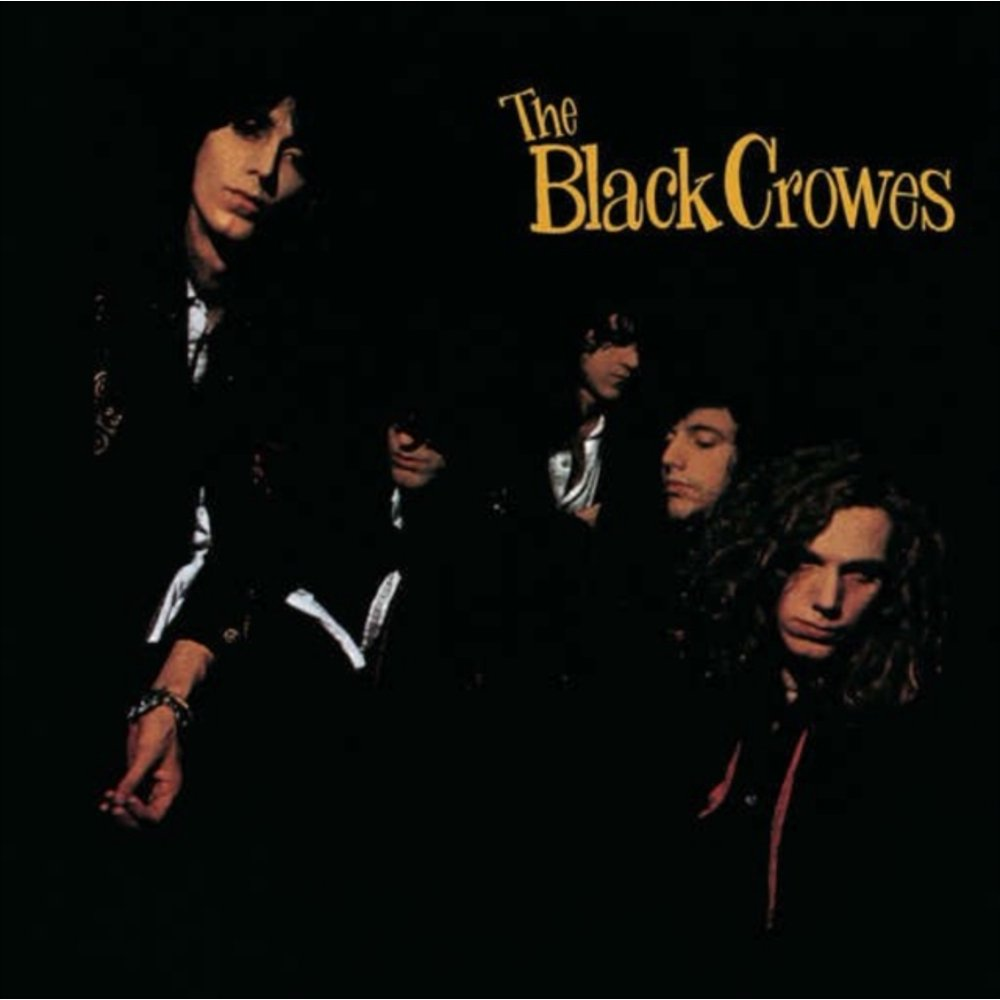
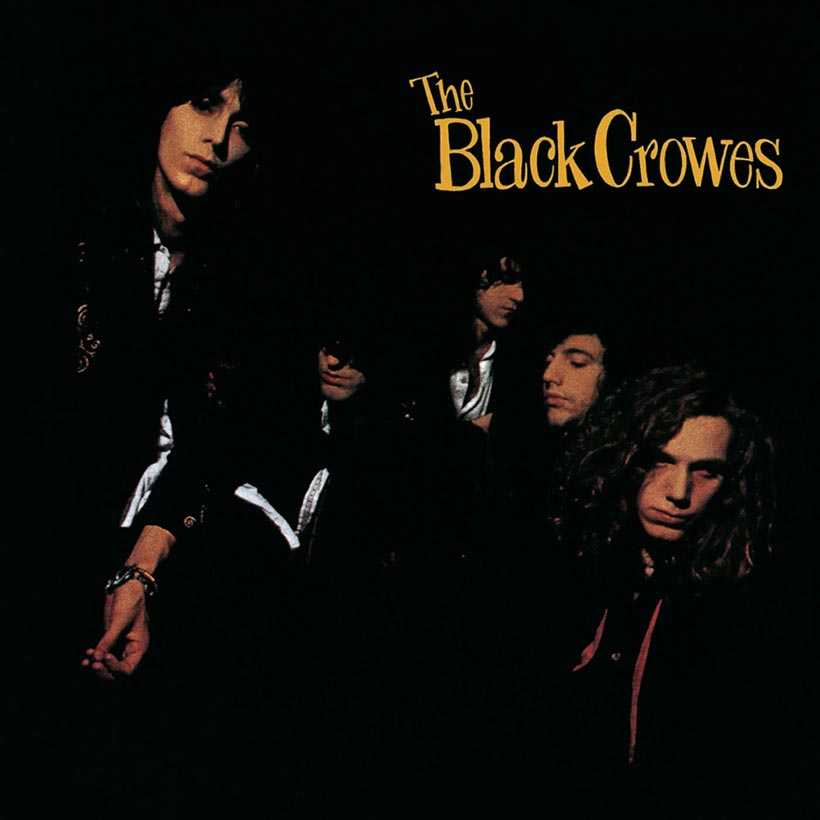
‘Shake Your Money Maker’ (1990)
The highest-proof distillation of the Black Crowes’ history-facing sound arrived on their concise multi-platinum debut. “Shake Your Money Maker” was important not because of what it said, so much as what it did. This was a like a biting, badly needed shot of brown liquor in an era dominated by umbrella drinks. Then the Black Crowes arrived, piloting a way-back machine from a home base at Keith Richards’ Villa Nellcôte. Maybe most of this had been done before – certainly “Hard to Handle” – but the familiarity of a swift kick in the ass doesn’t make it any less needed sometimes.
Possibly one of the most recognizable Crowes tunes out there, ‘She Talks to Angels’ is a beautiful song that focuses on a woman battling addiction. Written by both Robinson brothers, what makes the song even more extraordinary is the fact that Rich wrote the music for it when he was just 15 years old. Even though the song will forever be associated with the music of the early-’90s, as with most of the Crowes’ music, ‘She Talks to Angels’ will hold up for many years to come.
Originally written and recorded by Otis Redding during his final recording sessions before his death, the Black Crowes’ cover of ‘Hard to Handle’ reached top spot on Billboard’s Rock Charts in 1990. More than two decades later, the song still stands out as a significant contribution to the world of rock and roll. An honest rendition of Redding’s tune, the radio promo remix of ‘Hard to Handle’ takes the cover even further by including a brass section throughout the song.
Black Crowes best songs would not be complete without ‘Jealous Again,’ the second track – and lead single – on the band’s debut album, ‘Shake Your Money Maker.’ A purely blues-based rock and roll song, ‘Jealous Again’ is arguably one of the catchiest Crowes songs ever released. Elevating the song to a new level, the band covered the tune on their 2010 acoustic greatest hits album, ‘Croweology,’ opening fans up to a different interpretation of a true classic.
Both “Twice As Hard” and “Jealous Again” are huge songs. They’re the powerful one-two at the beginning of the band’s debut, and though they might not have been as big as “Hard To Handle” or “She Talks To Angels,” they haven’t lost their charm in the same way as those songs have for me, to some extent. if you’re in the business of reducing the Black Crowes to the sum of their influences, this was them dressing up really well as two of the primary ones. “Twice As Hard” is their Zeppelin-indebted one, with the way Rich Robinson unspools this heavy, sliding, Jimmy Page-esque riff over a heavily stomping drumbeat. Influences aside, the point here is that “Twice As Hard” is remarkably adept at what it’s doing considering they were such a young band. Meaning: now that we’re well past those early days and the context of the ’90s and notions of derivativeness holding as much weight, what we’re left with is “Twice AsHard,” which is simply an awesome rock song that could tussle with all the ’70s music the BlackCrowes loved so much.
So if “Twice As Hard” was the Zeppelin-ized opening salvo of “Shake Your Money Maker”, “Jealous Again” was Stones-y barroom track that immediately followed. (You could make a fair argument it’s where the Faces influence strongly rears its head.) And because I like the Stones more than I like Zeppelin, “Jealous Again” places ahead of “Twice As Hard,” the songs function as a unit when I think about them in my head. It turns out that the songs achieve more or less similar ends in the grand scheme of the Crowes’ catalog as well: These are two of the best, catchiest, most anthemic of the band’s material that falls under their “’70s hard rock classicism” phase, before we got to the more “roots rock classicism” they’d eventually favour. “Jealous Again” was also one of the earliest songs that made the most sense when brought out at those ’00s Crowes shows. It doesn’t take too much to make this comfortably ragged enough to sit alongside the material from “Warpaint” or “Before The Frost…” One other odd thing about “Jealous Again”: The Robinson brothers were apparently influenced by R.E.M. in the earliest days of their musical partnership and, well, that’s obviously an influence that died down. But you can hear just a bit of it in the bluesier-jangle of “Jealous Again,” especially in Rich Robinson’s guitar part when all the other instruments drop out around 2:40.
The Southern Harmony and Musical Companion (1992)
The Black Crowes stretched out on their sophomore release, adding guitarist Marc Ford to what could have been a tried-and-true Rolling Stones-meets-Faces-meets-Humble Pie sound beside Rich Robinson. Instead, they began hinting at musical choices that weren’t so clearly delineated the hits dried up. (“Thorn in My Pride,” the Black Crowes’ last charting song, This was really just a sign to come. “SouthernHarmony and Musical Companion” can now be seen as a bridge between their more song-oriented first record and the longer-form jams that followed.
“The Southern Harmony and Musical Companion” was the perfect follow-up to the band’s debut album. With even more rock and musical depth, the record showcased the band’s quick growth in just a couple of years. One of the shining examples of that growth is ‘My Morning Song,’ a tune with so much soul it’s become a regular fan-favourite at live shows. Besides the energy Robinson and company exude during the song, it also has a powerful breakdown that comes around the 3:30 mark when Robinson belts out, ‘If your rhythm ever falls out of time / You can bring it to me and I will make it alright.’ ‘My Morning Song’ proves to be a track that has a lasting effect on its listener.
One of the tamer songs on ‘Southern Harmony,’ ‘Thorn in My Pride’ perfectly captures the soulful edge of the Black Crowes. As opposed to ‘Lickin,” the band is obviously comfortable with performing the song live as they’ve played it nearly 1,000 times since the early-’90s. With emotional lyrics that have become definitive for the Crowes‘ career, ‘Thorn in My Pride’ is a must on anyone’s Top 10 Black Crowes Songs.
Two years after ‘Hard to Handle’ hit No. 1, ‘Remedy’ did the exact same thing for 11 weeks. Like all of the Black Crowes’ music, ‘Remedy’ stands the test of time and even 20 years later, it sounds better than ever. Taking a cue from an old Parliament song, ‘Remedy’ is most memorable thanks to the catchy guitar riff that not only opens the song, but is also a major part of its foundation. With such a vast catalogue.
The thing about a big rock band like the Black Crowes is that it’s the anthemic guitar jams that are usually the most iconic of their iconic songs, obviously the ones that get a big reaction when they’re played live, etc., etc. And while I’d probably lean toward wanting to hear a bunch of rockers in a concert setting, I’ve often found that the secret power of the Black Crowes is rooted in their ballads. They can range from meditative stuff to material more like “Thorn In My Pride,” the kind of stuff that swells and swells to the reward of its cathartic outro. Out of the early examples of mellower Crowes material, I’ll take “Thorn In My Pride” over “She Talks To Angels” part of that is it feels a little less over-exposed with over two decades’ distance, but that’s also because I love the build and fuller instrumentation here.
Even more so than “Amorica“, you can’t go wrong with anything off of “Southern Harmony”. It’s the band’s masterpiece. You could argue “Bad Luck Blue Eyes Goodbye” into this spot, and it’d make sense to me, because that song also has a stunning and satisfying conclusion.
Whenever I heard “Remedy,” it was the kind of song I turned up loud right away. It’s the best, most memorable, most interesting of all the band’s big rock songs. That intro, that descending guitar part, they almost sound like an early Pearl Jam song to me. And to me, that’s a good thing. It lets “Remedy” stand out not just as a famous and great song by a band that happened to exist in the early ’90s, but as one of the absolute classic songs from the decade.
“My Morning Song.” is a titan of a song. It just immediately crashes in with that loopy yet visceral slide-guitar lead, and the strange form of that guitar line just keeps wrapping itself around you, pulling you further into this song’s weird, strong current. “My Morning Song” is straight-up relentless for the first three minutes of its running time, and then it quiets down for two minutes, but not in the sort of way where you, for any moment, develop the illusion that this song is going to have a long, slow final chapter. Those two minutes push and push upwards, all the while letting you know you’re really just in a calm moment of the storm before everything comes crashing in once more, that much more overwhelming on the second round. Six minutes and sixteen seconds isn’t really that long of a song at all, but, man, the ride here feels epic. I used to think it was insane that this didn’t close “Southern Harmony“, But the overwhelming cascades and the revery of “Time Will Tell” is actually a perfect way to end an album.
Three Snakes and One Charm (1996)
“Three Snakes and One Charm”, which the Black Crowes recorded during a period of intense internal acrimony, particularly between brothers Chris and Rich Robinson.
“There was a lot of emotional baggage” in the aftermath of the “Amorica” tour, and everyone got on each other’s nerves,” said Rich . “We almost broke up a few times, but finally we all let go and moved on.” Chris, for his part, had told Guitar World a few months earlier that eventually “you just realize, ‘Oh, shit, I’m lucky and I’m happy ’cause I’m making a living being a musician, which is the thing I love more than anything.'”
A little distance also seemed to do the trick, as Chris was living in Los Angeles and Rich in Atlanta when they started swapping song ideas long distance. They slowly knocked their demos into shape before calling their band mates and producer Jack Joseph Puig to record basic tracks in an Atlanta home they soon baptized as Chateau de la Crowe. Prolific as usual, the band wound up capturing over two dozen songs, out of which they picked 12 that showcased both familiar Black Crowes hallmarks and novel experiments, all of them later finished at Los Angeles’ Ocean Way Studios.
Among Three Snakes’ many highlights, “Under a Mountain” was a cryptic Southern rocker (sample lyrics: “Lay down with number 13”) that was written in five minutes, according to Rich; “Nebakanezer” was a psychedelic strut laced with serpentine guitars and “(Only) Halfway to Everywhere” an irrepressible singalong; the Indian-flavoured “How Much for Your Wings” made for a beguiling detour and “Blackberry” was a funky rhythm & blues penned in the spirit of the band’s earlier, breakthrough hit with Otis Redding’s “Hard to Handle”.
And while some songs, including “Good Friday,” “One Mirror Too Many” and “Better When You’re NotAlone,” generally slacked off or dragged on like they had no place to go, the similarly slow but in every way sublime country soul of “Girl from a Pawnshop” became a peak moment in the Black Crowes’ career, as it gradually built up with delicate tension, finally released via Marc Ford’s stinging, cathartic lead breaks.
Three years later, with 1999’s next studio album, “By Your Side”, Chris, Rich, Marc, drummer Steve Gorman, keyboardist Eddie Harsch, and new bass player Sven Pipien (who replaced the popular Johnny Colt) were generally praised for reviving the safer, Rolling Stones- and Faces-inspired style of their debut. With the benefit of hindsight, the risk-taking freedom of “Three Snakes and One Charm” appears to have been vindicated in the broad scope of the Black Crowes’ career – polarized opinions, occasional imperfections, and all.
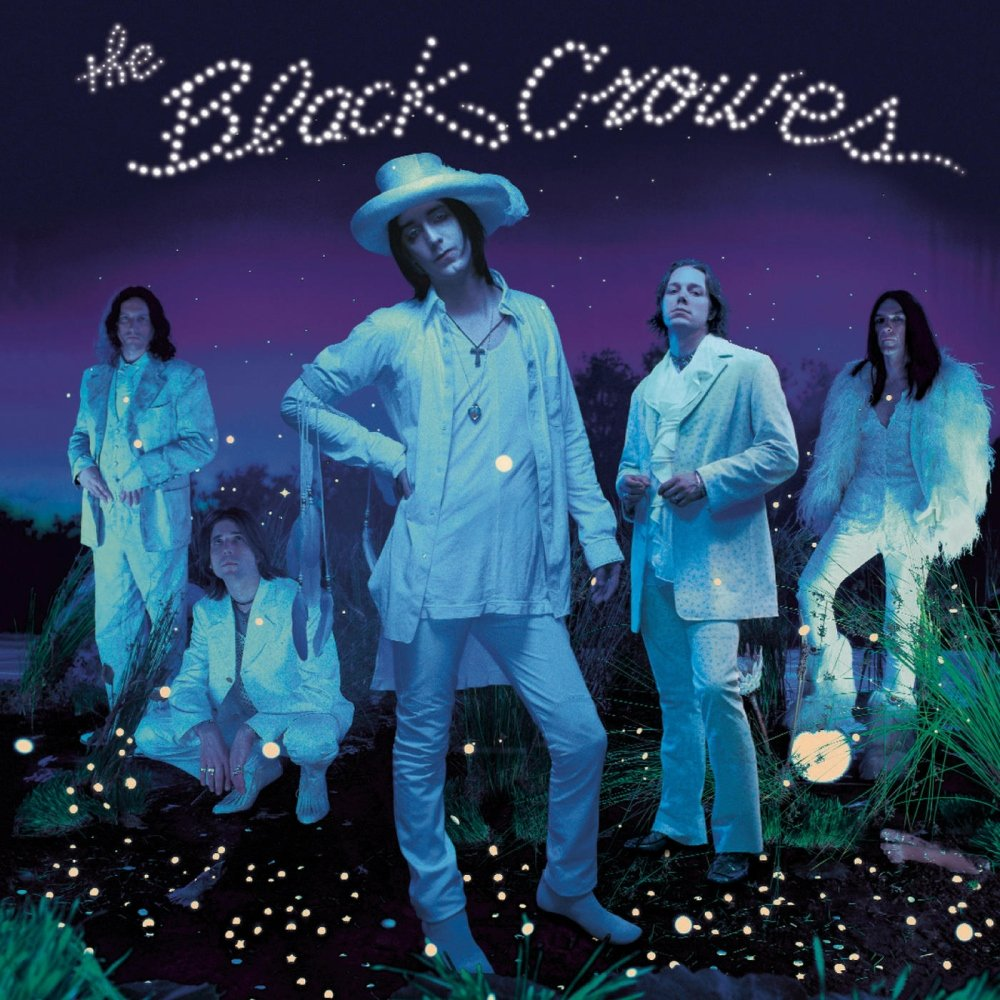
By Your Side (1999)
Starting things off with a raucous slide up the guitar neck, ‘Kickin’ My Heart Around’ never slows down for three minutes and 41 seconds. The song is soaked in overdriven guitars and a non-stop toe-tapping rhythm that culminates with an ear-piercing harmonica-laden bridge. With lyrics like, ‘Well I told you so now it’s time to go / Got to get this show on the road / Just stop kickin’ my heart around,’ it’s easy to get this song stuck in your head.
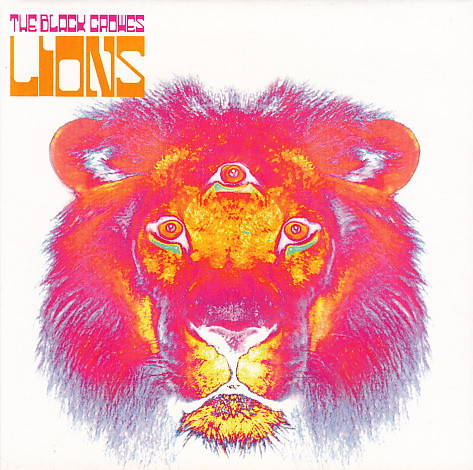
Lions (2001)
On an album full of blues-, soul- and classic rock-tinged tracks, ‘Lickin” stands out as the most memorable. Built on a wicked guitar riff manned by Rich Robinson, the song is filled with gritty vocals and lyrics as well. While ‘Lions’ may have caused some mixed reviews from critics, it’s hard not to argue that “Lickin” rocks from start to finish. Adding to its appeal, it is a rarity for the band to perform the song live, having done so less than 100 times since its concert debut in 2001.
Honestly, I’d rather have more “Before The Frost” or “Warpaint” than “Lions“. The former options sum up that awesomely worn sound of latter-day Black Crowes, and “Lions” is the last and the worst chunk of their career. There are some good songs there, and there are some ridiculously awkward and awful ones, but they’re unified in being lost in some greasy sludge of a production sound.
There’s no denying that bright spot of “Soul Singing” hidden in the middle, though. One thing about the Black Crowes is they can do gospel more convincingly than a lot of blues-rock bands. Those drums and guitars in the verses tumble forward relentlessly, in wanderlust, until it all peals out into the chorus that feels like the moment where you’re driving in some new place and reaching the crest of the hill, totally unaware what you might find on the other side. “Soul Singing” was a mainstay in the Black Crowes’ later tour setlists, and for good reason: It’s an unquestionable highlight in an era of the band otherwise defined by diminishing returns.
Warpaint (2008)
While the blues have always played a role in the Black Crowes’ music, ‘Evergreen’ is a shining example of just how far they can push their talents. ‘Warpaint’ is the first studio album with Luther Dickinson on guitar, and his Southern rock and blues influence is obvious on ‘Evergreen.’ Dickinson’s chops shine around 2:20 as he takes front-stage for a lively and one-of-a-kind solo that bleeds perfectly into the final chorus.
The Crowes’ first hiatus ended in 2005, but it wasn’t until 2008 that “Warpaint“, their first record since 2001’s “Lions“, would see the light of day. Given the lackluster nature of“Lions” and its predecessor “ByYour Side”, and the general nature of a band coming back after a prolonged break, “Warpaint” is way better than it has any business being, than anyone would’ve likely expected.
The Crowes wound up aging really, reallywell, arriving at an earthier classic rock vibe that suited them well and would’ve continued to suit them well. There are all sorts of moments from “Warpaint” that came to my mind for this list: the heavy bass thrum in the chorus of “Walk Believer Walk,” the beautiful lament of “Locust Street,” the Beatlesque psychedelia in the chorus of “Wounded Bird,” or the blues-raga refrains of closer “Whoa Mule.”.
“Goodbye Daughters Of The Revolution.” has all the trademark characteristics of that late Crowes music more band than Zeppelin but with a melodic punch comparable to the more amped-up singles of their past. It might not hit you over the head the same way the chorus of “Twice As Hard” did back in the day, but it’s the most infectious song on“Warpaint”without sacrificing that album’s earned grit and character. Chris Robinson’s voice, in particular, had aged so well after some of the unfortunate squawking on“Lions”: grainier, seen-some-more-things, like you can hear the fact he was now sporting a big old shaman beard. On setlists, the song sat perfectly alongside the classics from the earliest albums.
Before the Frost…Until the Freeze (2009)
The most recent Crowes’ studio album featured several psychedelic tunes, but one song stands out amongst the 20 offered, and that’s the Dylan-esque, ‘I Ain’t Hiding.’ With a funky bass beat and wicked guitars, the song’s vibe is amplified with Robinson’s lyrics and vocals. Opening with, ‘Rust on my pickups and blood on the stage / Seeds in the ashtray and coke on the blade,’ the Chris Robinson-penned song is flawless in its old-school rock and roll style.
In the Black Crowes recent years, the thing that does disappoint me about their breakup is that I really loved where they’d started to go as they aged. More country and bluegrass being woven in, more weathered and whiskey-soaked guitars and vocals, more of the Band than Zeppelin. All of which is an appropriate direction for a band that had turned into ragged survivors approaching fifty. “Before TheFrost…Until The Freeze”, the album that for the moment is their last, and the album they recorded live in front of an audience in Levon Helm’s barn, is really the sort of thing that works as a whole; anymore. “Before The Freeze”… is a warm, lived-in kind of sound where all the material sits together. “Good Morning Captain,” a ruggedly chilled-out opener that shows just how good these guys sounded toward the end. Whatever line-up they’d arrived at (I, like you probably did 20 years ago, stopped trying to keep up with the band’s personnel changes) has just the right vibe for the road-worn, sun-burnt sounds of “Good Morning Captain.”
It’s the paradox of that corner of classic rock artists where you can tell these guys are a great unit and play incredibly tight together, but that skill is put toward crafting a sound that’s natural and shambling, so that every time Chris Robinson gets around to belting out that chorus, it sounds like he’s in swamp bar out of a Southern myth.
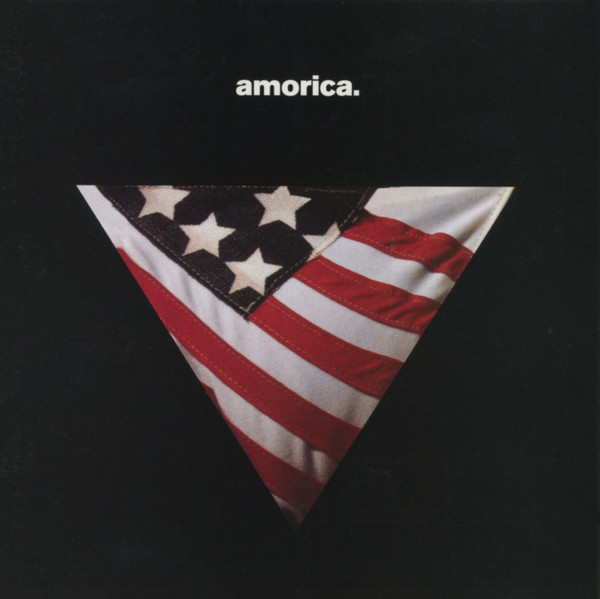
Amorica
It’s possible the Black Crowes could have found a slightly more tasteful way to show their patriotism than by using this picture of a not-entirely big enough bikini from the cover of the July 1976 issues of ‘Hustler’ magazine.
You can’t go wrong with anything off of “Amorica”. Having always had a soft spot for the weird “Lowrider”-isms of “High Head Blues” or the unnerving angles of “Gone,” both vied for the spot of the “rock song from “Amorica” on this list. But what I like about “A Conspiracy” is, in a song, it kind of sums up the general knottiness of the Black Crowes’ third record, the one that was, more or less, experimental by their standards.
The big flare-out intro of “A Conspiracy” and its heavy, wah-assisted riff collectively represent one of the rare moments in the Crowes early discography where they sounded, yes, still classicist but also like they actually lived in the ’90s. And then after it rides this rigidly dirty and funky groove for a bit, it opens up into a pretty, introspective chorus. There’s all these weird little sounds and structural decisions in the songs on “Amorica”, but also gives it this drugged-up sprawl that can be hard to connect with compared to “Southern Harmony” or “Shake Your Money Maker”. “A Conspiracy” works well as a kind of skeleton key to the album.
The strength of the Black Crowes’ ballads, there’s “Wiser Time,” one of the most beautiful songs in the band’s catalogue. “Wiser Time” is forever linked to the song that precedes it, “Ballad Of Urgency.” After some of the scorched rock songs that begin “Amorica”, “Ballad Of Urgency” and “Wiser Time” form a little gorgeous unit that holds down the album’s mellower second half. It’s when the last strains of guitar and last dwindling flashes of cymbals flow seamlessly into the beat for “Wiser Time” that I feel like we’ve arrived where we wanted to go. On the more overtly Southern rock end of the Black Crowes spectrum, this is their “Midnight Rider,” a song that seems born from and built for aimless drives down desolate American highways, probably alone and, yeah, probably at night. Out of any of the traditions in classic rock or American music, the searching and wandering song that sounds good in a car while summer air flows in through an open window.
The Black Crowes have announced a 30th-anniversary reissue of their breakthrough debut album, “Shake Your Money Maker”. The Super Deluxe version – available on either four LPs or three CDs – will include a newly remastered version of the original 1990 album, as well as three previously unheard studio recordings. One track, “Charming Mess,” is a song that was originally earmarked to be the Black Crowes’ first single but eventually was left off Shake Your Money Maker.
The Black Crowes’ debut album, “Shake Your Money Maker”, may borrow heavily from the bluesy hard rock grooves of the Rolling Stones and Faces (plus a bit of classic soul), but the band gets away with it due to sharp song writing and an ear for strong riffs and chorus melodies, not to mention the gritty, muscular rhythm guitar of Rich Robinson and brother Chris’ appropriate vocal swagger. Unlike their later records, the Crowes don’t really stretch out and jam that much on Money Maker, but that helps distill their virtues into a handful of memorable singles (“Jealous Again,” “She Talks to Angels,” a cover of Otis Redding’s “Hard to Handle”), and most of the album tracks maintain an equally high standard.
Shake Your Money Maker may not be stunningly original, but it doesn’t need to be; it’s the most concise demonstration of the fact that the Black Crowes are a great, classic rock & roll band. Other material on the Super Deluxe edition includes two demos from the band’s early years (when they were known as Mr. Crowe’s Garden), a collection of B-sides and a previously unreleased 14-song concert recording from a 1990 performance in their hometown of Atlanta. Reproductions of early band flyers, a tour laminate, a Black Crowes patch and a 20-page booklet highlight the collectibles included in the set.
Originally released in February 1990, the Black Crowes‘ debut album defied rock sensibilities at the time. While spandex and hair metal were dominating the airwaves, the Crowes offered a back-to-basics approach, full of Southern-rock influences and Rolling Stones-style swagger.
The album would go on to sell more than 5 million copies, spawning radio favourites like “Jealous Again,” “Twice as Hard,” “She Talks to Angels” and a hit cover of Otis Redding’s “Hard to Handle.”
The group had intended to celebrate Shake Your Money Maker’s 30th anniversary with a nationwide tour in 2020, but those plans were put on hold due to the coronavirus pandemic. A 2021 trek is tentatively scheduled to kick off next June. The Black Crowes ‘Shake Your Money Maker’ 30th Anniversary Edition Box Set!! Featuring the original studio album remastered by George Drakoulias, 3 never before heard studio recordings, 2 unreleased demos from Mr. Crowe’s Garden, a 14 song unreleased live album from Atlanta GA 1990, vintage The Black Crowes artwork, archived photos, liner notes from David Fricke, plus a 4” Patch.
Available February 26th,
The Black Crowes, ‘Shake Your Money Maker’ 30th Anniversary
The Black Crowes’ YouTube channel tonight at 6:00 pm PST to catch a three-song set of classic Crowes songs from Chris and Rich Robinson. The video was captured at The Chapel in San Francisco on 6th March 2020 – the final date of the acoustic “Brothers of a Feather” tour.
Months ago, brothers Chris and Rich Robinson thrilled Black Crowes fans by reuniting after nearly eight years and announcing the “Shake Your Money Maker” tour, celebrating the 30th anniversary of their best-selling debut album. Ahead of the extensive stadium tour, which is currently scheduled to begin in June, the brothers embarked on a short run of acoustic duo dates – their first time touring under the moniker of “Brothers Of A Feather” in nearly 15 years.
The 11 acoustic shows offered an ideal opportunity for the brothers to reconnect with their fans at intimate venues in cities like London, Amsterdam, Nashville and their hometown of Atlanta. The duo performed many favourites from the Black Crowes’ catalogue of hits, including songs like ‘Remedy’, ‘She Talks To Angels’ and ‘Thorn In My Pride’.
In a recent interview with the Atlanta Journal-Constitution, Chris Robinson called the reunion with his brother, “An incredible opportunity”, adding, “It’s advantageous for Rich and I to be together and reintegrate ourselves to being on the road and on a tour bus together”.
Robinson also recalled his first rehearsal with his brother, after years of estrangement. “Rich (hit the guitar) and the windows shook, I was like, ‘Yeah, I’m ready for this.’ I want that. It might seem silly, but that’s just the way it is”. Robinson added, “It’s an amazing gift that we’ve been allowed to earn our livings playing rock’n’roll music for so long. I never take that lightly.”
Shot live at The Chapel, San Francisco, March 6th, 2020
Chris Robinson. Hailing from Georgia,Chris Robinson grew up with the Faces and the Rolling Stones as mentors. With the swagger of Rod Stewart, his band, The Black Crowes, burst onto the scene in 1989 with their debut, “Shake Your Money Maker”. The record was a breath of fresh air as grunge was taking over the airwaves. The stripped down music on the record yielded such classics as “Twice As Hard,” “She Talks to Angels,” “Jealous Again” and the Otis Redding classic, “Hard to Handle.” Robinson’s stage presence was quickly compared to Mick Jagger as he strutted like a rooster. With brother Rich on guitar, the band had a bluesy feel which also drew comparisons to the Stones.
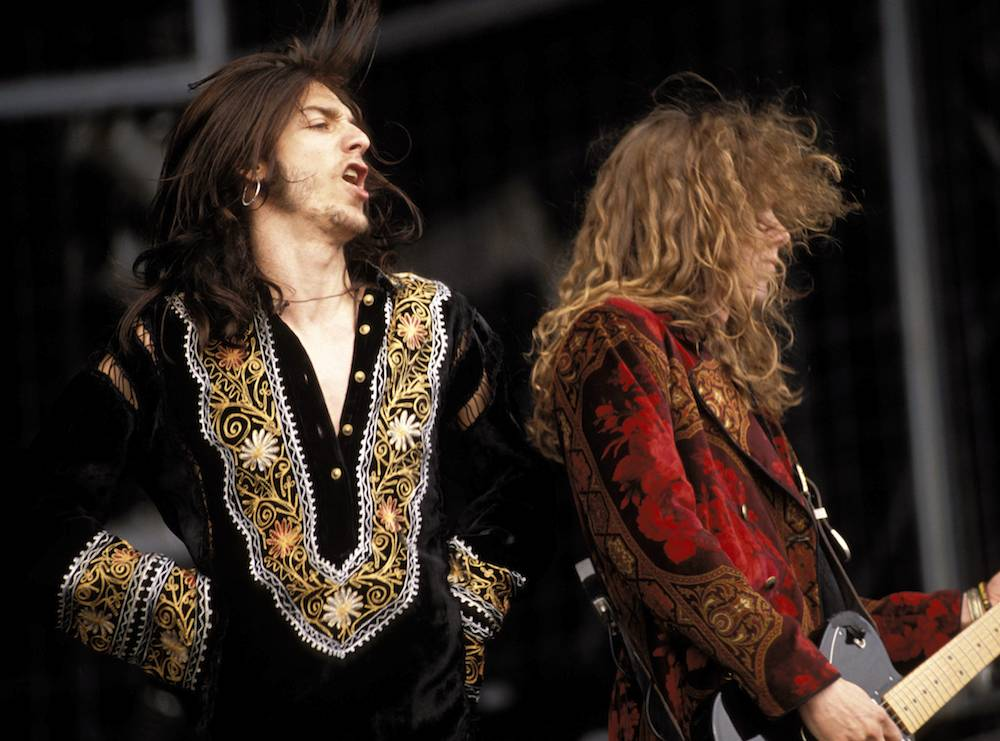
As they emerged on the scene in their paisley-printed tunics and born-again hippie attire, people didn’t know what to make of them at first – as they defiantly claimed to save rock’n’roll. Shake Your Money Maker went on to sell more than 5 million copies, reaching triple platinum status and earning the group the Best New American Band distinction by Rolling Stone readers.
While it seemed like they came out of left field, the success of the Crowes was anything but instant. Chris and Rich Robinson initially formed the band in 1984 while in high school in Marietta, Georgia and went by the unfortunately named Mr Crowe’s Garden.
The brothers went through three drummers and half a dozen bass players between their ’84 debut as Mr Crowe’s and the summer ’89 sessions for Shake Your Money Maker. While they initially dabbled in 60’s psychedelic pop and classic southern rock, they gradually turned to the 70s-era blues-rock that would define the group’s eight studio albums.
Cut to the summer of ’89. With a new sound and new lineup in lead guitarist Jeff Cease, bassist Johnny Colt and drummer Steve Gorman, the band headed into the studio to start sessions on Money Maker. George Drakoulias, a former A&R rep for A&M Records turned producer for Def Jam, not only produced the record but also was responsible for scouting them in the first place and securing the record deal. Having studied at the Mick Jagger school of strutting, Robinson made for quite an charismatic frontman and Drakoulias saw potential.
The Crowes were always conspicuous crate diggers and ardent students of music history. They even named Shake Your Money Maker after a song by legendary blues guitarist Elmore James. One doesn’t have to listen hard to pick up the breadcrumb trail of influences ranging from 60s and 70s groups like Aerosmith, The Rolling Stones, the Allman Brothers, to Faces . In fact, they even recruited Allman Brothers keyboardist Chuck Leavell to play piano and organ on most of Shake Your Money Maker‘s tracks.
Picking up where their predecessors left off, the Crowes were equally adept at blending rock, soul, country and gospel into something that felt new and electric. With swagger to spare, the very first track opens the album as a declaration and a promise to rock ‘Twice As Hard’.
From the screeching sounds of a car crash on ‘Thick N’ Thin’ to Rich Robinson’s wondrous dexterity on ‘Struttin Blues’, the whole album has that lighting in a bottle feeling and the raw energy of a live band who can’t be contained. But the real success of the album relied upon a pair of No.1 mainstream rock singles, ‘She Talks to Angels’ and ‘Hard To Handle’, which reached number one on the Billboard Album Rock Tracks chart and No.26 on the Billboard Hot 100.
The album isn’t all boogie rock and hard rock riffs, there are some quieter moments with the weary and wistful ‘Sister Luck’ and ‘Seeing Things’ which both show off the brothers’ lyricism and Chris Robinson’s whiskey worn vocals. Several of the songs on the album, including ‘Could I’ve Been So Blind’ and the surprisingly affecting ballad ‘She Talks to Angels’, come from the band’s original incarnation when they were just teens.
Unaffected by the critics, Robinson forged on as the band released their sophomore effort, “The Southern Harmony” and Musical Companion, which hit the number one spot on the American charts and spawned the hits “Sting Me” and “Remedy.” The band’s next release, Amorica, was quick to please critics, but with the grunge movement in full swing, the record only sold 500,000 copies. While the group would release three more records, their popularity was in question, and they disbanded in 2002 only to reform in 2005, having released three albums. Now considered classic rock, they have been unable to capture the spark of their earlier work. Whether with the Crowes or as a solo act, Robinson continues to perform to the delight of fans.
In the early Nineties, the music world welcomed a refreshing thunderstorm of rock n’ roll that washed away all of the glitter and hair spray of the cheesy metal bands in the Eighties. Although there were a lot of grunge and alternative rock bands dominating the charts, the only band that put a shiny new coat of paint on some of the most pure rock ‘n’ roll sounds were the Black Crowes.
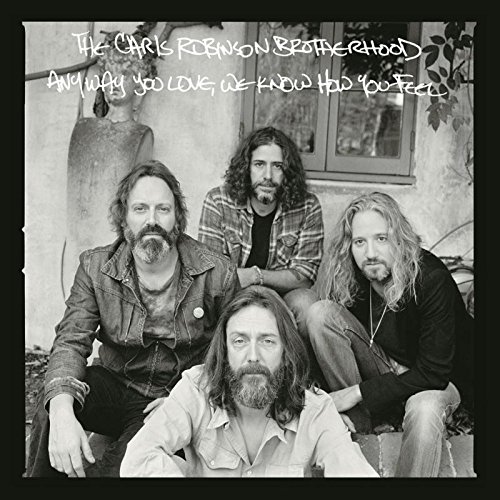
Chris Robinson grew up just outside Atlanta, GA, along with his brother and former bandmate in The BlackCrowes. Chris Robinson Brotherhood released its fourth studio album “Any Way You Love, We Know How You Feel” on July 29, 2016, and on November 4, 2016, an EP titled “If You Lived Here, You Would Be Home By Now,” containing five songs left over from the same sessions.
Chris Robinson has clearly learned that one of the most important keys to success is proper preparation. On Anyway You Love, We Know How You Feel, it’s obvious that he and his band did their homework. On their fourth studio album, the Chris Robinson Brotherhood show off their unity and soul with a set of songs that perfectly utilize the skills and easy musical camaraderie that the band has built through years of sharing stages and tour buses. Having put in that time to completely gel as a unit, the band is free to further explore the southern fried soulful and funky results of the interplay of their various talents, which they do to great effect on their newest album.
The band’s bubbling, southern psychedelic sound has evolved since their last studio album, 2014’s PhosphorescentHarvest, adding a richness and a depth beyond any previous work. While obviously the star of the show, Robinson shares sonic space freely with his collaborators, particularly guitarist Neal Casal and keyboardist Adam MacDougall. Both men have powerful musical voices but manage to work in harmony with each other, all under the emotive drawl and chords of Robinson.
“Narcissus Soaking Wet” opens the disc with a dreamlike intro that slowly coalesces into a funky, cosmic groove which casts a powerful spell from the very first notes. A slinky guitar line blends with a percolating organ from keyboardist and song co-writer MacDougall before expanding to a trance-like jam from the heart of the early seventies. Casal’s use of slide on the following “Forever As The Moon” is suitably restrained so that the majestic sound of his chords doesn’t drown out the rest of the piece. Here Casal, as throughout these recordings, takes great care to serve the song not his own ego, managing to compliment but never overwhelm the mid tempo tune with his peels of guitar joy.
Whether tossing off a floating, quirky quasi-instrumental like “Give Us Back Our Eleven Days” or allowing Robinson and Casal let their jamming do the talking for them in the impressive outro on “Leave My Guitar Alone.”Anyway You Love, We Know How You Feel never loses sight of its tone and pace. “Oak Apple Day” exemplifies the languid and funky approach that is the order of the day, with all the hallmarks of the album prominently on display. Syrupy guitar leads, reedy organ flourishes and a call-and-response lyric that has Robinson entreating listeners to “Relax Your Mind,” which sums up the albums lyrical and sonic intent perfectly. Closing the album with “California Hymn” Robinson’s roots show the strongest with a plaintive pedal steel guitar and his charming drawl both turned up to their highest intensity, sending listeners out with a last moment of righteous fire.
“All it takes is one good, small idea, and then if everyone’s focused and in the moment, a few hours later, you can have something that you realize you’ll be playing for as long as you’re making music,” said Robinson in a statement. “I think when everyone’s aware that that’s the sort of magic that we’re looking for. More than any other session that I’ve ever been a part of, that’s how all of these songs were done.”
As is often the case, having a strongly defined musical identity can be a double edged sword for a band. While obviously great care has been shown to make each track open and accessible, the soul and spirit behind them is personal and pervasive. Chris Robinson and his band aren’t trying to please the world, they’re just making the best music they can, and they’ve done themselves proud with this album. Flowing like a twisting and turning river that wanders but never loses sight of its destination, Anyway You Love, We Know How You Feel delivers a wonderful escape from the maddening beat of the modern world. As gifts go, a sanctuary for the soul, no matter how momentary, is a true blessing well worth sharing.
Perhaps it’s unfair to compare the Chris Robinson Brotherhood to the work of Rich Robinson, the estranged brother of the band’s leader, but listening to their 2016 albums side by side illustrates the divide between the co-leaders of the Black Crowes. Flux, the fourth album by Rich, doubles down on the earthy Southern sounds that always rooted the Crowes, but Anyway You Love, We Know How You Feel, the fourth LP by the CRB, is so light it floats away on its own haze. Apart from the knowing “Leave My Guitar Alone,” the rhythms aren’t blues-boogie, they’re more nimble funk-rock colored by a psychedelic sensibility that isn’t about chops but rather endless expansion. It’s jam music where the playing isn’t the point: it’s the vibe and, sometimes, the song. Robinson certainly luxuriates in his winding words, lyrics that conjure fleeting indelible moments, but what impresses is the structure he doesn’t write hooks, he writes melodies, where the verses slide into the chorus then glide into a bridge – and how the band underpins these tunes with interplay that feels loose yet tight: the performances often stretch for longer than six minutes but the CRB aren’t aimless, they’re simply riding their groove. Such accents as early-’70s analog synths and a couple of pastoral acoustic numbers may give Anyway You Love, We Know How You Feel a throwback feel but the Chris Robinson Brotherhood aren’t living in the past, they’re pushing jam band tradition forward by keeping their expansion focused on funk.











 The Fat Angel Sings