

Lou Reed – People Who Died – Jim Carroll
Recorded Live: 9/25/1984 – Capitol Theatre – Passaic, NJ
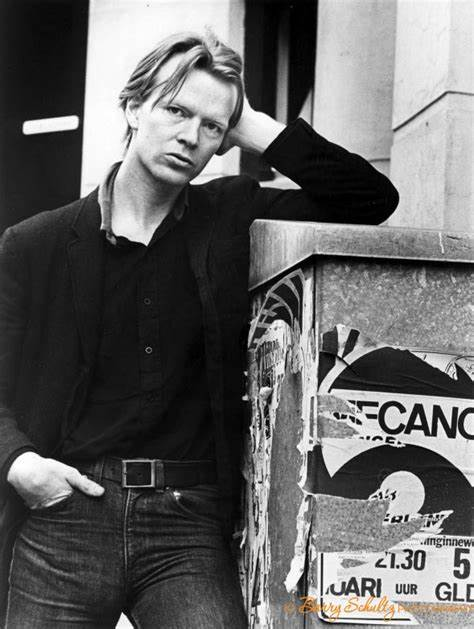
In my life, no one has captured what it was like being raised Catholic better than Jim Carroll. Not Bruce, not Jack, not Billy Joel…Jim Carroll. He wrote great poetry, that should never be forgotten. There was so much anger to lose yourself in that song that it just made sense to play and scream it out on repeat over and over . So if for some odd reason you have not memorized his songs and poems over the years…this is for you ……..
Jim Carroll was born to a working-class family of Irish descent, and grew up on New York City’s Lower East Side, and when he was about eleven (in the sixth grade) his family moved north to Upper Manhattan where he attended Good Shepherd School. He was taught by the LaSalle Christian Brothers, and his brother in the sixth grade noted that he could write and encouraged him to do so. In fall 1963, he entered public school, but was soon awarded a scholarship to the elite Trinity School from 1964–1968.
Apart from being interested in writing, Carroll was an all-star basketball player throughout his grade school and high school career. He entered the “Biddy League” at age 13 and participated in the National High School All Star Game in 1966. During this time, Jim Carroll was living a double life as a heroin addict who prostituted himself to afford his habit but he was also writing poems and attending poetry workshops at the St. Mark’s Poetry Project.
In 1978, Carroll published The Basketball Diaries, an autobiographical book concerning his life as a teenager in New York City and its hard drug culture. The Basketball Diaries was an edited collection of the diaries he kept between the ages of twelve and sixteen, detailing his sexual experiences, high school basketball career, and his addiction to heroin, which began when he was 13.

In 1987, Carroll wrote a second memoir entitled Forced Entries: The Downtown Diaries 1971–1973, continuing his autobiography into his early adulthood in the New York City music and art scene as well as his struggle to kick his drug habit.
After working as a musician, Jim Carroll returned to writing full-time in the mid-1980s and began to appear regularly on the spoken word circuit. Starting in 1991, Carroll performed readings from his then-in-progress first novel, The Petting Zoo
In 1978, after he moved to California to get a fresh start since kicking his heroin addiction, Carroll formed The Jim Carroll Band, a New Wave/punk rock group, with encouragement from Patti Smith, with whom he once shared an apartment in New York City, along with Robert Mapplethorpe. The band was originally called Amsterdam, and was based in the San Francisco Bay Area. The musicians were Steve Linsley (bass), Wayne Woods (drums), Brian Linsley and Terrell Winn (guitars). They released a single “People Who Died”, from their 1980 debut album, Catholic Boy. The album featured contributions from Allen Lanier and Bobby Keys. In 1982 the song appeared in E.T. the Extra-Terrestrial, from which Carroll received royalties until his death in 2009.
The song also appeared in the 1985 Kim Richards vehicle Tuff Turf starring James Spader and Robert Downey Jr., which also featured a cameo appearance by the band, as well as 2004’s Dawn of the Dead. It was featured in the 1995 film The Basketball Diaries (based on Jim Carroll’s autobiography), and was covered by John Cale on his Antártida soundtrack. A condensed, 2-minute, version of the song was made into an animated music video by Daniel D. Cooper, an independent filmmaker/animator, in 2010. The song’s title was based on a poem by Ted Berrigan. Later albums were Dry Dreams (1982) and I Write Your Name (1983), both with contributions from Lenny Kaye and Paul Sanchez. Carroll also collaborated with musicians Lou Reed, Blue Öyster Cult, Boz Scaggs, Ray Manzarek of The Doors, Pearl Jam, Electric Light Orchestra and Rancid. –
Jim Carroll, 60, died of a heart attack at his Manhattan home on September 11th, 2009. He was reportedly working at his desk when he died.
 The Fat Angel Sings