Posts Tagged ‘Brian Eno’

Image may contain: text

It’s More than two years have passed since David Bowie departed us, but the steady flow of back-catalogue releases shows no sign of slowing. With another Record Store Day upon on and the release of three more Bowie collectables. At the time of his death suggested Bowie had left detailed plans for years worth of reissues, a number of which have already surfaced, including the Cracked Actor live album and the 13-LP set A New Career in a New Town.

This month, 45 years to the day since it was first released, comes a special silver vinyl edition of “Aladdin Sane”, as well as a repress of 1981’s “ChangesTwoBowie” compilation.

the Reissue of Aladdin Sane gives us an opportunity for another visit, in other words—along with these six other gems from David Bowie’s ever-growing backlist of releases. All of which should be added to your collection.

David Bowie  – Aladdin Sane

Though Bowie made Aladdin Sane during his first big burst of success, it is usually overshadowed by the mold-breaking The Rise and Fall of Ziggy Stardust and the Spiders from Mars and, to some extent, the more overtly theatrical Diamond Dogs which has experienced a major critical reevaluation in the years since its release. Bowie himself might take some of the blame for that, having somewhat glibly described Aladdin Sane at the time of its release as “Ziggy goes to America.” But while Ziggy remains an undeniable cornerstone in Bowie’s rise (and in the shaping of 20th-century rock music),

https://www.youtube.com/watch?v=CGQo6zpVzt8

Aladdin Sane is no mere retread. In fact, one might argue that it is a more expansive refinement of its predecessor, setting two of his finest singles of the period—“The Jean Genie” and “Drive-In Saturday” alongside its wonderfully deranged, avant-garde title track, the biting “Cracked Actor” and one of the great album-closing ballads of his career, “Lady Grinning Soul”
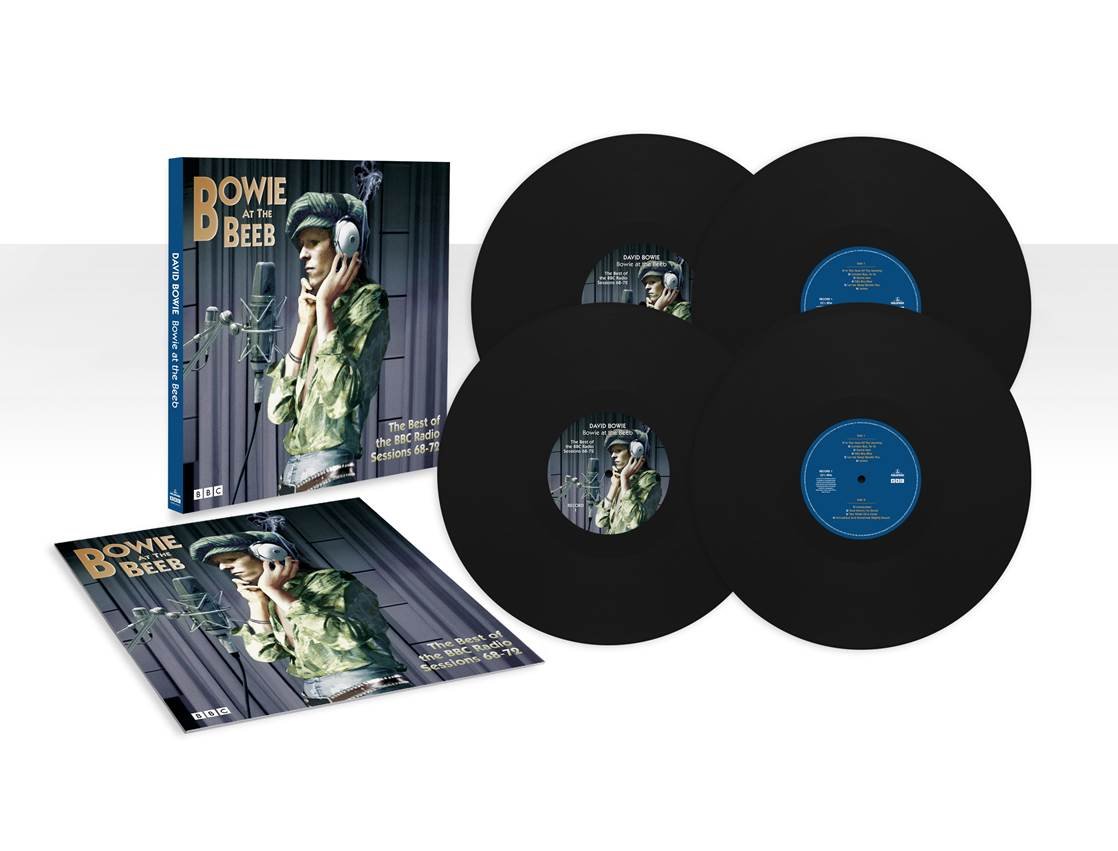
 

David Bowie  –  Bowie At The Beeb

Before he was David Bowie 1970s musical chameleon in chief—he was David Bowie, singer of whimsical psychedelic pop. Bowie would more or less disown 1967’s self-titled debut—“I didn’t know if I was Max Miller or Elvis Presley,” he later said with songs such as the dainty “Love You Till Tuesday” offering only vague hints at what was to come.

A more informative insight into early Bowie can be gleaned from this collection of BBC radio sessions, which run from his first appearance (alongside the Tony Visconti Orchestra) in 1968 to the height of Ziggy mania in 1972. The set provides a series of illuminating glimpses at his fast-growing gift for songcraft and stagecraft, with the string-drenched pop of 1968’s “Karma Man” gradually giving way to expansive prog-folk (“Cygnet Committee,” “The Width of a Circle”), early takes on Ziggy material (“Queen Bitch,” “Hang on to Yourself”), Velvet Underground covers (“I’m Waiting for the Man,” “White Light/White Heat”), and more.

The initial CD edition from 2000 also included a bonus third disc that featured a live set recorded at the BBC Radio Theatre that same year, as well as a glaring error, with the same May 1972 recording of “Ziggy Stardust” appearing twice on disc 2 (since corrected for subsequent two-disc releases).
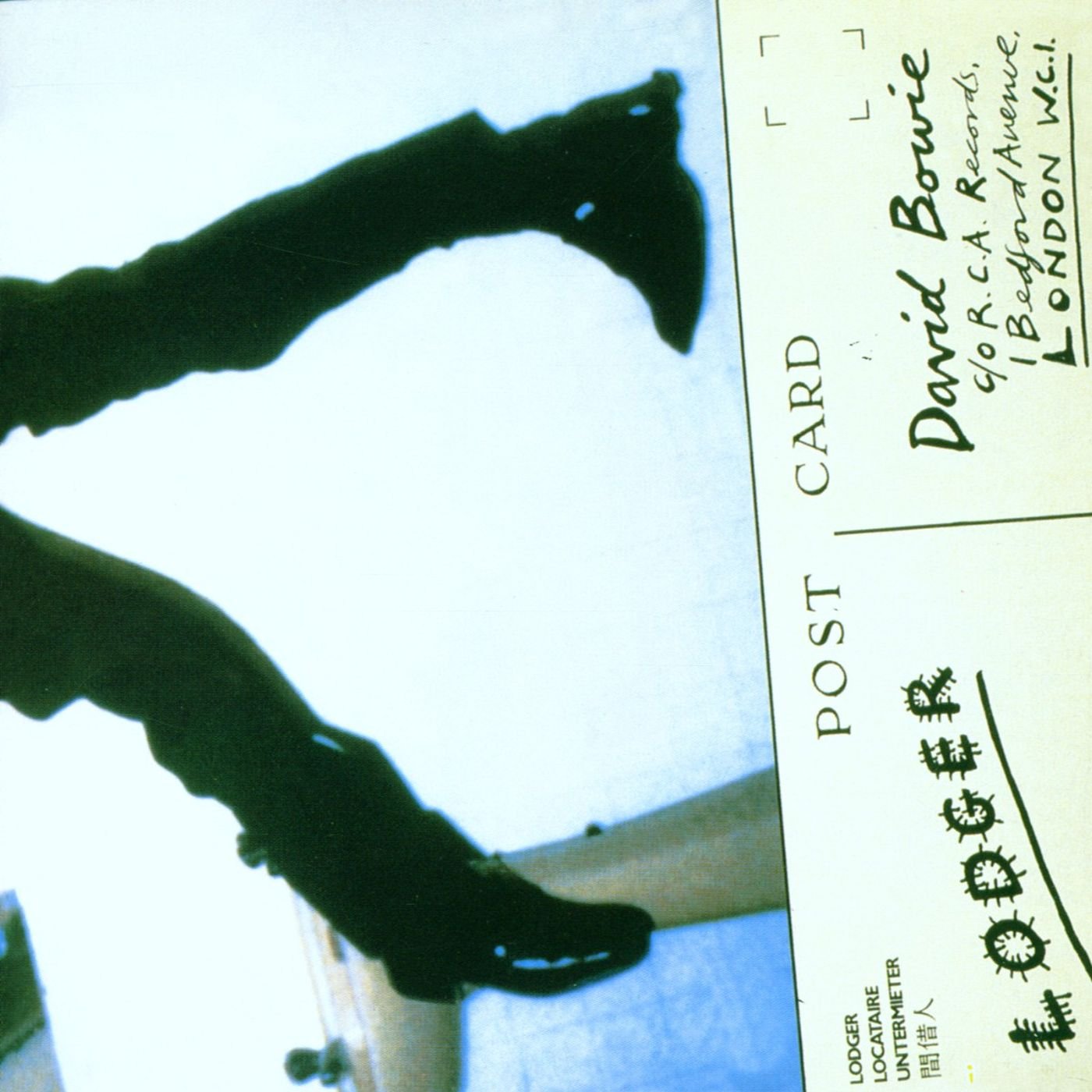
David Bowie  –  Lodger

The final entry in Bowie’s unparalleled run of ‘70s albums is also the least-loved of the lot, in no small part because of its unhelpful labeling as the third part in his so-called “Berlin Trilogy.” Though it was made with most of the same crew responsible for the one-two punch of “Low” and Heroes” (producer Tony Visconti, creative foil Brian Eno, and a band framed around Carlos Alomar, Dennis Davis, and George Murray), it is less a continuation of those albums’ themes than a foreshadowing of Bowie’s beloved 1980 LP Scary Monsters (and Super Creeps).

Recorded and mixed in the not-very-German locations of Montreux, Switzerland, and New York City, New York, “Lodger” also ditched the structure of its supposed siblings (songs on side A, instrumentals on side B), instead spreading its avant-garde moments throughout. Opening with a deceptively conventional piano ballad, “Fantastic Voyage” it then explodes into life on the extraordinary “African Night Flight,” an urgent freeform piece that prefigures Eno’s “world music” experiments with David Byrne on My Life in the Bush of Ghosts. Further travels follow on “Red Sails” and the Turkish reggae (yes, Turkish reggae) of “Yassassin,” while “D.J.” and “Look Back in Anger” revel in the general rubbishness of modern life.

https://www.youtube.com/watch?v=UMhFyWEMlD4

The album is notable, too, for its clever way with recycling: “Move On” is “All the Young Dudes” backward. “Fantastic Voyage” and “Boys Keep Swinging” share a chord progression but little else. And the closing “Red Money” is a reworking of “Sister Moonlight” a song Bowie wrote for Iggy Pop several years earlier.

Only a modest success by Bowie’s standards on its release in 1979, it has long since been due some form of critical rehabilitation. The 2017 boxed set A New Career in a New Town went some way toward doing so, foregrounding a brand new mix of the album by Tony Visconti, but it remains underrated.
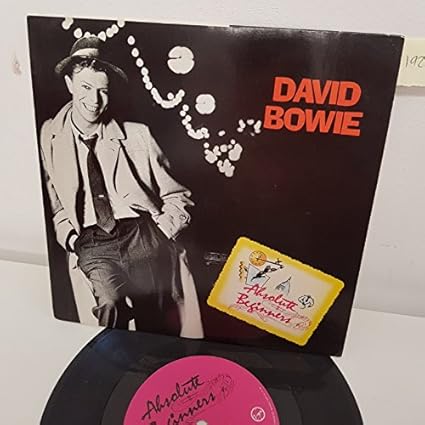
DAVID BOWIE, absolute beginners, B side absolute beginners dub mix , VS 838, 7" single

David Bowie – Absolute Beginners

Bowie began the ‘80s with one of his best albums Scary Monsters and the biggest hit of his career (Let’s Dance), but after that he lost his way, seemingly wrong-footed by the mainstream pop stardom he had sought and then so spectacularly achieved. Amid the two weakest albums of his career (1984’s half-baked Tonight and 1987’s unwisely titled Never Let Me Down, however, there were occasionally still signs that the old magic hadn’t left him yet. Tonight’s “Loving the Alien” is a stunning song in need of a better home, while “This Is Not America,” recorded for the soundtrack to the spy film Falcon and the Snowman, proved considerably more successful than a jazz-fusion collaboration with the Pat Metheny Group had any right to be.

Even better than either of those, though, is “Absolute Beginners,” a windswept ballad written for the film of the same name (in which Bowie also stars). Recorded in a single day with a pickup band that included keyboard wizard Rick Wakeman and Prefab Sprout drummer Neil Conti, it’s a grandstanding epic in the mold of “Rock ’N’ Roll Suicide” or “Wild Is the Wind” Bowie’s widescreen vocal offset perfectly by the warm horn section and Wakeman’s jazzy flourishes.

Not included on any of Bowie’s studio albums, “Absolute Beginners” is well worth seeking out, either on one of his many best-of albums or on its own standalone EP, which also features an extravagant eight-minute version (complete with bolero intro) and a surprising rendition, in Italian, of Domenico Modugno’s Eurovision-winning “Volare.”
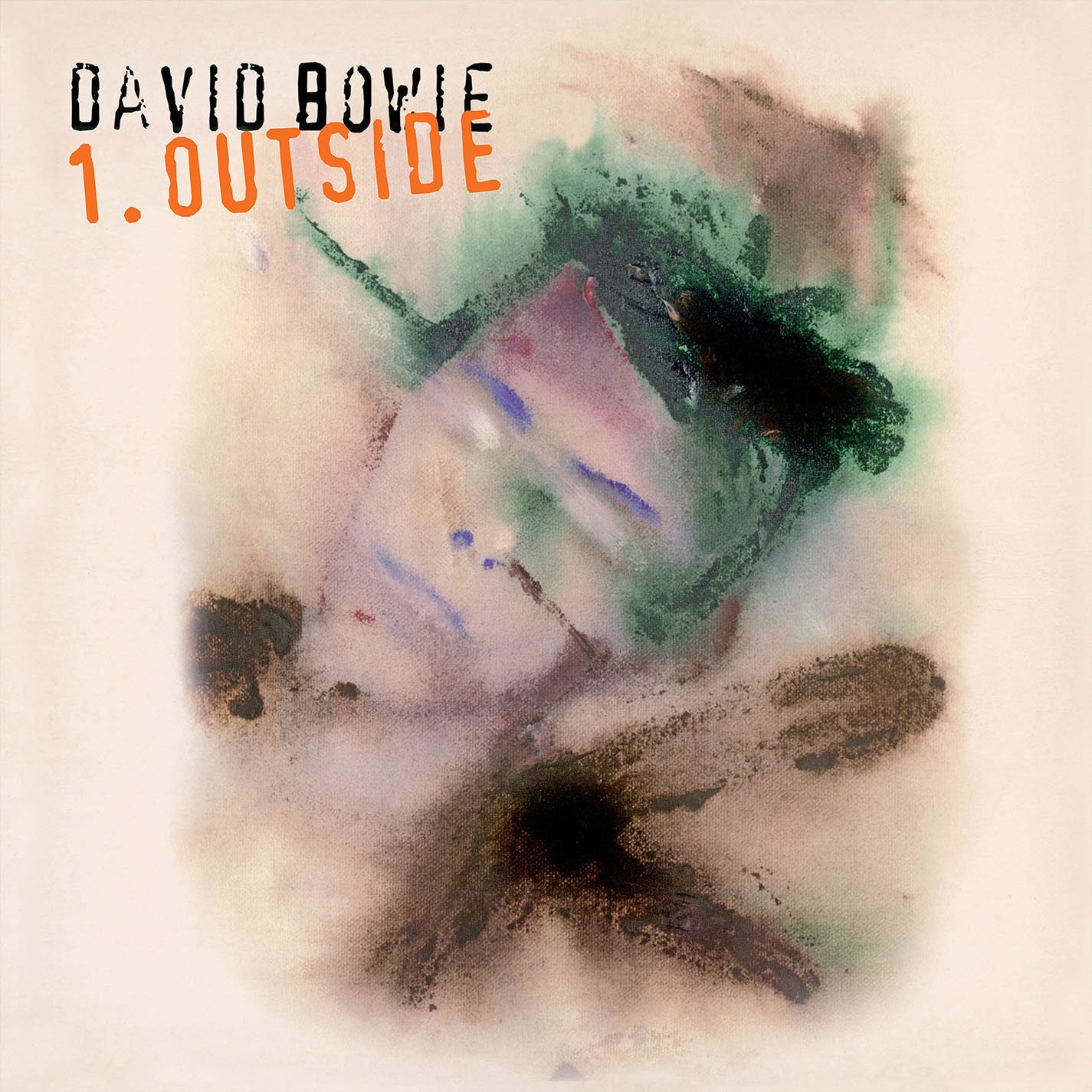
David Bowie  –  1,Outside

After hitting a creative low in the mid-to-late ‘80s, then taking a questionable detour into hard rock with Tin Machine, Bowie took some time to re-find his footing in the ‘90s, but by the time of 1. Outside—a dystopian concept album made in collaboration with his old mate Brian Eno, among others—he was well and truly back on form. “The Hearts Filthy Lesson” was his best single for a decade. “Hallo Spaceboy” is a suitably idiosyncratic update of the Major Tom myth. Tracks like “The Motel” (a grandly atmospheric piece evocative of latter-day Scott Walker and driven by the returning Mike Garson’s baroque styled piano) and the album-closing “Strangers When We Meet” are as good as any other art-rock of the day.

1. Outside might not be perfect—the inter-song segues have not aged well, and a third of the run time could comfortably be pruned from its over-generous 75-minutes—but it’s one of Bowie’s most ambitious works, and one that sits comfortably among his post-’70s highlights. Perhaps his premillennial tension was a little too far ahead of the curve—after a somewhat lukewarm response to this album, Bowie’s plans for a series of sequels soon faded, and he made the jungle-tinged Earthling instead.
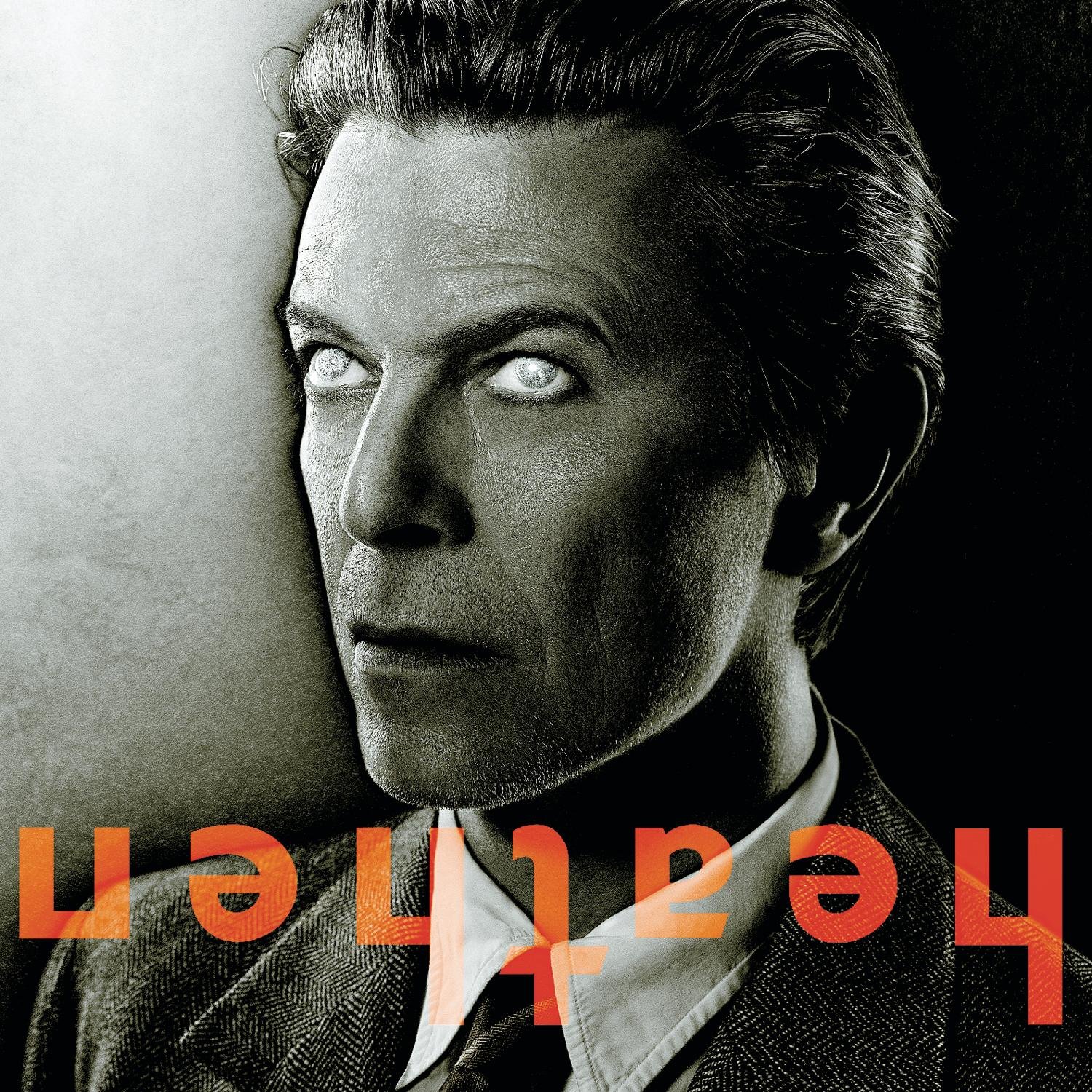
David Bowie  –  Heathen

For a long time, before Blackstar wowed and saddened in equal measure, Heathen felt like it might be the last great David Bowie album. Released in the aftermath of 9/11, and in some ways capturing the post-terror mood despite having largely been completed before the attacks on New York (Bowie’s then adopted home) and Washington D.C., it’s a work of maturity, morality, and mortality.

Death had long figured in Bowie’s work, but never before with the calm acceptance of Heathen’s opening track, “Sunday,” a mournful reflection on a world where “nothing remains” and the light is scarce. There’s a similarly meditative mood to “I Would Be Your Slave” and “5:15 The Angels Have Gone,” on which he declares, “I’m out here forever.” Elsewhere, among the lighter fare, “Slow Burn” is a kind of mini-“Heroes” with Pete Townshend on guitar, while “Slip Away” reunites Bowie with another old friend, the Stylophone pocket synthesizer. Slotting in neatly alongside Bowie’s own compositions are well-judged covers of Neil Young’s “I’ve Been Waiting for You” and the Pixies’ “Cactus,” in which the original’s mid-song shout-out is playfully updated to “D-A-V-I-D.”

If the response from some was once again muted, its creator was undeterred. “I’m pretty much a realist,” he said at the time. “The young have to kill the old. … That’s how life works.”
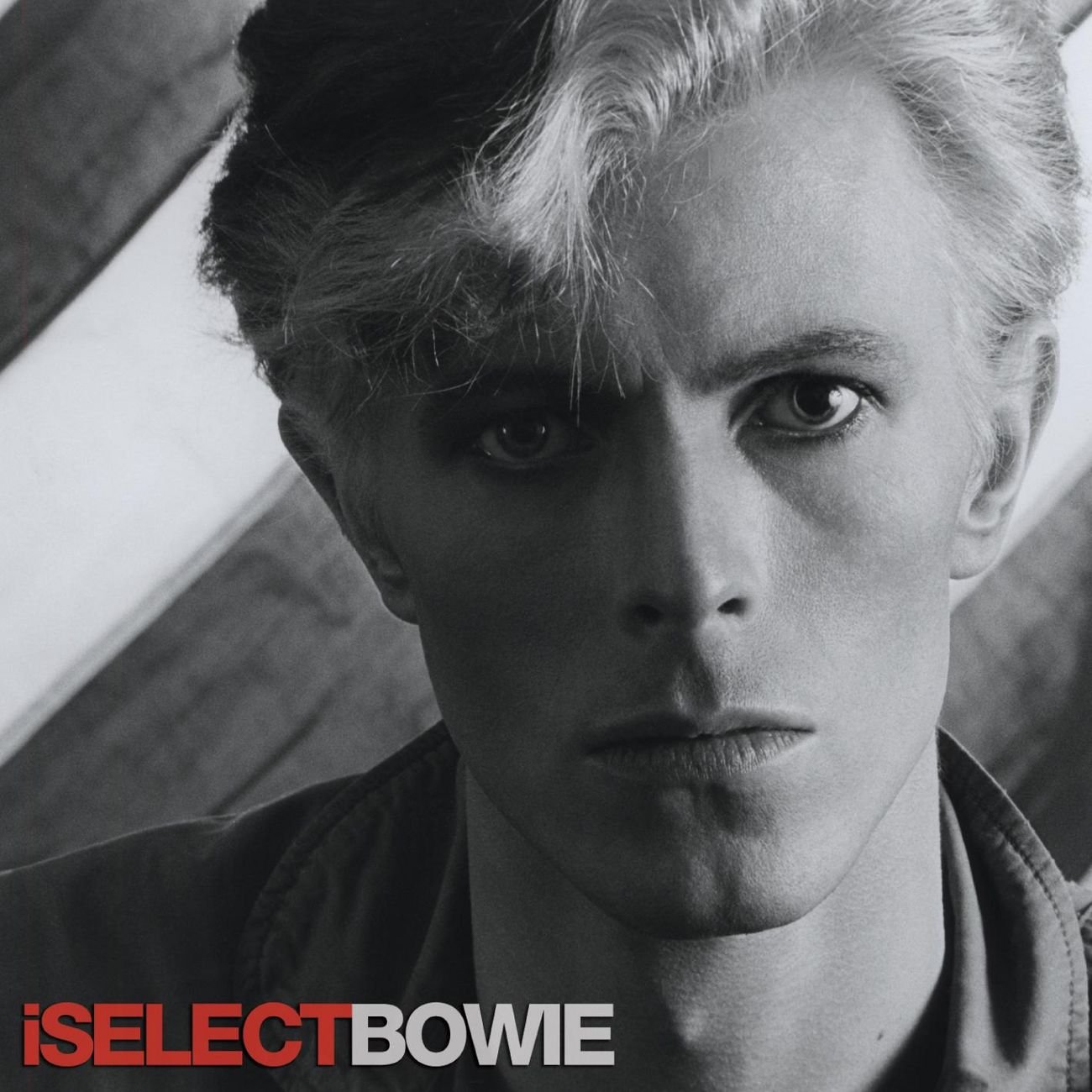
David Bowie  –  iSelect

Over the years, Bowie’s best bits have been compiled in so many different shapes and forms that they almost require a catalogue of their own. The best of the best-ofs, though, is this 12-track collection of Bowie’s own personal favorites from his extensive backlist. It was first released, incongruously, as a cover-mounted freebie alongside the June 29th, 2008, edition of the right-wing The Mail on Sunday newspaper, before being given a separate, rhetoric-free release later in the year.

Of the 12 songs Bowie chose to include, only “Life on Mars?” is an obvious pick. Among the rest are two tracks from Lodger, the Low outtake “Some Are,” and a newly remixed version of Never Let Me Down’s “Time Will Crawl.” In the illuminating song-by-song liner notes that accompany the album, Bowie described the latter as being among “a host of songs that I’ve recorded over the years that for one reason or another (clenched teeth) I’ve often wanted to re-record some time in the future.” If you’re looking for all the hits, in order, there are plenty of options to choose from, of which the most recent, 2016’s Legacy, is probably your best bet. As a guided tour by the man himself, however, iSelect cannot be beaten.

No automatic alt text available.

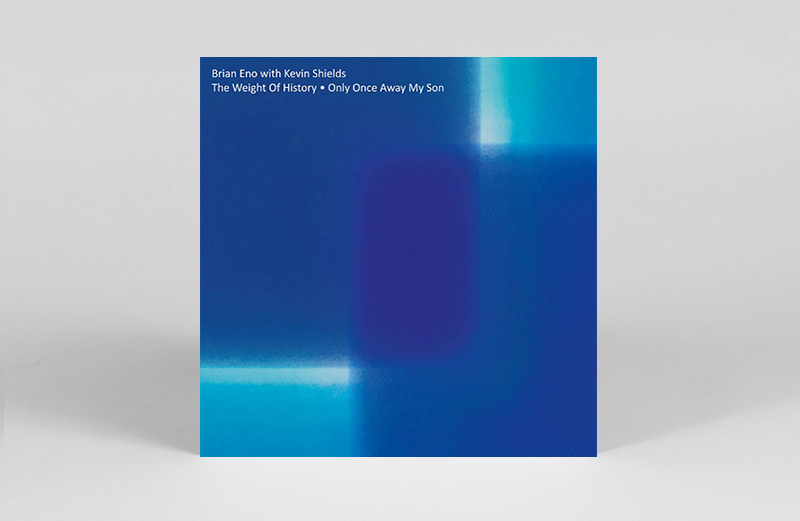
Brian Eno teams up with My Bloody Valentine’s Kevin Shields for this double a-side affair, which includes new track ‘The Weight of History’ alongside their 2017 collaboration ‘Only Once Away My Son’.

12″ single in full colour printed sleeve with standard paper inner, no download card. 2-track double A side 12″ from the legendary sonic pioneers.

The unexpected, fully welcome, and deliriously successful pairing of professional ex-glam sound genius Brian Eno and his new sidekick, My Bloody Valentine noise sculptor Kevin Shields.

Begging to be listened to on noise-canceling headphones or very, very loud speakers, the duo blast off with a drum track that is instantly, almost comically subsumed into a nine-minute sound-cleanse of bells, drones, and a soaring rocket flare that may be a guitar.

Ambient but hardly static, its tones and textures return throughout, as if tracing long and inaudibly developing melodies. Not immediately identifiable as either Eno or Shields’ work, a rich, enveloping piece of music .

Tracklisting:
1.The Weight Of History
2. Only Once Away My Son

Image may contain: 1 person, close-up

To mark the release of David Byrne’s eagerly awaited American Utopia album, here are the former Talking Heads front man’s variegated and all-too-sporadic canon of solo and collaborative albums.

America Utopia is David Byrne’s first solo album in 14 years, and only his ninth studio LP since the break-up of Talking Heads in the late 1980s. Of those nine, four have been co-headlined with other artists: Brian Eno, Fatboy Slim and St Vincent. The emphasis has been on quality rather than quantity.

But Byrne has not been sitting on his hands. Along with lecture tours, writing books and operating his own Luaka Bop and Todo Mundo labels, he has composed extensively for cinema and the stage. Byrne has, in fact, notched up more soundtracks than he has own-name projects, from big budget Hollywood productions such as Bernardo Bertolucci’s The Last Emperor through to scores for experimentalist ballet choreographers Twyla Tharp and Wim Vandekeybus. Some of his best soundtracks have, happily, been released on vinyl.

Born in Scotland in 1952, but resident in the US from 1960, David Byrne has been based in New York since 1974, where he co-formed Talking Heads a few years later. He has been at the cutting edge of the avant-music scene for four decades, an achievement equalled by only a handful of musicians, one of whom is Brian Eno.

Brian Eno/David Byrne – My Life In The Bush Of Ghosts
(Sire LP, 1981)

Byrne first worked with Brian Eno in 1978, on Talking Heads’s More Songs About Buildings And Food, which Eno produced. The collaboration continued on My Life In The Bush Of Ghosts, Byrne’s first album outside Talking Heads. The music is an art-rock extension of Eno’s groundbreaking 1980 collaboration with the beyond-jazz trumpeter Jon Hassell, Fourth World Vol. 1: Possible Musics, which wove together electronica, tape manipulation and found sounds with jazz, African, Asian and Middle Eastern roots musics. Ghosts is a high-water mark in both Byrne and Eno’s catalogues, with ‘The Jezebl Spirit’ becoming an unlikely Paradise Garage classic. Remarkably, the duo did not co-headline again until 2009’s Everything That Happens Will Happen Today.

David Byrne  –  The Catherine Wheel
(Sire LP, 1981)

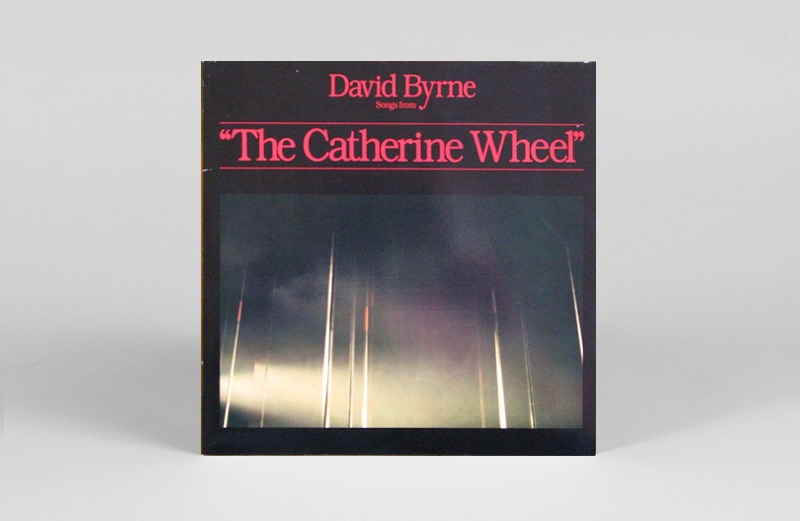
For a couple of years in the early 1980s, Byrne and the choreographer Twyla Tharp were an item. The Catherine Wheel, a patchwork of spacey electronica and earth-bound motor rhythms, is his score for Tharp’s Broadway-meets-ballet project of the same name, or to be precise, highlights from the score, which in theatrical performance runs for around 80 minutes. Like so much of Byrne’s stage and screen work, the music stands up well even when separated from the visuals. Alongside Byrne on vocals and guitars, contributing musicians include Brian Eno and Bernie Worrell on keyboards and synthesisers, drummer Yogi Horton and Talking Heads guitarist Jerry Harrison.

David Byrne  –  Music For The Knee Plays
(ECM LP, 1985)

Another of Byrne’s notable theatrical partnerships during the 1980s was with the iconoclastic playwright and director Robert Wilson. Music For The Knee Plays is Byrne’s part of the score for Wilson’s epic opera The Civil Wars, which also included sections by Philip Glass and Gavin Bryars. Byrne’s 19-piece collective line-up of musicians is made up almost entirely of jazz and funk horn players and his arrangements, which reference revivalist New Orleans’s outfits such as the Dirty Dozen Brass Band, effectively evoke the American Civil War-era which contextualises Wilson’s production.

David Byrne – Music For The Knee Plays Rei Momo
(Luaka Bop LP, 1989)

Byrne’s first solo outing after the break-up of Talking Heads is a heady cocktail of mambo, rumba, samba, cumbia, son and cha-cha-cha. The line-up is dominated by Cuban and Nuyorican musicians, including star stylists Celia Cruz, Willie Colón and Johnny Pacheco, augmented by Byrne and fellow vocalist Kirsty MacColl, whose husband, Steve Lillywhite, produced the album. Respectful of the traditions it celebrates without being in thrall to them, Rei Momo is a delight.

David Byrne  –  Uh-Oh
(Sire LP, 1992)

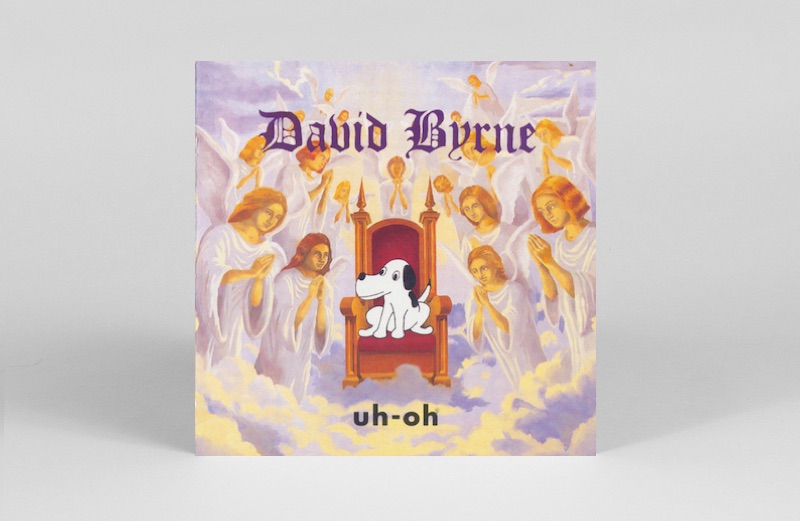
An engaging but often overlooked entry in Byrne’s canon, Uh-Oh is his post-Talking Heads flashback – poppy tunes, intricate but dance-friendly rhythms and splashes of Africana and Latin Americana. In 1992, after such daring experiments as My Life In The Bush Of Ghosts, The Catherine Wheel and Music For The Knee Plays, the album was widely perceived as unadventurous and anachronistic. With hindsight and the passage of years, its straight-talking charm is more apparent.

David Byrne –  Lead Us Not Into Temptation (Music From The Film Young Adam)
(Thrill Jockey LP, 2003)

Bleak but important, this is Byrne’s noir-soaked soundtrack for the film version of Young Adam, a 1954 novel about a murder on a Scottish river barge written by the minor Scottish Beat poet and major heroin user (and recruiting sergeant) Alexander Trocchi. Byrne’s arrangements for the string section, drawn from the Scottish Chamber Orchestra, add appropriately bleak textures, which are periodically lightened by Scottish folk musicians, hurdy-gurdy player Alasdair Roberts and accordionist John Somerville. Possibly Byrne’s best-realised film score to date.

David Byrne/Brian Eno  –  Everything That Happens Will Happen Today
(Todo Mundo LP, 2009)

Three decades after the historic collaboration that was My Life In The Bush Of Ghosts, Byrne and Eno reunite for another high-scoring shot from left-field. What kept them? Most of the composing and recording was done by email exchange between Byrne in New York and Eno in London, and the production sets in-the-tradition gospel vocals, written and sung by Byrne, against emotionally neutral, electronic backing tracks, mostly arranged and played by Eno. If that sounds a bit semi-detached, it all, as Byrne would probably not say, starts making sense as soon as you spin the record. Eno next crops up as co-producer of ‘Everybody’s Coming To My House’ on the upcoming American Utopia.

David Byrne & St Vincent  –  Love This Giant
(4AD LP, 2012)

And three decades after the brass-centric film score for Music For The Knee Plays, Byrne dips into that well again too, this time at the suggestion of singer-songwriter St. Vincent. Lyrically, the material is concerned with the idea of human transformation, as reflected in the prosthetically-enhanced cover photo. Love This Giant is an accomplished album, but one that is not quite greater than the sum of its parts. Byrne and Vincent’s respective takes on life and music, though delightfully quirky, are a little too similar to encourage each artist out of their comfort zones.

David Byrne  –  Live From Austin TX
(New West 2xLP, 2017)

Considering the many thousands of tour miles he has notched up over the years, there are relatively few live albums in Byrne’s catalogue – notable among them are Talking Heads’s Stop Making Sense from 1984 and a 2004 collaboration with Caetano Veloso, Live At Carnegie Hall (released in 2012 but not yet on vinyl). Live From Austin TX, recorded in 2001, goes some way towards plugging the gap, including as it does material from Talking Heads and Byrne’s solo catalogues. Made with an electric quartet augmented on most tracks by an acoustic string ensemble, it was well recorded by a local TV station.

American utopia

David Byrne’s new solo record, American Utopia, is released on Todomundo / Nonesuch Records. The album includes the track Everybody’s Coming To My House, co-written with Brian Eno, featuring contributions from TTY, Happa Isaiah Barr (Onyx Collective), Mercury Prize winner Sampha, and others. American Utopia fits hand-in-hand with Byrne’s vision for his series Reasons To Be Cheerful – an ongoing series curated by Byrne of hopeful writings, photos, music, and lectures – named for the song by the late Ian Dury. Over the last year, Byrne has been collecting stories, news, ideas, and other items that all either embody or identify examples of things that inspire optimism, such as a tech breakthrough, a musical act, a new idea in urban planning or transportation – something seen, heard, or tasted. Just as the album questions the current state of society while offering solace through song, the content of the series recognizes the darkness and complexity of today while showcasing alternatives to the despair that threatens us.

While David Byrne has collaborated on joint releases with Eno, Norman Cook (aka Fatboy Slim), and most recently St. Vincent over the past decade, American Utopia is Byrne’s first solo album since, 2004’s Grown Backwards, also on Nonesuch. American Utopia morphed during the writing and recording process, beginning with longtime collaborator Eno, and eventually growing to include collaboration with producer Rodaidh McDonald (The xx, King Krule, Sampha, Savages) alongside a diverse cast of creative contributors including Daniel Lopatin (aka Oneohtrix Point Never), Jam City, Thomas Bartlett (St. Vincent producer, aka Doveman), Jack Peñate, and others. The album was recorded in New York City at David’s home studio, Reservoir Studios, Oscilloscope, XL Studios, and Crowdspacer Studio and in London at Livingston Studio 1

Demos • Outtakes • Peel Sessions • Steven Wilson 5.1 mix • Expensive

500-only of the super deluxe with Bryan Ferry SIGNED print

After years of hints, rumours and speculation, Universal Music have announced today that Roxy Music‘s eponymous 1972 debut album will be reissued as 3CD+DVD super deluxe edition in February 2018.
This four-disc anniversary set consists of the original album on CD 1 (which interestingly uses the 1999 Bob Ludwig remaster), a further disc of demos and outtakes, a CD devoted to BBC radio sessions (including the January ’72 Peel Sessions that featured the unsigned Roxy Music with David O’List on guitar) and a DVD that includes a brand new Steven Wilson 5.1 surround sound mix, along with rare video footage of TV appearances and live performance.

All the discs are presented in a large-format 12″ x 12″ 136-page hardcover bookwhich features some fantastic notes by author and journalist Richard Williams, who first wrote about Roxy Music in Melody Maker back in 1971! The book also delivers an incredible array of rare photos, including many outtakes from the famous Karl Stoecker cover shot of model Kari-Ann Muller (each disc in the set uses a variant from the session). The band’s penchant for glamour was showcased both in the lyrics and in the 1950s-style album cover. The photographer Karl Stoecker shot the cover, featuring model Kari-Ann Muller, who later married Chris Jagger, brother of Mick Jagger (a stylised portrait of Kari-Ann Muller also graces the cover of Mott the Hoople’s 1974 album The Hoople). The album was dedicated to Susie, a drummer who auditioned for Roxy Music in the early days

The second disc in this set is an incredible insight into this era, with four demos recorded (on Brian Eno’s Ferrograph reel-to-reel tape recorder at his flat in Camberwell) just over a year before the album came out. At this point in time, the band had played no gigs at all and included Roger Bunn on guitar and Dexter Lloyd on drums.

Band member Andy Mackay said “The drumming and guitar playing were quite noodley, quiet and fiddly. And interestingly, by the time we got Paul [Thompson] and Phil [Manzanera] in, the Roxy sound was much stronger – it had that rock ‘n’ roll element, which I always thought was absolutely crucial to our continued success… that tipped us across from being just an art-school experimental band, to a proper pop group.”

Outtakes from the actual album sessions (which lasted just over two weeks) are also included. Every track is represented in some form or another and there’s the odd snippet of studio chatter and laughter to really take you back to Command Studios in Piccadilly, in London where the album was recorded, in March/April 1972. Non-album single Virginia Plain also features on this disc (the song was included on the album when issued in America and on some later pressings).

Two Peel Sessions (from January ’72 and May ’72) feature on CD 3 along with five tracks (including the then new single Virginia Plain) for a BBC In Concert broadcast in August of the same year.

Finally the DVD features Steven Wilson’s ‘new’ 5.1 mix (it was actually created back in 2012) in DTS 96/24 and Dolby AC3 Sound. For some reason, there isn’t a hi-res stereo version on the DVD (something that was promised for 2012’s Complete Studio Recordings box set, but eventually not delivered (without explanation). Steven Wilson has noted this omission too.  Commenting on Facebook today, about this reissue, he says “Back in 2012 I also remixed the album and several out-takes in stereo, and 2 years ago 2 of these mixes were released on a record store day 10 inch single, including an extended version of Ladytron. However, please note that none of these stereo mixes are included in this new deluxe set, so hang on to that 10 inch if you have it!”

This DVD also has video content, including the band performing Ladytron on The Old Grey Whistle Test, their first Top Of The Pops appearance doing Virginia Plain(according to Phil Manzanera, Brian Eno was “really pissed off that all you could see was his gloved hand”) and rare footage of Roxy Music at the Bataclan Club in Paris in November 1972, apparently “the only surviving visual document of this line up live on stage”.

There is also a two-CD deluxe edition of Roxy Music, but the record companies know what they are doing and they haven’t included any of the demos or the outtakes on this edition. Disc 2 is the BBC Sessions disc (disc three on the super deluxe edition). The packaging does look very nice though – you can see a photo of the hardcover casebound book package above, which comes with a 24-page booklet. The album is also being reissued on 180g vinyl LP.

We must address the issue of pricing. Amazon in the UK currently have a pre-order price of £172, which is insane. This price will inevitably come down to at least the £130 mark before the release date (Amazon France currently have a price equivalent of around £137). That is still very, very high of course and you wonder if the executives at Universal have been chatting with Scott Rodger and Paul McCartney about price points. Worth it? Only you can decide, but the content is excellent and presentation looks very good.

Roxy Music were,
  • Bryan Ferry – vocals, piano, Hohner Pianet, Mellotron
  • Brian Eno – VCS3 synthesizer, tape effects, backing vocals
  • Andy Mackay – oboe, saxophone, backing vocals
  • Phil Manzanera – electric guitar
  • Paul Thompson – drums
  • Graham Simpson – bass guitar (except on “Virginia Plain”)
  • Rik Kenton – bass guitar (on “Virginia Plain”)

Roxy Music is reissued on 2 February 2018, Original Release date: 16th June 1972

remain in light

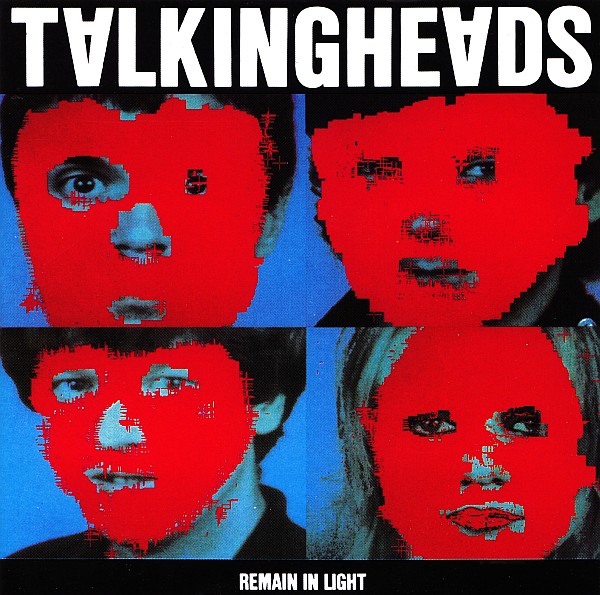
“Remain in Light” is the fourth studio album by the Talking Heads, In January 1980, the members of Talking Heads returned to New York City after the tours in support of their 1979 critically acclaimed third album, Fear of Music, and decided to take time off to pursue personal interests. Byrne worked with Eno, the record’s producer, on an experimental collaboration named My Life in the Bush of Ghosts. Jerry Harrison produced an album for soul singer Nona Hendryx at the Sigma Sound Studios branch in New York City; the singer and the location were later used during the recording of Remain in Light on Harrison’s advice. Husband and wife Chris Frantz and Tina Weymouth discussed the possibility of leaving the band after the latter suggested that Byrne’s level of control was excessive. Frantz did not want the ending Talking Heads, and the two decided to take a long vacation in the Caribbean to ponder the state of the band. During the trip, the couple became involved in Haitian Vodou religious ceremonies and practiced with several types of native percussion instruments. In Jamaica, they socialized with the famous reggae rhythm section of Sly and Robbie.

Instead of the band writing music to Byrne’s lyrics, Talking Heads performed instrumental jam sessions without words using the Fear of Music song “I Zimbra” as a starting point.

Talking Heads’ contribution to the avant-punk scene they helped create was their emphasis on rhythm over beat. The Heads’ early songs pulsed, winding their way past jitteriness to achieve the compelling tension that defined a particular moment in rock & roll history such a moment when white rock fans wanted to dance so badly, and yet were so intimidated by the idea, that they started hopping straight up and down for instant relief. By 1978, punk and disco had divided the pop audience. What did Talking Heads do? They recorded Al Green’s “Take Me to the River.”

Despite David Byrne’s vocal restraint and certain puritanical tendencies in his lyrics to value work over pleasure (“Artists Only,” “Don’t Worry about the Government”), Talking Heads never stopped learning from the sensuous music that existed in a world parallel to theirs. On 1979’s Fear of Music, they made a defiant connection with funk and disco in “I Zimbra” and “Life during Wartime,” both of which aid in preparing us for Remain in Light’s startling avant-primitivism.
On Remain in Light, rhythm takes over. Each of the eight compositions adheres to a single guitar-drum riff repeated endlessly, creating what funk musicians commonly refer to as a groove. A series of thin, shifting layers is then added: more jiggly percussion, glancing and contrasting guitar figures, singing by Byrne that represents a sharp and exhilarating break with the neurotic and intentionally wooden vocals that had previously characterized all Talking Heads albums.

Though the tunes take their time (side one has just three cuts), nobody steps out to solo here. There isn’t any elaboration of the initial unifying riff either. Because of this, these songs resemble the African music that the band has taken great pains to acknowledge as Remain in Light’s guiding structure.

In addition to its African influences, Remain in Light also flashes the ecstatic freedom of current American funk, across which any number of complex emotions and topics can roam. In both “Born under Punches (the Heat Goes On)” and “Crosseyed and Painless,” the rhythm lurches about while always moving forward, thrust ahead by the tough, serene beat of the bass and percussion. Throughout, instruments are so tightly meshed that it’s often difficult to pick out what you’re hearing—or even who’s playing. As part of their let’s-rethink-this-music attitude, Talking Heads occasionally play one another’s instruments, and guests as disparate as Robert Palmer and Nona Hendryx are enlisted.  Far from being confusing, however, such density contributes greatly to the mesmerizing power exerted by these elaborate dance tunes.

Though you can follow, to some extent, the story lines of, say, “Listening Wind” (in which an Indian stores up weaponry to launch an assault on plundering Americans) and the spoken fable, “Seen and Not Seen,” Remain in Light’s lyrics are more frequently utilized to describe or embody abstract concepts. Thus, beneath the wild dance patterns of “Crosseyed and Painless,” there lurks a dementedly sober disquisition on the nature of facts that culminates in a hilarious, rapidly recited list of characteristics (“Facts are simple and facts are straight/Facts are lazy and facts are late… “) that could go on forever —and probably does, since the song fades out before the singer can finish reading what’s on the lyric sheet. Elsewhere, strings of words convey meaning only through Byrne’s intonation and emphasis: his throaty, conspiratorial murmur in “Houses in Motion” adds implications you can’t extract from lines as flyaway as “I’m walking a line— I’m thinking about empty motion.”

In all of this lies a solution to a problem that was clearly bothering David Byrne on Fear of Music: how to write rock lyrics that don’t yield to easy analysis and yet aren’t pretentious. Talking Heads’ most radical attempt at an answer was the use of da-daist Hugo Ball’s nonsense words as a mock-African chant in “I Zimbra.” The strategy on Remain in Light is much more complicated and risky. In compositions like “Born under Punches” and “Crosseyed and Painless,” phrases are suggested and measured, repeated and turned inside out, in reaction to the spins and spirals of their organizing riff-melodies.

Once in a while, the experiments backfire on the experimenters. Both “The Great Curve” and “The Overload” are droning drags, full of screeching guitar noise that’s more freaked-out than felt. Usually, however, the gambler’s aesthetic operating within Remain in Light yields scary, funny music to which you can dance and think, think and dance, dance and think .

The album featured the new Talking Heads – a multi-personnel band with added percussionists, backing vocalists and guitarist Adrian Belew, who put the wah-wah pedal to its most tasteful use since Jimi Hendrix. The difference was noticeable immediately. Talking Heads songs had always been monologues in the past, but now there were two or three different vocal sections contrasting perspectives on the same issues.

The music was funkier, with more embellishments than before, and ‘Remain in Light’ represented a completely new approach, rather than an alteration of the old one. The album’s most striking track was ‘Once In A Lifetime’ which – with the help of a dramatically simple and effective video – became the band’s first British top 20 single. Talking Heads toured around the world with their extended line-up.

Image may contain: 1 person, text

“Don’t you wonder sometimes, ‘Bout sound and vision”. On this day 40 years ago, David Bowie released ‘Low’.

Low is the eleventh studio album by David Bowie, released through RCA Records on 14th January 1977. Recorded following Bowie’s move to West Berlin and after a period of drug addiction and personal instability, Low became the first of three collaborations with musician Brian Eno and producer Tony Visconti who later termed the “Berlin Trilogy”. The album was in fact recorded largely in France, and marked a shift in Bowie’s musical style towards an Electronic approach that would be further explored on the subsequent albums “Heroes” and “Lodger”.

Though it was initially met with mixed critical reviews, Low has since become widely acclaimed as one of Bowie’s best and most influential works.

Low lies in the foundations by Bowie’s previous album “Station To Station” and in the music he recorded for the soundtrack to The Man Who Fell To Earth . Bowie presented his material for the film to Nick Roeg, but the director decided that it would not be suitable. Roeg preferred a more folksy sound. Elements from these pieces were incorporated into Low instead. The album’s cover, like Station to Station, is a still from the movie.

Following Bowie’s Thin White Duke period, he was eager to escape the drug culture of Los Angeles where he had developed a cocaine drug habit, He blamed his erratic behaviour around his Thin White Duke period on his addictions and precarious mental state, Bowie would move to Switzerland in the second half of 1976. Later that year, he, along with friend and singer Iggy Pop would retreat to the city of Berlin in a further attempt to kick his drug habit and escape the spotlight.

While sharing an apartment with Pop, Bowie would become interested in the German music scene, including acts like Kraftwerk and Neu . During the months of his recovery, he had also become interested in the minimal style of Brian Eno eventually meeting with him in 1976.