MITSKI – ” Laurel Hell “

Posted: June 15, 2022 in MUSIC

Recorded in league with her long-time producer Patrick Hyland, Mitski announces her sixth studio album ‘Laurel Hell’. Though many of its songs originally date back to 2018 in terms of when they were written (shortly after released 2018’s breakout ‘Be The Cowboy’) these tracks have taken on new resonance in the context of the pandemic lockdown and America’s bitter social divides. Contains the singles ‘Working For The Knife’ and ‘The Only Heartbreaker’.

According to her latest bio, Mitski “wrote many of “Laurel Hell’s” songs during or before 2018,” but didn’t finish mixing it until May of 2021, marking the most amount of time she’d ever spent on an album. The songs may date back three or four years, but they did evolve throughout the pandemic. They “slowly took on new forms and meanings, like seed to flower,” Mitski said, and added that the album evolved “to be more uptempo and dance-y.”

“I needed to create something that was also a pep talk,” she continued. “Like, it’s time, we’re going to dance through this.” That feeling very much comes through in the music; Mitski has written pop-friendly songs before (“Nobody”), but she’s never embraced ’80s-style new wave and synthpop as fully as she does on “Laurel Hell” songs like “Love Me More,” “Should’ve Been Me,” “That’s Our Lamp,” and especially “The Only Heartbreaker,” the latter of which truly feels world-conquering enough to win over the crowd when Mitski opens for Harry Styles on tour this year. “Laurel Hell” definitely Goes Pop, and glossy synths definitely replace the guitar-oriented sound Mitski was once known for, but the songs still have that unique Mitski flair.
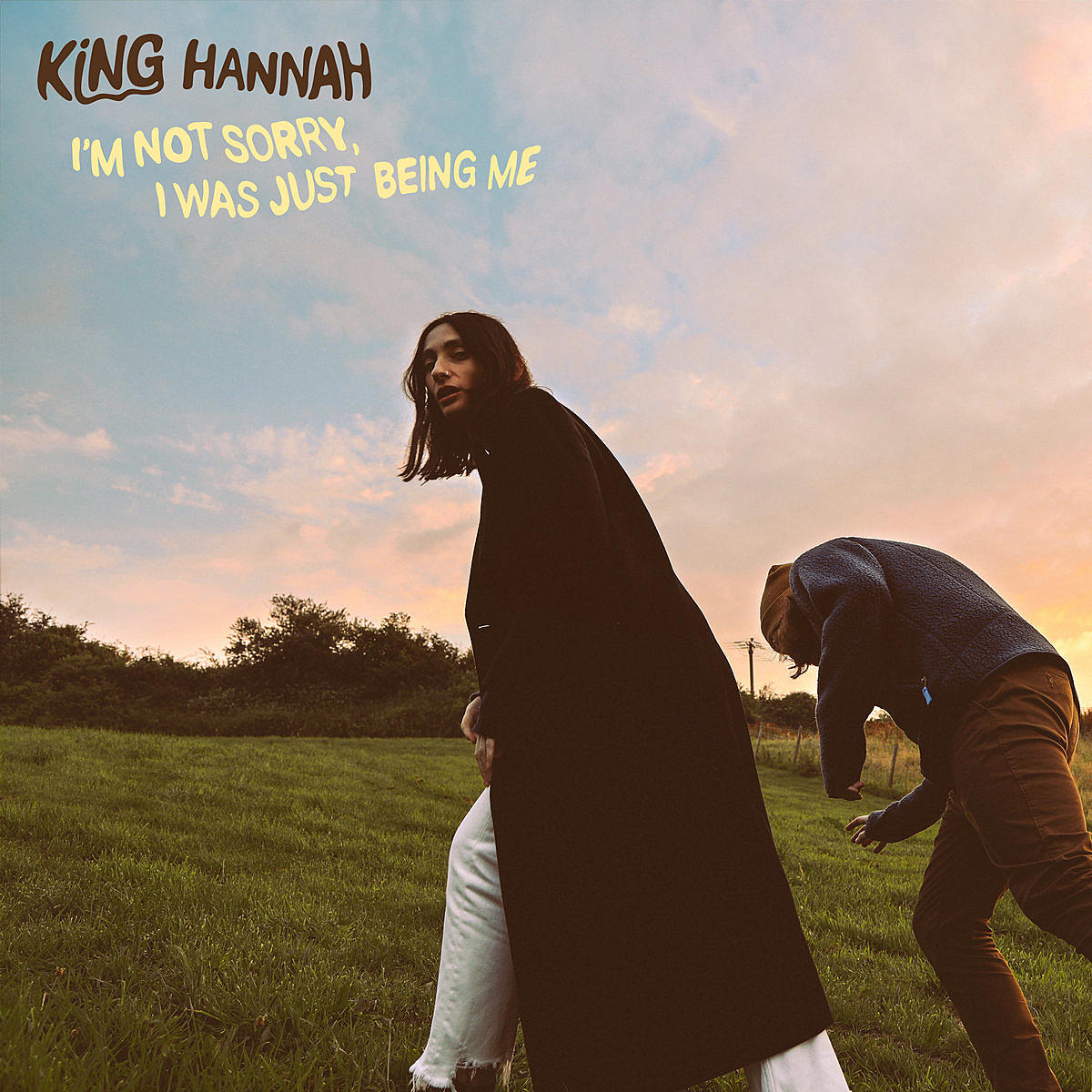
Liverpool duo Hannah Merrick and Craig Whittle, aka King Hannah released their debut LP “I’m Not Sorry, I Was Just Being Me” via City Slang. The release is accompanied by the release of the new single “All Being Fine”. Originally inspired by Smog and noisy, lo-fi 90s bands, the track pulls the listener in immediately with its upbeat on the outside, sinister on the inside atmospherics, coming across like the aural equivalent of the opening of David Lynch’s classic film Blue Velvet – the bloody finger lying in the lush green grass.

“I thank God the day we met in the gross bar,” Hannah Merrick sings on “It’s Me and You, Kid,” the closing track on Liverpool duo King Hannah‘s excellent debut album. It’s a track that also serves as their origin story, detailing Merrick and guitarist Charlie Whittle’s first meeting, when they both worked as bartenders by night at the same watering hole. “It’s Me and You, Kid” is King Hannah in a nutshell: darkly sarcastic but utterly sincere, a great eye for details, and an even better ear for mood and atmosphere. 

“All Being Fine” sets the stall perfectly for the rest of “I’m Not Sorry, I Was Just Being Me”, drenched as it is in cinematic, often immersive and off beam soundscapes, punctuated by lyrics that are darkly romantic and thrillingly sardonic in equal measures. Written and then recorded with additional musicians Ted White, Jake Lipiec, and Olly Gorman in just eight months, the LP is a bold, memorable, even startling document of a dream shared, an ambition fulfilled and a vision realized.

“I’m Not Sorry, I Was Just Being Me” is a spectacular debut from the duo and a clear indication this is the beginning of a long, fruitful journey for King Hannah. Whittle’s guitarwork is responsible for a lot of that. It hangs in the air like cigarette smoke on the songs, pure texture at times. You can almost smell it. Merrick’s vocals are similarly smouldering and cool, all perfect for the bluesy music they make that usually stays at a low simmer but occasionally rips open into a rolling boil.

King Hannah make music that lives somewhere between the gorgeously meditative pop of Yo La Tengo and the beautiful drama of Sharon Van Etten, the latter of which gave them a cosign for their 2020 EP. The foundation of I’m Not Sorry, I Was Just Being Me lives in Merrick’s, Raymond Carver-Esque realism-inspired lyrics. Formed in 2017, the duo met waiting tables in Liverpool. Having seen Merrick perform years before and being serendipitously assigned to show Whittle the ropes at the new job, he immediately pestered her to play music with him. A writing routine was formed leading to their debut EP Tell Me Your Mind And I’ll Tell You Mine, which garnered early attention from The Guardian, Under The Radar, Brooklyn Vegan, Stereogum and more.

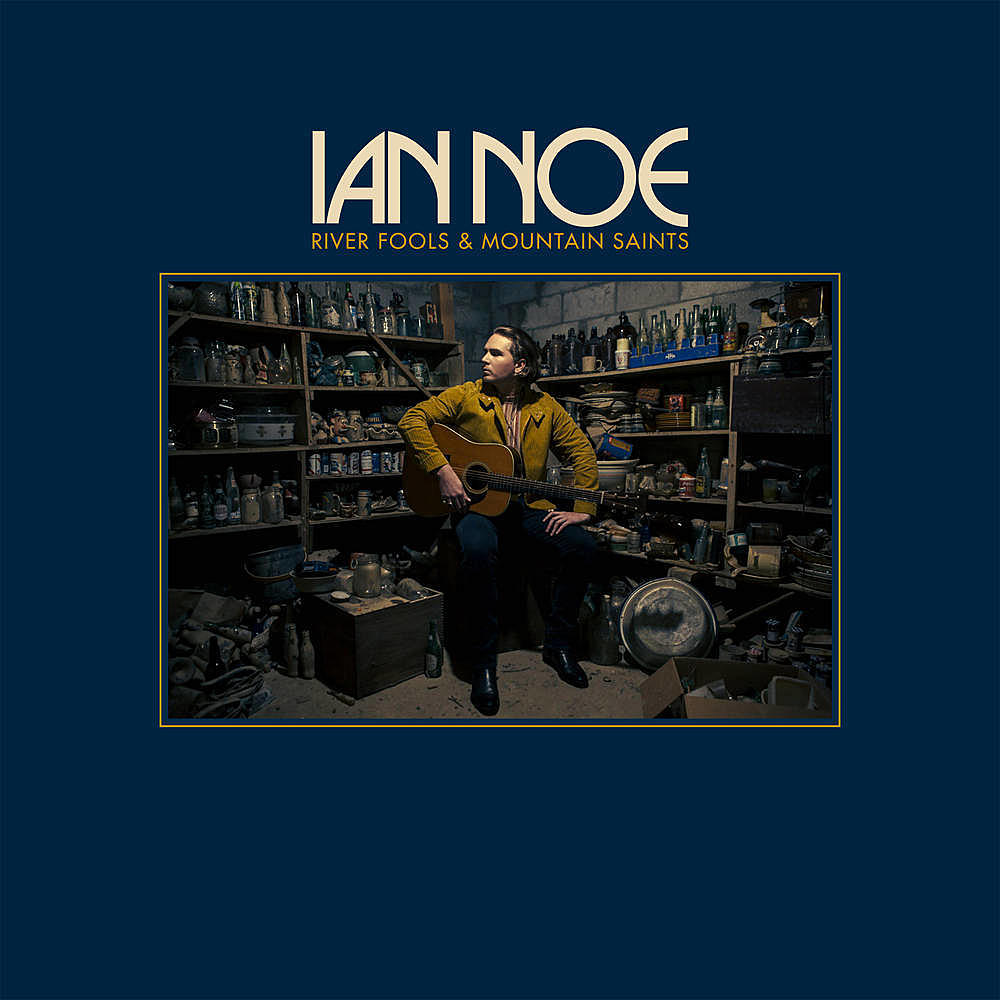
Kentucky country singer Ian Noe follows his excellent 2019 debut album “Between The Country” with “River Fools & Mountain Saints“. After making his debut with Dave Cobb (Jason Isbell, Chris Stapleton, Sturgill Simpson, etc), Ian made this one with Andrija Tokic (Alabama Shakes, Hurray for the Riff Raff), and his backing band for the album included The Raconteurs bassist Jack Lawrence and Jason Isbell & the 400 Unit keyboardist Derry deBorja.

It covers more ground than his debut, making room for twang-fuelled rock, traditional country and bluegrass, ethereal balladry, sweeping string-laden country pop, and more, and it seamlessly crosses boundaries between different musical genres, eras, and regions. 

 the subject is blue-collar Appalachia – Kentucky is one of the poorest states in the US – though this time round Noe’s outlook is more genial, his characters more amiable, be they broken-down Vietnam veterans, crazed truck drivers or heartbroken loners. His musical palette has broadened accordingly, helped by producer Andrija Tokic, whose analogue approach brings warmth to the sound.

There are a couple of swaggering, electric rock-outs like opener “Pine Grove“, but most songs roll past (at around two minutes) driven by strummed acoustic guitars, with interpolations from fiddle and keyboard. There’s even a closing track, “Road May Flood“, soaked in tasteful strings. Noe still wears his principal influence, Prine, on his sleeve, but “Ballad of a Retired Man” could as easily come from Nebraska-era Springsteen, and PoW Blues from John Fogerty. A gritty, compelling talent.

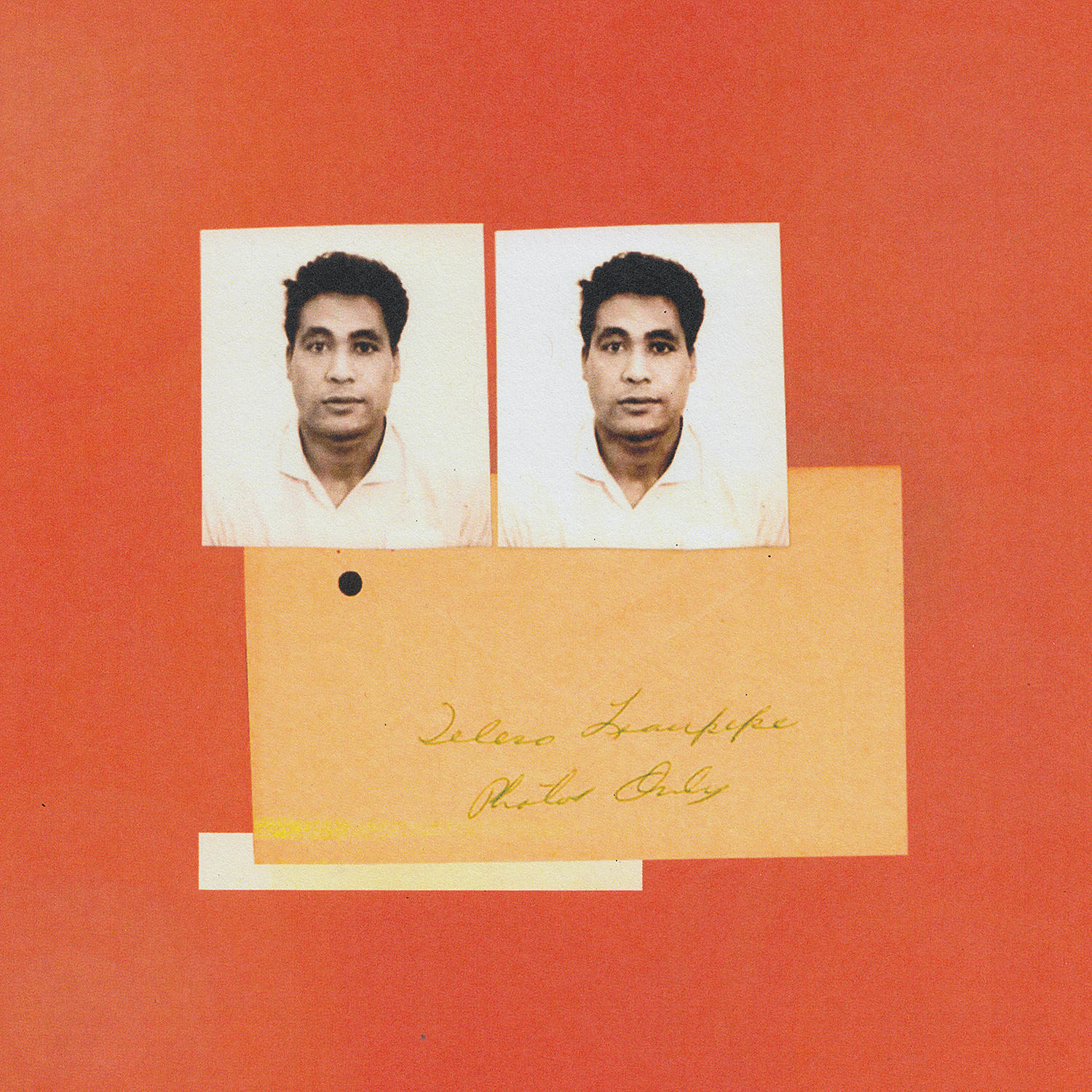
While writing the album “Angel In Realtime“, frontman David Le’aupepe had been grappling with the death of his father, and he also learned that, before his father moved to Australia where David was born, he had left behind a past life and a previous family, and abandoned his Samoan heritage. All of that looms large over this album, which finds David reclaiming that heritage through samples of indigenous music and contributions from Pasifika and Māori vocalists and instrumentalists, and David frequently confronts these themes head-on with some of the most candid lyrics of his career.

The album opens with David grieving for his father on the gorgeous “You In Everything,” and the album’s centerpiece is “Brothers,” a bare-bones, show-stopping piano ballad that goes into great detail about David’s newly-learned family history (“Our father’s love was unmistakable and he gave us everything he had/And I guess that meant pretending he was half white to give his kids a better chance”). It touches on other aspects of David’s life too, like the love he has for his wife (“The Angel of 8th Ave”) and being disillusioned by the music industry (“Returner”), but the unifying theme throughout is that “Angel In Realtime” feels like David Le’aupepe holding up a mirror to his life, being as honest and authentic as possible.

“Angel In Realtime” doesn’t rock as hard as its 2017 predecessor “Go Farther In Lightness”, and it tones down the bombast a bit too, though it’s not without its arena-sized moments. Instead, it favours twitchy, glitchy rhythms that recall The National at their most experimental, or The 1975’s art rock side. And the heartland rock stuff on this one veers a little closer to a propulsive War On Drugs-y shuffle than Springsteen worship.

David remains not just a commanding lyricist but also a hook smith, and these songs feel just as destined to incite singalongs as the band’s earlier singles. “Angel In Realtime” is the ideal follow up; it marks a noticeable progression from its predecessor without straying too far from the charm that fans expect. Listening to it feels like falling in love with Gang of Youths band all over again.

DRUG CHURCH – ” Hygiene “

Posted: June 15, 2022 in MUSIC

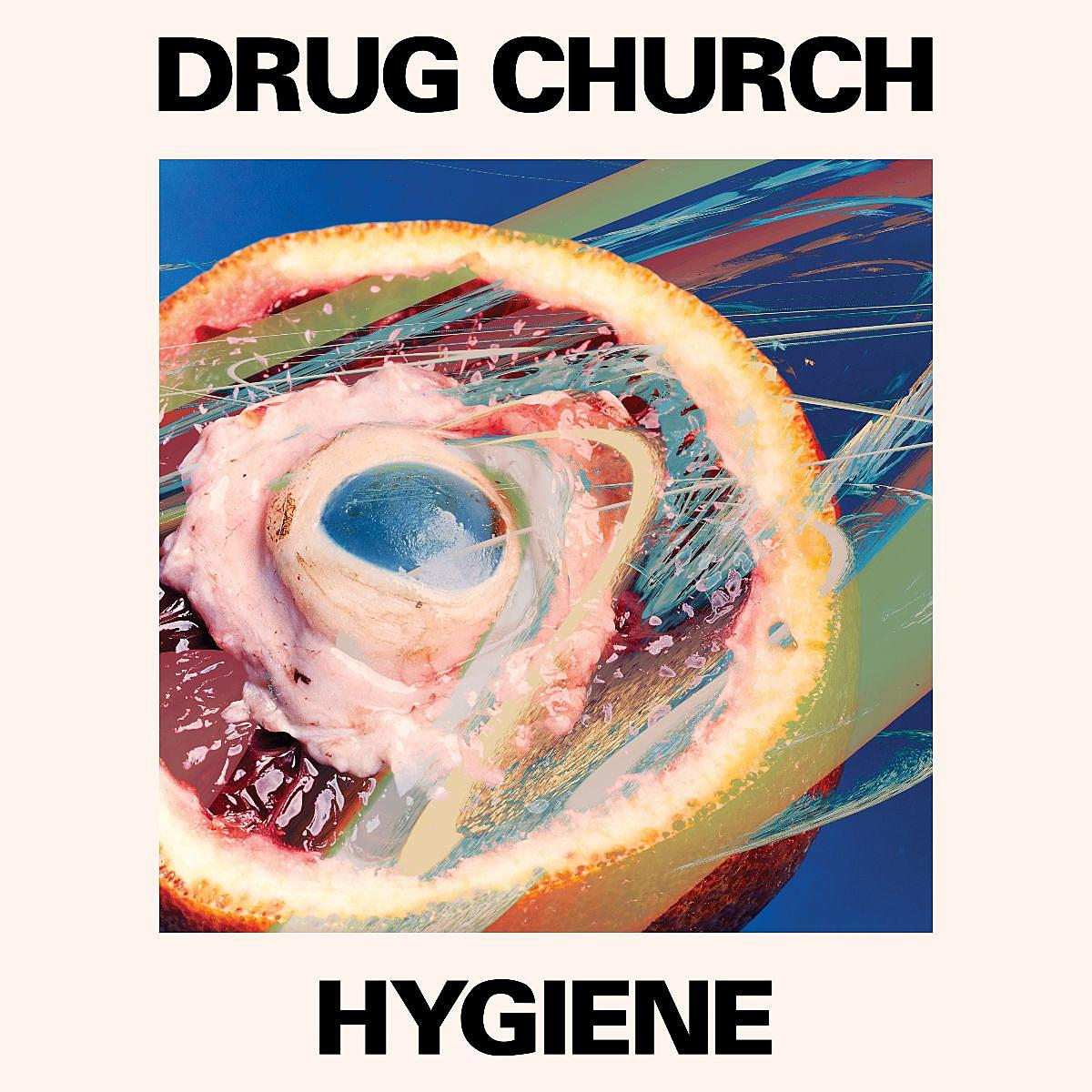
Patrick Kindlon is about as charismatic and outspoken as they come. Between his roles fronting the bands Drug Church and Self Defense Family, co-hosting the Axe to Grind podcast, and his various other endeavors, Patrick never holds back from being exactly who he wants to be. As a frontman, he’s sneering and observational, funny and dead-serious, and he comes off so enigmatic that it’s almost hard to picture him writing pop songs. And yet, that’s exactly what he does with Drug Church, a punk band whose songs are so catchy and anthemic that they often sound like they could be one of the biggest bands in the world. They sounded that way on 2018’s “Cheer”, and they’ve done it again on “Hygiene“, an album that might be even better than its predecessor.

The two albums are cut from a similar cloth, but Drug Church have had a few years to further perfect the formula, and they’ve done just that. Patrick sings with a gritty rasp, and sometimes his singing is more like talking, but every time he goes for a crowd-pleasing hook, he delivers. The rest of the band is the same way. The album has moments that veer towards the arty, off-kilter side of post-hardcore, but it’s completely unafraid of embracing big, loud, swing-for-the-fences stadium punk. In a way, Drug Church kind of feel like In Utero-era Nirvana; they’re too self-conscious to write pop songs, but they just can’t help themselves.

Pure Noise

From their beginnings, Baltimore dreampop duo Beach House have gotten comparisons to Cocteau Twins, who are an admitted influence on the duo. You could feel it especially on 2018’s “7“, on tracks like “Lemon Glow” (which is even a title you could imagine Cocteau Twins using). Simon Raymonde, the former Cocteau Twins bassist who runs Beach House’s UK label, Bella Union, understands the comparisons. “I see the way people look at Victoria [Legrand]. It’s like I’m revisiting what it was like to see a sea of thousands of faces look at Elizabeth, just madly in love with her,” he said further “I think it’s really emotional, their music. I can’t say I ever felt that about our own music. I never cried at our own music, listening back to it, unless I was so frustrated because I couldn’t make it sound how I wanted to make it sound. I know that other people did find our music very emotional. Now I kind of understand that better.”

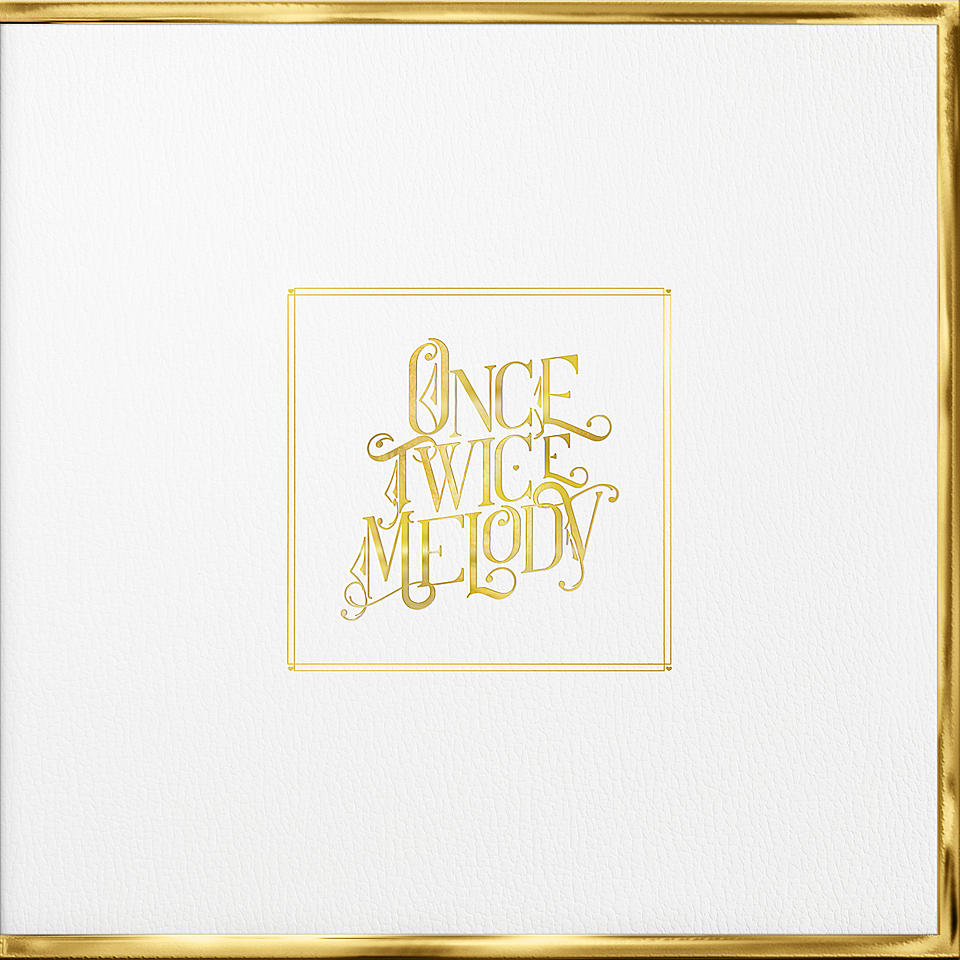
Beach House shared four more new songs from their album, “Once Twice Melody”. The new songs comprise the second chapter of the album, which consists of tracks 5-8: “Runaway,” “ESP,” “New Romance,” and our top song of the week, the seven-minute long “Over and Over.”

The band shared the album’s first chapter, which consisted of the album’s first four tracks and included the album’s title track, The third chapter, featuring tracks 9-12, released on January 19th, 2022, and the album’s fourth and final chapter, which contains the final four songs on the album, released with the full album on February 18th.

Beach House’s previous album, 7, came out back in 2018 via Sub Pop Records.

The second song by dream pop duo Beach House “Runaway,” was also featured in the second batch of newly released songs from their forthcoming album, “Once Twice Melody“. The song was released with an animated lyric video directed by Ethan Fedele. 

“Once Twice Melody” is by far — and by design — Beach House‘s most sprawling record to date, but it’s also their most cohesive, fully realized record since “Bloom“. It’s an expansion/refinement of the ethereal sound of 2018’s 7, with Legrand’s once throaty, emotive vocal style giving way to a gentler, more tranquil and airy delivery. Likewise, the music soars through the space dust, shining with flashes of baroque folk, electropop, celestial prog, and Cocteau Twins and Broadcast style dreampop. The whole of “Once Twice Melody” ebbs and flows over the course of a nearly hour-and-a-half ride, and it’s a trip worth taking all the way to the end. Don’t be daunted; just take their hand and let them whisk you away, through the looking glass, out the window, into the stars.

Beach House new album “Once Twice Melody.”

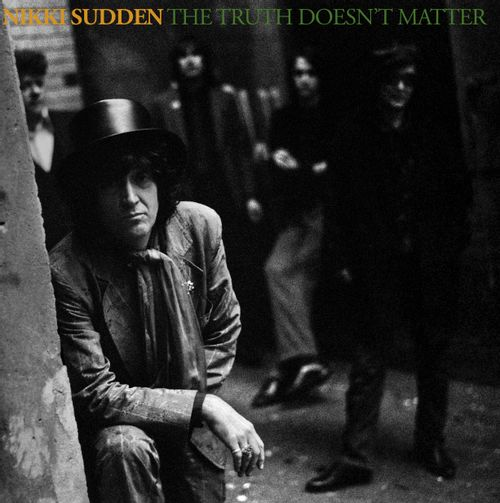
The final album recorded by Nikki Sudden release posthumously by friends. “The Truth Doesn’t Matter” (Remixed Remastered Reimagined)’ was the final album recorded by Nikki Sudden, formerly of Swell Maps, and originally released posthumously in 2006. The album is one of a ragged rock ‘n’ roller singing his heart out, most poignantly on the magnificent ‘Green Shield Stamps’. This version has been been remixed, remastered and reassembled by original producer John Rivers and the musicians that played on the album.

Now after consultation with all band members and producer John Rivers the album has been re-assembled remixed and re mastered to create the best sound it’s ever been. lavishly designed by Dave Twist includes notes by band members and photos from the sessions

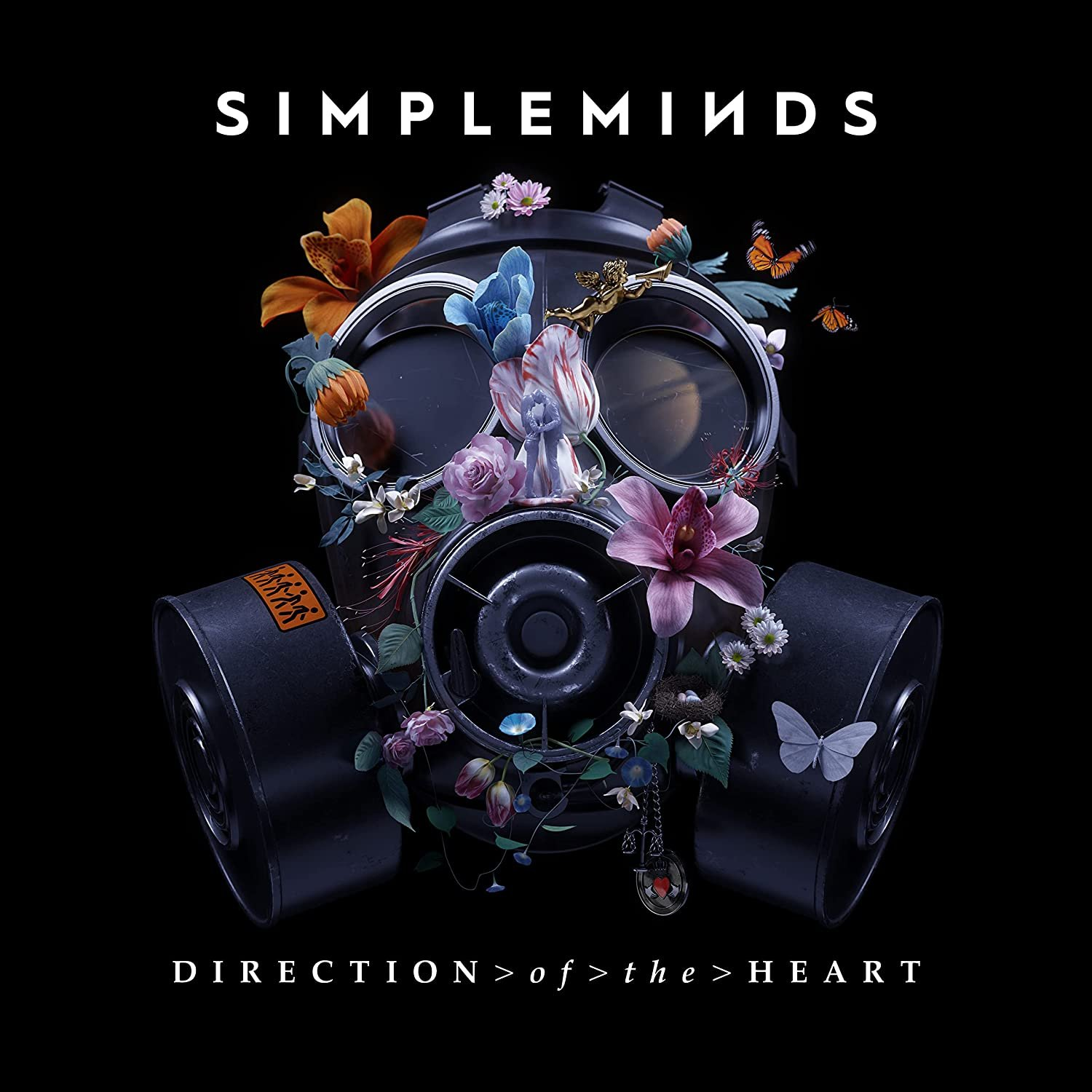
Simple Minds will release “Direction of the Heart”, their 19th studio album, in October.

It’s the band’s first album of new material since 2018’s Walk Between Worlds and the first single is ‘Vision Thing’ – a tribute to Jim Kerr’s “best pal”, his father who passed away in 2019. 

“Direction Of The Heart” was written in Sicily, where both Kerr and Burchill live and recorded in Frankfurt (since they were unable to come to the UK because of quarantine rules). The record has been co-produced with Andy Wright and Gavin Goldberg. Sparks’ frontman Russell Mael features on one song (‘Human Traffic’).

Jim Kerr describes the album as an ‘Electro-rock’ record. Direction of the Heart will be released on 21st October 2022, via BMG. 

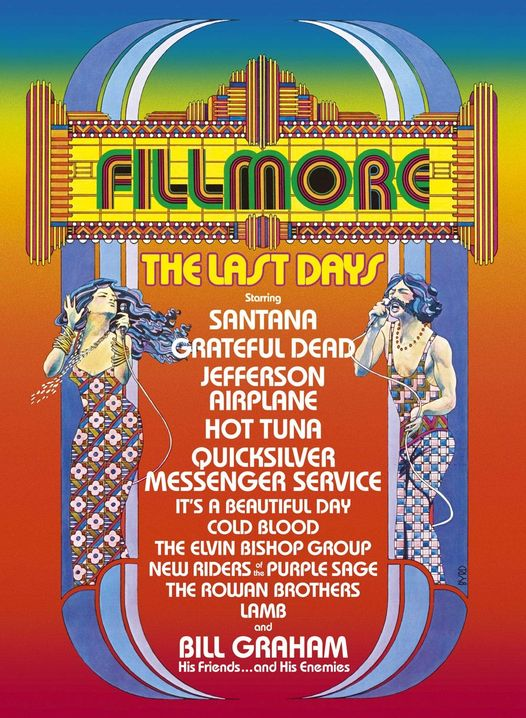
One of the band’s finest instrumentals, performed on July 4th, 1971 at the Fillmore West. The footage was released as part of the film “Fillmore: The Last Days” this month in 1972. The movie chronicles the last weekend of performances at the legendary venue before it closed down. For five nights Bill Graham brought on stage San Francisco bands including Santana, It’s a Beautiful Day, Jefferson Airplane, the Grateful Dead, Quicksilver Messenger Service and a poetry reading from Allen Ginsberg.

The film shows extensive footage of Bill Graham, mostly on the phone making arrangements for the concerts. One telling conversation: “What have I said for months and months what’s wrong with this business? That these groups have gotten to be too authoritarian and they have a right to be ‘cause money talks, success controls. Why do you think I want out?”

As for the song featured here, Santana revealed several interesting facts:

“Neshabur is where the army of Toussaint Louverture – who was a black revolutionary – defeated Napoleon in Haiti. So that’s what it’s about. I think by writing songs like ‘Incident at Neshabur’ and ‘Toussaint L’Overture,’ we felt we were our own kind of revolutionary. Alberto Gianquinto, our pianist on “Abraxas”, helped us a lot putting it together. The first part of the music is from Horace Silver’s ‘Señor Blues.’ The slow part is from Aretha Franklin’s ‘This Girl’s In Love With You.'”

The Band:

Carlos Santana – guitar, percussion, vocals, Neal Schon – guitar, David Brown – bass guitar, Gregg Rolie – Hammond organ, keyboards, Michael Carabello – congas, José “Chepito” Areas – timbales, bongos, Michael Shrieve – drums, Coke Escovedo – percussion

Watch the full film here:

“Fillmore: The Last Days” is a live album, recorded at the Fillmore West in San Francisco, California from June 29th to July 4th, 1971. It contains performances by 14 different bands, mostly from the San Francisco Bay Area, including Santana, the Grateful Dead, Hot Tuna, Quicksilver Messenger Service, and the New Riders of the Purple Sage. It was released by Columbia Records in June 1972 as a three-disc album. It was re-released by Epic Records in 1991 as a two-disc CD.

“Fillmore: The Last Days” documents the final run of concerts at the Fillmore West, which closed after these shows. The concerts were promoted by Bill Graham, who ran the Fillmore West, and before that its predecessor music venue the Fillmore, starting in November 1965.

The original triple LP was packaged as a box set. It included a 7-inch, 33⅓ rpm EP record, containing an interview with Bill Graham. It also included a commemorative booklet with liner notes by Graham, an illustrated essay about the Fillmore concert posters, and a listing of every concert at the Fillmore and Fillmore West. The box set also included a reproduction of the concert poster for the final run of shows, and an actual Fillmore ticket stub

JOAN SHELLEY – ” The Spur “

Posted: June 14, 2022 in MUSIC

Joan Shelley is a songwriter and singer from Louisville, KY. Often joined by guitarist Nathan Salsburg, she has shared shows with the likes of Jake Xerxes Fussell, Bonnie “Prince” Billy, Daniel Martin Moore, the Other Years, & Michael Hurley.

I want to explain these songs / I want to leave them unexplained. We’ve all been working with a lot of silence. I was tired from touring, remembering the long drives across the midwestern plains at dusk, against the pale yellow sky seeing the black outline of the horizon with the occasional silhouette of a little farmstead, a corn crib or windmill, beyond, a breaking society, beyond, the aches of a world in pain.

A powerful tugging between apparently opposite things, hopelessness and resilience, isolation and togetherness, all at once. A deep connection to our homeplace, to staying, a complex reckoning with family, with the past, with the rubble, with the wind taken out of everyone’s sails, with new life and constant death.

We returned to the feral tree farm. Raising goats, chickens, listening to birds, watching the river, growing a child. A deep clean spring.

So I started reaching out. Bringing in. I wanted these people I admire to be close to me in the game, in the tangle of my emotions, in my unaddressed fears, I wanted them woven into my tapestries, which are songs, because I am only a bird on a branch echoing others, embellishing the present with past inventions.
Let the new world come around. Together we shook these things out of the rug, our shared anxieties, our guilt, our joy, discomfort and heartbreak. We asked and were asking of each other.
Dying breath, wind-breath, singing breath shared beyond the language song, strings and brass, heartbeats and drums, wooden and stone breath, water and light, non-human breath, written breath, the little breaths of a newborn thing.
Now I sing some of these songs to my daughter. Soothing her discomforts. Especially “completely,” she likes to hear that one. How it goes from low to high.

How it goes from song into silence, and back again. Do you know that line of Wendell Berry’s “make a poem that does not disturb the silence from which it came”? .

Joan Shelley – vocals, acoustic and resonator guitars, piano
Nathan Salsburg – acoustic and electric guitars
James Elkington – drums, keyboards, dobro, mandola, bass, recorder, percussions
Meg Baird – vocals (1, 11)
Bill Callahan – vocals (4)
Anna Jacobson – brass (5, 6, 10)
Sean Johnson – drums (12)
Lia Kohl – cello (1, 6)
Nick Macri – upright bass (1, 7, 12)
Spencer Tweedy – drums (5, 10)

releases June 24th, 2022