ALGIERS – ” Shook “

Posted: October 27, 2022 in MUSIC

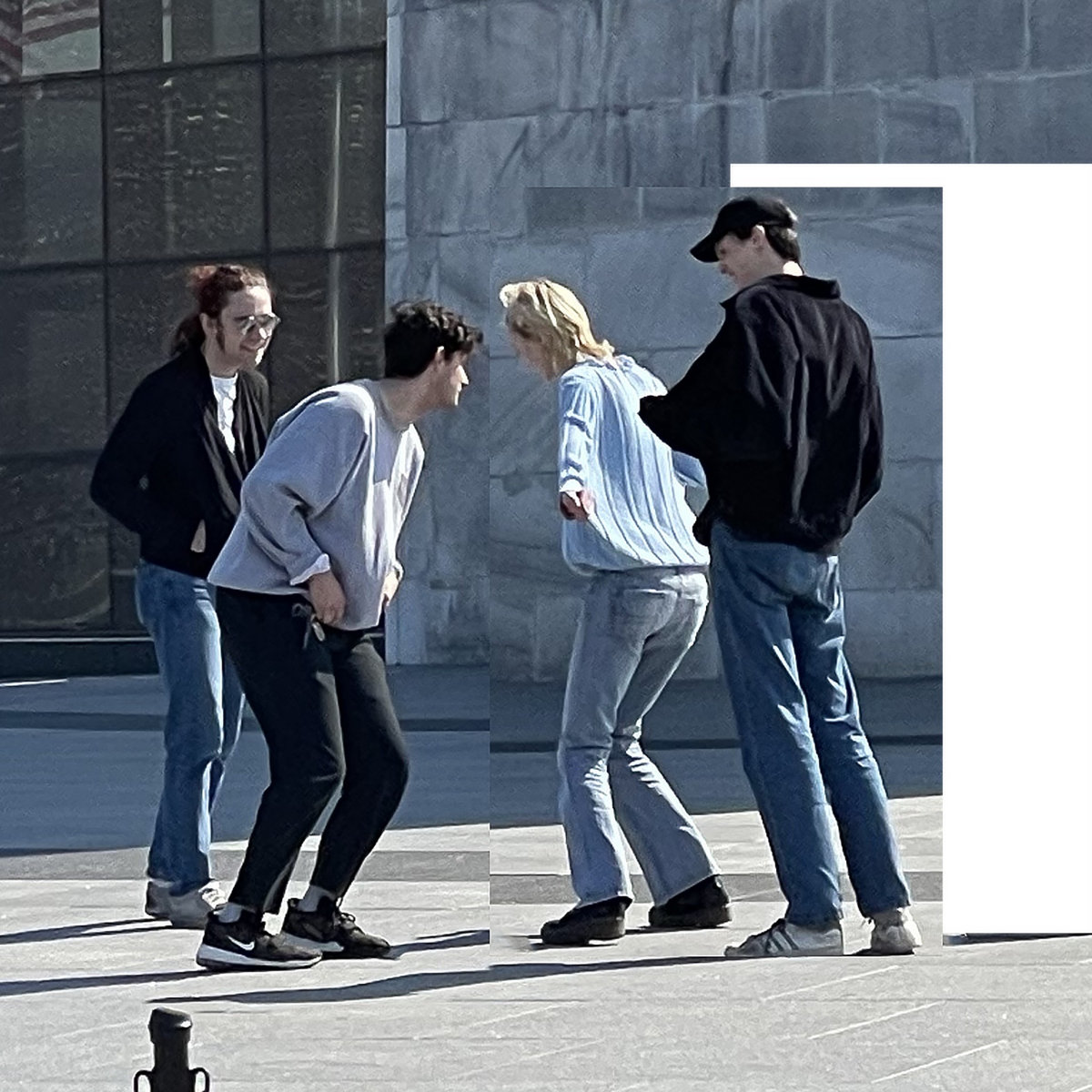
“I think this record is us finding home,” says Mahan, with Fisher adding: “it was a whole new positive experience— having a renewed relationship with the city we’re from and having a pride in that. i like the idea that this record has taken you on a voyage but it begins and ends in Atlanta.”

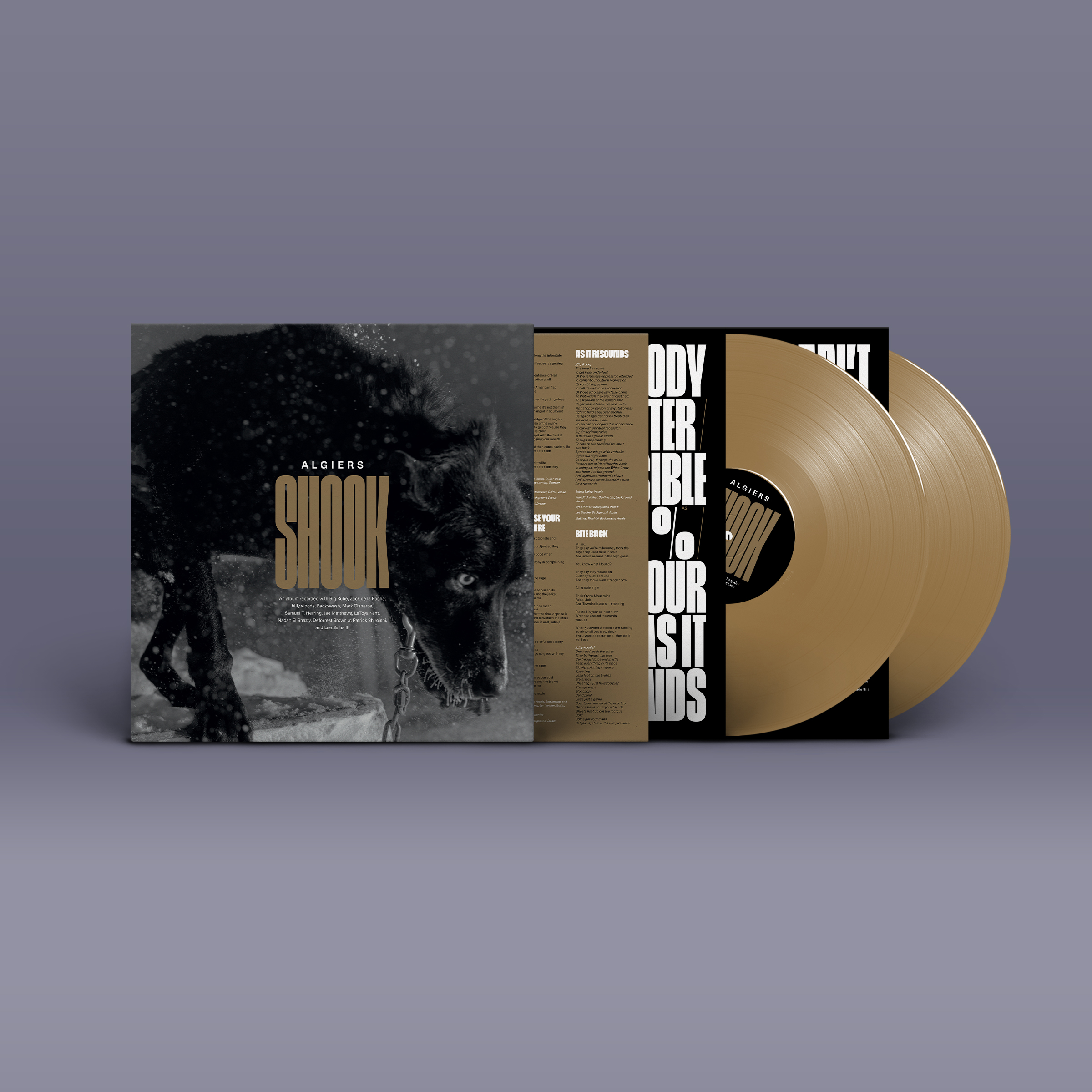
Algiers returns with “Shook”, their first new music since 2020’s there is no year, called “a heady concoction of post-punk, ‘60s soul and political insight.” (nme ****). shook features contributions from Rage Against the Machine’s Zack de la Rocha, Boy Harsher’s Jake Matthews, Big Rube, Billy Woods, Backxwash, and many more.

September’s standalone release of “Shook” single “Bite Back” was greeted a glowing “song you need” review: “a sober state of the union rallying cry for the revolution.”The band gathered a posse of like-minded artists to create their fourth album, “Shook”, out February 24th on Matador. Stacked with guests spanning icons through to future stars, shook is a lightning rod for an elusive yet universal energy and feeling. a plurality of voices; a spiritual and geographical homecoming; a strategy of communion in a burning world; the story of an end of a relationship; an Atlanta front porch summer party.

Ultimately, it’s a 17-track set of the most mind-expanding and thrilling music that you are likely to hear anytime soon. Algiers have always been unflinching, but “Shook” is at the same time notably joyous and celebratory.

The band pay respect to a sprawling lineage of rap and punk iconoclasts from dj premier, dj screw and dead boys to lukah, griselda and dïat – chopping and screwing beats on a dusty sp-404 and a sequential circuits tempest, building imagined sample libraries from scratch. while community and collaboration has always been integral to Algiers’ ethos, “Shook” brings this to its fullest manifestation.“It very much deepens and broadens the world of Algiers”, says drummer Matt Tong. “We were working in an environment that we were used to”, says guitarist Lee Tesche. “it feels like the most Algiers record that we’ve ever made.” the accomplishment of this record is made all the more impressive by the fact it was made by a band who were falling apart and on the verge of breaking up.

Algiers shake you with tour-de-force new single ‘Irreversible Damage’ featuring Zack de la Rocha, in one of his rare guest appearances. “This a relapse / what it be god / No rehab for my jihad / A rapture in a grief storm / Time on my neck an’ it be gone” de la Rocha spits to a breakneck climax of clattering beats, snaking guitars and pulsing electronics. “The end of that song is the sound of joy,” says Algiers frontman Franklin James Fisher. “That’s what hope sounds like in 2022 when everything’s falling apart.” It follows the recent release of new single/video ‘Bite Back’ featuring billy woods and Backxwash.

Coming Feburary 24th Algiers returns with “Shook”, their first new music since 2020’s There Is No Year, called “a heady concoction of post-punk, ‘60s soul and political insight.” (NME ****) Shook features contributions from Rage Against The Machine’s Zack De La Rocha, Boy Harsher’s Jae Matthews, Future Islands’ Samuel T. Herring, Big Rube, Billy Woods, Backxwash, and many more. September’s standalone release of Shook single “Bite Back” was greeted with a glowing “Song You Need” review: “A sober state of the union rallying cry for the revolution.”

“The world got shook”

So Algiers formed a crew. The band—who have built one of the most exciting catalogs and cult followings of recent years, with 2020’s “There Is No Year” described as “electrifying and unpredictable” (The Observer) and “precise, thoughtful and powerful” (NME) —gathered a posse of like-minded artists to create their fourth album, SHOOK, out February 24th on Matador. Stacked with guests spanning icons through to future stars, SHOOK is a lightning rod for an elusive yet universal energy and feeling. A plurality of voices; a spiritual and geographical homecoming; a strategy of communion in a burning world; the story of an end of a relationship; an Atlanta front porch summer party. Ultimately, it’s a 17-track set of the most mind-expanding and thrilling music that you are likely to hear anytime soon.

Algiers have always been unflinching, but “Shook is at the same time notably joyous and celebratory. It was born when Fisher and Mahan found themselves back in their native Atlanta for several months, reeling from growing pressures and burnout as touring musicians.

The accomplishment of this record is made all the more impressive by the fact it was made by a band who were falling apart and on the verge of breaking up. But instead they have produced an extraordinary, transformative record born from a shared sense of place and experience. “I think this record is us finding home,” says Mahan, with Fisher adding: “It was a whole new positive experience— having a renewed relationship with the city we’re from and having a pride in that. I like the idea that this record has taken you on a voyage but it begins and ends in Atlanta.”

‘Shook,’ the upcoming album from Algiers out February 24th.
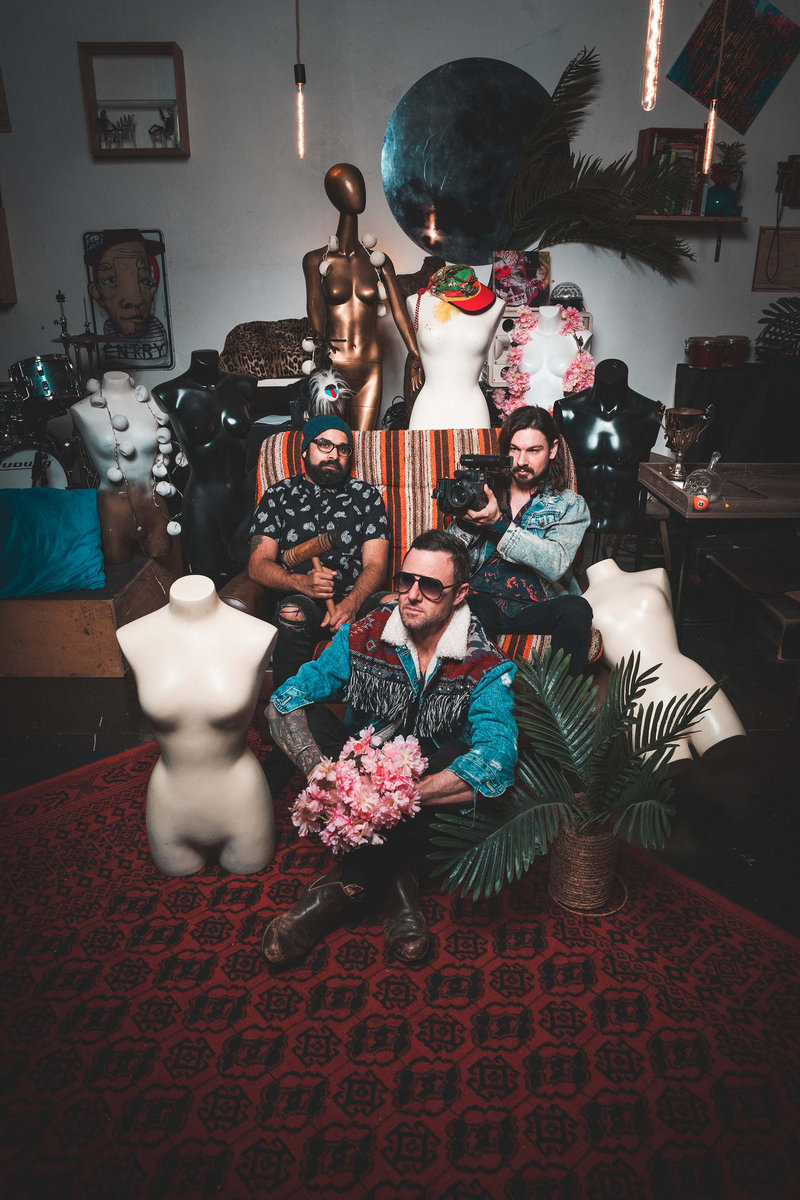
Sydney indie rock three-piece Crystal Cities have made a triumphant return after almost a year-long hiatus. Although that’s not to say they haven’t been busy. Lead vocalist and guitarist/keyboardist Geoff Rana has been spending days on end in his self-made studio where he’s been writing, producing and engineering the band’s latest material. Today we get the first taste of said latest material in the form of new single, “Love Don’t Live Here Anymore”.

While the band’s previous effort – their sophomore album “Hold Me Close Hold Me Tight” – was an exercise in hard-hitting alternative rock that could rattle a live audience, “Love Don’t live Here Anymore” feels more explorative and colourful. Yes, the signature big anthemic chorus is still there, however this time it feels more personable, more relatable, and more emotive. Rana even tries his hand at a low croon for the song’s verses which will be a pleasant surprise for listeners familiar with their back catalogue.

It was through this song that I found myself reuniting with why I write songs and why I love it so much. ‘Love Don’t Live Here Anymore’ is about the experience of losing something or someone you once loved and then the joy you get from reconnecting with, or rediscovering that something or someone.”
⁣Geoff Rana (vocals/guitar/keys)

The song also features the band’s newest member, Neel Shukla. Shukla replaces previous drummer Daniel Conte who has performed on all the band’s previous work.
Long-time Crystal Cities collaborator Paul Lani (David Bowie, Prince) was once again tapped to handle mixing and mastering duties for the recording.

SInce the band’s formation in 2016 they have released a highly praised EP – “Who’s Gonna Save Us Now” (2017) – and two critically acclaimed albums – “Under The Cold Light of the Moon” (2019) and “Hold Me Close Hold Me Tight” (2021).

The band consists of Geoff Rana (lead vocals, guitar, keys), Jared King (Bass, backing vocals), and newest member, Neel Shukla (Drums). 

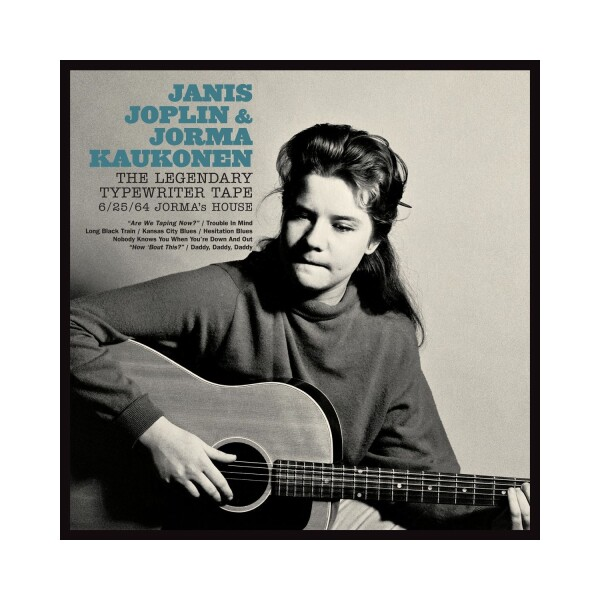
The legendary 1964 rehearsal collaboration receives its first official issue.

Jorma Kaukonen (later of Jefferson Airplane and Hot Tuna) met a singer named Janis Joplin at a hootenanny in San Jose, California, in the fall of 1962. Over the following years, Janis would call on Jorma to accompany her at gigs. As they continued to play together, the Bay Area was changing musically and developing into the legendary San Francisco scene to which both Janis and Jorma would be integral. During a rehearsal for a show in North Beach, Jorma started his reel-to-reel machine to capture what they were working on. For decades, this recording was the stuff of legend, with inferior, multi-generational transfers making their way through select collector’s circles. Now, for the very first time, it is available officially, with the blessing and cooperation of both the Janis Joplin Estate and Jorma Kaukonen.

“The Legendary Typewriter Tape: 6/25/64 Jorma’s House” contains this legendary recording, featuring Restoration and Mastering from acclaimed, Grammy®-winner Michael Graves. The tracks include Joplin on vocals, Kaukonen on guitar, and Jorma’s wife Margareta typing away intermittently in the background. This may have just been a rehearsal, but it is so much more.

Featuring Joplin originals, as well as blues classics, “The Legendary Typewriter Tape” is an intimate glimpse into two major artists at the beginnings of what would become highly influential careers. As Jorma says in his liner notes: “This is indeed a window into a simpler time when the music truly was everything.”

Enjoy being a fly on the wall and revel in the magic of “The Legendary Typewriter Tape”.

Image  —  Posted: October 26, 2022 in MUSIC

SOUR WIDOWS – ” I-90 “

Posted: October 26, 2022 in MUSIC

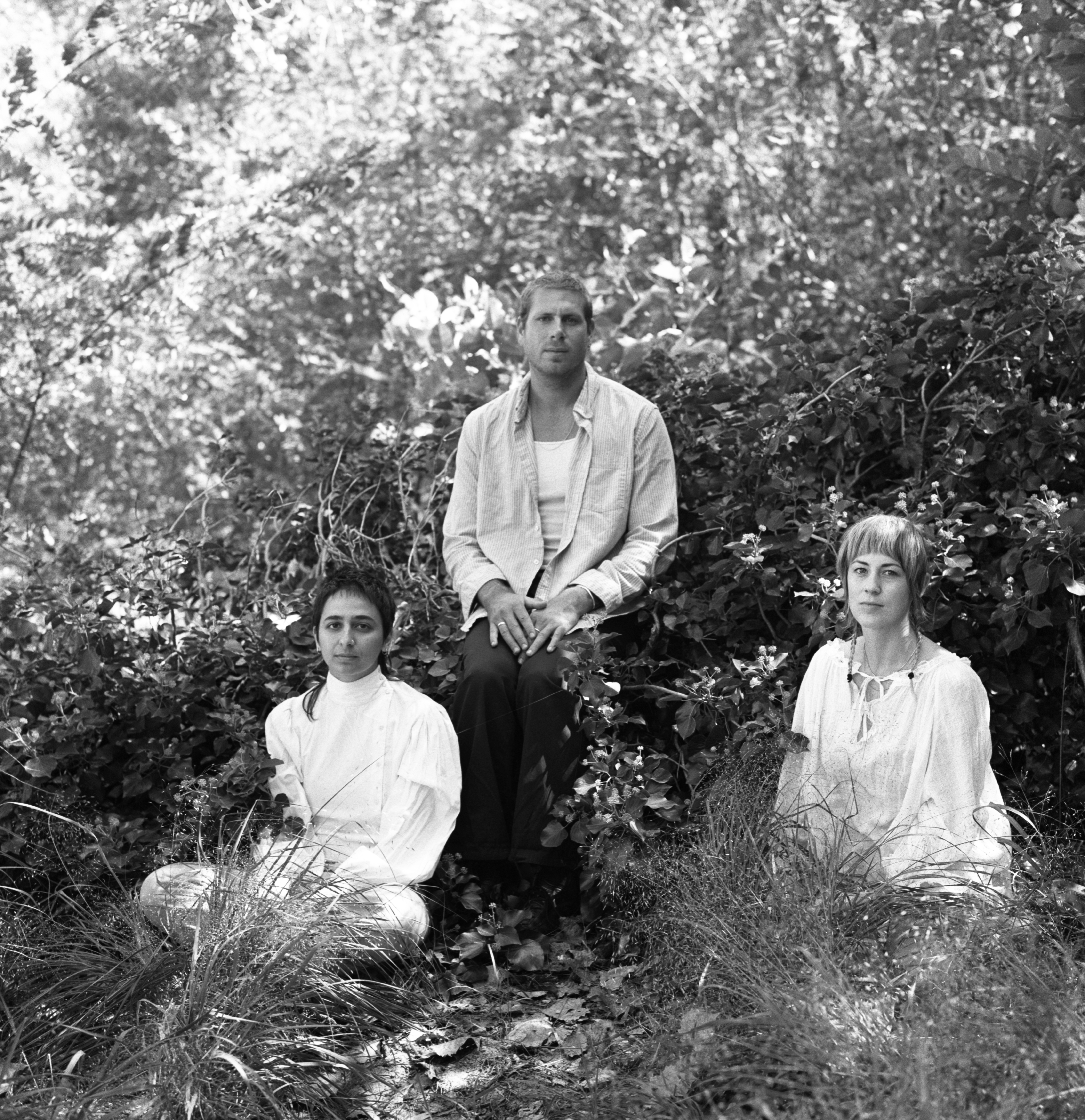
San Francisco Bay area trio Sour Widows share “I-90,” an explosive new single produced in collaboration with Oakland-based engineer Maryam Qudus (Spacemoth).

Written in 2017 after the devastating loss of their partner, Sour Widows’ Maia Sinaiko speaks to the song’s growth and development: “I wrote ‘I-90’ at a time when all I could do was make music alone in my room. Day to day life was a constant cycling through memories of places, feelings and experiences of which I was now the sole keeper. I found that the most mundane memories – driving in my partner’s car, the rural midwest landscapes of my college town – felt priceless, acting as vivid portals into what was now an irrevocable part of my life. The endlessness of grief supersedes the normal passage of time and the people we lose remain in places we can never go back to. It’s magic and terrible all at once; that is what this song is about.”

Maia Sinaiko – Guitar and Vocals
Susanna Thomson – Guitar and Vocals
Max Edelman – Drums
Will Bohrer – Bass
Maryam Qudus – Synth

“I-90” is the latest single from Sour Widows, out now on Exploding in Sound Records.

CROWN LANDS – ” White Buffalo ” EP

Posted: October 26, 2022 in MUSIC

Crown Lands makes music that’s mighty, magical and vast, especially impressive since there are only two people in the band. So how do these young rockers achieve such widescreen sonics onstage, on songs like “Right Way Back” and “The Witching Hour (Electric Witch)”?

For one, sheer musical prowess. Crown Lands singer/drummer Cody Bowles commands cirrus-scaling pipes and hot beats. Meanwhile, Kevin Comeau conjures guitar storms, silky synths and contoured bass, often within the same tune. “One of our favourite bands was Rush,” Comeau says, “and they always joke about being the world’s smallest symphony. And we kind of wanted to one-up, or one-down them, and see how lush, orchestral and symphonic we could get with our rock sound.”

Standout Crown Lands single “Context: Fearless Pt. I” – not to mention the “2112″-esque title – certainly echoes Rush. The version on 2021 live-in-the-studio album “Odyssey Vol. 1″ is particularly stunning.

The saying goes “never meet your heroes.” But Bowles and Comeau have become friends with bassist/singer Geddy Lee and guitarist Alex Lifeson, Rush’s surviving members after drummer/lyricist Neil Peart’s 2020 death at age 67 from brain cancer.

“Who you are as a person and how you treat people is just as important as what you create, and those guys walk through life so humbly,” Bowles says of Lifeson and Lee. “They’re still best buds after being on the road together for 40 years. I don’t know if you’ve spent much time on a tour, but that’s an amazing feat.”

Crown Lands served as Lifeson’s backing band at a 2021 charity gig. Leading up, Lifeson loaned Comeau his iconic white Gibson double-neck to take home. “I played (Rush classic) ‘Xanadu’ every night,” Comeau recalls. “He’s such a generous human being.”

The nine-song “Odyssey Vol. 1″ LP, which was also filmed and livestreamed, is the ideal entry point into Crown Land’s progressive hard rock. “Odyssey” presents songs from Crown Lands’ first three studio albums with that extra heat of a live performance and captured with crystal clarity. Comeau says “The Oracle,” an epic track from 2021 EP “White Buffalo” and also the closing performance on “Odyssey: Vol. 1,” is the most challenging song for Crown Lands to pull off onstage.

Bowles and Comeau have conflicted feelings about whether to eventually expand Crown Lands ranks. Bowles leans toward keeping things stripped down. Comeau, though, relishes the thought of getting to focus on one instrument onstage, if additional musicians were brought it, and Bowles moving from behind the drumkit to sing out front, 

The title track from “White Buffalo” is a concise rocker likely to appeal to fans of famous bluesier rock duos like the Black Keys and White Stripes. But unlike those aforementioned two bands with guitar-playing frontmen, since Bowles is a singing drummer, it gives Crown Lands a different groove. Bowles says, “I feel like, having to play drums at the same time as singing, you intimately know all of the rhythms, accents and hits, so you unconsciously start making vocal riffs and hooks around those beats, so it does inform how the melodies are created.” Bowles credits “White Buffalo” producer David Bottrill, who previously worked with Tool and Peter Gabriel, with helping him expand his vocal phrasing.

“White Buffalo” EP Out Now

Image  —  Posted: October 26, 2022 in MUSIC

FEEBLE LITTLE HORSE – ” Hayday “

Posted: October 26, 2022 in MUSIC

Pittsburgh’s Feeble Little Horse is a four-piece band that writes intricately catchy, digitized noise pop songs. Formed by Sebastian Kinsler (guitar, production, vocals, bass) and Ryan Walchonski (guitar, vocals) in Ryan’s student apartment in South Oakland, PA in February 2021, the duo soon added Ryan’s roommate Jake Kelley on drums, and, inspired by a wave of creativity, the trio released their first EP – “Modern Tourism”, in May 2021, with artwork contributed by future member Lydia Slocum (vocals, bass).

After officially joining the band in June of that year as bassist and vocalist, Lydia added her own sweet vocals, rich melodies, and punchy lyrics to the band’s heady mix. From summer to fall of that year, the quartet played their first shows at DIY establishments across Pittsburgh and Philadelphia, gaining a word-of-mouth reputation as one of the most exciting new bands on the scene.

In October 2021 Feeble Little Horse released their first full-length album, “Hayday”, via Julia’s War Recordings.

Full of dense textures and exhilarating tension, the album’s eleven songs bristle with pent-up energy, the mood flipping between sweet noise-pop elements and more visceral discharges, the whole thing balanced on a knife-edge between the light and dark, the earnest and unhinged.

The band continues to expand and evolve in 2022, with new music on the horizon that looks set to redefine the band’s sound once again. Before that, however, comes a reissue of “Hayday“, in conjunction with Unstable – a record label started by the band. Available on vinyl for the first time, this reissue also features two bonus tracks: the previously unreleased “Dog Song 2” and a remix of “Termites” by Full Body 2. 

Released October 25th, 2022

songs written, recorded, and mixed by Feeble Little Horse

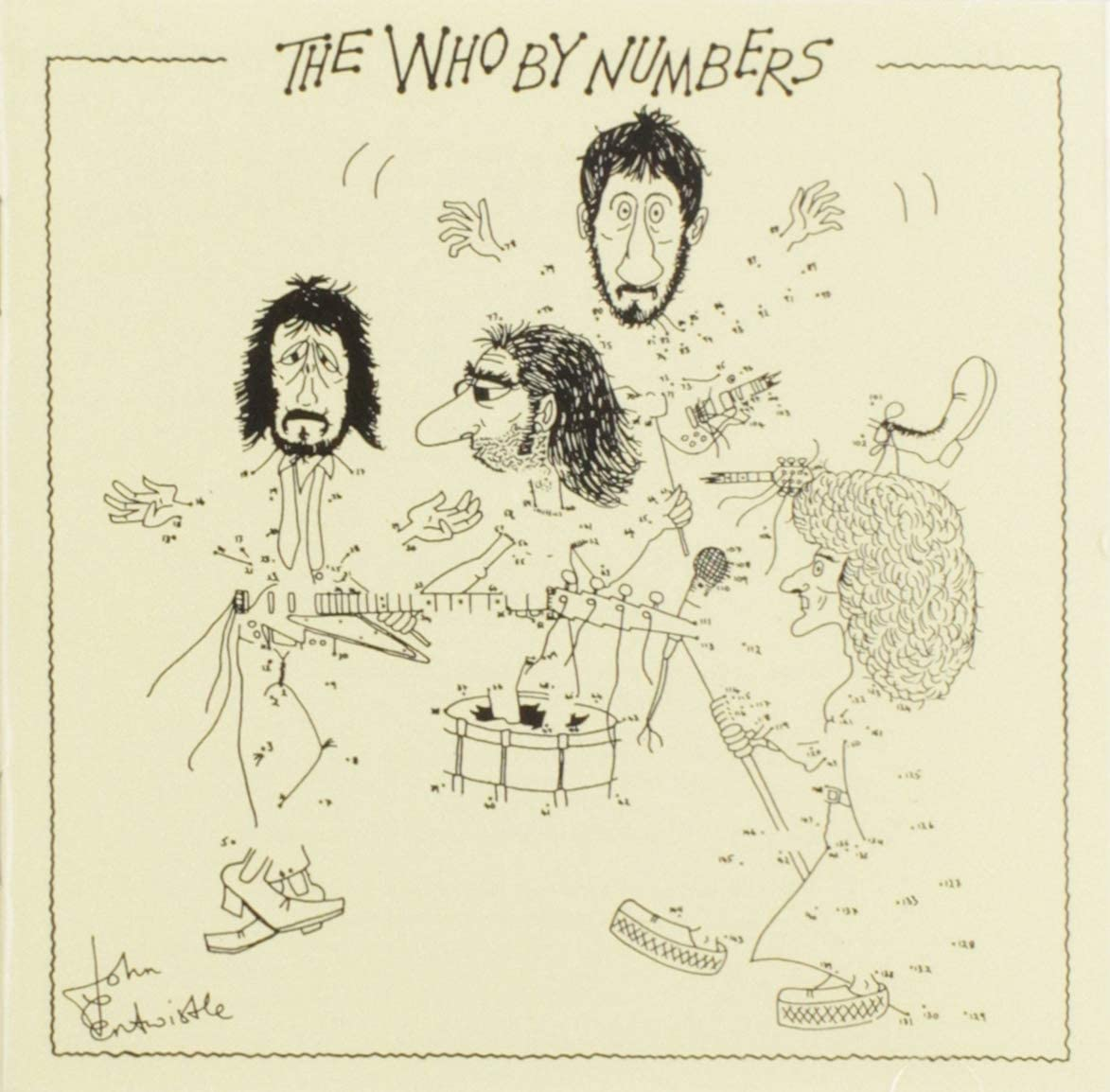
After an eight-year odyssey of concept albums, and movie projects, The Who confronted the prospect of their seventh album with a mixture of exhaustion and boredom. Returning to the studio after the innovative but chaotic “Quadrophenia” tour, the band entered the studio in April 1975 as Pete Townshend battled a writer’s block, straining to write an album’s worth of new material.

Having mined generational identity as a core tenet for The Who’s music, Townshend was staring down too his 30th birthday midway through recording and worrying whether the group’s relevance was waning. A decade after The Who’s salad days as Mod role models, the band’s songwriter, lead guitarist and chief creative officer was at a loss for grand themes, turning his attention inward instead.

That shift veered from the conceptual and narrative scale that had shaped Townshend’s music since 1966’s “A Quick One, While He’s Away,” written as a quick fix to a tactical challenge—the need to pad a sophomore album that was still nearly 10 minutes shy of target length. To bridge that gap, he assembled a six-part suite chronicling a lover’s infidelity dubbed as a “mini-opera” that would inspire him to push past stand-alone songs over the course of the band’s next four albums.

From the phantom radio broadcast of “The Who Sell Out “(1967) to the band’s definitive, pioneering rock operas “Tommy” (1969) and “Quadrophenia” (1973), Townshend’s songwriting was rooted in world-building. Even the concept-free “Who’s Next” (1971) extracted its evergreen hits and perennial deep cuts from the rubble of the doomed, Utopian multi-media blueprint for Lifehouse project, which had collapsed under the conceptual weight of its screen, stage, record and interactive ambitions.

Four years later, Townshend began the new album with another relic exhumed from Lifehouse, “Slip Kid,” a cautionary rocker conceived as “a warning to young kids getting into music that would hurt them.” Blurring schoolroom and barracks, adolescence and combat, its lyrics depicted the plight of the title protagonist as “a soldier at 13…off to the civil war” that could work as parable for literal or figurative conflict.

Musically, the track retreats from the orchestral scale of previous albums, building a lean arrangement from a syncopated drum beat and cowbell accents into a shuffle stalked by Townshend’s electric guitars and guest Nicky Hopkins’ bright piano flourishes. Roger Daltrey’s defiant vocal lines are answered by Townshend’s more vulnerable laments on the price of freedom. “Slip Kid” has since seen praise from critics, appearing on lists of the best Who songs and often being described as underrated. It has appeared on multiple compilation albums since its release and has been performed live intermittently throughout the Who’s touring career, including an unrehearsed performance in 2016.

Any expectation that the opener’s title character will serve as avatar for a unifying narrative is banished pointedly on the succeeding track, a starkly autobiographical high point for the album that harnesses its confessional pain to Townshend’s passionate lead vocal and an energetic performance by the band. Townshend’s withering self-assessment juggles disgust, despair and ultimately fear as he castigates himself as “a faker, a paper clown” who habitually lies, exaggerates his challenges and loses sleep as he agonizes over the source of his problems, “drench[ing] myself in brandy” in an unsuccessful attempt to quell his fears, nodding to demon alcohol in a real-life detail distinct from the fashionable psychedelia that had surfaced from “Magic Bus” and “I Can See For Miles” onward. A cycle of self-recrimination and defensive justification leads him to a harrowing verdict:

“I take no blame
I just can’t face my failure
I’m nothing but a well fucked sailor
You at home can easily decide what’s right
By glancing very briefly at the songs I write
But it don’t help me that you know
This ain’t no way out…
There ain’t no way out…”

The candor and ferocity of Townshend’s singing is reinforced by a kinetic arrangement powered by The Who’s thundering rhythm section, with Keith Moon’s exuberant fusillade braided by John Entwistle’s cascading bass figures beneath Townshend’s acoustic rhythm guitar and layered electric leads and fills, lucidly captured by veteran Who producer and engineer Glyn Johns. To follow the exhilarating fireworks of “However Much I Booze,” the album seeks lighthearted relief in “Squeeze Box,” a loping celebration of sex that unspools as a nostalgic faux folk song that winks at a couple’s hearty carnal appetites. “Mama’s got a squeeze box she wears on her chest,” Daltrey observes, “and when daddy comes home, he never gets no rest, ’cause she’s playing all night…” The wordplay is anything but subtle as Townshend multitasks a lively “knees up” of accordion, banjo and guitar.

Eros invites a less genial, more sobering examination as Townshend reverts to his confessional mien on “Dreaming From the Waist,” replacing the optimism of the lusty elders of “Squeeze Box” with first-person anxiety over sexual self-control in the present and the spectre of diminished potency that lies in his future. While Roger Daltrey resumes his post as lead singer, the lyrics’ anguish over the primal drive to “hump,” “jump,” “heat up” and “cool down” echoes the internal struggle of “However Much I Booze,” as do the instrumental fireworks set off by the band, with the rhythm section again explosive in its force.

On balance, it’s The Who’s focused ensemble attack that sustains interest for much of …By Numbers in the quartet’s agile power. As with Who’s Next, the project’s thematic modesty pushes the band toward its playing, even as Townshend’s autobiographical musings pull the lyrics inward and away from any grand design. That leaves welcome room for Entwistle to vent the band’s collective anomie and have some fun in the bargain with “Success Story,” an unfiltered snapshot of a rock band’s grinding path to glory.

The Who bassist may have ceded the band’s thematic preoccupations to Townshend’s dominant role in songwriting, but Entwistle’s original songs routinely flexed arch humour, here informing an anthem that valorizes then thumbs its nose at career milestones: “Back in the studio to make our latest number one, take two-hundred-and-seventy-six, you know this used to be fun,” sings a bored Daltrey in a lyric tipping Entwistle’s hand to the same torpor felt by Townshend and his other band mates.

For the balance of the album, the focus remains internal, musing over the authenticity of love (“They Are All In Love”), grumbling about false company (“How Many Friends”) and rambling through a loose catalogue of quotidian pleasures in Townshend’s solo “Blue Red and Grey,” a ukulele reverie he would later claim to revile.

That sequence adds a melancholy reserve to much of the album’s second side that gives way to “In a Hand or a Face,” a concluding rocker that regains the band’s more exuberant energy.

On his first solo album three years earlier, Townshend’s priorities were stipulated in the title, “Who Came First”. With his retreat from high concept on …By Numbers, his gravitation toward the personal would bubble up more frequently, both in subsequent Who albums and the parallel solo discography he would enrich in years ahead. The penultimate album for the original quartet, “The Who By Numbers” sustained the band’s reach into the top 10 on album charts upon its October 3rd, 1975 U.K. release , its modesty welcomed rather than critiqued by the rock press.

The SOBS – ” Air Guitar “

Posted: October 26, 2022 in MUSIC

A thirty-minute trip for the post-Internet consumer, “Air Guitar” calibrates inventive pop hooks for the indie rock lover, instantly accessible yet intricately arranged. The album draws a line through the history of pop stylistics from 80s new wave [Last Resort] and 90s power-pop [Burn Book] to 00s sk8er punk and radio pop [Air Guitar]. Further informed by the cosmopolitan, culturally astute ethos of PC Music – Sobs connects the uptempo of Shibuya’s Advantage Lucy [Lucked Out], heart-on-sleeve indie rock of Bettie Serveert and Big Star [World Implode], with the eclecticism of New York’s Darla Records [Friday Night] to define the pulse of indie-pop then and now.

released October 26th, 2022

Sobs is Celine Autumn, Jared Lim and Raphael Ong.

With:
Shaun Khiu [Drums, Percussion]
Zhang Bo [Bass, Additional Guitars]