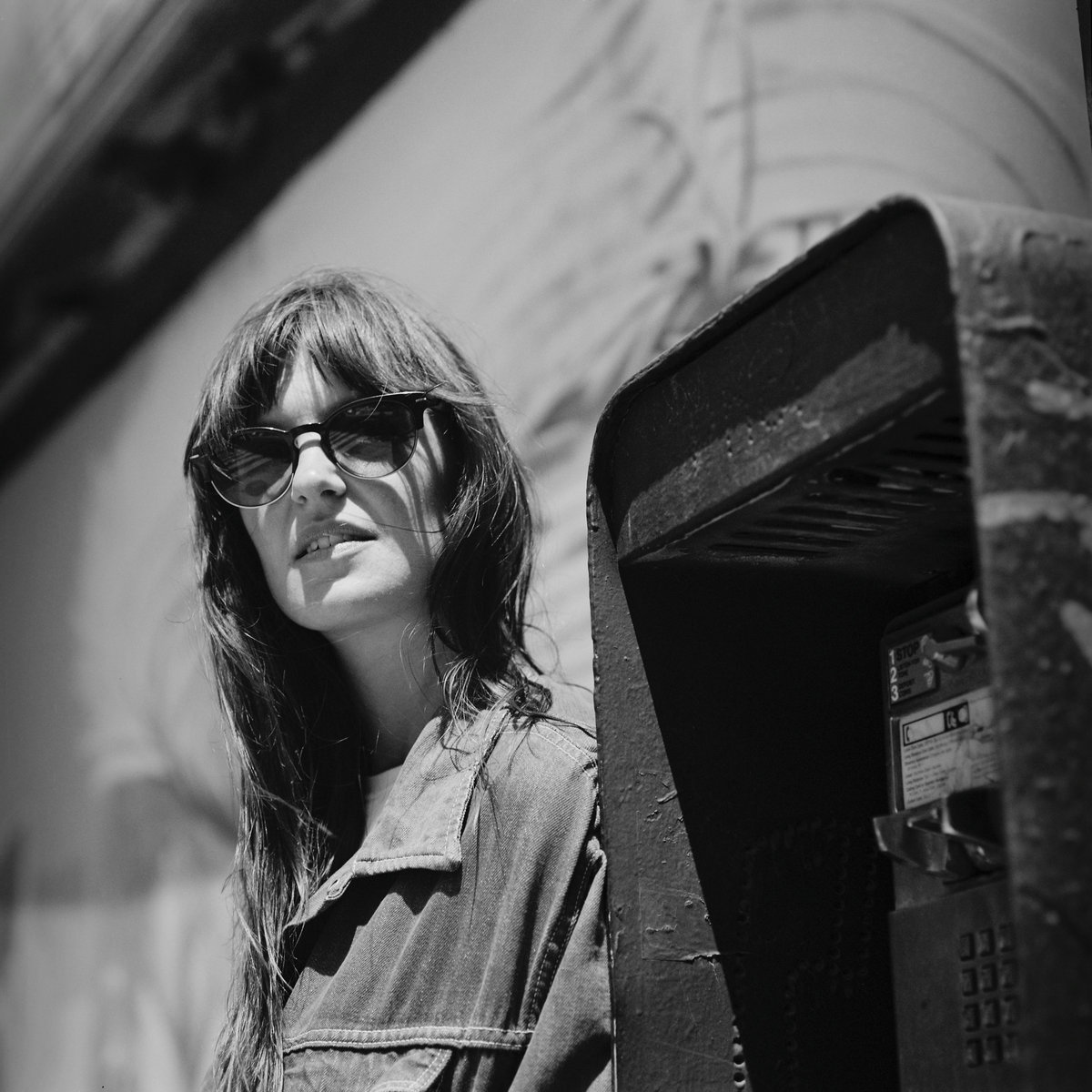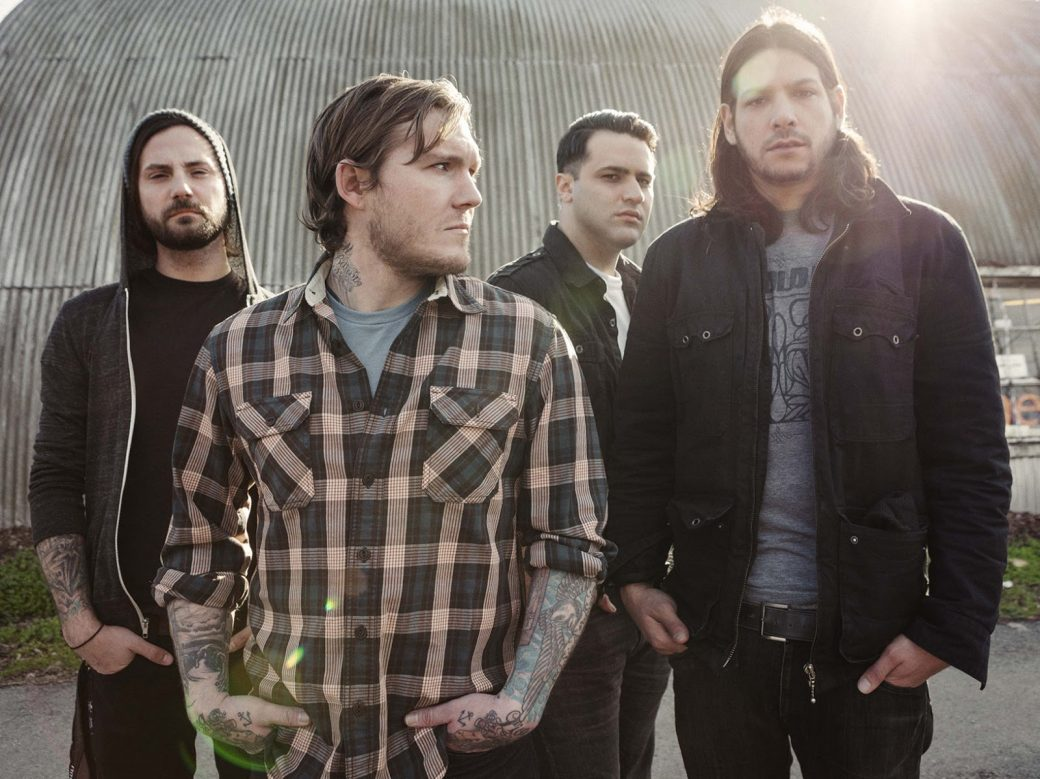
Brian Fallon recently felt a powerful impulse. He wanted to reconvene The Gaslight Anthem, the New Jersey indie-punk band he co-founded in 2006 and then put on indefinite hiatus nine years later. At heart, Fallon still felt like “a rock guy,” he says. And now, he needed his band back.

Fallon decided to reach for “the Bat Phone,” as he puts it. In search of some guidance, he texted his most famous friend and biggest musical influence: Bruce Springsteen. The Boss quickly responded, and during a summit at a local pizza parlor, he urged Fallon to reignite Gaslight. Surprisingly, Bruce’s demeanor during the tête-à-tête was more “enthusiastic fan” than “wise sage.”

“He was so excited at the end of our meeting that he texted me like, ‘You’ve got to write a duet for us!’” Fallon recalled with a laugh during a recent interview. “I was like, ‘What do you mean? You want me to write a song that you sing on?’ He’s like, ‘Yeah! It’s going to be great! People are going to love it!’ He was so pumped. I’m not sure if he was more pumped than I was.”

That song ended up being “History Books,” the title track of The Gaslight Anthem’s recently released LP, their first in nine years. Coming on the heels of a 2022 reunion tour, “History Books” picks up where the band left off after 2014’s “Get Hurt”, effectively centering their signature penchant for brawny songs with outsized, heart-rending choruses. An unrepentant fan of classic rock and ’90s alternative bands, Fallon has long since abandoned the punk pretenses that marked The Gaslight Anthem’s early work. Instead, he’s dedicated himself to making the sort of meat-and-potatoes rock that resides at the midpoint of Springsteen and Pearl Jam, a relentlessly earnest approach that regards the “Anthem” part of the band name with extreme literalism.

The Gaslight Anthem’s career, there have been many ups and downs. But now, Fallon insists, the band is in a better place than ever.
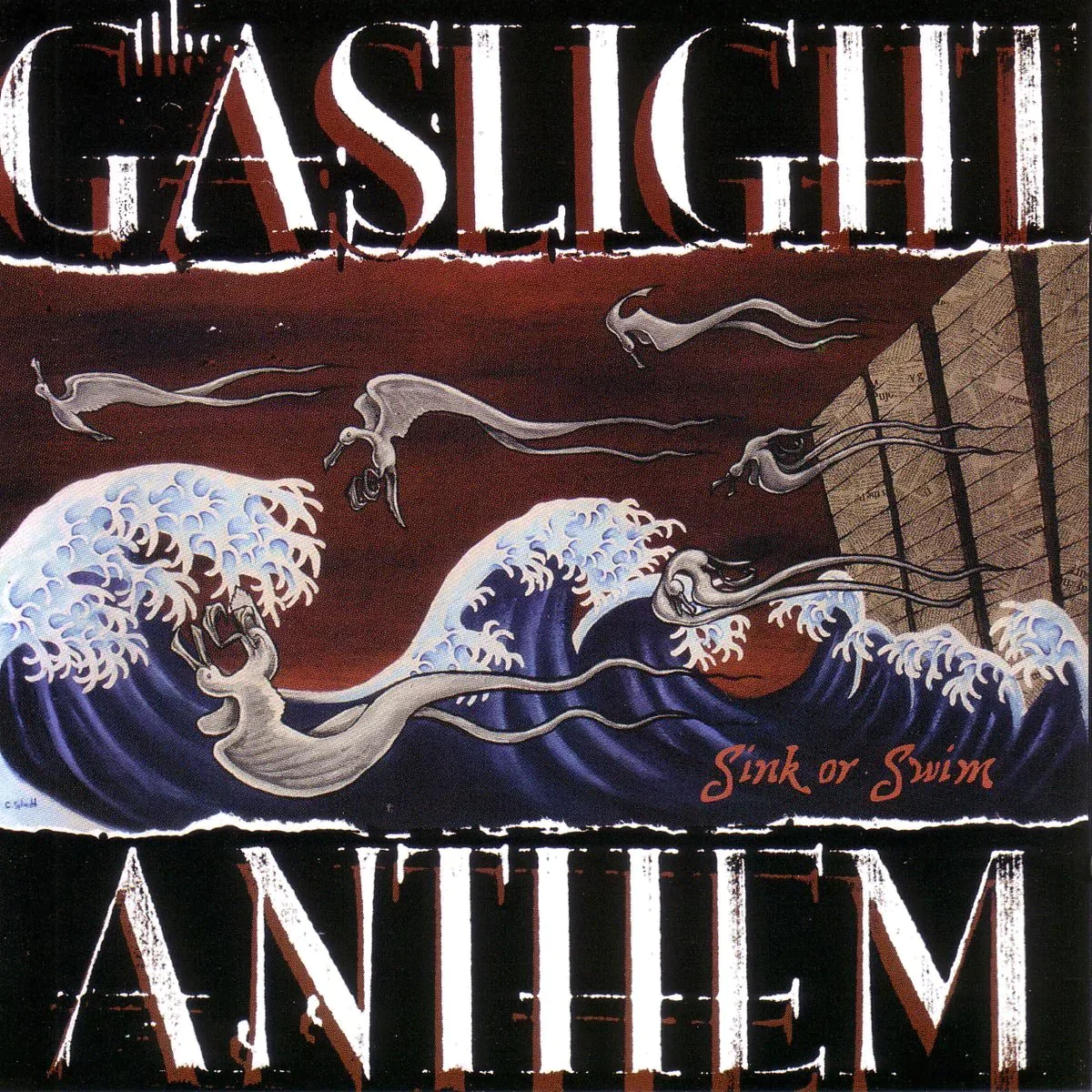
Sink Or Swim (2007)

Recorded in three days in Bayonne, New Jersey. It was at My Chemical Romance’s management offices. There’s a studio in the back there, and we had to be there when it was closed. The label we were on was just a friend — meaning it really wasn’t a label. There was this element of are we allowed to be here? It was definitely fun, because it was the first time we’d ever been in a real studio making a real record. Everything before that was either 7-inches or demos. So, for us, it was like, “There’s time to set up an acoustic guitar track? Sweet!” I remember very distinctly reading about The Killers, who had just come out with the second record, “Sam’s Town“. And I was sitting there like, “We’re going to end up like The Killers!” .

My grandmother had recently passed away, and her effect on me was pretty heavy growing up. Most of the time, my mom was working, so I would spend a lot of time with her. It was a typical American “No Dad” family. She would play movies all the time and she had posters on her wall, everyone from Rita Hayworth to these old radio shows, like The Shadow. As a kid, I’d be sitting there in her house, looking at these things. There would be Rita Hayworth as Gilda, and I was like, “What is this?” I would invent these stories in my head of high drama, and it just all coalesced into this thing.

We had one or two songs, and then we just wrote the rest in this blur of a winter. It was the fall time, like September or October, when we really started to get everything together, and then we recorded “Sink Or Swim” in February. It was before the record with “Radio Nowhere” came out. I know that it was the year before that. We all pushed each other a little bit, But with this band, the most important part of the show was the show. And the songs.

We had a talk about whether we could have acoustic songs on the record, which sounds insane but we were a punk rock band at the time. I was like, “Well, The Jam has an acoustic song.” Then somebody would be like, “Well, The Clash doesn’t.” I was like, “Yeah, but we’re not The Clash.” I’m glad that we did it, because it gave us permission to bring in the punk and the Springsteen for the rest of our career. I know it’s hard to imagine now, but back then, the people that we played for were really punks. And for all the anarchy and freedom the punks have, there’s a lot of rules.
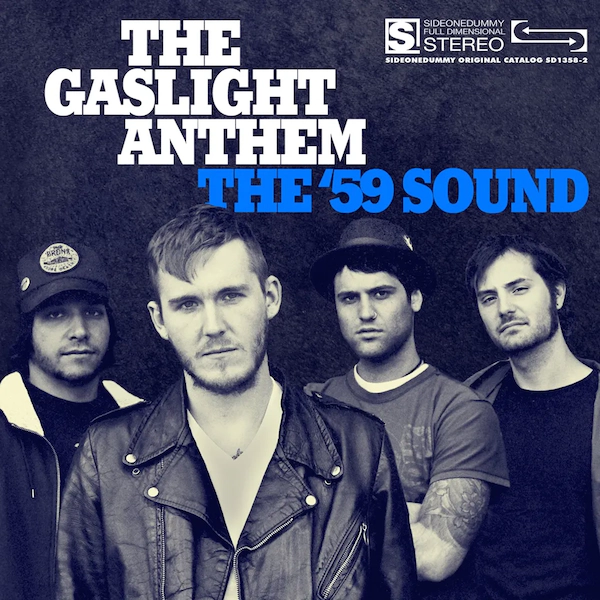
The ’59 Sound (2008)

That was the first record we actually left home to make. For us, being from New Jersey, Los Angeles was essentially the promised land. I remember feeling very electrified. We had a real record label and a budget. We were all staying together at this really strange place where I believe Lemmy was living for a while. It was called The Oakwood. There was all these kids that were trying to be famous, and they were rude as hell.

We were all together, all four of us in one apartment with one bedroom, and it was insane. There were cigarettes all over. Those pictures of Guns N’ Roses living in 1987, that’s us. All literally on the same couch. It was complete bedlam. We were just there by ourselves. There was no one else with us. There were no parties. We didn’t know anyone. Occasionally, [our label] SideOneDummy would have a taco truck and we’d go and hang out with them.

The studio that we went to was called Mad Dog Studios and I think Lucinda Williams’ husband owned it. I remember everybody being like, “This is definitely a step up.”

I remember writing “The ’59 Sound,” and I remember being done with it and being like, “Okay, this song is a lot better than the rest of the songs.” I knew that it was better, and then when we played it, I knew something was different. Then we recorded the songs, and all the people around us — like [producer] Ted Hutt and our manager and the people at SideOne — started to get nervous. It was like everyone knew something was happening. It started to feel like, “Oh my goodness, this could actually go somewhere.” Later, we got played on KROQ, and we were like, “This is nuts. The punk thing that we did, we did it so hard, and it sucked. It was so bad.

We slept in the worst places. All of our accommodations every day were painful. Our van was painful, it was overly packed. It’s just your typical band on the road. It was like all those photos you see of The Replacements freezing in the winter. That’s us, we did all of that. We were like, “No, this is awesome. We’re going to be in a rock ‘n’ roll band.” The only one that felt some punk guilt was probably Benny, because he came from the hardcore scene. He might have been like, “Are we lame now?” I was like, “Dude, you know what’s lame? This room. Let’s get out of here.”
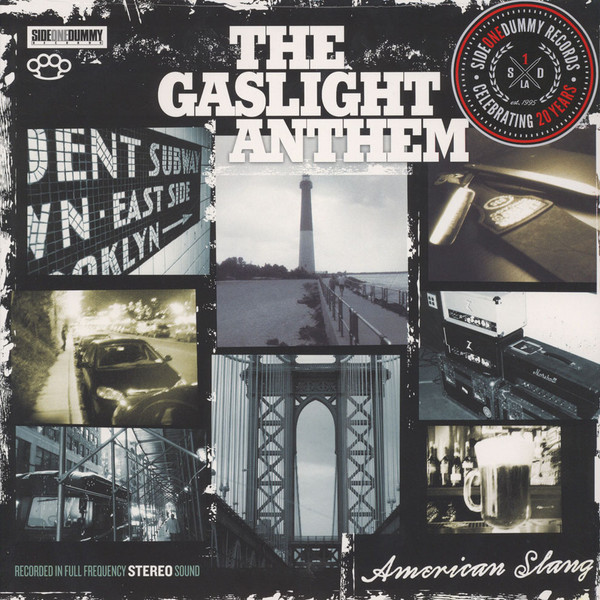
American Slang (2010)

it’s all about being successful. “American Slang” is like, “Everybody likes us. What does that mean?” .

By that time, we all had apartments. A lot of us moved to Jersey City and I moved to New York. I was in love with the city, because I could never afford to live in the city. I’m thinking, “We made it!” Meanwhile my apartment was essentially one room and a closet that was turned into a kitchen. But I was like, “We freaking made it!.

The songs could have ended up being terrible with the sort of mindset that we had back then, because we were all just trying to define everything. Who are we? What kind of band are we? What do we mean? Are we going to be Bruce Springsteen or are we going to be The Replacements?

It was partly turning 30, too — you’re not a kid anymore. We had some success, but we didn’t understand what that meant, because we weren’t rich. It wasn’t an overnight success. It wasn’t like we released Dookie. We just released this punk record that people kind of liked. Though, to be fair, there were magazines especially in the U.K.being like, “This is the second coming of rock ‘n’ roll,” or whatever.

When I look back now, I am so relieved that the songs retain their quality. I remember nothing but pressure about that record.
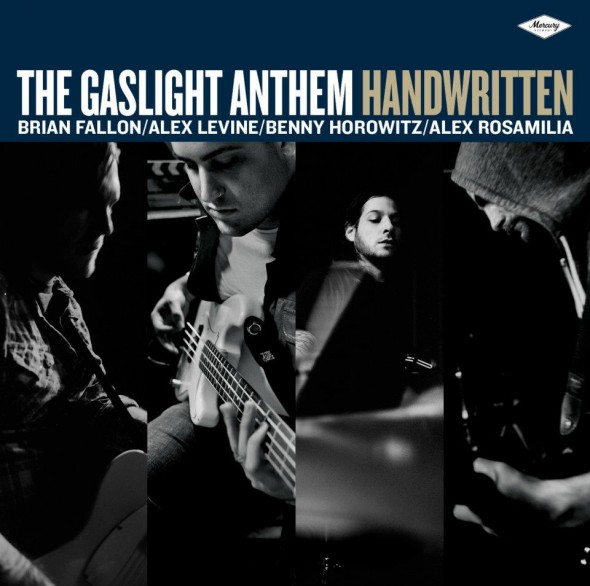
Handwritten (2012)

When “American Slang” came out, that was definitely the changing moment where we were like, “We’re not a punk band anymore.” We had just signed to a major label, so things were different. We got a publishing deal and we were like, “Whoa, I could buy a house.” You definitely had this feeling of, “Did we actually make it as a rock band?” Maybe not a famous band but we made it, we’re not going to work at the gas station anymore.

We were in Blackbird Studios in Nashville, and Taylor Swift was in the next building over. Kings of Leon were recording the album with “Sex On Fire.” It was all famous people all the time, but none of them were peeking over their fences at us.

Brendan really taught us a lot. He wouldn’t settle for anything being not in time or out of tune or anything like that. He would just make you do it 100 times. We all became a real band, because we would sit in the room and just play the song over and over again. And if one guy messed up, you had to play it again. It was the most connected we were as a band since the very beginning. No one was pulling in a different direction. We were all on this trip together. It was like grunge college.

After that record came out, and “45” was on the radio all the time, we’d look out at the audiences and be like, “I cannot believe that we did this.” It was wild, to be able to look out and see that this thing that we built was working. It was a point where you definitely felt like this could go on forever. We could be a big band now.

Except for the new record that we just made, this was the most fun I ever had making a record. It was so awesome. It was every ’90s dream that I had of grunge because we got Brendan O’Brien to do the record. He produced some of my favourite records of all time, and I would incessantly ask him questions. “What was it like recording “BloodSugarSexMagik?” “What did Jeff Ament smell like?” I was obsessively punishing this man with every question I could think of, and he was so gracious. Every single day I asked some new stupid question about Chris Cornell, and he was just humouring me the entire time.
Get Hurt (2014)

Everybody hits that point where they go, “I’m not really sure what to do right now.” And you want to go against it, and be like, “No, just ignore that, keep going.” I don’t really know what we were doing there. It was sort of like everything that was working, we decided to change. Like, “Hey, I write the songs, so why don’t you guys bring in some songs?”.

Here’s something that nobody knows: Brendan was going to do that record. What happened was our label and the band was like, “No, we’re not going to do another record with Brendan.” Especially the label. They were like, “No, fuck Brendan, you can’t work with him again.” There was a little divide there. I didn’t make the call that I probably should have made, which is to put my foot down and say, “No, we’re going to go with Brendan.” Instead I said, “All right, we’re going to fire Brendan.” And that was the biggest mistake, because Brendan is still pissed at me about that. That ended my friendship with Brendan. I don’t think he ever got over that. But I was like, “Dude, I want to make a record with you, but my band doesn’t. What am I supposed to do? I’m in a band, man.” At the same time, I was going through a divorce. I had just gotten a house and now I’m giving the house away. That shit is weird. It’s like you get to the mountain top and then your life falls apart.

With all this said, there are still songs on “Get Hurt” that I really enjoy playing. We still play the song “Get Hurt” that’s one of the best pop-oriented songs that the band ever wrote. I love the song “Stay Vicious.” I know some people really hate it but I don’t care, because to me that’s a Soundgarden song in my head. That song rips.

Every band has the time where they fall apart a little bit. Some bands don’t survive it. Generally, when you watch a band’s career if they have a career that’s longer than five years — they go on this arc and then all of a sudden, the band becomes not cool anymore. Everybody has it. Green Day had it, Pearl Jam had it, everybody had it. And then they either come back up or they disappear into the ether. We felt that coming. Benny and I got together, we were in the back of the bus, and I was like, “Dude, this sucks. It’s not fun. I can’t do it.” He was like, “Yeah, I can’t do it either.” Then we called the other guys and we said, “Does anyone think this is fun anymore?” Everyone was like, “No.” All right. We need to shut this down. Then everybody was like, “Permanently?” We were like, “No, but we need to shut it down for now.” None of us thought it was going to be forever but we didn’t know how long it was going to take.
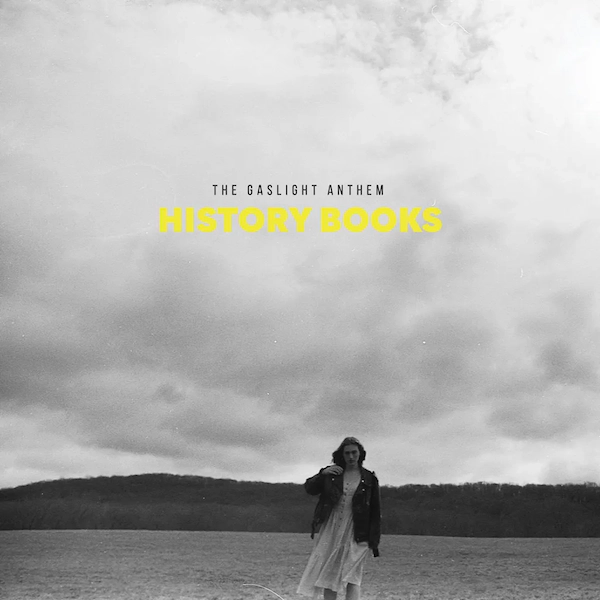
History Books (2023)

At the end of the pandemic, after we were stuck inside for two years, I was like, “There’s no way that younger me would let 40-year-old me sit here with this thing in his back pocket that he could do called The Gaslight Anthem and just let it go.” I started thinking about the Foo Fighters and all these guys that are all doing things that I still think are cool, but they are not young. Or Lucinda Williams, who I think was 10 years older than me when she did Car Wheels On A Gravel Road. I was like, “There is still an avenue for us.”

Then I used the Bat Phone for the first time in my life — I’m going to text Bruce. I was like, “Dude, I need your help.” I’ve never asked him for anything in all the 10 years that I’ve known him. I’ve never, ever called him and been like, “Help me out” or whatever. And he hit me right back and was like, “100 percent. Let’s go.” We went to a pizza place and he laid it out for me. He’s like, “Listen man, you can do a solo thing and that’s cool. Your solo songs are great. And I can go do a solo thing. But if I go out with The E Street Band … ” And you know how he sells it, he says it like [affects a Springsteen voice] “The Gaslight Anthem!” And it’s this big thing, like a wind gust blows through the pizzeria and I fall off my chair. He just pumped me up. I was flipping over tables by the end of it, like, “We’re ready to go!”

In the very beginning, before I called anyone, I said to myself, “I’m going to try and write four songs.” Because I didn’t want to come back and do a tour and have everybody get excited again, and then as soon as you do a tour, everyone thinks you’re making a record. I really tried to prepare myself beforehand and make sure that I was 100 percent in, because the way that the Gaslight Anthem works is if I’m 100 percent excited, I can get everybody else excited. It’s just the way it works, because I have enough excitement for everybody.

I said, “Look, I’m not just talking here. I got songs, and I think they’re good. Here’s four of them, not just one.” I think that helped a lot. “Positive Charge,” that was the first one. The second one was “The Weathermen.” The third one was “A Lifetime Of Preludes.” The fourth one was “Autumn.”
When we were on tour, we knew we had those songs, and every day we were jamming together, so we were writing more songs. It worked. Every day was just confirming it more that it was the right decision.

When I was writing for myself, I thought I had to do a certain kind of thing, I was like, “Well, I got to put on my singer/songwriter boots over here and write some singer/songwriter stuff and don’t rock too hard, because you’re not allowed to do that.” I don’t know why. If you try to boil it down to the truest sense of who I feel I am as a writer, I’m a rock guy.

I like songwriter stuff and I like doing it, but the big thing that really closed the gap for me was that I realized there is nothing that I can do in The Gaslight Anthem that I would need to go and make a record solo for, because we left that avenue open back on “Sink Or Swim” when we did “The Navesink Banks” and all those songs. I don’t see why there has to be a difference. There doesn’t have to be a difference.
Chicago, IL record label founded in 2009, Indie music has grown to include so much. It’s not just music that is released on independent labels, but speaks to an aesthetic that deviates from the norm and follows its own weirdo heart. It can come in the form of rock music, pop, or folk. In a sense, it says as much about the people that are drawn to it as it does about the people that make it.

2023 was our best year yet, and here are ten tracks from our ten mainline releases to prove it. One dollar gets you the goods (but feel free to pay more if you like). Enjoy.

released November 3, 2023

The fantastic new album from tireless seeker Emily Robb. It’s a no-frills, high-minded celebration of guitar and sound and tone and string and amp and adventure committed to tape at Emily’s own Suddenly Studio in Philadelphia in fits and spurts stretching over 2022/23. These are economical tunes of utter trance and tightrope pulsations, with a fearless spirit and a devotion to energy and personality that digs into previously untapped mines. With zero fuss and pomp, “If I Am Misery Then Give Me Affection” builds a wholly new palette of expression, and Emily follows her Les Paul like it’s a divining rod. It’s anyone’s guess where it points next, but we’re all fortunate enough to be invited along for the ride.

Emily Robb is back with another slab of unearthly (but also quite earthy somehow) six-string workouts. Robb’s sometime tourmate Rosali Middleman recently released a great collection of electric guitar instrumentals under the Edsel Axle moniker and “If I Am Misery” is a perfect chaser.

The pieces here take great pleasure in the simple essentials — pure volume, amp buzz, feedback, raw melodies. Robb is a master at coaxing unusual sounds from her axe, always going in unexpected directions, but still remaining deeply rooted to the source. While this is a solo album, it definitely rocks — like a VU bootleg or a vintage PSF LP. Don’t forget to boogie.

BONG WISH – ” Hazy Road “

Posted: November 4, 2023 in MUSIC

With a band name like Bong Wish (and an album title like “Hazy Road“), you might think you’re in for something spectacularly stoner-ific. And I’m not saying you couldn’t get nicely toasted while listening to this LP, but it is actually quite sharp and alert. Led by Mariam Saleh, this Boston based group has put together a stellar collection of perfectly jangly folk rock, calling to mind the west coast sounds of The Byrds and Love (as well as their Paisley Underground spawn Opal and Rain Parade). I also get a little hint of vintage Barbara Manning in Saleh’s vocals — always a good thing. Maybe even a little Talullah-era Go-Betweens?! Whatever — each tune here is a little gem whether Bong Wish is choogling mightily on the title track (who plays that awesome guitar solo?!) or drifting dreamily on the autoharp-led “Moon For You.”

Released June 23rd, 2023

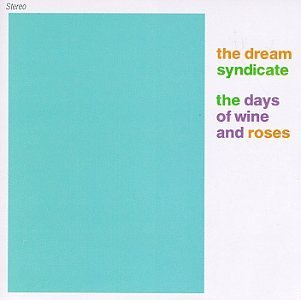
On this day (November 2nd) in 1982: Los Angeles neo-psych band The Dream Syndicate released in the UK one of the landmark alternative rock albums of the early-’80s, their debut ‘The Days Of Wine & Roses’, on Ruby/Slash Records...The LP’s sprawling, psychedelic, ragged guitar-rock, steeped in the influence of the Velvet Underground, helped to launch a scene in LA that was dubbed ‘The Paisley Underground’.

The phrase “days of wine and roses” is originally from the poem “Vitae Summa Brevis” by the English writer Ernest Dowson (1867–1900):

When they recorded their debut album “The Days of Wine and Roses”, the Dream Syndicate hadn’t even been together for a year. They went into the studio less than a month after forming and escaped with a noisy EP that documented their early, ragged sound. Now they had a deal with a record label and a producer, Chris D., who knew his way around a mixing board and was ready to make an LP that would help define an era, and live on as one of the most important albums of its time. Mixing the grungy grind of Crazy Horse at their bleakest, the barely tamed energy of the Velvet Underground at their wildest, and the abrasive glare of Dylan in his prime, the band unleashed a sound that was fueled by youth, confidence, and an unquenchable desire to make the kind of record that they wanted to hear but nobody else was making. Add to this heady mixture the dual guitar acrobatics of Steve Wynn and Karl Precoda, the steady rhythm section of bassist Kendra Smith and drummer Dennis Duck (that was always there when the guitarists got too near to tumbling over the edge), and Wynn’s sneering, snarling, and unhinged vocals and the band had everything they needed to vault this record into the realm of brilliance. Not a singular kind of brilliance: They reveal many sides and shades as they run through the songs like there’s a glittering prize awaiting them at the end.

Recorded mostly live and with broken headphones that forced the guitarists to guess what the other guy was doing, they rock out like dervishes on tracks like “Definitely Clean,” chime spookily then explode into shattered glass on “That’s What She Always Says,” strut and swoon drunkenly on “Until Lately,” and on the title track, show off a kind of daring, untethered psychedelic jamming that would make Quicksilver Messenger Service green with envy. Toss in a cranky, overloaded pop song “Tell Me When It’s Over”, a chilling track with some wonderfully cracked guitar soloing “Halloween”, a heartbreak ballad sung sweetly by Smith “Too Little, Too Late”, and it’s perfect.

Everything works like it was crafted out of trippy, malevolent stardust — from Wynn’s hard-bitten lyrics to Precoda’s massively sludgy guitar tone that was so gruesome it earned the nickname “the Thing” — and the album makes good on the promise of all the influential but flawed bands and LPs that had come before and influenced them. For just a moment they tapped into the molten core of rock music and were able to concoct something that had all the danger, beauty, energy, and fire that people talk about and are rarely able to achieve.

  • Steve Wynn – guitar, vocals
  • Karl Precoda – guitar
  • Kendra Smith – bass, vocal (“Too Little, Too Late”)
  • Dennis Duck – drums

KING CREOSOTE – ” Susie Mullen “

Posted: November 2, 2023 in MUSIC
King Creosote shares AA single, his first new music since 2016

King Creosote AA single comprised of “Susie Mullen” and ”Walter de la Nightmare”. Amidst frenetic modular synths and drums, “Susie Mullen” takes King Creosote (aka Fife’s Kenny Anderson) sound in a new direction whilst “Walter de la Nightmare” brings his beautiful vocals back centre-stage. Available to buy as a 7”,vinyl.

King Creosote revealed details about the songs: “To find the source of inspiration for the music of ‘Susie Mullen’ you need only squeeze the belly of a souvenir camel toy from Egypt to unleash a rather urgent and tinny sounding nursery rhyme in Arabic, jam along in the key of Bb. A Crail live audience in 2017 heard the debut collaboration between KC and camel.” Referencing the single artwork, Anderson explains the meaning of lyrics of “Susie Mullen”: “With the luxury of hindsight, missed opportunities in the St. Andrews Woollen Mill workplace of yesteryear have become today’s befuddled and rather embarrassing memories.”

On “Walter de la Nightmare”, Kenny adds: “The lyrics reference a song by Billy Pilgrim RIP from Fence Sampler #3 in which Walter de la Mare recounts a lightning strike on a large old tree. Nota bene, I am fully aware that ‘lymph nodes’ and ‘emphatic’ do not conflate to ‘node lymphatic’, but it sounds good to my ear, and it provides a much-needed rhyme. Both Susie and Walter have taken over two decades to make their pilgrimage from Egypt to Ullapool.”

Amidst frenetic modular synths and drums, “Susie Mullen” takes King Creosote sound in a new direction whilst “Walter de la Nightmare” brings his beautiful vocals back centre-stage. Available on this AA 7″ single.

TOM PETTY – ” Wildflowers “

Posted: November 2, 2023 in MUSIC

“Wildflowers” is the finest hour for Tom Petty as a recording artist and darkest as a songwriter. It was his 10th album and first under a new Warner Bros. Records contract, the 1994 set offered 15 songs as varied and nuanced as any he would write, unified by an underlying sense of loss. There were flashes of rock energy in the reliably fine musicianship and familiar sparks of sardonic humor, but “Wildflowers’ most distinctive songs revealed glimpses of defeat and exhaustion new to his work. [The album received a lavish expansion on October 2020.]

As sessions began in 1992, Petty was no longer the scrappy outsider and rock classicist who led his Gainesville, Fla., bandmates to L.A.’s promised land in the mid-’70s. Now in his early 40s, he was rock royalty himself, standing beside Messrs. Dylan, Harrison, Lynne and Orbison in the Traveling Wilburys, and leading his own best Heartbreakers. But his platinum albums, ticket sales and radio hits had come at a personal cost. His marriage of 18 years was unraveling, held together only by fraying threads of concern for his daughters and guilt over his career’s impact on his family. That private drama fuelled a prolific burst of songwriting marked by a dark tonal shift.

Petty’s decision to produce his first Warner full-length as a solo rather than band album was motivated by the desire for a looser framework less tethered to his then six-piece band. Such had been the case when Petty, Heartbreakers guitarist Mike Campbell and Petty’s fellow Wilbury, producer Jeff Lynne, had recorded his first solo set, 1989’s “Full Moon Fever”. This time out, Petty and Campbell teamed with producer Rick Rubin, now successfully established beyond his early hip-hop and rap base. Beyond his fan’s enthusiasm for his client, Rubin’s most consequential contribution to the sessions was his skill at framing the material with an aural intimacy that prefigured Johnny Cash’s transformative “American Recording’s” album.

In contrast to the lush, widescreen sweep Lynne established for “Full Moon Fever” and its follow-up, “Into the Great Wide Open”, Rubin pulled sonic focus into extreme close-ups: Guitars and keyboards are often close-miked and lush while Petty’s voice is brought forward, looming over the mix.

That balance of high-definition detail and vocal immediacy animates the opening title track, a tender lullaby that highlights Petty’s acoustic guitar and vocal so artfully that its gradual accretion of instruments—rippling piano and harpsichord, harmonium, bass, and percussion, culminating in Michael Kamen’s silken string arrangement—is truly subliminal.

The wistful benediction of “Wildflowers” gives way to stark desolation on “You Don’t Know How It Feels,” the album’s first single and a stunning exercise in slow-burning, foursquare rock. With Petty on acoustic and electric guitars, harmonica and bass, the arrangement moves at a dirge’s pace beneath the singer’s bleary invitation to take a “midnight ride” to escape romantic abandonment. “But let me get to the point, let’s roll another joint/And turn the radio loud, I’m too alone to be proud,” Petty pleads on a chorus that does double-duty as sing-along and existential surrender, concluding, “You don’t know how it feels to be me.”

In programming the November 1994 release, Petty and his partners alternate between quieter acoustic reveries and tougher electric tracks closer to the Heartbreakers’ core sound. Thus, the stomping attack of “You Don’t Know How It Feels” yields to the lighter, lyrical “Time To Move On” before veering back into power chords and cymbal crashes on “You Wreck Me,” a fleet rocker built with his full band’s live sets in plain view, its lyrics glancing backwards with imagery evoking lost youth. Even as he taps into a trope resonant with his own early hits (“Tonight we ride, right or wrong…on a radio song…”), Petty invokes a bond both seductive and destructive, tugging at a thread of comingled passion and disillusionment that runs through much of the album.

The album’s second single, “You Wreck Me,” shares its electric energy and second-person pillow talk with “Honey Bee” and “Cabin Down Below.” Deeper emotional traction follows when Petty turns inward on quieter songs that dolly in for a closer look at his distress. “It’s Good to Be King” is a minor-keyed reality check, a confession that daydreams are only brief respites at best in a melancholy twist on Mel Brooks’ punchline, imagining and then dismissing power, wealth, and love as within reach.

“Yeah, I’ll be king when dogs get wings,” Petty mordantly comments. Pulled as the album’s third single, the song both conveys and mocks its regal mirage with another elegant Kamen orchestral arrangement while backlighting a recurrent subtext of loneliness and emotional distance that surfaces more explicitly on deep cuts revealing those troubled emotions.

“Only a Broken Heart” confronts a relationship in crisis, wishing “to start all over again/To clean up my mistakes.” On “Don’t Fade on Me,” he pleads for reconnection while alluding to his partner’s own emotional unravelling. “Hard on Me” finds the singer struggling “to hold on to tomorrow” for his “little girl” even as his partner hardens her antagonism toward him.

The music varies in pace and feel, thanks to a deceptively large musical cast that includes most of the Heartbreakers alongside additional percussion, string and horn players. Yet the sense of connective emotional tissue is there in every other track. “To Find a Friend,” with Ringo Starr guesting on drums, covered elsewhere by future Heartbreaker Steve Ferrone, is a startling projection of its author’s inner vision as Petty baldly reports, “In the middle of his life/He left his wife/And ran off to be bad/Boy, it was sad…”

These tensions ultimately resolve on the album’s closing track, “Wake Up Time,” an elegiac ballad that measures the toll of time and heartbreak against Kamen’s most expansive and sympathetic orchestral chart. The song’s weary but clear-eyed sense of acceptance can’t extinguish a melancholy that lingers over the entire set.

As for the album’s stature in Petty’s rich catalogue of solo and band releases, making the best case for “Wildflowers” as his strongest album is Tom Petty himself. He declared it his favourite recording in 2005 in an interview with American Songwriter’s Paul Zollo, asserting it was made “at the top of my game as far as craft and inspiration colliding at the same moment.” Its generous song list only hinted at the virtual torrent of material he was creating during this period, reflected in the shelf of material left behind when he was talked out of releasing it as a double album. Some of those tracks would surface on his subsequent soundtrack set, “She’s The One“, recorded with the Heartbreakers.

In the last years of his life, with triumphant tours and albums to buoy his confidence, Petty proposed an ambitious reissue that would literally double down on “Wildflowers” as a two-disc package and an anniversary tour that would have Petty and the Heartbreakers performing the album in its entirety.

The BEATLES – ” Now And Then “

Posted: November 2, 2023 in MUSIC

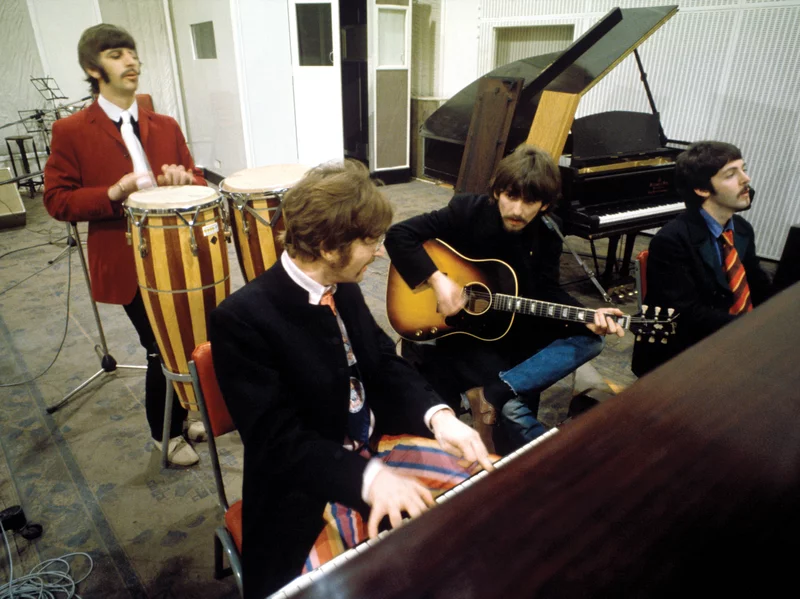
It’s being billed as “the last Beatles song.” And now, 2023 brings one of the most anticipated releases of their long and endlessly eventful history. “Now And Then,” written and sung by John Lennon, developed and worked on by Paul McCartney, George Harrison and Ringo Starr, is now finally finished by Paul and Ringo over four decades later. 

First, though, a 12-minute “Now And Then – The Last Beatles Song” documentary film, written and directed by Oliver Murray, has debuted on November 1st. 

“Now and Then’s” eventful journey to fruition took place over five decades and is the product of conversations and collaborations between the four Beatles that go on to this day. The long mythologised John Lennon demo was first worked on in February 1995 by Paul, George and Ringo as part of The Beatles Anthology project but it remained unfinished, partly because of the impossible technological challenges involved in working with the vocal John had recorded on tape in the 1970s. For years it looked like the song could never be completed. But in 2022 there was a stroke of serendipity. A software system developed by Peter Jackson and his team, used throughout the production of the documentary series “Get Back”, finally opened the way for the uncoupling of John’s vocal from his piano part. As a result, the original recording could be brought to life and worked on anew with contributions from all four Beatles. This remarkable story of musical archaeology reflects The Beatles’ endless creative curiosity and shared fascination with technology. It marks the completion of the last recording that John, Paul and George and Ringo will get to make together and celebrates the legacy of the foremost and most influential band in popular music history.

The double A-side single cleverly pairs the last Beatles song with the first: the band’s 1962 debut U.K. single, “Love Me Do,” a truly fitting full-circle counterpart to “Now And Then.” The songs will be included in expanded editions of The Beatles’ 1962-1966 (aka The Red Album) and 1967-1970 (The Blue Album) collections coming in various formats on November 10th.

Image  —  Posted: November 2, 2023 in MUSIC

Image  —  Posted: November 2, 2023 in MUSIC