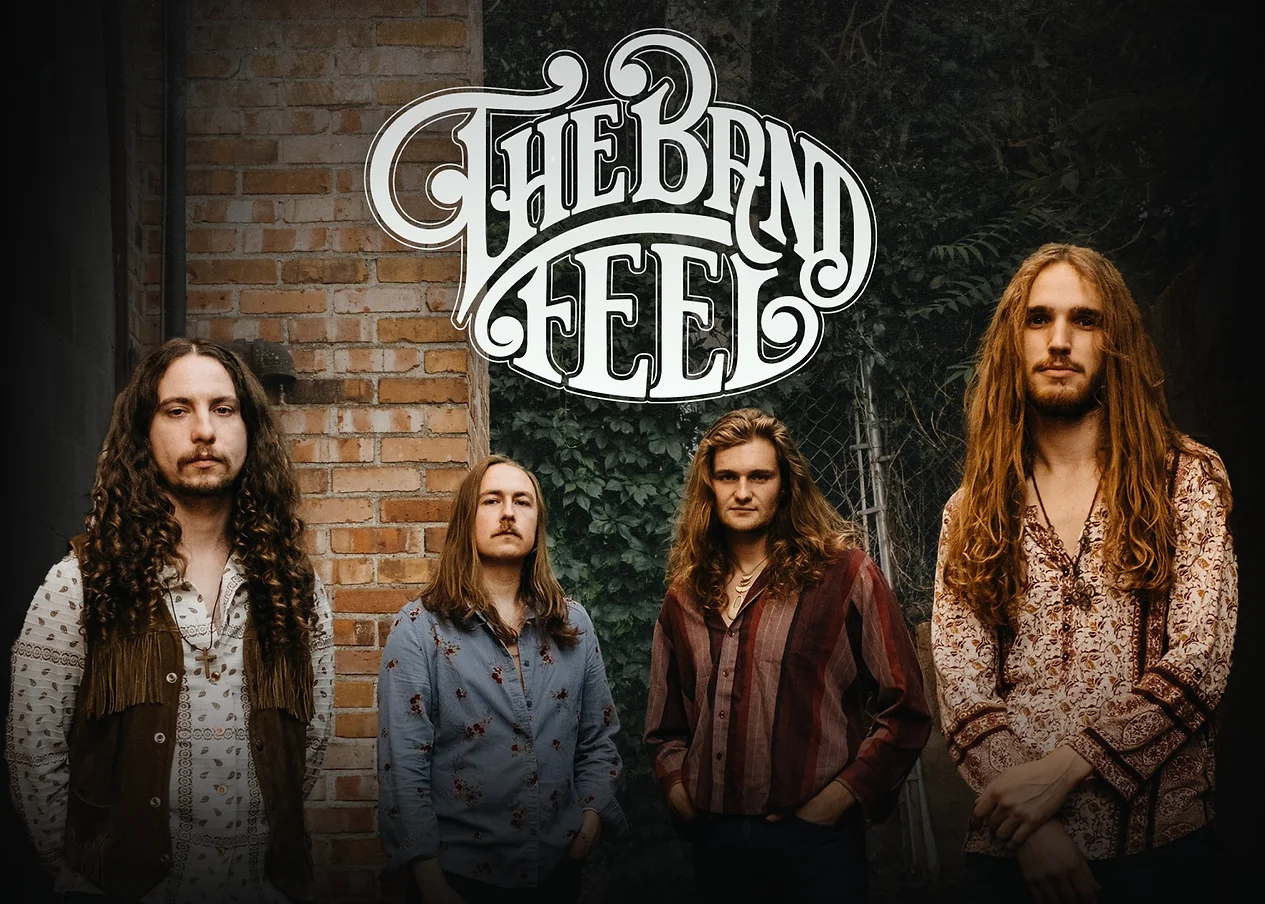
Drawing from the best elements of the California psychedelic scene of the early 70s, along with a distinctly Zeppelin-esque flair, Feel captures the spirit of a bygone era, while suggesting what may be possible and still left unsaid from that heady time. They possess the keen energy, magnetism, and showmanship of the great vintage era bands without devolving into predictable cliché. Feel provides a promising glimpse into the direction of emerging American rock
Heat, passion, charm, and churn come together in FEEL’s invigorating new single “Find a Love,” a smile-inducing hard rock reverie full of raw energy and sizzling sound.
Feel is a band for fans of searing guitar riffs, dynamic drumming, sonically charged melodies, and soaring vocals, that is. This is a band we Feel in our bones; a band whose fiery sound is as refreshing as it is familiar. Heat, passion, charm, and churn come together in FEEL’s invigorating new single “Find a Love,” a smile-inducing hard rock reverie.
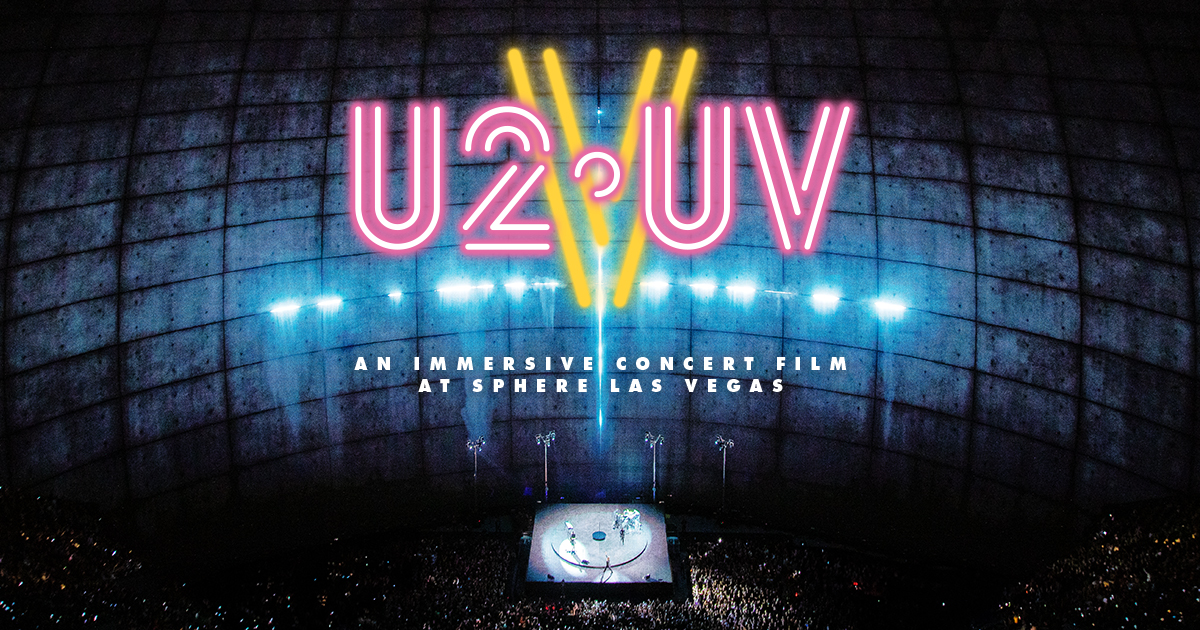
V-U2 does not just capture U2’s epic run at Sphere, it makes audiences feel like they are at the live shows themselves in a first-of-its-kind immersive experience that is only possible at Sphere. To create this larger-than-life concert film, a number of Big Sky cameras captured the band at extraordinary scale, sharpness, and clarity. V-U2 employs Sphere’s immersive technologies including the 160,000 sq. ft. display plane, which at 16k x 16k resolution is the world’s highest-resolution LED screen; Sphere Immersive Sound, powered by HOLOPLOT, which provides crystal-clear sound to every seat in Sphere; and haptic seats, which use vibrations so guests can ‘feel’ the experience. All of these technologies, which were used to great effect in ‘U2:UV Achtung Baby Live at Sphere,’ will be leveraged in this Sphere Experience in new and different ways to reinforce the feeling of ‘being there.
V-U2 will be screened exclusively at the futuristic Las Vegas venue from September 5th. The film is the first to be shot using the ‘Big Sky’ camera system, which Sphere Entertainment has itself developed. This footage will appear on the venue’s 160,000-square-foot LED screen in high-definition audio. There are even so-called ‘haptic’ seats, which vibrate to the sound of the music.
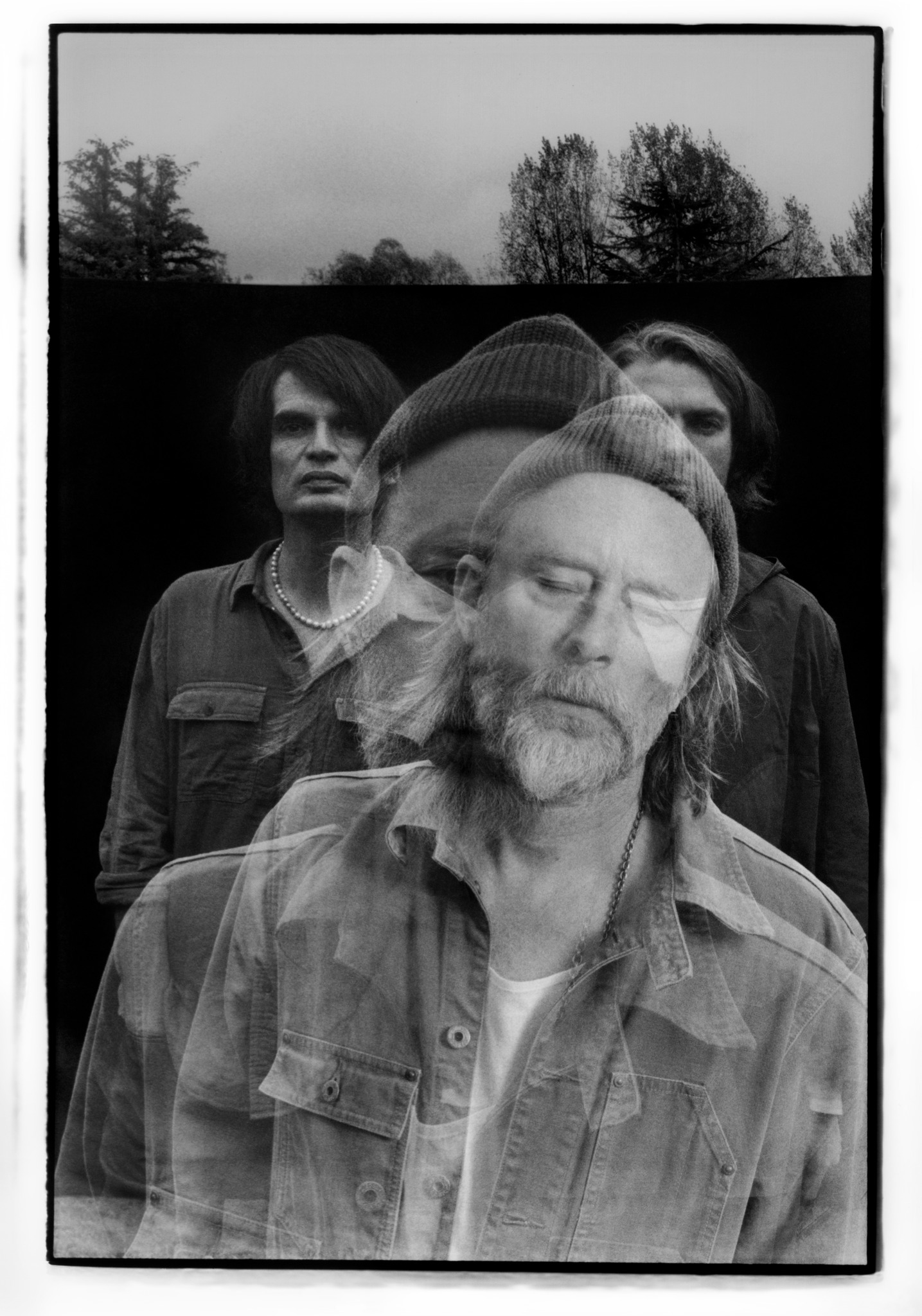
Since releasing “A Light for Attracting Attention” last year, The Smile haven’t slowed down and are now preparing to release their next album in early 2024 (perhaps being a trio gives them the benefit of moving a little faster than Radiohead). “Wall of Eyes,” the second song to be released from the album, showcases their more cinematic, atmospheric side, a subtle bossa nova that gradually builds out into an eerie art-pop slow-burner with elements of Radiohead’s most subtly intense moments on “A Moon Shaped Pool”. Where the fun of the band’s first set of songs was its immediacy, it’s thrilling to hear them evolve into something even more nuanced and layered, revealing new and repeatedly rewarding aspects to this still-new(ish) band of art-rock vets.
On their debut, the Smile sounded revitalized and even impatient, managing to cram together disparate influences with an emphasis on groove. Its follow-up finds no use in harnessing the frenetic energy of tracks like ‘You Will Never Work in Television Again’, but it doesn’t mean their restlessness has subsided. For a record that can generally be described as more subdued than its predecessor, it’s strange how unsettled its restraint feels, each eerie detail and unresolved conclusion appearing to inch them out of, rather than sinking into, the ideal of graceful maturity. There’s no sense of complacency on “Wall of Eyes”, which abounds with proof of a band alive with ideas, curiously bending them to shape until it’s no longer of service.
From Wall of Eyes, out January 26th via XL Recordings
The Boston slowcore trio stitch their gentle and heavy sounds back together with a newfound clarity while considering nihilism from a more hopeful angle on their cathartic fourth album. Horse Jumper of Love are no strangers to the void. With the release of their self-titled 2016 debut, frontman Dimitri Giannopoulos confessed to having a phase where he thought “nothing was real” as a teenager, and since then, their music has always had a hint of the dissociative. Hazy interludes give way to tidal waves of sound anchored by tiny details: the “kiss” of throwing up into a trashcan on 2019’s “John Song,” a favorite shirt ruined by bleach on their breakout track “Ugly Brunette.”
For their new album “Disaster Trick”, the signature slowcore sound established on their debut is reborn. Horse Jumper’s last release, 2023’s “Heartbreak Rules” EP, stripped their work down to the bone with Giannopoulos largely on solo acoustic guitar, but the new record brings back the noise, stitching their gentle and heavy sounds back together in a cathartic return to form.
Their production process has recentered, too. Rather than “show up at a studio, drink, and record,” the newly sobre Giannopoulos says he and the band approached “Disaster Trick” with clarity, traveling to Asheville’s Drop of Sun Studios to work with producer Alex Farrar. There, they were joined by the studio’s recent alums Karly Hartzman and MJ Lenderman of Wednesday and Ella Williams of Squirrel Flower.
It feels like Horse Jumper of Love isn’t just evolving, but considering its own nihilism from a new angle. The intoxicating sink of their earlier work is garnished with something a little more hopeful, a little more self-aware. In a way, the band is literally looking back—“Gates of Heaven,” for instance, is a previously unfinished track from years ago. But there’s a sense of determination alongside this retrospection, a pursuit of honesty and connection that shines through the darkness. “I know it sounds dramatic,” Giannopolous acknowledges at the close of “Death Spiral.” “But I must describe the way that it felt.”
Horse Jumper of Love from “Disaster Trick”, out 16th August on Run For Cover Records.
Christian Lee Hutson has dropped another pre–”Paradise Pop 10″. track in the form of “Beauty School,” which is all about Hutson’s journey to become a certified esthetician. That last part isn’t true, but don’t let that dissuade you from checking out this certified bad boy of a track.
Some alt-pop vibes abound as Hutson sings of sangria in a Dixie cup over shuffling acoustic guitar chords and a massive chorus that kinda sounds like Weezer, but good.
Fellow singer songwriter Katy Kirby features and brings plenty more to the table, as she always does. Regarding the track, Hutson said: “‘Beauty School’ is a love song to myself and to you. To all the people we’ve been and to all the people we will be.”
the upcoming album ‘Paradise Pop. 10’, out on September 27th, 2024
Illuminati Hotties’ anticipated new album “Power” is out next month, and she’s shared the title track. “This song feels scary to share,” she writes on Instagram, “I can’t tell you the relief I felt when I cracked open the meaning of this song & also the fear that if I spilled my guts I couldn’t step away from reality. I hope you find comfort in ‘Power’ & I RLY hope you’re ready to sing this thing with me on tour.”
Sarah Tudzin’s previous album as illuminati hotties, wore its many outfits with conviction: its riot grrrl satire, its devastating eulogy to Tudzin’s dog, its absurdist low-key violent lyrics (“I’m biting my lip and I’m biting yours, too / ’Til the blood tastes like chocolate goo”)—not to mention its inclusion of “MMMOOOAAAAAYAYA,” easily the most outlandish, unique indie-pop song of 2021. With her new album “Power”, Tudzin has purged most of the mischievous experimentation from her system; the leftovers feel made by someone in a happier place, but largely lack the moxie and irreverence that set her apart.
Tudzin got married in 2023, and her honeymoon contentment is all over “Power”. It’s not that love was absent before, though. “The Sway” from “Let Me Do One More” is one of the greatest love ballads ever (I’ll die on that hill), as Tudzin pleaded her muse to “soft split a borrowed 12 of Modelo” and “share all your stains and your bruises with me” over the warm ticking of an ersatz drum loop and offbeat acoustic guitar part. Those sentiments are more bizarre (and, therefore, more interesting) than “Power’s” goofy domestic bliss. “I Would Like, Still Love You” aims in a similar direction, but its listicle lyric format is less witty than it could be, and lines such as “If you drill a hole through my hard drive / Don’t worry, I’m backed up and still I love you” are probably better enjoyed by the lyrics’ recipient.
Sabrina Teitelbaum has returned with a new Blondshell single entitled “What’s Fair.” The recording serves as a bridge between her 2023 self-titled debut and her forthcoming album, which is reportedly close to being complete. The track features Teitelbaum’s signature blend of vulnerable vocals with alt-rock guitar wails and massive drums.
Regarding the track, Teitelbaum said: “I think that any relationship between a mother and a daughter is inherently complicated. Maybe it’s because of my own relationship, which was grounded in a lot of trauma and loss, but I think it’s always confusing. What are you allowed to expect, what is normal, what behavior from a parent is OK or not OK, etc.? And to what extent does ‘normal’ even matter when your experience is all you have? I was just trying to sift through the past when I wrote this song and I mostly had a lot of questions.”
John Murry’s music penetrates to the very heart of you, searing with its burning honesty, its unsparing intimacy and its twisted beauty. His classic album “The Graceless Age: The Ballad of John Murry”
The story of American singer-songwriter John Murry who was on the cusp of greatness until he became addicted to heroin, creatively exhausted, and went to Ireland a broken man…. The film has already won Best Irish Documentary at the 35th Galway Film Fleadh and will be premiering in the UK later this year. Directed by Sarah Share best known for her multi award winning ‘If I Should Fall from Grace’ – the Shane MacGowan Story.
John Murry is an American singer-songwriter known for his emotionally charged and critically acclaimed music. Born in Tupelo, Mississippi in 1979, he gained recognition with his debut solo record, “The Graceless Age,” released in 2013. This album received high praise from critics and music publications, establishing Murry as an artist of major stature. His music delves into themes of drugs and near-death experiences, offering a raw and introspective experience for listeners. Murry has collaborated with other notable musicians and continues to captivate audiences with his dreamy falsetto and evocative lyrics. With his Mississippi roots and connection to literary figure William Faulkner, Murry’s unique blend of musicality and introspection has garnered him a dedicated fan base.
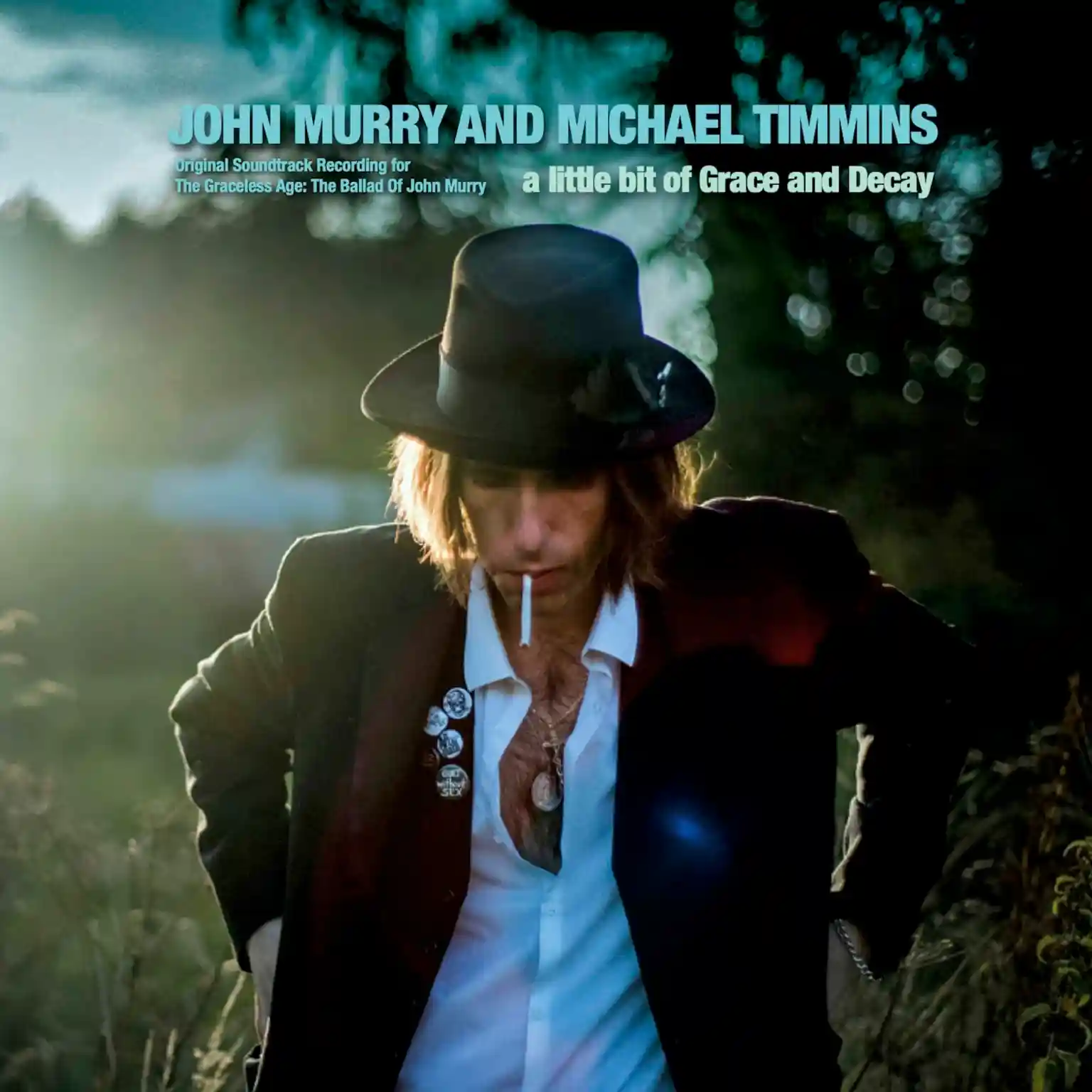
John Murry will release a new album 20th September 2024 on Deluxe CD & Download via TV Records with distribution from Shellshock John Murry And Michael Timmins – “A Little Bit Of Grace And Decay”
The Soundtrack to accompany the Award winning Documentary, The Graceless Age: The Ballad Of JohnMurry. Written and performed by John Murry and Mike Timmins (Cowboy Junkies). Tracks include stripped back versions of songs from “A Short History Of Decay“, disarmingly poignant new songs, and sections of the luminously, atmospheric score.
Recorded in Toronto at The Hangar. Produced, Mixed and Recorded by Michael Timmins.
‘An instant classic. The Graceless Age is a Masterpiece. Murry’s songs are unforgettable’ UNCUT 9/10.
‘Ink-black gothic country gospel. Formidable stuff’ MOJO 5 STARS
‘Intensely beautiful… Like Father John Misty, Mark Lanegan and Josh T Pearson rolled into one really broken dream’ Q MAGAZINE 4/5
‘The Graceless Age” …is a Classic… from a compelling honest, deeply emotional, singer-songwriter’ THE TIMES
Madfish Records have shared details of “8314 Boxed“, a limited-edition deluxe boxset tribute to Jethro Tull frontman Ian Anderson’s treasured solo works. The package, set for release on 23rd August, will include –
First-time vinyl releases of “Divinities: Twelve Dances with God”, “The Secret Language of Birds” (2LP), and “Rupi’s Dance” (2LP)
“Walk Into Light”, “Divinities: Twelve Dances with God” and “Homo Erraticus” remastered at half speed by Air Studio
“Roaming in the Gloaming” LP offers previously unreleased live recordings from 1995-2007
Beautiful side D etchings on 3 of the 10 records
96-page book with foreword by Ian Anderson, extensive liner notes by Paul Sexton and exclusive pictures
“Since 1983, I have made a few solo albums, not as dissatisfaction with fellow musicians or the group identity but usually just to try something a bit different, whether sonically, stylistically or in terms of instrumental line-up. These records all stand out for me as being quite different from each other and in some ways demonstrate a broader depth of my songwriting. The flute instrumental “Divinities” record is one of my favourites to this day” – Ian Anderson
Ian Anderson’s solo albums explore different sonic landscapes and instrumental line-ups, each record in this boxset standing as a testament to his versatility. From the electronic experimentation in “Walk IntoLight” and the profound narratives of “Homo Erraticus”, to the acoustic serenity of “The Secret Language of Birds“, these albums are a reflection of Anderson’s unending creativity and his ability to seamlessly blend diverse musical styles into cohesive, captivating works.
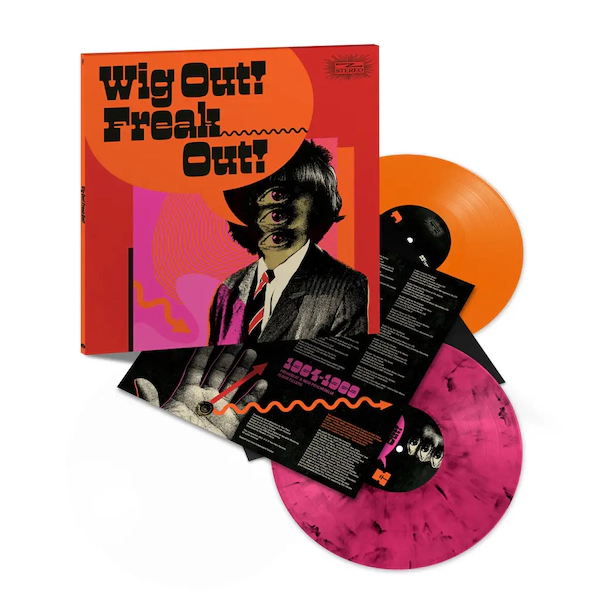
“Wig Out! Freak Out!,” the latest compilation from Two-Piers, dives into the world of Freakbeat, Psych and Mod from 1964-1969. Pulling the cream of tracks from the UK and United States Freakbeat and Garage scenes of the time. Featuring tracks from The Sonics, The Kinks, The Action, Chocolate WatchBand, The Haunted, The Standells, Paul Revere and The Raiders, The Shadows of Knight, The Yardbirds, The Seeds and more “Wig Out! Freak Out!” is packed full of Freakbeat and Mod classics as well as rare sought after nuggets.
Talking about “Wig Out! Freak Out!” Two-Piers compiler Mark McQuillan says “The album was inspired by my many happy DJ nights promoting my club night ‘Club Pod’ down in Brighton in the 1990s and my love of all things Sixties Freakbeat. I wanted to put as many great tracks as I could on one compilation to hopefully bring across the feeling sheer joy of spinning these awesome tracks in a club and seeing the place go off. This compilation isn’t supposed to be a rare crate diggers album, but rather a gateway to give listeners a flavour of the scene and allow them to go off and discover new and brilliant hidden gems within the Freakbeat and Mod Psychedelia genre, and if ‘Wig Out! Freak Out!’ does that job done!”
Aimed squarely at the Alternative and 60s Club Dancefloors “Wig Out! Freak Out!” Kicks off with the fuzz guitars of The Sonics ’Shot Down’, The Standells epic ‘Dirty Water’, and lesser known gem ‘1-2-5’ by The Haunted, before taking you down a road of pure riotous Freakbeat joy with tracks by the likes of The Birds ‘You’re on My Mind’, The Wimple Winch ‘Save My Soul’ and The Remains ‘Don’t Look Back’.
Add the epic Freakbreat grooves of The Eyes ‘You’re Too Much’ and The Open Mind ‘Magic Potion’ an chuck in some brilliant covers by The Kinks, with their take on ‘Louie Louie, Paul Reeve and The Raiders sublime version of ‘I’m Not Your Stepping Stone”, Girl group The Starlets garage cover of ‘You Don’t Love Me’, ‘Gloria’ reworked by The Shadows of Knight, and The Action covering ‘Land of 1000 Dances’ and making the track their own, and your feet can’t help but move.
The compilation contains lesser known gems such as The Satans ‘Makin’ Deals’, Count Five ‘Double Decker Bus’, The Poets ‘Wooden Spoon’ and The Pirates ‘Cuttin’ Out’. It also takes a turn into Mod Psychedelic territory with the Hammond led grooves of The Quik ‘Berts Apple Crumble’, The Spencer Davis Group ‘I’m A Man’ and the glorious ‘Indian Rope Man’ by Julie Drsicoll, Brian Auger and The Trinity, before ending on the instrumental blues psych rock of Davie Allan and The Arrows ‘Blues Theme’ – a journey through the very best of Freakbeat and Mod Psychedelia at the peak of its powers 1964-1969.
Two-Piers the label has brought to you such wonderful compilations as the “Pop Psychédélique”, “Garage Psychédélique” and “Lounge Psychédélique” compilation series introducing the listener to the worlds of French Psychedelic Pop, Garage Psych, and Lounge and Exotica Space Age Bachelor Pad Music, Waves of Distortion (The Best of Shoegaze 1990-2022) and Music for The Stars (Celestial Music 1960-1979).