Archive for the ‘MUSIC’ Category

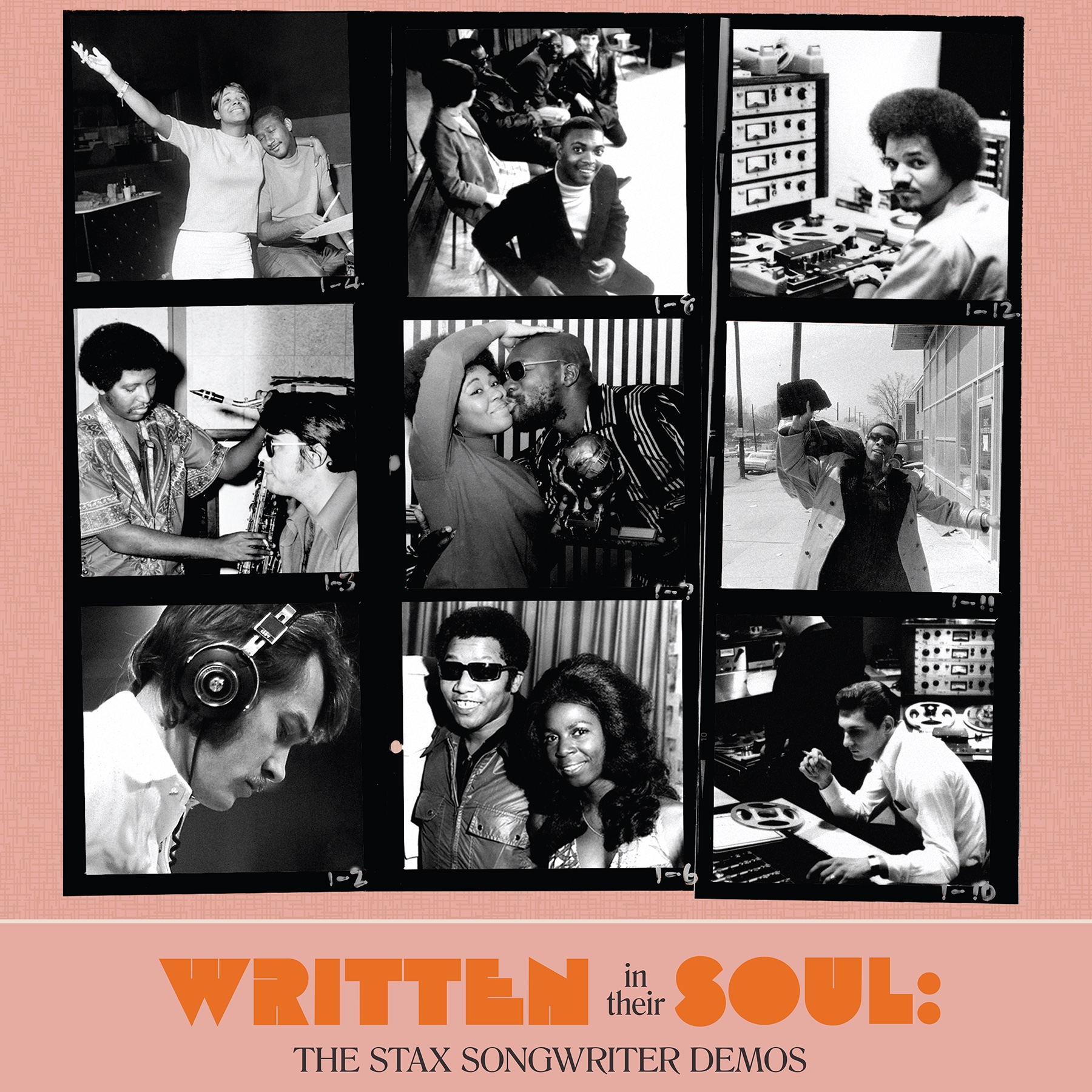
“Written In Their Soul: The Stax Songwriter Demos” brings together 146 demos from the Stax Records vaults highlighting the strength of songwriting talent at the legendary label. Including 140 tracks that have never been heard before, this collection combines both songwriter demos and in some cases, full blown arrangement into a 7-CD set.

The first three discs contain demos by the Stax songwriters that were recorded and released by Stax artists on one of the Stax family of labels (Stax, Volt, Enterprise, We Produce, Koko, Respect, etc.). The fourth disc contains demos by the Stax songwriters that were recorded and released on record labels Other than the Stax family of labels (Atlantic, Decca, Hi, Chimneyville, etc.).

The final three discs contain demos by the Stax songwriters that were never released anywhere. Including songs from legendary songwriters such as William Bell, Steve Cropper, Eddie Floyd, Bettye Crutcher and many more this collection includes unheard versions of some of Soul, and music’s, most well-known songs. The collection is packaged in a 7×7 boxset which includes a new essay written by Stax’s original Director of Publicity Deanie Parker and GRAMMY-winning writer Robert Gordon, archival photos and an intro by multi-GRAMMY award winning compilation producer Cheryl Pawelski.

Stax Records, now owned by Concord and distributed by Craft Recordings, was founded by Jim Stewart in 1957 in Memphis, Tennessee. It rose from a small, family-operated company to become one of the most influential soul music record labels in the world, helping create “The Memphis Sound” and launching the careers of icons such as Otis Redding, Isaac Hayes, Booker T. & the M.G.’s, the Staple Singers, Sam & Dave, Rufus and Carla Thomas, The Bar-Kays, and dozens of other artists who helped change popular culture forever. In all, Stax placed 167 hit songs in the Top 100 in Pop and 243 hits in the Top 100 in R&B.

If you really want to know a song, to get to its essence and heart, work backward from the finished piece. Most of us never have the opportunity to hear the seed of a song, a demo that the songwriter either carefully crafted or whipped out quickly in an inspired moment. All of that changed this year when Stax and Craft Recordings dropped the now-Grammy nominated “Written In Their Soul: The Stax Songwriter Demos“. Out of the 146 tracks collected on seven CDs, 140 have never been heard before. Some were never completed past the initial demo recording and others grew into their final form. You know the 1974 Shirley Brown hit, “Woman To Woman?” It was written by songwriter Henderson Thigpen, who demoed it himself. Hearing the song, written from a woman’s perspective and demoed in Thigpen’s own voice, is a gem I would have otherwise never unearthed.
YES – “

Posted: April 29, 2023 in MUSIC

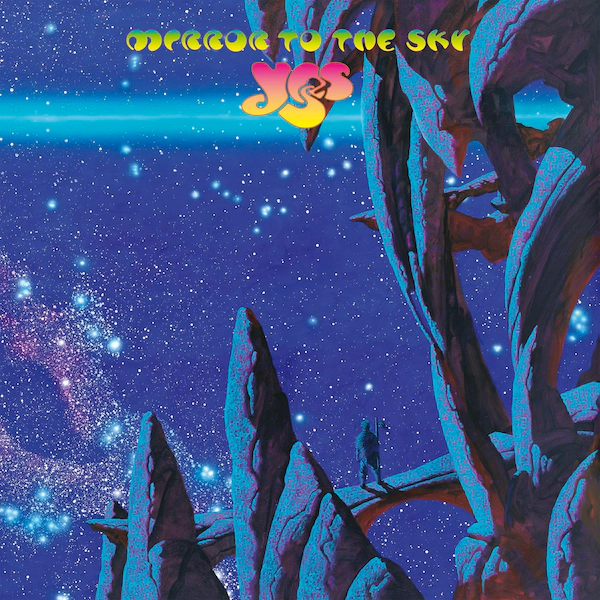
Rock Prog legends Yes have shared more new music from their upcoming twenty-third studio album, “Mirror To The Sky”, which will be released through Inside Out Music on May 19th.

“Steve [Howe] added a beautifully poignant instrumental steel part which starts the journey,” explains vocalist Jon Davison of the new single. “This section emotionally builds and crescendos into a glorious lead way for the vocals to begin telling their story. Billy composed complex and compelling musical themes which I helped to arrange, and we both composed vocals and lyrics, each of us singing our respective parts, making for a rich vocal tapestry.”

“The initial idea came from a musical sketch I’d created using the idea of our ‘connectivity’ in regards to communications in the modern age,” says bass player Billy Sherwood. “It’s very exciting to know Yes are maintaining that edge and energy we all know and love, this track is firing on all cylinders. Hope you enjoy it as much as we did creating it.”

“This is a very important album for the band,” says Steve Howe, Yes’ longest serving member, master guitarist, and producer of “Mirror to the Sky”, the bands 23rd studio album. “We kept the continuity in the approach we established on “The Quest”, but we haven’t repeated ourselves. That was the main thing. As Yes did in the seventies from one album to another, we’re growing and moving forward. In later years, Yes often got going but then didn’t do the next thing. This album is demonstrative of us growing, and building again.” For Yes, that “next thing” is a collection of high energy, intricate, lush and layered new studio songs for an album which adds to the band’s much heralded legacy, while charting a path to exciting future times ahead.

You can watch the band’s animated video for their brand new single, the nine-minute long “All Connected” below.

“Mirror To The Sky” is dedicated to the memory of Yes drummer Alan White, who died in May last year. The album will be available on several formats, all featuring artwork by long-time Yes artist & collaborator Roger Dean, including: Ltd deluxe Electric Blue 2LP+2CD+Blu-ray artbook with poster, Ltd deluxe 2CD+Blu-ray artbook, Ltd 2CD digipak, standard CD Jewel case, gatefold 2LP+LP-Booklet and Digital Album

XTC – ” Go 2 ” Reissue

Posted: April 29, 2023 in MUSIC

XTC’s 1978 album “Go2” has been remastered and will be reissued on heavyweight vinyl in May, It was their second album, 1978’s “Go2,” reissued as a double vinyl set which also features the accompanying “Go+ Dub” EP, through Ape House Records on May 19th.

The new reissue, the first time the album has been available for years, will be on heavyweight 200g vinyl and has been newly cut from masters by Jason Mitchell at LOUD mastering and approved by Andy Partridge.

“After the big bang of “White Music”, the rapidly expanding jagged, black and white universe of XTC grew apace,” Partridge recalls. “Colin was writing more, even Barry was writing, before he jumped swiftly into a parallel dimension, and left to join Robert Fripp’s League of Gentlemen.

“Go 2” was the second studio album by XTC released on 6th October 1978. The album’s title was chosen in reference to the board game Go and continues the black-and-white colour scheme from first album, White Music. The “2” was added by keyboardist Barry Andrews.

Originally the Initial 15,000 copies came with a free 12-inch EP, Go+

The album’s cover was designed and implemented by Hipgnosis, an art design team based in London that specialised in creating cover art for the albums of rock musicians and bands

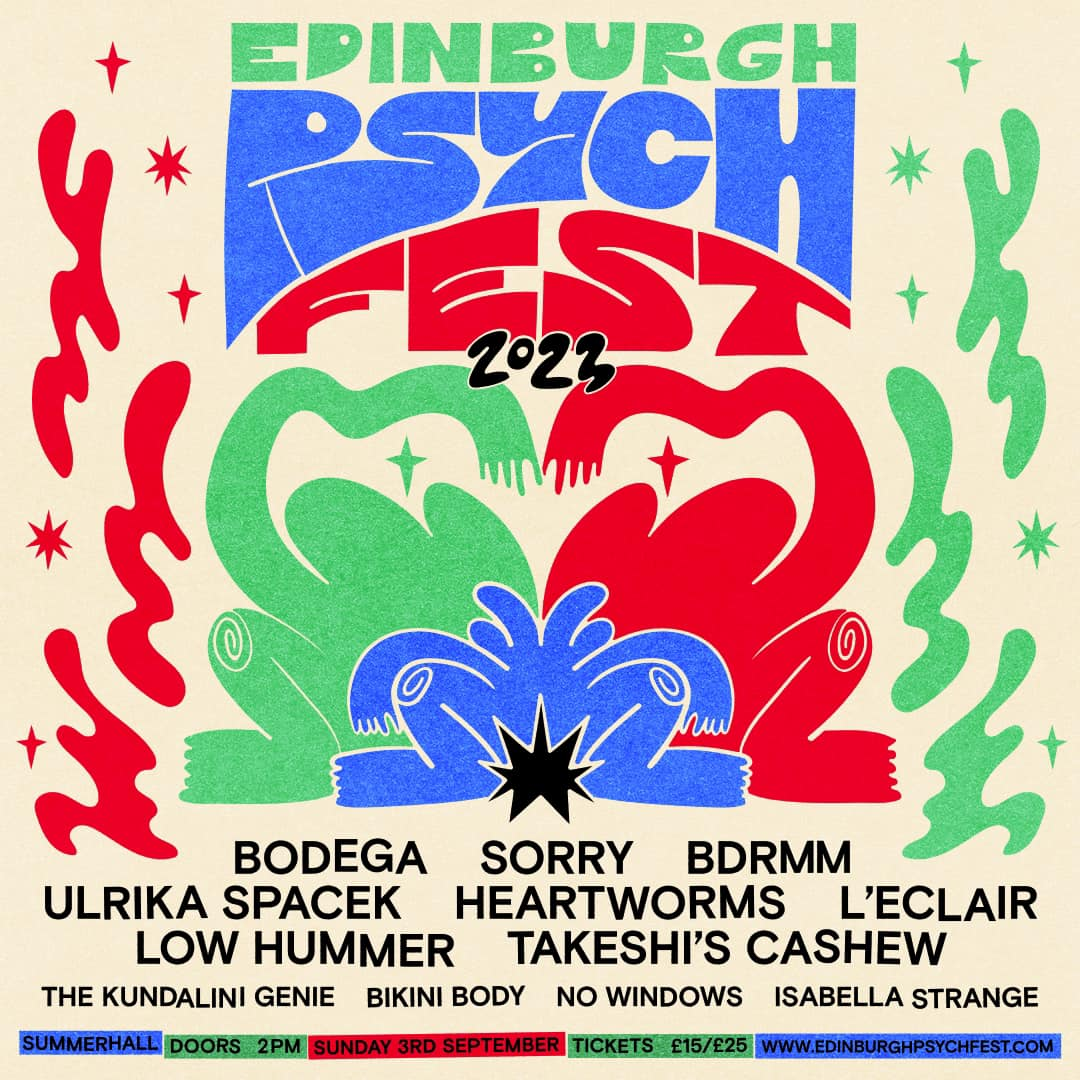
EDINBURGH PSYCH FEST 2023

Posted: April 28, 2023 in MUSIC

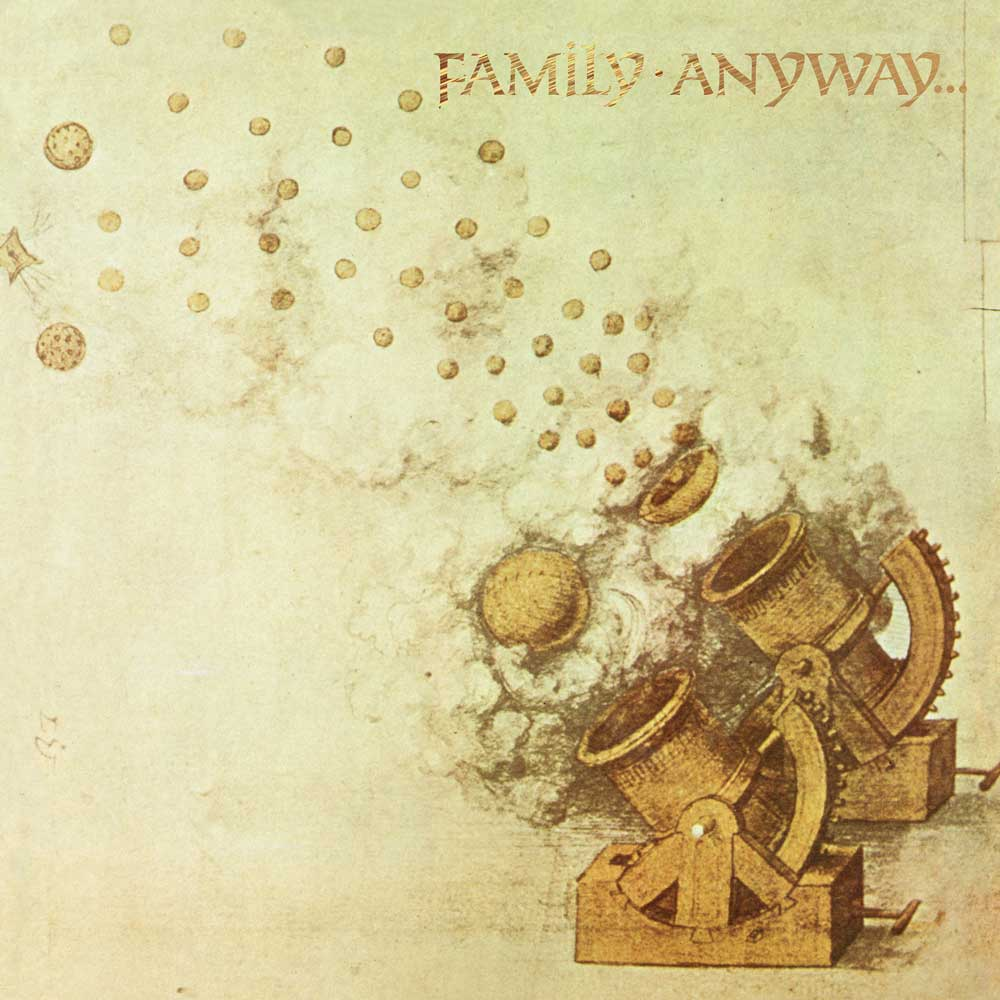
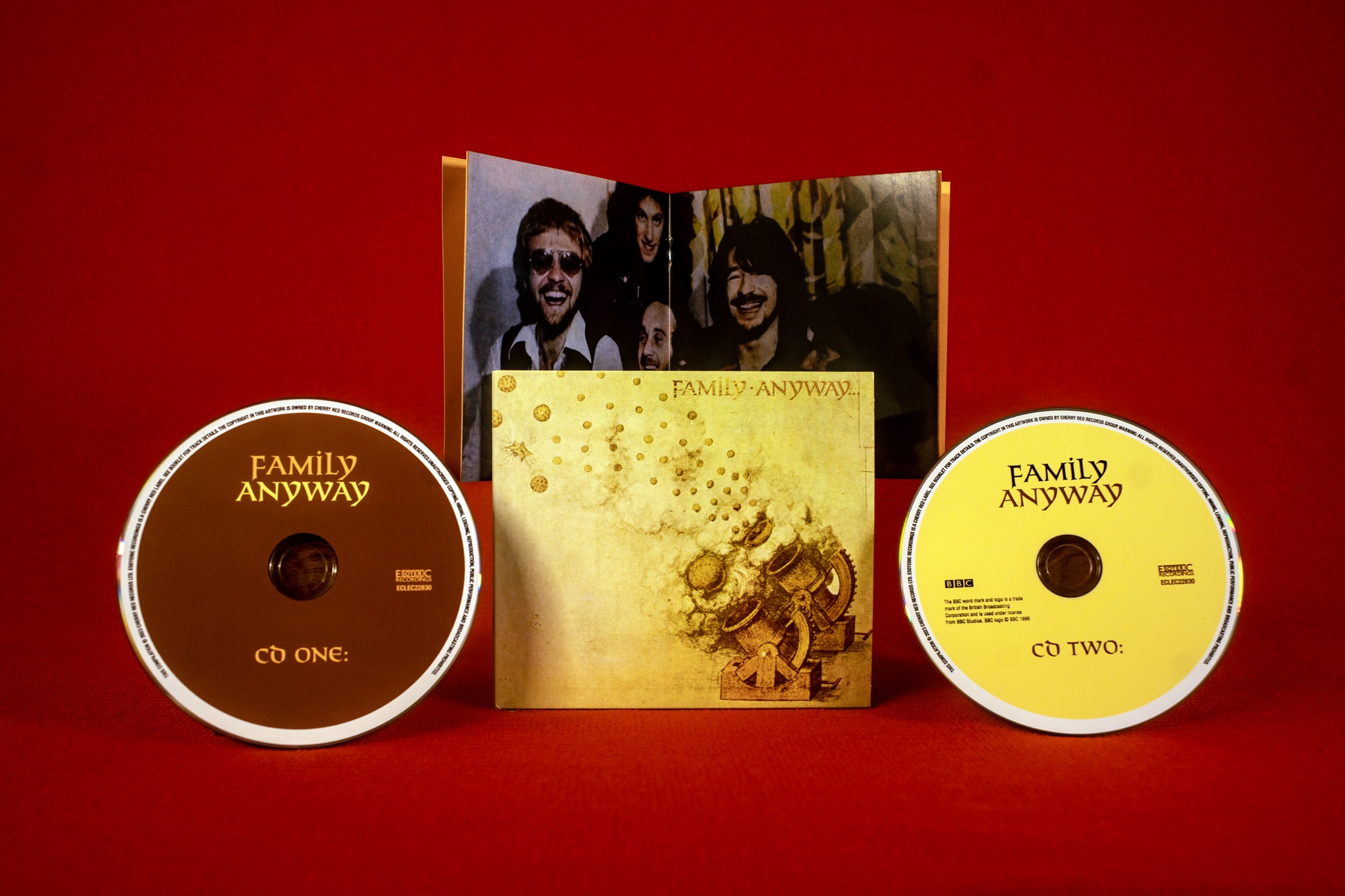
Featuring vocalist Roger Chapman, guitarist John ‘Charlie’ Whitney, drummer Rob Townsend, bassist, violinist John Weider and multi-instrumentalist John ‘Poli’ Palmer on vibes, keyboards and flute, ‘Anyway’ comprised a side of live recordings made at The Fairfield Hall in Croydon in July 1970 and a side of studio tracks recorded at Olympic Studios in the late summer.

Family were always a fine live act, and the performances of songs such as ‘Good News Bad News’, ‘Holding the Compass’ and ‘Strange Band’ showed the band at the peak of their powers on stage. The album’s studio tracks were equally fine, with ‘Part of the Load’, ‘Anyway’ and ‘Lives and Ladies’ being fine examples of the diversity of the band’s music.

originally released in November 1970, the album reached number seven on the UK chart and continued the Family’s run of successful albums.

Featuring an additional 16 bonus tracks drawn from singles and BBC radio sessions. The newly remastered set also includes an illustrated booklet with new essay

Released April 28th, 2023

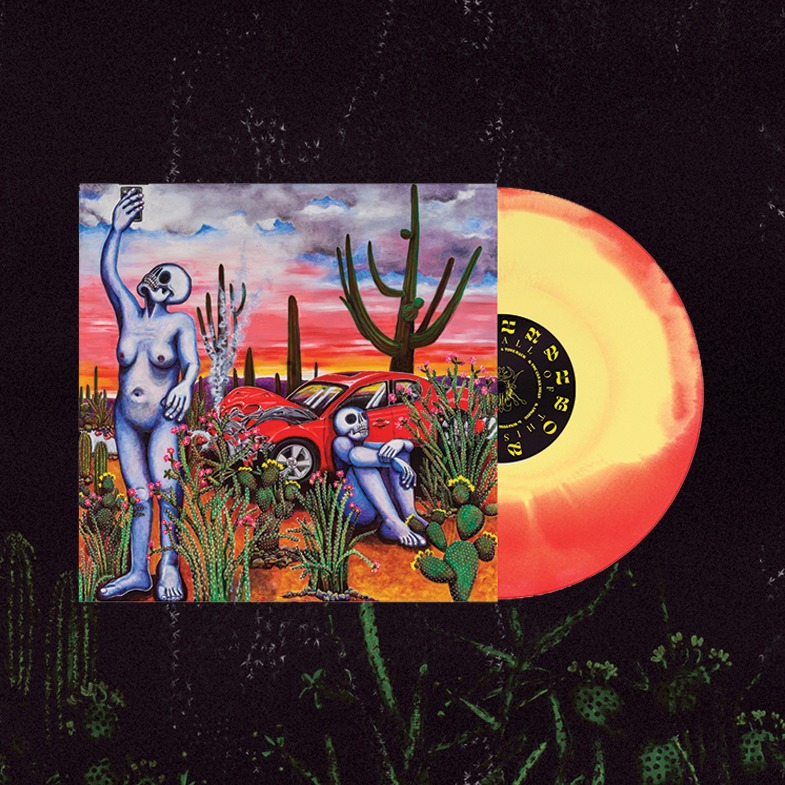
“I was finally able to trust myself fully,” says Indigo De Souza of making her masterful third album “All of This Will End”. Across its 11 songs, the LP is a raw and radically optimistic work that grapples with mortality, the rejuvenation that community brings, and the importance of centering yourself now. These tracks come from the most resonant moments of her life: childhood memories, collecting herself in parking lots, the ecstatic trips spent wandering Appalachian mountains and southern swamps with friends, and the times she had to stand up for herself. “All of This Will End” feels more true to me than anything ever has,” she says.

Indigo finds recent inspiration from community and stability. “Up until recently, my life felt chaotic,” she says. “Now, so much of the chaos is behind me. I have an incredible community, I love where I live, and I’m surrounded by truly incredible people who are dedicated to deep connection and joy. My music feels like it’s coming from a centered place of reflection.” Opener “Time Back” deals with the necessary forward momentum she cherishes. It’s a song about rising out of struggle, putting things in the past, and moving on where she sings over comforting synths, “I feel like I’m leaving myself behind / And I’m so tired of crying / I wanna get back up again.” The track later explodes with her voice booming over a stunning arrangement. “You can fall into dysfunction or sadness, or allow other people to hurt you and not have boundaries,” she says. “There was a time in my life when that was a lot of what I was doing. I thought this track was a sweet way to talk about coming back to yourself, to your true self.”

Alongside the all-encompassing emotions captured in the first song, the album is bookended with the heartfelt and nostalgic closer “Younger and Dumber,” which Indigo chose as the lead single.

One of the first songs she wrote for the album, the track began as a way of her speaking to her younger self. “While I was writing about the time when my music first started to take shape, it was also the worst time in my life and the most unstable I’d ever been,” she says. “I wrote this song paying homage to a younger self that didn’t know any better. I was flailing through life, trying to make something stick, and coming to terms with being on earth.” The song is her most intentional yet, where she sings, “You came to hurt me in all the right places / Made me somebody.” Though the track starts as a whisper, it slowly unfolds to something cathartic and explosive as she belts out, “And the love I feel is so very real it can take you anywhere.” With the clarity that comes with experience and healing, Indigo treats her past self with immense kindness. It’s her most stunning offering yet.

Creatively re-energized from having these songs pour out of her so quickly, Indigo and her band went to Asheville’s Drop of Sun Studios with producer and engineer Alex Farrar, who also worked on Any Shape You Take. “We just clicked so hard,” she says. “We had such an organic energy flow and we felt really inspired by each other.” Tracks like the pummeling “Wasting Your Time” and the muscular single “You Can Be Mean” highlight the band at their most defiant and locked-in.

With lines on the latter like, “I’d like to think you got a good heart and your dad was just an asshole growing up,” Indigo says it’s “about the last horrible guy that I let push me around.” While she lets her band loose in the arrangements, especially guitarist Dexter Webb and drummer Avery Sullivan, these songs come from her own vision. “This time, I was more true to myself and refused to allow other people’s ideas to shape what my songs sound like,” she says. “It also feels really special because Dexter was able to fully express his freaky alien guitar voicings, and played a larger role in the production.”

“All of This Will End” boasts songs that run the gamut of human emotion. There’s pain and sadness, sure, but there’s a triumphant spirit of resilience throughout. Take the single “Smog,” which is exuberant, danceable, and about the exhilaration that comes from breaking out of daily monotony. Elsewhere, she’s introspective, like in the soul-shattering “Always,” which excavates her relationship with her father. But in the single “The Water,” she transforms a childhood memory of visiting her best friend into a meditation on growing up and the fragility of relationships.

Over a programmed drum beat, she sings, “I think about what it was like / That summer when we were young and you did it with that guy in his car.” Though she’s no longer as close to that person as she was when they were kids, there’s power in reminiscing.

In many ways, “All of This Will End” has become a personal motto for Indigo. “Every day I wake up with the thought that this could be the end,” she says. “You could look at it as a sad thing, or you could look at it as a really precious thing: Today I’m alive and at some point, I will not be in this body anymore.

But for now, I can do so much with being alive.” There’s a peacefulness in acceptance throughout. As she sings on the title track, “I’m only loving only moving through and trying my best / Sometimes it’s not enough but I’m still real and I forgive.” She describes the experience of writing this song as “magic,” as if everything about it from the words and melody had felt timeless and intangible and that she was just writing it down. Like the hues of reds and oranges that her mother painted on the LP cover, “All of This Will End” marks a warmer and unmistakably audacious era for her. It’s a statement about fearlessly moving forward from the past into a gratitude-filled present, feeling it all every step of the way, and choosing to embody loving awareness. 

releases April 28th, 2023

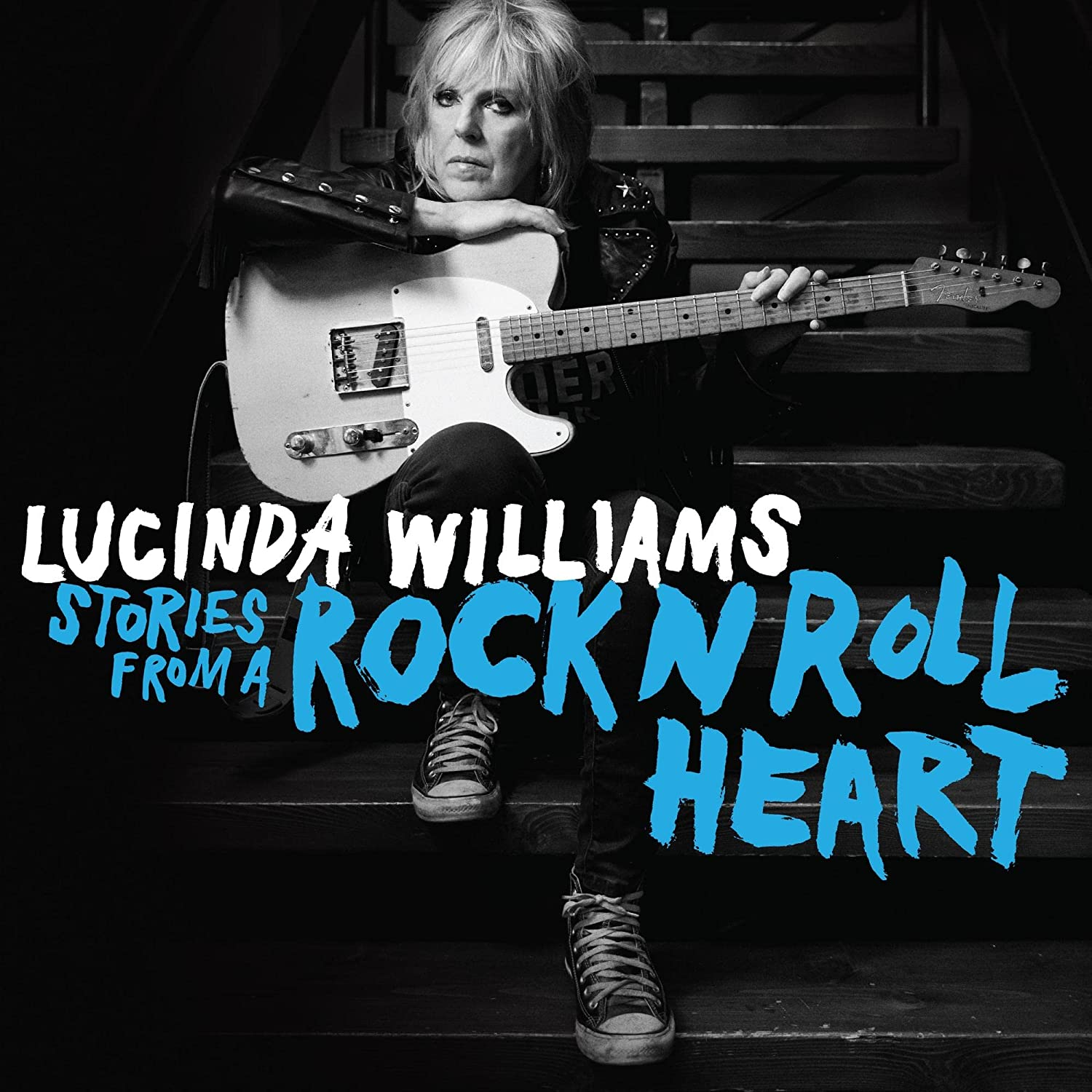
Lucinda Williams, a celebrated singer-songwriter known for her powerful storytelling and emotional authenticity is set to release her 15th studio album titled “Stories from a Rock N Roll Heart” on June 30th. This album will follow closely after the release of her highly anticipated memoir “Don’t Tell Anybody the Secrets I Told You: A Memoir” due out April 25th.

“Stories from a Rock N Roll Heart” features guest appearances from Bruce Springsteen, Margo Price, and Angel Olsen among others. This album features an all star cast of musicians as well, featuring members of Tom Petty’s Heartbreakers and The Replacements. Throughout her career, Lucinda has been honoured with numerous accolades, including three Grammy Awards, a Lifetime Achievement Award from the Americana Music Association and induction into the Louisiana Music Hall of Fame. Rolling Stone describes her as “one of America’s best songwriters.”

The album, which is set to drop on June 30, also features the new single, “New York Comeback,” which Williams has shared this week. The song features backing vocals from Springsteen and Patti Scialfa. Williams, a three-time Grammy Award winner, turned 70 earlier this year. Williams has been going through a tough time as of late. In 2020, a tornado damaged her home in Nashville, followed (two weeks later) by the beginning of the COVID lockdown. Later that year in November, Williams suffered a stroke that partially impaired some of her motor skills on the left side of her body, forcing her to learn to walk again and taking away her ability to play the guitar. 

The album Stories From a Rock n Roll Heart is slated for release via Highway 20 Records and Thirty Tigers. It’s Williams’ first album since a November 2020 stroke that impaired some movement and rendered her unable to play guitar. That caused her to shift her songwriting process, according to a press release announcing the album. She now works in closer collaboration with her husband and manager Tom Overby, and also got an assist writing this album from her friend and fellow musician Jesse Malin and her road manager Travis Stephens. The album is dedicated to Replacements co-founder Bob Stinson and features a song paying tribute to him “Hum’s Liquor”, as well as a song celebrating Tom Petty (“Stolen Moments”).

2023 Highway 20 Records marketed and distributed by Thirty Tigers

In February 1998, The Jimi Hendrix Experience: “Live At The Oakland Coliseum” marked the debut release of Dagger Records, a unique record label established to bring Jimi’s fans inspired performances that don’t meet the technical recording criteria and sonic high standards Hendrix himself established over the course of his short by spectacular career.

Releases on Dagger Records are not intended for the casual fans.  If you haven’t experienced ground-breaking Hendrix albums like “Are You Experienced” and “Electric Ladyland”, you shouldn’t be listening to this album—quite yet.  Dagger Records album like “Live At The Oakland Coliseum” are specifically directed to fans who have enjoyed Jimi’s authorised masterworks from front to back but still want more.

The underground market for Jimi Hendrix recordings, fuelled in part by the demands of the guitarist’s most ardent followers, is ride with expensive, poorly annotated bootlegs.  These haphazard compilations are often of poor quality, and too frequently deliver far less than they advertised.  Through Dagger Records, Experience Hendrix, L.L.C. plans to service the healthy demand for Jimi’s music with informative “bootleg” releases which are properly annotated, complete with photos and reasonable sonic quality.

Spread over two discs, The Jimi Hendrix Experience: “Live In Oakland” presents the group’s April 27th, 1969 concert at the Oakland Coliseum. Recorded one night after the Los Angeles performance (which was issued as part of the now deleted “Lifelines” box set), The Experience’s superb Oakland performance was capped off with an eighteen minute, extended jam of “Voodoo Child (Slight Return)”. Joining the group onstage for this final number was Jefferson Airplane bassist—Jack Casady.

The Oakland concert was recorded by Ken Koga using a single microphone onto a portable Sony reel-to-reel deck. The concert was not professionally recorded, so Ken’s amateur tapes represent the only known documentation of this inspired performance. The monophonic sound is unobtrusive and clear, but far from industry—as well as Jimi’s own—standards.

Fans of The Experience will recognize the set list, as songs such as “Fire”, “Purple Haze”, and “Spanish Castle Magic” were staples of the 1969 US tour repertoire, but there are many intriguing elements marbled throughout the 85-minute performance. 

The group’s mood was upbeat and positive, charged by the large, enthusiastic audience.  From their earliest Fillmore gigs to Berkeley in 1970, The Experience—and Jimi in particular—always seemed to rise to the occasion in the Bay Area.  The Oakland concert proved no different.

Highlights include Jimi’s spontaneous reworking of “Hey Joe”, complete with passages about the “soldiers in Vietnam.”  Jimi’s two blues workouts, “Red House” and “Hear My Train A Comin’” are particularly strong, as is a raucous, extended rendition of “Foxey Lady”. The evening came to a close with a rousing finale, as Casady climbed onstage to join the group for “Voodoo Child (Slight Return)”. Nearly 20 minutes later, Jimi thanked the audience and his fellow musicians.  At the close, Jimi mistakenly announced Casady as Jack Bruce, but the mistake was trivial, as the crowd roared with approval.

The Experience never returned to Oakland, as the break-up of the group two months later at the Denver Pop Festival impacted Hendrix’s career in ways which could not have been foreseen on this night.  Nonetheless, “Live At The Oakland Coliseum” captures the original group at the height of their powers.  Many other memorable concerts would follow—some recorded professional, other simply by fans, and some not at all—but on this night The Experience were on it, and thankfully, someone captured it on tape for all of us to enjoy today.

With their debut album just released, Led Zeppelin hit the road for the first time in the US. Their first show was on Boxing Day, 1968, at the Auditorium Arena in Denver, playing unannounced support to Vanilla Fudge and Spirit.

Other landmarks on the tour included a show at Gonzaga University in Spokane, WA, where they were billed as “Led Zefflin”, and a short run of dates at the Whisky A-Go-Go in Los Angeles with the Alice Cooper band. A coin was to be flipped to decide who would headline as both acts were largely unheard of, but the rising Detroit rockers  graciously acquiesced and agreed to open “because Jimmy Page was in The Yardbirds”. 

The important shows – the ones the band absolutely had to get right – were were the ones promoted by legendary impresario Bill Graham: four bookings (two sets per day) at the Fillmore West in San Francisco supporting Country Joe & The Fish, with Taj Mahal opening, then four shows across three nights at the Fillmore East in New York, supporting Iron Butterfly. 

“The first few shows were a bit shaky and the press wasn’t good to them,” Zeppelin tour manager Richard Cole recalled. “Robert [Plant] used to sing in his bare feet in those days. He was always a fuckin’ hippie. But by the time we got to New York, the whole thing had gotten so solid that it became the one unit that it was to be for many years.”

Amongst the crowd at those Fillmore East shows were several musicians who’d go onto bigger things. And they’ll all tell you how Led Zeppelin got it absolutely right.  

“That show at the Fillmore East changed my life,” said future Kiss guitarist Ace Frehley. “I was 16 when I saw them. A lot of people didn’t know who Led Zeppelin were, although the ‘in’ people did. The lead singer in the group that I was playing with at the time, who was a couple of years older than me told me, ‘There’s this great new band called Led Zeppelin that’s gonna play at the Fillmore East and you’ve gotta see them.’

“I think I got their first album a week or two before the show and I fell in love with it. I was real excited about going to the show. I remember it like it was yesterday. They were using Rickenbacker amps, which you can’t find anymore. Back then Page wasn’t using a Les Paul, he was using a Telecaster.

“Between him and Robert Plant they destroyed. They took over the Fillmore East to the point where, after they went off and the headliner was coming on, half the people walked out and didn’t come back. I still think about that first time I saw Led Zeppelin at The Fillmore from time to time. God, I wish somebody had a video camera back then, it was incredible.”

“I was there when they headlined the Fillmore East [in New York] on January 31st, 1969,” recalled future Twisted Sister guitarist Yay Jay French. “I was only there to see Iron Butterfly, the headlining band. I had a front row seat. Believe it or not, the opening act was a gospel group called Porter’s Popular Preachers [brought in as a late replacement for The Move]. And then out comes Led Zeppelin.

“It was one of the most startling performances I ever saw. Page was playing a Telecaster and they played the entire first album, from start to finish. At one point the band stopped playing and Robert put the microphone aside and sang just through the strength of his lungs and basically filled the Fillmore. It was insane. I ran out and bought Zeppelin’s album on the way to school the next day.

“I ended up burning those Iron Butterfly records. I had the honour of having dinner with Robert Plant in 1988, and we spoke about that show. He asked whether I remembered burst of laughter during Ron Bushy’s drum solo during “In-A-Gadda-Da-Vida”. I didn’t hear it but apparently there was a dressing room-come-balcony that hung over the stage, and [John] Bonham was doubled over in hysterics at how bad the solo was. Zeppelin knew they’d eaten the headline band for breakfast, lunch and dinner.”

Another wannabe musician blown away by witnessing Led Zeppelin at the Fillmore East was future Ramones drummer Marky Ramone, whose happy memories of the night were somewhat at odds with his eventual career path.

“I first saw Zeppelin play live at the Fillmore East,” said Ramone. “I was 13, 14. I knew an usher and he let me in for free. I was just blown away. Outrageous. They were the ultimate band at that moment. They blew away everybody that came before them: Hendrix, Cream… Bonham’s quadruples around the drum set and his triplets and Page’s triplets. Plant’s range was just amazing. And the bass tones that John Paul Jones used were incredible. They played seven-minute songs. They didn’t do two-minute songs.”

The four nights were an overwhelming success – although Led Zeppelin’s third set started without John Paul Jones onstage after the band left his bass guitar at their hotel – and Bill Graham was happy. The tour wound up at the Civic Center in Baltimore, MD, on February 7th, and when they returned in April for a second US tour, they were suddenly headliners: eight sets at the Fillmore West, and four at the East.

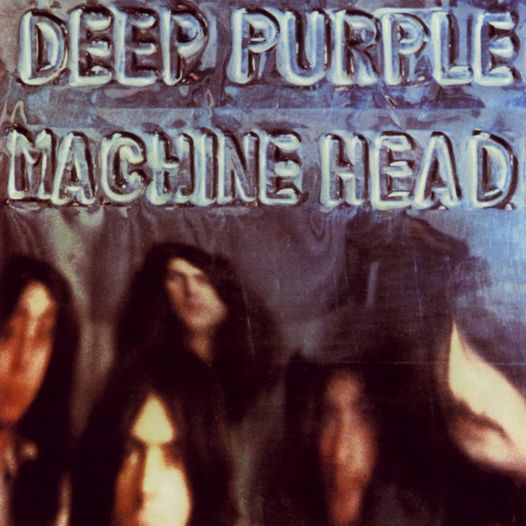
Deep Purple’s “Fireball” was the second album recorded with the Mark II line-up. It was another No.1 hit in the UK, but despite its success there was a nagging feeling within the band that the best was yet to come. As 1971 drew to a close, it was time for a change of scene.

After four years, five albums and some line-up changes, Deep Purple finally hit their stride on ‘Machine Head.’ “Smoke on the Water” instantly made the Guitar Riff Hall of Fame, and the remainder of the record – especially the opening “Highway Star” – made the band one of the biggest on the planet. More records and more line-up changes over the years haven’t dulled the impact of ‘Machine Head.’

Roger Glover (bassist): We needed to make another record, and we’d become pretty successful, and accountants and lawyers and management said: “You know, if you record outside of England you pay a different tax rate.” And that’s the reason we were in Switzerland. It could have been Germany or France, anywhere as long as it was out of England. 

Jon Lord (keyboard player): We’d heard the Rolling Stones had a wonderful mobile studio, so we contacted them and we were able to get hold of that. And the reason we went to Montreux was because we were going to be in America at the end of 1971, but Ian Gillan got ill. It was hepatitis, I think – which was the disease to have at the time. 

“…Machine Head is a stroke of genius…Even if the Purple hadn’t recorded a note and “Machine Head” had been released as a 12” empty cardboard sleeve with that title on it, then that would have been enough”

Glover: “Highway Star” is the opening track on the album. Ritchie is the driving force behind this. He plays with such precision – that driving, machine-gun effect. I came up with the title and a couple of lines. Most of he song is Gillan’s, and everyone joined in on the arrangement. The thing that really impressed me when I first heard it again after so many years was Paicey is swinging – and we’re all playing straight. And that’s the essence of rock’n’roll. 

Bach goes heavy rock on the opening track from the classic album “Machine Head” by Deep Purple, released this month in 1972. Both Jon Lord’s organ solo and Richie Blackmore’s guitar solo borrow heavily from the arpeggiated baroque styling of the classical composer.

Blackmore: “I wrote that out note for note about a week before we recorded it. And that is one of the only times I have ever done that. I wanted it to sound like someone driving in a fast car, for it to be one of those songs you would listen to while speeding. And I wanted a very definite Bach sound, which is why I wrote it out—and why I played those very rigid arpeggios across that very familiar Bach progression—Dm, Gm, Cmaj, Amaj.

Ian Gillan (vocalist): “Fireball” gave us a chance to actually bring out what I always call the funk in the band, instead of just pure English rock. However, when we got to doing “Machine Head”, there was a lot of pressure to do what most people saw as a follow-up to “In Rock”. We’d got to get back to doing that rock stuff, and that was pretty much how we approached it. 

Jon Lord worked his part out to mine. The keyboard solo is quite a bit more difficult than mine because of all those 16th notes.

Blackmore: We did “Smoke On The Water” there, and the riff I made up in the spur of the moment. I just threw it together with Ian Paice. Roger Glover joined in. We went outside to the mobile unit and were listening back to one of the takes, and there was some hammering on the door. It was the local police, and they were trying to stop the whole thing because it was so loud. We knew that they were coming to close everything down. We said to Martin Birch, our engineer: “Let’s see if we have a take.” So they were outside hammering and taking out their guns… It was getting pretty hostile.

Blackmore: With “Space Truckin”’, I remember in the early sixties there was a TV series called Batman. And I had this riff that was similar to the theme tune, and I saw how simple that was. I came up with this riff and took it to Ian Gillan and said: “I have this idea and it’s so simple and so silly.” I went over into the corner and played it to him very quietly – I was very shy – and he grasped it immediately, and said: “I think we can use it.” And that turned into “Space Truckin’. 

Paice: My favourite track rhythmically on “Machine Head” is “Space Truckin’, because of its solidity and simplicity – it’s about the only time Ritchie played block Chuck Berry chords, four to the bar.

Over the years, I’ve always played that solo note for note—again, one of the few where I’ve done that—but it just got faster and faster onstage because we would drink more and more whiskey. Jon would have to play his already difficult part faster and faster and he would get very annoyed about it.”

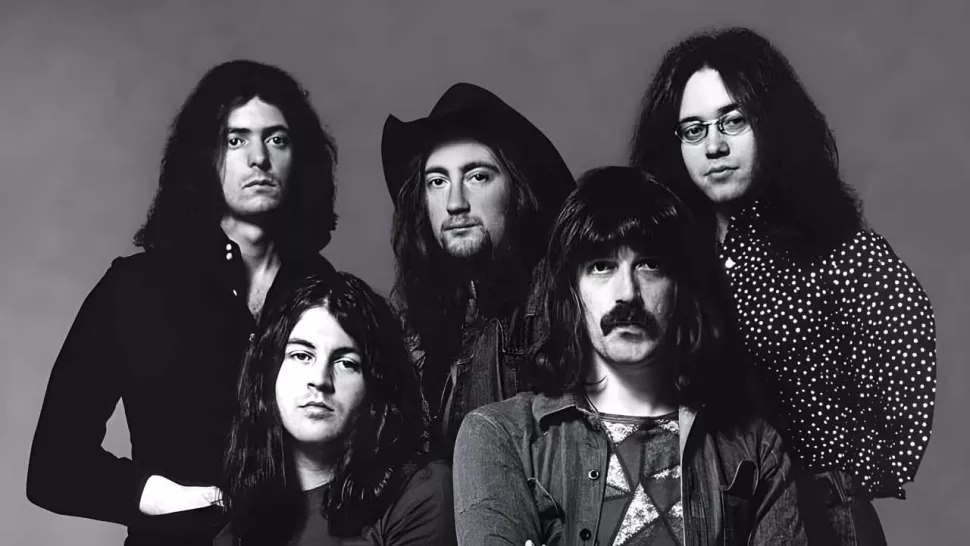
Ritchie Blackmore – guitar, Ian Gillan – vocals, Roger Glover – bass, Jon Lord – keyboards, Hammond organ, Ian Paice – drums, percussion