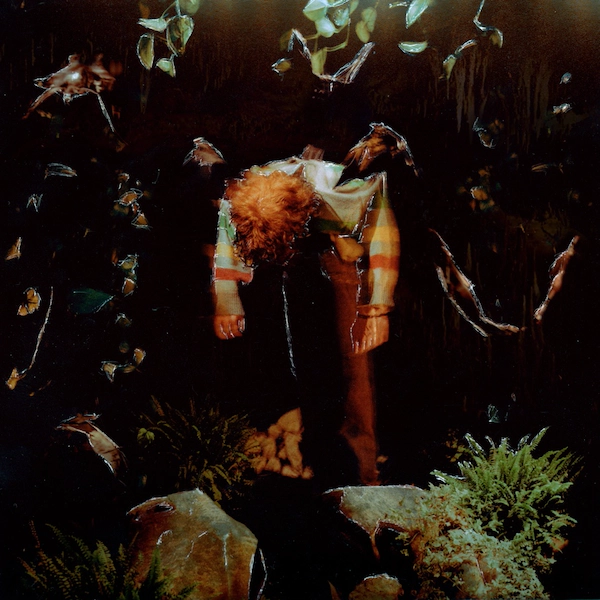
Multi-RIAA Platinum and Gold certified singer / songwriter and producer Cavetown, also known as Robin Skinner, releases a highly anticipated new album “Worm Food”.
Finally …. my special song for my special frog…. and now for your special ears.
The first full length since 2020’s “Sleepyhead”, “Worm Food” finds Cavetown unpacking the inner workings of his mind and delivers some of his most intricate lyricism to date. The announcement is a long time coming for fans of Cavetown, who have been patiently awaiting news of a new album for over two years. In that time, the popularity of Cavetown songs has continued to snowball, with an ardent community of fans proliferating around the world.
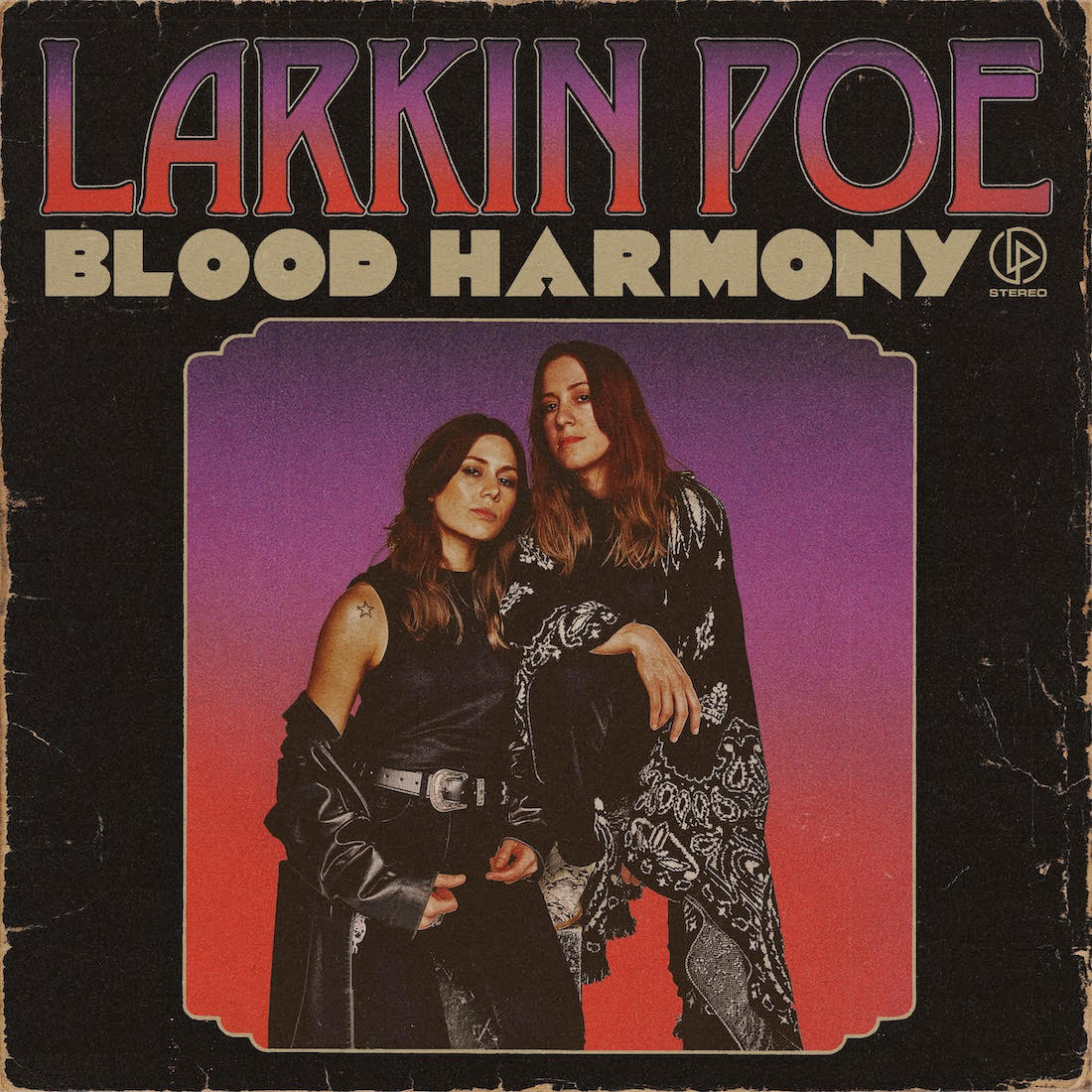
Sister act Larkin Poe fronted by Rebecca Lovell (guitar and keys) and Megan Lovell (lap steel and resonator guitar) issued their latest full-length studio LP, “Blood Harmony”, today. The pair co-produced the follow-up to 2020’s “Self-Made Man” with Tyler Bryant, who also happens to be Rebecca’s husband. “Blood Harmony” was recorded in large part at Rebecca and Tyler’s home studio. Additionally, the duo enlisted members of their longtime live band, namely drummer Kevin McGowan and bassist Tarka Layman, to contribute to the 11-track collection.
“Blood Harmony” showcases Larkin Poe’s command of the blues, and their ability to write and deliver songs that reveal the shadows and light through which we pass in our everyday world.
“When steering by your own stars, you never quite know where you’re going to wind up,” noted Larkin Poe. “Our true north is unique to us, and in following our true north without compromise, we have been out freewheeling this world on the ride of our lives. And it still feels like just the beginning. “Blood Harmony” is a creative step we are proud to have taken together as sisters. We grew these songs in a sweet part of our hearts and we hope they bring beauty.”
Don Giovanni Records has just released the new album from singer/songwriter and multi-instrumentalist Franz Nicolay. The album – titled “New River” Nicolay is known as a long time member of The Hold Steady and World/Inferno Friendship Society as well as for countless featured performances both live and in-studio with other artists including Against Me!, Dresden Dolls, Worriers and more.
Franz Nicolay is a musician and writer living in the Hudson Valley, NY. In addition to records under his own name (most recently 2015’s “To Us, The Beautiful!“), Nicolay’s first book, The Humorless Ladies of Border Control, was named a “Season’s Best Travel Book” by The New York Times. His second book, the novel Someone Should Pay For Your Pain was called “a knockout fiction debut” by Buzzfeed; and was named one of Rolling Stone “Best Music Books of 2021” (“finally, the great indie-rock novel… like Dostoyevsky in a DIY punk space”).
“It’s a hopeful song in its way, that takes in the past and sees a little room to plant a future. The closing line is from Anne Carson’s translation of Sappho, and I think captures some of the emotional ambivalence of the project. Ara Babajian (the Slackers) played some particularly soulful drums, Peter Hess (Philip Glass Ensemble) wrote a fantastic horn arrangement, and Steve Selvidge (The Hold Steady) added the tasty licks.”
One would think that between writing and releasing his acclaimed debut novel, recording albums and touring with The Hold Steady, writing journalism about the Ukrainian resistance to Russian invasion, performing session work, and teaching as a professor of music and creative writing at Bard College would keep Franz Nicolay plenty busy. For awhile, it did. But as he reflects on the period of time writing and recording the songs that would make up his forthcoming album “New River“.
Nicolay stated: “For several years after my last record, I needed a break, and actively tried to keep from writing songs. But the combination of working on new Hold Steady material, writing my second book, and having unexpected time on my hands like everyone else in spring 2020 eventually primed the pump for a record’s worth (including a co-write with my Hold Steady bandmate Steve Selvidge).
The years off had constituted a time in which I thought I was finished as a musician; they were time characterized by the loss of several musician friends to suicide both acute and de-facto, and by consideration of the cost of ‘working the art muscle.’ I was approaching a familiar sort of life crossroads which I’ve traditionally addressed on the principle of “blow it all up and see if that fixes things.’” The material was assembled in the period of time between April 2020 and spring 2021 and recorded at Atomic Garden in Oakland with drummer Ara Babajian (the Slackers) and bassist Frank Piegaro (Worriers); with help from friends including Jeff Rosenstock and Mike Huguenor (Death Rosenstock), Deanna Belos (Sincere Engineer), Lauren Denitzio (Worriers), Peter Hess (Philip Glass Ensemble), Steve Selvidge (The Hold Steady), and Todd Beene (Lucero, Chuck Ragan).
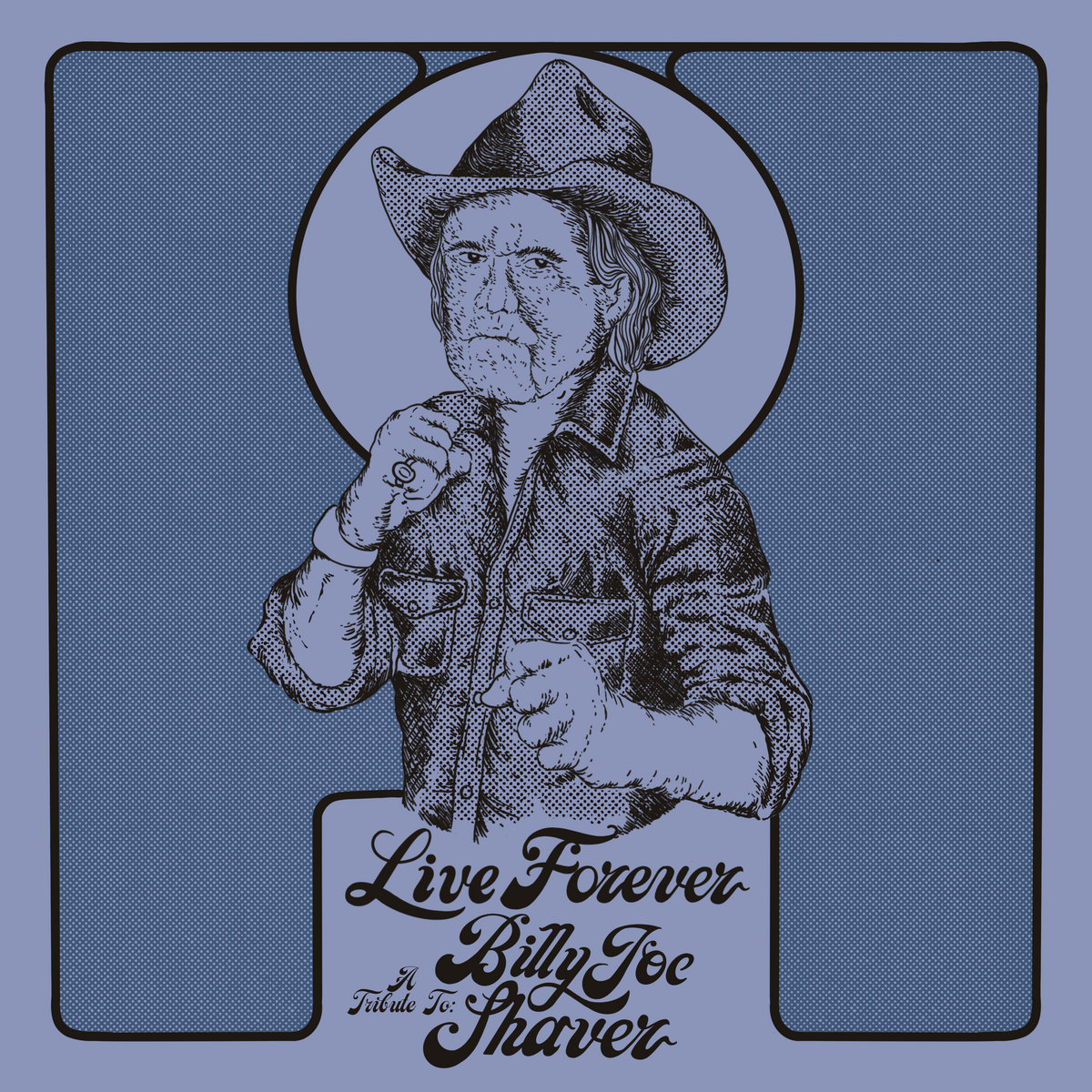
Billy Joe Shaver’s songs were stories of his life; they were real, and they were raw. Many artists have covered Billy Joe songs over the years: from Willie to Waylon, to Elvis and Cash. Billy Joe’s influence on some of the greatest of artists is what inspired this project. Now, with “Live Forever: A Tribute to Billy Joe Shaver” a whole new batch of artists and songwriters are taking their cut at one of the greatest songwriting catalogue’s of all time.
Celebrating a songwriter’s songwriter who still looms large in roots music, “Live Forever: A Tribute to Billy Joe Shaver” recruits vets like Rodney Crowell and George Strait, as well as relative youngsters such as Amanda Shires and Margo Price, for a dozen sparkling interpretations.
This album is a testament to Billy Joe’s words and the deep impact they had on so many wonderful songwriters and performers. He’s a hero to so many, and New West is honored to pay homage to the legacy of Billy Joe Shaver. Just like the songs he left behind him, he’s gonna live forever now.
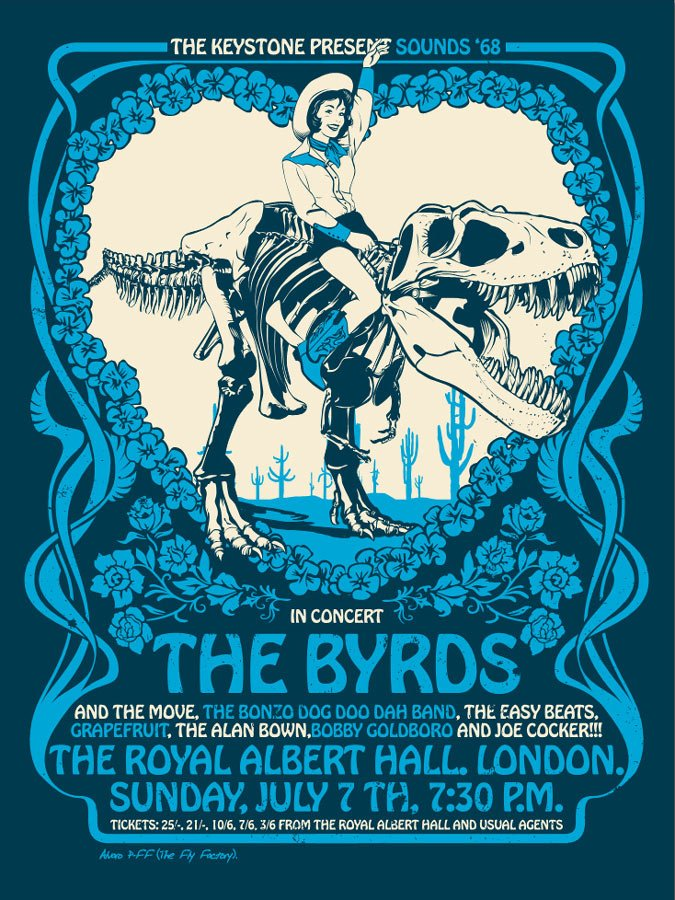
In the spring of 2010, Neil Young dropped the backing band and set across the US on a tour with himself and a guitar. In tow was a soft-spoken Scot a few older than the legendary songwriter. Tagging along as the opener, crowds of Young fans would be exposed to the greatest guitar player they’d likely never heard of before their idol walked out on stage, alone at the microphone.
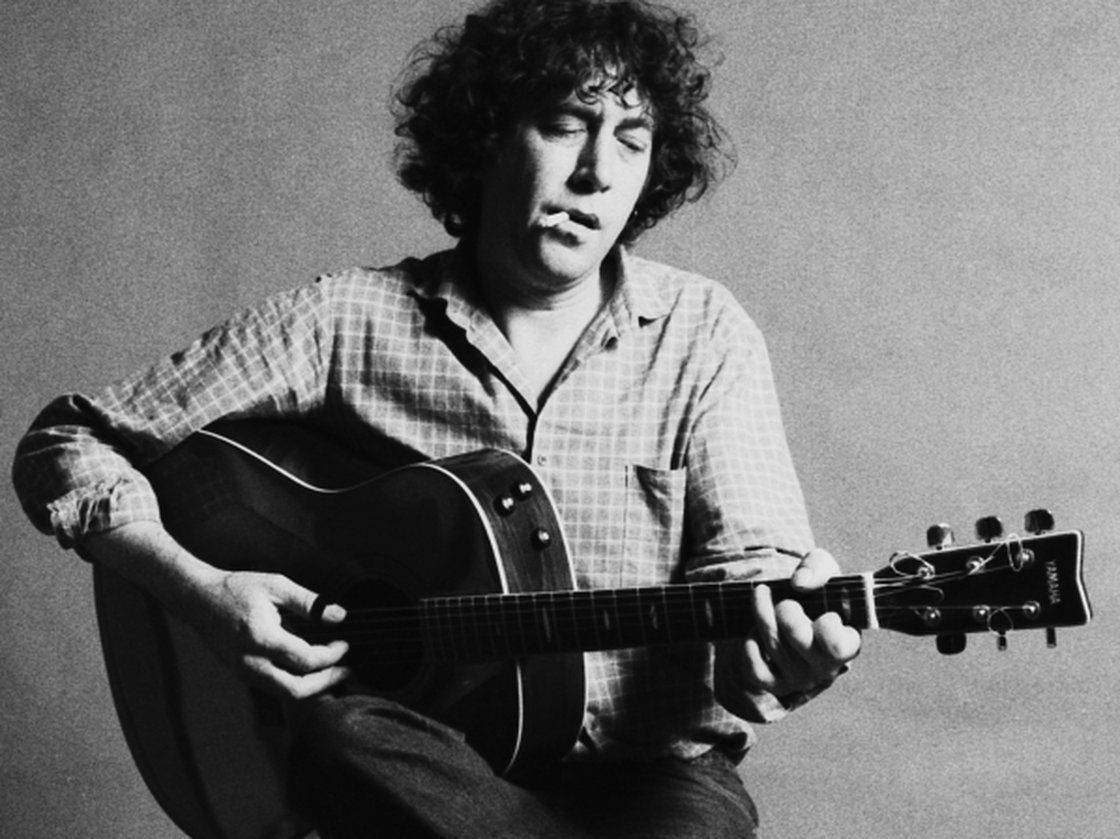
With the turn of the millennium, so launched a quiet renaissance of Bert Jansch’s career. Though he had never taken any time off, the guitar player was now reaping the benefits of the internet age and gaining significantly more appreciation from a new generation of listeners. Not yet a household name in the States, at home in the UK Jansch was attaining the status of a living legend. Over a career spanning five decades, Bert has been cited as an influence on guitar players as varied as Jimmy Page, Johnny Marr, and Ryley Walker. Long has Neil Young acknowledged his debt to Bert Jansch, frequently citing him as the greatest guitar player of the 20th century, next to none other than Jimi Hendrix. His own “Ambulance Blues,” is a modulated version of Bert’s “Needle of Death.” Bringing the guru of celtic steel string along on his Twisted Road tour completed the circle, offering even further exposure to the player that shaped so many more-well-known names.
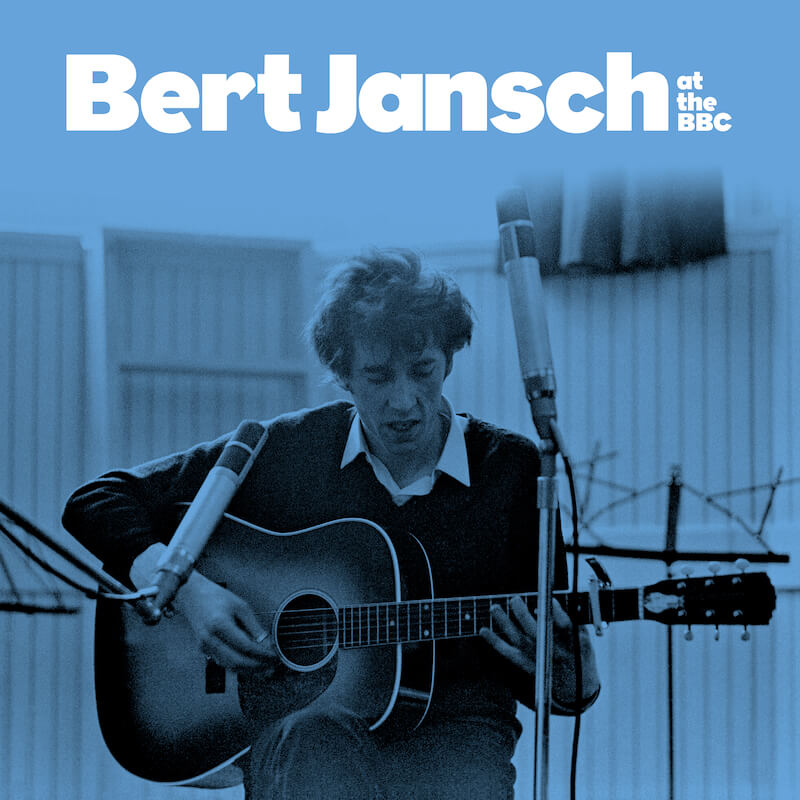
With “Bert at the BBC“, the Jansch-centric Earth Recordings has brought to light the guitar player’s long, if partially overlooked, relationship with the public broadcaster. In doing so they have unveiled the pure vitality of his playing in a live setting. Of the dozens of recordings bearing Bert’s name, less than a handful present the legend outside of recording sessions. Coming in at near 150 cuts (on the essential 8CD version), the Jansch loyal are presented with performances – solo and with a number of the killer ensembles he assembled over his years – from every decade of Bert’s career. With stature comes greater exposure and nearly half of the collection is from the period of Bert’s public rebirth in the dawn of the 21st century—the 60th Birthday Concert for BBC4; full performance at the Edinburgh Festival for BBC Radio Scotland in 2004; varied shorter features from nearly a dozen programs in the 2000s. The musician presented over the expanse of the later cuts is one far more apt to talk about his music, method, and life than the shy and slightly mysterious virtuoso of the 1960s. The Bert Jansch of the 21st century was more than happy to bask in the limelight he earned after putting in half-a-century’s work. With so much focus on his output in the sixties and seventies tied into the legend of Bert, hearing the ever-humble, though confidently adept master at work in his later years presents an inspiring addendum to the myth.
This isn’t to say that more recent performances overshadow the early years. Notable is Bert’s first radio performances. The broadcast crackle and slight tape hiss of BBCs 1966 Light Programme Guitar Club makes it known immediately—Jansch’s influence has been around for a long time. And it should be noted, at this point Bert had already been making waves in the UK’s impressionable folk scene for nearly four years. After a brief intro (in the days when folks still pronounced his name wrong—ever polite, Bert never corrected them) we get a mellow “Whiskey Man” followed by possibly the most gorgeous rendering of “Running from Home” ever recorded. After some words from the artist, Jansch launches into one of acoustic guitars most intense tests of dexterity, “The Wheel.” With three tunes, Bert managed to showcase the primary aspects of what he would go down in music history for: an aggressively authentic interpretation of American blues, gut-wrenching tales of love’s observations, and a completely idiosyncratic fusion of jazz, blues, and traditional folk guitar stylings distilled down to the most ferocious flurry of finger picking ever executed.
The highlight of this exhaustively curated box are the performances which allow us to listen in to a full concert or series of tunes. It is here that we experience Bert’s crowning glory—the temporal transcendence of music consciousness. From one song to the next Jansch could transport his audience to 1930’s Mississippi, the court of King James, or a 1974 folk club in Soho. And the most impressive aspect of this accomplishment was that there wasn’t a single tune that sounded amiss. The formula managed to work throughout the entirety of his career. From the 2004 Edinburgh concert: transitioning from the 19th century Irish traditional “She Moved Though the Fair” to Bert’s 2000 original “Crimson Moon” doesn’t throw off anything, despite a 200-year age gap.
The Cambridge Folk Festival set with Danny Thompson and Martin Jenkins highlights an ability to breathe new life into folk music through an immersion in jazz and rock—as Bert had done a decade prior in Pentangle. The set continues into the eighties where we find Bert continuing to hone to his chops in the jazz-meets-renaissance-faire prog of the Bert Jansch Conundrum. This era offers the rare contemporary cover. A 1982 Bert pays homage to Tim Hardin with “If I Were A Carpenter.” This saccharine version, in particular, was preceded by an acid-washed rustic romp through “Fresh as a Sweet Sunday Morning” to reference the breadth of ambition going into these performances.
Of course, as previously mentioned, the real meat and potatoes of the collection are the sets of a Jansch brimming with his newfound prospect of the turning millennium. Bert, nearing his sixth decade of performing, lacks some of the showmanship and vigor of a starving artist in his twenties. This is more than compensated, however, by the sheer detail and finesse that his arsenal his built upon. To be clear—the young guns still had no chance at keeping up with the old-timer. Just listen to the “Blackwater Side” from the 60th Birthday Concert. The swirling instrumental passages that break up the verses show that Bert could still pull and pop his strings in a fashion that would slice the average mortal’s fingers to ribbons. Notes are bent to match his vocal intonation. Any and every lull in singing becomes an open opportunity for a stream-of-consciousness fury of right-hand polyrhythmic detonations. Until the end, Bert Jansch was a master of his craft. “Bert at the BBC” makes that abundantly clear.
After breaking eight years of silence on October 13th by announcing the January 27th release of their new LP, “ElectrophonicChronic”, The Arcs have followed up today by sharing a new single and the corresponding music video for “Heaven Is A Place.” The number was written as a homage to the group’s former member and multi-instrumentalist Richard Swift, who passed away on July 3rd, 2018, after a prolonged battle with alcoholism.
“Heaven Is A Place” was mostly penned after Swift’s untimely passing. The space-infused anthem features Leon Michels’ banging on B3 organ and Rhodes piano. At the same time, the bandleader, Dan Auerbach, lends steady chords complimenting the repetitive lyrical arrangement to create a sense of balance.
“This new record is all about honoring Swift,” offered Auerbach, in the initial press release about the album. “It’s a way for us to say goodbye to him by revisiting him playing and laughing, singing. It was heavy at times, but I think it’s really helpful to do it.”
The group’s forthcoming release was co-produced by Auerbach and fellow bandmate Michels. “Electrophonic Chronic” features contributions from the late-Richard Swift, who died during the recording process of the 12-track album, which is due out on January 27th via Easy Eye Sound.
Yes was firing on all cylinders in the fall of 1972. The prog-rock pioneers’ fifth studio album “Close To The Edge” was a smash success as audiences around the world packed arenas to see the legendary group perform. The band captured the magic of that tour on its first live album, “Yessongs”. Released in 1973, the triple-LP sold over a million copies and blew minds with Roger Dean’s iconic artwork.
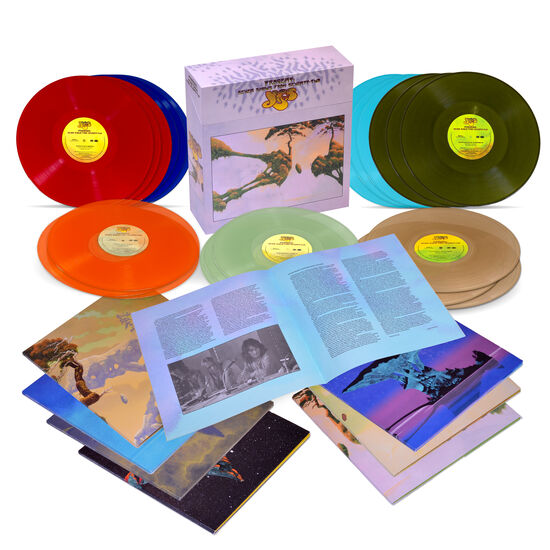
In 2015, seven complete concerts from the weeks leading up to the shows heard on Yessongs were assembled in the 14-CD boxed set “Progeny: Seven Shows From Seventy-Two”. On December 2nd, the boxed set will make its vinyl debut in a monumental 21-LP version.
“Progeny: Seven Shows From Seventy-Two”holds every note from all seven shows, recorded in the fall of 1972 as the band’s tour jumped from Canada to North Carolina, and then Georgia and Tennessee, before their last stop in New York at Nassau Coliseum on November 20th. This comprehensive set comes in a cigarette-style flip top box with artwork by Dean and featuring each of the shows pressed on a different colored vinyl (ruby, orange crush, cobalt, soda bottle clear, tan, forest green, and electric blue). The collection is limited to 1,972 individually numbered copies and is available exclusively at Rhino.com.
“Progeny: Seven Shows From Seventy-Two”memorializes Yes’ first tour with drummer Alan White, who sadly passed away earlier this year after 50 years in the band. He replaced Bill Bruford, who recorded the sessions for “Close To The Edge” before leaving to join King Crimson. White only had three days to learn the band’s live show before his first night on stage with JonAnderson (vocals), Steve Howe (guitar), Chris Squire (bass) and Rick Wakeman (keyboards).
Recorded three months into the tour, these powerful performances attest to how quickly the new line-up came together musically as they navigate hits like “Roundabout,” and complex pieces like “And You and I.” Even though the setlist didn’t vary much from night to night, the individual performances are strikingly different.
John Doe’s 3Sirens Session is an unique opportunity for you to hear some of John’s most popular love songs performed after midnight in a white clapboard church.
John Doe once told Rolling Stone: “cool shit happens in cars.” Well minus the cars, plus the tequila, that sense of community and fun is exactly what he brought to his 3 Sirens Session, recorded at Church House Studios in Austin, TX on an easy going evening with friends during a chaotic SXSW.