The Senders are the great lost band of New York Punk. Begun in 1976, they were peers of all the early legends – Ramones, Blondie, Heartbreakers, etc. Their brand of dangerous sidewinder r&b, with a twist of rockabilly, shook the rafters at CBGB and Max’s Kansas City…”
The New York rockers The Senders are one of the great unheralded outfits to emerge from the punk scene, and it’s hard to tell whether their relative obscurity was a purposeful move or pure bad luck. While their compatriots the New York Dolls and the Heartbreakers were snagging major label deals and international tours, the Senders stayed put and stayed under the radar.
The folks in the know, however, grok what the rest of the known universe has been missing, which might be one reason why LeftFor Dead Records put together this double LP compilation that plucks from the group’s slim discography and slaps a truly juicy morsel on the fourth side. Leading up to that last disc flip are a spectacular assortment of rip-snorting originals, choice R&B and blues covers and the complete “Seven Song Super Single” recorded for Max’s Kansas City’s in-house label.
Rounding out the set is a fierce live recording of the Senders at Max’s in 1978 augmented by former NY Doll Johnny Thunders. The late guitarist’s presence adds some extra juice to the proceedings as they turn lead Sender Phil Marcade’s originals and a cover of Them’s “I Can Only Give You Everything” over under sideways and down.
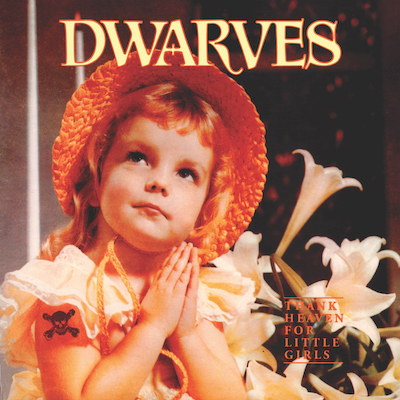
No matter how little you come within ear or eye shot of punk rockers Dwarves, it’s not something you easily forget. The Chicago-bred group play with an unrelenting speed and fury, dusting off an album’s worth of paeans to drugs, sex, sex on drugs and other nihilistic concerns in less time than it takes to watch a sitcom without commercials. And they adorn their records with provocative images and titles like the three naked, blood-covered bodies found on the cover of 1990’s “Blood Guts & Pussy”.
To close out the year, Dwarves have begun a reissue campaign of their earlier work, starting with the three albums they recorded for Sub Pop in the early part of the ’90s. The band’s relationship with the label was a fraught one, particularly after they announced the stabbing death of their guitarist HeWhoCannotBeNamed.
It turned out to be a hoax, and Sub Pop cut them loose as a result. Working with the Seattle label did give Dwarves a huge boost sonically as they were able to work with producer Jack Endino on “Blood”, record “Little Girls” at Butch Vig’s Smart Studios and run future Foo Fighters collaborator Bradley Cook through the wringer to make “Sugarfix”.
All three records sound like sharp, swift kicks in the teeth from a pointed boot — all leathery fury and metallic spew — on these new vinyl editions. And with their short original run times, there’s plenty of space on each slab for bonus tracks that don’t feel or sound squeezed in.
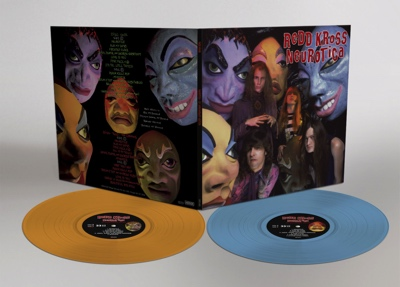
Merge Records is thrilled to release the 35th anniversary edition of “Neurotica”, the 1987 power pop and alternative rock opus by Redd Kross. By this point, it seems obvious that classic rock helped influence the bands that would go on to launch the hardcore movement. But in 1987, when the L.A. quartet Redd Kross dove headfirst into power pop and glam with “Neurotica”, it was practically sacrilegious for punks to wear those influences on their sleeve—a move that Sub Pop co-founder Jonathan Poneman considered “really punk.” Redd Kross may have started out in the same scene that incubated the likes of Black Flag and The Circle Jerks, but their unabashed taste for the sweetness of Beatles harmonies and all manner of pop-culture tchotchke may as well have put them in another world.
“Neurotica” could be viewed as a This Is Your Life-esque document of what brothers Jeff & Steve McDonald had been working toward creatively since starting Redd Kross in their Hawthorne, CA living room circa 1978. The songs quake with punk rock fury. And how could they possibly have shaken off the untamed energy of their early Red Cross years which laid a foundation for Southern California hardcore punk and DIY culture. But fury is only part of their formula. To find the other parts, travel back to the ‘70s, when the McDonald boys lived for nothing but Saturday morning cartoons, sugary cereal, bubblegum pop singles, Beach Boys LPs, Partridge Family TV specials and the arena rock guitars of KISS and Cheap Trick.
Whereas most self-respecting punk rockers would have sneered at ‘60s/‘70s radio and pop culture schmaltz (even if they secretly liked it), that was all a tremendous part of the Redd Kross DNA. And the McDonalds wore those influences on their dayglo sleeves. They decontextualized the macho, sometimes saccharine, sound of classic rock, celebrating its bombast without falling into its pretentious pitfalls. They played what sounded good to them. If along the way they could convince you that those David Cassidy AM radio singles were actually great and subversive in their own way, that was just an added bonus. Their technicolor punk rock was first explored on “Teen Babes From Monsanto” in 1984. But “Neurotica” is where the Redd Kross sound gelled into something miraculous. The McDonalds enlisted a grand crew: guitarist Robert Hecker, keyboardist Paul Roessler (Screamers, Nervous Gender) and Roy McDonald on drums (The Muffs). In the producer’s chair was Tom Erdelyi aka Tommy Ramone, one of the originators of punk rock melody. Unshakeable hooks on tracks like “Peach Kelli Pop” inspired rave reviews upon release.
“In an age when too many bands base their music either on calculated career moves or heavy-handed pretentiousness,” the LA Times wrote, “Redd Kross is as breezy as a kiss in the wind, a band born to rock in a world that forgot how.” Decades later, Pitchfork would revisit the album with a glowing review: “Pop culture nostalgia was to Redd Kross what LSD was to the Butthole Surfers; their music was delivered with just as furious a passion, but their love for Beatles-esque pop harmony shone through as much as any punk sensibility, and their Kinks influences, entirely free of irony, served as lyrical substance over their powerful, hi-octane hooks.” Plain and simple, it’s just a fantastic piece of art. Unsurprising that something of this caliber would hatch from the minds of two brothers who changed the face of punk rock before they were old enough to drive a car and the face of alternative rock before they were old enough to rent one.
Produced by original Ramones drummer Tommy Erdelyi, it’s easy to see why “Neurotica” went on to become a cult classic that galvanized groups like The Replacements, Nirvana, Superchunk and others. This version from Merge Records marks the album’s second reissue, and this time it comes with 12 demos that contrast enough with the finished songs that they justify purchasing the album again. Befitting of the music’s spirit and temperament, this new version doesn’t come with liner notes so much as a napkin note from the band’s original A&R rep Geoffrey Weiss, who writes “Neurotica” changed the world, even if it took a little longer than we planned.”
This reissue will be available worldwide on a single CD or colour vinyl 2LP. Both formats include the original album, remastered by JJ Golden (Pearl Jam, Thee Oh Sees), as well as 12 previously unreleased demos from the era
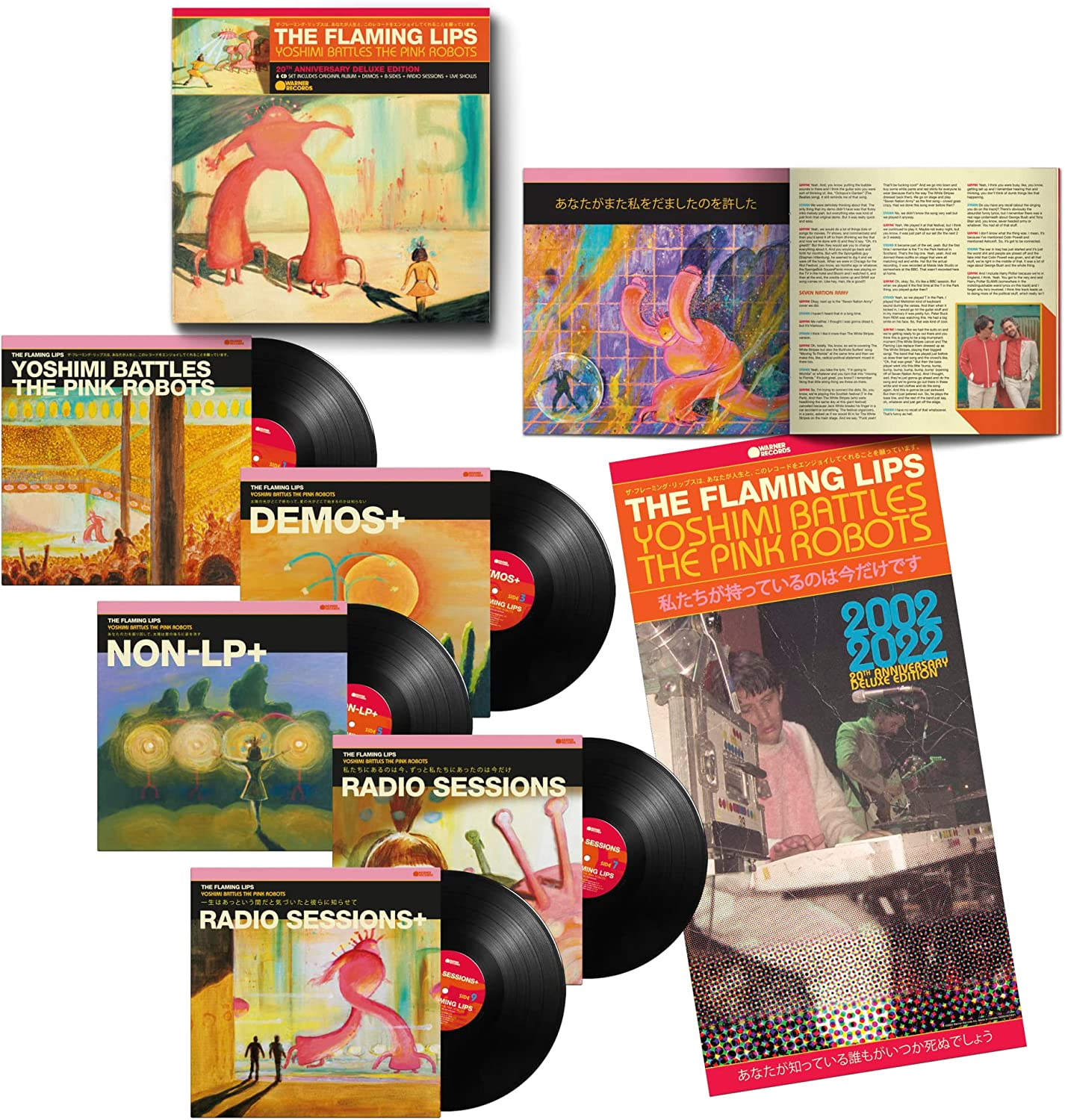
The Flaming Lips celebrated the 20th-anniversary of their classic 2002 album, “Yoshimi Battles the Pink Robots”, with the release of an expansive box set that also includes B-sides, demos, remixes, radio sessions, two concerts, and other assorted rarities from the era. The CD set includes over 50 tracks never released and dozens of rare tracks. The LP box set has 40 tracks never released on vinyl and over 30 previously unreleased tracks. “Yoshimi Battles the Pink Robots: 20th Anniversary Edition” will be available, via Warner Records, on all streaming services and as a 6 CD box set (featuring 100 tracks) released on November 25th to mark the 20th anniversary year.
A 5 LP package (featuring 56 tracks) will land on April 14th, 2023– released later than the CD box set due to the long vinyl production timeline. Additionally, there will be a limited edition D2C exclusive edition of the 20th Anniversary Deluxe 5 LP Vinyl box set pressed on Baby Pink vinyl – also released on April 14th. Over the course of 2023, all the material released in the 6 CD box set will also make their way to vinyl. The two live albums included in the set, and the 25-minute demo “Psychedelic Hypnotist Daydream” will be available as separate vinyl releases. Additionally, the ‘Ego Tripping at the Gates of Hell’ and ‘Fight Test EPs’ will be released on vinyl for the first time in Spring 2023.
In other LIPS news, The Flaming Lips “Space Bubble Film” is featured exclusively on The Criterion Channel now. This concert documentary, directed by Wayne Coyne and Blake Studdard chronicles the logistical challenges of putting on a show at the height of the pandemic filmed in the band’s hometown of Oklahoma City in 2020. “The Space Bubble Concerts” would feature both band and audience encased in individual transparent, prophylactic Space Bubbles to insure a Covid-safe live LIPS experience connecting in a in a joyous, safe and socially distanced communal way never tried before.
Originally released in July 2002, “Yoshimi Battles the Pink Robots” remains the commercial high-water mark in The FlamingLips ‘wild four-decade journey, giving the Grammy award-winners their first RIAA certified Gold Record. As the eagerly awaited follow-up to 1999’s masterwork, “The Soft Bulletin”, “Yoshimi” proved that singer/guitarist Wayne Coyne, and multi-instrumentalist Steven Drozd had yet another masterpiece in them.
“Yoshimi Battles the Pink Robots” is a sci-fi-themed quasi-concept album that cast The Flaming Lips’ most playful and profound songs to date in a wondrous swirl of ambient electronics, digital beats, and psychedelic splendor. The record yielded the band’s top-streamed track, “Do You Realize??” (a timeless stargazing anthem that, in 2009, was named the Official Rock Song of the band’s native Oklahoma) and also landed the Lips their first-ever Grammy Award® win for the cosmic album-closing instrumental Approaching Pavonis Mons by Balloon (Utopia Planitia).
The 20th Anniversary Deluxe Edition provides a complete 360-degree view of the band’s creativity during this period. Several unheard demos show a rare peak at the band’s creative process.
The box set also collects B-sides and outtakes, from epic fan favorites like “Assassination of the Sun” to fun, folky serenades like “Thank You Jack White” (For the Fiber-Optic Jesus You Gave Me). There is also a treasure trove of radio sessions including idiosyncratic overhauls of Pink Floyd’s “Lucifer Sam” and Breathe, Radiohead’s “Knives Out” and Kylie Minogue’s “Can’t Get You Out of My Head“. In addition, the set includes a lush instrumental version of Do You Realize??, that has been requested by fans to play at both weddings and funerals.
Of special note are the two concert discs, which showcase the two sides of The Flaming Lips’ ever-enlarging brain: the endearing, intimate storytellers (captured in a banter-heavy 2002 private show for a small crowd of radio-contest winners in Boston) and the masters of thundering, confetti-strewn stage spectacle (as heard in an electrifying 2003 performance at The Forum in London). As a whole “Yoshimi Battles the Pink Robots: 20th Anniversary Deluxe Edition” is an essential portrait of rock’s most restlessly creative band at the peak of their powers.
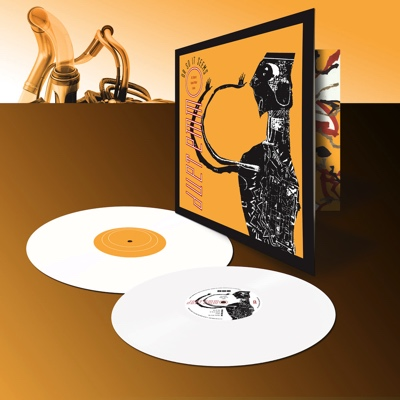
For the uninitiated, Duet Emmo is a collaboration between Graham Lewis and Bruce Gilbert of Wire—who had been recording as a duo under the name Dome—and Daniel Miller, the man behind The Normal and founder of Mute Records. (The project name is an amalgam of Dome and Mute.) The trio got together in late 1982 to experiment in the studio, leading to a single full-length that explores and explodes their interests in electronic music, drone and art pop.
“Or So It Seems”. Taken from the forthcoming reissue of Duet Emmo’s album ‘Or So It Seems’, newly remastered from the original tapes.
The album seems to be slowly dissolving as it moves forward with the proto-industrial pieces on side A giving way to quietly unsettling instrumentals on the flip. It all sounds even more mind-altering on this vinyl edition thanks to the remastering work of Stefan Betke (aka Pole) and includes, on one side of a second disc, a remix of the album’s title track (originally released as a B-side) that takes the original song to fresher, druggier zones.
I love the creativity of this album. Its beautiful, ominous, and it takes you on a mystic journey. The album was originally released in 1983, and was the act’s only release. The result was the perfect amalgamation of Miller’s hard-line electronics and Gilbert and Lewis’ abstract and sparse textures, exhibiting why the anagrammatic combination of Dome and Mute was a fitting name for this project.
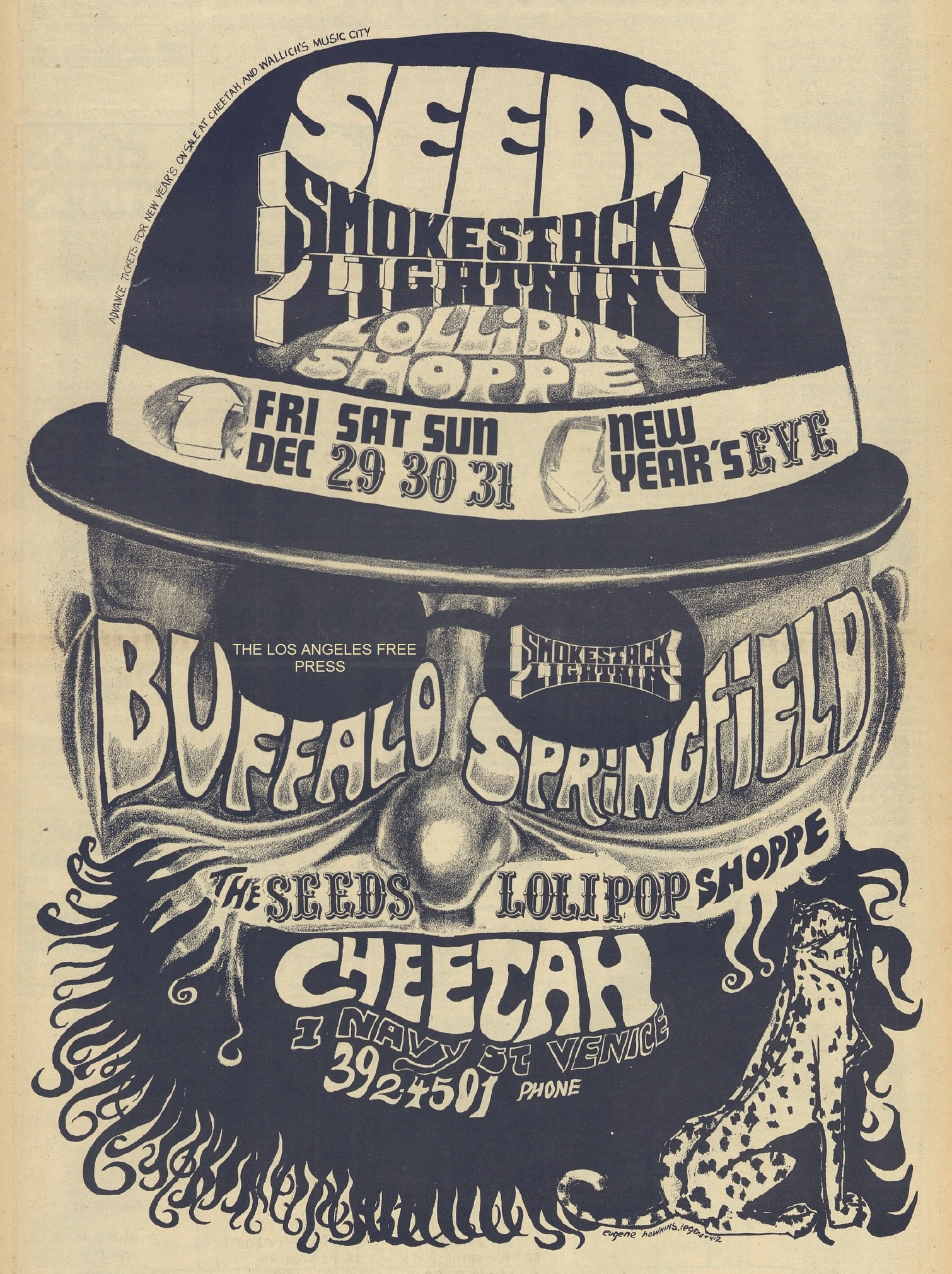
On December 29-31, 1967, The Seeds, Smokestack Lightnin’, and Lollipop Shoppe played at the Cheetah on the pier in Venice Beach, CA and Buffalo Springfield joined them for New Year’s Eve.
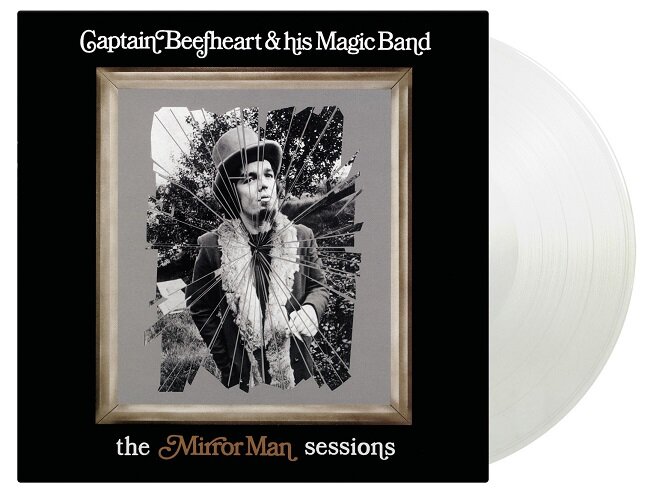
There are times when a set of recordings begs not only to be re-mastered and reissued, but restored according to the artist’s original intent. “Mirror Man Sessions” is an unqualified success of this sort. It’s a re-sequenced approximation of the planned, half-live-in-the-studio/half-studio double album “It Comes to You in a Plain Brown Wrapper”, which Beefheart and his band started on several months after the release of their debut, “Safe as Milk”. Most importantly, the disc includes many of the songs off the botched “Strictly Personal” album (the tapes of which were maliciously slathered with heavy echo and phasing effects by producer Bob Krasnow, without Beefheart’s approval) in blissful clarity.
The sound throughout is vibrant, with all the sparks of the dual-guitar interplay and massive slide sound that would typify the Magic Band in years to come. The album has far fewer tempo changes than “Milk” or the records that follow it; the band for the most part digs deep blues-based grooves and stays within their confines. But there are lengthy, monochromatic stomp-trance workouts, such as “Tarotplane” and “Gimme Dat Harp Boy”, which stretch out and explore John French’s jagged drumming, the guitarists’ uniquely deft, pan-tonal playing, and Beefheart’s harp playing, gruff vocal style, and impressionistic lyrics.
The US vinyl LP Buddah BDS 5077 was released in May 1971 in a die-cut gatefold sleeve with only 4-tracks (Buddah 2365 002 in the UK) – “Tarot Plane” (19:00) and “Kandy Korn” (8:00) on Side 1 and “25th Century Quaker” (8:59) and “Mirror Man” (19:00) on Side 2 – the liner notes erroneously claimed that the album was live material ‘recorded one night in Los Angeles in 1965’ – perhaps in some club – which just wasn’t true.
Beefheart and his gang of four had gone into TTG Studios in LA in October 1967 and recorded three tracks ‘live’ in the studio with further rough studio sessions taking place in November. Buddah didn’t like what they heard and put the whole project on indefinite hold. They then sent the Captain and his boys over to England (where they were more popular) to be championed by a true fan – BBC Radio 1’s most famous DJ John Peel. Some of the songs and sessions were added to, remixed and so on and came out on the second official album “Strictly Personal” in October 1968.
Time passed and with the November 1969 double-album “Trout Mask Replica” and a new LP on Reprise Records in “Lick My Decals Off, Baby” from January 1971 all gaining traction – someone went back into the vaults and chose the above four mentioned tracks to clump together as a new album on Buddah Records – “Mirror Man”. Apparently Beefheart knew nothing of its release and as the songs were ‘unfinished’ or ‘crude’ – he remained somewhat ambivalent towards their merits – decrying it as some critics had initially done – then being ok with it as the LPs heavy-blues-jam rep began to build over the following years – some even saying it was as good as his blistering and accessible “Safe As Milk” debut from November 1967.
Whilst researching a new release in 1991 – England’s Sequel Records went into the vaults once again and subsequently found and reissued more of the previously unissued session tracks – calling their 11-track January 1992 CD compilation “I May Be Hungry But I’m Sure Not Weird – The Alternative Captain Beefheart” on Sequel NEX CD 215 (Barcode 5023224121523).
Which brings us via a circuitous route and several mushroom pies to June 1999 and this BMG ‘Buddha Records’ reissue of nine tracks (note the deliberately inverted spelling on the last two letters of Buddah). As the liner notes advise – due to time constrictions you get the original four songs of the “Mirror Man” LP and five additional outtakes – all stripped of unnecessary overdubs and as close as Buddha feel they can get nearer to the Captain’s original vision.
UK released September 1999 (June 1999 in the USA) – “The Mirror Man Sessions” on BMG/Buddha Records 74321 69174 2 (Barcode 743216917426) is an ‘Expanded Edition’ CD Remaster of nine tracks that plays out as follows (76:23 minutes):
Tracklisting:
1. Tarotplane (19:08 minutes) 2. 25th Century Quaker (9:51 minutes) 3. Mirror Man (15:47 minutes) 4. Kandy Man (8:07 minutes) 5. Trust Us (Take 6) (7:06 minutes) 6. Safe As Milk (Take 12) (5:01 minutes) 7. Beatle Bones N’ Smokin’ Stones (3:11 minutes) 8. Moody Liz (Take 8) (4:34 minutes) 9. Gimme Dat Harp Boy (3:31 minutes)
Musicians: CAPTAIN BEEFHEART (Don Van Vliet) – Vocals, Harmonica and Shinei JEFF COTTON – Guitar ALEX St. CLAIR SNOUFFER – Guitar JERRY HANDLEY – Bass JOHN FRENCH – Drums
In the 12-page liner notes JOHN PLATT (with thanks to Mike Barnes) finally makes available the convoluted history of these amazing recordings – the ‘Wrapper’ sessions as they’re sometimes called (Beefheart wanted the “Strictly Personal” album in a plain brown wrapper envelope sleeve). There are some classy black and white photos of the boys looking suitably Avant Garde and discordant meanderings. You get in-depth reissue credits and the ‘One Nest Rolls After Another’, and the ‘I Like The Way The Doo Dads Fly’ poems reproduced.
While all that explanation sorts things out somewhat, the amazing new Audio brought to us by Elliott Federman that was done over at New York’s SAJE Sound Studios. The LPs were always being accused of being ‘muddy’ and some excuses were forthcoming because the takes were ‘one’ and ‘live in the studio’. Suddenly even that gruff harmonica warble that opens up the nineteen-minute monster that is “Tarotplane” sounds unbelievably ‘right’ – like the power has been given back to the gruff. And as Beefheart growls with his ‘on your mind’ string of consciousness – those vocals are so damn good and those harmonica stretches punchy and mean. This sucker grooves – the band digging into that chug – and even if the recordings are a bit rough around the frothy gills -made the performance feel alive and better for it.
You could argue that the three lengthy grooves here are merely Blues Jams with jerky Avant Garde Jazz rhythms as a side-order that should have stayed in the can or even been refined into something neater and better. When you listen to “25th Century Quaker” and you’re grooving to those clear as a bell cymbal and drums crashes, those moaning notes as the Captain mumbles into his Harmonica – I can’t imagine any way these could have been ‘edited’ into something tighter or better. Indulgent I know but it can also be argued that their very expansiveness is their joy. And would we want that mad ending to “Quaker” any other way. The fantastic groove his ensemble get on “Mirror Man” – the kind of sound no other band could have achieved.
Lean and mean and unbelievably tight – Take 12 of “25th Century Quaker” hits you with a wall of voices and that stabbing guitar beat and it has awesome remastered sound. Don’t really like “Take Us” no matter what Take it is. We go all ‘strawberry mouth and butterfly’ with the Japanese-sounding “Beatle Bones N’ Smokin’ Stones” where the Captain seems to taking a sideways jab at the Liverpudlians and their Forever Fields. The dark – the day – the light – don’t you just love that voice and that sheer bat crazy mentality – and again beautifully remastered. God help us all but “Moody Liz” even sounds vaguely commercial (love those vocal harmonies). And “Gimme Dat Harp Boy” sounds like a piece of harmonica genius that have should been released as a single just to annoy the neighbours…
Of course “The Mirror Man Sessions” is not going to be a sonic soundscape everyone wants to go picnicking in. Note: Seven more tracks from this session are included on the reissue of “Safe as Milk”.
The release of the Dunedin Double in 1982 featured four young bands: the Verlaines, Sneaky Feelings,TheStones and TheChills with each band having 3 or 4 tracks on their 12” EP side. It’s a rough affair showcasing the potential of each artist as much as what their juvenile selves were about at the time. Despite this, it was a high profile release with TheChills that generated the most chatter.
In a way, The Chills’ musical ambitions transcended the simple recording experience of the recording. The listener senses the possible beyond the tangible actual.
These were early days for all concerned and already The Chills were being thought of as the band with the most promise, on whom hung the highest expectations and who showed the greatest ambition; they were the band who were starting to be touted as The Clean’s heirs.
The growing feeling was that here was an important alternative music minded pop band in the making. While the early 1980’s was a time for Joy Division and The Fall to be lounging around on the New Zealand charts, it was also a time for new style pop to be flourishing. One (not unreasonably) hoped that a market might exist for quality bands and their songs – somewhere between the grim post punkers of the English north and the pop chart mulch; the likes of the Human League,Spandau Ballet and Flock of Seagulls.
A band with ambitions needs quality songs, and The Chills had better songs than most. It did no harm that young band leader and songwriter Martin Phillipps was quietly cute and shyly charismatic. In the 1980’s musical mainstream you needed songs and good looks. The Chills were marked out as having a chance of some sort of success in New Zealand and if they had ambition, stamina and enough good luck (because successful bands are built on good luck as much as everything else), who knew what was possible.
The Dunedin Double was recorded in April 1982 and was being reviewed in June. The Chills had some momentum. In May, their debut 7” single “Rolling Moon” had been recorded in Auckland by Doug Hood and Chris Knox on his Teac 4-track – as was “Bite”. “Bite” was joined on the B-side by “Flame-thrower” which was recorded live at the Rhumba Bar (at the filmed all day show on the 15th May 1982 with The Clean, This Sporting Life, Tall Dwarfs and The Stones).
“Rolling Moon” was the catchy tune everyone was waiting for. A pop song that was adventurous and experimental. A song that is exhortatory, optimistic and uplifting with allusions to the feelings and colours of summer. A song that is amplified by the presence of a benign, rolling and active moon and the childhood desire to stay up late and not go home. There is the sense of the childlike innocence and wonder that listeners will come to associate with much of the Martin Phillipps ouvre.
For the B-side, Martin Phillipps was determined to stay connected with his “Neat Neat Neat” punk “roots” with a hard and fast song. ‘Bite” is short and fast and is dedicated to Chris (Chris Knox). “Flame-thrower” is a long standing live favourite with an unusual song structure that quietly builds and then intensely instrumentally burns to a climax.
Despite the tight turnaround between recordings and releases in 1982, there were some changes in band personnel during this time. Fraser Batts left and original keyboardist Rachael Phillipps returned, and original drummer Alan Haig departed with Martyn Bull joining.
“Rolling Moon” was released in the nick of time for Christmas 1982. It charted at Number 26 and then number 50 for the last chart of the year. That was the sum of its chart action. In hindsight, we should have shown patience, held it over to the new year, tied it to a tour and better coordinated the sales and chart action in the less cluttered early time of the year. It did however sell steadily as a part of the Flying Nun back-catalogue. Proper record companies didn’t really release singles in picture sleeves or keep them available as a part of their back-catalogue. It was too expensive to the point of a loss on every copy sold. Flying Nun did keep these releases available as they were usually the only way that these recordings were available and could be heard. It seemed like the right thing to do by the artist and their audience. The covers were relatively expensive but important; the buyer got to see some art that gave them an insight into the psyche of the act.
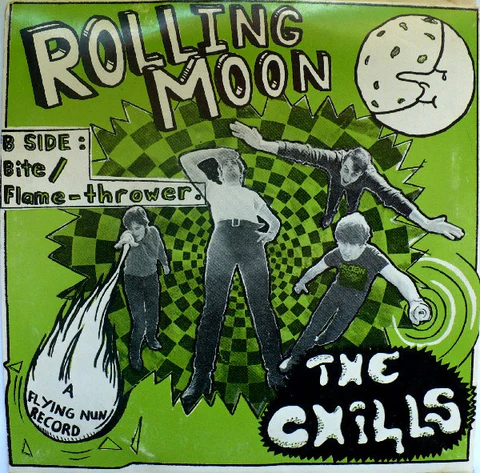
The “Rolling Moon” cover is a Martin Phillipps artwork based on the idea that the band members have superpowers. They are depicted photographically against a green and white background with a Chills “logo” lettering and a friendly cartoon moon. Our heroes have special powers. Terry has excellent vision, Martyn can fly like a… um… seagull, Rachael has a flame-thrower like fireball thing going on and Martin has a “super-ring” (it’s a bit unclear what that does). Martin shows good taste and reinforces the band’s place in Dunedin music history by wearing a Clean t-shirt.
Unfortunately the first print run of this cover was a printing disaster. The printers mislaid the separation with the superhero band members and the covers were printed with white blanks where the band members were meant to reside. There was immense pressure to get the record out for Christmas and a short term solution was found in the making of a large rubber stamp to “print” the figures over the blank part of the cover. The result was particularly ugly. Fortunately, the printers found the missing separation, printed the cover as intended and rushed them to us. But some of the “rubber stamped” copies escaped the office. Certainly to reviewers (who needed them urgently to review before the year ended) and possibly elsewhere including the band who were rightly horrified. I would say that the records with these immensely ugly sleeves are probably the most collectable of all Chills released artifacts.
“Rolling Moon” represents The Chills at the start of their journey proper. It’s not a great recording by later standards but easily good enough to allow the song to shine. It’s the start of a journey that Martin Phillipps is determined will become a career. And despite a few rather serious hiccups, a career is what it has become with Martin and The Chills recording and releasing great music to this day while touring New Zealand and internationally to promote them.
Info and words from Roger Shepherd, founder of Flying Nun Records.
Due to overwhelming demand, Eddie Vedder and bandmates the Earthlings, The Earthlings are drummer Chad Smith, keyboardist/guitarist/vocalist Josh Klinghoffer, bassist Chris Chaney, guitarist/vocalist GlenHansard, and guitarist Andrew Watt. This is Eddie Vedder’s mightiest statement as a solo artist, surpassing both his “Into the Wild” soundtrack and his slightly odd “Ukulele Songs” record.
“Earthling” shows the Pearl Jam leader as an alt-rock journeyman. The opening call to action on the album’s first track, “Invincible,” sets the album off perfectly, while standouts like “Long Way” and the quieter “The Haves” showcase his signature confidence. If you are expecting the hard rock sound of Pearl Jam, you may be disappointed, but the intriguing and catchy “Brother the Cloud” gets close at its apex. This is Vedder feeling comfortable in his maturity.
To celebrate the forthcoming album, the two singles, “Long Way” and “The Haves” are out now!
The highly anticipated album “Earthling” is set to release on Friday, February 11th.
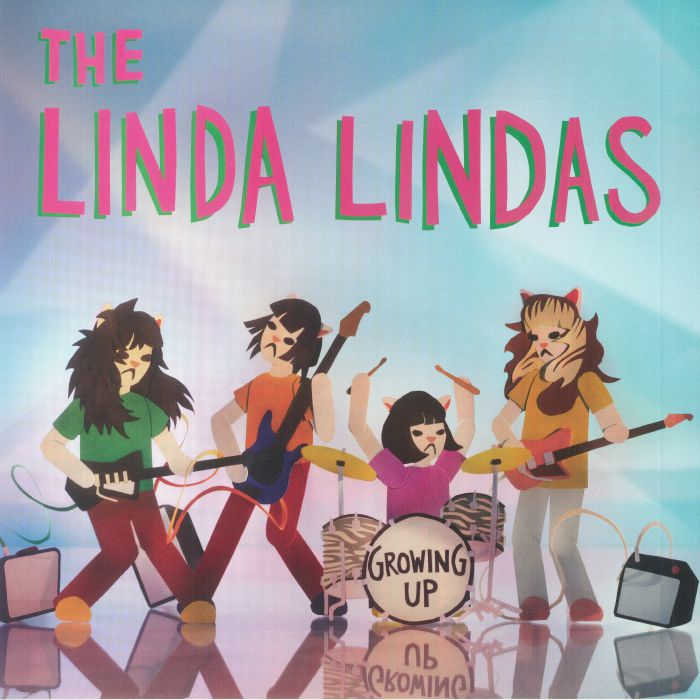
In May 2021, a concert event held by the Los Angeles Public Library went viral. A performance of an original punk song called “Racist, Sexist Boy,” written in response to an anti-Asian comment made to the band’s young drummer, caused quite a stir. The young band’s debut album proves that they are every bit worth the hype that clip earned them. Two key influences (and champions of the band) come to mind when describing their sound. At times they have the righteous bile-spitting energy of Bikini Kill on tracks like the before-mentioned “Racist, Sexist Boy,” “Fine,” “Oh!” and “Why.” Then they have a more pop-driven, more Best Coast-influenced side on cuts like “Remember,” “Talking to Myself” and the transcendently anthemic title track. This album is only 25 1/2 minutes and it covers a lot of ground. There’s even a song in Spanish, “Cuántas Veces,” that begins as a bossa nova. This band should make us feel optimistic for the future.
The Linda Lindas are about to explode worldwide, no doubt about it. Hailing from Los Angeles, these four teenage girls already have a solid run of singles under their belt and they’ve been gigging hard, pushing an ear-catching blend of power pop and pop punk which for once is coming from the very people who the music is aimed at. There’s an authenticity in that, and it comes through strong on their debut album “Growing Up“, which is coming out on Epitaph no less.
Just check lead single ‘Talking To Myself’, an honest expression from the midst of teenage trials and tribulations which should resonate with millions going through it, and those who remember all too well what it was like.