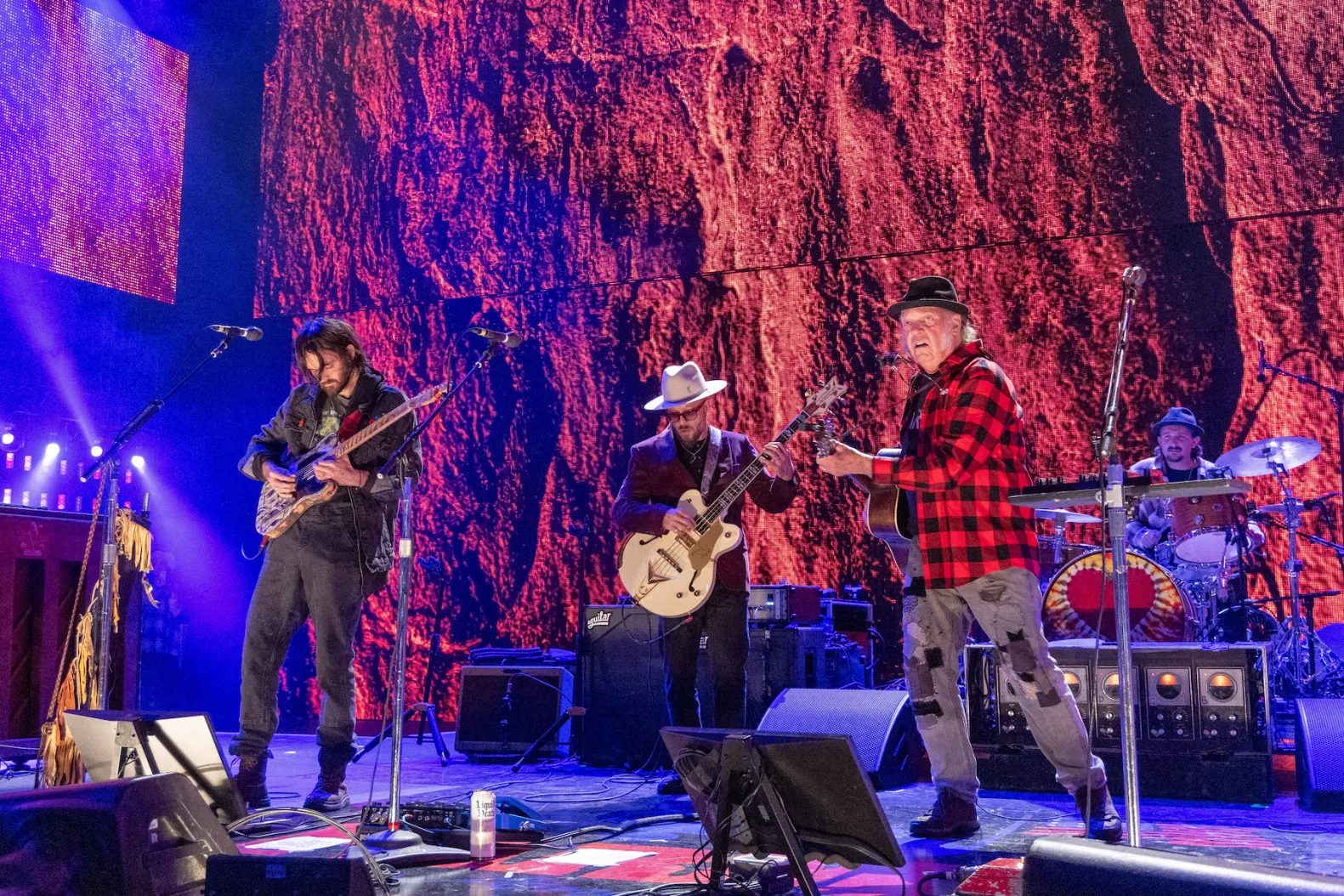
Now 78 years old, Neil Young is still breaking new ground: On Saturday, the iconic singer-songwriter debuted a new live band named The Chrome Hearts, at this years Farm Aid event. The abridged festival set in Saratoga Springs, NY come’s just three months after Young had abruptly scrapped his summer tour with long time backing band Crazy Horse due to illness within the band.
The Chrome Hearts band members include organist Spooner Oldham (Muscle Shoals Rhythm Section), guitarist Micah Nelson (Particle Kid), and Promise of the Real‘s Corey McCormick on bass and Anthony LoGerfo on drums.
Whereas Crazy Horse was heralded for high-octane, heavily distorted concerts with lengthy improv-friendly versions of classic songs, the first gig by The Chrome Hearts was a much more subdued and sentimental performance. “This is something we can to help all the farmers,” Young told the crowd of Farm Aid. “When the earth is solid and the earth is healthy, the farmers can really do their thing. Not the corporate framers. Not the factory farmers. Not the farmers with the big offices. The farmers, the real American farmers, all kinds of people on the earth together, all Americans, working together.”
Young kicked off his 40-minute, eight-song set with a trio of “Harvest” tracks: “From Hank to Hendrix”, “Harvest Moon”, and “Unknown Legend”. Backed by an acoustic guitar, Young’s quivering vocals were more of a vocal point than at his summer concerts with Crazy Horse. The capabilities of his backing band remained a constant, however, as The Chrome Hearts deftly maneuverered the delicate compositions, contrasting to Crazy Horse’s power force the new band is tight, Neil’s voice is clear, great harmonies.
Moving to the piano, Young un-shelved “Journey Through the Past” from 1973’s “Time Fades Away“ for the first time since January 31st, 2019, . The at-times cantankerous Godfather of Grunge then engaged in a bit of crowd work, introducing the next number by asking the crowd what their favourite planet is ahead of “Love Earth”. Micah Nelson was given the space to shine on slide guitar on a rare full-band “Heart of Gold” before Neil finally brought out his “Old Black” Les Paul electric guitar.
The last two songs of the set took up a combined 12 minutes. First, Young cranked up the volume for “Homegrown”. The groovy title track to Young’s “lost” 1975 studio album again hit at the theme of the agricultural benefit concert while also letting out a bit of the leash for The Chrome Hearts to display their rock n’ roll chops. Ending the set with a blazing “Powderfinger”, Young’s distorted guitar playing was the star as he fired off a couple biting solos.
The contrast between Crazy Horse and The Chrome Hearts was perhaps most noticeable here, where The Chrome Hearts remained on the tracks and avoided the delightful musical cacophony of their predecessor. In short, The Chrome Hearts kept it straight while Young went off into the overdrive-laden ether, whereas Crazy Horse would follow him down the distorted highway.
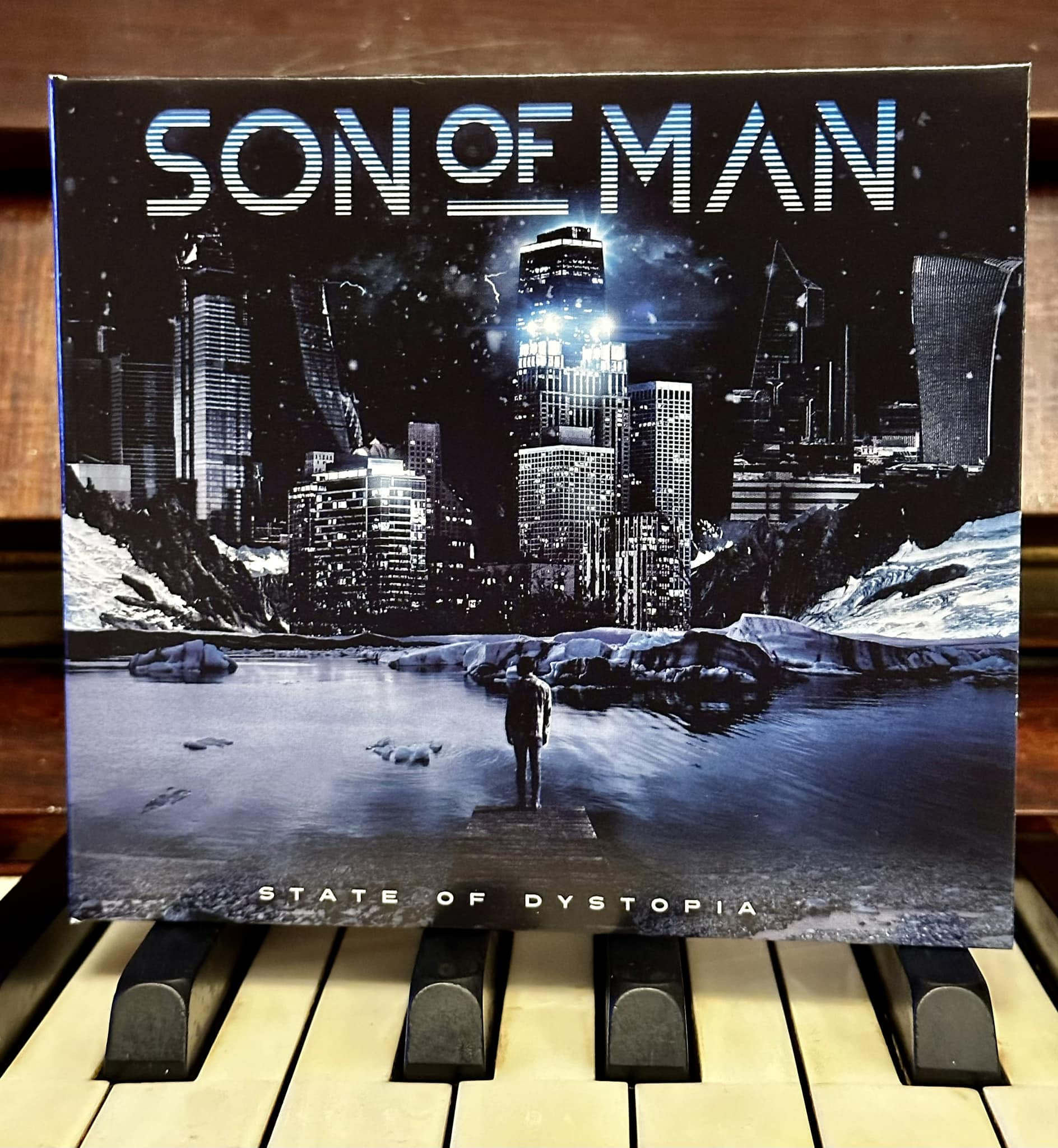
Esoteric Antenna are delighted to announce the release of “State Of Dystopia”, the wonderful new album by Son Of Man. The album is the long awaited follow up to the band’s acclaimed self-titled debut album issued in 2016.
Hailing from the heartlands of Welsh rock, Son Of Man features members drawn from legendary Welsh bands, namely George Jones (Guitars & Vocals), Bob Richards (Drums & Vocals), Glenn Quinn (Guitars, Bass & Vocals) Richie Galloni (Lead Vocals) and Marco James (Keyboards & Vocals). They have earned much acclaim for their powerful live concerts and now this established classic rock band bring you their second album – “State of Dystopia”.
A “State of Dystopia” is defined as an imagined state or society in which there is great suffering or injustice. Typically, one that is totalitarian or post-apocalyptic.
The album is an eclectic mix of original tracks laced with the themes of life and love, war, peace and hope. The band’s trademark guitar sound and melodic harmonies is present, along with a powerful rhythm section, tempered with tides of keyboards and one of the greatest voices in rock today. “State of Dystopia” is a fine rock album for our times.
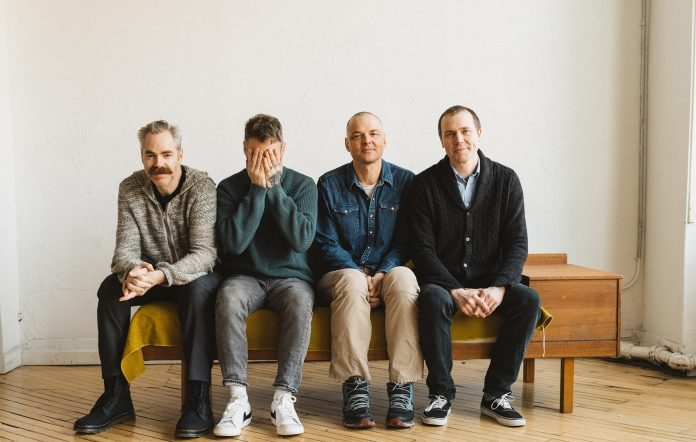
American Football’s debut album that gives it an undying resonance, 25 years on from its release? “It’s all common themes, and I imagine I was going through them pretty commonly,” frontman Mike Kinsella offers.
It’s an understatement that suits ‘American Football’ (usually referred to as ‘LP1’). They were young students in the college town of Champaign-Urbana, Illinois, when they made it; their band was one of many in the group of friends they hung out with. They were a mix of jazz enthusiasts and DIY punk kids, so the music mixed intricate instrumentation with a scrappy, heart-on-sleeve dynamic. Once they’d recorded and released the record, college ended and they drifted apart.
Few could have predicted what happened in the years following. This is often said about bands, but for American Football it’s meant in the truest sense — they never even aimed to make a second album. A few years after its release, the DIY emo scene they came from exploded into the mainstream; a few years after that, when the trend had died, a new generation of kids started recreating the pure, underground energy of those early days, and American Football were one of the key pieces of the puzzle.
The album gained traction and eventually, the erstwhile members of American Football noticed. In 2014, American Football reunited, and played to crowds ten times bigger than they ever had before; in 2016 and 2019, they released new albums that excitingly expanded on their original sound.
In commemoration of the album’s 25th anniversary, the band are set to release both a reissue and a covers album on which nine different artists recreate the tracklist — ranging from folk icon Iron & Wine to math-rock shredder Yvette Young, via Ethel Cain, Manchester Orchestra, Blondshell and more. They’re also heading out on tours across the UK which they’ll play the album in full.
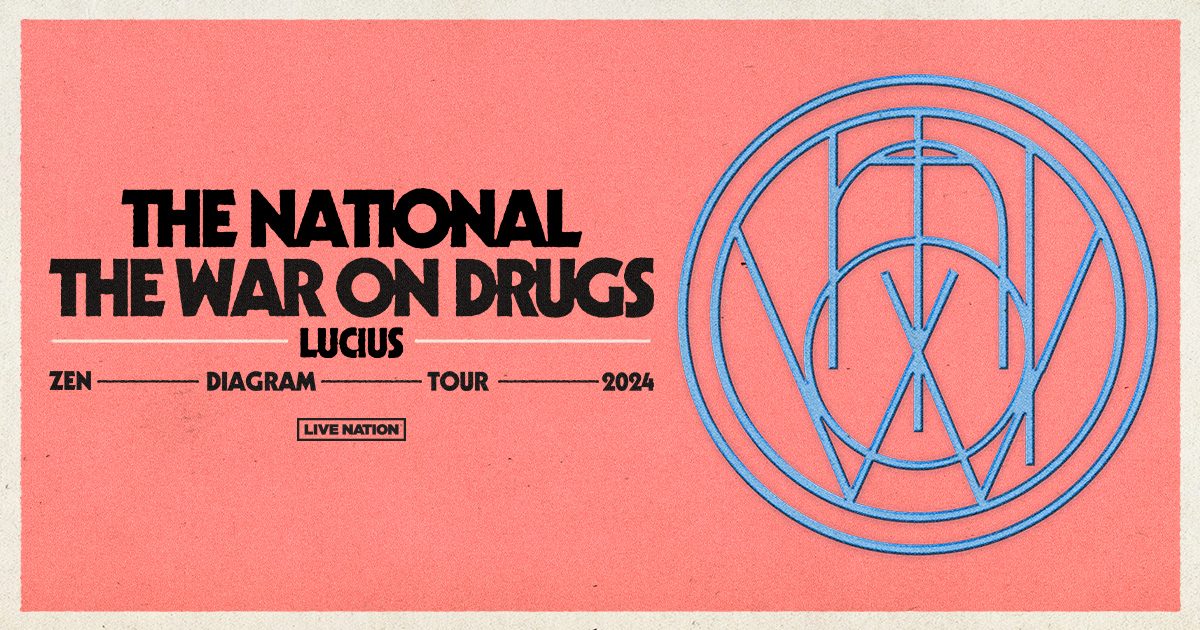
As the two bands kicked off their co-headlining tour of North America, The National performed a cover of Echo & The Bunnymen‘s ‘Bring On The Dancing Horses’ with The War On Drugs‘ Adam Granduciel during a performance in Toronto this weekend, As both band kicked off their co-headlining ‘Zen Diagram’ tour this month, which has so far seen them perform in cities across North America including New York, Columbia and Philadelphia. The National also performed favourites like ‘I Need My Girl’, ‘About Today’ and ‘Fake Empire’ throughout their set.
“There’s a lot of music, so that means a lot of new music for us to play,” bassist Scott Devendorf shared. “We’ve really tried to mix up the setlist a lot and try to be more dynamic in that way just because it’s interesting for everyone.” Asked if there was more to come, Matt Berninger replied: “No, we kind of purged ourselves. Once we started writing again, I wrote almost everything that was in the folders and made a song out of everything. Now the folders are filling up. The National’s last album, 2023’s ‘Laugh Track’, describing it as a “heavier companion record” to April’s ‘First Two Pages of Frankenstein’
The National & The War On Drugs’ Adam Granduciel perform a cover of Echo & the Bunnymen’s “Bring On The Dancing Horses” live in concert at Budweiser Stage in Toronto, Canada on September 20th, 2024.
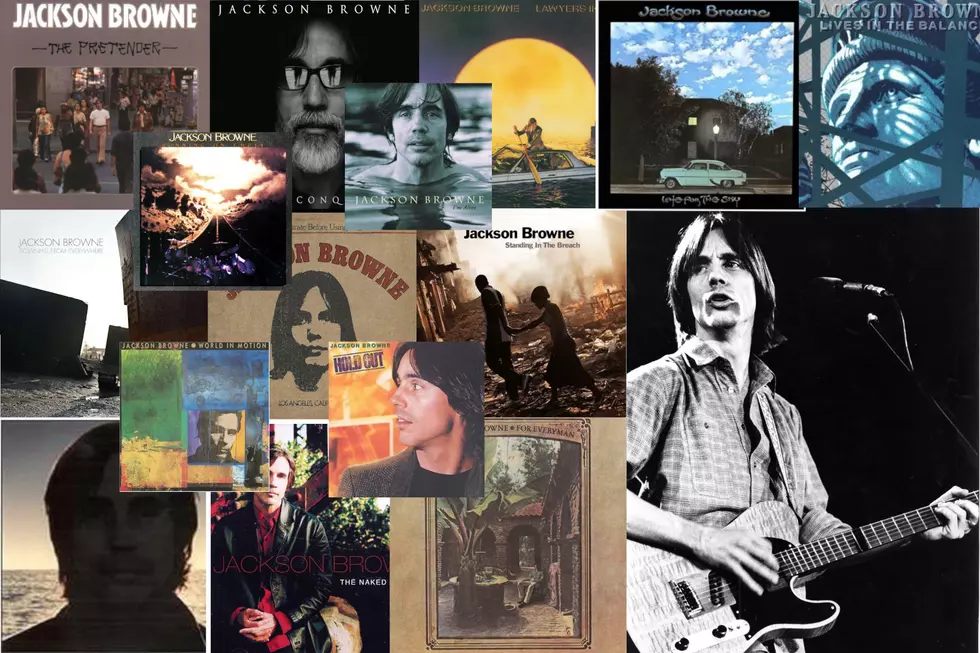
When it comes to Los Angeles-based singer-songwriters of the ’70s, none paints a more concise and vivid portrait of the era than Jackson Browne.
Born in Germany, and raised in L.A., Browne made his name as a songwriter while still a teenager in the ’60s, penning songs that were covered by artists as diverse as Nico and the Nitty Gritty Dirt Band, Gregg Allman and Tom Rush.
By the time he released his eponymous debut (aka “Saturate Before Using“) in 1972, he was one of the elite members of the still-growing singer-songwriter movement. Over the next several years, he’d release a string of albums – “Late for the Sky”, “The Pretender” and “Running on Empty“, among them – that earned him the title of the quintessential ’70s singer-songwriter, Browne stepped away from his comfort zone, making records throughout the ’80s that reflected the interests and themes of his peers, from pointed political commentary to insider looks at the community that made and surrounded him.
‘Jackson Browne’ (1972)
After his rise over the past half-decade as one of rock’s most celebrated and covered songwriters, Browne was signed by David Geffen as the first artist on his new AsylumRecords label. The pieces are already in place: “Doctor, My Eyes” (a Top 10 hit) and “Rock Me on the Water” are expertly honed L.A. soft rock that helped set a template for the decade. “Jackson Browne” (aka “Saturate Before Using“) is one of the era’s most refined debuts. Plus excellent later discs like 2002’s “The Naked Ride Home” and 2008’s “Time theConqueror” have only bolstered his legacy.
JacksonBrowne’s first hit was perhaps the bounciest single about psychic disaffection ever written. The cynical “Doctor, My Eyes” casts Browne as a glum oracle who has “seen the years” and “the slow parade of fears” to the point which he questions the ability of sight at all. But this unhappy POV is pepped up by Russ Kenkel’s congas and a blazing solo from guitarist Jesse Ed Davis.
It’s not often that a single album is sufficient to place a new performer among the first rank of recording artists. Jackson Browne’s long-awaited debut album chimes in its author with the resounding authority of an Astral Weeks, a Gasoline Alley, or an After the Gold Rush. Jackson Browne’s sensibility is romantic in the best sense of the term: his songs are capable of generating a highly charged, compelling atmosphere throughout, and-just as important-of sustaining that pitch in the listener’s mind long after they’ve ended.
No matter the political climate or your own emotional headspace, there’s a Browne song for your state of mind. Feeling introspective? “For a Dancer” or “These Days” are practically archetypal rainy-day songs. Agitated by the daily news cycle? Browne’s got you: “Lives in the Balance” or “The Drums of War.” If you’re in a lighter mood, the effervescent “Somebody’s Baby” or “Never Stop” are the sound of a spring restored to your step.
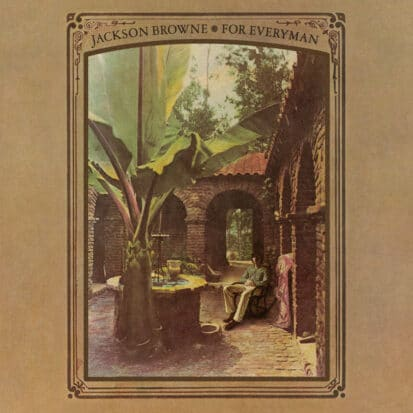
‘For Everyman’ (1973)
For inwardly panoramic song writing of an apocalyptic bent, Jackson Browne’s second album is rivalled only by his first (the second one wins), and Jackson himself is rivalled by nobody. Brilliantly conceived, incomparably immediate, “For Everyman” truly earns its title.
The title track of Jackson Browne’s second album, “For Everyman”, was a response to the escapist vision of Crosby, Stills and Nash’s “Wooden Ships“. As violence, fear and paranoia overtook Sixties utopianism, Wooden Ships imagined a kind of hipster exodus by sea from a straight world teetering on the edge of apocalypse.
This majestic, understated ode to inclusion was written as a response to David Crosby: for a few months in 1972, he even lived with him on his schooner, The Mayan. Croz had recently written the haunting “Wooden Ships,” a fantasia about him and his seeker pals sailing away from war, suffering and destruction to a paradisiac foreign land. But Browne felt Croz only had it half-right: what about everybody else? In his response song, Browne doesn’t patronize or claim to have all the answer: “I’m not trying to tell you that I’ve seen the plan/ Turn and walk away if you think I am.” Because it’s empathetic rather than self-preserving, Browne’s song restores the chunk that was missing from “Wooden Ships”; perhaps recognizing this, Crosby stepped up and sang backing vocals on “For Everyman.”
Browne wasn’t giving up so easily. Browne sings in his characteristic long, fluid lines: “Everybody I talk to is ready to leave with the light of the morning/They’ve seen the end coming down long enough to believe that they’ve heard their last warming…/But all my fine dreams, well-thought-out schemes to gain the motherland/Have all eventually come down to waiting for everyman.” Deliverance must come for everyone, Browne insisted, not just hippie troubadours. Browne is still searching for his true voice on “For Everyman“. He was testing his various talents with obvious joy, because, like his audience, he was just discovering them.
“I wrote this song when I was about 16,” Browne revealed before leaning into his calling-card, “These Days,” on his 2005 live album “Solo Acoustic, Vol. 1”. “Though not precisely in this form.” A shoe-scuffling ode to isolation and quietude that almost any coffeehouse singer or guitarist could reasonably pull off, “These Days” ended up taking many forms: Nico, Elliott Smith and Greg Allman, among others, have all given this downcast classic their own autumnal shades.
Browne’s second album sometimes appears to be a placeholder between his debut and“Late for the Sky“, but a closer listen reveals an artist coming to terms with his past as he embraces his future. Older songs “Take It Easy” (a hit for his friends in Eagles) and “These Days” (covered in 1967 by girlfriend Nico) are “For Everyman’s” entry points, but the addition of guitarist David Lindley to the line-up begins a long, fruitful relationship.
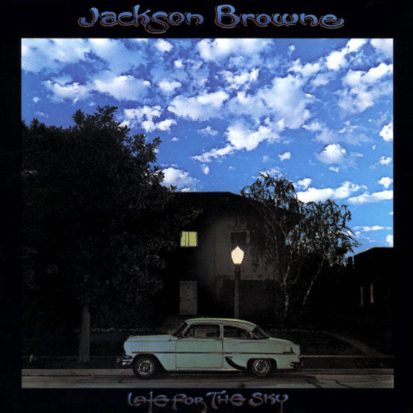
‘Late for the Sky’ (1974)
Late for the Sky, Jackson Browne’s third Asylum album, is his most mature, conceptually unified work to date. Its overriding theme: the exploration of romantic possibility in the shadow of apocalypse. No contemporary male singer/songwriter has dealt so honestly and deeply with the vulnerability of romantic idealism and the pain of adjustment from youthful narcissism to adult survival as Browne has in this album. “Late for the Sky” is the autobiography of his young manhood.
The tao of Jackson Browne can be summed up in the 40 minutes of his third album. An expert distillation of the despair (“Fountain of Sorrow”), apocalyptic doom (“Before the Deluge,”“Late for the Sky”) and romanticism (“For a Dancer”) that made up much of his first decade as a recording artist, “Late for theSky” is nonetheless wrapped in the glistening Los Angeles singer-songwriter scene of the ’70s, making it an archetypal record of the era. Browne has never been as sharp lyrically or as melodically as he is here. For better or worse, he’s been running from it, and living up to it, ever since.
Most well-known for its usage in a scene in Martin Scorsese’s Taxi Driver in which Travis Bickle watches couples dance on American Bandstandalone with a gun in his hand, “Late for the Sky” is a long, long walk home. Browne writes without concrete details, a rare move for this songwriter, yet maps out a vast plain of regret and desolation with just a few words: “The words had all been spoken/ And somehow the feeling still wasn’t right.” His long-time cohort, David Lindley, answers every doleful lyric with a pained lead guitar run, each a perfect twist of the knife on Browne’s bluest song.
“Before the Deluge” is about the point in the human experience in which idealism gives over to realism: “In the end, they traded their tired wings,” Browne sings, “for the resignation that living brings.” Does “Before the Deluge” seem to express that protests and pickets will inevitably give themselves over to life’s mundane realities, or does it teach us to guard “the light that’s lost within us” with everything we’ve got? More than 40 years later, “Before the Deluge” still treads murky, open-ended philosophical waters; Browne never wrote with such mythical grandeur before or since.
A masterpiece of writing universally from a very specific vantage point, “Fountain of Sorrow” failed to chart on the Hot 100, but remains a fan favorite to this day. It begins with Browne stumbling across some photos of an old flame; if you’ve heard this sort of setup a thousand times, it’s just a springboard for Browne to work his unique magic. This very specific scene unfurls into a look at how lovers and friends navigate their dashed expectations of each other, and maintaining perspective while sadness and disappointment “springs from your life/ Like a fountain from a pool.” It’s the most empathetic, nuanced breakup account Browne ever penned.
The Jackson Browne song that belongs in the time capsule has no satire, no political commentary and nothing to do with love. “For a Dancer” is gorgeous, wrenching meditation on what happens when we die. Browne wrote it about a late friend, a triple-threat ice skater, tailor and dancer who passed away in a house fire; it’s both an homage to his friend’s talent and an elegy to the series of dances we all perform in life. At the end of our various social, professional and romantic performances, Jackson seems to say, then there’s finally “one dance you do alone.” It’s a song with real utility: if you feel caught in the situations described in “The Pretender” or “Fountain of Sorrow,” this is your dose of perspective on how life’s whole program plays out. And nobody could write it like Browne.
Possibly the best thing this long time successful writer and, over the past few years, successful singer has come up with. The lyrics are meaningful and come as close to poetry as anyone else making music today. This album really transcends any categorization, which is one of the highest compliments that can be paid an artist.
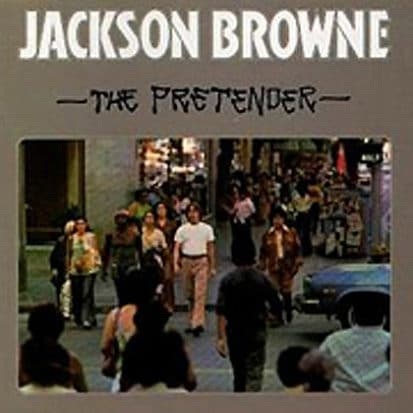
‘The Pretender’ (1976)
Eight months after his wife died by suicide, Jackson Browne shared his grief on an album informed by sorrow and heartbreak. But “The Pretender” is also a solitary work by an artist working through growing pains as he struggled to move on with both his life and the next stage of his career. The title song pulls the mask from his hurt, while “Here Come Those Tears Again” (cowritten with his late wife’s mother) slips into darkness.
The most striking songs on “The Pretender” are concerned with death and parenthood, subjects not necessarily unrelated. Often, his apocalyptic imagery is merely a way of getting at his feelings of mortality-the crumbling towers of Babylon in “The Fuse” are as much about the inevitable erosion of time as anything else. And parenthood is seen as a symbol of the middle-class life he has experienced: it’s both a joy and a trap. In “Daddy’s Tune,” he reaches out to his father, long ago alienated, in order to share with him the turmoil of advising his son in “The Only Child.” In a way, this is his ultimate dilemma-to be a father, or to be a son. And his ultimate triumph is to realize and reconcile the parent and the child in each of us.
While its sister song “Before the Deluge” observes an apocalyptic scene from a far-away, macrocosmic viewpoint, “The Pretender” is the same song from an up-close, character-driven viewpoint. Its protagonist does what any of us do in young adulthood. He’s going to “rent himself a house in the shade of the freeway,” “pack his lunch in the morning” and commute to his 9-to-5 before “the morning light comes streaming in” and he repeats the whole exercise. It zooms out from there, with detailed images of veterans and junkmen, all part of the same bleak, cosmic dance what happens when we conform under pressure in a “struggle for the legal tender.” If the almighty dollar is our national religion, here’s your sermon.
“The Pretender” is a breakthrough. Browne has always had traces of cynicism in his writing, but about romance he has remained firm. Love can make a difference, all of his songs say. But “The Pretender” is a song about why even that won’t work, in the long run. In its most shattering moment, the hero imagines what he and his dream-lover will do, if ever they manage to meet.
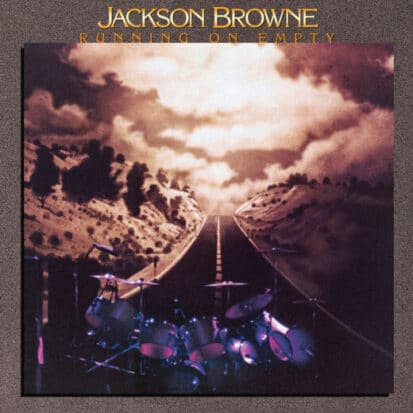
‘Running on Empty’ (1977)
Browne went high concept on his fifth album: a record of songs about the road recorded while he was on tour in dressing rooms, on tour buses, on stages and in hotels. It’s a masterful piece of record-making, too, with some of his best songs and performances, from the autobiographical title track to the closing “The Load-Out” and “Stay” medley that sums up the project more succinctly than most albums before or after it. A classic.
This slowly building ode to the road crew, recorded live in concert on a sticky August night at Merriweather Post Pavilion in Maryland, it creates a singular atmosphere; you need never have experienced touring life to feel “The Load Out‘s” road-weary camaraderie. It segues into the doo-wop standard “Stay,” originally by Maurice Williams, at the end, with Browne adjusting the lyrics: “We want to play / Just a little bit longer.” You can practically smell the cheap beer in the nosebleed seats, fans catching the buzz of one last encore.
There was practically limitless real estate in the ‘70s for soft-rock jams about young men wandering, searching and gunning it in search of freedom. “Running On Empty” finds him lost in the past: “In ’65, I was 17 and running up one-on-one/ I don’t know where I’m running now, I’m just running on.” Because it doesn’t necessarily find any grand answers or catharsis, with all due respect to Bruce, “Running On Empty” is the small-town-restlessness jam of all time.
This time, Browne has consciously created a documentary, as brightly prosaic as it is darkly poetic, with a keen eye for the mundane as well as the magical. “Running on Empty” is a live album of new material about life on the road as conceived and recorded by a band of touring musicians in the places they spend most of their time (onstage, backstage, in hotel rooms, even on the bus). Since there are two separate concepts here, the audience gets an unprecedented double feature: ten songs they’ve never heard Browne sing, and a behind-the-scenes look at “the show they didn’t see.” As impressed as I am with Jackson Browne’s art, I’m even more impressed with the humanity that shines through it. Maybe they’re inseparable, but I doubt it.
‘Hold Out’ (1980)
After five increasingly popular albums, Browne finally landed his only No. 1 with the sixth. “Hold Out” was a link between the ’70s and ’80s, a throwback to his best work’s emotional pushes and pulls and a sign of the creatively troubled decade ahead. Songs such as “Disco Apocalypse” and “Boulevard” find an artist running close to empty on ideas. The epic eight-minute closer, “Hold On Hold Out,” fittingly says goodbye to the ’70s.
Everything that’s right and everything that’s wrong about “Hold Out”, Jackson Browne’s first studio album since “The Pretender” (1976), can be found in its climax: the spoken confession at the end of the last cut, “Hold On Hold Out.” Eight minutes long, “Hold On Hold Out” is the LP’s anthem, its farewell address and would-be summation. With Technicolor clarity, the drive of the drums, the zing of the string synthesizer and the shoulders-thrust-back momentum of the piano jump out at you-big and bright and basic. So the drama is real when the instruments drop back and Browne stops singing and starts speaking.
“Hold Out” is a fine record; perhaps his finest, overall. It confirms his growth as an artist. It represents a welcome broadening of idiom
‘Lawyers in Love’ (1983)
If 1980’s “Hold Out” seemed more tied to the ’70s and a final word on the decade and his place in it, 1983’s “Lawyers in Love” introduced a new era, and some new perspectives, to Browne’s playbook. The album arrived a year after the soundtrack single “Somebody’s Baby” gave him his biggest-charting song; “Lawyers in Love” uses it as a springboard for songs that target a skewed eye at L.A. superficiality and introduce more politics.
The title may sound like a goof, but “Lawyers In Love” is, in fact, a particularly neat juggling act from rock’s foremost romantic prestidigitator. Part departure and part consolidation, it is the sturdy cornerstone of one of the year’s strongest albums.
“Lawyers in Love”, Browne’s seventh album, marks a significant change from the feckless hyperconfessionality of 1980’s “Hold Out” (“Anyway, I guess you wouldn’t know unless I told you … but I love you!”), a welcome widening of perspective that allows Browne to escape, once and for all, the L.A. albatross that has hung around his neck for the last eleven years. Even though “Lawyers in Love” does send Browne into uncharted waters-where he occasionally sounds a bit lost-it nevertheless is a more nervy, intelligent LP than its predecessor.
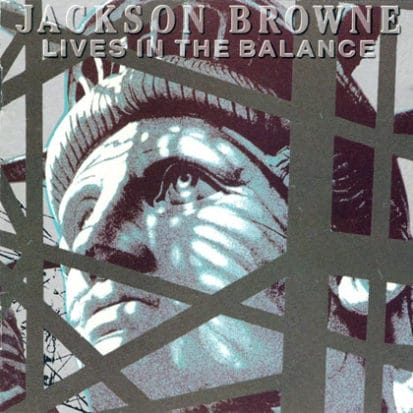
‘Lives in the Balance’ (1986)
Browne’s first unrestrained political album, and eighth overall, rides the currents of the era, criticizing Ronald Reagan’s modification of America and offering hope for a better future. Some personal songs are here, too – “In the Shape of a Heart” is his last charting single – but “Lives in the Balance” lays out its intent in the title. Studio pros make it all glisten, but for an artist whose stock-in-trade is relationships, this is grimly heavy.
“Lives in the Balance” wastes no time with its messaging. The backing music, with its sequencers and MIDI worldbeat drums, sounds less like a folk protest ballad . This would be a recipe for disaster for most songwriters, but “Lives in the Balance,” written as a response to the Iran-Contra scandal in which U.S. officials traded arms for hostages, is Browne’s most authentic dispatch of political anger. “I want to know who the men in the shadows are,” Browne demands. “I want to hear someone asking them why.”
“Lives In The Balance” album, sharply etched political songs question cultural imperialism, foreign policy and the current state of the American Dream. First single, “For America,” is indicative of the collection’s tone-staunchly anti-war and embittered by the sense of ironic betrayal that characterized political songwriting during the Nixon years.
‘World in Motion’ (1989)
A series of increasingly political records and waning public interest throughout the decade led to Browne’s most disappointing album to close the ’80s. Not that 1986’s “Lives in the Balance” was particularly subtle, but “World in Motion”is mostly relentless protest music for more than 45 minutes; general observations about homelessness, war and the Iran-Contra scandal get weary over time. Worse, the songs are unmemorable.
Browne’s call to action on World in Motion is also the toughest kind to deny. Even more explicitly issue driven than its politically charged predecessor Lives In The Balance, World in Motion is an album of universal truths bound together by a highly personal focus. Browne’s stance is also free of gratuitous pop-star rage, rooted instead in calm, unassailable reason. The beauty of a song like “Anything Can Happen” – which contends that if love can thrive in a climate of violence and dread, so can the promise of change – is that its calm adamancy is actually heightened by its tender elegance. There are a million ways for music to say that people deserve better – better government, better life, better love. On World in Motion, Browne gets your attention by getting under your skin.
‘I’m Alive’ (1993)
For much of the ’80s, Browne saw both his critical and commercial favour decline. After a four-year break in recording (his longest at that time), his 10th album put aside contemporary politics (for now, at least) as he once again surveyed matters of the heart. Released during alt-rock’s boom, “I’m Alive” is often a sweet, nostalgic revisit of the musical and lyrical themes that made Browne one of the best singer-songwriters of his generation.
“I’m Alive” is a striking return to the kind of romantic subject matter that the Los Angeles singer and songwriter seemed to have abandoned after 1980 in favour of political song writing. His finest album in nearly two decades, it has much in common with his 1974 masterpiece, “Late For The Sky“, whose songs also described the disintegration of a relationship. The album’s best lyrics offer glimpses of phrase-making brilliance. “I wanted to live in the realm of the senses/You’ve got to know how/And for some kinds of pleasure there are no defenses/I know that now,” he sings in “My Problem Is You.” Describing the perils of extreme intimacy in “Two of Me, Two of You,” he finds the perfect words to evoke emotional tumult: “And together we went crashing through/Every bond and vow and faith we knew.” In moments like these, Browne speaks with the authority of someone who has risked a great deal to pursue a romantic ideal.
‘Looking East’ (1996)
Following a swing back to the more personal form of song writing found in his best work on 1993’s “I’mAlive”, Browne took another detour on his 11th album, returning to the politicized song writing of his ’80s material. “Looking East’s” 10 songs include mostly cowrites with his backing band, making this less a Jackson Browne album and more a collaborative project with trusted friends. Like those ’80s LPs, “LookingEast” sinks under the weight.
This highlight from Browne’s underrated “Looking East”begins with a typical teen rock n’ roll origin story, shouting out real Orange County clubs that became Browne’s set and setting: “Life became the Paradox, the Bear, the Rouge Et Noir.” But it doesn’t take long for Browne to imbue these mundane details with knee-wobbling, cosmic language: “Better bring your own redemption when you come/ To the barricades of heaven where I’m from.” Browne raises the stakes so subtly that you barely notice: with a few swipes of the pen, “The Barricades of Heaven” casually paints a young man’s newfound freedom as meteorically, exhilaratingly scary.
In “Information Wars,” the most provocative cut on Jackson Browne’s album, “Looking East,” Mr. Browne, then a 47-year-old Los Angeles singer and songwriter, mounts an attack on America’s television culture that includes an ingenious collage of variations on familiar advertising slogans. Reiterated without their brand names, the slogans are turned against themselves in a way that reveals the Orwellian seductiveness of television.
If “Late for the Sky” represents a slow, sad twilight, then “Looking East,” released two decades later, finds Browne determinedly facing the rising sun. The lyrics chalk up society’s ills to a “spiritual famine,” concluding “There’s a God-sized hunger underneath the questions of the age.” There’s a tint of outrage at the American political system in this indictment, but Browne thinks universally, banding all living things together for the great something that’s bound to hit: “Power in the insect/ Power in the sea/ Power in the snow falling silently.” You’ll feel it, too.
For well over a decade, Browne has been a staunch practitioner of that most questionable of genres: the protest song – questionable because melding rhymed editorials with pop tunes usually trivializes the subject being addressed. “Information Wars” transcends the genre because it doesn’t merely editorialize it; it illustrates the uneasy symbiosis between pop music and advertising. The catchiest melodic hooks, after all, are those that lend themselves most readily to instant exploitation by Madison Avenue.
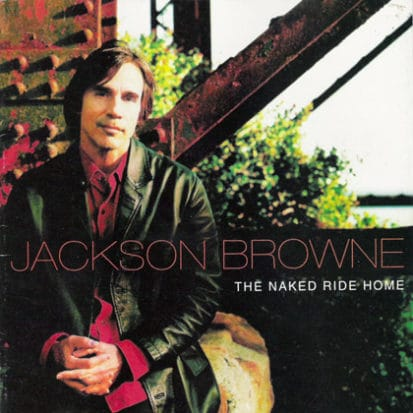
‘The Naked Ride Home’ (2002)
Never one to stray too far from his past, Browne’s 12th album and the first of the 21st century settles into a comfortable spot after much of the ’80s and ’90s was spent linking the head and the heart, not always gracefully. “The Naked Ride Home” sounds like a Jackson Browne album, that’s the good news; however, he doesn’t always seem too sure where he’s headed. He’d work that out over the next few albums. This is a start.
The title track to Browne’s best album of the 2000s begins as a licentious invitation before revealing new layers. The song drops in on the narrator proposing the titular ride, “knowing she never could pass on a dare.” It becomes a grander rumination on trust, vulnerability and how we fail to open up to those we love. And according to Browne in a 2010 interview he said it was meant to “play a trick on the listener,” explaining the a-ha moment in the final verse: “You don’t find out until the end that these are married people,” he says.
“The Naked Ride Home” stays in this noble tradition. Looser, warmer and more live-sounding than Browne’s recent work — yet still as passionately crafted and sung — the songs take on domestic mysteries (the title drama) and political realities (“Casino Nation”) with a varied midtempo dependability that turns richer and more resonant upon re-listenings. “For Taking the Trouble” and “About My Imagination” integrate reggae and soul so unobtrusively that the music mirrors exactly the precise casualness of Browne’s voice – he is the sound of unfrantic L.A. cool engaged with the long view.
Solo Acoustic, Vol 1 (2005)
Culled from the best takes of three years’ worth of concerts, “Solo Acoustic Vol. 1” finds Jackson Browne delivering tender takes from his deep catalogue — completely stripped of their Seventies-era excess production. Browne is in fine voice as he digs out tunes like “These Days” (first done by Velvet Underground singer Nico in 1968) and “Lives in the Balance” (a mid-Eighties anti-Reagan diatribe that sounds especially appropriate today). He wraps things up with a threadbare rendition of “The Pretender” that cannot mask the story of a youthful idealist being beaten down by the passing years. Needless to say, Browne’s strength has always been songwriting, and Solo Acoustic delivers those songs with no extra baggage.
‘Solo Acoustic, Vol 2’ (2008)
The second in a series of live albums recorded at recent solo concerts in the U.S., the U.K. and Australia. Building on 2005’s critically acclaimed and GRAMMY-nominated Jackson Browne “Solo Acoustic, Vol. 1“, the album features twelve career spanning songs, with Browne alternately on both guitar and piano. Also like its predecessor, “Vol. 2” features lively exchanges between Jackson and his audiences. The disc will be available on the artist’s own Inside Recordings label.
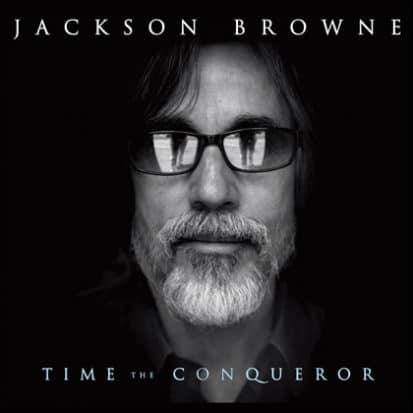
‘Time the Conqueror’ (2008)
After a six-year break, Browne returned with his 13th album, a collection that confronts personal and political matters. With the Iraq War and the remnants of Hurricane Katrina on his mind, Browne surveys the 21st landscape and contemplates how things have changed, and remained the same, over decades. Sparsely recorded and filled with current-event imagery, “Time the Conqueror” lacks the timelessness of his best work.
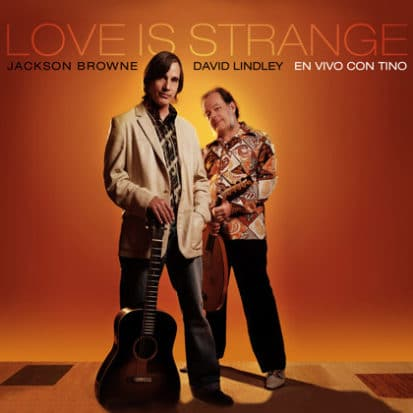
‘Love Is Strange’ (2010)
A 2-CD Live Set Featuring Browne and Lindley.
‘Standing in the Breach’ (2014)
Jackson Browne’s “Standing in the Breach” was one of Rolling Stone’s 50 Best Albums of 2014
Browne confirmed his place as an essential voice in the wilds of the 21st century with this powerful set of songs about love and progressive ideals forces that a corrupt world can never truly defeat. Songs like “The Long Way Around” are the most eloquent protests against apathy you’ll hear.
Another six-year break between records, Browne’s 14th LP again balances the personal and political, but unlike the expiration-stamped “Time the Conqueror”, “Standing in the Breach” doesn’t seem forced. The effortless in his song writing hails a return to form, a classic-sounding Jackson Browne album for modern times. If it doesn’t quite match his best work, the album at least finds new relevance for the singer-songwriter.
‘Downhill From Everywhere’ (2021)
Nearly five decades since his debut LP, the songs on Jackson Browne’s new album “Downhill FromEverywhere” sustain the soulful intimacy of his first release, combined with a power and wisdom gained from a life pursuing positive change.
At 72, Jackson Browne isn’t about to turn a corner on his past. His 15th album retreats to familiar places – songs of hope, love and despair amid political and personal highs and lows – while a trusted group of musicians (many around since the ’70s) helps bring in a safe landing. “Downhill From Everywhere” rarely strays from its destined path, soft-rock songs not so much updated as chiselled to fit a new decade. His best work in years.
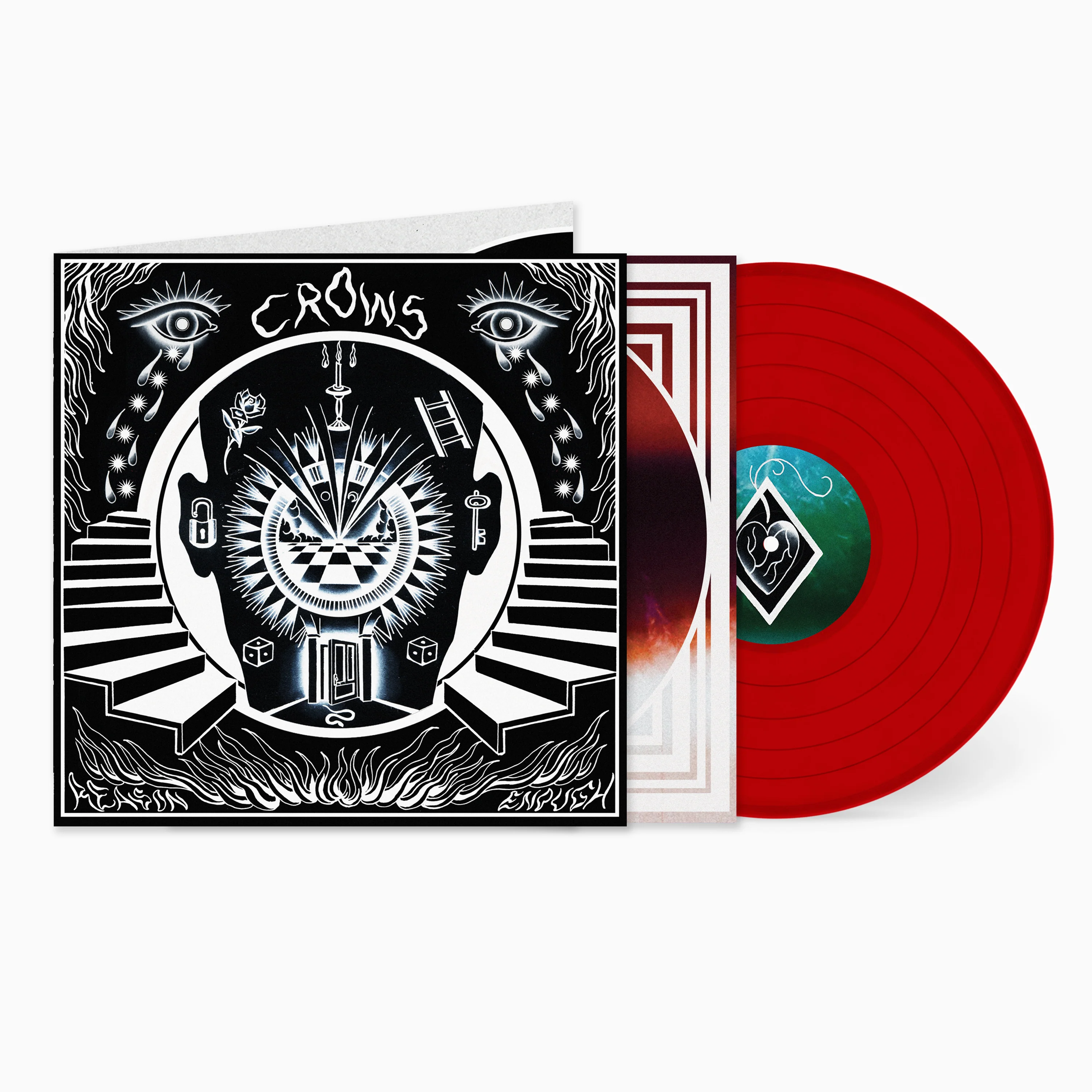
London’s Crows are today sharing the final single, ‘Is It Better?’, from the new ‘Reason Enough’ album out September 27th via the Bad Vibrations imprint. Watch the video and pre-order the album on limited edition vinyl, CD.
“We wrote most of the album while I was going through a difficult year of major personal changes. ‘Is It Better?’ is a homage to the friends and family who helped guide me through it. It’s also a reflection on having gone through something and not coming out unscathed – dealing with the damage I picked up along the way, and accepting my new reality.”
Working once again with Manoela Chiabi (Tove Lo, SG Lewis, FLO, Depeche Mode, IDLES, Future Islands) for the video, he says “When I heard ‘Is it better?’, I thought there was something so incredibly absurd about the lyrics and the title that poses an impossible question. I started to think about a man that feels dead inside and just wants to escape life, but not even at his own funeral he can find peace, and as such he finds himself in some sort of a loop.
This attempt to divorce ourselves from the world is actually what represents the inescapable human condition. As the song is very catchy and upbeat, leaning into the absurd with ridiculous humour and playfulness was fun and interesting to explore – having Crows as cameos getting into the most stupid fight ever over a double dipper was so gratifying! It was by far one the funniest experiences I’ve ever had on set.”
In support of the release of ‘Reason Enough’, Crows will tour the UK/EU this October into November
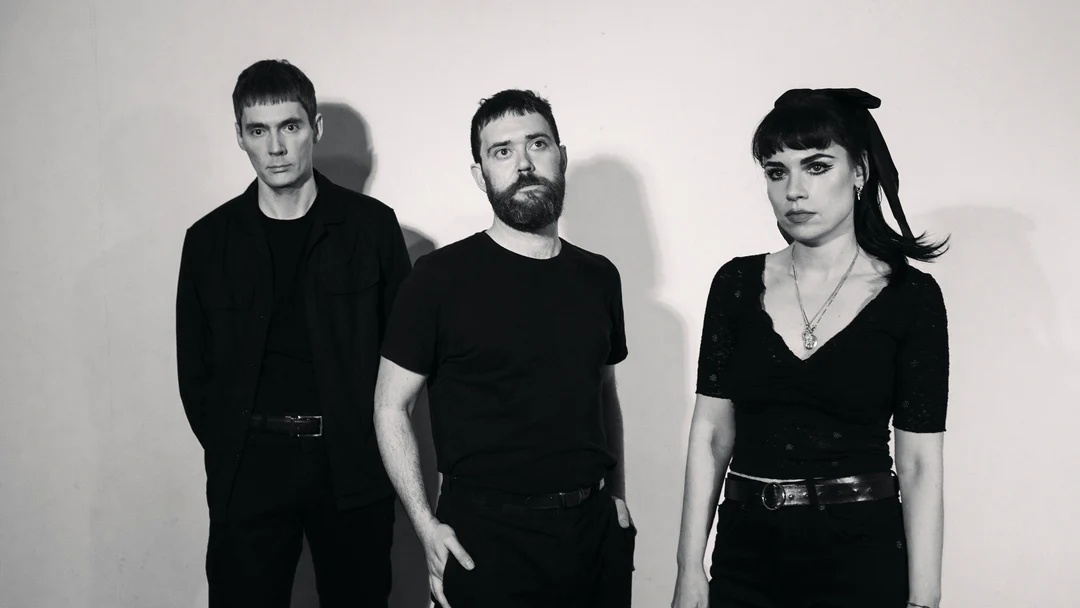
London-based trio Black Doldrums are today releasing the second single, ‘Summer Breeze’, from their upcoming ‘In Limerence’ album. Due out October 18th on Fuzz Club, their second full-length is set to arrive ahead of November UK tour dates – including an album release show at London’s Moth Club on November 1st – and March 2025 European dates in support. Pre-order the album on clear blue vinyl and CD
Co-produced by Theo Verney (English Teacher, TRAAMS, Egyptian Blue), Black Doldrums’ moody gothic post-punk is at its purest and most atmospheric on ‘In Limerence’. Seeking a cleaner, more direct sound that still captured the whirlwind intensity of their live shows, their familiar darkwave and shoegaze influences are contrasted here against shimmering, jangly goth-pop moments such as ‘Summer Breeze’.
On the new single, Black Doldrums’ frontman/guitarist Kevin Gibbard says: “This song could easily be called ‘second chance’. It’s not really about summer but summer breeze is used as a metaphor for a period when given a second chance and a sense of optimism is felt after meeting Sophie. A breath of fresh air.”
The follow-up to their 2022 debut album ‘Dead Awake’ stays true to the band’s spirit whilst pushing things forward in a way that feels timeless and more meaningful, and brings with it a newfound clarity and lyrical honesty. Delving into themes of regret, loneliness, confusion and obsession, it’s little wonder that the album title is ‘In Limerence’ – a state of intense, all-consuming romantic longing: “There is a constant theme of trying to find happiness in a confusing modern world. In a time of protest, this album is itself a protest by expressing how to feel in such a world.”
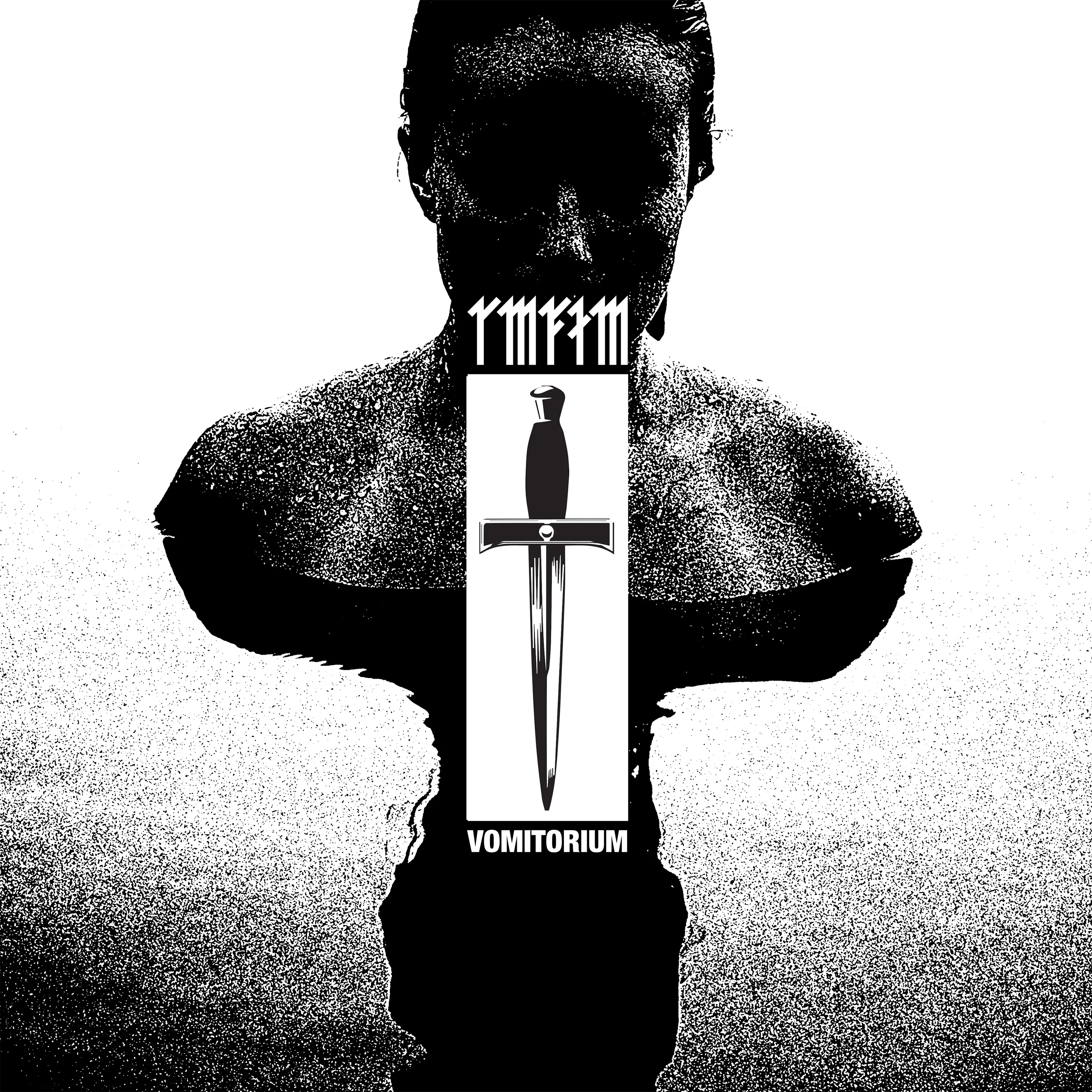
‘Vomitorium’ is the new album from ever-evolving Eindhoven band Radar Men From The Moon. Due out August 16th on Fuzz Club, it’s an eight-track collection of abrasive experimental punk that unleashes their latest line-up and musical incarnation in typically confrontational form. Revelling in cathartic excess and a bludgeoning intensity, they power through 90s industrial electronics, discordant noise-rock and the darkest post-punk extremes.
“The album features eight mental landscapes, all with an entrance and an exit, just like a vomitorium of a Roman theatre”, Radar Men From The Moon write: “Power structures that are constantly aroused and working against each other.”
On this recording, the band is made up of founding members Glenn Peeters (guitar) and Tony Lathouwers (drums), alongside second drummer Joep Schmitz, Bram Van Zuijlen (guitar/synths), NiekManders (bass) and new vocalist Niels Koster. ‘Vomitorium’ is the band’s eighth full-length in an extensive, shape-shifting discography that has also seen collaborations with the likes of Gnod (as Temple ov BBV), The Cosmic Dead and 10 000 Russos.
‘Clear’ is the blissed-out new single from buzzy Austin, TX noise-pop upstarts Daiistar and arrives off the back of their highly-praised 2023 debut album ‘Good Time’ – an 80s/90s-indebted blend of narcotic noise and melody produced by Alex Maas of The Black Angels and engineered by White Denim’s James Petralli. Backed by a Sonic Boom remix of ‘Good Time’ album track ‘Velvet Reality’ on the B-side, the neon-pink 7″ is due out May 10th 2024 on Fuzz Club and is limited to just 500 copies.
Having spent 2023 touring North America with The Black Angels, The Brian Jonestown Massacre and The Dandy Warhols – including festival appearances at Levitation/Austin Psych Fest, Desert Daze, SXSW, Freak Out, Treefort and a recent KEXP session to boot – and with a seven-week European tour kicking off in April 2024, ‘Clear’ is the woozy, reverb-soaked sound of a band on the rise.
An unheard cut from the ‘Good Time’ sessions, DAIISTAR’s Alex Capistran (guitar/vocals) says that “the idea behind ‘Clear’ was to write the perfect song for a perfect day. A song that comes to mind on a warm and sunny afternoon; inspiring thoughts of attainable bliss and encouraging you to dream up something nice for your future self.”















 The Fat Angel Sings