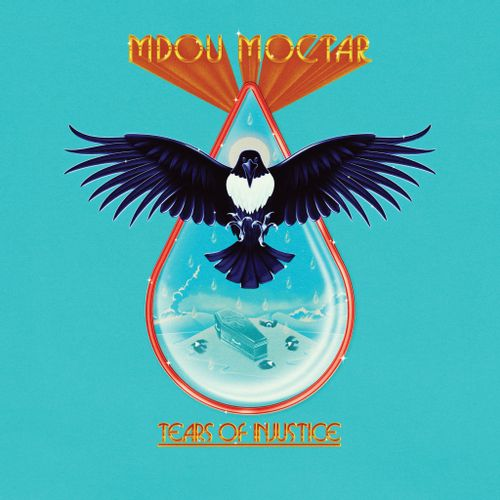
If ‘Funeral for Justice’ was the sound of outrage, ‘Tears of Injustice’ is the sound of grief.
Mdou Moctar’s new album is “Funeral for Justice” completely re-recorded and rearranged for acoustic and traditional instruments. It is an evolution of the band’s critically-adored breakout – the meditative mirror-image to the blistering original.
This album sees ‘Funeral for Justice’ completely re-recorded and rearranged for acoustic and traditional instruments. It is an evolution of the band’s critically-adored breakout – the meditative mirror-image to the blistering original. They chose to track ‘Tears’ sitting together in one room, keeping the session loose, stripped down, and spontaneous. “We didn’t really work on the arrangements prior to going in,” recalls Coltun. “We’d just play, find the feel, and do the song.” Things came together quickly, with principal recording wrapped in only two days. The hypnotic 8-minute take of ‘Imouhar’ is actually two distinct passes through the song performed in quick succession – Moctar didn’t stop playing long enough to split the takes apart.
In July of 2023, Mdou Moctar was on tour in the United States when the president of Niger, MohamedBazoum, was deposed by a military junta who made him prisoner at the presidential residence. They ordered the nation’s borders closed, leaving band members Mdou Moctar, Ahmoudou Madassane, and Souleymane Ibrahim unable to return home to their families.
After a month, the band was able to return home to Niger and, when they did, Coltun gave Madassane a Zoom recorder to take along. The rhythm guitarist used it to record a group of Tuaregs performing call-and-response vocals, which were later added into the final mix.
On ‘Funeral for Justice’, anger at the plight of Niger and the Tuareg people is plainly expressed in the music’s volume and velocity.
“We didn’t really work on the arrangements prior to going in,” recalls Coltun. “We’d just play, find the feel, and do the song.” Things came together quickly, with principal recording wrapped in only two days. The hypnotic 8-minute take of ‘Imouhar’ is actually two distinct passes through the song performed in quick succession – Moctar didn’t stop playing long enough to split the takes apart. After a month, the band was able to return home to Niger.
On ‘Tears’, the songs retain that weight sans amplification. They are steeped in sadness, conveying the grief of a nation locked into a constant churn of poverty, colonial exploitation, and political upheaval. It is Tuareg protest music in raw and essential form. “When Mdou writes the lyrics, he typically writes them with an acoustic guitar. So you’re getting closer to that original moment,” says Coltun. “It retains heaviness, but it’s haunting.”
Did you ever wonder who played what and where on Robert Palmer’s “Sneakin’ Sally Through The Alley”? (The album never really listed any credits.) Lets start with the band line up The Meters in New Orleans and Stuff in NYC, add Lowell George from Little Feat, Vicki Brown on backing vocals and sprinkle with other top shelf musicians and you’ll have one of the most funky, iconic records of 1974!
Follow along below as the album kicks off with the most perfect trifecta of tunes, “Sailin’ Shoes” “Hey Julia”, “Sneakin’ Sally Through The Alley”! , when Island Records signed the 25-year-old English singer Robert Palmer, he’d already had a decade of experience, from his Yorkshire high school band the Mandrakes to the Alan Bown Set, the Stax-meets-jazz-fusion big-band Dada, and their more successful offshoot Vinegar Joe.
In that group, Palmer was a relatively sedate co-lead-singer with the raunchy, often alcohol-fueled “wild woman” Elkie Brooks; after three albums Vinegar Joe sputtered out, but both vocalists got solo deals.
Island’s Chris Blackwell agreed Smith would take Palmer in hand. producer Steve Smith, who had cut his teeth working in the famed Muscle Shoals, Alabama, scene, Smith in turn lined up engineer PhilBrown, who’d worked with the Rolling Stones, Led Zeppelin, Jeff Beck and Jimi Hendrix. The album that would be called “Sneakin’ Sally Through the Alley” was starting to develop a deep bench. the Meters were to be Palmer’s main backing band: Art Neville on keyboards, Leo Nocentelli on guitar, bassist George Porter Jr. and Ziggy Modeliste drumming. At Media Sound Studios in New York City, Smith booked the virtuoso session musicians collectively known as Stuff: keyboardist Richard Tee, guitarist Cornell Dupree, GordonEdwards on bass and Aretha Franklin’s current drummer Bernard Purdie.
There was yet another ace-in-the-hole, Little Feat guitarist Lowell George, who played in both cities after Smith invited him into the mix. “Working with him was great,” Palmer said because you’d catch onto a grain of an idea and the next time you looked at your watch, it was a day later and you hadn’t done anything but gone with that idea. In the meantime, ideas would just fly back and forth. Suddenly, you’d take a left turn and bang, there’d be a song. It was just music, music, music with him. I don’t really find anything wrong with the word ‘obsessive.’ I especially loved the way he played guitar.”
The idea to record Little Feat’s “Sailing Shoes,” which became the opening track, was actually spontaneous, when the Meters, who’d never heard of Little Feat before meeting George, began messing with it in rehearsals with him. Their version is way funkier than Little Feat’s original, and Palmer sings the hell out of it. Neville’s clavinet is out front, and Vicki Brown adds a backing vocal that lights up the chorus.
“Sailing Shoes” runs straight into Palmer’s original “Hey Julia,” which, according to Smith, includes the very first use of a drum machine on a record. As a massive Beatles fan, Smith latched onto the idea of segueing a sequence of songs together: “All I was trying to do was to give Robert as dynamic an opening to his recording career as possible.
Allen Toussaint’s “Sneakin’ Sally Through the Alley,” which Lee Dorsey had first recorded in 1971, erupts immediately after “Hey Julia,” with the Nocentelli/George loose-as-a-goose duo in high gear, an absolutely riveting harmonica part from Steve York, and Palmer pushing his voice with intense authority. The whole track is a highlight reel, but George Porter Jr.’s bass has to get special mention.
The first thing heard in “Get Outside” is Gordon Edwards’ bass guitar. Edwards was James Brown’s go-to bassist for many years, but here he’s in a more contemplative mood, even when the rest of Stuff and Robert Palmer keep turning up the heat. Palmer tries out a number of vocal effects, twisting into growls, grunts and shouts in what sounds like an extended studio jam on the basic structure of his simple and effective melody. George’s slide guitar and Dupree’s electric bring terrific atmosphere, Tee plays a number of keyboards, including organ and acoustic piano, and if you want a drum lesson just listen to Purdie, especially from the three-minute mark. Once more, the “sweetening” sessions in London hit gold, with Vicki Brown singing and Gaspar Lawal’s surprising percussion.
Guitarist Richard Parfitt joins the New York crew for the only Palmer-George co-write, “Blackmail.” According to Smith, George and Palmer went to a hotel room, ordered room service, and came up with this loose little kicker that’s second cousin to Little Feat’s “Dixie Chicken”: “You told me that you weren’t infectious/So I brought no precautions with me/And you said your old man was in Texas/And anyway he’d forgotten his key/So I put my cassette in your bathroom/And threw all my clothes on your floor/Next thing, door bursts open/And there I am caught in the raw.”
“How Much Fun” starts off sounding an awful lot like Little Feat, but gets more Meters-like as it goes on. There’s a full-on female backing chorus, the band’s locked in a nice groove, and Palmer’s lead vocal is fine, but the track’s nothing special in the context of what surrounds it.
The version of Toussaint’s “From a Whisper to a Scream,” which the composer had first recorded himself in 1971, is a winner from the first wah-wah pedal. A swampy atmosphere is immediately established through more stellar work from Porter, George, Nocentelli and guest Chris Stainton, formerly of Joe Cocker’s Mad Dogs and Englishmen band, on acoustic piano. Palmer sounds more than a bit like Free’s Paul Rodgers at this tempo, and that’s not a knock. He even shows he can go into a falsetto as pure as Smokey Robinson’s. Smith explained, “Allen owned the studio and had an office there so he was in and out the whole time. I asked him to present ‘Whisper’ to the musicians and he played it for us on the acoustic piano so we could learn the chord sequence. We changed the key to accommodate Robert’s best vocal range and then funked it up Lowell and Meters style until I was happy with the arrangement.”
The surprising album closer is the 12-minute studio jam “Through It All There’s You.” The enhanced Stuff features Steve Winwood on acoustic piano, Onaje Allan Gumbs’ electric piano, Mel Collins’ sax and Mongezi Feza’s trumpet. It represents Palmer’s “idea of pure funk” according to Smith. It bears some resemblance to Dr. John’s “Walk On Gilded Splinters,” and like that recording achieved some late-night FM radio airplay as the DJs could throw on for a food or bathroom break. It’s not exactly the strongest ending for Palmer’s debut, but it was his call.
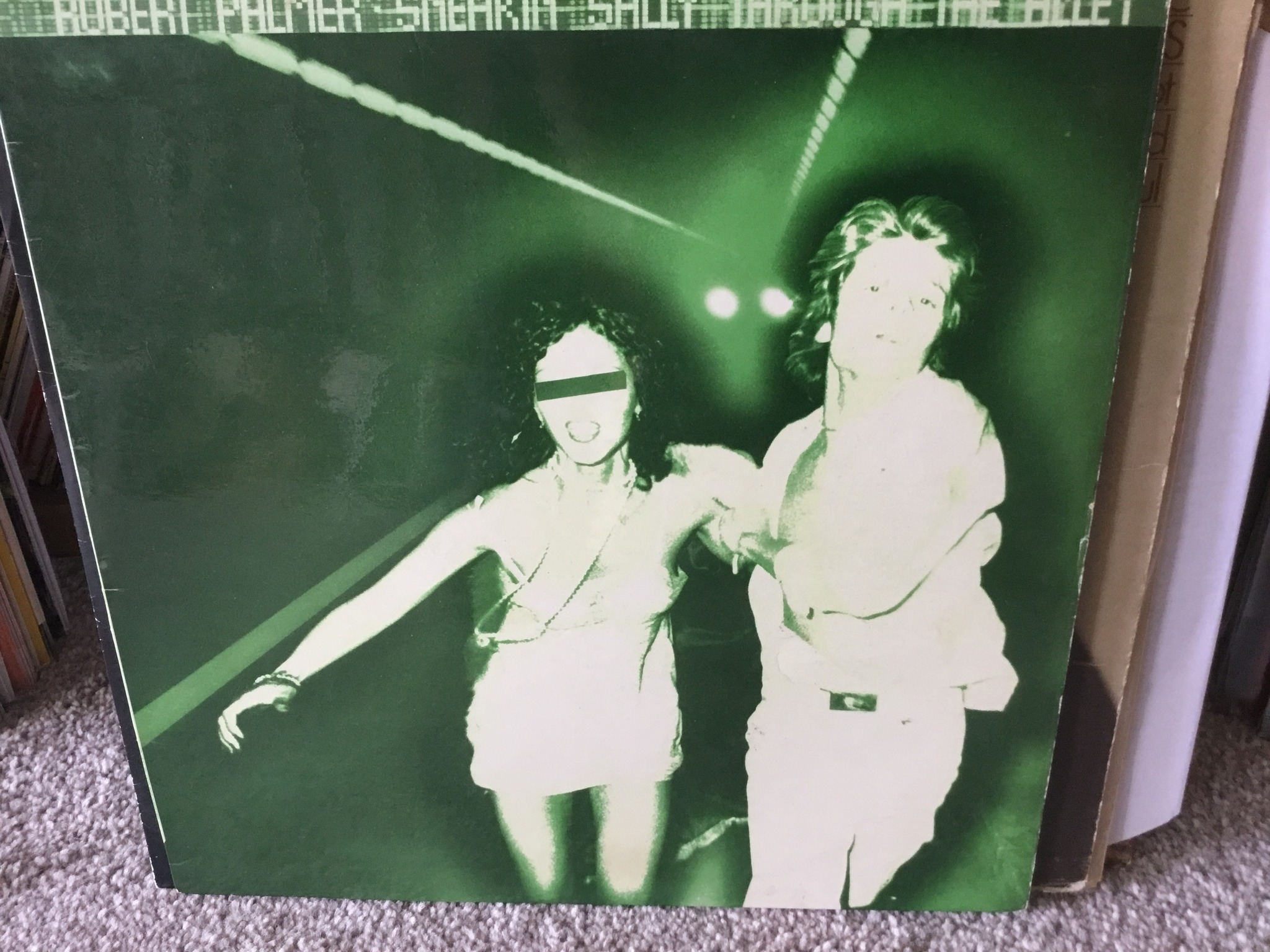
Wrapped in an eye-catching sleeve photograph by Graham Hughes that positively screams “this album’s going to be a lot of fun,” the September 1974 release stalled at #107 on the Billboard album chart. It’s gained in stature as the decades have passed. (The jam band Phish have pledged their allegiance through more than 80 live performances of the title track, which they started playing in 1985.)
Palmer’s follow-up album Pressure Drop was solid, and utilized the entire Little Feat band, but didn’t bring him the stardom he was ready for. Island stuck with him; it took a while longer for the world to catch up with Palmer’s rare talent, when the pop charts were graced with “Every Kinda People” (1978), “Bad Case of Loving You” (1979) and the phenomenon of “Addicted to Love” (1986) and its meme-worthy video. Grammy awards and platinum sales levels brightened Palmer’s life until his tragically early death, of a heart attack, at the age of 54.
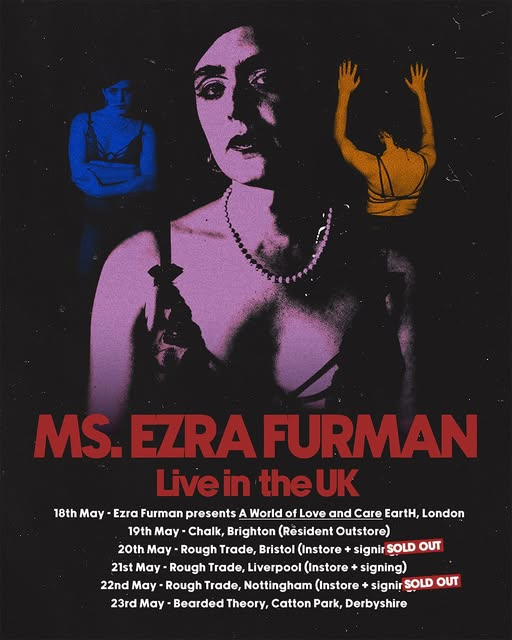
To mark the release of our new album – “Goodbye Small Head”, out May 16th – my band and I are coming to England for our only shows outside of North America this year.
In London we’re putting on a special one-day festival. It’s called Ezra Furman Presents A World of Loveand Care. We’ll be joined by some of our favourite bands Du Blonde, Modern Woman and Westside Cowboy (and more to come I think) — and I’ll do a solo set and an audience Q & A and also a full band set.
Plus we’re doing a run of record-store performances with Rough Trade and Resident. You can buy a record and a ticket as a bundle deal. Bristol and Nottingham already sold out,
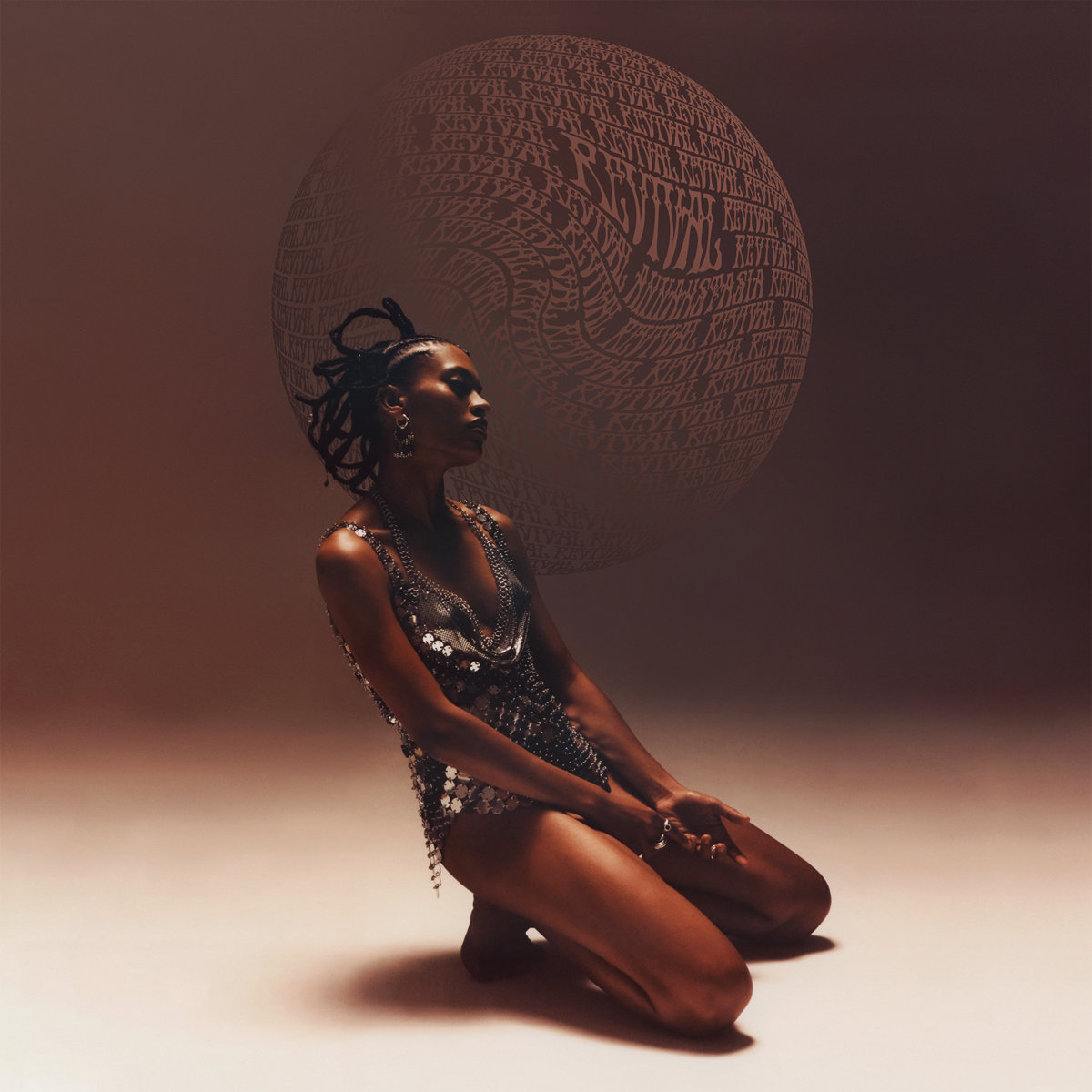
Annahstasia’s proximity to love — for and from others, in society at large, and deeply within herself — guides the spirit of her soulful, poetic folk songcraft. It is the elemental constant, alongside her distinctly resonant voice, shading the singer-songwriter’s music since her earliest self-taught recordings, back when a 17-year-old Annahstasia Enuke was discovered and propelled into the pressures of an industry that nearly stifled her greatest strengths.
Since humans learnt to set their longing to tape, there’ve been countless attempts to sum up the all-encompassing sensation of love in acoustic ballads. Few new artists do so as eloquently as Annahstasia. Her bewitching vocals bend and build to earth-shattering crescendos as effortlessly as they collapse to mere whispers, transforming the simplest confessions of admiration into deeply romantic pleas. With Annahstasia’s debut album on the way, it feels like there’s a gold mine waiting to be uncovered.
A once-in-a-generation vocalist writing haunting love songs based in Los Angeles, USA with comparisions to Tracy Chapman, Brittany Howard.
‘Surface Tension’, out now on drink sum wtr. released November 1st 2024 Written by: Annahstasia Enuke
Featuring single “Man Made of Meat”, the LP sees Viagra Boys turn inwards, leaving the acid-laced, conspiracy-addled societal commentary of previous LP “Cave World” behind to journey into the acid-laced, conspiracy-addled landscape within. Absurd, intense and surprisingly tender, viagr aboys shuts out the noise to fnd that the important part of being alive in the big, stupid world is figuring out that the world inside of you that is equally big and stupid.
Viagra Boys have shared a brand-new single called ‘Uno II’ The song will appear on the Stockholm post-punk band’s fourth studio album ‘Viagr Aboys’, which is due for release on April 25th via their own label, Shrimptech Enterprises. “‘Uno II’ redirects vocalist Sebastian Murphy’s take on conspiratorial anxiety – shifting from human meat bags to finding it embodied in his beloved dog,” a description reads.
The singer’s pet, an Italian greyhound, had frequently visited the vets over the course of a year due to dental problems. This led Murphy to wonder what his dog could be thinking – and he put pen to paper.
Murphy explained: “He goes to this place, then wakes up in some weird room, and he’s missing his teeth.”
“I seem like such a bitch/ When I talk about Swedish politics,” the frontman sings atop a shuffling drum beat. The tune also boasts whispers of flute and a sweeping electric guitar part.
Doves have shared a new single titled ‘A Drop In The Ocean’ The track serves as the final preview of the band’s upcoming sixth studio album ‘Constellations For The Lonely’, which is set for release February 28th via EMI North. In a statement, drummer Andy Williams explained: “It’s a song about us being insignificant, which can be helpful to remember when you’re going through a tough time.
“A problem can be so big in your head, but it can be comforting to remember how small we are in the grand scheme of things.”
Guitarist Jez Williams added: “I brought the music but Jimi [Goodwin, frontman] completely did the verses. “I knew he had it in him, because he always has the words in him. He’s a great lyricist, the real deal. The song lit him up when he heard it, you could really see it. We all remember that moment.”
The atmospheric and existential track presents a vast soundscape, and includes the hopeful line: “The flowers beneath the waves/ Will come back one day.” Its chorus goes: “You are the reason/ You are the air/ A drop in the ocean/ But you’re not there/ A drop in the ocean.” ‘A Drop In The Ocean’ follows on from the singles ‘Renegade’, ‘Cold Dreaming’ and ‘Saint Theresa’ in previewing the imminent album release ‘Constellations For The Lonely’.
The record is the follow-up to Doves’ 2020 album ‘The Universal Want’ – which itself marked the group’s first full-length release in 11 years,
Pink Floyd at Pompeii – MCMLXXII, the ground breaking 1972 film directed by Adrian Maben. Digitally re-mastered from the original 35mm footage, with enhanced audio newly mixed by Steven Wilson. Set in the hauntingly beautiful ruins of the ancient Roman Amphitheatre in Pompeii, Italy, this unique film captures Pink Floyd performing an intimate concert with additional rare behind-the-scenes footage of the band beginning work on “The Dark Side of the Moon” at Abbey Road Studios.
Originally filmed over four days using the band’s regular touring equipment, the footage has now been digitally re-mastered in 4K from the original 35mm footage – with enhanced audio newly mixed by Steven Wilson The project was made possible after they discovered five ‘dubiously labelled cans’ within the band’s archives. Lana Topham, who led the restoration, said: ‘Since 1994, I have searched for the elusive film rushes of Pink Floyd At Pompeii, so the recent discovery of the 1972 original 35mm cut negative was a very special moment. ‘The newly restored version presents the first full 90-minute cut,
The accompanying album release will see the performance presented on vinyl for the first time. The 2025 remix by Steven Wilson is newly available on 2xCD, 2xLP, Bluray and DVD. The film also includes behind-the-scenes footage of the band starting work on their seminal 1973 LP ‘The Dark Side of the Moon’ at Abbey Road Studios.
Drummer Nick Mason commented: ‘Pink Floyd: Live At Pompeii” is a rare and unique document of the band performing live in the period prior to The Dark Side Of The Moon.‘
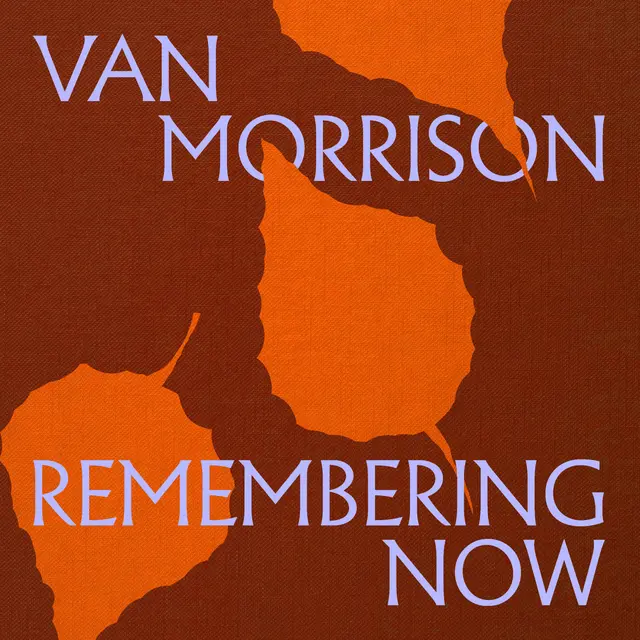
‘Down To Joy’ is the first single from Van Morrison’s forthcoming new studio album ‘Remembering Now’ out June 13th. This uplifting opening track, originally featured in Kenneth Branagh’s acclaimed film Belfast (2021), is now available as a single for the first time. Looking back while moving forward, ‘RememberingNow’ is one of Van Morrison’s most vital records in recent years. His first collection of all-original music since ‘What’s It Gonna Take?’ (2022), this album marks a return to the transcendent, genre-defying rhapsodies that make Morrison truly unique.
With “Remembering Now”, Van Morrison returns to the transcendent, uncategorisable rhapsodies that make him unique. Soul, jazz, blues, folk, country – this is music in conversation with all of them but limited by none. Its rich with hallmarks of classic Van Morrison, from dominant themes of love in spirit with the great ‘Someone Like You’ (the escapist romance of ‘Once In A Lifetime Feelings’, the self-deprecating candour of ‘The Only Love I Ever Need Is Yours’) to specific references to locations from his youth in the title track and ‘Stomping Ground’. The title of another song, ‘When the Rains Came’, echoes a lyric from his classic ‘Brown Eyed Girl’.
From the radiant opener, ‘Down to Joy’, to the joyously resilient ‘Haven’t Lost My Sense of Wonder’, VanMorrison’s voice, guitar and saxophone continue to mesmerise and he is surrounded, as always, by a fabulous band – Richard Dunn (Hammond organ), Stuart McIlroy (piano), Pete Hurley (bass) and Colin Griffin (drums and percussion) – who have worked with him since ‘Three Chords and the Truth’ in 2019.
The single ‘Down To Joy’ feels like he has gone back to his soul and gospel roots, its strong emphasis on an uplifting big band arrangement with evocative strings providing fans with a taste of timeless sounds which represents the rest of the album. Beyond his key band members, “Remembering Now” features an array of accomplished collaborators. Its strings were arranged and directed by Fiachra Trench (Paul McCartney, Elvis Costello), whose association with Van Morrison goes back to ‘Avalon Sunset’ in 1989. Those strings were performed by the Fews Ensemble led by Joanne Quigley. Other contributions come from Michael Beckwith, the founder of the Agape International Spiritual Center, the renowned lyricist Don Black (Ennio Morricone, John Barry, Quincy Jones); and the acclaimed folk artist Seth Lakeman.
The album follows the acclaimed covers albums “Moving On Skiffle” and “Accentuate ThePositive”. Remembering Now’ (out June 13th)
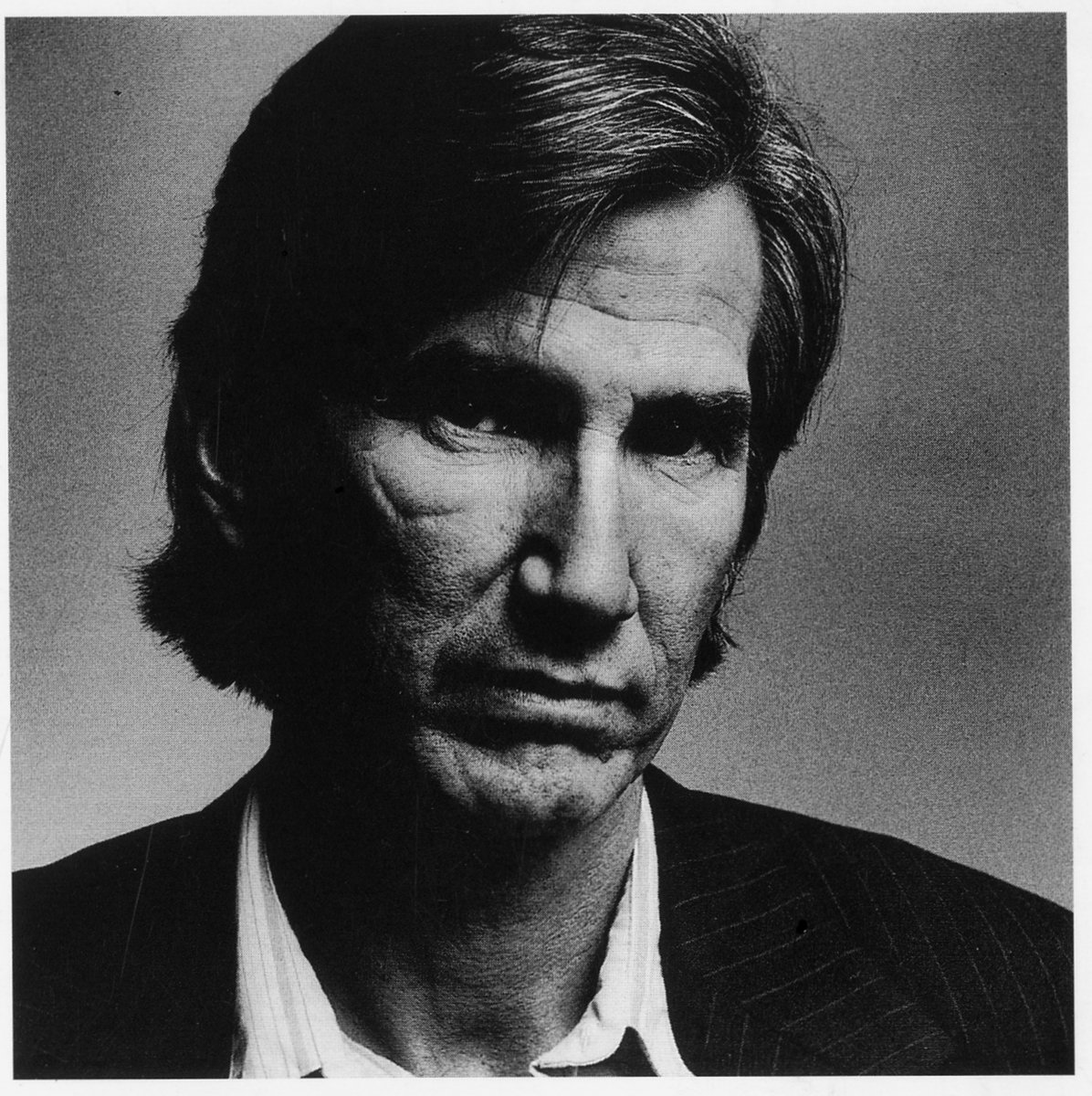
John Townes Van Zandt, better known as Townes Van Zandt, was an American singer-songwriter. He wrote numerous songs that are widely considered masterpieces of American folk music.
This reissue of a 1993 live album was never intended to memorialize Townes Van Zandt (in the saddest of posthumous ironies, its Sugar Hill sleeve includes a phone number to call for bookings), Originally released by Sundown, a tiny Austin indie with limited distribution, the 17-song set finds Van Zandt in fine form — upbeat, gracious, apparently sober — and in good company, with fiddler Owen Cody and guitarist Danny Rowland adding a dimension of musical enhancement that never overwhelms the nuances of the material. As anyone who ever saw Van Zandt fall off a stool recognizes, there was no such thing as a typical Townes performance, but when he was good, no one working in the Texas troubadour tradition has ever been better.
While the hallmark of Van Zandt’s songwriting was his ability to render the most profound insights in the most plain-spoken language, the literary part of his artistry was but an element of the musical equation. His voice fit his melodies the way his melodies fit his meaning, each reinforcing the others. The result was a uniquely metaphysical brand of blues, a seamless synthesis of Lightnin’ Hopkins and Hank Williams, Woody Guthrie and Soren Kierkegaard. The laconic resignation in his voice was that of a man staring, unflinching, into the abyss, while his softer side found solace in tender mercies, those that helped but could not last. Listeners only familiar with this album’s higher-profile material in more popular renditions by Willie Nelson and Merle Haggard (“Pancho & Lefty”), Don Williams and Emmylou Harris (“If I Needed You”) or Nanci Griffith and Arlo Guthrie (“Tecumseh Valley”) may have heard the tunes, heard the words, but they haven’t really heard the songs until they’ve heard Townes.
Predictably, the album finds Van Zandt providing his own best epitaph: