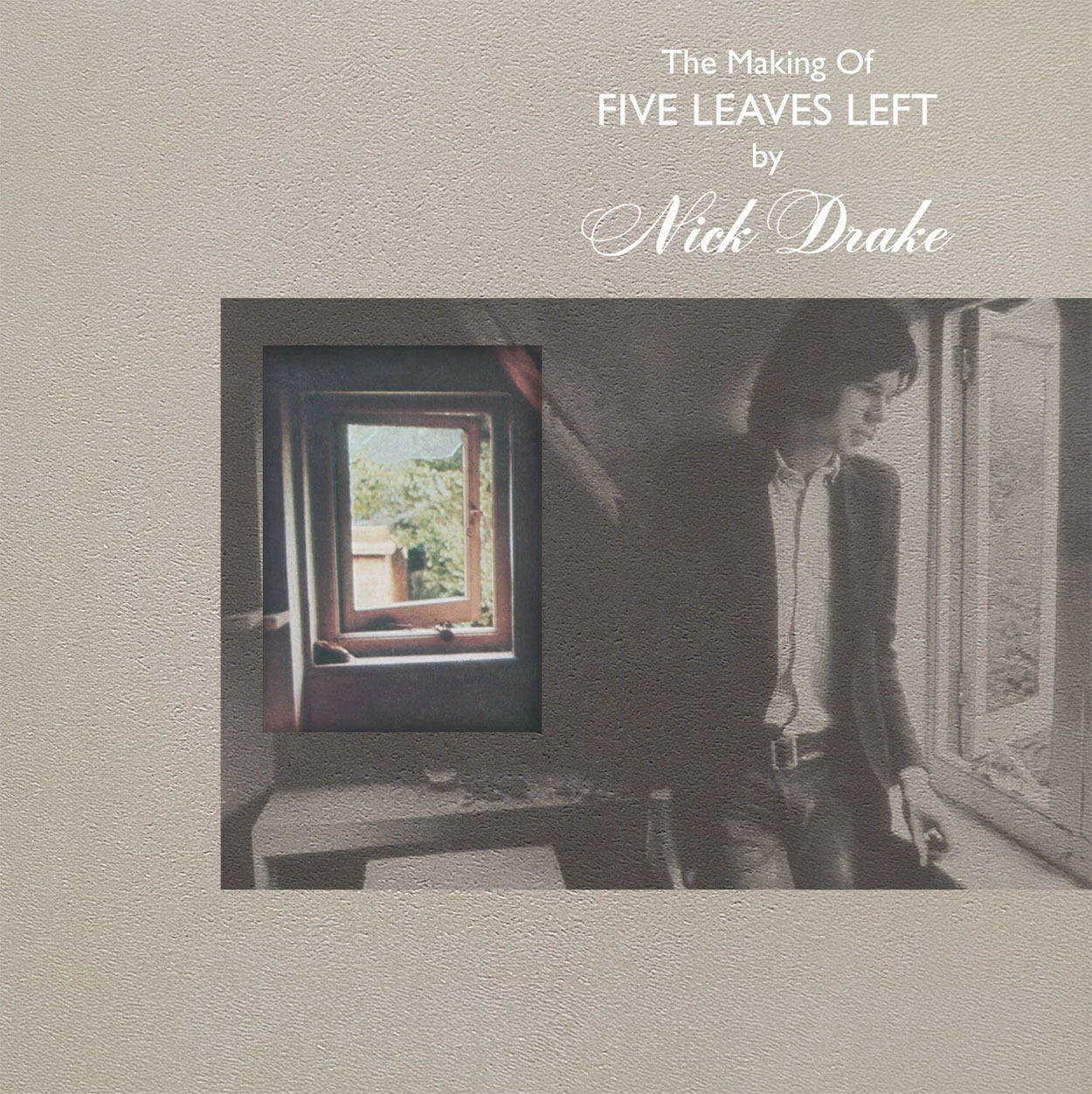
“The Making Of Five Leaves Left”, , is an expansive four-disc box set that revisits Nick Drake’s iconic 1969 debut album “Five Leaves Left”. This landmark edition will be available in both 4CD and 4LP vinyl formats, each featuring the same carefully curated track-listing, and provides an in-depth journey into one of folk music’s most enduring works.

Originally issued by Island Records in 1969, “Five Leaves Left” was produced by the acclaimed Joe Boyd and helped lay the foundation for Nick Drake’s timeless, delicate approach to songwriting. While the album initially found only modest recognition, Drake’s singular artistry steadily gained momentum in the decades following his untimely passing, influencing generations of musicians and garnering an ever-growing fanbase.

Nick Drake’s catalogue is more popular than ever—streams of his music number in the hundreds of millions, an indication of how deeply his introspective style and poetic lyricism resonate with modern audiences.

“The Making Of Five Leaves” Left offers a deeper look into that singular vision, featuring: Over 30 Previously Unheard Outtakes: These studio outtakes, alternate versions, and unaccompanied demos grant fans a unique window into Drake’s creative process.

Never-Before-Heard Songs: Previously unknown recordings that bring fresh perspective to the artist’s body of work. The set includes Nick’s first ever session at Sound Techniques – found on a mono listening-reel which Beverley Martyn had squirrelled away over fifty years ago. It also contains the full reel recorded at Caius College by Cambridge acquaintance Paul de Rivaz which had lay in the bottom of a drawer for decades, accompanying him and his family around the world.

DISC ONE: The opening six songs contain Nick’s first ever session at Sound Techniques that were found on the mono listening-reel which Beverley Martyn had squirrelled away in a drawer over fifty years ago. It is safe to assume it’s in exactly the same order as Joe Boyd and John Wood recorded it. Certainly ‘Mayfair’ and ‘Time Has Told Me’, which segue into one another, are the first two tracks they recorded – otherwise why would Joe say what he says right at the very start?

The following six songs open with a radically different take of ‘Strange Face’. Never finished but showing how it could have ended up if Nick had chosen to continue down that particular musical path. While the Richard Hewson session was aborted an element has to play a part, otherwise we’d not be telling the story properly. How best to illustrate this? To demonstrate how one of Nick’s songs developed, we married Richard’s original orchestration of ‘Day Is Done’ which features Nick singing but not playing via his and Danny Thompson’s second stab at it in November before Robert Kirby’s strings accompany Nick’s guitar as sessions for the album were coming to a close almost a year later. This led us to the undated Paul de Rivaz reel – the likely purpose of which was to help Nick and Robert better prepare for a concert planned for February 23rd, 1968.

Sonically, there is a major difference from recordings made at Sound Techniques and those in a fellow undergraduate’s room captured on rudimentary equipment. To ease that transition we have Nick explaining how he sees ‘My Love Left With The Rain’ evolving, suggesting he’d like ‘to get as expansive a sound as possible’.

DISC TWO: The first seven songs are all from the de Rivaz reel and the following five are the best never before heard takes from the first two days of Nick’s collaboration with Danny Thompson.

DISC THREE: For the next eight songs, we’ve more or less stayed in sequence of recording dates. There is no way of being certain, but since ‘River Man’ had not been previously recorded possibly indicates Nick had only recently completed writing it.

Strictly speaking, the final four titles are out of sequence. ‘Way To Blue’ can be narrowed down to an unspecified date during the winter of 1968. As the recording dates show, ‘Saturday Sun’ was the final track on the album to be recorded yet, it didn’t feel right to conclude the story of “The Making Of Five Leaves Left” with anything other than the first full take of Harry Robinson’s orchestration of ‘River Man’.

DISC FOUR: The final disc completes the cycle. It is “Five Leaves Left” just as Joe and John sequenced it, as Nick first heard it in completed form, and the same as he handed his sister in her London flat in mid-June 1969. Gabrielle Drake: “I suspect I got the very first copy. Nick must’ve had that moment of seeing himself on the cover, his music inside, and, it is so typical of Nick because all he said was, ‘Well… there you are.’ As I’ve said many times, he really was a man of few words.”

The re-master dates from 2000 when all of Nick’s albums were re-mastered for CD by John Wood and Simon Heyworth. When John went to Abbey Road in 2013 to re-remaster the tapes for vinyl reissues, he discovered the original analogue masters had, fractionally, deteriorated. Tapes degrade over time, both the oxide layer and the tape base can be affected by age. Therefore, the 24bit files captured from 2000 remain the superior version – “Five Leaves Left” sounding as good as it can be.
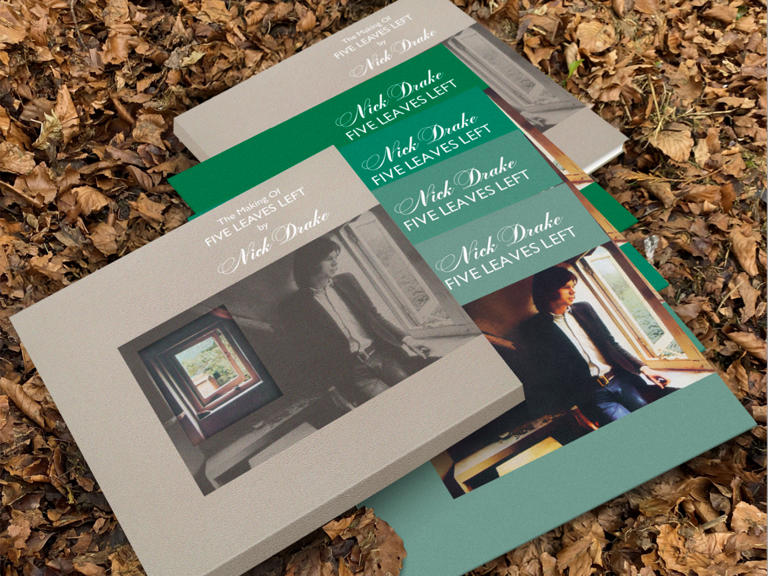
Mastering by John Wood: The entire set has been mastered by the original engineer, ensuring the sonic integrity of Nick Drake’s music is preserved and enhanced for today’s listeners. Included is a comprehensive 60-Page Book: Penned by Hidden Masters’ Neil Storey in collaboration with Richard Morton-Jack, this richly illustrated volume—printed on textured paper stock—delves into the album’s recording history, featuring full track recording details and an insider’s look at Drake’s enduring legacy.

By shining a spotlight on the evocative songs that shaped “Five Leaves Left”, this definitive box set pays tribute to Nick Drake’s far-reaching influence on folk, singer-songwriter, and indie music circles alike. The musician’s gentle, introspective style—once underappreciated—has become a touchstone for countless artists, proving that a true visionary’s work can find new audiences and deeper acclaim as time goes on.

“The Making Of Five Leaves Left” will be available on July 25th, 2025

“Crazy on the Weekend” is the sole album by English indie band Sunhouse. Working with producer John Reynolds, the band continued their practice of recording outside a studio environment, working in the producer’s house in Notting Hill. Their acoustic-based songs were augmented by washes of strings and organ, earning comparisons to Nick Drake, Tom Waits and Beth Orton.

A singer who sold just a handful of records in his lifetime and who was never much on the radio or TV died aged just 46.

Sinéad O’Connor provides backing vocals on the track “Hard Sun”.

Released in March 1998, “Crazy on the Weekend” had some critical success including a five star review in Uncut. It featured in the year end best of lists for various blog sites and magazines. Despite the critical success, the album sold poorly and the band never recorded again. Singer-songwriter Gavin Clark went on to form the band Clayhill and made several guest appearances on recordings by Unkle as well as providing music for many of Shane Meadows’ films, including a beautiful version of The Smiths’ Please Please Please Let Me Get What I Want for This Is England.. Clark died in 2015.

His voice was a beautiful thing, fragile and careworn – an angel drunk on whisky. His lyrics were full of despair and hope and love and fear and death. The album was called “Crazy on the Weekend“. It came out in 1998, in the wake of things such as “Be Here Now” by Oasis and “Urban Hymns” by The Verve, at the apogee of Britpop, just as the bubble was bursting.

Right away it got a five-star review in Uncut, where it was exalted as one of the records of the decade and where Gavin’s songwriting was compared to Elvis Costello and Gram Parsons.

More Acoustic Junk, a new collection celebrating their iconic sound in stripped-down form. This Record Store Day exclusive release features five brand-new acoustic recordings alongside five tracks from the original “Acoustic Junk” album—three of which have been remixed for this compilation.

The Junkies original “Acoustic Junk” was a limited release live album from 2009. Five of the original songs appear along with five new tracks, mostly released on their Nomad Series collections. I am most interested in hearing a stripped-down acoustic version of “Unanswered Letter,” which I anticipate will be better than the more ornate version I have already heard.

Known for their haunting melodies and introspective song writing, the band’s acoustic arrangements showcase the raw beauty and emotional depth that have captivated fans for decades.

Considering it’s almost half a century since Marc Bolan’s death, 50 years during which is back catalogue has been recycled and repackaged in more or less every imaginable fashion, it’s both surprising (and, frankly, unbelievable) that this is the first time anyone has thought of gathering all his b-sides into one vinyl package.

At least for his first four years of stardom, Bolan prided himself on giving the fans full value for their 45 purchases, often including two (or even three) tracks on the flip of the hit. And, even better, they were often as good as the a-side.

Focusing as it does on his 1972-and-after career, this package misses the crucial cuts that backed “Ride A White Swan,” “Hot Love” and “Get It On.” But across side one, “Cadillac,” “Baby Strange,” “Thunderwing” and “Lady” peel off the backsides of “Telegram Sam” and “Metal Guru” with such supreme confidence and panache that it would be a sourpuss collector indeed who didn’t at least consider all four for their private best of Bolan.

And the mood continues, across the remainder of side one and deep into disc two. Thereafter, the thrills do become more sporadic, just like they did with Bolan’s a-sides and albums. And probably we don’t need reminding of his take on “Dock of the Bay.”

But there’s still fun to be had with “Baby Boomerang,” “Ride My Wheels” and “Solid Baby,” and a few others as well. Go back to those first two sides, however, and ask yourself this. Who else was so bravado-packed and brilliant that they could stick a song the quality of “Born To Boogie” on the b-side of a single? Only Marc….

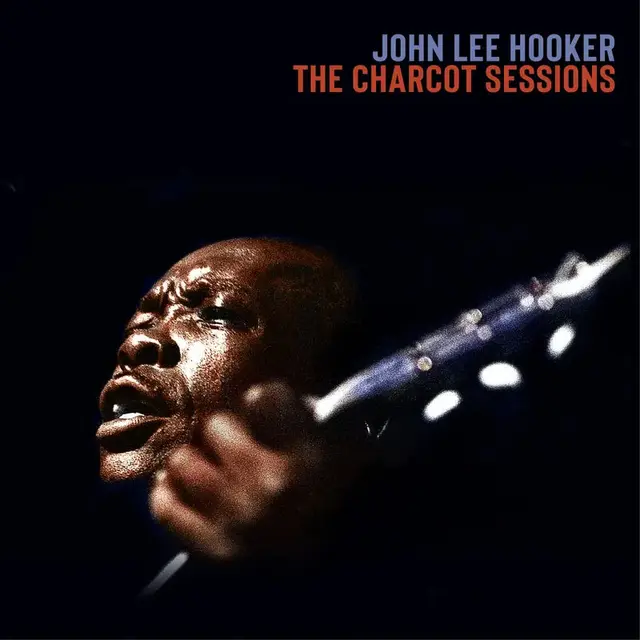
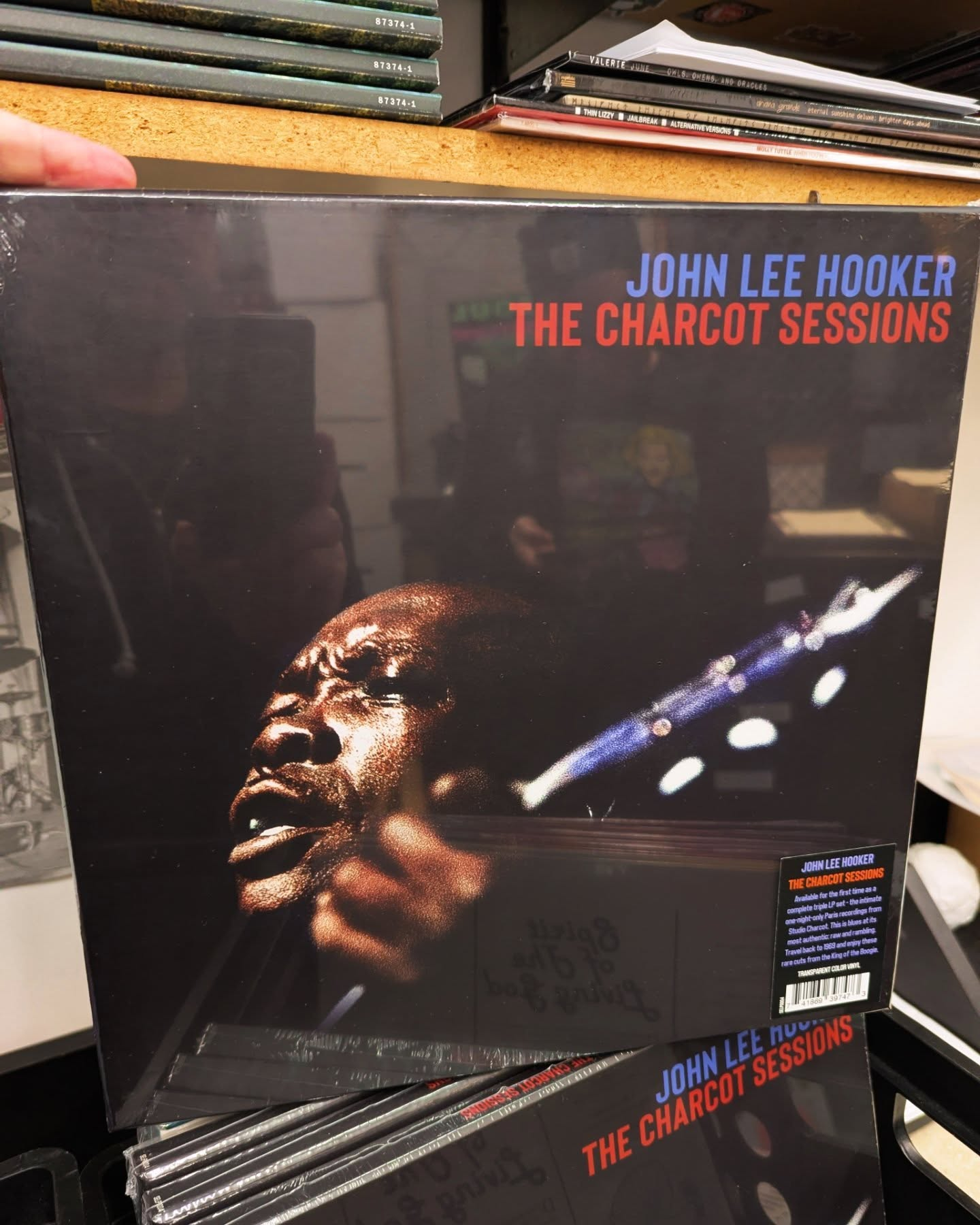
The full October 1969 recordings from Studio Charcot in Paris have never before been released in their entirety. The full October 1969 recordings from Studio Charcot in Paris have never before been released in their entirety. During this historic session, John Lee Hooker was joined by acclaimed blues musicians Lowell Fulson, Carey Bell, and S.P. Leary to craft a collection of electrifying blues and boogie tracks in a single, one night studio session. Now, for the first time, the complete session is presented in its entirety on a deluxe 3LP set.released December 13, 2024

Now, for the first time, the complete session is presented in its entirety on a deluxe 3LP set. Electric Blue vinyl, exclusively for RSD25.

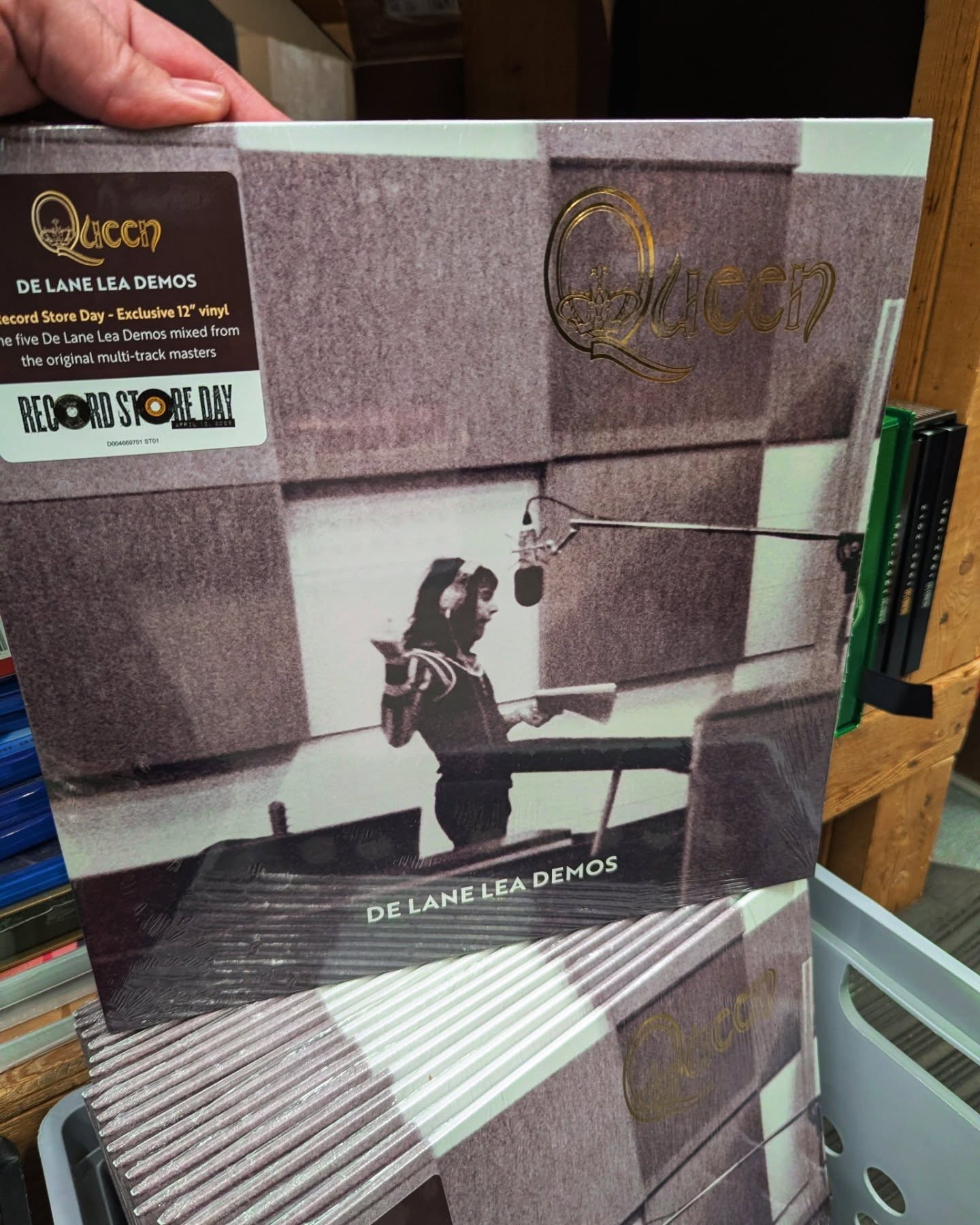
Record Store Day 2025 Exclusive vinyl featuring all five of Queen’s early demos, recorded at De Lane Lea Studios in December 1971 and January 1972. Queen began life in early summer 1970, but took their first steps in the studio after vocalist Freddie Mercury, guitarist Brian May and drummer Roger Taylor recruited a nineteen-year-old bass guitarist, John Deacon, in March 1971.

In 1971, De Lane Lea opened a new studio complex in Wembley, and needed a band to help them test the mixing desks and the acoustic qualities of the different rooms. Brian and Roger’s pre-Queen group, Smile, had recorded at De Lane Lea’s previous location in London’s Kingsway and volunteered their ‘new’ band Queen for the job. The band spent time helping at the studio on various occasions between late August to early December 1971 – “a massive thrill” Brian recalls. They were repaid with a five-song demo, recorded between December 16th 1971 – Jan 7th 1972 by De Lane Lea engineer Louie Austin, and containing “Keep Yourself Alive”, “The Night Comes Down”, “Jesus”, “Liar”, and “Great King Rat”.

Although these demos were intended to be hawked around to procure a recording contract, the band, says Brian, always felt the performances had more spontaneity and sparkle, as well as the benefit of more natural sounds compared with the final album versions.

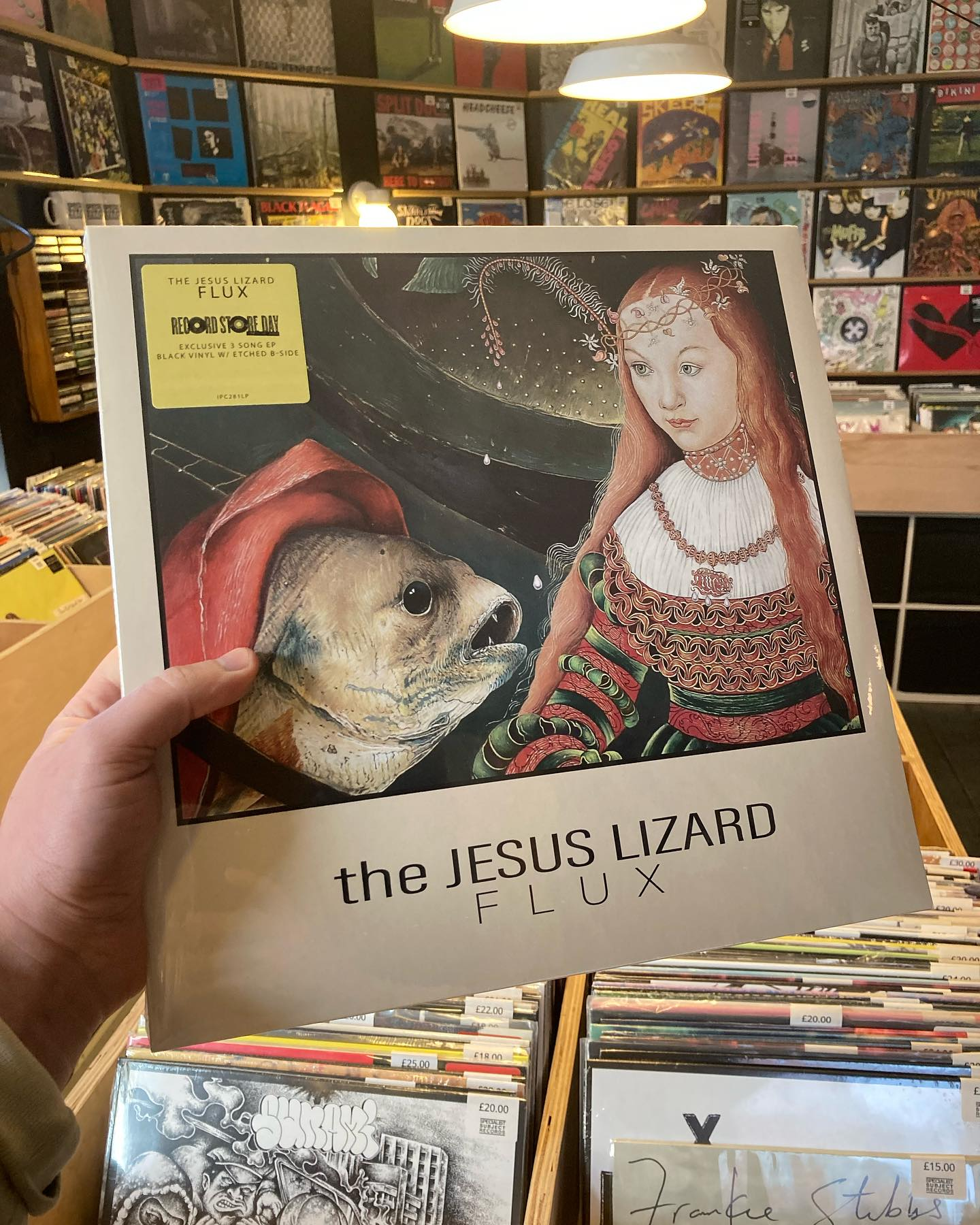
The Jesus Lizard have released “I’m Tired of Being Your Mother,” the final post-Rack digital single and the last preview of the band’s three-song Record Store Day exclusive EP, “Flux”.

“When a friend of mine was about eight years old, living outside of New Orleans, his mother once said to him, in a slow, dull drawl, ‘Im tired uh bein’ yo mutha’,” David Yow shares. “That really struck me. The lyrics are actual quotes of awful things mothers have said to their children. Heartbreaking!!”

Post-hardcore/noise rock legends The Jesus Lizard returned in 2024 as sneering and caustic as ever on their first album in 26 years, “Rack”, and there’s more where that came from. They’ve been rolling out other equally-great songs from the sessions and now they’ve compiled those tracks for this new RSD-exclusive EP.

The band recently wrapped up sold-out tours across the Eastern U.S. and the U.K., with additional U.S. and European dates kicking off in May. The Guardian called their performances a “growling, spit-flecked fusion of pummelling songs and acerbic wit,” while Mojo described the band “as titanium-tough and gimlet-sharp as ever.” WXPN simply summed it up as “absolutely feral.”

The Jesus Lizard, whose influence on music remains undeniable. With its relentless energy and razor-sharp musicianship, the album has garnered widespread acclaim from critics and fans alike. The collection has earned four star reviews from MOJO, Record Collector and The Observer as well as praise from The Associated Press (‘the Jesus Lizard’s intensity never went away”), The New York Times (“… a raucous record that recaptures the lunging momentum, stealth nuance and unhinged Yow-isms of their best work”) and Brooklyn Vegan (“…as delightfully gnarly as they have ever been, and just as lively as all of the younger bands that have come in their wake”).

Since their inception in Austin in 1987, the Jesus Lizard has thrilled audiences all over the planet. The impeccable rocket-thrust rhythm section of bassist David Wm. Sims and drummer Mac McNeilly was the perfect launchpad for guitarist Duane Denison’s jagged yet clean-toned riffing and vocalist David Yow’s mercurial vocalizations manifesting as everything from panicked citizen, reality escapee or wounded sea mammal. The Jesus Lizard’s fury has carried on through six studio albums, two live recordings and a brace of singles and EPs, with the band’s seventh album,

Available on black vinyl with an etched B-side, “Flux” also features “Cost of Living” and “Westside.”

Arcade Fire, who have kept a low profile since multiple sexual misconduct allegations were leveled against frontman Win Butler in 2022, will return on May 9th with their seventh studio album, “Pink Elephant,” released on Columbia Records. The 10-track album is preceded by the single and video “Year of the Snake,” 

Comprising 10 new songs “of cinematic mystical punk,” according to the announcement, the album was produced by Butler, his wife and bandmate Régine Chassagne and Daniel Lanois (U2, Bob Dylan, Emmylou Harris) and was recorded at the band’s Good News Recording Studio in New Orleans.

While the announcement states that the term “pink elephant” refers to “that paradoxical effect where the effort to suppress a thought leads to it being impossible to avoid,” it does not mention that the term is also an old-school reference to alcoholism-induced hallucinations.  The video prominently features Butler and Chassagne being affectionate and playfully romping around New Orleans during Mardis Gras and a Houston rodeo with Jeremy Gara, Tim Kingsbury and Richard Reed Parry, and briefly visiting with Willie Nelson at his Texas ranch.

Taken from the new album ‘Pink Elephant’

Image  —  Posted: April 8, 2025 in MUSIC

Led by musician and author Craig Dyer, release their twelfth studio album ‘Décollage’ The Berlin-based post-punk band The Underground Youth, led by Blackpool-born musician and author Craig Dyer, return with their twelfth studio album ‘Décollage’. Self-written, recorded and produced by Dyer, the album is an exercise in artistic deconstruction in both name and form, marking a decisive musical shift. “‘Décollage is the art of creating an image by ripping, tearing away or removing pieces of an original existing work’.

My idea was to apply this technique to music”, he explains. “I built walls of static coated hip-hop drum samples, layers of Lee Hazlewood style string arrangements and Serge Gainsbourg inspired mellotron melodies, then I began tearing away at these beautiful, chaotic walls of noise, exposing a new sound for The Underground Youth.”

The result, Dyer says, is “a trip-hop infused soundtrack to a collection of lyrics dealing with adoration, ancestry, originality, hallucinations of revolution and a hope that something better can be born from the ashes of the horror that exists in our world.” From moments of ghostly minimalism to sweeping crescendos of noise and melody, there is a shadowy, dreamlike quality to the songs here. If its predecessor ‘Nostalgia’s Glass’ (2023) mined a more introspective nostalgia, ‘Décollage’ feels more hauntological in nature – tearing apart and re-transforming what once was in search of a future left spinning from reel-to-reel on warped and distorted old tape.

Alongside Dyer, The Underground Youth is comprised of drummer and visual artist Olya Dyer, guitarist Leonard Kaage (who also assisted with post-production on the record) and bassist Samira Zahidi. Initially formed as a solo project by Dyer in 2008, the band has sinced released 11 – now 12 – studio albums and 4 EPs, evolving a unique sound that has over the years ranged from cinematic lo-fi psychedelia and raw melancholic post-punk to gothic folk-noir. Throughout they have maintained a devoted global following continuously built upon by the band’s extensive touring through Europe, Asia and North America. 

released April 4th, 2025