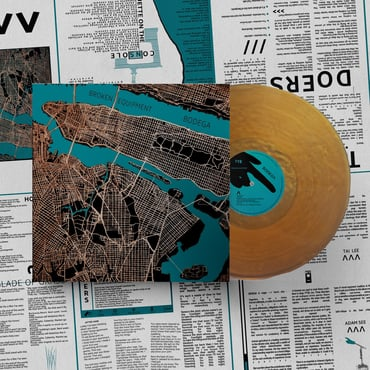
The follow-up to the band’s acclaimed debut album, “Endless Scroll” (2018), and 2019’s “Shiny NewModel” EP, “Broken Equipment” was inspired by a book club. In the early months of 2020, the Brooklyn art-punk incendiaries gathered together with close friends to study the works of a wide range of philosophers. The album’s 12 songs are set in present day New York City, packing in references to contemporary issues of algorithmic targeting, media gentrification, and the band itself. On ‘NYC (disambiguation)’, they break down how the Big Apple was “founded by a corporation” and history remains alive in the present. The poetic ‘Pillar on the Bridge of You’ is the first love song Ben ever wrote for Nikki, while ‘All Past Lovers’ gazes back to the “southern belle” and “chat room suitor” who still live inside him today.
Armed only with a killer wit and sticky refrains hammered out with complete confidence. Luckily for us, we’ve already heard three great singles from the album, “Thrown,” “Doers” and “Statuette On The Console” (along with two killer b-sides), allowing time for each subsequent earworm to work its way into our systems and leave us to wait impatiently for our next adrenaline rush courtesy of Bodega.
“It’s making me bitter, harder, fatter, stressed out,” they sing of daily life in recent (constantly “unprecedented”) times on “Doers,” reflecting how a bunch of us feel right now, but thankfully doing it in a way that we can dance it all out to.
To accompany the propulsive pace of ‘Statuette on the Console’ and its lyrics about switching perspectives, Nikki recorded alternate versions in eight different languages. “I used God in that song as this arch overlord character, but it could also be a real estate developer,” she explains. “It’s about anyone who puts their reality on your back and forces you to carry it around.” In that song, Nikki also wryly states that although she doesn’t have faith in this particular “God,” she is still “living life with (my) platitudes.” On ‘Territorial Call of the Female’, Nikki playfully quips that “when the man is around that’s when I’m putting you down,” highlighting how in the past she unknowingly reinforced patriarchal values by turning against other women to attract men. It’s moments like these where Bodega most exemplifies their self-professed motto that “the best critique is self critique.”
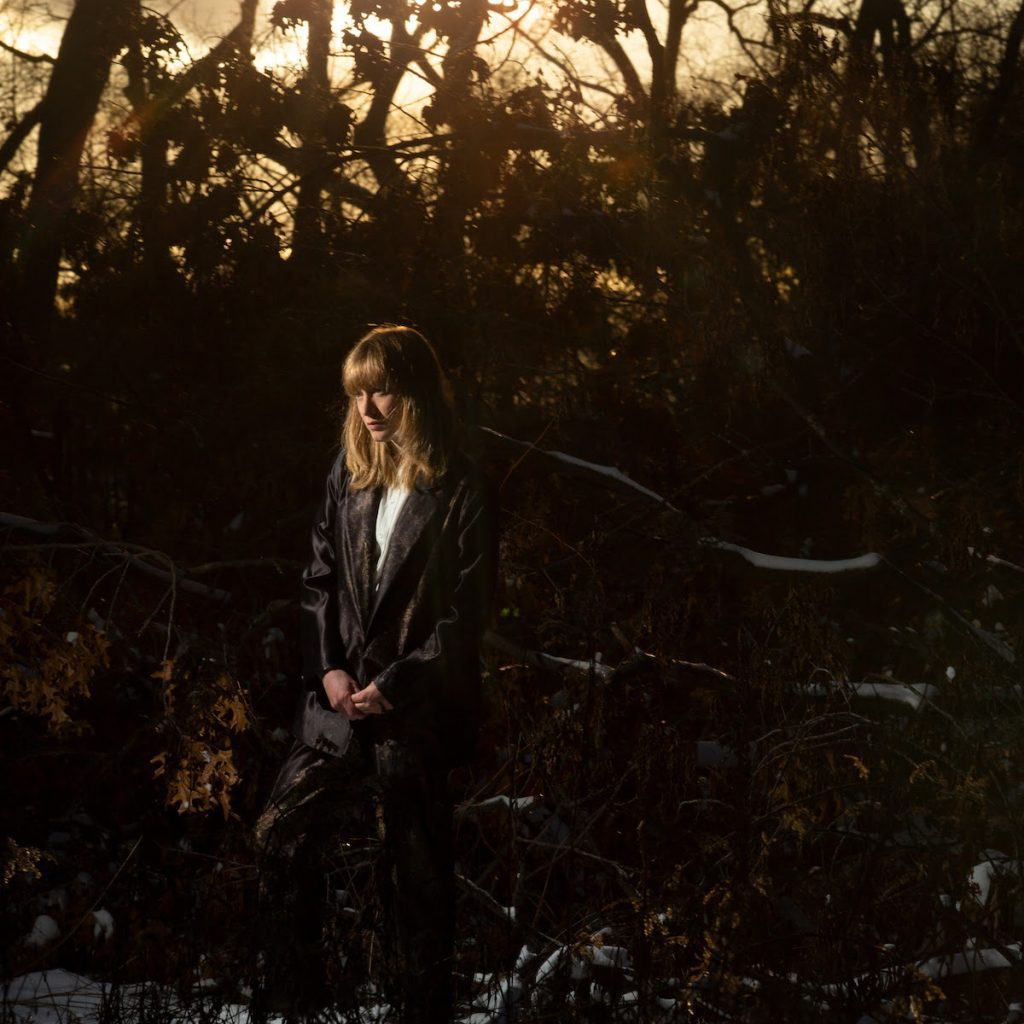
When last we heard from Tamara Lindeman and her band The Weather Station, she had made the 2021’s critically acclaimed album “Ignorance“, though filled with the contemplation of the slow ravaging of our planet, It made way for a new sound from the band, one that was bigger, louder, and more instrumental. Simultaneously, Lindeman was writing a collection of ballads, companion pieces to what would make the cut for “Ignorance”, and ultimately songs she was unsure she wanted to share.
“How Is It That I Should Look at the Stars”, Lindeman self-funded the album, got a new band together, and evaded any potential influence from a label (it was released, however, via Fat Possum). The result is as aesthetically far from “Ignorance” as possible, with wind instruments and piano where driving percussion and guitars once were. These songs, sung in Lindeman’s clear, breathy voice, play like vignettes. The melodies are improvisational, spontaneous in how they rise and fall, and unafraid of pauses, but always guided by Lindeman’s lyrics, like entries from a diary no one was ever meant to read.
“Stars,” from which the album’s title comes, finds her in the desert on New Year’s Eve, pondering the purpose of fireworks, “As though they’re celebrating all another year has cost. Or is it carelessness?” she asks. “Send another star into the sky / Only to watch it die / Fall across the black in a shining arc / I swear to god / This world will break my heart.”
Lindeman takes comfort in intimacy with a lover (“Sway” and “Loving You”) and quiet moments alone in nature, watching the colours and textures unfolding around her (“Marsh” and “Ignorance”). Lindeman reminds us why we trust her to help us make sense of a world crumbling around us, searching for bright spots and meaning among the rubble.
The Weather Station from the album, “How Is It That I Should Look At The Stars” on Fat Possum Records, out March 4th, 2022.
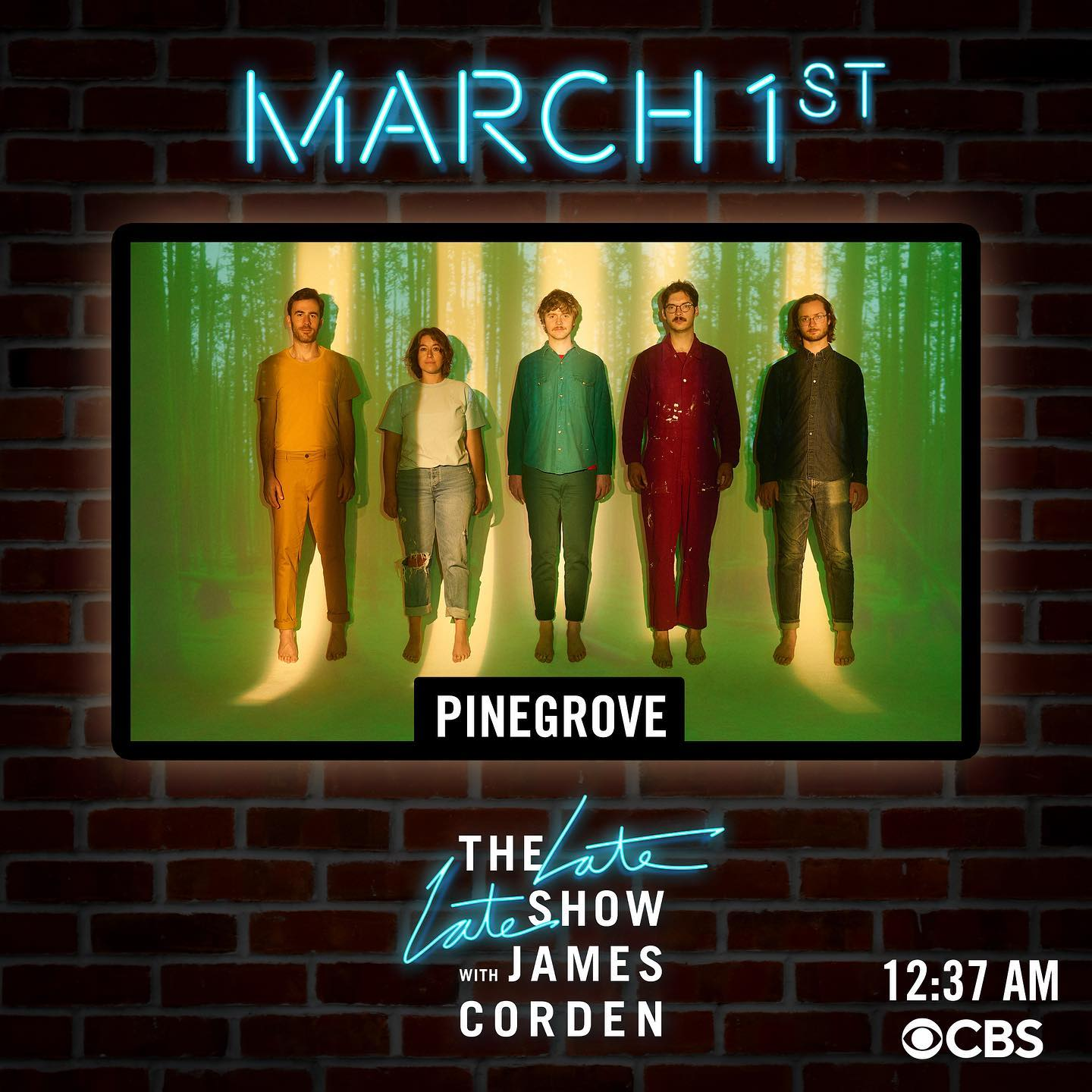
Pinegrove’s career has followed a tortured, nonlinear arc, but they’re still around, and they’ve now reached the stage where they’re getting booked on TV shows. Earlier this year, Pinegrove released their album “11:11.” Last night, they made their late-night debut on James Corden’s Late Late Show.
Pinegrove didn’t perform in-person in the Corden studio. Instead, they sent in video of themselves playing in what looked like a rehearsal space, with stage-lights already set up. (Introducing them, Corden said that 11:11 is “brilliant.”) Pinegrove played the track “Cyclone,” the penultimate song on “11:11.” They’ve always been a committed live band, and they brought a lot of energy and pathos to their performance.
American Music Club an American, San Francisco-based Indie rock band, led by singer-songwriter Mark EitzelFormed in 1983, the band released seven albums before splitting up in 1995. They reformed in 2003 and released two further albums, Eitzel had been in the Cowboys. Despite the skill and diversity of the other members, Eitzel quickly became the group’s focal point: an evocative vocalist and gutter poet capable of composing songs of disquieting honesty and intensity, he was also frequently the band’s worst enemy a heavy drinker since the age of 16, AMC shows often disintegrated into surreal backdrops for Eitzel’s alcoholic rants and self-destructive showmanship, and throughout the group’s tumultuous career, his erratic behaviour led him to briefly exit their ranks on numerous occasions.
Eitzel founded American Music Club in 1983 with guitarist Scott Alexander, drummer Greg Bonnell and bass player Brad Johnson.The band went through many personnel changes before arriving at a stable line up of guitarist Vudo (Mark Pankler), bassist Danny Pearson, keyboardist Brad Johnson and drummer Matt Norelli. This line-up would change over the next several years, but Eitzel always remained the core of the band in terms of its vocals, lyrics and thematic focus, with Vudi and Pearson accompanying him on guitar and bass.
Along with Galaxie 500 and Low, the band characterized what would become “slowcore,” a style marked by its crawling pace. Lest the band be known solely for its speed, American Music Club lives up to its name by mixing very different types of American music.
The Restless Stranger
Their 1985 debut, “The Restless Stranger” released on Grifter Records establishing the band as major pioneers of slowcore and an early influence on post rock. The Restless Stranger is generally omitted from the official American Music Club discography; their first album, its existence was consistently disavowed by the bandmembers in press releases, interviews, and the like. Although it is by far the weakest release in the AMC canon, the album does have its merits; while the production and arrangements never gel with Mark Eitzel’s songs, there are fleeting moments here which hint at the eclectic brilliance to come. And already Eitzel is a sharp storyteller — years later, he would reprise the opener, “Room Above the Bar,” to heart-breaking effect in an a cappella version on his solo acoustic outing “Songs of Love: Live inLondon“.
Engine
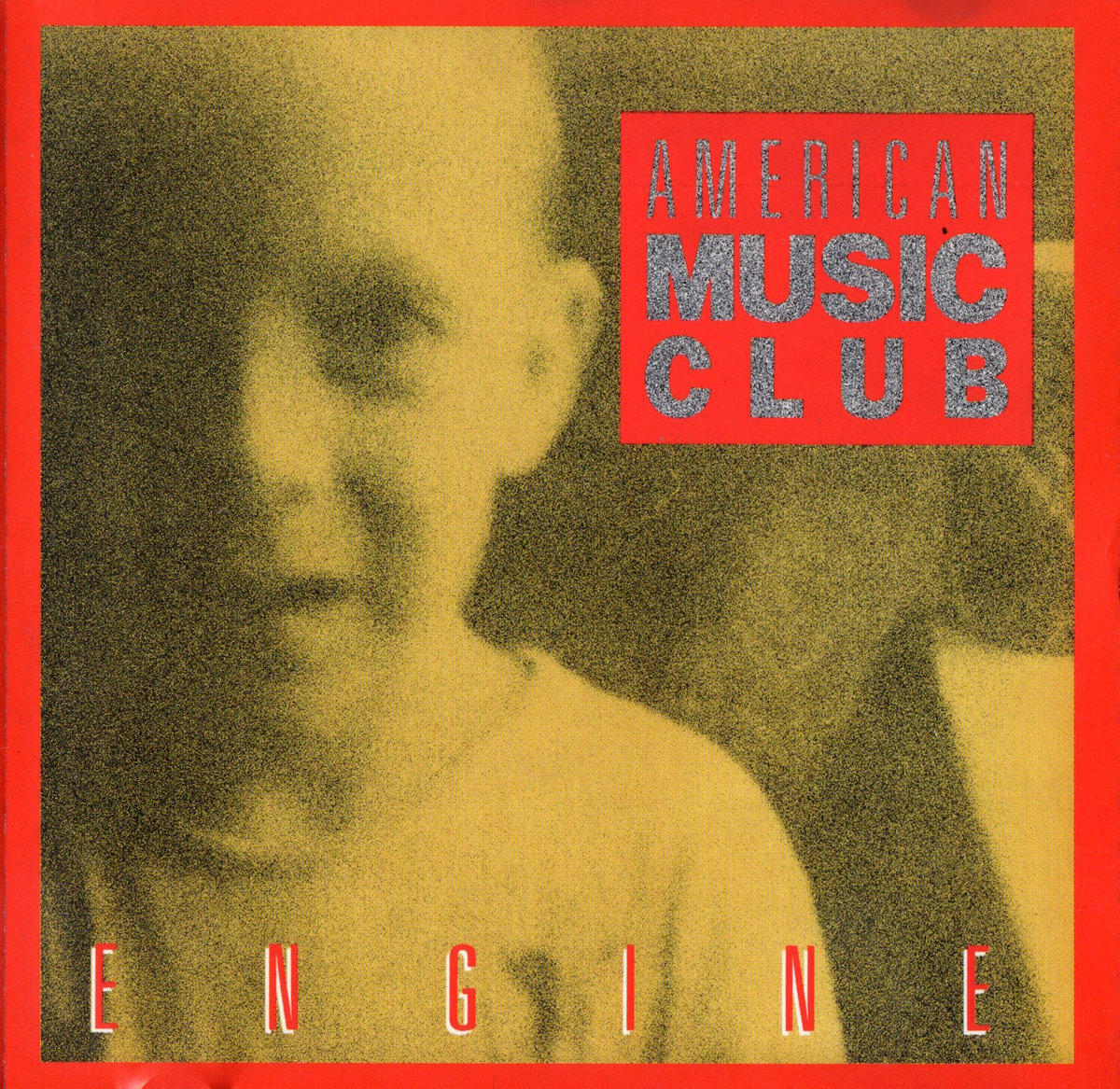
1987’s “Engine” which saw record producer Tom Mallon as a full-time member. “Engine” is the second album It was jointly released by Frontier Records and Grifter in the US and by Zippo in the UK and Europe in 1987. AMC’s sophomore release marks a significant advancement over “The Restless Stranger”, and offers more than a few of the band’s definitive moments. Much of the due credit goes to producer Tom Mallon, who arranges the record with an intuitive grasp of the anatomical make-up of Mark Eitzel’s burgeoning songcraft; the rest of the credit belongs to Eitzel himself, who offers up some of his first truly great compositions. Chief among them is “Outside This Bar,” a chilling portrait of the hermetically sealed comforts of the drinking life.
The 1998 Warner Bros reissue added three additional tracks from the same period. The artwork for the Zippo UK release features an incorrect track listing, putting the songs in the wrong order.
California
American Music Club earned a solid cult following in Europe on the strength of 1988’s “California” While the band languished in obscurity in their native country, they earned a solid European cult following on the strength of 1988’s “California” a frequently brilliant collection highlighted by the shimmering country and folk accouterments which couched fractured love songs .
With the erratic California, Mark Eitzel’s song writing skills blossom into full maturity. From the pedal steel-inflected opener “Firefly” to the luminous “Western Sky,” the best of his compositions reveal uncommon depth and emotional heft: “Somewhere” cuts with the savage humour of a master storyteller, while “Blue and Grey Shirt,” a memoir is simply devastating, it’s Eitzel’s most heartfelt and powerful composition to date, was the first in a series of devastating chronicles of friends lost to the AIDS epidemic.
A number of the cuts don’t work at all — the muddy “Bad Liquor” is an indecipherable rant, while “Laughing Stock” is by-the-numbers melodrama — but those that do are nothing short of transcendent.
United Kingdom
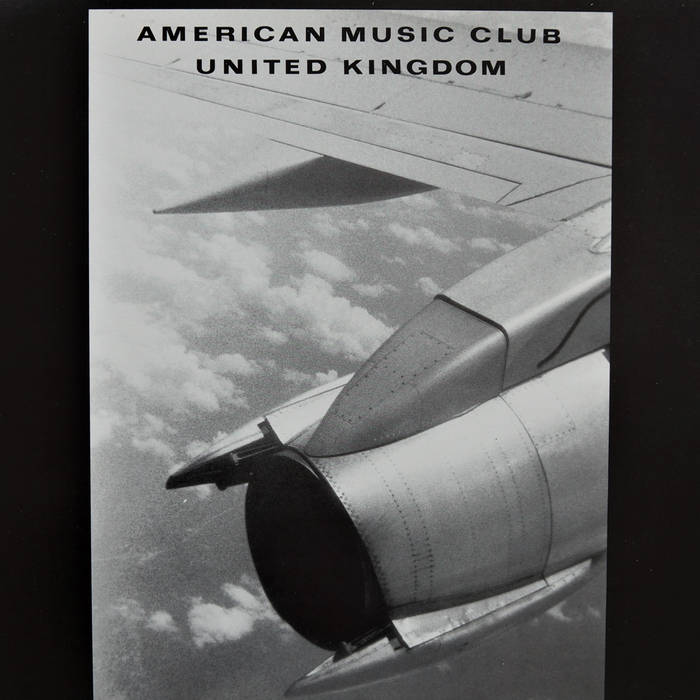
The next LP, 1989’s “United Kingdom” was a UK-only release comprising new material, some of which was recorded live at the Hotel Utah in San Francisco. released exclusively in the United Kingdom in 1989 on Frontier Records and Demon Records. American Music Club’s first indisputably great album, the import-only “United Kingdom” is also the band’s most spare and unsettling work. Originally conceived as a collection of site-specific songs (hence the opener, “Here They Roll Down,” which samples the sounds of a freeway off-ramp), the LP instead cobbles together leftover material and live tracks which fuse together into a remarkably cohesive and balanced whole. Among the highlights: “Heaven in Your Hands” ranks firmly as one of Mark Eitzel’s most beautiful and unguarded love songs, while the lounge-flavoured “Hula Maiden” finds the singer at his most perversely comic; the solo acoustic “Never Mind” details an emotional free-fall, while on the lush “Dreamers of the Dream,”Eitzel clings to one of the record’s few rays of hope as though his life depended on it.
The album was recorded primarily for the country, where the band had a larger following than in their native United States, and consists of a mixture of studio and live tracks. “United Kingdom” appeared only in the nation which lent the record its title name: It’s another superb collection drawing on leftover material and live tracks, it featured “The Hula Maiden,” the first recorded fruits of Eitzel’s growing fascination with lounge crooning.
These two albums were described by Ian Canadine in Rock: The Rough Guide as “the band’s two unequivocal masterpieces”
Everclear
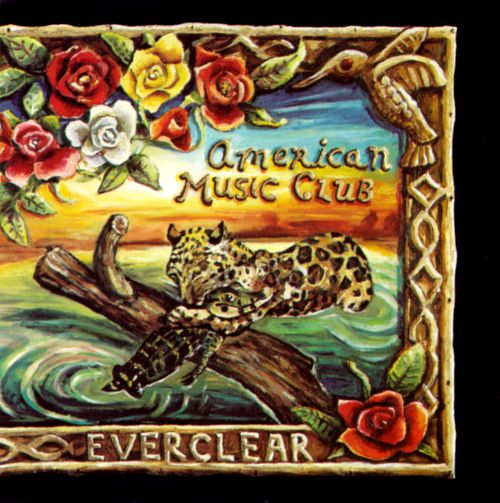
In 1991 American Music Club released “Everclear” which has been described as “more polished and radio-friendly” compared to their previous albums, Some critics stating the “slickened production works against the band”, but also cited as the band’s masterpiece. Critical acclaim attracted the attention of several major labels. Put simply, “Everclear” is American Music Club’s masterpiece. Benefiting immensely from improved production values, the album crystallizes the band’s often erratic vision into a unified, endlessly complex whole. While the arrangements are typically diffuse “Crabwalk” is shambling rockabilly, “Royal Cafe” is sweet country-pop, and “Rise” is anthemic alt-rock there is a consistency of tone and a sense of place that runs through these songs that is absent from the band’s other records. Similarly, Mark Eitzel’s compositions achieve an uncommon emotional balance, never once slipping into pathos or melodrama; the atmospheric “Miracle on 8th Street” and “The Confidential Agent” offer cinéma vérité evocations of relationships at the breaking point, while the brute force of alcoholic laments like “Sick of Food” or the funereal “Why Won’t You Stay” is staggering never before or since has this loser been quite so beautiful.
American Music Club masterpiece, “Everclear” a remarkable song cycle released to phenomenal critical acclaim (and the usual negligible commercial interest). Still, the lavish praise heaped on “Everclear” (named in honour of a vicious, 180-proof transparent liquor) finally made the major labels take notice, and the bidding war ensued.
Rolling Stone called it the Album of the Year and named Eitzel Songwriter of the Year for 1991. Eventually, AMC—now consisting of Eitzel, Vudi, Pearson, multi-instrumentalist Bruce Kaphan and drummer Tim Mooney. Now signed with Reprise Records in the US and Virgin Records throughout the rest of the world
Mercury
The album “Mercury” produced by Mitchell Froom followed in 1993 and, despite positive reviews (although Canadine considered it over-produced), the album only reached number 41 on the UK Album charts and got little radio and television exposure. “Mercury“, was a typically iconoclastic effort featuring unwieldy song titles like “What Godzilla Said to God When His Name Wasn’t Found in the Book of Life” and “The Hopes and Dreams of Heaven’s 10,000 Whores” resting uneasily against lush, obtuse gems like “If I Had a Hammer,” “Apology for an Accident,” and “Johnny Mathis’ Feet.” Despite glowing reviews, “Mercury” fared poorly on the charts, and earned virtually no recognition from radio or MTV.
Leave it to American Music Club to make their major-label bow with the most perversely idiosyncratic record in their catalogue. Produced with eccentric panache by Mitchell Froom, “Mercury” spotlights the band at their darkest and most eclectic, favouring odd rhythms, bizarre effects, and extreme arrangements ranging from the synthetic lounge grandeur of the worshipful “Johnny Mathis’ Feet” to the swirling sonic maelstrom of the fatalistic “Challenger.” Under the cover of defense-mechanism titles like “If I Had a Hammer” and “The Hopes of Dreams of Heaven’s 10,000 Whores,”Mark Eitzel paints some of his bleakest portraits to date; even the most superficially upbeat tracks — “Keep Me Around,” “Hollywood 4-5-92,” “Over and Done” are relentlessly grim at their core. A triumph of abject misery.
A triumph of abject misery.
San Francisco
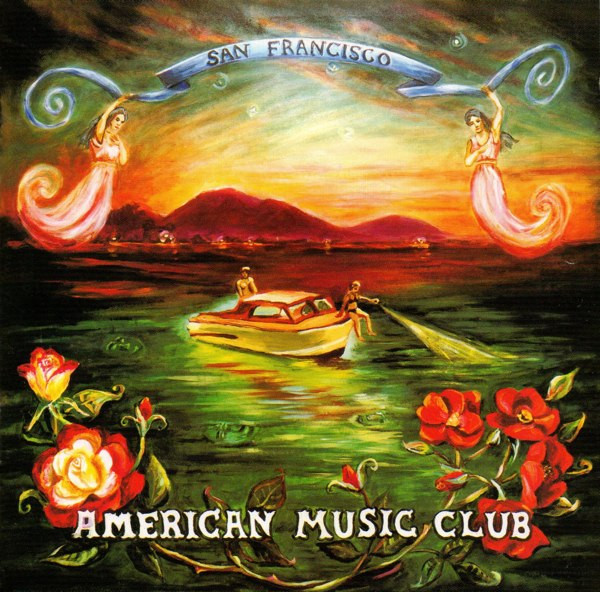
In 1994, American Music Club issued “San Francisco” which balanced confessional tunes like “Fearless” and “The Thorn in My Side Is Gone” alongside more accessible offerings such as “Wish the World Away”.
Regrettably, with their final effort, “San Francisco”, American Music Club went out with a whimper, not a bang. An undeveloped, erratic collection of songs, the record suffers under the weight of overly slick, commercial arrangements, and production which renders tracks like “It’s Your Birthday,” “Wish the WorldAway,” and “Hello Amsterdam” as bland alterna-rock; only the effervescent “Can You Help Me?” manages to absorb and transcend its glossy pop veneer. Still, Mark Eitzel goes down swinging, conjuring a handful of haunting gems — the best cuts on “San Francisco“, from the luminous opener “Fearless” to the achingly tender “The Thorn in My Side Is Gone,” are also the most simple; AMC never needed adornment, just a sympathetic ear.
Love Songs For Patriots
The band disbanded in 1995, with Eitzel concentrating on his solo career, having already released a solo live album and an EP as side projects The band reunited in 2003, with Eitzel joined by Pearson and Mooney, and later Vudi and keyboard player Marc Capelle, to record a new album, “Love Songs For Patriots” released in 2004), which is described as “a stronger and more coherent effort than the group’s last set, 1994’s San Francisco, and while it’s too early to tell if this is a new start or a last hurrah for AMC, it at least shows that their formula still yields potent results. Here’s hoping Eitzel and Vudi have more where this came from.
Reunion albums are often tricky affairs, usually based around negative circumstances (typically solo career slumps) rather than positive ones, so it’s neither uncommon nor unwise for fans to approach them with a degree of caution. When American Music Club called it quits in 1995, most folks were expecting an impressive solo career from vocalist and songwriter Mark Eitzel, but while he failed to capture the brass ring of a breakthrough commercial success (no great surprise, given the downbeat tenor of his music, though Warner Bros. seemed to be hoping otherwise at first), the greatest problem that’s dogged him since AMC’s demise has been his difficulty in finding a consistent set of sympathetic musical collaborators.
Listening to American Music Club’s first album in ten years, “Love Songs for Patriots”, what’s most immediately striking is the way the fusion of beauty and chaos generated by the musicians so ideally mirrors Eitzel’s songwriting, and how keenly their contribution has been missed in his solo work. While American Music Club was often regarded as Mark Eitzel and four other guys during their initial lifetime, the jagged panoramas of Vudi’s guitar and the patient but ominous report of Dan Pearson’s bass and Tim Mooney’s drums create such perfect settings for these songs here that you sense this was that rare reunion prompted by aesthetics above all else, and this album truly succeeds on a creative level. The absence of Bruce Kaphan’s evocative pedal steel work is felt (especially the way he at once buffered and strengthened Vudi’s pillars of sound), but Marc Capelle’s keyboards fill their space well enough, and while Eitzel’s songwriting has changed a bit since the last time American Music Club went into the studio (the dark sexuality of “Patriot’s Heart” and the first-person vignette of “Myopic Books” are the clearest examples), this band still knows more of what to make of his sensuous depression than anyone else, and both songwriter and musician bring out the best in one another on this set. “Love Songs for Patriots” isn’t an American Music Club masterpiece in the manner of “Everclear” or “Mercury”, but it’s certainly a stronger and more coherent effort than the group’s last set, 1994’s “San Francisco“, and while it’s too early to tell if this is a new start of a last hurrah for AMC, it at least shows that their formula still yields potent results. Here’s hoping Eitzel and Vudi have more where this came from.
In June 20th, 2007, AMC announced a new line-up connected to the band’s base of operations moving to Los Angeles. Eitzel and Vudi remained, while Mooney and Pearson stayed behind in San Francisco. They were replaced by bassist Sean Hoffman and drummer Steve Didelot from the band the Larks.
The Golden Age
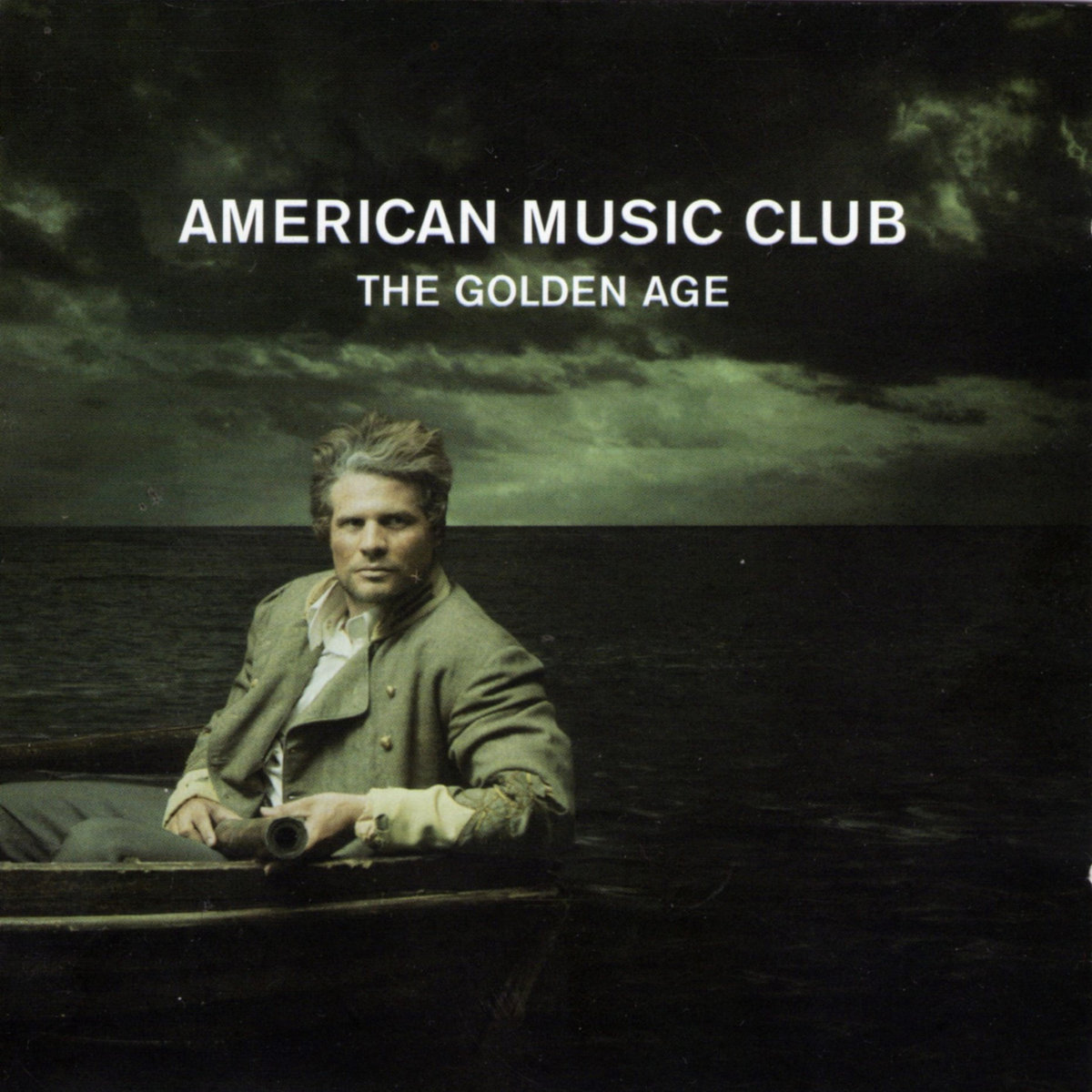
AMC’s next record, entitled “The Golden Age” was released in the UK on February 4th, 2008, on Cooking Vinyl Records.
The news is that Mark Eitzel and Vudi have resurrected American Music Club for the first time since 2004’s “Love Songs for Patriots” (which was in turn the group’s first album in a decade), but they haven’t gone terribly far out of their way to do it — while pedal steel player Bruce Kaplan was absent from the Love Songs line-up, on 2008’s “The Golden Age”, Eitzel and Vudi are the only holdovers from the band’s original membership, with debuting bassist Sean Hoffman and percussionist SteveDidelot completing this new, leaner edition of AMC. While “Love Songs” attempted to evoke the grand, noisy soundscapes of albums like “Everclear” and “Mercury”, “The Golden Age” harks back to the more arid atmospherics of “California” and “United Kingdom”, and it does so quite well.
Anyone hoping for a big dose of Vudi’s fractured guitar heroics will go wanting as he aims for a more subdued tone on most tracks, saving his more outré effects for the codas of “On My Way” and “The Windows on the World.” But this is easily the best set of songs Eitzel has offered since his 2001 solo effort, “The Invisible Man“, and his vocals are in superb form; while much of his work since AMC’s breakup seemed to find him looking for a new direction, these 13 songs are just the sort of thing he does best, compelling tales of lost souls and busted hearts that reveal as much compassion as despair, and he delivers them with a weary but heartfelt authority that few others could match. And if this album doesn’t break much new ground or challenge anyone’s expectations of American Music Club, it also offers a clear and honest reminder of why this band made so much vital, lasting music during its original lifetime; “TheGolden Age” may simply be the Eitzel and Vudi show, but that’s more than enough to make this a rich and rewarding set of songs whose gentle surfaces belie their troubling strength.
Title
Release date
Label
UK Albums Chart
The Restless Stranger
1985
Grifter
Engine
October 1987
Grifter/Zippo
California
October 1988
Demon/Frontier
United Kingdom
October 1989
Demon
Everclear
October 1991
Alias
Mercury
March 1993
Virgin
41
San Francisco
September 1994
Reprise
72
Love Songs for Patriots
September 2004
Merge
99
The Golden Age
Also check out the following:
1984–1985
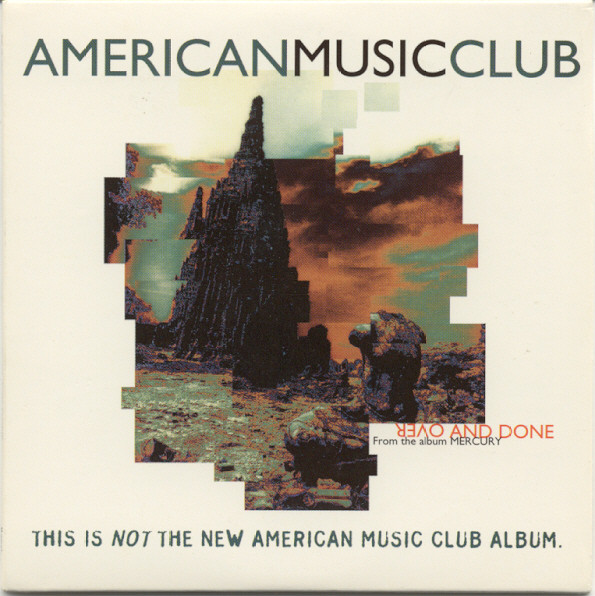
Over And Done
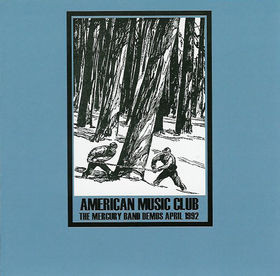
The Mercury Band Demos April 1992
The Everclear Rehearsals Late 1990
“Atwater Afternoon” was a limited edition CD released by the band American Music Club and initially sold on the tour to promote their album “The Golden Age“. Half of it was a recording of the band rehearsing songs for the tour and the other half was studio recordings of new songs. The initial run of 300 copies came with either blank covers or covers featuring pictures drawn by the band members. Once these had sold out, it was repressed in an edition of 1500 and sold from the band’s web site.
Two of the original songs on the album were written by members of the band other than Mark Eitzel. Neither has been released elsewhere. The name of the album relates to the area in Los Angeles where the recording took place.
The prolonged lockdown endured in Melbourne forced The Stroppies to re-think their fast, off-the-cuff method of creation for their second studio album ‘Levity’. Unlike the lean, crisp jangle-pop of their 2018 debut ‘Whoosh!’, Angus Lord and co. add fuzz, distortion, tape manipulation and key modulation to make a darker, hazier product than before. An alluring sequel to one of the most delightful indie-pop debuts of the 2010s.
It’s a perfect time to pre order the special edition of “Levity” through that Stroppies channel. In Opaque white vinyl and w/ a bonus 7” (if that kind of thing is your bag…baby). If your in the US you can get a special edition version of the record through @roughtrade record stores and save on postage. Of course if you’d like to support your local indie store you can order the clear vinyl versions through participating retailers. Thanks heaps to all the kind words and support over this week. Looking forward to sharing the whole record with you.
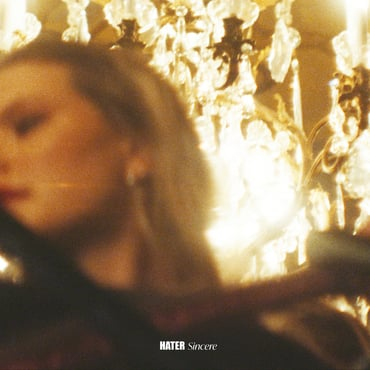
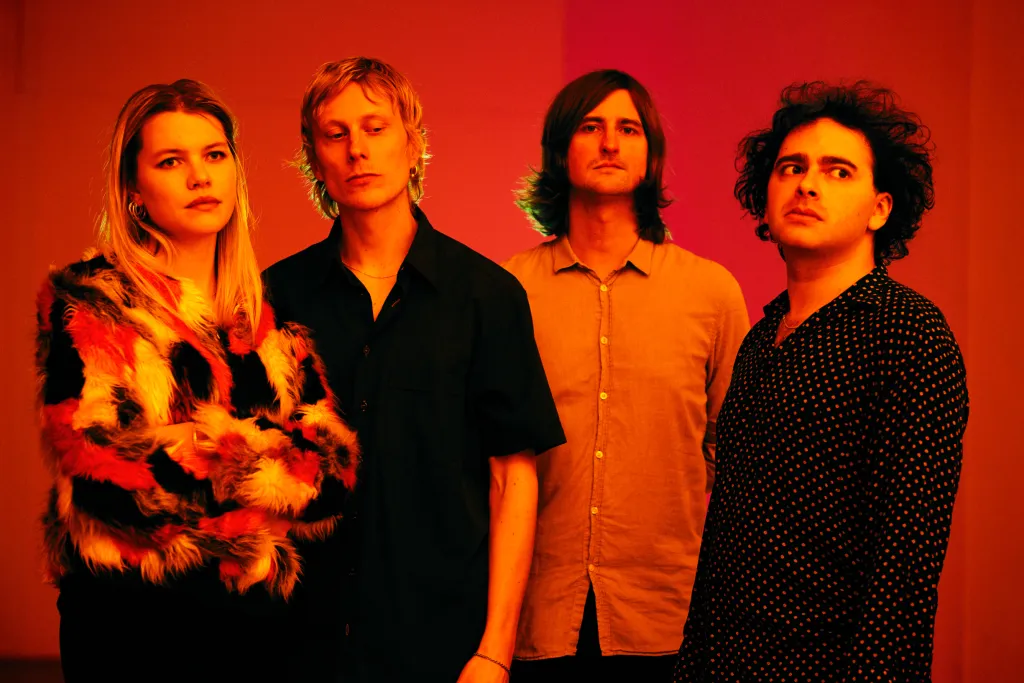
A reawakening for the Swedish visionaries, “Sincere” solidifies their impressive trajectory in a fuzzed out haze of dark and arresting shoegaze pop. An expansive trip through noisier, bittersweet pop realms that recalls My Bloody Valentine, Slowdive and Deerhunter. From mesmerizing opener “Something” on, the third album from Swedish four-piece Hater deftly melds dream-pop, post-punk and shoegaze sounds, beckoning the listener into a haze of slurred guitars and Caroline Landahl’s self-assured vocals. Hater are as adept at slowing things to a woozy crawl (“Proven Wrong”) as they are at locking into full-speed-ahead grooves (“Far From a Mind”) or wandering into psychedelic abstraction (“Summer Turns to Heartburn”), maintaining their dedication to winding melody all the while. “Sincere” is both soothing and invigorating in the space of each of its nine tracks, a dreamscape that redefines what Hater are capable of.
Underpinning everything there’s a continuing sense of drama throughout; richly textured crescendos, chiming guitars and delicate melodies are guided by Caroline Landahl’s tender yet sharpened vocals. “Sincere” is joyously effervescent, but with a dark underbelly where fury manifests in a swirl of entrancing and propulsive percussion.
A gorgeous and dazzling piece of aching romanticism, destined to feature on a thousand mixtapes.
Recorded last year in Malmö, Hater welcomed two new band members and those early day sparks saw them quickly turning demos into fully-formed new songs that appear on the record. “Sincere” was produced by long-time collaborator Joakim Lindberg and was mixed and mastered by John Cornfield, whose credits include Ride, The Stone Roses and Robert Plant.
The Swedish band Hater made an impression in 2018 with the dreamy “Siesta”, but the now released and somewhat firmer “Sincere” should definitely put the band from Malmö on the map. It has been almost four years since I first got acquainted with the music of Hater, who on “Siesta” recalled the heyday of The Sundays. On “Sincere“, the band around singer Caroline Landahl welcomed two new members and they have given the music of this Swedish band a strong impulse. Hater’s music sounds a bit heavier and firmer on “Sincere“, but it has not been at the expense of the melodic character of the band’s music. The guitar work on the album is beautiful and the rhythm section also impresses, but the star of the band remains Caroline Landahl. “Siesta” was a fantastic album, but “Sincere” is even better.
Hater reveal new upcoming album ‘Sincere’ out 6th May
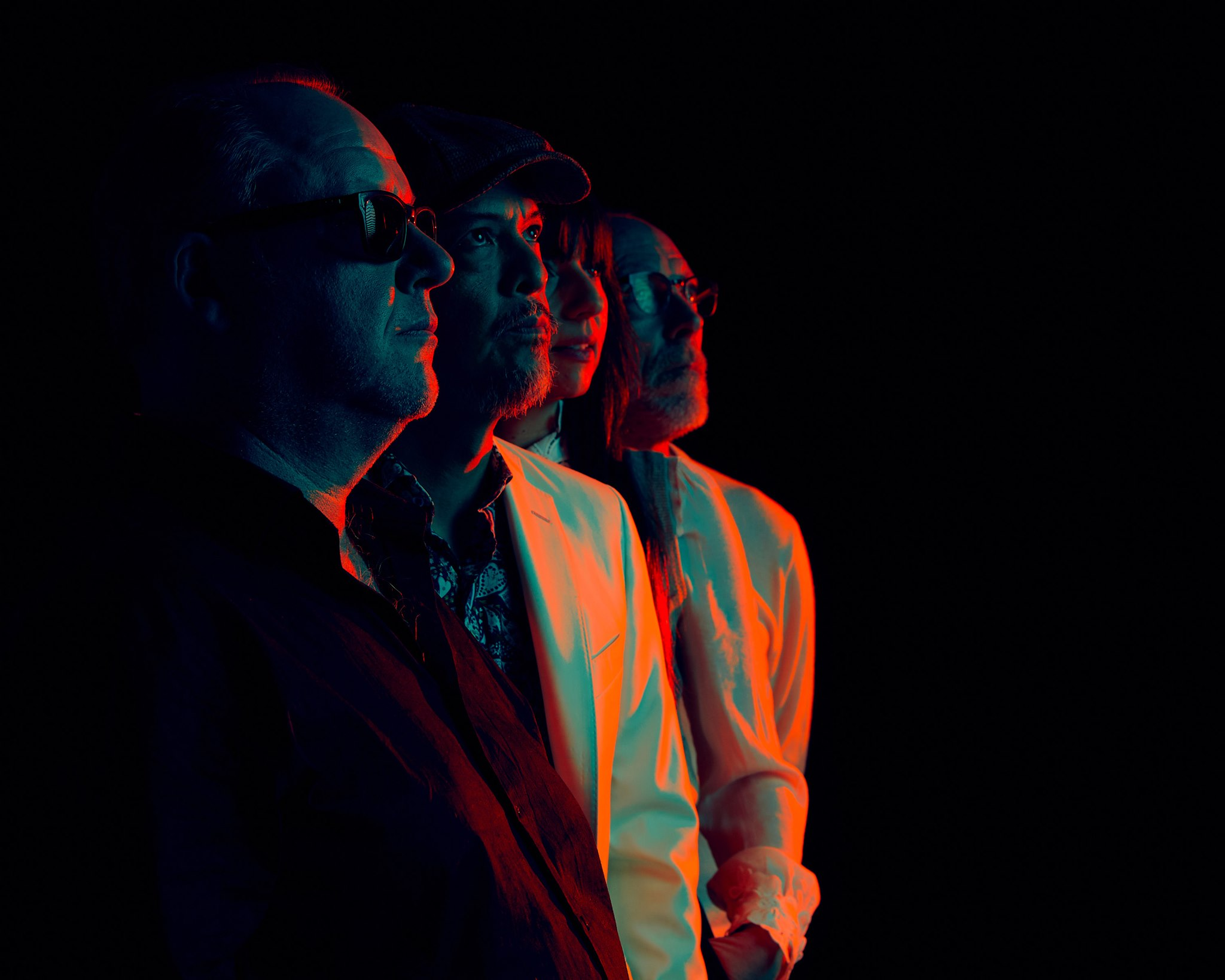
The Pixies have released a video for their new song “Human Crime,” which is likely to be one of 40 Frank Black has written for the band’s upcoming album.
The clip is set in a fairy otherworld created by bassist and director Paz Lenchantin. “The storyline is loosely based on an ‘inside joke’ between [Black] and me about going on tour,” she said in a statement. “How we go through a door from our reality state into the altered state of becoming and being a Pixie.”
Frank Black discussed his attitude to writing in a recent Guardian interview. Asked if he ever worries about having peaked as a creator, he replied: “Oh, sure. Every time I write a song that I’m pleased with. I’ve put together about 40 songs for the current Pixies record. A couple of times I even surprised myself, but I think it’s a common experience in song writing. You write something that you’re pleased with, and your first thought is, ‘I just wrote the best song I ever wrote.’ But to say, ‘I’m never going to write another song that good’ would be quite an epiphany, so I’m not inclined to make that kind of statement.”
In the same interview, he explained why he never took time between songs to speak to the audience during shows. “I have nothing against people who talk between songs. I’m just not very good at it,” he admitted. “You become very self-conscious when someone’s tuning their guitar or there’s a pause in the show. It makes you nervous, so you ramble and make stupid jokes into the microphone. I’d listen back to early recordings. Most of the time you couldn’t understand what I was saying, and if you did understand, it was stupid, so I just felt like an idiot.”
Pixies’ tour schedule includes a string of visits to Europe and the U.K. that run until September.





:format(jpeg):mode_rgb():quality(90)/discogs-images/R-1864078-1468778759-4351.jpeg.jpg)
:format(jpeg):mode_rgb():quality(90)/discogs-images/R-1414844-1468511239-2637.jpeg.jpg)






 The Fat Angel Sings