Archive for the ‘MUSIC’ Category

The Death of Speedy Ortiz & Cop Kicker ...Forever by Speedy Ortiz

Marking their tenth anniversary, Carpark Records bundles up the first two self-released EPs from Speedy Ortiz, dating from a time when it was still Sadie Dupuis’s solo vehicle rather than a full-time band. Both originally released in 2011, ‘Cop Kicker’ and ‘The Death Of Speedy Ortiz’ laid the groundwork for one of 2010s American indie’s most compelling artists.

Speedy Ortiz haven’t released an album since 2018’s lively “Twerp Verse“, an unabashedly pop-leaning turn from a band that established itself at the beginning of that decade with a considerably less polished grunge sound providing a solid foundation for the project. Instead, the group’s mastermind Sadie Dupuis has set out on a solo venture as Sad13 to explore various facets of this pop-star persona hinted at on “Twerp“, fully chasing the experimental highs achieved on the synth-infused choruses of “Lean in When I Suffer” and “Lucky 88.”

Yet this technically isn’t Dupuis’ debut as a solo artist—the earliest Speedy recordings were captured before the band expanded into a four piece, with the EP “Cop Kicker and LP “The Death of Speedy Ortiz” celebrating 10 years of life in 2021, as commemorated by the package-deal compilation “The Death of Speedy Ortiz & Cop Kicker .​.​.​Forever”, a fused-together collection of tidied up versions of those projects released digitally back in November. In place of the band’s familiar deadpan wisecracks and bulky riffs was the lone Dupuis kicking out demo-quality noise-rock jams documenting a period of extreme uncertainty in the song writer’s life, documenting everything from heartbreak, to more impactful personal tragedies, to an obsession with late-’00s feminist horror.

1. “Hexxy Sadie”

I wrote this on my 23rd birthday, about being a “twinless twin” and the random luck of being alive. Sometimes fighting to stay alive makes you do gross, weird, ruthless things. I was really into horror manga then (and now), and imagined myself as a bug, eating all the other hatching insects around me, final-girl-style. I was really into early Rob Crow bands—my then-bandmate Chuck was constantly singing the Thingy song “Rope Swing” that summer—and I can hear those bands’ influence in some of the arpeggios. 

2. “Cutco”

The most passive-aggressive way of letting your friends know you’re pissed is through an elaborate cannibalism metaphor. The real Cutco is an O.G. MLM scheme, and an ex-boyfriend had worked for them right out of high school and lost money. A losing effort of putting on a brave face for diminishing returns—that’s how it feels trying to be honest about your hurt feelings against defensiveness. There’s a very specific kind of half-step-up, universe-shifting Deerhoof does in its chord changes, and this bridge is the first time I can remember trying to incorporate that move into my own writing. 

3. “Phish Phood”

A scary story about breaking and entering laid over pitched-down audio of me reading a long confessional letter from the serial killer Albert Fish—but make it cute by giving it an ice cream name? I loved the Earl Sweatshirt mixtape and basically all horrorcore; I tried to make this creepy with swelling dark tones on the guitars. The serial killer stuff scared me so much to listen to in mixing I had to reverse most of the speech vocals, one of the only substantial edits I made in 2021. Timpani booms for extra fright factor! I kinda called myself out for over-milking the slasher tropes with a line that still has my number: “You’re no ghost / You’re just some kid / So why are all your songs so mean?”

4. “Kinda Blew”

Chris Lord-Alge, am I the only person to sing your full name in a song? A reference that cracks me up—I definitely used some of his plugins on this. This is about a specific brand of late-’00s/early-’10s feminist horror protagonist—I was obsessed with Jennifer’s Body and Scream 4 around this time, and still. I wanted some of that debauchery-adjacent, whip-smart nihilism for myself. Lots of late night lake swims and putting out matches in my mouth that summer. This is skinny-dipping and fire-swallowing but translated into a whole lot of guitars. I really loved Telephono by Spoon, and slid a little reference to “Don’t Buy the Realistic” in.

5. “Ken-Ohki”

Ken-Ohki is the half-cat, half-rabbit from the anime Tenchi Muyo, who transforms into a spaceship for the bounty hunter Nagi. Now that you’re caught up on my super-cool reference…the character singing this song is some kind of ruthless bandit, acting shitty, but half-apologetic, and at least they didn’t traffic organs? The aforementioned Cutco boyfriend really had gone on a drunk rampage after scratching his truck, and then became a Marine; I brought that in as a contrast to the coldness I saw in myself while moving on from my life in New York and the friends I’d left behind (both in moving and in living past them). It’s a bitter rubberneck away from grief, perfect for several layers of banjo—all of which I recorded from my tiny single bed, feeling like a townie. The Chipmunk-y, pitch-shifted backing vocals felt like an alien and left-field texture to me at the time; now it’s Bandcamp de rigueur! 

6. “Speedy Ortiz”

The cutest part of this song is how I can hear Ellen Kempner singing and laughing and trying to get me to laugh in the back of the drum tracks. This song is super literally about the character Speedy Ortiz from Love & Rockets, and pulls plotlines from a few different issues surrounding that character’s death. Jaime Hernandez’s stories were lifesaving escapism for me, even when they dealt with issues that closely resembled my own. Despite the dark subject matter, this song sounds palpably joyful because it’s a tribute to comics I love so much. Thanks, Jaime! 

On a musical level, this is one of the simpler songs I’ve written, and acted as sort of a mission statement for what I wanted my new project Speedy Ortiz to sound like. My old band Quilty had veered toward proggy and space-rock-y, with a big pedalboard and weird open tunings. I initially called this new solo project my “no pedals, standard tuning band,” a chance to get a literally clean break with a diminished arsenal of effects. So “Speedy Ortiz” is a simple punk song, not too many sections, and the only real treatments are distortion times twenty.

7. “Hurricane Speedy”

All of these songs came out of songwriting prompts from the kids I taught (or my co-teachers), and this one was ”Spirited Away.” The lyric “I know there’s a No-Face waiting for me” sounds so menacing, removed from the Miyazaki context! I can’t remember this song’s original title, but when I was finishing mixing these to first release on Bandcamp, it was the middle of a pretty intense hurricane season. The structure of the song—a quiet, acoustic intro building to a psychedelic clash of sliding guitar riffs and pummelling drum layers—echoed the ominousness of an impending storm. And maybe there was a parallel to the inner turmoil of uprooting myself to a new state—the hurricane is coming from inside the house. I think I was trying to sound like Trail of Dead, but one of the riffs is a pretty direct homage to The Craters, whose frontperson Wes Kaplan is the brother of Speedy bassist Darl Ferm’s high school bandmate Cas Kaplan—six degrees of Massachusetts, etc., etc., etc.

8. “Thank You”

Keep It Like a Secret” is the single biggest influence on my guitar playing, so here’s my big blatant Built to Spill moment! I remembered this one as harsh, but when I went back to re-mix it, I wound up pretty impressed…maddened by the 40,000 guitar tones and three layers of drums competing with the vocals, but still, impressed. I think I made most of these parts up on the spot, something I don’t do much anymore. Lyrically, just a classic kiss-off to somebody who wasn’t good for shit! Thanks for nothing, jerk!

9. “Frankenweenie”

This song still fucks me up. It’s about putting down my childhood dog, but I used that as a metaphor for my first big breakup—euthanizing your first love after five years of codependency. Yeesh! I’m a sucker for slow-build, mid-tempo ballads with pianos and twisting guitars, a formula Elliott Smith pretty well perfected and I keep trying to inhabit, never more directly than here. The snare sound is one of my favourite things on this record—I tracked it in a tent with the laptop mic right on the drum as a way to dampen it. It sounds like the wildest re-amped sample ever, but it’s all natural clipping, baby.

10. “Blondie”

Written a few weeks after the rest, my song writing friend group remotely worked on the prompt “blown away”—during one of those aforementioned late-summer hurricanes. During re-mixing, Justin Pizzoferrato and I both had a head-scratching session trying to figure out how my guitar and vocal doubles were so close to the original, and how to make them more distinct from each other. Then we realized some of the dripping faucet and tapping sounds are only in the “original”—I guess I tracked guitar and vocals separately, then played them both back through a speaker in the bathroom, which (we guess) I recorded to create an echo chamber effect, with some weird auto-gating kicking in, too. Sneaky move, past me!.

11. “Ka-Prow!”

My covers band Babement has been written about way more times than we actually practiced or gigged—two whole shows. But I made this song shortly after those, and I actually hear the Pavement influence, especially in whatever Malkmus-patented tuning I used. The prompt for this song was “explosions”; Porches, my friend from another band’s brand new solo project, had just put out a song “Tan Lines,” and I think my “tans” here are a reference to that. I loved including easter eggs to my friends’ bands’ songs back then, since that was basically the entire demographic of folks who’d hear mine. This was one of the first songs I tracked for this project, and it had a lot less layers of guitars than the ones that came later. So I dove really deep into automating delays and tremolos to make the one lead line as colorful and dynamic as possible. It was first called “Ka-Pow!,” like the comic book onomatopoeia, then a friend misread it as “Ka-Prow,” an Austin strip mall restaurant where I’d once tried to get a dishwashing job, and then that was its name. 

12. “Necronomicon”

The original mixes of these songs had a lot of ambient sounds in them—other people whispering or shouting in adjacent rooms, laptop spacebar clicks, some intentional noises, some not. I had a good time shaping the rustles into new textures, especially in this intro and outro. “Necronomicon” vaguely touches on the plot of Evil Dead, duh, and there were some definitively evil sounds I did battle with in trying to re-mix. Bringing out the piano and kick and climbing guitars also brought up some cursed hissing. At some point, I had to let the evil noise prevail—just as the woods would’ve wanted. 

13. “Teething”

This melody kicked around in my head for at least a year before I recorded (unlike most of the rest of them, written in an hour and recorded later that day). Around the corner from my apartment, I witnessed a man on a motorcycle hit by a truck. He was thrown about 20 feet from his bike, landed in a scarily contorted position, and I never knew if he survived. The shock and brutality and sadness of it stuck with me then and still does. I was re-diagnosed with OCD in 2019 after dealing with complicated grief—similar to the circumstances I was in before writing this album—and “Teething” feels like a recognition of my need to verbalize my fears about death and dying, rather than ruminating cyclically. (“A word should come from my head before it grows in size / But what breaks through me instead are all the spiders inside” equals talk about your fears, maybe, before they overtake you?). I was really into the Scout Niblett album Kidnapped by Neptune, where her drumming feels like it’s bending time, and I can hear her influence.

14. “Doomsday”

Another one I’d written a few months before recording. It came to me while I was biking over the Williamsburg bridge into Manhattan, shortly after my roommate James McDowell died. Someone in my family had a TBI from an accident while biking, which scared me off it for a while, but James loved biking all around the city, and I got braver because of him. He was an amazing photographer, writer, and friend, who championed the music and art of those he cared about. Life felt doomed without him, to put it plainly. He’d died suddenly and unexpectedly from an undiagnosed heart condition, and it just didn’t make sense that I wouldn’t see him again. There are no silver linings to losing a friend, but knowing him and losing him inspired me to seek out art and community and adventure, because that’s what he did every day. I even got a tattoo of one of his photos to remind me to stay engaged. My old band Quilty tried to do “Doomsday,” but it wasn’t coming out right, and I knew this song was too important to get wrong. Speedy re-recorded it as a full band a few years later, but this early solo one still feels definitive to me. I can hear my love for James in every layer of the recording.

15. “All Red”

This was recorded along with the “Death of Speedy Ortiz” and “Cop Kicker” stuff, a re-telling of the Grey Selkie folk song, but I wasn’t brave enough to mix it right so it’s stayed unreleased ’til now.  Its layers feel unwieldy, lots of raw sounds whirling around and turned up. I love noisy home-taped recording projects and was especially enamoured with Sparklehorse, which I can hear on this one. The ending cracks me up

I remember recording this in a practice shed the camp would use for strings and woodwinds lessons. A friend is clearly waiting for me to finish up recording so we can go eat dinner or something, and I’m stalling for time. “Should we do it? Right on, do it! Wait—what the fuck? Let me make sure…”

16. “Let’s Get Evicted”

If there are cellos and violins and upright basses in a closet you have the keys to, you are obligated to record with them, even if you don’t know how to play them. That’s the philosophy of “Let’s Get Evicted.” Some brutal breakup lyrics on this co-dependency jam—”Let’s kiss off a cliff / Take a nap in the grave / Let’s get evicted and torture our enemies.” True love, right? Puddles of irony dripping off those ending “la-las.”

17. “Open Sesame”

Tracked in my mom’s basement, a nylon string guitar layered over some unhinged drums and a whole lot of layers of spoken and screamed vocals. A friend was dealing with a shitty parole situation, and I think that’s where the lyrics came from—as well as the title “Cop Kicker,” even though this song didn’t make it to that EP. I love all the delay squiggles that sound like a radio being tuned, and the Casio-y drum loop that comes in for only four measures. 

18. “Bill Sauce”

Get in and out quick! Inspired by and sounds like the cheap beer–saturated punk and hardcore shows I was hiding in the corner at when I first moved to Western Massachusetts. All of the boy-band drummers wanted to sound like GOAT Brian Chippendale, I didn’t stand a chance of that, so I looped some ridiculous fill named “Chugger” from a sample pack I stole from an old bandmate and sped it way up, adding irregular MIDI hi hat accents to it. I had to work hard to track down “Chugger” in 2021—the file probably lurking on a hard drive two or three past—it involved looking up the names of owners of a drum samples company that was seemingly many years defunct, who very nicely emailed me the file so I could do my re-mix. 

19. “Summon It”

There was some bumper music on MTV(U?) around 2011 that was a soundalike for a section of YYY’s “Maps,” and some of the triumphant rhythm guitar/noodle interplay is way in that vein. The verse is probably the surfiest part I ever plucked—definitely a then-hot trend among the Brooklyn DIY crew I gigged around with, but which I mostly avoided (along with all reverb). I got diagnosed with a rare blood clotting disorder that’s tested for by mixing blood with snake venom, the gothest medical procedure I’ve ever been party to. How could I not write a song about that? I clearly wanted “Summon It” to sequence into “Deady,” since the former’s outro anticipates the latter’s chorus. And now that these songs are seeing release for the first time, I’m happy I get to honour that old idea. 

20. “Deady”

“Deady” is the name on a prominent tombstone in a notable cemetery at an unskippable stoplight in Amherst, MA. Tracked in 2011, this first came out on a Post-Trash compilation in 2015 under “Sadie Dupuis.” But, let’s be real, this was Speedy. There are 10 guitars on this one, all tuned down lowwww. No bass! I remember my neighbour coming over to knock on my door, like, “Hey, can you turn down the bass you’re playing?” I was like, “I’m not playing bass! No bass here at all.” A medieval jam about working through depression, every wart out. Acknowledge your worst thought, sing it in a song, then let it go, something like that. I was absolutely in a regular D&D session with other students in my MFA program. Will I ever be this cool again? 

21. “Meat of Contract”

Another “no bass” jam, but you sure wouldn’t know it after all the octave and re-amping effects on the guitar. The prompt was “critter,” and I wrote it after the Angela Carter short story “The Tiger’s Bride,” a warped re-telling of Beauty and the Beast“White meat of contract” is her line, and I chant it in demonic, wall-of-sound harmonies over the outro. It’s kind of shadowed and spooky—“Critter, c’mere, lick the blood out my bullet hole” is one of my favourite lyrics from this whole collection. But a lot of the critter-y language that seems like a metaphor was just from happily hanging out with my sweet dog Buster, who loved to curl up at my feet all day long. 

22. “Son Of”

This kind of sounds like Sugar Ray to me now, and don’t let anyone tell you that’s not a good thing! Legally, my name is “Sarah”; “Sadie” is a nickname for Sarah, and one of my great-grandparents went by it. I started going by Sadie for all music-related endeavours when I was 20 and didn’t want people to connect me at my day job to me in my bands on MySpace. Around 2011, as playing in bands had become the most important part of my life, I stopped wanting to go by Sarah at all. This song was about forming an intense new bond with someone, and wanting them to know the real me, not just the “Sadie” they knew through music. In hindsight it’s very funny that I had these concerns over my own authenticity when I was regularly playing to, like, eight to 10 people. But, for whatever reason, needing to carve out a private, honest space for myself through lyrics has been a concern for me since I started making songs around age 13. Please don’t call me Sarah, by the way. Unless you’re my mom.

“Speedy Ortiz” is taken from Speedy Ortiz’s album, ‘The Death of Speedy Ortiz & Cop Kicker… Forever,’ out now on Carpark Records.

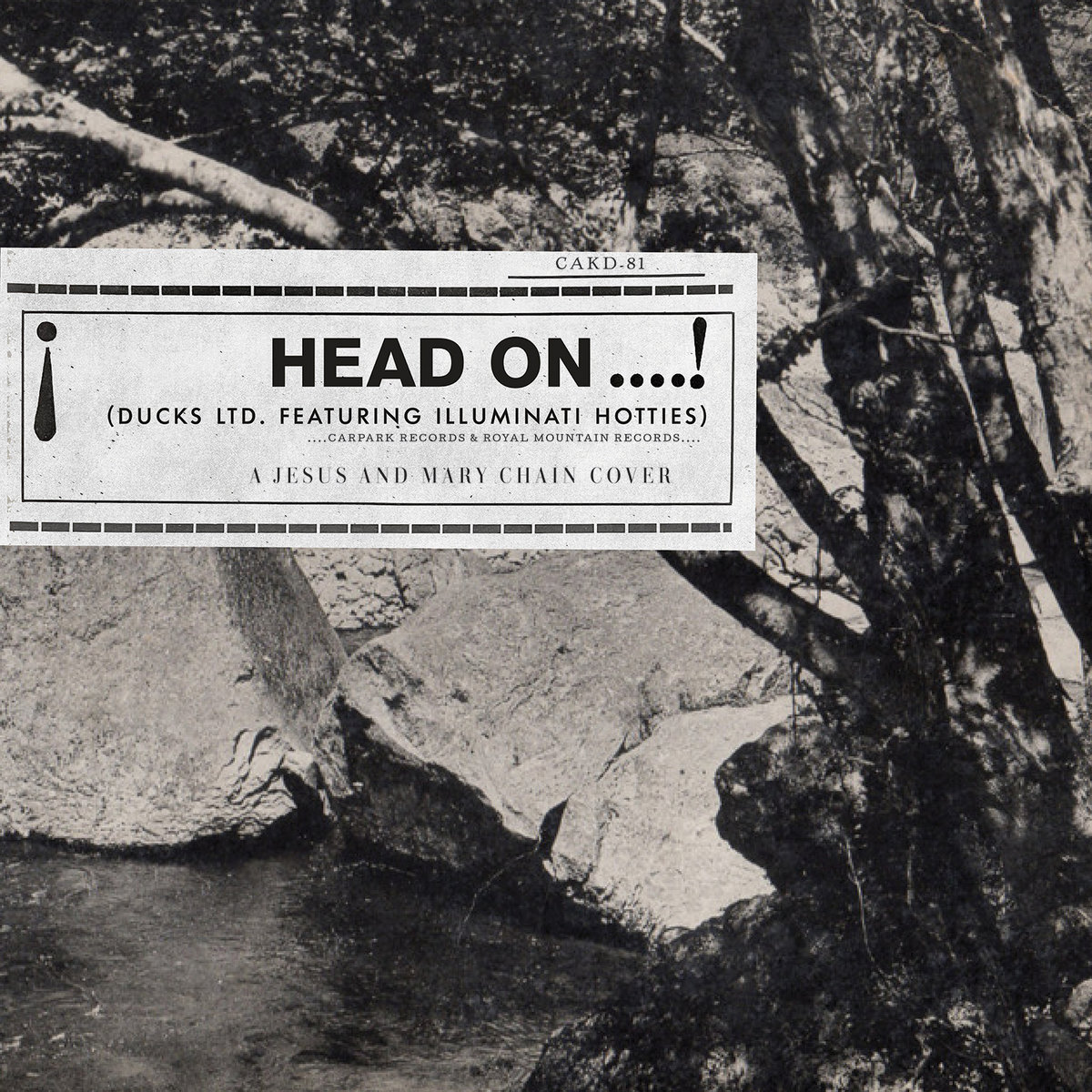
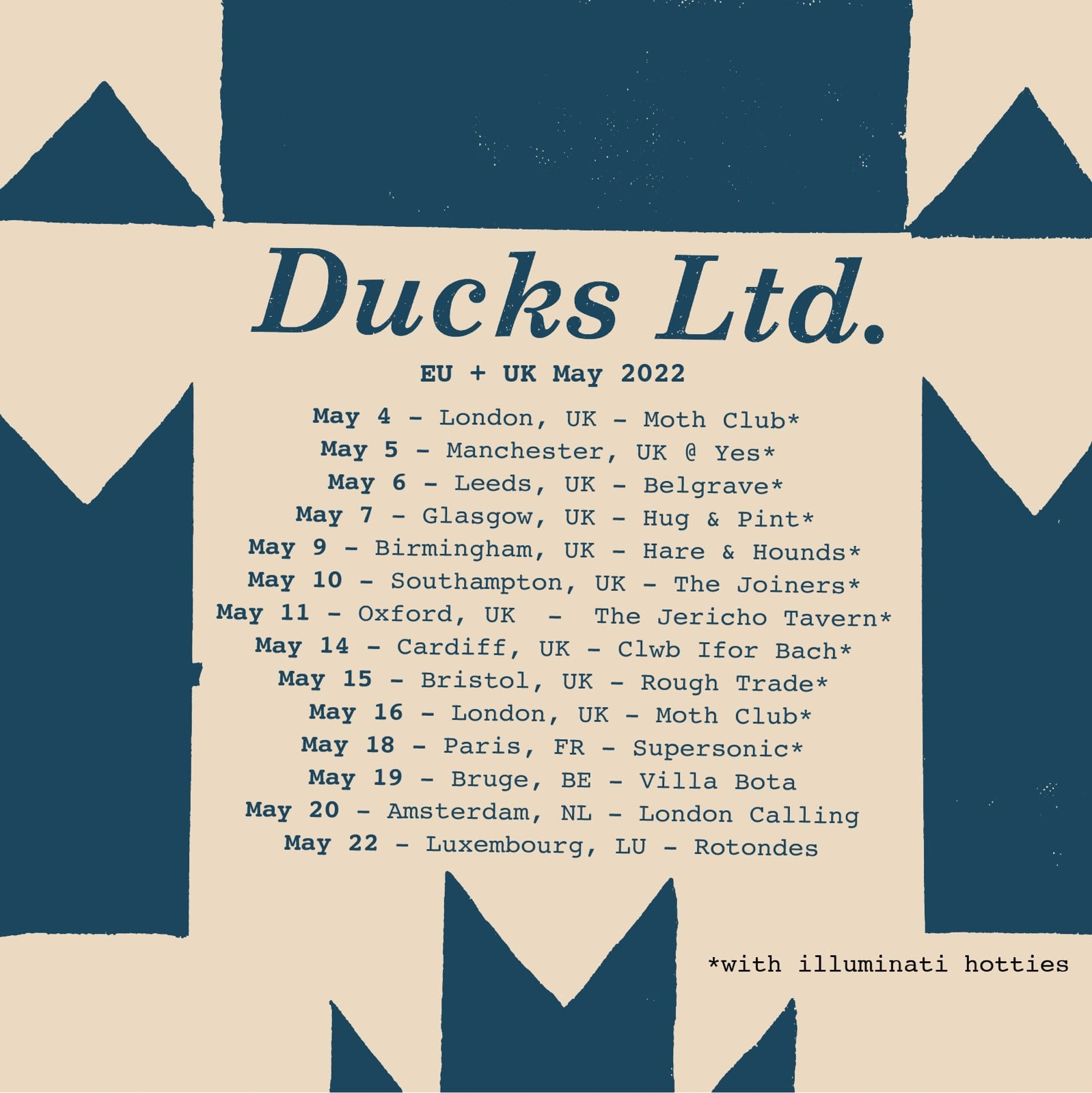
Regardless of which niche corner of rock music you most frequently inhabit, it’s been an exciting week for collaborative singles. the New Weird Australia EP from leaders of the movement Tropical Fuck Storm and King Gizzard, and a worthy contribution to the power pop group chat courtesy of Dazy and Militarie Gun, Ducks Ltd. are now pushing forward with their jangle-pop renaissance agenda by covering renowned not-jangle-pop outfit The Jesus and Mary Chain’s “Head On” with the help of illuminati hotties.

Re-contextualizing the track from its very-’80s noise-pop origins to another movement from that decade, The Ducks replace the original track’s massive weight with the tight, breezy sounds of last year’s debut “Modern Fiction“, with Sarah Tudzin’s vocals underlining those of Tom McGreevy. “Every time we do [a cover] we feel like we learn something about song writing and arranging that makes us better at making our own music,” he shared in a press statement. “This project is kind of an extension of that exercise, and as a band who obviously wear our influences on our sleeve a bit, it’s a fun way to share some stuff we’re into.”

After continuing on to make the bold claim that “Trompe le Monde” is the best Pixies album (obviously incorrect—it’s “Bossanova“), McGreevy says of the collaboration: “Sarah Tudzin has an immense and powerful production/mixing mind and one of my favourite singing voices of anyone doing stuff right now, so we asked her if she’d be down to work on it with us and she helped us figure out how to make all the pieces fit together. Truly a high honour! She also persuaded us to record our guitars through actual amplifiers for the first time ever, rather than going straight into the box like we normally do which feels momentous! Amplifiers! Who knew!”

The collaborative single arrives ahead of Ducks’ imminent U.S. tour. “Head On (feat. Illuminati Hotties)” is the first cover of a series by Ducks Ltd. called The Sincerest Form Of Flattery, out on Carpark Records. More to come hopefully.
Over the past 18 months, Camp Cope have become a force in modern music, a wholly independent band who will only do things on their terms, and refuse to compromise on their values. The three-piece have already garnered international acclaim. Selling out two shows at the Sydney Opera House last month, taking home wins for multiple Australian music awards including Best Emerging Act at The Age Music Victoria Awards, the Heatseeker Award at the inaugural NLMAs, a nomination for Australian Album of the Year at the J Awards and being shortlisted for the Australian Music Prize.

While Camp Cope’s politically forthright sophomore effort was defined by its penetrating admonishments, Hurricane is contemplative and peaceful. This is unsurprising, considering it took four years for the album to materialize, during which time Maq worked as a nurse issuing COVID vaccines. “I used to place a lot of importance on music—I was like, ‘this is the most important thing in the world,’” she recently told NME. “And then the pandemic happened, and my focus completely shifted.” Lead single “Blue” is emblematic of this focus shift, as Maq permits herself to look inward. “Sat in my car ’til the song stopped playing / See I’m blue with or without you, baby,” she shivers over milky open chords, landing on the inevitable realization that our sadness is attached to ourselves alone. Interrogations of love and relationships spread across the album, and vacillate between stoic self-assurance and unabashed servility. On “Caroline,” Maq tells herself, “I know there is love that doesn’t have to do / Anything that you don’t want it to do.” Meanwhile, “Jealous” finds her admitting that she begrudges an ex-lover’s pet (“You’re never in the wrong / I’m so jealous of your dog / Still got my collar on”).

Running With The Hurricane” finds Camp Cope on the other side of a storm. The third LP from Melbourne trio Georgia Maq, Kelly-Dawn Hellmrich and Sarah Thompson is about what happens after chaos hits; when you’ve walked through the fire and come out stronger, calmer and happier than ever before.

The band’s last album, 2018’s How To Socialise And Make Friends, put Camp Cope under an intense spotlight. That release allowed the trio to say what they needed to but both professionally and in their personal lives, they’re in a very different place this time around. On “Running With The Hurricane”, Maq (songwriter, vocals, piano, acoustic & electric guitar), Hellmrich (bass guitar) and Thompson (drums) are older, wiser and happier. It’s an album that is gentler than what they have done before, more positive and more at peace with the universe. Because as Georgia Maq sings on the album’s title track, sometimes “The only way out is up”.

While the Big Stuff of this album is all about growth, over- coming and pushing through the pain, the little details are still quintessentially Camp Cope. “Running With The Hurricane” reflects on faltered romances, secret crushes and vibrating with the confidence that makes you feel like you’re on fire. It’s about taking comfort in knowing who you are, feeling yourself and returning, always, to the city of Melbourne.

For fans of Courtney Barnett, 10,000 Maniacs and Bettie Serveert.

“Running With The Hurricane” by Camp Cope off of their upcoming album ‘Running with the Hurricane’ out March 25th via Run For Cover Records.

UK duo Let’s Eat Grandma will release their anticipated new album Two Ribbons on April 29th, and they’ve just shared a new single from it, a soaring dance number appropriately titled “Levitation.”

“It’s about feeling all over the place, escaping to your imagination and being in a disorientating and surreal mental state, which can be both scary and elevating somehow – everything feels more creative and things look brighter,” says Rosa Walton. “You’re with someone you’re close to, trying to reach out and connect to them, and even though you’re both struggling, you’re able to find comfort in one another, and have an absurdly funny yet meaningful time together. You begin to see some hope in your future again after a time when you’d started to lose sight of that.

The video for the song, directed by Noel Paul, makes clever use of in-camera false mirror effects that work off Walton and Jenny Hollingworth’s bond. 

Levitation is the fourth single from Let’s Eat Grandma’s upcoming album Two Ribbons, out on Transgressive Records 29th April 2022.

SOCCER MOMMY – ” Shotgun “

Posted: March 27, 2022 in MUSIC

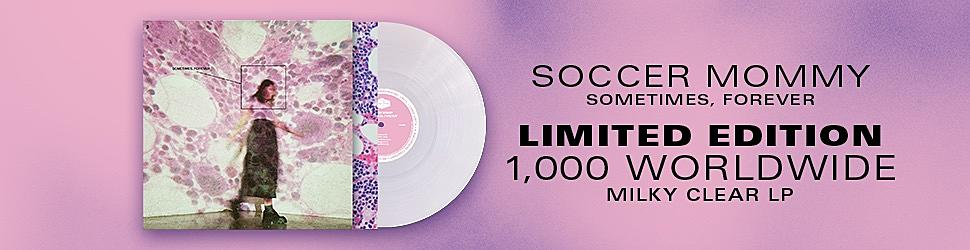
Soccer Mommy has announced a new album, “Sometimes, Forever” , and shared the instantly addictive first single, “Shotgun.” So excited to announce that my next rec ‘Sometimes, Forever’ is out in June, It feels like a long time coming and I can’t wait to share it with you.

Soccer Mommy (aka Sophie Allison) announced the release of a new album, “Sometimes, Forever“, which will be out on June 24th via Loma Vista. Allison also shared a video for the album’s lead single, “Shotgun.” 

The new track opens with a grungy melodic guitar and snappy drums. Sophie Allison’s hushed, satiny vocals detail the thrill of a sweet relationship. “Uppers and my heart never meshed / I hated coming down / But this feels the same without the bad things,” she sings on the opening verse. Visceral images of fogged windows, menthol breath, and a room dirtied with beer bottles and ice cream cartons transport us into the middle of a relationship that makes Soccer Mommy feel like a “bullet in a shotgun ready to sound.” Galaxies away from “Color Theory’s” sombre tone, “Shotgun” allows Allison to flex her skilled song writing in an entirely different hue.

Kevin Lombardo directed the video. “‘Shotgun’ is all about the joys of losing yourself in love,” explains Allison in a press release. “I wanted it to capture the little moments in a relationship that stick with you.”

Sometimes, Forever” was produced by Oneohtrix Point Never. Allison’s most recent album was “color theory“, came out in 2020 via Loma Vista. 

It’s been just under a year since Russell Edling dropped his debut album as Golden Apples, and it seems that over this brief period of time the Philadelphia-based songwriter’s bedroom-set lo-fi compositions have blossomed into a full-band affair. “High School,” the first taste of Golden Apples’ newly revealed self-titled second full-length, sees the outfit expanded into a five-piece with the hazy, nostalgic sounds of “Shadowland” clinging to a handful of specific subgenres popular in the late-’80s and early-’90s like jangle pop, grunge, and dream pop. Which feels apt when you consider the track’s lyrical content. 

Golden Apples possess the rare ability to make music that’s at once familiar and elusive, instantly satisfying and also undeniably unique. On their self-titled sophomore album, the Philadelphia-based band have seamlessly combined the off-kilter catchiness of ‘90s college rock with dashes of dreamy shoegaze, scrappy bedroom pop, homespun psychedelia, and more.

The result is a vibrant and eclectic sound that works in tandem with Edling’s agile lyrics, and an album that aims to capture the endless highs and lows of life without sanding down the complexities and contradictions–all done with humour, humanity, and most of all, hooks. Led by songwriter Russell Edling, Golden Apples began as something more akin to a solo endeavour. The project started as his previous group, Cherry, was ending, and the pandemic was beginning. Edling hunkered down in relative solitude outside of Philadelphia and made Golden Apples’ 2021 debut LP, “Shadowland“, but it wasn’t long after that he began writing again. This time, however, he sought a very different creative process. “With the last record, I felt like everything was under the microscope of my vision and my abilities,” he explains. “This time I wanted the opposite, I wanted to go to a studio with musicians I trusted and just knock it out.” Edling recruited an all-star line-up of Philadelphia’s best players–including drummer Pat Conaboy (Kite Party, Sun Organ, Spirit of the Beehive), bassist Tim Jordan (Kite Party, Sun Organ, Lowercase Roses), guitarist/vocalist Mimi Gallagher (Nona, Eight, Cave People), and guitarist Matt Scheuermann (Lowercase Roses)–and convened for two weeks at The Bunk recording studio with engineer/multi-instrumentalist Matt Schimelfenig (Gladie, Sun Organ, Three Man Cannon). “One of the nice things about Philly is that the music community is so intermingled and everyone collaborates,” says Edling (also of Kite Party, Lowercase Roses, and Cave People). “I’ve always been inspired by bands that felt like they were part of a creative network of people. I grew up in Northeastern Pennsylvania and we didn’t have a lot of that, so finding it always felt important to me.” That cooperative spirit is palpable on Golden Apples, throughout which a crackling spontaneity accents Edling’s tightly written guitar pop. “I didn’t have the ability to be so precious about every little moment and I think that’s central to how it sounds,” says Edling. “I wanted to step away from the microscope.” There’s an organic collision of warmth and noise across the album’s ten song, 28-minute runtime: gentle acoustic guitar meets ripples of feedback and ‘90s alternative bombast intersects with jangle pop sweetness, all working together to recall everything from Yo La Tengo’s wide-ranging-yet-intimate indie to The Velvet Underground’s fractured version of elemental rock and roll songwriting. Opener “Good Times” begins as a feel-good sing along before devolving into a blown-out keyboard drone, immediately setting the album’s musical and lyrical tone. “I think I’m always writing about the existential trials of coexisting with depression,” Edling explains. “But with every record I make, I take a different stance with that relationship. This is the first time I’ve ever confronted that batch of feelings with some light-heartedness or a joke in my pocket. It’s sort of like ‘I see you, but I’m not afraid of you anymore.’” It’s a sentiment best encapsulated by “Let Me Do My Thing,” an album standout with a laid back mood and a highly memorable chorus. “I wrote that song after having a depressive episode,” says Edling.

“The whole idea was ‘Please understand that this is something I’m really feeling,’ but also to look at how silly the things that take me there can be. Sometimes it takes a joke to help me snap out of it.” Elsewhere on songs like the dreamily rocking “High School” and the psych-tinged “Grass,” Edling takes on the complexities of emotional evolution and even the Sisyphean absurdity of life itself, and then compacts them into surprisingly affirming songs that stick around long after their concise runtimes.

It felt like a loss, watching people and scenery disappear in a peripheral blur. I tried to reanimate that moment with this song because it felt formative and I believe it marked the beginning of my experience with hypersensitivity and existential dread.”

“High School” is the first single from upcoming album “Golden Apples”

FENNE LILY – ” On Hold “

Posted: March 27, 2022 in MUSIC

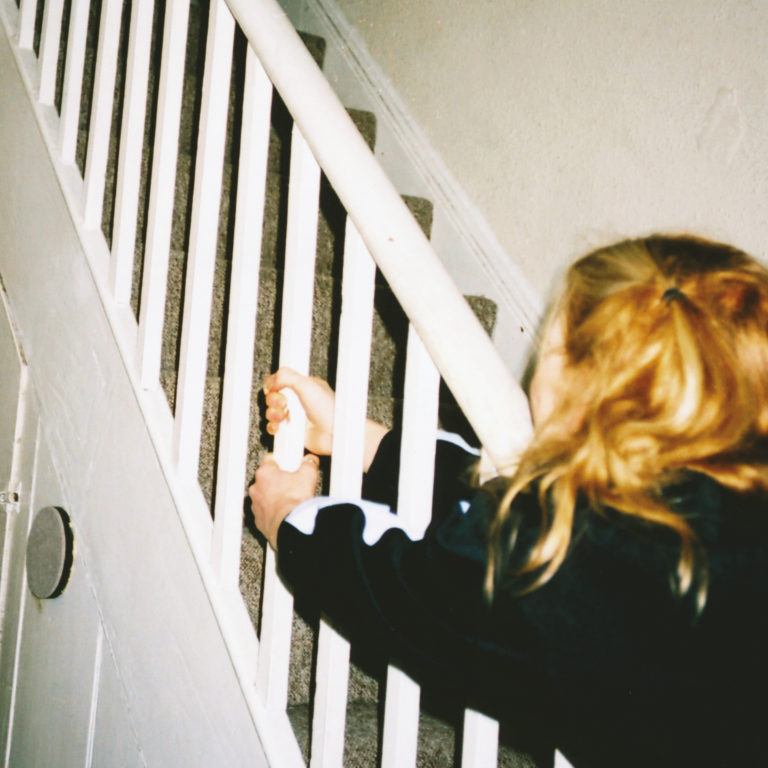
On 6th April, 2018, Bristol-based musician Fenne Lily self-released her debut album “On Hold” – a break-up record uncompromising in its intimacy and vulnerability. With songs written as young as fifteen, the record was a viral hit, racking up millions of streams and announcing Fenne to a worldwide audience.

To have this record physically rereleased is a big deal for me and the person I was when I made it. A lot’s changed since then but these songs and what they’ve given me will remain dependable reminders of beginnings and endings that shaped me as a teenager. For an album whose title is half ‘hold’, it makes sense that now whoever wants to can finally do that again.” – Fenne Lily

The album is out via Dead Oceans. Also today, 2021’s “Breech (Acoustic)” EP gets a physical release; the acoustic companion EP to Fenne’s diaristic and frequently sardonic second album “Breach” (‘At times compassionate, at times derisive, the record captures some of Lily’s most musically compelling moments yet.’

“St. Ides Heaven (Companion Version)”, an Elliot Smith cover, from ‘Letting Off The Happiness: A Companion‘ in the Bright Eyes reissue series.

Bright Eyes have announced an extensive reissue / re-recording project on Dead Oceans for 2022. The revered band, who moved their entire recording catalog over to the Secretly Group label last year, have unveiled plans to re-issue all nine of their studio albums as a ‘Companion’ series with additional recordings created together at their ARC Studios in Omaha. The album reissue series will be partnered with the release of a Companion EP of five new recordings of songs contained on the original release plus a cover version from an artist they found particularly inspiring at the time of the original recording. The Companion series gives Conor OberstMike Mogis and Nathaniel Walcott a chance to revisit some of their earlier material and re-work it entirely – with the occasional addition of some talented friends.

This ambitious project will see the release of 54 new recordings over the coming year.

First to receive the Companion treatment on May 27th are Bright Eyes’ first three albums – “A Collection of Songs Written and Recorded 1995-1997, Letting Off The Happiness” (initially released in 1998) and the now iconic 2000 LP “Fevers and Mirrors”

We’re excited to share our new “Companion” EP rendition of Elliott Smith’s “St Ides Heaven”, out everywhere released through Dead Oceans Records.

“St Ides” is part of our forthcoming “Letting Off The Happiness: A Companion album“, releasing May 27th.

Last, and certainly not least, the band are embarking back on tour, We will be supporting our most recent album ‘Down in the Weeds, Where the World Once Was’ along with selections from across the Bright Eyes catalogue.

Conor Oberst – Vocal, Electric Guitar, Acoustic Guitar Mike Mogis – Electric Guitar, Bass, Acoustic Guitar, Mandolin, Dobro, Pedal Steel, Percussion Nathaniel Walcott – Piano, Trumpet, Synthesizers, Electric Piano, Hammond and Wurlitzer Organs, Mellotron Strings and Vibraphone, Pump Organ, Drum Machine Operation, String Arrangements Kevin Donahue – Drums Phoebe Bridgers – Vocals

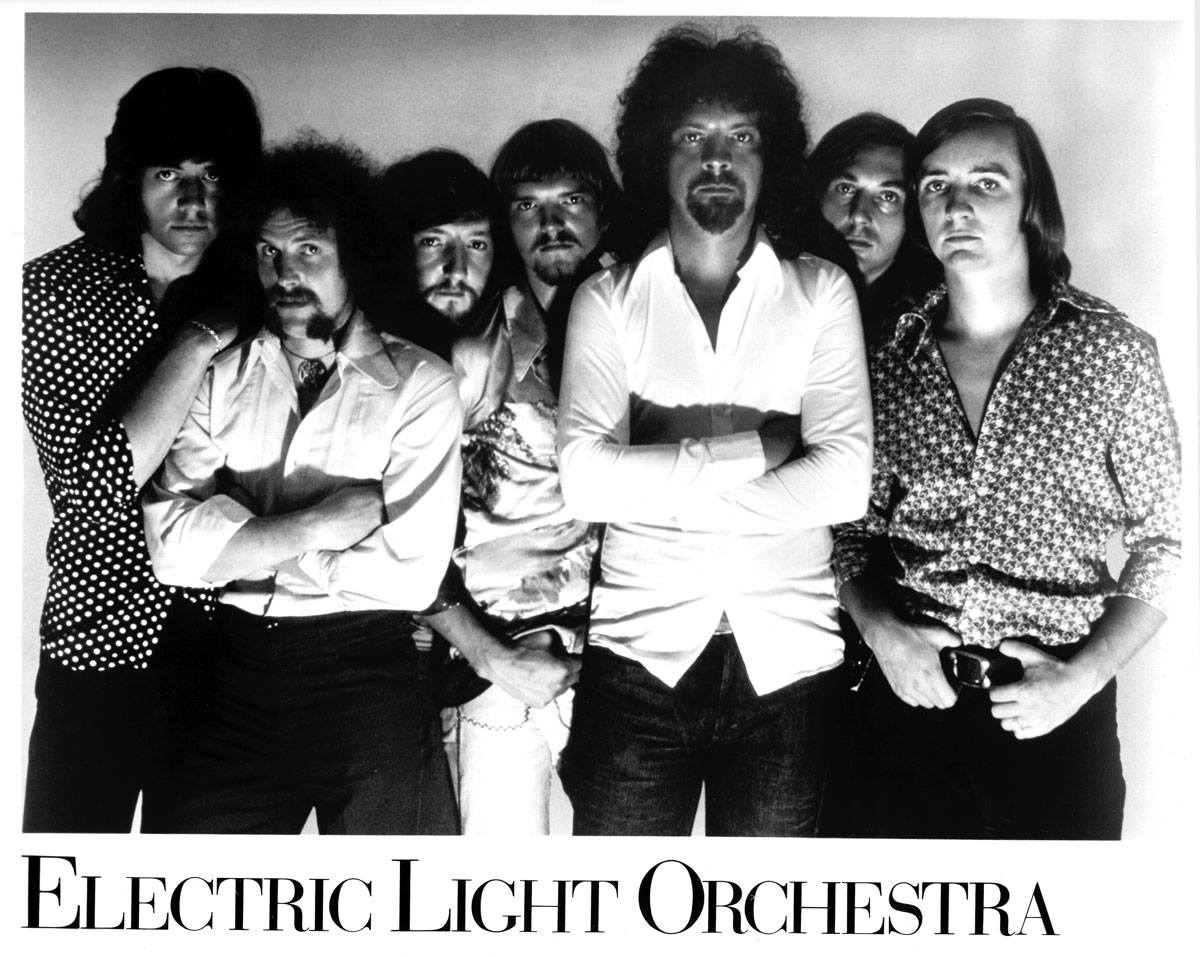
The Electric Light Orchestra (ELO) are an English rock band formed in Birmingham in 1970 by songwriters and multi-instrumentalists Jeff Lynne and Roy Wood with drummer Bev Bevan. Their music is characterised by a fusion of Beatlesquepop, classical arrangements and futuristic iconography.

After Wood’s departure in 1972, Lynne became the band’s sole leader, arranging and producing every album while writing nearly all of their original material. For their initial tenure, Lynne, Bevan and keyboardist Richard Tandy were the group’s only consistent members.

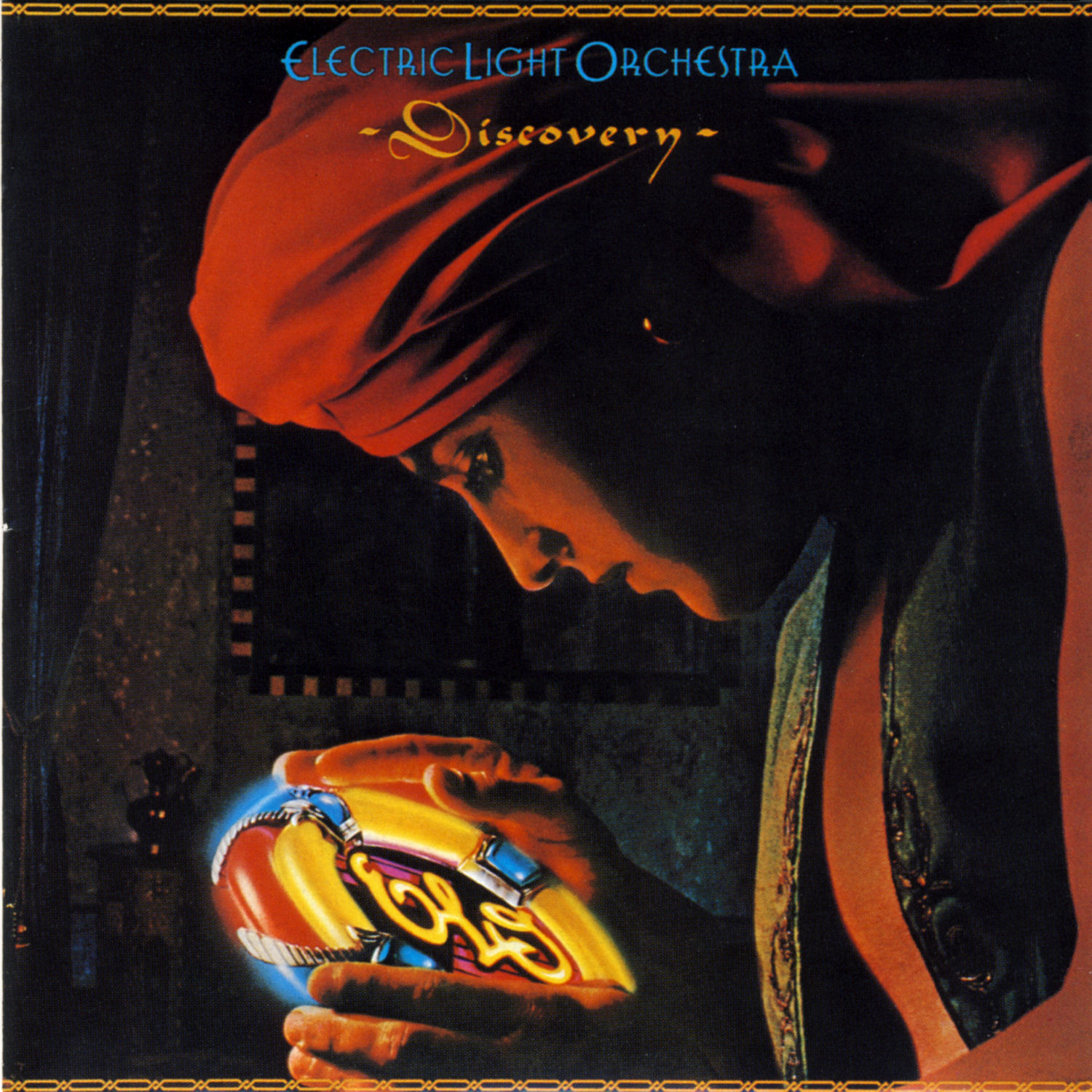
If ELO bestrode the 70s like a colossus, then the 1980s and beyond would prove a far different prospect for the band. During the 1970s and 1980s, ELO released a string of top 10 albums and singles, including two LPs that reached the top of British charts: the disco-inspired Discovery (1979) and the science-fiction-themed concept album Time (1981). In 1986 Lynne lost interest in the band and disbanded the group.

In 1968, Roy Wood was the guitarist, vocalist and songwriter of the MoveWood had an idea to form a new band that would use violins, cellos, string basses, horns and woodwinds to give their music a classical sound, taking rock music in the direction to “pick up where the Beatles left off”. The orchestral instruments would be the main focus, rather than the guitars. Jeff Lynne, frontman of fellow Birmingham group The Idle Race, was excited by this concept. When Trevor Burton left the Move in February 1969, Lynne was asked by Wood to join, only to say no, as he was still focused on finding success with his own band. But in January 1970, when Carl Wayne quit the band, Lynne accepted Wood’s second invitation to join, on the condition that they focus their energy on this new project.

When Wood added multiple cellos to a Lynne-penned song intended to be a Move B-side, the new concept became a reality and “10538 Overture” became the first Electric Light Orchestra song. The original plan was to end The Move following the release of their Looking On album at the end of 1970, crossing over to the new unit in the new year, but to help finance the fledgling band, one further Move album, Message from the Country, was also recorded during the lengthy ELO recordings and released in mid-1971.

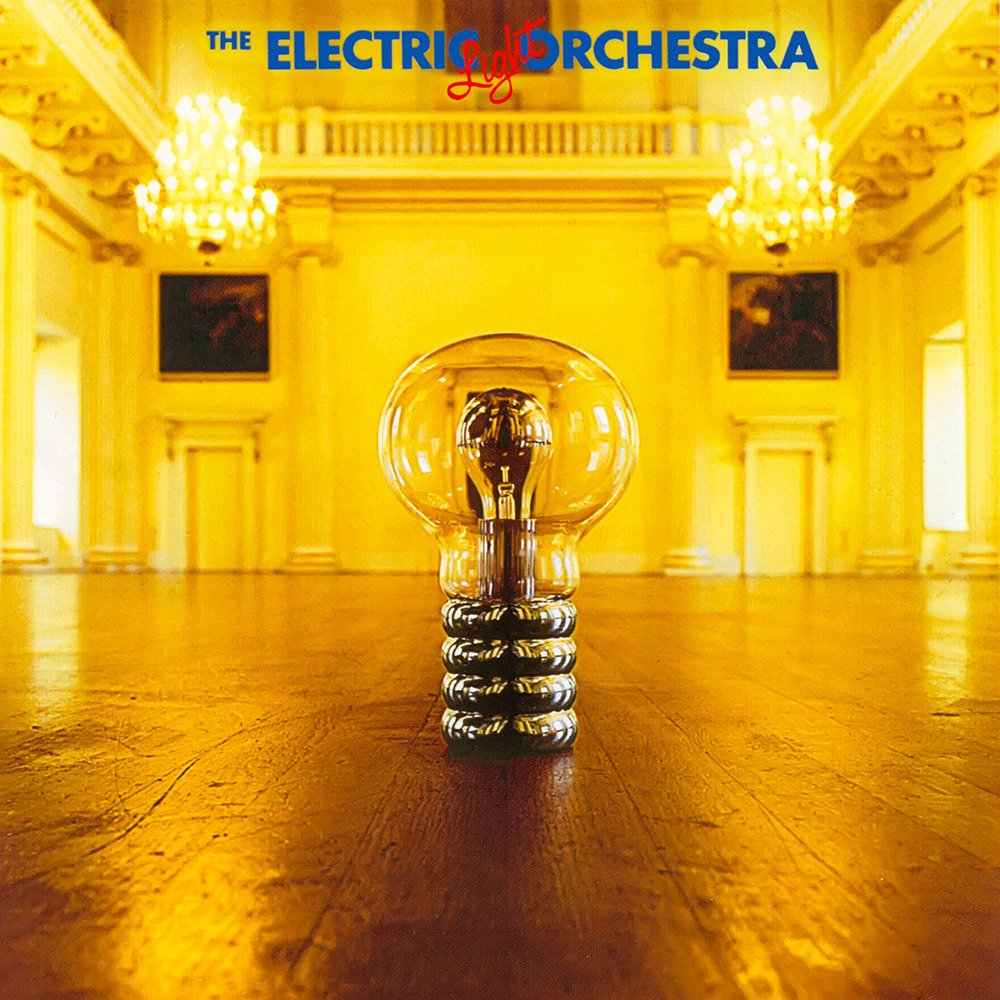
The Electric Light Orchestra

The resulting debut album “The Electric Light Orchestra” was released in December 1971. Only the trio of Wood, Lynne and Bevan played on all songs, with Bill Hunt supplying the French Horn parts and Steve Woolam playing violin. It was released in the United States in March 1972 as “No Answer“. The name was chosen after a record company secretary had tried to ring the UK company to get the name of the album. They were unavailable so she left a note reading “No Answer”. “10538 Overture” became a UK top-ten hit. With both band’s albums in the stores simultaneously, the Move and ELO both appeared on television during this period. with a line-up of Wood, Lynne, Bevan, Bill Hunt (keyboards/French horn), Andy Craig (cello), Mike Edwards (cello), Wilfred Gibson (violin), Hugh McDowell (cello), and Richard Tandy (bass). However, this line-up did not last for long. First Craig departed, and then Wood, during the recordings for the band’s second LP.

10538 Overture” soon became the new group’s mission statement, the opening fanfare on a debut album described by Melody Maker as “a gas”. Wood’s leftfield sensibilities led the nascent ELO into what Lynne later called: “some really strange places”, but “10538 Overture” was a top ten UK hit.

Lynne was still a member of The Move, alongside Roy Wood and future ELO drummer Bev Bevan, when he wrote what became the very first ELO song, “10538 Overture“. With Wood playing a cheap Chinese cello, multi- tracked by Lynne, it sounded to Wood like: “a monster heavy metal orchestra”.

Taking Hunt and McDowell with him, Wood left the band to form his own band Wizzard. Despite predictions from the music press that the band would fold without Wood, who had been the driving force behind the creation of ELO, Lynne stepped up to lead the band, with Bevan, Edwards, Gibson and Tandy (who had switched from bass to keyboards to replace Hunt) remaining from the previous line-up, and new recruits Mike de Albuquerque and Colin Walker joining the band on bass and cello, respectively

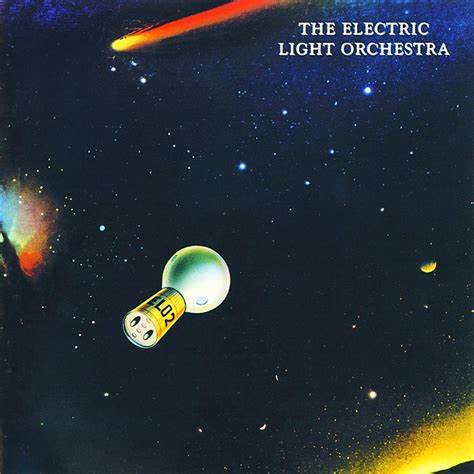
ELO 2 

The band released their second album “ELO 2” in early 1973, which produced their second UK top 10 and their first US chart single, an elaborate version of the Chuck Berry classic “Roll Over Beethoven” (which also incorporated the first movement of Beethoven’s own Fifth Symphony).

After a promising start, ELO could have fallen at the second fence when Roy Wood quit during the making of this album to form Wizzard. But Lynne carried on with an expanded line-up, and the album was moderately successful. With just five tracks on its original vinyl format, ELO II has a heavy progressive rock influence, most evident on the King Crimson-Beatles hybrid In Old England Town and the 11-minute Kuiama. But the best song was Mama, the first sign of Lynne’s pop genius.

During the recording of the third album, Gibson was let go after a dispute over money, Mik Kaminski joined as violinist, and Walker left since touring was keeping him away from his family too much. Remaining cellist Edwards finished the cello parts for the album.

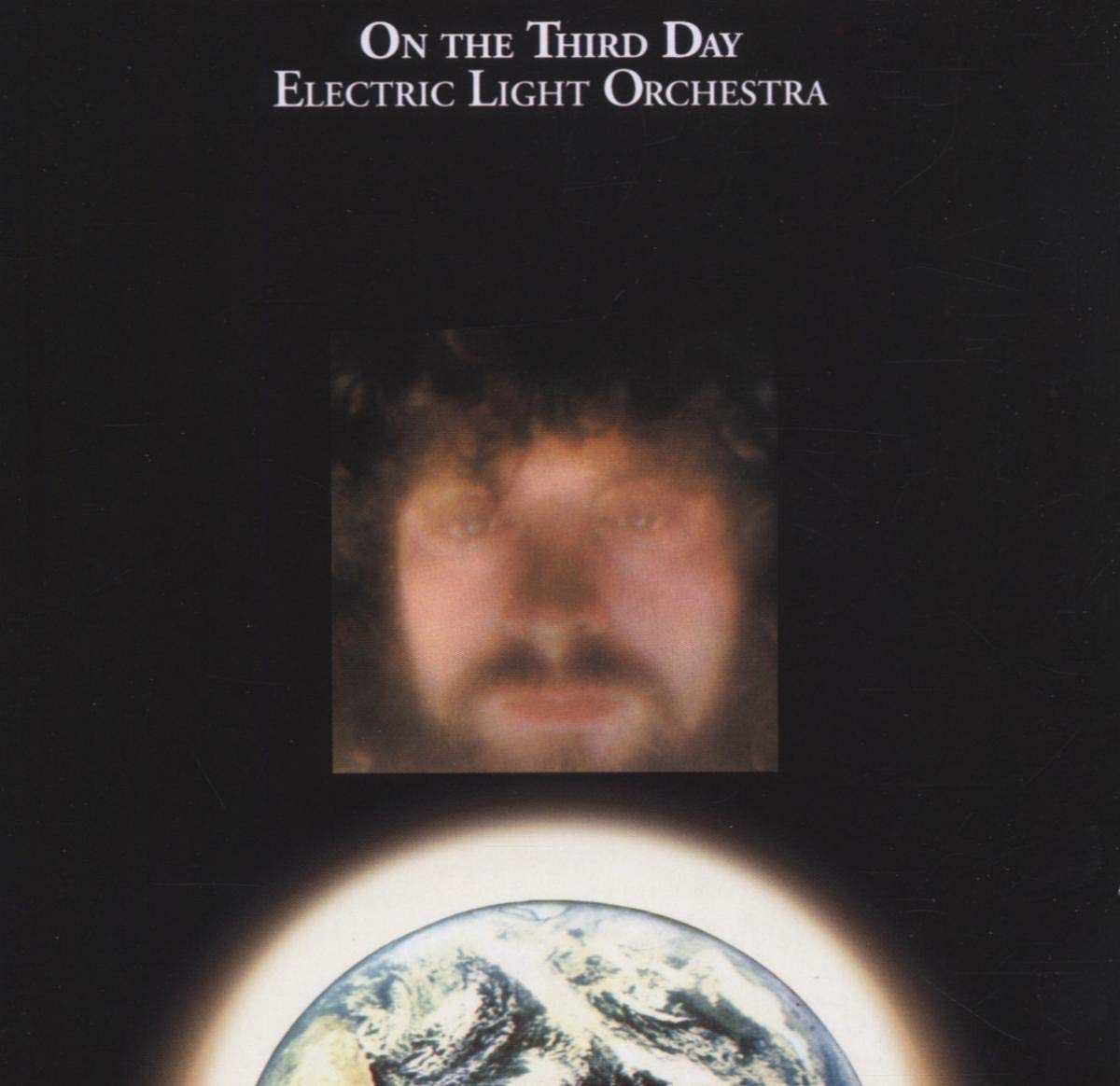
On the Third Day,

The album, On the Third Day, was released in late 1973, with the American version featuring the popular single “Showdown”. After leaving Wizzard, Hugh McDowell returned as the group’s second cellist, also in late 1973, in time to appear on the “On the Third Day” cover in some regions, despite not having played on the album.

Although it bombed in the UK, ELO’s third album was a minor hit in America, where “the English guys with the big fiddles” were a major concert draw. Marc Bolan played lead guitar on this album’s big rock tune, “Ma-Ma-Ma Belle”, and to Lynne’s great delight, John Lennon raved about the album’s hit single “Showdown”, subsequently dubbing ELO “son of Beatles”.

Lynne paid his own tribute to Lennon on “Bluebird Is Dead”, and went completely overboard with a rocking take of Grieg’s “In The Hall Of The Mountain King“. But “Showdown” is Lynne’s favourite song on an album even he admits is “very obscure”.

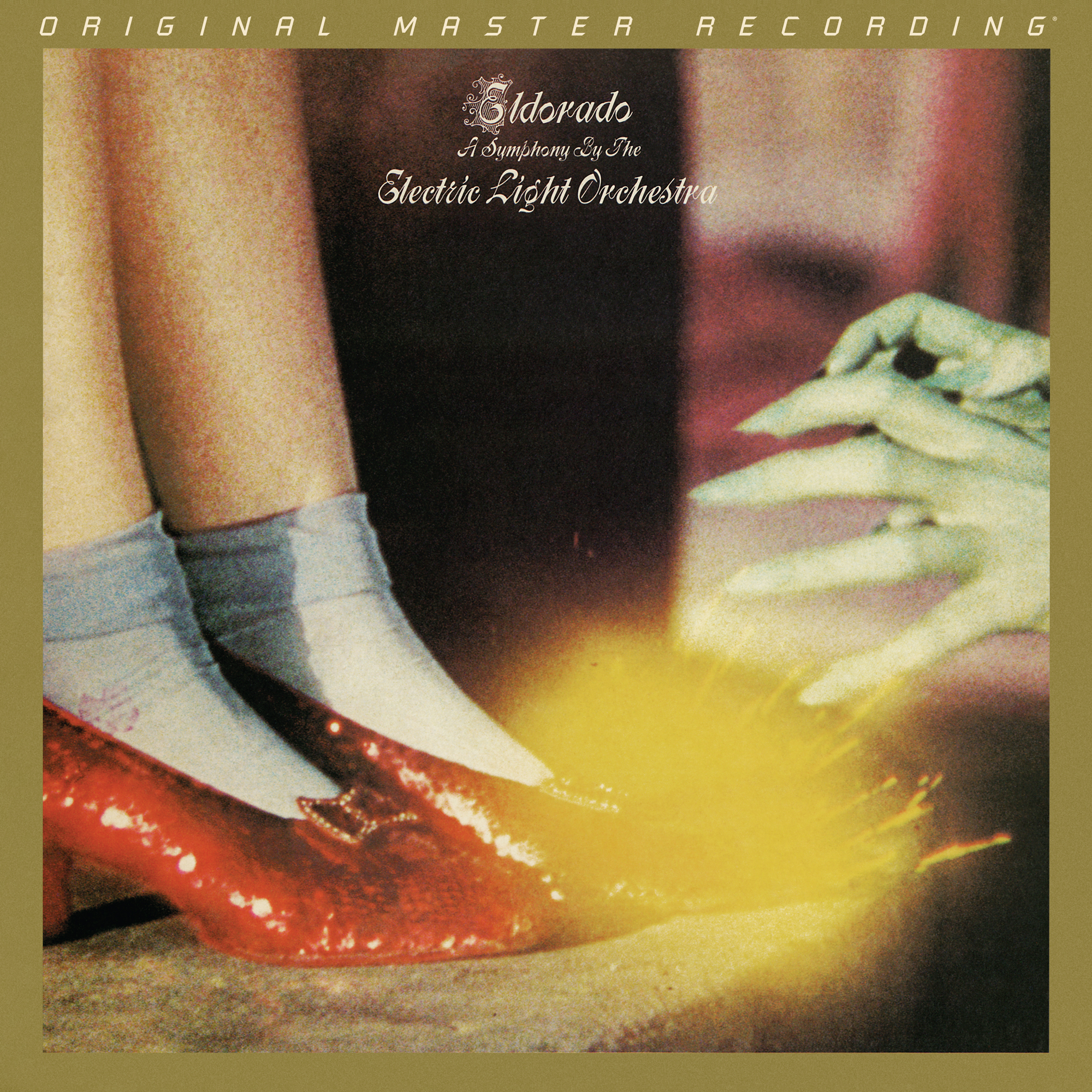
Eldorado

For the band’s fourth album, “Eldorado“, a concept album about a daydreamer, Lynne stopped multi-tracking strings and hired Louis Clark as string arranger with an orchestra and choir. ELO’s string players still continued to perform on recordings, however. The first single off the album, “Can’t Get It Out of My Head”, became their first US top 10 hit, and “Eldorado, A Symphony” became ELO’s first gold album. Mike de Albuquerque departed the band during the recording sessions as he wished to spend more time with his family, and consequently much of the bass on the album was performed by Lynne.

The concept itself was somewhat vague. “It’s about a dream world,” said Lynne. But undoubtedly, “Eldorado” saw a big leap forward for ELO. Working with a full orchestra for the first time, Lynne was finally able to realise the sound that was in his impressively furry head.

Following the release of “Eldorado”, Kelly Groucutt was recruited as bassist and in early 1975, Melvyn Gale replaced Edwards on cello. The line-up stabilised as the band took to a decidedly more accessible sound. ELO had become successful in the US at this point and the group was a star attraction on the stadium and arena circuit, and regularly appeared on The Midnight Special more than any other band in that show’s history with four appearances (in 1973, 1975, 1976 and 1977).

The album’s centrepiece, “Mister Kingdom“, is a grand orchestral take on “Across The Universe“. But best of all is Can’t Get It Out Of My Head, one of Lynne’s most beautiful songs.

Mobile Fidelity will be releasing a sonically pristine reissue of ‘Eldorado’, written & produced by Jeff Lynne, in UltraDisc One-Step 180-gram 2LP Box Set, 180-gram single LP,

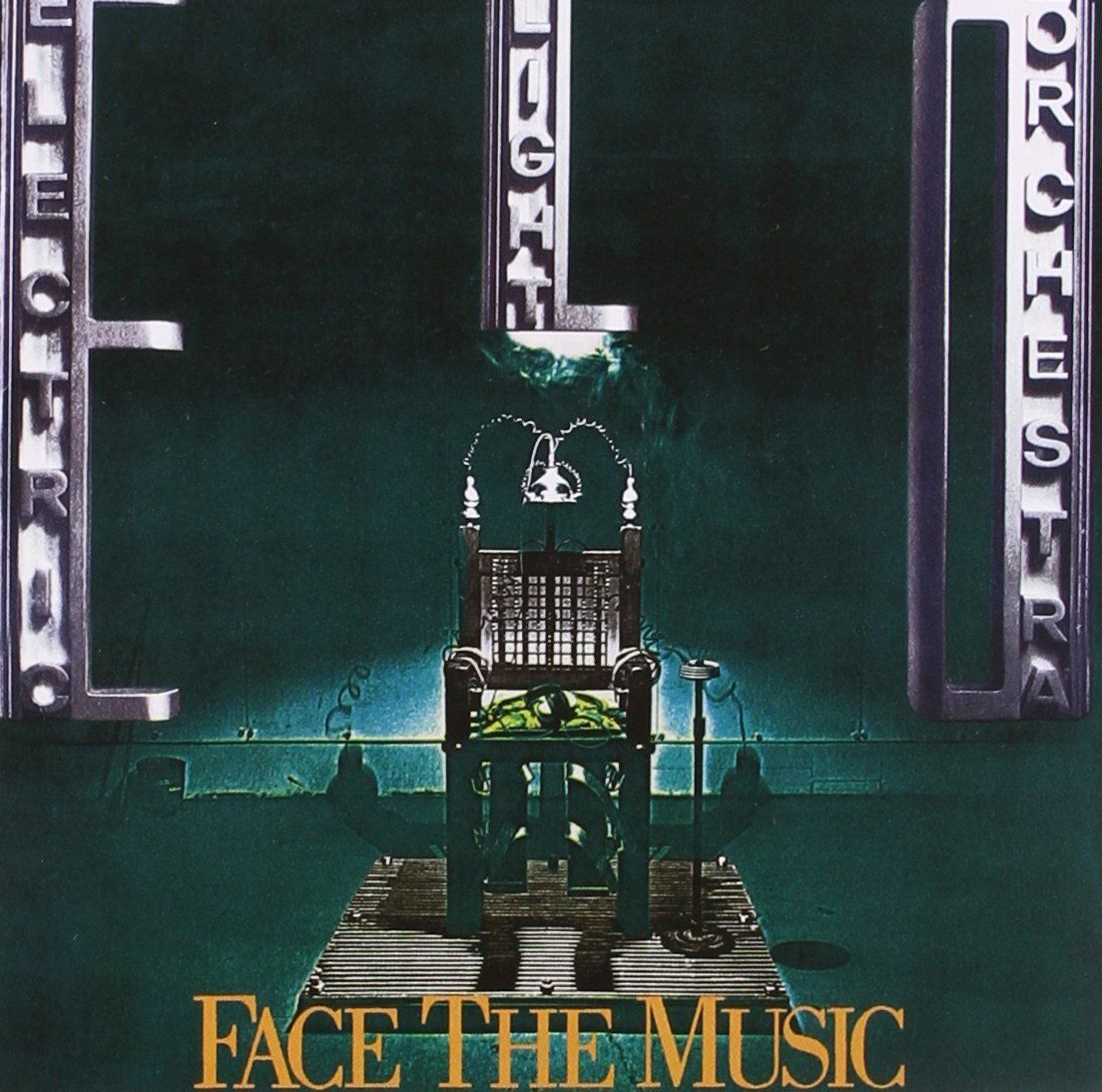
Face the Music

Face the Music” was released in 1975, producing the hit singles “Evil Woman”, their third UK top 10, and “Strange Magic”. The opening instrumental “Fire on High”, with its mix of strings and acoustic guitars, saw heavy exposure as the theme music for the American television programme CBS Sports Spectacular in the mid-1970s. 1975 was a strange year for ELO. “Face The Music”, was their fifth album, in the UK it didn’t even chart.

It did, however, produce a UK hit single, albeit belatedly. “Evil Woman“, a song initially dismissed as filler by Jeff Lynne, gave ELO their first domestic top ten hit in three years, and set them up nicely for the next album, A New World Record.

Evil Woman” remains one of ELO’s best-loved songs, a genuine 70s pop classic and the highlight of an album that includes several great songs (“Strange Magic”, “Waterfall”) and one outright turkey, the daft “Down Home Town”.

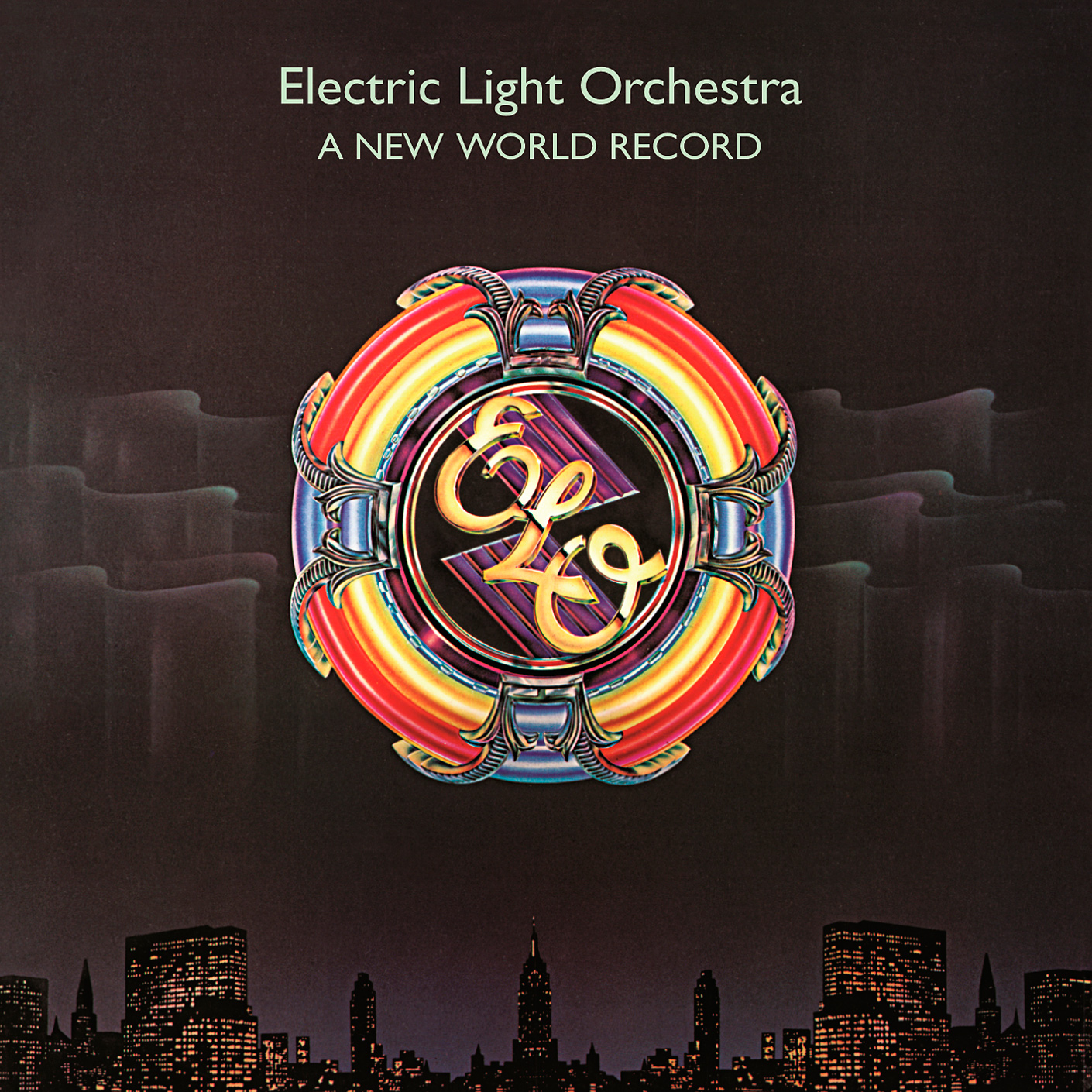
A New World Record

Their sixth album, the platinum selling “A New World Record“, became their first UK top 10 album when it was released in 1976. It contained the hit singles “Livin’ Thing”, “Telephone Line”, “Rockaria!” and “Do Ya”, the last a re-recording of a Move song recorded for that group’s final single.  

This was their big international breakthrough. Hitting the top ten in every country in which it was released, “A New World Record” sold five million units worldwide. Its title, inspired by the Montreal Olympics, which held the world’s attention while the band were recording in Munich, was fitting for an album that elevated ELO to global fame.

At home, the album produced three top ten singles, the last being a prime example of Lynne’s classical/ rock style, complete with boogie riff, sawing strings, trilling opera singer and references to Wagner.

Casey Kasem said that the Electric Light Orchestra is the “World’s first touring rock ‘n’ roll chamber group” before he played “Livin’ Thing”.

The song “Telephone Line” from the album “A New World Record“, which was released in 1976. It was the last album that they released until 2006. The song also got many good reviews from music authorities as the group created the taste of Revolver and The Beatles without mimicking them.

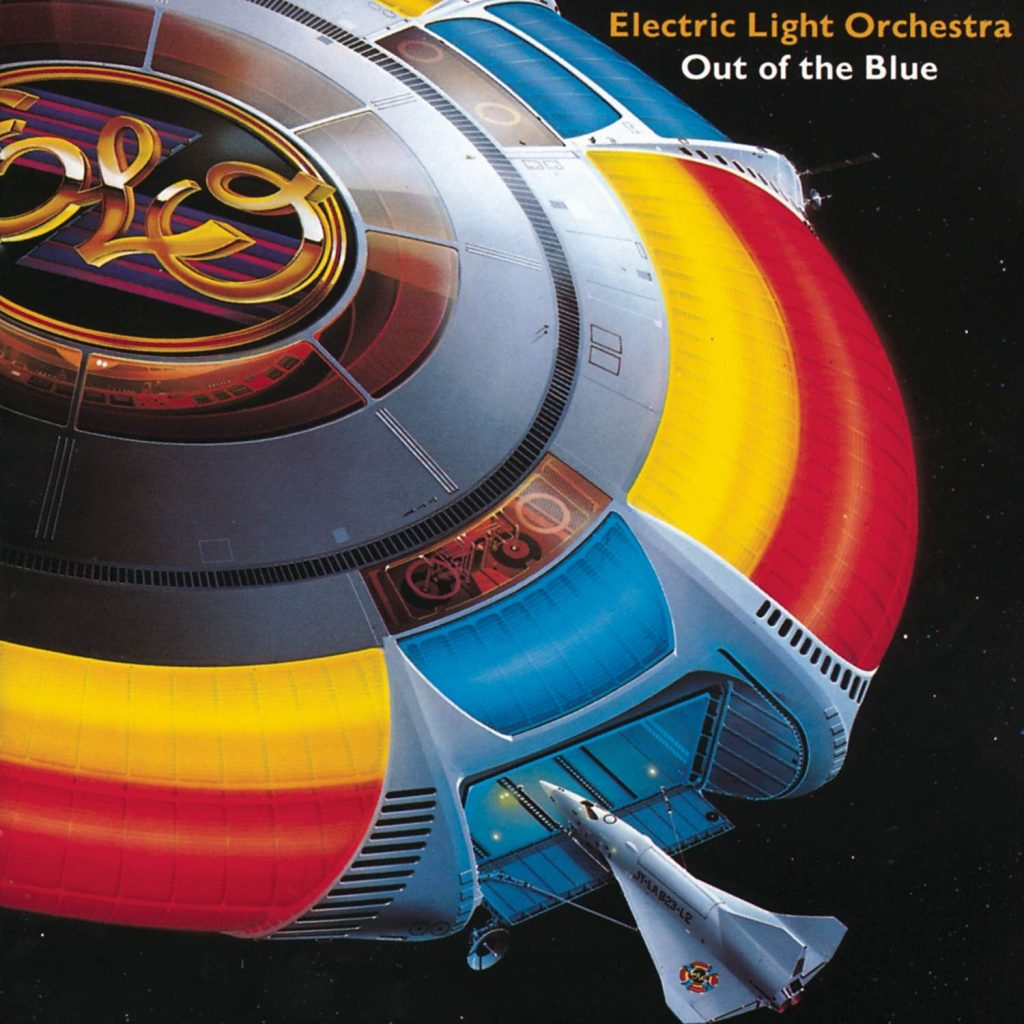
Out of the Blue

A New World Record was followed by a multi-platinum selling album, the double-LP Out of the Blue, in 1977. Out of the Blue featured the singles “Turn to Stone”, “Sweet Talkin’ Woman”, “Mr. Blue Sky”, and “Wild West Hero”, each becoming a hit in the United Kingdom.

Jeff Lynne’s magnum opus is one of the classic double albums, his answer to The Beatles’ White Album, and ELO’s crowning glory. Lynne wrote the whole of “Out Of The Blue“, 17 songs, in just four weeks, alone at a Swiss Alpine retreat. He later recalled: “The mountains were lit up, and I came up with “Mr Blue Sky.”

A mini-symphony in itself, Mr Blue Sky was the touchtone for an album on which Lynne gave full rein to his ambitions: a deluxe rock odyssey incorporating dazzling arrangements, state-of-the-art studio wizardry and, most importantly, great song writing. Selling eight million copies in a year, it was a global smash.

The uplifting song is creating a feeling of a rainy day that is ending. It was described as ELO’s signature song many many times. The song was also used in numerous films and TV shows.

The band then set out on a nine-month, 92-date world tour, with an enormous set and a hugely expensive space ship stage with fog machines and a huge laser display. In the United States the concerts were billed as The Big Night and were their largest to date, with 62,000 people seeing them at Cleveland Stadium. The Big Night went on to become the highest-grossing live concert tour in music history up to that point (1978). The band played at London’s Wembley Arena for eight straight sold-out nights during the tour, another record at that time.

By the end of 1979, ELO had reached the peak of their stardom, selling millions of albums and singles, During 1979, Jeff Lynne also turned down an invitation for ELO to headline the August 1979 Knebworth Festival concerts. That allowed Led Zeppelin the chance to headline instead.

Discovery

Then again, in stylistic terms, 70s prog really only had punk and new wave as antagonists to contend with – 1979’s “Discovery” was the band’s first No.1 album in the UK and their biggest selling album to date. The 80s, however, was a decade beset with constant stylistic shifts – the perpetual hunt for a new marketable angle hardly conducive to a musician of Jeff Lynne’s pedigree.

Confusion” As the title reveals, the song is about the inner conflicts of a man. They used a recent technology of the time for the song, Yamaha synthesizer.

Although the biggest hit on the album (and ELO’s biggest hit overall) was the rock song “Don’t Bring Me Down”, The inspiration for this timeless song “Last Train To London” comes from the times that the group spends on trains between Birmingham and London to attend radio and TV shows.

By 1979 ELO were one of the biggest bands in the world, but Jeff Lynne faced a tricky dilemma: how to follow an album as brilliant and successful as “Out Of The Blue?

Lynne’s response was bold, to say the least. With disco music still flourishing, ELO got funky. Amazingly, it worked. “Discovery” was ELO’s first number one and produced four UK top ten singles: “Shine A Little Love”, “The Diary Of Horace Wimp”, “Don’t Bring Me Down” and “Confusion/ Last Train To London“. Moreover, ELO’s signature sound remained largely intact. “Discovery” has its critics, but it’s the last great album of ELO’s golden era.

That said, Lynne began the decade with change afoot. “Discovery” was the first ELO album not to feature cellists Hugh McDowell and Melvyn Gale, or violinist Mik Kaminski, although all three were on the ensuing tour.

Xanadu

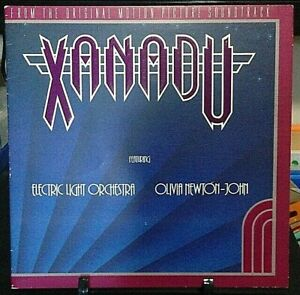
On ELO’s 1981 concept album “Time”, Jeff Lynne pondered mankind’s future and sang in a voice from a far-off age: ‘Remember the good old 1980s/When things were so uncomplicated…’ What Lynne the visionary didn’t foresee was ELO’s demise in the coming decade. But they began the 80s with another massive hit, albeit one that alienated many rock fans. Xanadu, the soundtrack to a silly Hollywood musical, featured five songs by the movie’s star Olivia Newton-John (including a sappy duet with Cliff Richard), four by ELO, and a camp title track performed by ELO and Newton-John together. Mercifully, ELO’s songs were strong, especially “All Over The World“, one of the last classics from the band’s golden era.

Time

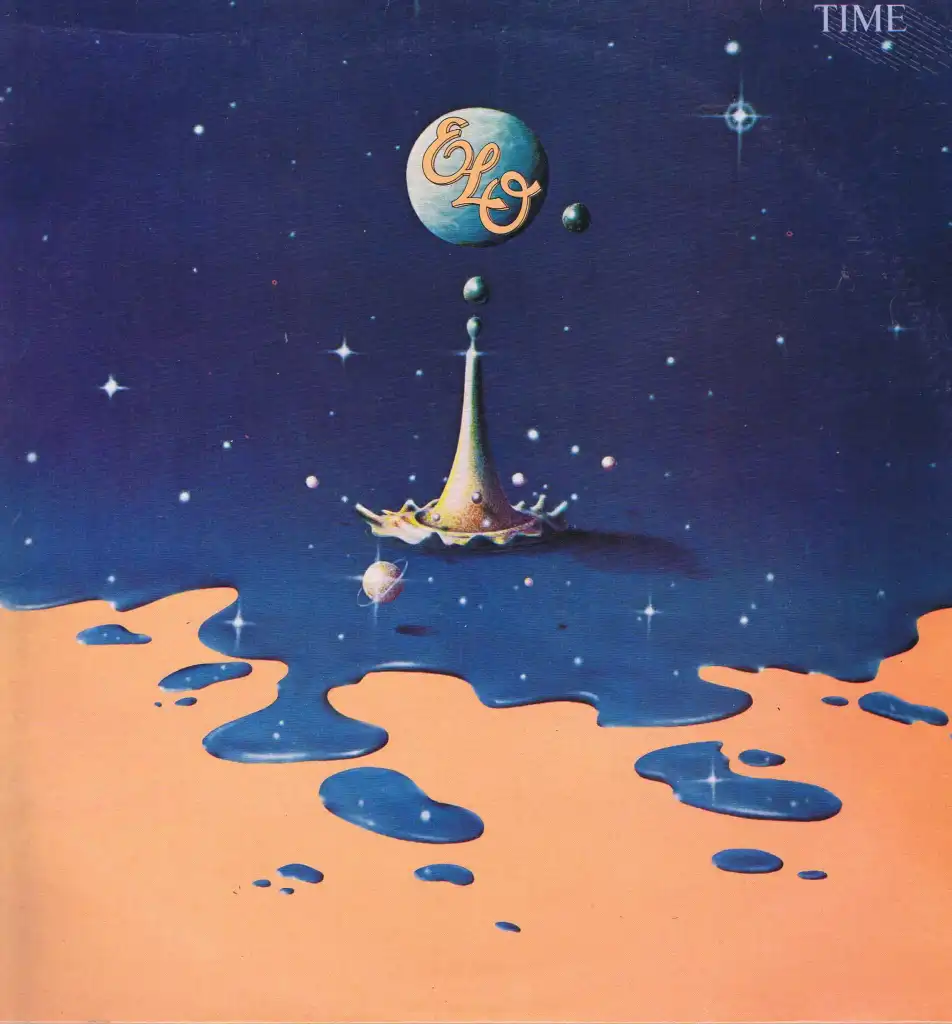
When ELO released their first album of the new decade, “Time“, in 1981, the band were settled a the Lynne/Bevan/Tandy/Groucutt quartet, but many things that had set ELO up as one of the most spectacularly popular bands of the 70s were about to change.

It’s strange that an album that went to No.1 in the UK should end being largely forgotten many years down the line, but so it is with “Time“. It is revered by some diehard fans as one of ELO’s greatest albums. It is one of the most ambitious records that Jeff Lynne ever created – a concept album in the classic prog rock tradition, based on time travel, but with the influence of synth-pop prevalent throughout, and some wonderful songs including Twilight, Ticket To The Moon and Another Heart Breaks. If there is a lost classic in the ELO catalogue, then this is the one.

In 1981, ELO’s sound changed again with the science fiction concept album “Time“, a throwback to earlier, more progressive rock albums like Eldorado. With the string section now departed, synthesisers took a dominating role, as was the trend in the larger music scene of the time; although studio strings were present on some of the tracks conducted by Rainer Pietsch, the overall soundscape had a more electronic feel in keeping with the futuristic nature of the album. 

Time” topped the UK charts for two weeks and was the last ELO studio album to be certified platinum in the United Kingdom. Singles from the album included “Hold On Tight”, The high-tempo song is about being tenacious about your goals and dreams. It has quite inspiring lyrics. “Twilight”, “The Way Life’s Meant to Be”, “Here Is the News” and “Ticket to the Moon”. However, the release of the single for “Rain Is Falling” in 1982 was the band’s first single in the US to fail to reach the Top 200 since 1975, and the release of “The Way Life’s Meant to Be” similarly was their first single in the UK to fail to chart since 1976. The band embarked on their last world tour to promote the LP.

“I’d got fed up with strings by then,” says Lynne. “In those days the unions used to be so mean and strict, they would stop playing as soon as the clock got to the 12. They’d put the gear away, however far through the song you were, which I thought was a rotten trick. Because you wouldn’t do that to anybody. Bloody minded, I’d call it. So I got fed up with using strings and was really glad when the synths came in.”

The synths may have come in, but in Time, ELO released the proggiest album they had done in years: a science fiction-orientated concept album, whose bombastic opening couplet of Prologue and Twilight would later be sampled by Cher. The album topped the UK charts (the band’s only UK No.1 alongside Discovery) and boasted four popular singles, including “Hold On Tight”, “Ticket To The Moon” and “The Way Life’s Meant To Be”. ELO toured, bringing Kaminski back and bolstering their sound with Louis Clark and Dave Morgan on synthesizers. It would be their last tour for over 30 years.

“We toured America and England,” Lynne recalls. “We had the record for Wembley Stadium, until Dire Straits broke it!”

Secret Messages

Jeff Lynne wanted to follow Time with a double album, but CBS blocked his plan on the grounds that a double vinyl album would be too expensive in the oil crisis and not sell as well as a single record, so as a result, the new album was edited down from double album to a single disc and released as Secret Messages in 1983 (many of the out-takes were later released on Afterglow or as b-sides of singles with “Rock ‘n’ Roll Is King” a sizeable hit in UK.

Secret Messages followed in 1983. Originally, plans for a double album were deemed over enthusiastic by their record label, and by the time the new album was released, Groucutt had left the band and Bev Bevan was drumming for Black Sabbath, so no tour was undertaken. Despite Secret Messages (the title harked back to the backwards masking on Face The Music) reaching No.4 in the UK charts, and spawning a reasonable hit in Rock’n’Roll Is King, to many observers the wind had been knocked out of the ELO sails. Bevan toured with the new Ian Gillan-fronted Black Sabbath, while Lynne and Richard Tandy worked on tracks for the Electric Dreams soundtrack.

Lynne, discouraged by the dwindling crowds on the Time tour, CBS’s order to cut Secret Messages down to one disc, and his falling out with manager Don Arden (he would eventually leave Arden and Jet by 1985), decided to end ELO in late 1983.

 In 2018, “Secret Messages” was reissued “as originally conceived” as a double album. It included several cut tracks, such as the CD exclusive bonus track “Time After Time”, B-side exclusives “Buildings Have Eyes” and “After All”, the Afterglow exclusives “Mandalay” and “Hello My Old Friend”, and the 2001 reissue exclusives “Endless Lies” and “No Way Out”

Balance Of Power

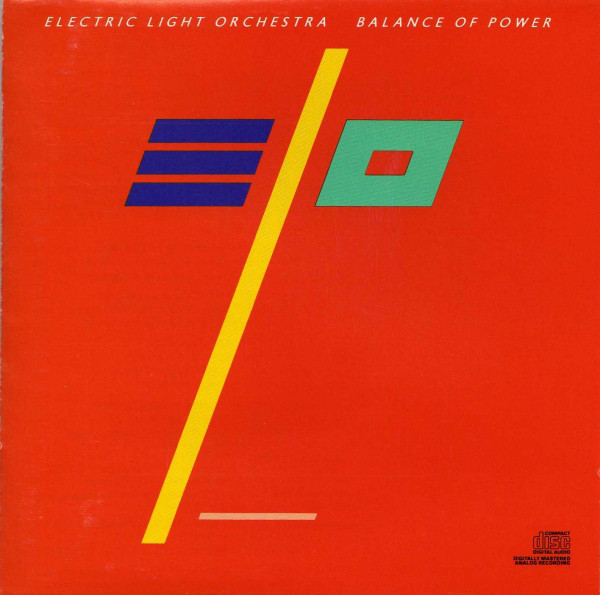
It was something of a surprise when ELO returned with Balance Of Power in 1986. Recorded as a trio of Lynne, Tandy and Bevan, it was more of a contractual obligation, but still featured some fine examples of Lynne’s songcraft in the lead single Calling America, plus So Serious and Getting To The Point. The band even played a handful of live shows, one featuring George Harrison as a guest guitarist. By 1988, when Bevan approached Lynne about reforming the band, he found the old band leader uninterested, announcing that ELO were over.

Balance of Power, released early in 1986 after some delays. Though the single “Calling America” placed in the Top 30 in the United Kingdom and went Top 20 in the States, subsequent singles failed to chart. The album lacked actual classical strings, which were replaced once again by synthesizers, played by Tandy and Lynne. However, despite being a 3-piece, much of the album was made by Lynne alone, with Tandy and Bevan giving their additions later.

After 15 years of ELO, Jeff Lynne was seeking new challenges. He was recording as a solo artist and working as writer and producer for others. When he returned to ELO (now reduced to a core of three), the whiff of contractual obligation was in the air. He’d already abandoned the classic ELO sound on 1983’s “Secret Messages”, and “Balance Of Power” completed a sorry decline into bland soft rock. It wasn’t so much bad as plain average.

“I’m actually quite pleased with the way this one turned out,” Lynne says now. But back in 86, he wasn’t so happy. Shortly after this album’s release, a tour aborted, ELO split up.

Zoom

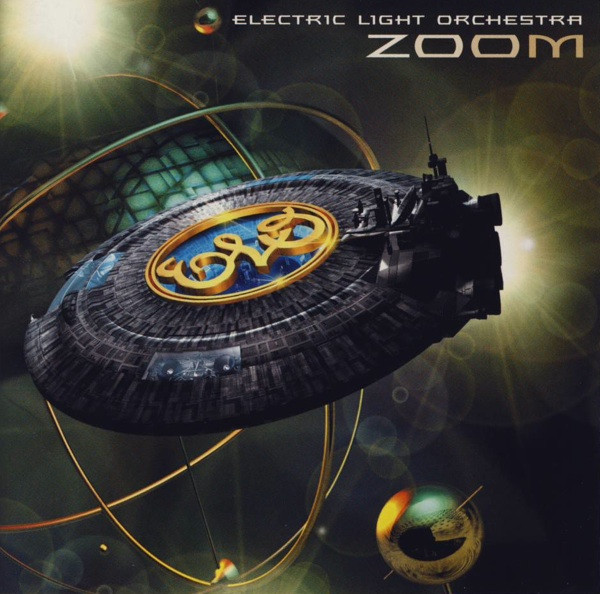
Lynne’s comeback with ELO began in 2000 with the release of a retrospective box set, Flashback, containing three CDs of remastered tracks and a handful of out-takes and unfinished works, most notably a new version of ELO’s only UK number one hit “Xanadu”. In 2001 Zoom, ELO’s first album since 1986, was released. Though billed and marketed as an ELO album, the only returning member other than Lynne was Tandy, who performed on one track. Guest musicians included former Beatles Ringo Starr and George Harrison. Upon completion of the album, Lynne reformed the band with completely new members, including his then-girlfriend Rosie Vela and announced that ELO would tour again.

A Jeff Lynne solo album in all but name, “Zoom” featured one other member of the definitive ELO line-up in keyboard player Richard Tandy, plus guest appearances from George Harrison and Ringo Starr. The album was not quite the return to the classic ELO sound that fans might have wished for, but in its best moments – notably on the elegant ballad “Moment In Paradise” – Lynne proved he could do ELO pretty much on his own. Or rather, as the old song goes, with a little help from his friends.

Former ELO member Tandy re-joined the band a short time afterwards for two television live performances: VH1 Storytellers and a PBS concert shot at CBS Television City, later titled Zoom Tour Live and released on DVD. Besides Lynne, Tandy and Vela, the new live ELO line-up included Gregg Bissonette (drums, backing vocals), Matt Bissonette (bass guitar, backing vocals), Marc Mann (guitars, keyboards, backing vocals), Peggy Baldwin (cello), and Sarah O’Brien (cello). However, the planned tour was cancelled, reportedly due to poor ticket sales.

Alone in the Universe

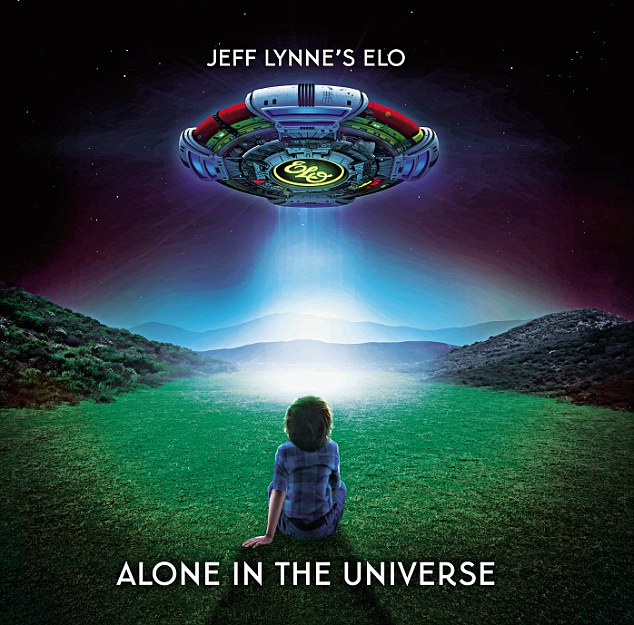
In September 2015, it was announced that a new ELO album would be released. The album was to be under the moniker of Jeff Lynne’s ELO, with the band signed to Columbia Records. “Alone in the Universe” The album was ELO’s first album of new material since 2001’s Zoom. The first track, and single, “When I Was a Boy” was made available for streaming on the same day and a music video for the song was also released. A small promotional tour followed the album’s release which saw Jeff Lynne’s ELO perform a full concert for BBC Radio 2 along with their first two shows in the United States in 30 years, both which sold out very quickly. The song “When I Was A Boy” was written by Jeff Lynne when he was young, he was dreaming about being a singer and a musician.

Apart from Lynne himself, only two other people were on it – his daughter Laura singing background vocals on two songs, and engineer Steve Jay playing percussion. If Lynne wanted to call it ELO, he had every right – it was always his band. And while “Alone In The Universe” was not the full-blown ELO of “Mr. Blue Sky” or “Evil Woman”, it was still a fine late-career comeback for Lynne, with a couple of beautiful and magical songs

Jeff Lynne’s ELO also made several US television appearances on The Tonight Show Starring Jimmy Fallon, Jimmy Kimmel Live and CBS This Morning. A 19-date European tour was announced for 2016, with the band playing the Pyramid Stage at Glastonbury Festival

From Out of Nowhere

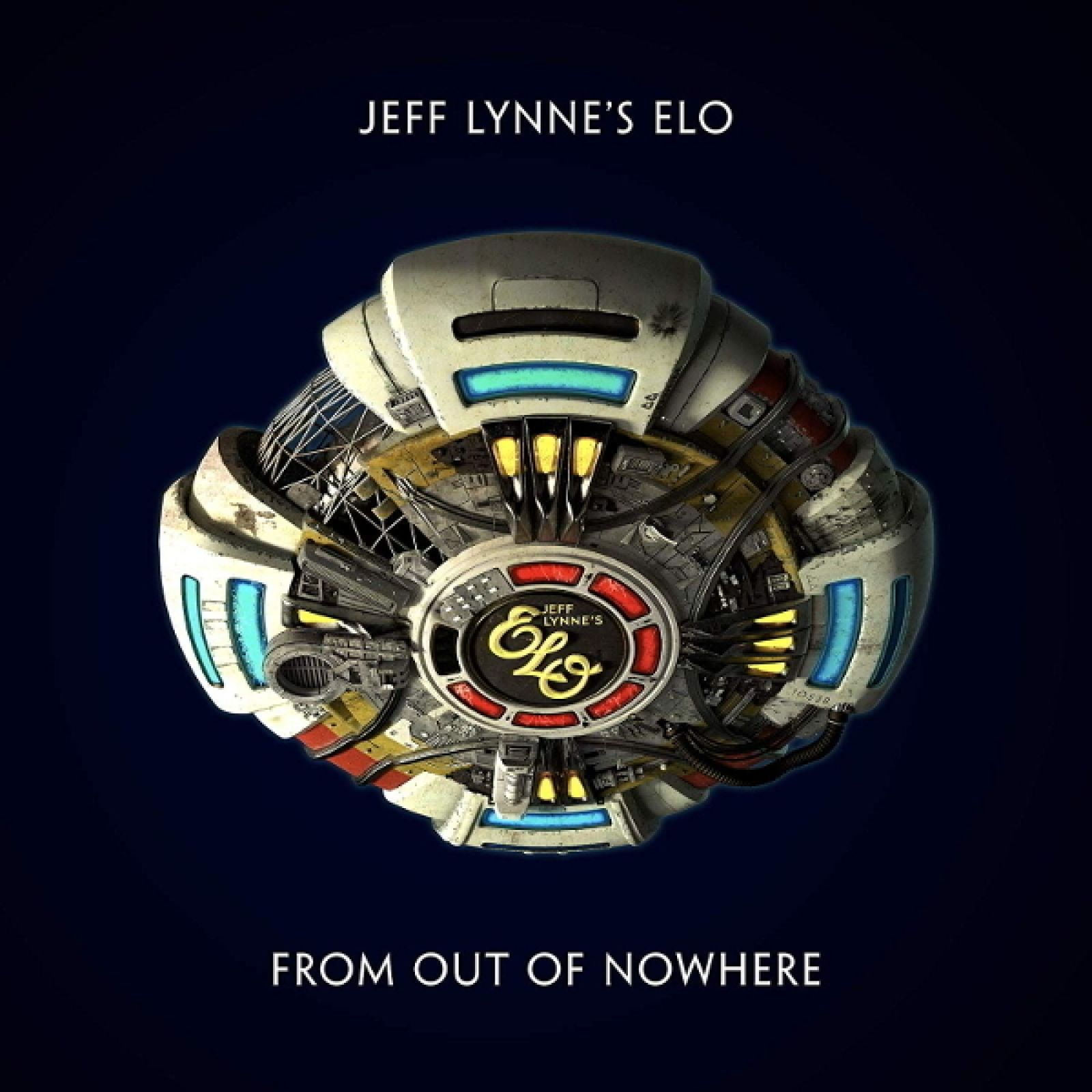
ELO released their 14th album, From Out of Nowhere, in November 2019.

From 2001 to 2007, Harvest Records and Epic/Legacy reissued ELO’s back catalogue. Included amongst the remastered album tracks were unreleased songs and outtakes, including two new singles. The first was “Surrender”, The other single was “Latitude 88 North”.

In 2010, Eagle Rock Entertainment released Live – The Early Years in the UK as a DVD compilation that included Fusion – Live in London (1976) along with never before released live performances at Brunel University (1973) and on a German TV show Rockpalast (1974). 

Mr. Blue Sky: The Very Best of Electric Light Orchestra is an album of re-recordings of ELO’s greatest hits, performed by Lynne exclusively, along with a new song titled “Point of No Return”. Released to coincide with Lynne’s second solo album release Long Wave, these new albums contained advertisement cards, announcing the re-release of expanded and remastered versions of both the 2001 album Zoom and Lynne’s debut solo album Armchair Theatre, originally released in 1990.

Both albums were re-released in April 2013 with various bonus tracks. Also released was the live album, Electric Light Orchestra Live, showcasing songs from the Zoom tour. All three releases also featured new studio recordings as bonus tracks.

Lynne and Tandy reunited again in 2013 to perform, under the name Jeff Lynne and Friends, performing “Livin’ Thing” and “Mr. Blue Sky” for the Children in Need Rocks concert at Hammersmith Apollo, London. The backing orchestra was the BBC Concert Orchestra.

Lynne released his first solo album, “Armchair Theatre”, in 1990, and was making a name for himself as a producer of note. He worked with George Harrison on 1987’s “Cloud Nine” (he’d join Harrison alongside Bob Dylan, Tom Petty and Roy Orbison in the Traveling Wilburys), Tom Petty’s “Full Moon Fever” (1989) and Paul McCartney’s excellent “Flaming Pie” (1997). In-between, Lynne also got to work with the remaining Beatles on the songs “Free As A Bird” and “Real Love” for 1994’s Beatles Anthology project.

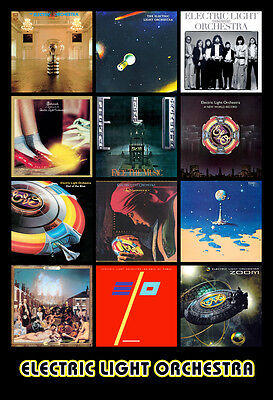
  • The Electric Light Orchestra (1971)
  • ELO 2 (1973)
  • On the Third Day (1973)
  • Eldorado (1974)
  • Face the Music (1975)
  • A New World Record (1976)
  • Out of the Blue (1977)
  • Discovery (1979)
  • Xanadu (1980) (with Olivia Newton-John) (soundtrack album)
  • Time (1981) (credited as ELO)
  • Secret Messages (1983)
  • Balance of Power (1986)
  • Zoom (2001)
  • Alone in the Universe (2015) (credited as Jeff Lynne’s ELO)
  • From Out of Nowhere (2019) (credited as Jeff Lynne’s ELO)

Bruce Hornsby has announced a new album, “Flicted”, which is the final installment of his trilogy that began with 2019’s “Absolute Zero” and 2020’s “Non-Secure Connection“, albums that connected Hornsby with hipper, younger collaborators like Bon Iver, The Shins’ James Mercer, Jamila Woods, and more. 

‘Flicted continues that trend; its first single is “Sidelines,” a duet with Vampire Weekend’s Ezra Koenig that was co-written by Blake Mills who also plays guitar on the album. Long time Vampire Weekend collaborator Ariel Rechtshaid produced. Ezra is a good fit for Hornsby, as Vampire Weekend already kind of make the most fashionable possible version of boomer-era cheese, and he fits right in on this song.

The album also includes a song with Danielle Haim and one with Bon Iver collaborators Ethan Gruska and Rob Moose.

‘Flicted” drops May 27th via Zappo Productions/Thirty Tigers.