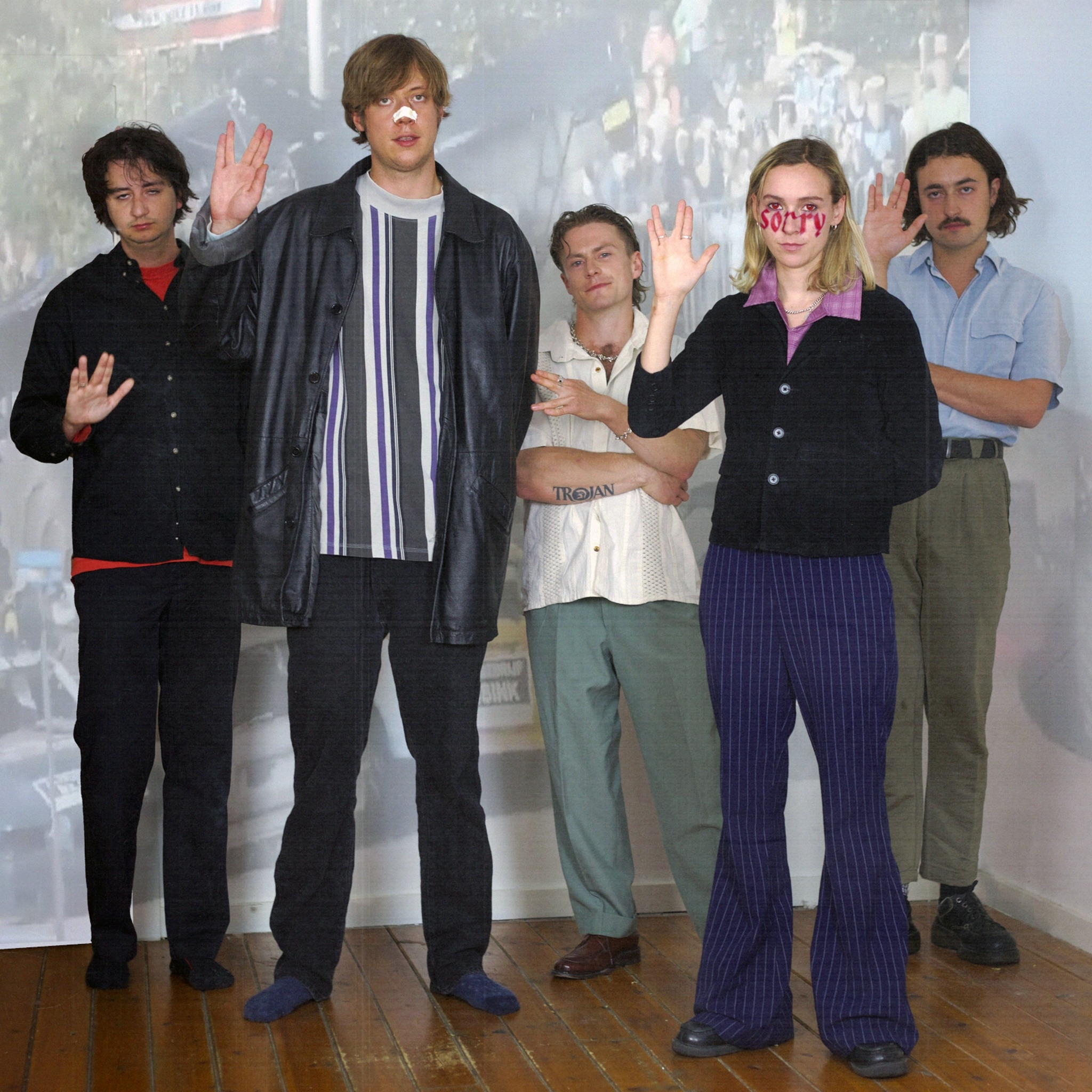
UK duo Sorry are back with their first new music since their debut album and let’s hope there’s more with this came from. London once again features as a prominent character on Sorry’s second studio album, “Anywhere But Here”. ’If our first version of London in “925”was innocent and fresh-faced, then this is rougher around the edges. It’s a much more haggard place,’ Louis says.
Earwigged conversations, text messages, snatched speech recorded underground; the city’s discarded words fed into the lyrics which map the experience of urban life on a young and frustrated generation.
We are excited to share it with everybody. It’s been naughty intense out here the last couple years, we were sad not to play our first album to everybody but we did try to internalise the global inertia and break it slightly into these songs!
Produced alongside Portishead’s Adrian Utley in Bristol, the result is an angular, acerbic, bittersweet triumph. Our second album “Anywhere But Here” is coming out on the 07/10/22 on Domino Recording Company
“Eternal Ring”, the debut record from Los Angeles band Milly has been a long time coming, with the band originating as a solo vehicle for frontman Brendan Dyer. Since linking up with his bass player and collaborator Yarden Erez, the band has entered a phase they have coined as “MILLY 2.0,” inaugurated with the release of their 2021 EP, “Wish Goes On”. While last year’s EP introduced their hazy combination of ‘90s alternative, emo, and shoegaze, “Eternal Ring” is a tighter and more kinetic refinement, allowing the band’s nostalgic stylings to coalesce into a promising debut album.
From the first moments of “Eternal Ring”, it’s clear that Milly’s songwriting is thoroughly rooted in various shades of ‘90s alt rock. There are echoes of grunge classics at play, mixing in equal measure with the spacey shoegaze of Hum, along with strains of confessional indie rock, and even occasional hints of alt country twang. The band offers up a decadent melange of influences, cooked up with both a steadfast love for indie classics and an undeniably compelling rawness.
While many bands are able to evoke the gauzy and hazy side of these styles, Milly succeeds most in how they imbue those styles with lean and punchy songwriting. Rather than remaining lost in a blur of guitar effects, Millys melodies offer towering gut punches, as demonstrated by the anthemic chorus and pummeling rhythm section on the opener, “Illuminate.” Meanwhile, tracks like “Marcy” and “Nullify” show off some legitimately solid pop instincts, imbuing the band’s choruses with honeyed vocal melodies and sharp guitar hooks.
Elsewhere, the band diverges slightly from their blend of ‘90s influences, incorporating a wider swath of sounds that range from lush to intimate. Though “Ring True” eventually builds into a distorted finish, its opening is soft and ornate, with Dyer’s vocals recalling the plaintive confessionals of Death Cab for Cutie or other emo touchstones. The record also gets a simmering slow-burning centerpiece with “Stuck in the Middle,” a hypnotic cut that finds the band stretching their mercurial chemistry past eight minutes. In contrast, the closing tracks, “The End” and “Carousel,” are both darkly meditative efforts, with the former conjuring the crushing dream rock textures of DIIV and the latter building on winding guitar lines before the record culminates in a soulful show-stopping solo.
Running throughout these tracks are meditations on the chaos of daily life, living with the anxiety of a new cataclysm lying right around the corner. The record was written in the early days of the pandemic and that uncertainty tinges much of the album, reflected even in its frayed instrumental edges and the reckless abandon of the album’s instrumental peaks.
Yet, for all of its ruminations on death and searching for meaning, “Eternal Ring” feels neither resigned nor despairing. Rather, the record finds vitality in its darker corners, bringing forth a record with plenty of joy if you know where to look for it, be it in a potent melody or heartfelt lyric. In fact, you can look no further than the closing invitation of “Illuminate”一“Shadows come in if no one will sing again/Rest all you can til sunlight comes in again.
There’s a really nice moment in this month’s MOJO cover story. Alex Turner of the Arctic Monkeys is telling Keith Cameron about his hunt for a vintage David Axelrod interview when, with characteristically fastidious self-consciousness, he stops himself and asks: “Is that too MOJO?”
There is, of course, nothing that should be considered too MOJO, and most of us will recognise ourselves in such obsessive behaviour: that music fan’s hunger to go right back to the source.
As Arctic Monkeys return with another impressively complex album, loaded with knowing historical signifiers, we find Alex Turner in thoughtful, self-effacing mode. He tells Keith Cameron about a new track that didn’t make the final tracklisting of “The Car”. “I guess we don’t need to spend too much time talking about the song that isn’t on the record,” he muses. “That would be perverse – although it is pretty MOJO.”
We have some quotes for the boxset retrospective, then. But we also have Turner’s latest cratedigging epiphanies to enjoy alongside his own fine music. Last time the Arctic Monkeys appeared on the MOJO cover, in 2018, Turner enthused about the Francois De Roubaix soundtrack for Le Samouraï, and about Alan Hull’s “Pipe Dream“. This time, he’s turned us on to Gloria Ann Taylor’s “How Can You Say It”, a ‘70s R&B single where everything sounds slightly queasy and out of sync. Rich with classic soul resonances, but disorienting, too; a bit like “The Car“. Give them both a listen.
And don’t forget, of course, that there’s much more to an issue of MOJO than the cover story. This month we herald the arrival of Bob Dylan’s “Rough And Rowdy Ways” tour by sending John Harris to Oslo for a night out with the master. MOJO’s Bob Dylan special is also on sale now. BOB DYLAN: 1941-2022REVISITED Deluxe Anthology Edition, two specials in one sumptuous single volume, is an essential purchase for every music fan. Also in the issue, Sylvie Simmons talks to those who know Tom Waits best. Paul Weller shows Pat Gilbert his tattoos. Bill Callahan is just as psychically revealing to Bob Mehr. Plus we have interviews with Alabaster DePlume, Joan Armatrading, Steve Harley, Eddie Chacon, Pauline Black, The Mary Wallopers, Charles Lloyd, Blossom Toes and Weyes Blood, and a How To Buy guide to ELO.
And for UK readers and all our print members/subscribers, the issue comes with the long-awaited sixth volume in our Heavy Nuggets CD series. Mighty jams from Groundhogs, Hawkwind, Edgar Broughton Band, Mighty Baby, Blossom Toes and loads more. A cratedigging mission on a par with Alex Turner’s, hopefully.
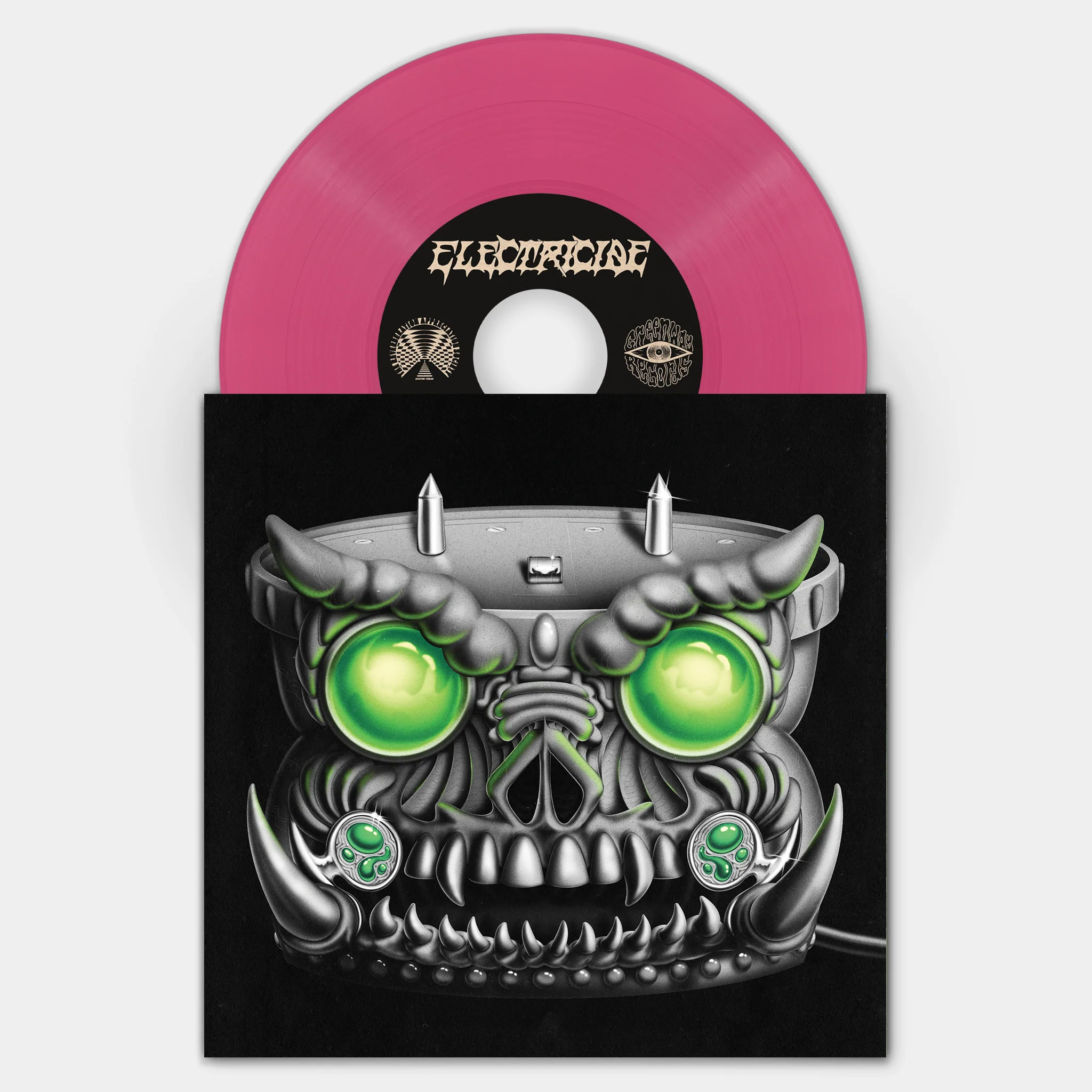
Los Angeles psych-rock juggernauts Frankie and the Witch Fingers have returned with the pummelling new single “Electricide.” The track appears as the A side on a new 7″ backed by the brand new “Chalice” — available via Greenway Records / The Reverberation Appreciation Society. The band is currently finishing their US tour which will finish off with an appearance at Levitation before they embark on a headline tour of Australia.
Following the mind-sweat psychedelics of their last album, “Monsters Eating People Eating Monsters…,”Frankie and the Witch Fingers snapped back into focus with the tar-pit grease-slick of “Cookin’,” a single that found them scratching through the rubble of rock n’ roll. With a new tour on the horizon, the band follows that single up with “Electricide,” a double side of singe that sees them chewing on iron-plated riffs at a breakneck pace. Fuelled by speed, smoke, and an elemental electricity, “Electricide” continues to embrace the street-level heft that crept in with “Cookin’.”
They drop into the single, already pushing the venom and volume to its limits, crushing the accelerator to the floorboards. Then, just before the three-minute mark, the band detonates the amps for maximum damage, hitting a heaviness that’s only been hinted at on record, evoking their explosive live shows. The flip finds them cooling off, but only slightly, with a bit of desert twang butting heads with oxygenated synths. “Chalice” runs its fingers through the listeners’ lymph nodes with a neon- hued intoxication that’s just as enticing as the red-line rip on the a-side. It’s as potent a pairing as the band have offered up yet and just a hint of what the band has in store for the coming year.
Released through Greenway Records / The Reverberation Appreciation Society
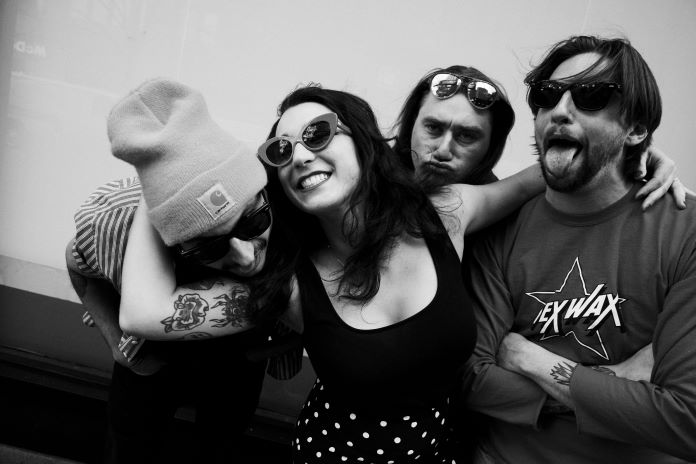
The unholy union of Weird Nightmare and Ancient Shapes brings you the double A-Side experience of the year on a bright red 7″ vinyl! “I Think You Know” w/ “Bird With an Iron Head” delivers two sides of sing-along power-punk you need to hear to believe.
This pairing is now available in physical form on a bright red 7”colored vinyl single. Featuring Weird Nightmare’s “I Think You Know” on side A, and Ancient Shapes’ 3-part suite “Bird With an Iron Head” (+official video), ”Imaginary Agony” and “I’m Against the Wind” on side AA. All four songs are also available digitally on all DSPs from Sub Pop.
Weird Nightmare and Ancient Shapes have a handful of upcoming Canadian release shows for the new single, as covered below. And Weird Nightmare will also be the main support for select Archers of Loaf east coast shows .
Weird Nightmare’s self-titled full-length debut is available now from Sub Pop Records. The LP’s limited Loser Edition on transparent cotton candy swirl vinyl, packaged in a special embossed jacket with semi-transparent obi-strip along the spine, can be purchased from megamart.sub pop.com, select independent retailers in North America, and at Weird Nightmare live shows. In the UK, and in EU, the Loser Edition is available on coke bottle clear vinyl (both while supplies last).
Ancient Shapes was spawned in 2015 as a recording side project of Daniel Romano. Here’s Weird Nightmare’s Alex Edkins on Daniel Romano, “I think Daniel is a real treasure and a severely underappreciated genius. He released 11 albums last year! I’m quite tickled to be sharing a release with him.”
Long Island rock band Family Dinner made an explosive debut last year with their new EP, “You’re So Cool”. The record hits all the right notes for a DIY rock outfit, with reference points in the worlds of hazy ‘90s alt rock and barrelling basement punk, bringing them together with a solid dose of melodic heights and bombastic style. This year, they’re keeping the party going with some upcoming tour dates with fellow indie punk outfit Pollyanna and today they’re back with a video for one of the EP’s highlights, “Eyes,” .
“Eyes” is not only one of the more upbeat cuts on the record, but it also makes good use of that energy by offering up one of the band’s best hooks. The track’s chorus is a pure cathartic release, coupling singer Natalie Simonelli’s vocals with towering guitars and jackhammering drum fills. When the band locks in together, they deliver melodic powerhouses with pounding instrumental presence, but they also show a surprisingly sweet undercurrent on “Eyes,” with Simonelli giving a heartfelt tribute to her cats: “No matter what I do / I’m always coming back for you / No matter where I go / You’re the only one I want to know.”
The band says of the song and video, “While the song itself is a love letter to my cats (Iommi and Leatherface) and how I can’t wait to get back home to see them, the video has kinda given it a new meaning for me. Watching the video with this song about the cats has made me realize how much I miss being on the road and being in the van every day with these 4 maniacs. Playing gigs every night with my best friends and meeting new ones. When we were on tour this summer I missed those cats everyday and thought about them every night when I sang this song but hearing it with the visuals of us on the road has made me hungry to get back out there and play in places I’ve never been, in front of new faces. We spent 10 days playing every night on our own so I’m really excited to do these few dates in December with Pollyanna, they fucking rock and I can’t wait to rock and hang out with everyone.”
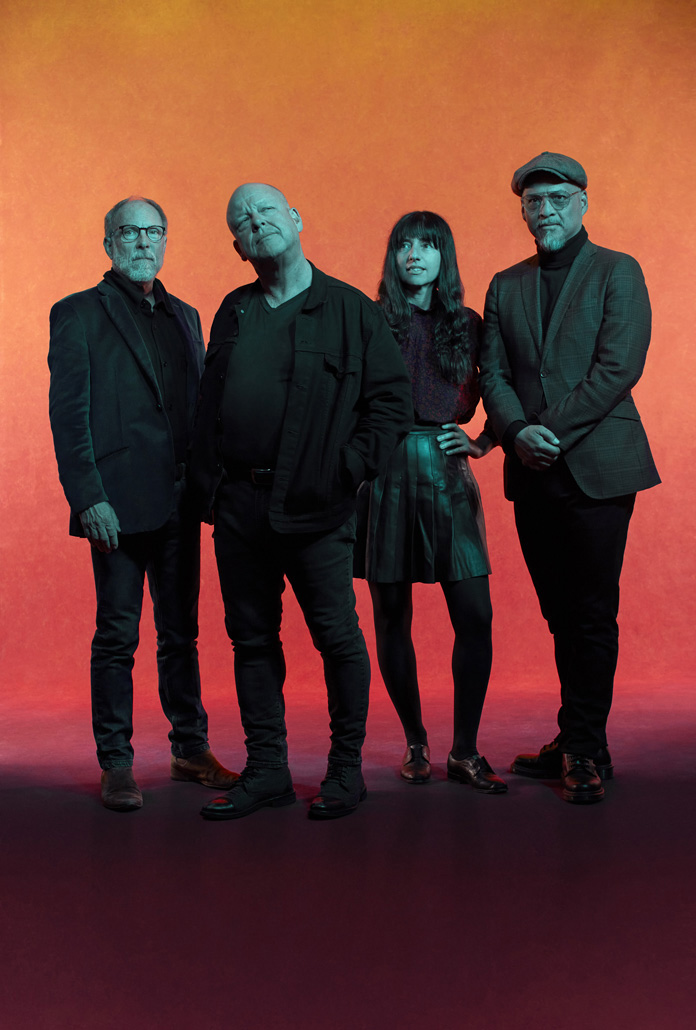
Alt-rock guitar shredder Joey Santiago of the Pixies are about to embark on a gruelling southern hemisphere, Japanese, and European tour to promote their new album “Doggerel”. Donning a cap of course, framed by some very striking artwork from his LA home, Santiago spoke to discuss the new album and some burning Pixies’ myths. The LP is a mix of classic Pixies and a more mature, mellower feel.
Producer Tom Dalgety once again takes the reins on “Doggerel”, his third project with the band. Singer Black Francis came loaded with new songs to the initial sessions before completing the album with the full band during mid-winter at Guilford Sound, Vermont in early 2022.
Pixies members features drummer DavidLovering and bassist Paz Lenchantin. “Doggerel”is the band’s eighth studio album and their fourth since reforming in 2004, following 2014’s “Indie Cindy“, 2016’s “Head Carrier“, and 2019’s “Beneath the Eyrie”.
Joey Santiago: this is the first co-write you have ever done with the Pixies? Yeah, it is, but let me preface that by saying, I do my own guitar parts. Well, you know, when the band went to Wales after the BBC 6 Festival in April [2022], we went to Rockfield Studios and recorded three of my ideas on there. I never bothered because Charles [Black Francis] wants to be the principal songwriter.
That was very true and previously I held to that. Nothing was broken, and nothing is still broken, so I never did it. I also had this fear that was once everyone starts getting on the board of co-writes, that sounds like the end of the band, doesn’t it?
we have recorded so far about seven or eight demos for the next album. There will be a ninth album, we’re planning that already. After a good amount of a break, we will start recording again some time next year. We’re already kicking around what part of the world to work and record in next time.
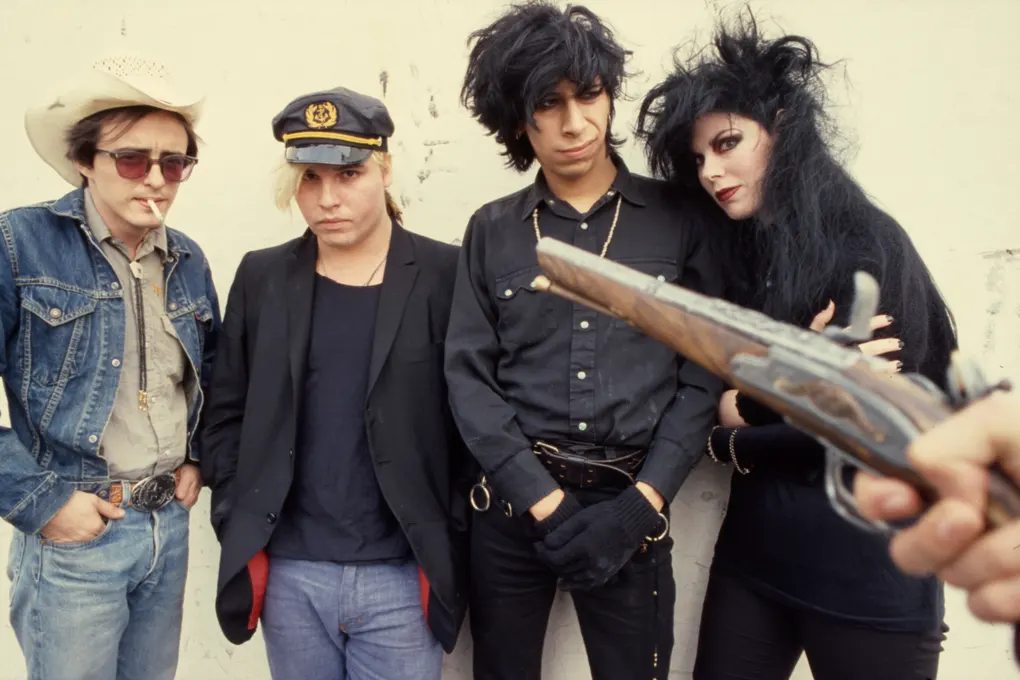
“We set out to destroy music as much as create it,” says Kid Congo Powers talking about the Gun Club, a riotous punk-blues band he co-founded with Jeffrey Lee Pierce in 1979.
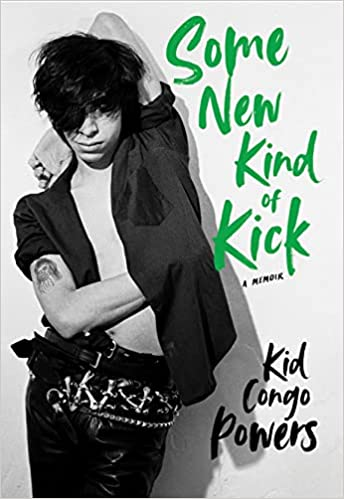
Powers also went on to be a guitarist for the Cramps and Nick Cave and the Bad Seeds, a journey he documents in his new memoir, Some New Kind of Kick: a juicy and humble account of a joyful yet traumatic life spent in three of the most beloved alternative bands of the 1980s. As well as a nod to a Cramps track, it’s an apt title for a man who spent much of his life in perpetual search of endorphin-spiking kicks. “Finding excitement was my holy grail,” he says. “The crazier and more fun, the better.”
Powers never set out to be a musician. First he was just a zealous fan. Growing up in a Mexican-American family in La Puente, California, he would take the bus into Hollywood at age 15 to go Rodney Bingenheimer’s English Disco, a mecca for glam rock. As a young gay man who wore customised platform boots with rhinestone lightning bolts on, it was a haven. “Bowie and glam rock was my rebellion,” he says. “It was also a window into my budding sexuality. It gave me freedom. Being something that parents and mainstream America thought was so outrageous – androgyny, bisexuality, aliens from outer space – it was perfect for me.”
However, it was during this formative period that he also experienced a life-changing tragedy. In 1976 his cousin Theresa, along with her friend, were murdered: shot in the head and found in an alley with no clear motive. The case remains unsolved. “It was a major turning point,” he says. “She was my confidant and one of my best friends. It changed my entire family. It made me think life is not worth much, and I have to take matters into my own hands and experience everything.”
Music, partying, drugs and sex were intertwined in his quest to extract all life had to offer. Living with members of the electro-punk outfit the Screamers, he paints a picture of an inclusive and experimental scene. “Sex was great. Love was dumb. Sleaze was paramount,” he says. “There was no shame involved. We were very open-minded about our otherness, and each other’s otherness.”
His rabid fandom, which he writes about with endearing charm and adolescent zest, led him to become president of the Ramones fan club. Then he took off for New York. He lived with Lydia Lunch of the new wave band Teenage Jesus and the Jerks, and was so broke he ate out of dumpsters and would scour the floor for change at CBGB’s. When New York finally defeated him he returned to LA. There he met Jeffrey Lee Pierce – another superfan, who ran the Blondie fanclub – who invited him to join a band. “I had no excuse not to, except that I couldn’t play,” says Powers. “If someone believed in me that I could do it, I was going to give it a try.”
He describes their act as a mix of “entertainment and punishment”, with Pierce a wild and antagonistic frontman. Powers’ unique style of playing – which he describes as “bulky” and “like blocks of sound rather than smooth transitions between chords” – caught the attention of the Cramps, one of his favourite bands. When their guitarist Poison Ivy asked what he would sacrifice in order to join the band, Powers, ever the teenage fan, offered to cut off a finger. He got the gig without having to amputate. Would he actually have done it if asked? “I certainly would,” he says without hesitation. “I played slide guitar, so I thought, well, I could just put a slide over it.”
It was a perfect fit. “The moment I saw the Cramps, I saw my tribe,” he says. “They let themselves be free. There was no limit to sexuality, no judgment, just encouragement.” Despite being a gifted and versatile player, Powers is modest and credits others as being his inspired tutors. “Ivy told me I should play the guitar like it’s a horn,” he says. “Squawking, honking and punctuating. Then every once in a while you get let go and wail. I thought that was genius.”
During the making of the band’s second album, “Psychedelic Jungle”, they forced sleep deprivation upon themselves “so our animal minds would drive our creative impulses”, he says. Pushing himself as far as he could go became both a personal and creative mantra: “The more chaos, the more magic.”
But when they became locked in a bitter royalties battle with their record label, the Cramps refused to write new songs. With tensions mounting Powers grew frustrated and returned to the Gun Club in 1983. Drink and drugs had always played a role in that band but things began to escalate. “We were very likeminded about drugs,” Powers says of him and Pierce. “They were a part of our relationship. Alcohol was a big part too. Getting as drunk as possible to let the spirits takeover. That was very important.”
Today, with decades of sobriety now behind him, Powers feels he was masking the pain of Theresa’s murder. “It was trauma,” he says. “So part of my ‘I’m going to experience everything’ attitude turned into things like alcoholism and drug addiction. Adventure and wanderlust was just self-medicating. Drugs, especially heroin, at the beginning, were freeing for me. I was a shy kid. I was a traumatised kid. I was in and out of the closet at any whim, so there was confusion, and drugs calmed everything down.”
Seemingly a magnet for chaos, pulverising noise and unpredictable drug addicts, Powers soon found himself in the Bad Seeds. It was at the peak of Nick Cave’s heroin addiction, when he was living in Berlin and could often be found strutting around with a handgun. Powers played on the albums “Tender Prey” and “The Good Son“, with the former an especially torrid time. “Professionally I was on the up but everyone was in a downward spiral and crashing,” he says. “When I started writing about this period I was like, ‘Wow, that was fucking awful.’” He writes about an afterparty that ended up in his hotel room where “people were fucking and shooting up”; the police raided the hotel after Alexander Hacke from Einstürzende Neubauten started throwing glasses into the swimming pool.
Soon Powers’ spiritual home, the Gun Club, was calling again. “I was caught between the devil and the deep blue sea,” Powers writes. “Between Nick Cave and Jeffrey Lee Pierce. Both immeasurably brilliant and tortured artists, both extremely fucked-up, high-maintenance individuals.” When Cave’s then girlfriend Bunny OD’d and died, it proved a moment of clarity for Powers. He entered Narcotics Anonymous. Bunny’s death, he says, “brought back all the feelings of senselessness, frustration, and anger that had overwhelmed me when Theresa was murdered”.
The Gun Club finally petered out in 1995 and a year later Pierce died of a brain haemorrhage, age 37. Powers ends his book in tribute to Pierce, even skipping over the band he’s fronted since 2009, the excellent garage-rock groove outfit the Pink Monkey Birds.
“The main thrust of everything was my relationship with Jeffrey,” he says. “There are many ways people look at Jeffrey: drug addict, own worst enemy, talented, tortured, all somewhat true, but he was also an incredible friend, teacher, dreamer and amazing visionary. I felt privileged to be in his company while he was on earth. I owe everything to him. I miss him. Just from our fandom, we created magic.”
The songs below epitmise everything Kid Congo Powers Some New Kind of Kick is a memoir about my experiences growing up as a queer, Mexican-American kid in Los Angeles in the ‘70s, and how I found freedom and community through music. Many of these songs have deep personal significance for me, and I hope you’ll be able to find some significance in them too.
“Declarate Inocente” – Lucha Villa
My sense of the dramatic was forged early by hearing the music my parents listened to, especially the rancheras songs of Lucha Villa. I didn’t know Spanish at the time but from the emotion in her voice I could have guessed the lyrics:
“Light me on fire if you want me to forget you, Put three bullets in my forehead, Do with my heart what you want, And then for love’s sake, declare yourself innocent”
“Moonage Daydream” – David Bowie
David Bowie gave license to be free with my secrets of being a queer teenager. His alien like androgyny made so much sense in puberty, growing awkwardly into my body, experimenting with drugs and sex. A bisexual rockstar from Mars was a perfect analogy for my conflicted queer teen years.
“Piss Factory” – Patti Smith
I mailed away for this 45 from the back pages of LA fanzine Back Door Man. My first peek into what was to become the punk beatnik literary mashup of Patti Smith. Attitude and dreams of escaping small dead end factory job for the bright lights of the city and becoming something or someone else really spoke to me. Just piano, guitar, voice and guts.
“53rd & 3rd” – The Ramones
The Ramones shocked me out of a deep depression after a murder in my family rendered me dead inside. The Ramones replaced it with hope, humour and a leather jacketed buzzsaw noise. What I needed at the exact right time. Started a fan club. My life was saved by rock and roll.
“Christmas Weather” – Student Teachers
In 1978, I took a Greyhound Bus from LA to NYC and was befriended by the teen members of Student Teachers and The Blessed. Wild nights at Max’s and CBGB ensued. I crashed in their crash pad. 45 years later, I am still a family with these ones.
“Metal Postcard (Mittageisen)” – Siouxsie and the Banshees
In 1978, while on an acid trip, me and my friend Pleasant heard this song and decided the atomic bomb was going to drop so the only recourse was to dig an underground tunnel to a liquor store and wait it out, wearing bright clothes from Fiorucci naturally. What could go wrong?
“Gun Slinger” – Bo Diddley
In 1979, a weird kid named Jeffrey Lee Pierce asked me to be in a band with him as the guitarist. I told him I didn’t play guitar. Not to be deterred, he loaned me a guitar and gave me a cassette tape with this song on it, exclaiming “It’s only one chord and it’s great!” I played along for hours every day. The Gun Club was formed. I was now a guitar player!
“New Kind of Kick” – The Cramps
This 1981 release was only the second time I had been in a recording studio. I was now named Kid Congo Powers and a member of The Cramps. I love the wild guitar solo and the lyrics by Lux Interior, “life is short, filled with stuff, don’t know what for, I ain’t had enough, I want some new kind of kick” summed me up!
“The Las Vegas Story / Walkin’ with the Beast” – The Gun Club
By late 1983 I was back in The Gun Club with my friend Jeffrey Lee Pierce. We recorded the album, “The Las Vegas Story”. The sessions were done at Ocean Sway studios at the same time Stevie Nicks was in recording something, and Ry Cooder was recording the soundtrack to Wim Wenders’ Paris,Texas soundtrack. We borrowed Ry’s whirly whirlies.
“Paralyzed” – The Legendary Stardust Cowboy
Not even working with the intense ones, Lux Interior or Jeffrey Lee Pierce could prepare me for the anarchy that was playing guitar for The Legendary Stardust Cowboy, whose real name is Norman. It was like chasing a wild feral cat! Almost impossible, but could be so cute and cuddly, if only you could catch him!
“From Her to Eternity” – Nick Cave & The Bad Seeds
In 1987, I moved to Berlin Germany to play with Nick Cave and the Bad Seeds. My first recording with them was recreating a “live” version of this song for the Wim Wenders’ film “Wings of Desire“. Had recording with Ry Cooder’s gear on my last album put the good juju on me to be in this wonderful company of Wim Wenders? We are even in the film. What an honour!
“The Weeping Song” – Nick Cave & The Bad Seeds
From my last recordings with The Bad Seeds in Sao Palo, Brazil in 1989.
“Lullabye” – Congo Norvell
By 1992, I had left both The Gun Club and Bad Seeds and moved to Los Angeles. I started a band with singer Sally Norvell called Congo Norvell whose mission was to pay tribute, in song and sound, to those touched by the AIDS epidemic. An epidemic so cruelly ignored by the United States government. Sally had also played Nurse Bibs in the Wim Wenders’ film , “Paris, Texas”. This Wim Wenders thing is getting spooky! Or more to the point, Wim has excellent taste in music—on that we can agree!
Many years after the death of Jeffrey Lee Pierce, he still visits me in my dreams.
Some New Kind of Kick: A Memoir by Kid Congo Powers is a guitarist and singer-songwriter best known for his work with The Gun Club, the Cramps, and Nick Cave and the Bad Seeds. He is currently the frontman for Kid Congo & The Pink Monkey Birds. He lives in Tucson, AZ.
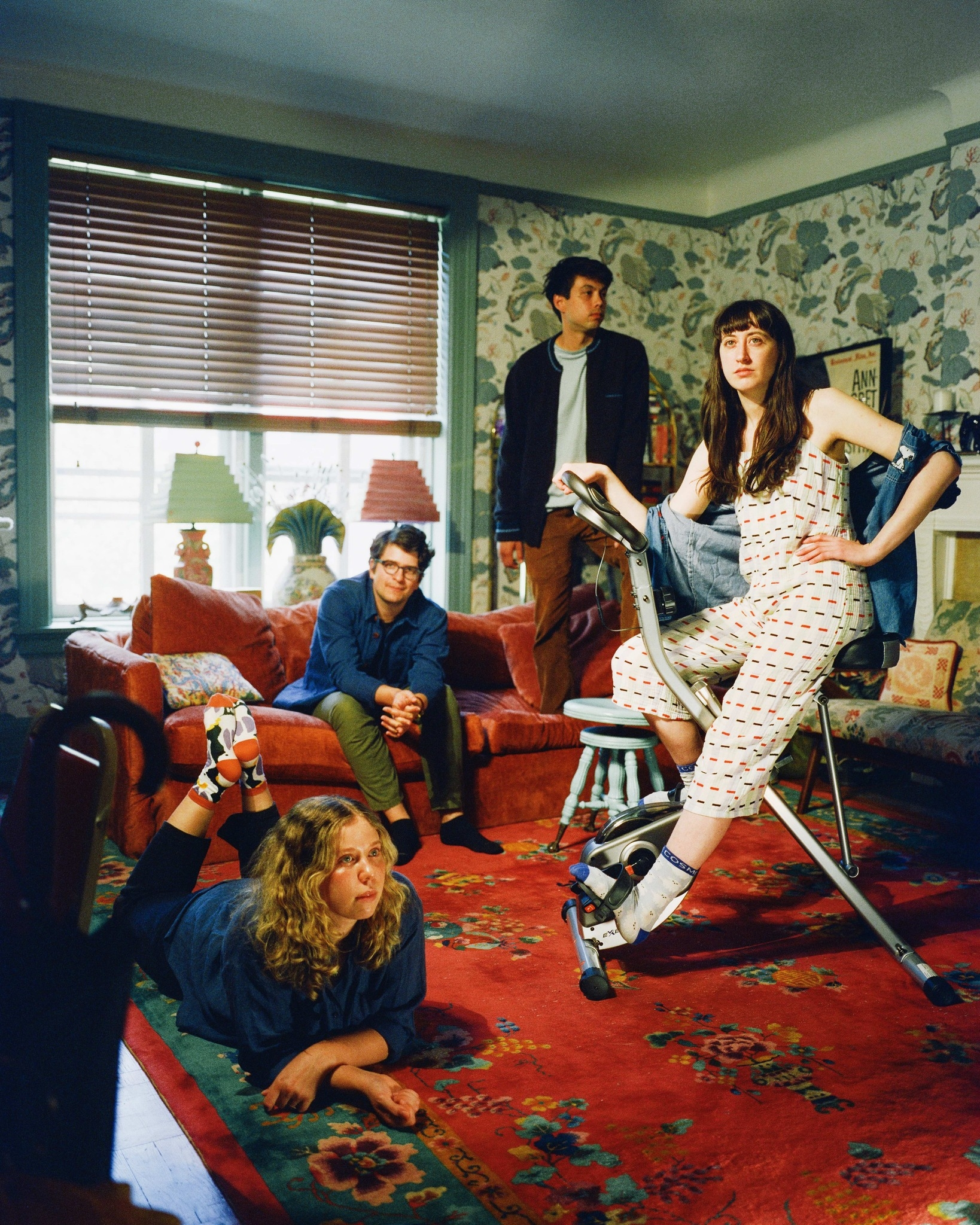
The new Frankie Cosmos tune and its title certainly at first feel like a shrug of the shoulders, but the song quickly reveals itself to be saturated with empathy. Frontwoman Greta Kline sings in a way where you can’t quite tell if she’s reached a languorous peace or just returned from a really good cry. She reassures the listener that, “It’s okay not to sing a song / About everything / All the time.” The track as a whole, as it lurches between quiet sections filled with piano and gently reaffirming bass, and up-tempo parts perfect to wiggle around to, provides this space for a big deep breath. It asks you to allow yourself to take a break from this relentless drive for productivity built into us; making your blood levels jump with the changes in tempo and feel, it still manages to calm the activity in your veins for at least a bit. The piano lends an easily drifting, sweetly dreamy quality to the arrangement, and the instrumentals of the track make it feel like a heavy kind of floating.
The lyrics are so simple, with such purpose and hope for just the smallest reprieve from stress that it sort of breaks your heart, as Kline sings, “I’m always bursting at the seams / I’ll tell you all about my dreams / I wish that I could quiet it / Accept a little silence.” The song feels like an enthusiastic drawing done by a child: simple, but full of emotion, intent and message.
Frankie Cosmos’ fifth album “Inner World Peace” – which features “One Year Stand” and additional standouts “F.O.O.F.”, “Aftershook”, and “Empty Head”, – was co-produced with Nate Mendelsohn and Katie Von Schleicher at Figure 8 Recording in Brooklyn, New York.
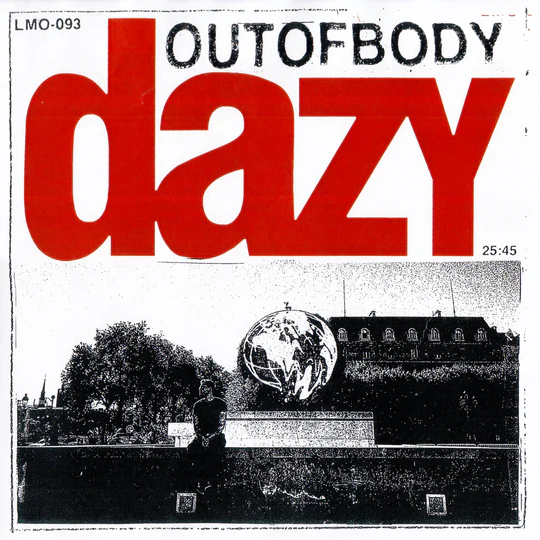
Richmond, Virginia’s James Goodson project Dazy, is back with another new single ahead of “Out of Body” due out October 28th, on Lame-O Records. the music video, “On My Way” is the third single off Dazy’s debut album after “Split” and “Rollercoaster Ride.” Dazy is for the people. People who know the words to every Punk-O-Rama compilation. People with an emergency Oasis reunion fund. People who will talk your ear off about Dookie. People who worship at the altar of the Jesus And Mary Chain’s proto-shoegaze. People who love ’60s pop (and can tolerate full-throttle guitar distortion). People who dig the current wave of independent power pop, led by the likes of Mo Troper and Young Guv.
Dazy goes with “On My Way,” staying true to his vision of combining “big room, widescreen hooks with homemade, bedroom production,” as press notes put it. Goodson shrugs off existential dread (“Comet won’t miss, but I’ll just be on my way / Spreading that stress, but I’ll just be on my way”) over a drum machine beat and blown-out guitar and bass, eventually whammy-ing his way into a pocket of spacey psych-rock.
A catchy record packed with quick, fuzzy songs, Dazy’s official debut LP “OUTOFBODY”builds on the success of last year’s compilation “MAXIMUMBLASTSSUPERLOAD”. pointing out his influences as “uncomplicated music that you can return to endlessly.” That’s a great way to describe “OUTOFBODY”. It’s got a thick, 1990s power pop sound, and would sound perfect in a coming-of-age movie or on a ‘90s radio station. Goodson is a one-man band, recording every vocal and instrumental on the album by himself, but the album still sounds huge. “OUTOFBODY” is meant to be turned all the way up on your car stereo so you can let your mind swim into the distorted guitars.
Feedback and guitar fuzz hang in the air alongside Goodson’s vocal harmonies, a rare unmoored moment that he follows with one last crashing, power-pop shout along.
Dazy from the album ‘Out Of Body’, out October 28th 2022 on Lame-O Records