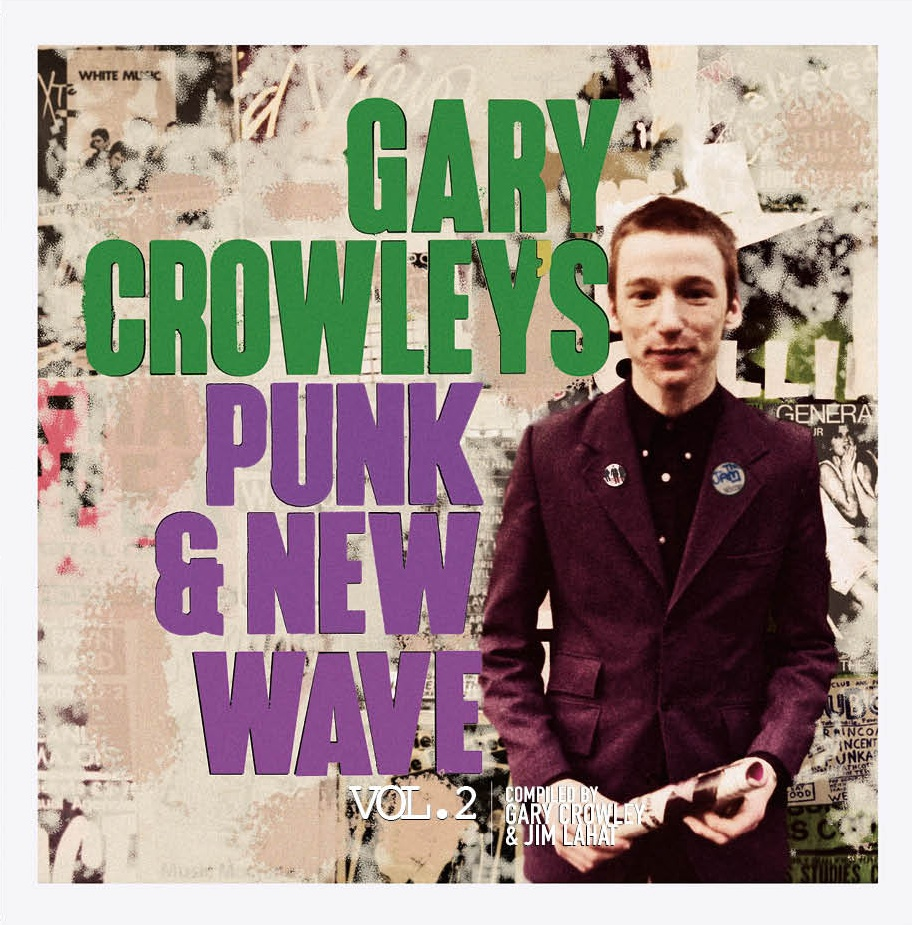
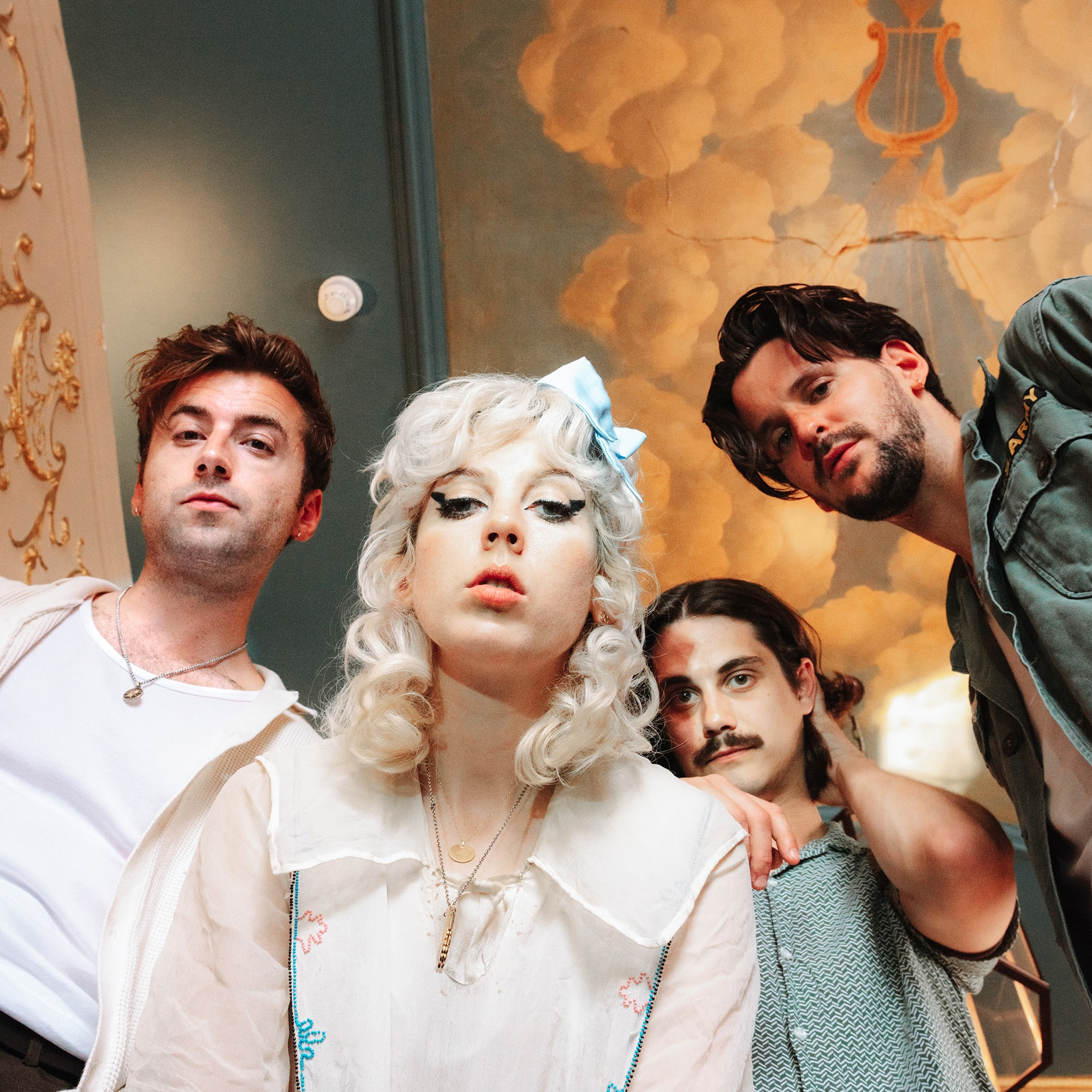
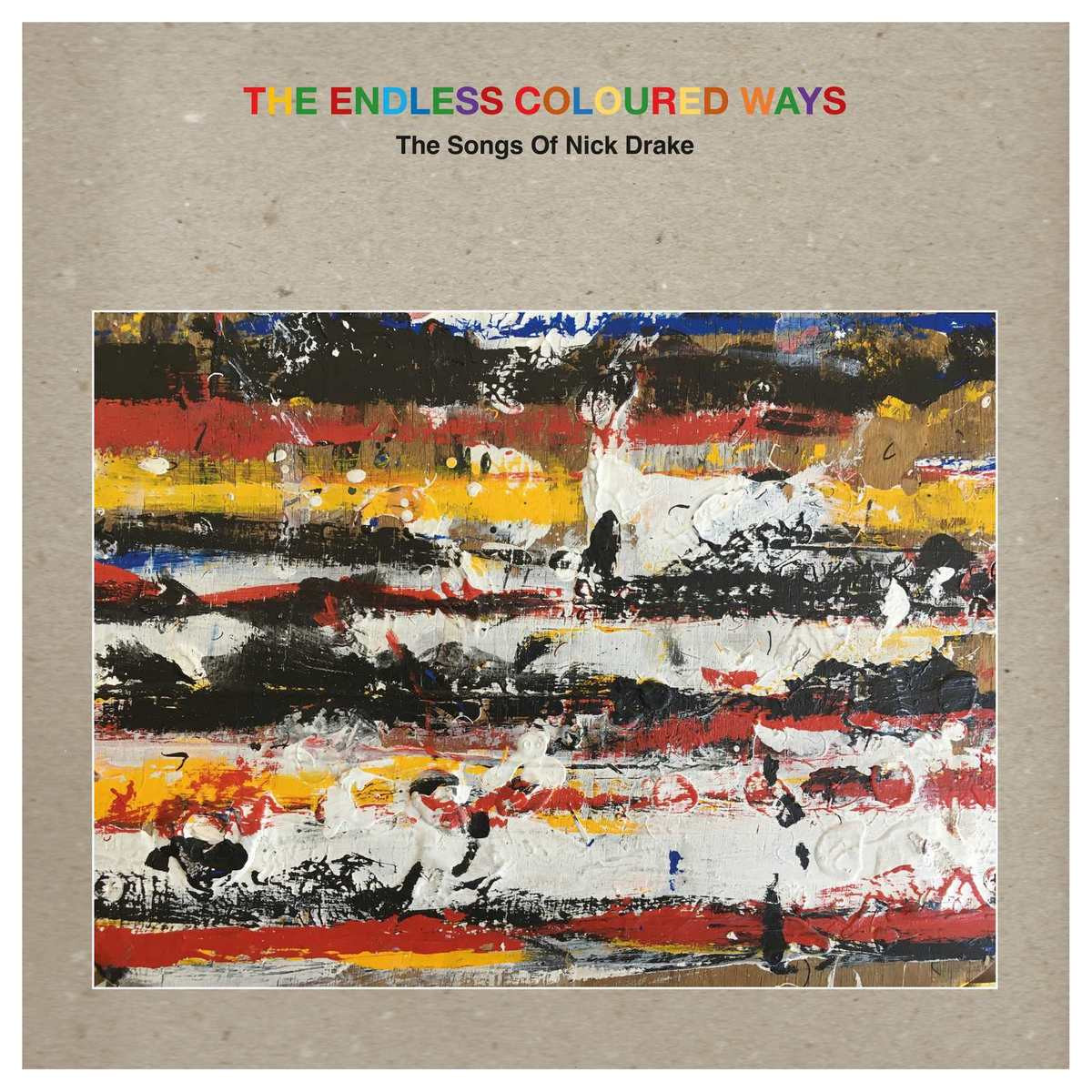
Lemonheads’ seminal album It’s A Shame About Ray, lovingly reissued for it’s 30th Anniversary. The long overdue reissue includes a slew of extra material, including an unreleased ‘My Drug Buddy’ KCRW session track from 1992 featuring Juliana Hatfield, B-sides from singles ‘It’s A Shame About Ray’ and ‘Confetti’, a track from the ‘Mrs. Robinson / Being Round’ EP, alongside demos that will be released for the first time on vinyl.
This reissue celebrates their prestigious fifth album, these deluxe bookback editions feature new liner notes and unseen photos.
Described by music journalist and author Everett True as “A 30-minute insight into what it’s like to live hard and fast and loose and happy with like-minded buddies, fuelled by a shared love for similar bands and drugs and booze and freedom.”. ‘It’s A Shame About Ray’ had a considerable impact back in those heady, carefree days of ’92, the record perfectly captures Dando’s ability to effortlessly encapsulate teenage longing and lust over the course of a two-minute pop song.
Singles such as ‘My Drug Buddy’ and the breezy perfect pop of the title track might stand out (plus the add-on of ‘Mrs. Robinson’ which later copies included), but the album’s real strength lies in the tracks in-between; the truly fantastic ‘Confetti’ (written about Evan’s parents’ divorce), and the eye-wateringly casual acoustic cover of ‘Frank Mills’ (from the “hippie” musical Hair), a version that seems to resonate with every ounce of pathos and emotion felt for the lost 1960s generation.
Released in June of 1992, the album was the band’s fifth overall but second for Atlantic Records, eventually being certified gold in the US, the UK, and Australia. Its 30th-anniversary deluxe edition, courtesy of Fire Records, offers the remastered record plus B-sides, demos, and covers.
The 30th-anniversary reissue includes demos of nine of the album’s 12 songs. They sound like exactly what they are, and most of the songs benefit from studio production, but they also plainly show what a gifted songwriter Evan Dando is. The raw material here is so strong that it’s a shame about “Mrs. Robinson”, the band’s breakout Simon & Garfunkel cover that features an audible bong rip and is easily the most disposable track on the record. Recorded to celebrate the 25th anniversary VHS release of the 1967 film The Graduate, the song was tacked on to a re-release of “It’s a Shame About Ray” after it became a massive hit. (The first Lemonheads single with a semi-wide audience was another cover: their 1989 version of Suzanne Vega’s “Luka”.)
To hear Evan Dando sing lines like ‘I love him/but it embarrasses me/To walk down the street with him/He lives in Brooklyn somewhere/And he wears his white crash helmet’ is to truly appreciate how wonderful and tantalising pop music can be. Then, there’s the rush of insurgency and brattishness on the wonderfully truncated ‘Bit Part’; the topsy-turvy ‘Ceiling Fan In My Spoon’... this was male teenage skinny-tie pop music on a level of brilliance with The Kinks, early Undertones, Wipers.
If you were ever a follower of the band XTC, you’ll know that they continually got the short end of the stick business-wise. Under Virgin, the band’s earnings were so bad that they eventually went on strike just to get out of their contract. So when you saw a flurry of XTC reissues after their disbandment, you could tell it was mostly to create the payday that they deserved but never received. Like their 1986 masterwork “Skylarking”, XTC’s initial idea for the cover art to 1983’s “Mummer” was shot down by their label.
“Mummer” is the eleventh in a series of XTC classics to be issued on 200g vinyl. Unavailable for decades on LP and with its original, but never used, sleeve art restored, the album has been mastered by Jason Mitchell at Loud Mastering with input from Andy Partridge. Unavailable for decades on Vinyl and with its original, but never used, sleeve art restored.
XTC’s sixth album, “Mummer” was another turning point for the band as it marked their first release as a studio only band. evolving from the brash, post-punk/pop of their first two albums “White Music” and “Go2” into one of the most highly regarded of british bands of the era via a trio of essential albums – “Drums and Wires”, “Black Sea”, “English Settlement” – which showcased the increasing versatility of both band and the twin songwriters, Andy Partridge & Colin Moulding. but even the comparatively quieter/more considered “English Settlement” was very much an album of songs written with one ear for the studio and another for how they would work live.
“Mummer” was different. freed from the constraints of ‘the road’ this was XTC in widescreen – experimenting with songs, arrangements and the expanded sonic palette that studios can provide when there is no afterthought as to how to reproduce the material in a variety of theatres, university halls and other venues few, if any, of which were built with rock groups in mind. and, just as the mummers’ plays involve people travelling from place to place in a village enacting tales of the cycle of life (albeit in disguise), XTC travelled the best of the uk’s studios recording, mixing and re-mixing their songs cycle to exacting standards. released as the follow-up to their most successful uk album to date and with a new record label in America, band and record company hopes were high – three of the album’s first four songs were issued as singles – but were to remain unfulfilled.
Fans loved it, the press was positive but radio was changing, especially in the UK, and with no touring it failed, as sometimes happens with bands adopting a new approach, to cross over to that wider audience. as also happens with such records, its reputation (and sales) have, over the years, grown far greater than its initial reception indicated and it can now be seen, in retrospect, to have been an important first step towards the sort of expansive approach to writing and recording that would yield much greater commercial results later in the same decade with “Skylarking” and the albums that followed.
Still for me the best track off the vastly underrated “Mummer” album from 1983 & this has always fascinated me & I never liked the wild ending for years but of late I sounds strangely satisfying!! The Dukes were definitely on the horizon…. Colin’s bass & vocal is outstanding here.
Featuring the sublime “Love On A Farmboy’s Wages“, Mummer represented another turning point for XTC as it marked the first release as a studio only band. Andy Partridge’s vision of having the members of the band pose as actors in a mummers’ play on the cover of their most pastoral album has become a reality. Although this reissue of “Mummer”does not come with the six bonus tracks like the 1990s Geffen edition on CD, this 200G vinyl remaster coaxes the nuances out of the mix, helping “Mummer”take its rightful place among XTC’s finest works.
The singles “Love on a Farmboy’s Wages”, “Wonderland”, and “Great Fire” are still worthy of any greatest hits collections, but it’s the deep cuts on “Mummer”that truly demonstrates the band’s majesty, like “Ladybird”, “Deliver Us from the Elements”, and “Funk Pop a Roll”.
Jet Black, drummer of The Stranglers has passed away peacefully aged 84. Jet Black, born Brian John Duffy, passed away peacefully at home on Tuesday 6th Dec. A founding member of iconic British new-wave rock band The Stranglers, Jet helped the band achieve a prolific 23 top 40 singles and 19 top 40 albums in the official UK charts.
As the ‘elder statesmen’ of the group, Jet was already a successful businessman in the Guildford area when The Stranglers formed in 1974. Jet owned a fleet of ice cream vans, one of which, as many fans will fondly remember, was used to tour the UK in the early years. Jet also owned an off licence, the upstairs apartment of which doubled as ‘Stranglers HQ’ in the early days.
Jet retired from performing live with The Stranglers in 2015 having suffered with respiratory health issues since childhood. Despite difficulties in performing towards the end of his career, Jet’s charismatic charm resonated with fans who would endlessly chant his name as he took his place at the drums.
As a drummer in jazz bands during the 60s, Jet’s playing style helped shape The Stranglers’ unique sound. On reaction to the news, bassist and co-frontman JJ Burnel said “The welcoming committee has doubled. After years of ill health Jet has finally been released. He was a force of nature. An inspiration. The Stranglers would not have been if it wasn’t for him. The most erudite of men. A rebel with many causes. Say hi to Dave for me.”
Sil Willcox, the bands manager added “He was the Jet force that launched the Stranglers. He was the Jet force that powered the bands determination to get heard and get noticed. Jet Black was the real deal. Astute in business, a talented drummer and an obsessive perfectionist. These are only a few of the talents of the man whom I was privileged to have as my mentor and my dear friend. I will cherish the times we planned, pranked, ate, drank and laughed on so many great nights together.”
Jet had a multitude of other achievements. From writing two published books that documented The Stranglers’ notorious 1980 arrest in Nice after allegedly inciting a riot, to even designing a patented bass drum pedal. He will also be remembered for his skill in crafting bespoke furniture and his accomplishments as a chef.
Baz Warne, the band’s guitarist and co-frontman said of him “I loved Jet. He took me under his wing over two decades ago and I never really came out from under it. I’m so very sad he’s gone. He hadn’t been too well for a while, but when I spoke to him most recently, three weeks ago, he was laughing and wanting to hear all the news…still interested and involved. It’s been my privilege to have known and worked with him, and to have called him a friend, and I’ll miss him until the end of my days. Rest in peace big man.”
In recent years, various health issues had become more debilitating, and Jet had been residing quietly in his country home in North Wales, close to his family and friends.
Jet leaves behind his wife Ava, also his two children Charlotte and Anthony.
Jet Black (1938-2022) – RIP, fly straight and fond adieu JB.x
“An Appointment with Mr Yeats” sees the words of W B Yeats, Ireland’s greatest poet, merged with the music of The Waterboys, one of Britain and Ireland’s greatest bands, in a truly unique and ambitious musical undertaking. The album was first released in 2011, and has been remixed and remastered for re-issue, now containing 6 previously unreleased bonus tracks.
Waterboys vocalist Mike Scott first set Yeats to music in 1988 when he wrote a musical accompaniment for the classic poem TheStolen Child, included on their seminal album “Fisherman’s Blues”. Scott’s love of literature flows throughout the work of The Waterboys. Scott explained: “I grew up in a house full of books so literature and language have always been important to me. Working with other peoples’ words is something that comes as natural to me as working with my own. In a way it’s even more immediate; I’ve always found writing music an easier process than the writing of lyrics, and setting words of the quality of Yeats’ to music is an enormous privilege and treat.”
“An Appointment with Mr. Yeats” is a unique opportunity for lovers of great music and great literature to celebrate the union of song and word in one spectacular record.
Highlights include the powerful opener ‘The Hosting Of The Shee’ and the melodic and uplifting ‘Sweet Dancer’.
Lush were an English rock band formed in London in 1987. Initially named the Baby Machines (after a line in the Siouxsie and the Banshees song “Arabian Knights”) The original line-up consisted of Miki Berenyi (vocals, guitar), Emma Anderson (vocals, guitar), Steve Rippon (bass guitar) and ChrisAcland (drums). Phil King replaced Rippon in 1991.
The British band Lush were part of the so-called “shoegaze” roster of early ’90s bands, along with other outfits such as My Bloody Valentine, Ride and Chapterhouse. As with many genre offshoots, the groups involved perhaps shared an attitude rather than an overarching sonic philosophy, but nonetheless the scene birthed several classic albums, including Lush’s own 1992 shimmery dream pop classic LP, “Spooky”.
They were one of the first bands to have been described with the “shoegazing” label. Their influences were diverse; they were inspired by the garage rock scene of the Nuggets album series, Cocteau Twins, Siouxsie and the Banshees, the Beach Boys and the Byrds. Anderson said of the band’s beginnings, “We were kind of punk rock in one way. We did think, ‘Well, if they can do it, why the fuck can’t we?’ Basically, our idea was to have extremely loud guitars with much weaker vocals. And, really, the vocals were weaker due to nervousness – we’d always be going ‘Turn them down! Turn them down!'” Berenyi said, “We started by writing crappy riot grrl anthems.. Following the death of Acland, the group disbanded in 1996.
“The Cocteau Twins’ influence on Lush is obvious,” says Lush co-leader Miki Berenyi. RobinGuthrie produced “Spooky”, and the “Mad Love” and “Black Spring” EPs, so our sound was moulded by the experience. But I find it tricky to list artists they’ve directly influenced because – to me their genius lies in their unique combination of musicality, experimentation with guitars and studio effects, and Liz’s incomparable voice.
There are bands that glide toward one or another aspect. Harriet Wheeler of The Sundays used to get endless comparisons with Liz at the time but it’s obvious to everyone now that she has her own beautiful voice and style. Plenty of bands (including Lush) have ramped up the chorus and delay on guitars, but you need to see Robin at work in a studio to discover his tireless experimentation with guitars, pedals and other technological effects to recognise that it’s a lot more complex than that. And I’ve heard plenty of tracks that mimic the Cocteaus’ sound and vocal style, but fail to include their beautifully constructed chord progressions, key changes and melodic hooks. Back in the day, Simon would sometimes get referred to as ‘just the bass player,’ an insult that ignores his vast reservoirs of musical knowledge, which he effortlessly incorporates into his music.
“So I guess my point is that the voice, the guitars, the songs — they aren’t just simple blocks you can co-opt or fit together to recreate the whole. Each element is huge and deep and unique in and of itself. Many of us try and borrow a hint of one or two facets, but we’re really only scratching at the surface.”
Garnering instant critical praise and a buzz with their first EP, Lush eventually released three full-length albums and won over fans with their engaging live shows, which included a stint on the second Lollapalooza tour. On record, Bereyni and Anderson’s breathy and plain-spoken vocals alternately wove together and bounced off one another, while the guitars chimed, jangled and droned. In her new autobiography, Fingers Crossed: How Music Saved Me From Success, covers her somewhat tumultuous upbringing, as well as her time in Lush, and is essential reading for anyone wanting a first-hand account of the British music scene just before Oasis battled Blur for the Britpop crown.
Scar
In 1989, the band signed to 4AD Records and released their first recording “Scar”, a six-track mini-album. Critical praise for “Scar” and thier live show established Lush as one of the most written-about groups of the late 1980s/early 1990s UK indie scene. Anderson told Everett True in Melody Maker, “I remember when I couldn’t play, I wasn’t in a band, didn’t know anyone else who could play, and now we’ve got a record out on 4AD.
Not long after, the British music press tagged them with the “shoegazing” label. The following year, the EP “Mad Love” (produced by Robin Guthrie of Cocteau Twins) and Sweetness and Light (produced by Tim Friese-Greene) were released.
Mad Love EP
The follow the “Mad Love” EP in February 1990. “Mad Love” brought a large amount of attention to the band from both the alternative and mainstream British press, with vocalist-guitarist Miki Berenyi and guitarist Emma Anderson becoming the subject of several gossip columns in national weeklies. Lush also began performing to larger audiences, performing at the Glastonbury Festival and opening as support for the Cure at the Crystal Palace Bowl in London, in summer 1990.
Sweetness and Light EP
The second extended play by the alternative rock band Lush. It was released in October 1990 on 4AD Records. Featuring a less abrasive sound than the band’s earlier releases, the title track was also released as Lush’s first single and included the B-side “Breeze”. Stylistically, “Sweetness and Light” is a dream pop song featuring elements of shoegazing music. Described as a “pure pop song”, it uses feedback and several effects units on Anderson and Berenyi’s guitar tracks. Both Berenyi’s lead vocal and Anderson’s backing vocal (which drew comparisons to Bilinda Butcher of My Bloody Valentine) are mixed low and obscured. According to NME writer Steve Lamacq, the vocals were “half-hidden” as they were symbolic of the band’s “withdrawn” approach towards pop music and their “reluctance to become a “blatant” part of the current ‘indie’ rush to the charts.
Tim Friese-Greene produced “Sweetness and Light” over a six-week period at the Greenhouse and Wessex Sound Studios in London. The recording sessions took considerably longer than Lush’s previous sessions with Robin Guthrie and John Fryer, but resulted in a more atmospheric dream pop sound.
“Sweetness and Light” received mixed reviews upon release, but led to Lush’s first major headlining national tour and placed in the national charts. The single was particularly successful in the United States, where it placed at No. 4 on the Billboard chart and received heavy rotation on radio.
All three extended releases were eventually combined into the “Gala” compilation album, which was produced mainly for the US markets.
The band’s profile was raised by extensive touring, including an appearance at the Glastonbury Festival in June 1990.
Spooky
Preceded by the Black Spring EP issued in October 1991, Lush’s first full-length album of completely new material, Spooky, was released in January 1992. Again produced by Guthrie, Spooky featured a sound very similar to Guthrie’s band Cocteau Twins, with a wall of sound and a great deal of guitar effects. Reviews were mixed and critics of the album held that Guthrie’s production brought the sound away from the band’s original creative vision. The album was preceded by the band’s first UK top 40 single, “For Love”, which was partly re-recorded and remixed by Mark Freegard. He also produced the single’s B-sides: the original recording of “Starlust”, Wire cover “Outdoor Miner” and the only Lush track with lead vocals by Anderson, “Astronaut”.
‘For Love’ is taken from their 1992 album ‘Spooky’, produced by Robin Guthrie of Cocteau Twins. ‘For Love’ was also Lush’s first Top 40 single. “A song like “For Love” was quite complicated. It’s got that bassline that’s quite hooky, but then to sort of build those chords around it a lot of that had to be tweaked and it had a lot of back-and-forth from the guitar to the bass, to the vocal, to the backing vocal. It took a lot of trial and error and a lot of building it up and changing it.
Rippon left the band after recording the “For Love” EP to concentrate on writing, During the summer of 1992, Lush toured America as part of the second edition of the Lollapalooza festival. Lush was added to the bill by organiser Perry Farrell, the Jane’s Addiction/Porno for Pyros frontman, who personally requested Lush.
Split
Lush had approached Bob Mould to produce their second album. The band stated that Mould was too busy to produce them, but Mould said in a Spin article that he backed out because “I kept picking the wrong girl’s songs… I had to get out before I broke up the band!”
The band found completing “Split” frustrating. It was recorded by Mike Hedges at Rockfield Studios in Wales, neither the band nor Ivo Watts-Russell of their label 4AD were satisfied with the sound; eventually Alan Moulder was hired to remix it.
Unusually, the band released two EPs from the album (“Hypocrite” and “Desire Lines”) both on the same day (30 May 1994)..
“Hypocrite” was very much about my relationships and promiscuity and that kind of stuff. I mean, Emma wrote “When I Die” on the album, which was about her father dying, so there was quite a lot of inward soul-searching stuff [on Split].
“Unfortunately, the album got mostly slagged off in Britain, and it kind of bruised me to reveal all that stuff and just have it dismissed as meaningless nonsense. I think with Lovelife, we kind of pulled back and I just thought, ‘No, I’m not doing that again.’”
The band concentrated on the American market, on the advice of their management, but failed to make a breakthrough. A third EP from “Split”, planned for release in the autumn of 1994, was to have featured “Lovelife” as the lead track along with a version of “The Childcatcher” recorded during the “Split” sessions; but the release was shelved by management.
Lovelife
“Lovelife“, the band’s fourth album, was released in March 1996. It was produced by Pete Bartlett, the band’s live engineer. “Lovelife” represented a change in production, with less reliance on heavy guitar effects. It became the biggest seller of their career, possibly as it was more in step with the contemporary Britpop style.
“I think we got quite a bit of grief musically for “Lovelife“, especially in America, because I think the shoegaze thing was much bigger. A lot of people thought we’d deliberately written a Britpop album. We ended up making that album with our soundman. You know, as much as I love working with producers, there was quite a lot of drama around Robin, and we knew Pete [Bartlett], our soundman, and he knew our sound, and it was all going to be simpler.
“And I’m not going to lie, [Britpop] was obviously part of the zeitgeist at the time – people weren’t cloaking things in layers and shimmers and God knows what. It was quite liberating to be able to just try that.
“I do still defend it. “Split” had “Hypocrite” on it and that is not a shoegaze-y song. I don’t see that massive leap from those songs to where the hits on “Lovelife” came from. I think people just thought oh, you’ve cynically sat down and gone, ‘Right. We’re going to ditch the shoegaze thing and we’re going to completely reinvent ourselves.’ I’m not sure most people do that. I think someone who writes songs for other people might do that. But with a band, it is quite organic.”
Lovelife included the hit singles “Single Girl”, “Ladykillers” and “500 (Shake Baby Shake)”, and also featured a guest appearance by Jarvis Cocker.
“I had enough bloody trouble trying to explain “Ladykillers”. It’s meant to be a bit light hearted. I’m not trying to crucify these people. It always annoyed me when people were going, ‘Is that one about Anthony Kiedis?’ And I’d go, ‘All right, fine. It was inspired by that.’ But blokes who say to me, ‘Who’s that about? Which particular person?’ I think that kind of lets everyone else off the hook. It might have been inspired by a particular bloke, but there are an awful lot of blokes who behave like that.”
In September 1996, tragedy struck the band when drummer Acland died by hanging himself in his parents’ garden on 17th October. The band effectively went on an extended hiatus, officially announcing their break-up on 23 February 1998.
Ciao! Best of Lush
4AD Records released a limited red vinyl double LP of their compilation “Ciao! Best of Lush” on 7th November 2015, followed by Chorus, a CD-only, 5-disc box set containing almost all of their released material along with a selection of rarities, radio sessions and demos. For Record Store Day 2016, 4AD released a limited edition 5-LP colour vinyl box set titled “Origami”, comprising Gala (clear vinyl), Spooky (silver vinyl), Split (red vinyl), “Lovelife” (pink vinyl) and the first vinyl release of the Canadian version of Topolino (yellow vinyl), with revised artwork by Chris Bigg. The UK/European version was packaged in a white cardboard “pizza box” emblazoned with three different Lush logos from 1990, 1994 and 1996.
Blind Spot EP
In April 2016. the band announced the release of the “Blind Spot” EP, the band’s first new material since 1996. It was produced by Jim Abbiss and Ladytron member Daniel Hunt.
The band received an incredible reception to the Blind Spot EP and the three beautiful career-spanning 4AD releases, sold out two Roundhouse shows, toured North America with great success and had a ball at our European festival appearances. It’s been wonderful to revisit our old music and to create new material. However, it is now time for us to return to our families and homes, and bring our time together as a band to a close. We offer heartfelt thanks to all our fans – this reunion would never have happened without your overwhelming support and dedication.
Piroshka
In September 2018, the formation of new band Piroshka was announced, a quartet including Berenyi, Welch, Conroy and former Moose member K.J. “Moose” McKillop. Their debut album, Brickbat, was released by Bella Union.
From four individual parts, with distinct musical pasts but also overlapping histories, a new unified chapter begins with Piroshka and the quartet’s thrilling debut album “Brickbat”. The album is named after the word for a missile, which nails the record’s heavyweight lyrics if not the music’s gorgeous, bittersweet and euphoric pop. Think of “Brickbat” as a wolf in sheep’s clothing – which suits the name Piroshka, the Hungarian take on the wolf-terrorised fairytale hero Little Red Riding Hood – a subtle nod, too, to a certain red hairdo that stood out in the 1990s Brit-guitar-pop scene…. The four band members are former Lush vocalist / guitarist (and former redhead) Miki Berenyi, former Moose guitarist KJ “Moose” McKillop, Modern English bassist Mick Conroy and former Elastica drummer Justin Welch.
The connections between them are a veritably tangled family tree. Before they lived together and raised a family, Miki and Moose were notable figures on the so-called shoegaze scene, while Elastica were Britpop peers. After post-punk pioneers Modern English split for a second time, Mick became a latterday member of Moose, while Justin joined the reformed Lush in 2015. And when Lush required a bassist for what proved to be their final show (in Manchester) in November 2016, Mick stepped in.
Though Brickbat kicks off with a squeal of feedback, the album is far from a proper punk record, with as much sublime delicacy as physical force, with guitars to the fore but also electronic flourishes in all manner of spaces. Combined, they drive the nuggety melodic bombs long associated with Miki’s songwriting. Piroshka and “Brickbat” are a wonderful and, frankly, unexpected union of proven talent.
It’s quite a tricky band because one of the members got married and is living in America, so I don’t even know how this is going to work with the next album. And Justin [Welch] does a lot of touring with The Jesus and Mary Chain. Hopefully soon we’ll just be able to knuckle down and start writing.
“After Lush and before 2016 I didn’t do any music. I barely picked up a guitar. I did the odd vocal that someone would ask for. But Piroshka formed because Justin thought it was a shame to end Lush and not do something afterwards. That’s how that started. When Chris died it was like a grenade going off: I just had to run in the opposite direction and music didn’t have any appeal for me.
Love Drips and Gathers
Piroshka’s stunning second album, “Love Drips And Gathers”. The album builds on the acclaim of the band’s 2018 debut LP“Brickbat” and the reputations of former members of Lush, Moose, Elastica and Modern English.
“If “Brickbat” was our Britpop album, then “Love Drips And Gathers” is shoegaze!” reckons vocalist/guitarist Miki Berenyi, formerly of Lush, a band that effortlessly bridged the two genres like no other. “It wasn’t intentional; we just wanted a different focus. I’ve always seen debut albums as capturing a band’s first moments, when you really have momentum, and then the second album is the chance for a more thoughtful approach.”
Bassist Mick Conroy (Modern English) agrees. “Brickbat was a classic first album; noisy and raucous. On “Love Drips And Gathers”, we’ve calmed down and explored sounds, and space.”
To recap; before Miki and KJ ‘Moose’ McKillop were a couple (and parents), they were pivotal figures on the London-centric 90s indie scene. Likewise, Elastica, whose drummer Justin Welch was part of Lush’s 2017 reunion, whilst Mick had played for both Moose and – on their last ever gig – Lush.
As Lush Mark II came to an end, Justin persuaded Miki (who’d abandoned music when Lush first split in 1997) to start another band, Piroshka, which in turn reignited Moose’s own long-dormant ambitions. Whilst Justin and Miki were the dominant influence on “Brickbat”, this time Moose and Mick were given greater control over the production, with invaluable assistance from Bella Union’s in-house engineer Iggy.
The way “Love Drips And Gathers” changes shape and dynamic is less a reprise of nineties Brit indie than a transformation into a more shivery, Euro-mantic version with glistening electronic filigrees. The opening ‘Hastings’ sets the tone. Luminous drops of guitar underpin Miki’s becalmed vocal before drums, bass and a Mellotron add pace while the decorative coda features their old pal Terry Edwards on flugelhorn.
Framed by Mellotron, cello and piano. ‘The Knife-Thrower’s Daughter’ emphatically proves Piroshka can be restrained without losing any essence of drama: the calm before the euphoria pure-pop storm of ‘Scratching At The Lid’. The words ‘ethereal’ and ‘shimmering’ were surely invented for the likes of ‘Loveable’, but the uncanny DNA of ‘V.O.’ is less categorisable – a Bond theme in the making with electro-gliding beats, perhaps? ‘Wanderlust’ and ‘Echoloco’ might be described as Francophile cousins of Lush before the haunting lullaby of ‘Familiar’ segues into the pulsing, rippling instrumental finale ‘We Told You’ – more eighties synth drama than nineties indie, with vocal samples played on what Moose calls, “the Miki-tron.”
“Love Drips And Gathers” – named after a line in a Dylan Thomas poem – was inspired by love, family, belonging, memory. Miki and Moose split the eight lyrics, with some poignant overlaps here too. Miki’s ‘Loveable’ looks to Moose; Moose’s ‘The Knife-Thrower’s Daughter’ looks to Miki, but also their daughter Stella and his sister Anna; an empathic, touching embrace of the women in his life.
Staying within the family, Moose eulogises his late mother (the idyllic childhood seaside trip of ‘Hastings 1973’) and father (the more conflicted ‘Scratching At The Lid’). On ‘V.O.’, Miki pays fond tribute to Vaughan Oliver, 4AD’s legendary in-house art director who died suddenly in December 2019, and who had a particularly close relationship with Lush during their time on the label (like “Brickbat”, “Love Drips And Gathers’ beautiful and enigmatic artwork is by Vaughan’s former design partner Chris Bigg).
The band also recorded a live session for John Peel’s BBC Radio 1 show in 1990 and contributed a cover version of “Chirpy Chirpy Cheep Cheep” to the anti-poll tax album Alvin Lives (In Leeds).
Georgia rockers R.E.M. were at a crossroads in 1995. The band Bill Berry, Peter Buck, Mike Mills and Michael Stipe — had won international acclaim and mainstream success after a decade-and-a-half upward climb through the independent music scene of the 80s. Propelled by MTV and the burgeoning alternative rock radio format, their albums “Out of Time” (1991) and “Automaticfor the People” (1992) generated massive hits like “Losing My Religion” and “Man on the Moon.” But the band also spent those early years of the decade somewhat reclusively, not touring and making only scattered public appearances.
Following the ballad-heavy introspection of “Automatic” and the psychedelic orchestrations of “Time“, 1994’s “Monster” LP the band’s ninth saw it embrace the limelight once again. Widely heralded as R.E.M.’s return to “rock,” or at least rock signifiers like amped-up guitars and blistering drumbeats commingling at a propulsive pace, it added more massive hits to the canon — “What’s The Frequency, Kenneth?”, “Bang and Blame,” “Crush With Eyeliner.”
But when the band prepped for its “Monster”tour, which launched in early 1995, it was very conscious of its position: these were four guys in their mid-30s who had been playing together for a over third of their lives. They had an audience hungry to see them perform and the wind of several successful releases in their sails, but their lives were also evolving in different directions families were being started, new cities were being settled down in — and all this amid a turbulent, ever-changing industry.
“I think all of us kind of realize we’re probably never going to be in a position like this again,” Stipe said in the 1995 documentary short Rough Cut. “We’re probably never going to be this popular, and able to do a world tour on this scale. And I’m looking forward to it! I’m going to have a ball.”
This was the R.E.M. that came to Philadelphia for not one, not two, but three headlining nights at The Spectrum in South Philadelphia on October 12th through the 14th of 1995. These shows are, to rock fans who today are in their mid- to late-30s, somewhat legendary; newcomers saw them for the first time on this tour. Enthusiasts saw all three nights — and the band played to the devotees with varying setlists leaning heavy on “Monster” and newer-than-the-new-album tunes, stuff that would make up 1996’s “New Adventures In Hi-Fi”. Mega-fans even followed them across the country, show-to-show.
Seeing R.E.M. at the Spectrum on 10/13/95 changed everything I thought about music. They did so many things that young me never thought a band selling out arenas might do. I remember hearing or reading interviews where they plainly stated that this would not be a greatest hits tour; they would be playing mostly “Monster” material and songs written while on tour. That night, I found that the energy of a set like that tops any nostalgia set. All of my favorite shows since then have been mostly new material. Hearing a new song for the first time in a live setting is maybe the most exciting moment of any show for me.
That night, “Revolution” left a huge impact, Of course, that one wouldn’t even make the next record. They also played “Binky the Doormat”, “Undertow”, and “Departure”, “The Wake-Up Bomb” was already really familiar as the band performed it on their MTV awards. Not that the audience were wanting to hear the old songs the appearance of “So. Central Rain” in the encore was a huge surprise. And the louder live arrangement of “Man on the Moon” gave a whole new appreciation for a song.
I have been a pretty big R.E.M. fan They knew exactly when to work in the slower songs. “Star 69” ended the main set before they came back to a wash of noise and feedback for “Let Me In.” A band that I’d always considered a “mostly quiet” band (despite the publicized return to rock of Monster“) owned that stage with so much passion and energy.
Compare their run at the Spectrum, where 22 songs were played all three nights and only three originals didn’t repeat at all (“Try Not to Breathe” on Thursday; “Welcome to the Occupation” and “So. Central Rain” on Friday), with their three-night stand at Madison Square Garden, where a dozen songs rewarded the most devoted fans (“Drive,” “Me in Honey,” “I Don’t Sleep, I Dream” and “Star Me Kitten” on Night One; “Circus Envy,” “Welcome to the Occupation,” “Half a World Away,” “Orange Crush” and “So. Central Rain” on Night Two; and “Disturbance at the Heron House,” “You” and “Near Wild Heaven” on Night Three). Fine also kept a meticulous tour journal, which she shared excerpts from — you can find those below this video for the October 14th Spectrum show.
Australian legends, The Church, have announced a release date for their much anticipated new album ‘The Hypnogogue’ – now due out on 24th February 2023 – and to sweeten the wait, they have unveiled new single ‘C’est La Vie’ along with news of an extensive US tour.
‘C’est La Vie’ sparkles with the classic sound of jingle jangle guitars and mountainous melodies – psychedelic and grandiose, cinematic and poised. Backing choruses add a shining lustre and Steve Kilbey’s voice is as enigmatic and dry as ever. Kilbey’s gift for story telling and poeticism is at the fore, the band behind him adept at creating a fitting sound track to the mystical journeys Kilbey embarks on.
The Church remain a veritable institution with their crystalline shimmering sound, insistent, pounding rhythms and dreamy, ethereal lyricism.
Kilbey says of the forthcoming album:
‘The Hypnogogue’ is the most prog rock thing we have ever done, we’ve never created a concept album before. It is the most teamwork record we have ever had. Everyone in the band is so justifiably proud of this record and everyone helped to make sure it was as good as it could be. Personally, I think it’s in our top three records.
The Church is now made up of bassist, vocalist and founder Steve Kilbey along with long-time collaborator, drummer and producer Tim Powles, who’s remained a staple across 17 albums since 1994. Joining them is guitarist Ian Haug, who has been with the band since 2013 and formerly of Australian rock icons Powderfinger. Touring multi-instrumentalist talent Jeffrey Cain is now a full-time member since the departure of Peter Koppes in early 2020. Rounding out the members is the newly recruited Ashley Naylor who one of Australia’s finest guitarists and is a long-time member of Paul Kelly’s touring band.
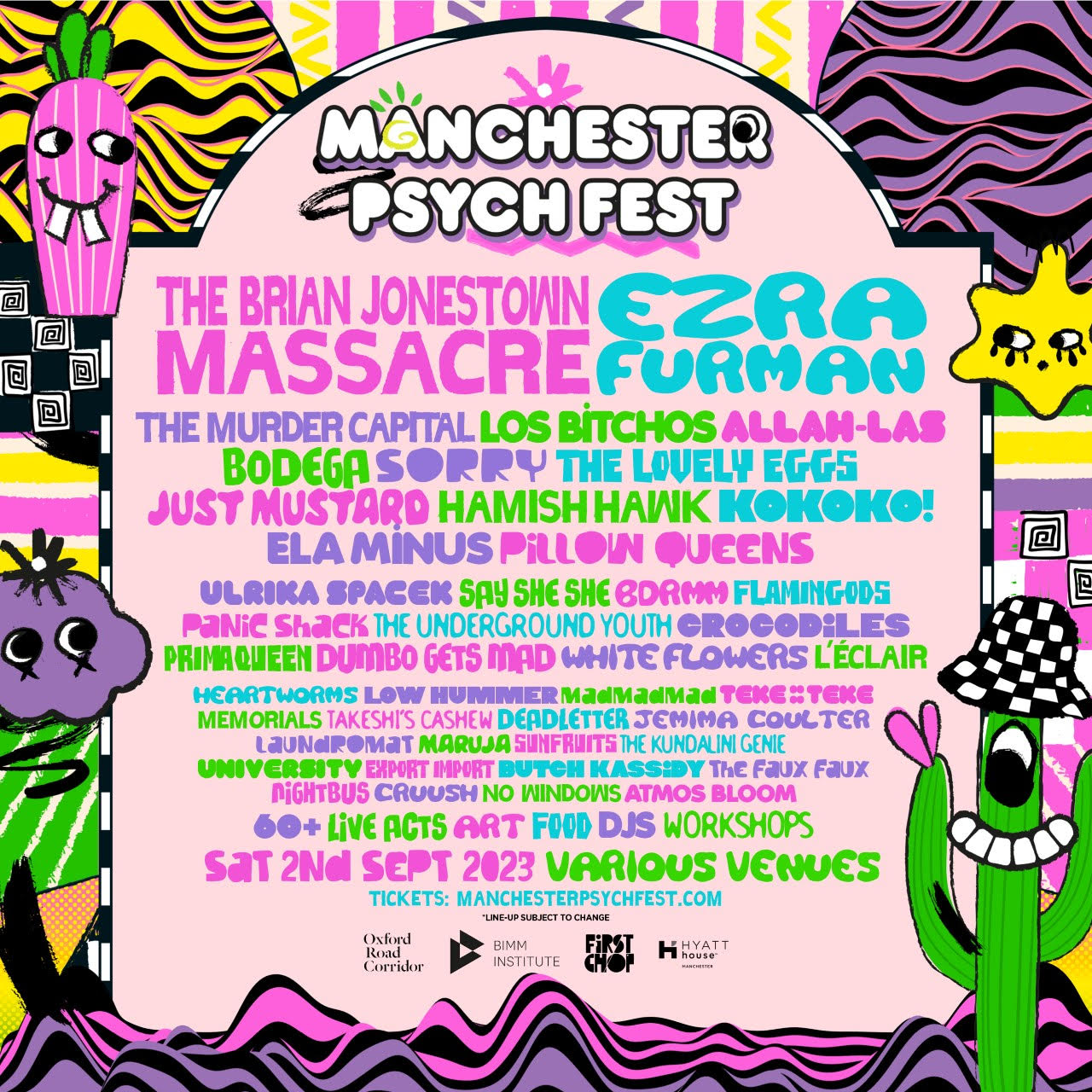
Dublin’s The Murder Capital are back with a new video for ‘Ethel’, the third cut from their forthcoming second album “Gigi’s Recovery”. The Murder Capital have released a string of singles from their upcoming new album ‘Gigi’s Recovery’. This record bids to add greater depth of sound whilst maintaining the spirit and energy that we’ve all come to expect from the band.
The meditative and plaintive opening line of the propulsive new single, “I always wanted it to be like this for us, strung out on love” finds the narrator at a precipice, the song a re-examination of past desires and priorities, whether they are worth still carrying, or if they should be left behind.
James McGovern, Damien Tuit, Cathal Roper, Gabriel Paschal Blake and Diarmuid Brennan bring the track in a hopeful and cathartic direction: “I always wanted it to be like this for us, having our first kid name her Ethel”. The song follows ‘Only Good Things’ and ‘A Thousand Lives’.
The band share about the new single: “The song ‘Ethel’ is a picture of a crossroads, really, asking you what you want from life. Whether you want to continue down a path of chaos, or make a change in your course. It’s showing you what is possible when you make the decisions that bring a sort of cradled warmth into your future. The idea of ‘Ethel’ is that you can have what you truly desire if you put to rest those short-lived fixes that never bring you any real happiness.”
“Initially I thought ‘Ethel’ should be the main character and do the dance at the end, and I always had this image from this French film called My American Uncle. Where it’s like a little girl standing up at a table. I originally had that image in my head for a rap video, but it didn’t really make sense to the song, I wanted this to feel more like surreal so then as I started finding more imagery, it kind of transpired that maybe the maid was the more interesting character.”
The John Congleton produced “Gigi’s Recovery“, set for release on January 20th via Human Season Records, follows the Irish band’s celebrated 2019 debut album, “When I Have Fears”, which reached a No.2 position in Ireland and Top 20 chart position in the UK.
The 12 songs of “Gigi’s Recovery” push the band into ever braver sonic territories, oceans apart from previous peers. Electronic elements are noticeably more prominent across the record, with industrial influences explored in greater detail than ever before and James McGovern’s bold melodies acting as a reassuring anchor so we never get totally swept away into the band’s new found soundscape.
Blues pianist Eddie Boyd’s 7936 South Rhodes was recorded in London in January 1968 with three members of the early line-up of Fleetwood Mac: Peter Green (guitar), John McVie (bass), and MickFleetwood (drums). It’s a tantalizing setting for Boyd’s straight up Chicago piano Blues, going heavier on the slow-to-mid-tempo numbers than the high-spirited ones. During the Sixties’ Blues revival, Boyd toured Europe with Buddy Guy’s band, and he toured and recorded with Fleetwood Mac and John Mayall and the Bluesbreakers.
Tired of the racial discrimination he experienced in the United States, he first moved to Belgium where he recorded with Dutch Blues band Cuby & The Blizzards. Boyd died in 1994 in Helsinki, Finland, just a few months before Eric Clapton released the chart-topping blues album, “From The Cradle” that included Boyd’s “Five Long Years” and “Third Degree”.
Tracklisting: 1. You Got to Reap 2. Just the Blues 3. She’s Real 4. Back Slack 5. Be Careful 6. Ten to One 7. Blues Is Here to Stay 8. You Are My Love 9. Third Degree 10. Thank You Baby 11. She’s Gone 12. I Can’t Stop Loving You
Eddie Boyd: Vocal, Piano Mick Fleetwood: Drums Peter Green: Guitar John McVie: Bass