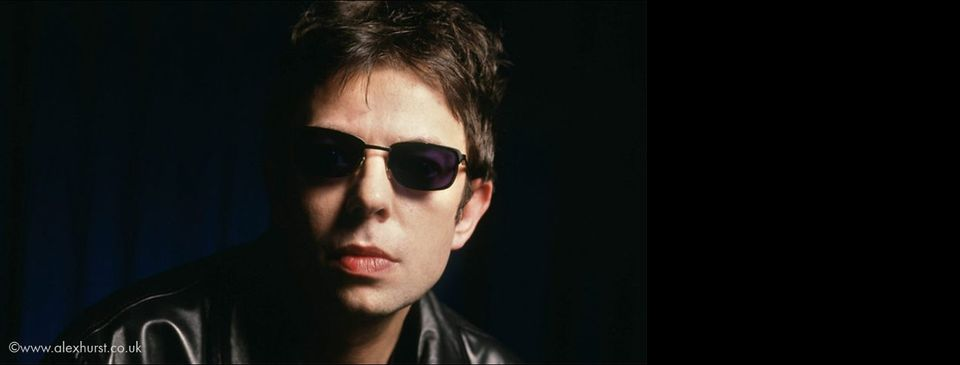
Demon Records is proud to present the 20th anniversary edition of “Slideling”, the third solo album by frontman of Echo & the Bunnymen. First released in 2003, the album was produced by acclaimed producer Cenzo Townshend and features guest performances by Coldplay’s Chris Martin and Jonny Buckland on stand-out tracks ‘Sliding’ and ‘Arthur’.
McCulloch has created a grand pop rock album that wastes no time revving its engine, add to that the participation of Coldplay singer Chris Martin and Johnny Buckland. Mac sings in his trademark style, sounding as fresh as he did two decades ago. There’s a certain soulful feeling to the song as well, whether it’s the bass line or the backing harmonies kept in the distance. McCulloch kept it simple, knowing when to cut the fat from a song, resulting in few if any lengthy fading moments. This third album is a glorious return to what made Mac so damn cool in the first place. It’s his best solo record. Okay, he’s only had three, but this is classic McCulloch in a contemporary model.
To mark the 20th anniversary, the album is released on vinyl for the very first time, exclusively for Record Store Day 2023. Pressed on 140g white vinyl, newly mastered by Phil Kinrade at AIR Mastering.
Sadie Dupris and her band Speedy Ortiz return with their first new single in five years “Scabs” is the first single to feature long time touring members Audrey Zee Whitesides (bass) and Joey Doubek (drums), who are now full time contributors alongside Sadie Dupuis and Andy Molholt (guitar).
Engineered and mixed by Illuminati Hotties’ Sarah Tudzin, who co-produced with Speedy Ortiz, “Scabs” is the band’s first since since 2018’s “Bloodkeeper” and “DTMFA”/”Bigger Party” which were a part of the label Adult Swim’s single series.
“Living in progressive cities and working in the arts, you meet peers doing tremendous organizing work. And then there are neighbours who signal their ‘good’ politics through yard signs alone,” says Dupuis. “I wrote ‘Scabs’ standing in line at the post office, overhearing customers berate a USPS employee. This was during a time of postal unions-opposed budget cuts and other major issues for mail handlers, which were widely reported on. People advertising their support for essential workers acted conversely when faced with personal inconvenience. The song became more widely about self-designated ethicists who don’t quibble about crossing a picket line for individual benefit.”
During Speedy Ortiz’s hiatus, Dupuis has been busing releasing solo music under the moniker Sad13; collaborating with the likes of Lizzo, The New Pornographers, Ben Lee and Backxwash as well as running Carpark Records and the literary journal Wax Nine.
Speedy Ortiz: Sadie Dupuis – guitar, vocals, synth, toy piano Audrey Zee Whitesides – bass, backing vocals Andy Molholt – guitar, synth, backing vocals Joey Doubek – drums, percussion also featuring: Sarah Tudzin – backing vocals Ram Cantú – backing vocals Darl Ferm – additional guitar
The National are back with another new song from their forthcoming album “First Two Pages of Frankenstein”.“Your Mind Is Not Your Friend” features Phoebe Bridgers, and it arrives with a new psychedelic music video, directed by Bridgers’ brother, Jackson, and starring Matt Berninger’s brother, Tom. The Berninger brothers frolic in the woods and on a playground, both wearing black suits. (Matt’s is accented with plumes of fresh flowers.) Bridgers makes a brief cameo, picking up a baby sitting on the playground.
According to a press release, “Your Mind Is Not Your Friend” was born after Matt Berninger broke through some writer’s block. “When I feel stuck, I’ll often grab a book off the shelf just to get some words in my head, and the first two pages of Frankenstein ended up triggering ‘Your Mind Is Not Your Friend,’” he said. “The book starts off with the narrator on a voyage near the Arctic Circle, and that image of being adrift helped me to write about feeling disconnected and lost and lacking in purpose. Once I started confronting that strange, blurry panic of not having ideas, everything began to crack open a bit.”
Berninger talked about working with Bridgers on the song: Well, I had gone over to Phoebe kind of trying to work on songs. We talked about writing songs, and we both write in similar ways, I think. And we’re both fans of the way we write and we talk about how to write and how to write about the things that you hate about yourself, which she’s incredible at. And so after that I was like, “I have to write about this.” Even though I was allergic to myself at the time. I was like, “This is all I can do with this, so I have to write about it.” So when finished the song, I felt it needed, since my wife was a big part of the inspiration, I kind of felt like it needed that a presence of another voice or another person, and Phoebe jumped in, she was just perfect for that. And because her voice is just such a tender, just warm hug and so it added that sort of dimension to it, which was crucial for it to work.
“First Two Pages of Frankenstein” is out April 28.
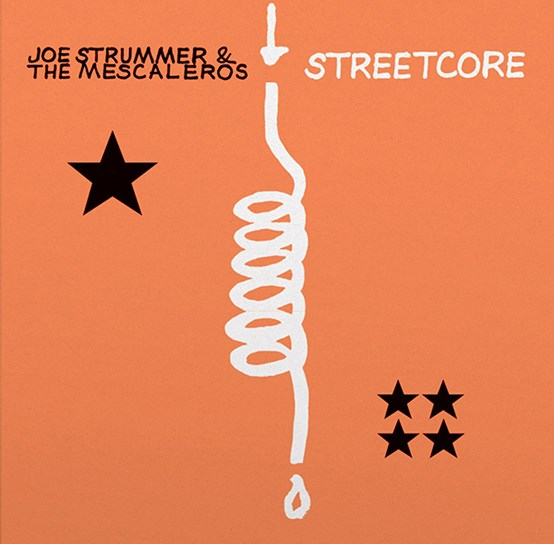
2023 marks 20 years since the release of Joe Strummer’s last studio album, the posthumously released “Streetcore”. Dark HorseRecords will celebrate the anniversary with a limited-edition colour vinyl pressing for RSD. Originally issued on Hellcat Records, the standalone vinyl album has been out of print for years and commands high prices on the secondhand market.
Streetcore: In Joe’s words, “A distillation thru the mind bending coil…” In November of 2002 Joe Strummer & The Mescaleros had been on an extensive UK tour, the “Bringing It All Back Home Tour”, and were blending new songs into their set, which were recorded in December. “Streetcore” is a collection of new material, which reflected the Mescaleros’ life on the road together, combined with distilling their collective vast knowledge of musical genres. His final gig with his newfound cohorts was a controversial benefit for the British Fire Brigades Union.
As band mate and co-producer with Scott Shields, Martin Slattery said, ” I’ll miss the inspiration more than anything. He wanted us to make music that we feel – it’s such an alternative position these days to be able to work with a guy who is not only a legend, but is allowing you to do what you want.”
After a number of self-described ‘wilderness years’ post-Clash, Joe Strummer formed The Mescaleros in 1999 and embarked a roll of three great albums before his death in 2002. The last two were released on Californian punk label Hellcat, home of Clash-influenced bands like Rancid. This felt like full-circle for the rockabilly-punk icon, and his return to musical form made Strummer’s untimely demise hurt even more.
“Streetcore”, finished and released posthumously in 2003, is a great record to have gone out on. Strummer dug deep to sprinkle some of his old Clash magic over “Coma Girl” (an ode to Glastonbury festival, where you can still find Strummerville), the country-blues of “Long Shadow”, anthemic rocker “Arms Aloft”, and a heartfelt version of Bob Marley’s “Redemption Song”; which exactly 20 years after first hearing this album, still makes us a little teary for the loss of a true genius. Re-released for RSD on Dark Horse records, you’ll do a lot worse than to snap up this limited edition coloured vinyl pressing.
With the release of “Streetcore”, the electric axes are back, with a couple of unplugged-style tunes included – “Silver & Gold”, and a song Joe was inspired to write for Johnny Cash called “The Long Shadow”, whom he performs with Smokey Hormel as well as a terrific version of “Redemption Song” by Bob Marley, who’s songs and performances no doubt influenced Joe a great deal throughout his life.
DarkHorse Records celebrated what would be been Joe’s 70th birthday in 2022, with a beautifully curated retrospective box set, Joe Strummer 002: The Mescaleros, which shined a light on the intense period of creativity at the end of his life with his new band The Mescaleros.
Joe Strummer, was best known as the lead vocalist of the iconic punk rock band The Clash, formed The Mescaleros in the late 1990s. The band released several critically acclaimed albums, including “Streetcore,” which was their final album and was released posthumously in 2003, following Strummer’s untimely death.
Stand out rock tracks are “Coma Girl” and “Get Down Moses” (rock/reggae flavored) which the band had become well versed in performing live throughout 2002. It was Joe and the band’s desire to go straight from the road into the studio, not lose momentum, capture their energy, freshness & tightness as a band to record the new songs for this record.
Joe’s own artwork and logos for the record grace the cover and internal packaging, giving the record a personal touch. His diagrams and illustrations are put into a montage style – offering insight into his and the bands creative process behind the concept, truly depicting his vision and lyrical ideas for “Streetcore”.
Tracklist:
A1. Coma Girl A2. Get Down Moses A3. Long Shadow A4. Arms Aloft A5. Ramshackle Day Parade
B1. Redemption Song B2. All In A Day B3. Burnin’ Streets B4. Midnight Jam B5. Silver And Gold
Radiator Hospital haven’t released a new album since 2019’s “Music For Daydreaming”, though its leader Sam Cook-Parrott has been involved in a number of projects since then, including the Afterglows with the Goodbye Party’s Michael Cantor and Paper Bee, who just released a lead single from their upcoming album
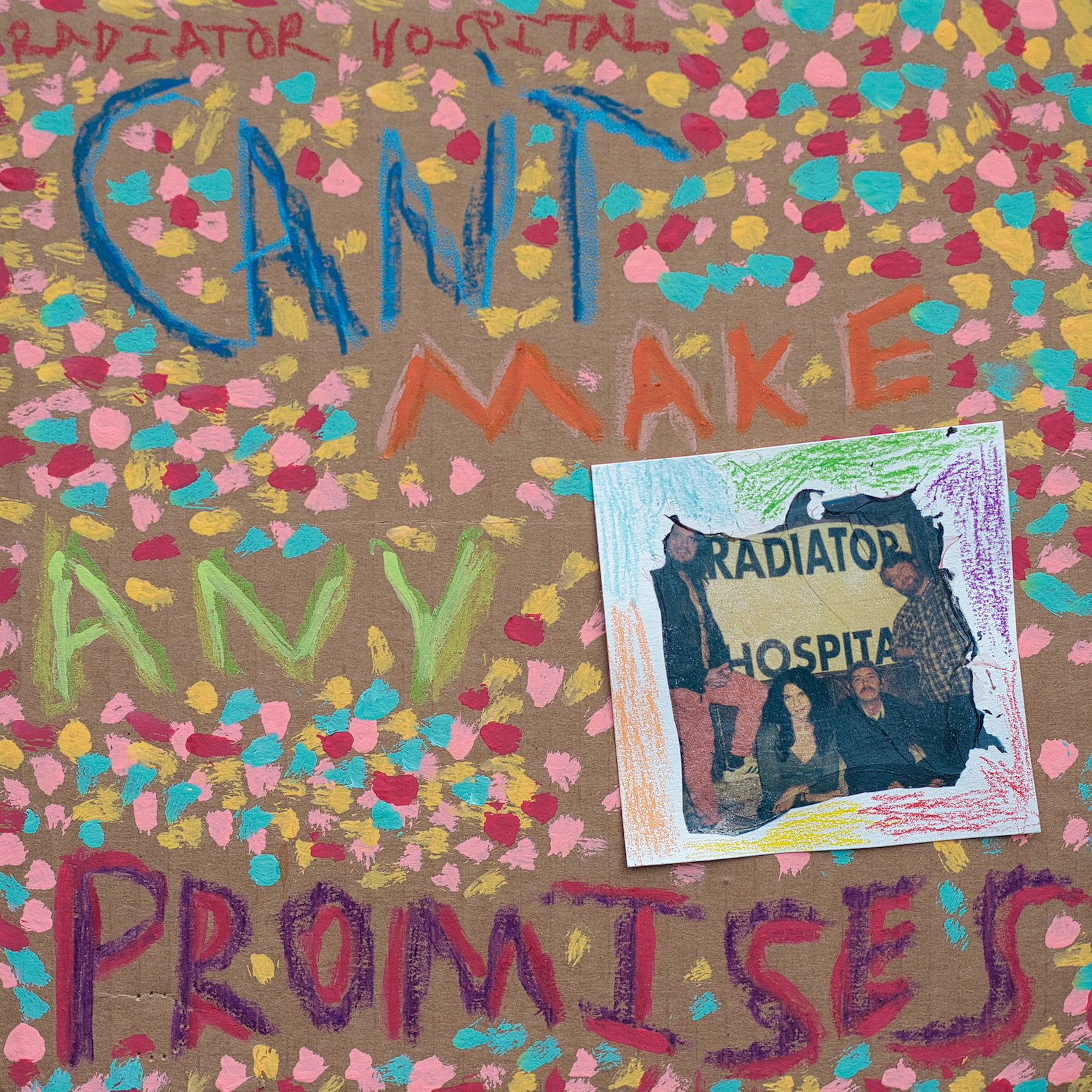
Cook-Parrott announced a new Radiator Hospital album called “Can’t Make Any Promises”, which was produced by Kyle Gilbride and will be out at the end of May, on the 20th anniversary of the first release from their long-time label Salinas Records. Check out a video for lead single “Yr Head” below.
“Yr Head” from the album “Can’t Make Any Promises” by Radiator Hospital out May 25th, 2023 on Salinas Records.
Our third album ‘Prestige’ will be dropping on August 4th via Moshi Moshi Records. Thank you to everyone who helped make it, and everyone who listens to our songs, we are grateful for you all! This album is pure fantasy, and we can’t wait to welcome you into the world we’ve created.
About the track, “Everybody’s Saying That” the band’s guitarist and lead singer, Poppy Hankin, said: “The lyrics on this single were inspired by the straight-to-the-heart simplicity of the disco greats. I wrote it while missing my partner while on tour in 2020, and it plays on themes of new love and self-doubt. Musically we took reference from the nu-disco resurgence that seemed to be taking off in 2020, in particular from the likes of Kylie Minogue (Disco), Jessie Ware (What’s Your Pleasure?), Dua Lipa (Future Nostalgia) and Róisín Murphy (Róisín Machine). We were really inspired by all of these women re-imagining disco.”
What a lovely vibe Girl Ray have been cultivating for the past half-decade or so. “Hold Tight” is a prime example of the UK trio’s signature style: minimal yet eclectic, playful and melancholic all at once, like if Haim were hopping on Vampire Weekend tracks when Rostam was still in the band. Every component of the track feels like a hook, be it that groovy bass, those hip-shaking acoustic strums, the sunshine guitar bursts, or the drumbeat that carries just the faintest whiff of the disco vibes from prior single “Everybody’s Saying That.” Amidst it all is Poppy Hankin, quietly professing a love that defies the deniers and even dishes out some low-stakes hate of its own: “Talking shit in the grass would be just fine, my baby.”
The new single, “Hold Tight”, is accompanied by a video directed by their long term collaborator, Alex Cantouris. With the lyrics “Call me when you want to get a coke and sit on the wall”, it feels like a gigantic Wordsworthian declaration of love. Poppy said the following about the track, “Lyrically this songs is about how appreciative I am to have found my partner, and how my mental load feels so much lighter and easier to bear now that I’m with her. The production on this takes some inspiration from Haim’s incredible record ‘Women in Music Pt. III’, and features a subby drum loop inspired by Atlanta’s hip hop scene.” Speaking of the video, Poppy said “Despite being caught in heavy rain the whole day, falling over in the mud countless times, and Alex constantly holding an umbrella over the camera, this video was so much fun to make, and we will remember it as one of our favourite shoots.” Director Alex Cantouris explained “To mark the 8th video me and Girl Ray have done together, and to celebrate almost 10 years of working alongside each other, we thought what better way to honour the occasion than to drive seven hours to the Lake District and spend a whole day filming in the rain. Fortunately the rain made the perfect backdrop for us to combine our theme of Bananarama meets 19th century Western aesthetic. Frankly, once cow patterned clothes were mentioned, the video really made itself.”
Girl Ray, the three-piece comprising Poppy Hankin, Iris McConnell and Sophie Moss, announce their much anticipated third album, “Prestige”, on 4th August 2023 via Moshi Moshi:
Produced by Ben H Allen and Poppy in Atlanta, Georgia, at Maze Studios.
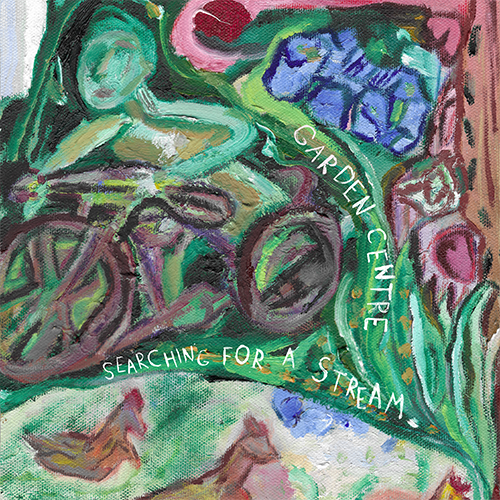
Indie collective Garden Centre from Brighton, UK has been described as “A lo-fi pleausre” (Too Many Blogs) and “An indie pop project…for people with short attention spans”(Vice). Garden Centre, led by a truly unique individual Max Levy, mixes elements of punk, indie, and minimal folk to create a sweetness of melody with a taught narrative thread running through.
Debut album “A Moon For Digging”was released in 2019 on Specialist Subject Records (EU) and Kanine Records (ROW). Whether it’s songs about watching TV or doing wheelies on your bike, “A Moon For Digging” is an optimistic record for fans of Daniel Johnston, Clap Your Hands Say Yeah, Graham Coxon, and Neutral Milk Hotel. In 2023, Garden Centre will release “Searching for a Stream”, an album about streams: a stream to watch sports on, a stream to glean information from, and occasionally, an actual, physical stream.
For years, Garden Centre’s Max Levy has been searching for a steady stream. A stream to watch sports on, a stream to glean information from, and occasionally, he’ll immerse himself shin-deep in an actual, physical stream: an activity that pulls him in closest to the hum of the universe. Living is a fractured and fractious experience. A stream is a promise of resonance, unifying our innermost being with our outside reality.
Garden Centre announces “Searching for a Stream, ” an album about streams, for release on May 19th with the release of first single “Shock Site.” Limited copies of yellow vinyl
Garden Centre the album “Searching for a Stream” out May 19th, 2023 on Kanine Records (US) & Specialist Subject Records (UK).
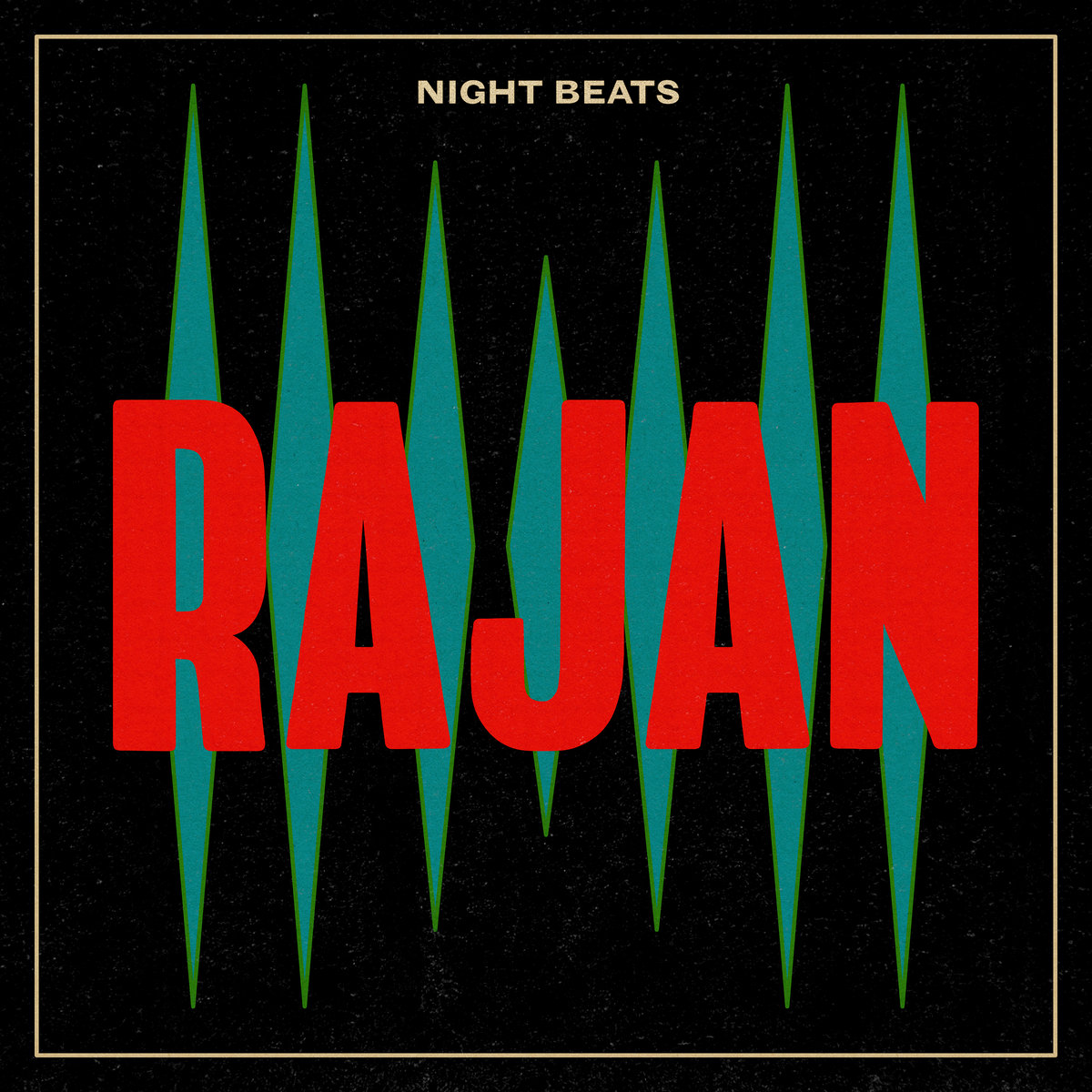
As Night Beats, Texas-born, LA-based artist Danny Lee Blackwell creates music like one might assemble a puzzle. The Western psychedelic auteur builds his work from one moment, an initial spark, that must fit a certain criteria: it must give him goosebumps. If that sensation arrives, Blackwell will pursue the idea relentlessly until he has a new song; if not, he moves onto the next moment, constantly looking for the perfect molecule of a song.
On his sixth Night Beats album, ‘Rajan’, the songwriter is at his strongest, creating works that shine with captivating melodies and hypnotic rhythms, but are underscored by subtle choices of craftsmanship that can only be achieved after countless hours in the studio. Blackwell creates a work that lands somewhere between Spaghetti Western film score and psych-pop opus, a career-defining album that reveals much about Danny Lee Blackwell’s artistic philosophy while keeping that ever crucial air of mystery intact.
‘Hot Ghee’ is lifted from Night Beats‘ new album ‘Rajan’, out July 14th 2023 on Fuzz Club and Suicide Squeeze Records.
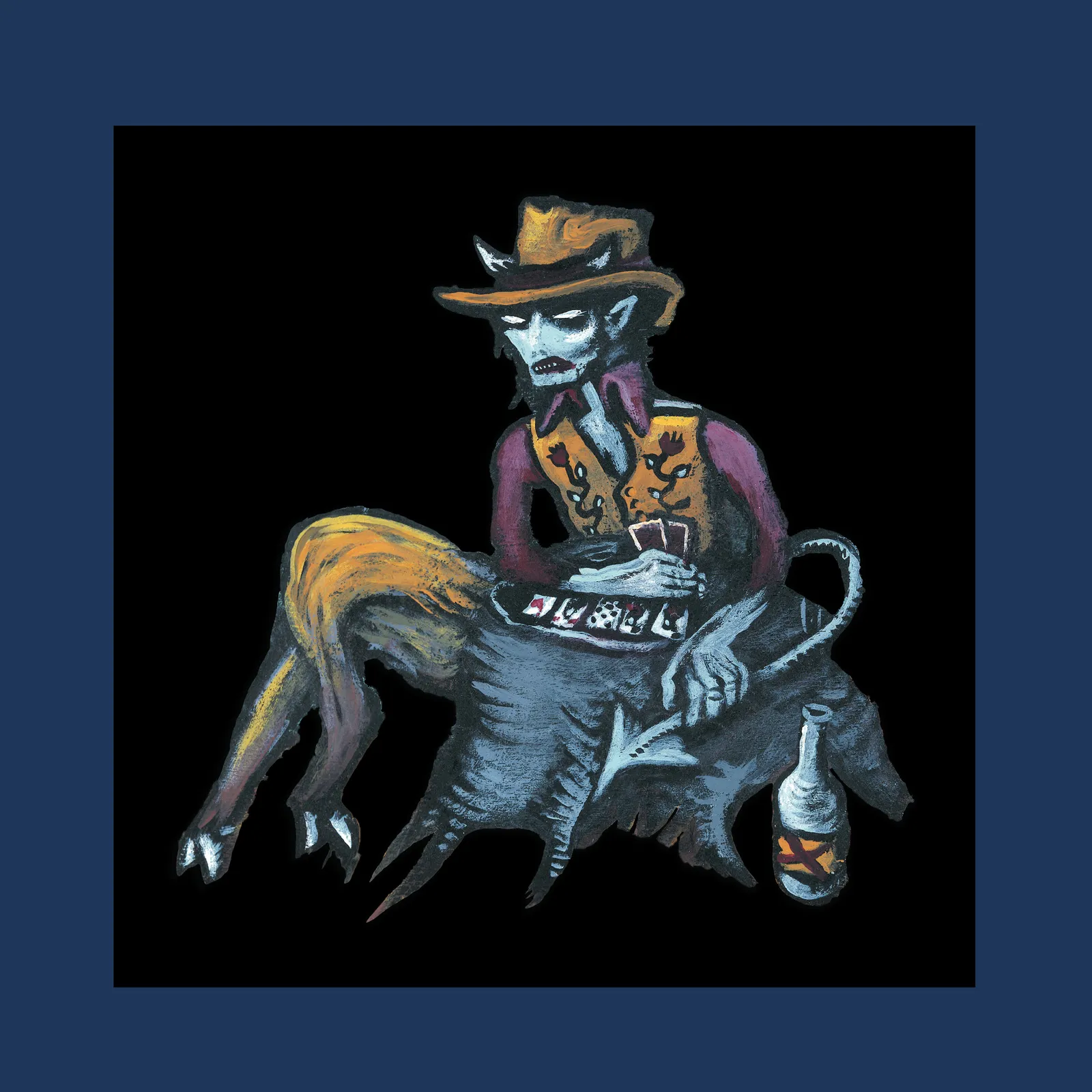
Drive-By Truckers’ beloved album from 2004 “The Dirty South”, is getting an expanded reissue. “The Complete Dirty South” is out June 16th via New West Records. The album is referred to as a “director’s cut” of sorts, as the album is re-sequenced and expanded to reflect the band’s initially proposed 17-song tracklist. It includes three bonus songs left off the original album, four remixed songs, and two that feature updated vocals. Hear the updated vocal version of “Puttin’ People on the Moon” below.
“The period from 2002, a few months after we self-released our breakthrough album, “Southern Rock Opera”, through the end of 2005, when we wrapped up the Dirty South Tour, is widely considered to be our band’s glory days. It was certainly exciting,” co-founder Patterson Hood said in a statement. “In January of 2004, the label realized that we had a new completed album and were hoping to release it that summer. Not only that, it was to be another double album. They weren’t too happy about any of this. We took their unhappiness as an insult and so it went. In the end, a sort of compromise was reached and New West agreed to release the album and we agreed to shorten it to fit on one CD. “The Dirty South” came out in August of 2004 to wide acclaim and went on to be the best selling of our albums at the time.”
He continued: Shortly after we left New West, they restructured the label and the source of our turmoil moved on to other things. We are on excellent terms with the powers that be now and we were happy when they reached out to us about the idea of reissuing “The Dirty South”, enabling us to put out the album the way we had originally intended it to be.
We have reconstructed the original sequence and concept as it was conceived. Where possible we preserved the original John Agnello mixes but remixed the bonus tracks and also fixed a couple of vocal issues that I have always regretted about the original version (for purists, those versions still exist out there, but this gave us a chance to present it the way I’ve always wished it could be…. This version finally allows it to be heard and seen the way we had always hoped and intended.
“The Complete Dirty South” comes with 32-page book featuring new and original liner notes, track-by-track descriptions from Patterson Hood, Mike Cooley, and Jason Isbell, plus never-before-seen photos and updated artwork by the late Wes Freed. It was remastered by Greg Calbi.
Nation of Language return with “Weak In Your Light” – the follow-up to “Sole Obsession”.
Nation of Language announced that their new album, “Strange Disciple”, is due out September 15th via PIAS Recordings. The follow-up to 2021’s “A Way Forward” is their first that wasn’t recorded during the pandemic. It was produced by Nick Millhiser (of Holy Ghost!).
Speaking of the new song, Ian Devany says: “Sometimes when I feel the most is when I feel hopelessly devoted to something or someone,” explains Devaney. Alongside the new single, Nation of Language announce their forthcoming third studio album “Strange Disciple” which follows on from 2021’s “A Way Forward”, and their 2020 debut “Introduction, Presence”.
This year, behind the album, Nation of Language have lined up a massive tour.
Produced by Nick Millhiser (Holy Ghost!, LCD Soundsystem), “Strange Disciple”was completed during the time Nation of Language spent at home, in between runs of live shows throughout this past year.
The record deals in the rollercoaster of infatuation / obsession, and this rather pure declaration of love (shout out to my beautiful wife @dudeitsaidan) felt like the right “establishing shot” as the film folks might say.
Bass Guitar: Ian Richard Devaney Lead Vocals: Ian Richard Devaney Mixing Engineer: Nick Millhiser Composer: Ian Richard Devaney
“Strange Disciple” is due to arrive 15th September via PIAS.