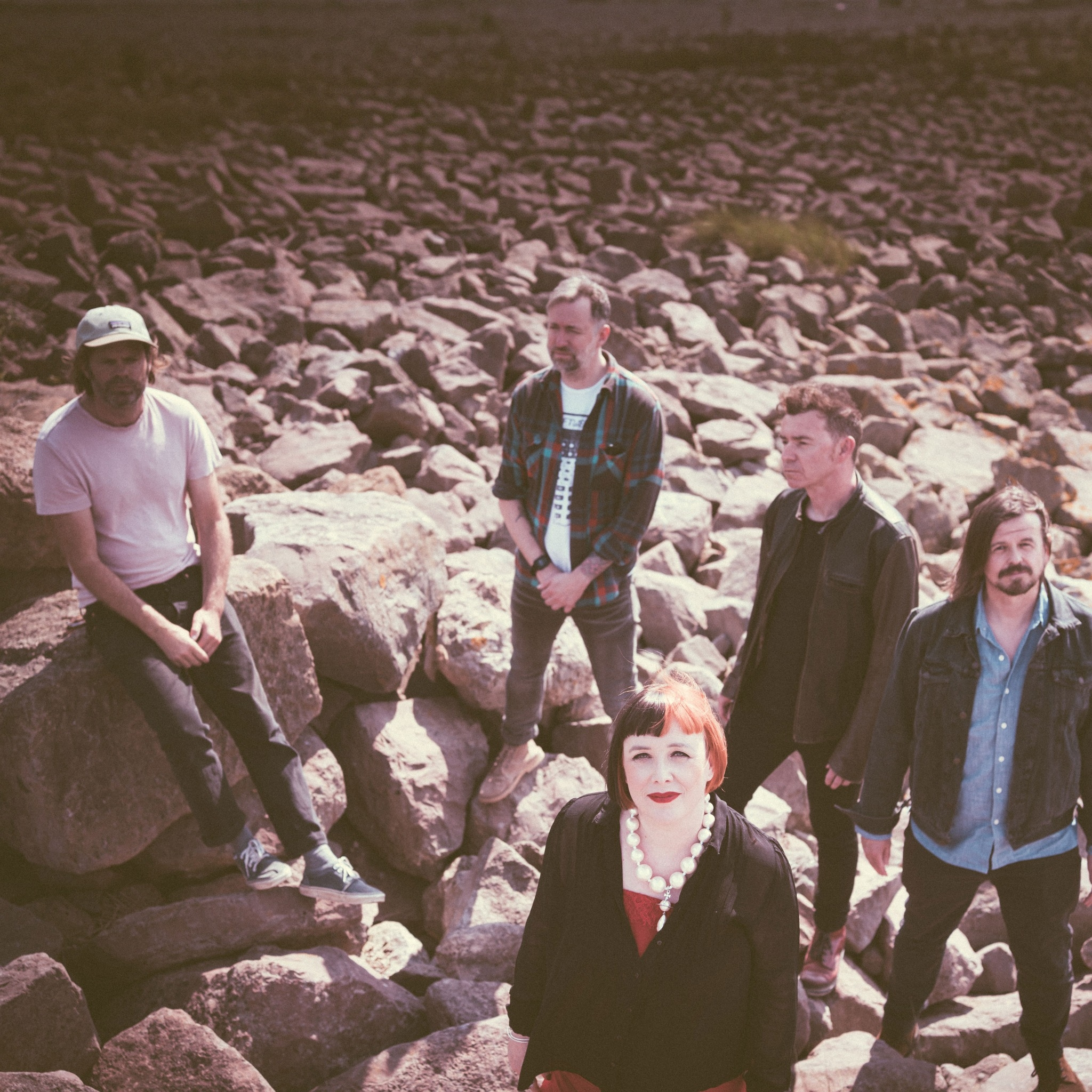
“Everything Is Alive”, will be only Slowdive’s 5th record, But it is exactly what the title suggests: an exploration into the shimmering nature of life and the universal touch points within it. While there are parts of this record that could sit neatly next to the atmospheric quality of 1995’s “Pygmalion”; “Everything is Alive” also manages to break down the boundaries of what’s come before it. Spanning psychedelic soundscapes, pulsating 80’s electronic elements and John Cale inspired journeys, the album lands immediately as something made for 2023 and beyond.
For a genre that is often thought of as divisive, and often warrants introspection, here Slowdive show their craft as the masters of it by pushing it outwards, beyond the singular; the end result being a record which feels as emotional and cathartic as it is hopeful.
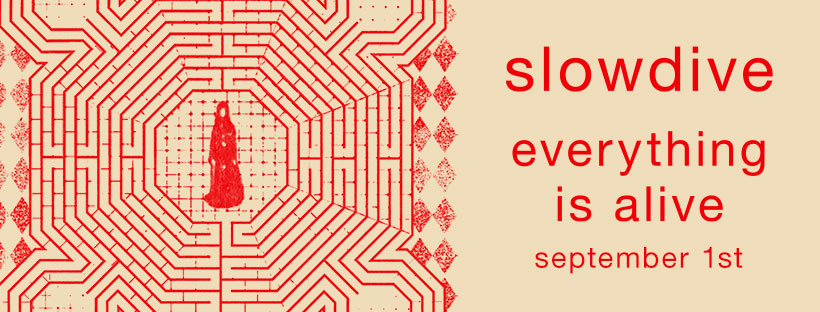
We have some new tunes, finally! Our new album, “Everything Is Alive“, is released September 1st 2023 via Dead Oceans.
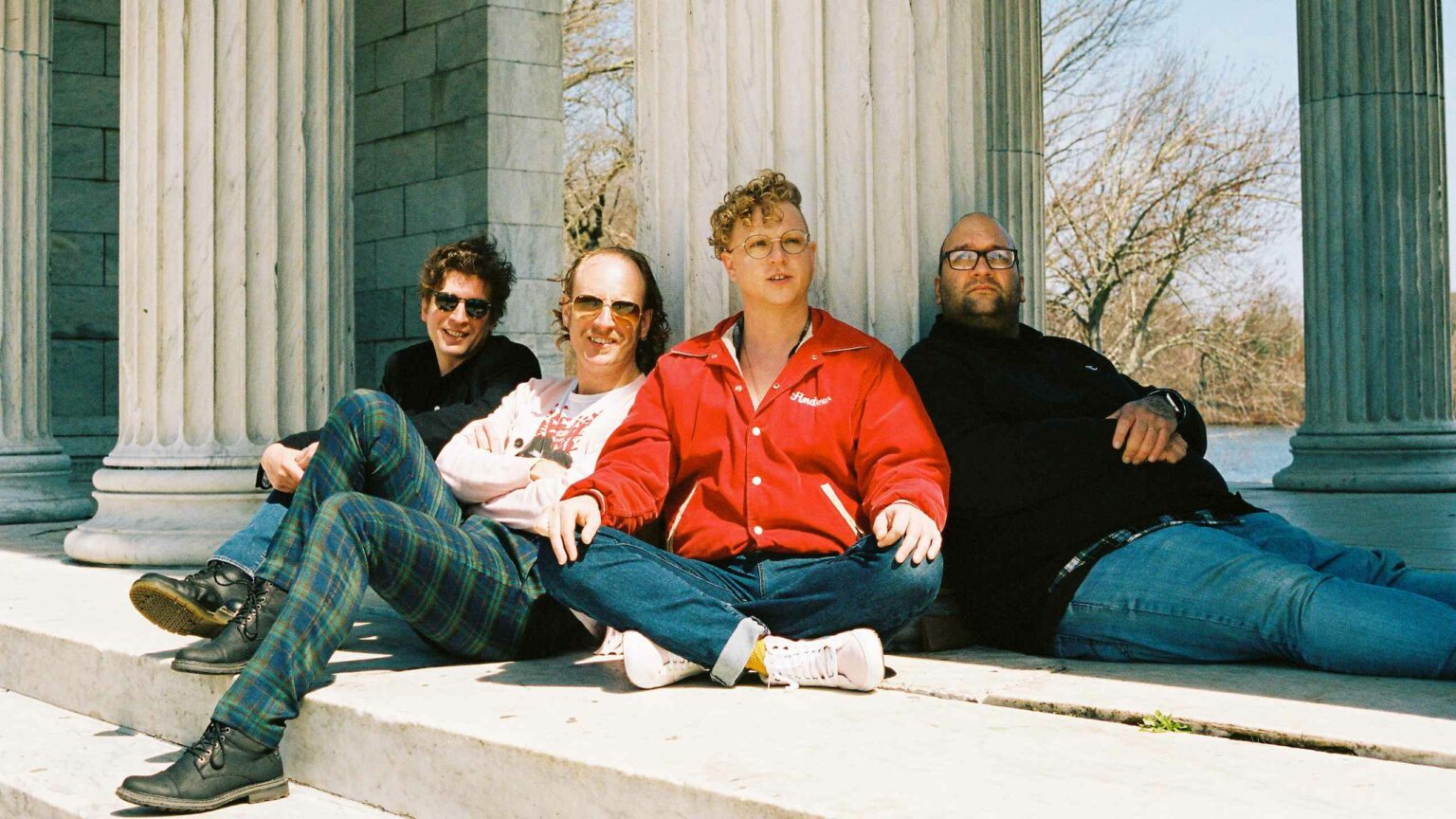
In a lot of ways, it’s fitting that the new Deer Tick album “Emotional Contracts”, their first new LP in six years comes out just a few days before Father’s Day. In the literal sense, the Rhode Island-based indie rock lifers (founded by frontman John McCauley in 2004, with their line-up solidified in 2009) are now husbands and fathers, but beyond that, this new record is all about being older and wiser, about looking back at your past self with the perspective that comes from growing up and settling down.
If you’ve been keeping tabs on the band, you already know that this evolution has been brewing for about a decade. McCauley cleaned up his act and married Vanessa Carlton back in 2013 — swapping a notorious cocaine habit for a tamer, healthier domestic life. That same year, he addressed his struggles with substance abuse on the group’s “Negativity” album. He and Carlton welcomed their daughter, Sidney, in 2015. In other words, the maturity and self-awareness on “Emotional Contracts” are hardly new developments.
And yet, when you think back to, say, 2011 or so — when McCauley was gleefully singing lines like “We’re full-grown men, but we act like kids/We’ll face the music next time we roll in” and doing things like lighting his own pubic hair on fire on stage — it’s hard not to marvel at how far he’s come when you hear a track like the excellent “If I Try to Leave,” an ode to the grounding force his family has become for him. (“If I try to leave, I won’t know where I’m going,” he sings on the song, which calls to mind some Keith Richards-fronted Stones classics like “Happy.” “If I reach up my sleeve, I’ll find my compass broken.”) Ask him how the Deer Tick of 10 or 15 years ago compares to present-day Deer Tick, however, and the first thing he stresses is their improved technical ability.
“I think we’re better musicians and we’re more reliable as a unit and maybe as individuals too,” he says. “We’re in our late 30s, so it’s just starting to get a little harder to wake up in the morning after…I don’t know. I’d say we’re slightly more responsible and much better musicians, but we’re still the same idiots that we were.”
“Yeah, I think the biggest difference is obviously that we have so much more experience under the wheels,” guitarist Ian O’Neil adds. “So I think that has given us an opportunity to write better songs. I think Bob Dylan’s best songs came after he was 30, you know what I mean? I think that kind of experience and just knowing what you’ve done wrong in the past with music or with your career or whatever, it just lends itself to a brighter future. So I think we’re just getting better.”
“Emotional Contracts” is proof of that. It’s the band’s most collaborative record to date, whittled down from 20 potential tracks to a concise, cohesive 10. It was mostly recorded live with producer Dave Fridmann (The Flaming Lips, Sleater-Kinney, Spoon), and it’s the closest the group has come to replicating their incredible, raucous live energy in a studio setting. McCauley admits. “But I think the best way to do it is to just try to all play together and record as much as possible, in as little time as possible. I think we used to overthink things in the studio quite a bit, and it just kind of widened the gap between what our albums were and what our live show was. So I think we’ve definitely narrowed it down quite a bit to where, I mean this record, the bulk of it was really just recorded the four of us in the same room looking at each other, making eye contact and not too different from playing on stage. I think the best way for us is to just not overthink it anymore, and just press record and if it sounds good, then we move on.”
One of the album’s standout tracks, the O’Neil-penned “Forgiving Ties,” which sees the guitarist handling lead vocals while McCauley voices the narrator’s inner monologue (“What are we doing? Who are these people? How did we let them get a word in edgewise?“), is a result of the band having extra time to tweak these tracks.
That collaborative spirit and willingness to help each other see their own potential is just part of the reason that Deer Tick is still rolling after all this time. McCauley and O’Neil have both played in other bands and side projects over the years, but they’ve been working in Deer Tick for the better part of two decades now, and they both insist that nothing compares to the work they’ve done together.
Indie pop singer songwriter Claud released new songs today, “Wet” and “Crumbs.” Both tracks will feature on their sophomore album “Supermodels“, out July 14th via Saddest Factory Records. The new album follows 2021’s much-lauded “Super Monster“.
The two new singles give listeners a glimpse into the dynamic scope of “Supermodels”. “Crumbs” is a laid-back and contemplative acoustic track that gives Claud plenty of room to showcase their vocal talent. “Wet,” on the other hand, is an upbeat, ’80s-inspired synth-pop epic built around a captivating bassline and a delightfully crisp snare drum.
Of the two tracks, Claud shared: “‘Crumbs’ was born out of a couple tearful days inside, while ‘Wet’ was written in one fast sitting, the writing process as kinetic as the outcome. Writing both of these songs felt like dropping a boulder into a pond, really shaking up the way I look at myself as an artist. My hands tremble when I play these songs for people, which means I’ve accessed a new vulnerability in my songwriting that I hadn’t gotten to before.”
The next offering from their eagerly awaited sophomore album, “Supermodels“, The new album follows 2021’s much-lauded “Super Monster“. This acoustic, catchy tune boasts candid lyricism from Claud as they deal with frustration after a breakup.
Of the track, Claud says, “It’s Not About You” is a song I wrote about people taking the things you’re going through personally. I experienced this heavily when I was first coming out and receiving reactions that solely centered on the other person focusing on how my identity was going to affect their life. It’s frustrating and isolating, so this song goes out to those who are experiencing backlash at times when they really need support.”
from the upcoming album ‘Supermodels’, out July 14th on Saddest Factory Records.
Kevin Morby and The Salvation Choir are proud to present “This Is A Photograph (The Salvation Choir Version),” a new reimagining of the title track from Morby’s acclaimed 2022 album. The Salvation Choir is a Congolese rumba choir from Congo and Tanzania based in Kevin’s hometown of Kansas City.
“This Is A Photograph (The Salvation Choir Version)” is a stirring iteration of Morby’s original, and is presented alongside a new website on which others can access stems, instrumentals, tutorials and templates so they can make their own family history epics. Kevin Morby elaborates: “At some point last year, a few of you reached out with the request of getting the music to my song ‘This Is A Photograph’ so you could make your own version and tell your own family’s history. I found this incredibly interesting and had never gotten such requests about any of my other songs before. I have decided to heed the call of those few who reached out and I have made a website.
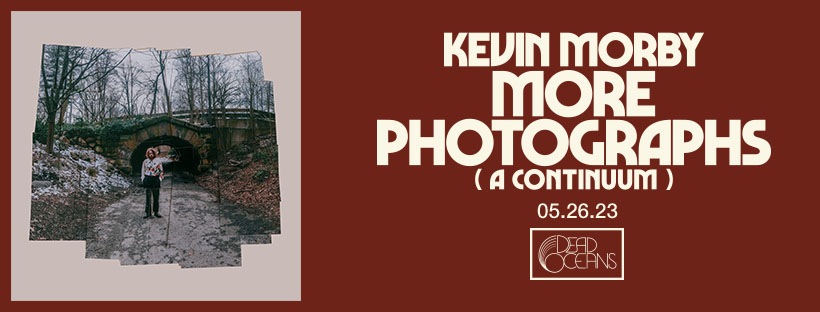
This month will also see the release of “More Photographs (A Continuum)“, Morby’s companion piece to last year’s “This Is A Photograph”. Here, Morby returns to his landmark album’s bottomless themes with new wisdom, new imagination, and the winking, looping callbacks that tie his full body of work together in uniquely special ways. “With every collection of songs,” says Morby, “I feel I have to cast them out of me before moving onto the next project, and here I knew that what I had begun with “This Is A Photograph” was not finished. Releasing this collection is me tying a bow on that time and place in my creative life.” With a luxurious nine tracks – three re-imaginings and six brand new songs “More Photographs (A Continuum)” is prequel, sequel and primer to an already rich and generous record from one of our most luminous modern songwriters.
In celebration of this website, and to lead with an example, I reached out to one of my favourite bands, Kansas City’s own The Salvation Choir, to see if they would want to make their own version of ‘This Is A Photograph’ and was over the moon when they agreed. They created their own version in which they reinterpreted the music in their Congolese Rumba style and reworked the lyrics to their own story and sang in both English and Swahili to provide the listener with a window into their past.”
Pelo King Wilondja, The Salvation Choir’s 15-year-old drummer, states: “We met Kevin at one of our practices. I didn’t know who he was at first but then our friend played us his music and I started really liking his songs. Now he’s in my top ten. He invited us to his concert and I was actually sweating because it was so good. Kevin asked us if we wanted to remake his song to be about our family’s history and play it in our style. It was my first time recording drums in a real studio. We loved his idea because photographs are really important to our family and we’re always playing music together. There are over 20 members in the choir and everyone has their own story. The song starts out in Africa and it ends in Kansas City where we all live now. It’s about our family’s history and how we got here.”
Call it an EP, mini album or a Continuum – whatever it is, this collection of songs means a lot to me and is my way of tying a neat little bow on the creative journey that began with “This Is A Photograph” and I’m so happy to share it with you all. Some of these songs are alternate versions, some are alternate realities and some are what I like to call Pioneer Songs – songs that pave the way, fearlessly carrying a torch and illuminating the way for others to follow but ultimately get left behind, passed by others once the roads been cleared. But like I said, I’m so glad they finally get to have their moment under the sun and be heard. Two articles are coming out today that go much more in depth about the creation of this little record that I’ll share in stories but for now – thanks for being here and listening and I hope you enjoy. Todays focus track is Triumph, a song I wrote back in 2020 about the late great Chris Bell and his Triumph TR7
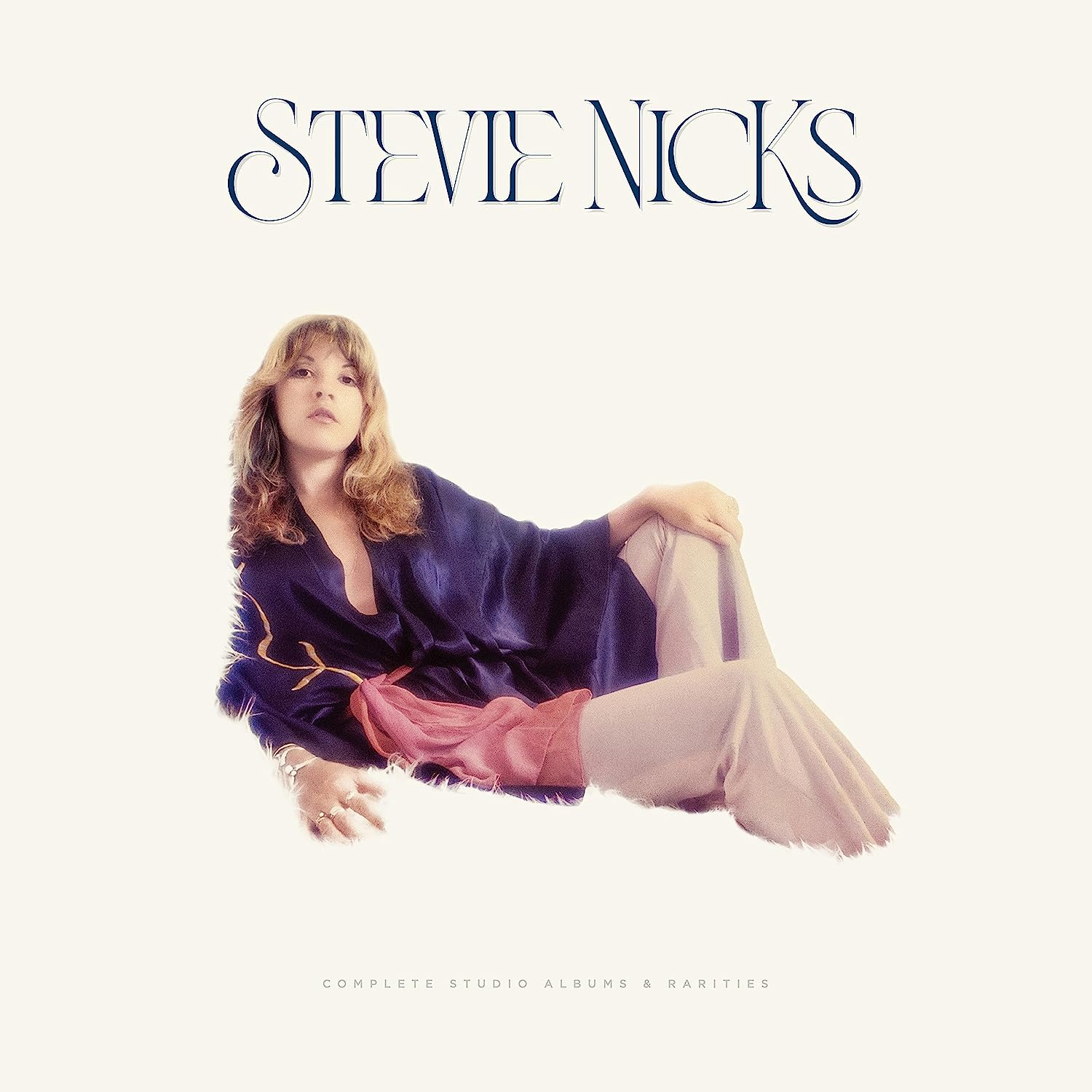
“Complete Studio Albums & Rarities” is a new 10CD box set featuring the solo output of Stevie Nicks. The singer-songwriter has released eight solo records since her 1981, and was the first woman inducted into the Rock and Roll Hall of Fame twice, first as a member of Fleetwood Mac and then as a solo artist in 2019.
Stevie Nicks released her solo debut, “Bella Donna”, in 1981, a quadruple-platinum #1 smash that launched her immensely successful solo career. The beloved singer-songwriter has released eight acclaimed solo records, selling nearly 10 million albums in the U.S. and influencing generations worldwide.
Rhino combines all of Nicks’ solo studio albums in a new, career-spanning boxed set. It comes with eight albums: Bella Donna (1981), The Wild Heart (1983), Rock a Little (1985), The Other Side of the Mirror(1989), Street Angel (1994), Trouble in Shangri-La (2001), In Your Dreams (2011), and 24 Karat Gold: Songs from the Vault (2014). The collection also features Rarities, a new compilation of hard-to-find tracks only available with the set. Several albums were newly remastered from the analog masters for this release, including “Rock a Little”, “The Other Side of the Mirror”, “Street Angel”, and “Trouble in Shangri-La”.
Additionally this box set features two CDs of Rarities; 23 hard-to-find recordings, including non-album tracks such as contributions to film and television and B-sides. These have also been remastered. “Rarities” collects 23 of Nicks’ best non-album tracks, including numerous contributions to film and television soundtracks like “Blue Lamp” from Heavy Metal and “Free Fallin’” from Party of Five. Several B-sides are featured in the set, including “One More Big Time Rock And Roll Star,” the flipside to her 1985 hit, “Talk To Me.” A trio of songs originally released on Nicks’ 1991 hits collection “Timespace” also appear, including “Love’s A Hard Game To Play.” “Rarities” closes with Nicks’ most recent release, her 2022 cover of Buffalo Springfield’s classic “For What It’s Worth.”
The Box Set follows Nicks’ musical journey across four decades and features her Top 10 hits, “Stop Draggin’ My Heart Around” (with Tom Petty and the Heartbreakers), “Leather And Lace” (with DonHenley), “Stand Back,” and “Talk To Me.” Other essential hits include “Edge Of Seventeen,” “If Anyone Falls,” “I Can’t Wait,” and “Rooms On Fire.”
As well as the 10CD box, there will be a limited-edition, 16LP version, but that will be exclusive to Rhino.com. “Street Angel”, “Trouble in Shangri-La“, and “In Your Dreams” will all receive their vinyl debut as part of this set. The rarities package will be a 3LP set in what is a clear vinyl box set.
The box set features the following eight albums, with half of them newly remastered (from the analogue tapes):
Bella Donna (1981)
The Wild Heart (1983)
Rock a Little (1985)
The Other Side of the Mirror (1989)
Street Angel (1994)
Trouble in Shangri-La (2001)
In Your Dreams (2011)
24 Karat Gold: Songs from the Vault (2014)
“Complete Studio Albums & Rarities” will be released on 28th July 2023, via RhinoRecords
On September 8th, Deeper will release “Careful!”, their new full-length album and Sub PopRecords debut. To celebrate the news, the band has shared the propulsive and diamond-sharp post-punk single and accompanying video “Build a Bridge.”
“Careful!” was recorded at Palisade Studios in Chicago with help from producer/engineer Dave Vettraino (Makaya McCraven, Lala Lala), and this 13-track collection of new songs finds the band expanding its scope into previously uncharted territories.
“‘Build a Bridge’ was the first song written remotely in a new format that would come to define the writing process of “Careful!,”Deeper shared about the new track. “In the early days of the band, we would throw shit at the wall in our practice space and see what stuck. Being forced to stay in our apartments during lockdown allowed us to apply more intention to a song and really dissect it piece by piece.”
Of the visual, they added: “We worked with Austin Vesely on the video in which the band is hooked up to a machine, taking turns controlling alternate versions of ourselves in a different dimension. The sequence keeps repeating with each of us failing, but each attempt equips us with more knowledge from these prior failures to eventually succeed in vanquishing the spirit.”
From the album ‘Careful!’ out on Sub Pop Records on September 8th, 2023.
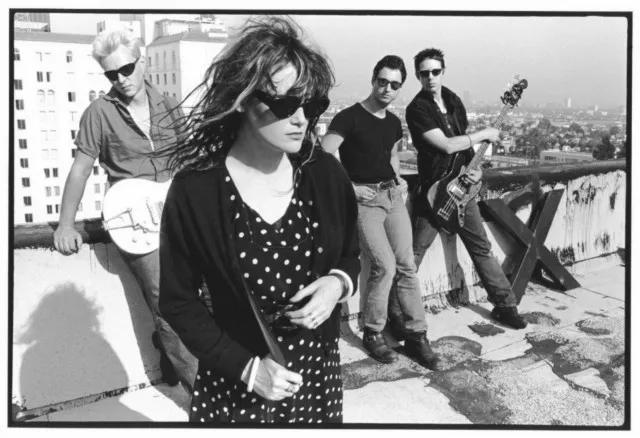
X is an American punk rock band formed in Los Angeles. The original members are vocalist Exene Cervenka, vocalist-bassist John Doe, guitarist Billy Zoom and drummer D. J. Bonebrake. X was founded by bassist-singer Doe and guitarist Zoom, a rockabilly rebel who’d performed with Gene Vincent. Doe brought his poetry-writing girlfriend Cervenka to band practices, and she eventually joined the band as a vocalist. The poet, Exene Cervenka, had just moved to town from Florida and she told him, no offense, but if anyone was gonna perform her poems, it would be her, and she soon ended up in the band. Zoom was skeptical about someone’s girlfriend being in the band. After they did their first show with Exene, he didn’t know exactly what it was she had, but he knew it was magic. Drummer Bonebrake was the last of the original members to join after leaving local group The Eyes; he also filled in on drums for Germs.The band have released seven studio albums from 1980 to 1993. After a period of inactivity during the mid-to-late 1990s, X reunited in the early 2000s and continues to tour as of 2022.
X achieved limited mainstream success but influenced various genres of music, including punk rock, Americana, They are considered to be one of the most influential bands of their era. In 2003, X’s first two studio albums, “Los Angeles” and “Wild Gift”, were ranked by Rolling Stone as being among the 500 greatest albums of all time. “Los Angeles” was ranked 91st on Pitchfork’s Top 100 Albums of the 1980s. X’s first record deal was with independent label Dangerhouse, for which the band produced one single, “Adult Books”/”We’re Desperate” (1978). A Dangerhouse session version of “Los Angeles” was also featured on a 1979 Dangerhouse 12-inch EP compilation called “Yes L.A.”
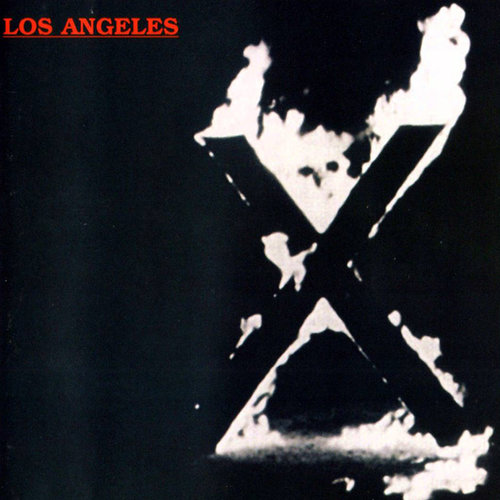
“Los Angeles”
After signing to the larger independent label, Slash Records, The result was their debut, “Los Angeles” (1980) which was produced by the Doors’ keyboard player, Ray Manzarek. It sold well by the standards of independent labels. Much of X’s early material had a rockabilly edge. Doe and Cervenka co-wrote most of the group’s songs and their slightly off-kilter harmony vocals served as the group’s most distinctive element. “The quintessential L.A. punk band made the first great West Coast punk album with its debut. “Los Angeles” is best known for its city-defining anthem and the torrid “Johnny Hit and RunPaulene”; it also shows that punk and classic rock can be occasional friends”
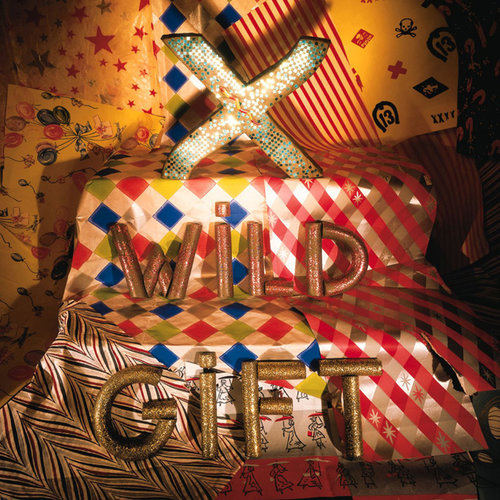
“Wild Gift“
Their follow-up effort, “Wild Gift” (1981), was similar in musical style. It featured shorter, faster songs and is arguably their most stereotypically punk-sounding record.
During 1981, both Doe and Bonebrake (along with Blasters guitarist Dave Alvin, were members of The Flesh Eaters, performing on that band’s second album, “A Minute to Pray, a Second to Die”.
“Wild Gift” is the second album . Coming close on the heels of their critically acclaimed debut album “Los Angeles” which was released just over a year earlier, this much anticipated follow up promised to be a good indicator of whether the band was indeed deserving of all those “Best Band/Album” of 1980 mentions it had garnered just several months earlier.
With “Wild Gift” X answered all doubters and believers at once with what can only be described as an out of the park homerun. Harder, edgier, and more mature then the album which came before it, and with improved songwriting as well, “Wild Gift” is a slice of lowdown living and even lower down good times, all wrapped up in a punk rock romance X was continuing with their city, their music, and in the case of co-songwriters and lead singers John Doe and Exene Cervenka,with each other.”
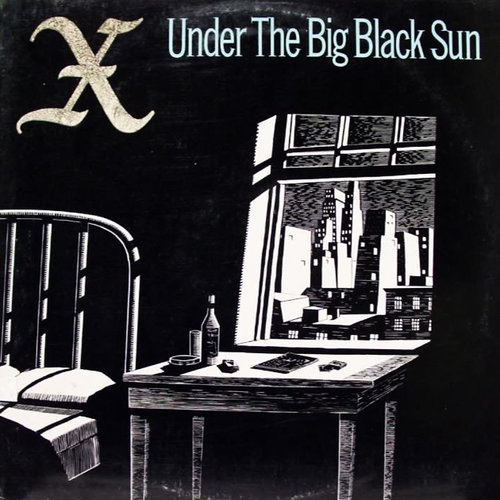
“Under the Big Black Sun”
X signed with a major label Elektra in 1982 and released “Under the Big Black Sun”, which marked a departure from their trademark sound. While still fast and loud, with raw punk guitars, the album displayed evolving country leanings. The album was influenced by the death of Cervenka’s elder sister Mirielle in a 1980 car accident. Three songs on the album (“Riding with Mary”, “Come Back to Me” and the title track) all directly relate to the tragedy. A fourth, a high-speed cover version of Al Dubin and JoeBurke’s “Dancing with Tears in My Eyes”, was, years later, indirectly attributed to Cervenka’s mournful state of mind. The stark black-and-white cover art and title were also a reflection of the sombre mood of the band during this time. Cervenka said it is her favorite X album. It explored dark love and an even darker L.A. with the unflinching eye of a Raymond Chandler novel. Doe and Cervenka would marry and later divorce, but they’d always remain soulmates.
“X’s first album issued on a major label, 1982’s “Under the Big Black Sun”, is arguably their finest record. All 11 songs are exceptional, from both a performance and compositional point of view. Ray Manzerek’s production is more akin to hard rock bands than their earlier punk works, but the songs still pack quite a punch. Before the recording of the album, singer Exene Cervenka’s sister was killed by a drunk driver, and the band decided to work out their grief in the music, as evidenced by two of the album’s best tracks: the melodic “Riding With Mary” and the vintage ’50s sound of “Come Back to Me.” The highlights don’t stop there, however; also included are the Led Zepplin’esque “The Hungry Wolf” (an early video favourite of MTV), the accelerating “Motel Room in My Bed,” the rocker “Blue Spark,” the spacious title track, and the album closer “The Have Nots.” Again, Cervenka and John Doe supply some great vocal harmonies (perhaps the only punk band to ever do so), while Billy Zoom shows off great rockabilly chops throughout. “Under The Big Black Sun” is one of the quintessential rock records from the ’80s.
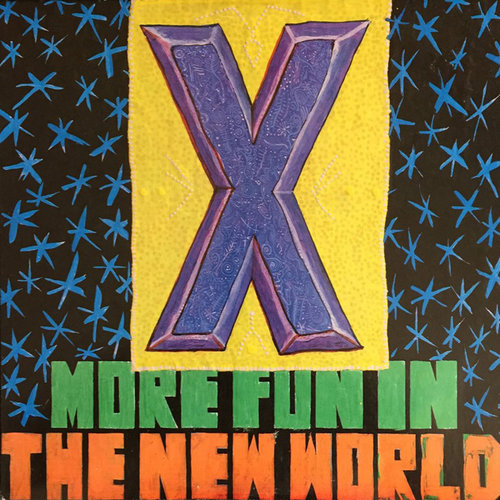
“More Fun in the New World”
In 1983, the band slightly redefined their sound with the release of the album “More Fun in the New World”, making X a more polished, eclectic and radio-ready than on previous albums. With the sound moving away from punk rock, the band’s rockabilly influence became even more noticeable, along with some new elements: funk on the track “True Love Pt. II”, and Woody Guthrie-influenced folk protest songs like “The New World” and “I Must Not Think Bad Thoughts”. The record received critical praise from Rolling Stone and Playboy, which had long been stalwart supporters of X and their sound.
“Coming off their 1982 masterpiece “Under the Big Black Sun”, X offered their follow-up “More Fun in the New World” one year later. While its predecessor won the band a slew of new fans, it didn’t serve as the major breakthrough that it so deservedly should have. Rightfully, they didn’t fool with their already winning formula; they issued another solid set of songs produced, again, by Ray Manzarek. The anthemic album opener “The New World” is still powerful years later, as is the absolutely beautiful ballad “I Must Not Think Bad Thoughts,” which perfectly captures the paranoid feeling of Reagan’s America in the ’80s. X achieved new rough and rocking heights with the vicious “Devil Doll,” “Painting the Town Blue,” and “Make the Music Go Bang,” while returning once again to their retro ’50s roots with “Poor Girl”.
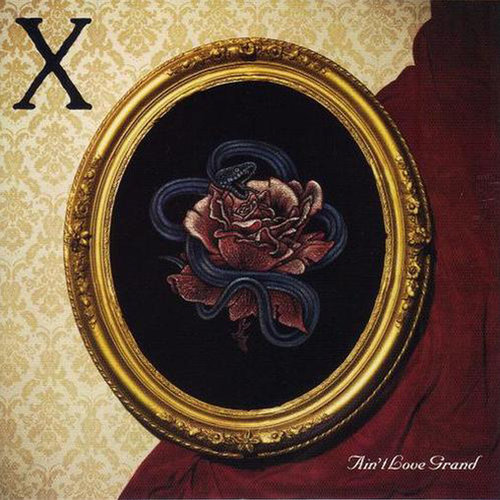
“Ain’t Love Grand!”
Despite the overwhelmingly positive critical reception for the band’s first four albums, they were frustrated by its lack of wider mainstream success. Zoom had also said that he would leave the band unless its next album was more successful. The band decided to change producers in search of a more accessible sound. Their fifth record, “Ain’t Love Grand!”, was produced by pop metal producer Michael Wagener. It featured a drastic change in sound, especially in the polished and layered production, while the band’s punk roots were little in evidence, replaced by a countrified version of hard rock.
“For 1985’s “Ain’t Love Grand” , the most noticeable difference is in the production replacing longtime X ally Ray Manzerek. As usual, the songwriting and performances shine, but the raw sound of their earlier work is noticeably absent — instead of changing his approach for X, Wagener produced them as he would a metal band of the ’80s, smoothing out the rough edges. Still, the band scored perhaps their biggest radio and MTV hit ever with “Burning House of Love,” and they composed such other highlights as “What’s Wrong With Me,” “All or Nothing,” and “My Soul Cries Your Name.”
The change in production was intended to bring the band more chart success, but although it received more mainstream radio play than their earlier releases, it did not represent a commercial breakthrough. “Burning House of Love”, the album’s first single, Zoom left the group shortly thereafter in 1986, the same year in which the feature-length documentary film, “X: The Unheard Music”, Zoom was initially replaced by Dave Alvin, who had left the Blasters. The band then added a fifth member, guitarist TonyGilkyson, formerly of the band Lone Justice.
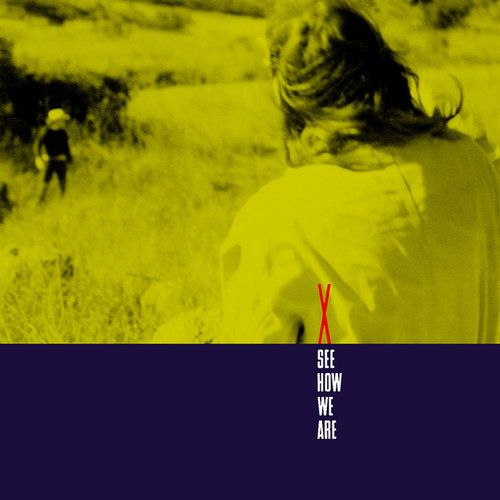
“See How We Are”
By the time the band released its sixth album, “See How We Are”, Alvin had already left the band, although he played on the record along with Gilkyson and wrote “4th of July” for the band. Like “Ain’t Love Grand”, the album’s sound was far removed from the band’s punk origins, yet featured a punchy, energetic, hard-rocking roots rock style sound that in many ways represented a more natural progression from their earlier sound than the previous album had. For “See How We Are”, X “enlisted the help of newcomer Alvin Clark, who merges the punk sound of X’s earlier work with Wagener’s glossy approach. Included as the title track is one of X’s all-time best ballads — proof of how beautiful and affecting JohnDoe and Exene Cervenka’s vocal harmonies can be. Also featured are the anthemic rocker “4th of July” (written by ex-Blasters and sometimes X fill-in guitarist Dave Alvin), and the standouts “In the Time It Takes,” “I’m Lost,” and “Surprise Surprise”.
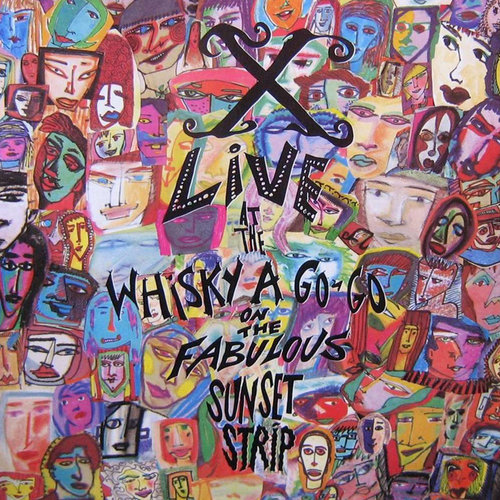
After touring for the album, X released a live album of the tour, titled “Live at the Whisky a Go-Go”.
Recorded in late 1987 at a hometown venue, “Live At The Whiskey A Go-Go” On The Fabulous Sunset Strip finds X with a new guitar player in Tony Gilkyson, a bigger live sound, and an undiminished fire in their hearts. After the disappointing “Ain’t Love Grand” album and the subsequent return to form album “See How We Are”, X hit the road with a somewhat new sound to go along with their somewhat eclectic punk rock brew, and the resulting tour and shows were nothing short of what had become expected of this band. Which is to say outstanding.”
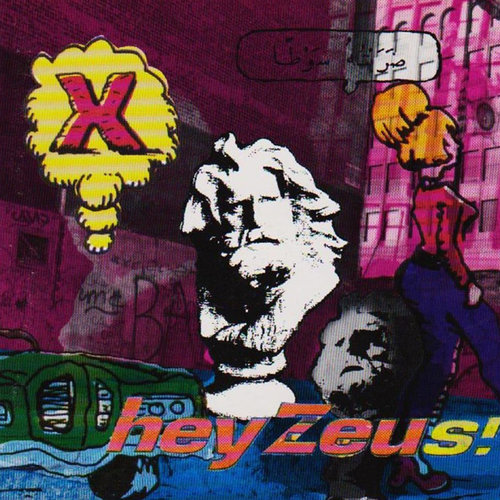
Hey Zeus!
X regrouped in the early 1990s to record their seventh studio album, “Hey Zeus!”, released in 1993 on the Big Life label. The album marked somewhat of a retreat from the increasingly roots rock direction that the band’s past few records had gone in, instead featuring an eclectic alternative rock sound that fit in well with the then-current musical climate. Despite this, it failed to become a hit, although two of its songs, “Country at War” and “New Life,” did the lower reaches of the American charts
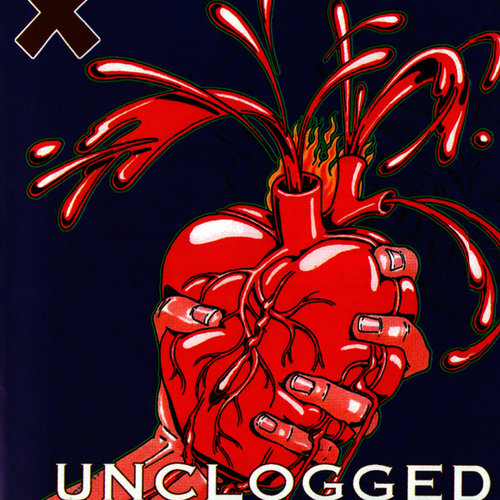
The band released an acoustic live album, “Unclogged”, in 1995 on Infidelity Records,
“Beyond and Back: The X Anthology”
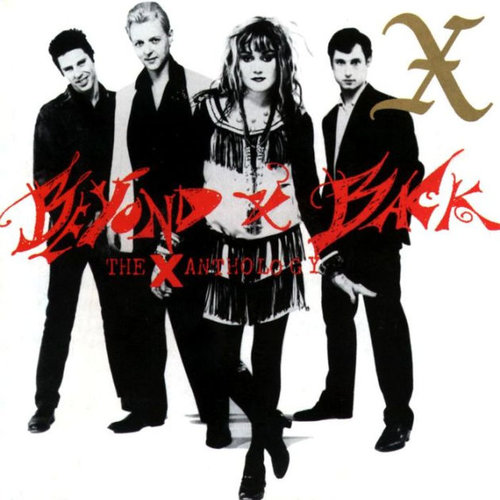
In 1997, X released a compilation called “Beyond and Back: The X Anthology”, which focused heavily on the early years with Zoom and included a number of previously unreleased versions of songs that had appeared on their previous albums. It was the release of “Beyond & Back: The X Anthology” that caused Billy Zoom to rejoin X. Tower Records in Hollywood wanted to do a record signing. The line of people stretched down Sunset Blvd. and they thought maybe we should play together again…
Xcannot be praised enough. The legendary L.A. band wrote countless classics, released consistent albums, and have influenced many along the way (just check out the raves fellow rockers give the band in “Beyond & Back‘s” liner notes). It’s a testament to their greatness that the material on “Beyond & Back: The X Anthology” sounds original and fresh in the present day. The group touched on many styles, such as rockabilly, folk, and punk, and successfully made each one their own. This two-CD release is a hefty two hours long, and is 50 percent hits and 50 percent rarities/unreleased material (demos, outtakes, live takes, etc.).
At the same time, they also announced that they were disbanding. However, they did a farewell tour to promote the compilation in 1998, with Zoom returning on guitar. The original line-up also returned to the studio for the final time, with Manzarek reprising his role as producer, to record a cover of the Doors’ “The Crystal Ship” .
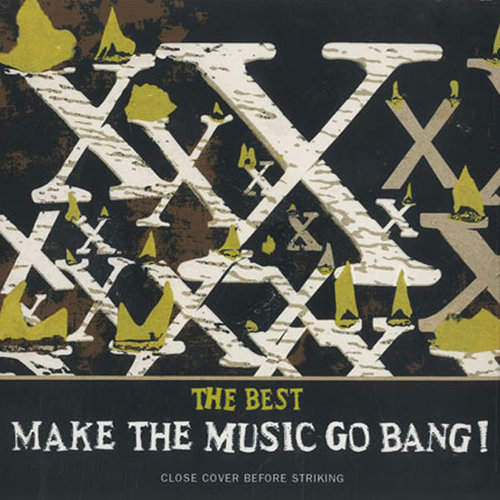
Compiled by bassist, vocalist, and songwriter John Doe, “The Best: Make the Music Go Bang” just skims the high points from X’s catalogue, but oh what high points they are — disc one culls the gems from the band’s first four album’s and it’s a stunning reminder of why this band was so important, with Billy Zoom’s roots-thrash guitar lines, John Doe and D.J. Bonebrake’s precise but furious rhythms, and the hot and sour harmonies of Doe and Exene Cervenka sounding as potent today as they did in 1980.
Disc Two covers the more underappreciated “Ain’t Love Grand”, “See How We Are”, and “Hey Zeus!”, as well as the live set “Live at the Whisky a Go-Go” on the Fabulous Sunset Strip and the sole album from Doe, Cervenka, and Bonebrake’s country-leaning side project, the Knitters. At over two and a half hours, “The Best: Make the Music Go Bang” is an intensive introduction to this band whose bulk might scare off casual observers, and loyal fans will already have nearly everything here (beyond some rare single sides). But if you want a thorough tutorial in a truly remarkable band and a solid dose of quality listening, this more than fills the order…
X: The Unheard Music was released on DVD in 2005, as was the concert DVD“X – Live in Los Angeles”, which commemorated the 25th anniversary of the band’s landmark debut album, “Los Angeles”
X is still a great live band. A quarter century after that cracked onto the LA scene, essentially defining punk in that town, they still rock the old way—simple back beat, gut-kicking rockabilly guitar and vocals that ride the wave of music directly. This pair of releases—a CD and DVD of a no-frills, straight-up rock show in November of last year—X delivers the goods.
X poses a series of dilemmas for rock history buffs or historians. It is a band that both defied and defined an era, and the mystery is that they didn’t either (a) blow up the way Talking Heads did, transcending its origins, or (b) explode into nothingness so we could either forget about them or romanticize their absence. X was an original, authentic punk band in a glitzy, unpunky town. Their punk rock credibility was undeniable—strong, angry lyrics over a direct guitar attack that did not trade in bullshit. Then, when they went beyond punk, it was not to become more accessible in the manner of, say, Elvis Costello or David Byrne, but to embrace the older roots of their punk sound: rockabilly or folk. Though their fronts were John Doe and Exene, the once-married singers, the image of the group for many fans was the pompadoured guitarist, Billy Zoom—a guy who visually as well as musically bridged the musical divide of the band.
In 2018, the band released “X – Live in Latin America” via a Kickstarter campaign, to coincide with the band’s 40th anniversary. The album was recorded during a 2011 tour where X was the opening band for Pearl Jam. Pearl Jam’s sound engineer made the recordings, and presented them to X at the end of the tour. The album was produced by Rob Schnapf, and featured all four original members of X.
“Alphabetland”
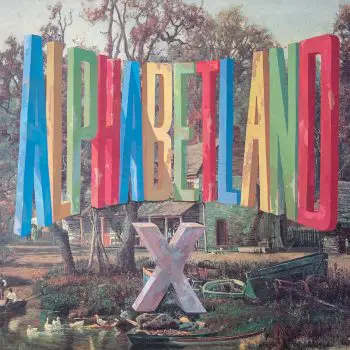
Fat Possum Records released two new X songs as a single, followed by the “genuinely good” new album “Alphabetland” in April 2020. Punk, like any genre, comes with its fair share of mythic origins. The late ’70s, early ’80s West Coast punk scene is a place of legend in the minds of American punk fans, X got their start. While some bands crashed and burned, fell prey to addictions, or simply faded away, others remain as stalwart symbols of an iconic place and time. the foursome made up of Exene Cervenka, John Doe, Billy Zoom, and DJ Bonebrake. 40 years after their seminal debut album,, the original lineup have reunited for an anniversary album – the first with the original line-up in 35 years.
But is not a nostalgia project. The album, released early at the behest of the band, is one they could have made at any point in their careers. 40 years on, X still sounds as biting and driving as they did on the opening chords of “Los Angeles.” The songs are timely and smart, as the band’s writing has always been, and the band’s musicianship is stronger than ever. Exene says, “If it’s the end, it’s a fitting one.” And it is – but let’s hope it’s not.
In February 2021, Fat Possum released “Xtras”: two more tracks from the same recording sessions, one being an alternate version. Robby Krieger, from the Doors, played slide guitar on one track each of “Alphabetland” and of “Xtras”.
It’s in Billy’s guitar sound that X makes itself felt most profoundly. The guy can thrash it out, no doubt. But there is an undeniable twang in his sound. Just like The Ramones were always more than punk because they were essentially and self-consciously rooted in ‘50s and ‘60s garage rock (in a way that say, the Damned and the Pistols never were and probably never could have been), X seems knowingly to come out of the string-strangling style of Elvis guitarist Scotty Moore. All their tunes, whether they overtly reference rockabilly or not, seem like real rock ‘n’ roll rather than just “punk rock”—the act of defiance, the social statement, the music you might play when you’re 25 but hardly when you’re 50. So here’s X, fully a quarter century after their emergence, aged 50 or better it seems, still playing “Los Angeles” and “Johny Hit and Run Paulene” and “We’re Desperate”. And they sound great. They sound punk even. They sound like people playing pop music with direct energy genuine conviction and blues wit, which is to say that they sound like rock ‘n’ rollers, still, whatever kind of rock you want to call it.
It’s one thing to talk about accepting our imperfection and fragility, but it’s another thing to experience those qualities in everyday life. How do we handle ourselves when we’re confronted with our own raw, flawed humanity? Do we internalize and carry that around as our forever baggage, or do we accept it as our truth and simply… let it go?, The trapeze artist was always a spectacle of the circus. People flocked from miles and miles around to watch performers fly through the air, walk confidently across razor-thin wires, and otherwise defy the laws of nature itself. This job was not without its risks, and every so often, the acrobat would fall from grace, and their body would plummet to the ground. That itself “the fall” was an event to behold: The god-like man, brought back down to Earth.
We could all learn a thing or two from such fortitude. You and I may not perform to an audience on a nightly basis, but each of us is a trapeze artist or tightrope walker of some kind – a truth made abundantly clear in singer/songwriter Gregory Alan Isakov’s cinematic new single. An intimate, breathtakingly beautiful folk song of failure and acceptance, “The Fall” forces us to confront our imperfections and mistakes, all while keeping in mind that age-old mantra: The show must go on.
“The Fall”, debut single from the new album, “Appaloosa Bones” coming August 18th
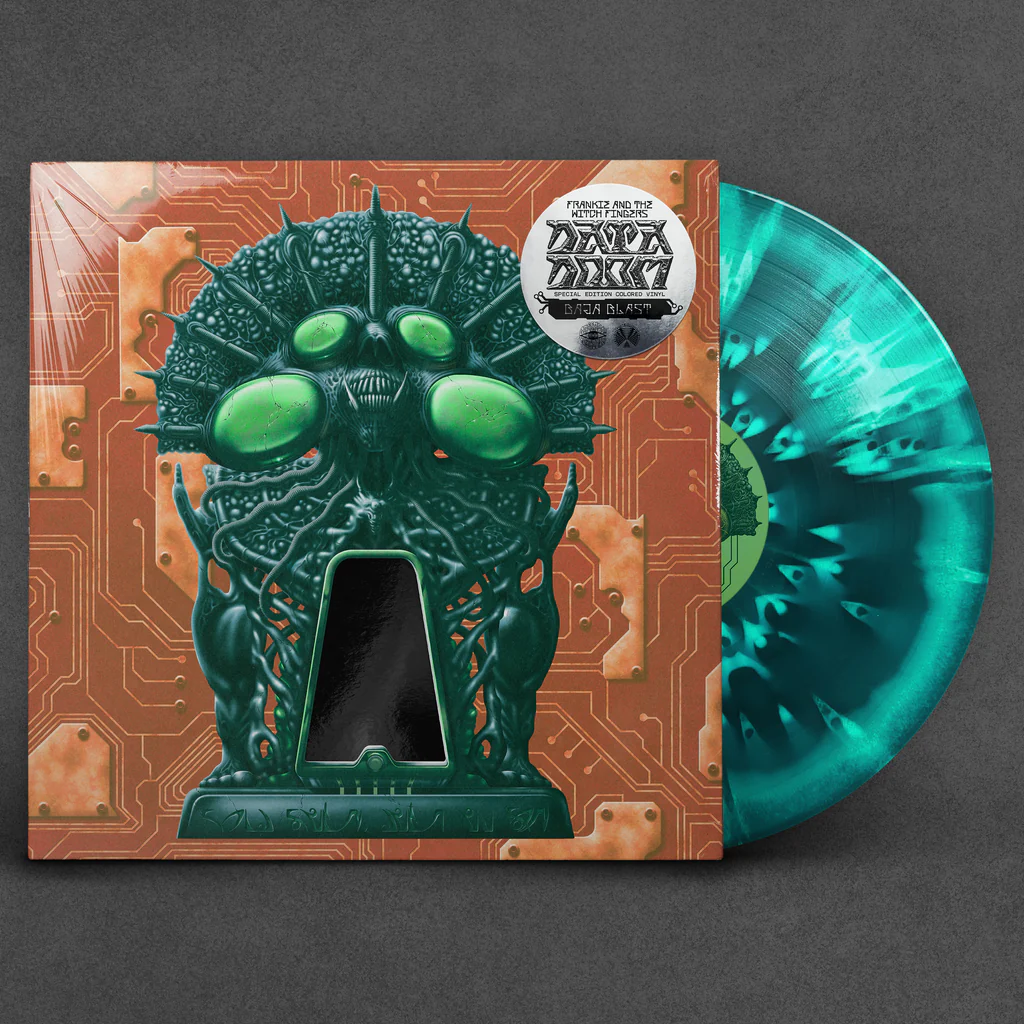
Frankie and the Witch Fingers return with their seventh studio album ‘Data Doom’, out September 1 via The Reverberation Appreciation Society and Greenway Records. To ring in the announcement, they’ve released a video for album highlight “Mild Davis” with a mind-bending animated music video. Inspired by Miles Davis’ early-70s electric work, the track’s dizzying 7/4 meter winds through chunky riffs, commanding vocals and proggy synths before crash-landing in a minefield of angular guitar harmonies. Plus there will be a massive run of U.S. and European tour dates,
Over the past decade, Frankie and the Witch Fingers have operated as an outright force of nature, offering up a revelatory form of psych-rock that hits on both a primal and ecstatically mind-bending level. In the making of their new album “Data Doom”, the Los Angeles-based four-piece forged a sublimely galvanizing sound informed by their love of Afrobeat and proto-punk—a potent vessel for their frenetic meditations on technological change run rampant, encroaching fascism, and corrosive systems of power. Animated by the explosive energy they’ve brought to the stage in sharing bills with such eclectic acts as Ty Segall and ZZ Top, the result is a major leap forward for one of the most adventurous and forward-thinking bands working today.
Rooted in the cerebral yet viscerally commanding songwriting of co-founders Dylan Sizemore (vocals, guitar) and Josh Menashe (lead guitar, synth), “Data Doom” marks the first Frankie and the Witch Fingers album created with bassist Nikki “Pickle” Smith (formerly of Death Valley Girls) and drummer Nick Aguilar (previously a touring drummer for punk legend Mike Watt). In crafting their most rhythmically complex work to date, the band drew heavily from each new member’s distinct sensibilities: Smith tapped into her extensive background in West African drumming (an art form she first discovered thanks to her music-instructor parents), while Aguilar leaned into formative influences like longtime Fela Kuti drummer Tony Allen. Self-produced by the DIY-minded band and recorded direct to tape by Menashe, “Data Doom” ultimately took shape through countless sessions in their Southeast L.A. rehearsal space, with Frankie and the Witch Fingers allowing themselves unlimited time to explore their most magnificently strange impulses.
In honour of last April’s “The Unravelling Of Puptheband” LP, Canadian pop-punk idols PUP kicked off a run of European and UK shows last week. To celebrate these dates, the band has shared two new tracks, “How to Live with Yourself” and “Smoke Screen,” both B-sides that didn’t make the original album’s final cut.
Of the former, vocalist Stefan Babcock said: “This one feels like a classic PUP song to me, and while our goal for the record was to push ourselves out of our comfort zone and try new things, sometimes it feels good to write a catchy, miserable ripper that feels like it captures exactly what this band is about.”
Babcock also reflected on “Smoke Screen,” saying: “This song originated with a Nestor [Chumak] riff… He sent it around, and the thing was so slow that I thought he’d exported it wrong. But his idea was to do a song that was like the ‘sludgey’ version of PUP, something we’d never really done before. The more I listened to it, the more it grew on me. I remember in the height of the pandemic sitting in the backseat of my car at the Home Depot parking lot, anything to try and escape the house, and writing and recording all the lyrics on the spot.”