Alaska Reid shares one final single ahead of the release of her beautiful new album “Disenchanter”. The touching “French Fries” is an intimate, heartfelt “story song about the evolution of a friendship” that opens the album, and sets the emotional tone for the rest of the journey. Alaska Reid hails from a frontier city in Southwestern Montana whose population lingers around 8,000 residents, and while Reid now works in Los Angeles, she can’t give up her hometown. Her career began here, where she sang in basements, churches, and gyms before starting her first band, Alyeska. Soon talent, and her parents’ minivan, drove her to tour further west. Now, Reid splits her time between the coastlines and the mountainous West, splitting what time she can between the two and working in both cities. “I’m interested in the effects of place on songwriting and the idea of regional writing,” she says. “I like to think I’m in a healthy relationship with it, where I’m still really inspired by my hometown, but I’m not trapped by it.”
Alaska Reid shares another magical highlight from her A. G. Cook-co-produced new album, “Disenchanter”, coming in July on Luminelle. Come for Alaska’s touching, heartfelt story told from the perspective of her mom in the ’80s, stay for the spiky guitar solo.
Ask Reid how she’d define her sound and she’ll hesitate before landing on “Mountain Pop.” In 2020, she released Big Bunny, a project indebted to a coming-of-age chasing rabbits, throwing bottles in the creek, and kissing in damp old houses. Similarly, “Disenchanter” is as much a collection of stories as it is a collection of songs. Reid’s father is a writer, and she grew up in a robust literary community, counting novelists like Graham Greene as some of her greatest sources of inspiration. “I love country music because I love storytelling,” Reid says. “Every track on this album has an element of my autobiography in it, but the dosage varies. I write composite characters, or characters based on friends, squirreling bits of fiction in with truth.”
Though Reid’s principle instrument is guitar, she worked on “Disenchanter” with A. G. Cook, whose synths and the duo’s combined array of pedals allowed Reid to explore her pop inclinations after she recorded each track live at home in both Montana and California. “I have my road dog arsenal from playing tons of live shows, so most of the songs have at least one guitar with my personal chain in homage to my live set up,” she says. “We’d then layer combinations of A. G.’s pedals onto the track, and the contrast between them mirrors our respective musical approaches.”
Like the songwriters Reid is most inspired by (she namechecks Joni Mitchell alongside Paul Westerberg and J Mascis) “Disenchanter” narrates a landscape of emotional states, some lived and others borrowed. “I read a lot of fantasy, and there’s a character I was introduced to called the Fiend Folio, who can absorb the power of magical objects by coming in contact with them, and in turn, drains the magic from them, disenchants them,” Reid says. “Maybe it’s morbid, but a writer takes an experience and turns it around and around, looking for what makes it worth paying attention to, what makes it enchanting, and in doing so, drains some of that magic and metabolizes it into something that belongs to them.” While Reid might consider herself a disenchanter, her work also does the inverse: it finds magic in everyday, passing moments, and memorializes them into something worth remembering.
Their 1992 debut “Ferment” offers many beautifully fuzzy moments, a commendable, textural entry into the crowding shoegaze canon. But where “Ferment” cocoons the listener in mellifluous mysteries, their 1993 sophomore effort “Chrome” sheds the debut’s abstract trappings. It barrels past any hypnagogic vagueness, with crystalline focus, into a bigger sound that’s more visceral and immediate. With “Chrome“, Catherine Wheel showed the world they didn’t quite fit that shoegaze label they were so quickly filed under.
Vocalist/guitarist Rob Dickinson, guitarist Brian Futter, bassist Dave Hawes and percussionist Neil Sims formed Catherine Wheel in seaside town Great Yarmouth, on the east coast of England, for one simple reason—to make music. Laser-focused on their craft and devoid of rock star ego or ambition, CatherineWheel were refreshingly authentic. They had no interest in manufacturing a look or sound to become more commercially viable.
“It was all about the noise…the sweet cacophony that we could create without having to have the usual paraphernalia of a rock band, which none of us liked,” Dickinson recalled during a 2008 interview. Bassist Dave Hawes explained, “The main thing I remember when going to record “Chrome” was that we didn’t just want to make “Ferment” 2. And through continually touring between “Ferment” and going into record “Chrome” we had evolved into a harder sounding band. It just seemed a natural process and so “Chrome” turned into a harder sounding album and I think Gil Norton was the perfect producer for us at that point of time. Steering clear of artifice and employing a more direct approach to production (versus “Ferment”), the band pulled in ex Pixies producer Gil Norton, studio mastermind behind many 4AD bands, including the Pixies, ThrowingMuses/Belly, and Pale Saints. Despite this change, “Chrome” still drips with the balmy atmosphere of “Ferment” testament at least partly to the ongoing influence of Tim Friese-Greene, producer of “Ferment” (and electric organist on “Chrome”).
Spurred by the success of their debut, Catherine Wheel grew more confident in their rich, guitar-driven sound and booked recording time at London’s infamous Britannia Row Studios where Joy Division had recorded “Closer” Built by Pink Floyd, the storied space undoubtedly fuelled the band’s determination to make a record that stood out.
“Chrome” takes off with an adrenaline-lifting, soul-baring jolt of reality. In album opener, “Kill Rhythm,”Rob declares, “Shout—the secret’s out.” Continuing the sentiment, “I Confess” follows. And it begins to seem this album is all about facing those skeletons in the closet.
But “Crank,” the album’s powerful first single, reminds us that reality is subjective and we can’t help but create shelter in our minds—“I build my canopy of steel / It fulfills my sense of real / A chrome protection.”
Feeling much fuller and epic than its under-four-minute runtime, “Crank” represents the kind of radio-friendly crescendoing rock perfection that few bands actually attain. Intense, emotional and memorable, “Crank” is the song that baits, as any single should. The track “Ursa Major Space Station” was named after a guitar effects pedal, while “Fripp” was named after King Crimson guitarist Robert Fripp.
Slower tracks like “Fripp” and jangly dreampop moments (“Strange Fruit” and “Show Me Mary”) reveal the breadth of Catherine Wheel’s songwriting abilities. “The Nude” The crushing yet seductive single sends my heart soaring before letting it sink. I’ve rode this comedown so many times, I assure you it’s worth it.
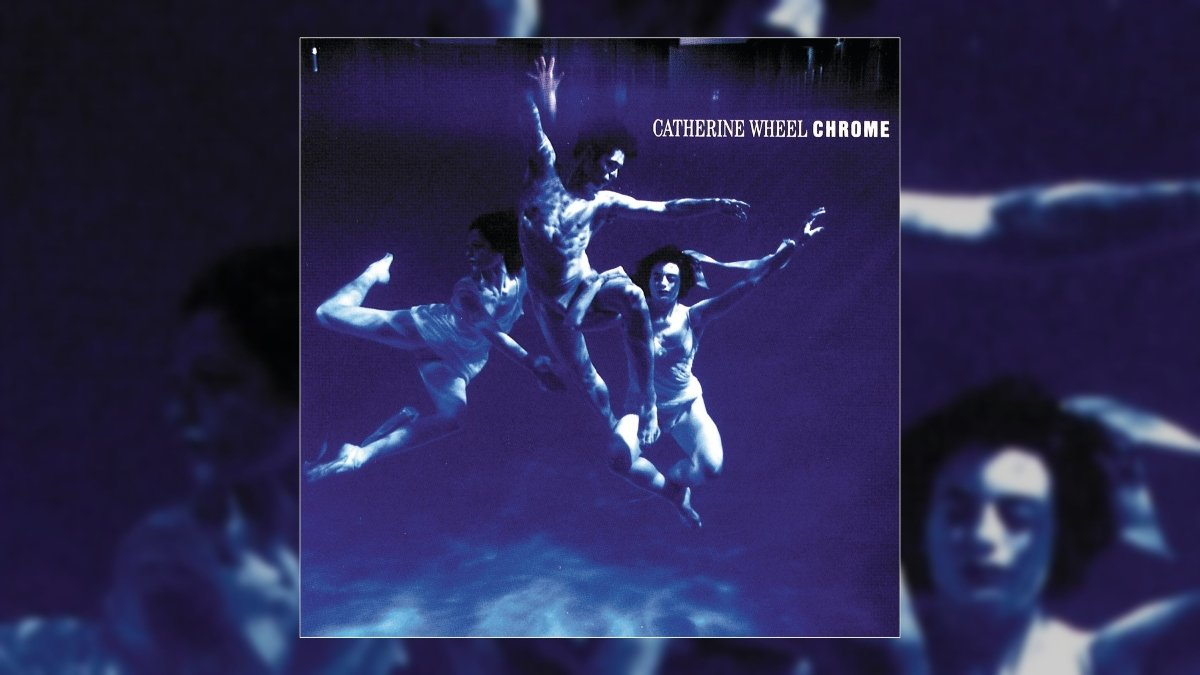
Few rock records sound like this; there are only a few songs on Teenage Fan Club’s “Bandwagonesque” and Sugar’s “Copper Blue” that resemble “Chrome’s” gentle, blushing form of aggression, which generates songs as harsh and menacing as the title track and songs as celestial and full of dread as “Fripp.” Where many shoegaze bands would resign themselves to 2-3 monochromatic notes, Dickinson’s vocal melodies are dynamic, vivid, and exhibit an astral quality; they burn, shimmer, and glow against these songs. “Chrome” bears many of the hallmarks of early 1990s rock, I’d argue it’s a quintessential rock album that holds its own, independent of time. Some bands focus on the formula of commercial success. Others pay mind to their craft. For the fortunate few who know Catherine Wheel, we’d tell you it’s the latter that lasts. The album cover photo was shot in an indoor swimming pool by Storm Thorgerson of the Hipgnosis design company. In 1999, the cover of this album appeared as the cover of the Hipgnosis/Thorgerson retrospective book “Eye of the Storm”:
Melody Maker described “Chrome” as “a tighter, more robust affair” than “Ferment” and “perhaps the ultimate Catherine Wheel album”. NME called it “a triumph”. Happy 30th Anniversary to Catherine Wheel’s second studio album “Chrome”, originally released July 20th, 1993.
This re-issue faithfully replicates the original 1993 Fontana UK release and is pressed onto high quality 180g vinyl. Re-issue Released18/08/2023
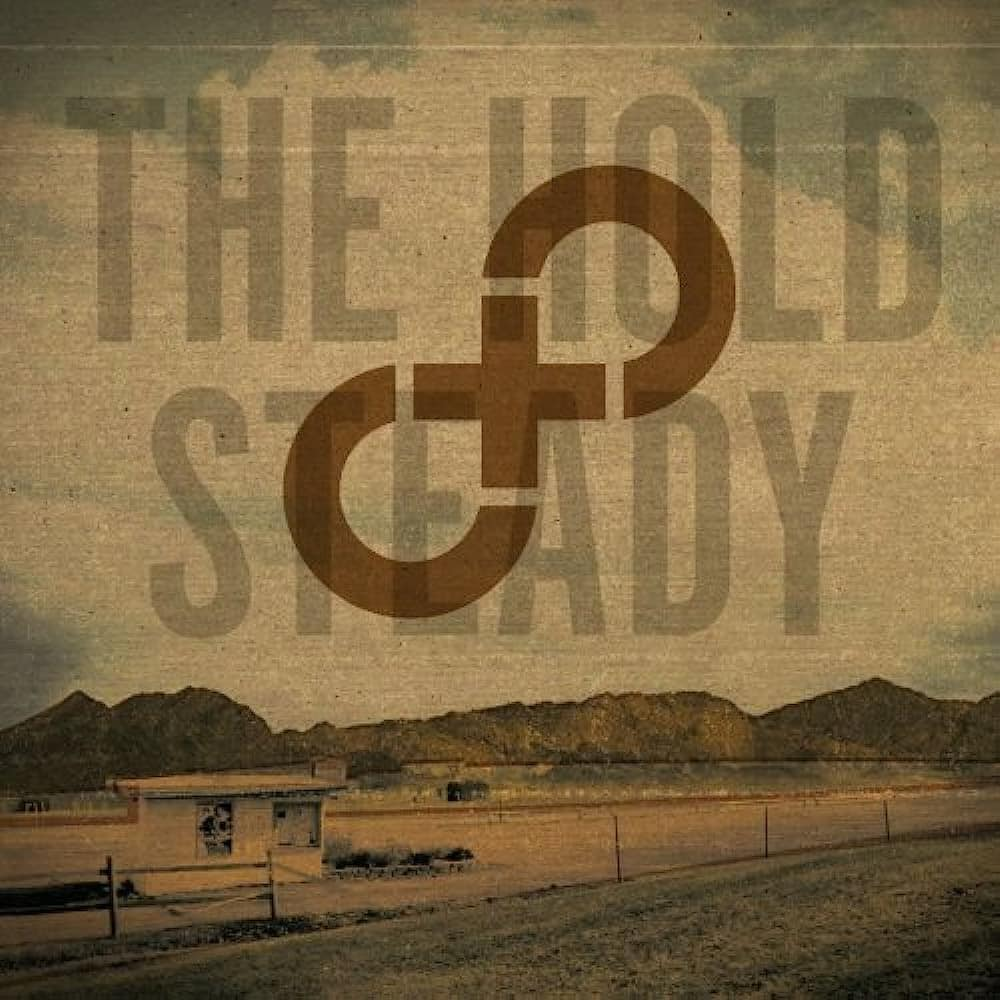
“Stay Positive”, was the bands 4th studio LP, was released 15 years ago today. We wrote a lot of the songs during the touring for “Boys and Girls in America“. It was a very busy time and we made the most of downtime in backstages, hotel rooms, etc. We recorded it with the fantastic John Agnello and used the same studios as we had for “Boys and Girls“. In some ways, those records feel like companion pieces. It also features some cool cameos by Patterson Hood, J Mascis, Ben Nichols and Doug Gillard. The day it came out we were in the UK and did a show at Rough Trade East to celebrate.
Released in 2008, “Stay Positive” is the most sophisticated The Hold Steady have ever sounded, Where every song on previous sets felt unfinished and open-ended, these tracks are sheen-polished and almost slick. These 12 songs are full of near-cinematic rock dynamism and expertly rendered sonic effects. The insider jokes are abundant in both lyrics and music, and the E Street Band’s Darkness on the Edge of Town epic rock is channelled to alternately stunning and irritating degrees.
Craig Finn’s words and melodies have grown in depth without losing their immediacy. On album opener “Constructive Summer,” has huge guitars there’s a twist: the protagonist is an American adult male trapped in adolescence, living in nowheresville; he seeks something worth remembering from all the blackouts and wasted life — the romance of myth is displaced by false promises dictated by fear and self-deceit. He raises a toast to “…Saint Joe Strummer/I think he might have been the only decent teacher/Getting older makes it harder to remember/We are our only saviors/We’re gonna build something this summer.” The chorus offers a confusing, jokey chanted chorus (à la the Adolescents) that adds dimensionally to the loss here.
“Navy Sheets” references four tracks on Led Zeppelin’s “Houses of the Holy” “Dy’er Maker,” “The Ocean,””The Crunge,” and the song itself from “Physical Graffiti“.
But the piano in the wonderful “Sequestered in Memphis” channeling the E Street Band pianist Roy Bittan — is very effective; it introduces the tune before a B-3 and a tenor saxophone move against the guitars to create an unholy union between story-song and mid-level punk anthem.
After hearing “Sequestered in Memphis” on Later… With Jools Holland, I was hooked.
“Constructive Summer” is one of the best summertime songs ever written
But Finn and company save two of the best tunes for last in “Joke About Jamaica” and “Slapped Actress.” Their drama, raw and incessant energy, and musical sophistication all come together in two songs that are less studied and calculated. There is an uneasy balance between “finished” big-time rock and the wily, playful freedom of “arena rock in my basement”; humor is maintained amid the darkness and Finn’s self-referential mythology unwinds itself into even greater insight. Irony abounds, finally, in that even if it’s the Hold Steady’s least enjoyable recording, “Stay Positive” will break this band big time.
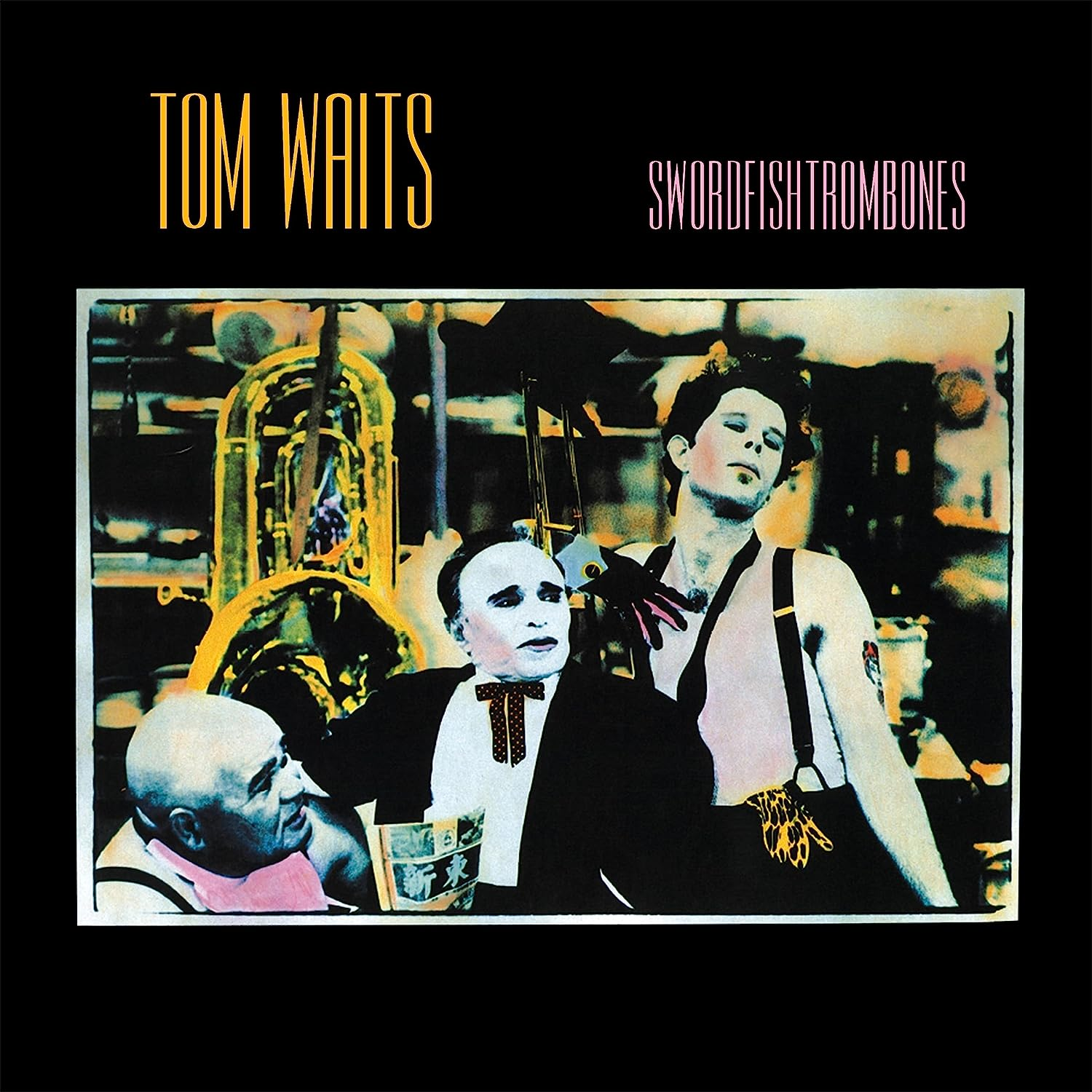
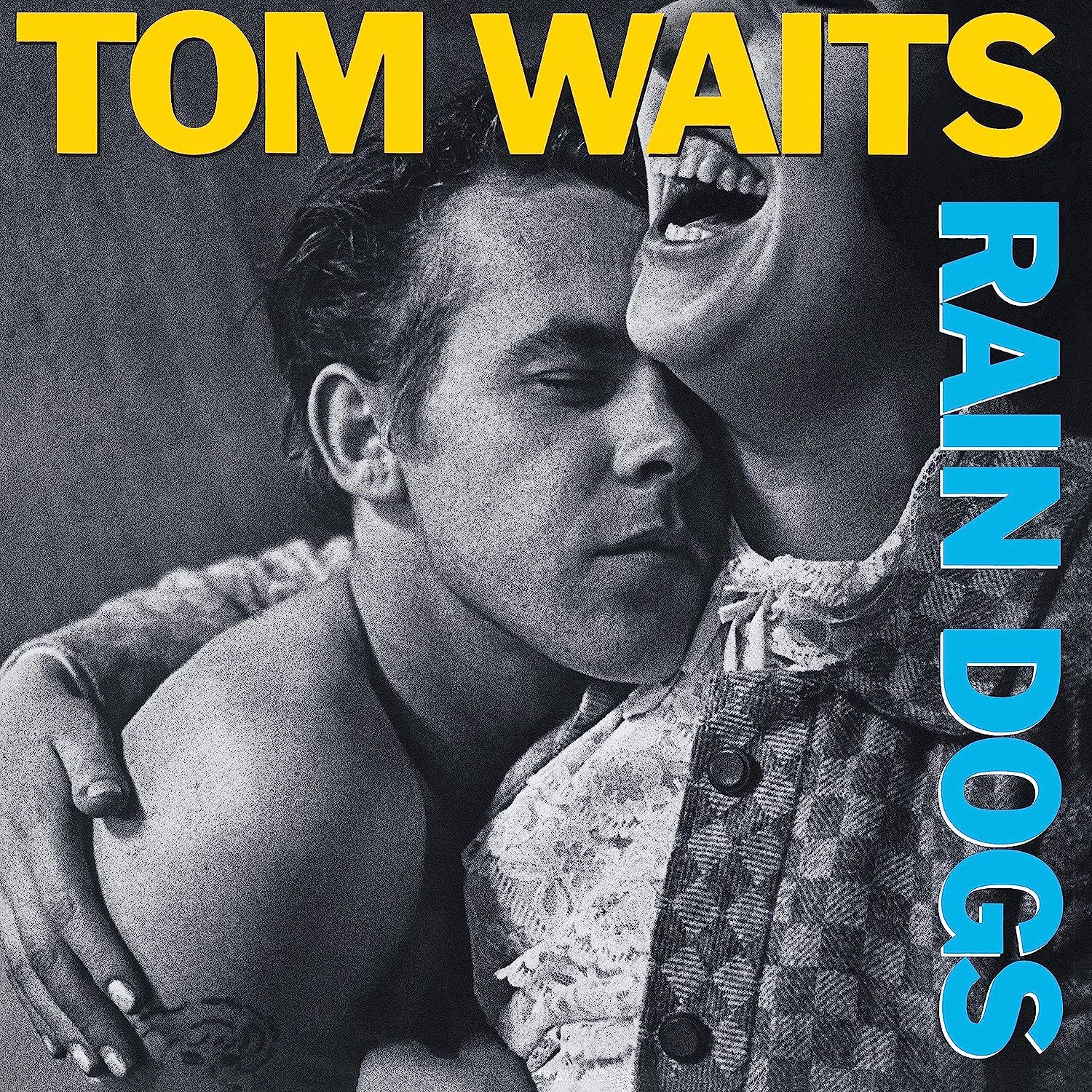
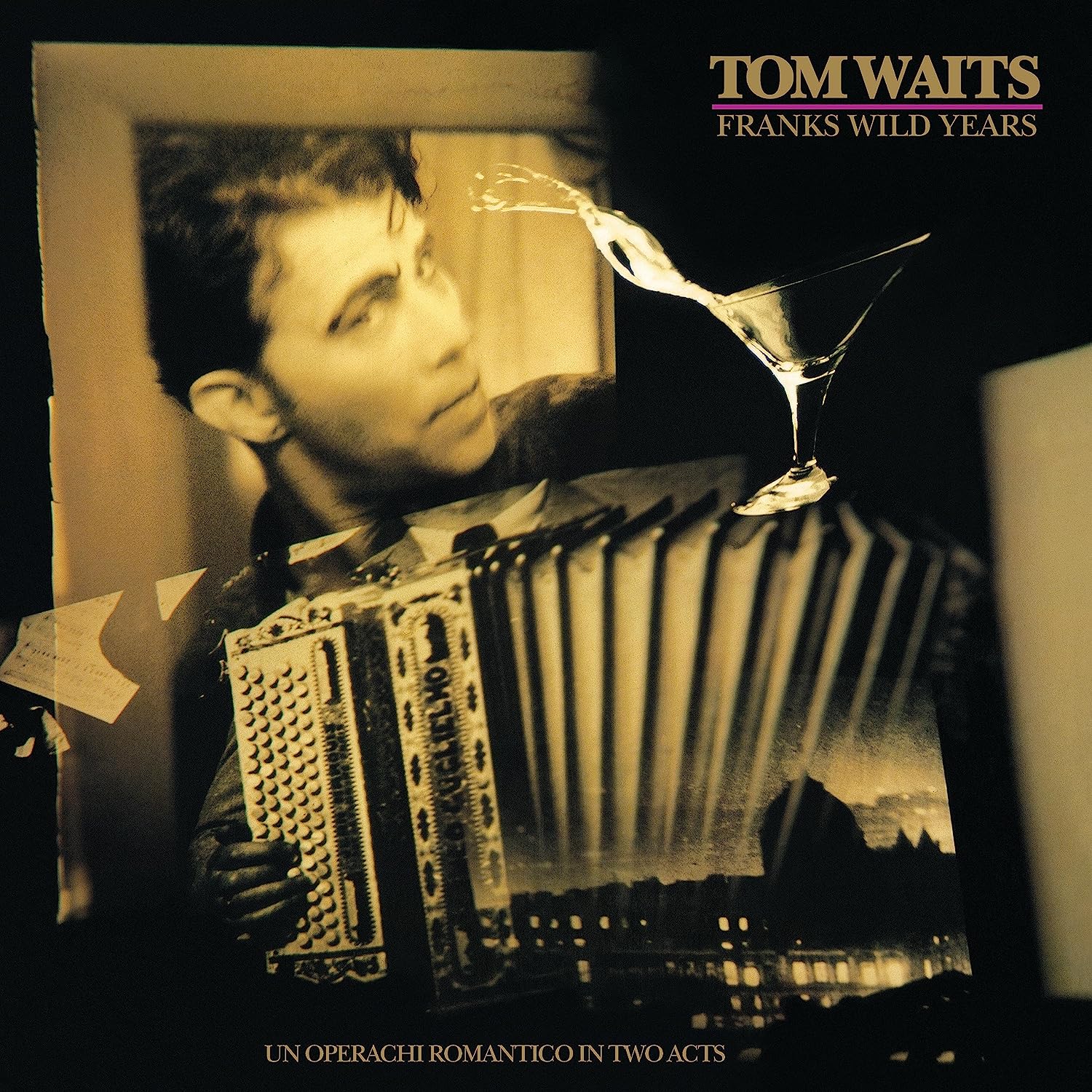
Tom Waits has announced plans to reissue a series of his Island Records albums from 1983 through to 1993, capturing a decade-long chapter of the musician’s recording career. The release cycle begins on September, with the arrival of Waits transformative creative Breakthrough “Swordfishtrombones” (1983), its sprawling sequel, “Rain Dogs” (1985), and the trilogy-completing, tragi-comic stage musical, “Franks Wild Years” (1987).
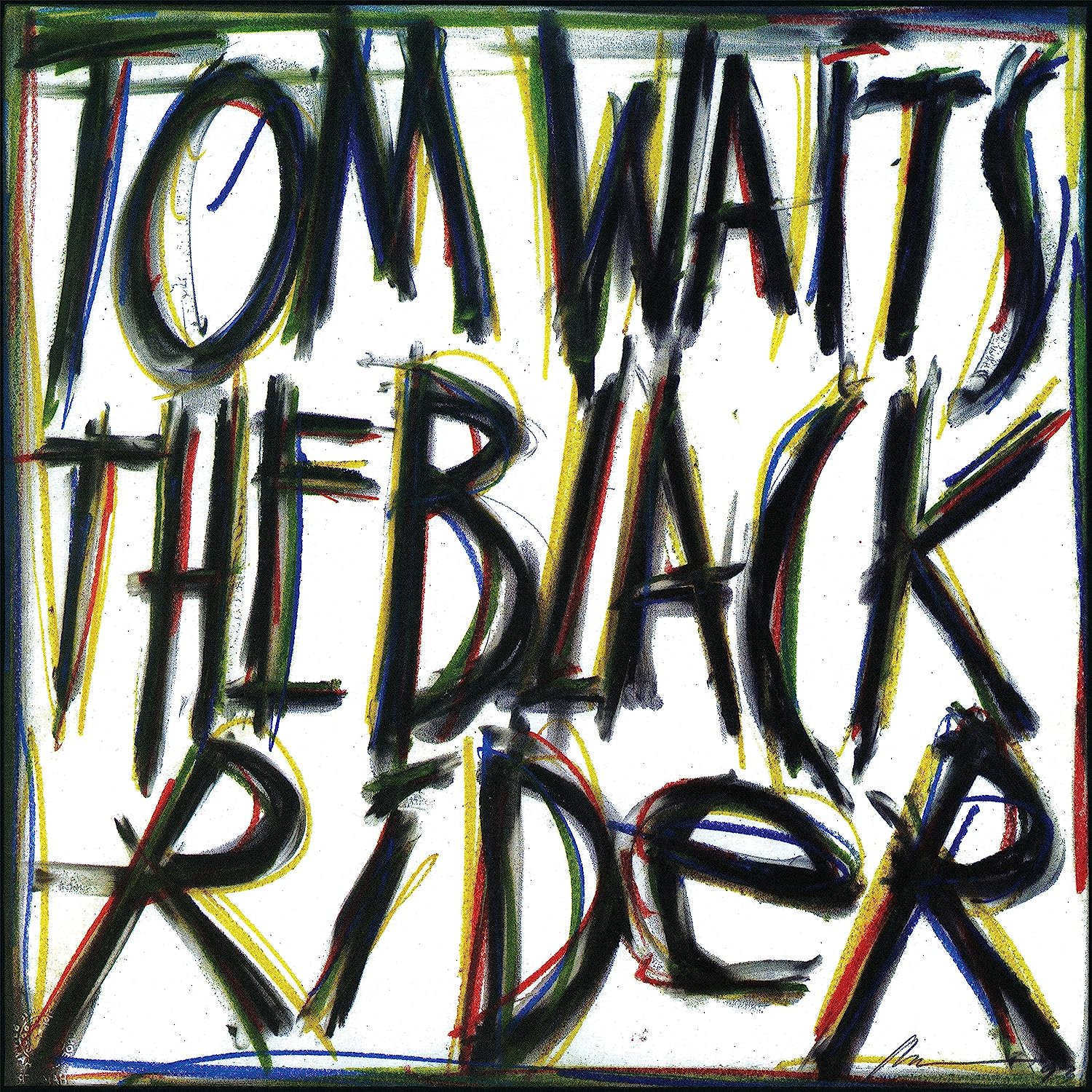
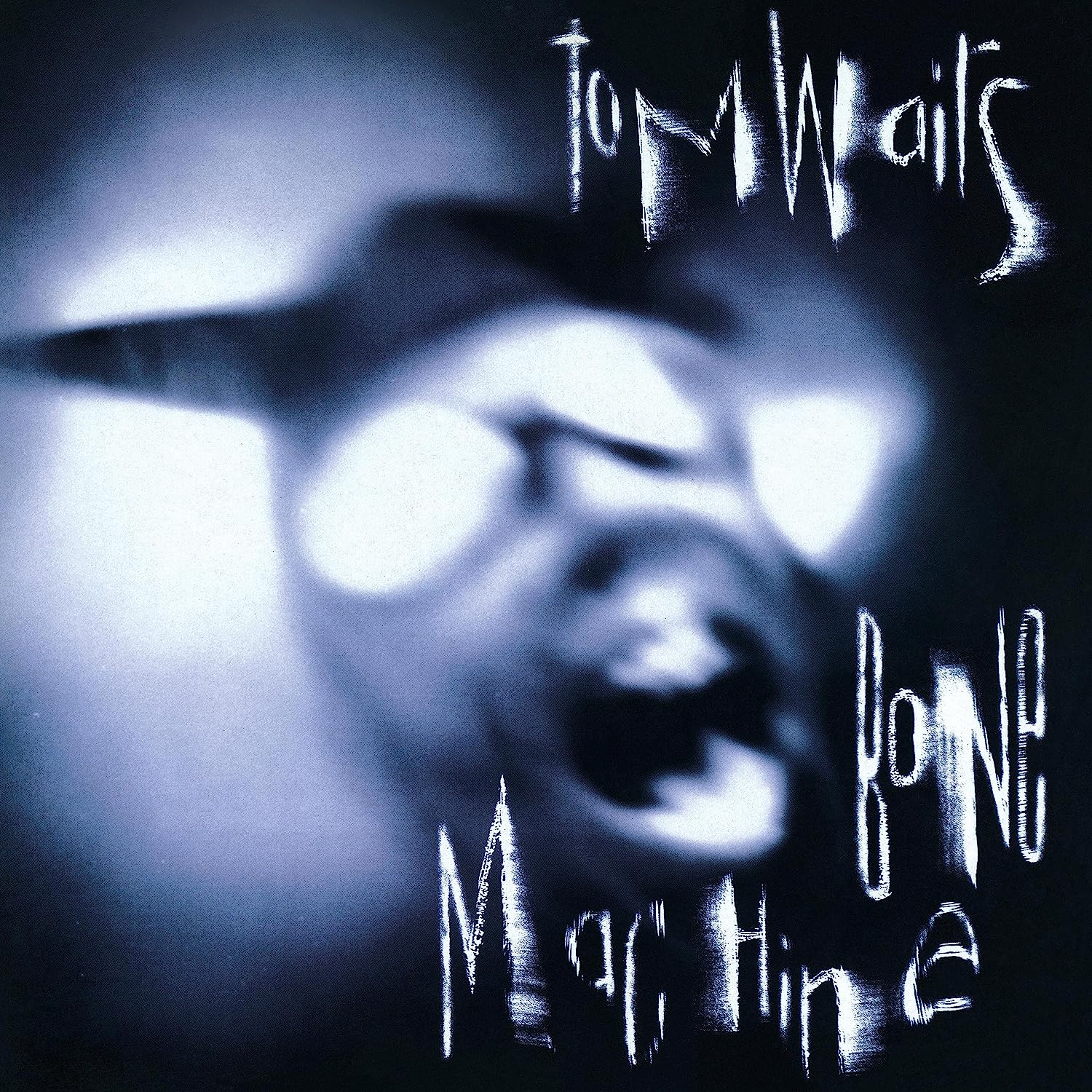
Tom Waits middle-period albums–released on Island Records have all been newly remastered from the original tapes and will be reissued on CD and 180g vinyl this fall via Island/UMe. It’s 40 years to the day that “Swordfishtrombones” will have been released, ushering in a new and critically acclaimed musical era for Waits and his longtime song writing and production partner, Kathleen Brennan. The epic song-cycle, “Bone Machine” (1992) and the under-appreciated Waits (with Robert Wilson and William S. Burroughs) musical fable, “The Black Rider” (1993), will follow early October.
The campaign has been personally overseen by Waits and Brennan. Ahead of their physical releases, all of the albums are available to stream now featuring the newly remastered audio.
All the re-issued albums were mastered by Chris Bellman, who worked alongside Waits’ longtime audio engineer, Karl Derfler. As mentioned in the press release, “Swordfishtrombones” was sourced from the original EQ’d ½” production master tape, while “Rain Dogs”, “Franks Wild Years”, “Bone Machine”, and “The Black Rider” came from ½” flat master tape. Bellman also remastered the audio to better the listening experience.
More from the July announcement: Waits went from ‘70’s-era “bluesy, boozy” wordsmith and melodist with seven albums behind him to sound sculptor, miner of the subconscious, abstract orchestrator, sonic cubist—while retaining his innate lyricism, melodic invention, humanity. A rough analogy: Picasso switching from exquisite literal depictions to pouring his brain and id out onto canvas. Waits was still painting, in other words, but the frames were made of blood and bone and feathers and old carburetors.
Working with experimental composer Francis Thumm, and taking inspiration from the music of found-object composer Harry Partch—plus Waits’ friend, Captain Beefheart—the renowned singer-songwriter reinvented his sound, album by album. As he put it in a 1983 interview: “I tried to listen to the noise in my head and invent some junkyard orchestral deviation—a mutant apparatus to drive this noise into a wreck collection.”
1983’s “Swordfishtrombones” (the title a winking tribute to Beefheart’s magnum opus, “Trout Mask Replica“) was a Waits-arranged pastiche, a variety of atmospheres from different sound planets. There is the warped, marching-army-ants music of “Underground,” an impressionist chant about people living below cities, but there was also the poignancy of the spare piano ballad, “Soldier’s Things,” the good bar yarn, “Frank’s Wild Years” (pre-figuring the musical of the same name), and the raggedy anthem to neighbourhood chaos, “In the Neighborhood.” Yet the album was rejected by his long-standing record label, Asylum Records.
Waits was fresh off a 1982 Academy Award nomination for the “Tin Pan Alley”-style songs for Francis Ford Coppola’s “One From the Heart”. Island Records founder Chris Blackwell promptly signed him and released the album, the first Waits produced. It earned rave reviews from Spin, Rolling Stone and the New York Times.
“Rain Dogs” came next—written in a Lower Manhattan basement and recorded in New York City. Waits and Brennan moved there in 1984, when Brennan suggested it might be good for creativity. She was right. The 53-minute, 19-track album was a kind of mutant, late 20th century musical “Canterbury Tales” with a shape-shifting band. There were banjos and marimbas and bowed saw and parade drum and howling horns (and Keith Richards and Marc Ribot) on this rollicking, rough-hewn opus—and Waits was using his voice in increasingly weird-and-wild ways. The songs were stories, sagas, laments, breakdowns, character studies, comedies, cabaret numbers, and the moving anthem, “Downtown Train,” which was later covered by Patti Smith and Rod Stewart.
“Franks Wild Years”, the album, is based on the Waits musical of the same name, performed with Waits in the lead role by Chicago’s Steppenwolf Theater (directed by Gary Sinise) during the summer of 1986. Recorded mostly in Hollywood, the idea for “Franks” came from the “Swordfishtrombones” spoken-word piece in which a used-furniture salesman (Frank), suffocating in middle-class existence with a “spent piece of used jet trash” wife and her blind Chihuahua, Carlos, burns down his house. With smoking rubble in his rear-view mirror, he hits the freeway with the parting quip, “Never could stand that dog.”
Waits and Brennan developed this into “Frank” as an accordion player escaping the mythical town of Rainville for a calamitous but noble journey to Las Vegas and New York, in search of stardom. In the end, broke and bewildered, Frank—“a guy who stepped in every bucket on the road,” as Waits put it—dreams his way back to Rainville, while freezing on a park bench in St. Louis. Until he suddenly wakes up and finds himself home in the saloon where it all started.
Waits’ vocal character varies wildly throughout the work’s 17 songs, and is no more impressive than when the gruff, growly singer turns to impeccable Sinatra-esque phrasing on the Vegas number, “Straight to the Top.”
“It closes a chapter, I guess,” Waits said when “Frank Wild Years” was released. “Somehow the three albums seem to go together. Frank took off in “Swordfishtrombones”, had a good time in “Rain Dogs” and he’s all grown up in “Franks Wild Years.”
“The Black Rider” is an extraordinary melding of the art of three extraordinary persons: Waits, experimental director Robert Wilson, and the late legendary writer, William S. Burroughs.
It’s is a nearly hour-long rabbit hole of grim narratives, hellacious carnival barking, fragile ballads, the eerie declamation of Burroughs poetry recited by both the author and Waits, and instrumentals. The “house band,” dubbed “The Devil’s Rhubato,” makes liberal use of horns, viola, cello, oddball keyboards, train whistle, contrabassoon, and sinister bass clarinet. The flavor of the music falls between the extremes of the poignant serenade, “The Briar and the Rose,” and Burroughs’ spooky “Tain’t No Sin,” which features a lyric that inspired Waits’ overall approach to the project: “’Tain’t no sin to take off your skin / And dance around in your bones… ”
“Bone Machine” was a success—released in 1992 to universal critical acclaim, followed by a GRAMMY® for “Best Alternative Music Album.” Waits co-wrote half of the album’s sixteen works with Brennan, and special guests included David Hidalgo, Les Claypool (bass), and Keith Richards (who co-wrote “ThatFeel.”)
Recorded in Prairie Sun Studios in Cotati, Calif.—described by Waits as “just a cement floor and a hot water heater”—the album was a radical redesign of Waits’ soundscapes and writing technique. The songs weren’t composed—they sound more forged, hammered, chiseled, bent. Waits and Brennan seem to have conjured the record out of dirt, cracked pavement, broken tree branches, and bird song. Their move to a rural area of Northern California heavily influenced the ideas and music of the record.
Some of the press: Musician: “a raw-boned masterpiece.” New York Times: “Nothing short of breathtaking.” Chicago Tribune: “bursts with color and emotion.” Washington Post: “His finest album.” New Musical Express: “Scary, mournful, morbid and easily one of Tom’s best.”
Waits called the songs on “Bone Machine” “little movies for the ears.” He sometimes wrote them entirely from a percussion pattern, which he played on an array of largely homemade instruments.
Mortality is a recurrent theme, from “Dirt In the Ground” (“We’re all gonna be. . .”) to “All Stripped Down,” “The Ocean Doesn’t Want Me” (a tale of contemplated suicide), “Jesus Gonna Be Here,” the rambunctious paean to childhood, “I Don’t Wanna Grow Up,” and certainly the broken-hearted, confessional classic Waits ballad, “Whistle Down the Wind,” which was beautifully covered by Joan Baez. Waits explained at the time: “Yeah, ultimately, it will be a subject that you deal with. Some deal with it earlier than others, but it will be dealt with. Eventually we’ll all have to line up and kiss the devil’s arse.”
At long last! The five Island Records releases from Tom Waits finally get reissued – ‘Swordfishtrombones’, ‘Rain Dogs’ and ‘Frank’s Wild Years’ are out 1st September with ‘Bone Machine’ and ‘The Black Rider’ released 6th October.
Michael Cantor’s indie/punk project The Goodbye Party is back for its first album since 2014’s “Silver Blues” (Salinas Records), “Beautiful Motors”, which comes out October 9th via Double Double WhammyRecords . Michael made this one with the impressive cast of Maryn Jones (Yowler, All Dogs), Sam Cook-Parrott (Radiator Hospital), and Joey Doubek (Pinkwash), and it was produced by Kyle Gilbride of Swearin’, and as you’d expect from a lineup like that, it’s shaping up to be a very strong indie rock record.
First single “Unlucky Stars” was a dose of driving indie-punk, but second single “December Boys” was a little lighter and janglier and new single “No Reason” is even more so. It’s a gentle, breezy song that nails a balance between warm, summery melodies and autumnal melancholy — the perfect kind of song to drop on the first official day of fall.
“This song deals with a couple of themes,” Michael tells us. “One is how people you no longer keep in your life can show up in some of your favorite memories. It’s also about the experience of passing through the same place across different tours and seeing decay creep along, seeing cascading effects from hurricanes, and recognizing that slow change in yourself. My friend Emi Knight from Strawberry Runners sings on this song. She, along with a handful of local songwriters, held monthly salons where we would demo and critique each other’s songs. Having that space helped me focus, write, and rewrite songs for this record.”
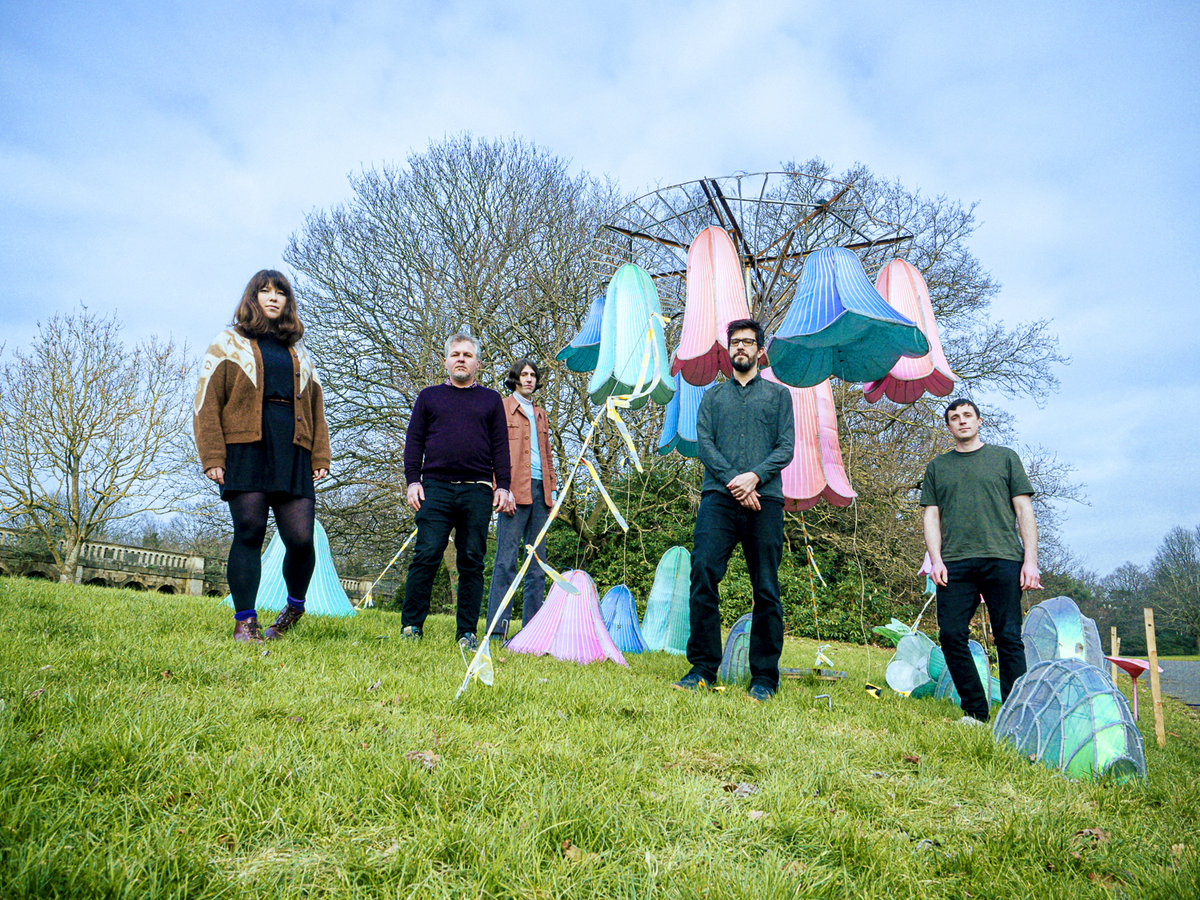
London dream-pop ensemble Firestations are back with their first full album in five years. Preceded by the single ‘Undercover’ – an effervescent song about depression and self-discovery – ‘Thick Terrain’ is released by Lost Map Records on limited-edition 12” vinyl and digital platforms. It’s a clear-eyed and bold statement, deftly combining big ideas with pop sensibilities in a captivating way – it might be the band’s best work to date.
Firestations are Mike Cranny, Laura Copsey, Martin Thompson, Tom Hargreaves and Neil Walsh – collectively a band that spans genres from shoegazey indie and intimate folksy warmth, through to addictive synth pop and harmony driven psychedelia. Lost Map released their second album ‘The Year Dot’ in 2018 and this was followed in 2021/22 by three EPs – ‘Automatic Tendencies’, ‘Melted Medium’ and ‘Pixel Wilderness’. Each six-track EP embraced a mixtape aesthetic, including alternative “sunken” versions of songs by the band as well as covers and remixes of Firestations tracks by other artists (including Lost Map labelmate Clementine March). Laura curated collections of limited-edition artworks (a brass chip fork, a ceramic mountain) that expanded on the ideas within each release.
Following a period of writing and reconfiguration – Giles Littleford departed for the Midlands and Neil Walsh ably filled his bassy shoes – the band returned to Otterhead Studios in mid-2022, for what they expected to be the first of a few recording sessions. As it happened though, it all came together beautifully (thanks to engineers Oscar and Ellis), the songs made sense together and it felt like an album.
Over the ten tracks – ranging from cyclical hypnotic sci-fi numbers to addictive dream-pop jangle – the band zoom in (and out) on some themes including identity, memory, conflict and progress.“Where is the joy? Is it over? Where is the joy? Still undercover?”
About the meaning of ‘Thick Terrain’, Mike says: “Album titles are tricky – you just sort of have to go fishing in your subconscious until you catch something that speaks to you. To get to ‘Thick Terrain’ we had a series of pub-based meetings, where we free-associated some of the meanings of the songs, just blurted things out and wrote them down. Laura had been watching ‘Love Island’ (purely for research purposes), and mentioned how contestants were constantly getting “the ick”.
We thought about calling it Ick Terrain, but as the pints flowed we gravitated towards ‘Thick Terrain’. This spoke to the main themes of the album and fit in with the art concept that Laura and artist friends KeelerTornero were cooking up: edible landscapes – surreal vistas with strange, almost hallucinatory, food items embedded within them… A jelly mountain… The zine which accompanies the limited-edition vinyl release delves further into this idea, offering more delicious places to sink your teeth into as you listen to the record.”
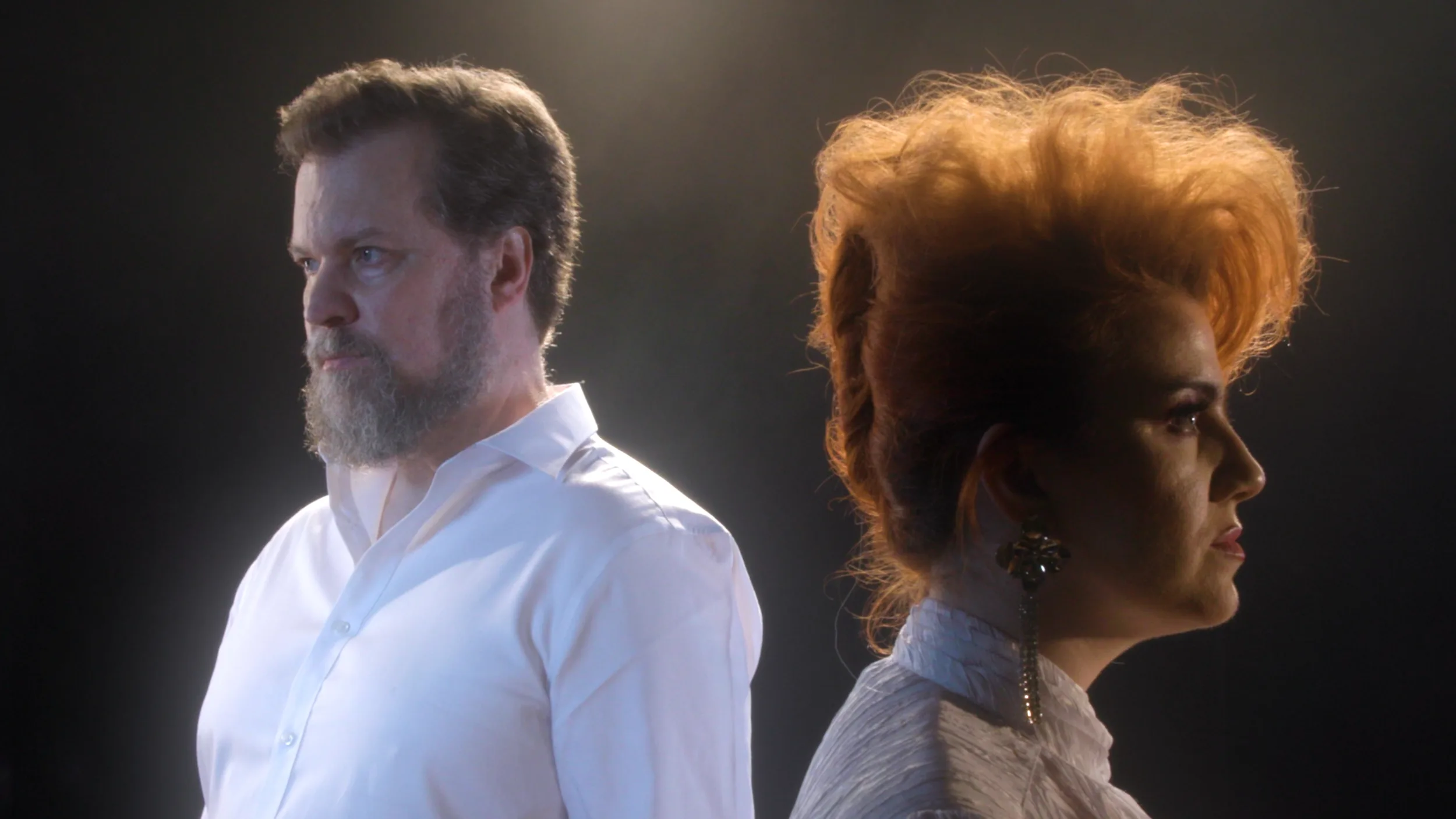
Cmat has released her collaboration with John Grant from the forthcoming album “CrazyMad, For Me”, out via AWAL Recordings on October 13th.
Following on from recent singles ‘Have Fun!’ and ‘Whatever’s Inconvenient’, ‘Where Are Your Kids Tonight’ is a duet from the pairing, which started when CMAT says she has realised “I had turned into my mother.” “It’s kind of inspired by this image i had of entering a waterfall-like portal from an Irish kids’ show called ‘Foreign Exchange’ where I’m looking at 1988 and 2023 at the exact same time every time I look at myself in the mirror. To quote a TikTok comment I saw recently: ‘The human experience is absolutely fucking wild.’”
John Grant was top of the CMAT’s wishlist for the song… “I always knew this song was going to be a duet, and when I was writing it I always said to myself, ‘It would be so good if we could get someone like John Grant on this’, because a) his body of lyrics reflects my own life and experience more closely than anyone else working today b) I never thought we would get him. But I got him! And he is so sweet. His performance really adds the layer of profundity that I was looking for to carry off the two-ages-staring-at-each-other angle. Love him so much.”
“Where Are Your Kids Tonight?” was recorded, produced and mixed by Matias Tellez at his studio in Bergen, Norway, with John recording his vocals at his studio in Reykjavik, Iceland.
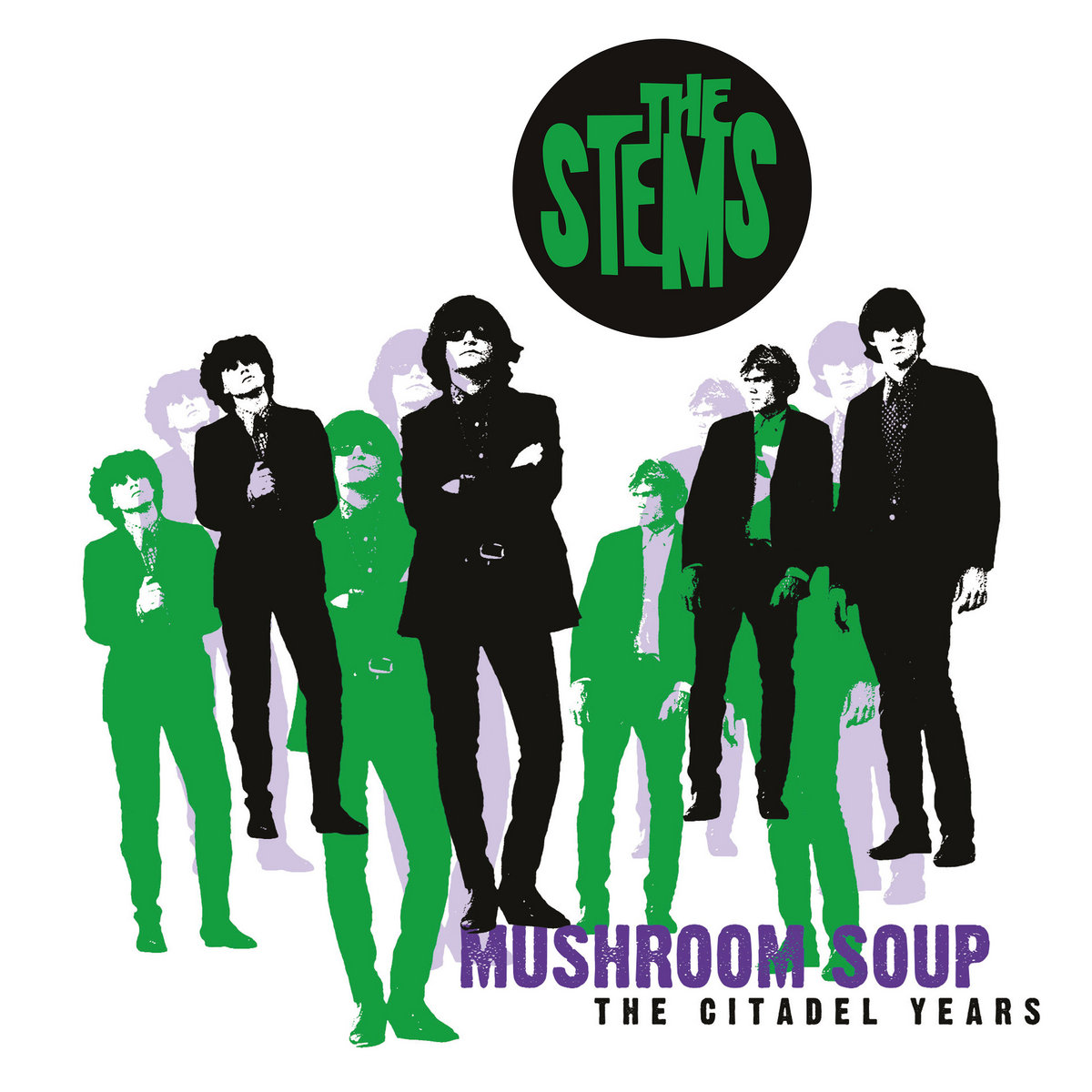
The Stems came roaring out of Perth in the mid Eighties with a sound and style that definitively captured the spirit and enthusiasm of sixties garage music – lurching fuzz-tone guitars, brooding organ and solid gold garage-punk! Though at the core of it all, The Stems wrote some awesome songs, made great records and put on exciting live shows. Debuting in 1985 with their break-through double A-side single “She’s a Monster/ Make You Mine”, The Stems rode the top of the Australian Independent charts from 1985-1987 with each subsequent release. Tracks like “Make You Mine”, “Tears Me in Two” and “Love Will Grow” mark them out as one of the truly great Australian acts of the Eighties.
“Mushroom Soup – The Citadel Years” has been remastered and repackaged and brings together the band’s break-through singles, their debut EP “Love Will Grow” and a selection of demos and outtakes. This collection captures a great band at the peak of its powers.
The vinyl edition features all the classic singles and the “Love Will Grow” EP that have been long out of print since their release. It also features 4 additional tracks (“No Heart”, “She’s Fine”, “On and On” and “Don’t Let Me”) on vinyl for the first time, faithfully remastered and available in glorious green, pretty purple or traditional black.
The track “No Heart” was initially a contender for the “Love Will Grow” Ep and “She’s Fine” was to be their last single with Citadel but was shelved when the band moved across to the Mushroom label.
The Band
Richard Lane – keyboards, guitar and vocals Dom Mariani – guitar and lead vocals Julian Matthews – bass Gary Chambers – drums
2024 will be the 50th Anniversary of the band Radio Birdman. To celebrate that milestone, Citadel Records is pleased to announce the recutting / repressing of all their albums.
“Radios Appear” was Radio Birdman’s first full length album. Recorded piecemeal over 1976 and early 1977, on weekends and nights when their home base (Trafalgar Studios Sydney) had no paying customers, it was finally released on the Trafalgar label, created specifically to release their records. In addition to mail order, the album was literally distributed by hand and out of the back of cars. The band thus wrote the Australian handbook on DIY independent music.
It was hailed as a breakthrough album in Australian music, a turning point after the scene’s early and mid seventies stagnation. “Radios Appear” was given a 5 star review in Rolling Stone, and the album gave the band a needed boost to depart Sydney as a national touring entity, while still maintaining their renegade status. This LP has been out of print for 25 years now. Remastered from original tapes and cut onto lacquer, its a 140g black vinyl pressing in a standard jacket closely reproducing the original artwork. The black and white inner sleeve replicates and enhances the insert that came with the original Trafalgar pressing. A download coupon is included.
By the middle of 2024, all the albums will be available.