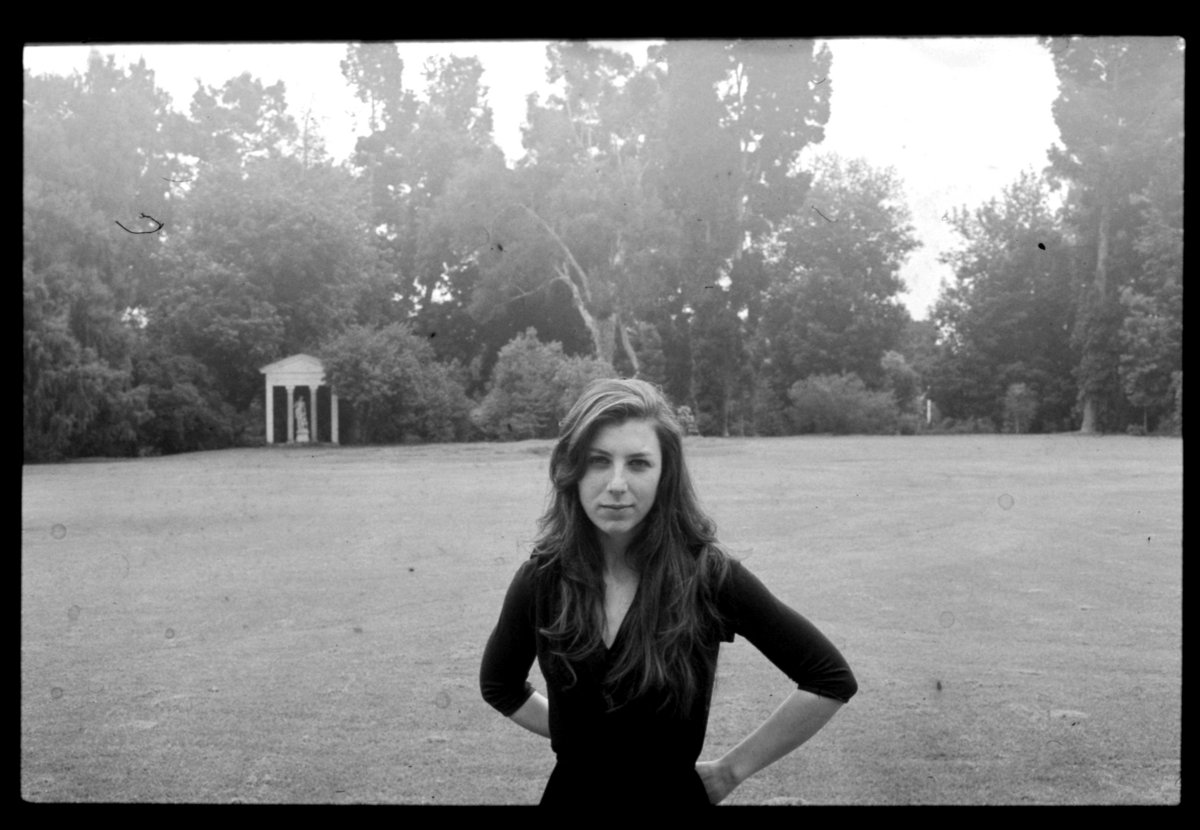
L.A.-based Julia Holter has crafted a dazzling audio artform in her latest otherworldly track ‘Sun Girl’, packed with discordant melodies and tranquil, hypnotic vocals.
Twinkling chimes grant us entrance into a surreal oasis of pulsating flora and fauna in the world of ‘Sun Girl.’ Quickly, we meet a purple character who dwells in the night and shadows of the desert blooms; craving the world of light that burns them at the touch. As the video unfolds, an instrumental collective signals a pivotal, and somewhat overwhelming evolution, for our violet friend. Petals of ice branch skyward, forming ever-growing canopies of floral hydra crystals that slowly engulf the entire horizon.
The sonic experience accompanied by the stunning animation for ‘Sun Girl’ makes this song not only an incredible musical feat for Holter but also stands as a bewitching testament to her immense skill at immersive storytelling. Highlighting the beauty that lies at the heart of terrifying changes, this video stumbles into the brave embrace of that shedding process.
Worth the wait and an excellent composition. We’re all so looking forward to the new album.
released November 7th, 2023 through Domino Recording Co, 2023
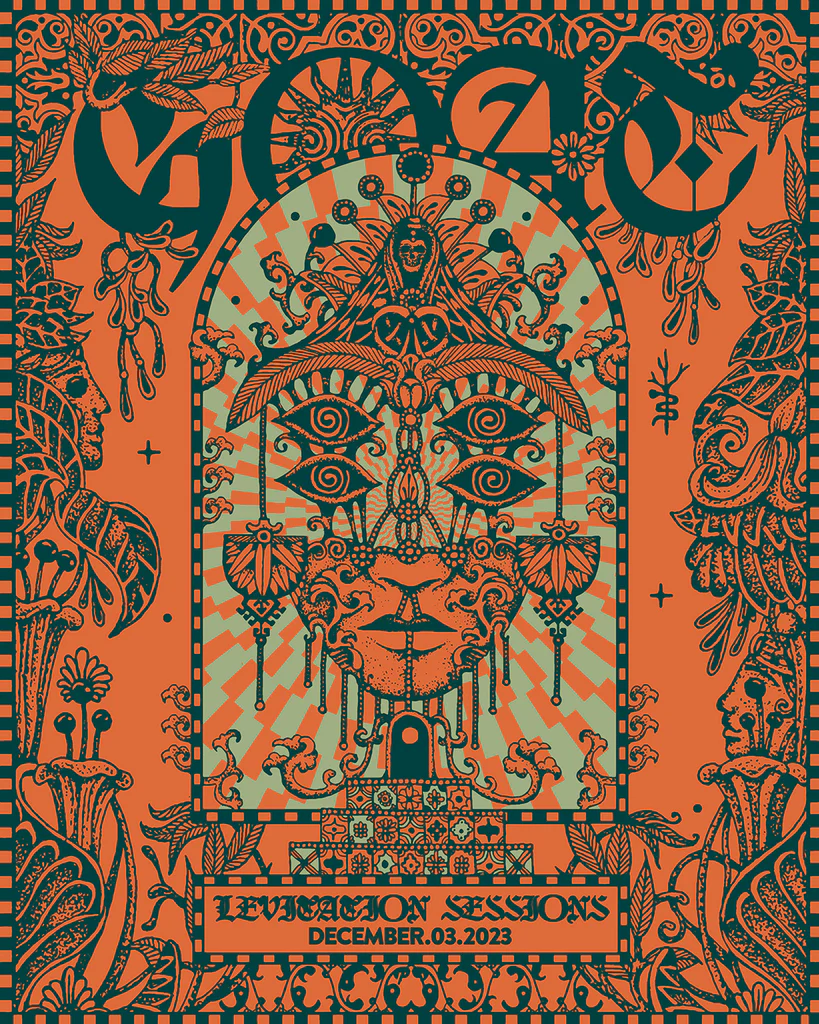
Goats “Levitation Session” film and live album was recorded in the heart of winter in early 2023, capturing the alchemy of the band’s creative process and a glimpse of their legendary live show, filmed in the band’s studio headquarters. We’re excited to have it finally see the light of day and unleashed to all of you!
“We chose to record the session in our old temple during a cold night under a huge midnight sun in the darkest winter time. We thought it would bring out the best magic in us and we think it did. As the hours went by it started to loosen up and we went into some free form experiments with our electronics. In the end, this film became a perfect representation of what we do when we hang out“ – Goat
Levitation Sessions are back – with a new film + live album from Swedish psych collective Goat!
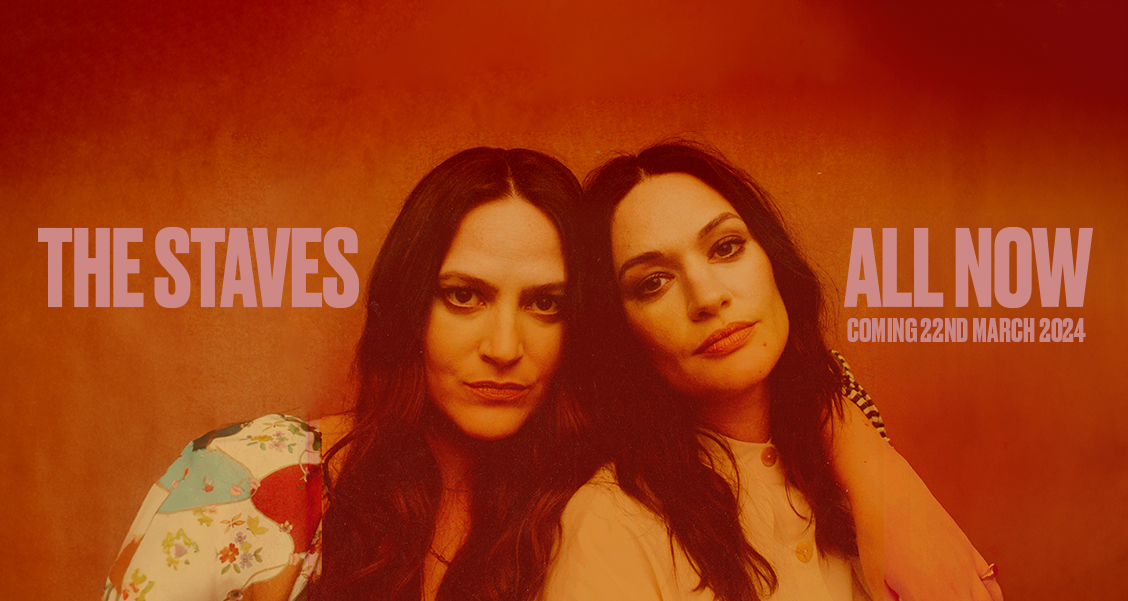
It was in December 2022 that The Staves celebrated the 10th anniversary of their debut album “Dead & Born & Grown” – a strange and beautiful period in the lives of sisters and band members Jessica, Camilla and Emily Staveley-Taylor, making their fourth album “All Now” with the same organic vulnerability as that first record: except now everything was different, and they kind of were too.
“All Now” emerges, bold and bright, from a period of quiet, which followed a period of chaos, for the band. When “Good Woman” was released in 2021, to positive reviews, it felt like “an echoing silence” to share such a cathartic album with a world shut down. So The Staves had to retreat, again, and actually wrestle with everything they had been through.
The result? An album as rich and honest as all the most profound music by The Staves scattered across albums for the last decade, calcified here into something special.
But the most thrilling part of this album, is that the hardest pills to swallow, here, almost have a sweeter taste. Once you’ve survived the climb to the top, learned from the journey, you may as well enjoy the view. “When you sing about hesitation and fear, there’s a lot of power in not making it sound fearful and being quite steadfast instead,” says Camilla. “It feels like an act of taking control.” With “All Now”, there’s no letting go.
Wurld Series are back with a new LP of curly rock miniatures and overgrown roadside curios. “The Giant’s Lawn” stretches the band’s reach, embracing new forms and figures, living corridors and side-quests. Where past worx borrowed from the literate heart of American indie, here, Luke Towart & Co. investigate earthen psychedelia, off-grid community folk, and highly bookish, antipodean snock.
There’s always been a fantastical bent to Wurld Series’ unspooling jaunts – 2021’s “What’s Growing” threw a little Canterbury scene in with the Christchurch sound – but “The Giant’s Lawn” goes deeper down the rabbit warren; a boy named frog dreams of escape, established trees are recognised for their contributions to humanity… “Rearing Wesley” marries schoolboy imagery with golden flushes of Richard Thompson inspired fretwork. “A Private Life” plays like a field recording of the morning after the carnival – cats yeowl, empty tents billow, gaudy excess sours in the clear light.
British psych-folk lends gentle, omnipresent guidance throughout, but early influences still hit; “Resplendent Fortress”, “Lord of Shelves” and “Illustrious Plates” bounce and buckle like Flying Nun faves 3D’s; compact vehicles for Towart’s Renaissance-era flash broadcasts. So it’s not that Wurld Series have turfed the wooly tube-fuzz of the sonic South, they’ve simply dragged their amplifiers from the pavement to the creek bed, where the air’s lighter and there’s room to spread out.
releases November 17th, 2023
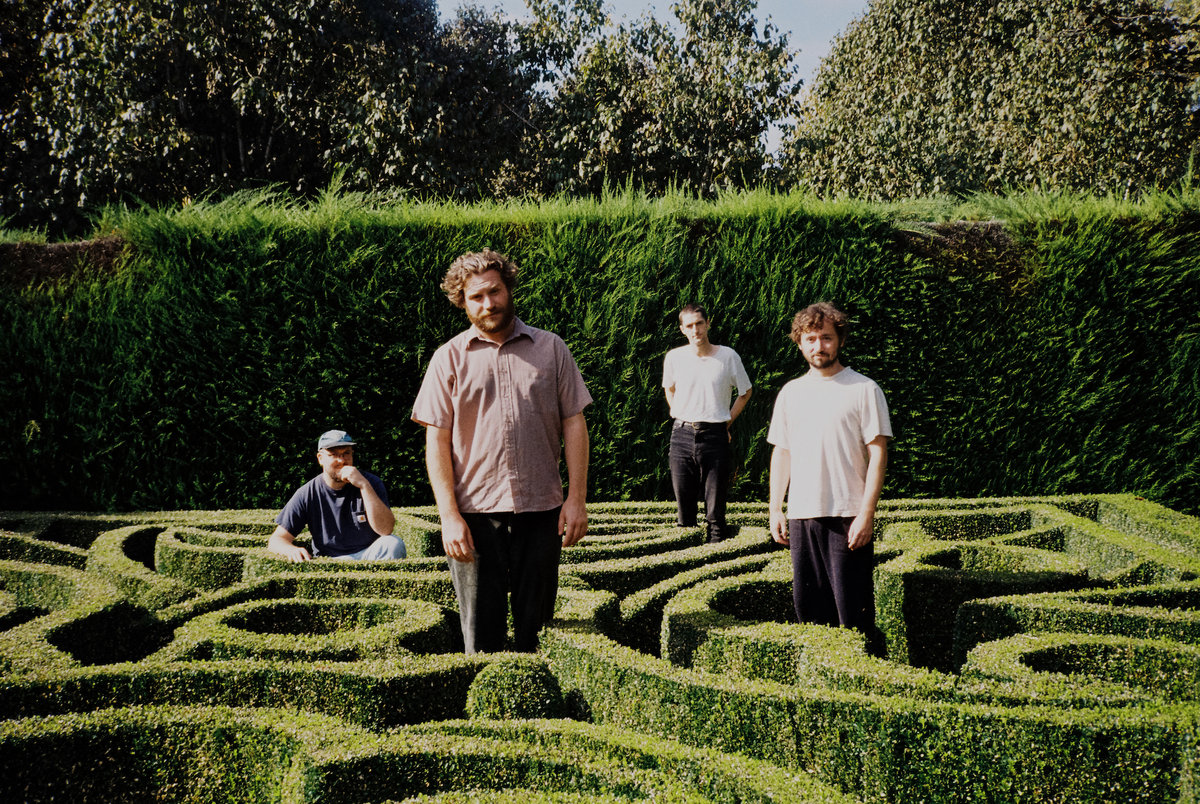
Wurld Series are Luke Towart, Brian Feary, Ben Woods and Ben Dodd.
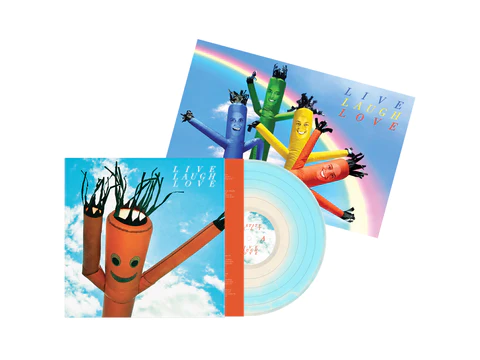
In their decade-plus together, the four-piece Julia Shapiro (guitar, vocals), Lydia Lund (guitar, vocals), Gretchen Grimm (drums, vocals), and Annie Truscott (bass, vocals)—have created a resonant body of work. “Live Laugh Love” is a natural continuation. Against the bizarre backdrop of the past few years, Chastity Belt remained a supportive space for the members to grow and experiment, drawing on the ingredients most essential to their process since the beginning: authenticity and levity.
Recorded over three sessions in as many years (January 2020, November 2021 and 2022), the focus became more about enjoying their time together in the studio than making it feel like work. Their ease and familiarity with engineer Samur Khouja in LA, who also recorded their last album, made for a particularly enjoyable process. Once completed, they returned to renowned engineer Heba Kadry who mastered the album.
Album opener “Hollow” sets the tone with a gently driving rhythm while guitar layers stream like sun rays through an open car window. A warmth radiates through Shapiro’s voice, even while grappling with feeling lost and stuck. “The older I get,” Shapiro says of the lyrics, “the more I realize that I might just always feel this way, and it’s more about sitting with the feeling and accepting it, rather than trying to fight it.” That wisdom seems to anchor “Live Laugh Love”. Chastity Belt has never shied from navigating the spectrum of difficult emotions, and an existential thread weaves throughout the subject matter. And yet the songs feel more grounded than ever; there’s a sense of quiet confidence and self-assurance that comes with being less numb and more present. Facing discomfort takes more fortitude, after all.
“Live Laugh Love” finds the members in their prime as musicians. Their parts trace intricate patterns over one another, but there’s room to breathe between the layers. Everyone contributes to the writing, sometimes switching instruments, and for the first time, all four members sing a song. It’s never been more apparent that they are creative siblings, cut from the same belt. “We’ve been playing music with each other for over a decade,” says Shapiro, “so it really does feel like we’re all fluent in the same language, and a lot of it just happens naturally.”
“Laugh” seeks in the balm of friendship, aware of the anticipatory nostalgia that hits during a good time that you’re already missing before it’s gone; the heavier guitar tones on “Chemtrails” streak ominous chord progressions over Grimm’s precision timekeeping, lamenting memories that won’t fade easily. During a transitional time, Truscott came across a note in their phone that read, “it’s not hard all day, just sometimes,” which inspired a poignant line in the chorus of “Kool-Aid,” their first song as lead vocalist on a Chastity Belt recording. Another standout, “I-90 Bridge” shines with a silvery melody that soars as Lund belts one of the most resounding moments on the album: “Tell your girlfriend she’s got nothing to fear/I’m set in my head/My body’s a different story.” The track “Blue” saunters nonchalantly with a wink; you can almost hear Shapiro’s smile as she sings “Faking it big time/So I can hit my stride/Man, it feels good to be alive,” channeling early Chastity Belt channelling early ’90s before channelling the late Elliott Smith in a spiral of distortion and insight: “Don’t get upset about it/It’s gonna pass/Tell all your friends about it/They’re gonna laugh.” “We have such a strong sense of each other’s musical inclinations” says Lund. “I think this allows for a lot of playfulness…we can kinda surprise each other, like a good punchline would.”
“Chastity Belt is largely confessional; words are the focus here, and these simple, serene landscapes are a fitting backdrop to hear them loud and clear.” – PITCHFORK
“Seattle’s rock scene is experiencing an underground renaissance, and at the center of its close-knit collective of punk-inspired bands is Chastity Belt.” – NPR MUSIC
“a cathartic response to overwhelming anxiety, and provide a powerful soundtrack for slaying that dreaded mind killer” – THE NEW YORK TIMES
“If there’s one thing that Chastity Belt has figured out at this point in their young lives, it’s that honesty will get you far.” – NYLON
“if there is any way to be saved from disappearing completely in a lonely world, it’s through the healing energy of the group hug, or, in this case, the rock band.” – BANDCAMP DAILY
“Spend half an hour with every member of Chastity Belt, the four-piece garage rock band from Seattle, and you just may walk away with a new appreciation for friendship—or at least theirs.” – PASTE
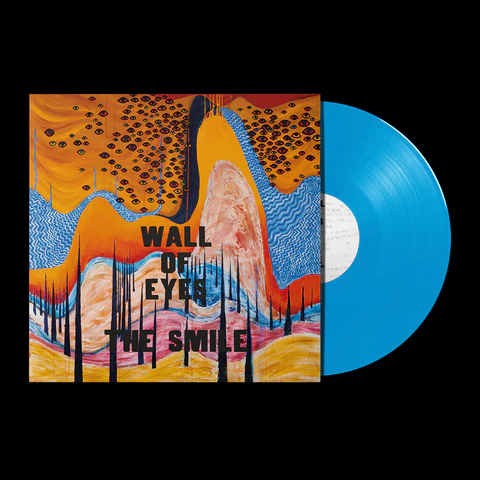
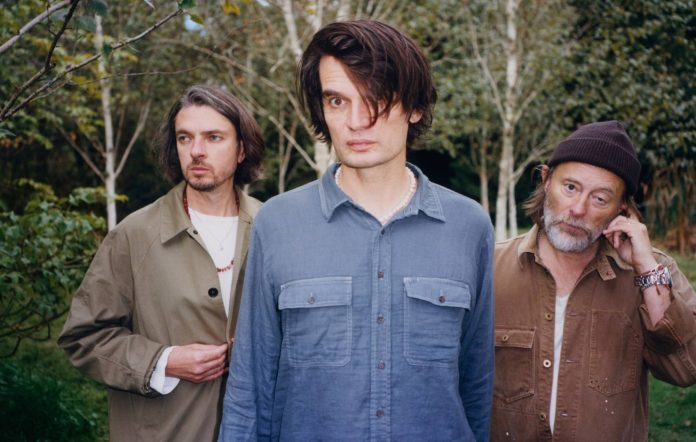
The incredible trio of Thom Yorke, Jonny Greenwood and Tom Skinner return with their second album. Launched with the titular single, its haunting, jaded vocal is offered in sharp contrast to the almost jauntily strummed acoustic guitar. Sparse percussion drives the song along until looming strings bring a doomy, filmic counterpoint to the arrangement. A stunning glimpse of the body of work this band are unveiling next year.
The new album, was recorded between Oxford and Abbey Road Studios, and is produced and mixed Sam Petts-Davies. It features string arrangements by the London Contemporary Orchestra. “Wall Of Eyes” is the follow up their 2022 debut LP “A Light For Attracting Attention”.
The new album from the Radiohead members side project – comprising Jonny Greenwood, bandmate Thom Yorke and former Sons Of Kemet drummer Tom Skinner – is due out on January 26th via XL Recordings, The band have also announced news of a UK and European tour for 2024, where they’ll open at Dublin’s 3Arena on March 7th and finish up with a show at London’s Alexandra Palace on March 23rd.
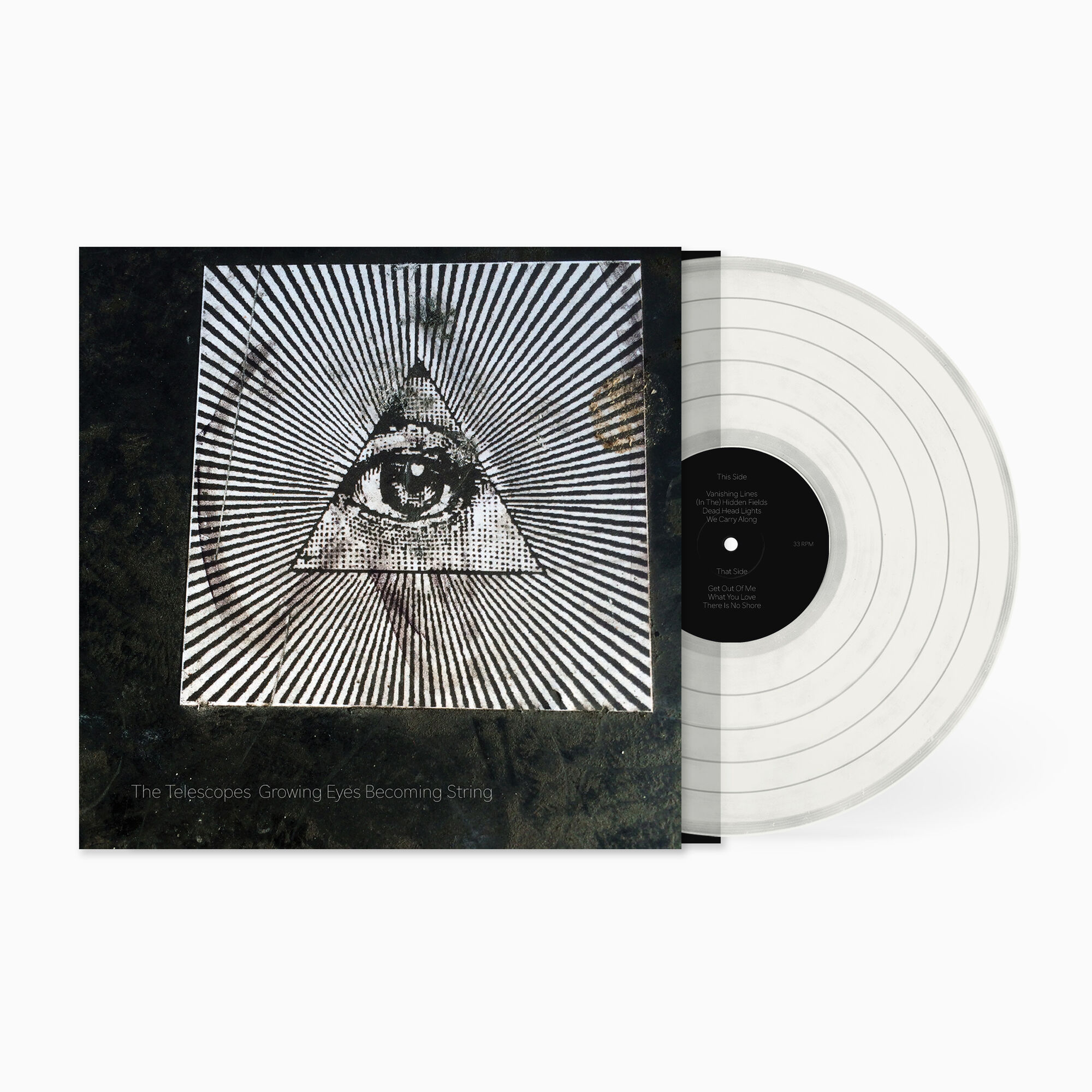
ICYMI UK noise-rock pioneers The Telescopes have recently announced their sixteenth studio album ‘Growing Eyes Becoming String’, our February 9th 2024. The Fuzz Club store/membership splatter edition has sold out already, but you can still grab a copy on 180g clear vinyl and CD, with bundle discounts if you pick up both formats.
Originally recorded over two sessions back in 2013 – one over a harsh Berlin winter in the Brian Jonestown Massacre studio with Fabien Leseure, and a second back in Leeds with early Telescopes producer Richard Formby – it’s a lost Telescopes treasure that nearly never was. Succumbing to a hard-drive crash nearly a decade ago, the sessions were presumed lost and soon forgotten, until now. Miraculously rescued from the digital ether and finished by founding member Stephen Lawrie in his own studio over the pandemic, the album reveals another side to where The Telescopes were at in 2013.
Where their physical output at the time mostly consisted of experimental noise improvisations, so far removed from any obvious structure, ‘Growing Eyes Becoming String’ shows how The Telescopes – Lawrie backed by London experimental unit One Unique Signal – were actually creating more song-based music in a parallel existence. Across its seven tracks are all the trademarks of quality that longtime fans associate with The Telescopes’ music. Solid songs, melody, harmony, noise, dissonance, improvisation, experimentation and an all-embracing journey beyond the realm of natural vision.
Montreal psych-pop band Elephant Stone released their new single ‘History Repeating’ last week. It’s the latest to be lifted from their recently announced new album ‘Back Into The Dream“, out February 23rd.
Talking about the single, Rishi Dhir says: “History has a haunting tendency to repeat itself, from the scars of colonialism to the rise of authoritarian regimes. It’s as if we’re trapped in a loop, forever replaying the same tragedies. ‘History Repeating’ is my way of confronting these harsh realities, particularly as they relate to my home country of Canada, which was built on the deeply troubling foundations of genocide and ethnic cleansing targeted at Indigenous peoples.
In recent years, thanks to the Truth and Reconciliation Commission, the appalling truths about our past have been laid bare, including the discovery of thousands of unmarked graves—a haunting testament to our collective failures. This song serves as an urgent plea: let’s break the cycle. Let’s learn from the darkest chapters of our history to create a more just and compassionate future.”
‘Back Into The Dream’ is available to pre-order now on Fuzz ClubRecords
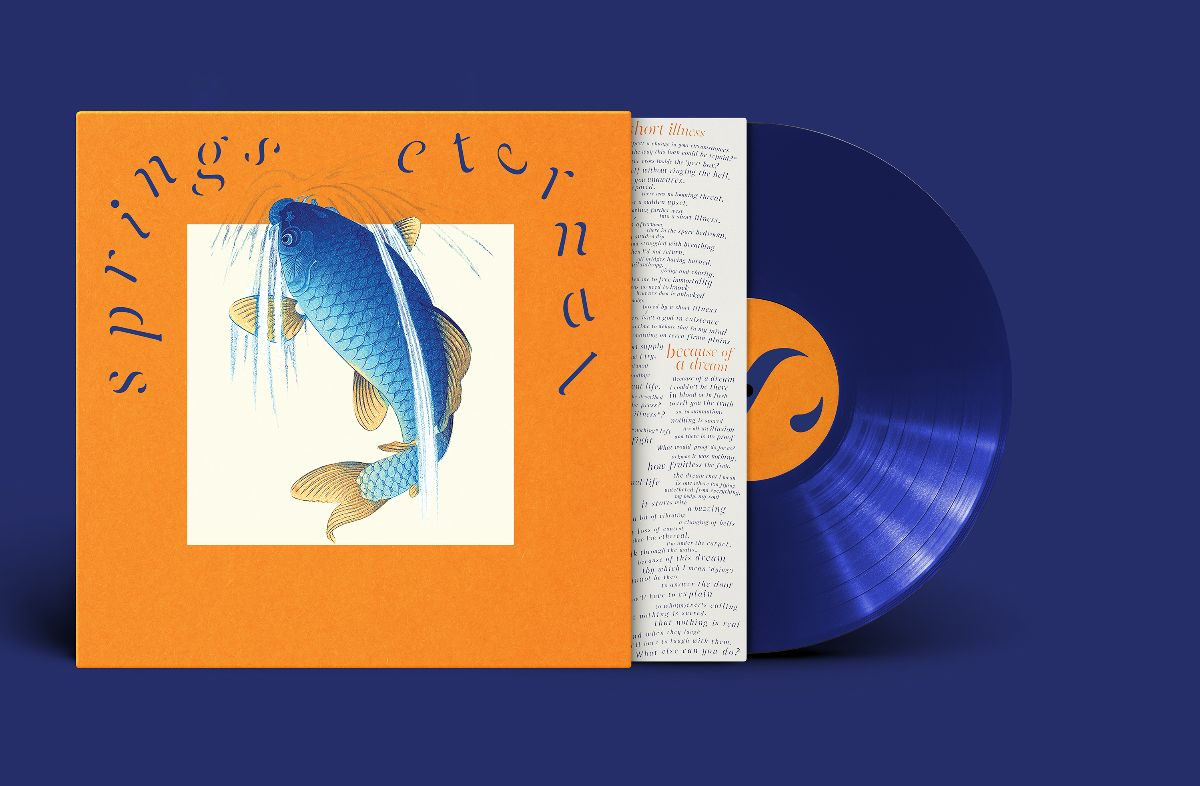
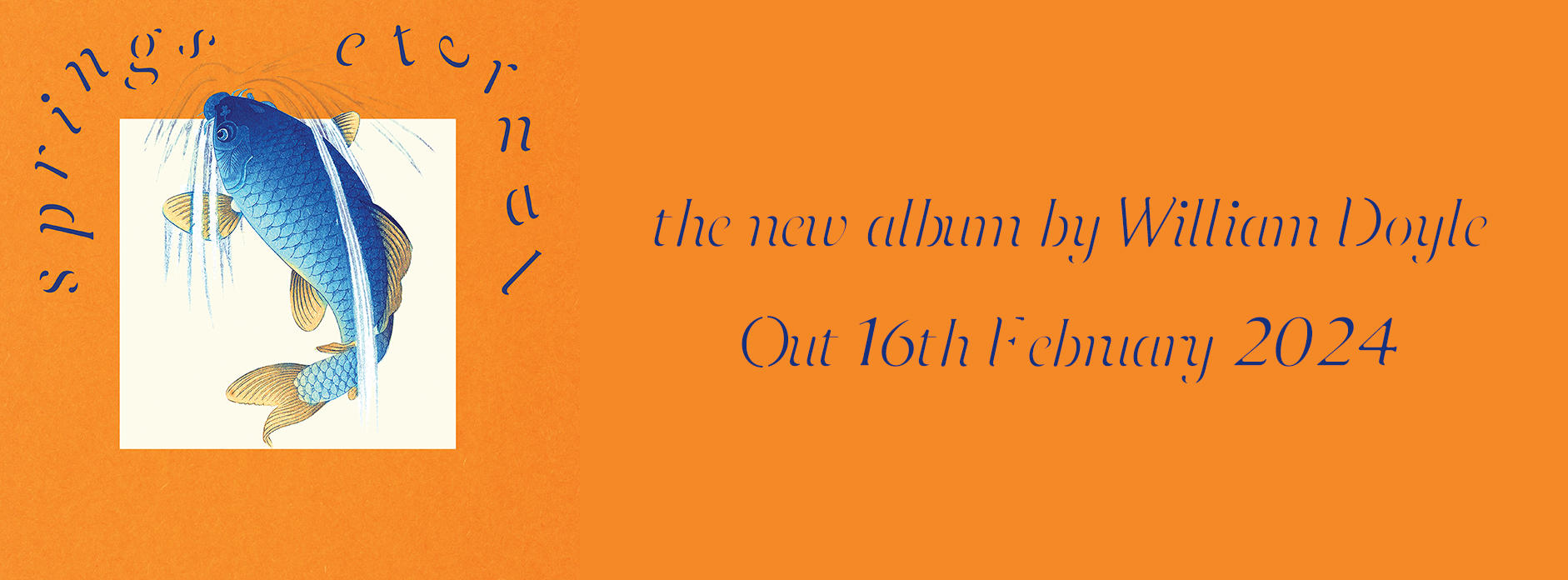
Serving up art-pop for the anthropocene, “Springs Eternal” is the Mercury-nominated, critically acclaimed artist William Doyle’s most ambitious and most playful creation to date. Taking a panoramic view of the ecstasies and agonies of life in the 2020s, the record asks how we exist as fragile flesh and blood – our hearts beating and our minds racing – in an unprecedented, almost unimaginable time of runaway climate destruction and technological expansion.
“Springs Eternal” presents a strange and thrilling cast of characters – from cowboys to castaways – who just might be Doyle, once or twice removed. “Most of the songs are in the first-person, but rather than being autobiographical, I was trying to imagine hyperreality versions of myself,” Doyle says. “What if decisions I made in my life had resulted in the self of each particular song? How many degrees of separation am I from those realities? It’s a frightening thought, and frightening thoughts often make for good songs.”
Across 11 tracks, we hear from narrators teetering on the precipice of global disaster, heartbreak, addiction, indoctrination and mental illness, until they pass into the great unknown. The lyrics, by turns earnest and ironic, upfront and allegorical, are paired with infectious melodies and often outright swagger. Co-produced by indie superproducer Mike Lindsay (Tunng, LUMP) at his MESS studio in Margate, we hear the siren song of the sea washing around pulsating electronics and stirring instrumentation, featuring contributions from musicians Alexander Painter, Genevieve Dawson and Brian Eno.
A recurring theme of water and flooding runs through the record, alluding simultaneously to the global climate crisis and the deluge of overwhelm these parallel-universe Williams are experiencing. “It wasn’t until we were mixing the record that I realised how many water references there are,” Doyle says. “I guess there’s a fluid border between our inner selves and the outside world that allows things to flood in, in unstoppable or perhaps irresistible ways.”
New single, ‘Relentless Melt’, the second song to be made available from the record following the release of ‘Surrender Yourself’ last month.
“Springs Eternal” is the next chapter in the William Doyle sonic odyssey that began with his incarnation as East India Youth (Total Strife Forever, 2014; Culture of Volume, 2015) and developed under his own name, producing the critically acclaimed records “Your Wilderness Revisited” (2019) and “Great Spans of Muddy Time” (2021). Alongside his own output, Doyle recently produced Anna B Savage’s celebrated debut album “A Common Turn” (2021) and plays in Orlando Weeks’ band both live and on his upcoming record.
Evan Dando’s The Lemonheads cast a long shadow contrasting the emotion of life’s inevitability. The band have a brand new single, The Lemonheads release ‘Fear Of Living’ on November 15th on Fire Records.
A reflective upbeat slice of perfect pop with a grittier Evan at the helm and a riff that’s plucked from the very heart of rock ‘n’ roll. Playing all the instruments on the recording, the new single was recorded and produced by Apollo Nove at A9 Audio in São Paulo, Brazil. Evan is also currently working on the first Lemonheads songs since 2006.
‘Fear Of Living’ was written by the late Dan Lardner of QTY and Evan Dando. Dan was a close friend of Evan’s who passed in June of 2023.
“I met with Dan in 2022, he sent me ‘Fear Of Living’, I added some riffs and things, and he said he liked it. I shall miss you, Dear Prince, ever the most dignified person in the room.”
Seeing out 2023 with three special live dates at The Space in Chicago, they revisit ‘It’s A Shame About Ray’ and ‘Come On Feel The Lemonheads’ before a special New Year’s Eve Extravaganza. Following that, Evan will embark on a 5-week solo US tour in February.
A limited edition seven-inch vinyl will be exclusively released November 15th, 2023