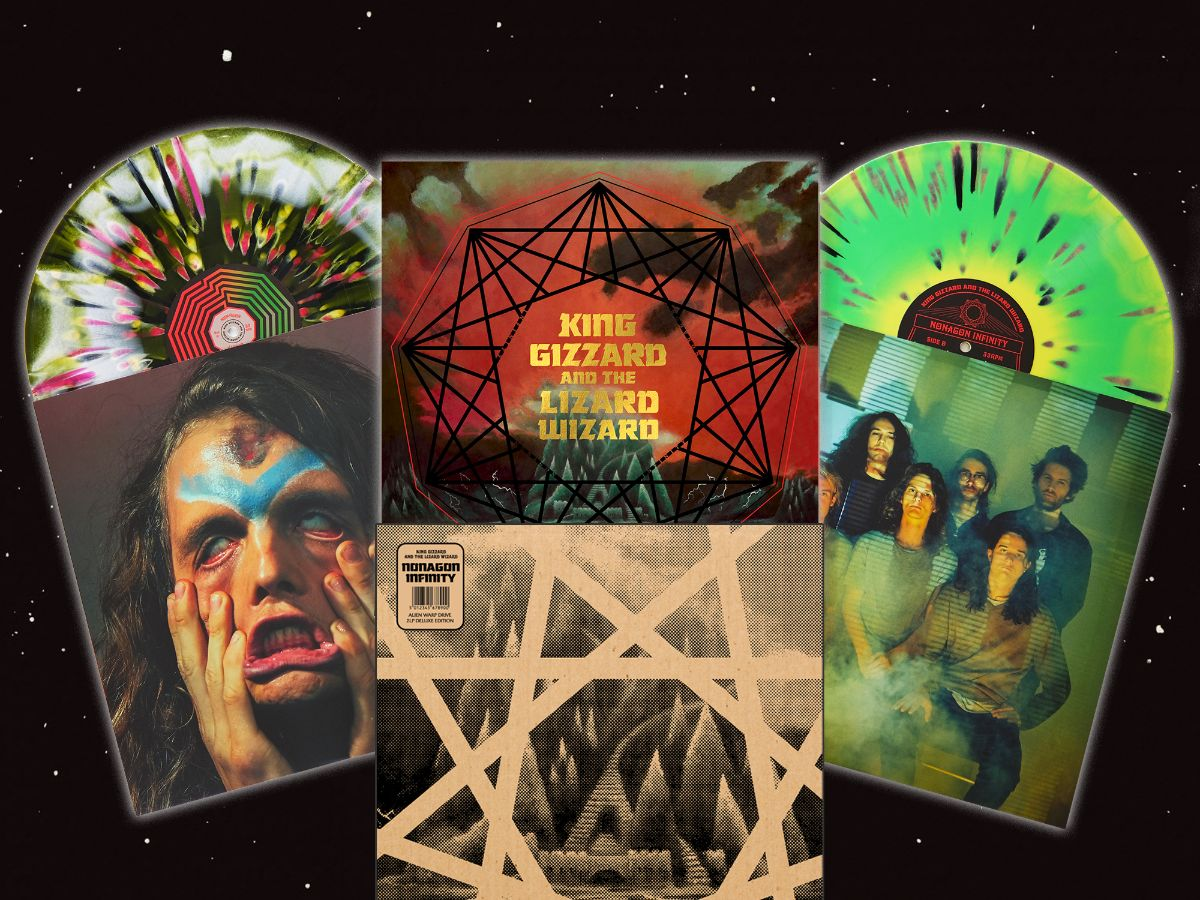
“Nonagon Infinity” opens the door and never closes it on the world’s first infinitely looping album. Each of its nine complex and blistering tracks flow seamlessly into the next, with the final song linking straight back into the top of the opener like a sonic Möbius strip. The album is a tour de force of relentless garage-rock with Pitchfork calling it “their most ballistic, berserker album to date, a merciless atomic-bomb.” “Nonagon Infinity” is both an exhilarating shot of adrenaline and a remarkable feat of craftsmanship, the result of painstaking planning and an eye for detail years in the making.
Available today for the first time on deluxe 2xLP vinyl shipping now.
Disc 1: A-side/B-side swamp green & bone w/magenta, mustard, & black splatter Disc 2: A-side/B-side doublemint green & Easter yellow w/red & black splatter
• The original album + bonus LP featuring 10 demos • Embossed gatefold jacket with gold foil stamp • 24” x 36” fold-out poster • Additional inner-sleeve art w/unreleased band photos • Outer cardboard sleeve w/artwork by Jason Galea
“Nonagon Infinity” opens the door to a new dimension on the world’s first infinitely looping album, a tour de force of merciless garage rock now available for the first time on deluxe vinyl.
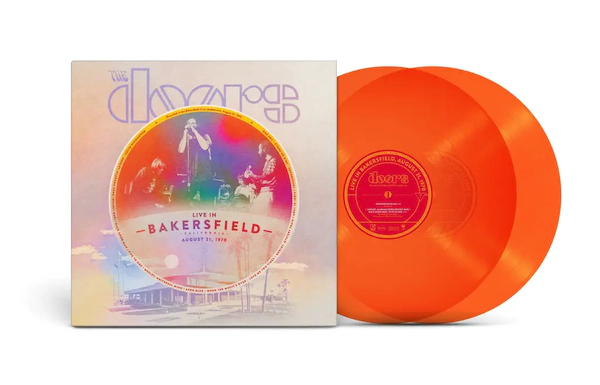
The Doors – “Live In Bakersfield”, August 21st, 1970, Relive One Of The Most Sought-After Unreleased Live Shows Of 1970, Now Available For The First Time. Recorded at the Bakersfield Civic Auditorium on August 21st, 1970. ~ For An Audience Member Watching The Concert Unfold, It Probably Seemed Like The Doors Had Rehearsed Everything, But Many Of That Night’s Lyrical And Musical Twists And Turns Had Never Been Discussed By The Band, Let Alone Rehearsed. Odds Are The Band Didn’t Even Have a Setlist.
“Now, the subject of this song is something all of you have seen one time or another. It’s an old roadhouse. We’re down in the South, or in the Midwest, or maybe on the way to Bakersfield. And we’re, we’re driving a ’57 Chevy to an old roadhouse. Can you dig it?” – Jim Morrison, Elektra Studios, 1970
Rhino continues their deep dive into poet/howler Jim Morrison and company’s rich, rare live catalogue with this never-before-released date. What’s most interesting about Bakersfield, and many of The Doors’ 1970 live shows, is that they had no fucks left to give, and proved as much by turning their usual material—from “Love Me Two Times” to medleys such as “Mystery Train”/“Away in India”/“Crossroads”—into blaring, mantra-like ragas tinged with improvisational free-blues riffs.
Recorded June 5th, 1970 • First official release • Includes the song “Someday Soon” that was only performed live 1. Intro/Adolf Hitler (Poem) 2. Roadhouse Blues 3. Someday Soon/Harvest Moon 4. Mystery Train/Train Coming Round The Bend 5. Break On Through 6. Five To One 7. Backdoor Man/Willie Dixon 8. The End 9. When The Music’s Over.
Recorded On a Two-track Reel-to-reel Recorder at 33 ¾ IPS With Microphones Inconspicuously Placed On The Stage By Road Manager Vince Trainer.
Limited Edition of 12,500 numbered copies on 2-LP 140-gram Transparent Orange vinyl Limited Edition of 12,500 copies on 2-CD One of the most sought-after unreleased live shows of 1970, released for the first time.
Following the release of his sophomore album, NoahKahan continued to write and record, unlocking a new level of himself as an artist and songwriter. Rife with fluttering guitar melodies, inviting vocals, and homey imagery of the Northeast on the verge of changing seasons, it represents a massive turning point for him. Kahan’s relationship with his career was altered, his conviction for storytelling and a pursuit of a more organic sound that aligned with the folk music of his upbringing had firmly arrived.
If you know me at all you know this collaboration is something very deeply special and important to me. I used to sit down at the table with my guitar and just try to capture a fraction of the emotion and beauty that hozier encapsulates in each song he writes. It never quite worked, but each song was better for trying. To have one of my heroes performing this song with me is something I’ll tell my grandkids, or at least my next dog. Northern Attitude (with Hozier) is out now.
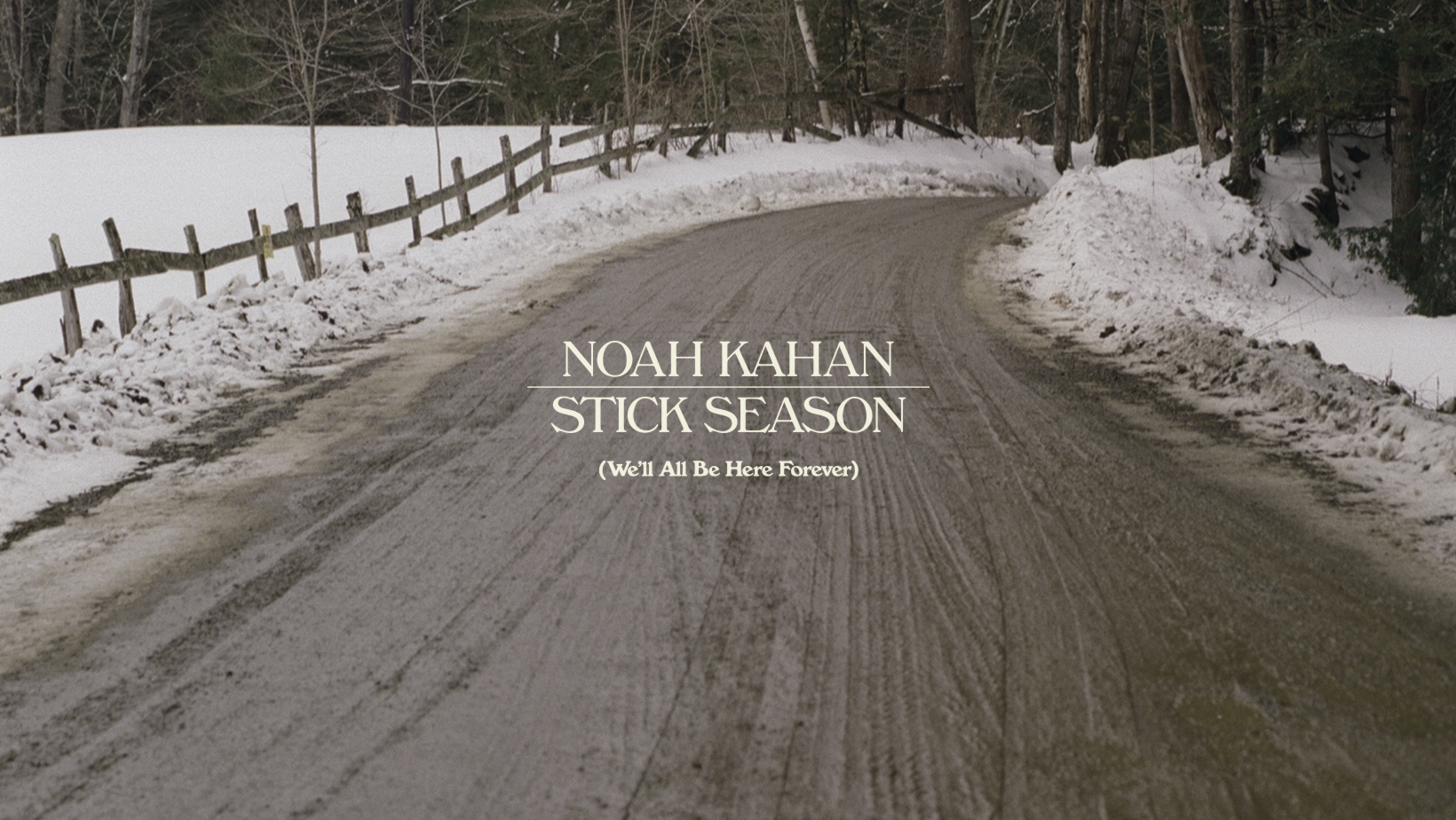
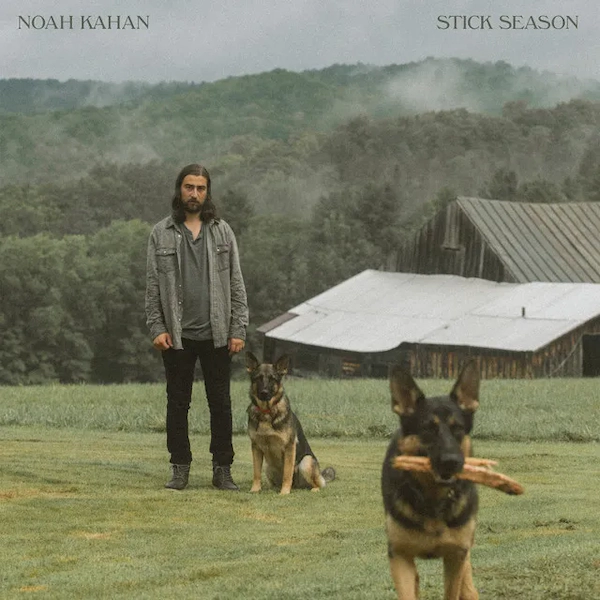
The third studio album from the Vermont singer-songwriter Noah Kahan. After five years of critical acclaim, global touring and numerous collaborations, Noah returned to his Vermont roots and sought a more organic style of writing and arrangement, a challenge from within to convey a vivid representation of what he loves, fears and struggles with most passionately. Available here on vinyl. 2023, through Mercury Records/Republic/Republic Records.
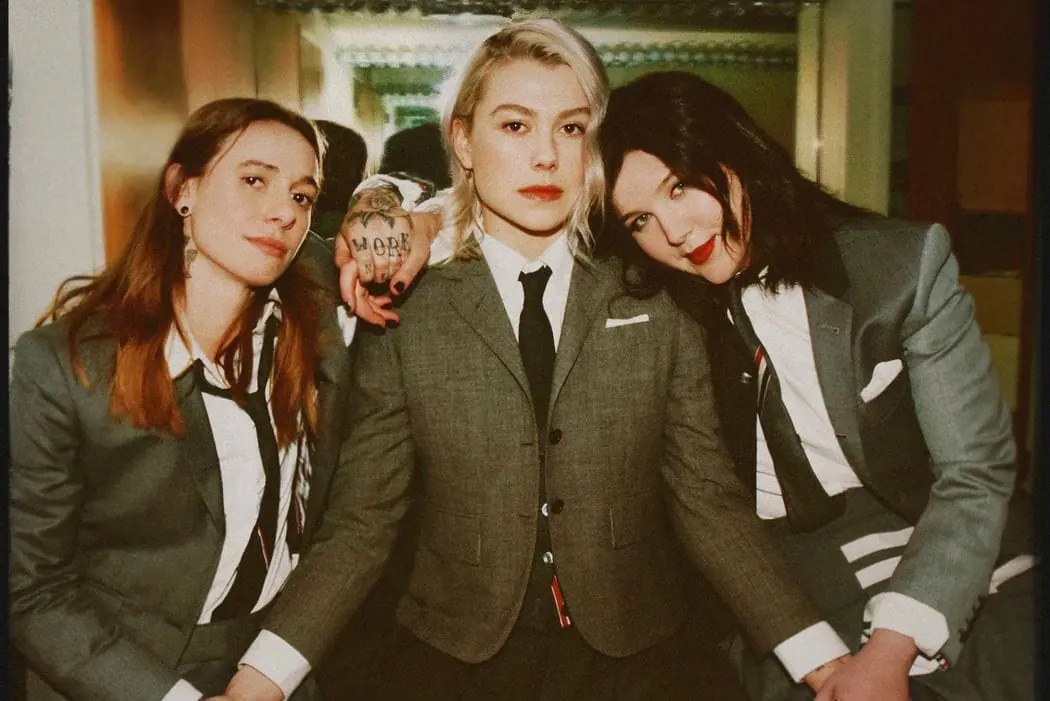
Phoebe Bridgers continues her tradition of releasing benefit tracks for the holidays with this rendition of traditional gathering song “The Parting Glass” in tribute to Sinéad O’Connor, which her boygenius bandmates Lucy Dacus and Julien Baker join her on, along with Irish folk duo Ye Vagabonds.
“The Parting Glass” with Ye Vagabonds is out now. As chosen by Sinead O’Connor’s estate, proceeds will go to the Aisling Project, an after-school project working with children and young people growing up in a disadvantaged area in Dublin, Ireland:
What’s better than a new Mo Troper album? A new Mo Troper album of Jon Brion covers, of course. The Portland producer, singer/songwriter and multi-instrumentalist has unveiled “Troper Sings Brion” (fit with an incredible album cover-homage to Harry Nilsson), a reimagining of Brion’s demos and gems that aren’t easy accessible on streaming or elsewhere on the internet. Troper did his digging and put his own spin on the tracks he did find.
Lead single “Citgo Sign” has his classic magic while still carrying all of the charisma that Brion effortlessly exudes. The OG sketch of dream pop goodness is fashioned into a jangly tune reminiscent of the Byrds’ first few records. It wouldn’t be a Mo Troper album if it wasn’t drenched in power-pop gloss, as soaring guitars and his worn-in tenor vocal (that flirts with the pearls of a vintage falsetto) take underloved rarities and make them into contemporary powerhouses you won’t be able to stop yourself from playing over and over.
With “For You To Sing” still lingering in our souls, the brilliance of Diners’ DOMINO, a new Bory record on the way and this absolute darling, Mo Troper has had one hell of a year. And if anyone’s gonna outplay Brion, I think we’ve found our man.
My album “Troper Sings Brion” comes out today, a collection of rare/unreleased/unrecorded songs by the legendary (and legendarily inaccessible) producer, songwriter and guitar hero, Jon Brion.
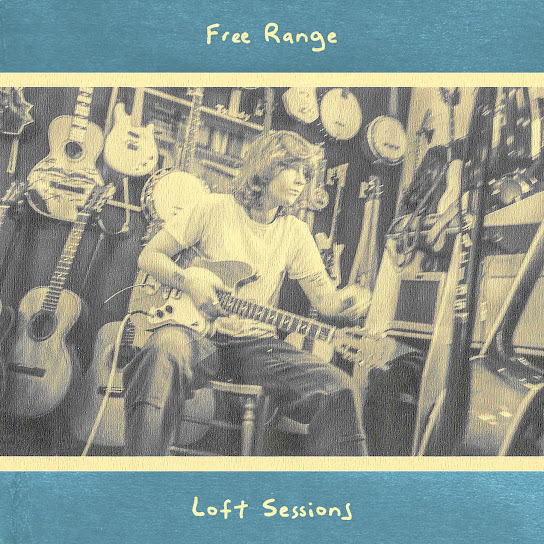
Earlier this year, Free Range the project of Chicago singer/songwriter Sofia Jensen—released their debut album, “Practice”. It was a solemn, sublime and stirring LP with brilliant tracks like “Want To Know,” “Growing Away” and “All My Thoughts” that quickly established Jensen as one of the brightest up-and-coming lyricists working right now and a crucial fixture of Chicago’s DIY scene. The work is intimate and spiritual, as they muse on trying to find closure with a lost loved one, on trying to, finally, move on from heartache for good. “I’m watching your past collide with mine,” Jensen sings. “Ride home on the 96th, avoid the trading glances down the aisle. But I can’t stop fading out of your view.” Loft Sessions” arrives like the perfect bridge between “Practice” and whatever is destined to come next for Free Range.
Their new EP, “Loft Sessions”, finds them performing two stripped-down tracks from “Practice” along with three new tunes—”The Moon,” “Way Out” and “Nothing”—and a cover of Townes Van Zandt’s “Tecumseh Valley.”
The record was recorded at Wilco’s storied studio and finds Jensen giving these songs a second life with even more nuance than before. It’s a real reward watching such emotionally dense compositions become even more touching months after hearing them for the first time. Lead single “The Moon” is sparse yet captivating, as it’s just Jensen, their guitar and a streamlined pedal steel undercurrent.
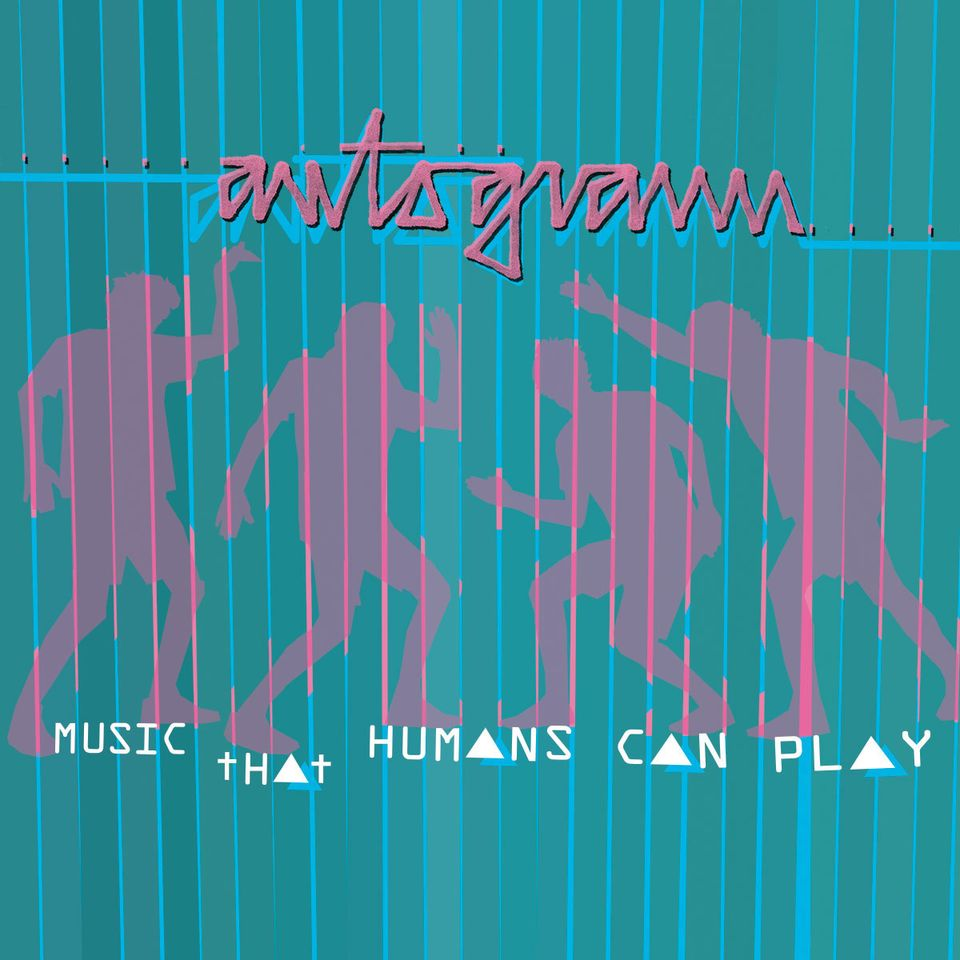
“Music that Humans Can Play” is a breezy collection of up-tempo songs and big melodic hooks. Opener “Born Losers” starts off with thrumming synths that burst into a prismatic spray of musical confetti fit for a roller-rink open skate. Synths carry the blocky arrangement on the angular “Why Do We Dance,” and a jumble of surging electronics powers the rambunctious “Westbound.” Elsewhere, guitars reign: the riff on “Love Is for Fools” is the heart of the track, while speedy fuzz-tone power chords and a bounding bassline form a firm foundation for synthesizers and, for some reason, honking car horns on “Plastic Punx.”
Though the songs on “Music that Humans Can Play” are unfailingly catchy, it’s sometimes tricky to get beneath the surface. It’s possible that’s because there isn’t actually much under the surface of these tunes. That’s not a knock against Autogramm—it actually feels like it’s the point.
The group gives every indication that they’re knocking out music for the sheer fun of it, on songs that are meant for right now. What happens later? Easy: just start “Music that Humans Can Play” again from the top.
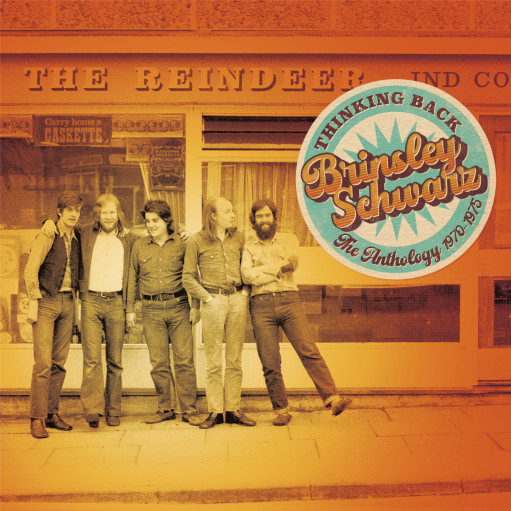
Brinsley Schwarz didn’t invent pub rock, but they did define the genre that paved the way to punk in the mid-’70s. A seven-disc box set that effectively acts as the band’s complete recorded works — there are surviving live tapes circulating elsewhere, but this has all the studio material — “Thinking Back: The Anthology 1970-1975” charts their journey from tentative folk-rockers bearing an evident debt to CSNY to boisterous house rockers anchored by the pure pop smarts of Nick Lowe.
Although Lowe would later come to fame — his big hit “Cruel to Be Kind” was first attempted by the Brinsleys on “It’s All Over Now”, a scrapped 1975 album included here — the songwriter wasn’t quite the group’s leader: it was named after lead guitarist Brinsley Schwarz, and guitarist/vocalist Ian Gomm also contributed tunes and vocals.
That collective spirit is evident throughout “Thinking Back”, whether it’s on the goofy, earnest material styled after the Band or on the rollicking, funny rockers that kept them flying high through the 1970s. Once they met Dave Edmunds, he streamlined and hardened their sound, resulting in a radio-ready record that never found the radio. Instead, its opening track, Lowe’s “(What’s So Funny ‘Bout) Peace, Love and Understanding,” was turned into a standard by Elvis Costello, the band’s number one fan, which helped cement Brinsley Schwarz’s legacy as progenitors of punk. This set shows they’re more than a historical footnote: they made wonderful, openhearted rock & roll that still sounds robust and raucous years later.
Comprehensive 7CD clamshell box set that contains all of the original six albums as well as the ‘It’s All Over Now’ album that was recorded in 1975 but not released until 1988. Also included are unreleased tracks from the Warner vaults as well as live recordings and rarities from band member Ian Gomm who is also providing a mass of rare/unseen images from his archive as well as contributing to the sleeve notes.
CD1 features the band’s eponymous debut album as well as three previously unreleased tracks from the Warner vaults and rare studio recordings from Ian Gomm’s archive.
CD 2 features the band’s sophomore album ‘Despite It All’ that is accompanied by live tracks recorded at The Roundhouse in London in 1972.
CD 3 features the band’s third album ‘Silver Pistol’ and also has three rare tracks that were recorded for the album but didn’t make the final cut, there is also more live recordings from The Roundhouse in 1972.
CD 4 features the band’s fourth album ‘Nervous On The Road’ and also has live recordings from Amsterdam in 1972, Paris in 1973 and more from The Roundhouse in 1972.
CD 5 features the band’s fifth album ‘Please Don’t Ever Change’ as well as singles recorded as The Hitters and Limelight, along with live recordings from Newcastle in 1973 and Cardiff in 1974.
CD 6 features the band’s final official album ‘The New Favourites Of Brinsley Schwarz’ which includes one of Nick Lowe’s most famous songs ‘(What’s So Funny ’Bout) Peace, Love And Understanding’, with bonus live tracks from gigs in Sheffield, Tilburg and Cardiff, all in 1974.
CD 7 features the album ‘It’s All Over Now’, recorded in 1975 but not released until 1988. Bonus material includes the band’s last ever single, billed as The Brinsleys as well as live recordings from Groningen in 1975 as well as Koln in March 1975, recorded just nine days before the band broke up.
Remembered today mostly as the band that gave Nick Lowe his start, these British pub-rockers sizzled onstage. This 7-CD set tells their story.
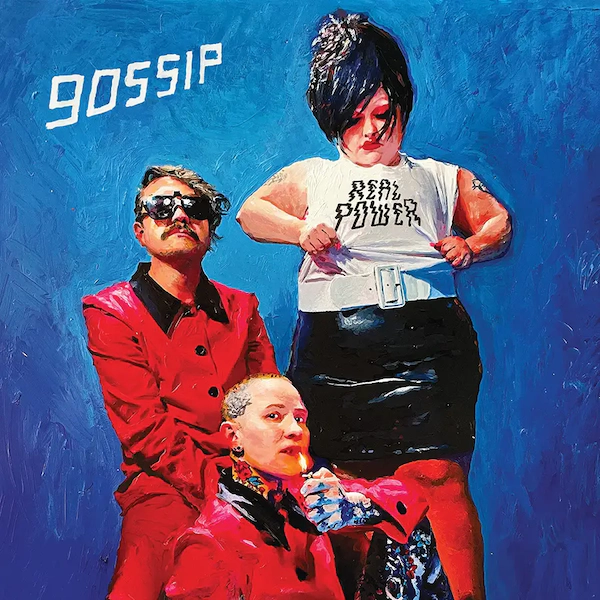
Beloved, Portland pop / indie-rock trio Gossip returns with “Real Power”, their first album in 14 years. The album marks a reunion with acclaimed producer Rick Rubin, who helmed the band’s pivotal 2009 album “Music For Men”. Rubin coaxed the band started recording in 2019 after completing a tour for the ten-year anniversary of “Music For Men”. Recorded at Rubin’s home studio in Kauai, the process was temporarily halted by the pandemic and resumed when restrictions lifted. The result is an 11-track celebration of the galvanizing might of music, the joy of creative expression, and the power of chosen family in the aftermath of collective and personal trauma.
The timing is ripe for a Gossip reunion, and “Real Power” heralds a new maturity and renewed sense of purpose for the trio. “When we began, so much about Gossip was about running away—that was always in the music,” says Ditto. “We survived. We came from nothing, and we got the fuck out of there. And to be here 20 years later and still making music together is just incredible.”
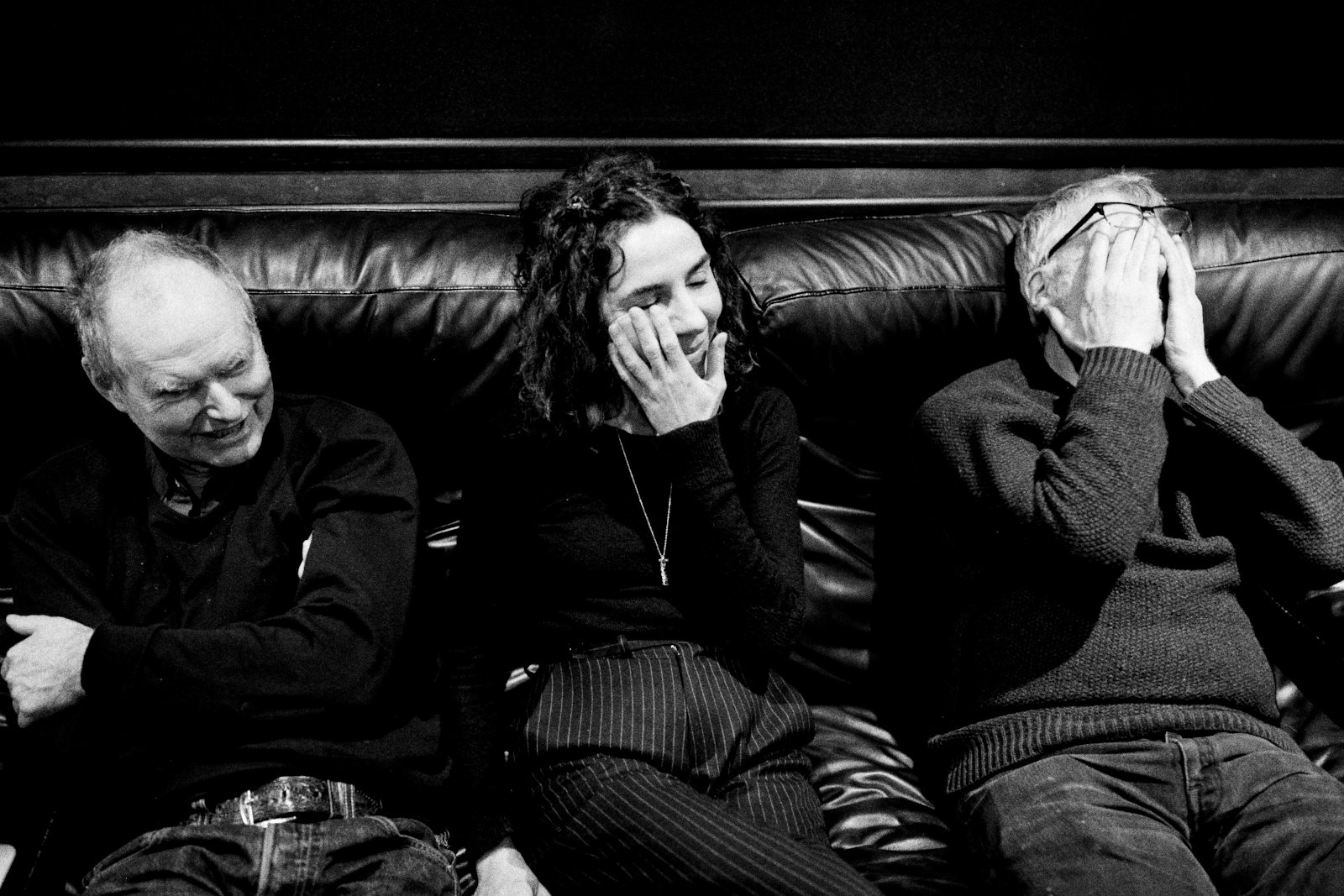
PJ Harvey and collaborators John Parish (on electric guitar, drums, and vocals) and God Unknown Artist James Johnston (on keys, acoustic guitar, violin, and vocals) did a new NPR Tiny Desk concert to support new album “I Inside the Old Year Dying”. They delivered understated but haunting performances of four of the album’s tracks, “I Inside the Old I Dying,” “A Noiseless Noise,” “A Child’s Question, August” and “I Inside the Old Year Dying,” with Parish and Johnston providing minimal instrumentation and harmonies. After those, they also played the title track of 2007’s “White Chalk”.
Polly Harvey has inhabited many characters throughout her 30-year career and always dressed the part: catsuit-rocking glam queen, high-collared Victorian wraith, mini-skirted libertine, feather-adorned warrior. Bringing the story told in her latest album, “I Inside the Old Year Dying” to the Tiny Desk, she stands at the microphone in a draped dress the wintry colour of a grey alder tree, designed by her long time costumier Todd Lynn. Its torn elegance perfectly suits the dual role she plays in these gently ferocious songs, which originated in her novel-in-verse, Orlam. As she lets loose her inimitable razor-sharp alto, she becomes both Ira-Abel, the child who, in the aftermath of an assault, merges with the forest around her Dorset, England, home, and of the bard whose verses keep that shepherd girl alive after her vanishing.
Harvey keeps her gestures minimal as she sets her scenes and speaks through them. Matching her voice to those of her trusted collaborators John Parish and James Johnston as they invoke the forest’s ghosts — the “chalky children of evermore” — she lets the fecund imagery of her lyrics resonate. At times the crowd seems stunned into silence; after her lament for Ira-Abel, “A Noiseless Noise,” concludes with the notes from her acoustic and Parish’s electric guitar intertwining, she coolly waits out a gap before the applause and hoots of appreciation arrive.
This is where Harvey lives as a fully realized artist: on her own artistic plane, inviting listeners to take their time to fully join her. Ending with the heart-rending lonesome title track from 2007’s “White Chalk”, she connects Ira-Abel’s story to her lifelong project of expressing women’s solitude, pain and resistance. Exploring how human boundaries can shatter, reassert themselves or be rendered irrelevant, these songs create a contained space that echoes far beyond itself.
SET LIST “I Inside the Old I Dying” “A Noiseless Noise” “A Child’s Question, August” “I Inside the Old Year Dying” “White Chalk”
MUSICIANS PJ Harvey: vocals, acoustic guitar James Johnston: keys, acoustic guitar, violin, vocals JohnParish: electric guitar, drums, vocals